Tom Carney        Colleen Clay
Brian Dale        Yolanda Domneys
Keith Giarrusso   Bonitta Stearns-Churchill
What is Green/Sustainable Development?
   The practice of
   • increasing the efficiency with which buildings and
     their sites use energy, water and materials, and
   • reducing building impacts on human health and
     the environment, through better siting, design,
     construction, operation, maintenance, and removal
     – the complete building lifecycle.
Why Green?
National (HUD) Perspective
 No Requirement for “Green” but it
 does relate to HUD’s Policy Priorities
 Build’s on HUD’s 21-Point Energy
 Action Plan
 “Green/Sustainable Building” is part of
 the future of affordable housing.
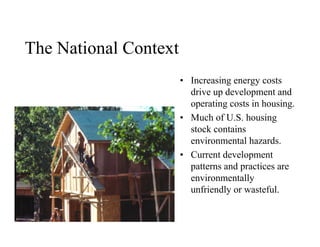
The National Context
                       • Increasing energy costs
                         drive up development and
                         operating costs in housing.
                       • Much of U.S. housing
                         stock contains
                         environmental hazards.
                       • Current development
                         patterns and practices are
                         environmentally
                         unfriendly or wasteful.
Sponsorship
• Office of Native American Programs
  (ONAP)
• $95,000 to implement Green Building
  Tribal Assessments and Workshop
• Deputy Assistant Secretary Rodger Boyd
• NWONAP Administrator Ken Bowring
Model Approach
• HUD leadership team • Assessment of existing
  outlines project         sustainable or ‘green
  opportunities and        building practice’
  constraints            • Selection of model
• ONAP funds Green         programs and
  Building pilot program   outcomes
  providing technical    • Conference to
  support and assistance   disseminate
                           information
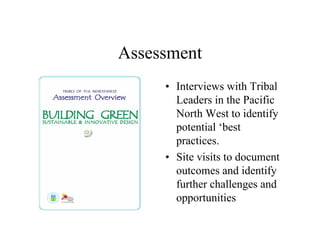
Assessment
     • Interviews with Tribal
       Leaders in the Pacific
       North West to identify
       potential ‘best
       practices.
     • Site visits to document
       outcomes and identify
       further challenges and
       opportunities
HUD ONAP
     BUILDING GREEN
Sustainable & Innovative Design Strategies
      for the Tribes of the Northwest
Little Creek Casino, Shelton, Washington
             July 11 -13, 2006
Workshop Content
•   Community and Site Planning
•   Renewable Energy
•   The Building Envelope
•   Energy Efficiency
•   Efficient Water Use
•   Indoor Environmental Quality
•   Materials
•   Operations & Maintenance
•   Construction Waste Management Practices
•   Tribal Examples
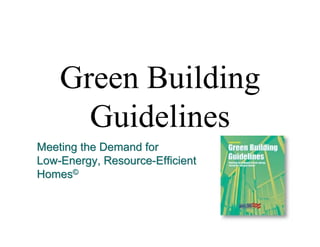
Green Building
      Guidelines
Meeting the Demand for
Low-Energy, Resource-Efficient
Homes©
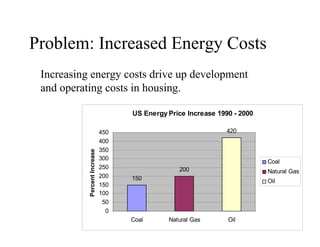
Problem: Increased Energy Costs
 Increasing energy costs drive up development
 and operating costs in housing.

                                    US Energy Price Increase 1990 - 2000

                              450                               420
                              400
                              350
           Percent Increase


                              300
                                                                           Coal
                              250                200                       Natural Gas
                              200   150                                    Oil
                              150
                              100
                               50
                                0
                                    Coal      Natural Gas       Oil
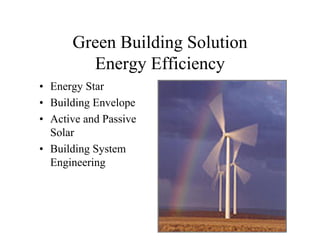
Green Building Solution
        Energy Efficiency
• Energy Star
• Building Envelope
• Active and Passive
  Solar
• Building System
  Engineering
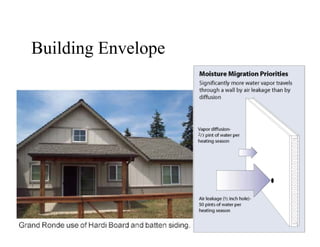
Building Envelope
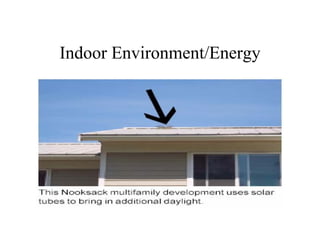
Indoor Environment/Energy
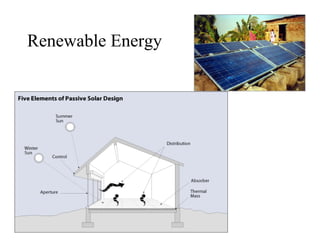
Renewable Energy
Green Building Solution
Reduced Operating Costs
            • Site planning
            • Optimized Operations
              and Maintenance
            • Energy Star
            • Water Saving
              Plumbing Fixtures
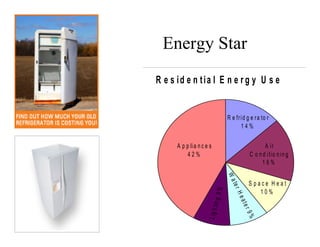
Energy Star
R e s id e n tia l E n e r g y U s e


                                      R e fr i d g e r a to r
                                             14%

      A p p li a n c e s                                 A ir
           42%                                    C o n d i ti o n i n g
                                                        16%


                                      Wa
                                                  S pace Heat


                                        te r
                                  %
                                                      10%


                                          He
                           in g 9


                                            ate
                      L ig h t


                                               r 9%
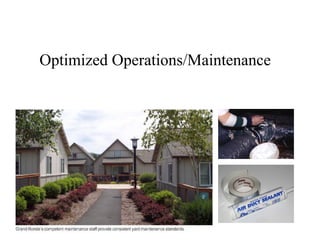
Optimized Operations/Maintenance
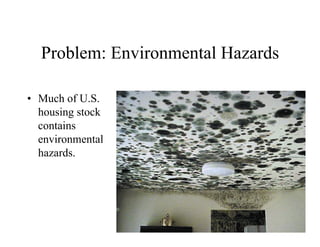
Problem: Environmental Hazards

• Much of U.S.
  housing stock
  contains
  environmental
  hazards.
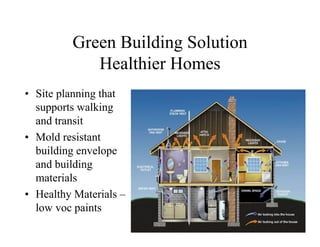
Green Building Solution
            Healthier Homes
• Site planning that
  supports walking
  and transit
• Mold resistant
  building envelope
  and building
  materials
• Healthy Materials –
  low voc paints
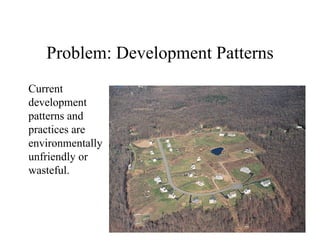
Problem: Development Patterns
Current
development
patterns and
practices are
environmentally
unfriendly or
wasteful.
Green Building Solution
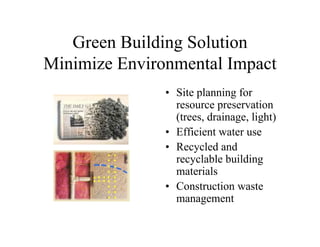
Minimize Environmental Impact
               • Site planning for
                 resource preservation
                 (trees, drainage, light)
               • Efficient water use
               • Recycled and
                 recyclable building
                 materials
               • Construction waste
                 management
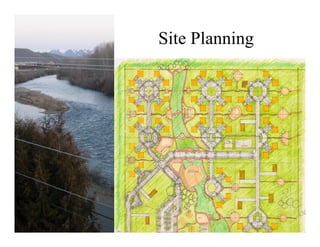
Site Planning
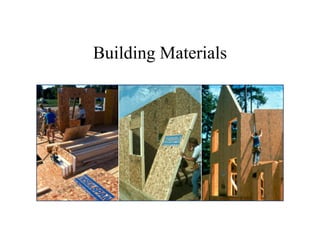
Building Materials
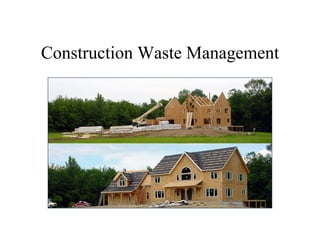
Construction Waste Management
Methods for Green Building
• Use of sustainable building materials that emit
  fewer health-endangering toxins, such as
  carpets, paints, and mold-resistant materials.
• Use of water- and energy-conserving fixtures
  and appliances.
• Site selection that integrates into the natural
  environment and promotes healthy living.
• Owner and resident training and education.
Lessons Learned
• Green Building practices can be applied at
  all stages of the development process
• Green Building Practices bring more
  funding partners and equity to the housing
  market.
• Green Building has become a viable
  economic practice with multiple examples
  in affordable housing
Next Steps/Call to Action
• Disseminate best          • Promote Interagency
  practices among             coordination
  ONAP regions by           • Implement green
  replicating the             building practices in
  conference model            appropriate HUD
• Incorporate green           funded programs and
  building practices into     projects
  Healthy Homes
  training
Thank You/Questions

Green Building Final Presentation

  • 1.
    Tom Carney Colleen Clay Brian Dale Yolanda Domneys Keith Giarrusso Bonitta Stearns-Churchill
  • 4.
    What is Green/SustainableDevelopment? The practice of • increasing the efficiency with which buildings and their sites use energy, water and materials, and • reducing building impacts on human health and the environment, through better siting, design, construction, operation, maintenance, and removal – the complete building lifecycle.
  • 5.
    Why Green? National (HUD)Perspective No Requirement for “Green” but it does relate to HUD’s Policy Priorities Build’s on HUD’s 21-Point Energy Action Plan “Green/Sustainable Building” is part of the future of affordable housing.
  • 6.
    The National Context • Increasing energy costs drive up development and operating costs in housing. • Much of U.S. housing stock contains environmental hazards. • Current development patterns and practices are environmentally unfriendly or wasteful.
  • 7.
    Sponsorship • Office ofNative American Programs (ONAP) • $95,000 to implement Green Building Tribal Assessments and Workshop • Deputy Assistant Secretary Rodger Boyd • NWONAP Administrator Ken Bowring
  • 8.
    Model Approach • HUDleadership team • Assessment of existing outlines project sustainable or ‘green opportunities and building practice’ constraints • Selection of model • ONAP funds Green programs and Building pilot program outcomes providing technical • Conference to support and assistance disseminate information
  • 9.
    Assessment • Interviews with Tribal Leaders in the Pacific North West to identify potential ‘best practices. • Site visits to document outcomes and identify further challenges and opportunities
  • 10.
    HUD ONAP BUILDING GREEN Sustainable & Innovative Design Strategies for the Tribes of the Northwest Little Creek Casino, Shelton, Washington July 11 -13, 2006
  • 11.
    Workshop Content • Community and Site Planning • Renewable Energy • The Building Envelope • Energy Efficiency • Efficient Water Use • Indoor Environmental Quality • Materials • Operations & Maintenance • Construction Waste Management Practices • Tribal Examples
  • 12.
    Green Building Guidelines Meeting the Demand for Low-Energy, Resource-Efficient Homes©
  • 13.
    Problem: Increased EnergyCosts Increasing energy costs drive up development and operating costs in housing. US Energy Price Increase 1990 - 2000 450 420 400 350 Percent Increase 300 Coal 250 200 Natural Gas 200 150 Oil 150 100 50 0 Coal Natural Gas Oil
  • 14.
    Green Building Solution Energy Efficiency • Energy Star • Building Envelope • Active and Passive Solar • Building System Engineering
  • 15.
  • 16.
  • 17.
  • 18.
    Green Building Solution ReducedOperating Costs • Site planning • Optimized Operations and Maintenance • Energy Star • Water Saving Plumbing Fixtures
  • 19.
    Energy Star R es id e n tia l E n e r g y U s e R e fr i d g e r a to r 14% A p p li a n c e s A ir 42% C o n d i ti o n i n g 16% Wa S pace Heat te r % 10% He in g 9 ate L ig h t r 9%
  • 20.
  • 21.
    Problem: Environmental Hazards •Much of U.S. housing stock contains environmental hazards.
  • 22.
    Green Building Solution Healthier Homes • Site planning that supports walking and transit • Mold resistant building envelope and building materials • Healthy Materials – low voc paints
  • 23.
    Problem: Development Patterns Current development patternsand practices are environmentally unfriendly or wasteful.
  • 24.
    Green Building Solution MinimizeEnvironmental Impact • Site planning for resource preservation (trees, drainage, light) • Efficient water use • Recycled and recyclable building materials • Construction waste management
  • 25.
  • 26.
  • 27.
  • 28.
    Methods for GreenBuilding • Use of sustainable building materials that emit fewer health-endangering toxins, such as carpets, paints, and mold-resistant materials. • Use of water- and energy-conserving fixtures and appliances. • Site selection that integrates into the natural environment and promotes healthy living. • Owner and resident training and education.
  • 29.
    Lessons Learned • GreenBuilding practices can be applied at all stages of the development process • Green Building Practices bring more funding partners and equity to the housing market. • Green Building has become a viable economic practice with multiple examples in affordable housing
  • 30.
    Next Steps/Call toAction • Disseminate best • Promote Interagency practices among coordination ONAP regions by • Implement green replicating the building practices in conference model appropriate HUD • Incorporate green funded programs and building practices into projects Healthy Homes training
  • 31.