Downloaded 10 times

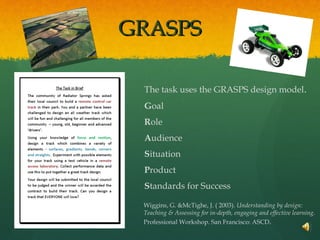
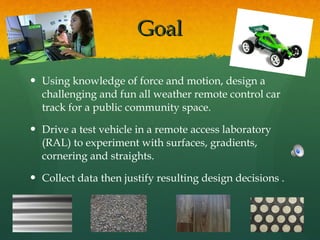
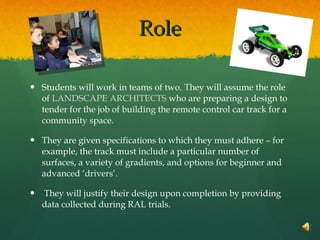
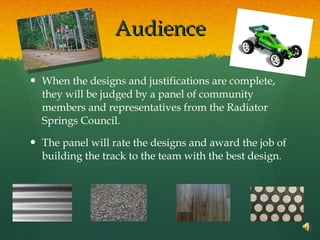
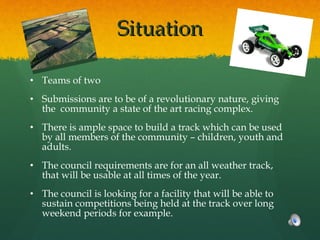
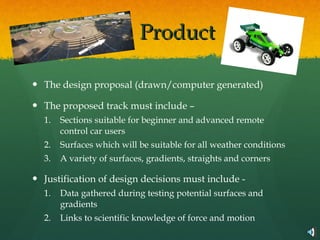
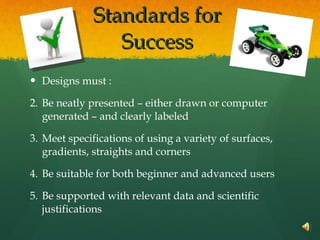

The document introduces Remote Access Laboratory (RAL) technology, which allows students to remotely control scientific equipment and perform experiments from any Internet-connected location. Some key benefits of RALs are that they provide access to sophisticated equipment not otherwise available, and support inclusive learning for students with disabilities. An example RAL inquiry task is described, where students work in teams to design an all-weather remote control car track for their community, test design elements in a RAL, and justify their design using collected data and scientific principles of force and motion.


![SCRIPT [Tostmaster] -District Super Quiz Bee 2017](https://cdn.slidesharecdn.com/ss_thumbnails/scriptfordistrictsuperquizbee2017-170829150141-thumbnail.jpg?width=640&height=640&fit=bounds)


