Democracy - Facing the Future?
Graeme Cook
Scottish Parliament Information Centre (SPICe)
@graemekcook
University of Dundee
Thursday 11 April 2013
Scottish Parliament Information Centre logo.
Facing the Future
Change in future is likely to be more
fundamental and more widespread than
anything we have known hitherto. Change to
the sea around us, change to the atmosphere
above, leading in turn to change in the world's
climate, which could alter the way we live in the
most fundamental way of all.
The evidence is there. The damage is being
done. What do we, the international
community, do about it?
She also wrote in 2002
“Whatever international action we agree upon
to deal with environmental problems, we
must enable our economies to grow and
develop, because without growth you cannot
generate the wealth required to pay for the
protection of the environment.”
Parliament and Government
• Completely different institutions
– Governments govern
– Parliaments legislate and scrutinise
• Don’t let lazy journalists conflate the two
– Westminster, Holyrood…
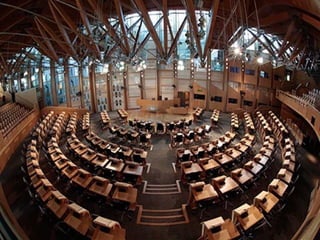
Insert photo of Scottish
Parliament
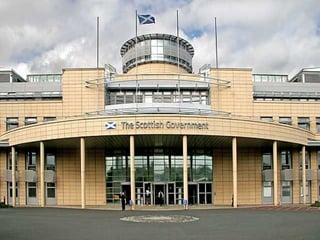
Insert photo of Scottish
Government
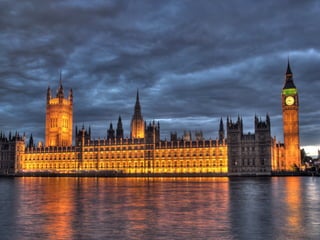
Insert photo of UK Parliament
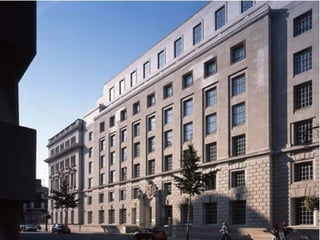
Insert photo of UK Treasury
Scottish Parliament subjects and activities
• Subjects - Health, environment, renewable
energy, economy, climate change,
tourism, education, sustainable
development, planning, transport,
housing, rural affairs, fisheries, social
care, criminal and civil justice…
• Since devolution in 1999, continuous path
of more powers being devolved – 2014?
• Activities - debates, committees,
Parliamentary Questions
Resources
• Governments have loads
• Parliaments have a lot less
• Most Parliaments around the world have
offices like mine, the Scottish Parliament
Information Centre (SPICe)
• 25 researchers, 10 information specialists
– Support the work of the committees
– Answer enquiries from MSPs
– Raise hot topics
Climate Change (Scotland) Act 2009
• Additional to/more ambitious than UK law
• Scottish Government legislation
• Detailed scrutiny undertaken by the
Scottish Parliament – considerably
strengthened the legislation
• World leading targets
– 42% reductions by 2020
– 80% reductions by 2050
– Includes international aviation and shipping
• Includes rigorous reporting requirements
Delivering on this ambition?
• 2010 – first Scottish annual target missed
• 2011 – UK figures indicate emissions up –
little headroom for Scotland
• Government required to produce a draft
Plan setting out how targets to be attained
• Parliament scrutinises over 60 days and
reports
• Government publishes revised Plan
• 2 plans so far (one currently in draft)
Scrutinising the
Government’s Plans
• Parliaments can find it tricky to consider
cross cutting issues
• First plan in 2010 – 2 committees, really
only one had a real look
• Second plan (2013) – 4 committees –
more recognition of climate change as a
cross cutting issue (also budget)
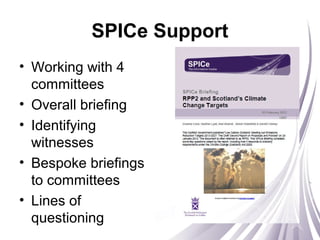
SPICe Support
• Working with 4
committees
• Overall briefing
• Identifying
witnesses
• Bespoke briefings
to committees
• Lines of
questioning
Parliament's findings
include…
• Co-ordination of the climate change
agenda in the Scottish Government could
be improved, and the Plan must change to
reflect this
• The Plan relies too heavily on more vague
proposals than actual policies
• Plan relies on “additional abatement
measures” too much
• It is unclear what changes made to make
up for the missed 2010 target
Take home messages
• Governments govern
• Parliaments legislate and scrutinise
• Parliament’s are (mostly) democratically
elected
• Therefore you should vote…
• Parliaments and Governments don’t
operate in vacuums
• So get involved if you want change
Engagement
• Get informed – what is happening in key
government departments or in
Parliament? Easy to find out (and they are
looking for solutions – do you have them?)
• Respond to government consultations or
parliamentary calls for evidence
• Go and talk to your elected
representatives
• Tell SPICe if you are doing some relevant
work! We rely on case studies
Thank you!
graeme.cook@scottish.parliament.uk
@graemekcook
www.scottish.parliament.uk
@scotparl

Graeme Cook @FTF2013

  • 1.
    Democracy - Facingthe Future? Graeme Cook Scottish Parliament Information Centre (SPICe) @graemekcook University of Dundee Thursday 11 April 2013 Scottish Parliament Information Centre logo.
  • 2.
    Facing the Future Changein future is likely to be more fundamental and more widespread than anything we have known hitherto. Change to the sea around us, change to the atmosphere above, leading in turn to change in the world's climate, which could alter the way we live in the most fundamental way of all. The evidence is there. The damage is being done. What do we, the international community, do about it?
  • 4.
    She also wrotein 2002 “Whatever international action we agree upon to deal with environmental problems, we must enable our economies to grow and develop, because without growth you cannot generate the wealth required to pay for the protection of the environment.”
  • 5.
    Parliament and Government •Completely different institutions – Governments govern – Parliaments legislate and scrutinise • Don’t let lazy journalists conflate the two – Westminster, Holyrood…
  • 6.
    Insert photo ofScottish Parliament
  • 8.
    Insert photo ofScottish Government
  • 9.
    Insert photo ofUK Parliament
  • 10.
    Insert photo ofUK Treasury
  • 11.
    Scottish Parliament subjectsand activities • Subjects - Health, environment, renewable energy, economy, climate change, tourism, education, sustainable development, planning, transport, housing, rural affairs, fisheries, social care, criminal and civil justice… • Since devolution in 1999, continuous path of more powers being devolved – 2014? • Activities - debates, committees, Parliamentary Questions
  • 12.
    Resources • Governments haveloads • Parliaments have a lot less • Most Parliaments around the world have offices like mine, the Scottish Parliament Information Centre (SPICe) • 25 researchers, 10 information specialists – Support the work of the committees – Answer enquiries from MSPs – Raise hot topics
  • 13.
    Climate Change (Scotland)Act 2009 • Additional to/more ambitious than UK law • Scottish Government legislation • Detailed scrutiny undertaken by the Scottish Parliament – considerably strengthened the legislation • World leading targets – 42% reductions by 2020 – 80% reductions by 2050 – Includes international aviation and shipping • Includes rigorous reporting requirements
  • 14.
    Delivering on thisambition? • 2010 – first Scottish annual target missed • 2011 – UK figures indicate emissions up – little headroom for Scotland • Government required to produce a draft Plan setting out how targets to be attained • Parliament scrutinises over 60 days and reports • Government publishes revised Plan • 2 plans so far (one currently in draft)
  • 15.
    Scrutinising the Government’s Plans •Parliaments can find it tricky to consider cross cutting issues • First plan in 2010 – 2 committees, really only one had a real look • Second plan (2013) – 4 committees – more recognition of climate change as a cross cutting issue (also budget)
  • 16.
    SPICe Support • Workingwith 4 committees • Overall briefing • Identifying witnesses • Bespoke briefings to committees • Lines of questioning
  • 17.
    Parliament's findings include… • Co-ordinationof the climate change agenda in the Scottish Government could be improved, and the Plan must change to reflect this • The Plan relies too heavily on more vague proposals than actual policies • Plan relies on “additional abatement measures” too much • It is unclear what changes made to make up for the missed 2010 target
  • 18.
    Take home messages •Governments govern • Parliaments legislate and scrutinise • Parliament’s are (mostly) democratically elected • Therefore you should vote… • Parliaments and Governments don’t operate in vacuums • So get involved if you want change
  • 19.
    Engagement • Get informed– what is happening in key government departments or in Parliament? Easy to find out (and they are looking for solutions – do you have them?) • Respond to government consultations or parliamentary calls for evidence • Go and talk to your elected representatives • Tell SPICe if you are doing some relevant work! We rely on case studies
  • 20.

Editor's Notes

  • #9 Conclude that Parliaments are generally more interesting buildings than governments – Parliaments are sovereign.