Popa Gabriel
Grupa 8215
Consequences
 According to the National Climate Assessment,
human influences are the number one cause of global
warming, especially the carbon pollution we cause by
burning fossil fuels and the pollution-capturing we
prevent by destroying forests. The carbon dioxide,
methane, soot, and other pollutants we release into
the atmosphere act like a blanket, trapping the sun's
heat and causing the planet to warm.
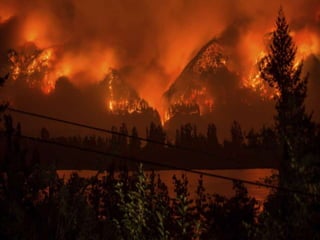
 Higher temperatures are worsening many types of
disasters, including storms, heat waves, floods, and
droughts.
 According to the National Oceanic and Atmospheric
Administration, in 2015 there were 10 weather and
climate disaster events in the United States—
including severe storms, floods, drought, and
wildfires—that caused at least $1 billion in losses.
 Today's scientists point to climate change as
"the biggest global health threat of the 21st century.
Possible solutions
 As the world warms, extreme weather events are
becoming more frequent and intense, sea levels are
rising, prolonged droughts are putting pressure on
food crops, and many animal and plant species are
being driven to extinction. It’s hard to imagine what
we as individuals can do to resolve a problem of this
scale and severity.
 The good news: We are not alone. People,
communities, cities, businesses, schools, faith groups
and other organizations are taking action. We’re
fighting like our lives depend on it — because they do.
 So here are some solution for the global warming:
1. Push for reduced methane emissions from
fracked gas.
2. Get charged up with renewables.
3. Green your commute:The many ways to reduce
your transportation emissions will also make you
healthier, happier and save you a few bucks.
Whenever and wherever you can:
 Take public transit.
 Ride a bike.
 Car-share.
 Switch to an electric or hybrid vehicle.
 Fly less.
4. Use energy wisely — save money, too!
5. Invest in renewables.
Bibliography
 https://www.ucsusa.org
 https://www.nrdc.org

Global warming

  • 1.
  • 2.
    Consequences  According tothe National Climate Assessment, human influences are the number one cause of global warming, especially the carbon pollution we cause by burning fossil fuels and the pollution-capturing we prevent by destroying forests. The carbon dioxide, methane, soot, and other pollutants we release into the atmosphere act like a blanket, trapping the sun's heat and causing the planet to warm.
  • 3.
     Higher temperaturesare worsening many types of disasters, including storms, heat waves, floods, and droughts.  According to the National Oceanic and Atmospheric Administration, in 2015 there were 10 weather and climate disaster events in the United States— including severe storms, floods, drought, and wildfires—that caused at least $1 billion in losses.  Today's scientists point to climate change as "the biggest global health threat of the 21st century.
  • 4.
    Possible solutions  Asthe world warms, extreme weather events are becoming more frequent and intense, sea levels are rising, prolonged droughts are putting pressure on food crops, and many animal and plant species are being driven to extinction. It’s hard to imagine what we as individuals can do to resolve a problem of this scale and severity.
  • 5.
     The goodnews: We are not alone. People, communities, cities, businesses, schools, faith groups and other organizations are taking action. We’re fighting like our lives depend on it — because they do.  So here are some solution for the global warming:
  • 6.
    1. Push forreduced methane emissions from fracked gas. 2. Get charged up with renewables. 3. Green your commute:The many ways to reduce your transportation emissions will also make you healthier, happier and save you a few bucks. Whenever and wherever you can:  Take public transit.  Ride a bike.  Car-share.  Switch to an electric or hybrid vehicle.  Fly less.
  • 7.
    4. Use energywisely — save money, too! 5. Invest in renewables.
  • 11.