Download to read offline
![WHAT IS GLOBAL COMPETENCY?
“A global-ready graduate [is] a person with a grasp of global systems, global
issues, the dynamics of how things are interrelated and interconnected in the
world, and how society can best address global issues.”
- Ron Moffatt, Director of the San Diego State University International Student
Center
“The skills to listen, observe and evaluate, analyze, interpret, and relate.”
- Darla K. Deardorff, Director of Duke University’s International Education
Administrators Assc.
“The ability to be fluent in at least one other language, such as Spanish or
Mandarin; fluency with e-commerce and the Internet; a well-versed knowledge
of geography; and, maybe most important, some knowledge of the political
and cultural history of one or two countries or regions outside of Western
Europe.”
- Carol Conway, Director of the Southern Global Strategies Council](https://image.slidesharecdn.com/globaleducationconference2011p3-111117064852-phpapp02/75/Global-educationconference2011p3-1-2048.jpg)
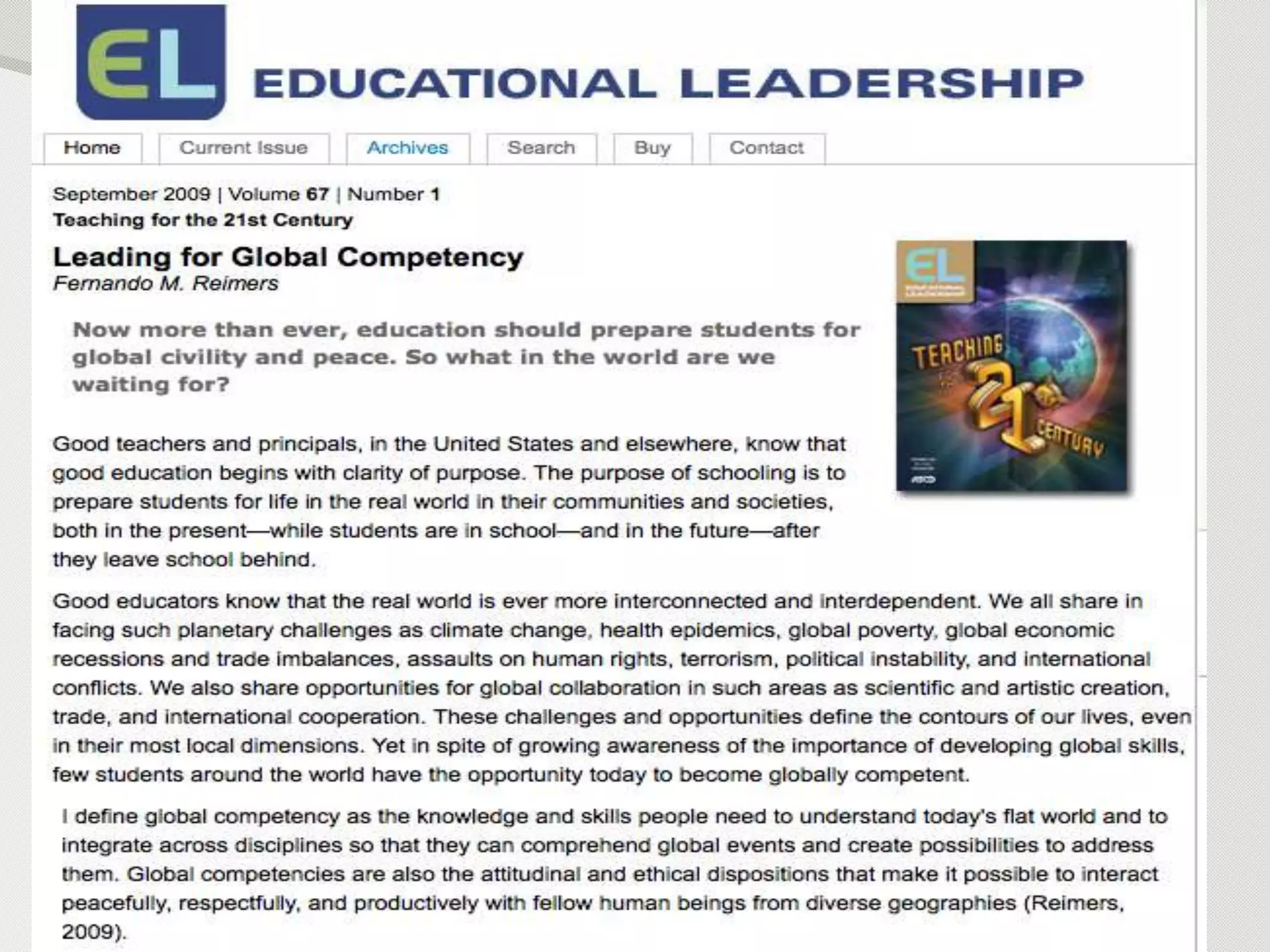
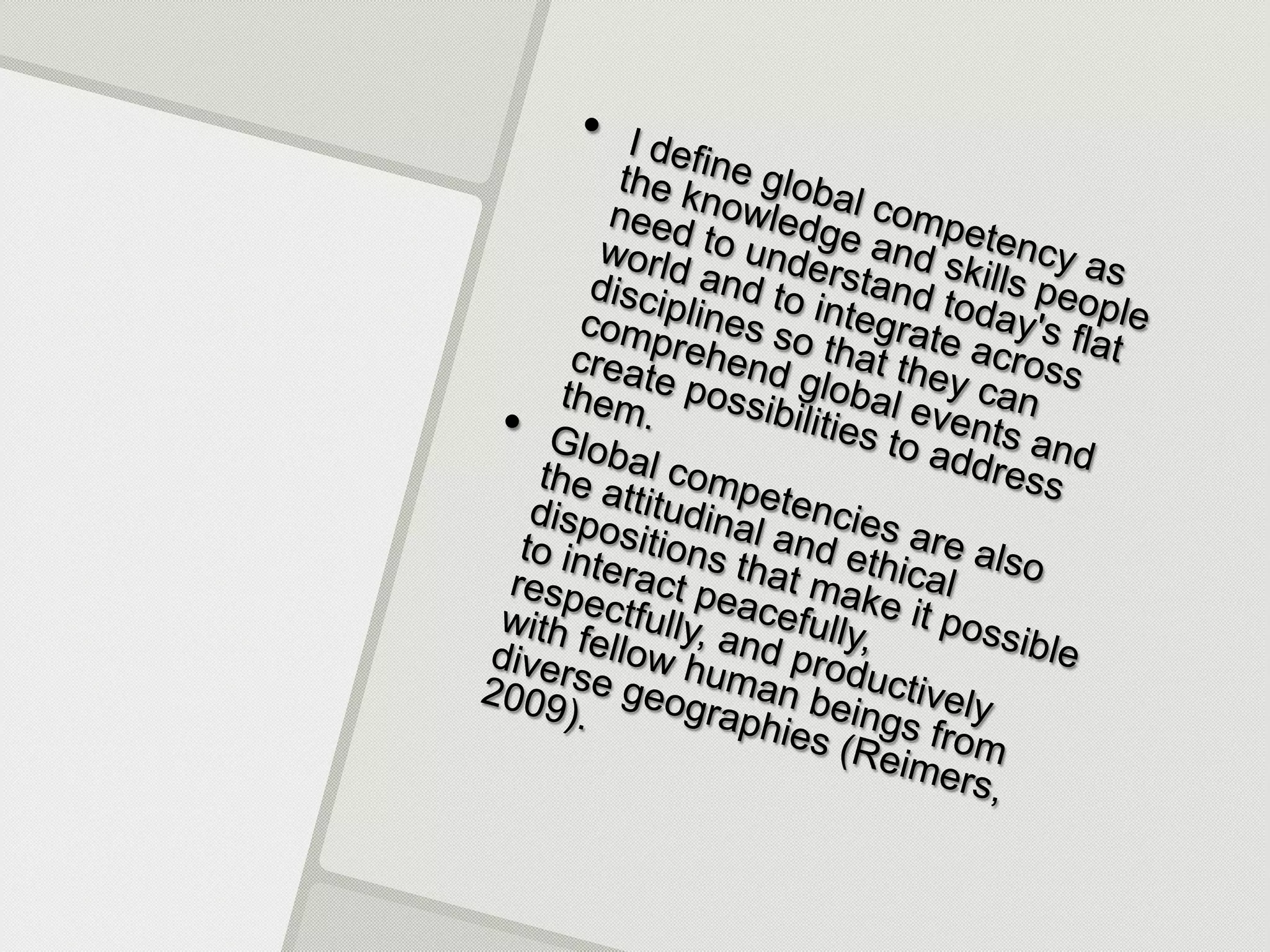
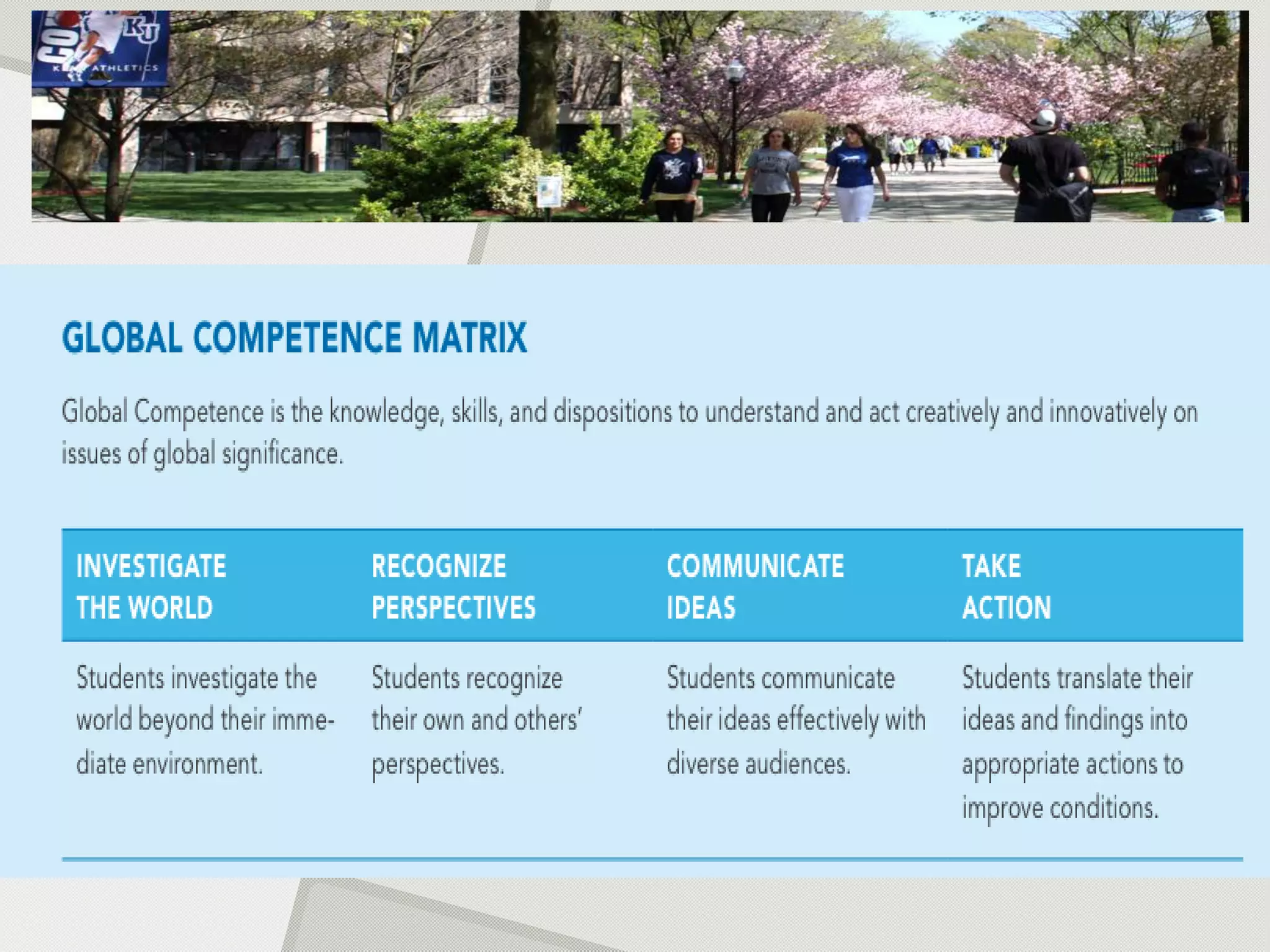

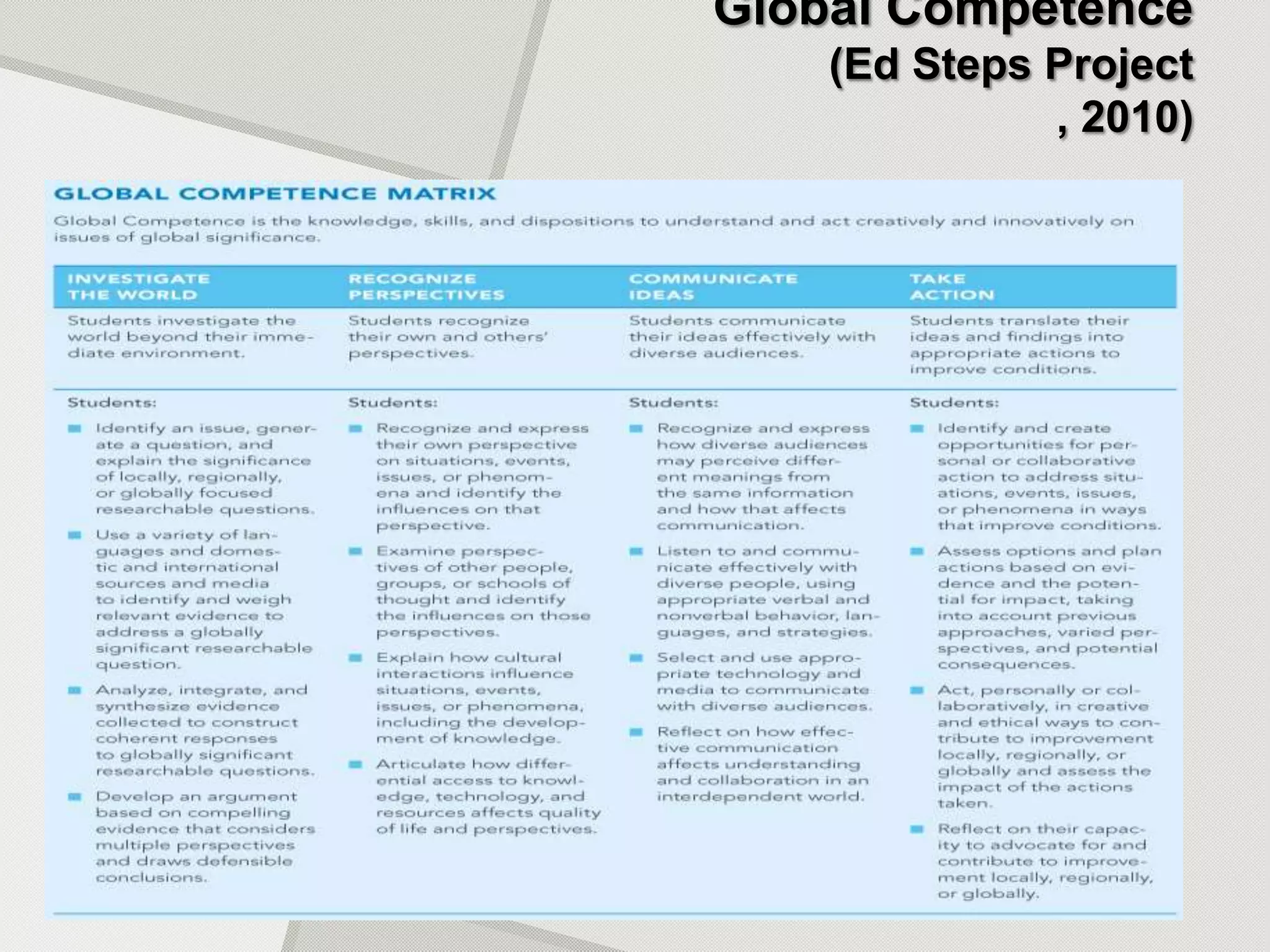





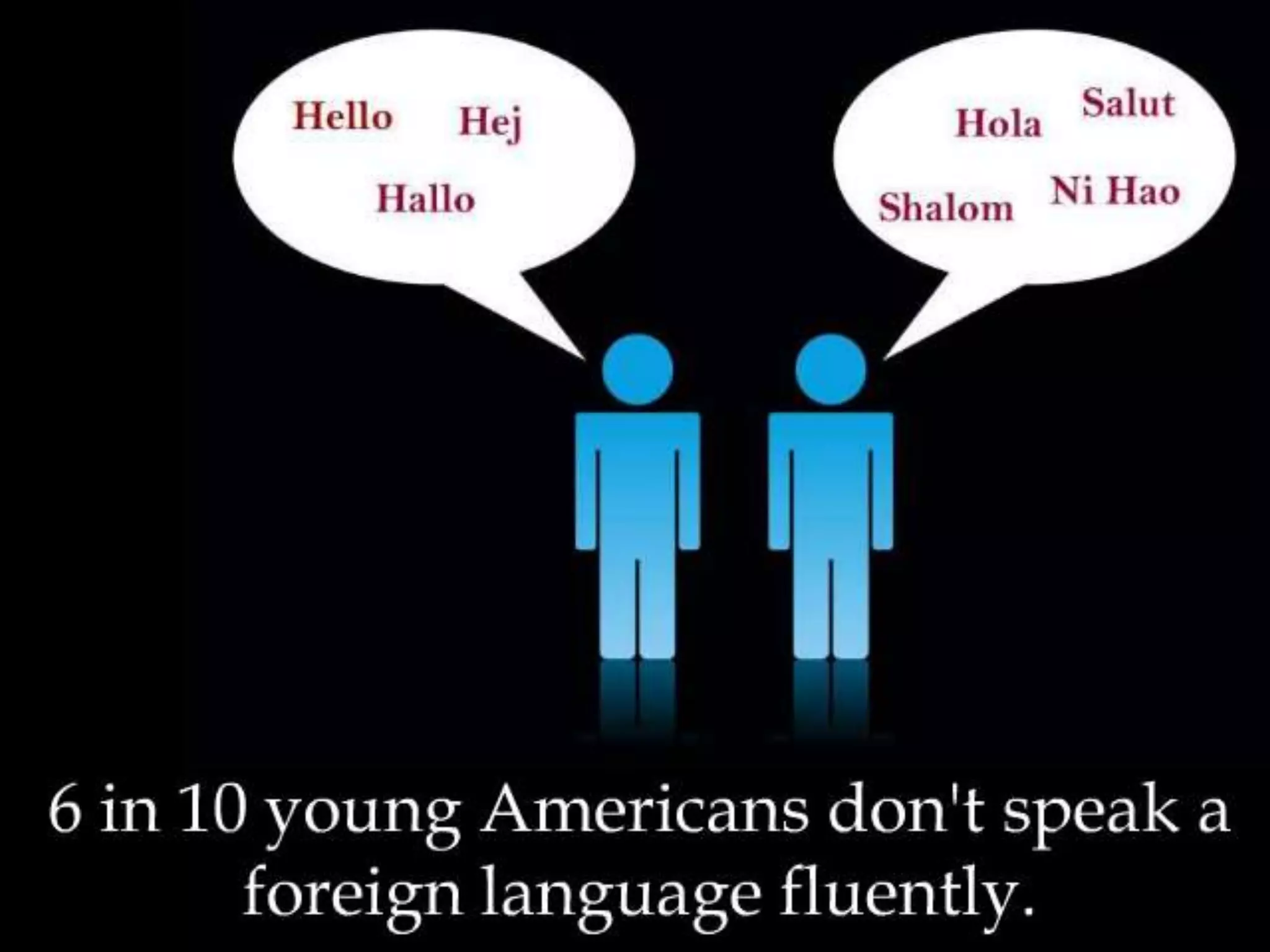






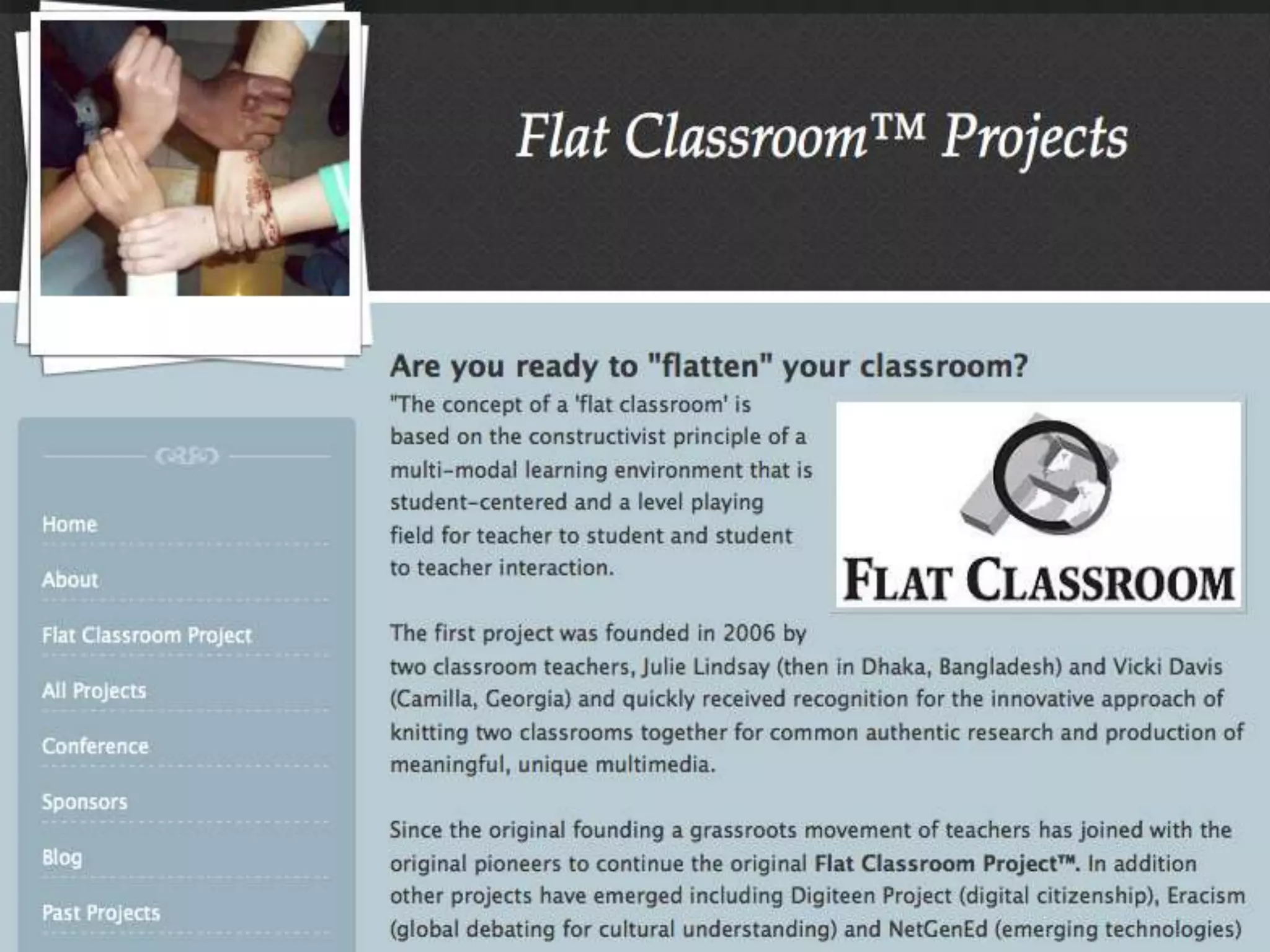
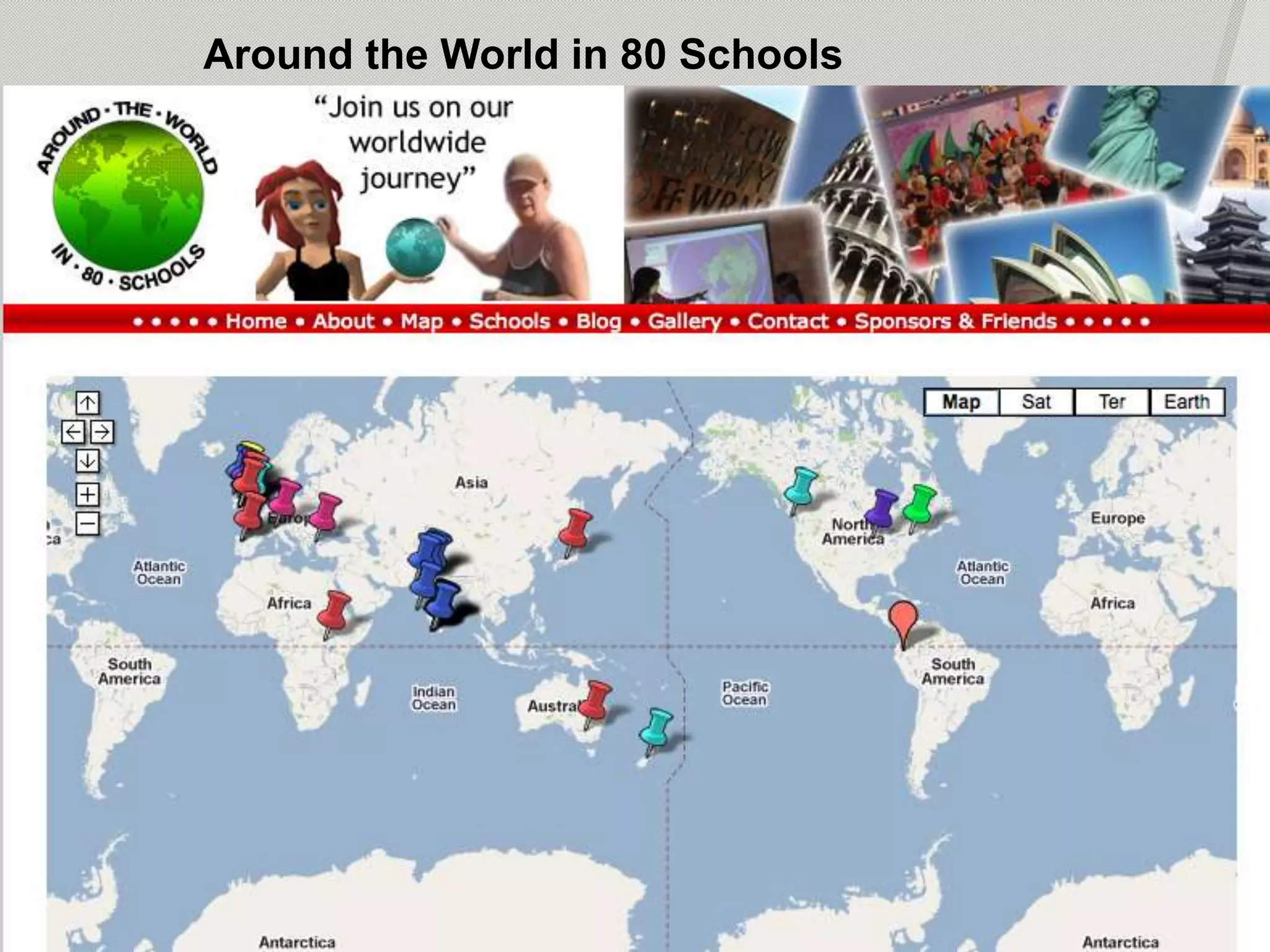
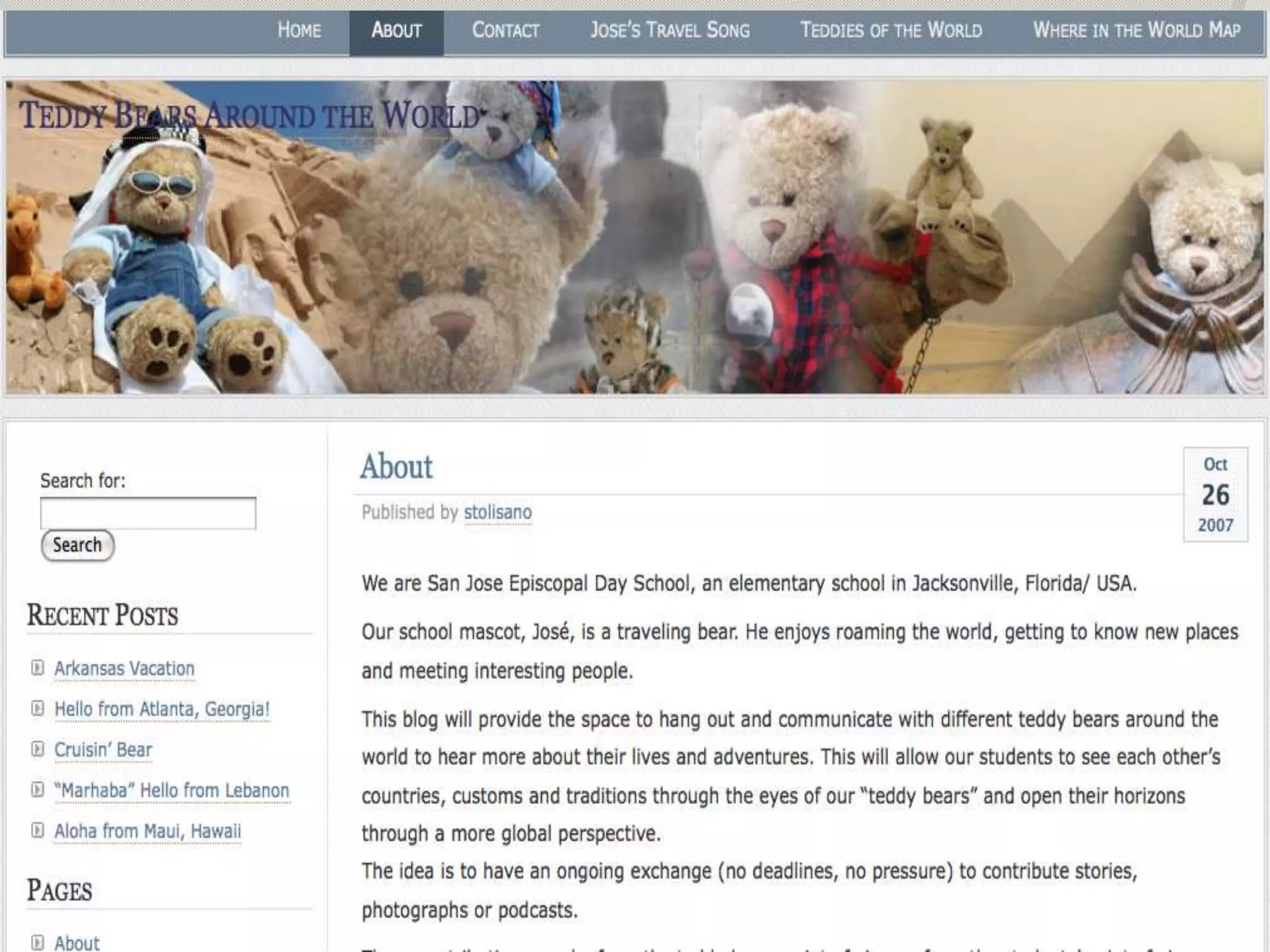




Global competency involves having an understanding of global systems and issues, how things are interconnected worldwide, and how to address global challenges. It also requires skills like listening, observing, analyzing, interpreting, and relating to others. Specifically, it means being fluent in at least one foreign language, being proficient with technology and geography, and having knowledge of other cultures and political histories.


![Pbl[g]! Project-Based Learning [global]](https://cdn.slidesharecdn.com/ss_thumbnails/pblgsite2011-1-110308142401-phpapp02-thumbnail.jpg?width=640&height=640&fit=bounds)


