Human Geography Beginnings…
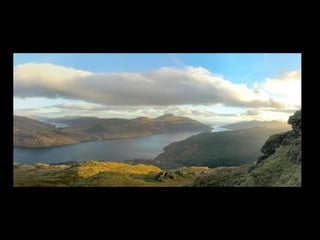
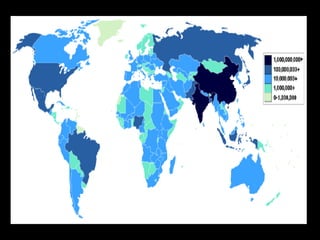
Geography “ Geography is the science of place. Its vision is grand, its view panoramic. It sweeps the surface of the Earth, charting the physical, organic and cultural terrain, their areal differentiation, and their ecological dynamics with humankind. Its foremost tool is the map…” -Leonard Krishtalka
 
“ Geography is the science of place…”


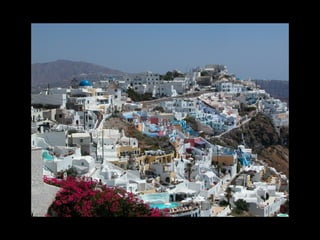
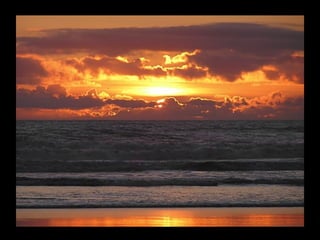
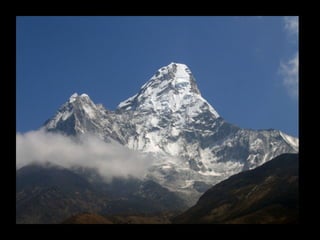
“… Its vision is grand, its view panoramic…”
 
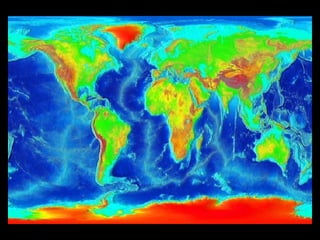
“ It sweeps the surface of the Earth, charting the physical…”
 
“… organic…”
 
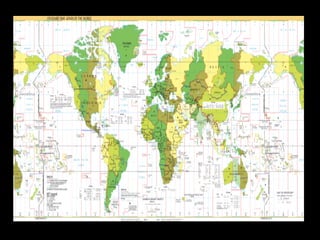
“… and cultural terrain, their areal differentiation
 
“… their ecological dynamics with humankind…”


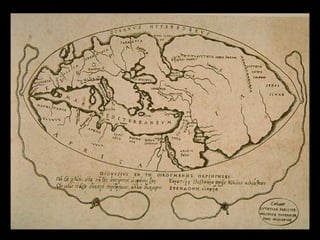
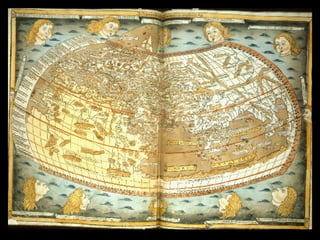
Geography “ Geography is a representation of the whole known world together with the phenomena which are contained therein…” -Ptolemy,  Geographia    2nd Century A.D.


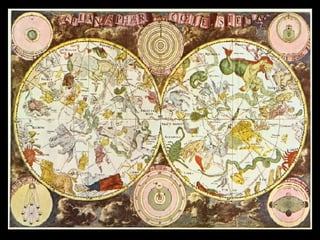
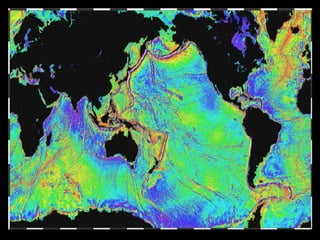
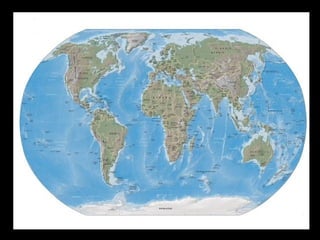
What is a map? Answer : A two dimensional flat scale model of the Earth, or a portion of it.
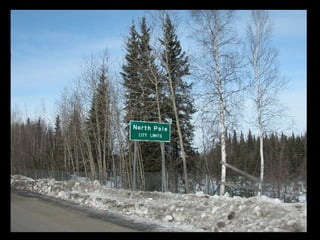
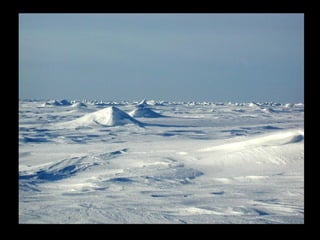
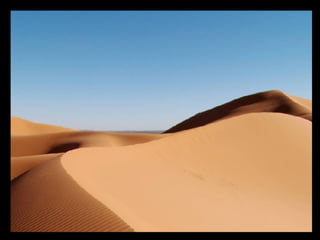
Key Concepts Space Place : A specific point on Earth distinguished by a specific character.


Key Concepts Spaces Region : Area on Earth distinguished by a combination of  physical  and  cultural  features.


Key Concepts Space Why do different places on Earth have the same features? Answer :  Scale ,  Space  and  Connections
Key Concepts Scale : Relationship between the portion of the Earth being studies and the Earth as a whole. Space : Physical interval between two objects. Connections : Relationships among people and objects across the barrier of space.
 
 
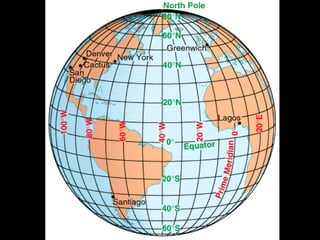
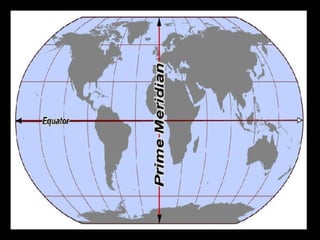
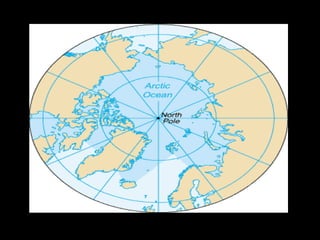
Key Concepts (Space) Latitude and Longitude -  a reference system designed to provide “ absolute ” location (as opposed to  relative  locations).  A system used to designate space. Parallels of Latitude  Meridians of Longitude
 
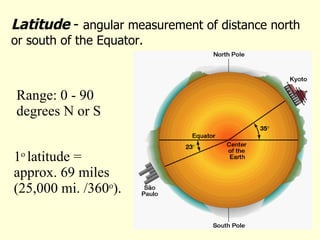
1 o  latitude =  approx. 69 miles (25,000 mi. /360 o ). Range: 0 - 90 degrees N or S Latitude   -  angular measurement of distance north or south of the Equator.
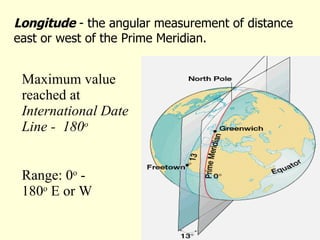
Longitude  - the angular measurement of distance east or west of the Prime Meridian. Maximum value reached at  International Date Line -  180 o Range: 0 o  - 180 o  E or W
 
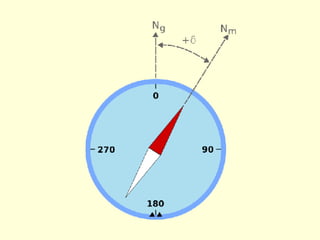
Key Concepts Space Magnetic North v/s Geographic North
 
Angle of Declination…
 
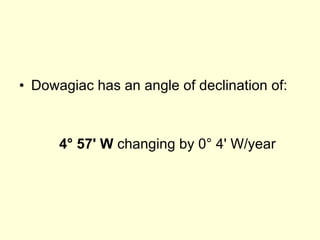
Dowagiac has an angle of declination of: 4° 57' W  changing by 0° 4' W/year
Key Concepts: Tobler’s 1 st  Law of Geography All things are related. However, all other things being equal, those things that are closest together are more related. Related Concepts: Distance Decay / Friction of Distance Spatial Interaction Movement
 
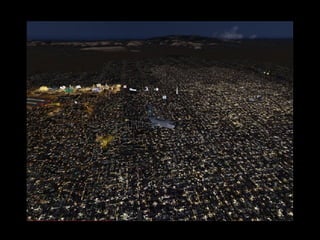
Key Concepts Spatial Distribution : The regular arraignment of phenomenon across the Earth’s surface.
 
 
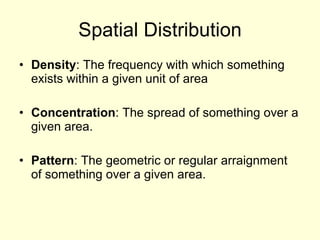
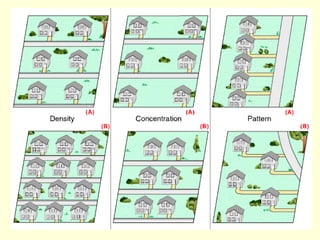
Spatial Distribution Density : The frequency with which something exists within a given unit of area Concentration : The spread of something over a given area. Pattern : The geometric or regular arraignment of something over a given area.
 
 
Key Concepts REGION –  an area defined by shared characteristics  3 Types of Culture Regions Formal  - all members share a characteristic Functional  - defined by a node of activity and distance decay from center Vernacular  - perception of cultural identity
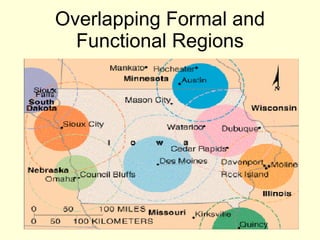
Overlapping Formal and Functional Regions
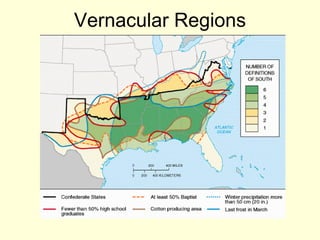
Vernacular Regions
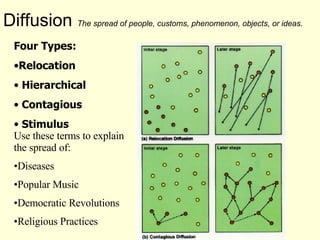
Diffusion  The spread of people, customs, phenomenon, objects, or ideas.  Four Types:  Relocation Hierarchical Contagious Stimulus Use these terms to explain the spread of:  Diseases Popular Music Democratic Revolutions Religious Practices
Sense of Place Every place is unique. Imagine where you lived as a child. Where is home? Why and how do places take on meaning for human individuals? Sensory Architecture Symbolic Why is each place unique?
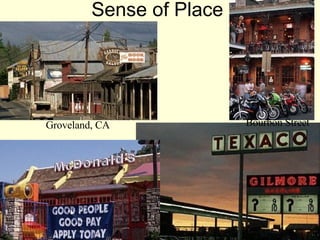
Sense of Place Groveland, CA Bourbon Street
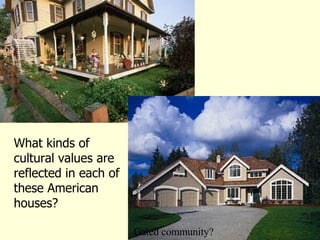
What kinds of cultural values are reflected in each of these American houses?   Gated community?
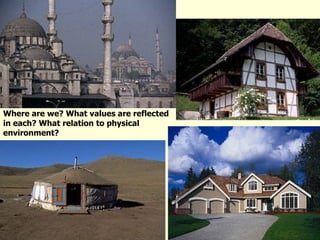
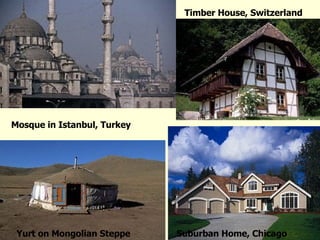
Where are we? What values are reflected in each? What relation to physical environment?
Mosque in Istanbul, Turkey Timber House, Switzerland Yurt on Mongolian Steppe Suburban Home, Chicago
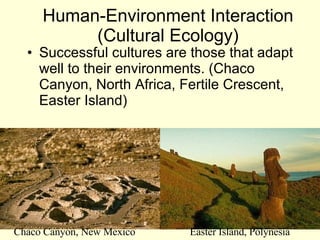
Human-Environment Interaction (Cultural Ecology) Successful cultures are those that adapt well to their environments. (Chaco Canyon, North Africa, Fertile Crescent, Easter Island) Chaco Canyon, New Mexico Easter Island, Polynesia
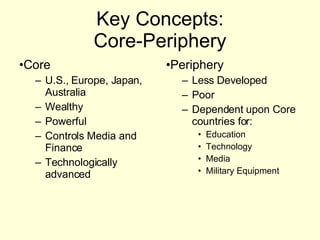
Key Concepts: Core-Periphery Core U.S., Europe, Japan, Australia Wealthy Powerful Controls Media and Finance Technologically advanced Periphery Less Developed Poor Dependent upon Core countries for: Education Technology Media Military Equipment
Um, the end?

Geo 1

  • 1.
  • 2.
    Geography “ Geographyis the science of place. Its vision is grand, its view panoramic. It sweeps the surface of the Earth, charting the physical, organic and cultural terrain, their areal differentiation, and their ecological dynamics with humankind. Its foremost tool is the map…” -Leonard Krishtalka
  • 3.
  • 4.
    “ Geography isthe science of place…”
  • 5.
  • 6.
  • 7.
  • 8.
    “… Its visionis grand, its view panoramic…”
  • 9.
  • 10.
    “ It sweepsthe surface of the Earth, charting the physical…”
  • 11.
  • 12.
  • 13.
  • 14.
    “… and culturalterrain, their areal differentiation
  • 15.
  • 16.
    “… their ecologicaldynamics with humankind…”
  • 17.
  • 18.
  • 19.
  • 20.
  • 21.
  • 22.
  • 23.
  • 24.
    Geography “ Geographyis a representation of the whole known world together with the phenomena which are contained therein…” -Ptolemy, Geographia 2nd Century A.D.
  • 25.
  • 26.
  • 27.
  • 28.
  • 29.
  • 30.
  • 31.
  • 32.
    What is amap? Answer : A two dimensional flat scale model of the Earth, or a portion of it.
  • 33.
    Key Concepts SpacePlace : A specific point on Earth distinguished by a specific character.
  • 34.
  • 35.
  • 36.
  • 37.
    Key Concepts SpacesRegion : Area on Earth distinguished by a combination of physical and cultural features.
  • 38.
  • 39.
  • 40.
  • 41.
  • 42.
  • 43.
  • 44.
  • 45.
  • 46.
    Key Concepts SpaceWhy do different places on Earth have the same features? Answer : Scale , Space and Connections
  • 47.
    Key Concepts Scale: Relationship between the portion of the Earth being studies and the Earth as a whole. Space : Physical interval between two objects. Connections : Relationships among people and objects across the barrier of space.
  • 48.
  • 49.
  • 50.
    Key Concepts (Space)Latitude and Longitude - a reference system designed to provide “ absolute ” location (as opposed to relative locations). A system used to designate space. Parallels of Latitude Meridians of Longitude
  • 51.
  • 52.
    1 o latitude = approx. 69 miles (25,000 mi. /360 o ). Range: 0 - 90 degrees N or S Latitude - angular measurement of distance north or south of the Equator.
  • 53.
    Longitude -the angular measurement of distance east or west of the Prime Meridian. Maximum value reached at International Date Line - 180 o Range: 0 o - 180 o E or W
  • 54.
  • 55.
    Key Concepts SpaceMagnetic North v/s Geographic North
  • 56.
  • 57.
  • 58.
  • 59.
    Dowagiac has anangle of declination of: 4° 57' W changing by 0° 4' W/year
  • 60.
    Key Concepts: Tobler’s1 st Law of Geography All things are related. However, all other things being equal, those things that are closest together are more related. Related Concepts: Distance Decay / Friction of Distance Spatial Interaction Movement
  • 61.
  • 62.
    Key Concepts SpatialDistribution : The regular arraignment of phenomenon across the Earth’s surface.
  • 63.
  • 64.
  • 65.
    Spatial Distribution Density: The frequency with which something exists within a given unit of area Concentration : The spread of something over a given area. Pattern : The geometric or regular arraignment of something over a given area.
  • 66.
  • 67.
  • 68.
    Key Concepts REGION– an area defined by shared characteristics 3 Types of Culture Regions Formal - all members share a characteristic Functional - defined by a node of activity and distance decay from center Vernacular - perception of cultural identity
  • 69.
    Overlapping Formal andFunctional Regions
  • 70.
  • 71.
    Diffusion Thespread of people, customs, phenomenon, objects, or ideas. Four Types: Relocation Hierarchical Contagious Stimulus Use these terms to explain the spread of: Diseases Popular Music Democratic Revolutions Religious Practices
  • 72.
    Sense of PlaceEvery place is unique. Imagine where you lived as a child. Where is home? Why and how do places take on meaning for human individuals? Sensory Architecture Symbolic Why is each place unique?
  • 73.
    Sense of PlaceGroveland, CA Bourbon Street
  • 74.
    What kinds ofcultural values are reflected in each of these American houses? Gated community?
  • 75.
    Where are we?What values are reflected in each? What relation to physical environment?
  • 76.
    Mosque in Istanbul,Turkey Timber House, Switzerland Yurt on Mongolian Steppe Suburban Home, Chicago
  • 77.
    Human-Environment Interaction (CulturalEcology) Successful cultures are those that adapt well to their environments. (Chaco Canyon, North Africa, Fertile Crescent, Easter Island) Chaco Canyon, New Mexico Easter Island, Polynesia
  • 78.
    Key Concepts: Core-PeripheryCore U.S., Europe, Japan, Australia Wealthy Powerful Controls Media and Finance Technologically advanced Periphery Less Developed Poor Dependent upon Core countries for: Education Technology Media Military Equipment
  • 79.