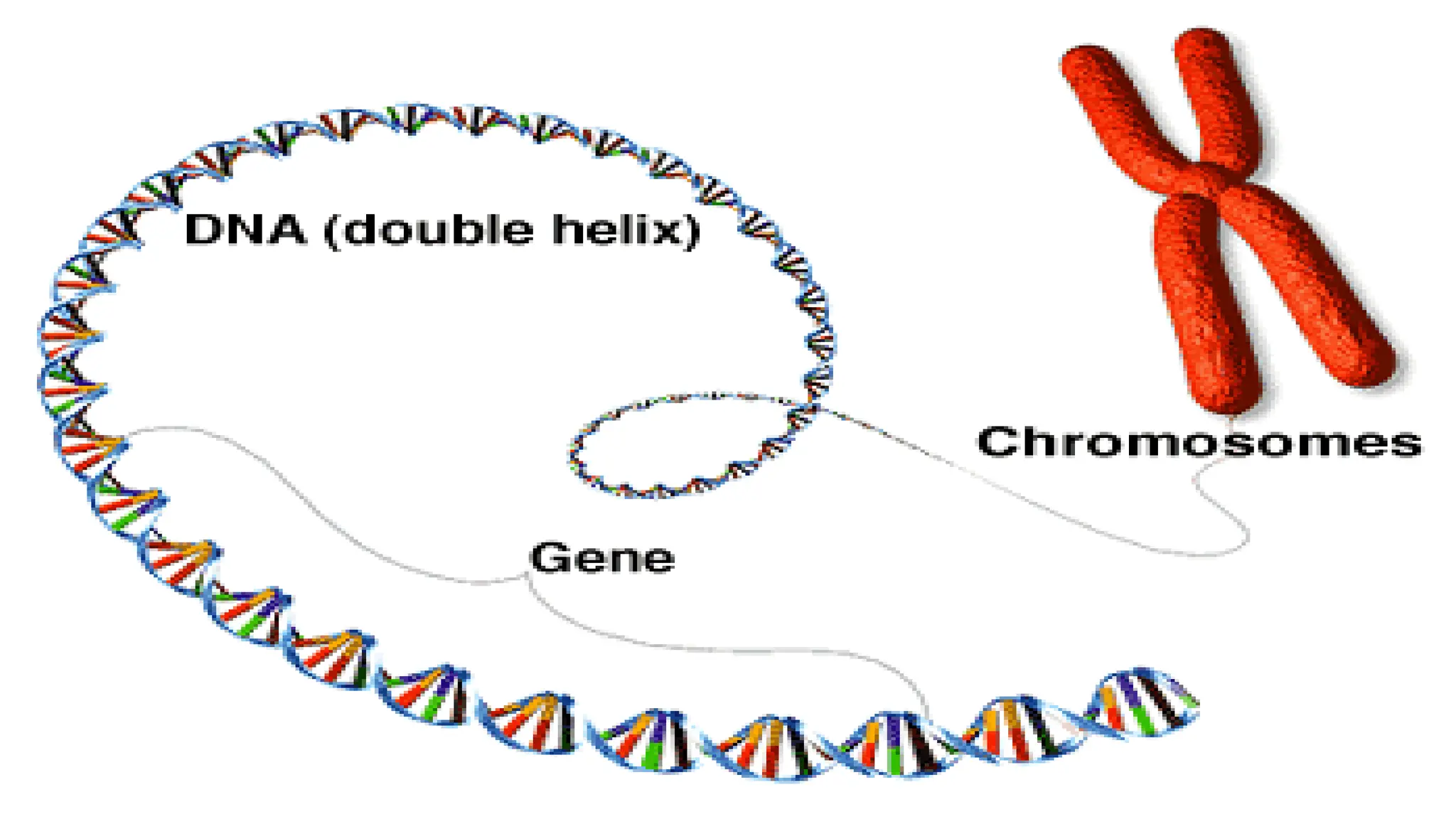
GENE
● A hereditary unit consisting of a sequence of
DNA
● occupies a specific location on a
chromosome
● is transcribed into an RNA molecule that may
function directly or be translated into an
amino acid chain.
Some Important Terms:
● Evolution: Formation of complex organism from simple organism
through gradual changes or change in allelic or genic frequency in
population is called evolution.
● Population Genetics: Study of genetic variation within populations
and involve the examination and modelling of changes in the
frequencies of genes and alleles in populations over space and time.
● Alleles: Partners of a gene pair are called alleles.
● Allele Frequency: Allele frequency or the gene frequency represents
the incidence of a gene variant in a population.
● Gene Pool: All the genes and their different alleles that are present in
a population of a particular species of organisms.
DEFINITION:
In population genetics gene flow (also known as gene
migration) is the transfer of alleles or genes from one population
other population.
IMMIGRATION and EMMIGRATION:
●IMMIGRATION: When new organisms join a population, bring
new alleles or changing frequencies.
●EMMIGRATION: When members of a population leave it,
taking with them their genes.
GENE FLOW may be defined as,
● The alteration of the frequencies of alleles of a particular genes
in a population , resulting from interbreeding with organisms
from another population having different frequencies.
● Migration into or out of the population may be responsible for a
marked change in allele frequencies.
Hardy-Weinberg Theorem
●It states that
●The frequencies of alleles and genotypes in a population’s
gene pool remain constant over the generations unless
acted upon by agents other than sexual recombination.
Factors Affecting the Allele Frequency:
● Four processes account for most of the changes in allele frequency in
populations.
● They form the basis of cumulative change in the genetic characteristics of
populations ,
● leading to the descent with modification that characterizes the process of
evolution.
● These processes are:
1. Mutation
2. Migration/Gene Flow
3. Natural Selection
4. Genetic Drift
Factors Affecting the Allele Frequency:
1. Mutation, the origin of new genetic capabilities in populations by
means of spontaneous heritable changes in genes.
2. Migration (Gene Flow), the movement of individuals from one
population to another population.
3. Natural Selection, which results from the differing abilities of
individuals to survive and reproduce in their environment.
4. Random Genetic Drift, the random undirected changes in allele
frequency that occur by chance in all populations but particularly in
small ones.

gene flow gene flow gene flow gene flow.pptx

  • 1.
    GENE ● A hereditaryunit consisting of a sequence of DNA ● occupies a specific location on a chromosome ● is transcribed into an RNA molecule that may function directly or be translated into an amino acid chain.
  • 4.
    Some Important Terms: ●Evolution: Formation of complex organism from simple organism through gradual changes or change in allelic or genic frequency in population is called evolution. ● Population Genetics: Study of genetic variation within populations and involve the examination and modelling of changes in the frequencies of genes and alleles in populations over space and time. ● Alleles: Partners of a gene pair are called alleles. ● Allele Frequency: Allele frequency or the gene frequency represents the incidence of a gene variant in a population. ● Gene Pool: All the genes and their different alleles that are present in a population of a particular species of organisms.
  • 5.
    DEFINITION: In population geneticsgene flow (also known as gene migration) is the transfer of alleles or genes from one population other population.
  • 6.
    IMMIGRATION and EMMIGRATION: ●IMMIGRATION:When new organisms join a population, bring new alleles or changing frequencies. ●EMMIGRATION: When members of a population leave it, taking with them their genes.
  • 8.
    GENE FLOW maybe defined as, ● The alteration of the frequencies of alleles of a particular genes in a population , resulting from interbreeding with organisms from another population having different frequencies. ● Migration into or out of the population may be responsible for a marked change in allele frequencies.
  • 9.
    Hardy-Weinberg Theorem ●It statesthat ●The frequencies of alleles and genotypes in a population’s gene pool remain constant over the generations unless acted upon by agents other than sexual recombination.
  • 10.
    Factors Affecting theAllele Frequency: ● Four processes account for most of the changes in allele frequency in populations. ● They form the basis of cumulative change in the genetic characteristics of populations , ● leading to the descent with modification that characterizes the process of evolution. ● These processes are: 1. Mutation 2. Migration/Gene Flow 3. Natural Selection 4. Genetic Drift
  • 11.
    Factors Affecting theAllele Frequency: 1. Mutation, the origin of new genetic capabilities in populations by means of spontaneous heritable changes in genes. 2. Migration (Gene Flow), the movement of individuals from one population to another population. 3. Natural Selection, which results from the differing abilities of individuals to survive and reproduce in their environment. 4. Random Genetic Drift, the random undirected changes in allele frequency that occur by chance in all populations but particularly in small ones.