Founding Psychologists Chapter 1 Section 2
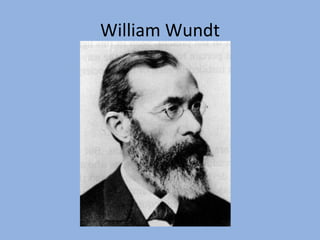
William Wundt
William Wundt Structuralist- interested in the basic elements of human experience Laboratory of Psychology- 1879 in Leipzig Germany Wanted to pursue the study of government in a systematic and scientific manner Established modern psychology as a separate formal field of study
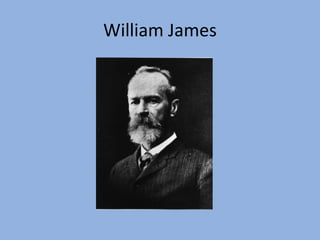
William James
William James “ Father of Psychology” Taught the first class in psychology at Harvard in 1875 Took him 12 years to write the first textbook in Psychology Theorized that thinking, feeling, learning, and remembering have the major function of helping us survive as a species
William James Focused on functions or actions of the conscious mind and the goals or purpose of behavior Functionalists-  study how animals and people adapt to their environments
Sir Francis Galton
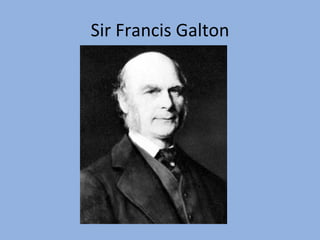
Sir Francis Galton Wanted to understand how heredity influences a person’s abilities, character, and behavior Tracked eminent people and concluded genius or eminence is a hereditary trait Did not consider the possibility that the tendency of genius to run in distinguished families might be about the environmental and socioeconomic advantages
Sir Francis Galton Believed in “good” marriages Raised the issue of heredity v. environment which is a continued subject of debate and study in Psychology today.
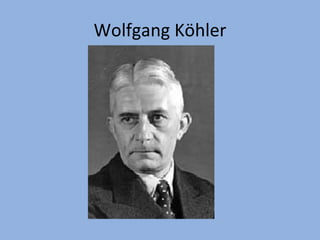
Wolfgang Köhler
Wolfgang Köhler (1887-1967) Argued that perception is more than the sum of its parts- it involves the “whole pattern” (Gestalt in German) Studied how sensations are assembled into perceptual experiences Became the forerunner for cognitive approaches to the study of Psychology
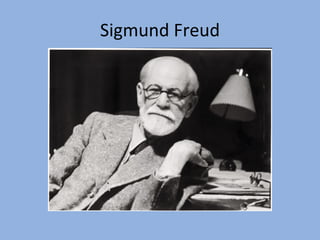
Sigmund Freud
Sigmund Freud Studied the unconscious mind There lied primitive biological urges that are in conflict with the requirements of society and morality Thought this was responsible for many medically unexplained physical symptoms that troubled his patients
Sigmund Freud Used free association for indirectly studying the unconscious processes Had the role of psychoanalysts Still remains contreversial
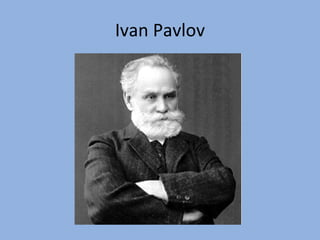
Ivan Pavlov
Ivan Pavlov (1849-1936) Behavioral Psychologist Pavlov’s Dog’s experiment Stressed and interest in observable behavior versus studying the thought process
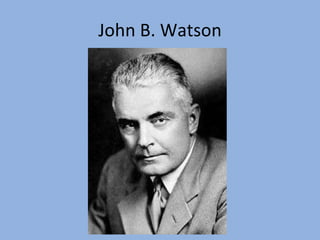
John B. Watson
John B. Watson Worked with Ivan Pavlov Believed psychology should concern itself only with the observable facts of behavior and maintained that all behavior, even apparently instinctive behavior, is the result of conditioning and occurs because the appropriate stimulus is presented in the environment
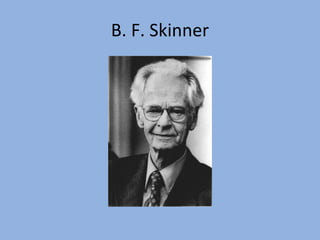
B. F. Skinner
B. F. Skinner (1904-1990) Introduced the concept of reinforcement to behavioralism Wrote a novel on a Utopian society where behavioralism and reinforcements controlled society
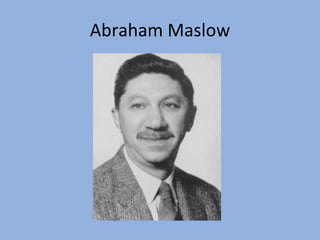
Abraham Maslow
Abraham Maslow Humanistic Psychologist Describes nature as evolving and self-directed Does not see humans as being controlled by events in the environment or by unconscious forces The environment and other outside forces simply serve as a background to our own internal growth
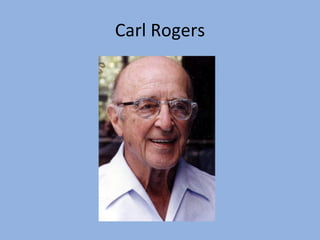
Carl Rogers
Carl Rogers Another humanist See Abraham Maslow
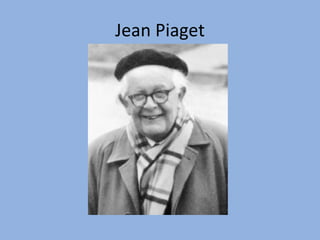
Jean Piaget
Jean Piaget Cognitive Psychologist Focus on how we process, store, retrieve, and use information How that information influences our thinking, language, problem solving, and creativity Believes behavior is influenced by a variety of mental processes Perceptions, memories, and expectations

Founding psychologists

  • 1.
  • 2.
  • 3.
    William Wundt Structuralist-interested in the basic elements of human experience Laboratory of Psychology- 1879 in Leipzig Germany Wanted to pursue the study of government in a systematic and scientific manner Established modern psychology as a separate formal field of study
  • 4.
  • 5.
    William James “Father of Psychology” Taught the first class in psychology at Harvard in 1875 Took him 12 years to write the first textbook in Psychology Theorized that thinking, feeling, learning, and remembering have the major function of helping us survive as a species
  • 6.
    William James Focusedon functions or actions of the conscious mind and the goals or purpose of behavior Functionalists- study how animals and people adapt to their environments
  • 7.
  • 8.
    Sir Francis GaltonWanted to understand how heredity influences a person’s abilities, character, and behavior Tracked eminent people and concluded genius or eminence is a hereditary trait Did not consider the possibility that the tendency of genius to run in distinguished families might be about the environmental and socioeconomic advantages
  • 9.
    Sir Francis GaltonBelieved in “good” marriages Raised the issue of heredity v. environment which is a continued subject of debate and study in Psychology today.
  • 10.
  • 11.
    Wolfgang Köhler (1887-1967)Argued that perception is more than the sum of its parts- it involves the “whole pattern” (Gestalt in German) Studied how sensations are assembled into perceptual experiences Became the forerunner for cognitive approaches to the study of Psychology
  • 12.
  • 13.
    Sigmund Freud Studiedthe unconscious mind There lied primitive biological urges that are in conflict with the requirements of society and morality Thought this was responsible for many medically unexplained physical symptoms that troubled his patients
  • 14.
    Sigmund Freud Usedfree association for indirectly studying the unconscious processes Had the role of psychoanalysts Still remains contreversial
  • 15.
  • 16.
    Ivan Pavlov (1849-1936)Behavioral Psychologist Pavlov’s Dog’s experiment Stressed and interest in observable behavior versus studying the thought process
  • 17.
  • 18.
    John B. WatsonWorked with Ivan Pavlov Believed psychology should concern itself only with the observable facts of behavior and maintained that all behavior, even apparently instinctive behavior, is the result of conditioning and occurs because the appropriate stimulus is presented in the environment
  • 19.
  • 20.
    B. F. Skinner(1904-1990) Introduced the concept of reinforcement to behavioralism Wrote a novel on a Utopian society where behavioralism and reinforcements controlled society
  • 21.
  • 22.
    Abraham Maslow HumanisticPsychologist Describes nature as evolving and self-directed Does not see humans as being controlled by events in the environment or by unconscious forces The environment and other outside forces simply serve as a background to our own internal growth
  • 23.
  • 24.
    Carl Rogers Anotherhumanist See Abraham Maslow
  • 25.
  • 26.
    Jean Piaget CognitivePsychologist Focus on how we process, store, retrieve, and use information How that information influences our thinking, language, problem solving, and creativity Believes behavior is influenced by a variety of mental processes Perceptions, memories, and expectations