
EFFECTIVE BUDGET 
MANAGEMENT 
DEVADAS 
KRISHNADAS 
Copyrighted to Future-Moves Group Pte Ltd (Singapore). Not to be reproduced or referenced without permission.
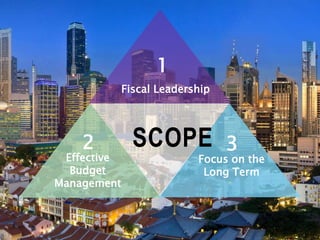
Fiscal Leadership 
2 3 
Effective 
Budget 
Management 
Focus on the 
Long Term 
1 
SCOPE
FISCAL POLICY IN 
SINGAPORE 
FISCAL 
LEADERSHIP
FISCAL STORY GIVES 
PURPOSEANDMEANING 
TO BUDGETS
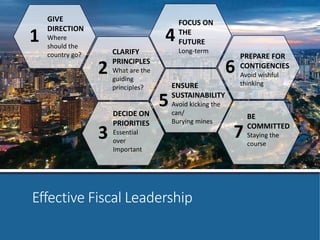
GIVE 
DIRECTION 
Where 
should the 
country go? 
1 
CLARIFY 
PRINCIPLES 
What are the 
guiding 
principles? 
2 
DECIDE ON 
PRIORITIES 
Essential 
over 
Important 
3 
FOCUS ON 
THE 
FUTURE 
Long-term 
4 
ENSURE 
SUSTAINABILITY 
Avoid kicking the 
can/ 
Burying mines 
5 
Effective Fiscal Leadership 
PREPARE FOR 
CONTIGENCIES 
Avoid wishful 
thinking 
6 
BE 
COMMITTED 
Staying the 
course 
7
5 
(through social transfers) 
4 
Fiscal Policy 
1 
BALANCED 
BUDGET 
CUSHION 
ECONOMY 
(in downturn) 
2 
PRO-COMMUNITY 
3 
CREATE 
COMPETITIVE TAX 
ENVIRONMENT 
BUILD 
LONG-TERM 
COMPETITIVENESS 
(Invest in R&D, 
education, 
Infrastructure) 
(over medium term) 
(Support jobs, businesses, investments)
EFFECTIVE 
BUDGET MANAGEMENT
DEC: Finalisation of Budget 
JAN: Cabinet’s approval for the 
budget 
Effective 
Government 
Sustainable 
Economic 
Growth 
SUSTAINABLE 
FEB/MAR: Parliament and 
President’s approval for the budget 
Secure and 
Influential 
Singapore 
World-Class 
Environment and 
Infrastructure 
ECONOMIC GROWTH 
Strong 
Families, 
Cohesive 
Society 
Robust 
Social 
Security 
APR/JUN: Preparation 
SEP-OCT: 
Administrative 
Timelines 
JUN-NOV: 
Engagement with Ministries/ 
Agencies 
Ensuring Vertical and Horizontal Coordination 
WHOLE-OF-GOVERNMENT 
STRATEGIC OUTCOMES 
BUDGET CYCLE
The biennial SPOR 
takes stock of how 
Singapore has fared in 
key areas of national 
interest 
Promoting Accountability 
SINGAPORE PUBLIC SECTOR OUTCOMES 
REVIEW (SPOR)
GROW MINISTRIES’ 
BY A FACTOR 
OF 40% BUDGET 
THE sGDP 
GROWTH RATE 
The Ministry of Finance and Individual Ministries 
agree to a 3-5 YEAR BLOCK OF FINANCING which 
relates to priorities decided upon by Cabinet 
Building in Flexibility 
BLOCK BUDGETING 
MINISTRIES CAN 
MANAGE THEIR CASH 
FLOW BETTER BY: 
1. Borrowing from 
future year(s) 
• Advances 
2. Saving to subsequent 
year(s) 
• Carry Forward at 
Total Budget Level 
• Rollover at 
Operating Budget 
Level
1% of 
Ministry A’s 
Block 
Budget 
1% of 
Ministry B’s 
Block 
Budget 
REINVESTMENT FUND 
Promoting Rolling Innovation 
1% of 
Ministry C’s 
Block 
COMPETITIVE BIDDING Budget 
CROSS AGENCY 
PRIORITY AREAS 
Managed INNOVATION by the Ministry of Finance 
COLLABORATION REINVESTMENT FUND
Focusing 
on the Long Term
SINGAPORE’S EXPENDITURE 
Investing in the Basics 
14 
12 
10 
8 
6 
4 
2 
0 
2005 2006 2007 2008 2009 2010 2011 2012 2013 2014 
BILLION (SGD) 
YEAR 
Education Health Public Housing
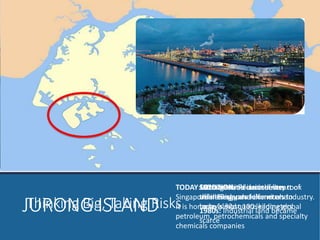
Thinking JURON GBi gI,S TLaAkinNgD Risks 
From an initial area of less 
than 10 square kilometers to 
today’s 32 square kilometers 
1970s: SOLUTION: Petroleum Reclaim industry seven 
took 
off smaller in Singapore 
islands to form one 
large island 
1980s: Industrial land became 
scarce 
TODAY: Jurong Island is at the heart of 
Singapore’s energy and chemicals industry. 
It is home to almost 100 leading global 
petroleum, petrochemicals and specialty 
chemicals companies
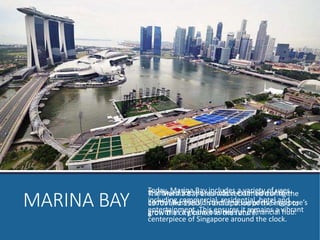
Today, Marina Bay includes a variety of uses, 
including commercial, residential, hotel and 
entertainment. This ensures it remains a vibrant 
centerpiece of Singapore around the clock. 
It allowed for the seamless extension of the 
central Business district and supports Singapore’s 
growth as a global business and financial hub. 
MARINA BAY The Marina Bay area was reclaimed during the 
1970s and 1980s in anticipation of the need to 
grow the city center in the future.
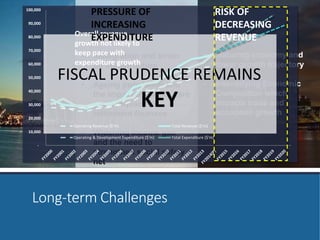
Overall revenue 
growth not likely to 
keep • pace Immigration with 
and strain 
expenditure on infrastructure 
growth 
FISCAL PRUDENCE REMAINS 
• Ageing population and 
KEY 
the impact on health care 
and adequacy of 
retirement finances 
• Widening income gap 
and the need to 
strengthen social safety 
net 
100,000 
90,000 
80,000 
70,000 
60,000 
50,000 
40,000 
30,000 
20,000 
10,000 
Long-term Challenges 
• Maturing economy and 
lower growth trajectory 
• Intensifying Economic 
Competition which 
impacts trade and 
economic growth 
- 
Operating Revenue ($'m) Total Revenue ($'m) 
Operating & Development Expenditure ($'m) Total Expenditure ($'m) 
RISK OF 
DECREASING 
REVENUE 
PRESSURE OF 
INCREASING 
EXPENDITURE

Effective Budget Management, Singapore

  • 1.
    EFFECTIVE BUDGET MANAGEMENT DEVADAS KRISHNADAS Copyrighted to Future-Moves Group Pte Ltd (Singapore). Not to be reproduced or referenced without permission.
  • 2.
    Fiscal Leadership 23 Effective Budget Management Focus on the Long Term 1 SCOPE
  • 3.
    FISCAL POLICY IN SINGAPORE FISCAL LEADERSHIP
  • 4.
    FISCAL STORY GIVES PURPOSEANDMEANING TO BUDGETS
  • 5.
    GIVE DIRECTION Where should the country go? 1 CLARIFY PRINCIPLES What are the guiding principles? 2 DECIDE ON PRIORITIES Essential over Important 3 FOCUS ON THE FUTURE Long-term 4 ENSURE SUSTAINABILITY Avoid kicking the can/ Burying mines 5 Effective Fiscal Leadership PREPARE FOR CONTIGENCIES Avoid wishful thinking 6 BE COMMITTED Staying the course 7
  • 6.
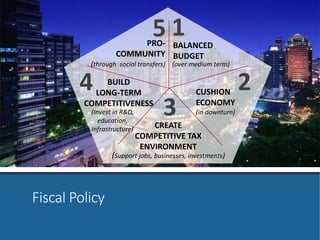
    5 (through socialtransfers) 4 Fiscal Policy 1 BALANCED BUDGET CUSHION ECONOMY (in downturn) 2 PRO-COMMUNITY 3 CREATE COMPETITIVE TAX ENVIRONMENT BUILD LONG-TERM COMPETITIVENESS (Invest in R&D, education, Infrastructure) (over medium term) (Support jobs, businesses, investments)
  • 7.
  • 8.
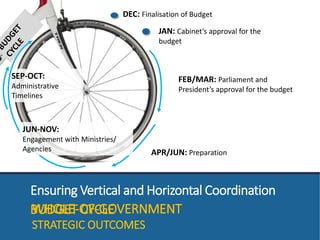
    DEC: Finalisation ofBudget JAN: Cabinet’s approval for the budget Effective Government Sustainable Economic Growth SUSTAINABLE FEB/MAR: Parliament and President’s approval for the budget Secure and Influential Singapore World-Class Environment and Infrastructure ECONOMIC GROWTH Strong Families, Cohesive Society Robust Social Security APR/JUN: Preparation SEP-OCT: Administrative Timelines JUN-NOV: Engagement with Ministries/ Agencies Ensuring Vertical and Horizontal Coordination WHOLE-OF-GOVERNMENT STRATEGIC OUTCOMES BUDGET CYCLE
  • 9.
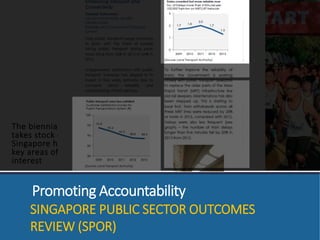
    The biennial SPOR takes stock of how Singapore has fared in key areas of national interest Promoting Accountability SINGAPORE PUBLIC SECTOR OUTCOMES REVIEW (SPOR)
  • 10.
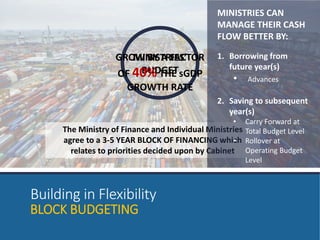
    GROW MINISTRIES’ BYA FACTOR OF 40% BUDGET THE sGDP GROWTH RATE The Ministry of Finance and Individual Ministries agree to a 3-5 YEAR BLOCK OF FINANCING which relates to priorities decided upon by Cabinet Building in Flexibility BLOCK BUDGETING MINISTRIES CAN MANAGE THEIR CASH FLOW BETTER BY: 1. Borrowing from future year(s) • Advances 2. Saving to subsequent year(s) • Carry Forward at Total Budget Level • Rollover at Operating Budget Level
  • 11.
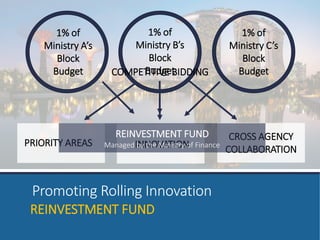
    1% of MinistryA’s Block Budget 1% of Ministry B’s Block Budget REINVESTMENT FUND Promoting Rolling Innovation 1% of Ministry C’s Block COMPETITIVE BIDDING Budget CROSS AGENCY PRIORITY AREAS Managed INNOVATION by the Ministry of Finance COLLABORATION REINVESTMENT FUND
  • 12.
    Focusing on theLong Term
  • 13.
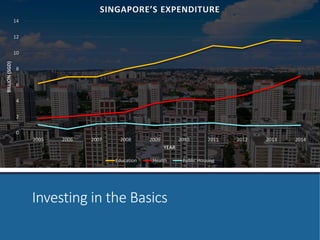
    SINGAPORE’S EXPENDITURE Investingin the Basics 14 12 10 8 6 4 2 0 2005 2006 2007 2008 2009 2010 2011 2012 2013 2014 BILLION (SGD) YEAR Education Health Public Housing
  • 14.
    Thinking JURON GBigI,S TLaAkinNgD Risks From an initial area of less than 10 square kilometers to today’s 32 square kilometers 1970s: SOLUTION: Petroleum Reclaim industry seven took off smaller in Singapore islands to form one large island 1980s: Industrial land became scarce TODAY: Jurong Island is at the heart of Singapore’s energy and chemicals industry. It is home to almost 100 leading global petroleum, petrochemicals and specialty chemicals companies
  • 15.
    Today, Marina Bayincludes a variety of uses, including commercial, residential, hotel and entertainment. This ensures it remains a vibrant centerpiece of Singapore around the clock. It allowed for the seamless extension of the central Business district and supports Singapore’s growth as a global business and financial hub. MARINA BAY The Marina Bay area was reclaimed during the 1970s and 1980s in anticipation of the need to grow the city center in the future.
  • 16.
    Overall revenue growthnot likely to keep • pace Immigration with and strain expenditure on infrastructure growth FISCAL PRUDENCE REMAINS • Ageing population and KEY the impact on health care and adequacy of retirement finances • Widening income gap and the need to strengthen social safety net 100,000 90,000 80,000 70,000 60,000 50,000 40,000 30,000 20,000 10,000 Long-term Challenges • Maturing economy and lower growth trajectory • Intensifying Economic Competition which impacts trade and economic growth - Operating Revenue ($'m) Total Revenue ($'m) Operating & Development Expenditure ($'m) Total Expenditure ($'m) RISK OF DECREASING REVENUE PRESSURE OF INCREASING EXPENDITURE