

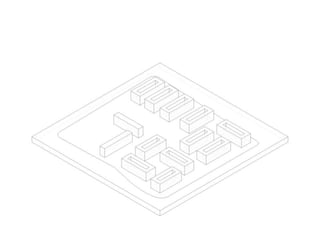
RUSUN PENJARINGAN
North Jakarta
GROUP 6
Yu Sing & Ivan Nasution
Adella Reza, Yugo Phurbojoyo, Lela Alifah Rahmi, Putu Amitasari

Final-review 6 July 2013
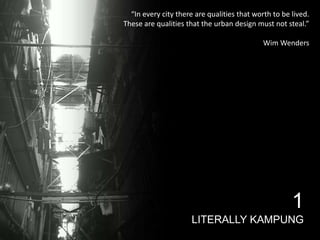
“In every city there are qualities that worth to be lived.
These are qualities that the urban design must not steal.”
Wim Wenders

1
LITERALLY KAMPUNG
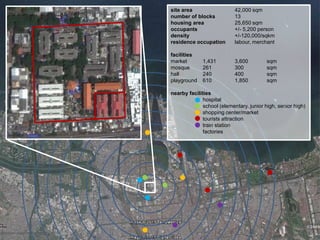
site area
number of blocks
housing area
occupants
density
residence occupation

42,000 sqm
13
25,650 sqm
+/- 5,200 person
+/-120,000/sqkm
labour, merchant

facilities
market
mosque
hall
playground

3,600
300
400
1,850

1,431
261
240
610

sqm
sqm
sqm
sqm

nearby facilities
hospital
school (elementary, junior high, senior high)
shopping center/market
tourists attraction
train station
factories
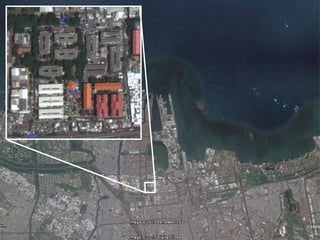
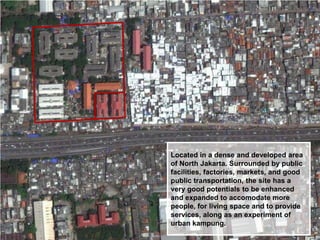
Located in a dense and developed area
of North Jakarta. Surrounded by public
facilities, factories, markets, and good
public transportation, the site has a
very good potentials to be enhanced
and expanded to accomodate more
people, for living space and to provide
services, along as an experiment of
urban kampung.
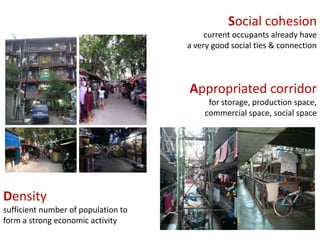
potentials
Social cohesion
current occupants already have
a very good social ties & connection

Appropriated corridor
for storage, production space,
commercial space, social space

Density
sufficient number of population to
form a strong economic activity
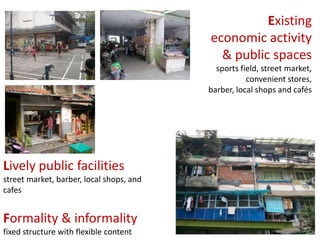
Existing
economic activity
& public spaces
sports field, street market,
convenient stores,
barber, local shops and cafés

Lively public facilities
street market, barber, local shops, and
cafes

Formality & informality
fixed structure with flexible content
negative aspects
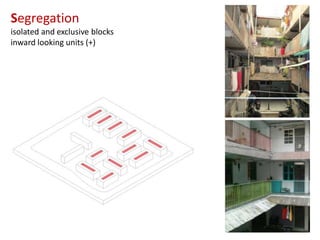
Segregation
isolated and exclusive blocks
inward looking units (+)
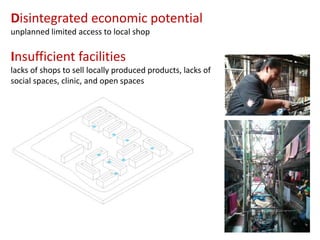
Disintegrated economic potential
unplanned limited access to local shop

Insufficient facilities
lacks of shops to sell locally produced products, lacks of
social spaces, clinic, and open spaces
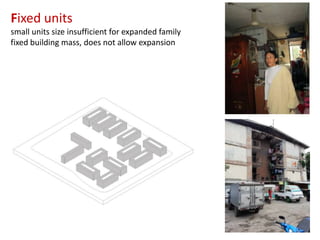
Fixed units
small units size insufficient for expanded family
fixed building mass, does not allow expansion
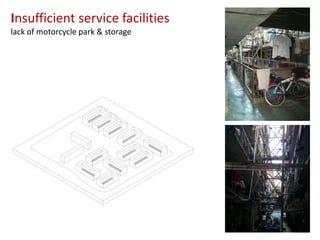
Insufficient service facilities
lack of motorcycle park & storage
Architectural objectives

to provide ways to densify neighborhood
to plan a horizontal to vertical neighborhood
to provide space and chance to enhance existing economic conditions
to make the site ecologically sound environment

to preserve the nature of KAMPUNG and its social network
"... much of what we've seen so far suggests
that a large group of diverse individuals will
come up with better and more robust forecasts
and make more intelligent decisions than even
the most skilled "decision maker."
The Wisdom Of The Crowd
James Surowiecki

2
PARTICIPATORY LAB
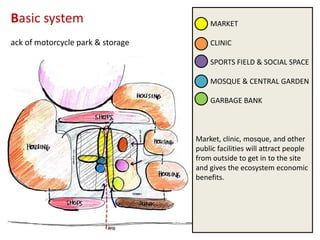
Basic system

MARKET

ack of motorcycle park & storage

CLINIC
SPORTS FIELD & SOCIAL SPACE

MOSQUE & CENTRAL GARDEN
GARBAGE BANK

Market, clinic, mosque, and other
public facilities will attract people
from outside to get in to the site
and gives the ecosystem economic
benefits.
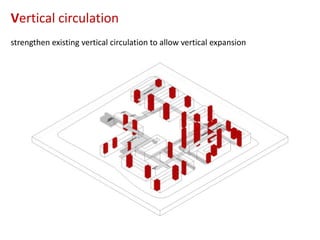
Vertical circulation
strengthen existing vertical circulation to allow vertical expansion
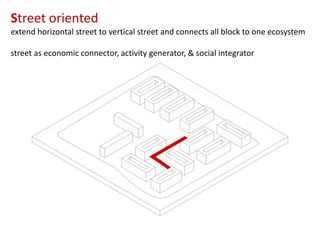
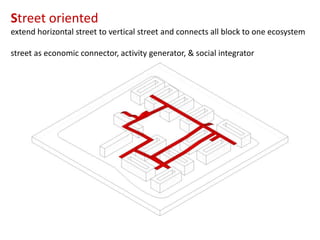
Street oriented
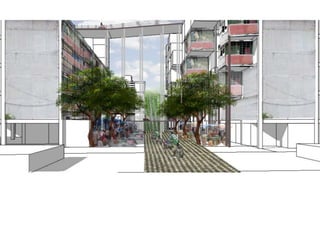
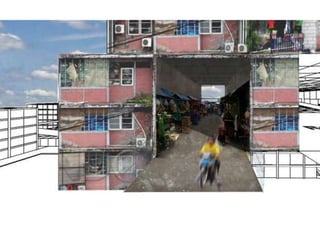
extend horizontal street to vertical street and connects all block to one ecosystem
street as economic connector, activity generator, & social integrator
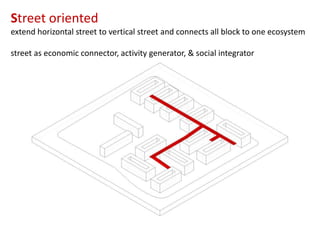
Street oriented
extend horizontal street to vertical street and connects all block to one ecosystem
street as economic connector, activity generator, & social integrator
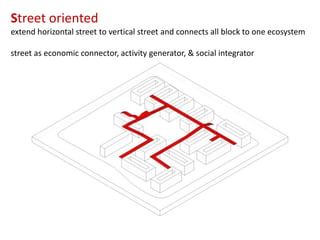
Street oriented
extend horizontal street to vertical street and connects all block to one ecosystem
street as economic connector, activity generator, & social integrator
Street oriented
extend horizontal street to vertical street and connects all block to one ecosystem
street as economic connector, activity generator, & social integrator
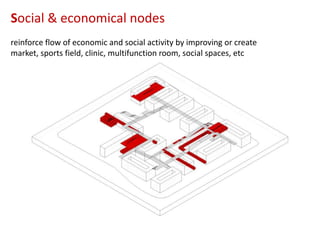
Social & economical nodes
reinforce flow of economic and social activity by improving or create
market, sports field, clinic, multifunction room, social spaces, etc
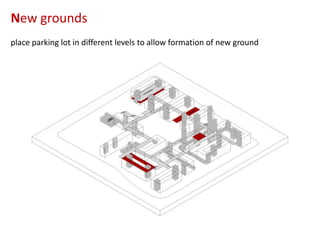
New grounds
place parking lot in different levels to allow formation of new ground
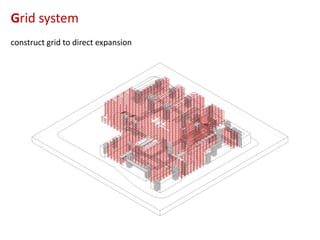
Grid system
construct grid to direct expansion
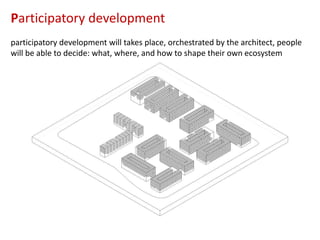
Participatory development
participatory development will takes place, orchestrated by the architect, people
will be able to decide: what, where, and how to shape their own ecosystem
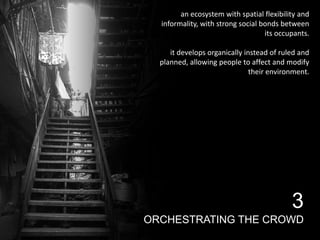
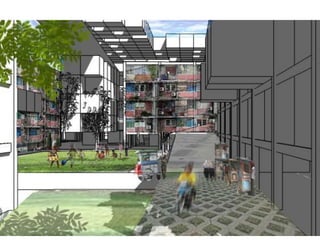
an ecosystem with spatial flexibility and
informality, with strong social bonds between
its occupants.
it develops organically instead of ruled and
planned, allowing people to affect and modify
their environment.

3
ORCHESTRATING THE CROWD
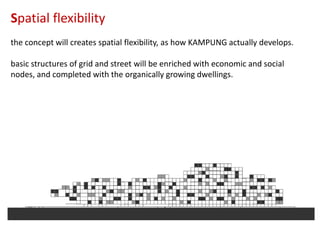
Spatial flexibility
the concept will creates spatial flexibility, as how KAMPUNG actually develops.
basic structures of grid and street will be enriched with economic and social
nodes, and completed with the organically growing dwellings.
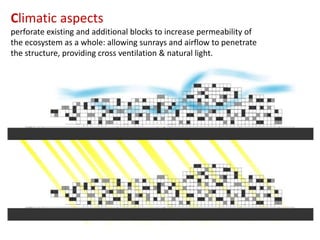
Climatic aspects
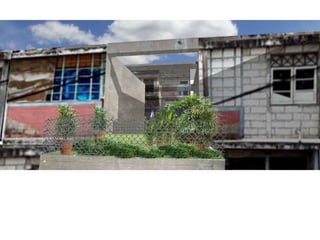
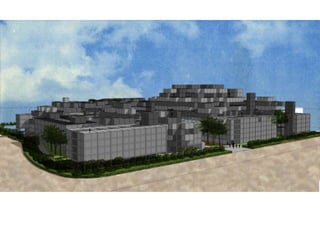
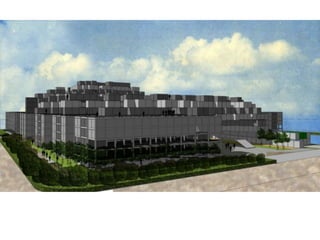
perforate existing and additional blocks to increase permeability of
the ecosystem as a whole: allowing sunrays and airflow to penetrate
the structure, providing cross ventilation & natural light.
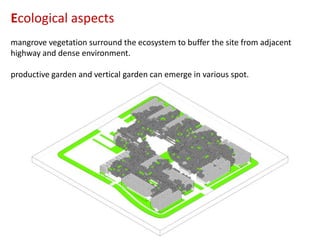
Ecological aspects
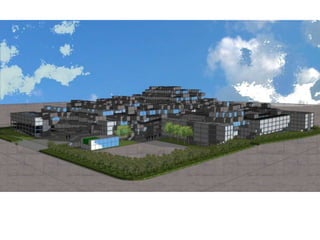
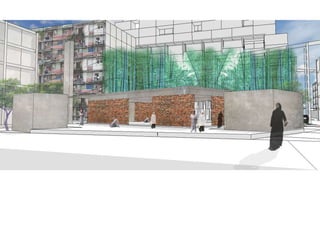
mangrove vegetation surround the ecosystem to buffer the site from adjacent
highway and dense environment.
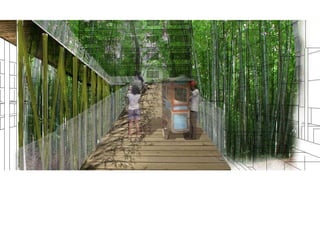
productive garden and vertical garden can emerge in various spot.
4
THANK YOU

Final review penjaringan

  • 1.
    RUSUN PENJARINGAN North Jakarta GROUP6 Yu Sing & Ivan Nasution Adella Reza, Yugo Phurbojoyo, Lela Alifah Rahmi, Putu Amitasari Final-review 6 July 2013
  • 2.
    “In every citythere are qualities that worth to be lived. These are qualities that the urban design must not steal.” Wim Wenders 1 LITERALLY KAMPUNG
  • 5.
    site area number ofblocks housing area occupants density residence occupation 42,000 sqm 13 25,650 sqm +/- 5,200 person +/-120,000/sqkm labour, merchant facilities market mosque hall playground 3,600 300 400 1,850 1,431 261 240 610 sqm sqm sqm sqm nearby facilities hospital school (elementary, junior high, senior high) shopping center/market tourists attraction train station factories
  • 6.
    Located in adense and developed area of North Jakarta. Surrounded by public facilities, factories, markets, and good public transportation, the site has a very good potentials to be enhanced and expanded to accomodate more people, for living space and to provide services, along as an experiment of urban kampung.
  • 7.
  • 8.
    Social cohesion current occupantsalready have a very good social ties & connection Appropriated corridor for storage, production space, commercial space, social space Density sufficient number of population to form a strong economic activity
  • 9.
    Existing economic activity & publicspaces sports field, street market, convenient stores, barber, local shops and cafés Lively public facilities street market, barber, local shops, and cafes Formality & informality fixed structure with flexible content
  • 10.
  • 11.
    Segregation isolated and exclusiveblocks inward looking units (+)
  • 12.
    Disintegrated economic potential unplannedlimited access to local shop Insufficient facilities lacks of shops to sell locally produced products, lacks of social spaces, clinic, and open spaces
  • 13.
    Fixed units small unitssize insufficient for expanded family fixed building mass, does not allow expansion
  • 14.
    Insufficient service facilities lackof motorcycle park & storage
  • 15.
    Architectural objectives to provideways to densify neighborhood to plan a horizontal to vertical neighborhood to provide space and chance to enhance existing economic conditions to make the site ecologically sound environment to preserve the nature of KAMPUNG and its social network
  • 16.
    "... much ofwhat we've seen so far suggests that a large group of diverse individuals will come up with better and more robust forecasts and make more intelligent decisions than even the most skilled "decision maker." The Wisdom Of The Crowd James Surowiecki 2 PARTICIPATORY LAB
  • 17.
    Basic system MARKET ack ofmotorcycle park & storage CLINIC SPORTS FIELD & SOCIAL SPACE MOSQUE & CENTRAL GARDEN GARBAGE BANK Market, clinic, mosque, and other public facilities will attract people from outside to get in to the site and gives the ecosystem economic benefits.
  • 18.
    Vertical circulation strengthen existingvertical circulation to allow vertical expansion
  • 20.
    Street oriented extend horizontalstreet to vertical street and connects all block to one ecosystem street as economic connector, activity generator, & social integrator
  • 21.
    Street oriented extend horizontalstreet to vertical street and connects all block to one ecosystem street as economic connector, activity generator, & social integrator
  • 22.
    Street oriented extend horizontalstreet to vertical street and connects all block to one ecosystem street as economic connector, activity generator, & social integrator
  • 23.
    Street oriented extend horizontalstreet to vertical street and connects all block to one ecosystem street as economic connector, activity generator, & social integrator
  • 24.
    Social & economicalnodes reinforce flow of economic and social activity by improving or create market, sports field, clinic, multifunction room, social spaces, etc
  • 25.
    New grounds place parkinglot in different levels to allow formation of new ground
  • 26.
    Grid system construct gridto direct expansion
  • 27.
    Participatory development participatory developmentwill takes place, orchestrated by the architect, people will be able to decide: what, where, and how to shape their own ecosystem
  • 28.
    an ecosystem withspatial flexibility and informality, with strong social bonds between its occupants. it develops organically instead of ruled and planned, allowing people to affect and modify their environment. 3 ORCHESTRATING THE CROWD
  • 29.
    Spatial flexibility the conceptwill creates spatial flexibility, as how KAMPUNG actually develops. basic structures of grid and street will be enriched with economic and social nodes, and completed with the organically growing dwellings.
  • 30.
    Climatic aspects perforate existingand additional blocks to increase permeability of the ecosystem as a whole: allowing sunrays and airflow to penetrate the structure, providing cross ventilation & natural light.
  • 31.
    Ecological aspects mangrove vegetationsurround the ecosystem to buffer the site from adjacent highway and dense environment. productive garden and vertical garden can emerge in various spot.
  • 42.