EXOGENIC PROCESSES
(mass wasting)
AIRICK M. BAGARINAO
Teacher III
Content Standard:
The learners demonstrate
an understanding of geologic
processes that occur on the
surface of the Earth such as
weathering, erosion, mass
wasting, and sedimentation.
Learning Competency and Code:
The learners make a report
on how rocks and soil move
downslope due to the direct
action of gravity (S11/12ES-Ib-
13)
Objectives:
At the end of 60 minutes, 100%
of the learners are expected to:
1. Identify the controls and
triggers of mass wasting; and
2. Distinguish between different
mass wasting processes.
ACTIVITY NO. 1
Inscribe comprehensive definitions for
the key terms associated with the
Exogenic process on one full sheet of
paper.
Provide definitions for the following key terms
a. Mass wasting
b. Landslide
c. Mudflow
d. Disposition
e. Debris flow
f. Saturation
g. Slump
h. Rock slide
i. Submarine slump
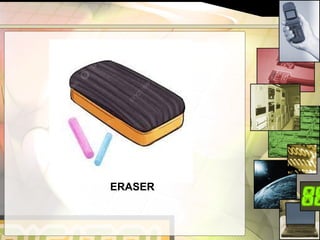
ERASER
ACTIVITY NO. 2
“Three Friends In A Valley”
QUESTIONS
Question 1: What are natural
springs, and what are a couple of
reasons why the spring on Sara's
farm stopped giving water?
Question 2: What are some
possible reasons for why the fence
is slowly tipping over?
Question 3: What are some
possible reasons for the cracks in
the walls? What are some ways to
find out what is really happening?
QUESTIONS
Question 4: What would cause trees
to grow like this?
Question 5: Where should the
friends go first?
Question 6: What are some possible
causes for the low river water level,
and what should the girls do about
it?
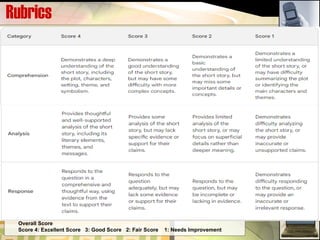
Rubrics
Overall Score
Score 4: Excellent Score 3: Good Score 2: Fair Score 1: Needs Improvement
Mass wasting
Mass wasting, also known as
mass movement, is the movement of
rock, soil, and debris down a slope
under the force of gravity. It differs
from other processes of erosion in
that the debris transported by mass
wasting is not entrained in a moving
medium, such as water, wind, or ice.
Landslide
 Landslides are a type of mass
wasting, which is the downhill
movement of soil and rock under the
force of gravity.
 Landslides can be caused by a variety
of factors, including heavy rainfall,
earthquakes, and volcanic activity.
They can also be triggered by human
activities such as deforestation and
road construction
controlling factors in mass wasting
 Slope angle Steeper slopes are more prone
to mass wasting than gentler slopes. This
is because gravity exerts a greater force on
steeper slopes.
 Slope material Loose, unconsolidated
materials are more prone to mass wasting
than solid, compact materials. This is
because loose materials are more easily
mobilized by gravity.
 Water Water can lubricate slopes and
increase the weight of soil and
rock, making them more prone to mass
wasting. Heavy rainfall is a common
trigger for mass wasting events.
controlling factors in mass wasting
 Vegetation Vegetation can help to
stabilize slopes and prevent mass
wasting. Vegetation roots hold soil
and rock in place, and vegetation
cover can help to reduce the
amount of water that infiltrates the
slope.
 Human activity Human activities
such as deforestation, road
construction, and mining can
increase the risk of mass
wasting. These activities can
destabilize slopes and make them
Classification of mass wasting processes
Falls
involve the free fall of rocks or other
materials down a slope.
Slides
Slides involve the downhill movement
of material along a relatively well-
defined surface.
Flows
Flows involve the rapid downhill
movement of material that is
saturated with water or air.
Classification of mass wasting processes
Creep
Creep is the slow, gradual
downhill movement of material.
Subaqueous mass wasting
Is the movement of sediment
down a slope in an underwater
environment. It is driven by the force
of gravity, and the water acts as a
lubricant that reduces the frictional
resistance faced by the particles. This
allows for even small amounts of
sediment to move downslope, even
on relatively gentle slopes.
Subaqueous mass wasting
Types of Subaqueous Mass Wasting:
1. Submarine Landslides These are
large-scale movements of underwater
sediments or rock along a sloping
seafloor. They can be triggered by
factors like earthquakes, volcanic
activity, or the accumulation of excess
sediment on steep slopes.
2. Turbidity Currents: These are
underwater currents caused by the
rapid movement of sediment-laden
water down a slope. They can
transport large volumes of sediment
Subaqueous mass wasting
3. Debris Flows and Slumps Similar to
terrestrial mass wasting, these
involve the movement of water-
saturated sediments down slopes
underwater. They can occur on
continental slopes or in underwater
canyons.
4.Underwater Avalanches These
involve the rapid movement of
underwater snow, ice, and sediment
down a slope, often on continental
shelves.
Events that trigger mass wasting processes
a. Rainfall and Saturation
 Intense Rainfall
b. Earthquakes
 Seismic Activity
c. Volcanic Activity
 Volcanic Eruptions
d. Snowmelt and Glacial Melting
 Rapid Melting
e. Undercutting by Water
 River Erosion
Events that trigger mass wasting
processes
f. Human Activities
 Excavation and Construction
 Deforestation
g. Changes in Groundwater Levels
 Lowering of Water Table
h. Freezing and Thawing
 Frost Action
i. Volcanic Ash Deposition
 Accumulation of Ash
j. Previous Mass Wasting Events:
 Remobilization
landslide warning signs
1. Changes in the landscape
this can include new cracks or
unusual bulges in the ground, leaning
or tilting trees or fences, or sinking
roads or driveways.
2. Water
This can include new springs or
seeps, sudden changes in the water
level of streams or wells, or muddy
water in streams or rivers.
3. Sounds
This can include unusual sounds
such as cracking wood, knocking
boulders, or ground "groaning."
4. Feeling
This can include a feeling of
shaking or movement in the ground.
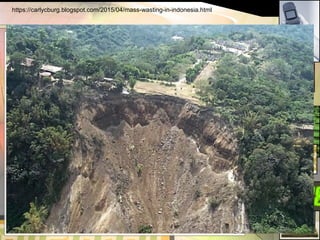
Activity 3 (QUIZ)
Identify the dangers to human
settlements and
infrastructure, and suggest
ways to reduce the possible
damage.
https://carlycburg.blogspot.com/2015/04/mass-wasting-in-indonesia.html
Assignment
“The 17 February 2006 rock slide-
debris avalanche at
Guinsaugon, Philippines”
1. Read the Article
2. Write notes describing the event
and the conditions that have led
to its occurrence.
3. Research a different viewpoint
on the subject.
"Nature is not a force to be
conquered, but a partner to be
respected”
- John Muir, naturalist and environmental
philosopher

EXOGENIC PROCESSES FOCUS ON (mass wasting).pptx

  • 1.
  • 2.
    Content Standard: The learnersdemonstrate an understanding of geologic processes that occur on the surface of the Earth such as weathering, erosion, mass wasting, and sedimentation.
  • 3.
    Learning Competency andCode: The learners make a report on how rocks and soil move downslope due to the direct action of gravity (S11/12ES-Ib- 13)
  • 4.
    Objectives: At the endof 60 minutes, 100% of the learners are expected to: 1. Identify the controls and triggers of mass wasting; and 2. Distinguish between different mass wasting processes.
  • 5.
    ACTIVITY NO. 1 Inscribecomprehensive definitions for the key terms associated with the Exogenic process on one full sheet of paper.
  • 6.
    Provide definitions forthe following key terms a. Mass wasting b. Landslide c. Mudflow d. Disposition e. Debris flow f. Saturation g. Slump h. Rock slide i. Submarine slump
  • 7.
  • 8.
    ACTIVITY NO. 2 “ThreeFriends In A Valley”
  • 9.
    QUESTIONS Question 1: Whatare natural springs, and what are a couple of reasons why the spring on Sara's farm stopped giving water? Question 2: What are some possible reasons for why the fence is slowly tipping over? Question 3: What are some possible reasons for the cracks in the walls? What are some ways to find out what is really happening?
  • 10.
    QUESTIONS Question 4: Whatwould cause trees to grow like this? Question 5: Where should the friends go first? Question 6: What are some possible causes for the low river water level, and what should the girls do about it?
  • 11.
    Rubrics Overall Score Score 4:Excellent Score 3: Good Score 2: Fair Score 1: Needs Improvement
  • 12.
    Mass wasting Mass wasting,also known as mass movement, is the movement of rock, soil, and debris down a slope under the force of gravity. It differs from other processes of erosion in that the debris transported by mass wasting is not entrained in a moving medium, such as water, wind, or ice.
  • 13.
    Landslide  Landslides area type of mass wasting, which is the downhill movement of soil and rock under the force of gravity.  Landslides can be caused by a variety of factors, including heavy rainfall, earthquakes, and volcanic activity. They can also be triggered by human activities such as deforestation and road construction
  • 14.
    controlling factors inmass wasting  Slope angle Steeper slopes are more prone to mass wasting than gentler slopes. This is because gravity exerts a greater force on steeper slopes.  Slope material Loose, unconsolidated materials are more prone to mass wasting than solid, compact materials. This is because loose materials are more easily mobilized by gravity.  Water Water can lubricate slopes and increase the weight of soil and rock, making them more prone to mass wasting. Heavy rainfall is a common trigger for mass wasting events.
  • 15.
    controlling factors inmass wasting  Vegetation Vegetation can help to stabilize slopes and prevent mass wasting. Vegetation roots hold soil and rock in place, and vegetation cover can help to reduce the amount of water that infiltrates the slope.  Human activity Human activities such as deforestation, road construction, and mining can increase the risk of mass wasting. These activities can destabilize slopes and make them
  • 16.
    Classification of masswasting processes Falls involve the free fall of rocks or other materials down a slope. Slides Slides involve the downhill movement of material along a relatively well- defined surface. Flows Flows involve the rapid downhill movement of material that is saturated with water or air.
  • 17.
    Classification of masswasting processes Creep Creep is the slow, gradual downhill movement of material.
  • 18.
    Subaqueous mass wasting Isthe movement of sediment down a slope in an underwater environment. It is driven by the force of gravity, and the water acts as a lubricant that reduces the frictional resistance faced by the particles. This allows for even small amounts of sediment to move downslope, even on relatively gentle slopes.
  • 19.
    Subaqueous mass wasting Typesof Subaqueous Mass Wasting: 1. Submarine Landslides These are large-scale movements of underwater sediments or rock along a sloping seafloor. They can be triggered by factors like earthquakes, volcanic activity, or the accumulation of excess sediment on steep slopes. 2. Turbidity Currents: These are underwater currents caused by the rapid movement of sediment-laden water down a slope. They can transport large volumes of sediment
  • 20.
    Subaqueous mass wasting 3.Debris Flows and Slumps Similar to terrestrial mass wasting, these involve the movement of water- saturated sediments down slopes underwater. They can occur on continental slopes or in underwater canyons. 4.Underwater Avalanches These involve the rapid movement of underwater snow, ice, and sediment down a slope, often on continental shelves.
  • 21.
    Events that triggermass wasting processes a. Rainfall and Saturation  Intense Rainfall b. Earthquakes  Seismic Activity c. Volcanic Activity  Volcanic Eruptions d. Snowmelt and Glacial Melting  Rapid Melting e. Undercutting by Water  River Erosion
  • 22.
    Events that triggermass wasting processes f. Human Activities  Excavation and Construction  Deforestation g. Changes in Groundwater Levels  Lowering of Water Table h. Freezing and Thawing  Frost Action i. Volcanic Ash Deposition  Accumulation of Ash j. Previous Mass Wasting Events:  Remobilization
  • 23.
    landslide warning signs 1.Changes in the landscape this can include new cracks or unusual bulges in the ground, leaning or tilting trees or fences, or sinking roads or driveways. 2. Water This can include new springs or seeps, sudden changes in the water level of streams or wells, or muddy water in streams or rivers.
  • 24.
    3. Sounds This caninclude unusual sounds such as cracking wood, knocking boulders, or ground "groaning." 4. Feeling This can include a feeling of shaking or movement in the ground.
  • 25.
    Activity 3 (QUIZ) Identifythe dangers to human settlements and infrastructure, and suggest ways to reduce the possible damage.
  • 26.
  • 27.
    Assignment “The 17 February2006 rock slide- debris avalanche at Guinsaugon, Philippines” 1. Read the Article 2. Write notes describing the event and the conditions that have led to its occurrence. 3. Research a different viewpoint on the subject.

  • 28.
    "Nature is nota force to be conquered, but a partner to be respected” - John Muir, naturalist and environmental philosopher

Editor's Notes

  • #7 Like the eraser rocks and rock debris can also move down-slope through the process called mass wasting.  
  • #8 Students perform an activity Three Friends in A Valley have students read the story “Three Friends In A Valley” and answer the accompanying questions. Have them discuss among themselves their answers.
  • #10  Each group will assign a representative to share their output on the activity to the class. The teacher will correct any misconceptions on the concept as presented by each group.
  • #16 Fall Rockfall: Involves the free-fall of detached rock fragments down a slope. Debris Fall: Involves the free-fall of a mixture of rock fragments, soil, and debris. Slide Rockslide: Involves the rapid sliding of a mass of rock along a planar surface. Debris Slide: Involves the rapid sliding of a mass of soil, debris, and loose material along a planar surface. Mudslide (Debris Flow): Involves a rapid flow of water-saturated, fine-grained material mixed with larger particles. Earthflow: Involves the gradual movement of water-saturated soil and debris downslope. Avalanche: Involves the rapid movement of snow, ice, and debris down a slope. Flow Lahar: A volcanic mudflow composed of volcanic ash, water, and other debris. Creep: Involves the slow, continuous movement of soil and regolith, often caused by expansion and contraction due to freeze-thaw cycles or wetting-drying cycles. Solifluction: Involves the slow flow of water-saturated soil over a frozen or impermeable layer. Debris Flow (Mudflow): Involves the rapid flow of water-saturated, fine-grained material mixed with larger particles. Collapse (Subsidence) Sinkhole Formation: Involves the sudden collapse of a cavity or underground void, often due to the dissolution of soluble bedrock (karst terrain).
  • #18 Subaqueaous-palihim
  • #19 Here are some examples of subaqueous mass wasting events: In 1998, a submarine landslide triggered a tsunami that killed over 2,000 people in Papua New Guinea. In 2006, a submarine earthquake triggered a debris flow that damaged underwater pipelines and disrupted oil production in the Gulf of Mexico. In 2011, a turbidity current generated by an earthquake and tsunami damaged telecommunications cables in the Pacific Ocean, disrupting communications between Japan and the United States.
  • #21 Intense Rainfall: Prolonged or heavy rainfall can saturate soil and rock, reducing internal cohesion and triggering landslides and flows. Seismic Activity: Earthquakes can induce mass wasting by generating ground shaking that weakens the stability of slopes. Volcanic Eruptions: Explosive volcanic eruptions can dislodge large volumes of material, triggering avalanches or pyroclastic flows. Rapid Melting: Sudden warming or intense sunlight can lead to rapid melting of snow or glaciers, creating a surge of water that can trigger mass wasting events River Erosion: The erosion of riverbanks or cliffs due to the flow of water can undercut slopes, leading to collapses or slides.
  • #22  Excavation and Construction: The removal of material during construction or excavation activities can alter the stability of slopes, potentially causing mass wasting. Deforestation: Clearing of forests can remove the stabilizing effect of vegetation, making slopes more susceptible to mass wasting. Lowering of Water Table: The lowering of groundwater levels, often due to human activities like groundwater extraction, can lead to increased slope instability. Frost Action: Repeated cycles of freezing and thawing can lead to the expansion and contraction of materials, potentially causing creep or other types of movement. Accumulation of Ash: The deposition of volcanic ash on slopes can increase the weight and alter the stability of the material, potentially triggering mass wasting. Remobilization: The presence of previously disturbed material on a slope can be prone to further movement, especially if the underlying conditions remain unstable
  • #23 f you notice any of these warning signs, it is important to evacuate the area immediately and contact the authorities. Landslides can happen very quickly, so it is important to act quickly to avoid injury or death. Here is a more detailed discussion of some of the most common landslide warning signs: Changes in the landscape: Landslides can cause the landscape to change in a number of ways. For example, new cracks may appear in the ground, or existing cracks may widen. The ground may also bulge or sag, and trees and fences may lean or tilt. These changes can be caused by the movement of soil and rock beneath the surface. Water: Landslides can also cause changes in water patterns. For example, new springs or seeps may appear, or existing springs and seeps may increase in flow. The water level in streams and wells may also change suddenly. These changes can be caused by the movement of soil and rock blocking or redirecting water flow. Sounds: Landslides can also produce unusual sounds. For example, you may hear cracking wood, knocking boulders, or ground "groaning." These sounds are caused by the movement of soil and rock beneath the surface. Feeling: Landslides can also produce a feeling of shaking or movement in the ground. This is caused by the movement of soil and rock beneath the surface.