EVALUATING CONTAINER
SECURITY WITH ATT&CK
FRAMEWORK
• Sandeep Jayashankar • Nov 2020
EVALUATIN
G
CONTAINER
SECURITY
WITH
ATT&CK
FRAMEWOR
K
Containers
•Current Tech Landscape
•Vuln Timeline
•Most Recent Vulnerabilities
•Misconfiguration Attacks
Container Runtime Challenges
ATT&CK for Containers
•Introduction
•Use Cases
•Threat Matrix
Practical approach to ATT&CK
Conclusion
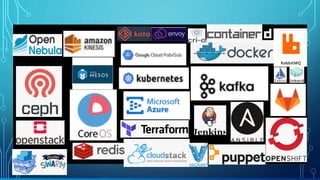
CONTAINERS – CURRENT TECH LANDSCAPE
CONTAINERS – VULN TIMELINES
CONTAINERS – MOST RECENT VULNERABILITIES
CVE-2020-
2121
Jenkins Kubernetes
Engine plugin
Remote Code
Execution with
arbitrary installs
https://www.tigera.io/blog/kubernetes-q3-2020-threats-exploits-and-ttps/
https://sysdig.com/blog/falco-cve-2020-8566-ceph/
https://sysdig.com/blog/cve-2020-8563-vsphere-credentials-cloud-controller-
manager/
CVE-2020-
14386
Linux Kernel
Privilege Escalation
due to packet
socket memory
corruption
CVE-2020-
8563
CVE-2020-
8558
kube-controller-
manager vSphere
credential leak
Ceph cluster
adminSecrets
exposed when
logLevel >=4
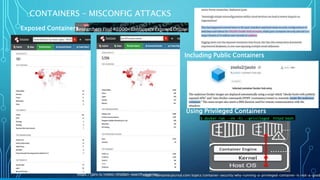
CONTAINERS – MISCONFIG ATTACKS
https://jarv.is/notes/shodan-search-queries/
Exposed Containers
Including Public Containers
Using Privileged Containers
https://containerjournal.com/topics/container-security/why-running-a-privileged-container-is-not-a-good
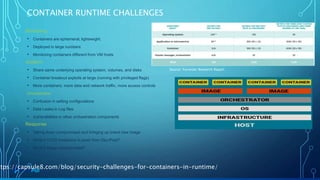
CONTAINER RUNTIME CHALLENGES
Monitoring
• Containers are ephemeral, lightweight.
• Deployed in large numbers
• Monitoring containers different from VM hosts
Isolation
• Share same underlying operating system, volumes, and disks
• Container breakout exploits at large (running with privileged flags)
• More containers, more data and network traffic, more access controls
Orchestration
• Confusion in setting configurations
• Data Leaks in Log files
• Vulnerabilities in other orchestration components
Response
• Taking down compromised and bringing up brand new image
• What if CI/CD limitations to push from Dev-Prod?
• What if image compromised?
ttps://capsule8.com/blog/security-challenges-for-containers-in-runtime/
Source: Forrester Research Report
ATT&CK FOR CONTAINERS - INTRODUCTION
• Adversarial Tactics, Techniques, And Common Knowledge
• Understand Adversary Behavior using Threat Matrix
• Defines Tactics, Techniques, and Procedures (TTPs)
© 2020 PAYPAL INC. CONFIDENTIAL AND PROPRIETARY.
Cloud Matrix: https://attack.mitre.org/matrices/enterprise/cloud/gcp/
Advanced Persistent Threat
Group
ATT&CK FOR CONTAINERS – USE CASES
https://attack.mitre.org/docs/training-cti/CTI%20Workshop%20Full%20Slides.pdf
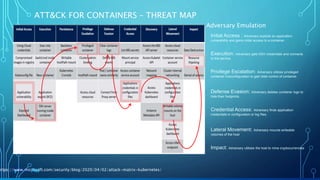
ATT&CK FOR CONTAINERS – THREAT MAP
Initial Access : Adversary exploits an application
vulnerability and gains initial access to a container.
Execution: Adversary gets SSH credentials and connects
to the service.
Privilege Escalation: Adversary utilizes privileged
container misconfiguration to gain total control of container.
Defense Evasion: Adversary deletes container logs to
hide their footprints.
Credential Access: Adversary finds application
credentials in configuration or log files.
Lateral Movement: Adversary mounts writeable
volumes of the host
Impact: Adversary utilizes the host to mine cryptocurrencies
https://www.microsoft.com/security/blog/2020/04/02/attack-matrix-kubernetes/
Adversary Emulation
CONCLUSION
Identify adversary
behavior
Translate behavior into
TTPs
Map data in a visualized
manner
Plan mitigations based
mapped data
Common Knowledge
helps educate
developers, security
personnel and system
administrators
QUESTIONS

Evaluating container security with ATT&CK Framework

  • 1.
    EVALUATING CONTAINER SECURITY WITHATT&CK FRAMEWORK • Sandeep Jayashankar • Nov 2020
  • 2.
    EVALUATIN G CONTAINER SECURITY WITH ATT&CK FRAMEWOR K Containers •Current Tech Landscape •VulnTimeline •Most Recent Vulnerabilities •Misconfiguration Attacks Container Runtime Challenges ATT&CK for Containers •Introduction •Use Cases •Threat Matrix Practical approach to ATT&CK Conclusion
  • 3.
    CONTAINERS – CURRENTTECH LANDSCAPE
  • 4.
  • 5.
    CONTAINERS – MOSTRECENT VULNERABILITIES CVE-2020- 2121 Jenkins Kubernetes Engine plugin Remote Code Execution with arbitrary installs https://www.tigera.io/blog/kubernetes-q3-2020-threats-exploits-and-ttps/ https://sysdig.com/blog/falco-cve-2020-8566-ceph/ https://sysdig.com/blog/cve-2020-8563-vsphere-credentials-cloud-controller- manager/ CVE-2020- 14386 Linux Kernel Privilege Escalation due to packet socket memory corruption CVE-2020- 8563 CVE-2020- 8558 kube-controller- manager vSphere credential leak Ceph cluster adminSecrets exposed when logLevel >=4
  • 6.
    CONTAINERS – MISCONFIGATTACKS https://jarv.is/notes/shodan-search-queries/ Exposed Containers Including Public Containers Using Privileged Containers https://containerjournal.com/topics/container-security/why-running-a-privileged-container-is-not-a-good
  • 7.
    CONTAINER RUNTIME CHALLENGES Monitoring •Containers are ephemeral, lightweight. • Deployed in large numbers • Monitoring containers different from VM hosts Isolation • Share same underlying operating system, volumes, and disks • Container breakout exploits at large (running with privileged flags) • More containers, more data and network traffic, more access controls Orchestration • Confusion in setting configurations • Data Leaks in Log files • Vulnerabilities in other orchestration components Response • Taking down compromised and bringing up brand new image • What if CI/CD limitations to push from Dev-Prod? • What if image compromised? ttps://capsule8.com/blog/security-challenges-for-containers-in-runtime/ Source: Forrester Research Report
  • 8.
    ATT&CK FOR CONTAINERS- INTRODUCTION • Adversarial Tactics, Techniques, And Common Knowledge • Understand Adversary Behavior using Threat Matrix • Defines Tactics, Techniques, and Procedures (TTPs) © 2020 PAYPAL INC. CONFIDENTIAL AND PROPRIETARY. Cloud Matrix: https://attack.mitre.org/matrices/enterprise/cloud/gcp/ Advanced Persistent Threat Group
  • 9.
    ATT&CK FOR CONTAINERS– USE CASES https://attack.mitre.org/docs/training-cti/CTI%20Workshop%20Full%20Slides.pdf
  • 10.
    ATT&CK FOR CONTAINERS– THREAT MAP Initial Access : Adversary exploits an application vulnerability and gains initial access to a container. Execution: Adversary gets SSH credentials and connects to the service. Privilege Escalation: Adversary utilizes privileged container misconfiguration to gain total control of container. Defense Evasion: Adversary deletes container logs to hide their footprints. Credential Access: Adversary finds application credentials in configuration or log files. Lateral Movement: Adversary mounts writeable volumes of the host Impact: Adversary utilizes the host to mine cryptocurrencies https://www.microsoft.com/security/blog/2020/04/02/attack-matrix-kubernetes/ Adversary Emulation
  • 11.
    CONCLUSION Identify adversary behavior Translate behaviorinto TTPs Map data in a visualized manner Plan mitigations based mapped data Common Knowledge helps educate developers, security personnel and system administrators
  • 12.

Editor's Notes

  • #4 Infrastructure: Container Runtime components Orchestration components Automation CI/CD tooling Service Mesh Messaging Container OS Platforms