Expect More!
At the Heart of Libraries
Innovation, Community, Success


Stephen Abram, MLS
Edmonton Public Library Feb. 11, 2013
2
3
4
5


A metaphor for public libraries…
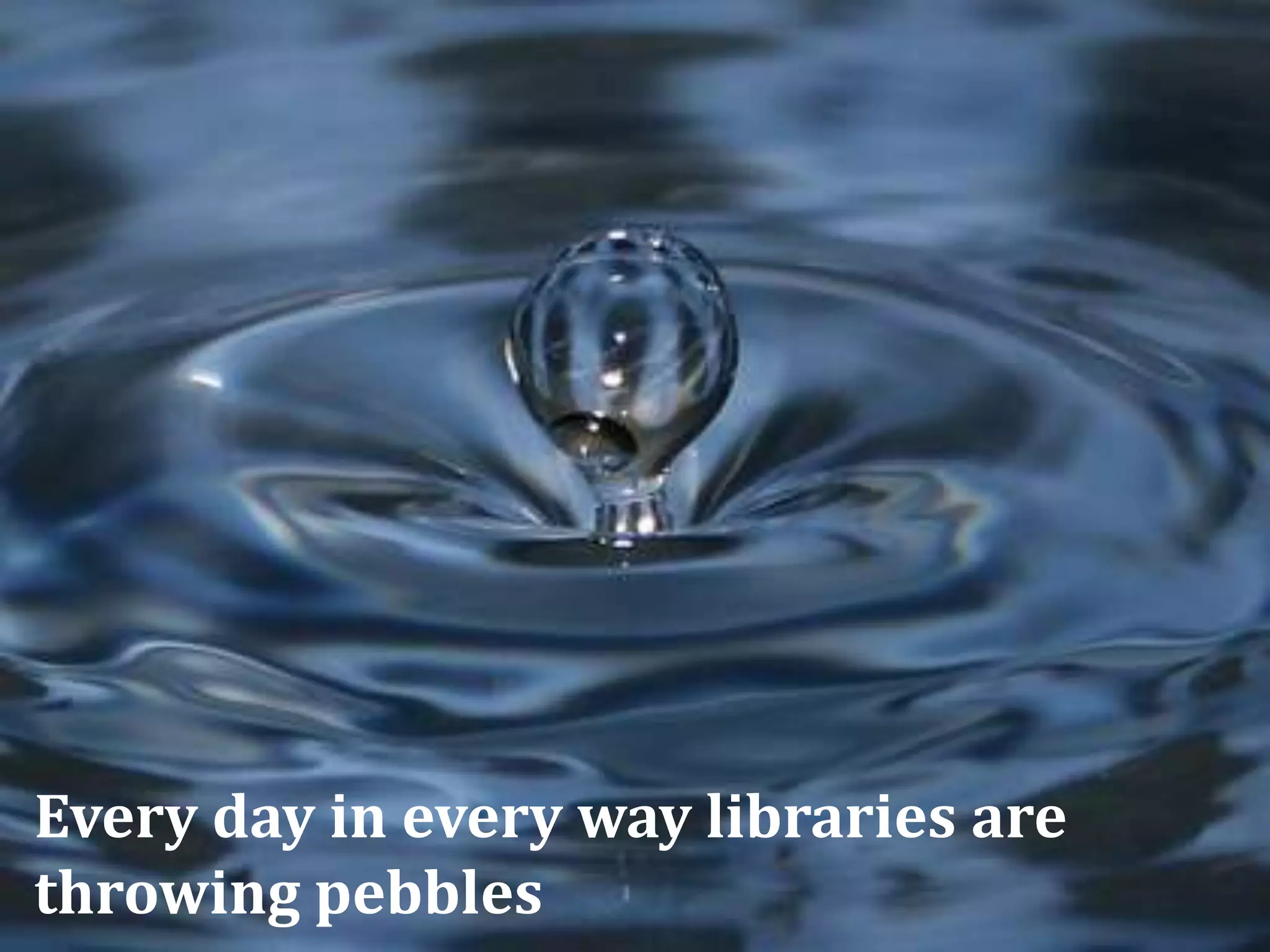
Every Day in every way libraries are
throwing pebbles
8


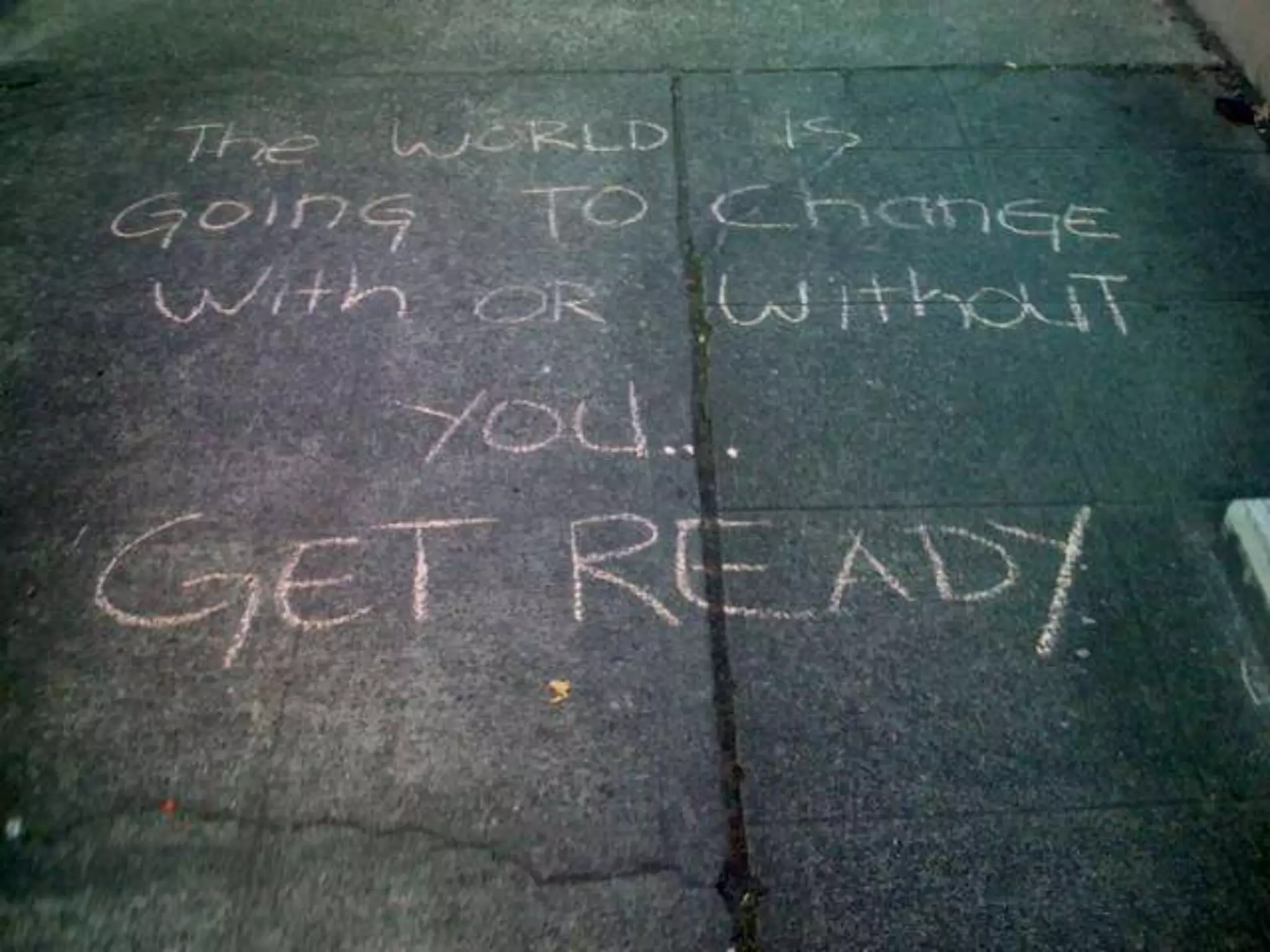
It’s simple really, shift happens, gedoverit
• Users & Communities will continue to be diverse in the extreme
• Expectations around timeliness will increase
• We will have a foot in both camps for many, many years to come: digital
  and physical
• Content will (is already) be dominated by non-text (gamification, 3D,
  visual, music, video, audio, etc.)
• Search will explode with options and one-step, one box search is for
  dummies
• The single purpose anchored device is dead as a target environment
• Devices will focus on social, collaboration, sharing, multimedia, creation
  and successful Services will align with that
• Librarians will need to focus primarily on professional service(s) and
  strategic alignment (reduced roles in organizing knowledge and
  step&fetchit politeness)
• Service Professionals NOT Servants
• E-Learning, collections and metadata will go to the cloud massively
Deer in headlamps slide here.
10


Who are you?
11
What are you?
12
13
Library Megatrends
It doesn’t take a genius to see
librarian skills and competencies
applied to the trends and issues in
library communities
Libraries core skill is not
        delivering information
 Libraries improve the
 quality of the question
and the user experience
     Libraries are about learning
     and building communities
People Have Seasons
Librarian Magic
Studying the
      Future
• What are folks like?
  Are they different
  than us? Do their
  needs change?
• What world will
  they experience
  and what skills do
  they need?
• How can we make
  a difference? (Very
  different than help)
What are the goals?

• What are your goals?


• What are their goals?


• Is there a difference?
Building blocks

 •   Information
 •   Communication
 •   Media
 •   Social
 •   Numeracy
 •   Visual
 •   Literacies
What does
Sustainability
   Mean?
What Does
Boundarylessness
    mean?
• When something
  needs to
  change…

• Do it.

• Take
  accountability.

• Delegate
  responsibility.
Be More Open to New Paths
Be More Open to the Users’ Paths
Do You Feel Poor?
Are you locked into library mindsets?
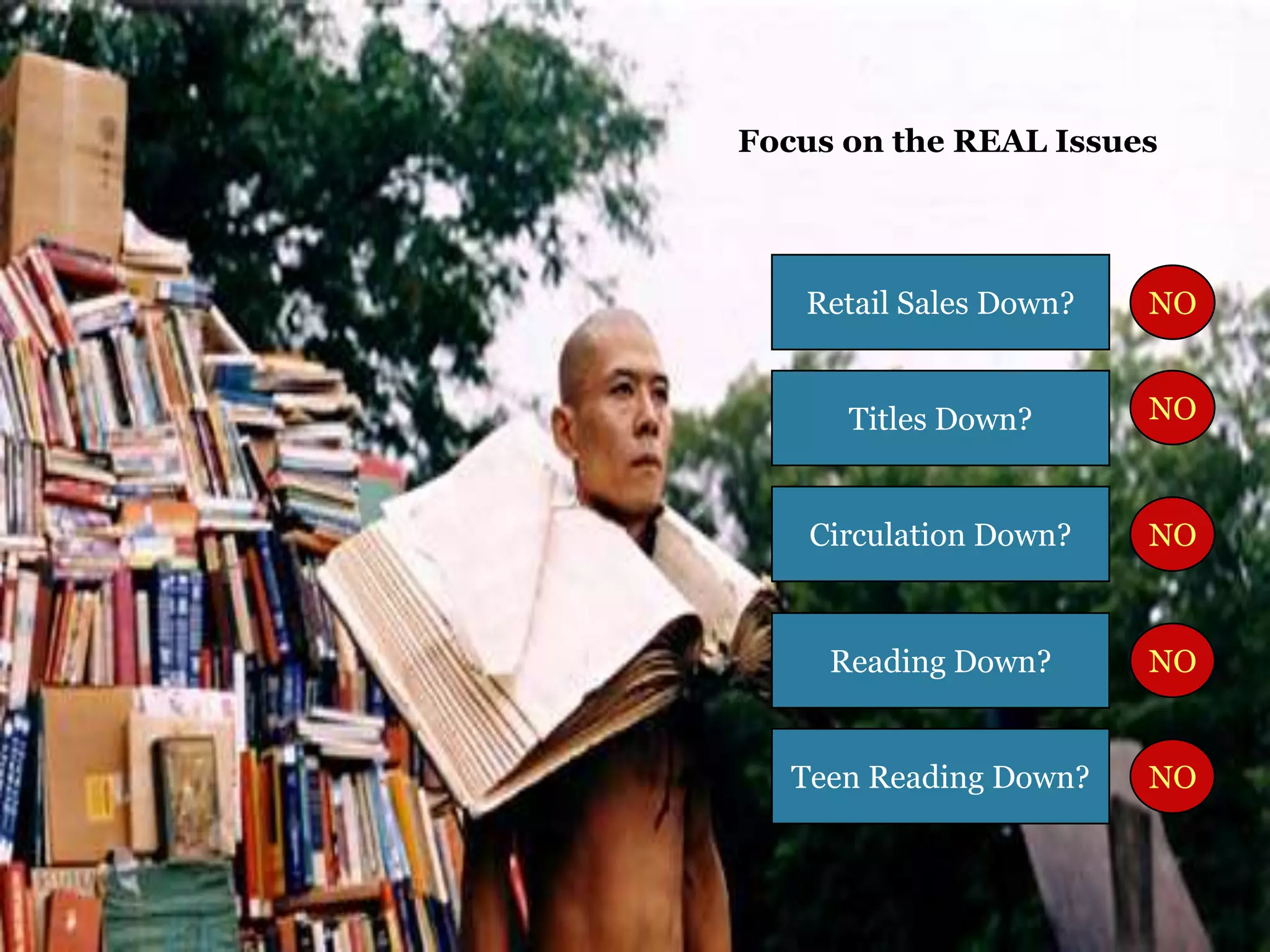
Focus on the REAL Issues


   Retail Sales Down?   NO


      Titles Down?      NO


    Circulation Down?   NO


     Reading Down?      NO


   Teen Reading Down?   NO
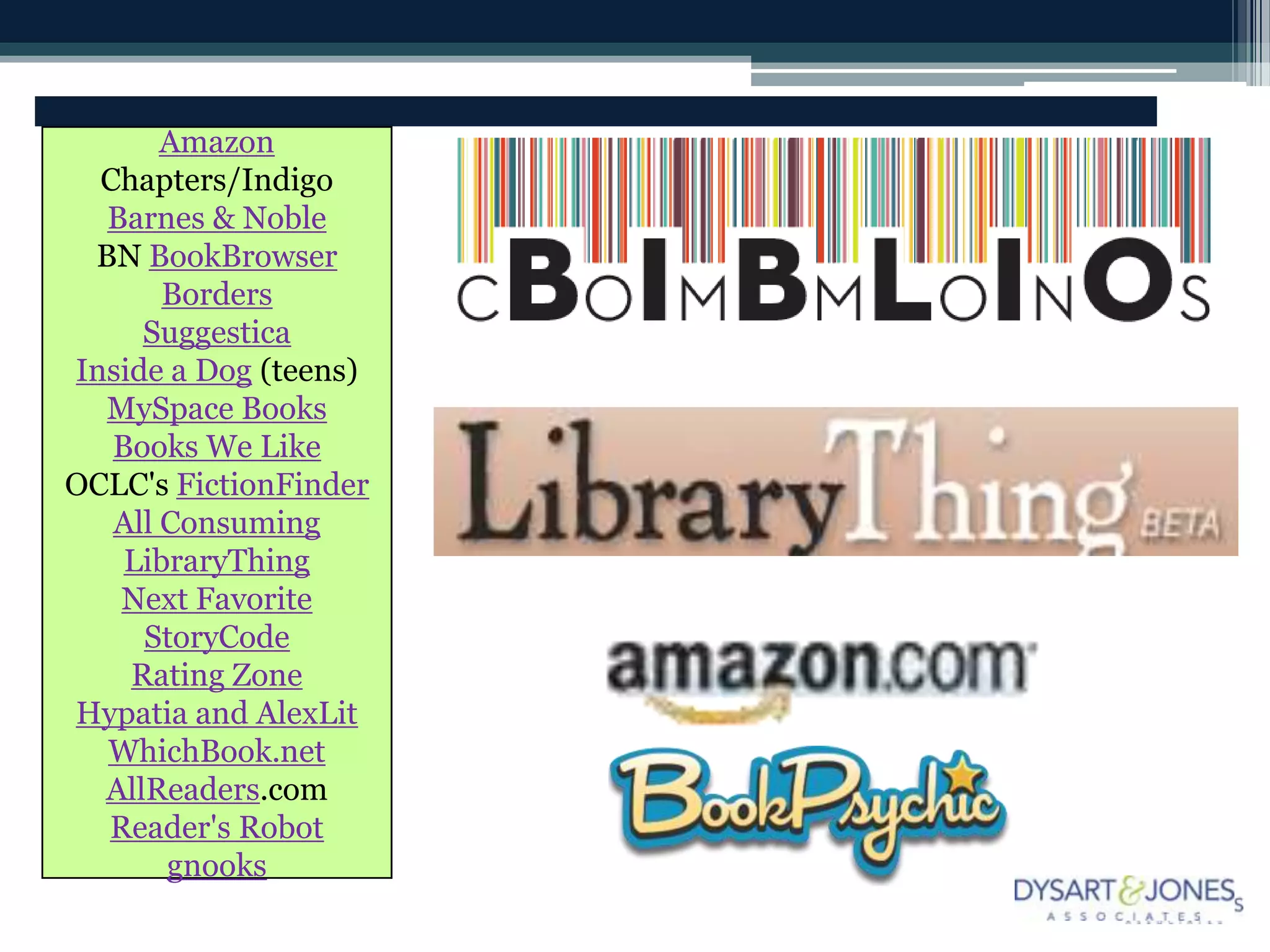
Amazon
  Chapters/Indigo
  Barnes & Noble
 BN BookBrowser
       Borders
     Suggestica
Inside a Dog (teens)
  MySpace Books
   Books We Like
OCLC's FictionFinder
   All Consuming
    LibraryThing
   Next Favorite
     StoryCode
    Rating Zone
Hypatia and AlexLit
  WhichBook.net
  AllReaders.com
  Reader's Robot
       gnooks
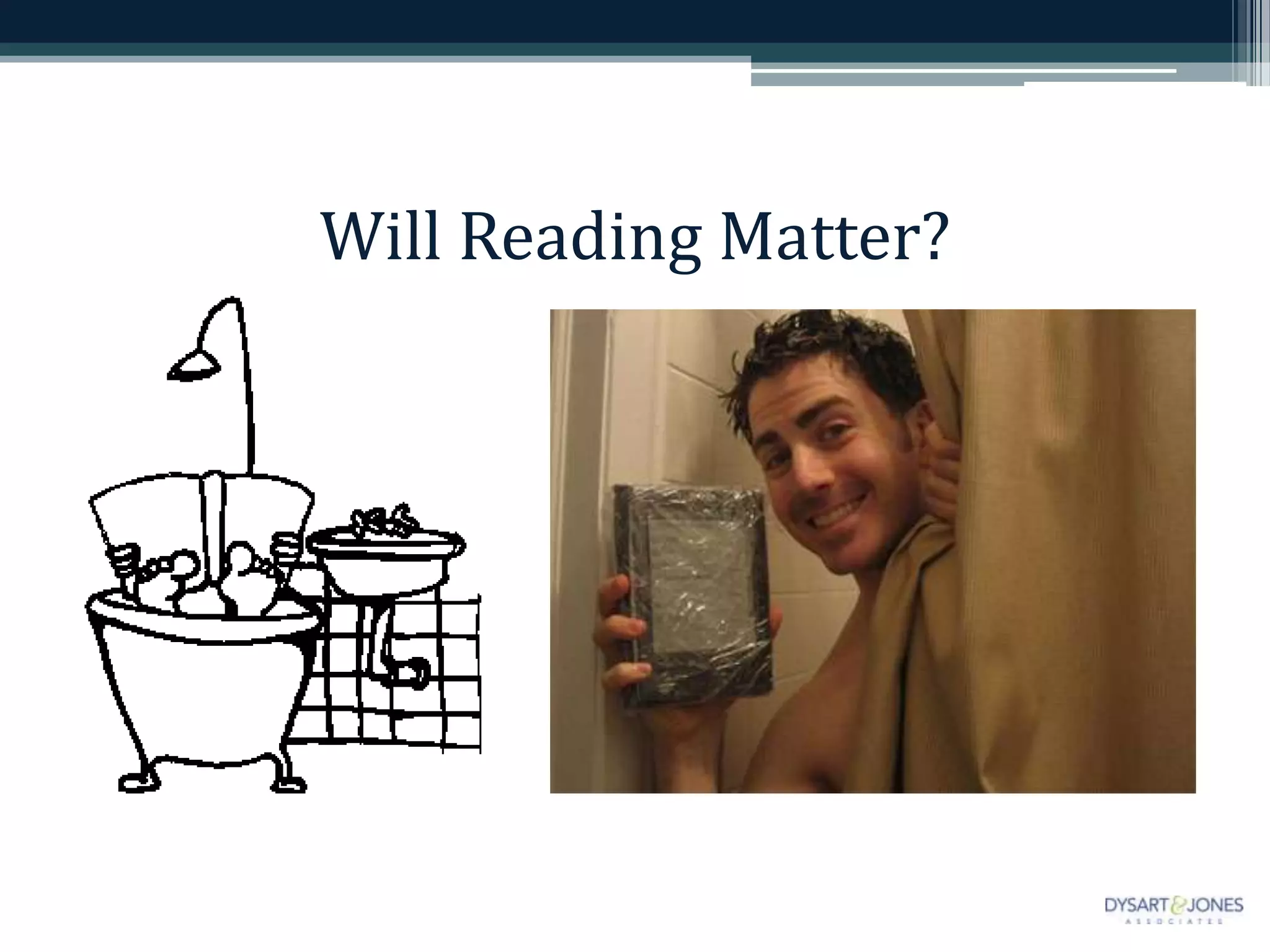
Will Reading Matter?
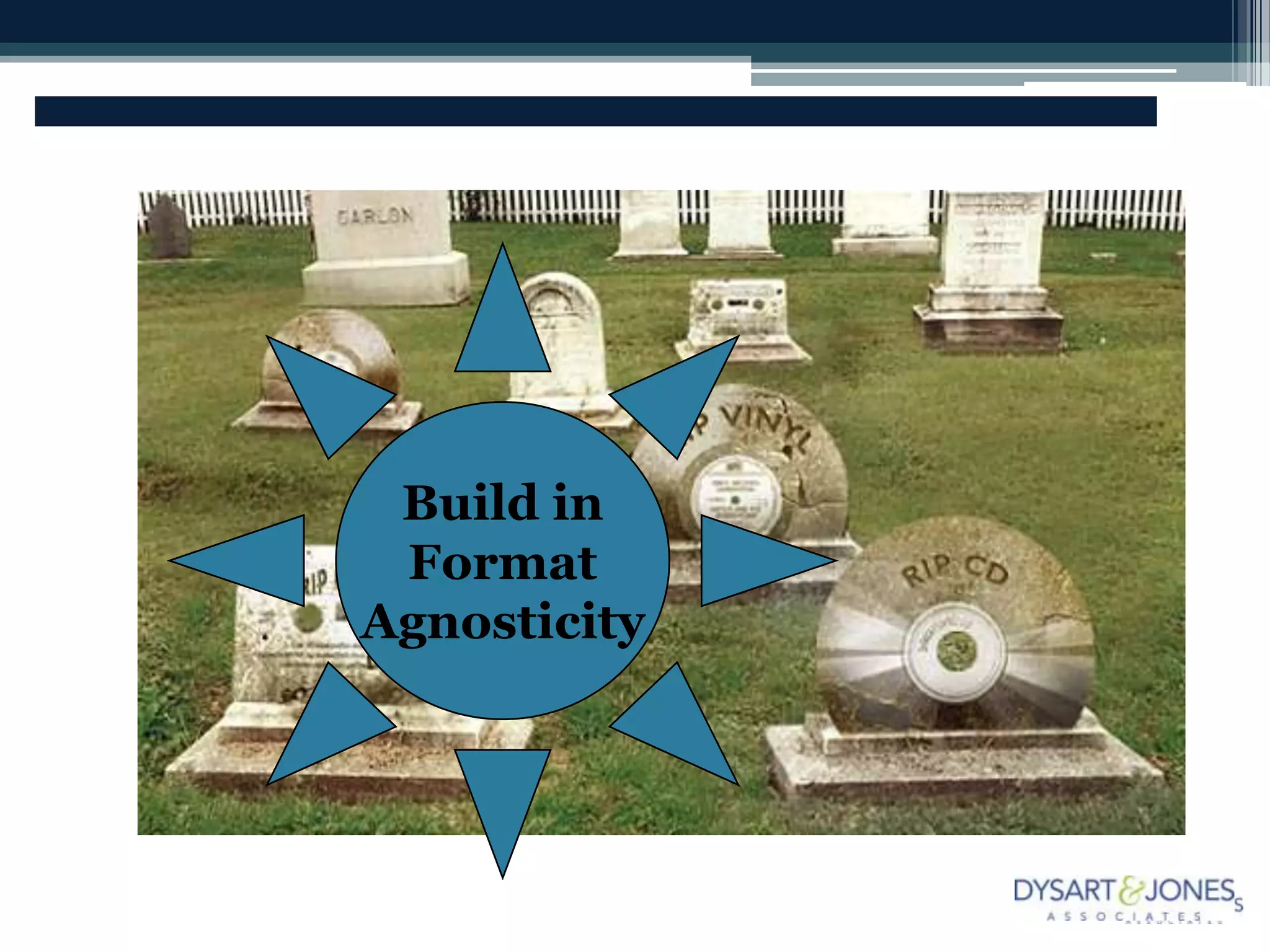
Build in
 Format
Agnosticity
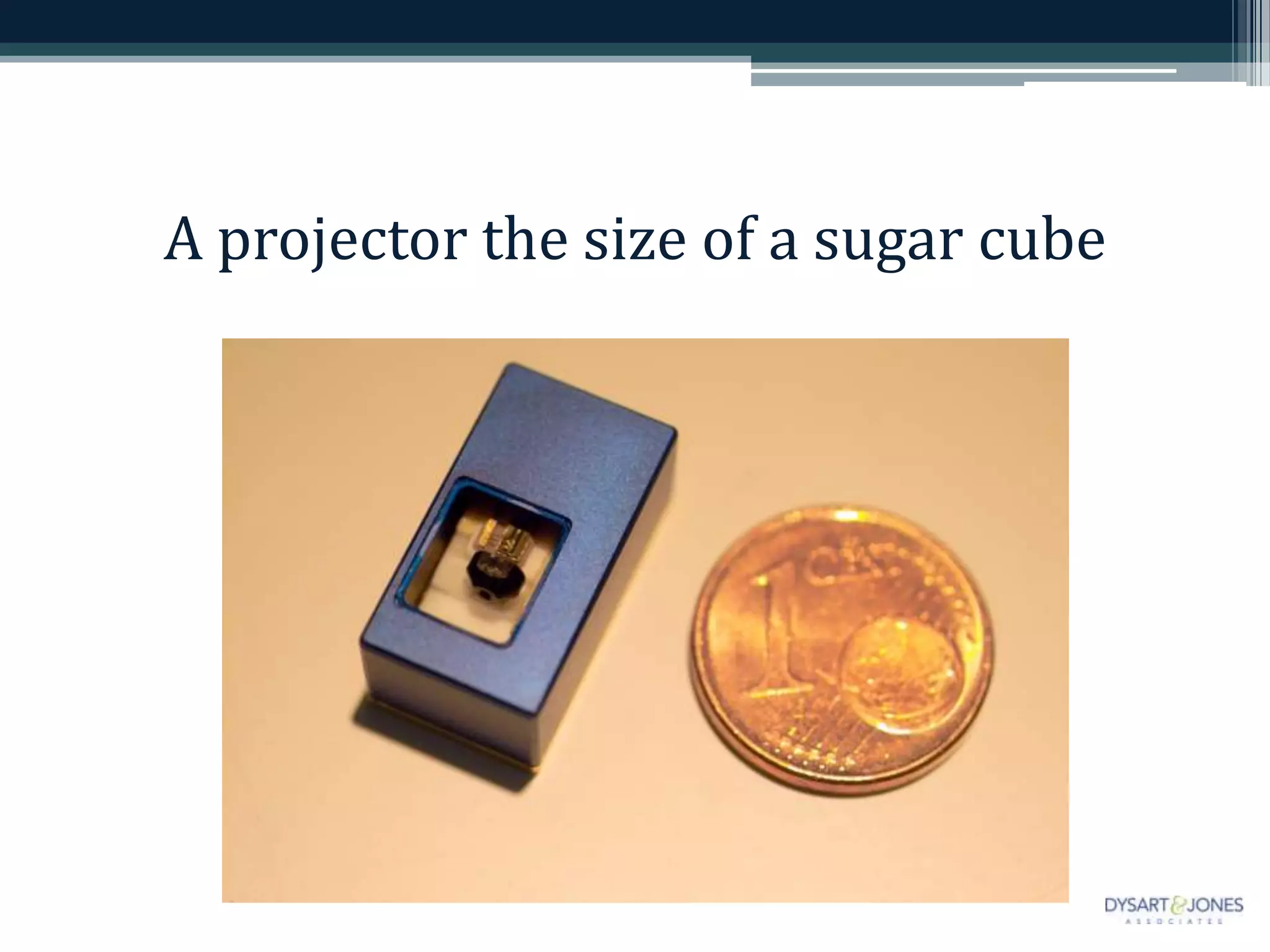
A projector the size of a sugar cube
Everything’s getting smaller
Pay
Attention
to
Mobile
Being More
Open to
Comment
Being More Open to Criticism
       and Feedback
Being More Open to
Recommendations
Support Aspiration
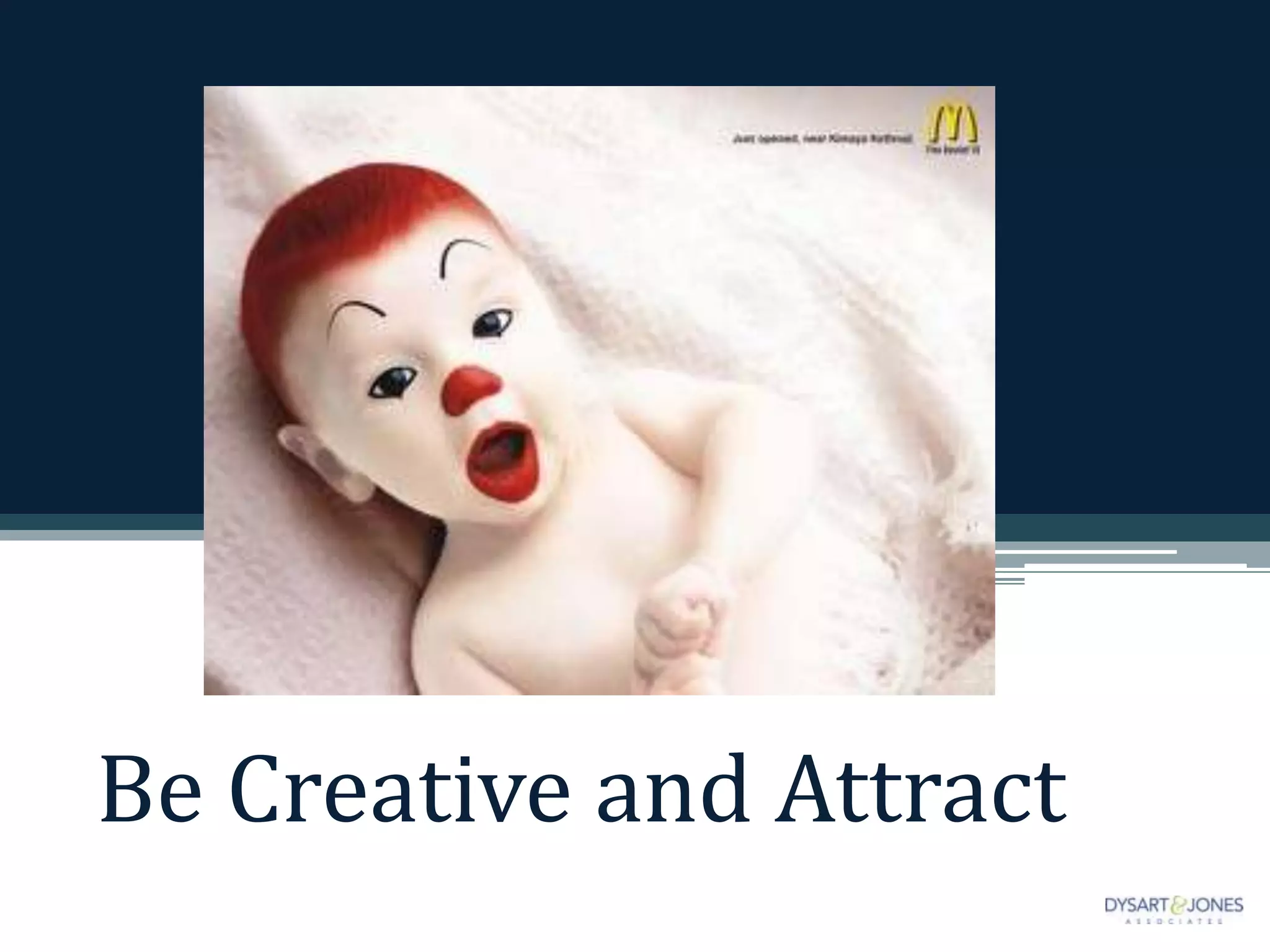
Be Creative and Attract
Your Career Has Seasons
Being More Open to Change
The Library as Sandbox
Support Your Team
Being More Open
Experimentation, Pilots and
       Innovation
Being More Flexible
Being More Open to Risk
Being Open
to a Mosaic
of Solutions
Being Open to Ambiguity
Be
More
Open
to Social
Technologies
and
Unintended
Consequences
Being Comfortable with Speed
Being Open to New Ideas
Letting Go of Control
Remove the Borders Inside Libraries


         Be the Change We Want to See
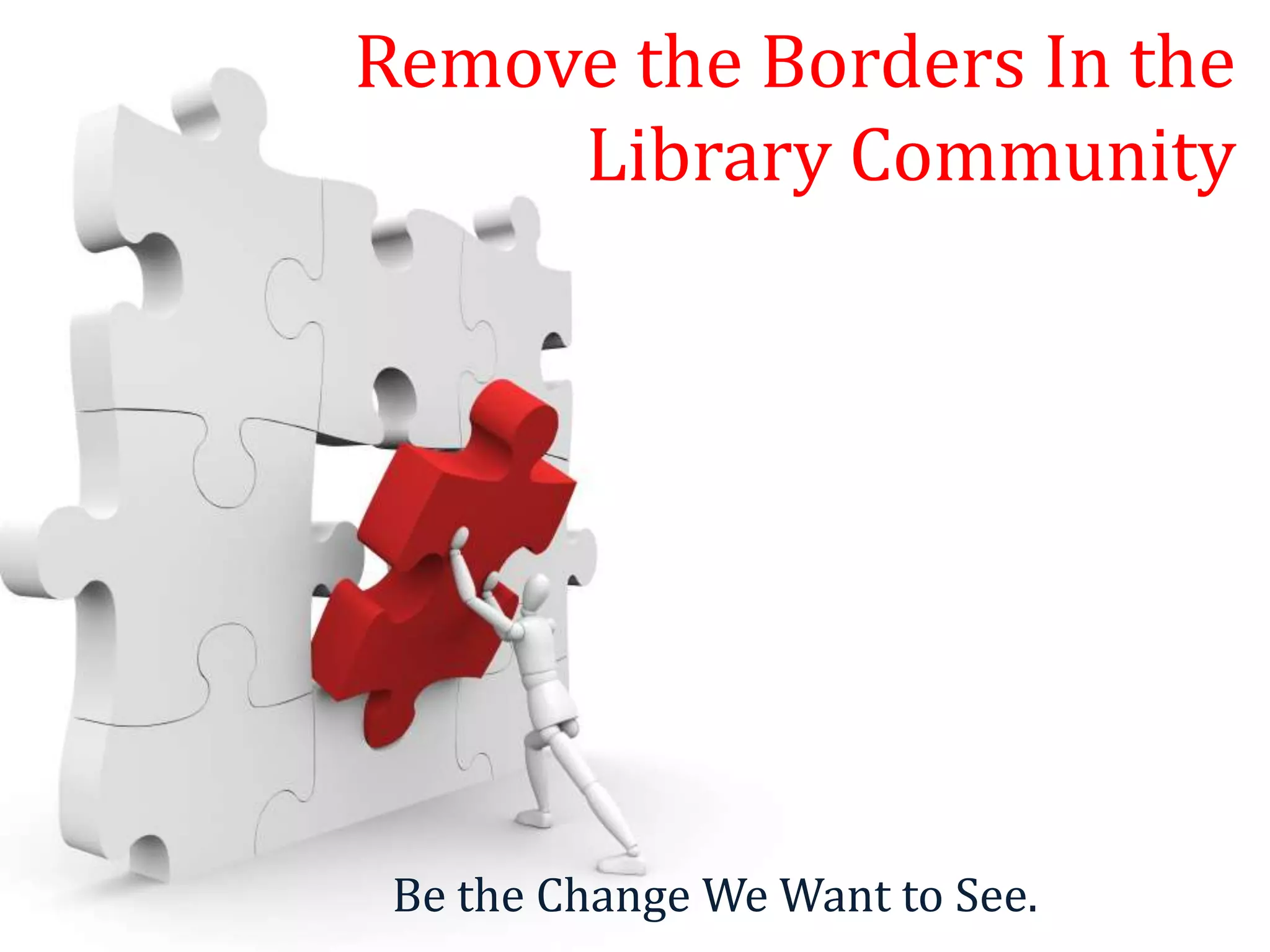
Remove the Borders In the
     Library Community


 Be the Change We Want to See.
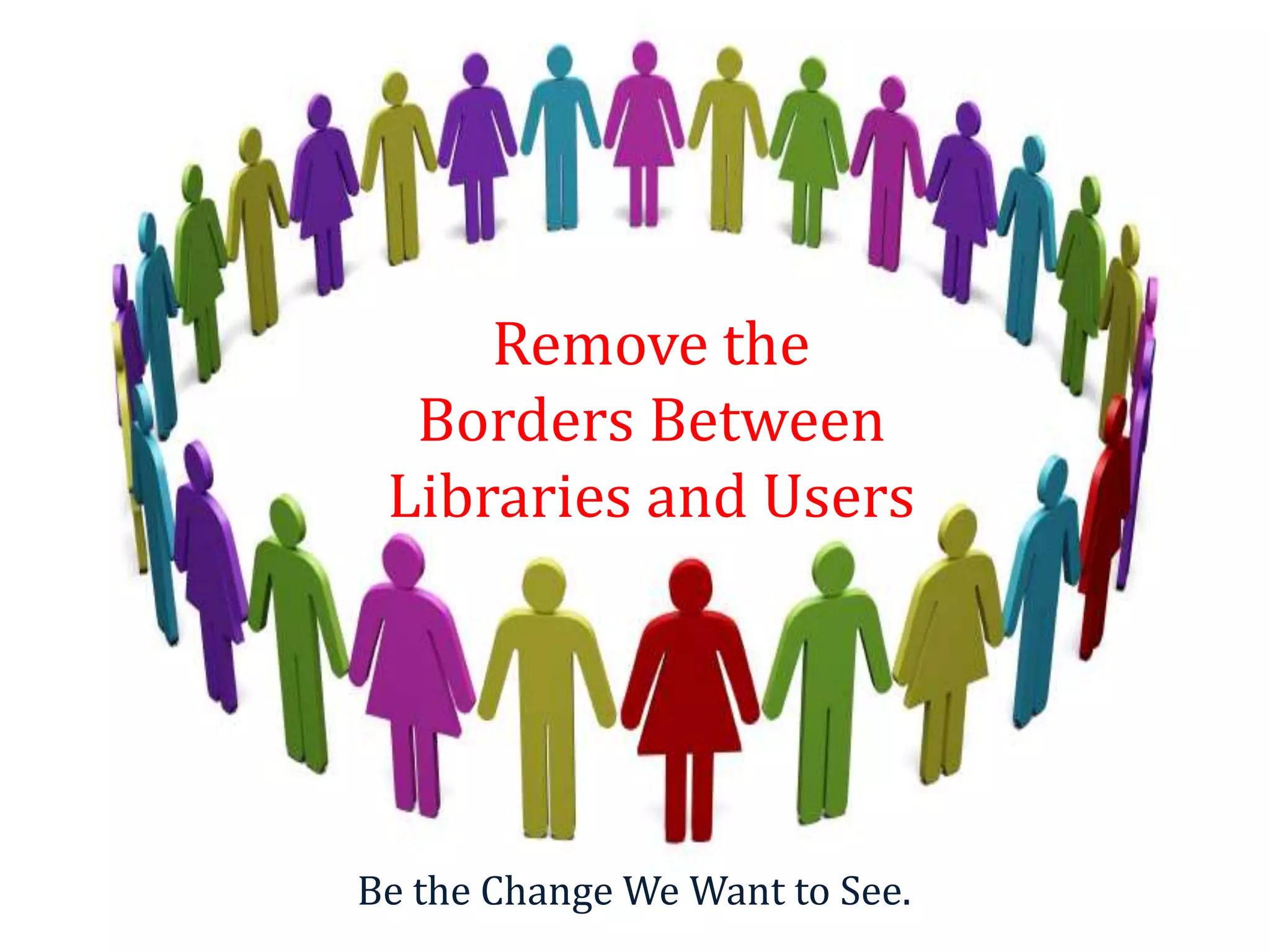
Remove the
  Borders Between
 Libraries and Users


Be the Change We Want to See.
Remove the
Borders
Between
Libraries and
Influencers
Be Inspirational
Be Important
Know What Makes Us Different
Finding Our Voice and Using It
Libraries core skill is not
        delivering information
 Libraries improve the
 quality of the question
and the user experience
     Libraries are about learning
     and building communities
70
71


Up Your Game
• Know your local community demographics
• Focus on needs assessment and social assessments
• Prioritize: Love all, Serve all, Save the World means nothing
  gets done
• Priorities are SMART: Specific, Measurable, Attainable,
  Relevant, & Time bound
• Look for partnerships that add value
72


Up Your Game
• Align with Collections –every collection must be justified by programs
• Force strategic investment budgeting
• Look for partnerships that add value
• Don’t go it alone. Focus on large scale sustainable programs
• Connect to the longer process not just events
73


Up Your Game
• Align with Collections – But add virtual experiences
• Look for partnerships that add value
• Ensure the program delivery person is embedded including librarians
• What are your top 20 questions? Start there
• Don’t go it alone. Build scalability and sustainability
74


Up Your Game
• Start offering diplomas and certificates
• Look for partnerships that add value
• Offer real educational opportunities not just adjacencies
• What does your community need for economic advantage?
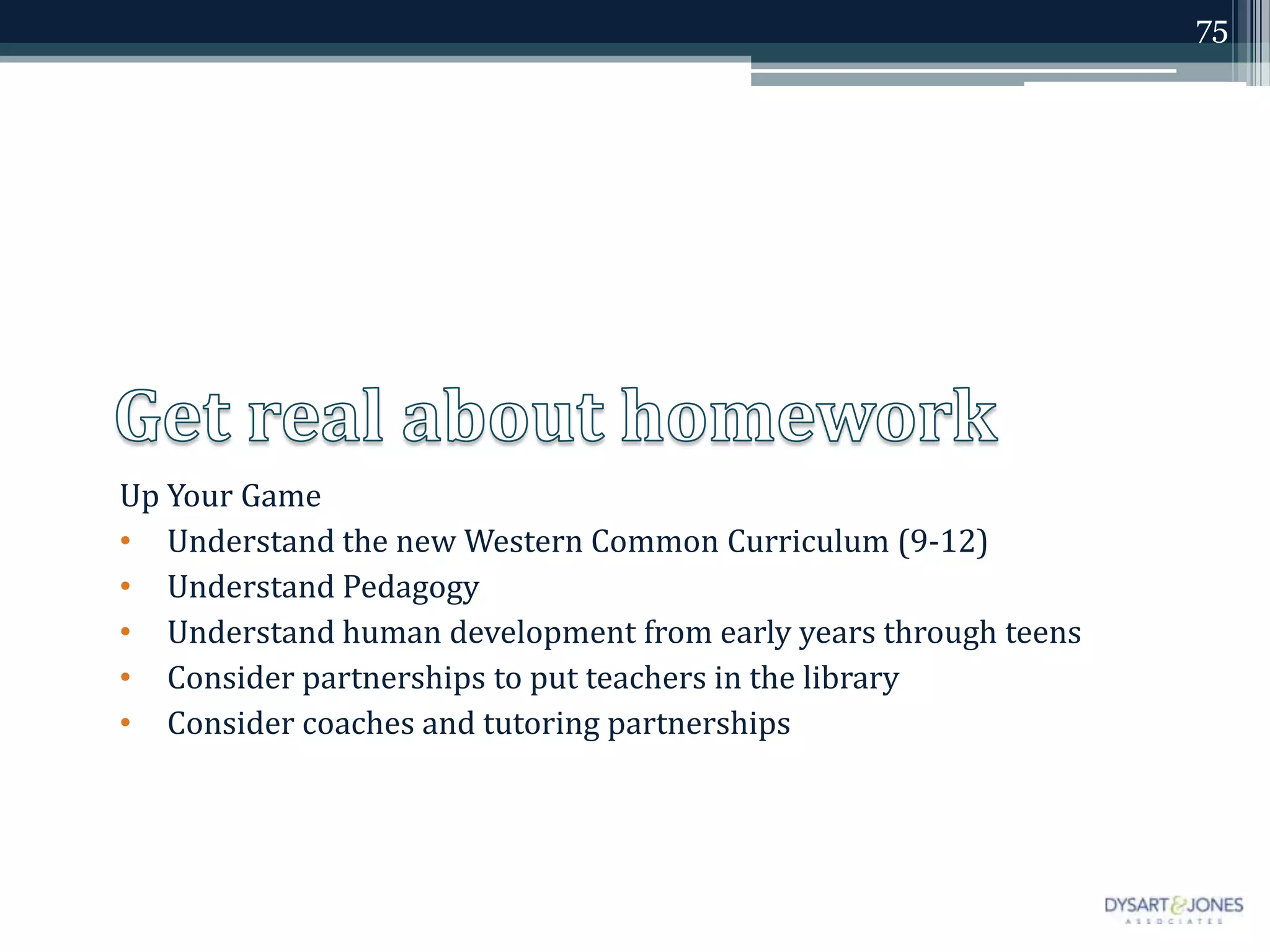
75


Up Your Game
• Understand the new Western Common Curriculum (9-12)
• Understand Pedagogy
• Understand human development from early years through teens
• Consider partnerships to put teachers in the library
• Consider coaches and tutoring partnerships
76


Up Your Game
• Personal branding
• Program branding
• Take risks for attention (AIDA)
• Embed your brand beyond the library walls and virtually
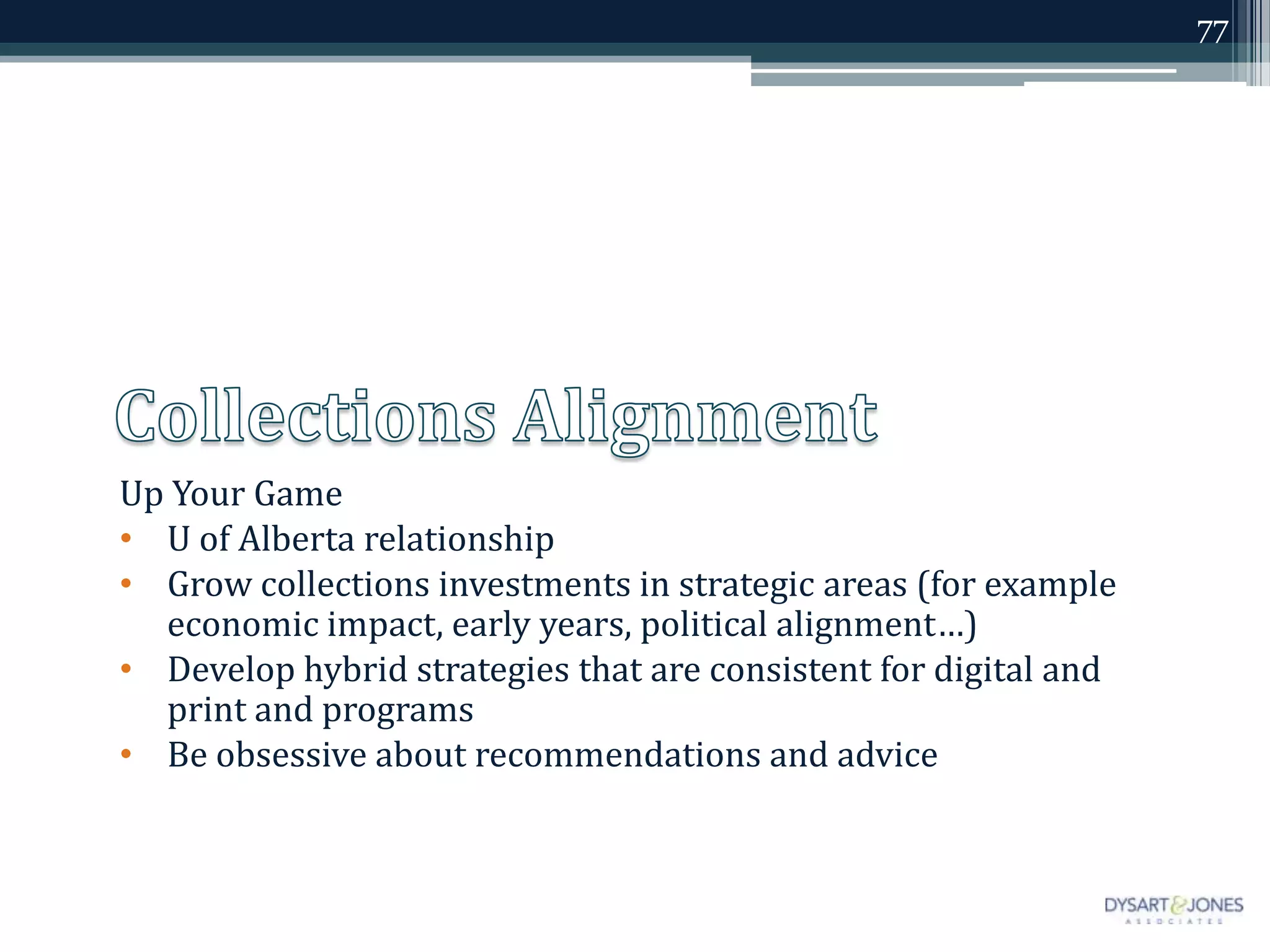
77


Up Your Game
• U of Alberta relationship
• Grow collections investments in strategic areas (for example
  economic impact, early years, political alignment…)
• Develop hybrid strategies that are consistent for digital and
  print and programs
• Be obsessive about recommendations and advice
78


Up Your Game
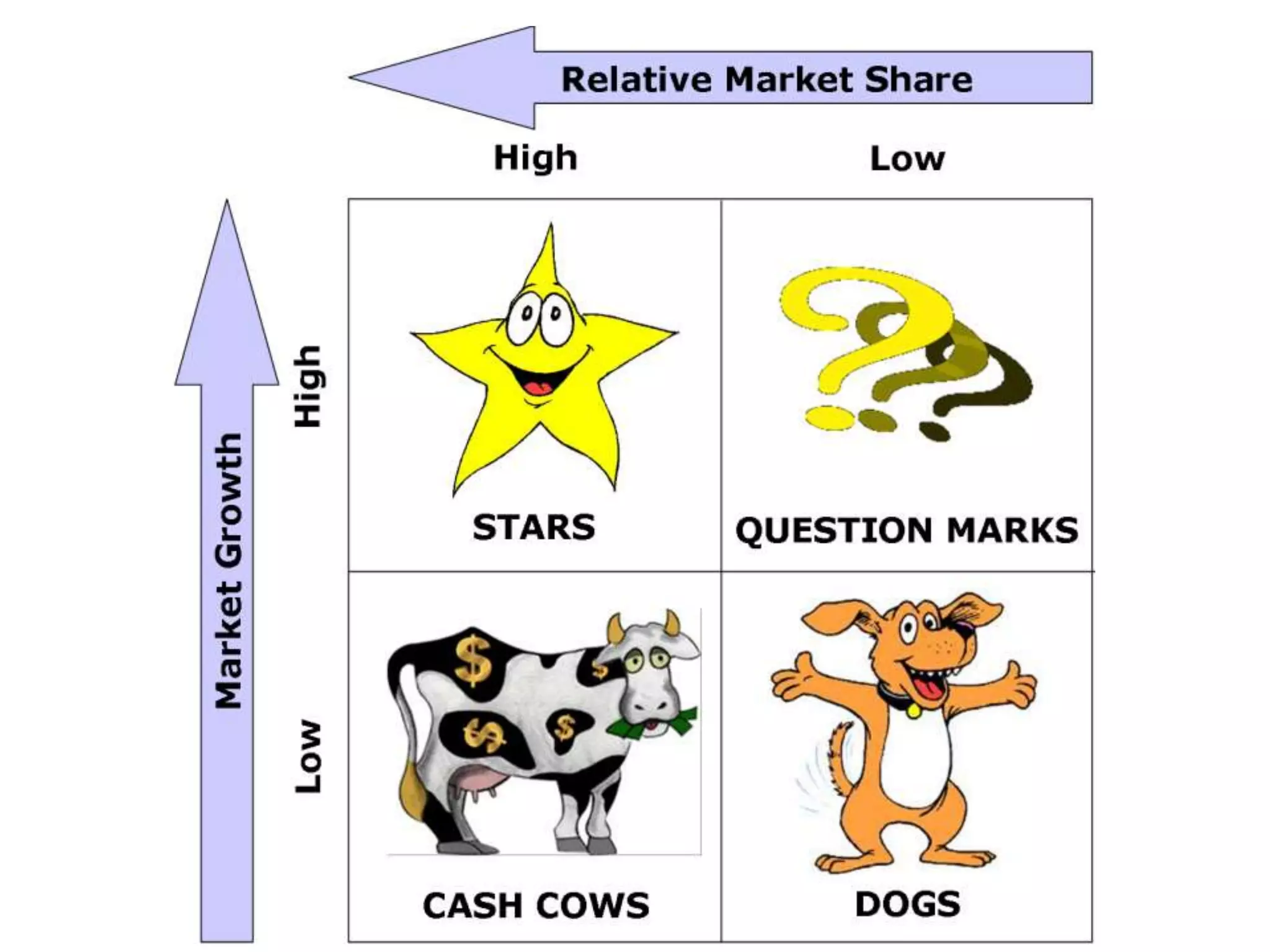
• Dog, Star, Cow, Problem Child/?
• Reduce investment in successes
• Increase investment
• Look at TCO
• Look at all costs incurred and not just hard costs
• Review opportunity costs in soft costs
79
80
81
Honest to G*d – Let’s
Encourage Fun
Every day in every way libraries are
throwing pebbles
Content Fragmentation

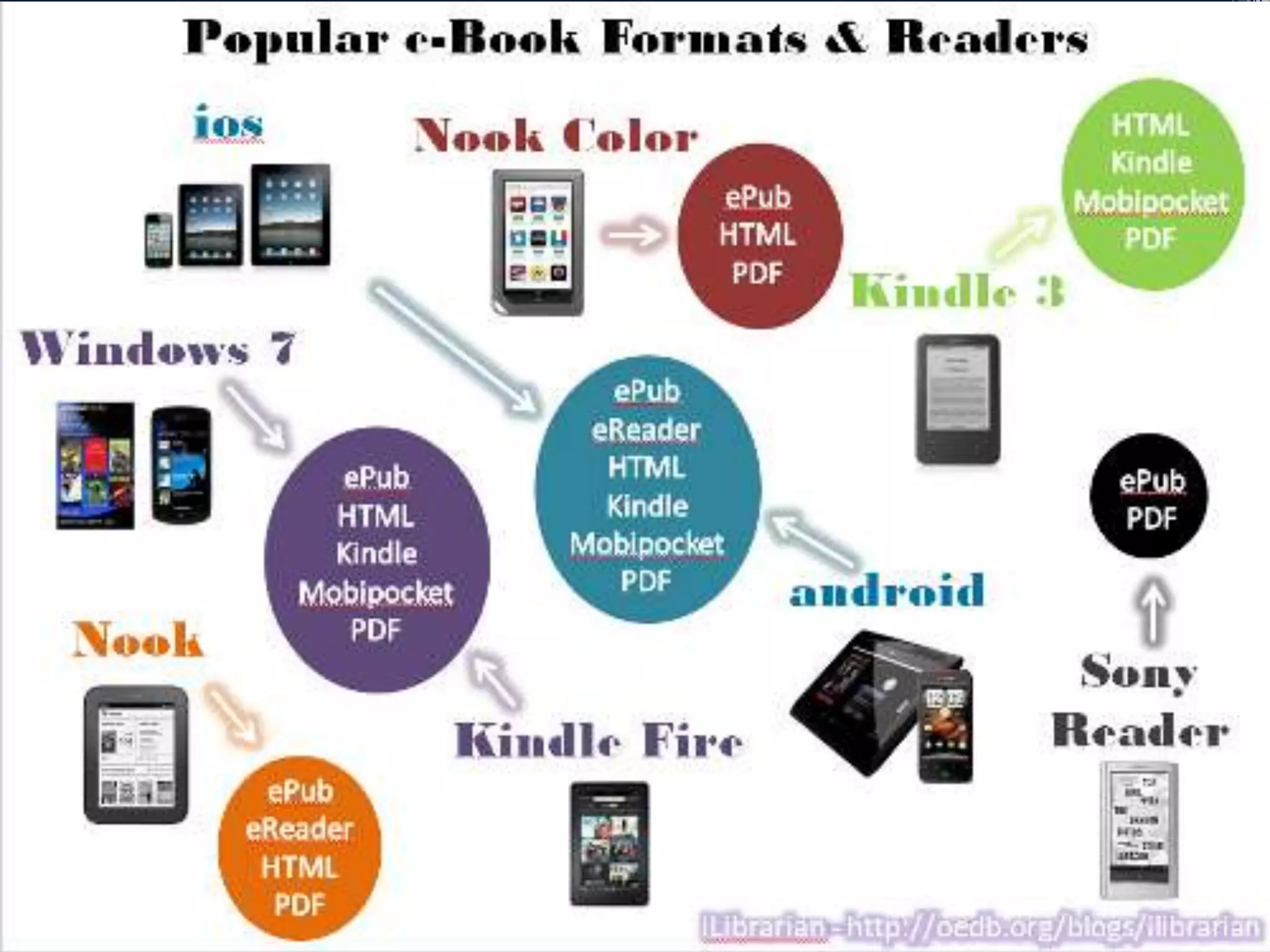
•Digitization’s real impact – non-fiction vs. non-fiction
•Format
•       Print, ePUB, PDF, Kindle, etc. etc.
•       CD, DVD, USB, etc. etc.
•       Streaming
•       Licenses, Open Access, Creative Commons, etc.
•eBooks, eJournals, eContent
•Games, Learning Objects, Guides, …
•Copyright Issues (NatGeo, Tasini, TPP, SOPA, AC, etc. etc.)
•Author Lawsuits, WikiLeaks
•Citation fragmentation
•Make no mistake, the legal framework for knowledge economy is
being built now.
Beyond Text, Books and Reading Literacies

• Text aloud and shrinking codex market
• Graphics & Charts
• Formulae
• Pictures, Maps
• Video & Audio
• 3D objects
• Gamification
• Deep Data Mining
• Assessments
• Community collaboration, cohorts, & social sharing
• The book model in your head is nostalgia
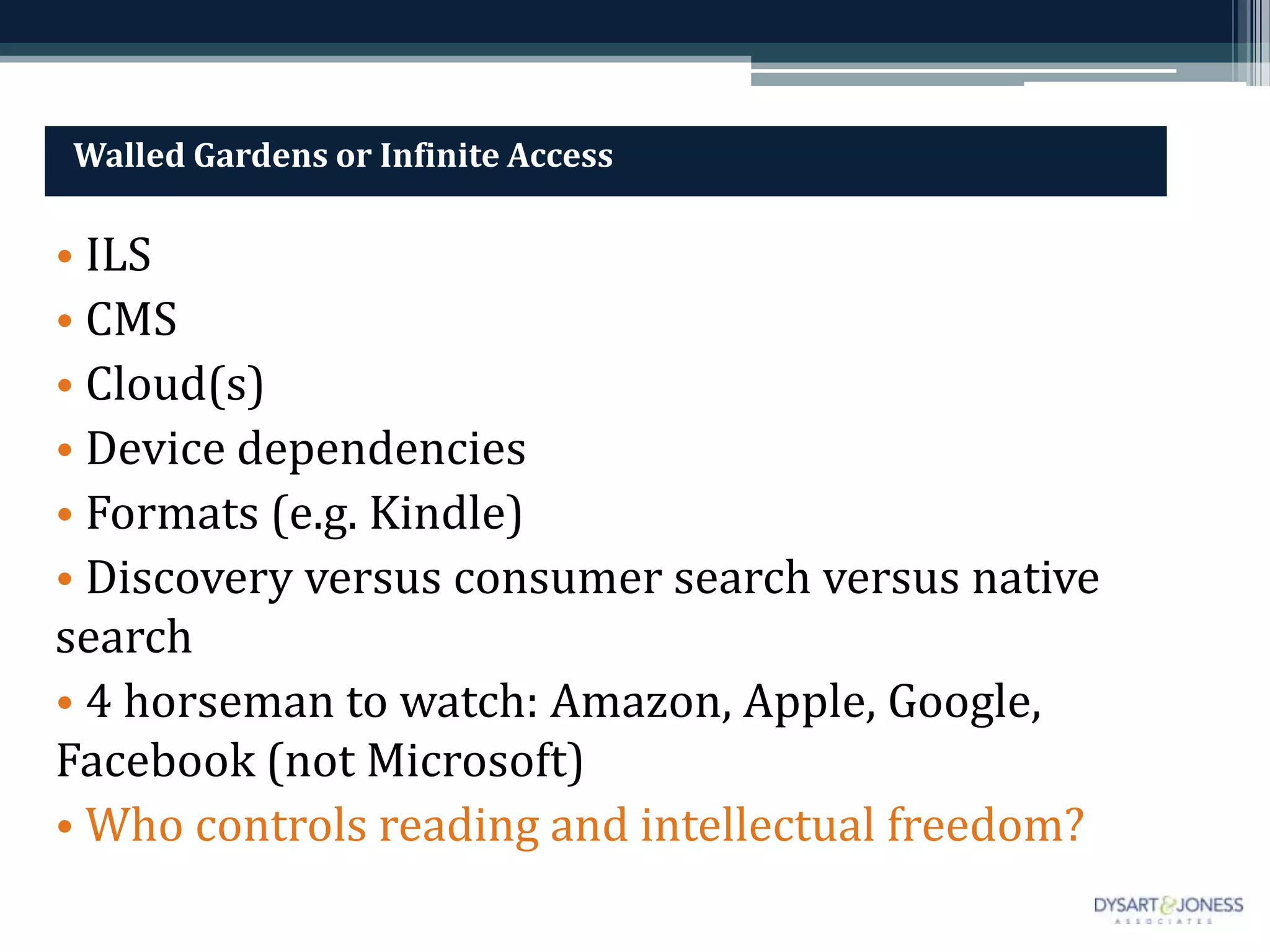
Walled Gardens or Infinite Access

• ILS
• CMS
• Cloud(s)
• Device dependencies
• Formats (e.g. Kindle)
• Discovery versus consumer search versus native
search
• 4 horseman to watch: Amazon, Apple, Google,
Facebook (not Microsoft)
• Who controls reading and intellectual freedom?
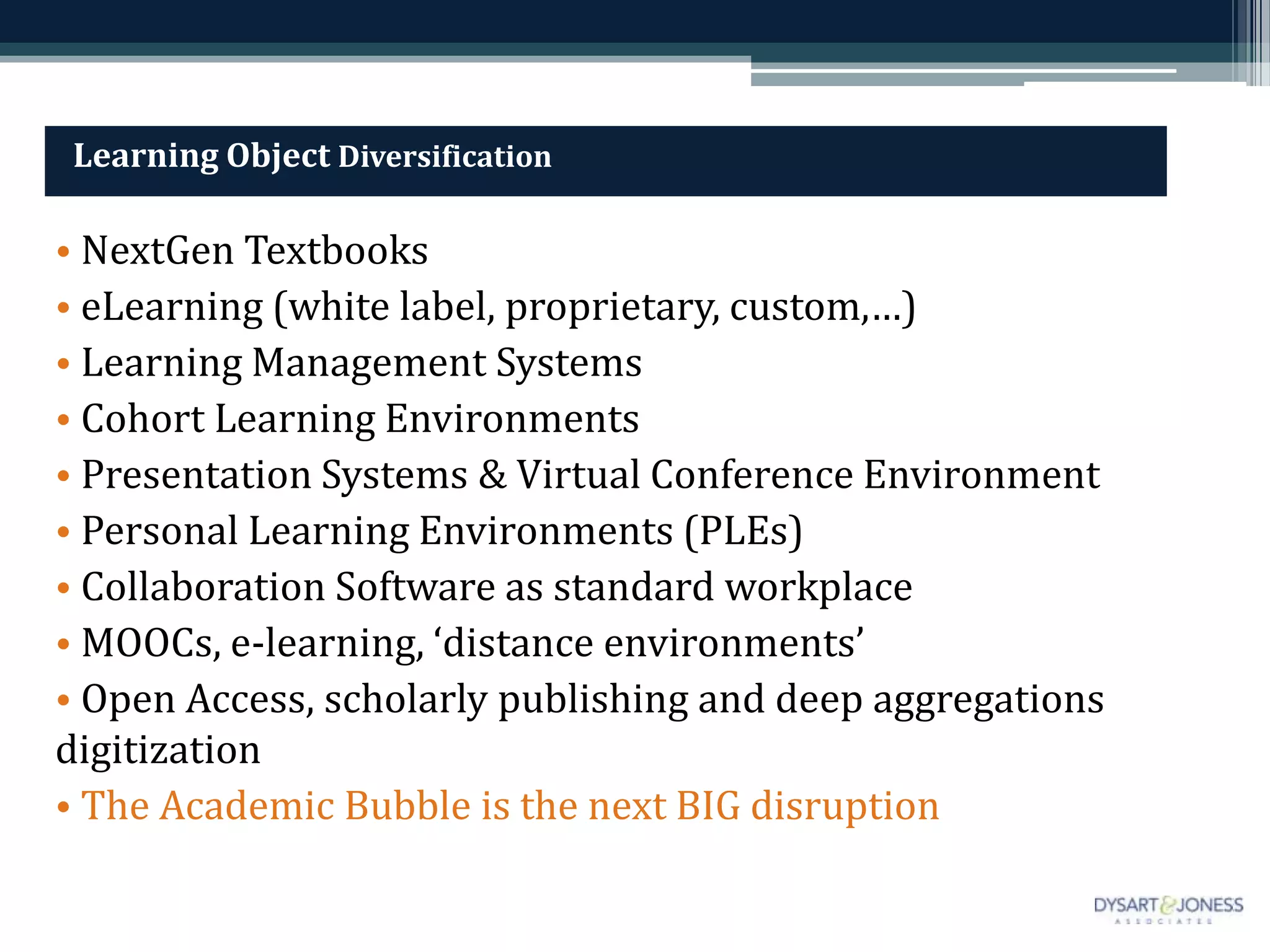
Learning Object Diversification

• NextGen Textbooks
• eLearning (white label, proprietary, custom,…)
• Learning Management Systems
• Cohort Learning Environments
• Presentation Systems & Virtual Conference Environment
• Personal Learning Environments (PLEs)
• Collaboration Software as standard workplace
• MOOCs, e-learning, ‘distance environments’
• Open Access, scholarly publishing and deep aggregations
digitization
• The Academic Bubble is the next BIG disruption
End User Fragmentation

• Teens / Post-Millennials
• Millennials (gender, IQ, social)
• Aging workforce and tipping points
• Other demographics – ethnicity, income,
households, immigration …
• The new digital divide is not economic or aligned
with poverty
• Business versus Consumer
• The Device Divide
• Mobility
• Librarians’ relationships with cohorts are critical.
Search Fragmentation

• The new Algorithms
• Consumer Search
• Specialized Search
• Professional Search
• Semantic, Sentiment, Social, Suggestion Search etc.
• Mobile search
• Social search
• Work and personalized alignment
• Augmented Reality
• SEO & SMO & Content Spam
• Geo-location
• The ultimate search choice fragments
Technology Fragmentation

• Feature Phones die
• Smartphones dominate
• Tablets (Phablets?!)
• Laptops
• Desktops become rare
• Gaming stations as access
• Television as device
• E-Readers (e-paper versus plasma)
• Internet of Things
• Browsers lose dominance to apps and HTML5
• Fanboy behaviour is NOT Professional behaviour
Imagine
How do your skills apply to these
issues and challenges?
94
Black and White


 • The polarization of discussion
Dogmatic vs. Professional positions on:
eBooks, access, copyright, etc.


Political and social value systems in conflict
Black & White
101


• Examples of B&W discussions

• These can sometimes lack professional perspectives, be politically
  dogmatic and belief driven, and use death symbolic metaphors

•   E-books versus Physical Books
•   Open access versus Proprietary Content
•   Free versus Fee
•   Business Models versus Social Models
•   Apple versus Microsoft PC
•   Desktop vs. Laptop vs. Tablet vs. Phone
•   Privacy and Confidentiality

• Make no mistake. I’m not saying the discussions are wrong or taking
  sides, I just think professionals see colours and shades of gray.
Definitions

• Discovery
• Search – known item retrieval
• Topical or Subject Search
• Research
• Immersive Learning
• Assembly
• Two step discovery: discover, searching, finding,
  use
• The pressure is ON for librarians to scale up their
  information fluency training initiatives
1,200,000,000


1,000,000,000


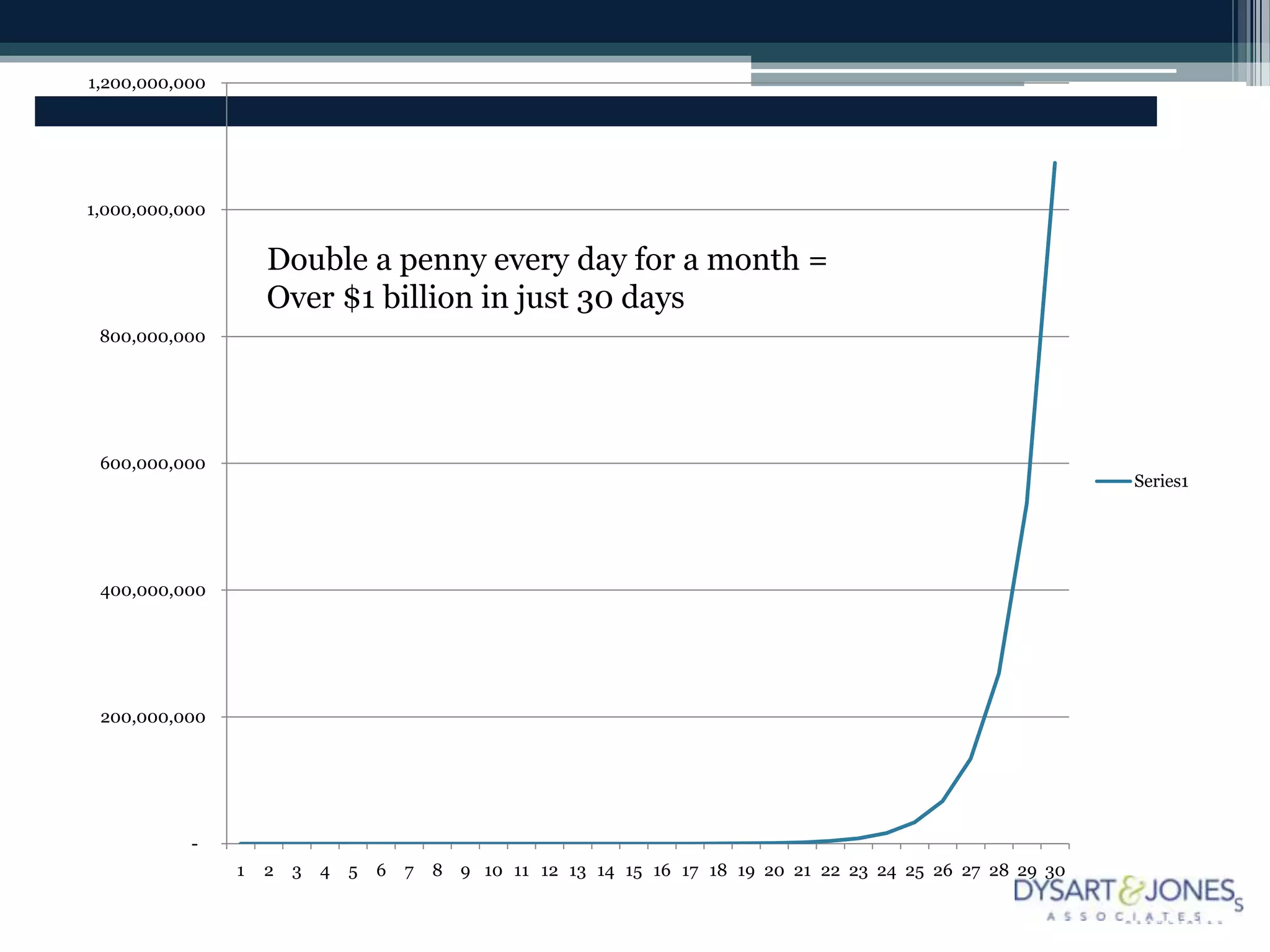
                    Double a penny every day for a month =
                    Over $1 billion in just 30 days
 800,000,000


 600,000,000
                                                                                                                   Series1


 400,000,000


 200,000,000


           -
                1   2   3   4   5   6   7   8   9 10 11 12 13 14 15 16 17 18 19 20 21 22 23 24 25 26 27 28 29 30
Recognize key shifts
106


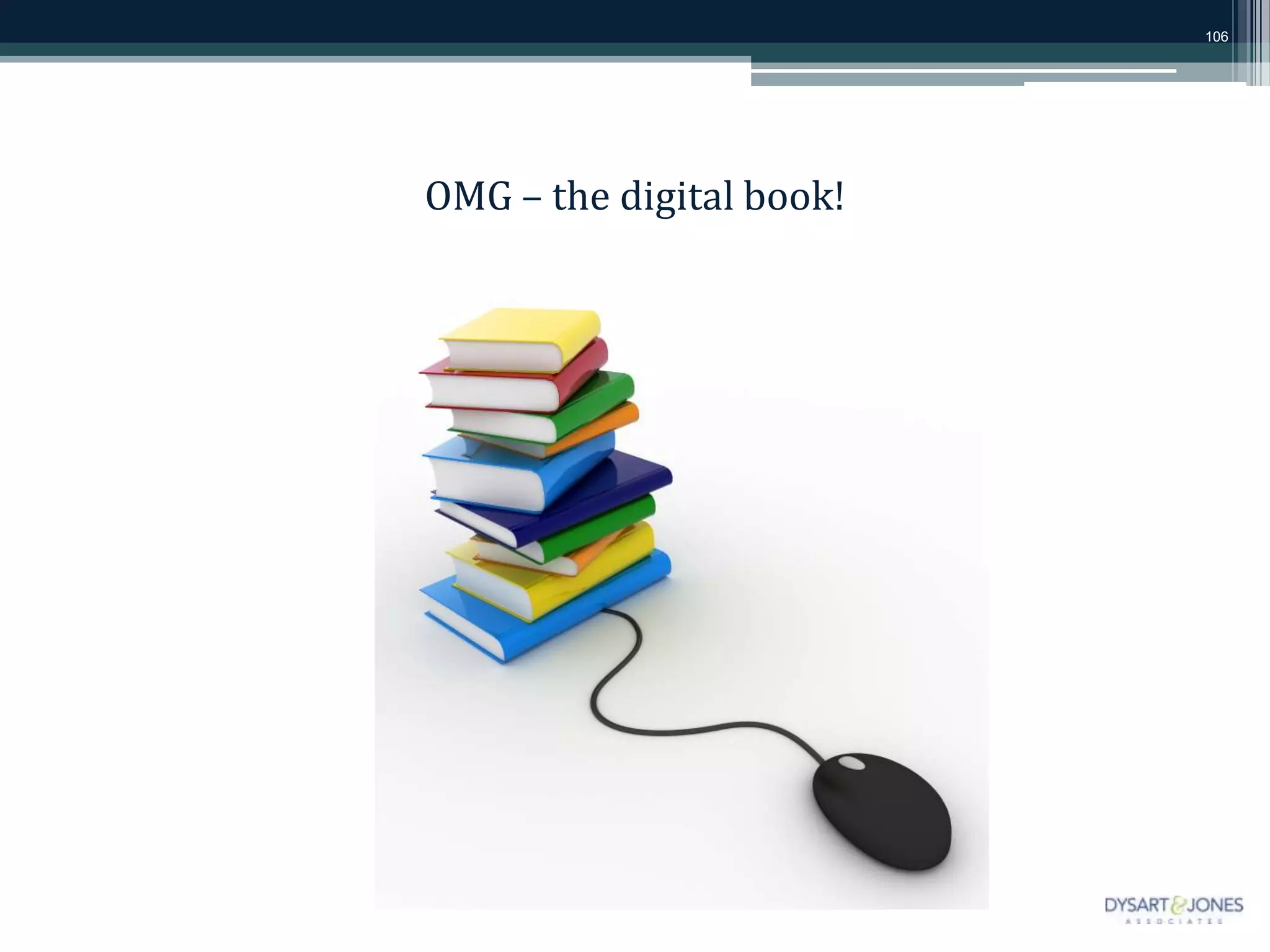
OMG – the digital book!
Trends Differ Slightly by Library Sector

 •Public Libraries
 •Academic Research Libraries
 •Community College Libraries
 •School Libraries
 •Specialized Libraries
 •Consortia

And so do the audiences, members, users …
Public Libraries

• Recommendations (LibraryThing for
Libraries, Bibliocommons, Book Psychic)
• Community Glue
• Economic Impact and VALUE studies
• Programs on steroids aligned with collections and
space
• Partnerships
• Education and Learning – REALLY committing to
learning and accreditation/ credits / diplomas /
certificates
• Renewed advocacy moves to Influencing and selling
Consortia

• Consortia
• CRKN, OCUL, TAL, CULC, Readers First, etc.
• Dealing with the small town mindset
• OCLC Linked Data, RDA and global metadata strategies
• DPLA
• Library Renewal
• EveryLibrary Advocacy PAC
• 3M e-books (CALIFA / Douglas County initiatives)
• Dark literature, orphan works, etc.
• Cloud initiatives
110


• Issues in the Private Sector

•   Cooperation vs. Competition
•   Walled Gardens versus Openness
•   Living in all technologies
•   Mapping and understanding changes in users
•   Licensing content and lawsuits
•   Staff development
•   E-first versus print first
•   Integrating non-print content
•   Choosing to stay ahead of most customers
•   The adoption curve
•   Adding dimensions to Pricing

• Revenue is a measurement of success not a goal in itself.
So what is the answer?


Where are the real pain points?
Grocery Stores
Grocery Stores
Grocery Stores
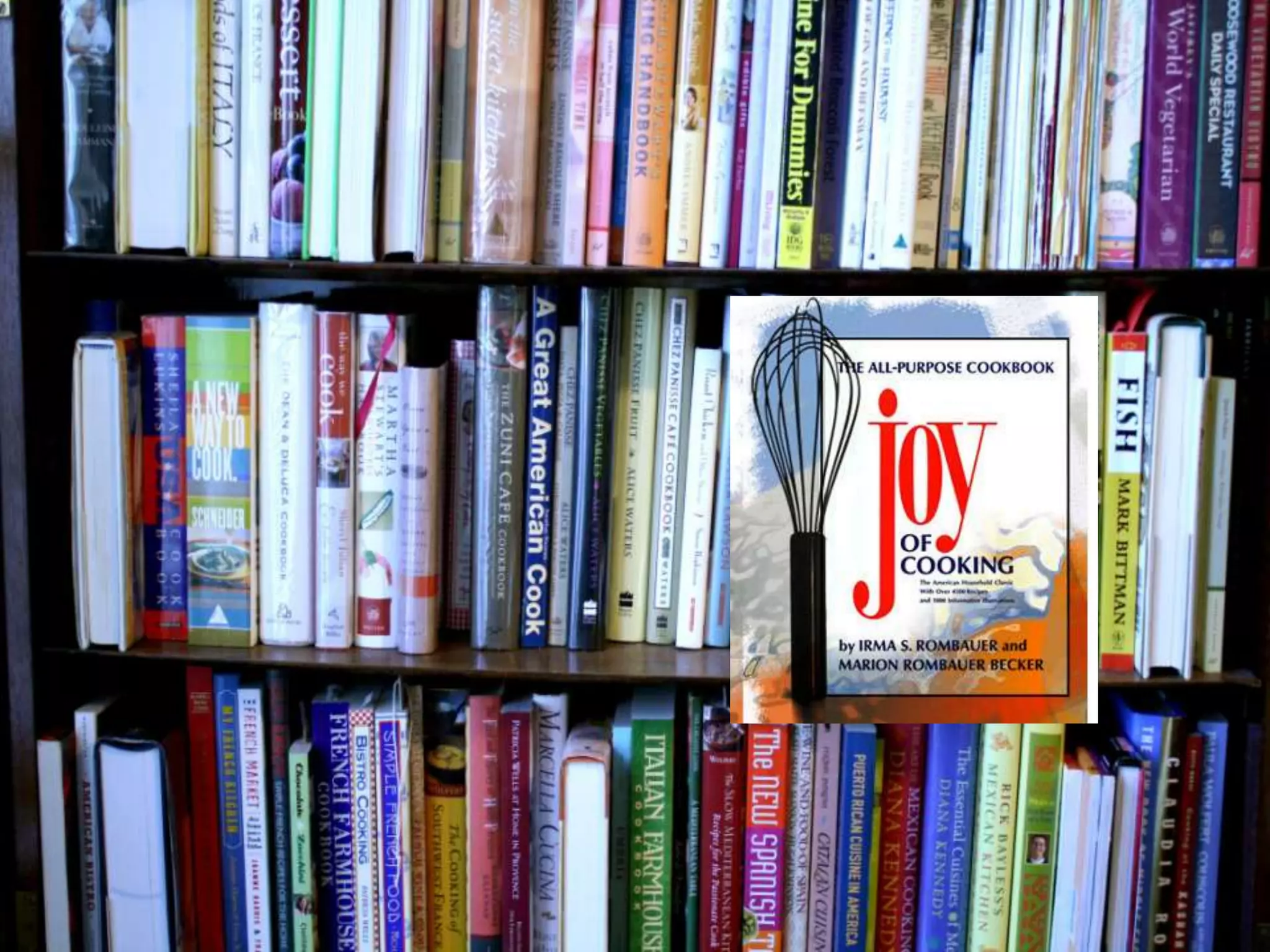
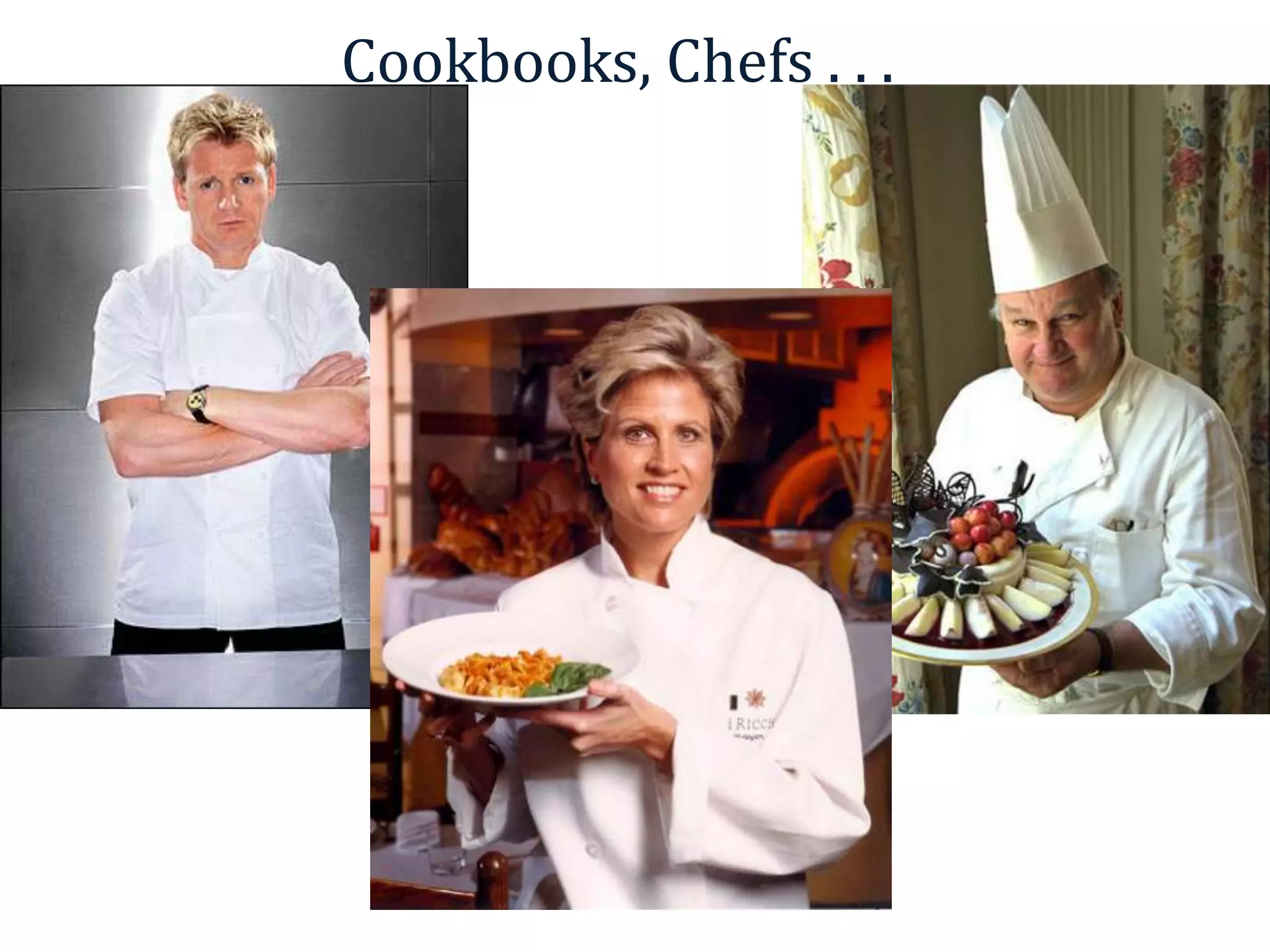
Cookbooks, Chefs . . .
Meals
Are we going to support a totally
    build it yourself world?
        Imagine IKEA merging with GM...

Let’s think


Think: Are you thinking
food, courses, days, weekly plan, or
nutrition overall?
What is a meal in library end-user community or research, education and learning terms? Are you focusing on scale?
The new
bibliography and
    collection
  development


                     KNOWLEDGE
                       PORTALS
                    KNOWLEDGE,
                      LEARNING,
                   INFORMATION &
                      RESEARCH
                      COMMONS
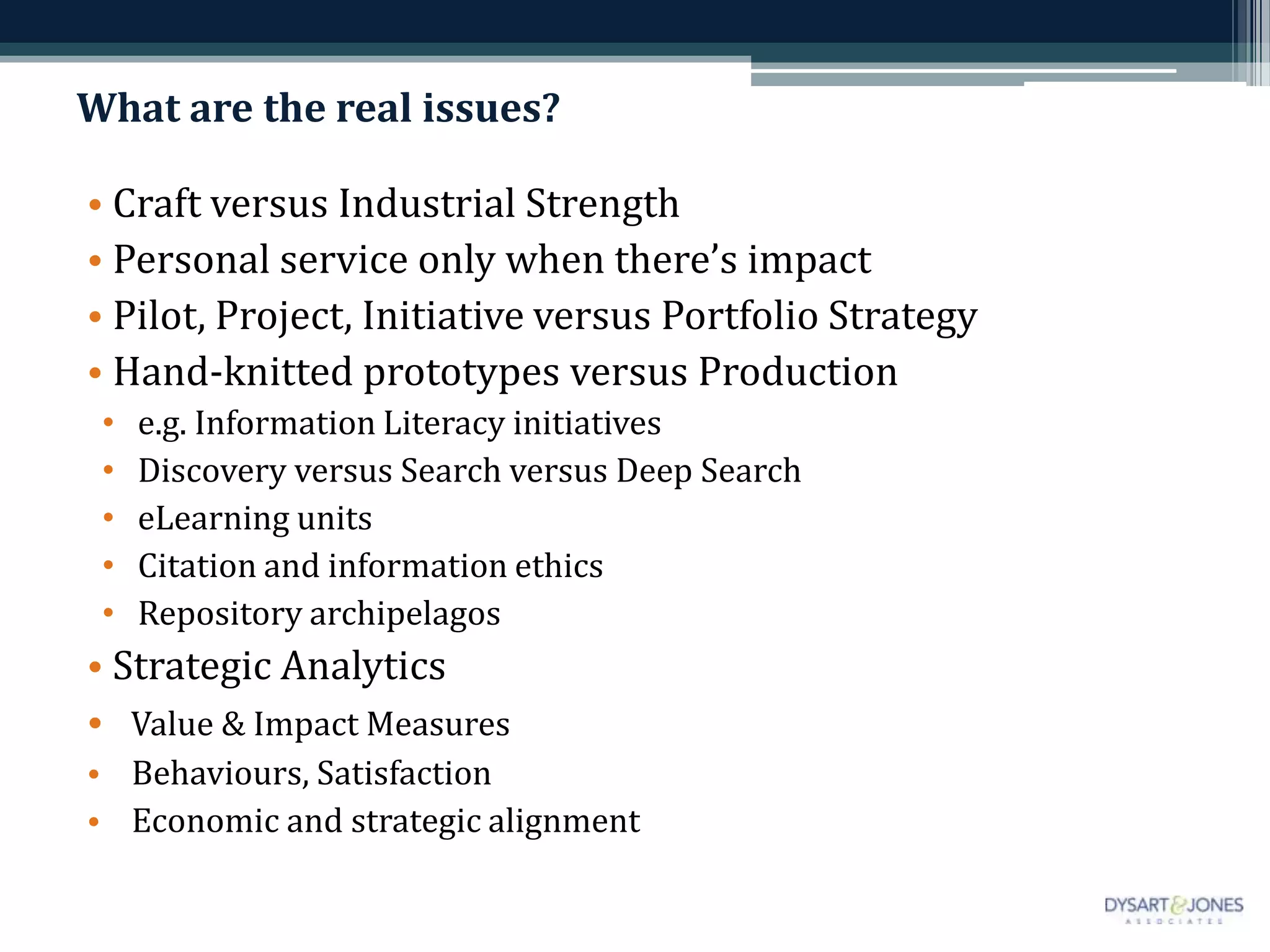
What are the real issues?

• Craft versus Industrial Strength
• Personal service only when there’s impact
• Pilot, Project, Initiative versus Portfolio Strategy
• Hand-knitted prototypes versus Production
 •   e.g. Information Literacy initiatives
 •   Discovery versus Search versus Deep Search
 •   eLearning units
 •   Citation and information ethics
 •   Repository archipelagos
• Strategic Analytics
• Value & Impact Measures
• Behaviours, Satisfaction
• Economic and strategic alignment
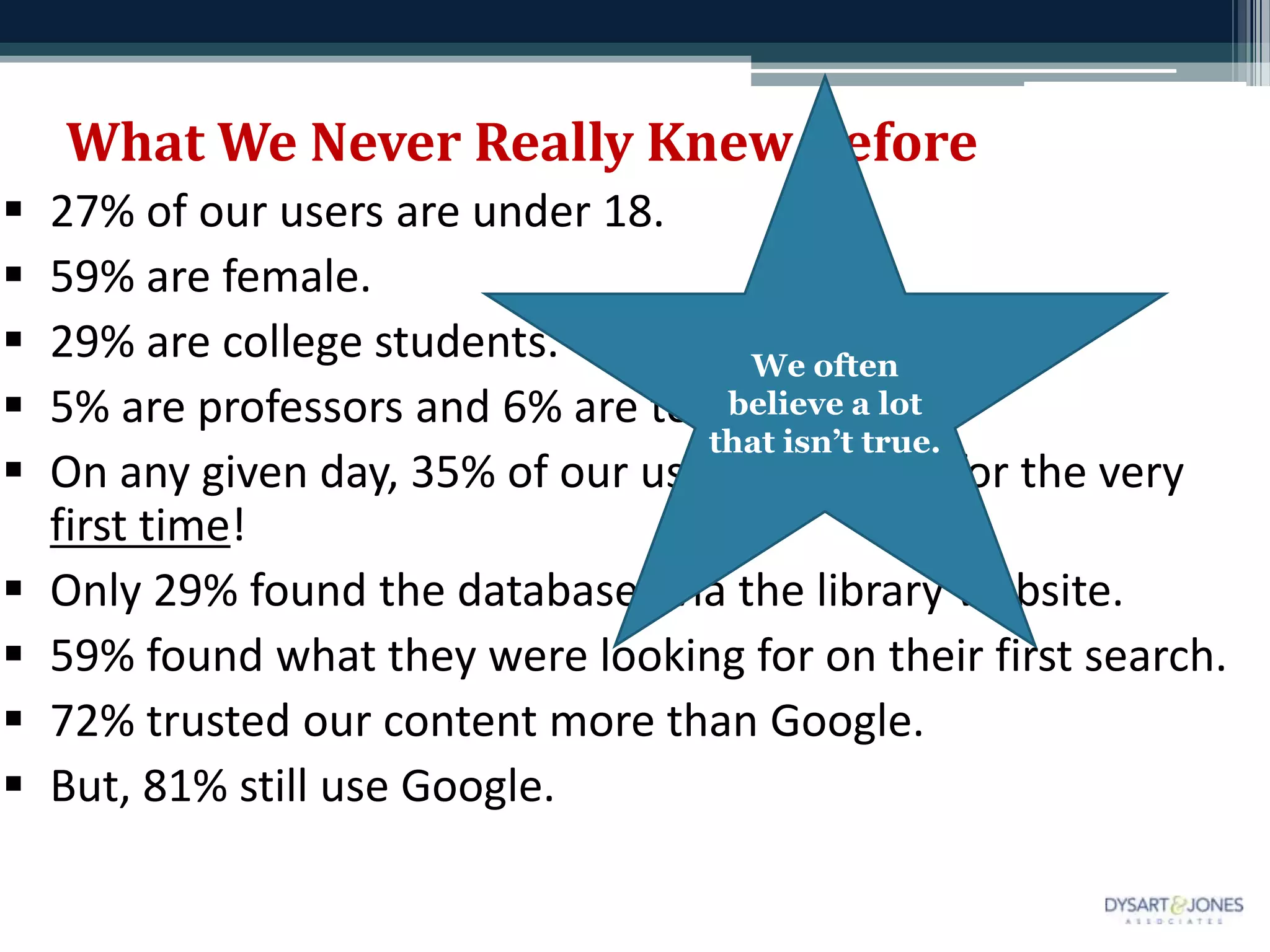
What We Never Really Knew Before
   27% of our users are under 18.
   59% are female.
   29% are college students.          We often
   5% are professors and 6% are teachers. a lot
                                     believe
                                    that isn’t true.
   On any given day, 35% of our users are there for the very
    first time!
   Only 29% found the databases via the library website.
   59% found what they were looking for on their first search.
   72% trusted our content more than Google.
   But, 81% still use Google.
Be More Open to the Users’ Path
What Would You Attempt If
You Knew You Would Not
Fail?
Get to where the user is.


eLearning, Mobile, Dis
tant, Virtual, Workflo
w
Choose
A Third Path
Don’t study the issue to death.
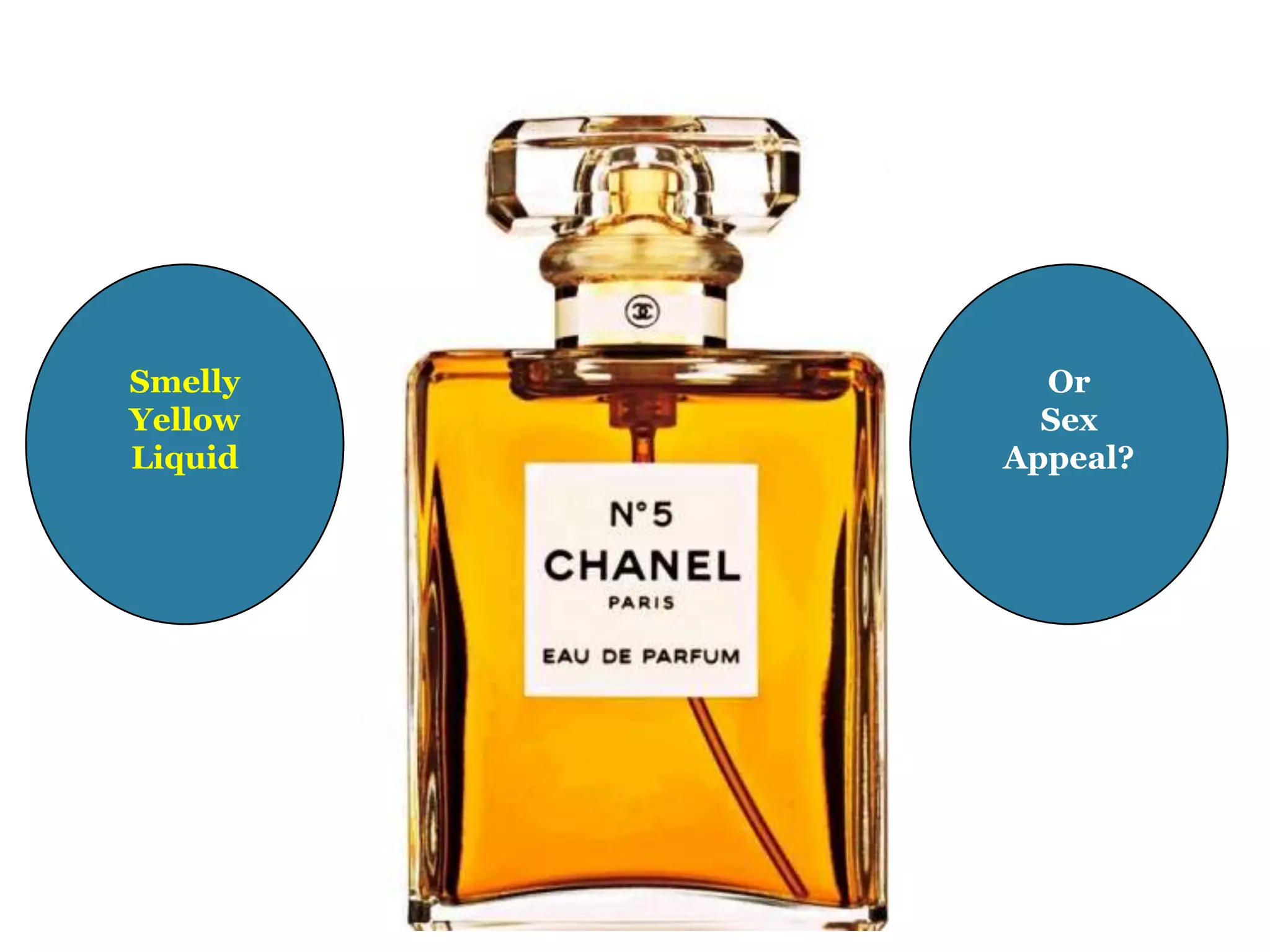
Smelly     Or
Yellow     Sex
Liquid   Appeal?
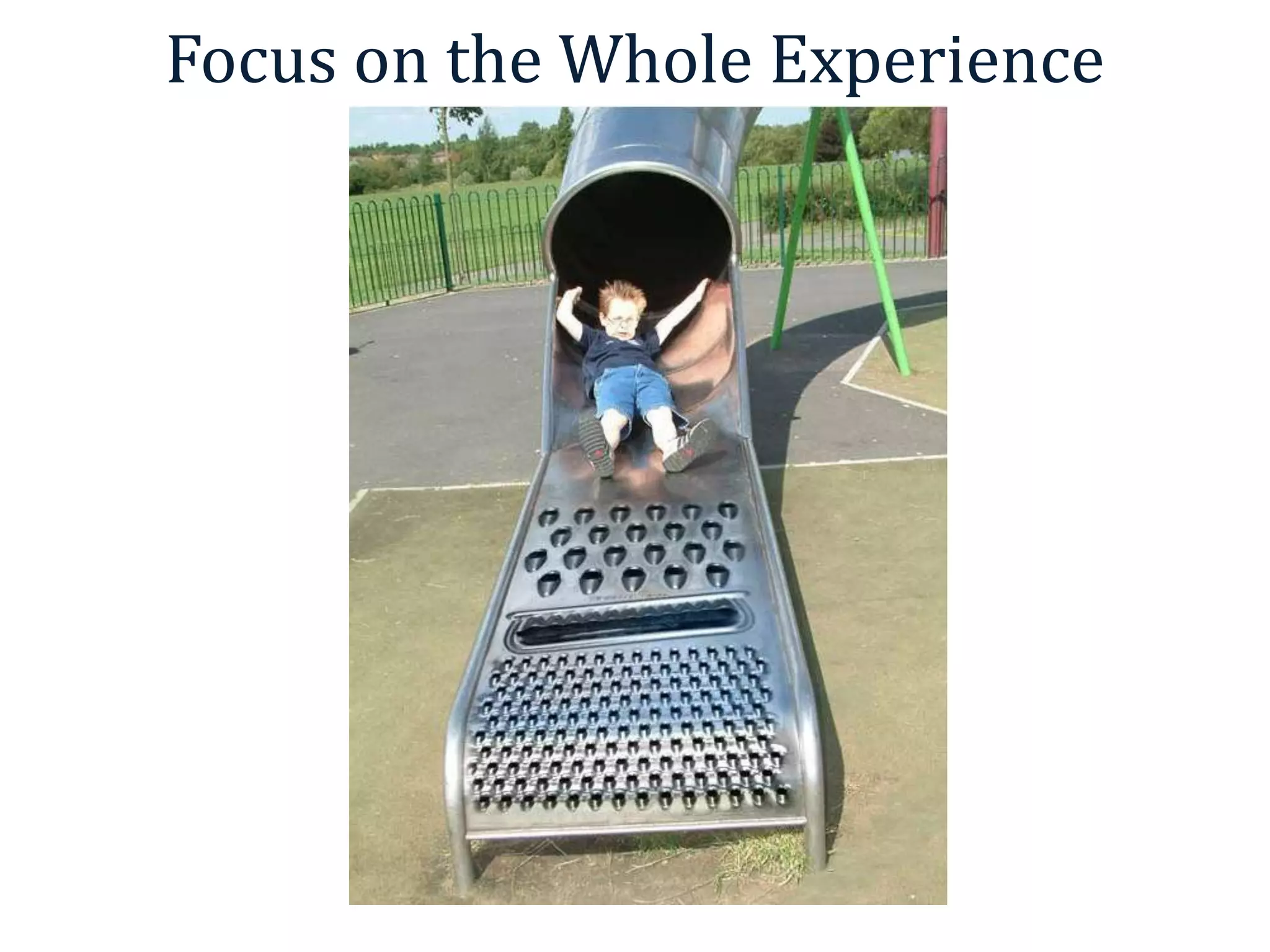
Focus on the Whole Experience
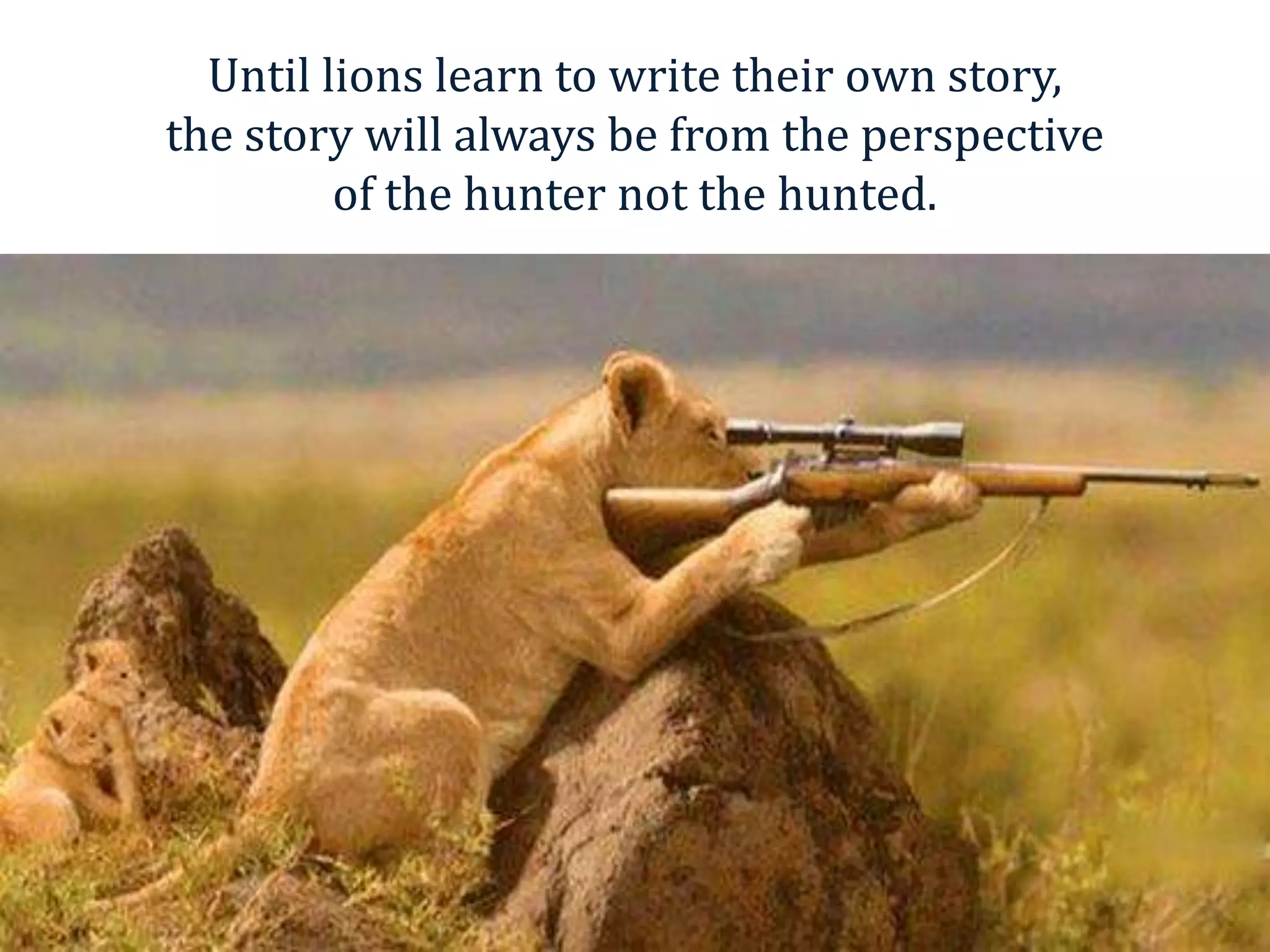
Until lions learn to write their own story,
the story will always be from the perspective
         of the hunter not the hunted.
Stephen Abram, MLS, FSLA
Consultant, Dysart & Jones/Lighthouse Partners
                              Cel: 416-669-4855
                    stephen.abram@gmail.com
                    Stephen’s Lighthouse Blog
                http://stephenslighthouse.com
  Facebook, Pinterest, Tumblr: Stephen Abram
               LinkedIn / Plaxo: Stephen Abram
                              Twitter: @sabram
                   SlideShare: StephenAbram1

Epl feb 2013 public lecture

  • 1.
    Expect More! At theHeart of Libraries Innovation, Community, Success Stephen Abram, MLS Edmonton Public Library Feb. 11, 2013
  • 2.
  • 3.
  • 4.
  • 5.
    5 A metaphor forpublic libraries…
  • 6.
    Every Day inevery way libraries are throwing pebbles
  • 8.
    8 It’s simple really,shift happens, gedoverit • Users & Communities will continue to be diverse in the extreme • Expectations around timeliness will increase • We will have a foot in both camps for many, many years to come: digital and physical • Content will (is already) be dominated by non-text (gamification, 3D, visual, music, video, audio, etc.) • Search will explode with options and one-step, one box search is for dummies • The single purpose anchored device is dead as a target environment • Devices will focus on social, collaboration, sharing, multimedia, creation and successful Services will align with that • Librarians will need to focus primarily on professional service(s) and strategic alignment (reduced roles in organizing knowledge and step&fetchit politeness) • Service Professionals NOT Servants • E-Learning, collections and metadata will go to the cloud massively

  • 9.
    Deer in headlampsslide here.
  • 10.
  • 11.
  • 12.
  • 13.
  • 14.
    Library Megatrends It doesn’ttake a genius to see librarian skills and competencies applied to the trends and issues in library communities
  • 15.
    Libraries core skillis not delivering information Libraries improve the quality of the question and the user experience Libraries are about learning and building communities
  • 16.
  • 17.
  • 19.
    Studying the Future • What are folks like? Are they different than us? Do their needs change? • What world will they experience and what skills do they need? • How can we make a difference? (Very different than help)
  • 20.
    What are thegoals? • What are your goals? • What are their goals? • Is there a difference?
  • 21.
    Building blocks • Information • Communication • Media • Social • Numeracy • Visual • Literacies
  • 23.
  • 24.
  • 26.
    • When something needs to change… • Do it. • Take accountability. • Delegate responsibility.
  • 27.
    Be More Opento New Paths
  • 28.
    Be More Opento the Users’ Paths
  • 29.
  • 30.
    Are you lockedinto library mindsets?
  • 33.
    Focus on theREAL Issues Retail Sales Down? NO Titles Down? NO Circulation Down? NO Reading Down? NO Teen Reading Down? NO
  • 34.
    Amazon Chapters/Indigo Barnes & Noble BN BookBrowser Borders Suggestica Inside a Dog (teens) MySpace Books Books We Like OCLC's FictionFinder All Consuming LibraryThing Next Favorite StoryCode Rating Zone Hypatia and AlexLit WhichBook.net AllReaders.com Reader's Robot gnooks
  • 35.
  • 36.
  • 37.
    A projector thesize of a sugar cube
  • 40.
  • 41.
  • 42.
  • 43.
    Being More Opento Criticism and Feedback
  • 44.
    Being More Opento Recommendations
  • 45.
  • 46.
  • 47.
  • 48.
    Being More Opento Change
  • 49.
  • 51.
  • 52.
    Being More Open Experimentation,Pilots and Innovation
  • 53.
  • 54.
  • 55.
    Being Open to aMosaic of Solutions
  • 56.
    Being Open toAmbiguity
  • 57.
  • 58.
  • 59.
    Being Open toNew Ideas
  • 60.
  • 61.
    Remove the BordersInside Libraries Be the Change We Want to See
  • 62.
    Remove the BordersIn the Library Community Be the Change We Want to See.
  • 63.
    Remove the Borders Between Libraries and Users Be the Change We Want to See.
  • 64.
  • 65.
  • 66.
  • 67.
    Know What MakesUs Different
  • 68.
    Finding Our Voiceand Using It
  • 69.
    Libraries core skillis not delivering information Libraries improve the quality of the question and the user experience Libraries are about learning and building communities
  • 70.
  • 71.
    71 Up Your Game •Know your local community demographics • Focus on needs assessment and social assessments • Prioritize: Love all, Serve all, Save the World means nothing gets done • Priorities are SMART: Specific, Measurable, Attainable, Relevant, & Time bound • Look for partnerships that add value
  • 72.
    72 Up Your Game •Align with Collections –every collection must be justified by programs • Force strategic investment budgeting • Look for partnerships that add value • Don’t go it alone. Focus on large scale sustainable programs • Connect to the longer process not just events
  • 73.
    73 Up Your Game •Align with Collections – But add virtual experiences • Look for partnerships that add value • Ensure the program delivery person is embedded including librarians • What are your top 20 questions? Start there • Don’t go it alone. Build scalability and sustainability
  • 74.
    74 Up Your Game •Start offering diplomas and certificates • Look for partnerships that add value • Offer real educational opportunities not just adjacencies • What does your community need for economic advantage?
  • 75.
    75 Up Your Game •Understand the new Western Common Curriculum (9-12) • Understand Pedagogy • Understand human development from early years through teens • Consider partnerships to put teachers in the library • Consider coaches and tutoring partnerships
  • 76.
    76 Up Your Game •Personal branding • Program branding • Take risks for attention (AIDA) • Embed your brand beyond the library walls and virtually
  • 77.
    77 Up Your Game •U of Alberta relationship • Grow collections investments in strategic areas (for example economic impact, early years, political alignment…) • Develop hybrid strategies that are consistent for digital and print and programs • Be obsessive about recommendations and advice
  • 78.
    78 Up Your Game •Dog, Star, Cow, Problem Child/? • Reduce investment in successes • Increase investment • Look at TCO • Look at all costs incurred and not just hard costs • Review opportunity costs in soft costs
  • 79.
  • 80.
  • 81.
  • 82.
    Honest to G*d– Let’s Encourage Fun
  • 84.
    Every day inevery way libraries are throwing pebbles
  • 85.
    Content Fragmentation •Digitization’s realimpact – non-fiction vs. non-fiction •Format • Print, ePUB, PDF, Kindle, etc. etc. • CD, DVD, USB, etc. etc. • Streaming • Licenses, Open Access, Creative Commons, etc. •eBooks, eJournals, eContent •Games, Learning Objects, Guides, … •Copyright Issues (NatGeo, Tasini, TPP, SOPA, AC, etc. etc.) •Author Lawsuits, WikiLeaks •Citation fragmentation •Make no mistake, the legal framework for knowledge economy is being built now.
  • 86.
    Beyond Text, Booksand Reading Literacies • Text aloud and shrinking codex market • Graphics & Charts • Formulae • Pictures, Maps • Video & Audio • 3D objects • Gamification • Deep Data Mining • Assessments • Community collaboration, cohorts, & social sharing • The book model in your head is nostalgia
  • 87.
    Walled Gardens orInfinite Access • ILS • CMS • Cloud(s) • Device dependencies • Formats (e.g. Kindle) • Discovery versus consumer search versus native search • 4 horseman to watch: Amazon, Apple, Google, Facebook (not Microsoft) • Who controls reading and intellectual freedom?
  • 88.
    Learning Object Diversification •NextGen Textbooks • eLearning (white label, proprietary, custom,…) • Learning Management Systems • Cohort Learning Environments • Presentation Systems & Virtual Conference Environment • Personal Learning Environments (PLEs) • Collaboration Software as standard workplace • MOOCs, e-learning, ‘distance environments’ • Open Access, scholarly publishing and deep aggregations digitization • The Academic Bubble is the next BIG disruption
  • 89.
    End User Fragmentation •Teens / Post-Millennials • Millennials (gender, IQ, social) • Aging workforce and tipping points • Other demographics – ethnicity, income, households, immigration … • The new digital divide is not economic or aligned with poverty • Business versus Consumer • The Device Divide • Mobility • Librarians’ relationships with cohorts are critical.
  • 90.
    Search Fragmentation • Thenew Algorithms • Consumer Search • Specialized Search • Professional Search • Semantic, Sentiment, Social, Suggestion Search etc. • Mobile search • Social search • Work and personalized alignment • Augmented Reality • SEO & SMO & Content Spam • Geo-location • The ultimate search choice fragments
  • 91.
    Technology Fragmentation • FeaturePhones die • Smartphones dominate • Tablets (Phablets?!) • Laptops • Desktops become rare • Gaming stations as access • Television as device • E-Readers (e-paper versus plasma) • Internet of Things • Browsers lose dominance to apps and HTML5 • Fanboy behaviour is NOT Professional behaviour
  • 92.
    Imagine How do yourskills apply to these issues and challenges?
  • 94.
  • 95.
    Black and White • The polarization of discussion Dogmatic vs. Professional positions on: eBooks, access, copyright, etc. Political and social value systems in conflict
  • 96.
  • 101.
    101 • Examples ofB&W discussions • These can sometimes lack professional perspectives, be politically dogmatic and belief driven, and use death symbolic metaphors • E-books versus Physical Books • Open access versus Proprietary Content • Free versus Fee • Business Models versus Social Models • Apple versus Microsoft PC • Desktop vs. Laptop vs. Tablet vs. Phone • Privacy and Confidentiality • Make no mistake. I’m not saying the discussions are wrong or taking sides, I just think professionals see colours and shades of gray.
  • 102.
    Definitions • Discovery • Search– known item retrieval • Topical or Subject Search • Research • Immersive Learning • Assembly • Two step discovery: discover, searching, finding, use • The pressure is ON for librarians to scale up their information fluency training initiatives
  • 104.
    1,200,000,000 1,000,000,000 Double a penny every day for a month = Over $1 billion in just 30 days 800,000,000 600,000,000 Series1 400,000,000 200,000,000 - 1 2 3 4 5 6 7 8 9 10 11 12 13 14 15 16 17 18 19 20 21 22 23 24 25 26 27 28 29 30
  • 105.
  • 106.
    106 OMG – thedigital book!
  • 107.
    Trends Differ Slightlyby Library Sector •Public Libraries •Academic Research Libraries •Community College Libraries •School Libraries •Specialized Libraries •Consortia And so do the audiences, members, users …
  • 108.
    Public Libraries • Recommendations(LibraryThing for Libraries, Bibliocommons, Book Psychic) • Community Glue • Economic Impact and VALUE studies • Programs on steroids aligned with collections and space • Partnerships • Education and Learning – REALLY committing to learning and accreditation/ credits / diplomas / certificates • Renewed advocacy moves to Influencing and selling
  • 109.
    Consortia • Consortia • CRKN,OCUL, TAL, CULC, Readers First, etc. • Dealing with the small town mindset • OCLC Linked Data, RDA and global metadata strategies • DPLA • Library Renewal • EveryLibrary Advocacy PAC • 3M e-books (CALIFA / Douglas County initiatives) • Dark literature, orphan works, etc. • Cloud initiatives
  • 110.
    110 • Issues inthe Private Sector • Cooperation vs. Competition • Walled Gardens versus Openness • Living in all technologies • Mapping and understanding changes in users • Licensing content and lawsuits • Staff development • E-first versus print first • Integrating non-print content • Choosing to stay ahead of most customers • The adoption curve • Adding dimensions to Pricing • Revenue is a measurement of success not a goal in itself.
  • 111.
    So what isthe answer? Where are the real pain points?
  • 113.
  • 114.
  • 115.
  • 116.
  • 117.
  • 118.
  • 119.
    Are we goingto support a totally build it yourself world? Imagine IKEA merging with GM...
  • 122.
    Let’s think Think: Areyou thinking food, courses, days, weekly plan, or nutrition overall? What is a meal in library end-user community or research, education and learning terms? Are you focusing on scale?
  • 123.
    The new bibliography and collection development KNOWLEDGE PORTALS KNOWLEDGE, LEARNING, INFORMATION & RESEARCH COMMONS
  • 124.
    What are thereal issues? • Craft versus Industrial Strength • Personal service only when there’s impact • Pilot, Project, Initiative versus Portfolio Strategy • Hand-knitted prototypes versus Production • e.g. Information Literacy initiatives • Discovery versus Search versus Deep Search • eLearning units • Citation and information ethics • Repository archipelagos • Strategic Analytics • Value & Impact Measures • Behaviours, Satisfaction • Economic and strategic alignment
  • 125.
    What We NeverReally Knew Before  27% of our users are under 18.  59% are female.  29% are college students. We often  5% are professors and 6% are teachers. a lot believe that isn’t true.  On any given day, 35% of our users are there for the very first time!  Only 29% found the databases via the library website.  59% found what they were looking for on their first search.  72% trusted our content more than Google.  But, 81% still use Google.
  • 136.
    Be More Opento the Users’ Path
  • 137.
    What Would YouAttempt If You Knew You Would Not Fail?
  • 138.
    Get to wherethe user is. eLearning, Mobile, Dis tant, Virtual, Workflo w
  • 139.
  • 141.
  • 143.
    Don’t study theissue to death.
  • 144.
    Smelly Or Yellow Sex Liquid Appeal?
  • 145.
    Focus on theWhole Experience
  • 147.
    Until lions learnto write their own story, the story will always be from the perspective of the hunter not the hunted.
  • 149.
    Stephen Abram, MLS,FSLA Consultant, Dysart & Jones/Lighthouse Partners Cel: 416-669-4855 stephen.abram@gmail.com Stephen’s Lighthouse Blog http://stephenslighthouse.com Facebook, Pinterest, Tumblr: Stephen Abram LinkedIn / Plaxo: Stephen Abram Twitter: @sabram SlideShare: StephenAbram1