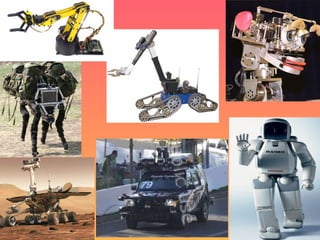
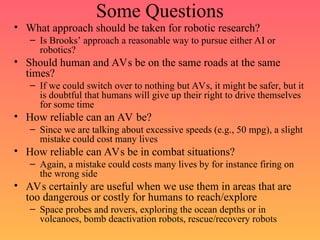
Robotics is a multidisciplinary field at the intersection of mechanical engineering, electrical engineering, and computer science, focused on the design, construction, and operation of machines known as robots. These intelligent systems are built to perform tasks traditionally carried out by humans—ranging from repetitive industrial processes to complex operations like space exploration and disaster response.
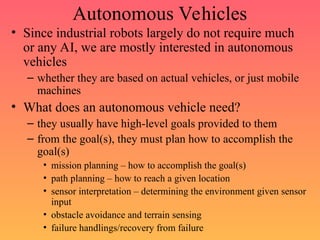
The term “robot” was popularized by science fiction, but today, robotics is a real-world powerhouse driving innovation across industries. From autonomous vehicles and surgical robots to warehouse automation and humanoid assistants, robots are reshaping how we live and work.
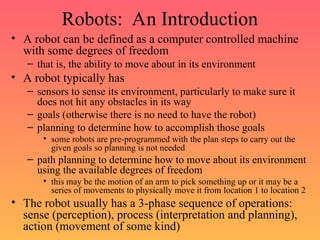
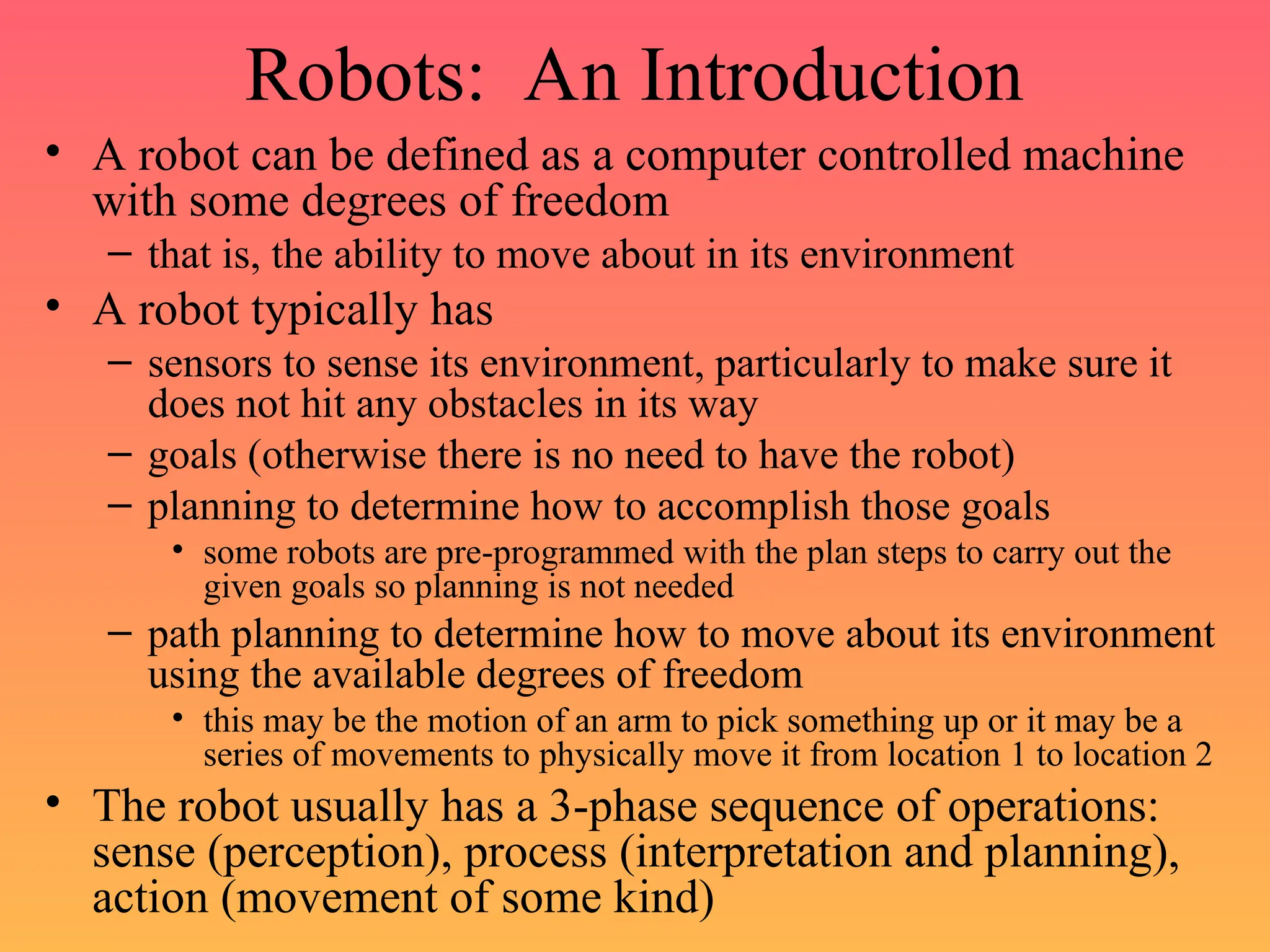
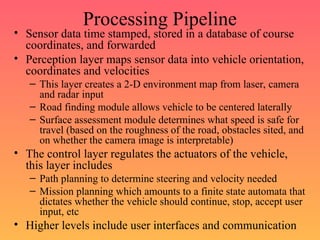
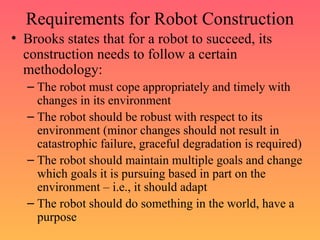
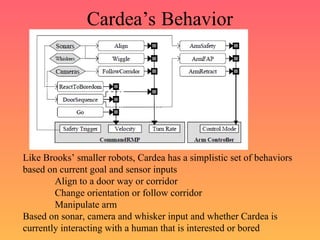
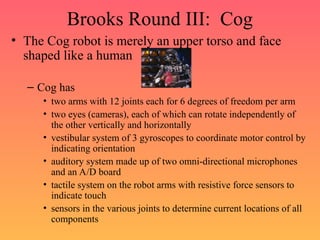
At its core, robotics involves:
Mechanical structure: The physical body and movement mechanisms
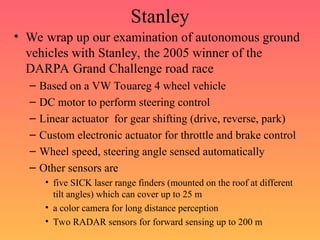
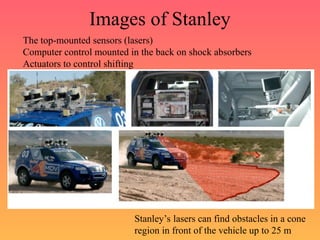
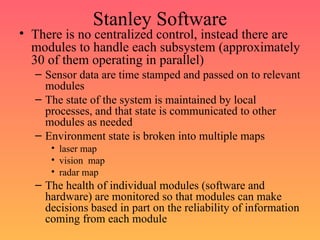
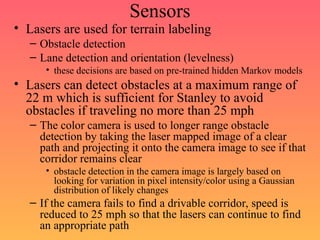
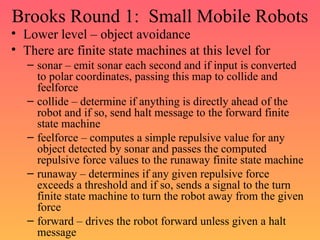
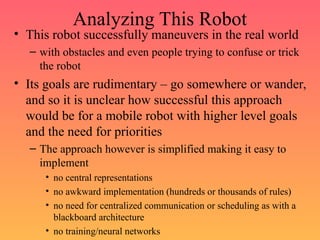
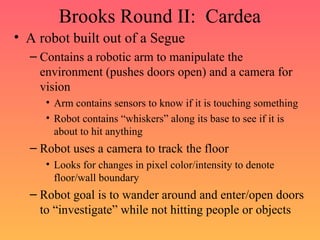
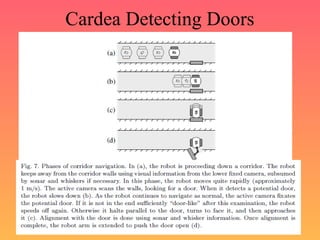
Sensors: Devices that gather data from the environment
Actuators: Motors and systems that enable movement
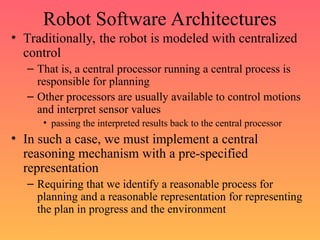
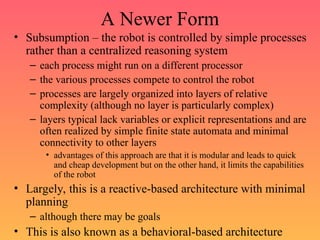
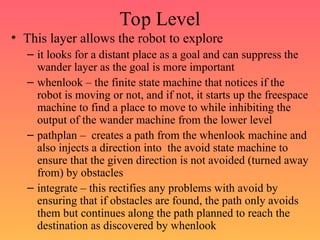
Controllers: The “brain” that processes inputs and executes actions
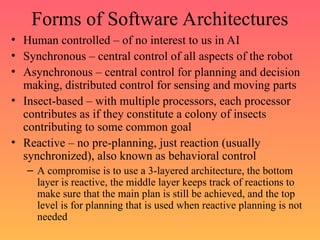
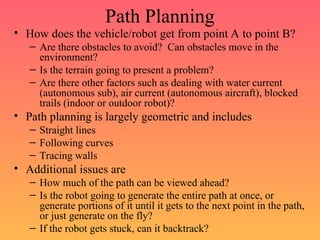
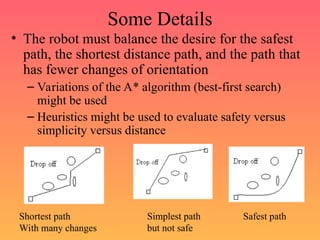
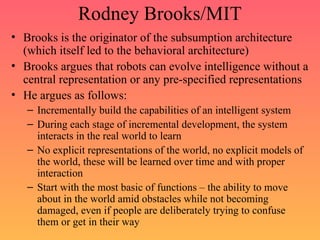
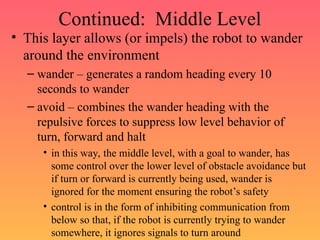
Programming: Algorithms that define behavior and decision-making
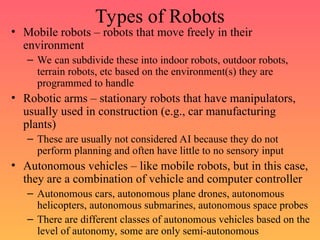
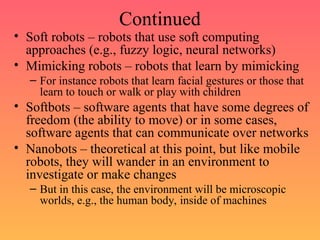
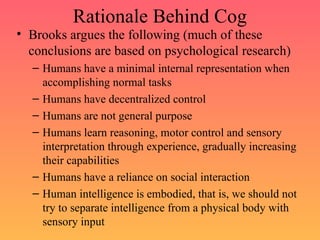
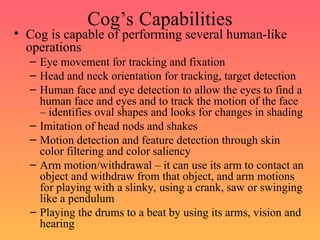
Robotics also embraces artificial intelligence, enabling machines to learn, adapt, and make decisions in dynamic environments. As technology evolves, robots are becoming more autonomous, collaborative, and capable of mimicking human cognition and dexterity.