Learning technologies for a better performing public sector:
   The New York Unified Court System case by Epignosis


                        Dimitris Tsigos
                       Co-founder & CEO
                         Epignosis Ltd
                            Athens,
                       October 22nd 2012
Unprecedented Access To
              Information

   We live in the era of the ‘Information Revolution’
Tons of information digitally stored on what we already
                    call “the cloud”
Have Organizations Actually Taken
  Advantage of the Information
          Revolution?
          To what extend?
    What about the Global Crisis?
Metanoia

“shift of mind” happening when a piece of
      information turns to knowledge
Knowledge

Knowledge is information which actually changes
         the behavior of the subject
Learning

      “Enabling Metanoia”
Turning Information to Knowledge
e-Learning

Aiming to provide solutions that help turning
 information to knowledge – not only at the
  individual level but also at the workgroup
Tacit Knowledge
“The kind of knowledge that is difficult to transfer
to another person by means of writing it down or
                 verbalising it”
 From: “Yianni is the person who knows how to deal with this situation“
To: “when this event happened in the past, Yianni successfully faced it in
                            that specific way“
The Ugly Truth

• Organizations do not have the resources necessary
  to turn tacit knowledge to explicit
• Time & Budget
• Need a lean, real-time approach to grab tacit
  knowledge and make it accessible to the team
• With modern, personalized, lean learning
  technologies for workgroups this can be achieved!
A Delayed Revolution?

• Learning technologies have been around for almost two
  decades
    – “Luxury product”
•   Very high TCO
•   Questionable RoI
•   Centralized Vs Decentralized approach
•   Hundreds of examples in the Public Sector
A Better Performing Public Sector

• Human Capital in the Key!
• Efficient learning is necessary!
• The centralized approach is doomed to fail!
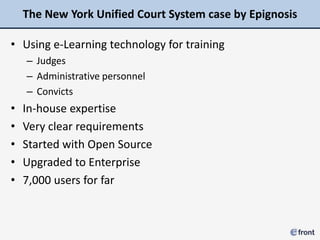
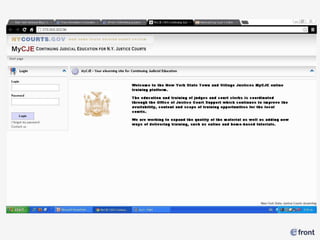
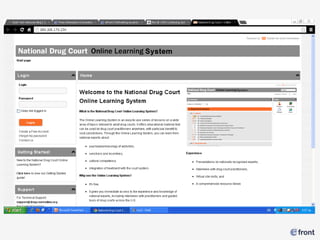
The New York Unified Court System case by Epignosis

• Using e-Learning technology for training
    – Judges
    – Administrative personnel
    – Convicts
•   In-house expertise
•   Very clear requirements
•   Started with Open Source
•   Upgraded to Enterprise
•   7,000 users for far
Lessons learned

• The New York Unified Court System e-Learning projects
  has been successful because of culture of being
   – Agile
   – Lean
   – Efficient
• Exactly the opposite to a Greek public sector project
• Time for CHANGE!
The e-Learning Revolution

• Delayed but now it’s happening!
• The economy is changing, getting more and more knowledge
  intensive
• Employee turn-over, meaning the frequency that employees
  change jobs, increases at a high pace
• Because of the economic crisis resources are lacking
• Because of globalization, competition gets more intensive
• Multimedia content, which used to represent a significant part of
  an eLearning project TCO, now is gradually turning to a
  commodity
Epignosis

•   Founded in 2003
•   SCORM certification in 2006
•   Open-source in 2007
•   Global expansion in 2008
•   Today in 60+ Countries
•   Award winning
•   Trusted by organizations like NYUCS, Fujitsu, Panasonic,
    UoSC, Carter, Kalsec and others
Thank you! 

www.efrontlearning.net

E front it_221012

  • 1.
    Learning technologies fora better performing public sector: The New York Unified Court System case by Epignosis Dimitris Tsigos Co-founder & CEO Epignosis Ltd Athens, October 22nd 2012
  • 2.
    Unprecedented Access To Information We live in the era of the ‘Information Revolution’ Tons of information digitally stored on what we already call “the cloud”
  • 3.
    Have Organizations ActuallyTaken Advantage of the Information Revolution? To what extend? What about the Global Crisis?
  • 4.
    Metanoia “shift of mind”happening when a piece of information turns to knowledge
  • 5.
    Knowledge Knowledge is informationwhich actually changes the behavior of the subject
  • 6.
    Learning “Enabling Metanoia” Turning Information to Knowledge
  • 7.
    e-Learning Aiming to providesolutions that help turning information to knowledge – not only at the individual level but also at the workgroup
  • 8.
    Tacit Knowledge “The kindof knowledge that is difficult to transfer to another person by means of writing it down or verbalising it” From: “Yianni is the person who knows how to deal with this situation“ To: “when this event happened in the past, Yianni successfully faced it in that specific way“
  • 9.
    The Ugly Truth •Organizations do not have the resources necessary to turn tacit knowledge to explicit • Time & Budget • Need a lean, real-time approach to grab tacit knowledge and make it accessible to the team • With modern, personalized, lean learning technologies for workgroups this can be achieved!
  • 10.
    A Delayed Revolution? •Learning technologies have been around for almost two decades – “Luxury product” • Very high TCO • Questionable RoI • Centralized Vs Decentralized approach • Hundreds of examples in the Public Sector
  • 11.
    A Better PerformingPublic Sector • Human Capital in the Key! • Efficient learning is necessary! • The centralized approach is doomed to fail!
  • 12.
    The New YorkUnified Court System case by Epignosis • Using e-Learning technology for training – Judges – Administrative personnel – Convicts • In-house expertise • Very clear requirements • Started with Open Source • Upgraded to Enterprise • 7,000 users for far
  • 16.
    Lessons learned • TheNew York Unified Court System e-Learning projects has been successful because of culture of being – Agile – Lean – Efficient • Exactly the opposite to a Greek public sector project • Time for CHANGE!
  • 17.
    The e-Learning Revolution •Delayed but now it’s happening! • The economy is changing, getting more and more knowledge intensive • Employee turn-over, meaning the frequency that employees change jobs, increases at a high pace • Because of the economic crisis resources are lacking • Because of globalization, competition gets more intensive • Multimedia content, which used to represent a significant part of an eLearning project TCO, now is gradually turning to a commodity
  • 18.
    Epignosis • Founded in 2003 • SCORM certification in 2006 • Open-source in 2007 • Global expansion in 2008 • Today in 60+ Countries • Award winning • Trusted by organizations like NYUCS, Fujitsu, Panasonic, UoSC, Carter, Kalsec and others
  • 19.