Methodology
1) ECG sensor Data OUTPUT in ARDUINO and ESP 32
2) ESP – ESP COMMUNICATION
3) ESP TO SERIAL DATA COMMUNICATION TO PYTHON
4) SERIAL PLOTTER
5) DATA LOGGING FOR STANDING , RESTING AND WALKING,SLOW JOGGING
6) APPLYING DIGITAL FILTERS: BUTTERWORTH,CHEBESW , NORMALIZATION , KALMAN FILTER
7) Evaluation of result using signal to noise ratio
1) ECG sensor Data OUTPUT in ARDUINO and ESP 32
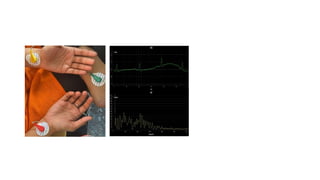
The ECG sensor is connected to the Arduino and ESP 32 and verified the output in the Serial monitor.
The baut rate used is 115200. The Sample rate is 328.
2) ESP – ESP COMMUNICATION
The esp-esp communication is required as the there was need in the wireless transmission. We used
Esp-Now Protocol where we achieved good sample rate is same as transmission .
3) ESP TO SERIAL DATA COMMUNICATION TO PYTHON
The data from the microcontroller is written to the serial port where the other devices can read the
data and further processed . Here we are using the Pyserial library to read the data and storing in
the data set.
4) SERIAL PLOTTER
The data collected from the serial monitor is plotted in python using the PyQt Graph library .
Why NOT PUSHING THE DATA TO CLOUD
1) Since the data has higher sampling rate ie around 300-400 value in 1sec
2) The Existing and advance cloud platform like Blynk ,Arduino IOT cloud(supports 1value in 1 sec)
6) APPLYING DIGITAL FILTERS: BUTTERWORTH,CHEBESW , NORMALIZATION , KALMAN FILTER
Since we have the noise in the ECG data its necessary to denoise and normalize the data. In
this work we have used Normalization, Butterworth ,chebsew and Kalman filters.
5) DATA LOGGING FOR STANDING , RESTING AND WALKING,SLOW JOGGING
Since the filters cannot be applied directly without modelling it , we have taken the data sample of the
project setup in csv and log file extension format.
DSp.pptx

DSp.pptx

  • 1.
    Methodology 1) ECG sensorData OUTPUT in ARDUINO and ESP 32 2) ESP – ESP COMMUNICATION 3) ESP TO SERIAL DATA COMMUNICATION TO PYTHON 4) SERIAL PLOTTER 5) DATA LOGGING FOR STANDING , RESTING AND WALKING,SLOW JOGGING 6) APPLYING DIGITAL FILTERS: BUTTERWORTH,CHEBESW , NORMALIZATION , KALMAN FILTER 7) Evaluation of result using signal to noise ratio
  • 2.
    1) ECG sensorData OUTPUT in ARDUINO and ESP 32 The ECG sensor is connected to the Arduino and ESP 32 and verified the output in the Serial monitor. The baut rate used is 115200. The Sample rate is 328. 2) ESP – ESP COMMUNICATION The esp-esp communication is required as the there was need in the wireless transmission. We used Esp-Now Protocol where we achieved good sample rate is same as transmission . 3) ESP TO SERIAL DATA COMMUNICATION TO PYTHON The data from the microcontroller is written to the serial port where the other devices can read the data and further processed . Here we are using the Pyserial library to read the data and storing in the data set. 4) SERIAL PLOTTER The data collected from the serial monitor is plotted in python using the PyQt Graph library .
  • 3.
    Why NOT PUSHINGTHE DATA TO CLOUD 1) Since the data has higher sampling rate ie around 300-400 value in 1sec 2) The Existing and advance cloud platform like Blynk ,Arduino IOT cloud(supports 1value in 1 sec) 6) APPLYING DIGITAL FILTERS: BUTTERWORTH,CHEBESW , NORMALIZATION , KALMAN FILTER Since we have the noise in the ECG data its necessary to denoise and normalize the data. In this work we have used Normalization, Butterworth ,chebsew and Kalman filters. 5) DATA LOGGING FOR STANDING , RESTING AND WALKING,SLOW JOGGING Since the filters cannot be applied directly without modelling it , we have taken the data sample of the project setup in csv and log file extension format.