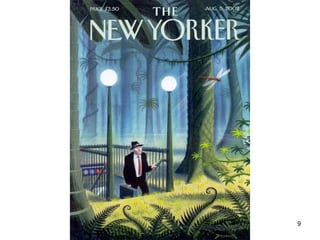
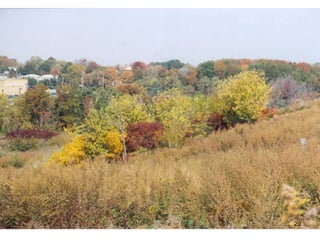
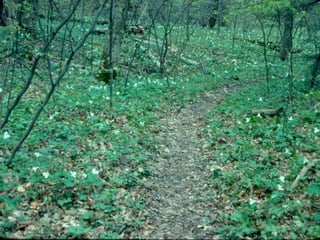
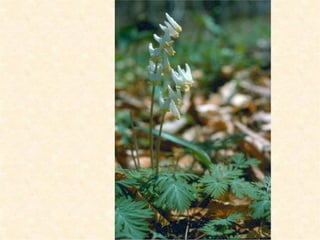
Ecological Opportunities Restore natural heritage of the site Restore ecological functions Minimize, but not eliminate,  management needs and costs Improve biodiversity in surrounding  areas Add ecological resiliency for the future
 
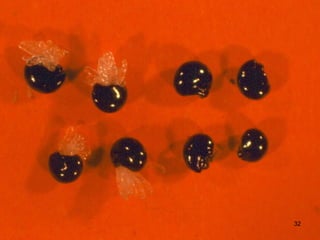
Ecological influences  on birth and death Recruitment of seedlings Gene flow by seeds Gene flow by pollen Habitat change/special requirements Management actions/inactions Finding the right genotypes
 
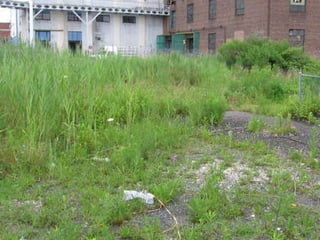
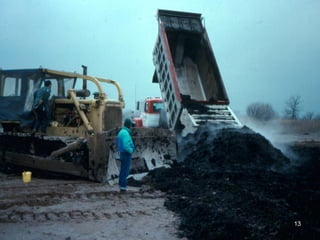
Urban Soils Variable Compaction Hydrophobic crust Elevated pH Restricted aeration and water drainage Nutrient cycling and soil organisms Pollution Higher soil temperature
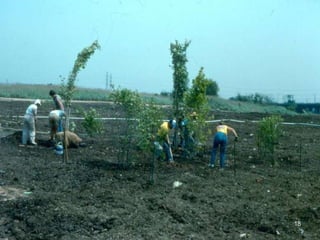
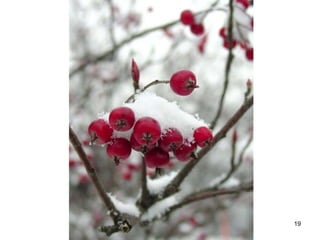
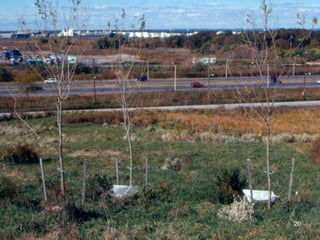
Genetic Communication in Plants   Gene flow by seed Gene flow by pollen Dispersal by clonal fragments


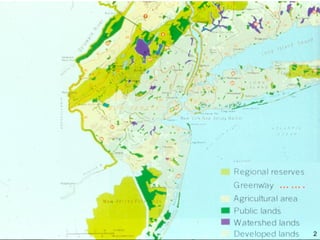
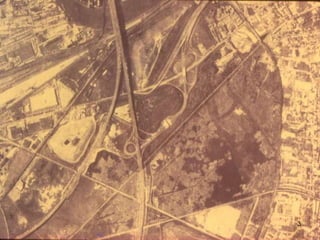
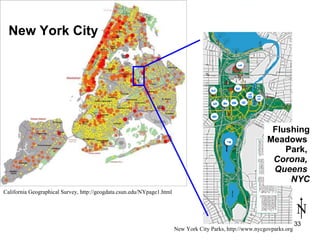
California Geographical Survey, http://geogdata.csun.edu/NYpage1.html New York City Parks, http://www.nycgovparks.org New York City Flushing Meadows  Park,  Corona,  Queens  NYC N
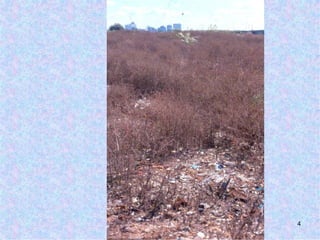
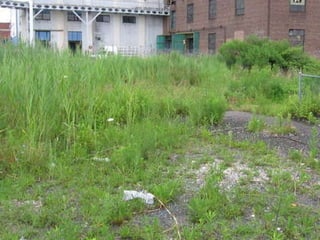
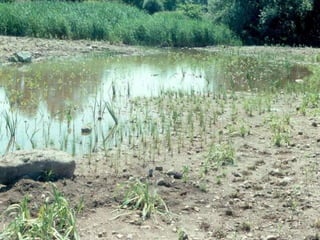
GENERAL Physical properties of site were  poorly characterized Removal of  Phragmites  was not permitted Stolen plants Arson No vegetation management or monitoring  lack of funds after 3-yr period No public access or education plan  Public access now impossible No community interest or support group exists The Story:  Problems
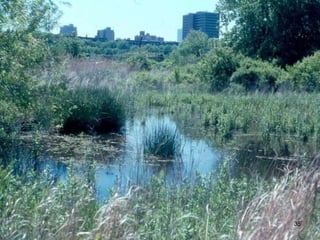
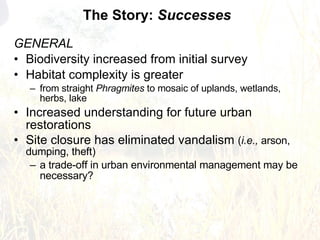
GENERAL Biodiversity increased from initial survey Habitat complexity is greater  from straight  Phragmites  to mosaic of uplands, wetlands, herbs, lake Increased understanding for future urban restorations Site closure has eliminated vandalism  ( i.e.,  arson, dumping, theft) a trade-off in urban environmental management may be necessary? The Story:  Successes
 
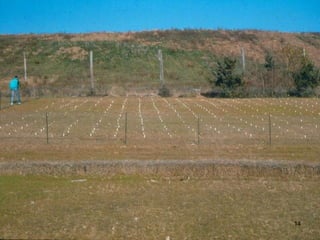
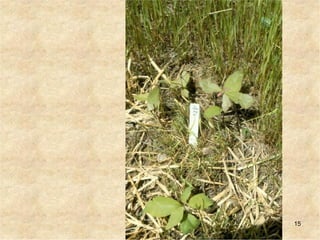
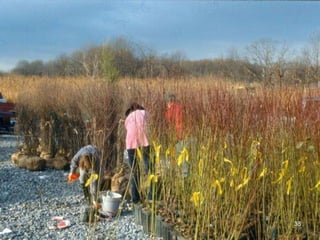
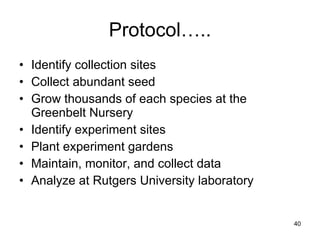
Protocol….. Identify collection sites Collect abundant seed Grow thousands of each species at the Greenbelt Nursery Identify experiment sites Plant experiment gardens Maintain, monitor, and collect data Analyze at Rutgers University laboratory
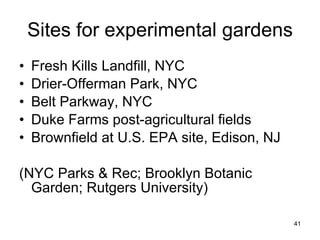
Sites for experimental gardens Fresh Kills Landfill, NYC Drier-Offerman Park, NYC Belt Parkway, NYC Duke Farms post-agricultural fields Brownfield at U.S. EPA site, Edison, NJ (NYC Parks & Rec; Brooklyn Botanic Garden; Rutgers University)
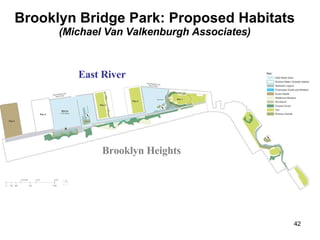
Brooklyn Bridge Park: Proposed Habitats (Michael Van Valkenburgh Associates) East River Brooklyn Heights
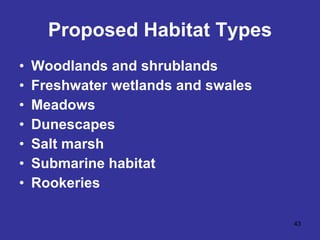
Proposed Habitat Types Woodlands and shrublands Freshwater wetlands and swales Meadows Dunescapes Salt marsh Submarine habitat Rookeries
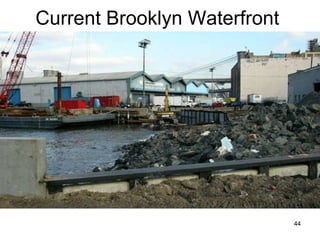
Current Brooklyn Waterfront
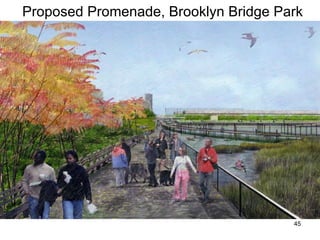
Proposed Promenade, Brooklyn Bridge Park
Ecological Constraints Dispersal into the site is limited  Degraded plant and animal communities Soil quality and biota is poor Invasive species are lurking Changed, stressful climate
Regulatory Constraints Engineering goals are not congruent to ecological goals Rooting zone is poor Disturbance regimes lacking Phasing of construction not driven by ecological rules alone
Social Constraints Beauty and the eye of the beholder Different strokes for different folks The numbers game I vant to be alone Here comes the sun
 

Synthesis: The Realities of Ecological Restoration in Urban Centers

  • 1.
  • 5.
  • 7.
    Ecological Opportunities Restorenatural heritage of the site Restore ecological functions Minimize, but not eliminate, management needs and costs Improve biodiversity in surrounding areas Add ecological resiliency for the future
  • 9.
  • 10.
    Ecological influences on birth and death Recruitment of seedlings Gene flow by seeds Gene flow by pollen Habitat change/special requirements Management actions/inactions Finding the right genotypes
  • 11.
  • 12.
    Urban Soils VariableCompaction Hydrophobic crust Elevated pH Restricted aeration and water drainage Nutrient cycling and soil organisms Pollution Higher soil temperature
  • 17.
    Genetic Communication inPlants Gene flow by seed Gene flow by pollen Dispersal by clonal fragments
  • 19.
  • 23.
  • 27.
  • 28.
  • 31.
  • 33.
    California Geographical Survey,http://geogdata.csun.edu/NYpage1.html New York City Parks, http://www.nycgovparks.org New York City Flushing Meadows Park, Corona, Queens NYC N
  • 36.
    GENERAL Physical propertiesof site were poorly characterized Removal of Phragmites was not permitted Stolen plants Arson No vegetation management or monitoring lack of funds after 3-yr period No public access or education plan Public access now impossible No community interest or support group exists The Story: Problems
  • 37.
    GENERAL Biodiversity increasedfrom initial survey Habitat complexity is greater from straight Phragmites to mosaic of uplands, wetlands, herbs, lake Increased understanding for future urban restorations Site closure has eliminated vandalism ( i.e., arson, dumping, theft) a trade-off in urban environmental management may be necessary? The Story: Successes
  • 39.
  • 40.
    Protocol….. Identify collectionsites Collect abundant seed Grow thousands of each species at the Greenbelt Nursery Identify experiment sites Plant experiment gardens Maintain, monitor, and collect data Analyze at Rutgers University laboratory
  • 41.
    Sites for experimentalgardens Fresh Kills Landfill, NYC Drier-Offerman Park, NYC Belt Parkway, NYC Duke Farms post-agricultural fields Brownfield at U.S. EPA site, Edison, NJ (NYC Parks & Rec; Brooklyn Botanic Garden; Rutgers University)
  • 42.
    Brooklyn Bridge Park:Proposed Habitats (Michael Van Valkenburgh Associates) East River Brooklyn Heights
  • 43.
    Proposed Habitat TypesWoodlands and shrublands Freshwater wetlands and swales Meadows Dunescapes Salt marsh Submarine habitat Rookeries
  • 44.
  • 45.
  • 46.
    Ecological Constraints Dispersalinto the site is limited Degraded plant and animal communities Soil quality and biota is poor Invasive species are lurking Changed, stressful climate
  • 47.
    Regulatory Constraints Engineeringgoals are not congruent to ecological goals Rooting zone is poor Disturbance regimes lacking Phasing of construction not driven by ecological rules alone
  • 48.
    Social Constraints Beautyand the eye of the beholder Different strokes for different folks The numbers game I vant to be alone Here comes the sun
  • 49.