Earth Science
Classification of Rocks
Lesson Objectives:
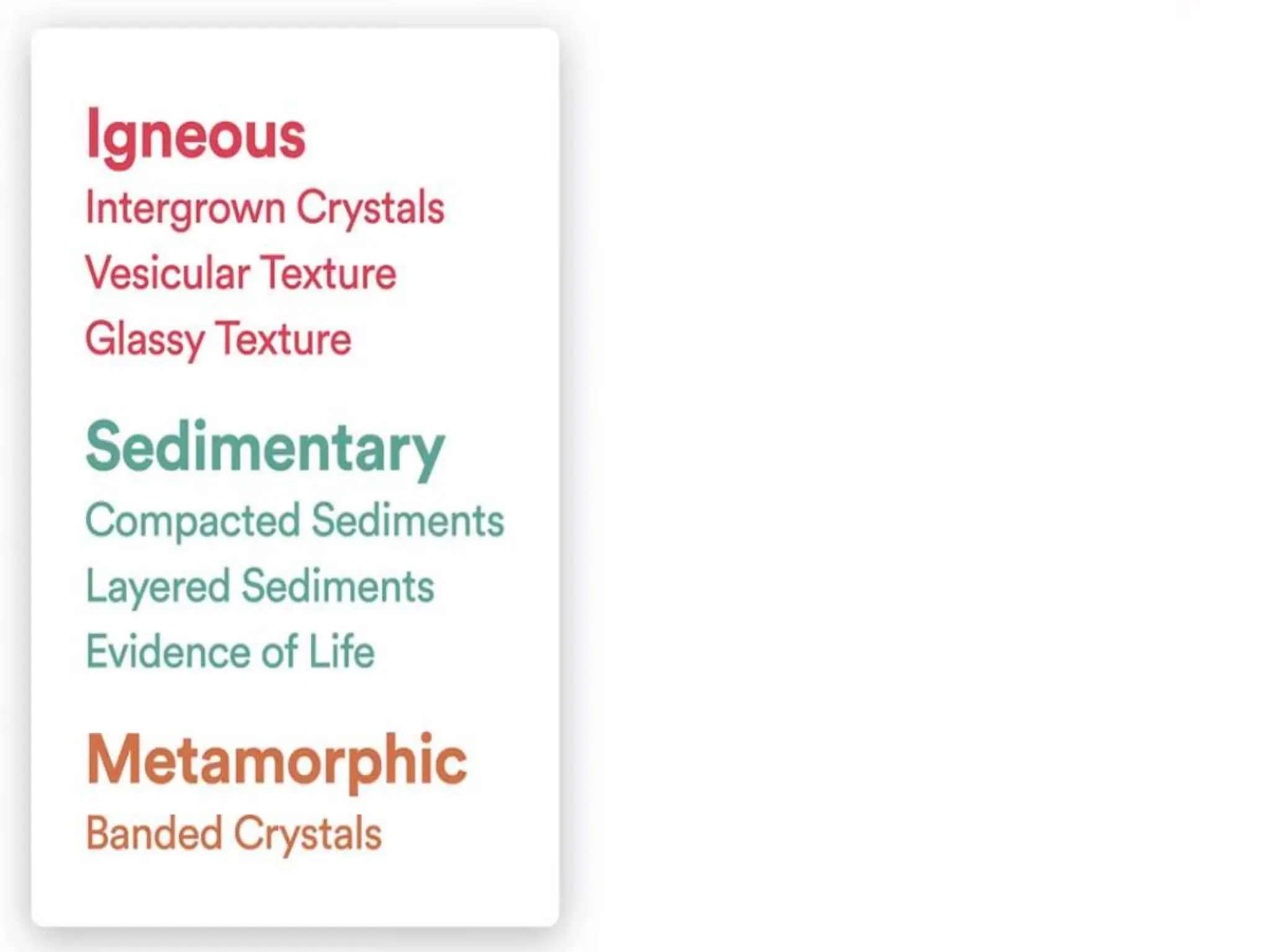
1. describe igneous, sedimentary, and metamorphic
rocks based on their characteristics and how they are
formed;
2. explain the process of the formation of igneous,
sedimentary, and metamorphic rocks; and
3. give examples of igneous, sedimentary, and
metamorphic rocks
ROCKS
ROCKS
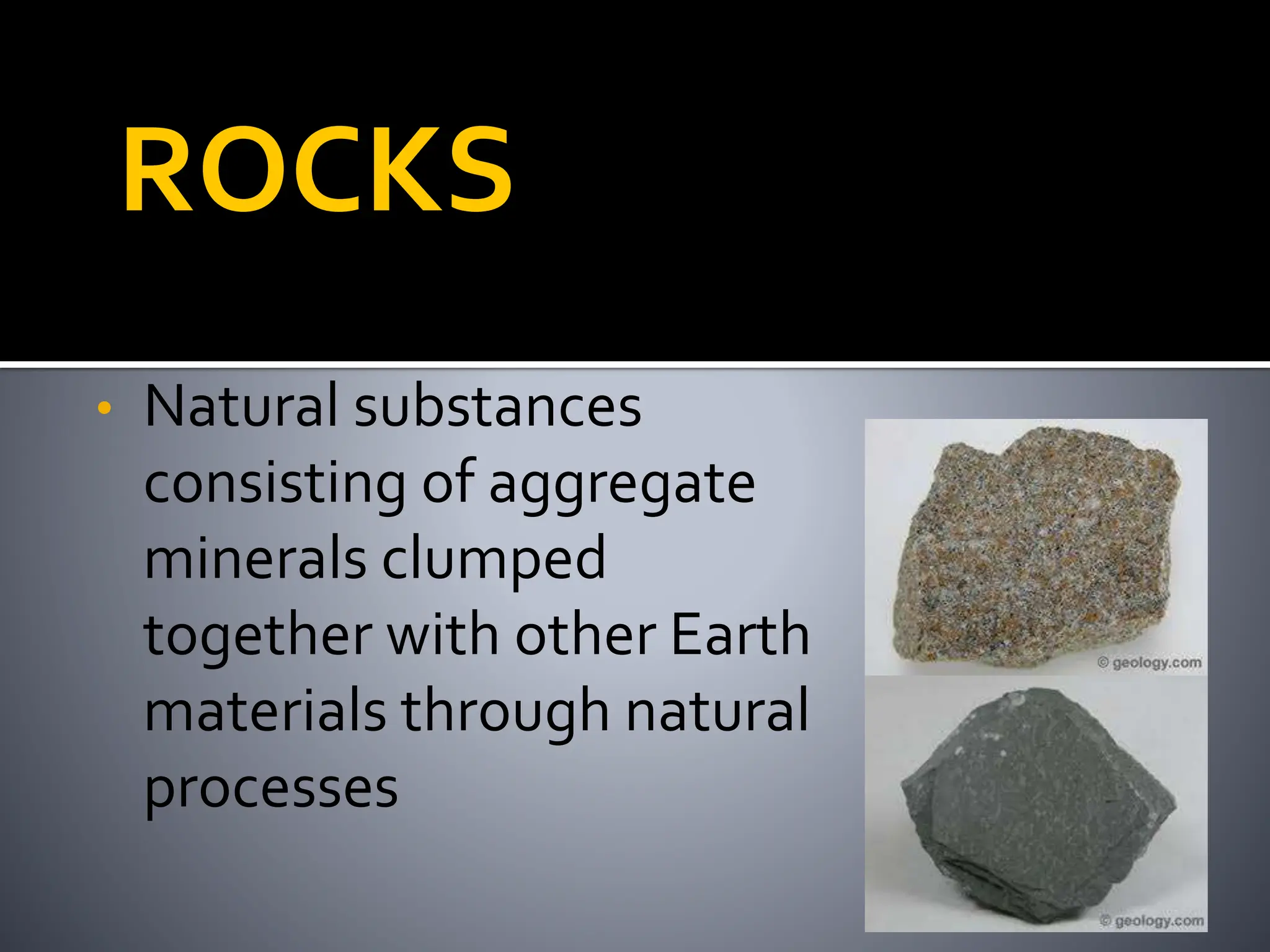
• Natural substances
consisting of aggregate
minerals clumped
together with other Earth
materials through natural
processes
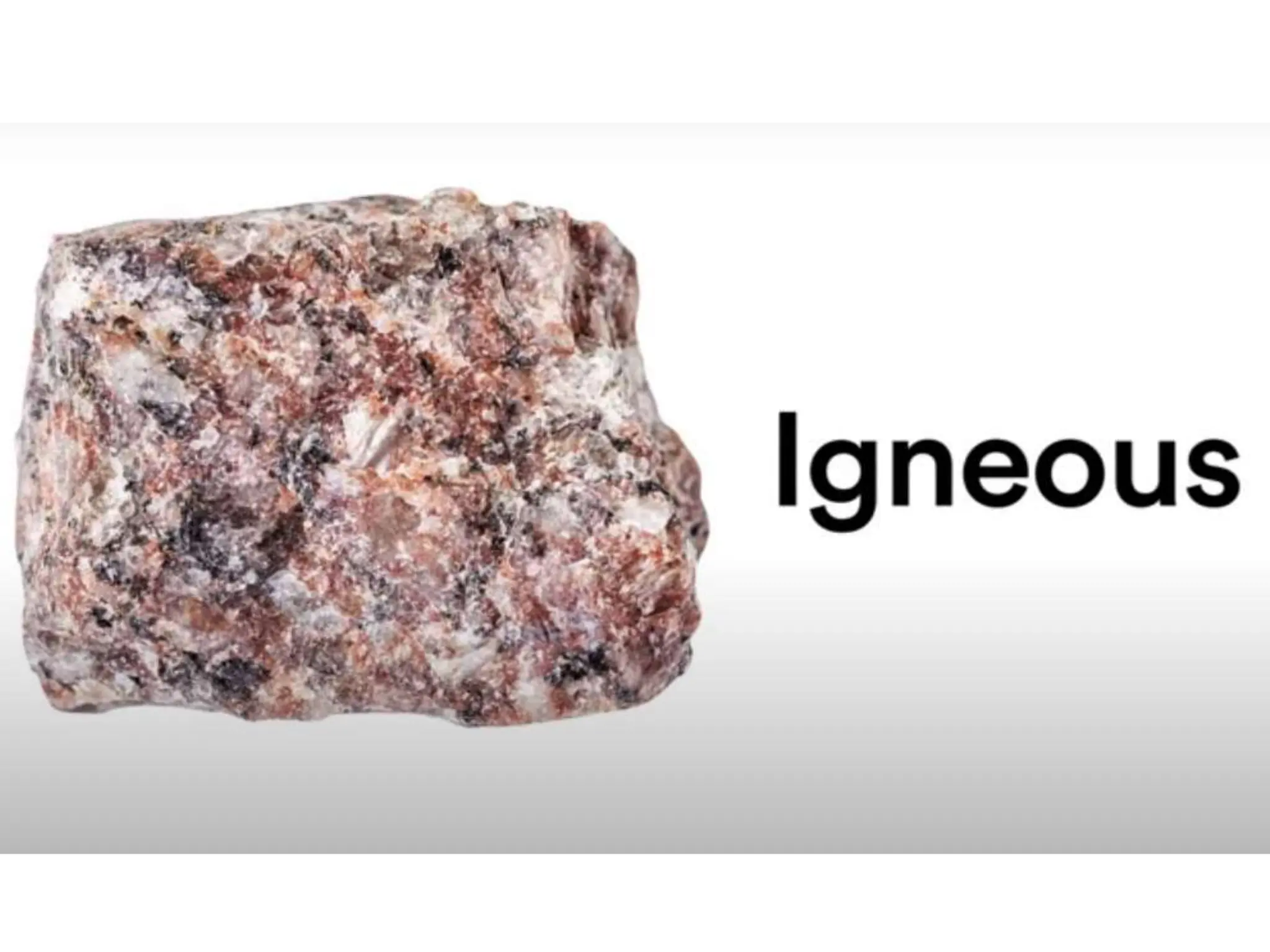
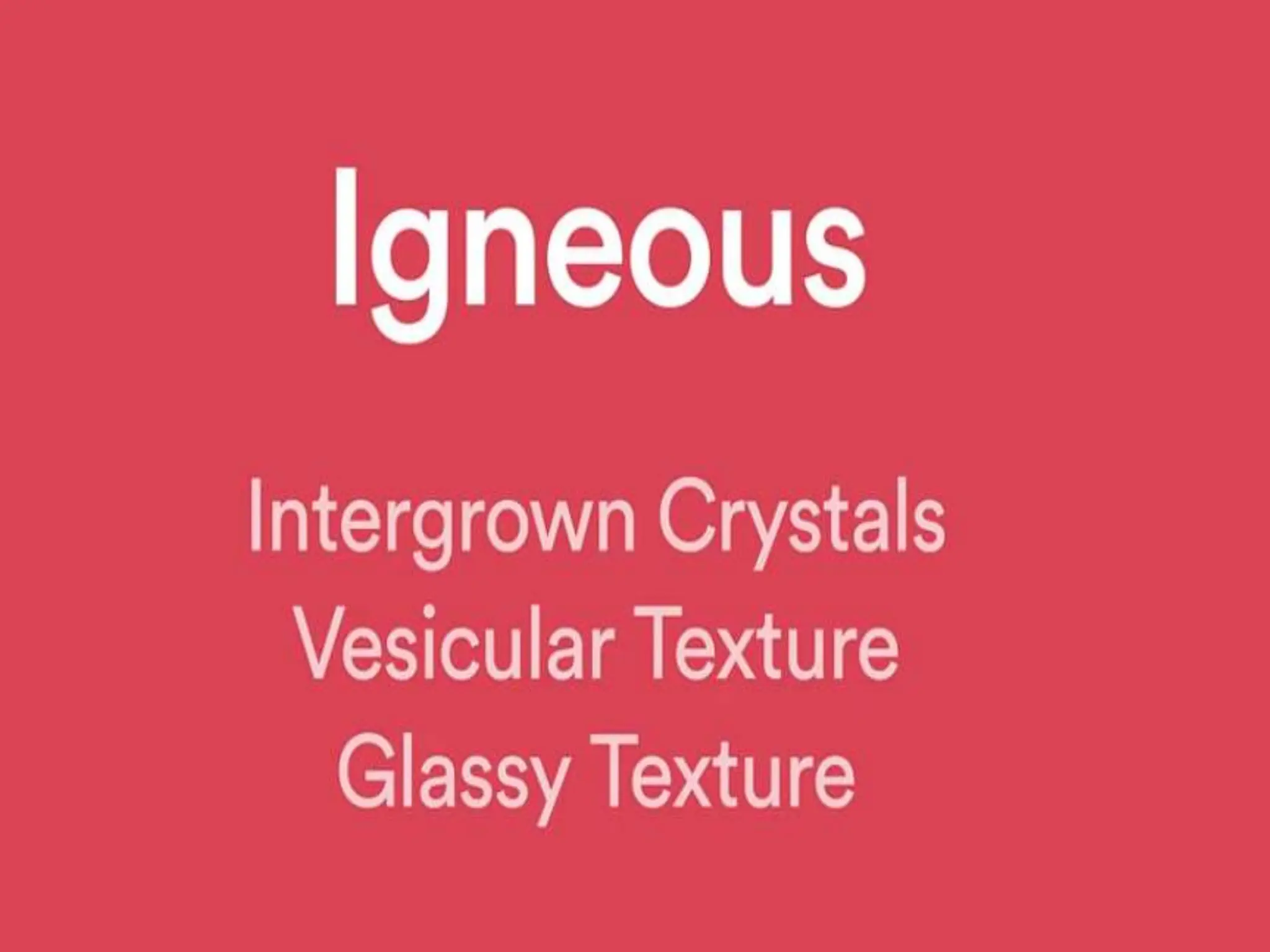
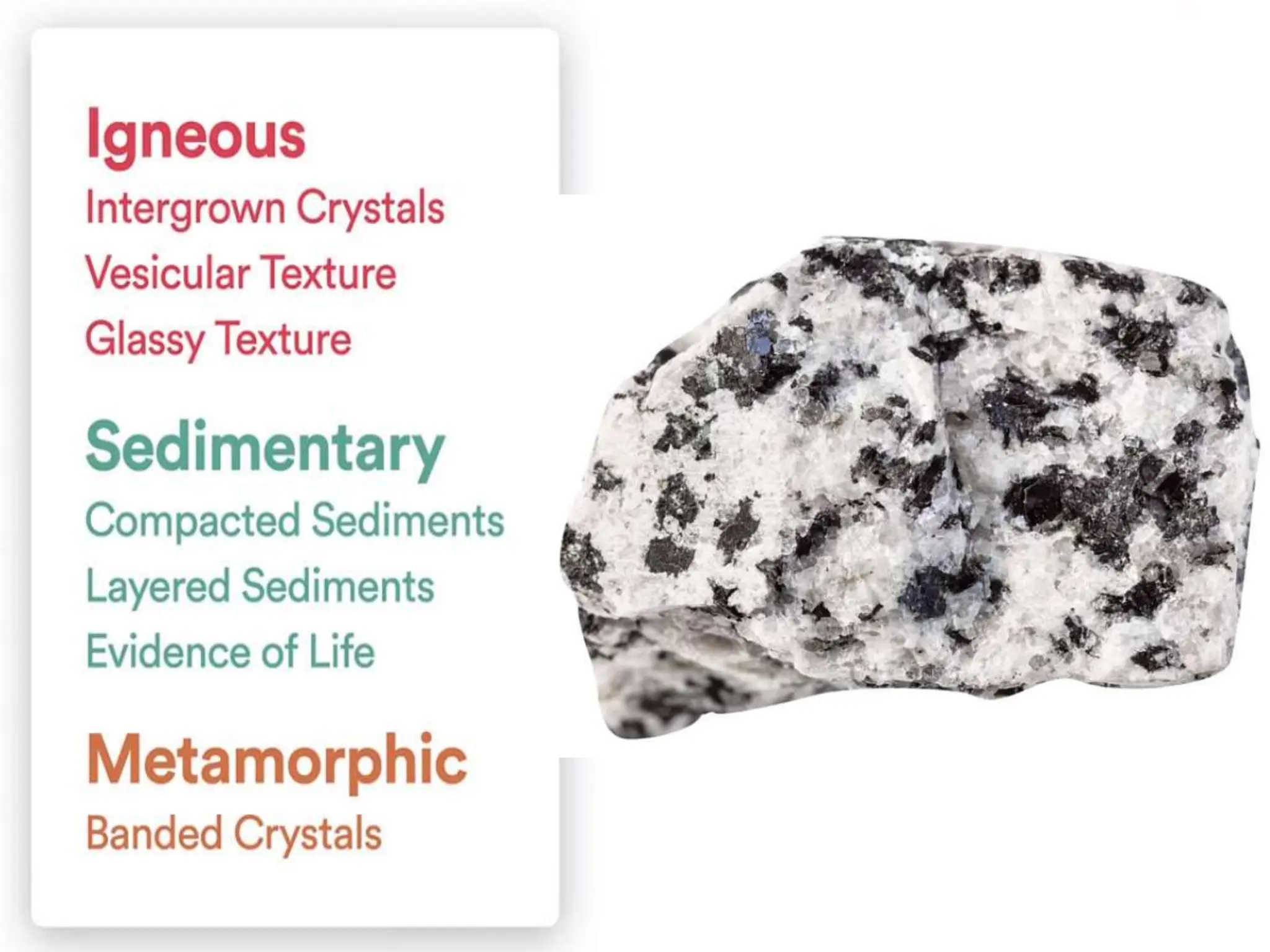
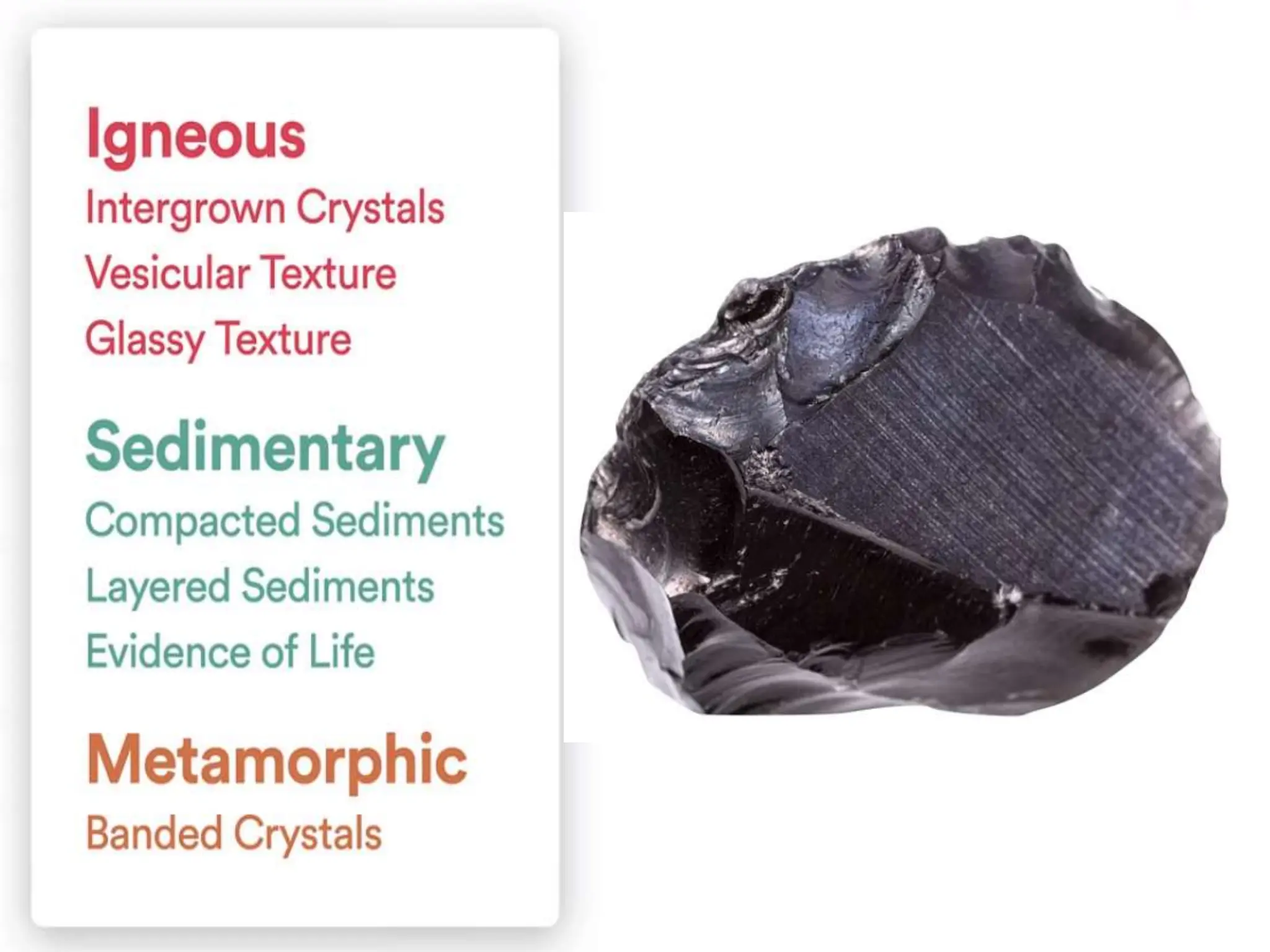
1. IGNEOUS ROCKS
• Latin word ignis means fire
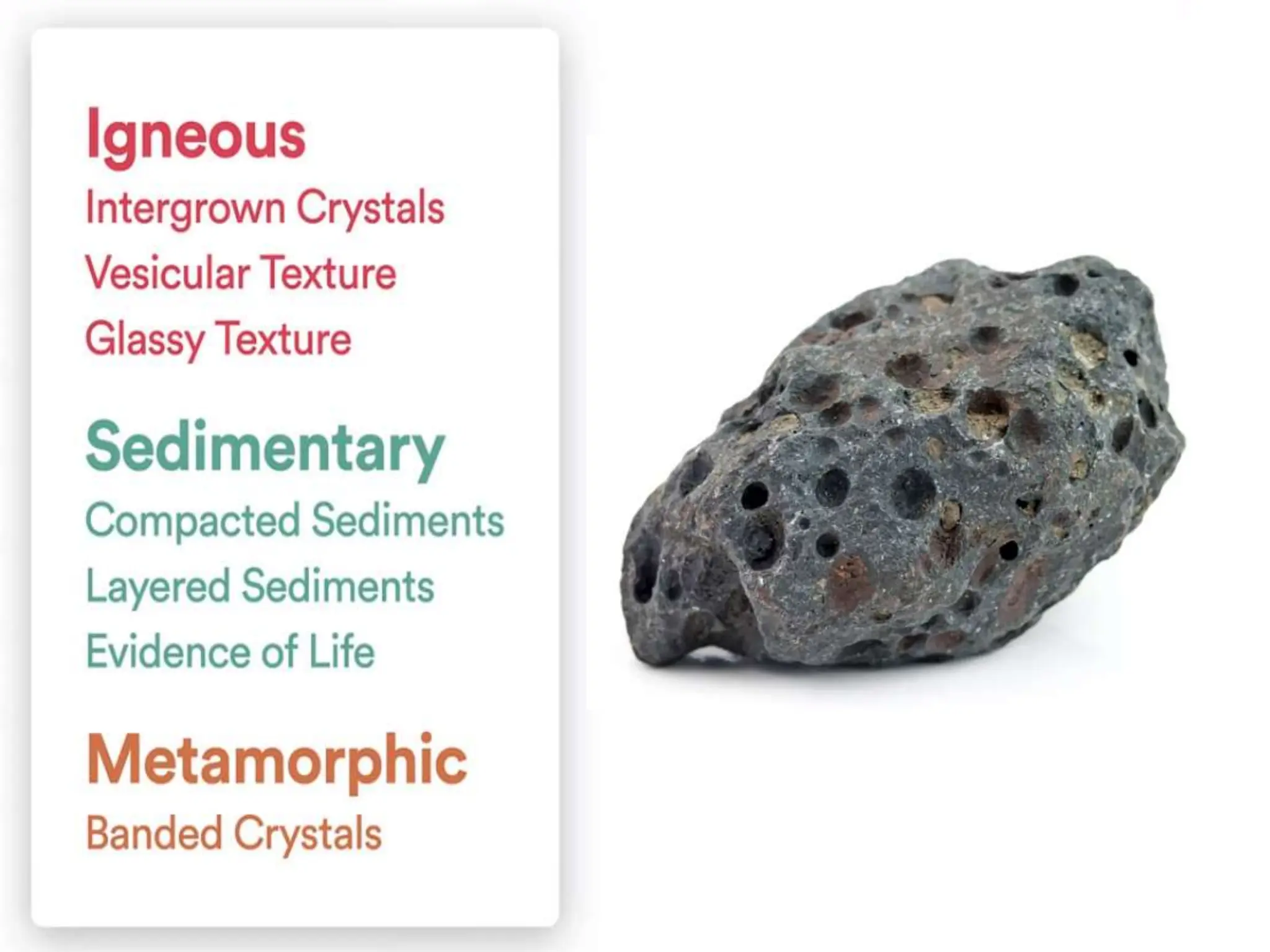
• Formed from the cooling and solidification
of magma or lava
• Two types:
• Intrusive
• Extrusive
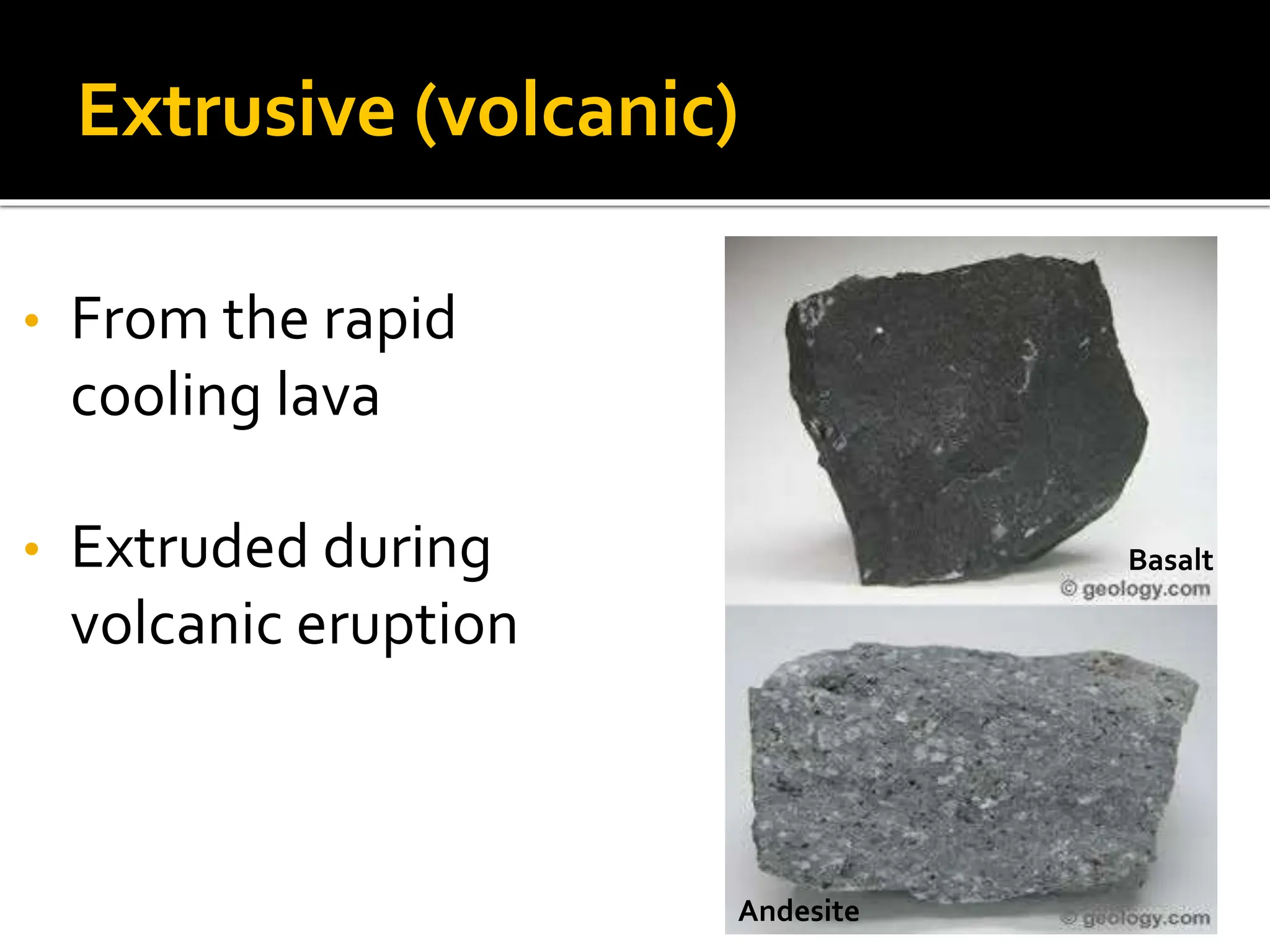
Extrusive (volcanic)
• From the rapid
cooling lava
• Extruded during
volcanic eruption
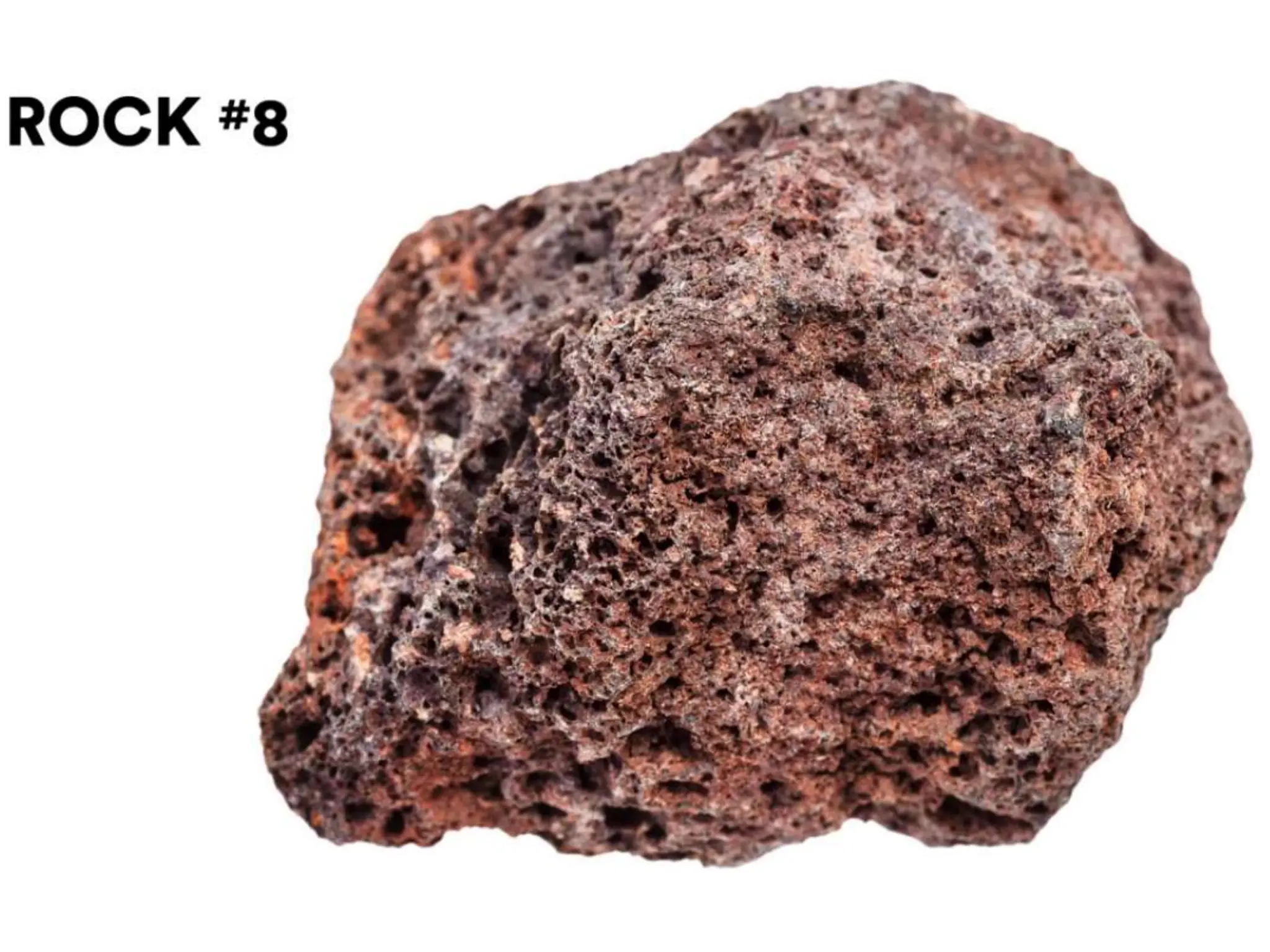
Basalt
Andesite
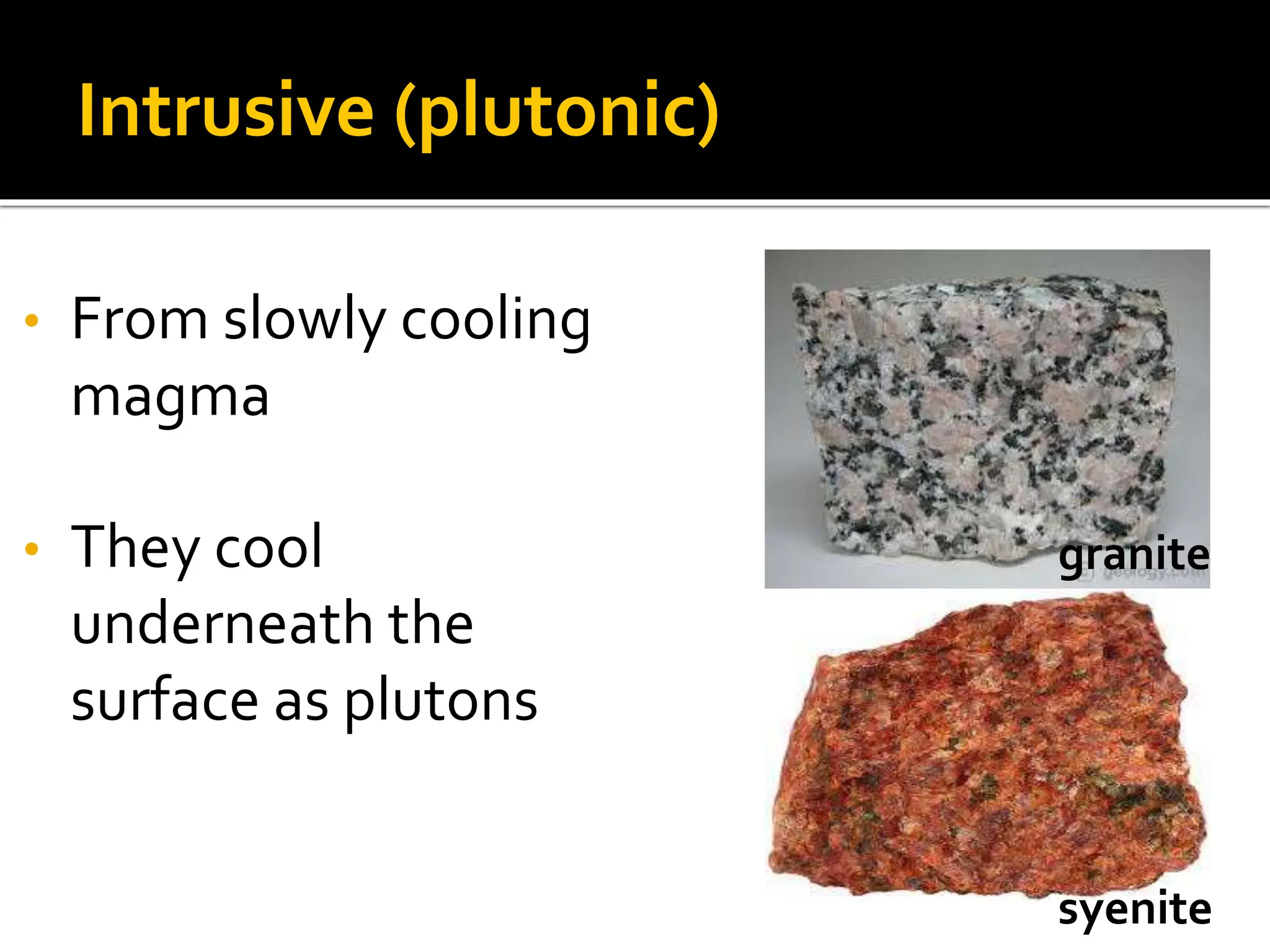
Intrusive (plutonic)
• From slowly cooling
magma
• They cool
underneath the
surface as plutons
granite
syenite
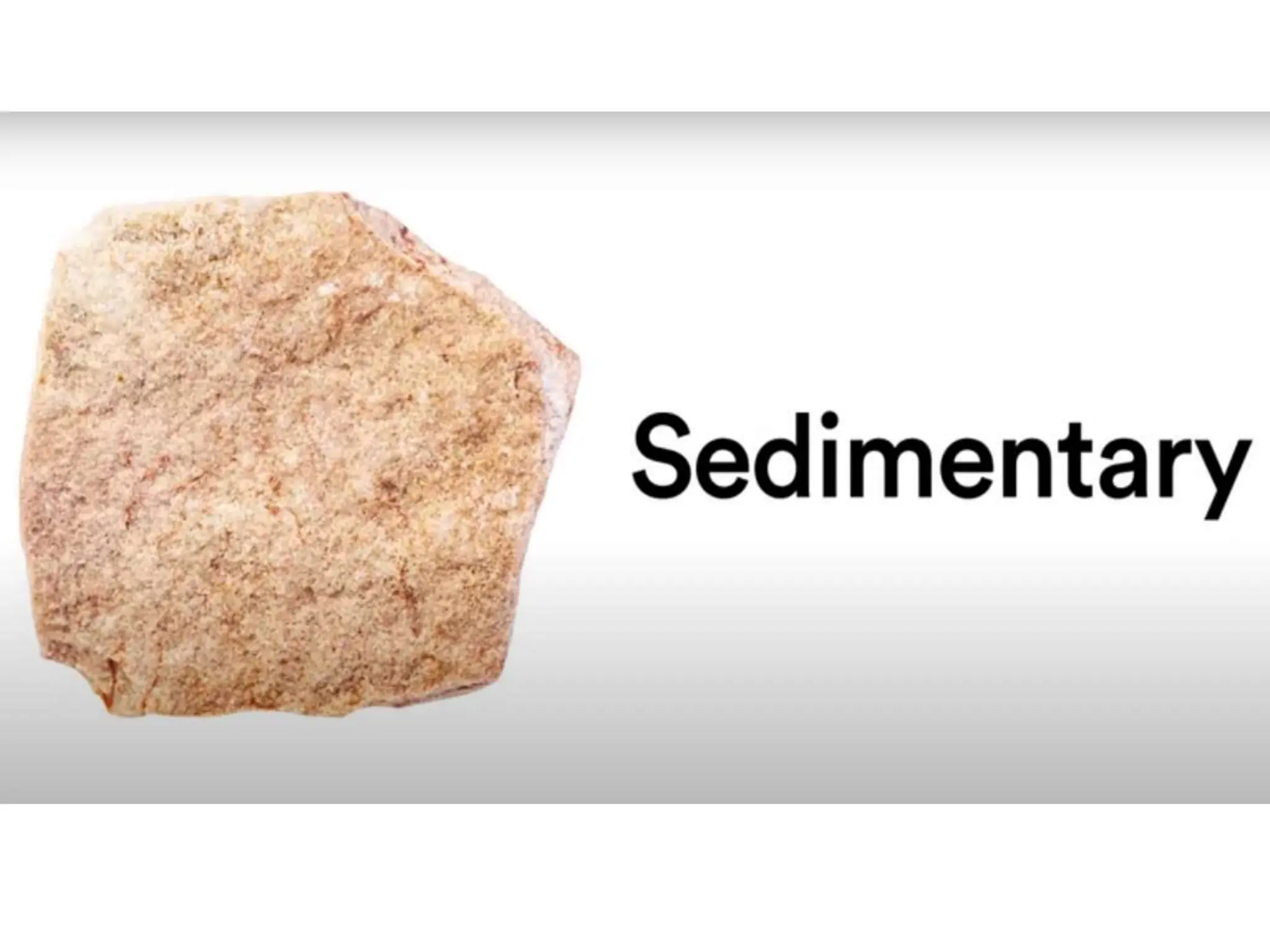
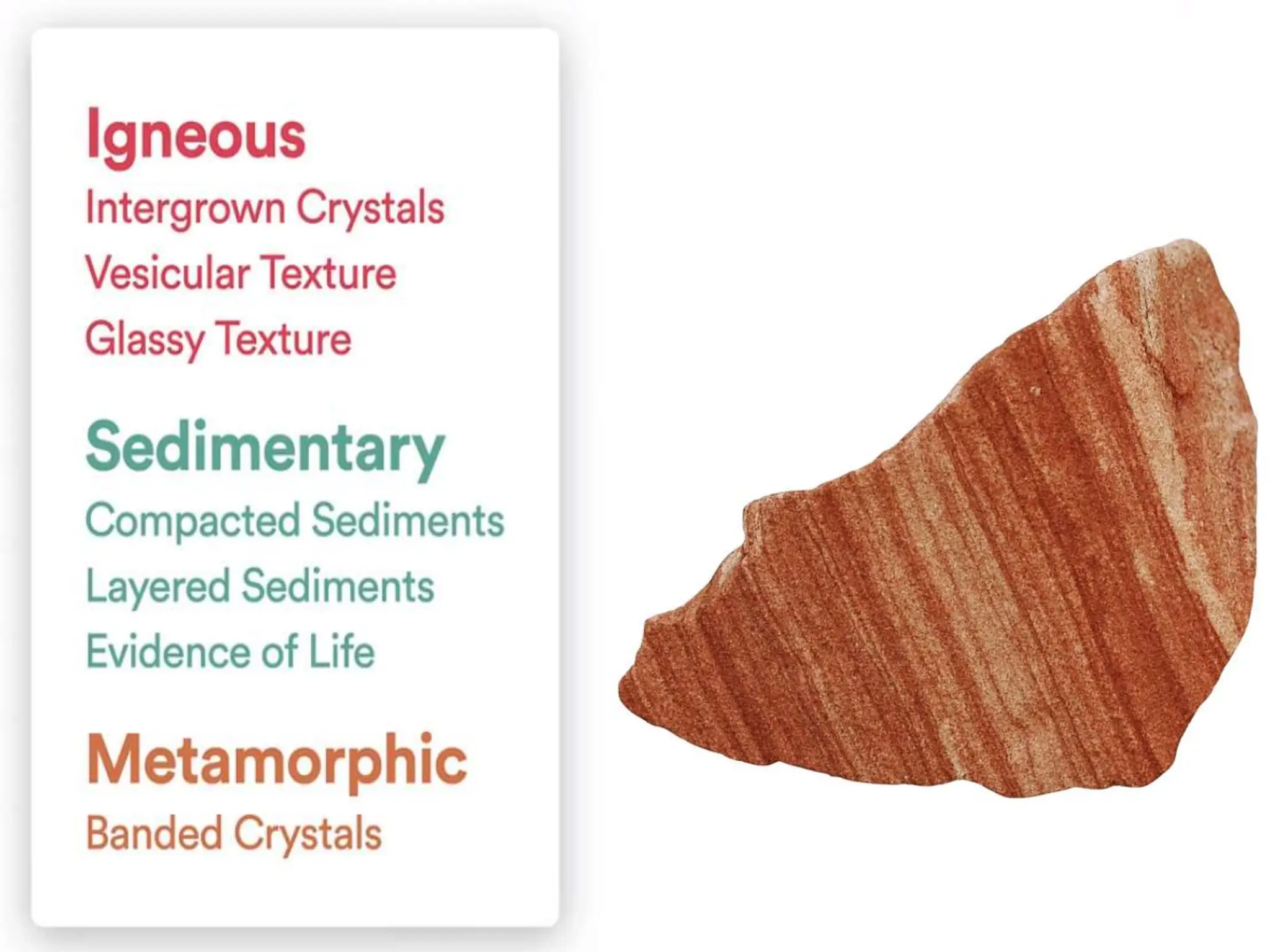
2. SEDIMENTARY ROCKS
• From the root word sediment which means
“remaining particles”
• Rocks that have formed from the deposition of
different materials on earth surface
• Pre-existing rocks or pieces of dead organism
that has been cemented by natural process
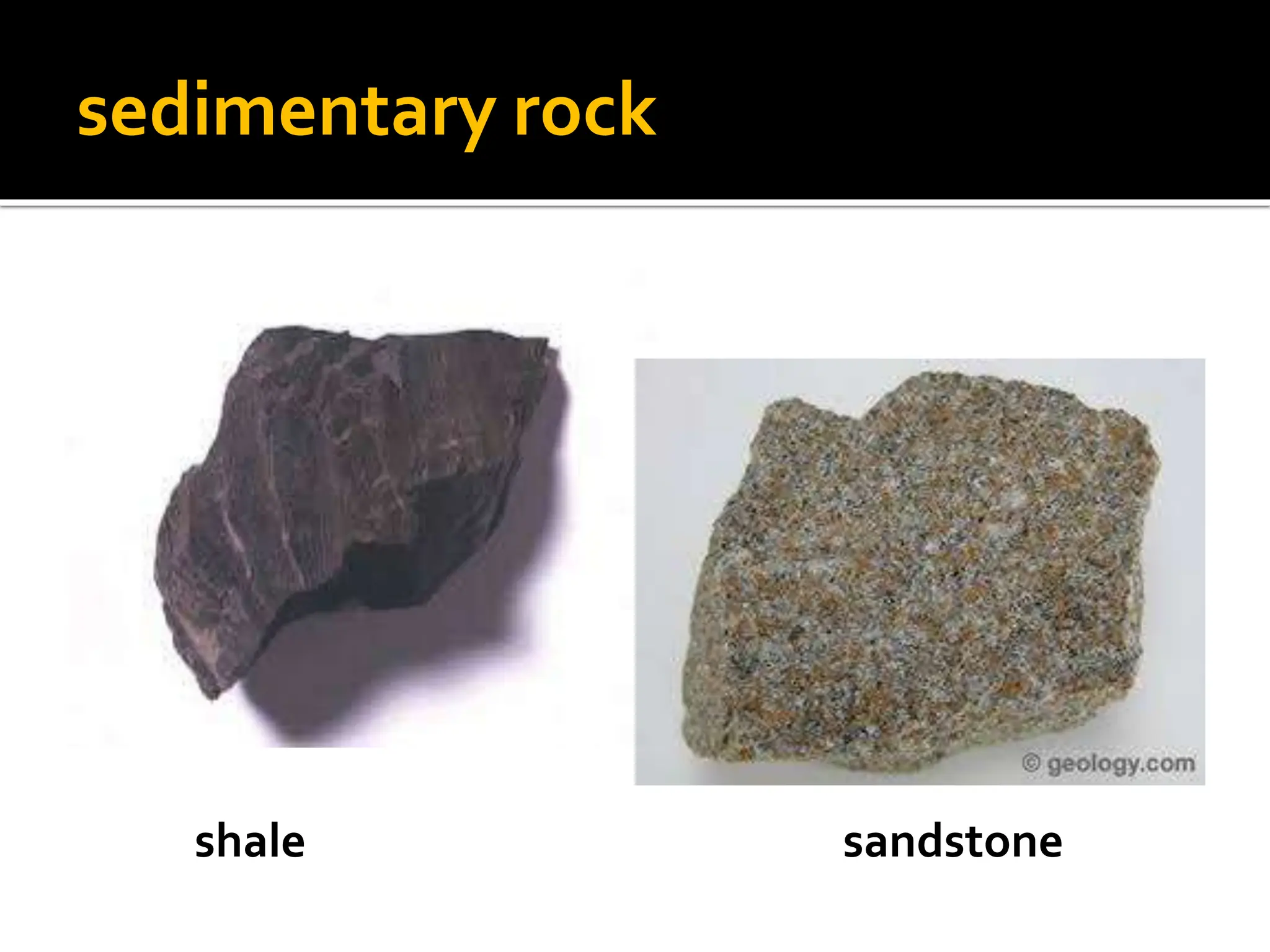
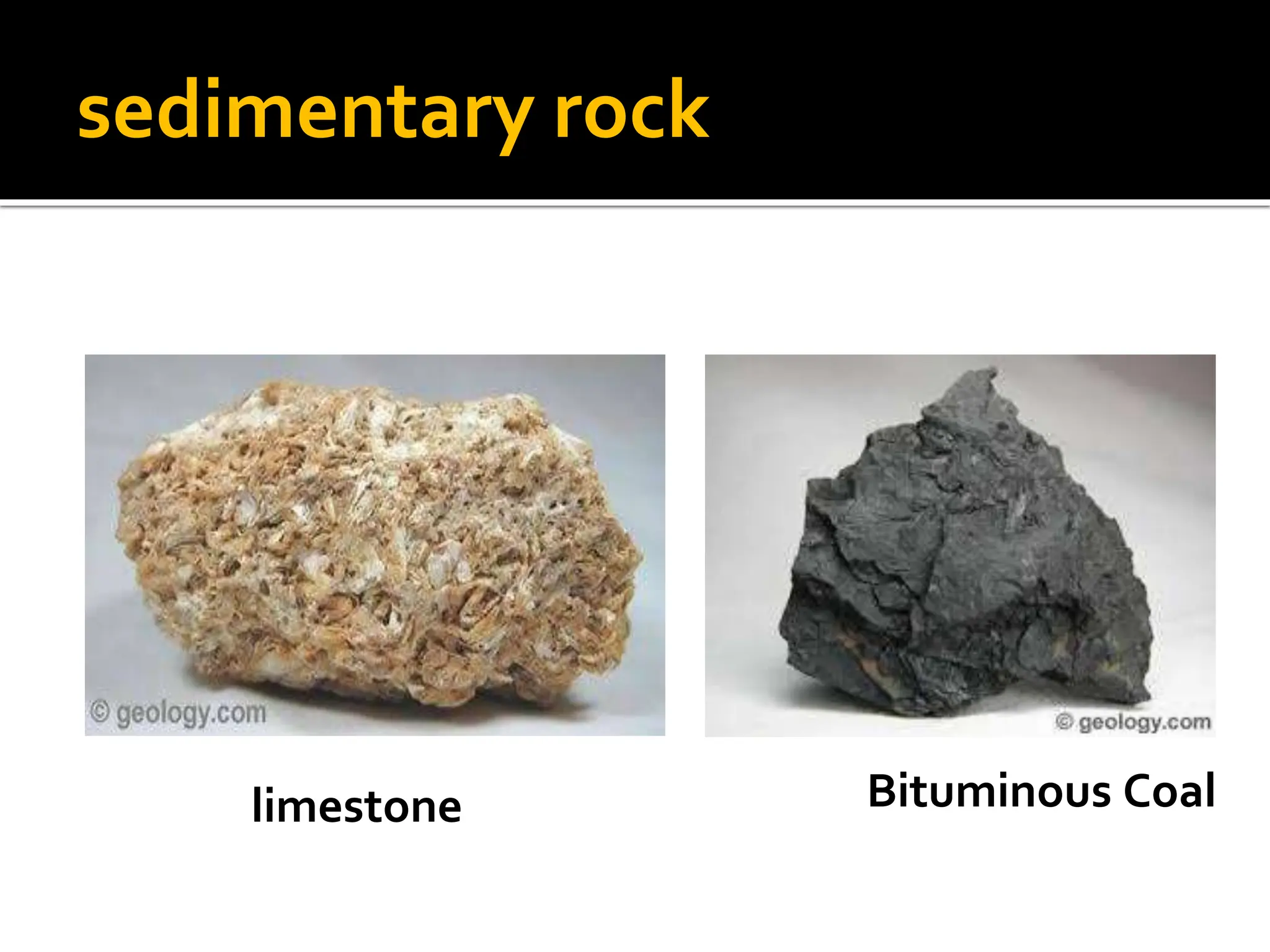
sedimentary rock
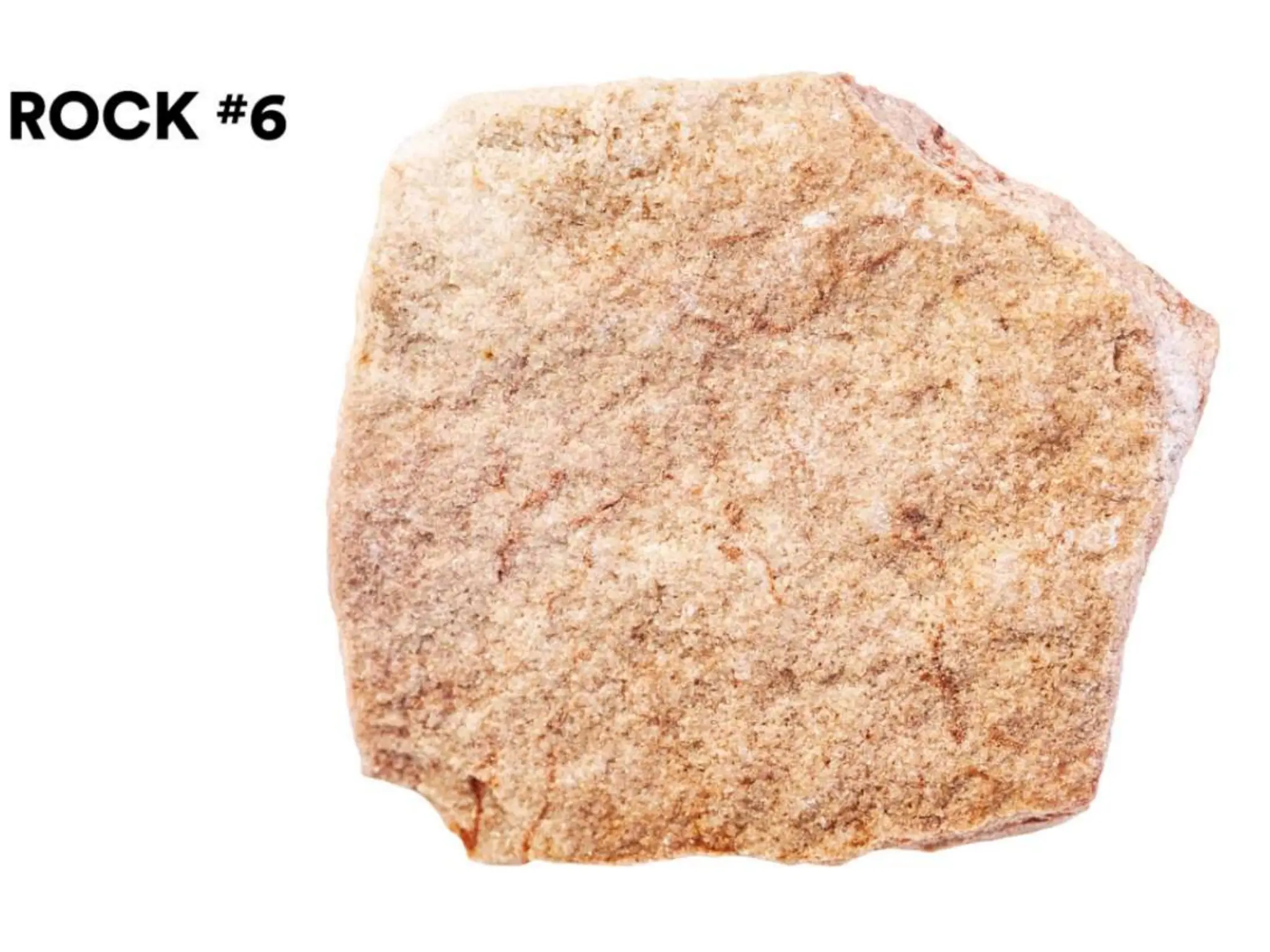
shale sandstone
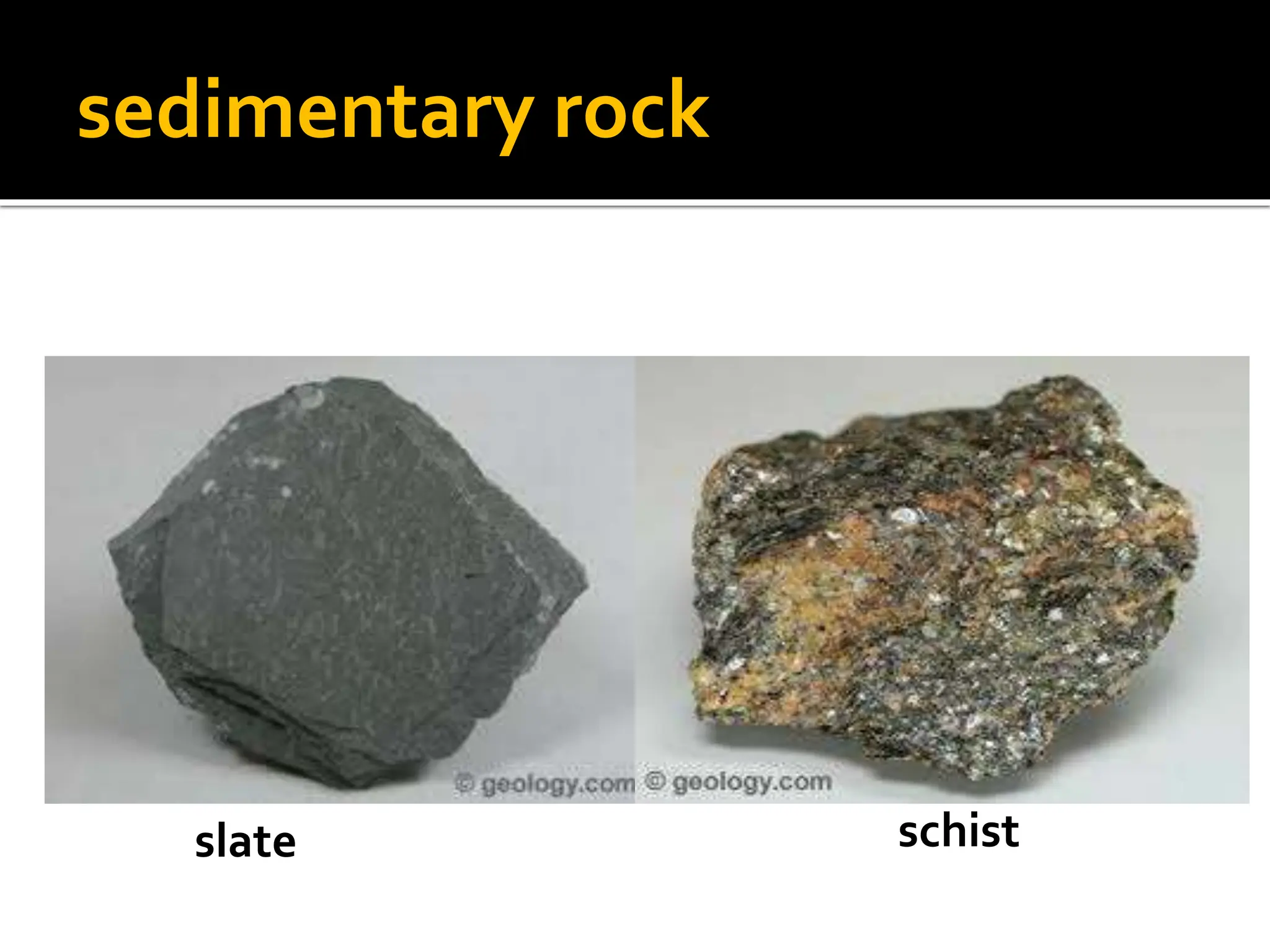
sedimentary rock
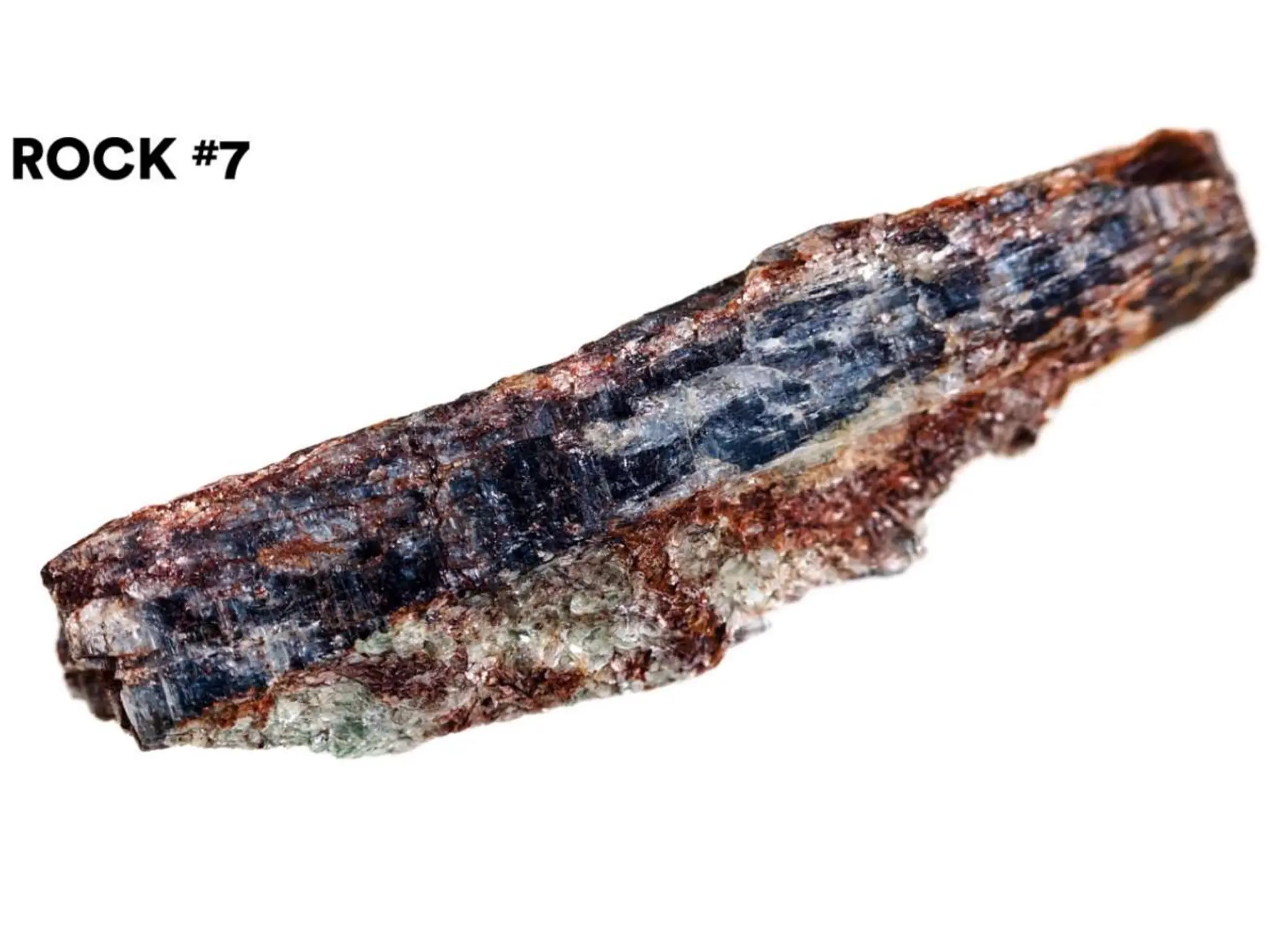
slate schist
sedimentary rock
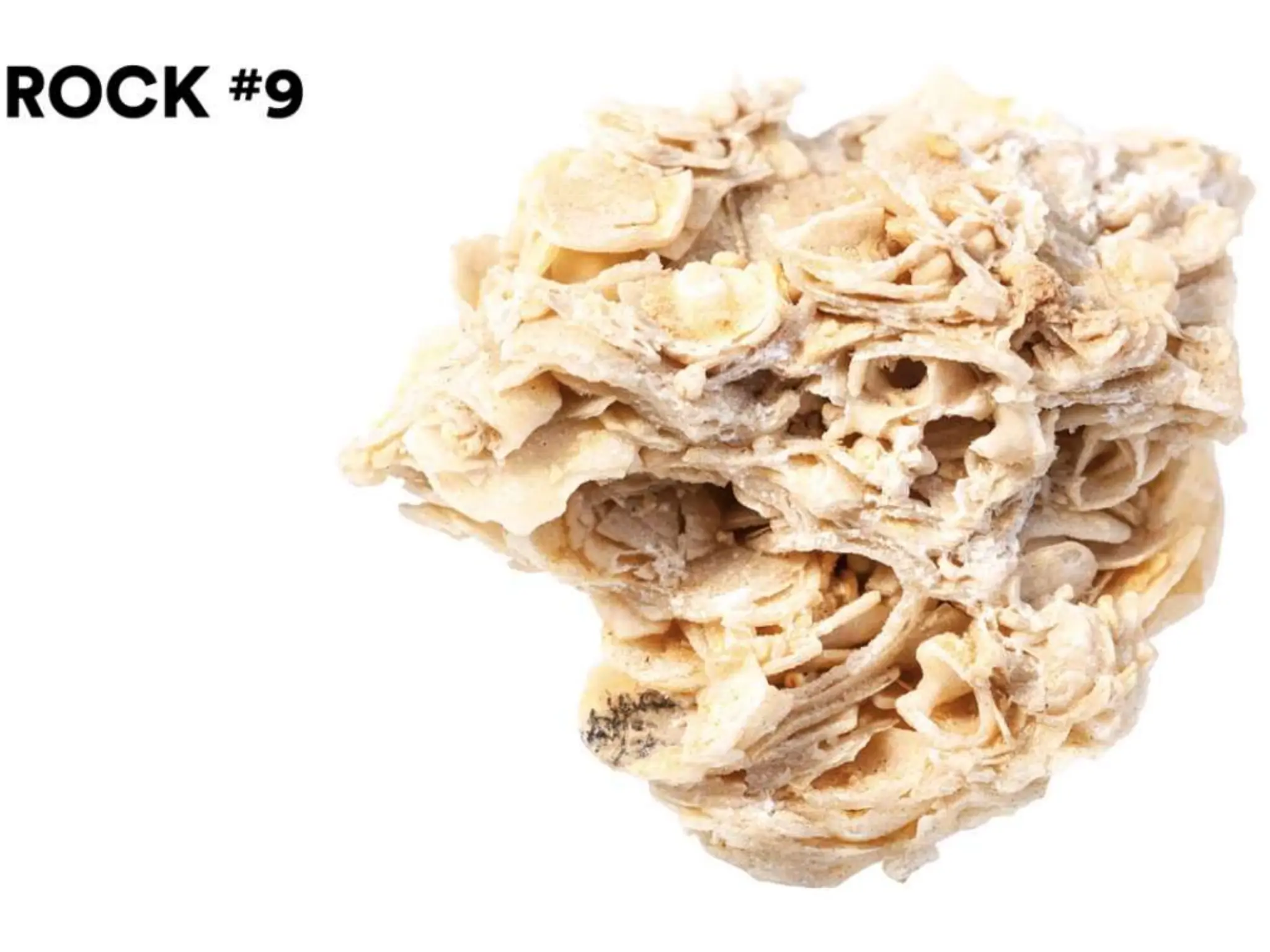
limestone Bituminous Coal
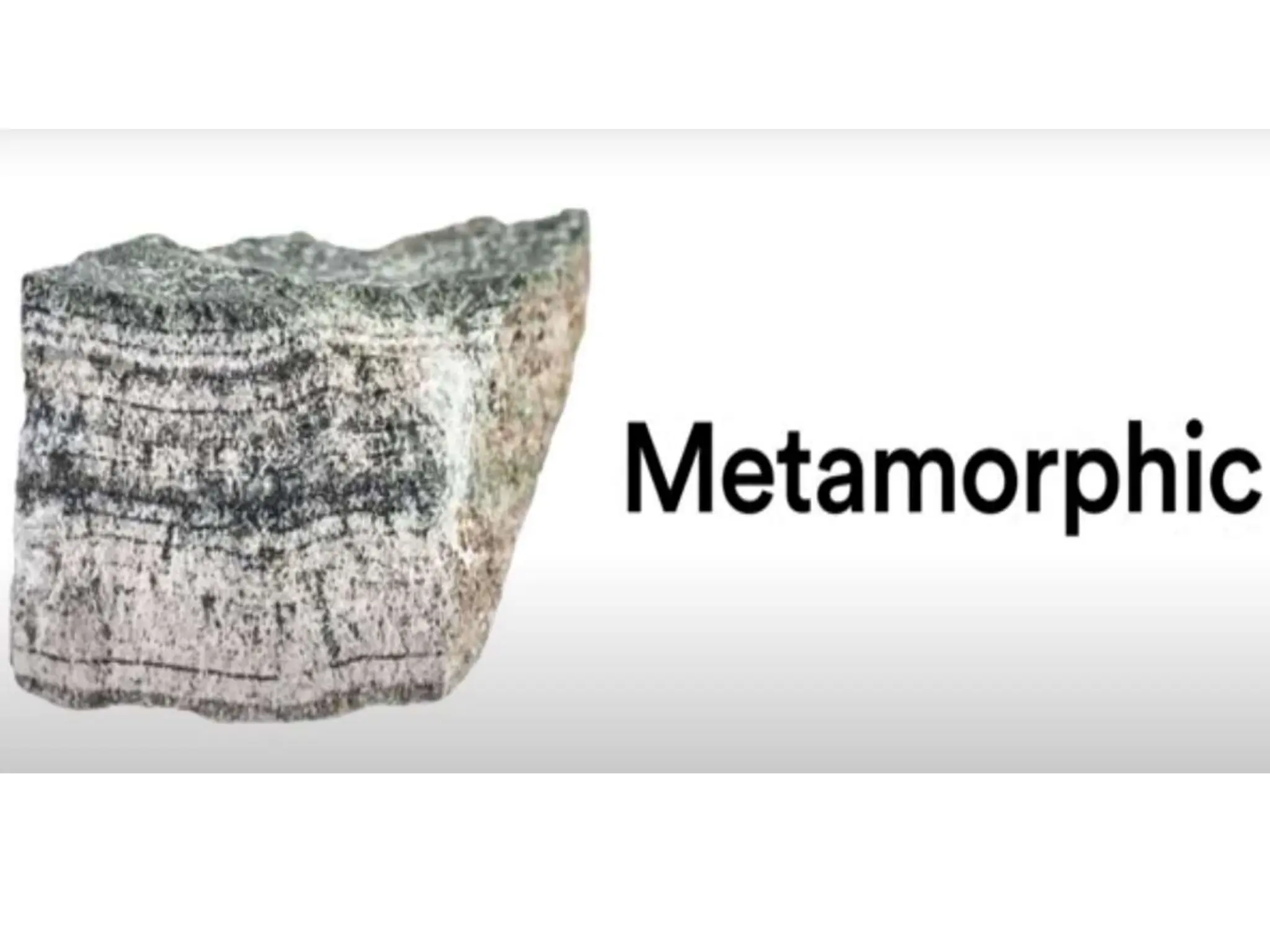
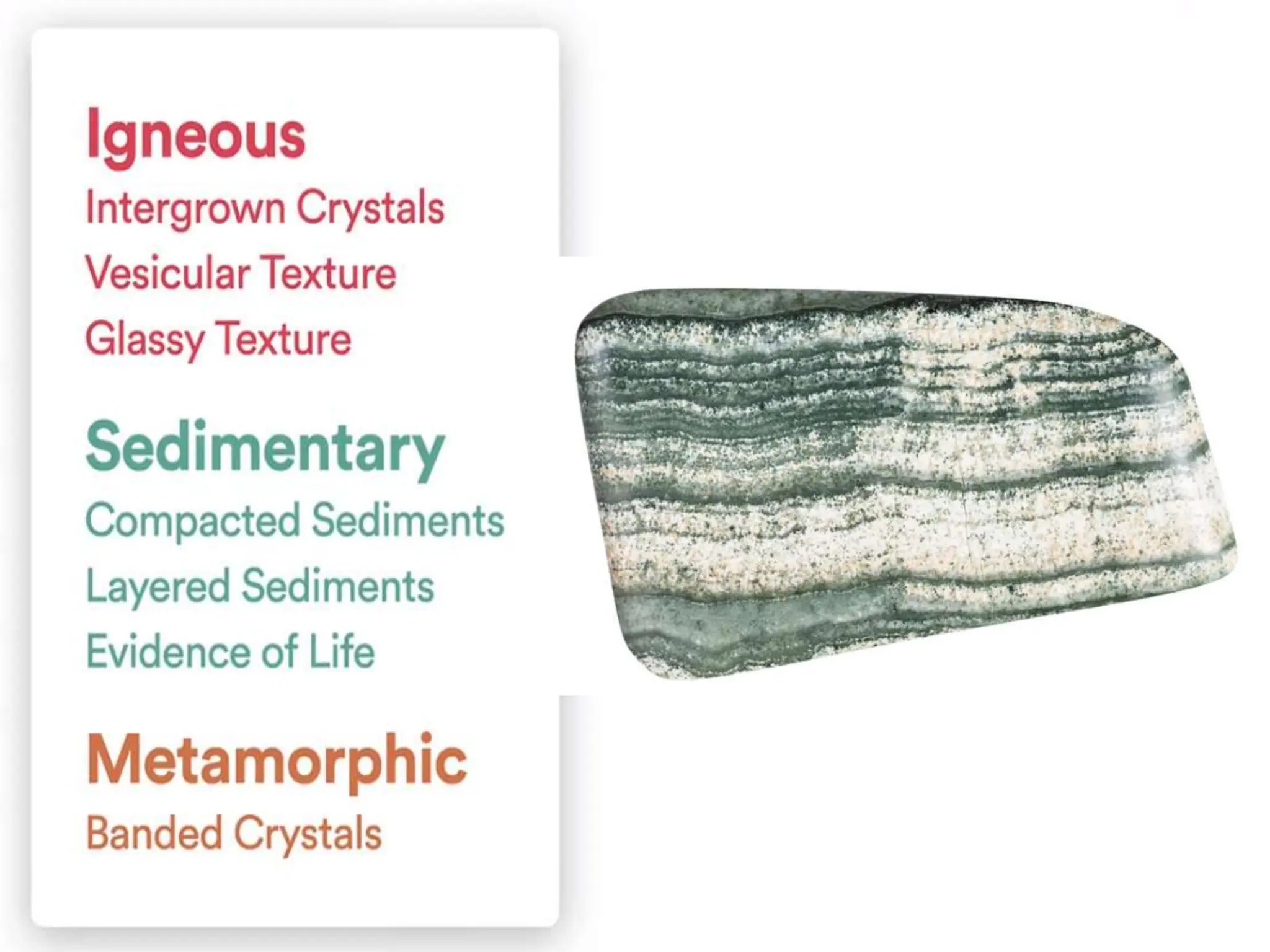
3. METAMORPHIC ROCKS
• meta means “change”
• morph means “form”
• metamorphism means “change in form”
• rocks that derive from igneous or
sedimentary rocks that were exposed to
high pressure, high temperature or both
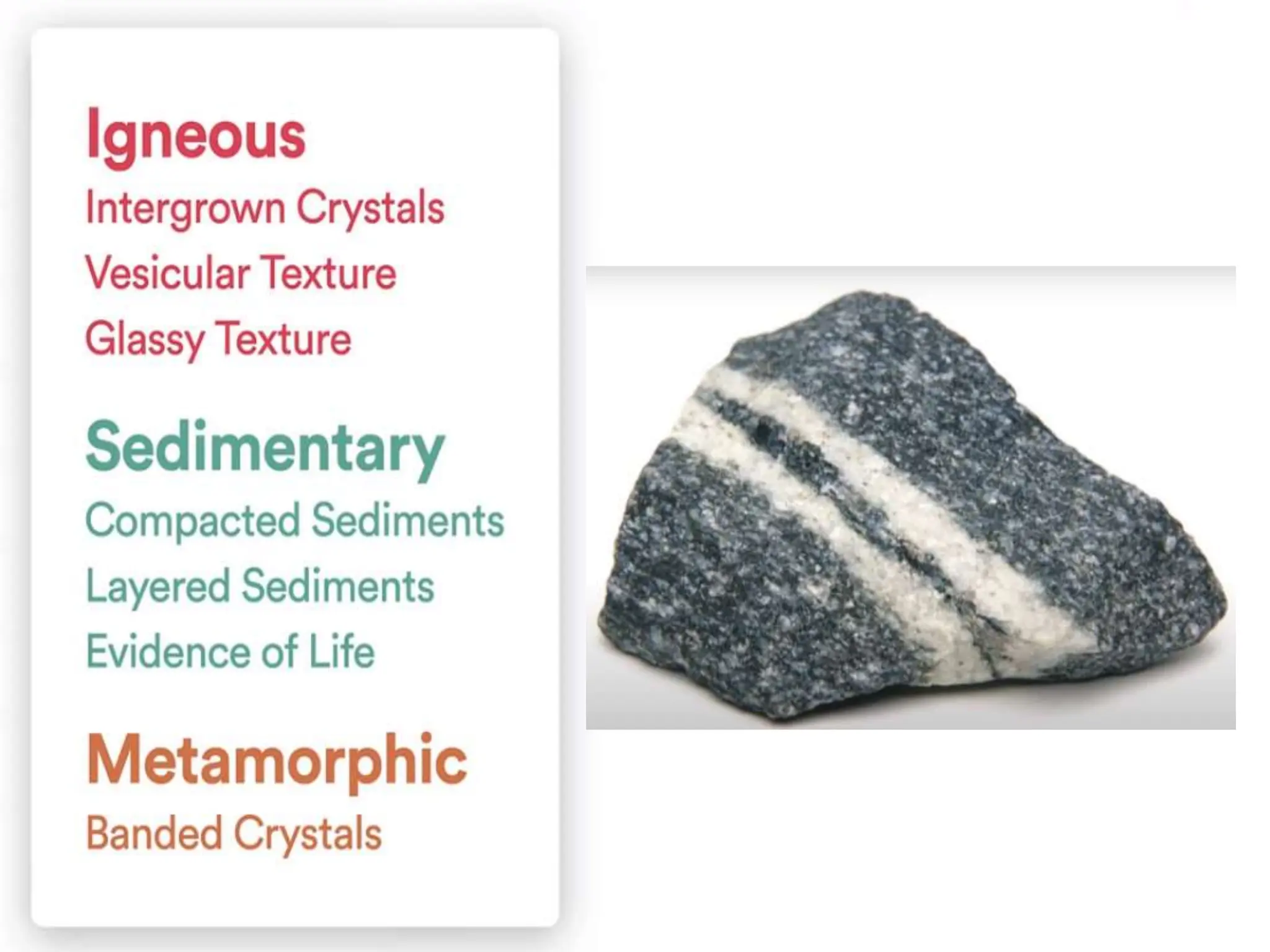
Regional Metamorphism
◼When the dominant altering factor is
pressure, usually due to tectonic activity
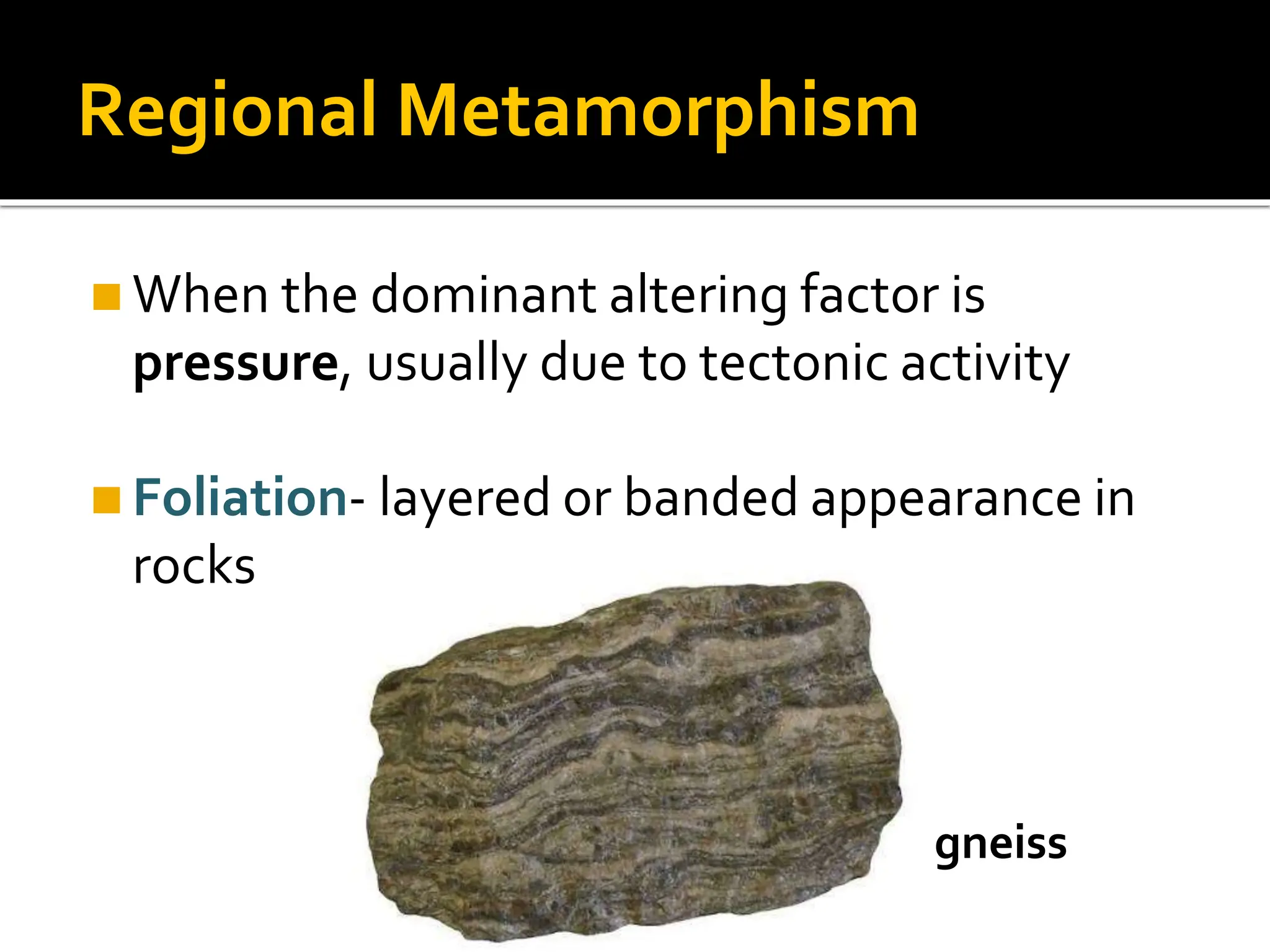
◼Foliation- layered or banded appearance in
rocks
gneiss
Contact Metamorphism
◼When the dominant altering factor is heat,
from direct contact between older rock and
an intruding body of magma
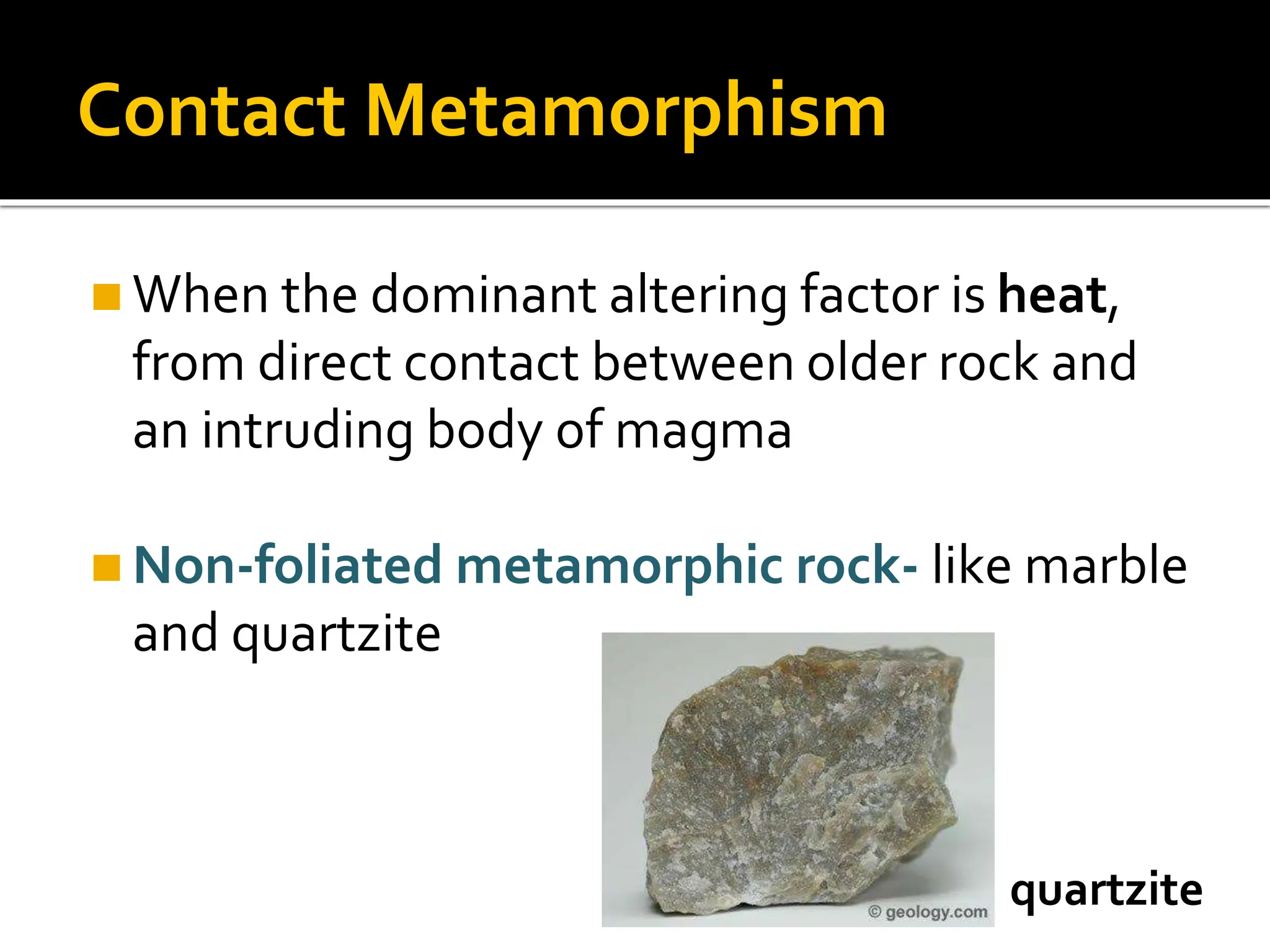
◼Non-foliated metamorphic rock- like marble
and quartzite
quartzite
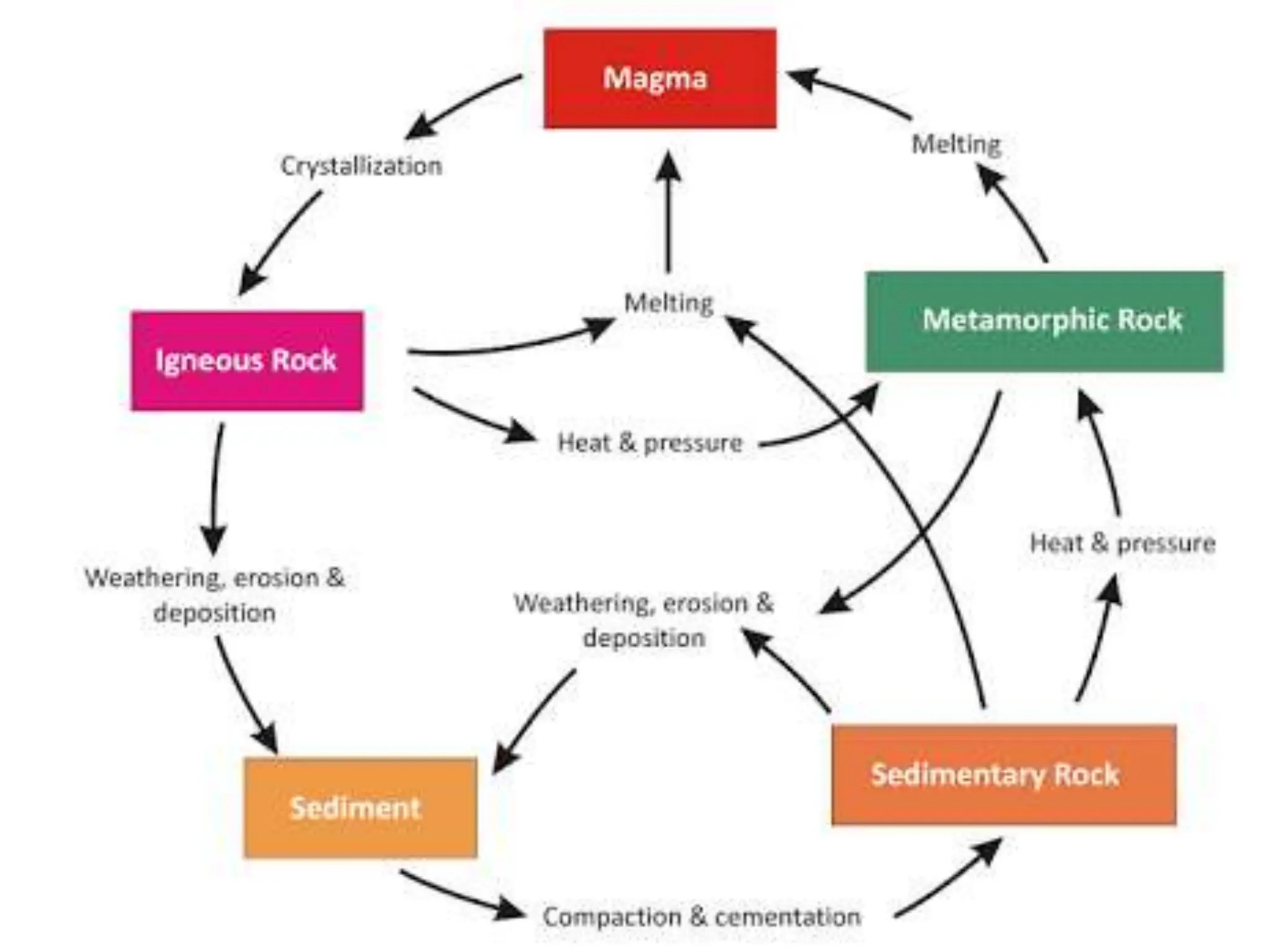
ROCK CYCLE
Activity
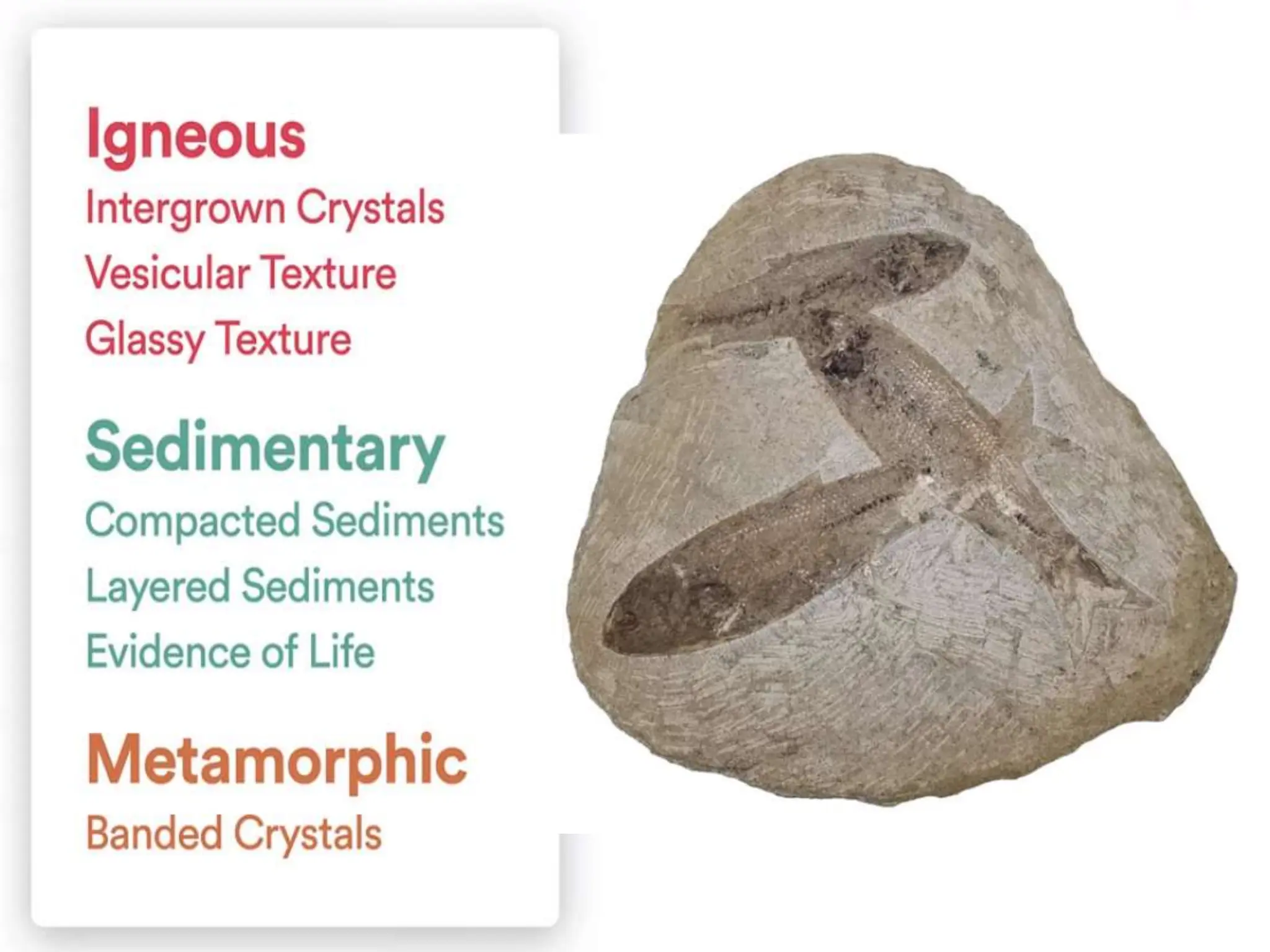
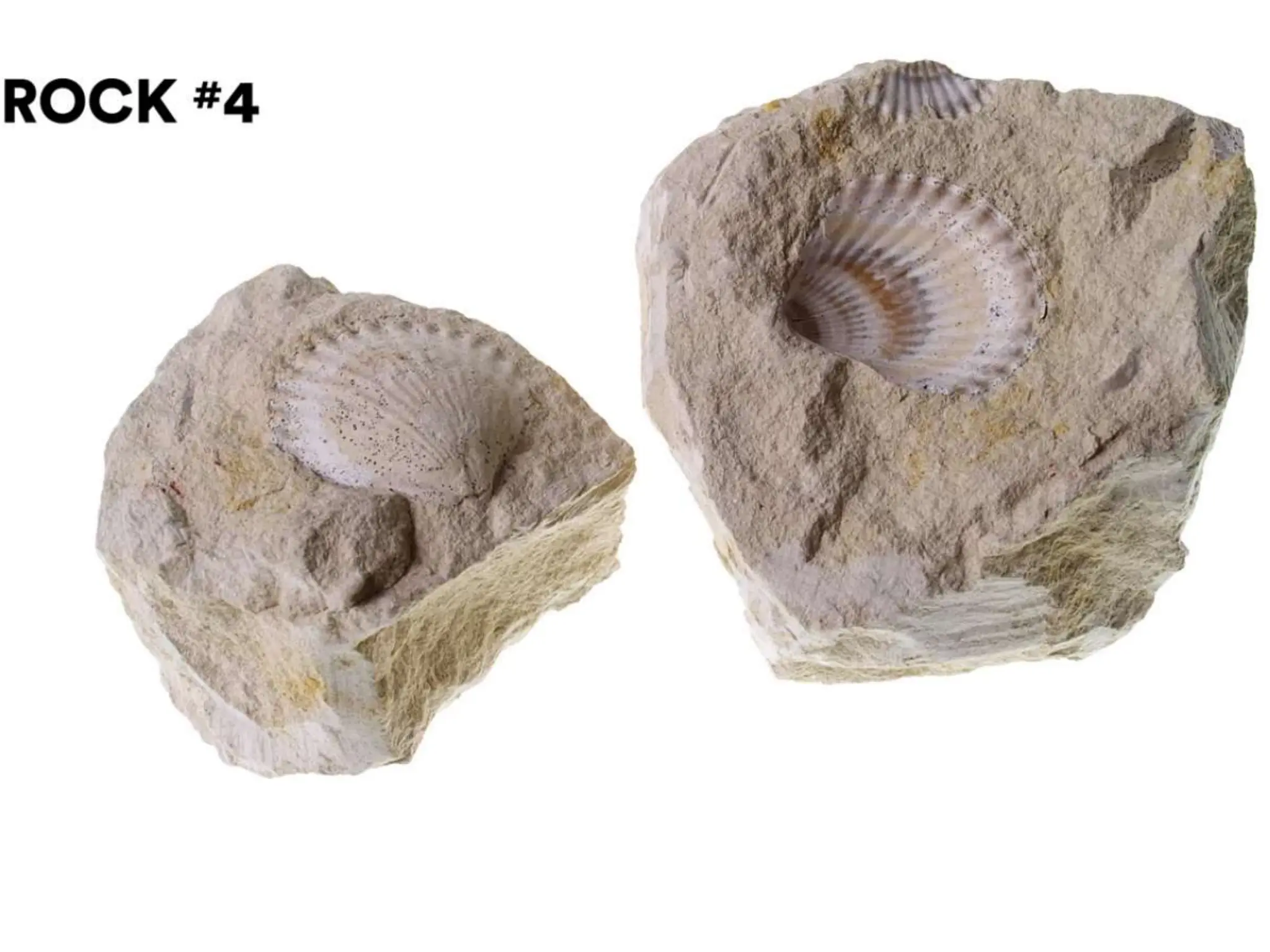
◼ While mountain trekking, Mayumi found
several rocks that contained remains of
aquatic plants and animals. What kind of rock
did she found? What can you infer from the
formation of the rock?
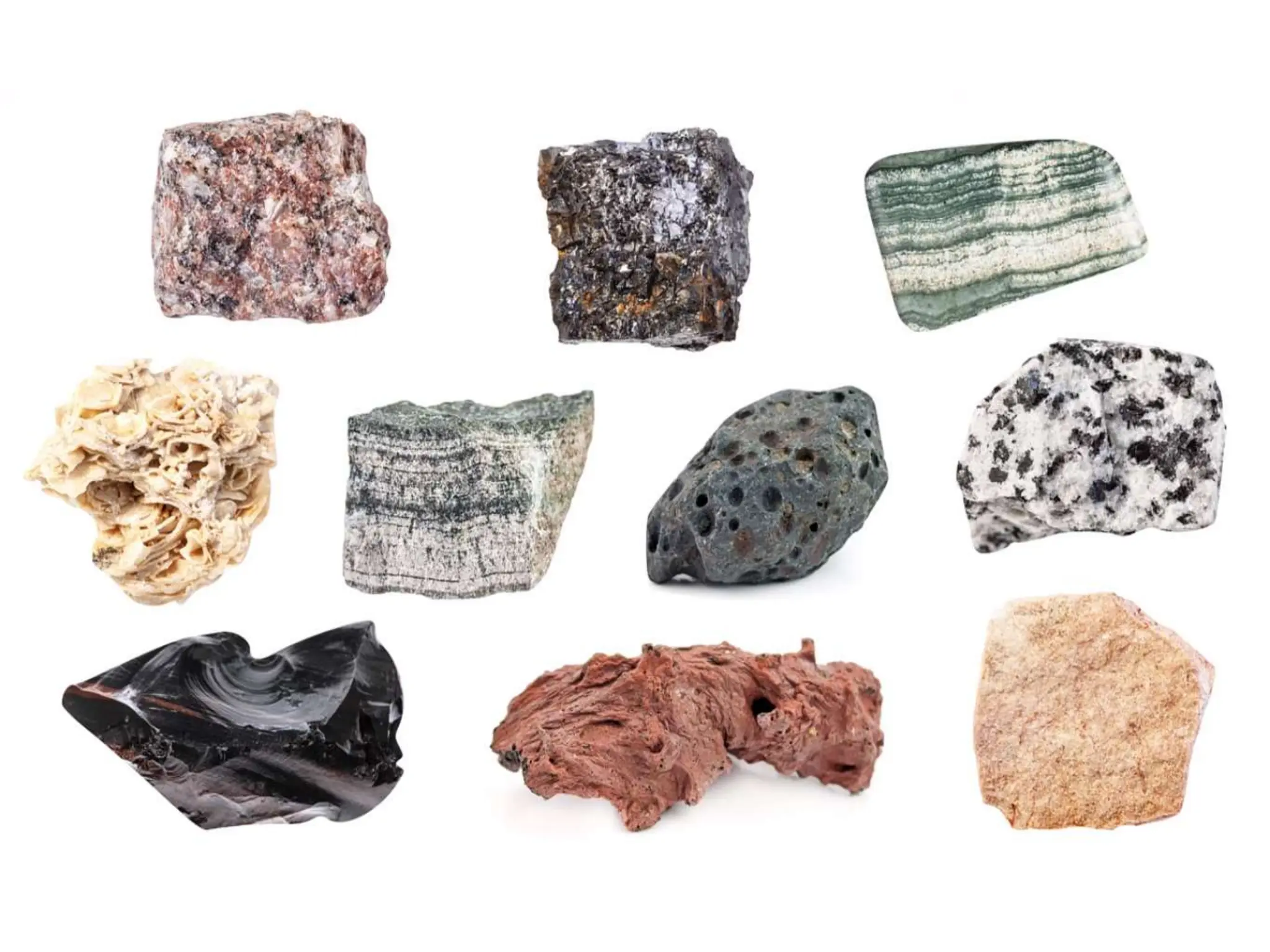
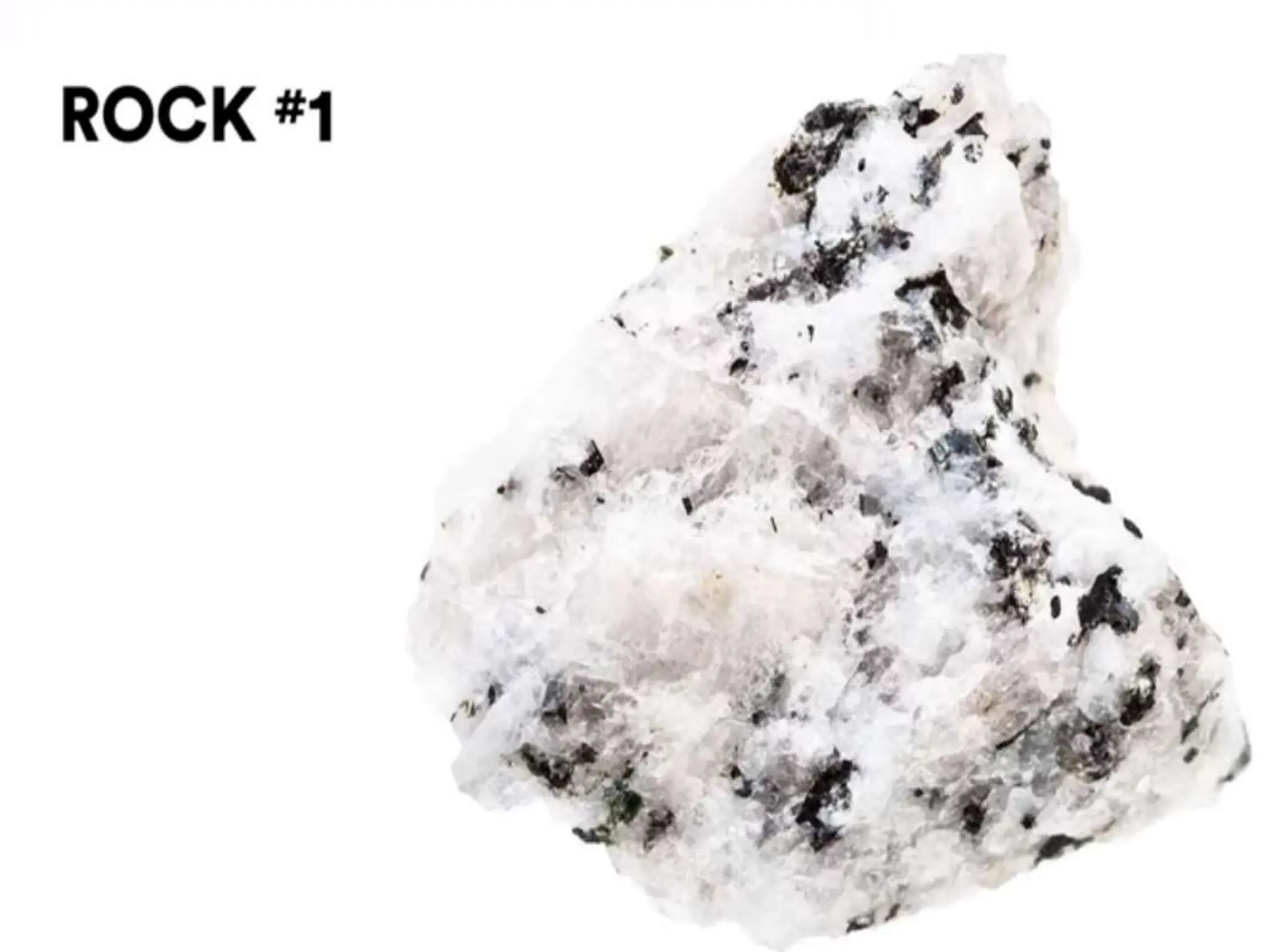
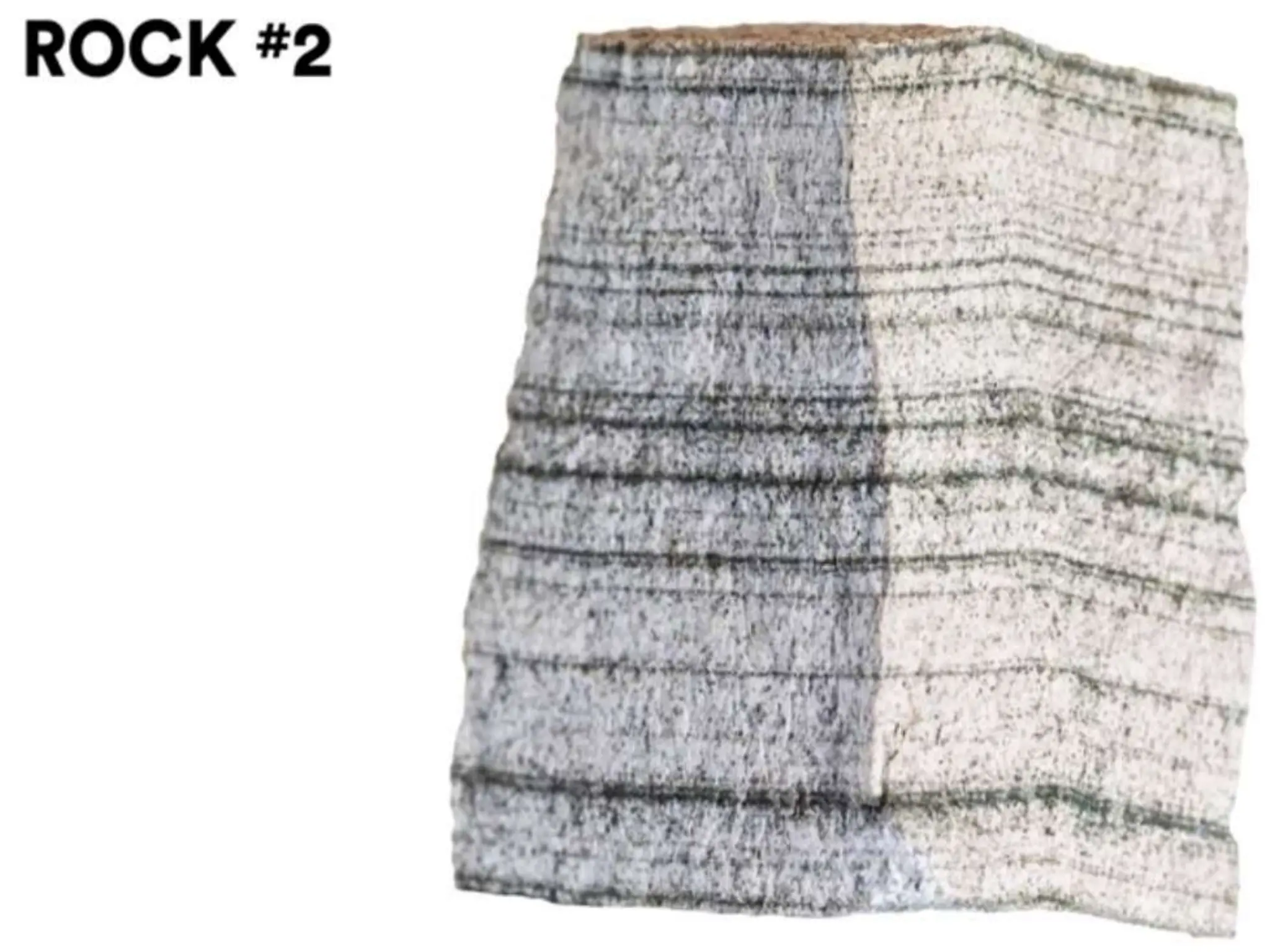
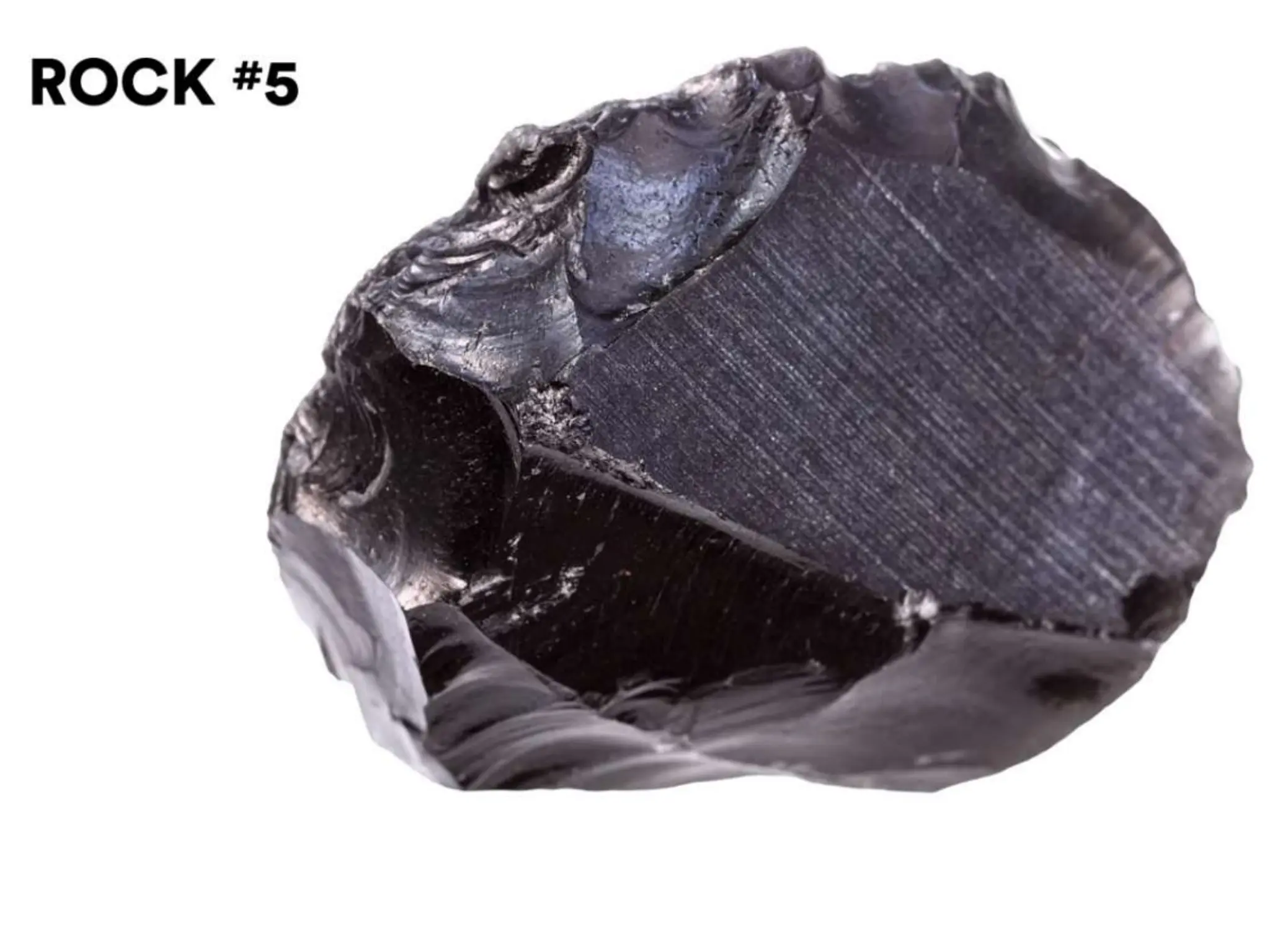
ROCK IDENTIFICATION
READY!
Earth Science
Weathering
Lesson Objectives:
1. define weathering and distinguish between the
two main types of weathering;
2. identify the factors that affect the rate of
weathering ;
3. identify the different types of physical and
chemical weathering.
Weathering
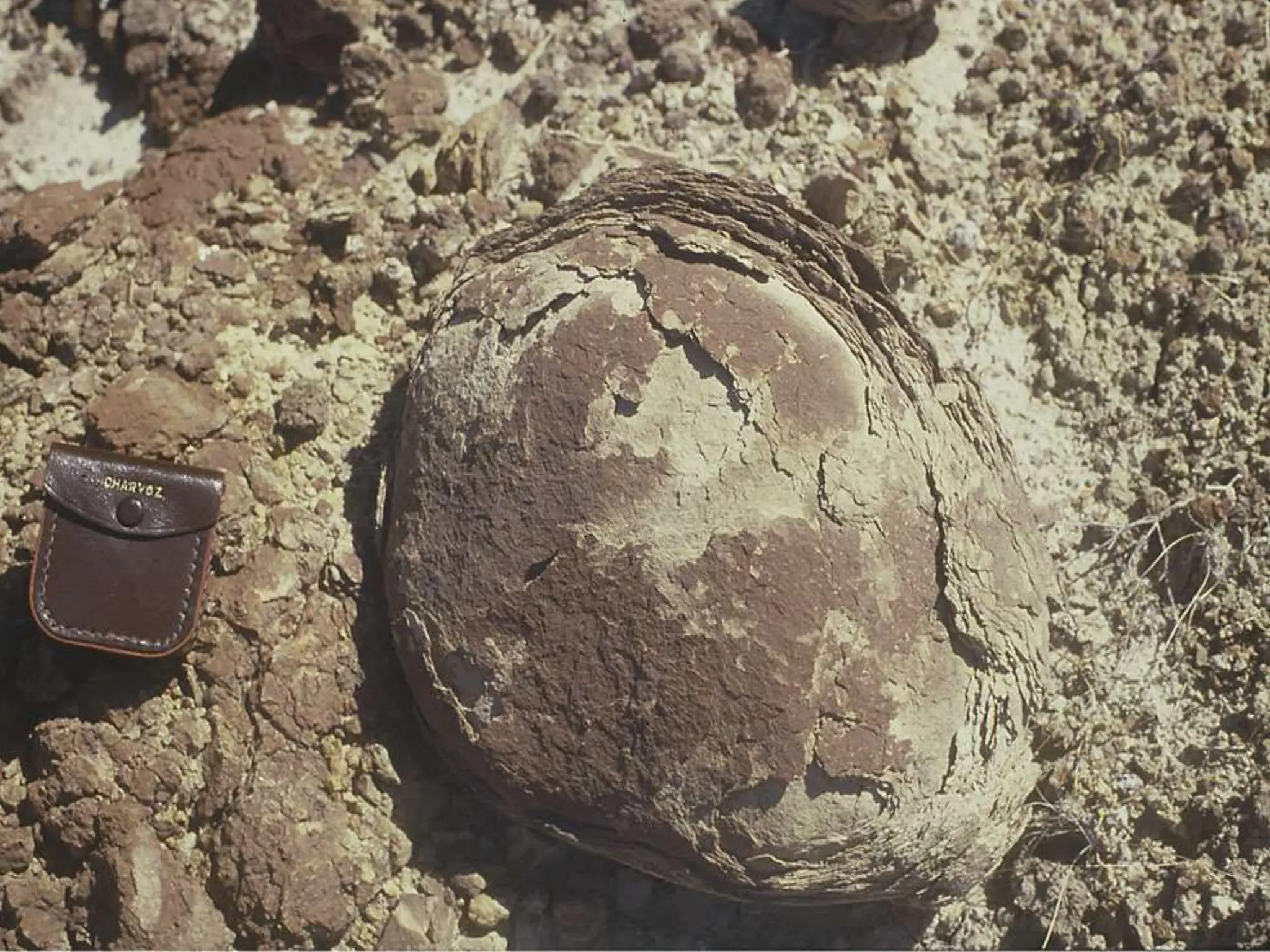
 The on-site breakdown of
rock and its eventual
transformation into
sediments.
Activity
Types of
Weathering
Types of Weathering
◼ Physical (Mechanical)
◼ Chemical
Physical (Mechanical) Weathering
 is the physical breakdown of
rock into sediments without
changing its chemical
composition
Chemical Weathering
 The altering of rocks as a result
of exposure to different
substances.
Types of Physical
Weathering
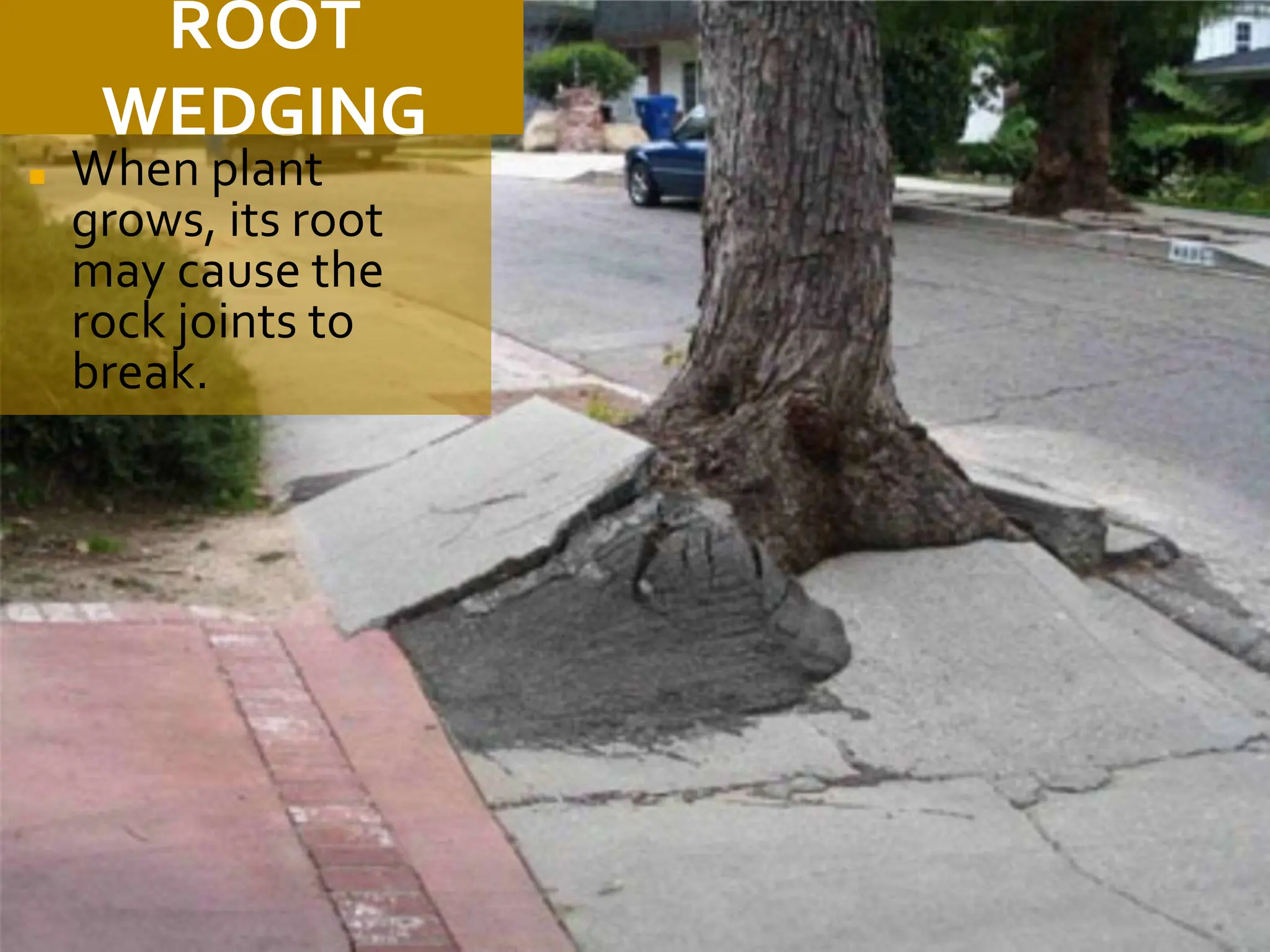
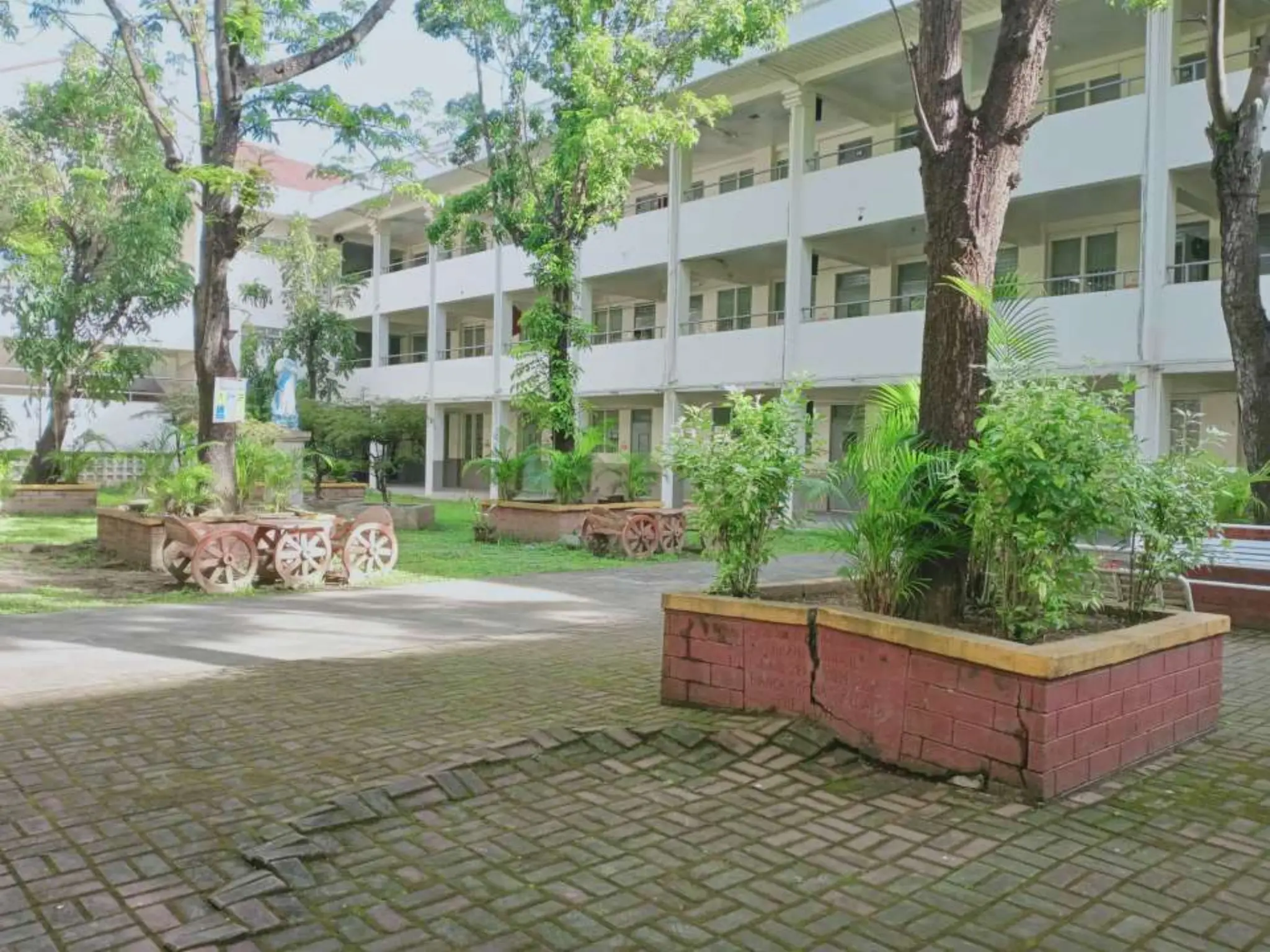
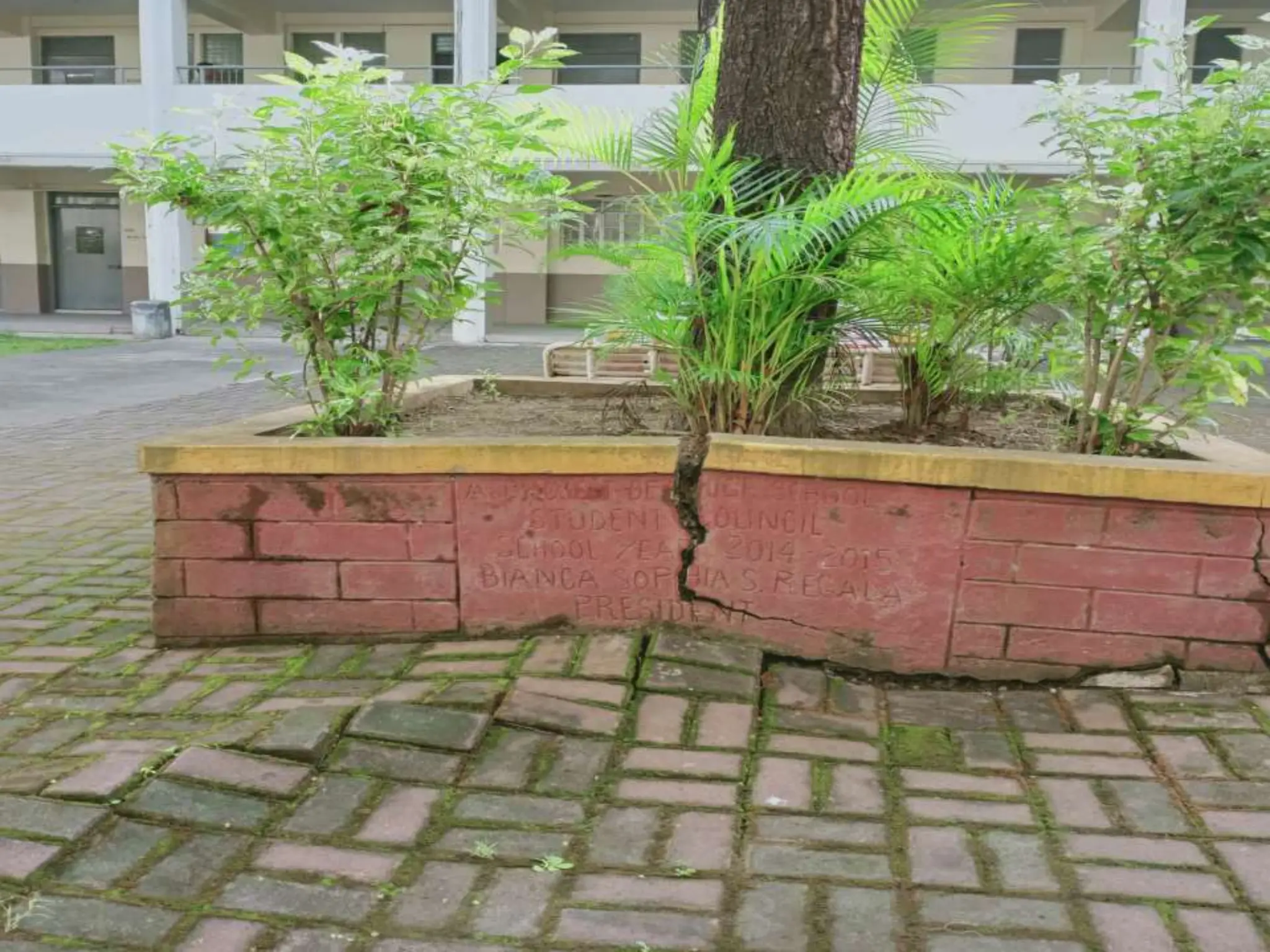
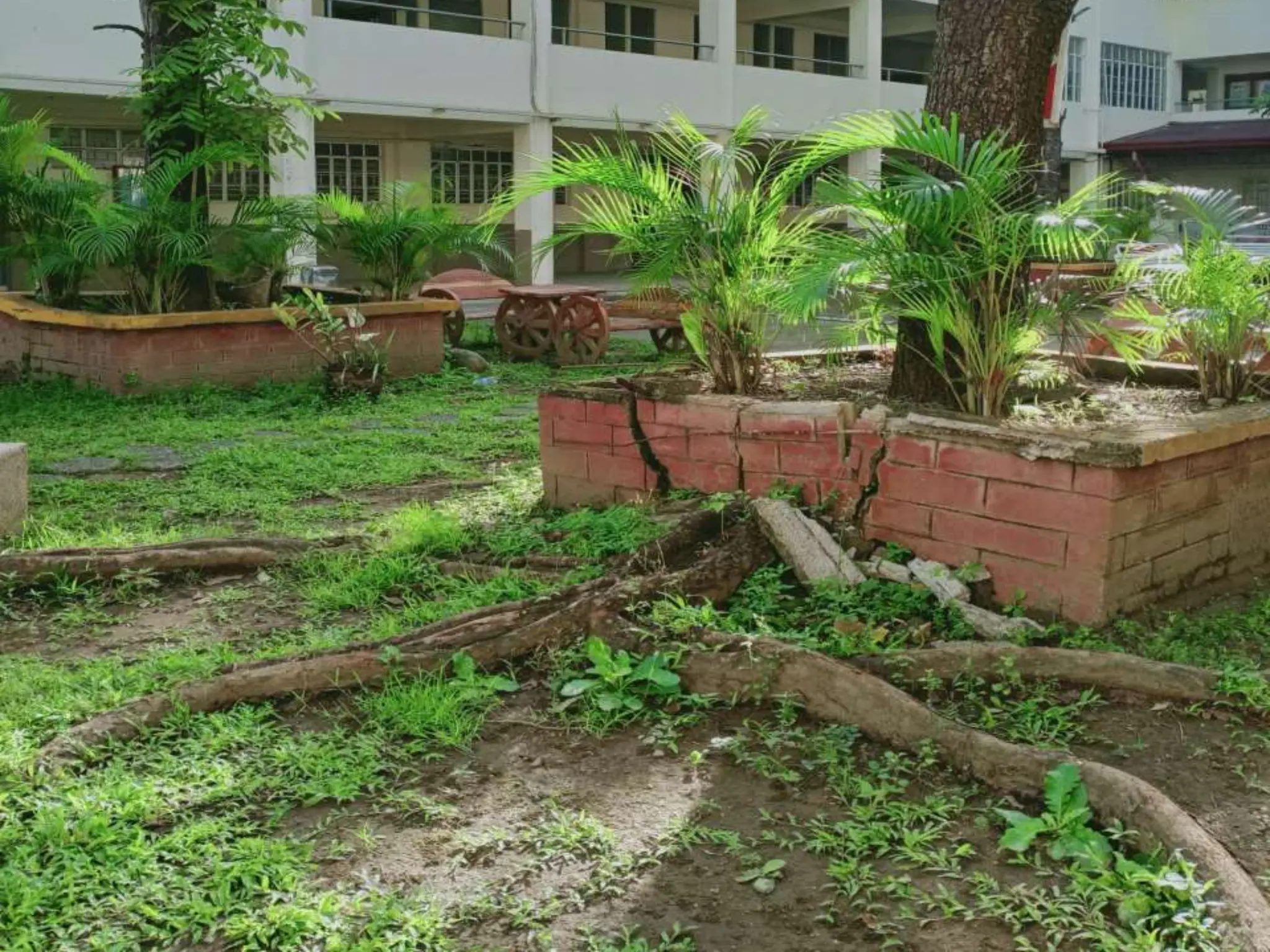
ROOT
WEDGING
◼ When plant
grows, its root
may cause the
rock joints to
break.
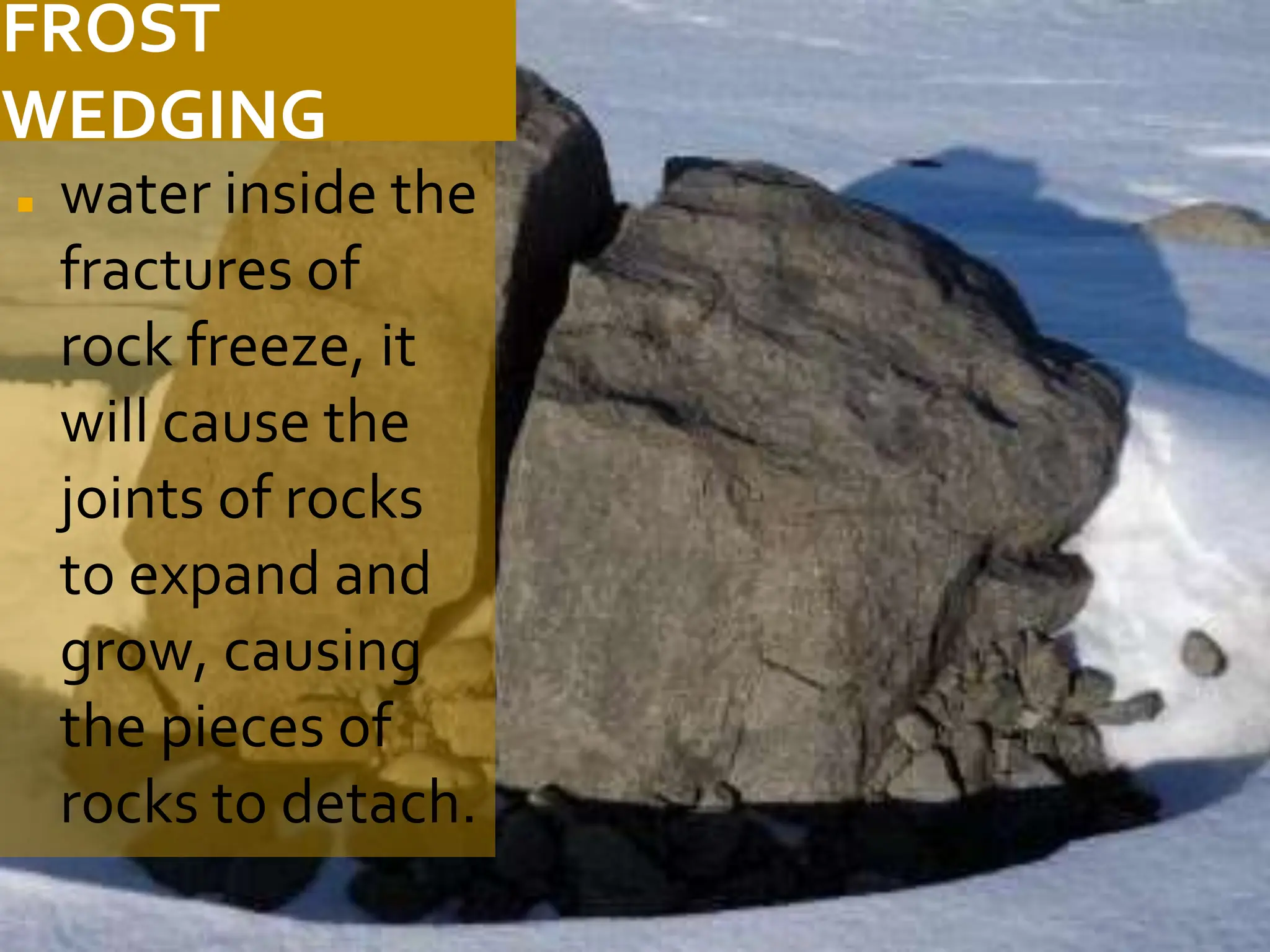
FROST
WEDGING
◼ water inside the
fractures of
rock freeze, it
will cause the
joints of rocks
to expand and
grow, causing
the pieces of
rocks to detach.
EXFOLIATIO
N
◼ The process of
splitting of rocks
into onion-like
sheets parallel to
the surface
Abrasion
Wearing down
of rocks by
friction, water
or wind
Types of Chemical
Weathering
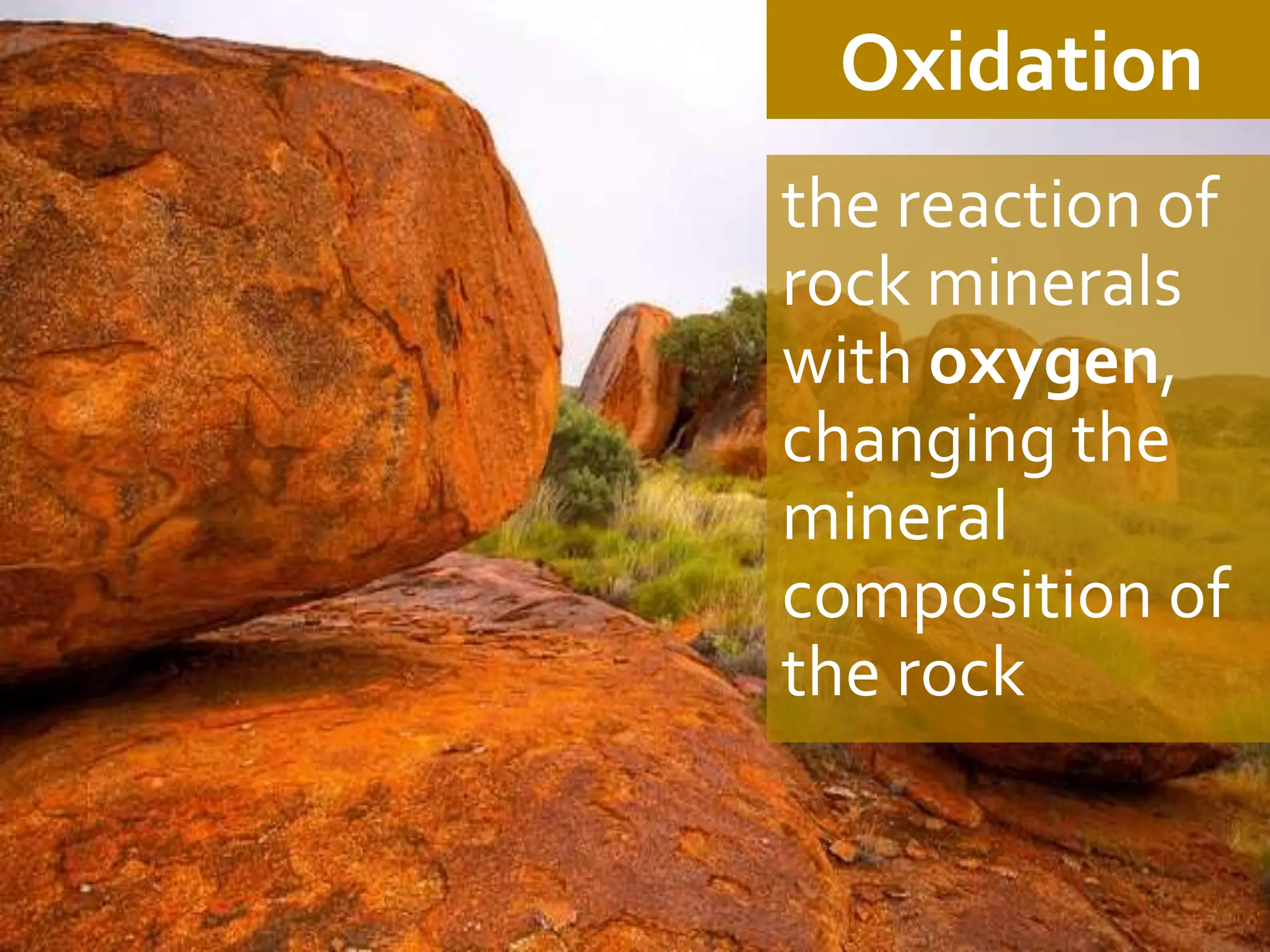
Oxidation
the reaction of
rock minerals
with oxygen,
changing the
mineral
composition of
the rock
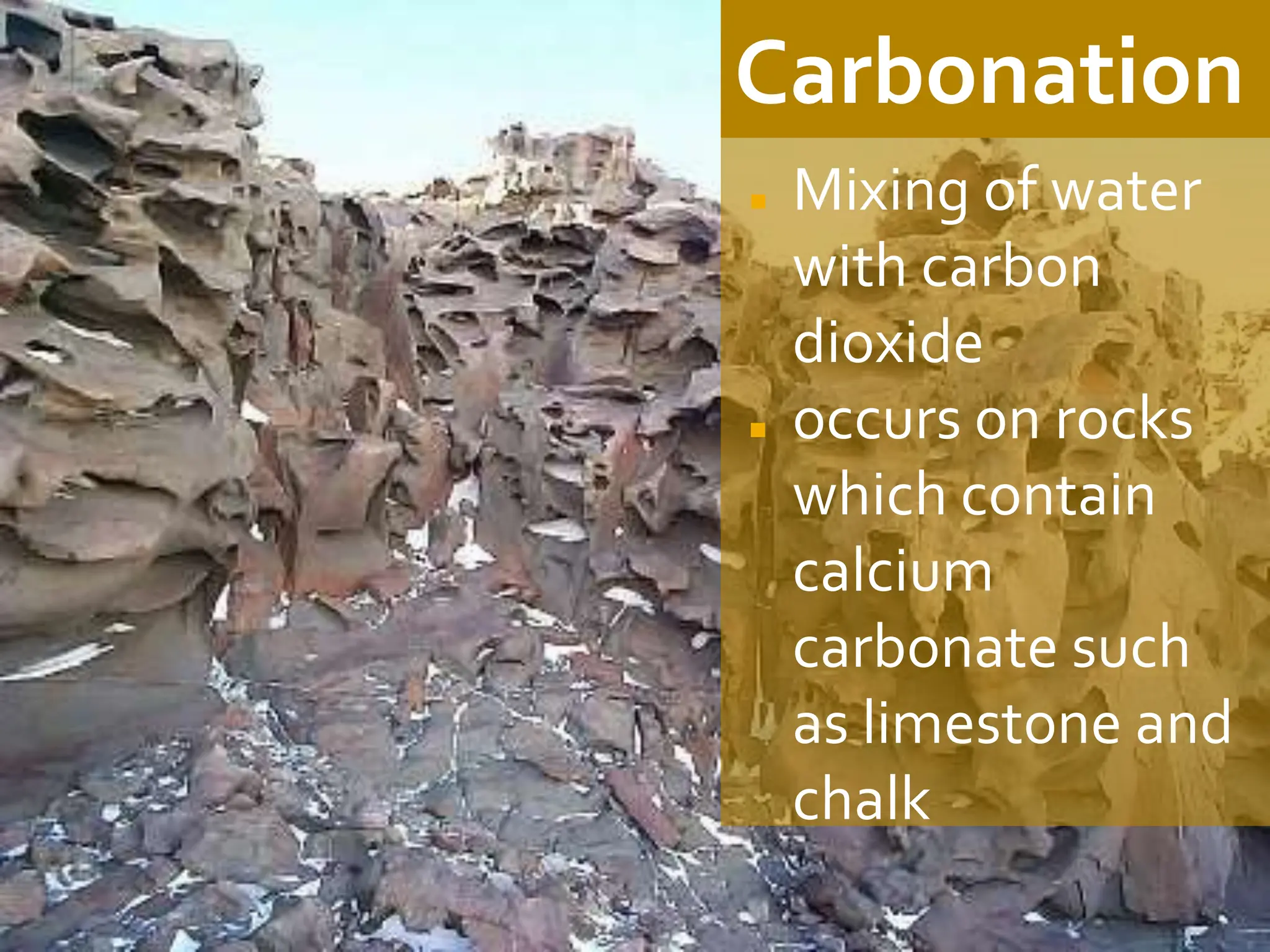
Carbonation
◼ Mixing of water
with carbon
dioxide
◼ occurs on rocks
which contain
calcium
carbonate such
as limestone and
chalk
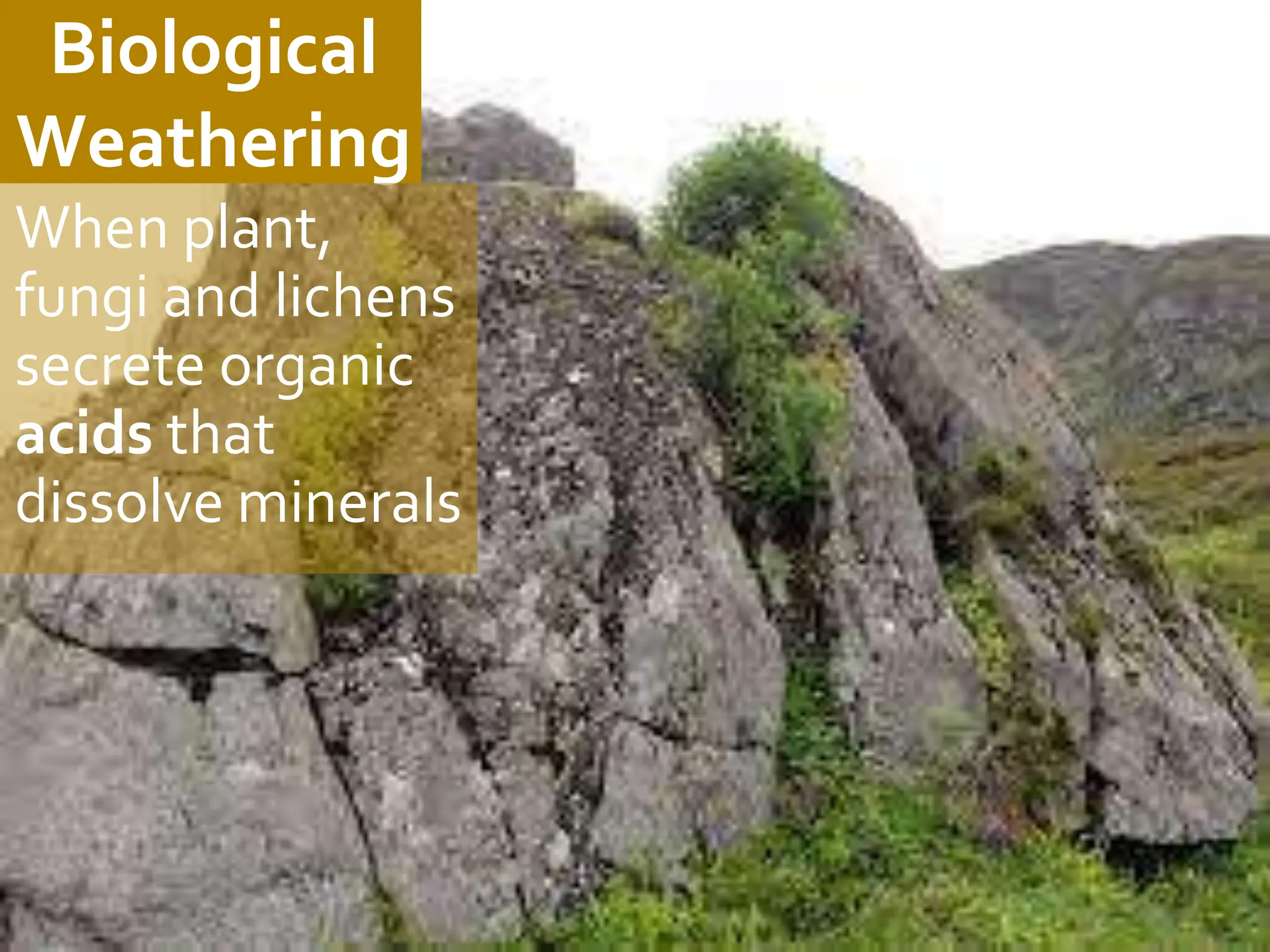
Biological
Weathering
When plant,
fungi and lichens
secrete organic
acids that
dissolve minerals
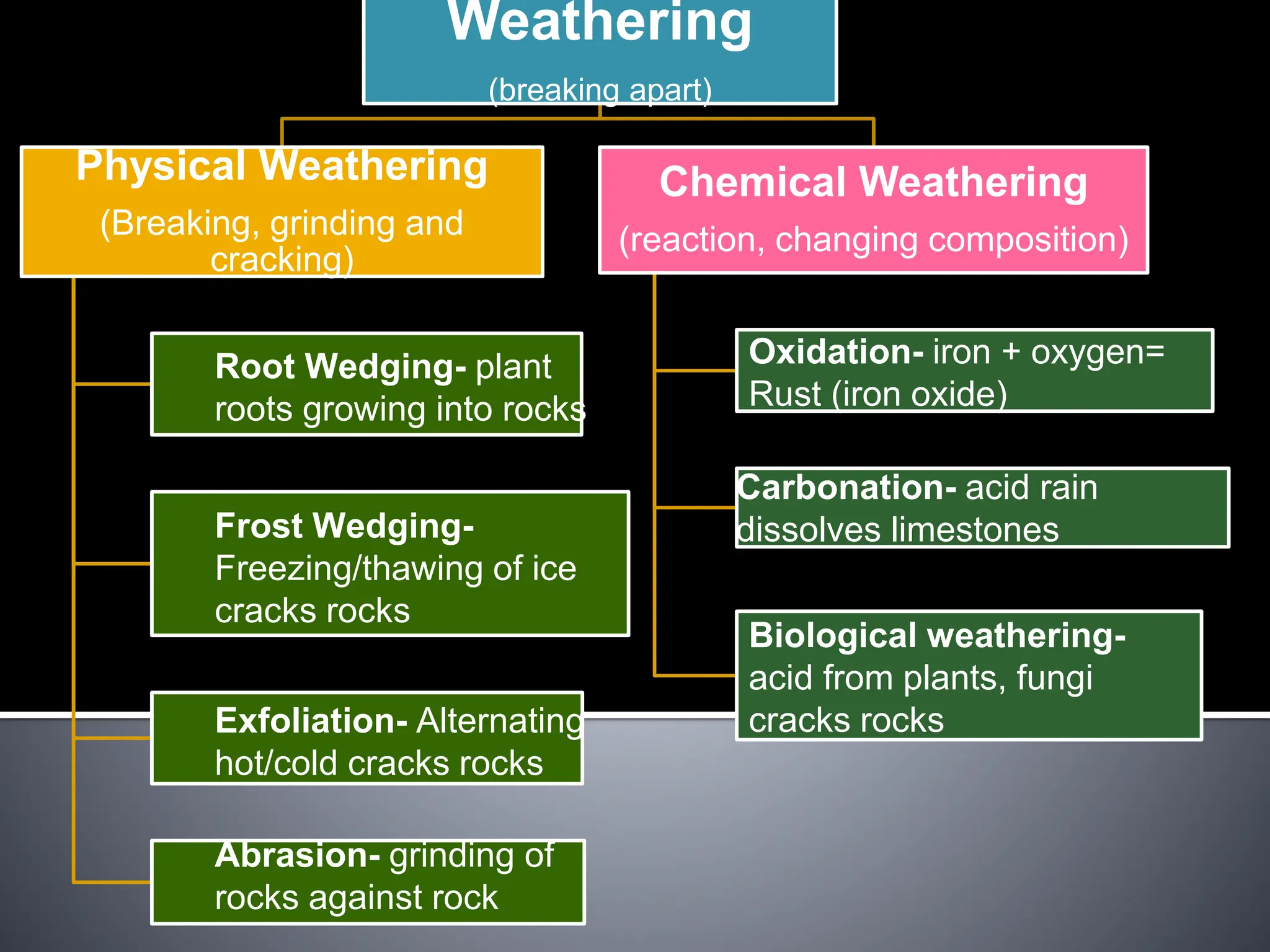
Weathering
(breaking apart)
Physical Weathering
(Breaking, grinding and
cracking)
Chemical Weathering
(reaction, changing composition)
Root Wedging- plant
roots growing into rocks
Frost Wedging-
Freezing/thawing of ice
cracks rocks
Exfoliation- Alternating
hot/cold cracks rocks
Abrasion- grinding of
rocks against rock
Oxidation- iron + oxygen=
Rust (iron oxide)
Carbonation- acid rain
dissolves limestones
Biological weathering-
acid from plants, fungi
cracks rocks
EROSION AND TRANSPORT
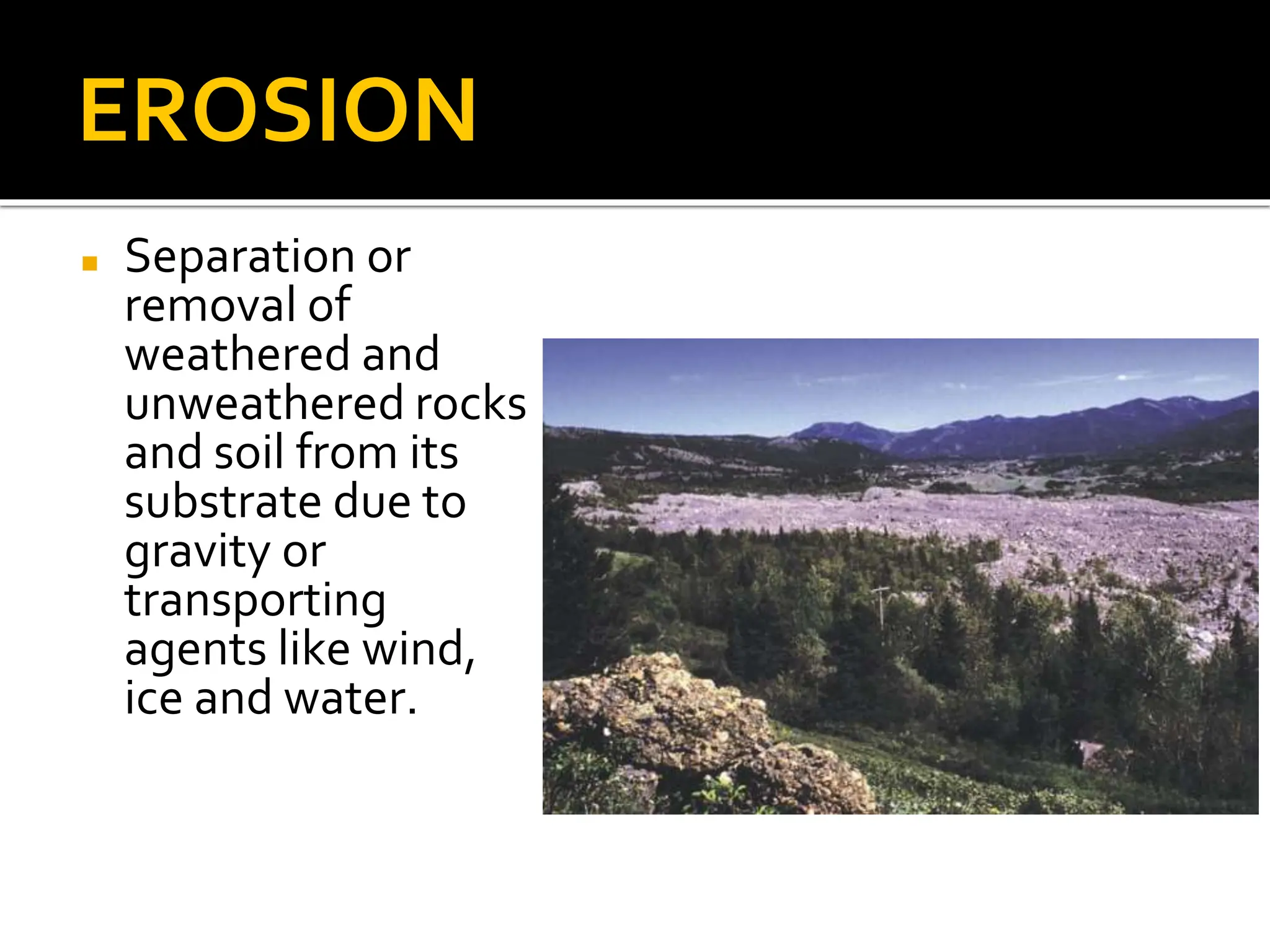
EROSION
◼ Separation or
removal of
weathered and
unweathered rocks
and soil from its
substrate due to
gravity or
transporting
agents like wind,
ice and water.
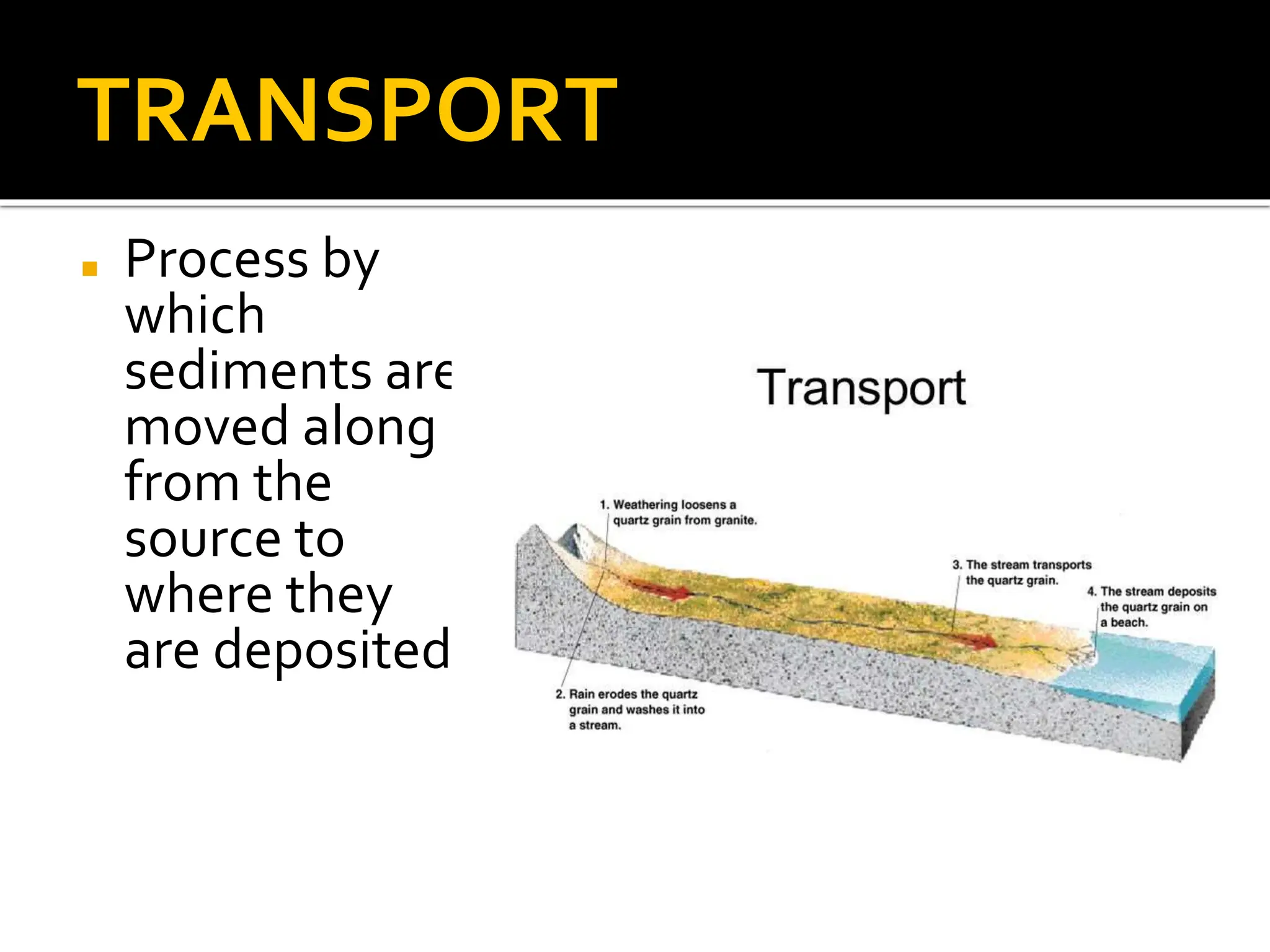
TRANSPORT
◼ Process by
which
sediments are
moved along
from the
source to
where they
are deposited
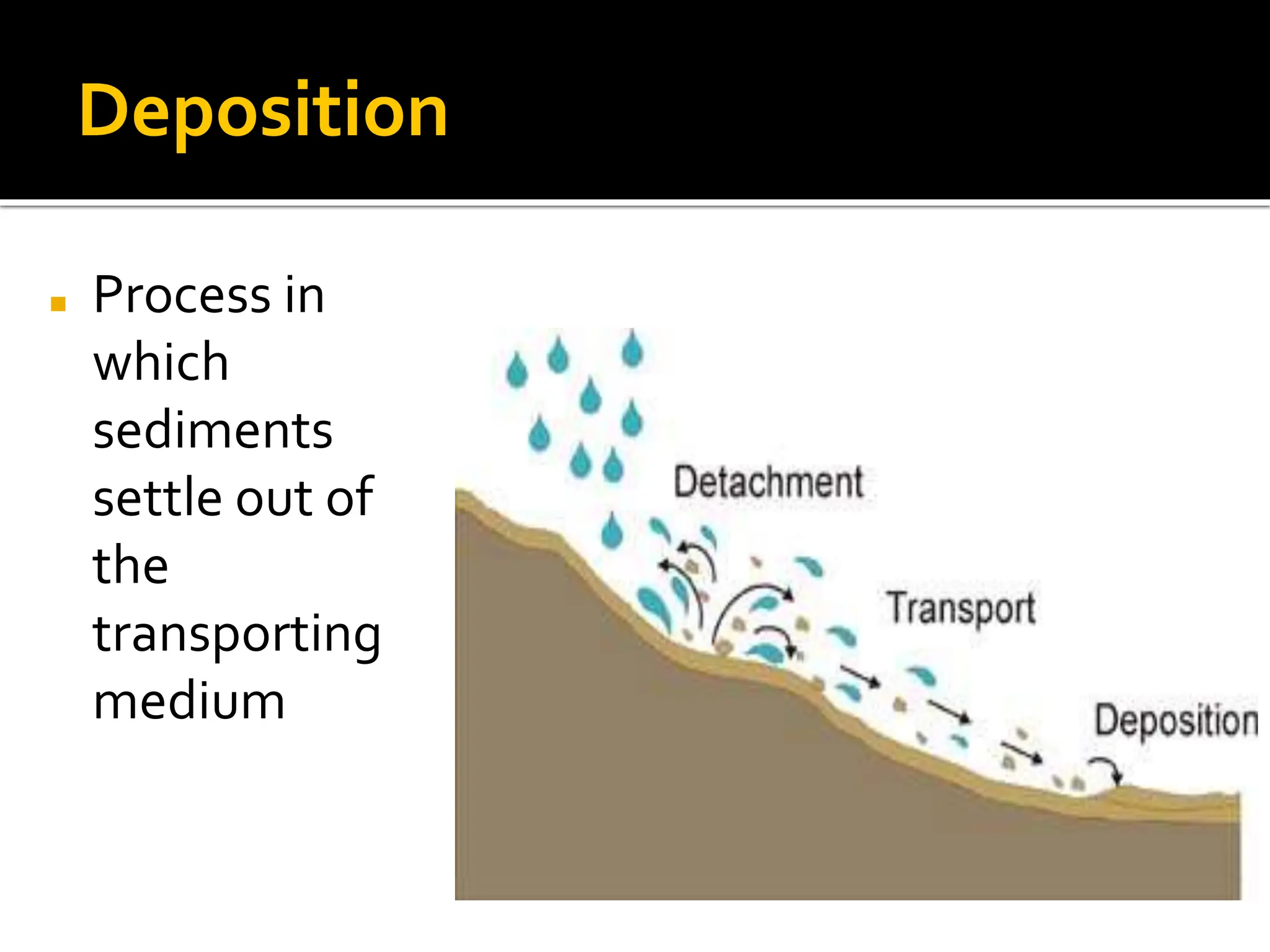
DEPOSITION
Deposition
◼ Process in
which
sediments
settle out of
the
transporting
medium

Different types of weathering of rocks and mineral