1
INTASE Leadership Conference Singapore 2014
Chris Jansen – University of Canterbury, New Zealand
www.leadershiplab.co.nz
www.ideacreation.org
Developing professional learning
communities through Appreciative Inquiry
3
Chris Jansen
Overview
• assumptions about change
• positive psychology
• appreciative inquiry components
• exploring leadership
• experience AI process
• applications to creating professional learning communities
4
Change
5
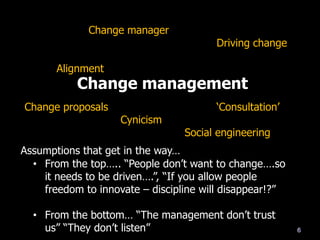
Change management
Change manager
Driving change
Alignment
Change proposals ‘Consultation’
Cynicism
Social engineering
Assumptions that get in the way…
• From the top….. “People don’t want to change….so
it needs to be driven….”, “If you allow people
freedom to innovate – discipline will disappear!?”
• From the bottom… “The management don’t trust
us” “They don’t listen” 6
Positive change processes?
7
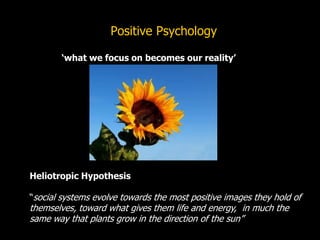
Positive Psychology
‘what we focus on becomes our reality’
Heliotropic Hypothesis
“social systems evolve towards the most positive images they hold of
themselves, toward what gives them life and energy, in much the
same way that plants grow in the direction of the sun”
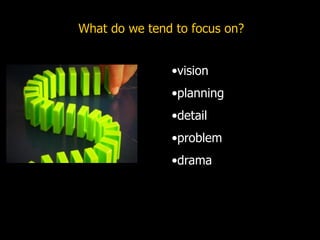
What do we tend to focus on?
•vision
•planning
•detail
•problem
•drama
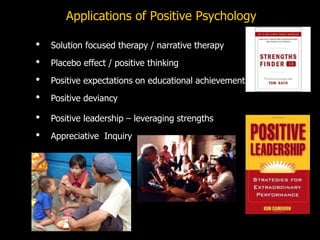
Applications of Positive Psychology
• Solution focused therapy / narrative therapy
• Positive expectations on educational achievement
• Placebo effect / positive thinking
• Positive deviancy
• Positive leadership – leveraging strengths
• Appreciative Inquiry
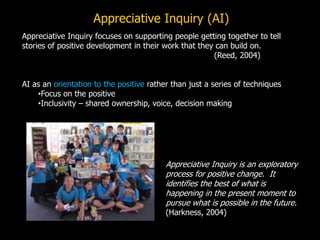
Appreciative Inquiry (AI)
Appreciative Inquiry focuses on supporting people getting together to tell
stories of positive development in their work that they can build on.
(Reed, 2004)
AI as an orientation to the positive rather than just a series of techniques
•Focus on the positive
•Inclusivity – shared ownership, voice, decision making
Appreciative Inquiry is an exploratory
process for positive change. It
identifies the best of what is
happening in the present moment to
pursue what is possible in the future.
(Harkness, 2004)
We take what we know and we talk about what could be.
We stretch what we are to help us be more than what we
have already been successful at.
We envision a future that is a collage of the bests.
Because we have derived the future from reality, we know
it can happen. We can see it, we know what it feels
like, and we move to a collective collaborative view of where
we are going.
(Thin Book of Appreciative Inquiry)
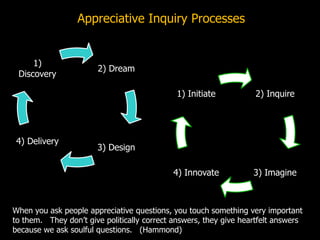
Appreciative Inquiry Processes
2) Inquire
3) Imagine4) Innovate
1) Initiate
2) Dream
3) Design
4) Delivery
1)
Discovery
When you ask people appreciative questions, you touch something very important
to them. They don’t give politically correct answers, they give heartfelt answers
because we ask soulful questions. (Hammond)
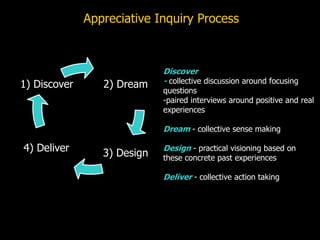
Appreciative Inquiry Process
2) Dream
3) Design4) Deliver
1) Discover
Discover
- collective discussion around focusing
questions
-paired interviews around positive and real
experiences
Dream - collective sense making
Design - practical visioning based on
these concrete past experiences
Deliver - collective action taking
Example 1
Leadership Focus
15
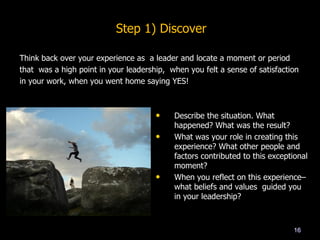
Think back over your experience as a leader and locate a moment or period
that was a high point in your leadership, when you felt a sense of satisfaction
in your work, when you went home saying YES!
16
• Describe the situation. What
happened? What was the result?
• What was your role in creating this
experience? What other people and
factors contributed to this exceptional
moment?
• When you reflect on this experience–
what beliefs and values guided you
in your leadership?
Step 1) Discover
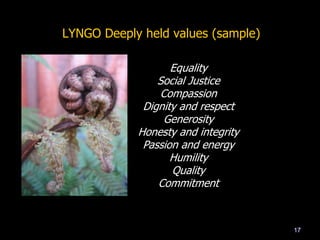
LYNGO Deeply held values (sample)
Equality
Social Justice
Compassion
Dignity and respect
Generosity
Honesty and integrity
Passion and energy
Humility
Quality
Commitment
17
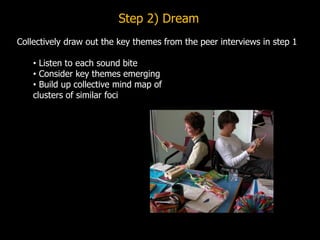
Step 2) Dream
Collectively draw out the key themes from the peer interviews in step 1
• Listen to each sound bite
• Consider key themes emerging
• Build up collective mind map of
clusters of similar foci
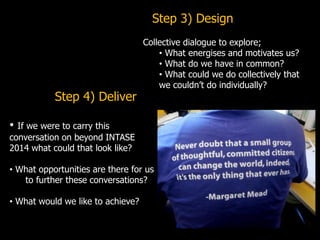
Step 3) Design
Collective dialogue to explore;
• What energises and motivates us?
• What do we have in common?
• What could we do collectively that
we couldn’t do individually?
Step 4) Deliver
• If we were to carry this
conversation on beyond INTASE
2014 what could that look like?
• What opportunities are there for us
to further these conversations?
• What would we like to achieve?
Example 2
Change initiative focus
20
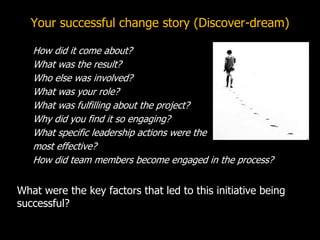
Your successful change story (Discover-dream)
How did it come about?
What was the result?
Who else was involved?
What was your role?
What was fulfilling about the project?
Why did you find it so engaging?
What specific leadership actions were the
most effective?
How did team members become engaged in the process?
What were the key factors that led to this initiative being
successful?
Design
“Its 2020 and globally ……. is known for its radical
innovation, expansive learning agility and boundary
breaking collaboration”
“What would be happening?”
22
Deliver
• What two to three aspects can we focus on now?
• What opportunities are there for us to move these ideas forward?
Example 3
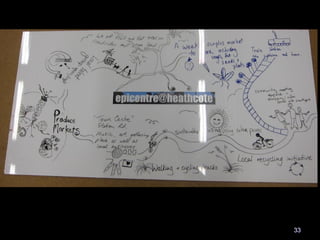
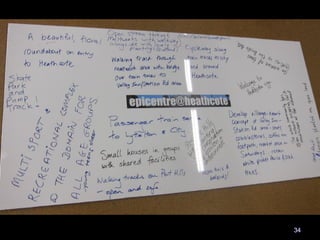
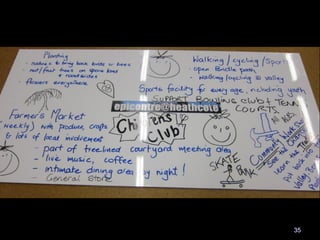
Community development focus
23
26www.ideacreation.org
27www.ideacreation.org
28www.ideacreation.org
29www.ideacreation.org
30www.ideacreation.org
31
33
34
35
Keystones for building learning communities
Focus on the positive
strengths, what’s working
Collaboration
shared ownership, voice, decision making
Benefits:
• Engagement, ownership leading to…
…enthusiasm/energy and commitment
• Better solutions – innovation
The Pronoun Test “I” or “We”
“My” or “Our”
“We” or “They”
Daniel Pink – “A whole new mind”
“There's only one thing better than ownership – authorship!
Simon Breakspear , “Talent Magnets”
AI as a positive change process
Characterised by both;
• participative processes ”Surfing the Edge of Chaos’”
• collaborate solution finding
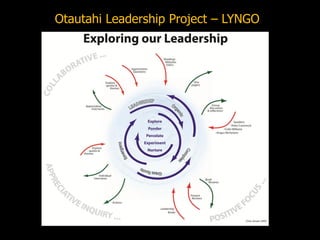
Otautahi Leadership Project – LYNGO
Creating a professional learning community
Guiding principles
• Positive focus
• Collaboration
Key strategies
• flexible and negotiated structure
• sharing powerful stories
• cycles of exploration
• individual and collective reflection
• significant time frame
• intentional facilitation
Outcomes
• leadership insights and practice
• development of professional relationships
• ongoing leadership network – self managing, collective voice
• emerging collaboration 41
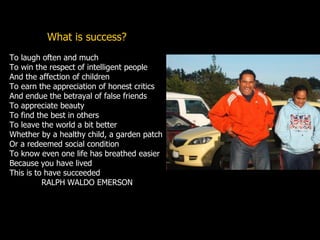
What is success?
To laugh often and much
To win the respect of intelligent people
And the affection of children
To earn the appreciation of honest critics
And endue the betrayal of false friends
To appreciate beauty
To find the best in others
To leave the world a bit better
Whether by a healthy child, a garden patch
Or a redeemed social condition
To know even one life has breathed easier
Because you have lived
This is to have succeeded
RALPH WALDO EMERSON
Keeping in contact….
chris.jansen@canterbury.ac.nz
www.ideacreation.org
www.leadershiplab.co.nz
43

Developing professional learning communities through Appreciative Inquiry

  • 1.
    1 INTASE Leadership ConferenceSingapore 2014 Chris Jansen – University of Canterbury, New Zealand www.leadershiplab.co.nz www.ideacreation.org Developing professional learning communities through Appreciative Inquiry
  • 3.
  • 4.
    Overview • assumptions aboutchange • positive psychology • appreciative inquiry components • exploring leadership • experience AI process • applications to creating professional learning communities 4
  • 5.
  • 6.
    Change management Change manager Drivingchange Alignment Change proposals ‘Consultation’ Cynicism Social engineering Assumptions that get in the way… • From the top….. “People don’t want to change….so it needs to be driven….”, “If you allow people freedom to innovate – discipline will disappear!?” • From the bottom… “The management don’t trust us” “They don’t listen” 6
  • 7.
  • 8.
    Positive Psychology ‘what wefocus on becomes our reality’ Heliotropic Hypothesis “social systems evolve towards the most positive images they hold of themselves, toward what gives them life and energy, in much the same way that plants grow in the direction of the sun”
  • 9.
    What do wetend to focus on? •vision •planning •detail •problem •drama
  • 10.
    Applications of PositivePsychology • Solution focused therapy / narrative therapy • Positive expectations on educational achievement • Placebo effect / positive thinking • Positive deviancy • Positive leadership – leveraging strengths • Appreciative Inquiry
  • 11.
    Appreciative Inquiry (AI) AppreciativeInquiry focuses on supporting people getting together to tell stories of positive development in their work that they can build on. (Reed, 2004) AI as an orientation to the positive rather than just a series of techniques •Focus on the positive •Inclusivity – shared ownership, voice, decision making Appreciative Inquiry is an exploratory process for positive change. It identifies the best of what is happening in the present moment to pursue what is possible in the future. (Harkness, 2004)
  • 12.
    We take whatwe know and we talk about what could be. We stretch what we are to help us be more than what we have already been successful at. We envision a future that is a collage of the bests. Because we have derived the future from reality, we know it can happen. We can see it, we know what it feels like, and we move to a collective collaborative view of where we are going. (Thin Book of Appreciative Inquiry)
  • 13.
    Appreciative Inquiry Processes 2)Inquire 3) Imagine4) Innovate 1) Initiate 2) Dream 3) Design 4) Delivery 1) Discovery When you ask people appreciative questions, you touch something very important to them. They don’t give politically correct answers, they give heartfelt answers because we ask soulful questions. (Hammond)
  • 14.
    Appreciative Inquiry Process 2)Dream 3) Design4) Deliver 1) Discover Discover - collective discussion around focusing questions -paired interviews around positive and real experiences Dream - collective sense making Design - practical visioning based on these concrete past experiences Deliver - collective action taking
  • 15.
  • 16.
    Think back overyour experience as a leader and locate a moment or period that was a high point in your leadership, when you felt a sense of satisfaction in your work, when you went home saying YES! 16 • Describe the situation. What happened? What was the result? • What was your role in creating this experience? What other people and factors contributed to this exceptional moment? • When you reflect on this experience– what beliefs and values guided you in your leadership? Step 1) Discover
  • 17.
    LYNGO Deeply heldvalues (sample) Equality Social Justice Compassion Dignity and respect Generosity Honesty and integrity Passion and energy Humility Quality Commitment 17
  • 18.
    Step 2) Dream Collectivelydraw out the key themes from the peer interviews in step 1 • Listen to each sound bite • Consider key themes emerging • Build up collective mind map of clusters of similar foci
  • 19.
    Step 3) Design Collectivedialogue to explore; • What energises and motivates us? • What do we have in common? • What could we do collectively that we couldn’t do individually? Step 4) Deliver • If we were to carry this conversation on beyond INTASE 2014 what could that look like? • What opportunities are there for us to further these conversations? • What would we like to achieve?
  • 20.
  • 21.
    Your successful changestory (Discover-dream) How did it come about? What was the result? Who else was involved? What was your role? What was fulfilling about the project? Why did you find it so engaging? What specific leadership actions were the most effective? How did team members become engaged in the process? What were the key factors that led to this initiative being successful?
  • 22.
    Design “Its 2020 andglobally ……. is known for its radical innovation, expansive learning agility and boundary breaking collaboration” “What would be happening?” 22 Deliver • What two to three aspects can we focus on now? • What opportunities are there for us to move these ideas forward?
  • 23.
  • 26.
  • 27.
  • 28.
  • 29.
  • 30.
  • 31.
  • 33.
  • 34.
  • 35.
  • 38.
    Keystones for buildinglearning communities Focus on the positive strengths, what’s working Collaboration shared ownership, voice, decision making
  • 39.
    Benefits: • Engagement, ownershipleading to… …enthusiasm/energy and commitment • Better solutions – innovation The Pronoun Test “I” or “We” “My” or “Our” “We” or “They” Daniel Pink – “A whole new mind” “There's only one thing better than ownership – authorship! Simon Breakspear , “Talent Magnets” AI as a positive change process Characterised by both; • participative processes ”Surfing the Edge of Chaos’” • collaborate solution finding
  • 40.
  • 41.
    Creating a professionallearning community Guiding principles • Positive focus • Collaboration Key strategies • flexible and negotiated structure • sharing powerful stories • cycles of exploration • individual and collective reflection • significant time frame • intentional facilitation Outcomes • leadership insights and practice • development of professional relationships • ongoing leadership network – self managing, collective voice • emerging collaboration 41
  • 42.
    What is success? Tolaugh often and much To win the respect of intelligent people And the affection of children To earn the appreciation of honest critics And endue the betrayal of false friends To appreciate beauty To find the best in others To leave the world a bit better Whether by a healthy child, a garden patch Or a redeemed social condition To know even one life has breathed easier Because you have lived This is to have succeeded RALPH WALDO EMERSON
  • 43.