Alistair Smith - Director Of Learning , Frog
      Natalie Power - AST Paddington Academy, Westminster
Rob Carpenter - Director of Primary Education, (South) United Learning
Developing Learners and
       Learning through
          Assessment:
     A Primary Perspective

Rob Carpenter - Director of Primary Education,
          (South) United Learning
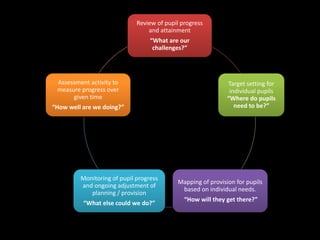
Review of pupil progress
                                 and attainment
                                  “What are our
                                   challenges?”


 Assessment activity to                                      Target setting for
 measure progress over                                        individual pupils
      given time                                             “Where do pupils
“How well are we doing?”                                        need to be?”


         Monitoring of pupil progress
                                           Mapping of provision for pupils
         and ongoing adjustment of
                                            based on individual needs.
            planning / provision
                                              “How will they get there?”
          “What else could we do?”
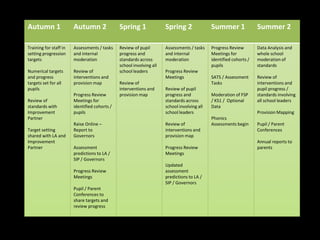
Autumn 1                Autumn 2               Spring 1               Spring 2               Summer 1               Summer 2

Training for staff in   Assessments / tasks    Review of pupil        Assessments / tasks    Progress Review        Data Analysis and
setting progression     and internal           progress and           and internal           Meetings for           whole school
targets                 moderation             standards across       moderation             identified cohorts /   moderation of
                                               school involving all                          pupils                 standards
Numerical targets       Review of              school leaders         Progress Review
and progress            interventions and                             Meetings               SATS / Assessment      Review of
targets set for all     provision map          Review of                                     Tasks                  interventions and
pupils                                         interventions and      Review of pupil                               pupil progress /
                        Progress Review        provision map          progress and           Moderation of FSP      standards involving
Review of               Meetings for                                  standards across       / KS1 / Optional       all school leaders
standards with          identified cohorts /                          school involving all   Data
Improvement             pupils                                        school leaders                                Provision Mapping
Partner                                                                                      Phonics
                        Raise Online –                                Review of              Assessments begin      Pupil / Parent
Target setting          Report to                                     interventions and                             Conferences
shared with LA and      Governors                                     provision map
Improvement                                                                                                         Annual reports to
Partner                 Assessment                                    Progress Review                               parents
                        predictions to LA /                           Meetings
                        SIP / Governors
                                                                      Updated
                        Progress Review                               assessment
                        Meetings                                      predictions to LA /
                                                                      SIP / Governors
                        Pupil / Parent
                        Conferences to
                        share targets and
                        review progress
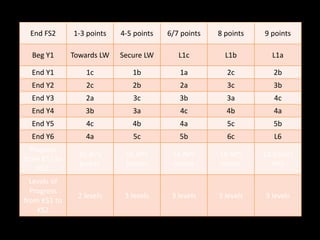
End FS2      1-3 points   4-5 points   6/7 points   8 points   9 points

  Beg Y1      Towards LW   Secure LW       L1c         L1b        L1a

  End Y1          1c          1b           1a          2c          2b
  End Y2          2c          2b           2a          3c          3b
  End Y3         2a           3c           3b          3a          4c
  End Y4         3b           3a           4c          4b          4a
  End Y5          4c          4b           4a          5c          5b
  End Y6         4a           5c           5b          6c          L6
  Progress
                16 APS      16 APS       16 APS      18 APS     18 points
from KS1 to
                points      points       points      points       APS
    KS2
  Levels of
  Progress
               2 levels     3 levels     3 levels    3 levels   3 levels
from KS1 to
    KS2
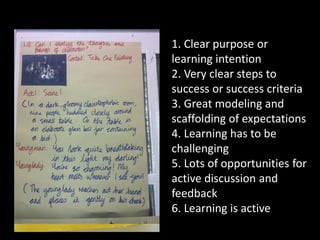
1. Clear purpose or
learning intention
2. Very clear steps to
success or success criteria
3. Great modeling and
scaffolding of expectations
4. Learning has to be
challenging
5. Lots of opportunities for
active discussion and
feedback
6. Learning is active
Developing Learners and
    Learning through
      Assessment:
 A Secondary Perspective

Natalie Power - AST Paddington Academy,
              Westminster
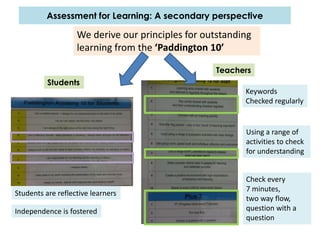
Assessment for Learning: A secondary perspective

                   We derive our principles for outstanding
                   learning from the ‘Paddington 10’

                                                  Teachers
          Students
                                                         Keywords
                                                         Checked regularly


                                                         Using a range of
                                                         activities to check
                                                         for understanding


                                                         Check every
                                                         7 minutes,
Students are reflective learners
                                                         two way flow,
Independence is fostered                                 question with a
                                                         question
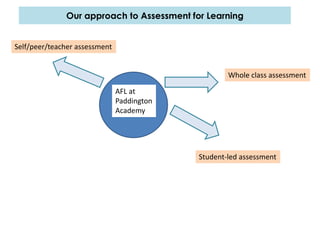
Our approach to Assessment for Learning


Self/peer/teacher assessment


                                                    Whole class assessment

                               AFL at
                               Paddington
                               Academy


                                            Student-led assessment
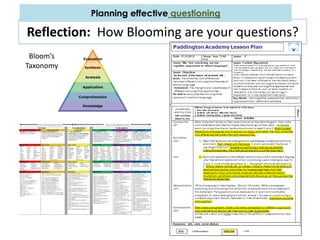
Planning effective questioning

Reflection: How Blooming are your questions?
 Bloom’s
Taxonomy
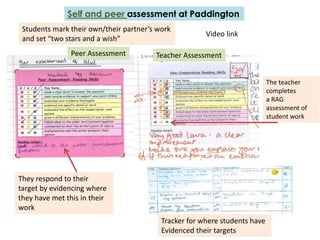
Self and peer assessment at Paddington
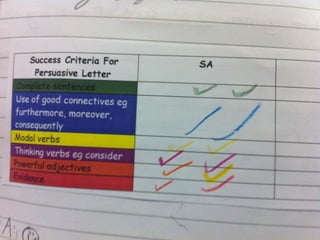
 Students mark their own/their partner’s work
                                                       Video link
 and set “two stars and a wish”
                Peer Assessment         Teacher Assessment


                                                                            The teacher
                                                                            completes
                                                                            a RAG
                                                                            assessment of
                                                                            student work


They respond to their
target by evidencing where
they have met this in their
work
                                          Tracker for where students have
                                          Evidenced their targets
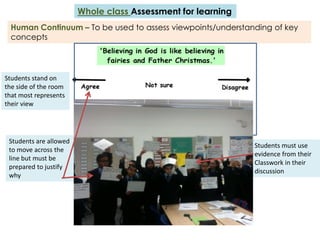
Whole class Assessment for learning
  Human Continuum – To be used to assess viewpoints/understanding of key
  concepts


Students stand on
the side of the room
that most represents
their view

                                       Photo

 Students are allowed
                                                              Students must use
 to move across the
                                                              evidence from their
 line but must be
                                                              Classwork in their
 prepared to justify
                                                              discussion
 why
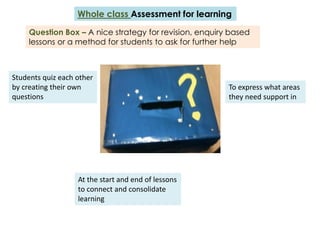
Whole class Assessment for learning

     Question Box – A nice strategy for revision, enquiry based
     lessons or a method for students to ask for further help


Students quiz each other
by creating their own                                    To express what areas
questions                                                they need support in


                   At the start and end of lessons
                   to connect and consolidate
                   learning
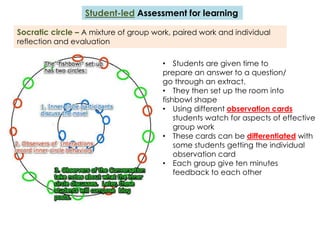
Student-led Assessment for learning

Socratic circle – A mixture of group work, paired work and individual
reflection and evaluation

                                       • Students are given time to
                                       prepare an answer to a question/
                                       go through an extract.
                                       • They then set up the room into
                                       fishbowl shape
                                       • Using different observation cards
                                           students watch for aspects of effective
                                           group work
                                       • These cards can be differentiated with
                                           some students getting the individual
                                           observation card
                                       • Each group give ten minutes
                                           feedback to each other
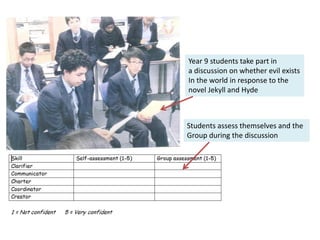
Year 9 students take part in
a discussion on whether evil exists
In the world in response to the
novel Jekyll and Hyde


Students assess themselves and the
Group during the discussion
Frog and Learning
Alistair Smith - Director Of Learning , Frog
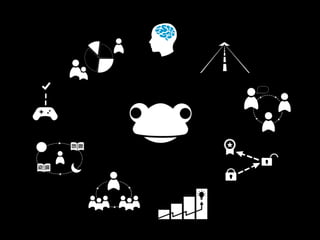
Our principles of learning from
   which all Frog product design begins

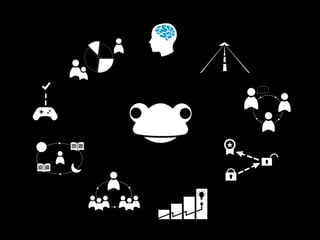
Build upon the prior knowledge, understanding and achievements of the learner
                           Actively engage the learner
             Provide a strong sense of purpose with clear outcomes
             Ask compelling questions and foster original solutions
                      Scaffold challenge and track progress
  Individualise loops of improvement feedback through collaborative support
                   Provide early responsibility and ownership
Our principles of gamification
against which we test Frog products

                      Blissful Productivity
      Urgent Optimism nurtured by Discovery Moments
                  Unlocking of Achievements
        Different Layering and Levelling of Challenge(s)
                Spaced Release of Information
            Granular Feedback to aid progress(ion)
   Highly Personalised spaces with strong Ownership Values
                 Communities of Collaboration
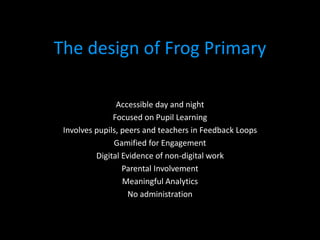
The design of Frog Primary

                Accessible day and night
               Focused on Pupil Learning
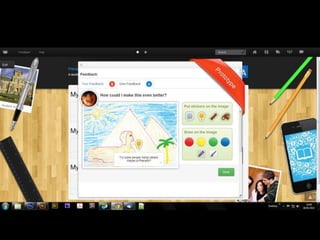
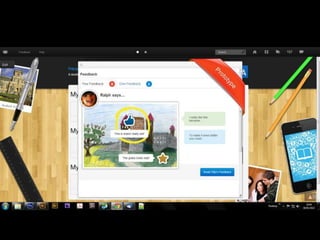
 Involves pupils, peers and teachers in Feedback Loops
               Gamified for Engagement
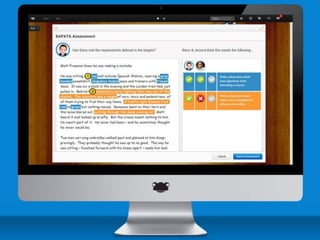
          Digital Evidence of non-digital work
                  Parental Involvement
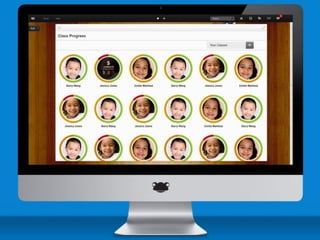
                  Meaningful Analytics
                    No administration
Developing great learners bett 2013

Developing great learners bett 2013

  • 1.
    Alistair Smith -Director Of Learning , Frog Natalie Power - AST Paddington Academy, Westminster Rob Carpenter - Director of Primary Education, (South) United Learning
  • 3.
    Developing Learners and Learning through Assessment: A Primary Perspective Rob Carpenter - Director of Primary Education, (South) United Learning
  • 4.
    Review of pupilprogress and attainment “What are our challenges?” Assessment activity to Target setting for measure progress over individual pupils given time “Where do pupils “How well are we doing?” need to be?” Monitoring of pupil progress Mapping of provision for pupils and ongoing adjustment of based on individual needs. planning / provision “How will they get there?” “What else could we do?”
  • 5.
    Autumn 1 Autumn 2 Spring 1 Spring 2 Summer 1 Summer 2 Training for staff in Assessments / tasks Review of pupil Assessments / tasks Progress Review Data Analysis and setting progression and internal progress and and internal Meetings for whole school targets moderation standards across moderation identified cohorts / moderation of school involving all pupils standards Numerical targets Review of school leaders Progress Review and progress interventions and Meetings SATS / Assessment Review of targets set for all provision map Review of Tasks interventions and pupils interventions and Review of pupil pupil progress / Progress Review provision map progress and Moderation of FSP standards involving Review of Meetings for standards across / KS1 / Optional all school leaders standards with identified cohorts / school involving all Data Improvement pupils school leaders Provision Mapping Partner Phonics Raise Online – Review of Assessments begin Pupil / Parent Target setting Report to interventions and Conferences shared with LA and Governors provision map Improvement Annual reports to Partner Assessment Progress Review parents predictions to LA / Meetings SIP / Governors Updated Progress Review assessment Meetings predictions to LA / SIP / Governors Pupil / Parent Conferences to share targets and review progress
  • 6.
    End FS2 1-3 points 4-5 points 6/7 points 8 points 9 points Beg Y1 Towards LW Secure LW L1c L1b L1a End Y1 1c 1b 1a 2c 2b End Y2 2c 2b 2a 3c 3b End Y3 2a 3c 3b 3a 4c End Y4 3b 3a 4c 4b 4a End Y5 4c 4b 4a 5c 5b End Y6 4a 5c 5b 6c L6 Progress 16 APS 16 APS 16 APS 18 APS 18 points from KS1 to points points points points APS KS2 Levels of Progress 2 levels 3 levels 3 levels 3 levels 3 levels from KS1 to KS2
  • 8.
    1. Clear purposeor learning intention 2. Very clear steps to success or success criteria 3. Great modeling and scaffolding of expectations 4. Learning has to be challenging 5. Lots of opportunities for active discussion and feedback 6. Learning is active
  • 11.
    Developing Learners and Learning through Assessment: A Secondary Perspective Natalie Power - AST Paddington Academy, Westminster
  • 12.
    Assessment for Learning:A secondary perspective We derive our principles for outstanding learning from the ‘Paddington 10’ Teachers Students Keywords Checked regularly Using a range of activities to check for understanding Check every 7 minutes, Students are reflective learners two way flow, Independence is fostered question with a question
  • 13.
    Our approach toAssessment for Learning Self/peer/teacher assessment Whole class assessment AFL at Paddington Academy Student-led assessment
  • 14.
    Planning effective questioning Reflection:How Blooming are your questions? Bloom’s Taxonomy
  • 15.
    Self and peerassessment at Paddington Students mark their own/their partner’s work Video link and set “two stars and a wish” Peer Assessment Teacher Assessment The teacher completes a RAG assessment of student work They respond to their target by evidencing where they have met this in their work Tracker for where students have Evidenced their targets
  • 16.
    Whole class Assessmentfor learning Human Continuum – To be used to assess viewpoints/understanding of key concepts Students stand on the side of the room that most represents their view Photo Students are allowed Students must use to move across the evidence from their line but must be Classwork in their prepared to justify discussion why
  • 17.
    Whole class Assessmentfor learning Question Box – A nice strategy for revision, enquiry based lessons or a method for students to ask for further help Students quiz each other by creating their own To express what areas questions they need support in At the start and end of lessons to connect and consolidate learning
  • 18.
    Student-led Assessment forlearning Socratic circle – A mixture of group work, paired work and individual reflection and evaluation • Students are given time to prepare an answer to a question/ go through an extract. • They then set up the room into fishbowl shape • Using different observation cards students watch for aspects of effective group work • These cards can be differentiated with some students getting the individual observation card • Each group give ten minutes feedback to each other
  • 19.
    Year 9 studentstake part in a discussion on whether evil exists In the world in response to the novel Jekyll and Hyde Students assess themselves and the Group during the discussion
  • 20.
    Frog and Learning AlistairSmith - Director Of Learning , Frog
  • 22.
    Our principles oflearning from which all Frog product design begins Build upon the prior knowledge, understanding and achievements of the learner Actively engage the learner Provide a strong sense of purpose with clear outcomes Ask compelling questions and foster original solutions Scaffold challenge and track progress Individualise loops of improvement feedback through collaborative support Provide early responsibility and ownership
  • 23.
    Our principles ofgamification against which we test Frog products Blissful Productivity Urgent Optimism nurtured by Discovery Moments Unlocking of Achievements Different Layering and Levelling of Challenge(s) Spaced Release of Information Granular Feedback to aid progress(ion) Highly Personalised spaces with strong Ownership Values Communities of Collaboration
  • 24.
    The design ofFrog Primary Accessible day and night Focused on Pupil Learning Involves pupils, peers and teachers in Feedback Loops Gamified for Engagement Digital Evidence of non-digital work Parental Involvement Meaningful Analytics No administration