Determine Your 
Brand Focus 
AGUILA Andrea - RESTREPO Daniela 
Maria del Carmen Ebang
INDEX 
1. Introduction 
2. Brand definition 
3. Brand history 
4. Why do you need a brand? 
5. Brand Valuation 
6. ISO 10668 
7. Brand Architecture 
8. Brand planning 
9. Research to consider 
10.Brand archetypes and storytelling 
11.Conclution
INTRODUCTION 
For the development of a successful brand we 
need to establish a brand strategy. It is a long-term 
plan in order to achieve specific goals. A well-defined 
and executed brand strategy affects all 
aspects of a business and is directly connected to 
consumer needs, emotions, and competitive 
environments. what does that really mean? That is 
what we will try to understand in this presentation.
BRAND DEFINITION
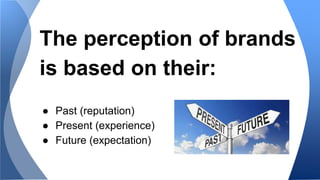
The perception of brands 
is based on their: 
● Past (reputation) 
● Present (experience) 
● Future (expectation)
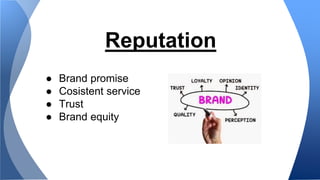
Reputation 
● Brand promise 
● Cosistent service 
● Trust 
● Brand equity
Experience 
● Deliver satisfying experiences 
● Emotional and psychological bonds of loyalty
Expectation 
What is expected of the brand? 
What do we expect from it ?
Past is EXPIRIENCE 
Present is EXPERIMENT 
Future is EXPECTATION 
Use experiences, in the experiments to 
achieve expectations!
BRAND HISTORY 
The first use: The practice of using hot irons 
The Industrial Revolution and Subsequent boom in 
factories: To differentiate manufactured goods from 
competing businesses.
WHY DO YOU NEED A 
BRAND 
Reasons for creating a brand or rebranding an 
existing organization, product or service are 
many and varied.
Few examples: 
● To launch a new organization, product or 
service 
● For the relaunch of an existing organization, 
product or service 
● In rebuilding a lost reputation 
● To unite or consolidate a group
● New ownership 
● New positioning 
● To attract and retain staff 
● To attract investors 
● To attract customers
It is imperative to create an international brand. 
There are major benefits to be gained from 
creating a brand including the following: 
● Differentiation 
● Connecting with people 
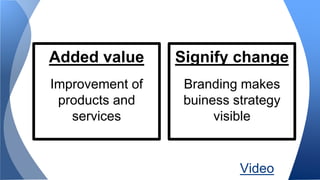
● Added value 
● Signify change
Differentiation 
Why a product is 
better than any 
other on offer ? 
Connecting 
with people 
Culturally 
economically 
emotionally
Signify change 
Branding makes 
buiness strategy 
visible 
Added value 
Improvement of 
products and 
services 
Video
BRAND VALUATION 
It is the job of estimating the total financial 
value of the brand. 
Brands 
Intangible 
Assets 
Tangible 
Assets
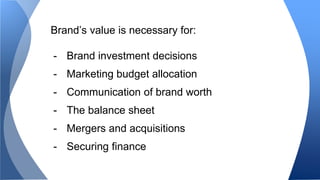
Brand’s value is necessary for: 
- Brand investment decisions 
- Marketing budget allocation 
- Communication of brand worth 
- The balance sheet 
- Mergers and acquisitions 
- Securing finance
ISO 10668 
It is the world's first brand valuation standard. 
It specifies the procedures and methods of 
monetary brand value measurement that are 
required to provide financial evidence of the 
brand's worth.
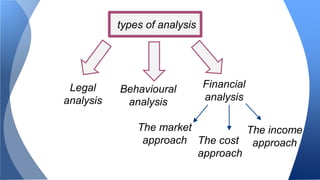
types of analysis 
Legal 
analysis 
Behavioural 
analysis 
Financial 
analysis 
The market 
approach The cost 
approach 
The income 
approach
BRAND 
ARCHITECTURE 
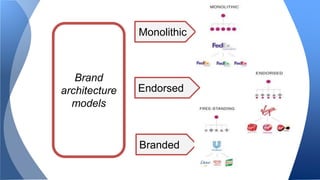
It is a strategic tool that communicates the 
structure of the organization and how the branded 
assets in its portfolio relate to each other and their 
respective audience.
Brand 
architecture 
models 
Monolithic 
Endorsed 
Branded
SUB-BRANDS 
Sub brands are part of a company's family of 
brands and come under the overall umbrella of 
the main brand or company name. 
Each of these brands may have a distinct brand 
promise, position and personality.
BRAND PLANNING 
when you have a great idea before launching the brand, this is 
called the brand plan. 
This idea should be clear and exact. 
The elements that make up a brand plan: 
Vision, pupose,goals,key issues,strategies,target,main 
message,product,advertising,promotion,stimulus,response, 
medium and channel.
RESEARCH TO CONSIDER THE 
BRAND PLANNING 
● Marketing collateral for the organization and its competitors 
● Human resources collateral for the organization´s employees 
● Research reports.
BRAND ARCHETYPES AND 
STORYTELLING 
BRAND ARCHETYPES. Examples: 
● The Innocent 
Think: Coca Cola, McDonald’s, Ben & Jerry’s 
Goal: To be happy. 
● The Ruler 
Think: Microsoft, Mercedes, American Express 
Goal: To create a prosperous and successful family, company or 
community.
BRAND ARCHETYPES AND 
STORYTELLING 
BRAND STORYTELLING: 
Brand storytelling is the sharing of events through words and 
images,with the purpose of educating and entertainnig, in relation to 
the brand.
CONCLUTION 
Finally,the brand plan helps frame the execution for internal 
stakeholders and for the various agencies which will implement 
programs to the plan. Execution is an expression of the strategy, and 
the plan must hold agencies accountable to deliver the work that is 
implemented on the strategy. And lastly, the Brand Plan helps the 
Brand Manager, to stay focused delivering the brand as it was planed. 
It helps them to refer back to the strategy in which the intention is to 
ensure the Brand Manager’s continuity’s on the strategy during the all 
year.

Determine your brand focus

  • 1.
    Determine Your BrandFocus AGUILA Andrea - RESTREPO Daniela Maria del Carmen Ebang
  • 2.
    INDEX 1. Introduction 2. Brand definition 3. Brand history 4. Why do you need a brand? 5. Brand Valuation 6. ISO 10668 7. Brand Architecture 8. Brand planning 9. Research to consider 10.Brand archetypes and storytelling 11.Conclution
  • 3.
    INTRODUCTION For thedevelopment of a successful brand we need to establish a brand strategy. It is a long-term plan in order to achieve specific goals. A well-defined and executed brand strategy affects all aspects of a business and is directly connected to consumer needs, emotions, and competitive environments. what does that really mean? That is what we will try to understand in this presentation.
  • 4.
  • 5.
    The perception ofbrands is based on their: ● Past (reputation) ● Present (experience) ● Future (expectation)
  • 6.
    Reputation ● Brandpromise ● Cosistent service ● Trust ● Brand equity
  • 7.
    Experience ● Deliversatisfying experiences ● Emotional and psychological bonds of loyalty
  • 8.
    Expectation What isexpected of the brand? What do we expect from it ?
  • 9.
    Past is EXPIRIENCE Present is EXPERIMENT Future is EXPECTATION Use experiences, in the experiments to achieve expectations!
  • 10.
    BRAND HISTORY Thefirst use: The practice of using hot irons The Industrial Revolution and Subsequent boom in factories: To differentiate manufactured goods from competing businesses.
  • 11.
    WHY DO YOUNEED A BRAND Reasons for creating a brand or rebranding an existing organization, product or service are many and varied.
  • 12.
    Few examples: ●To launch a new organization, product or service ● For the relaunch of an existing organization, product or service ● In rebuilding a lost reputation ● To unite or consolidate a group
  • 13.
    ● New ownership ● New positioning ● To attract and retain staff ● To attract investors ● To attract customers
  • 14.
    It is imperativeto create an international brand. There are major benefits to be gained from creating a brand including the following: ● Differentiation ● Connecting with people ● Added value ● Signify change
  • 15.
    Differentiation Why aproduct is better than any other on offer ? Connecting with people Culturally economically emotionally
  • 16.
    Signify change Brandingmakes buiness strategy visible Added value Improvement of products and services Video
  • 17.
    BRAND VALUATION Itis the job of estimating the total financial value of the brand. Brands Intangible Assets Tangible Assets
  • 18.
    Brand’s value isnecessary for: - Brand investment decisions - Marketing budget allocation - Communication of brand worth - The balance sheet - Mergers and acquisitions - Securing finance
  • 19.
    ISO 10668 Itis the world's first brand valuation standard. It specifies the procedures and methods of monetary brand value measurement that are required to provide financial evidence of the brand's worth.
  • 20.
    types of analysis Legal analysis Behavioural analysis Financial analysis The market approach The cost approach The income approach
  • 21.
    BRAND ARCHITECTURE Itis a strategic tool that communicates the structure of the organization and how the branded assets in its portfolio relate to each other and their respective audience.
  • 22.
    Brand architecture models Monolithic Endorsed Branded
  • 23.
    SUB-BRANDS Sub brandsare part of a company's family of brands and come under the overall umbrella of the main brand or company name. Each of these brands may have a distinct brand promise, position and personality.
  • 24.
    BRAND PLANNING whenyou have a great idea before launching the brand, this is called the brand plan. This idea should be clear and exact. The elements that make up a brand plan: Vision, pupose,goals,key issues,strategies,target,main message,product,advertising,promotion,stimulus,response, medium and channel.
  • 25.
    RESEARCH TO CONSIDERTHE BRAND PLANNING ● Marketing collateral for the organization and its competitors ● Human resources collateral for the organization´s employees ● Research reports.
  • 26.
    BRAND ARCHETYPES AND STORYTELLING BRAND ARCHETYPES. Examples: ● The Innocent Think: Coca Cola, McDonald’s, Ben & Jerry’s Goal: To be happy. ● The Ruler Think: Microsoft, Mercedes, American Express Goal: To create a prosperous and successful family, company or community.
  • 27.
    BRAND ARCHETYPES AND STORYTELLING BRAND STORYTELLING: Brand storytelling is the sharing of events through words and images,with the purpose of educating and entertainnig, in relation to the brand.
  • 28.
    CONCLUTION Finally,the brandplan helps frame the execution for internal stakeholders and for the various agencies which will implement programs to the plan. Execution is an expression of the strategy, and the plan must hold agencies accountable to deliver the work that is implemented on the strategy. And lastly, the Brand Plan helps the Brand Manager, to stay focused delivering the brand as it was planed. It helps them to refer back to the strategy in which the intention is to ensure the Brand Manager’s continuity’s on the strategy during the all year.