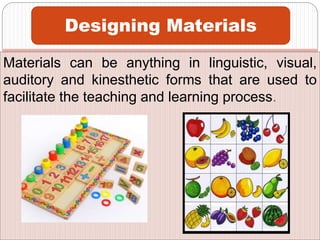
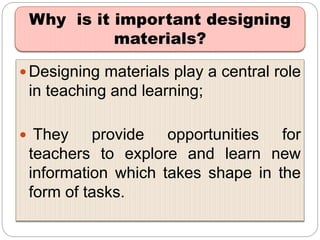


Materials can be anything in linguistic, visual,
auditory and kinesthetic forms that are used to
facilitate the teaching and learning process.
Designing Materials
 Designing materials play a central role
in teaching and learning;
 They provide opportunities for
teachers to explore and learn new
information which takes shape in the
form of tasks.
Why is it important designing
materials?
 A source of activities for learners practice and
communicative interaction.
 A reference source for learners on grammar,
vocabulary and pronunciation.
 A support for less experienced teachers.
 A source of stimulation and ideas for classroom
activities.
The role of materials
 Will the materials stimulate and
motivate?
 To what extend does the material match
the stated learning objectives and your
learning objectives?
 To what extent will the materials support
the learning process?
Questions to ask when
designing materials
 Good and effective teaching
materials should
 Arouse and mantain learners´ interest
and attention.
Meet the learners needs and backgraound.
Provide examples of language use.
Provide meaningful activities.
Provide opportunities por authentic
learning use.
 Achieve impact
 Help learners develop confidence
Provide relevant and useful
content
Encourage leaners involvement
Take into account that the
learners have different learning
styles
 Foster learning autonomy
 Engage learners effectively and
cognitively.
Promote proposel use of language.
Provide opportunities for outcome
feedback.
Provide the learners with
opportunities to achieve
communicative purpose.
● Motivating students to learn vocabulary.
● Training students to use the language skills in various
situations.
● Providing corporate scenario through materials and
related tasks.
● Motivating students to interact with the learning
materials, peers and discuss topics with teachers.
● Encouraging students to involve themselves in varied
tasks.
Materials should be designed with
these objectives
• Learner needs
Any consideration to desig materials must begin on
base students´ needs.
Factors to Consider When
Designing Materials
• Resources and facilities
Teachers must be realistic about what they can
achieve in terms of materials design and production
within the limitations of available resources and
facilities.
 Personal confidence and
competence
This will be influenced by the teacher’s level of
teaching experience and his or her perceived
creativity or artistic skills and overall understanding of
principles of materials design and production.
• The curriculum and the context
These are variables that will significantly impact in
desicions about materials; they define the content,
skills and values to be taught.
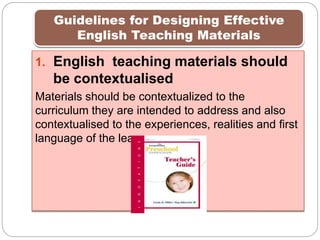
1. English teaching materials should
be contextualised
Materials should be contextualized to the
curriculum they are intended to address and also
contextualised to the experiences, realities and first
language of the learners.
Guidelines for Designing Effective
English Teaching Materials
2. Materials should stimulate
interaction and be generative in terms
of language.
Language teaching materials should provide
situations where learners need to interact with each
other in a manner that reflects the type of
interactions they will engage in outside of the
classroom.
3.English language teaching materials
should encourage learners to develop
learning skills and strategies.
It is important to provide learners with the confidence to
persist in their attempts to find solutions when they have
difficulties in communicating.
4.English language teaching materials should
offer opportunities for integrated language use.
Materials should give learners opportunities to
integrate all the language skills in an authentic
manner and to become competent.
5. English language teaching materials
should be authentic.
It assesses the student’s ability to efficiently and
effectively use a repertoire of knowledge and skill to
negotiate a complex task.
6. English language teaching materials
should be attractive
Criteria for evaluating English language teaching
materials and course books frequently include
reference to the ‘look’ and the ‘feel’ of the product. -
Physical appearance -User-friendliness -Durability -
Ability to be reproduced.
7. English language teaching materials
should have appropriate instructions.
Excellent materials fail in their “pedagogical
realisation” because of a lack of clarity in their
instructions. For instructions to be effective, they
should be written in language that is appropriate for
the target learners, and the use of the correct
metalanguage can assist with making instructions
more concise and efficient.
1. Flashcards
Examples of some materials that
you can design
 Magazine pictures
Wall chart
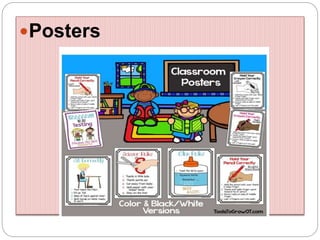
Posters
 Newspaper Articles
 Positive effect on learner motivation
 Exposure to real language
 Encourage more teacher autonomy
 It is empowering
 It is memorable
 It is creative
 It encourages critical evaluation of teaching
materials.
 Personalisation
Advantages designing
materials
 It takes to much time
 It is not always possible to ensure that everyone is
involved.
 Organisatation (materials may lack overall
coherence and clear progression)
 Quality (they may contain errors,be poorly
constructed and lack durability)
Disadvantages designing
materials
Designing materials for teaching autonomy

Designing materials for teaching autonomy

  • 1.
    Materials can beanything in linguistic, visual, auditory and kinesthetic forms that are used to facilitate the teaching and learning process. Designing Materials
  • 2.
     Designing materialsplay a central role in teaching and learning;  They provide opportunities for teachers to explore and learn new information which takes shape in the form of tasks. Why is it important designing materials?
  • 3.
     A sourceof activities for learners practice and communicative interaction.  A reference source for learners on grammar, vocabulary and pronunciation.  A support for less experienced teachers.  A source of stimulation and ideas for classroom activities. The role of materials
  • 4.
     Will thematerials stimulate and motivate?  To what extend does the material match the stated learning objectives and your learning objectives?  To what extent will the materials support the learning process? Questions to ask when designing materials
  • 5.
     Good andeffective teaching materials should  Arouse and mantain learners´ interest and attention. Meet the learners needs and backgraound. Provide examples of language use. Provide meaningful activities. Provide opportunities por authentic learning use.
  • 6.
     Achieve impact Help learners develop confidence Provide relevant and useful content Encourage leaners involvement Take into account that the learners have different learning styles
  • 7.
     Foster learningautonomy  Engage learners effectively and cognitively. Promote proposel use of language. Provide opportunities for outcome feedback. Provide the learners with opportunities to achieve communicative purpose.
  • 8.
    ● Motivating studentsto learn vocabulary. ● Training students to use the language skills in various situations. ● Providing corporate scenario through materials and related tasks. ● Motivating students to interact with the learning materials, peers and discuss topics with teachers. ● Encouraging students to involve themselves in varied tasks. Materials should be designed with these objectives
  • 9.
    • Learner needs Anyconsideration to desig materials must begin on base students´ needs. Factors to Consider When Designing Materials
  • 10.
    • Resources andfacilities Teachers must be realistic about what they can achieve in terms of materials design and production within the limitations of available resources and facilities.
  • 11.
     Personal confidenceand competence This will be influenced by the teacher’s level of teaching experience and his or her perceived creativity or artistic skills and overall understanding of principles of materials design and production.
  • 12.
    • The curriculumand the context These are variables that will significantly impact in desicions about materials; they define the content, skills and values to be taught.
  • 13.
    1. English teachingmaterials should be contextualised Materials should be contextualized to the curriculum they are intended to address and also contextualised to the experiences, realities and first language of the learners. Guidelines for Designing Effective English Teaching Materials
  • 14.
    2. Materials shouldstimulate interaction and be generative in terms of language. Language teaching materials should provide situations where learners need to interact with each other in a manner that reflects the type of interactions they will engage in outside of the classroom.
  • 15.
    3.English language teachingmaterials should encourage learners to develop learning skills and strategies. It is important to provide learners with the confidence to persist in their attempts to find solutions when they have difficulties in communicating.
  • 16.
    4.English language teachingmaterials should offer opportunities for integrated language use. Materials should give learners opportunities to integrate all the language skills in an authentic manner and to become competent.
  • 17.
    5. English languageteaching materials should be authentic. It assesses the student’s ability to efficiently and effectively use a repertoire of knowledge and skill to negotiate a complex task.
  • 18.
    6. English languageteaching materials should be attractive Criteria for evaluating English language teaching materials and course books frequently include reference to the ‘look’ and the ‘feel’ of the product. - Physical appearance -User-friendliness -Durability - Ability to be reproduced.
  • 19.
    7. English languageteaching materials should have appropriate instructions. Excellent materials fail in their “pedagogical realisation” because of a lack of clarity in their instructions. For instructions to be effective, they should be written in language that is appropriate for the target learners, and the use of the correct metalanguage can assist with making instructions more concise and efficient.
  • 20.
    1. Flashcards Examples ofsome materials that you can design
  • 21.
  • 22.
  • 23.
  • 24.
  • 25.
     Positive effecton learner motivation  Exposure to real language  Encourage more teacher autonomy  It is empowering  It is memorable  It is creative  It encourages critical evaluation of teaching materials.  Personalisation Advantages designing materials
  • 26.
     It takesto much time  It is not always possible to ensure that everyone is involved.  Organisatation (materials may lack overall coherence and clear progression)  Quality (they may contain errors,be poorly constructed and lack durability) Disadvantages designing materials