ZULFIKAR
GHOSE -
DECOMPOSITION
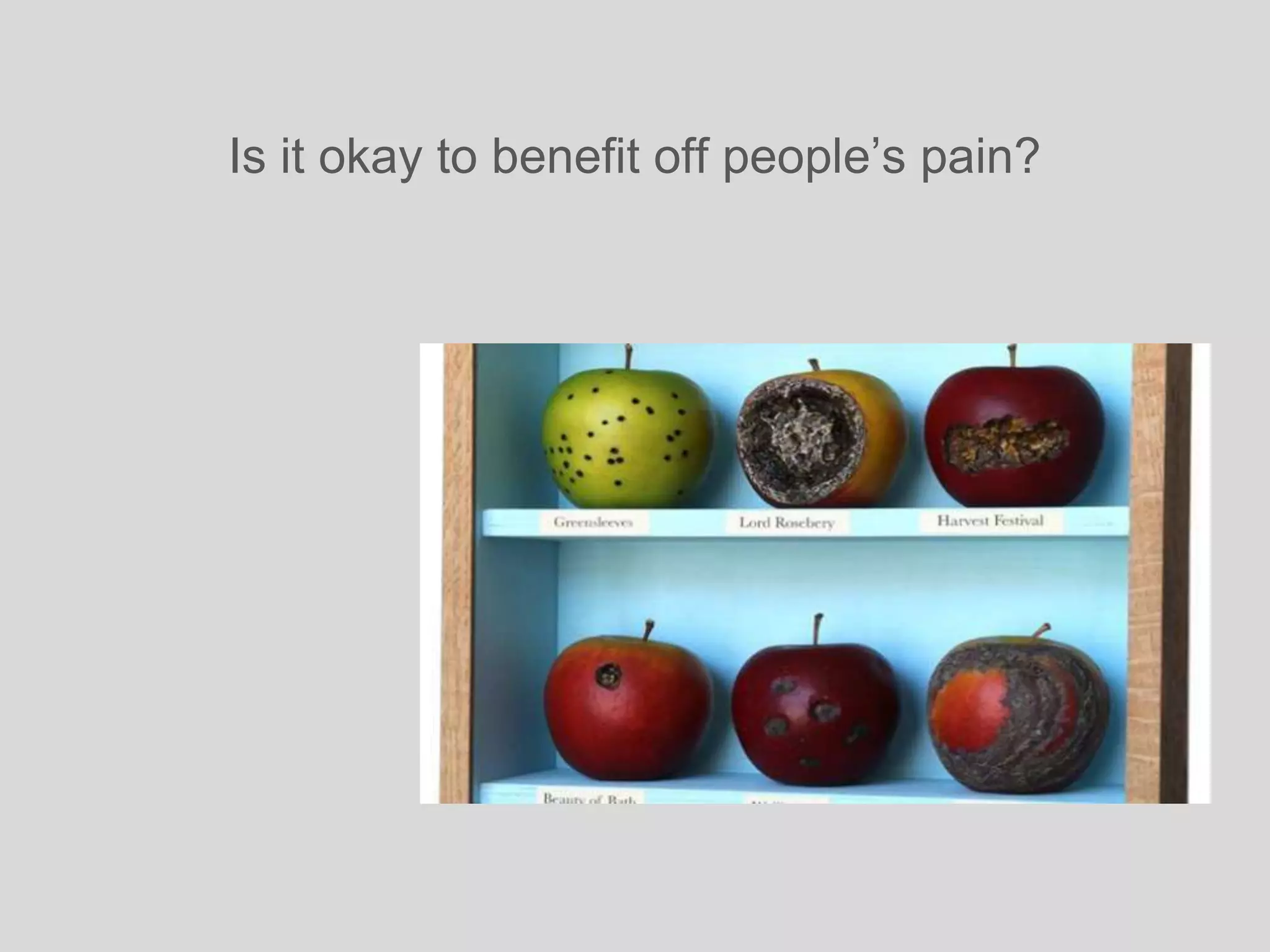
Is it okay to benefit off people’s pain?
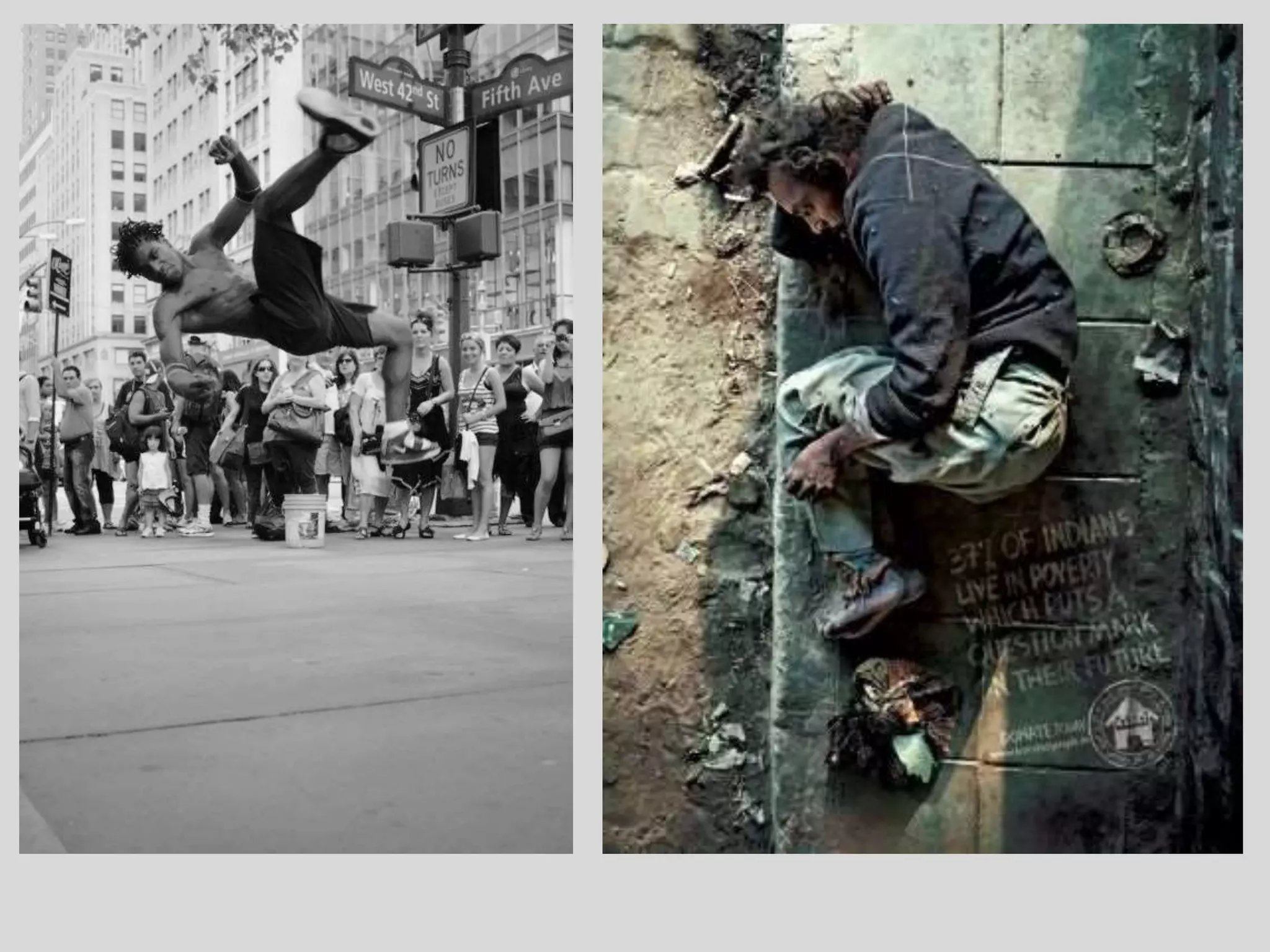
1. I have a picture I took in Bombay
2. of a beggar asleep on the pavement:
3. grey-haired, wearing shorts and a dirty shirt,
4. his shadow thrown aside like a blanket.
1. His arms and legs could be cracks in the stone,
2. routes for the ants' journeys, the flies' descents,
3. Brain-washed by the sun into exhaustion,
4. he lies veined into stone, a fossil man.
1. Behind him there is a crowd passingly
2. bemused by a pavement trickster and quite
3. indifferent to this very common sight
4. of an old man asleep on the pavement.
1. I thought it then a good composition
2. and glibly called it "The Man in the Street,"
3. remarking how typical it was of
4. India that the man in the street lived there.
1. His head in the posture of one weeping
2. into a pillow chides me now for my
3. presumption at attempting to compose
4. art of his hunger and solitude.
DECOMPOSITION
Zulfikar
Ghose
Zulfikar Ghose
Born: 1935
A native of Pakistan and current
resident of Texas
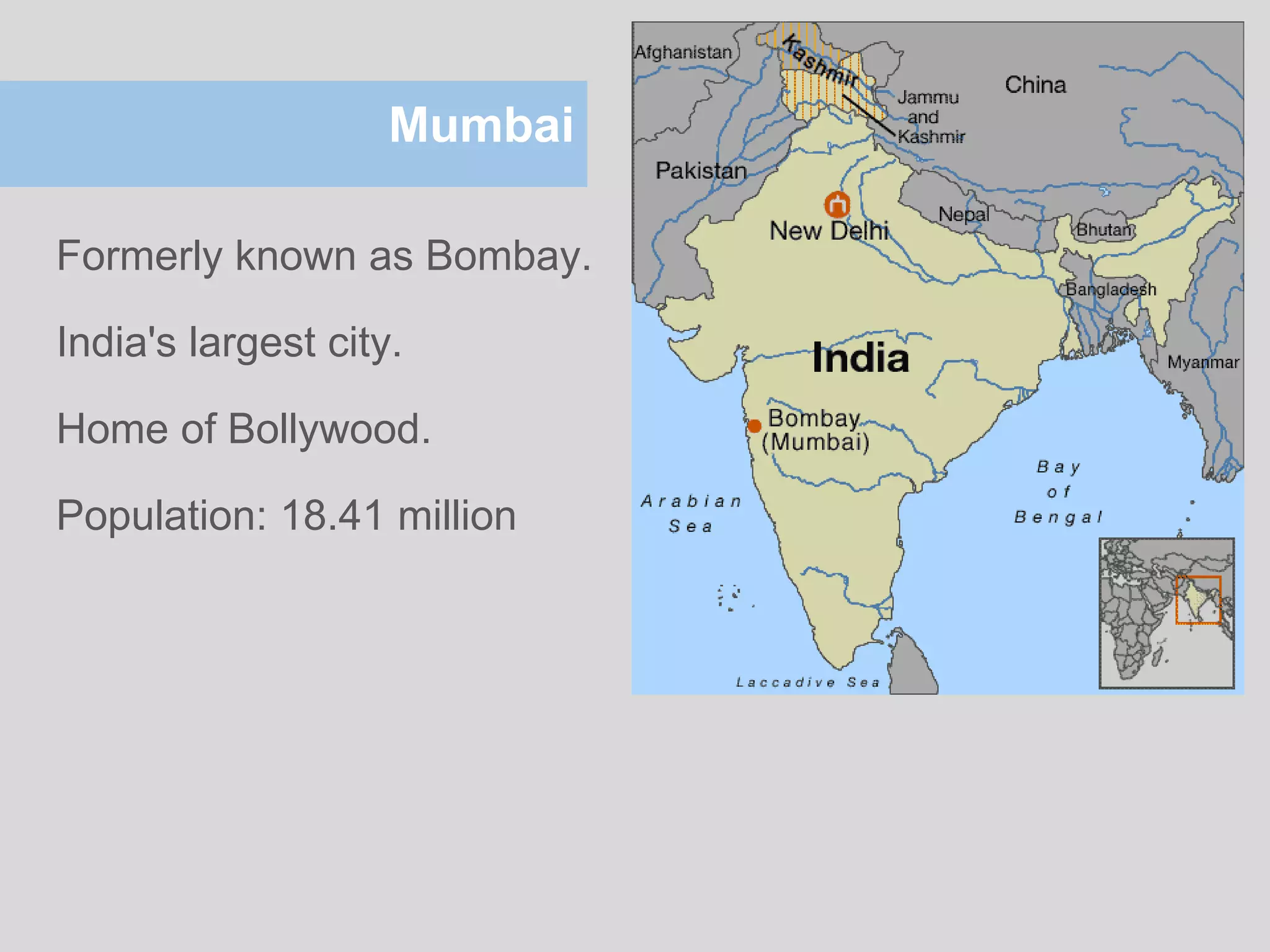
Mumbai
Formerly known as Bombay.
India's largest city.
Home of Bollywood.
Population: 18.41 million
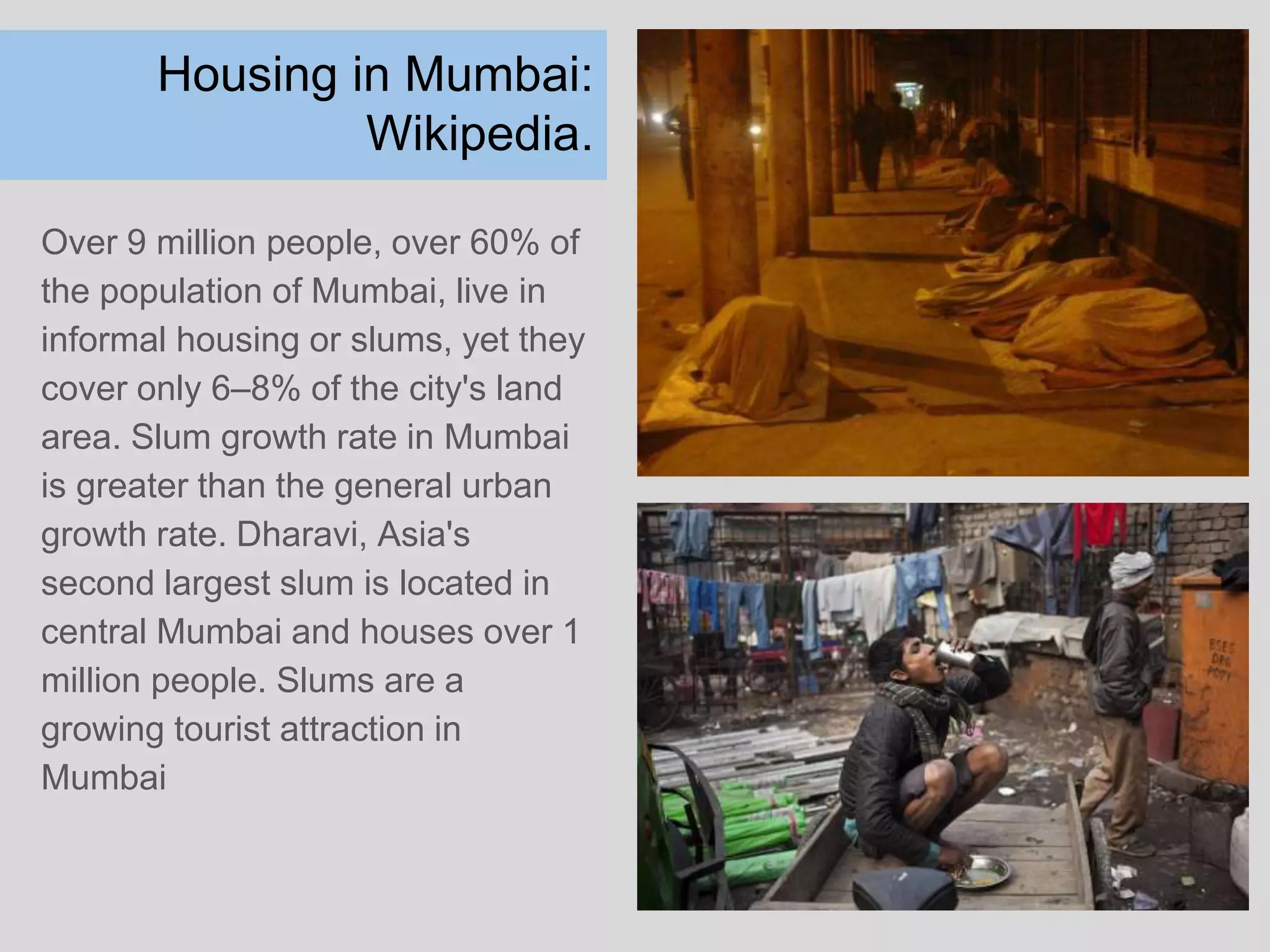
Housing in Mumbai:
Wikipedia.
Over 9 million people, over 60% of
the population of Mumbai, live in
informal housing or slums, yet they
cover only 6–8% of the city's land
area. Slum growth rate in Mumbai
is greater than the general urban
growth rate. Dharavi, Asia's
second largest slum is located in
central Mumbai and houses over 1
million people. Slums are a
growing tourist attraction in
Mumbai
THE TITLE
Composition: a work of art - either a painting or a
photograph.
Decomposition: the process of rotting or decaying
Created meaning: the act of destroying something that you
have composed. That is what the poem attempts to do to the
action of taking a photograph.
Irony: The poet is trying to undo his photographic
‘composition’ with a poetic ‘composition’ - yet he is still using
the man’s misfortune to create art.
Stanza 1
● “I”- first person, personal
account.
● “beggar” + description –
poverty
● “dirty shirt” – negative,
unclean
● Simile – not substance to
life/ body, lacks reality.
● “thrown” – no
significance
Stanza 2
● Line 5 – metaphor. Part of
the pavement, skinny,
malnourished.
● Line 6 – insignificant. Dying
(title)
● Line 7 – sunstroke.
● Line 8 – metaphor. Arms
and legs are stones’ veins,
he’s always there, gives
stone life. “fossil man” –
dead, impression of stone.
Becoming pavement.
Stanza 3
● Line 9 – tourists’ lack of
interest. Enjambment
mirrors their movement.
● “bemused”- interest in
beggar’s trick of blending
into pavement.
● “indifferent” – pay no
attention.
● Line 12 – literal statement
of what the poem’s
about. Bringing us back to
reality.
Stanza 4
● “glibly” – uncaring/
shallow.
● “The Man in the
Street” – which man?
Ambiguous: beggar,
tourist, universal man?
● “typical” – stereotype,
callous, insensitive.
Stanza 5
● Line 17 – Old man
seems childlike. Adds a
more tragic element to
poem.
● “chides” – rebuke. You
chide a child. (moan
at them)
● “presumption” –
respect fellow humans.
● Lines 19-20 – insensitive
to man’s plight. Tourist’s
concerned with artistic
nature of photograph.
Questions
1. How old would do you think the beggar is? Provide a
quote to support your answer. (2)
2. Name the figure of speech found in line 4 and discuss its
effectiveness.
3. The term ‘brain-washed’ is being used in a different way
to how it is normally used. Discuss both the usual usage
and how it has been used in the context of the poem.
4. What does stanza three tell us about human nature?
5. How has the speaker come to interpret his actions in
stanza four and what excuse does he provide?
6. What does the word, ‘chides’ mean?
7. When does the speaker have his realisation? What words
show us that it is at a different time to the rest of the
poem?
8. Discuss the various shades of meaning of the title of the
poem.

Decomposition by Zulfikar Ghose

  • 1.
  • 2.
    Is it okayto benefit off people’s pain?
  • 3.
    1. I havea picture I took in Bombay 2. of a beggar asleep on the pavement: 3. grey-haired, wearing shorts and a dirty shirt, 4. his shadow thrown aside like a blanket. 1. His arms and legs could be cracks in the stone, 2. routes for the ants' journeys, the flies' descents, 3. Brain-washed by the sun into exhaustion, 4. he lies veined into stone, a fossil man. 1. Behind him there is a crowd passingly 2. bemused by a pavement trickster and quite 3. indifferent to this very common sight 4. of an old man asleep on the pavement. 1. I thought it then a good composition 2. and glibly called it "The Man in the Street," 3. remarking how typical it was of 4. India that the man in the street lived there. 1. His head in the posture of one weeping 2. into a pillow chides me now for my 3. presumption at attempting to compose 4. art of his hunger and solitude. DECOMPOSITION Zulfikar Ghose
  • 4.
    Zulfikar Ghose Born: 1935 Anative of Pakistan and current resident of Texas
  • 5.
    Mumbai Formerly known asBombay. India's largest city. Home of Bollywood. Population: 18.41 million
  • 6.
    Housing in Mumbai: Wikipedia. Over9 million people, over 60% of the population of Mumbai, live in informal housing or slums, yet they cover only 6–8% of the city's land area. Slum growth rate in Mumbai is greater than the general urban growth rate. Dharavi, Asia's second largest slum is located in central Mumbai and houses over 1 million people. Slums are a growing tourist attraction in Mumbai
  • 8.
    THE TITLE Composition: awork of art - either a painting or a photograph. Decomposition: the process of rotting or decaying Created meaning: the act of destroying something that you have composed. That is what the poem attempts to do to the action of taking a photograph. Irony: The poet is trying to undo his photographic ‘composition’ with a poetic ‘composition’ - yet he is still using the man’s misfortune to create art.
  • 9.
    Stanza 1 ● “I”-first person, personal account. ● “beggar” + description – poverty ● “dirty shirt” – negative, unclean ● Simile – not substance to life/ body, lacks reality. ● “thrown” – no significance
  • 10.
    Stanza 2 ● Line5 – metaphor. Part of the pavement, skinny, malnourished. ● Line 6 – insignificant. Dying (title) ● Line 7 – sunstroke. ● Line 8 – metaphor. Arms and legs are stones’ veins, he’s always there, gives stone life. “fossil man” – dead, impression of stone. Becoming pavement.
  • 11.
    Stanza 3 ● Line9 – tourists’ lack of interest. Enjambment mirrors their movement. ● “bemused”- interest in beggar’s trick of blending into pavement. ● “indifferent” – pay no attention. ● Line 12 – literal statement of what the poem’s about. Bringing us back to reality.
  • 12.
    Stanza 4 ● “glibly”– uncaring/ shallow. ● “The Man in the Street” – which man? Ambiguous: beggar, tourist, universal man? ● “typical” – stereotype, callous, insensitive.
  • 13.
    Stanza 5 ● Line17 – Old man seems childlike. Adds a more tragic element to poem. ● “chides” – rebuke. You chide a child. (moan at them) ● “presumption” – respect fellow humans. ● Lines 19-20 – insensitive to man’s plight. Tourist’s concerned with artistic nature of photograph.
  • 14.
    Questions 1. How oldwould do you think the beggar is? Provide a quote to support your answer. (2) 2. Name the figure of speech found in line 4 and discuss its effectiveness. 3. The term ‘brain-washed’ is being used in a different way to how it is normally used. Discuss both the usual usage and how it has been used in the context of the poem. 4. What does stanza three tell us about human nature?
  • 15.
    5. How hasthe speaker come to interpret his actions in stanza four and what excuse does he provide? 6. What does the word, ‘chides’ mean? 7. When does the speaker have his realisation? What words show us that it is at a different time to the rest of the poem? 8. Discuss the various shades of meaning of the title of the poem.