NAME:NAVEED REHMAN
DEPARTMENT:CYBER SECURITY
ROLL NO:21/F BSCY 43
DATE:2 SEPTEMBER,2022
CYBER
SECURITY
What is cyber secuirty?
Cyber security is the practice of defending
computers, servers, mobile devices,
electronic systems, networks, and data from
malicious attacks. It's also known as
information technology security or electronic
information security.
Network security
Application security
Information security
Cloud security
Cyber Security types:
Network Security
Network security consists of the policies,
processes and practices adopted to prevent,
detect and monitor unauthorized
access.Network Security involves access
control, virus and antivirus software,
application security, network analytics, types
of network-related security (endpoint, web,
wireless), firewalls, VPN encryption and more.
Application Security
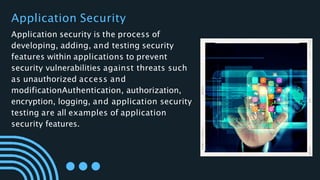
Application security is the process of
developing, adding, and testing security
features within applications to prevent
security vulnerabilities against threats such
as unauthorized access and
modificationAuthentication, authorization,
encryption, logging, and application security
testing are all examples of application
security features.
Information Security
Information security refers to the processes and
methodologies which are designed and
implemented to protect print, electronic, or any
other form of confidential, private and sensitive
information or data from unauthorized
access, use, misuse, disclosure,
destruction, modification, or
disruption.
Cloud Security
Cloud security is the protection of data stored online via
cloud computing platforms from theft, leakage, and
deletion. Methods of providing cloud security include
firewalls, penetration testing, obfuscation,
tokenization, virtual private networks (VPN)
, and avoiding public internet connections.
Cloud security is a form of cybersecurity
What is Hacking?
Hacking is the act of identifying and then
exploiting weaknesses in a computer system or
network, usually to gain unauthorized access to
personal or organizational data. Hacking is not
always a malicious activity, but the term has
mostly negative connotations due to its
association with cybercrime.
Black hat Hacker
White hat Hacker
Grey hat Hacker
Types of Hackers:
Black Hat Hacker:
Black Hat hackers are criminals who
break into computer networks with
malicious intent. They may also
release malware that destroys files,
holds computers hostage, or steals
passwords, credit card numbers, and
other personal information.
White Hat Hacker:
White hat hackers – sometimes also called
“ethical hackers” or “good hackers” – are the
antithesis of black hats. They exploit computer
systems or networks to identify their
security flaws so they
can make recommendations for i
mprovement.
Somewhere between white and black are gray hat
hackers.Gray hat hackers may sometimes violate
laws or usual ethical standards but they do not
have the malicious intent typical of a black hat
hacker.When a gray hat hacker successfully
gains illegal access to a system or
network, they may suggest to the
system administrator that they or one of
their friends be hired to fix the problem for a fee
Grey Hat Hacker:
Methods of Hacking:
Phishing
Malware-Injecting
Cracking Passwords
Bait and Switch
Fake WAP
Cookie theft
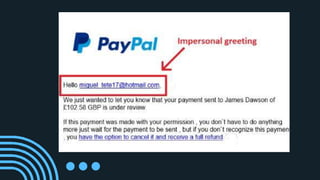
Phishing:
Phishing is a hacking technique using which a hacker
replicates the most-accessed sites and traps the
victim by sending that spoofed link. it becomes one of
the most commonly used and deadliest attack
vectors.
Once the victim tries to login or enters some data, the
hacker gets the private information of the target
victim using the trojan running on the fake site.
Malware Injecting:
Viruses or Trojans are malicious software
programs that get installed into the victim’s
system and keep sending the victim’s data to
the hacker. They can also lock your files, serve
fraud advertisement, divert traffic, sniff your
data, or spread on all the computers
connected to your network.
trojan spyware ,worms etc.
Password cracking is the process of using
an application program to identify an
unknown or forgotten password to a
computer or network resource. It can also
be used to help a threat actor obtain
unauthorized access to resources.
Cracking Passwords:
Using Bait and Switch hacking technique, an attacker
can buy advertising spaces on the websites. Later, when
a user clicks on the ad, he might get directed to a page
that’s infected with malware. This way, they can further
install malware or adware on your computer. The ads
and download links shown in this technique are very
attractive and users are expected to end up clicking on
the same.
Bait and Switch:
A hacker can use software to fake a wireless access
point. This WAP connects to the official public place
WAP. Once you get connected to the fake WAP, a
hacker can access your data..Anyone can name
their WAP as some legit name like “Heathrow Airport
WiFi” or “Starbucks WiFi” and start spying on you.
One of the best ways to protect yourself from such
attacks is by using a quality VPN
Fake Wap:
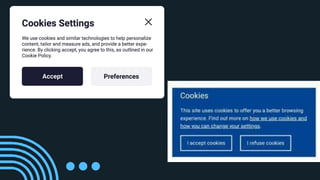
The cookies in our browser store personal data such
as browsing history, username, and passwords for
different sites we access. Once the hacker gets
access to your cookie, he can even authenticate
himself as you on a browser.Attack is easy to carry
out if the user is not using SSL (HTTPS) for the
complete session.
Cookie theft:
Any
Questions
THANKS
FOR LISTENING

CYBER SECUIRTY PRESENTATION.pptx

  • 2.
    NAME:NAVEED REHMAN DEPARTMENT:CYBER SECURITY ROLLNO:21/F BSCY 43 DATE:2 SEPTEMBER,2022
  • 3.
  • 4.
    What is cybersecuirty? Cyber security is the practice of defending computers, servers, mobile devices, electronic systems, networks, and data from malicious attacks. It's also known as information technology security or electronic information security.
  • 5.
    Network security Application security Informationsecurity Cloud security Cyber Security types:
  • 6.
    Network Security Network securityconsists of the policies, processes and practices adopted to prevent, detect and monitor unauthorized access.Network Security involves access control, virus and antivirus software, application security, network analytics, types of network-related security (endpoint, web, wireless), firewalls, VPN encryption and more.
  • 7.
    Application Security Application securityis the process of developing, adding, and testing security features within applications to prevent security vulnerabilities against threats such as unauthorized access and modificationAuthentication, authorization, encryption, logging, and application security testing are all examples of application security features.
  • 8.
    Information Security Information securityrefers to the processes and methodologies which are designed and implemented to protect print, electronic, or any other form of confidential, private and sensitive information or data from unauthorized access, use, misuse, disclosure, destruction, modification, or disruption.
  • 9.
    Cloud Security Cloud securityis the protection of data stored online via cloud computing platforms from theft, leakage, and deletion. Methods of providing cloud security include firewalls, penetration testing, obfuscation, tokenization, virtual private networks (VPN) , and avoiding public internet connections. Cloud security is a form of cybersecurity
  • 10.
    What is Hacking? Hackingis the act of identifying and then exploiting weaknesses in a computer system or network, usually to gain unauthorized access to personal or organizational data. Hacking is not always a malicious activity, but the term has mostly negative connotations due to its association with cybercrime.
  • 11.
    Black hat Hacker Whitehat Hacker Grey hat Hacker Types of Hackers:
  • 12.
    Black Hat Hacker: BlackHat hackers are criminals who break into computer networks with malicious intent. They may also release malware that destroys files, holds computers hostage, or steals passwords, credit card numbers, and other personal information.
  • 13.
    White Hat Hacker: Whitehat hackers – sometimes also called “ethical hackers” or “good hackers” – are the antithesis of black hats. They exploit computer systems or networks to identify their security flaws so they can make recommendations for i mprovement.
  • 14.
    Somewhere between whiteand black are gray hat hackers.Gray hat hackers may sometimes violate laws or usual ethical standards but they do not have the malicious intent typical of a black hat hacker.When a gray hat hacker successfully gains illegal access to a system or network, they may suggest to the system administrator that they or one of their friends be hired to fix the problem for a fee Grey Hat Hacker:
  • 15.
    Methods of Hacking: Phishing Malware-Injecting CrackingPasswords Bait and Switch Fake WAP Cookie theft
  • 16.
    Phishing: Phishing is ahacking technique using which a hacker replicates the most-accessed sites and traps the victim by sending that spoofed link. it becomes one of the most commonly used and deadliest attack vectors. Once the victim tries to login or enters some data, the hacker gets the private information of the target victim using the trojan running on the fake site.
  • 18.
    Malware Injecting: Viruses orTrojans are malicious software programs that get installed into the victim’s system and keep sending the victim’s data to the hacker. They can also lock your files, serve fraud advertisement, divert traffic, sniff your data, or spread on all the computers connected to your network. trojan spyware ,worms etc.
  • 19.
    Password cracking isthe process of using an application program to identify an unknown or forgotten password to a computer or network resource. It can also be used to help a threat actor obtain unauthorized access to resources. Cracking Passwords:
  • 20.
    Using Bait andSwitch hacking technique, an attacker can buy advertising spaces on the websites. Later, when a user clicks on the ad, he might get directed to a page that’s infected with malware. This way, they can further install malware or adware on your computer. The ads and download links shown in this technique are very attractive and users are expected to end up clicking on the same. Bait and Switch:
  • 21.
    A hacker canuse software to fake a wireless access point. This WAP connects to the official public place WAP. Once you get connected to the fake WAP, a hacker can access your data..Anyone can name their WAP as some legit name like “Heathrow Airport WiFi” or “Starbucks WiFi” and start spying on you. One of the best ways to protect yourself from such attacks is by using a quality VPN Fake Wap:
  • 22.
    The cookies inour browser store personal data such as browsing history, username, and passwords for different sites we access. Once the hacker gets access to your cookie, he can even authenticate himself as you on a browser.Attack is easy to carry out if the user is not using SSL (HTTPS) for the complete session. Cookie theft:
  • 27.
  • 28.