HRS LIBRARIES
                TODAY AND TOMORROW
There’s no
going back. The
information sea
isn’t going to
dry up.
Jamais Cascio
Habits of Mind

                 Head-Royce Principles of Good
                   Practice for 21st Century
                    Teaching and Learning
AASL                            ISTE  
             
INQUIRE...think                Research and Information
critically...create new        Fluency, locate, organize,
knowledge...share              ANALYZE, evaluate, synthesize
knowledge. find, evaluate,      information from a variety of
select appropriate source to   sources... Critical
ANSWER QUESTIONS               thinking...define authentic
                               problem...construct
                               knowledge...collaborate...


  PROJECT 2061                             HRS

Effective PROBLEM              Real-world problem solving
SOLVERS...alone and in         Critical thinking... connect
concert...CRITICAL             ideas and information...
REsPONSE, thinking             collaborating
skills...locate information
AASL  
                     ISTE
           PROJECT 2061
    Effective problem solvers
                     HRS  
          Research and Information
            INQUIRE...think
       inquire, think critically,
          Fluency, locate, organize,
          Effective PROBLEM solving
            critically...create new
           Real-world problem
          ANALYZE, evaluate, synthesize
          SOLVERS...alone connect
           Critical thinking... and in
            knowledge...share
  locate information & collaborate
          information from a variety of
          concert...CRITICAL
          sources... Critical evaluate,
            knowledge. find,
           ideas and information...
          REsPONSE, thinking
          thinking...define authentic to
            select appropriate source
to create and share new knowledge
           collaborating
          skills...locate information
            ANSWER QUESTIONS
          problem...construct
          knowledge...collaborate...
It’s so much easier to use books.You don’t have to sift
through as much crap and the information is so much more
concentrated.                -Ben, HRS Sophomore
Without familiar context clues,
searchers bear substantial new
interpretive burdens.
                                       Frances Jacobsen Harris
      Mac Arthur Foundation Digital Media and Learning Initiative


With great power comes great
responsibility.
                                          Spiderman’s Uncle Ben
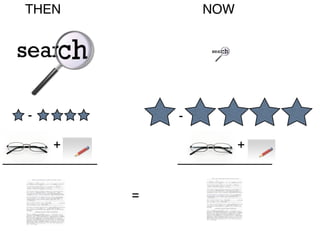
THEN                  NOW


          Text


   -                 -

       +                     +
_____________        _____________

       Text      =
The facts were plentiful and
accurate [but] students felt that
their work, which I found shallow
and unquestioning, was adequate...
             Houman Harouni, Harvard Educational Review
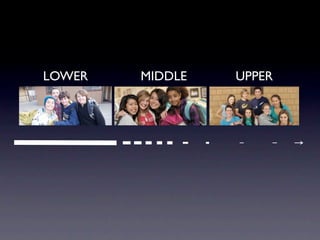
LOWER   MIDDLE   UPPER
help us
help you


           International school bangkok
help us
help you
 rubrics
 lesson plans
 grading
 build common vocab
 common standard
 proactive media
 literacy
 co-teach
 lead info sessions        International school bangkok

 new student orientation
HRS Libraries 5/10
HRS Libraries 5/10
HRS Libraries 5/10
HRS Libraries 5/10
HRS Libraries 5/10
HRS Libraries 5/10

HRS Libraries 5/10

  • 1.
    HRS LIBRARIES TODAY AND TOMORROW
  • 2.
    There’s no going back.The information sea isn’t going to dry up. Jamais Cascio
  • 3.
    Habits of Mind Head-Royce Principles of Good Practice for 21st Century Teaching and Learning
  • 4.
    AASL ISTE     INQUIRE...think Research and Information critically...create new Fluency, locate, organize, knowledge...share ANALYZE, evaluate, synthesize knowledge. find, evaluate, information from a variety of select appropriate source to sources... Critical ANSWER QUESTIONS thinking...define authentic problem...construct knowledge...collaborate... PROJECT 2061 HRS Effective PROBLEM Real-world problem solving SOLVERS...alone and in Critical thinking... connect concert...CRITICAL ideas and information... REsPONSE, thinking collaborating skills...locate information
  • 5.
    AASL   ISTE PROJECT 2061 Effective problem solvers HRS   Research and Information INQUIRE...think inquire, think critically, Fluency, locate, organize, Effective PROBLEM solving critically...create new Real-world problem ANALYZE, evaluate, synthesize SOLVERS...alone connect Critical thinking... and in knowledge...share locate information & collaborate information from a variety of concert...CRITICAL sources... Critical evaluate, knowledge. find, ideas and information... REsPONSE, thinking thinking...define authentic to select appropriate source to create and share new knowledge collaborating skills...locate information ANSWER QUESTIONS problem...construct knowledge...collaborate...
  • 6.
    It’s so mucheasier to use books.You don’t have to sift through as much crap and the information is so much more concentrated. -Ben, HRS Sophomore
  • 7.
    Without familiar contextclues, searchers bear substantial new interpretive burdens. Frances Jacobsen Harris Mac Arthur Foundation Digital Media and Learning Initiative With great power comes great responsibility. Spiderman’s Uncle Ben
  • 8.
    THEN NOW Text - - + + _____________ _____________ Text =
  • 9.
    The facts wereplentiful and accurate [but] students felt that their work, which I found shallow and unquestioning, was adequate... Houman Harouni, Harvard Educational Review
  • 10.
    LOWER MIDDLE UPPER
  • 11.
    LOWER MIDDLE UPPER
  • 12.
    LOWER MIDDLE UPPER
  • 13.
    LOWER MIDDLE UPPER
  • 15.
    help us help you International school bangkok
  • 16.
    help us help you rubrics lesson plans grading build common vocab common standard proactive media literacy co-teach lead info sessions International school bangkok new student orientation

Editor's Notes

  • #2 In light of developments around the school, now is the time to discuss the changing face of the library
  • #3  After 20 years of wading blissfully through the wealth/glut of information available on the internet, Educators, thinkers and research institutions have recently begun to focus on challenges and opportunities—
  • #4 everyone has been making recommendations, crafting standards, frameworks and guidelines to help us teach our students how to make the most of all that is now easily available. To prepare for this presentation we looked beyond the land of librarians and sought input from other disciplines all speculating about the impact of digital learning.
  • #5 -We were interested in research/discussion looking at how students find, evaluate and use information-how are things different and how can we take advantage of difference to create skilled and critical gatherer/users? -Looking beyond the land of librarians, we found significant overlap in language and ideas- all supporting our belief that teaching about the acquisition, assessment and use of information cannot be the purview of the library alone. In order to be effective it must woven through all areas of the curriculum and our ideal graduate might look like this(with Keynote, language merges)
  • #6 -We were interested in research/discussion looking at how students find, evaluate and use information-how are things different and how can we take advantage of difference to create skilled and critical gatherer/users? -Looking beyond the land of librarians, we found significant overlap in language and ideas- all supporting our belief that teaching about the acquisition, assessment and use of information cannot be the purview of the library alone. In order to be effective it must woven through all areas of the curriculum and our ideal graduate might look like this(with Keynote, language merges)
  • #7 -We were interested in research/discussion looking at how students find, evaluate and use information-how are things different and how can we take advantage of difference to create skilled and critical gatherer/users? -Looking beyond the land of librarians, we found significant overlap in language and ideas- all supporting our belief that teaching about the acquisition, assessment and use of information cannot be the purview of the library alone. In order to be effective it must woven through all areas of the curriculum and our ideal graduate might look like this(with Keynote, language merges)
  • #8 -We were interested in research/discussion looking at how students find, evaluate and use information-how are things different and how can we take advantage of difference to create skilled and critical gatherer/users? -Looking beyond the land of librarians, we found significant overlap in language and ideas- all supporting our belief that teaching about the acquisition, assessment and use of information cannot be the purview of the library alone. In order to be effective it must woven through all areas of the curriculum and our ideal graduate might look like this(with Keynote, language merges)
  • #9 -We were interested in research/discussion looking at how students find, evaluate and use information-how are things different and how can we take advantage of difference to create skilled and critical gatherer/users? -Looking beyond the land of librarians, we found significant overlap in language and ideas- all supporting our belief that teaching about the acquisition, assessment and use of information cannot be the purview of the library alone. In order to be effective it must woven through all areas of the curriculum and our ideal graduate might look like this(with Keynote, language merges)
  • #10 -We were interested in research/discussion looking at how students find, evaluate and use information-how are things different and how can we take advantage of difference to create skilled and critical gatherer/users? -Looking beyond the land of librarians, we found significant overlap in language and ideas- all supporting our belief that teaching about the acquisition, assessment and use of information cannot be the purview of the library alone. In order to be effective it must woven through all areas of the curriculum and our ideal graduate might look like this(with Keynote, language merges)
  • #11 -We were interested in research/discussion looking at how students find, evaluate and use information-how are things different and how can we take advantage of difference to create skilled and critical gatherer/users? -Looking beyond the land of librarians, we found significant overlap in language and ideas- all supporting our belief that teaching about the acquisition, assessment and use of information cannot be the purview of the library alone. In order to be effective it must woven through all areas of the curriculum and our ideal graduate might look like this(with Keynote, language merges)
  • #12 -We were interested in research/discussion looking at how students find, evaluate and use information-how are things different and how can we take advantage of difference to create skilled and critical gatherer/users? -Looking beyond the land of librarians, we found significant overlap in language and ideas- all supporting our belief that teaching about the acquisition, assessment and use of information cannot be the purview of the library alone. In order to be effective it must woven through all areas of the curriculum and our ideal graduate might look like this(with Keynote, language merges)
  • #13 -We were interested in research/discussion looking at how students find, evaluate and use information-how are things different and how can we take advantage of difference to create skilled and critical gatherer/users? -Looking beyond the land of librarians, we found significant overlap in language and ideas- all supporting our belief that teaching about the acquisition, assessment and use of information cannot be the purview of the library alone. In order to be effective it must woven through all areas of the curriculum and our ideal graduate might look like this(with Keynote, language merges)
  • #14 -We were interested in research/discussion looking at how students find, evaluate and use information-how are things different and how can we take advantage of difference to create skilled and critical gatherer/users? -Looking beyond the land of librarians, we found significant overlap in language and ideas- all supporting our belief that teaching about the acquisition, assessment and use of information cannot be the purview of the library alone. In order to be effective it must woven through all areas of the curriculum and our ideal graduate might look like this(with Keynote, language merges)
  • #15 -How are things different? Well we used to have the Book or any number of other print sources that weren’t perfect, but a student user could be reasonably sure that they contained factually accurate information vetted by an individual or an institution recognized as an authority. -Now we’re all learning to navigate in the wilds of the digital world, despite Ben’s unsolicited nod to the book’s ease of use.
  • #16 -The nature of authority is changing daily and we all now bear more responsibility for making judgments about relevance and quality. -There’s a sense of driving the ship that makes it hard to slow or redirect the information-seeking trajectory once fledgling researchers set a course--even if we can see that they’re heading in the wrong direction. -We’ve all looked for the fastest/easiest answer when pressed for time, but as adult researchers we’ve developed a sixth sense for recognizing the unreliable from years of old school study and research. -How and when will students hone their skills?
  • #17 -It’s a rumor that researching is faster now. Time spent doing good research has not changed, but the allocation to various aspects of “good research” has. While a fraction of the time now should be spent locating information [point out graphic], in order to create a good product, an equal if not greater amount needs to be spent on determining: what do I need? what do I have? what am I looking at and how do I verify the accuracy? why will it be useful and better than other sources I've found? Is the language the best? Is the format the best?-We’ve noticed an inability on the part of students to sustain interest in the research process. If they don’t strike gold right away they’ll “settle” for good enough. -Teaching and allowing students to practice asking solid, age-appropriate thesis(research?) questions and to be discriminating about the sources they use is challenging and takes time, but it’s in our best interest to make the effort.
  • #18 -In this article about how and why a high school history teacher changed the way he taught research, Houman Harouni realized that in looking so much toa polished end product, the learning that occurred by going through a process was lost. -How and when do our student begin to resist the research process? -What can we do to make process second nature?
  • #19  How/where/when are we currently working with students?
  • #20  How/where/when are we currently working with students?
  • #21  How/where/when are we currently working with students?
  • #22  How/where/when are we currently working with students?
  • #23  How/where/when are we currently working with students?
  • #24  How/where/when are we currently working with students?
  • #25  How/where/when are we currently working with students?
  • #26  How/where/when are we currently working with students?
  • #27  How/where/when are we currently working with students?
  • #28  How/where/when are we currently working with students?
  • #29  How/where/when are we currently working with students?
  • #30 As a group, how can we identify skills/aptitudes that students need to develop; determine where they can/should be most appropriately be introduced, then reinforced; and integrate the material as seamlessly as possible so that the learning looks more like this.
  • #31  As an example, how can we take this wonderful, HUGE, and very ambitious list and determine which of these things are the high points for students, the most important for instructors, the ones that will give our students the best tools to thrive in life?
  • #32 With your help we hope to: •unearth where skills are being taught •articulate where we can logically reinforce them. •help us help you •AND enhance student thinking and learning in the process.
  • #33  To use the garden analogy, this is what we’ve been doing with our current model of instruction
  • #34  To use the garden analogy, this is what we’ve been doing with our current model of instruction
  • #35  To use the garden analogy, this is what we’ve been doing with our current model of instruction
  • #36  To use the garden analogy, this is what we’ve been doing with our current model of instruction
  • #37  To use the garden analogy, this is what we’ve been doing with our current model of instruction
  • #38  To use the garden analogy, this is what we’ve been doing with our current model of instruction
  • #39  To use the garden analogy, this is what we’ve been doing with our current model of instruction
  • #40  To use the garden analogy, this is what we’ve been doing with our current model of instruction
  • #41  To use the garden analogy, this is what we’ve been doing with our current model of instruction
  • #42  To use the garden analogy, this is what we’ve been doing with our current model of instruction
  • #43  To use the garden analogy, this is what we’ve been doing with our current model of instruction
  • #44  To use the garden analogy, this is what we’ve been doing with our current model of instruction
  • #45  To use the garden analogy, this is what we’ve been doing with our current model of instruction
  • #46  To use the garden analogy, this is what we’ve been doing with our current model of instruction
  • #47  To use the garden analogy, this is what we’ve been doing with our current model of instruction
  • #48  To use the garden analogy, this is what we’ve been doing with our current model of instruction
  • #49  To use the garden analogy, this is what we’ve been doing with our current model of instruction
  • #50  To use the garden analogy, this is what we’ve been doing with our current model of instruction
  • #51  To use the garden analogy, this is what we’ve been doing with our current model of instruction
  • #52  To use the garden analogy, this is what we’ve been doing with our current model of instruction
  • #53  To use the garden analogy, this is what we’ve been doing with our current model of instruction
  • #54  To use the garden analogy, this is what we’ve been doing with our current model of instruction
  • #55  To use the garden analogy, this is what we’ve been doing with our current model of instruction
  • #56  To use the garden analogy, this is what we’ve been doing with our current model of instruction
  • #57  To use the garden analogy, this is what we’ve been doing with our current model of instruction
  • #58  To use the garden analogy, this is what we’ve been doing with our current model of instruction
  • #59  To use the garden analogy, this is what we’ve been doing with our current model of instruction
  • #60  To use the garden analogy, this is what we’ve been doing with our current model of instruction
  • #61  To use the garden analogy, this is what we’ve been doing with our current model of instruction
  • #62  To use the garden analogy, this is what we’ve been doing with our current model of instruction
  • #63  To use the garden analogy, this is what we’ve been doing with our current model of instruction
  • #64  To use the garden analogy, this is what we’ve been doing with our current model of instruction
  • #65  To use the garden analogy, this is what we’ve been doing with our current model of instruction
  • #66  To use the garden analogy, this is what we’ve been doing with our current model of instruction
  • #67  To use the garden analogy, this is what we’ve been doing with our current model of instruction
  • #68  To use the garden analogy, this is what we’ve been doing with our current model of instruction
  • #69  To use the garden analogy, this is what we’ve been doing with our current model of instruction
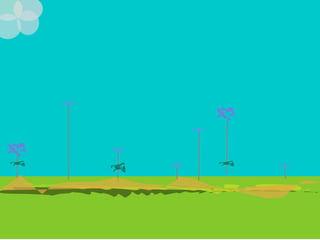
  • #70 The alternative is much greener: create a sustainable garden where good research thrives. We begin with the K and 1st grade where we give them “magic beans” so they can have good, quick, reinforceable results. The older grades will need to till the soil more to get results– BUT ideally, by then they will not only have the skills to do so – they will have the desire. Our students will “get” how the process works and they will own it – it will be second nature. However we’ll need more than one or two master gardeners overseeing this work to make it a success. We’ll need a team to plan and plant, and as a team, we’ll all harvest the benefits. We will contact everyone on the committee in the next few days to see who might be interested in joining us a few times for further discussion. Thank you.
  • #71 The alternative is much greener: create a sustainable garden where good research thrives. We begin with the K and 1st grade where we give them “magic beans” so they can have good, quick, reinforceable results. The older grades will need to till the soil more to get results– BUT ideally, by then they will not only have the skills to do so – they will have the desire. Our students will “get” how the process works and they will own it – it will be second nature. However we’ll need more than one or two master gardeners overseeing this work to make it a success. We’ll need a team to plan and plant, and as a team, we’ll all harvest the benefits. We will contact everyone on the committee in the next few days to see who might be interested in joining us a few times for further discussion. Thank you.
  • #72 The alternative is much greener: create a sustainable garden where good research thrives. We begin with the K and 1st grade where we give them “magic beans” so they can have good, quick, reinforceable results. The older grades will need to till the soil more to get results– BUT ideally, by then they will not only have the skills to do so – they will have the desire. Our students will “get” how the process works and they will own it – it will be second nature. However we’ll need more than one or two master gardeners overseeing this work to make it a success. We’ll need a team to plan and plant, and as a team, we’ll all harvest the benefits. We will contact everyone on the committee in the next few days to see who might be interested in joining us a few times for further discussion. Thank you.
  • #73 The alternative is much greener: create a sustainable garden where good research thrives. We begin with the K and 1st grade where we give them “magic beans” so they can have good, quick, reinforceable results. The older grades will need to till the soil more to get results– BUT ideally, by then they will not only have the skills to do so – they will have the desire. Our students will “get” how the process works and they will own it – it will be second nature. However we’ll need more than one or two master gardeners overseeing this work to make it a success. We’ll need a team to plan and plant, and as a team, we’ll all harvest the benefits. We will contact everyone on the committee in the next few days to see who might be interested in joining us a few times for further discussion. Thank you.
  • #74 The alternative is much greener: create a sustainable garden where good research thrives. We begin with the K and 1st grade where we give them “magic beans” so they can have good, quick, reinforceable results. The older grades will need to till the soil more to get results– BUT ideally, by then they will not only have the skills to do so – they will have the desire. Our students will “get” how the process works and they will own it – it will be second nature. However we’ll need more than one or two master gardeners overseeing this work to make it a success. We’ll need a team to plan and plant, and as a team, we’ll all harvest the benefits. We will contact everyone on the committee in the next few days to see who might be interested in joining us a few times for further discussion. Thank you.
  • #75 The alternative is much greener: create a sustainable garden where good research thrives. We begin with the K and 1st grade where we give them “magic beans” so they can have good, quick, reinforceable results. The older grades will need to till the soil more to get results– BUT ideally, by then they will not only have the skills to do so – they will have the desire. Our students will “get” how the process works and they will own it – it will be second nature. However we’ll need more than one or two master gardeners overseeing this work to make it a success. We’ll need a team to plan and plant, and as a team, we’ll all harvest the benefits. We will contact everyone on the committee in the next few days to see who might be interested in joining us a few times for further discussion. Thank you.
  • #76 The alternative is much greener: create a sustainable garden where good research thrives. We begin with the K and 1st grade where we give them “magic beans” so they can have good, quick, reinforceable results. The older grades will need to till the soil more to get results– BUT ideally, by then they will not only have the skills to do so – they will have the desire. Our students will “get” how the process works and they will own it – it will be second nature. However we’ll need more than one or two master gardeners overseeing this work to make it a success. We’ll need a team to plan and plant, and as a team, we’ll all harvest the benefits. We will contact everyone on the committee in the next few days to see who might be interested in joining us a few times for further discussion. Thank you.
  • #77 The alternative is much greener: create a sustainable garden where good research thrives. We begin with the K and 1st grade where we give them “magic beans” so they can have good, quick, reinforceable results. The older grades will need to till the soil more to get results– BUT ideally, by then they will not only have the skills to do so – they will have the desire. Our students will “get” how the process works and they will own it – it will be second nature. However we’ll need more than one or two master gardeners overseeing this work to make it a success. We’ll need a team to plan and plant, and as a team, we’ll all harvest the benefits. We will contact everyone on the committee in the next few days to see who might be interested in joining us a few times for further discussion. Thank you.
  • #78 The alternative is much greener: create a sustainable garden where good research thrives. We begin with the K and 1st grade where we give them “magic beans” so they can have good, quick, reinforceable results. The older grades will need to till the soil more to get results– BUT ideally, by then they will not only have the skills to do so – they will have the desire. Our students will “get” how the process works and they will own it – it will be second nature. However we’ll need more than one or two master gardeners overseeing this work to make it a success. We’ll need a team to plan and plant, and as a team, we’ll all harvest the benefits. We will contact everyone on the committee in the next few days to see who might be interested in joining us a few times for further discussion. Thank you.
  • #79 The alternative is much greener: create a sustainable garden where good research thrives. We begin with the K and 1st grade where we give them “magic beans” so they can have good, quick, reinforceable results. The older grades will need to till the soil more to get results– BUT ideally, by then they will not only have the skills to do so – they will have the desire. Our students will “get” how the process works and they will own it – it will be second nature. However we’ll need more than one or two master gardeners overseeing this work to make it a success. We’ll need a team to plan and plant, and as a team, we’ll all harvest the benefits. We will contact everyone on the committee in the next few days to see who might be interested in joining us a few times for further discussion. Thank you.
  • #80 The alternative is much greener: create a sustainable garden where good research thrives. We begin with the K and 1st grade where we give them “magic beans” so they can have good, quick, reinforceable results. The older grades will need to till the soil more to get results– BUT ideally, by then they will not only have the skills to do so – they will have the desire. Our students will “get” how the process works and they will own it – it will be second nature. However we’ll need more than one or two master gardeners overseeing this work to make it a success. We’ll need a team to plan and plant, and as a team, we’ll all harvest the benefits. We will contact everyone on the committee in the next few days to see who might be interested in joining us a few times for further discussion. Thank you.
  • #81 The alternative is much greener: create a sustainable garden where good research thrives. We begin with the K and 1st grade where we give them “magic beans” so they can have good, quick, reinforceable results. The older grades will need to till the soil more to get results– BUT ideally, by then they will not only have the skills to do so – they will have the desire. Our students will “get” how the process works and they will own it – it will be second nature. However we’ll need more than one or two master gardeners overseeing this work to make it a success. We’ll need a team to plan and plant, and as a team, we’ll all harvest the benefits. We will contact everyone on the committee in the next few days to see who might be interested in joining us a few times for further discussion. Thank you.
  • #82 The alternative is much greener: create a sustainable garden where good research thrives. We begin with the K and 1st grade where we give them “magic beans” so they can have good, quick, reinforceable results. The older grades will need to till the soil more to get results– BUT ideally, by then they will not only have the skills to do so – they will have the desire. Our students will “get” how the process works and they will own it – it will be second nature. However we’ll need more than one or two master gardeners overseeing this work to make it a success. We’ll need a team to plan and plant, and as a team, we’ll all harvest the benefits. We will contact everyone on the committee in the next few days to see who might be interested in joining us a few times for further discussion. Thank you.
  • #83 The alternative is much greener: create a sustainable garden where good research thrives. We begin with the K and 1st grade where we give them “magic beans” so they can have good, quick, reinforceable results. The older grades will need to till the soil more to get results– BUT ideally, by then they will not only have the skills to do so – they will have the desire. Our students will “get” how the process works and they will own it – it will be second nature. However we’ll need more than one or two master gardeners overseeing this work to make it a success. We’ll need a team to plan and plant, and as a team, we’ll all harvest the benefits. We will contact everyone on the committee in the next few days to see who might be interested in joining us a few times for further discussion. Thank you.
  • #84 The alternative is much greener: create a sustainable garden where good research thrives. We begin with the K and 1st grade where we give them “magic beans” so they can have good, quick, reinforceable results. The older grades will need to till the soil more to get results– BUT ideally, by then they will not only have the skills to do so – they will have the desire. Our students will “get” how the process works and they will own it – it will be second nature. However we’ll need more than one or two master gardeners overseeing this work to make it a success. We’ll need a team to plan and plant, and as a team, we’ll all harvest the benefits. We will contact everyone on the committee in the next few days to see who might be interested in joining us a few times for further discussion. Thank you.
  • #85 The alternative is much greener: create a sustainable garden where good research thrives. We begin with the K and 1st grade where we give them “magic beans” so they can have good, quick, reinforceable results. The older grades will need to till the soil more to get results– BUT ideally, by then they will not only have the skills to do so – they will have the desire. Our students will “get” how the process works and they will own it – it will be second nature. However we’ll need more than one or two master gardeners overseeing this work to make it a success. We’ll need a team to plan and plant, and as a team, we’ll all harvest the benefits. We will contact everyone on the committee in the next few days to see who might be interested in joining us a few times for further discussion. Thank you.
  • #86 The alternative is much greener: create a sustainable garden where good research thrives. We begin with the K and 1st grade where we give them “magic beans” so they can have good, quick, reinforceable results. The older grades will need to till the soil more to get results– BUT ideally, by then they will not only have the skills to do so – they will have the desire. Our students will “get” how the process works and they will own it – it will be second nature. However we’ll need more than one or two master gardeners overseeing this work to make it a success. We’ll need a team to plan and plant, and as a team, we’ll all harvest the benefits. We will contact everyone on the committee in the next few days to see who might be interested in joining us a few times for further discussion. Thank you.
  • #87 The alternative is much greener: create a sustainable garden where good research thrives. We begin with the K and 1st grade where we give them “magic beans” so they can have good, quick, reinforceable results. The older grades will need to till the soil more to get results– BUT ideally, by then they will not only have the skills to do so – they will have the desire. Our students will “get” how the process works and they will own it – it will be second nature. However we’ll need more than one or two master gardeners overseeing this work to make it a success. We’ll need a team to plan and plant, and as a team, we’ll all harvest the benefits. We will contact everyone on the committee in the next few days to see who might be interested in joining us a few times for further discussion. Thank you.
  • #88 The alternative is much greener: create a sustainable garden where good research thrives. We begin with the K and 1st grade where we give them “magic beans” so they can have good, quick, reinforceable results. The older grades will need to till the soil more to get results– BUT ideally, by then they will not only have the skills to do so – they will have the desire. Our students will “get” how the process works and they will own it – it will be second nature. However we’ll need more than one or two master gardeners overseeing this work to make it a success. We’ll need a team to plan and plant, and as a team, we’ll all harvest the benefits. We will contact everyone on the committee in the next few days to see who might be interested in joining us a few times for further discussion. Thank you.
  • #89 The alternative is much greener: create a sustainable garden where good research thrives. We begin with the K and 1st grade where we give them “magic beans” so they can have good, quick, reinforceable results. The older grades will need to till the soil more to get results– BUT ideally, by then they will not only have the skills to do so – they will have the desire. Our students will “get” how the process works and they will own it – it will be second nature. However we’ll need more than one or two master gardeners overseeing this work to make it a success. We’ll need a team to plan and plant, and as a team, we’ll all harvest the benefits. We will contact everyone on the committee in the next few days to see who might be interested in joining us a few times for further discussion. Thank you.
  • #90 The alternative is much greener: create a sustainable garden where good research thrives. We begin with the K and 1st grade where we give them “magic beans” so they can have good, quick, reinforceable results. The older grades will need to till the soil more to get results– BUT ideally, by then they will not only have the skills to do so – they will have the desire. Our students will “get” how the process works and they will own it – it will be second nature. However we’ll need more than one or two master gardeners overseeing this work to make it a success. We’ll need a team to plan and plant, and as a team, we’ll all harvest the benefits. We will contact everyone on the committee in the next few days to see who might be interested in joining us a few times for further discussion. Thank you.
  • #91 The alternative is much greener: create a sustainable garden where good research thrives. We begin with the K and 1st grade where we give them “magic beans” so they can have good, quick, reinforceable results. The older grades will need to till the soil more to get results– BUT ideally, by then they will not only have the skills to do so – they will have the desire. Our students will “get” how the process works and they will own it – it will be second nature. However we’ll need more than one or two master gardeners overseeing this work to make it a success. We’ll need a team to plan and plant, and as a team, we’ll all harvest the benefits. We will contact everyone on the committee in the next few days to see who might be interested in joining us a few times for further discussion. Thank you.
  • #92 The alternative is much greener: create a sustainable garden where good research thrives. We begin with the K and 1st grade where we give them “magic beans” so they can have good, quick, reinforceable results. The older grades will need to till the soil more to get results– BUT ideally, by then they will not only have the skills to do so – they will have the desire. Our students will “get” how the process works and they will own it – it will be second nature. However we’ll need more than one or two master gardeners overseeing this work to make it a success. We’ll need a team to plan and plant, and as a team, we’ll all harvest the benefits. We will contact everyone on the committee in the next few days to see who might be interested in joining us a few times for further discussion. Thank you.
  • #93 The alternative is much greener: create a sustainable garden where good research thrives. We begin with the K and 1st grade where we give them “magic beans” so they can have good, quick, reinforceable results. The older grades will need to till the soil more to get results– BUT ideally, by then they will not only have the skills to do so – they will have the desire. Our students will “get” how the process works and they will own it – it will be second nature. However we’ll need more than one or two master gardeners overseeing this work to make it a success. We’ll need a team to plan and plant, and as a team, we’ll all harvest the benefits. We will contact everyone on the committee in the next few days to see who might be interested in joining us a few times for further discussion. Thank you.
  • #94 The alternative is much greener: create a sustainable garden where good research thrives. We begin with the K and 1st grade where we give them “magic beans” so they can have good, quick, reinforceable results. The older grades will need to till the soil more to get results– BUT ideally, by then they will not only have the skills to do so – they will have the desire. Our students will “get” how the process works and they will own it – it will be second nature. However we’ll need more than one or two master gardeners overseeing this work to make it a success. We’ll need a team to plan and plant, and as a team, we’ll all harvest the benefits. We will contact everyone on the committee in the next few days to see who might be interested in joining us a few times for further discussion. Thank you.
  • #95 The alternative is much greener: create a sustainable garden where good research thrives. We begin with the K and 1st grade where we give them “magic beans” so they can have good, quick, reinforceable results. The older grades will need to till the soil more to get results– BUT ideally, by then they will not only have the skills to do so – they will have the desire. Our students will “get” how the process works and they will own it – it will be second nature. However we’ll need more than one or two master gardeners overseeing this work to make it a success. We’ll need a team to plan and plant, and as a team, we’ll all harvest the benefits. We will contact everyone on the committee in the next few days to see who might be interested in joining us a few times for further discussion. Thank you.
  • #96 The alternative is much greener: create a sustainable garden where good research thrives. We begin with the K and 1st grade where we give them “magic beans” so they can have good, quick, reinforceable results. The older grades will need to till the soil more to get results– BUT ideally, by then they will not only have the skills to do so – they will have the desire. Our students will “get” how the process works and they will own it – it will be second nature. However we’ll need more than one or two master gardeners overseeing this work to make it a success. We’ll need a team to plan and plant, and as a team, we’ll all harvest the benefits. We will contact everyone on the committee in the next few days to see who might be interested in joining us a few times for further discussion. Thank you.
  • #97 The alternative is much greener: create a sustainable garden where good research thrives. We begin with the K and 1st grade where we give them “magic beans” so they can have good, quick, reinforceable results. The older grades will need to till the soil more to get results– BUT ideally, by then they will not only have the skills to do so – they will have the desire. Our students will “get” how the process works and they will own it – it will be second nature. However we’ll need more than one or two master gardeners overseeing this work to make it a success. We’ll need a team to plan and plant, and as a team, we’ll all harvest the benefits. We will contact everyone on the committee in the next few days to see who might be interested in joining us a few times for further discussion. Thank you.
  • #98 The alternative is much greener: create a sustainable garden where good research thrives. We begin with the K and 1st grade where we give them “magic beans” so they can have good, quick, reinforceable results. The older grades will need to till the soil more to get results– BUT ideally, by then they will not only have the skills to do so – they will have the desire. Our students will “get” how the process works and they will own it – it will be second nature. However we’ll need more than one or two master gardeners overseeing this work to make it a success. We’ll need a team to plan and plant, and as a team, we’ll all harvest the benefits. We will contact everyone on the committee in the next few days to see who might be interested in joining us a few times for further discussion. Thank you.
  • #99 The alternative is much greener: create a sustainable garden where good research thrives. We begin with the K and 1st grade where we give them “magic beans” so they can have good, quick, reinforceable results. The older grades will need to till the soil more to get results– BUT ideally, by then they will not only have the skills to do so – they will have the desire. Our students will “get” how the process works and they will own it – it will be second nature. However we’ll need more than one or two master gardeners overseeing this work to make it a success. We’ll need a team to plan and plant, and as a team, we’ll all harvest the benefits. We will contact everyone on the committee in the next few days to see who might be interested in joining us a few times for further discussion. Thank you.
  • #100 The alternative is much greener: create a sustainable garden where good research thrives. We begin with the K and 1st grade where we give them “magic beans” so they can have good, quick, reinforceable results. The older grades will need to till the soil more to get results– BUT ideally, by then they will not only have the skills to do so – they will have the desire. Our students will “get” how the process works and they will own it – it will be second nature. However we’ll need more than one or two master gardeners overseeing this work to make it a success. We’ll need a team to plan and plant, and as a team, we’ll all harvest the benefits. We will contact everyone on the committee in the next few days to see who might be interested in joining us a few times for further discussion. Thank you.
  • #101 The alternative is much greener: create a sustainable garden where good research thrives. We begin with the K and 1st grade where we give them “magic beans” so they can have good, quick, reinforceable results. The older grades will need to till the soil more to get results– BUT ideally, by then they will not only have the skills to do so – they will have the desire. Our students will “get” how the process works and they will own it – it will be second nature. However we’ll need more than one or two master gardeners overseeing this work to make it a success. We’ll need a team to plan and plant, and as a team, we’ll all harvest the benefits. We will contact everyone on the committee in the next few days to see who might be interested in joining us a few times for further discussion. Thank you.
  • #102 The alternative is much greener: create a sustainable garden where good research thrives. We begin with the K and 1st grade where we give them “magic beans” so they can have good, quick, reinforceable results. The older grades will need to till the soil more to get results– BUT ideally, by then they will not only have the skills to do so – they will have the desire. Our students will “get” how the process works and they will own it – it will be second nature. However we’ll need more than one or two master gardeners overseeing this work to make it a success. We’ll need a team to plan and plant, and as a team, we’ll all harvest the benefits. We will contact everyone on the committee in the next few days to see who might be interested in joining us a few times for further discussion. Thank you.
  • #103 The alternative is much greener: create a sustainable garden where good research thrives. We begin with the K and 1st grade where we give them “magic beans” so they can have good, quick, reinforceable results. The older grades will need to till the soil more to get results– BUT ideally, by then they will not only have the skills to do so – they will have the desire. Our students will “get” how the process works and they will own it – it will be second nature. However we’ll need more than one or two master gardeners overseeing this work to make it a success. We’ll need a team to plan and plant, and as a team, we’ll all harvest the benefits. We will contact everyone on the committee in the next few days to see who might be interested in joining us a few times for further discussion. Thank you.
  • #104 The alternative is much greener: create a sustainable garden where good research thrives. We begin with the K and 1st grade where we give them “magic beans” so they can have good, quick, reinforceable results. The older grades will need to till the soil more to get results– BUT ideally, by then they will not only have the skills to do so – they will have the desire. Our students will “get” how the process works and they will own it – it will be second nature. However we’ll need more than one or two master gardeners overseeing this work to make it a success. We’ll need a team to plan and plant, and as a team, we’ll all harvest the benefits. We will contact everyone on the committee in the next few days to see who might be interested in joining us a few times for further discussion. Thank you.
  • #105 The alternative is much greener: create a sustainable garden where good research thrives. We begin with the K and 1st grade where we give them “magic beans” so they can have good, quick, reinforceable results. The older grades will need to till the soil more to get results– BUT ideally, by then they will not only have the skills to do so – they will have the desire. Our students will “get” how the process works and they will own it – it will be second nature. However we’ll need more than one or two master gardeners overseeing this work to make it a success. We’ll need a team to plan and plant, and as a team, we’ll all harvest the benefits. We will contact everyone on the committee in the next few days to see who might be interested in joining us a few times for further discussion. Thank you.
  • #106 The alternative is much greener: create a sustainable garden where good research thrives. We begin with the K and 1st grade where we give them “magic beans” so they can have good, quick, reinforceable results. The older grades will need to till the soil more to get results– BUT ideally, by then they will not only have the skills to do so – they will have the desire. Our students will “get” how the process works and they will own it – it will be second nature. However we’ll need more than one or two master gardeners overseeing this work to make it a success. We’ll need a team to plan and plant, and as a team, we’ll all harvest the benefits. We will contact everyone on the committee in the next few days to see who might be interested in joining us a few times for further discussion. Thank you.
  • #107 The alternative is much greener: create a sustainable garden where good research thrives. We begin with the K and 1st grade where we give them “magic beans” so they can have good, quick, reinforceable results. The older grades will need to till the soil more to get results– BUT ideally, by then they will not only have the skills to do so – they will have the desire. Our students will “get” how the process works and they will own it – it will be second nature. However we’ll need more than one or two master gardeners overseeing this work to make it a success. We’ll need a team to plan and plant, and as a team, we’ll all harvest the benefits. We will contact everyone on the committee in the next few days to see who might be interested in joining us a few times for further discussion. Thank you.
  • #108 The alternative is much greener: create a sustainable garden where good research thrives. We begin with the K and 1st grade where we give them “magic beans” so they can have good, quick, reinforceable results. The older grades will need to till the soil more to get results– BUT ideally, by then they will not only have the skills to do so – they will have the desire. Our students will “get” how the process works and they will own it – it will be second nature. However we’ll need more than one or two master gardeners overseeing this work to make it a success. We’ll need a team to plan and plant, and as a team, we’ll all harvest the benefits. We will contact everyone on the committee in the next few days to see who might be interested in joining us a few times for further discussion. Thank you.
  • #109 The alternative is much greener: create a sustainable garden where good research thrives. We begin with the K and 1st grade where we give them “magic beans” so they can have good, quick, reinforceable results. The older grades will need to till the soil more to get results– BUT ideally, by then they will not only have the skills to do so – they will have the desire. Our students will “get” how the process works and they will own it – it will be second nature. However we’ll need more than one or two master gardeners overseeing this work to make it a success. We’ll need a team to plan and plant, and as a team, we’ll all harvest the benefits. We will contact everyone on the committee in the next few days to see who might be interested in joining us a few times for further discussion. Thank you.
  • #110 The alternative is much greener: create a sustainable garden where good research thrives. We begin with the K and 1st grade where we give them “magic beans” so they can have good, quick, reinforceable results. The older grades will need to till the soil more to get results– BUT ideally, by then they will not only have the skills to do so – they will have the desire. Our students will “get” how the process works and they will own it – it will be second nature. However we’ll need more than one or two master gardeners overseeing this work to make it a success. We’ll need a team to plan and plant, and as a team, we’ll all harvest the benefits. We will contact everyone on the committee in the next few days to see who might be interested in joining us a few times for further discussion. Thank you.
  • #111 The alternative is much greener: create a sustainable garden where good research thrives. We begin with the K and 1st grade where we give them “magic beans” so they can have good, quick, reinforceable results. The older grades will need to till the soil more to get results– BUT ideally, by then they will not only have the skills to do so – they will have the desire. Our students will “get” how the process works and they will own it – it will be second nature. However we’ll need more than one or two master gardeners overseeing this work to make it a success. We’ll need a team to plan and plant, and as a team, we’ll all harvest the benefits. We will contact everyone on the committee in the next few days to see who might be interested in joining us a few times for further discussion. Thank you.
  • #112 The alternative is much greener: create a sustainable garden where good research thrives. We begin with the K and 1st grade where we give them “magic beans” so they can have good, quick, reinforceable results. The older grades will need to till the soil more to get results– BUT ideally, by then they will not only have the skills to do so – they will have the desire. Our students will “get” how the process works and they will own it – it will be second nature. However we’ll need more than one or two master gardeners overseeing this work to make it a success. We’ll need a team to plan and plant, and as a team, we’ll all harvest the benefits. We will contact everyone on the committee in the next few days to see who might be interested in joining us a few times for further discussion. Thank you.
  • #113 The alternative is much greener: create a sustainable garden where good research thrives. We begin with the K and 1st grade where we give them “magic beans” so they can have good, quick, reinforceable results. The older grades will need to till the soil more to get results– BUT ideally, by then they will not only have the skills to do so – they will have the desire. Our students will “get” how the process works and they will own it – it will be second nature. However we’ll need more than one or two master gardeners overseeing this work to make it a success. We’ll need a team to plan and plant, and as a team, we’ll all harvest the benefits. We will contact everyone on the committee in the next few days to see who might be interested in joining us a few times for further discussion. Thank you.
  • #114 The alternative is much greener: create a sustainable garden where good research thrives. We begin with the K and 1st grade where we give them “magic beans” so they can have good, quick, reinforceable results. The older grades will need to till the soil more to get results– BUT ideally, by then they will not only have the skills to do so – they will have the desire. Our students will “get” how the process works and they will own it – it will be second nature. However we’ll need more than one or two master gardeners overseeing this work to make it a success. We’ll need a team to plan and plant, and as a team, we’ll all harvest the benefits. We will contact everyone on the committee in the next few days to see who might be interested in joining us a few times for further discussion. Thank you.
  • #115 The alternative is much greener: create a sustainable garden where good research thrives. We begin with the K and 1st grade where we give them “magic beans” so they can have good, quick, reinforceable results. The older grades will need to till the soil more to get results– BUT ideally, by then they will not only have the skills to do so – they will have the desire. Our students will “get” how the process works and they will own it – it will be second nature. However we’ll need more than one or two master gardeners overseeing this work to make it a success. We’ll need a team to plan and plant, and as a team, we’ll all harvest the benefits. We will contact everyone on the committee in the next few days to see who might be interested in joining us a few times for further discussion. Thank you.
  • #116 The alternative is much greener: create a sustainable garden where good research thrives. We begin with the K and 1st grade where we give them “magic beans” so they can have good, quick, reinforceable results. The older grades will need to till the soil more to get results– BUT ideally, by then they will not only have the skills to do so – they will have the desire. Our students will “get” how the process works and they will own it – it will be second nature. However we’ll need more than one or two master gardeners overseeing this work to make it a success. We’ll need a team to plan and plant, and as a team, we’ll all harvest the benefits. We will contact everyone on the committee in the next few days to see who might be interested in joining us a few times for further discussion. Thank you.
  • #117 The alternative is much greener: create a sustainable garden where good research thrives. We begin with the K and 1st grade where we give them “magic beans” so they can have good, quick, reinforceable results. The older grades will need to till the soil more to get results– BUT ideally, by then they will not only have the skills to do so – they will have the desire. Our students will “get” how the process works and they will own it – it will be second nature. However we’ll need more than one or two master gardeners overseeing this work to make it a success. We’ll need a team to plan and plant, and as a team, we’ll all harvest the benefits. We will contact everyone on the committee in the next few days to see who might be interested in joining us a few times for further discussion. Thank you.
  • #118 The alternative is much greener: create a sustainable garden where good research thrives. We begin with the K and 1st grade where we give them “magic beans” so they can have good, quick, reinforceable results. The older grades will need to till the soil more to get results– BUT ideally, by then they will not only have the skills to do so – they will have the desire. Our students will “get” how the process works and they will own it – it will be second nature. However we’ll need more than one or two master gardeners overseeing this work to make it a success. We’ll need a team to plan and plant, and as a team, we’ll all harvest the benefits. We will contact everyone on the committee in the next few days to see who might be interested in joining us a few times for further discussion. Thank you.
  • #119 Here is our greener alternative-a sustainable garden where good research thrives.