SRI PARAMAKALYANI COLLEGE
(Reaccredited with A+ grade with CGPA of 3.39in the III cycle of NAAC)
Affiliated to Manonmanium Sundaranar University
ALWARKURICHI-627412
Post graduate & Research Centre-Department of Microbiology
(Government aided)
ACADEMIC YEAR-2023-2024
2nd SEM CORE:IMMUNOLOGY
UNIT-4 CURRENT VACCINATION
SCHEDULE
SUBMITTED BY:
MANGALESWARAN.G
1st Msc.MICROBIOLOGY
SUBMITTED TO:
Dr.S.VISWANATHAN
HEAD OF THE DEPARTMENT-
MICROBIOLOGY
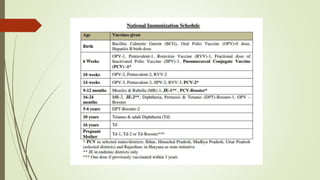
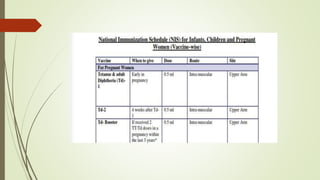
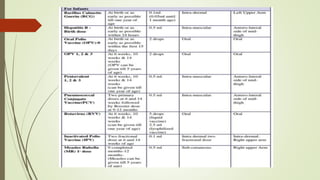
CURRENT BASIC IMMUNIZATION
SCHEDULE :
 The current basic immunization schedule in most countries
includes vaccines for a range of infectious disease. These vaccines
are usually given to infants and children, but some are also
recommended for adults . The schedule may vary slightly from
country to country but the basic vaccines that are recommended are
largely the same .
 Here is a breakdown of the current basic immunization schedule
and the disease that each vaccine helps protect against certain
diseases.
HEPATITIS B Vaccine
This vaccine is usually given at birth, with additional doses at 1-2
months and 6-18 months of age. It protects against the hepatitis B
virus. Which can cause liver disease and liver cancer.
DTaP Vaccine
This vaccine protects against three diseases: diphtheria, tetanus,
and pertussis (whooping cough). It is given in a series of five doses,
with the first three given at 2, 4, and 6 months of age, the fourth at
15-18 months, and the fifth at 4-6 years.
Hib Vaccine
This vaccine protects against Haemophilus influenzae type b, a
bacteria that can cause severe infections such as meningitis and
pneumonia. It is usually given in a series of three or four doses, with
the first dose at 2 months of age.
Polio Vaccine
This vaccine protects against polio, a virus that can cause paralysis. It
is usually given in a series of four doses, with the first three given at 2,
4, and 6-18 months of age, and the fourth at 4-6 years.
Pneumococcal Vaccine
This vaccine protects against Streptococcus pneumoniae bacteria,
which can cause pneumonia, meningitis, and other infections. It is
usually given in a series of four doses, with the first dose at 2 months
of age.
Rotavirus Vaccine
This vaccine protects against rotavirus, which can cause severe
diarrhea and dehydration in infants and young children. It is usually
given in a series of two or three doses, with the first dose at 2 months
of age.
MMR Vaccine
This vaccine protects against three diseases: measles, mumps, and
rubella (German measles). It is usually given in a series of two doses,
with the first dose at 12-15 months and the second at 4-6 years.
Varicella Vaccine
This vaccine protects against chickenpox, a highly contagious virus
that can cause a rash, fever, and other symptoms. It is usually given in
a series of two doses, with the first dose at 12-15 months and the
second at 4-6 years.
HPV Vaccine
This vaccine protects against human papillomavirus, which can
cause cervical cancer and other cancers. It is usually given in a
series of two or three doses, with the first dose at 11-12 years of
age.
Meningococcal Vaccine
This vaccine protects against Neisseria meningitidis bacteria,
which can cause meningitis and sepsis. It is usually given in a
series of two doses, with the first dose at 11-12 years of age.
In addition to these vaccines, there may be other vaccines
recommended depending on the individual's health status, travel
plans, and other factors. It is important to talk to a healthcare
provider to determine the appropriate vaccination schedule for
you or your child.
CURRENT BASIC IMMUNIZATION SCHEDULE-1.pptx

CURRENT BASIC IMMUNIZATION SCHEDULE-1.pptx

  • 1.
    SRI PARAMAKALYANI COLLEGE (Reaccreditedwith A+ grade with CGPA of 3.39in the III cycle of NAAC) Affiliated to Manonmanium Sundaranar University ALWARKURICHI-627412 Post graduate & Research Centre-Department of Microbiology (Government aided) ACADEMIC YEAR-2023-2024 2nd SEM CORE:IMMUNOLOGY UNIT-4 CURRENT VACCINATION SCHEDULE SUBMITTED BY: MANGALESWARAN.G 1st Msc.MICROBIOLOGY SUBMITTED TO: Dr.S.VISWANATHAN HEAD OF THE DEPARTMENT- MICROBIOLOGY
  • 2.
    CURRENT BASIC IMMUNIZATION SCHEDULE:  The current basic immunization schedule in most countries includes vaccines for a range of infectious disease. These vaccines are usually given to infants and children, but some are also recommended for adults . The schedule may vary slightly from country to country but the basic vaccines that are recommended are largely the same .  Here is a breakdown of the current basic immunization schedule and the disease that each vaccine helps protect against certain diseases.
  • 3.
    HEPATITIS B Vaccine Thisvaccine is usually given at birth, with additional doses at 1-2 months and 6-18 months of age. It protects against the hepatitis B virus. Which can cause liver disease and liver cancer. DTaP Vaccine This vaccine protects against three diseases: diphtheria, tetanus, and pertussis (whooping cough). It is given in a series of five doses, with the first three given at 2, 4, and 6 months of age, the fourth at 15-18 months, and the fifth at 4-6 years.
  • 4.
    Hib Vaccine This vaccineprotects against Haemophilus influenzae type b, a bacteria that can cause severe infections such as meningitis and pneumonia. It is usually given in a series of three or four doses, with the first dose at 2 months of age. Polio Vaccine This vaccine protects against polio, a virus that can cause paralysis. It is usually given in a series of four doses, with the first three given at 2, 4, and 6-18 months of age, and the fourth at 4-6 years.
  • 5.
    Pneumococcal Vaccine This vaccineprotects against Streptococcus pneumoniae bacteria, which can cause pneumonia, meningitis, and other infections. It is usually given in a series of four doses, with the first dose at 2 months of age. Rotavirus Vaccine This vaccine protects against rotavirus, which can cause severe diarrhea and dehydration in infants and young children. It is usually given in a series of two or three doses, with the first dose at 2 months of age.
  • 6.
    MMR Vaccine This vaccineprotects against three diseases: measles, mumps, and rubella (German measles). It is usually given in a series of two doses, with the first dose at 12-15 months and the second at 4-6 years. Varicella Vaccine This vaccine protects against chickenpox, a highly contagious virus that can cause a rash, fever, and other symptoms. It is usually given in a series of two doses, with the first dose at 12-15 months and the second at 4-6 years.
  • 7.
    HPV Vaccine This vaccineprotects against human papillomavirus, which can cause cervical cancer and other cancers. It is usually given in a series of two or three doses, with the first dose at 11-12 years of age. Meningococcal Vaccine This vaccine protects against Neisseria meningitidis bacteria, which can cause meningitis and sepsis. It is usually given in a series of two doses, with the first dose at 11-12 years of age.
  • 8.
    In addition tothese vaccines, there may be other vaccines recommended depending on the individual's health status, travel plans, and other factors. It is important to talk to a healthcare provider to determine the appropriate vaccination schedule for you or your child.