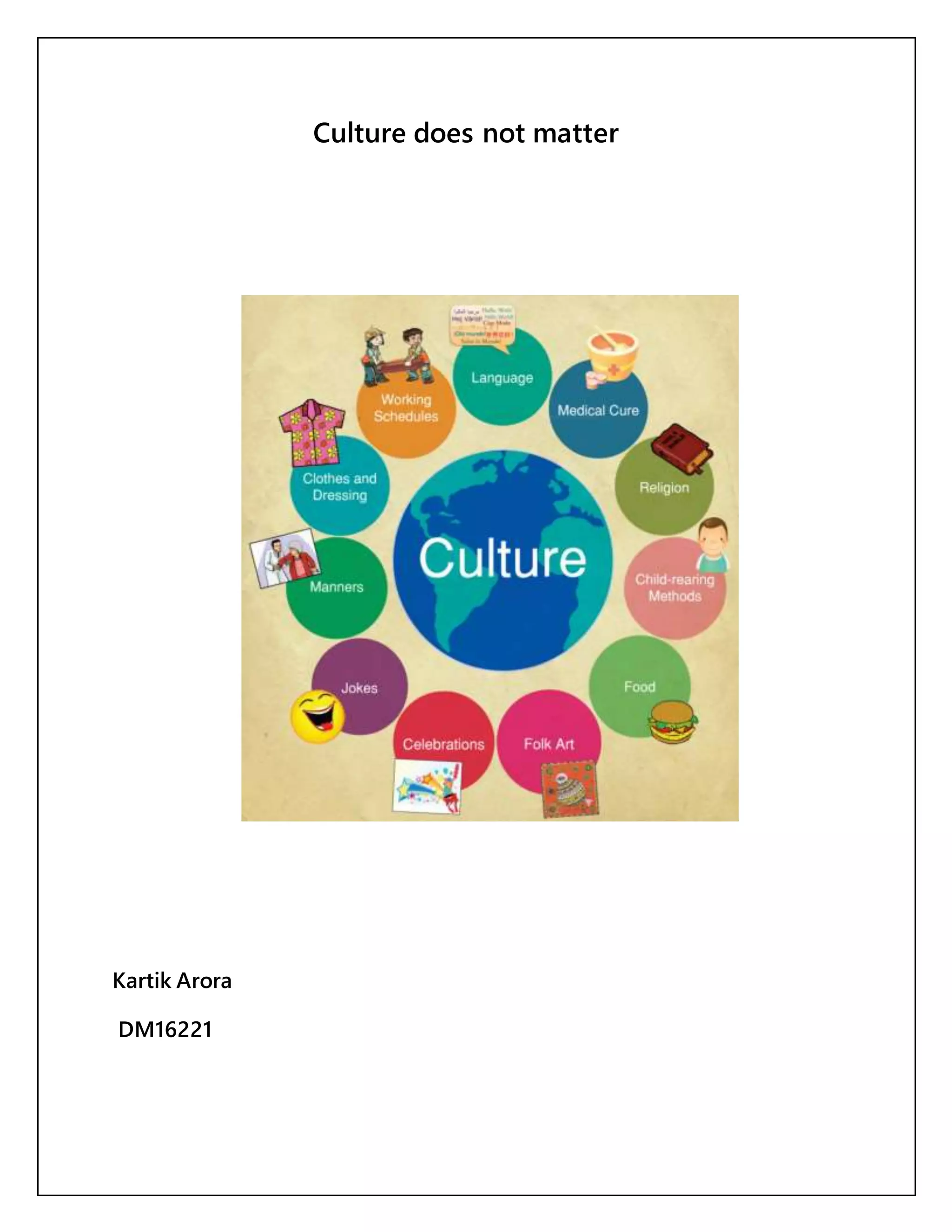
Global communications like television and the internet have increased exposure to global brands and media, but have not caused universal homogenization of consumer culture. While certain consumption patterns and symbols have spread widely, cultural identities and preferences still diverge in important ways between regions and countries. For example, young people's leisure activities vary significantly between places like Portugal, Germany, and Sweden. Global companies have also found they must localize their products, marketing, and operations to each unique culture in order to succeed. Overall, national wealth alone cannot explain differences in consumption - culture remains a highly important variable that shapes consumer behavior in meaningful ways.