Croxton Kerrial Manor
        House
Excavations in Pinfold Field
Brief history of Croxton Kerrial

• Founded in 8th century by Anglo Saxons
• Original site to west of existing village on
  road to Branston at bottom of hill next to
  the stream
• Anglo Saxon artefacts found there in 70s
  during construction of sewage works
• Conquered in 870S by the Danes. Village
  centre moved to present site?
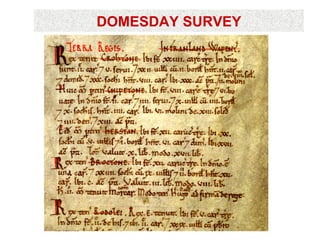
DOMESDAY SURVEY
DOMESDAY SURVEY


• The king holds Crohtone. There are 24
  carucates of land. In demesne there are
  2 ploughs and 5 serfs; and 22 villeins
  with 2 borders have 2 1/2 ploughs and
  30 sokemen have 8 ploughs. There are
  30 acres of meadow and 2 mills
  rendering 8s
Holders of the Manor
•   Held by Earl Algar then by his son, Earl Morcar, Earl of Northumberland
•   1086 Held by King William – no priest in Domesday, but mentioned elsewhere, Saxon
    cross in south isle 0f church
•   Farmed to Hugh Fitzbaldric a tenant in chief in Yorkshire and Lincolnshire
•   After his death manor went to Earl Meulan who fought on the losing side for Robert of
    Normandy against his brother Henry the First in 1106 and lost his lands
•   Henry I feoffed the manor to his nephew Stephen
•   1158 Stephen passed it to his son William Count of Boulogne who gave the site of the
    abbey.
•   King Henry II
•   1176 Hugh Porter - started the present church circa 1186?
•   Hubert de Burgo, King Johns’ Chamberlain given Croxton by John
•   1195 Hugh Porter recovered Croxton when King Richard returned
•   1204 Geoffrey Lutterel of Bescaby and Saltby given Croxton in 1204
•   Various hands including the abbey, probably ‘farmed’
•   1242 Croxton given by King John to Lord Bertram de Criol, Sherriff of Kent
•   1245 Nicholas son of Bertram, lived in the manor house died 1303
•   Nicholas aged 21 succeeded to manor
•   1318 John de Criol leased the manor to Stephan de Segrave
•   1335 John de Criol sold the manor to John de Segrave
•   1336 John de Segrave gave the manor to the Abbey of Croxton
•   1538 Dissolution of the monastery, manor granted to the Earl of Rutland by Henry 8th
•   The church pews are believed to be from the abbey and date from the 15th century and
    earlier
The Manor House
• 1176 Hugh Porter granted to Abbey all his demesne of Croxton
  except his mansion
• 1245 Nicholas de Criol lived in the manor house
• 1336 Manor given to Abbey
• 1519 Richard Mawburn paid £8 for the grange (manor house)
• 1559 George Pilkington ‘gent of Crowson’ held the site of the
  manor or grange
• 1601 Roger and Ed Pilkington lease of grange etc and enclosing
  land
• 1603 Ed Pilkington rented site of manor and watermill
• 1653 John and Ed Attwood of Knipton yeoman paid for ‘lease of
  ancient grange house late in the tenure of Dorothy Yates’.
• Edward Remington was tenant of both "le Hall" and "le
  Sta[ble?]" in 1685.
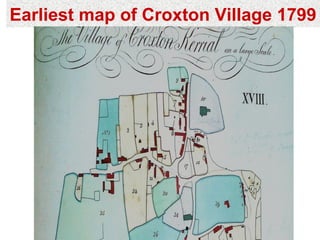
Earliest map of Croxton Village 1799
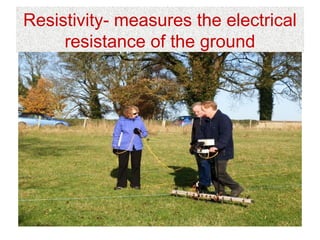
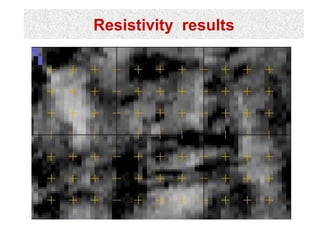
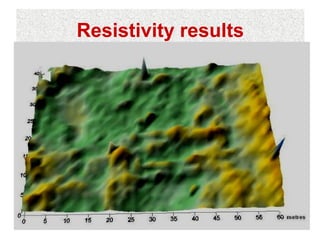
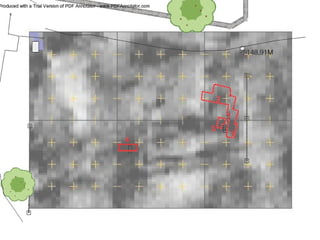
Resistivity- measures the electrical
     resistance of the ground
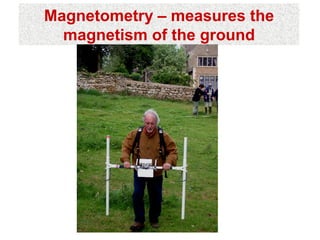
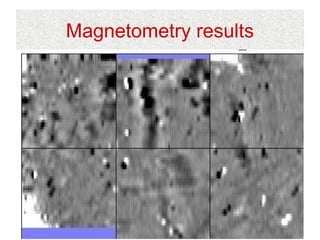
Magnetometry – measures the
  magnetism of the ground
Resistivity results
Resistivity results
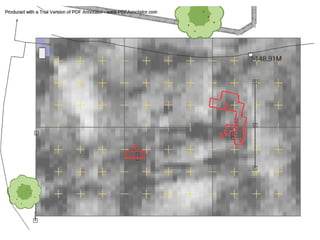
Magnetometry results
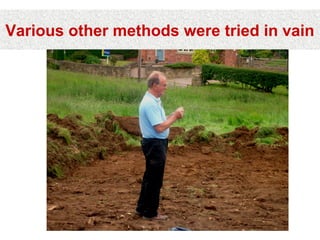
Various other methods were tried in vain
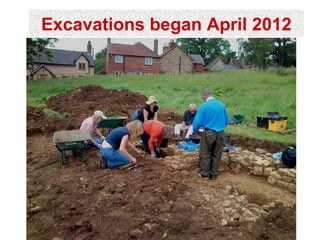
Excavations began April 2012
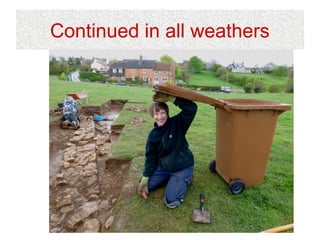
Continued in all weathers
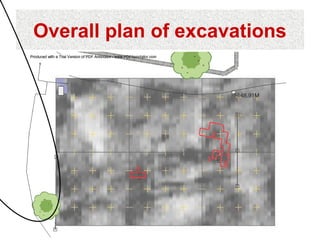
Overall plan of excavations
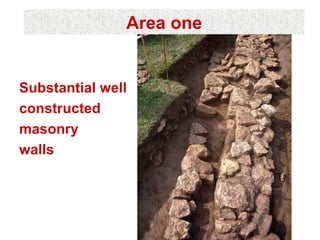
Area one


Substantial well
constructed
masonry
walls
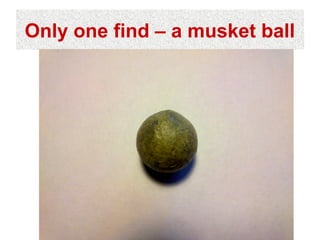
Only one find – a musket ball
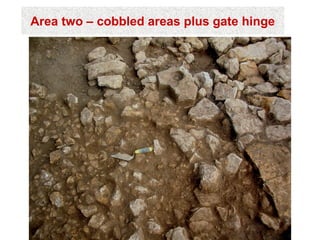
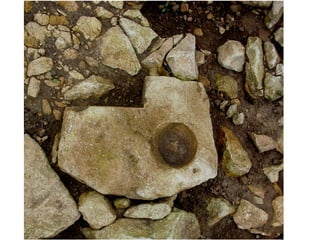
Area two – cobbled areas plus gate hinge
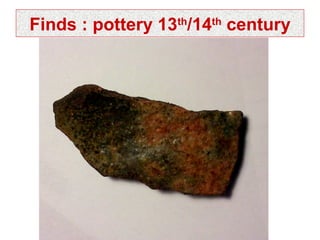
Finds : pottery 13th/14th century
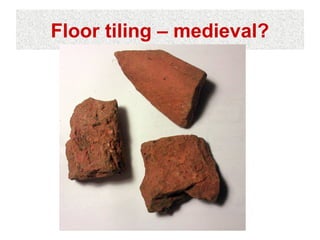
Floor tiling – medieval?
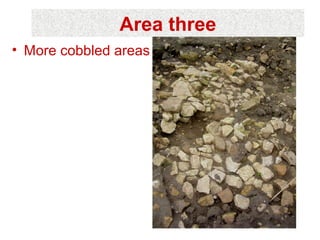
Area three
• More cobbled areas
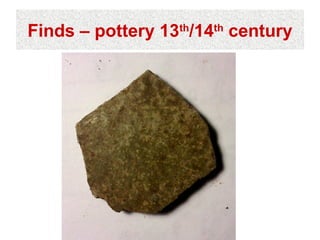
Finds – pottery 13th/14th century
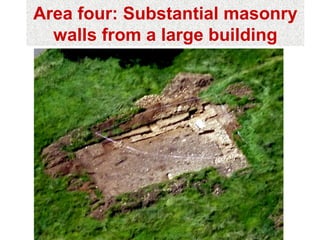
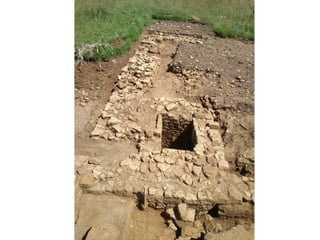
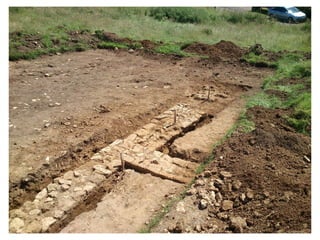
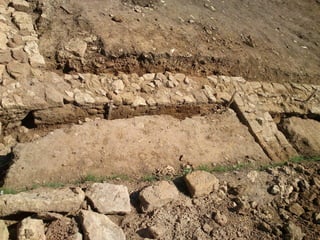
Area four: Substantial masonry
  walls from a large building
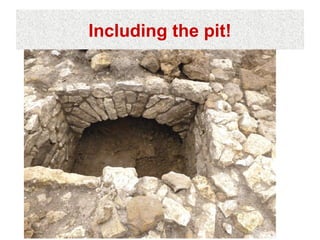
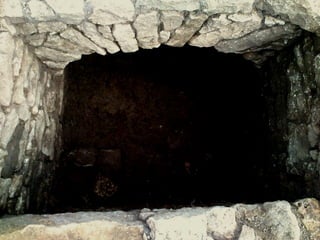
Including the pit!
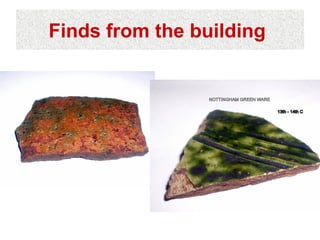
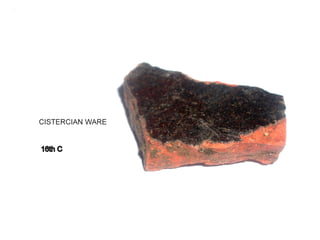
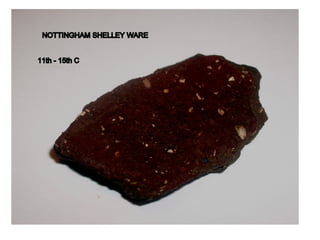
Finds from the building
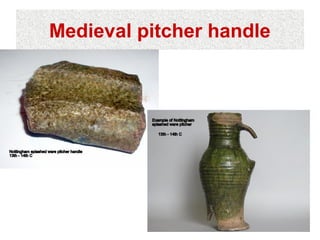
Medieval pitcher handle
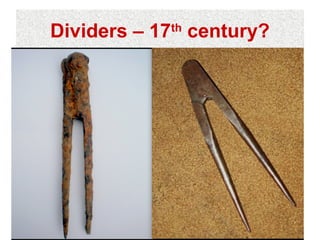
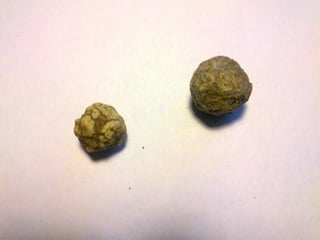
Dividers – 17 century?
            th
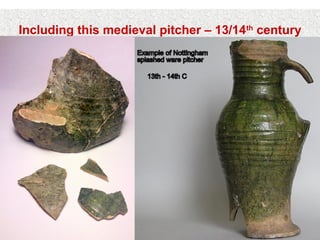
Including this medieval pitcher – 13/14th century
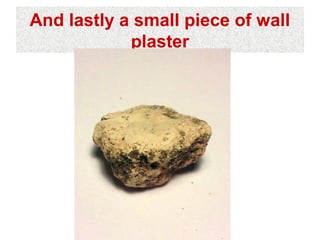
And lastly a small piece of wall
            plaster
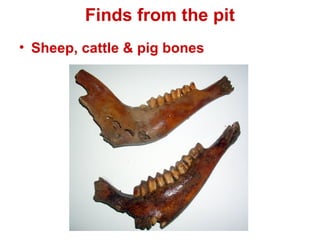
Finds from the pit
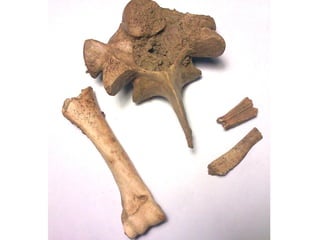
• Sheep, cattle & pig bones
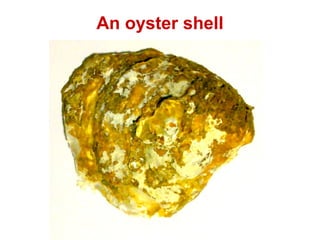
An oyster shell
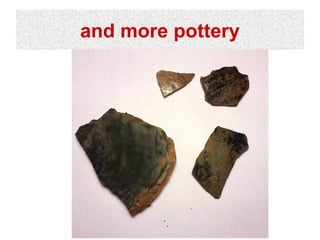
and more pottery
Is it Croxton Manor House?
• What we don’t have -
• What we do have-
• the site is adjacent to church – most
  common site for a manor house
• it is a high status domestic site – the pit arch
  - substantial quality masonry
• pottery finds date the building from the 11th
  cto the 16th
• highly unlikely to be any other high status
  medieval building in such a small village
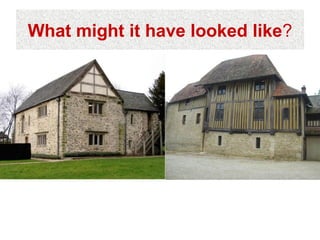
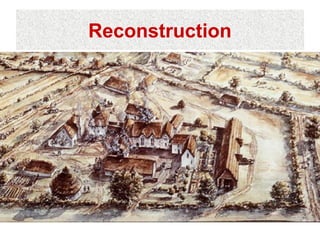
What might it have looked like?
Reconstruction
Thanks
• Michael Copley – permission to carry out
  geophysics and excavate
• Belvoir Estate – permission to excavate
• Alan Morris – geophysical surveys
• Gerald Botterill – use of barn for storage
• Peter Foden – archivist – for historical
  information and 1799 map
• Most importantly – the diggers and recorders
ANY QUESTIONS?

Croxton Kerrial Manor House Presentation

  • 1.
    Croxton Kerrial Manor House Excavations in Pinfold Field
  • 2.
    Brief history ofCroxton Kerrial • Founded in 8th century by Anglo Saxons • Original site to west of existing village on road to Branston at bottom of hill next to the stream • Anglo Saxon artefacts found there in 70s during construction of sewage works • Conquered in 870S by the Danes. Village centre moved to present site?
  • 3.
  • 4.
    DOMESDAY SURVEY • Theking holds Crohtone. There are 24 carucates of land. In demesne there are 2 ploughs and 5 serfs; and 22 villeins with 2 borders have 2 1/2 ploughs and 30 sokemen have 8 ploughs. There are 30 acres of meadow and 2 mills rendering 8s
  • 5.
    Holders of theManor • Held by Earl Algar then by his son, Earl Morcar, Earl of Northumberland • 1086 Held by King William – no priest in Domesday, but mentioned elsewhere, Saxon cross in south isle 0f church • Farmed to Hugh Fitzbaldric a tenant in chief in Yorkshire and Lincolnshire • After his death manor went to Earl Meulan who fought on the losing side for Robert of Normandy against his brother Henry the First in 1106 and lost his lands • Henry I feoffed the manor to his nephew Stephen • 1158 Stephen passed it to his son William Count of Boulogne who gave the site of the abbey. • King Henry II • 1176 Hugh Porter - started the present church circa 1186? • Hubert de Burgo, King Johns’ Chamberlain given Croxton by John • 1195 Hugh Porter recovered Croxton when King Richard returned • 1204 Geoffrey Lutterel of Bescaby and Saltby given Croxton in 1204 • Various hands including the abbey, probably ‘farmed’ • 1242 Croxton given by King John to Lord Bertram de Criol, Sherriff of Kent • 1245 Nicholas son of Bertram, lived in the manor house died 1303 • Nicholas aged 21 succeeded to manor • 1318 John de Criol leased the manor to Stephan de Segrave • 1335 John de Criol sold the manor to John de Segrave • 1336 John de Segrave gave the manor to the Abbey of Croxton • 1538 Dissolution of the monastery, manor granted to the Earl of Rutland by Henry 8th • The church pews are believed to be from the abbey and date from the 15th century and earlier
  • 6.
    The Manor House •1176 Hugh Porter granted to Abbey all his demesne of Croxton except his mansion • 1245 Nicholas de Criol lived in the manor house • 1336 Manor given to Abbey • 1519 Richard Mawburn paid £8 for the grange (manor house) • 1559 George Pilkington ‘gent of Crowson’ held the site of the manor or grange • 1601 Roger and Ed Pilkington lease of grange etc and enclosing land • 1603 Ed Pilkington rented site of manor and watermill • 1653 John and Ed Attwood of Knipton yeoman paid for ‘lease of ancient grange house late in the tenure of Dorothy Yates’. • Edward Remington was tenant of both "le Hall" and "le Sta[ble?]" in 1685.
  • 7.
    Earliest map ofCroxton Village 1799
  • 8.
    Resistivity- measures theelectrical resistance of the ground
  • 9.
    Magnetometry – measuresthe magnetism of the ground
  • 10.
  • 11.
  • 12.
  • 13.
    Various other methodswere tried in vain
  • 14.
  • 15.
  • 17.
    Overall plan ofexcavations
  • 18.
  • 19.
    Only one find– a musket ball
  • 20.
    Area two –cobbled areas plus gate hinge
  • 22.
    Finds : pottery13th/14th century
  • 23.
  • 24.
    Area three • Morecobbled areas
  • 25.
    Finds – pottery13th/14th century
  • 27.
    Area four: Substantialmasonry walls from a large building
  • 31.
  • 33.
  • 36.
  • 37.
    Dividers – 17century? th
  • 38.
    Including this medievalpitcher – 13/14th century
  • 40.
    And lastly asmall piece of wall plaster
  • 41.
    Finds from thepit • Sheep, cattle & pig bones
  • 43.
  • 44.
  • 45.
    Is it CroxtonManor House? • What we don’t have - • What we do have- • the site is adjacent to church – most common site for a manor house • it is a high status domestic site – the pit arch - substantial quality masonry • pottery finds date the building from the 11th cto the 16th • highly unlikely to be any other high status medieval building in such a small village
  • 46.
    What might ithave looked like?
  • 47.
  • 49.
    Thanks • Michael Copley– permission to carry out geophysics and excavate • Belvoir Estate – permission to excavate • Alan Morris – geophysical surveys • Gerald Botterill – use of barn for storage • Peter Foden – archivist – for historical information and 1799 map • Most importantly – the diggers and recorders
  • 50.