Business Etiquette
Around the World
Group Members
Aakash Jain
Abhinav Singh Rawat
Anurag Krishnam
Arijit Mukherjee
Ayush Tyagi
Jigyasa Das
Vishal Tomar
What is Etiquette?
Ethical and socially acceptable
behavior regarding professional practice or
action among the members of a profession
in their dealings with each other.
DEFINITION 2
Expected behaviors and expectations
for individual actions within society,
group, or class.
DEFINITION 1
But, etiquette isn’t recognized as one
uniform set of standards around the globe…
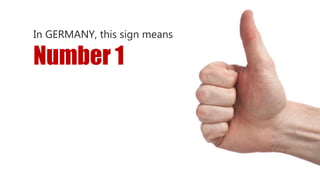
In GERMANY, this sign means
Number 1
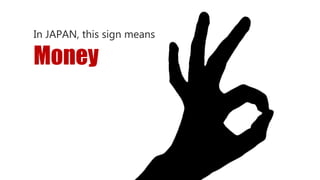
In JAPAN, this sign means
Money
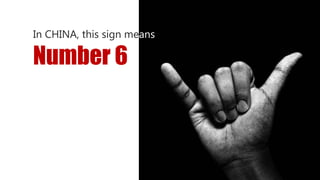
In CHINA, this sign means
Number 6
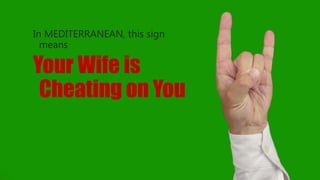
In MEDITERRANEAN, this sign
means
Your Wife is
Cheating on You
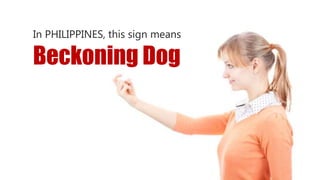
In PHILIPPINES, this sign means
Beckoning Dog
What is Business
Etiquette?
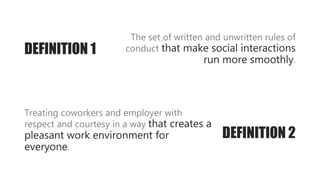
The set of written and unwritten rules of
conduct that make social interactions
run more smoothly.
DEFINITION 2
Treating coworkers and employer with
respect and courtesy in a way that creates a
pleasant work environment for
everyone.
DEFINITION 1
Importance of Business
Etiquette
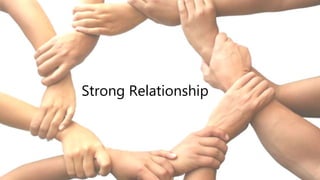
Strong Relationship
Sign of Professionalism
Business Expanding Globally
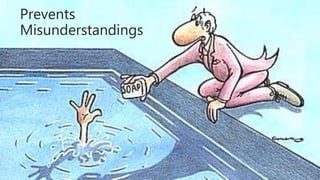
Prevents
Misunderstandings
Meeting & Greeting
Business with Germany
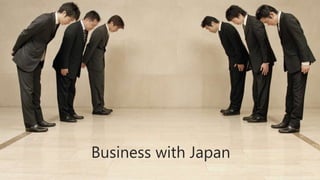
Business with Japan
How to Greet &
Introduce?
Kiss, Bow, or Shake Hands?
In Germany, always shake hands, firmly but briefly.
In Japan you may greet with a hand shake, but the bow is the
traditional Japanese greeting.
In Italy, Mexico, Latin America and in Spain, women may kiss
on both cheeks after knowing you awhile.
Never use first names and don’t suggest to be called by yours.
When Address..
In Germany, always use professional titles after Mr. or Mrs.
In Mexico, use “Ingeniero” followed by last name to address a
male engineer.
In Japan, present your card with both hands. When you
receive a business card spend several seconds studying it
and do not write on it or put in your pocket in the
presence of the giver.
Business Cards…
Never use your left hand when giving your business card in
many parts of the Middle East.
Print your business card in English on one side, and in the
language of your host on the other.
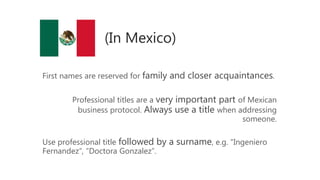
(In Mexico)
First names are reserved for family and closer acquaintances.
Professional titles are a very important part of Mexican
business protocol. Always use a title when addressing
someone.
Use professional title followed by a surname, e.g. "Ingeniero
Fernandez“, “Doctora Gonzalez”.
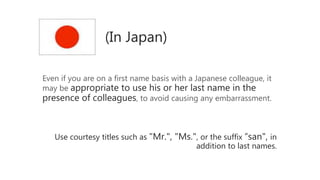
(In Japan)
Even if you are on a first name basis with a Japanese colleague, it
may be appropriate to use his or her last name in the
presence of colleagues, to avoid causing any embarrassment.
Use courtesy titles such as "Mr.", "Ms.", or the suffix “san", in
addition to last names.
CCDE involves..
Eating
Body
language
Seatin
g
Conversa
tion
Food
Home/Resta
urant
Dining Etiquette
in..
G E R M A N Y
It is good etiquette to remain standing until shown where to
sit.
Try and cut food with the fork as it compliments the cook by
showing it is tender.
Do not begin eating until the host signals to do so.
Everything should be eaten on the plate.
Indicate you have finished by lying the fork and knife parallel
across the right hand side of the plate.
T U R K E Y
Meals are a social affair. Conversations are animated and loud.
It is good etiquette to insist the most senior is served first
instead of you.
The head of the family or honored guest is served first.
Asking for more food is a compliment.
If taken to a restaurant, Turkish dining etiquette has strict rules
that the one who extended the invitation must pay.
M I D D L E E A S T
Guests are honored with prime choice of meats - head, eyes, etc.
Eaten with right hand only.
Do not be afraid of making a mess.
If you are finished, leave food on your plate otherwise it will
be filled immediately.
How to Dress for
Success in Business?
When Unsure, Opt for Business Dress Rather than Casual
Apparel
Always Adhere to the Dress Code Established by the Office
Maintain a Clean, Well-Groomed Appearance
A Professional Approach to Casual Fridays
A Work Wardrobe Doesn't Have to be Expensive
(1)
(2)
(3)
(4)
(5)
Business Dressing
across the globe..
U K
Men's shirts should not have pockets; if they do, the pockets should
always be kept empty.
Men should wear solid or patterned ties, while avoiding striped ties.
Men should wear laced shoes, not loafers.
Businesswomen are not limited to colors and styles though it is still
important to maintain a conservative image.
C H I N A
Women should avoid high heels and short sleeved blouses.
Subtle, neutral colors should be worn by both men and women.
Revealing clothing for women is considered offensive to Chinese
businessmen
F R A N C E
Avoid bright colors.
Women should also avoid any glitzy or overpowering objects, such as
flashy jewelry.
French businessmen do not loosen their ties or take off their jackets
in the office.
Invest in well-tailored clothing
I T A L Y
Quality accessories such as shoes and leather goods will make a good
impression with the Italians.
Slacks are generally not worn by either sex.
Fashions and fashion design are trademarks of Italy. Therefore, in the
business world, good clothes are a signature of success.
J A P A N
Shoes should be easy to remove, as you will do so often. Slip-ons are the
best choice
Women should not choose pants over any other attire in a business
situation. Japanese men tend to find it offensive.
Women should only wear low-heeled shoes to avoid towering over
men.
A kimono should be wrapped left over right to do otherwise symbolizes
death.
Gifts Etiquette in Global
Corporate Culture..
Countries like Malaysia and Paraguay, concerned with
corruption, frown upon any gift that could be construed
as a bribe.
In Singapore, government employees are not allowed
to accept gifts, and the United States limits the
acceptable dollar value to $25.
However, in some countries like Japan, Indonesia and the
Philippines, exchanging gifts is strongly rooted in
tradition.
It’s very important in Asia and the Middle East to only
use your right hand, or both hands, to offer or accept
a gift. In Japan and Hong Kong, use both hands.
In Singapore a recipient may “graciously refuse three
times” before accepting your gift. But in Chile, gifts are
accepted and opened immediately. And in Indonesia,
small gifts are given on a frequent basis.
People in Brazil, England, Panama, and Peru enjoy being
invited as guests for a meal, and the Greeks look
forward to an evening filled with dining.
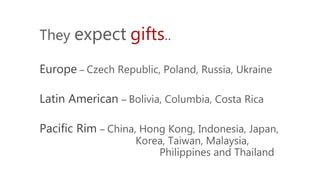
They expect gifts..
Europe – Czech Republic, Poland, Russia, Ukraine
Latin American – Bolivia, Columbia, Costa Rica
Pacific Rim – China, Hong Kong, Indonesia, Japan,
Korea, Taiwan, Malaysia,
Philippines and Thailand
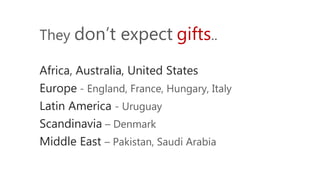
They don’t expect gifts..
Africa, Australia, United States
Europe - England, France, Hungary, Italy
Latin America - Uruguay
Scandinavia – Denmark
Middle East – Pakistan, Saudi Arabia
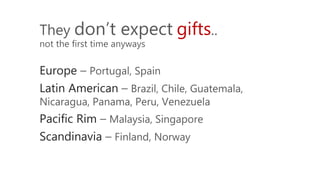
They don’t expect gifts..
not the first time anyways
Europe – Portugal, Spain
Latin American – Brazil, Chile, Guatemala,
Nicaragua, Panama, Peru, Venezuela
Pacific Rim – Malaysia, Singapore
Scandinavia – Finland, Norway
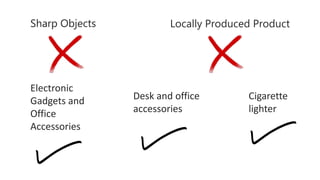
Sharp Objects Locally Produced Product
Desk and office
accessories
Cigarette
lighter
Electronic
Gadgets and
Office
Accessories
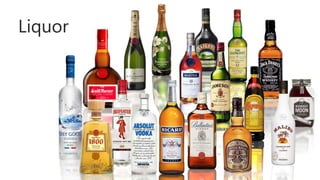
Liquor
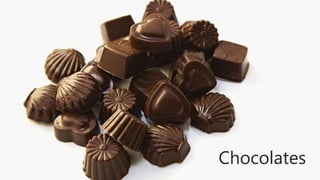
Chocolates
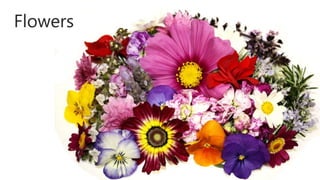
Flowers
Thank you

Cross Cultural Business Etiquette

  • 1.
  • 2.
    Group Members Aakash Jain AbhinavSingh Rawat Anurag Krishnam Arijit Mukherjee Ayush Tyagi Jigyasa Das Vishal Tomar
  • 3.
  • 4.
    Ethical and sociallyacceptable behavior regarding professional practice or action among the members of a profession in their dealings with each other. DEFINITION 2 Expected behaviors and expectations for individual actions within society, group, or class. DEFINITION 1
  • 5.
    But, etiquette isn’trecognized as one uniform set of standards around the globe…
  • 6.
    In GERMANY, thissign means Number 1
  • 7.
    In JAPAN, thissign means Money
  • 8.
    In CHINA, thissign means Number 6
  • 9.
    In MEDITERRANEAN, thissign means Your Wife is Cheating on You
  • 10.
    In PHILIPPINES, thissign means Beckoning Dog
  • 11.
  • 12.
    The set ofwritten and unwritten rules of conduct that make social interactions run more smoothly. DEFINITION 2 Treating coworkers and employer with respect and courtesy in a way that creates a pleasant work environment for everyone. DEFINITION 1
  • 13.
  • 14.
  • 15.
  • 17.
  • 18.
  • 19.
  • 20.
  • 21.
  • 22.
    How to Greet& Introduce?
  • 23.
    Kiss, Bow, orShake Hands? In Germany, always shake hands, firmly but briefly. In Japan you may greet with a hand shake, but the bow is the traditional Japanese greeting. In Italy, Mexico, Latin America and in Spain, women may kiss on both cheeks after knowing you awhile.
  • 24.
    Never use firstnames and don’t suggest to be called by yours. When Address.. In Germany, always use professional titles after Mr. or Mrs. In Mexico, use “Ingeniero” followed by last name to address a male engineer.
  • 25.
    In Japan, presentyour card with both hands. When you receive a business card spend several seconds studying it and do not write on it or put in your pocket in the presence of the giver. Business Cards… Never use your left hand when giving your business card in many parts of the Middle East. Print your business card in English on one side, and in the language of your host on the other.
  • 26.
    (In Mexico) First namesare reserved for family and closer acquaintances. Professional titles are a very important part of Mexican business protocol. Always use a title when addressing someone. Use professional title followed by a surname, e.g. "Ingeniero Fernandez“, “Doctora Gonzalez”.
  • 27.
    (In Japan) Even ifyou are on a first name basis with a Japanese colleague, it may be appropriate to use his or her last name in the presence of colleagues, to avoid causing any embarrassment. Use courtesy titles such as "Mr.", "Ms.", or the suffix “san", in addition to last names.
  • 28.
  • 29.
  • 30.
  • 31.
  • 32.
    G E RM A N Y It is good etiquette to remain standing until shown where to sit. Try and cut food with the fork as it compliments the cook by showing it is tender. Do not begin eating until the host signals to do so. Everything should be eaten on the plate. Indicate you have finished by lying the fork and knife parallel across the right hand side of the plate.
  • 33.
    T U RK E Y Meals are a social affair. Conversations are animated and loud. It is good etiquette to insist the most senior is served first instead of you. The head of the family or honored guest is served first. Asking for more food is a compliment. If taken to a restaurant, Turkish dining etiquette has strict rules that the one who extended the invitation must pay.
  • 34.
    M I DD L E E A S T Guests are honored with prime choice of meats - head, eyes, etc. Eaten with right hand only. Do not be afraid of making a mess. If you are finished, leave food on your plate otherwise it will be filled immediately.
  • 35.
    How to Dressfor Success in Business?
  • 36.
    When Unsure, Optfor Business Dress Rather than Casual Apparel Always Adhere to the Dress Code Established by the Office Maintain a Clean, Well-Groomed Appearance A Professional Approach to Casual Fridays A Work Wardrobe Doesn't Have to be Expensive (1) (2) (3) (4) (5)
  • 37.
  • 38.
    U K Men's shirtsshould not have pockets; if they do, the pockets should always be kept empty. Men should wear solid or patterned ties, while avoiding striped ties. Men should wear laced shoes, not loafers. Businesswomen are not limited to colors and styles though it is still important to maintain a conservative image.
  • 39.
    C H IN A Women should avoid high heels and short sleeved blouses. Subtle, neutral colors should be worn by both men and women. Revealing clothing for women is considered offensive to Chinese businessmen
  • 40.
    F R AN C E Avoid bright colors. Women should also avoid any glitzy or overpowering objects, such as flashy jewelry. French businessmen do not loosen their ties or take off their jackets in the office. Invest in well-tailored clothing
  • 41.
    I T AL Y Quality accessories such as shoes and leather goods will make a good impression with the Italians. Slacks are generally not worn by either sex. Fashions and fashion design are trademarks of Italy. Therefore, in the business world, good clothes are a signature of success.
  • 42.
    J A PA N Shoes should be easy to remove, as you will do so often. Slip-ons are the best choice Women should not choose pants over any other attire in a business situation. Japanese men tend to find it offensive. Women should only wear low-heeled shoes to avoid towering over men. A kimono should be wrapped left over right to do otherwise symbolizes death.
  • 43.
    Gifts Etiquette inGlobal Corporate Culture..
  • 44.
    Countries like Malaysiaand Paraguay, concerned with corruption, frown upon any gift that could be construed as a bribe. In Singapore, government employees are not allowed to accept gifts, and the United States limits the acceptable dollar value to $25. However, in some countries like Japan, Indonesia and the Philippines, exchanging gifts is strongly rooted in tradition.
  • 45.
    It’s very importantin Asia and the Middle East to only use your right hand, or both hands, to offer or accept a gift. In Japan and Hong Kong, use both hands. In Singapore a recipient may “graciously refuse three times” before accepting your gift. But in Chile, gifts are accepted and opened immediately. And in Indonesia, small gifts are given on a frequent basis. People in Brazil, England, Panama, and Peru enjoy being invited as guests for a meal, and the Greeks look forward to an evening filled with dining.
  • 46.
    They expect gifts.. Europe– Czech Republic, Poland, Russia, Ukraine Latin American – Bolivia, Columbia, Costa Rica Pacific Rim – China, Hong Kong, Indonesia, Japan, Korea, Taiwan, Malaysia, Philippines and Thailand
  • 47.
    They don’t expectgifts.. Africa, Australia, United States Europe - England, France, Hungary, Italy Latin America - Uruguay Scandinavia – Denmark Middle East – Pakistan, Saudi Arabia
  • 48.
    They don’t expectgifts.. not the first time anyways Europe – Portugal, Spain Latin American – Brazil, Chile, Guatemala, Nicaragua, Panama, Peru, Venezuela Pacific Rim – Malaysia, Singapore Scandinavia – Finland, Norway
  • 49.
    Sharp Objects LocallyProduced Product Desk and office accessories Cigarette lighter Electronic Gadgets and Office Accessories
  • 50.
  • 51.
  • 52.
  • 53.

Editor's Notes

  • #4 Anurag
  • #7 US & UK = OK! ALRIGHT! BRILLIANT!
  • #8 USA & UK = Good! Great! Absolutely Fine!
  • #9 In Hawaii this represents “Friendship and Solidarity”
  • #10 USA = Rock On!
  • #14 Arijit
  • #23 Ayush
  • #27 Mexico
  • #29 Cross Cultural Dining Etiquette Vishal
  • #30 Seating - Is there a protocol as to who sits where? Should one wait to be seated? Is it acceptable etiquette for men/women to sit next to one another? Eating - what utensils, if any, are used? Is it a knife and fork, hands or chopsticks? Is there any etiquette around using them? Body language - How should one sit? Is it bad etiquette to rest elbows on the table? If seated on the floor what is the correct position?
  • #31 Conversation - Is the meal the proper place to engage in conversation? If so, is discussing business appropriate? The food - What foods are common to eat? Is it good etiquette to compliment the cook and how? Does one finish everything on the plate? Is it polite to ask for more. Home/restaurant - What differences in etiquette or protocol would there be? Does one take a gift to the home? Who pays the bill at a restaurant?
  • #32 Aakash
  • #33 It is good etiquette to remain standing until shown where to sit. Table manners are continental - fork in left hand and knife in right. Do not begin eating until the host signals to do so. It is bad etiquette to rest elbows on the table. Try and cut food with the fork as it compliments the cook by showing it is tender. Everything should be eaten on the plate. Indicate you have finished by lying the fork and knife parallel across the right hand side of the plate.
  • #34 Meals are a social affair. Conversations are animate and loud. The head of the family or honored guest is served first.  It is good etiquette to insist the most senior is served first instead of you. Asking for more food is a compliment. If taken to a restaurant, Turkish dining etiquette has strict rules that the one who extended the invitation must pay.
  • #35 Guests are honored with prime choice of meats - head, eyes, etc. Eaten with right hand only. Meat is torn by holding down the piece against the dish and ripping off a desired amount with forefinger and thumb pressed together Rice is scooped up. Do not be afraid of making a mess. If you are finished leave food on your plate otherwise it will be filled immediately. It is proper etiquette to compliment the host on the food and his hospitality.
  • #36 Jigyasa
  • #37  Always Adhere to the Dress Code Established by the Office When Unsure, Opt for Business Dress Rather than Casual Apparel Maintain a Clean, Well-Groomed Appearance A Work Wardrobe Doesn't Have to be Expensive A Professional Approach to Casual Fridays (all these points can be depicted in different slides as I have a paragraph matter to speak on each point as well)
  • #39 Business attire rules are somewhat relaxed in England, but conservative dress is still very important for both men and women. Men's shirts should not have pockets; if they do, the pockets should always be kept empty. Additionally, men should wear solid or patterned ties, while avoiding striped ties. Men wear laced shoes, not loafers. Dark suits, usually black, blue, or gray, are quite acceptable. Businesswomen are not as limited to colors and styles as men are, though it is still important to maintain a conservative image.
  • #40 Conservative suits for men with subtle colors are the norm Women should avoid high heels and short sleeved blouses. The Chinese frown on women who display too much. Subtle, neutral colors should be worn by both men and women. Revealing clothing for women is considered offensive to Chinese businessmen Men and women can wear jeans. However, jeans are not acceptable for business meetings.
  • #41 The French are very conscientious of their appearance. Dress conservative and invest in well-tailored clothing Patterned fabrics and dark colors are most acceptable, but avoid bright colors French businessmen do not loosen their ties or take off their jackets in the office. Women should also avoid any glitzy or overpowering objects, such as flashy jewelry.
  • #42 Fashions and fashion design are trademarks of Italy. Therefore, in the business world, good clothes are a signature of success. Men should wear fashionable, high quality suits. Shirts may be colored or pin-striped, and they should be paired with an Italian designer tie. Women dress in quiet, expensive elegance. Slacks are generally not worn by either sex. Quality accessories such as shoes and leather goods will make a good impression with the Italians.
  • #43 Those who dress according to their status or position impress the Japanese. Dress to impress. Shoes should be easy to remove, as you will do so often. Slip-ons are the best choice. Women’s dress should be conservative. Little emphasis should be placed on accessories. They should be minimal. Women should not wear pants in a business situation. Japanese men tend to find it offensive. Women should only wear low-heeled shoes to avoid towering over men. A kimono should be wrapped left over right to do otherwise symbolizes death.
  • #44 Abhinav
  • #48  Africa Australia Europe - England, France, Hungary, Italy Latin America - Uruguay Scandinavia – Denmark Middle East – Pakistan, Saudi Arabia United States
  • #50 Sharp Objects In many cultures, items with a sharp edge symbolize the severing of a friendship or relationship. In these cases, you wouldn’t select a knife, pair of scissors, or a letter opener for a gift. Because of this common symbolism, it’s better to select a gift from another category, rather than risk making a bad choice. Locally Produced Product If you’re doing business in a country known for producing a particular product, local pride and quality dictate that you wouldn’t offer that item as a gift, especially if it were manufactured elsewhere. Good examples are: leather and wine in Argentina; leather in Brazil and Uruguay; beer and wine in Germany; wine in France and Italy; vodka in Russia and Poland; scissors in Finland; and silver in Mexico, because it’s considered too common. Electronic Gadgets and Office Accessories Business gifts that are useful for a businessperson, whether an executive or a staff member, are electronic items such as laser pointers, PDAs, calculators, and address books. Desk and office accessories that make good gifts include fine quality pens, or pen and pencil sets, business card holders, good leather briefcases or leather organizers for use in the office or in a briefcase. If the person smokes cigarettes, a nice cigarette lighter could be given.
  • #51 Liquor A quality bottle of liquor or wine always makes a good gift for someone who drinks alcohol, unless the person lives in a region noted for producing the product.
  • #52 Chocolate Universally, this is a good choice. There are many fine quality chocolates that make exquisite gifts for a business meeting, for taking with you to someone’s home as a hostess gift, or for a thank you to a staff person who’s helped you on a project. Because it can be boxed in various sizes, it also works if you need a gift for a large group. There’s even kosher chocolate for you to give to your Jewish business associates and clients.
  • #53 Flowers Flowers can be frequently used as a gift, especially if you’ve been invited to someone’s home. You may want to bring flowers with you to the house, send them prior to the dinner party, or have them sent the following day as a ‘thank you’. It’s best to advise the florist that the bouquet is to be a gift, and the reason for the occasion, so an appropriate selection can be made.