CRICKET
INJURIES
Deepali Jain
MPT Sports
 Cricket is a popular global sport that requires a
combination of physical fitness, skill, and strategy.
 Although a noncontact sport, overuse and impact
injuries are common since players engage in a wide
range of physical activities, including running,
throwing, batting, bowling, catching, and diving.
 Fast bowlers have the highest injury prevalence rate
followed by batsmen
 Bowling (41.3%), fielding, and wicket keeping
(28.6%) account for most injuries.
 Acute injuries are most common (64%-76%), with
the rest being acute-on-chronic (16%-22.8%) and
chronic (8%-22%).
 Younger players (<24 years old) sustain more
overuse and bowling injuries than older players.
 Lower limb injuries form nearly 49.8% of injuries,
followed by back injuries (22.8%), upper limb
injuries (23.3%), and neck injuries (4.1%).
Craniofacial Injuries
 From 1870 to 2015, a total of 36 catastrophic head
injuries were reported in professional international
cricket: 5 (14%) were fatal and 9 (22%) were career-
ending.
 Cricket-related maxillofacial injuries account for 6%
to 7.1% of the total sports-related maxillofacial
injuries.
 Cricket causes 5.4% to 9% of all sporting eye
injuries. In cricket, a rising ball has been
incriminated in serious injuries of the eye whereby
the dominant side is most involved in the hook shot.
Upper Limb Injuries
Shoulder
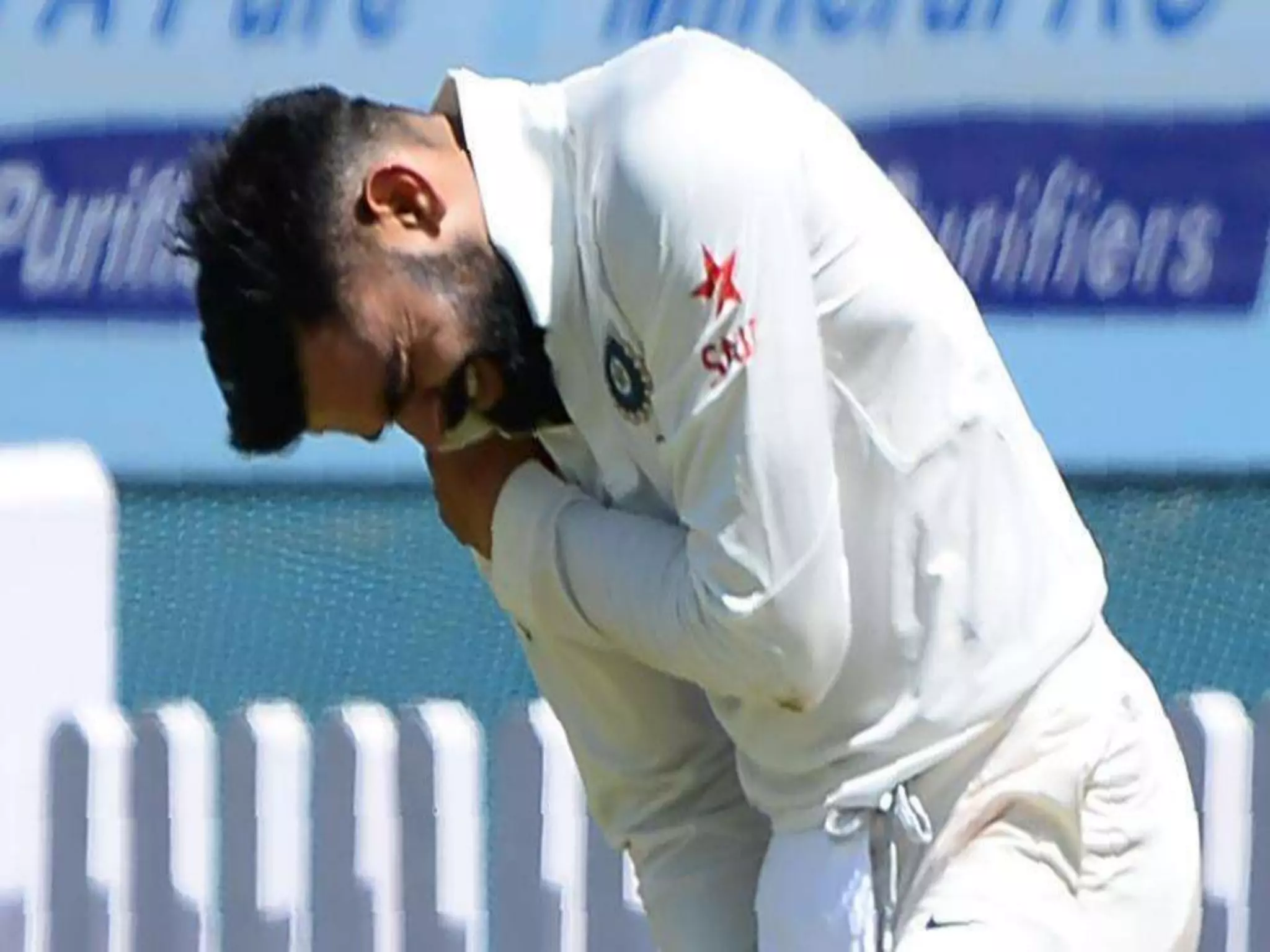
 Shoulder injuries to cricketers are most often a result
of fielding.
 Overuse of the shoulder when throwing repeatedly
during fielding in a cricket game can lead to
problems such as tendinitis in the biceps, a tear of
the supraspinatus tendon, or even degenerative
changes to the rotator cuff
Elbow
 Injuries to the elbow are predominantly a result of
poor techniques when both batting and bowling.
 Having a poor technique causes excess strain on the
joint resulting in inflammation of the tendons
surrounding the elbow.
 Lateral epicondylitis is common in batsmen and is
often caused by improper batting biomechanics or
inappropriate equipment such as a heavy bat
Hand
 The majority of injuries sustained to the hands and
wrists of a cricketer are impact injuries from the
contact of the ball causing fractures, dislocations,
and sprains.
 Wicket keepers are particularly prone to hand
injuries. Injuries to the fingers are the most common
regarding the hand.
Trunk Injuries
 Trunk injuries are relatively unique to cricket fast
bowlers and comprise either side strains, lower rib
periostitis, or posterior chest wall injuries.
 One of the most common problems that young
bowlers face is pain in the lower back.
 Performing a bowling action continuously for long
periods of time can place excess stress on the lower
back muscle tissue, which can then lead to serious
stress fractures of the vertebra. These stress fractures
can lead to a significant amount of time out of the
game.
Lumbar Spine Injuries
 Fast bowlers have a high incidence of serious and
career-threatening lumbar spine injuries.
 These injuries can be sustained acutely during
bowling or can be chronic resulting from repetitive
stress of lateral flexion with rotation sustained
during the delivery stride and follow-through.
Lumbar Disc Degeneration
 As many as 61% of fast bowlers have been reported
to have abnormalities of the intervertebral disc seen
on MRI, with 33% having severe lumbar disc
degeneration.
 The majority of degenerative discs were found at the
L4-L5 and L5-S1 levels. However, disc degeneration
is usually asymptomatic, and bowlers continue to
bowl.
Spondylolysis
 Bowlers with chronic fracture or fatigue reaction
present with a slowly progressive mechanical
backache.
 They experience pain progressively earlier in their
spell until they are unable to bowl. Those with an
acute fracture present with a breakdown and acute
spasm in the back
Lower Limb Injuries
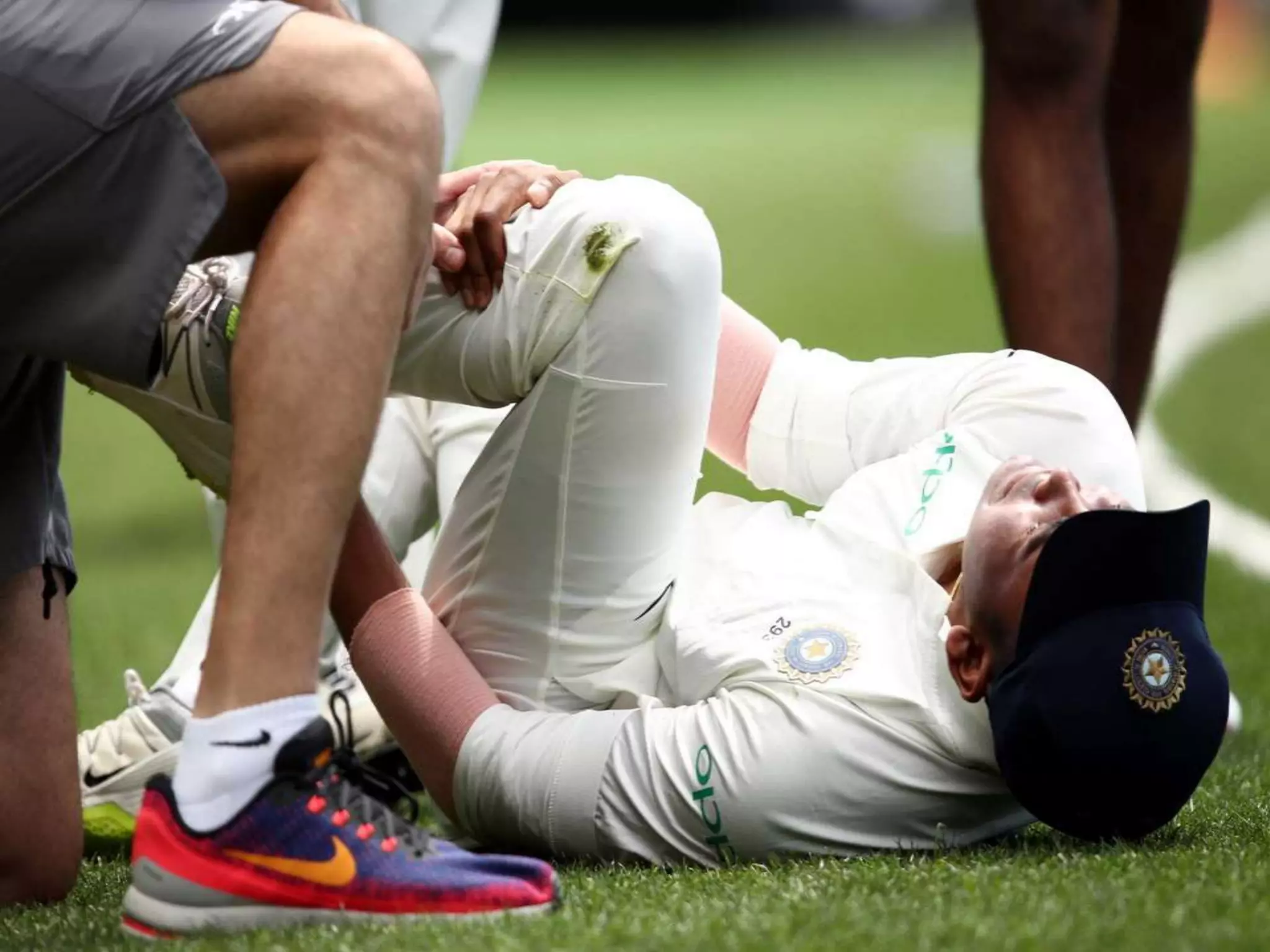
Lower limb injuries accounted for nearly half of
injuries (49.8%) and primarily included injuries to
the hamstring (17.8%) and quadriceps (10.1%)
muscles, patella and knee (18.5%), and ankle
(10.6%).
These injuries were primarily caused by bowling and
fielding
Hamstring
 Hamstring strain has emerged from being one of
many common injuries a decade ago to being the
most common injury in the sport at the elite level.
 Most hamstring and abdominal strains occur on the
nonbowling side.
Quadriceps
 Fielding, bowling, and batting regularly require
sudden forceful eccentric contraction of the
quadriceps during regulation of knee flexion and hip
extension.
 Excessive passive stretching or activation of a
maximally stretched muscle can also cause strain.
 The rectus femoris is the most frequently injured
component of the quadriceps and the strain is
classically at the distal musculotendinous junction,
midportion, or the proximal insertion
Knee
 The most common knee problems in cricketers,
especially fast bowlers, are related to workload and
include patellar tendinopathy, chondral
degeneration, and medial tibial or femoral stress
fractures.
 The relationship of workload to injury often
determines the type of injury: Tendons appreciate
constant moderate loads, bone stress fracture
correlates with increased medium-term workload
with a history of low career workload, and joint
injury correlates with high career workload
Foot and Ankle
 The forefoot is more prone to acute injuries during
high peak sagittal moments during bowling whereas
the hindfoot is more susceptible to overuse injuries
and lateral ankle instability.
 Posterior ankle impingement is a common problem
in cricketers and comprises a variety of conditions,
including flexor hallucis tendinitis, peroneal
tenosynovitis, intra-articular loose bodies, ankle
synovitis, and os trigonum disorders.
Cricket injuries
Cricket injuries

Cricket injuries

  • 1.
  • 2.
     Cricket isa popular global sport that requires a combination of physical fitness, skill, and strategy.  Although a noncontact sport, overuse and impact injuries are common since players engage in a wide range of physical activities, including running, throwing, batting, bowling, catching, and diving.  Fast bowlers have the highest injury prevalence rate followed by batsmen
  • 4.
     Bowling (41.3%),fielding, and wicket keeping (28.6%) account for most injuries.  Acute injuries are most common (64%-76%), with the rest being acute-on-chronic (16%-22.8%) and chronic (8%-22%).  Younger players (<24 years old) sustain more overuse and bowling injuries than older players.  Lower limb injuries form nearly 49.8% of injuries, followed by back injuries (22.8%), upper limb injuries (23.3%), and neck injuries (4.1%).
  • 5.
    Craniofacial Injuries  From1870 to 2015, a total of 36 catastrophic head injuries were reported in professional international cricket: 5 (14%) were fatal and 9 (22%) were career- ending.  Cricket-related maxillofacial injuries account for 6% to 7.1% of the total sports-related maxillofacial injuries.  Cricket causes 5.4% to 9% of all sporting eye injuries. In cricket, a rising ball has been incriminated in serious injuries of the eye whereby the dominant side is most involved in the hook shot.
  • 6.
    Upper Limb Injuries Shoulder Shoulder injuries to cricketers are most often a result of fielding.  Overuse of the shoulder when throwing repeatedly during fielding in a cricket game can lead to problems such as tendinitis in the biceps, a tear of the supraspinatus tendon, or even degenerative changes to the rotator cuff
  • 8.
    Elbow  Injuries tothe elbow are predominantly a result of poor techniques when both batting and bowling.  Having a poor technique causes excess strain on the joint resulting in inflammation of the tendons surrounding the elbow.  Lateral epicondylitis is common in batsmen and is often caused by improper batting biomechanics or inappropriate equipment such as a heavy bat
  • 10.
    Hand  The majorityof injuries sustained to the hands and wrists of a cricketer are impact injuries from the contact of the ball causing fractures, dislocations, and sprains.  Wicket keepers are particularly prone to hand injuries. Injuries to the fingers are the most common regarding the hand.
  • 12.
    Trunk Injuries  Trunkinjuries are relatively unique to cricket fast bowlers and comprise either side strains, lower rib periostitis, or posterior chest wall injuries.  One of the most common problems that young bowlers face is pain in the lower back.  Performing a bowling action continuously for long periods of time can place excess stress on the lower back muscle tissue, which can then lead to serious stress fractures of the vertebra. These stress fractures can lead to a significant amount of time out of the game.
  • 14.
    Lumbar Spine Injuries Fast bowlers have a high incidence of serious and career-threatening lumbar spine injuries.  These injuries can be sustained acutely during bowling or can be chronic resulting from repetitive stress of lateral flexion with rotation sustained during the delivery stride and follow-through.
  • 15.
    Lumbar Disc Degeneration As many as 61% of fast bowlers have been reported to have abnormalities of the intervertebral disc seen on MRI, with 33% having severe lumbar disc degeneration.  The majority of degenerative discs were found at the L4-L5 and L5-S1 levels. However, disc degeneration is usually asymptomatic, and bowlers continue to bowl.
  • 16.
    Spondylolysis  Bowlers withchronic fracture or fatigue reaction present with a slowly progressive mechanical backache.  They experience pain progressively earlier in their spell until they are unable to bowl. Those with an acute fracture present with a breakdown and acute spasm in the back
  • 17.
    Lower Limb Injuries Lowerlimb injuries accounted for nearly half of injuries (49.8%) and primarily included injuries to the hamstring (17.8%) and quadriceps (10.1%) muscles, patella and knee (18.5%), and ankle (10.6%). These injuries were primarily caused by bowling and fielding
  • 18.
    Hamstring  Hamstring strainhas emerged from being one of many common injuries a decade ago to being the most common injury in the sport at the elite level.  Most hamstring and abdominal strains occur on the nonbowling side.
  • 20.
    Quadriceps  Fielding, bowling,and batting regularly require sudden forceful eccentric contraction of the quadriceps during regulation of knee flexion and hip extension.  Excessive passive stretching or activation of a maximally stretched muscle can also cause strain.  The rectus femoris is the most frequently injured component of the quadriceps and the strain is classically at the distal musculotendinous junction, midportion, or the proximal insertion
  • 22.
    Knee  The mostcommon knee problems in cricketers, especially fast bowlers, are related to workload and include patellar tendinopathy, chondral degeneration, and medial tibial or femoral stress fractures.  The relationship of workload to injury often determines the type of injury: Tendons appreciate constant moderate loads, bone stress fracture correlates with increased medium-term workload with a history of low career workload, and joint injury correlates with high career workload
  • 24.
    Foot and Ankle The forefoot is more prone to acute injuries during high peak sagittal moments during bowling whereas the hindfoot is more susceptible to overuse injuries and lateral ankle instability.  Posterior ankle impingement is a common problem in cricketers and comprises a variety of conditions, including flexor hallucis tendinitis, peroneal tenosynovitis, intra-articular loose bodies, ankle synovitis, and os trigonum disorders.