CREATIVE WRITING AND DAYDREAMING
* A. Mohanraj M.A., M.Phil., CCFE., (Ph.D)
Assistant Professor of English,
SBK College, Aruppukottai – 626 101.
** Z. Ameera Nasreen, I MA English,
SBK College, Aruppukottai – 626 101.
*Acknowledged – Some points and photos have been taken from internet sources as I acknowledge them.
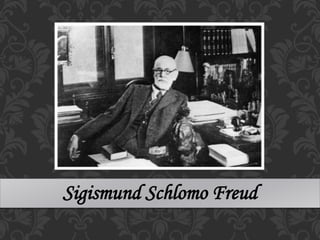
Sigismund Schlomo Freud
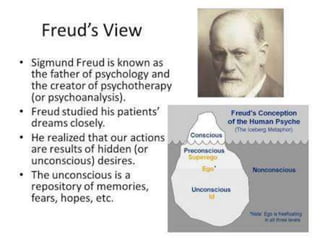
 Sigmund Freud was an Austrian neurologist and the founder of
psychoanalysis, a clinical method for treating psychopathology
through dialogue between a patient and a psychoanalyst.
 Freud was born to Galician Jewish parents in the Moravian town of
Freiberg, in the Austrian Empire.
 Born: 6 May 1856, Příbor, Czech Republic.
 Died: 23 September 1939, Hampstead, United Kingdom
 Known for: Psychoanalysis.
• According to Freud, wishes or desires are divided into two parts as:
• Ambition: Ambition, which is found only in male, not in female, is
to uplift the personality.
• Erotic Wish: This wish is noticed in both- male and female
• There are three ways to do so- Sex, tongue slips and writing.
Creative Writing and Daydreaming by Sigmund Freud.
• The essay “Creative Writers and Daydreaming” suggests Freud's interest in the
relationship between the author and his work.
• Reading a text is known as the psyche of the author.
• Human beings have innumerable wishes and desires that can’t be expressed
freely due to the social boundary, morality and other restrictions.
• The desires remain suppressed in our unconscious level of mind. Somehow, we
try to express those desires.
CREATIVE WRITERS AND DAYDREAMING
There are three phases upon which an artist undergoes while
creating a work of art, they are:
A. Condensation
B. Latent
C. Substitution
D. Symbolic/image stage manifest
Author’s mind possesses many desires so he selects the
wanted desires but leaves out the unwanted desires.
• Those selected desires are combined into single desire, and
such process is called condensation.
• In substitution, those erotic and socially unaccepted desires
are substituted by non-erotic ideas and are changed in to
socially accepted one.
• In the symbolic stage, the author takes help of symbols of
convex and vertical symbolizes like hill, stick, tree, finger
etc, refer to ‘Phallus’.
• While reading a text, the readers identify themselves with the
writers and get the aesthetic pleasure.
• The day dreaming and creative works both transforms the
mental contents into something where the latter is more
creative and interesting.
• Freud also talks of two kinds of dreams: latent and manifest.
• The Latent dream can only be thought of in our mental
imagination.
• The Manifest dream is the revelation of the disguised one,
which we perceive.
• In spite of all the emotion with which he cathects his world of play,
the child distinguishes it uite well from reality and he likes to link
his imagined obects and situations to the tangible and visible things
of the real world. This linking is all that differentiates the children
play from phantasy.
• The creative writer does the same as the child at play. He creates a
world of phantasy which he takes very seriously that is, which he
invests with large amounts of emotion while separating it sharply
from reality.
CONCLUSION
*Acknowledged – Some points have been taken from internet sources as I acknowledge them.

Creative Writing and Day Dreaming

  • 1.
    CREATIVE WRITING ANDDAYDREAMING * A. Mohanraj M.A., M.Phil., CCFE., (Ph.D) Assistant Professor of English, SBK College, Aruppukottai – 626 101. ** Z. Ameera Nasreen, I MA English, SBK College, Aruppukottai – 626 101. *Acknowledged – Some points and photos have been taken from internet sources as I acknowledge them.
  • 3.
  • 4.
     Sigmund Freudwas an Austrian neurologist and the founder of psychoanalysis, a clinical method for treating psychopathology through dialogue between a patient and a psychoanalyst.  Freud was born to Galician Jewish parents in the Moravian town of Freiberg, in the Austrian Empire.  Born: 6 May 1856, Příbor, Czech Republic.  Died: 23 September 1939, Hampstead, United Kingdom  Known for: Psychoanalysis.
  • 8.
    • According toFreud, wishes or desires are divided into two parts as: • Ambition: Ambition, which is found only in male, not in female, is to uplift the personality. • Erotic Wish: This wish is noticed in both- male and female • There are three ways to do so- Sex, tongue slips and writing.
  • 9.
    Creative Writing andDaydreaming by Sigmund Freud. • The essay “Creative Writers and Daydreaming” suggests Freud's interest in the relationship between the author and his work. • Reading a text is known as the psyche of the author. • Human beings have innumerable wishes and desires that can’t be expressed freely due to the social boundary, morality and other restrictions. • The desires remain suppressed in our unconscious level of mind. Somehow, we try to express those desires. CREATIVE WRITERS AND DAYDREAMING
  • 10.
    There are threephases upon which an artist undergoes while creating a work of art, they are: A. Condensation B. Latent C. Substitution D. Symbolic/image stage manifest Author’s mind possesses many desires so he selects the wanted desires but leaves out the unwanted desires.
  • 11.
    • Those selecteddesires are combined into single desire, and such process is called condensation. • In substitution, those erotic and socially unaccepted desires are substituted by non-erotic ideas and are changed in to socially accepted one. • In the symbolic stage, the author takes help of symbols of convex and vertical symbolizes like hill, stick, tree, finger etc, refer to ‘Phallus’. • While reading a text, the readers identify themselves with the writers and get the aesthetic pleasure.
  • 12.
    • The daydreaming and creative works both transforms the mental contents into something where the latter is more creative and interesting. • Freud also talks of two kinds of dreams: latent and manifest. • The Latent dream can only be thought of in our mental imagination. • The Manifest dream is the revelation of the disguised one, which we perceive.
  • 13.
    • In spiteof all the emotion with which he cathects his world of play, the child distinguishes it uite well from reality and he likes to link his imagined obects and situations to the tangible and visible things of the real world. This linking is all that differentiates the children play from phantasy. • The creative writer does the same as the child at play. He creates a world of phantasy which he takes very seriously that is, which he invests with large amounts of emotion while separating it sharply from reality. CONCLUSION
  • 14.
    *Acknowledged – Somepoints have been taken from internet sources as I acknowledge them.