FUNDAMENTALS OF NEWS
REPORTING
WHAT IS BEAT
REPORTING?
"Specific areas covered regularly by a specific
reporter"
POLICE AND FIRE
STAFFING POLICE AND
FIRE BEAT
• It depends on the size of newspaper , television, radio station the more
circulation among the people more than one reporters will cover police
and fire beat.
POLICE BEAT
• The police beat can be one of the most challenging and rewarding in
journalism. Police reporters get to cover some of the biggest breaking news
stories out there, ones that land at the top of the front page, website or
newscast.Covering the crime beat is demanding and often stressful, and as a
reporter, it takes time, patience and skill to get the cops to trust you enough to
give you information.
HOW TO COVER POLICE
COPS ARE HUMAN TOO
• Get to know them. Like everyone, they respond to reporters they
know. So if you’re on the night cops beat, and things are deadly dull,
go down to the police shop and hang out with the detectives. When
you meet detectives you like, ask them out.
ALWAYS GO TO THE
SCENE
• This is where you get the details that the public information officer
can’t provide.
NEVER ASSUME PEOPLE
DON’T WANT TO TALK:
• Sometimes, particularly after an especially horrifying crime, victims
and their relatives — and a suspect’s relatives and friends — don’t
want to talk. But many, many times, they do talk to reporters.
Sometimes, they even talk for hours. The point is: Don’t try to guess.
Ask. You never know.
KNOW DIFFERENT
SECTIONS
• Develop sources around the department. The temptation is to spend
most of your time hanging out with the senior detectives, the ones who
handle the big cases.
OFFENSE REPORT AND
COVERAGE OF CRIMES
• Reporters have limited access to police departments forms recording
crimes that is to standard offense report.
FIRE BEAT
• Reporters at the scene must gather information under very difficult circumstances,
and produce stories on very tight deadlines. Covering such an event requires all of
a reporter’s training and experience. But if you keep in mind the lessons you've
learned and the skills you've acquired, covering an accident can be a chance to
really test yourself as a reporter, and to do some of your best work.
HOW TO COVER FIRE OR
OTHER ACCIDENTS
• Keep Your Cool
• Take Detailed Notes
• Get Plenty of Description
• Find The Officials in Charge
• Get Eyewitness Accounts
• Interview Survivors – If Possible
• Find The Heroes
• Get The Numbers
WRITING A STORY
• Planning for deadlines
• Wrinting the first story
• Contructing the story ( identifying,cause,location,identifiying
the imjured,time of fire etc)
SPORTS
WHAT IS SPORTS
JOURNALISM
• Sports journalism focuses on reporting amateur and professional sporting
news and events. Sports journalists work in all media, including print,
television broadcasting and the internet.
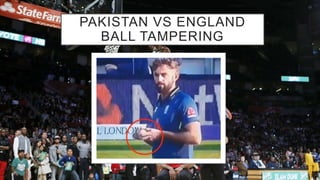
PAKISTAN VS ENGLAND
BALL TAMPERING
SPORTS JOURNALISM
DEFINES
• Sports journalists write about and report on amateur and
professional sports. As a sports journalist, you can expect a
variety of job duties such as reporting game statistics,
interviewing coaches and players and offering game
commentary. You can work in a variety of media, including radio,
television and print
WRITING FOR SPORTS
• Read
• Emotions are the key
• Keep it simple don’t be too wordy
• The inverted pyramid is for sports writing too
• Know whats going on
• Not every recap has to be mentioned
SPORTS STARS IN THE
PRESS BOX
• After the Second World War, the sports sections of British national
daily and Sunday newspapers continued to expand, to the point
where many papers now have separate standalone sports
sections; some Sunday tabloids even have sections, additional to
the sports pages
covering beats in journalism

covering beats in journalism

  • 1.
  • 2.
    WHAT IS BEAT REPORTING? "Specificareas covered regularly by a specific reporter"
  • 3.
  • 4.
    STAFFING POLICE AND FIREBEAT • It depends on the size of newspaper , television, radio station the more circulation among the people more than one reporters will cover police and fire beat.
  • 5.
    POLICE BEAT • Thepolice beat can be one of the most challenging and rewarding in journalism. Police reporters get to cover some of the biggest breaking news stories out there, ones that land at the top of the front page, website or newscast.Covering the crime beat is demanding and often stressful, and as a reporter, it takes time, patience and skill to get the cops to trust you enough to give you information.
  • 6.
  • 7.
    COPS ARE HUMANTOO • Get to know them. Like everyone, they respond to reporters they know. So if you’re on the night cops beat, and things are deadly dull, go down to the police shop and hang out with the detectives. When you meet detectives you like, ask them out.
  • 8.
    ALWAYS GO TOTHE SCENE • This is where you get the details that the public information officer can’t provide.
  • 9.
    NEVER ASSUME PEOPLE DON’TWANT TO TALK: • Sometimes, particularly after an especially horrifying crime, victims and their relatives — and a suspect’s relatives and friends — don’t want to talk. But many, many times, they do talk to reporters. Sometimes, they even talk for hours. The point is: Don’t try to guess. Ask. You never know.
  • 10.
    KNOW DIFFERENT SECTIONS • Developsources around the department. The temptation is to spend most of your time hanging out with the senior detectives, the ones who handle the big cases.
  • 11.
    OFFENSE REPORT AND COVERAGEOF CRIMES • Reporters have limited access to police departments forms recording crimes that is to standard offense report.
  • 12.
    FIRE BEAT • Reportersat the scene must gather information under very difficult circumstances, and produce stories on very tight deadlines. Covering such an event requires all of a reporter’s training and experience. But if you keep in mind the lessons you've learned and the skills you've acquired, covering an accident can be a chance to really test yourself as a reporter, and to do some of your best work.
  • 13.
    HOW TO COVERFIRE OR OTHER ACCIDENTS • Keep Your Cool • Take Detailed Notes • Get Plenty of Description • Find The Officials in Charge • Get Eyewitness Accounts • Interview Survivors – If Possible • Find The Heroes • Get The Numbers
  • 14.
    WRITING A STORY •Planning for deadlines • Wrinting the first story • Contructing the story ( identifying,cause,location,identifiying the imjured,time of fire etc)
  • 15.
  • 16.
    WHAT IS SPORTS JOURNALISM •Sports journalism focuses on reporting amateur and professional sporting news and events. Sports journalists work in all media, including print, television broadcasting and the internet.
  • 17.
  • 18.
    SPORTS JOURNALISM DEFINES • Sportsjournalists write about and report on amateur and professional sports. As a sports journalist, you can expect a variety of job duties such as reporting game statistics, interviewing coaches and players and offering game commentary. You can work in a variety of media, including radio, television and print
  • 19.
    WRITING FOR SPORTS •Read • Emotions are the key • Keep it simple don’t be too wordy • The inverted pyramid is for sports writing too • Know whats going on • Not every recap has to be mentioned
  • 20.
    SPORTS STARS INTHE PRESS BOX • After the Second World War, the sports sections of British national daily and Sunday newspapers continued to expand, to the point where many papers now have separate standalone sports sections; some Sunday tabloids even have sections, additional to the sports pages