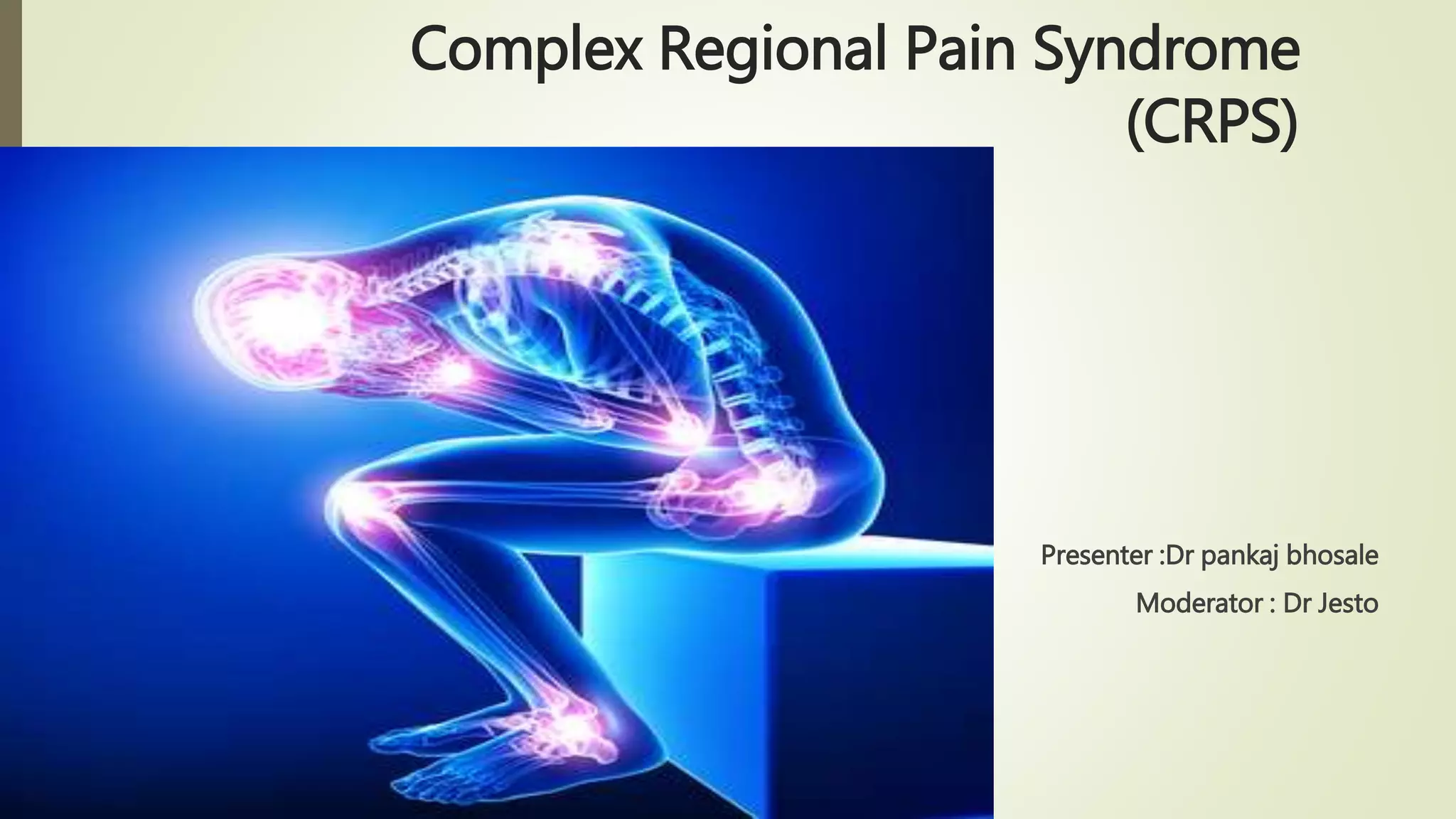
Complex Regional Pain Syndrome
(CRPS)
Presenter :Dr pankaj bhosale
Moderator : Dr Jesto
CRPS
 Is a debilitating painful condition in a limb
 Associated with sensory, motor, autonomic, skin and bone
abnormalities
 PAIN is the leading symptom
 Often associated with limb dysfunction
 Psychological Distress
MC GILL PAIN INDEX AND CRPS
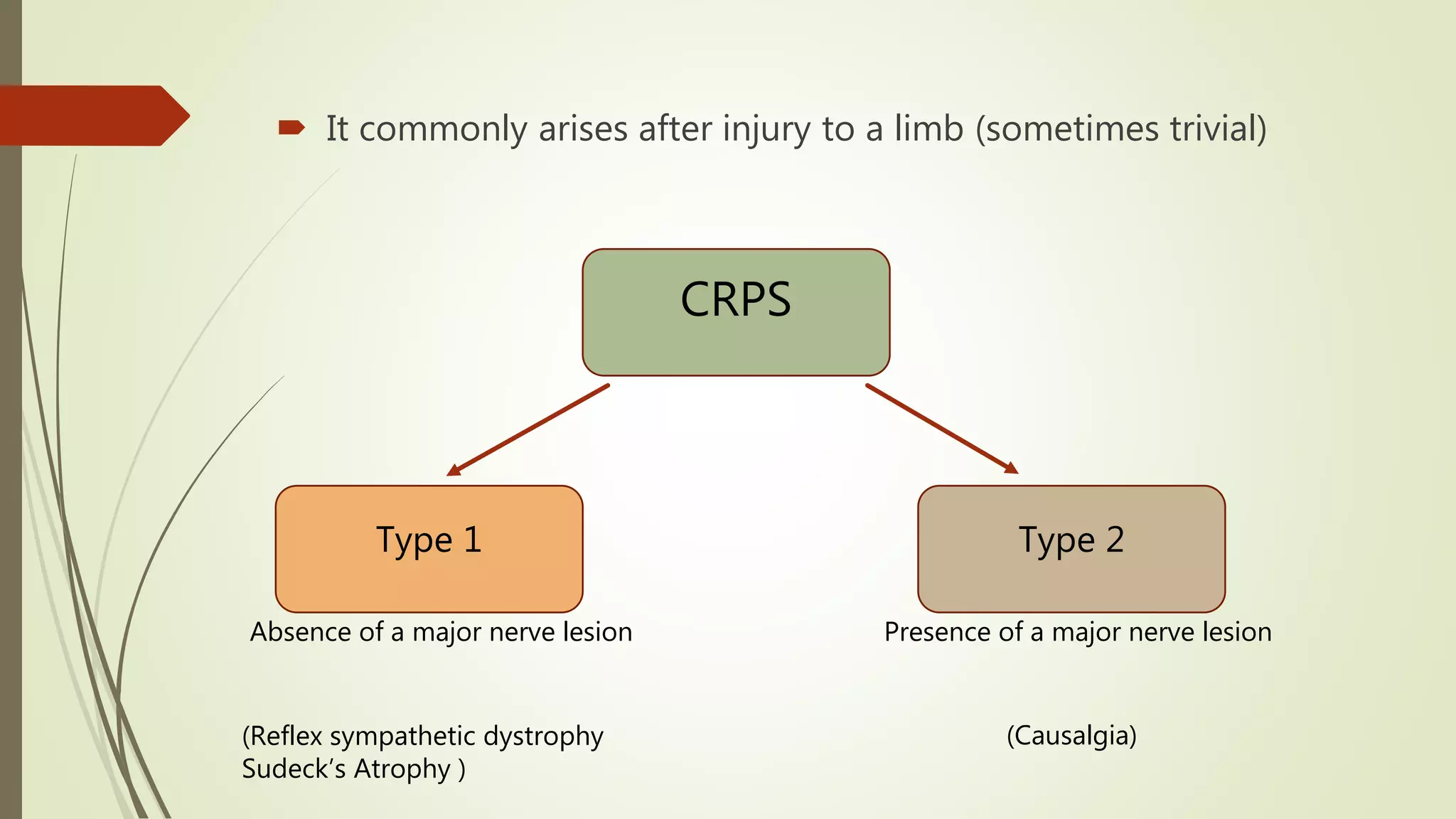
 It commonly arises after injury to a limb (sometimes trivial)
CRPS
Type 2Type 1
Absence of a major nerve lesion Presence of a major nerve lesion
(Reflex sympathetic dystrophy
Sudeck’s Atrophy )
(Causalgia)
Historical Background
 First described by Weir Mitchell after the American Civil War
in 1872
 When he encountered soldiers who were injured by gun-shot wounds
exhibiting “bizarre” symptoms and coined the term “Causalgia”
 Early 20th century Peter Sudeck
 Described features of pain, swelling, atrophy etc. following minor
injury to limbs – hence this phenomenon came to be called “Sudeck’s
atrophy”
 A few years on – its association with the sympathetic nervous
system was recognized and hence the term “reflex
sympathetic dystrophy” was increasingly used
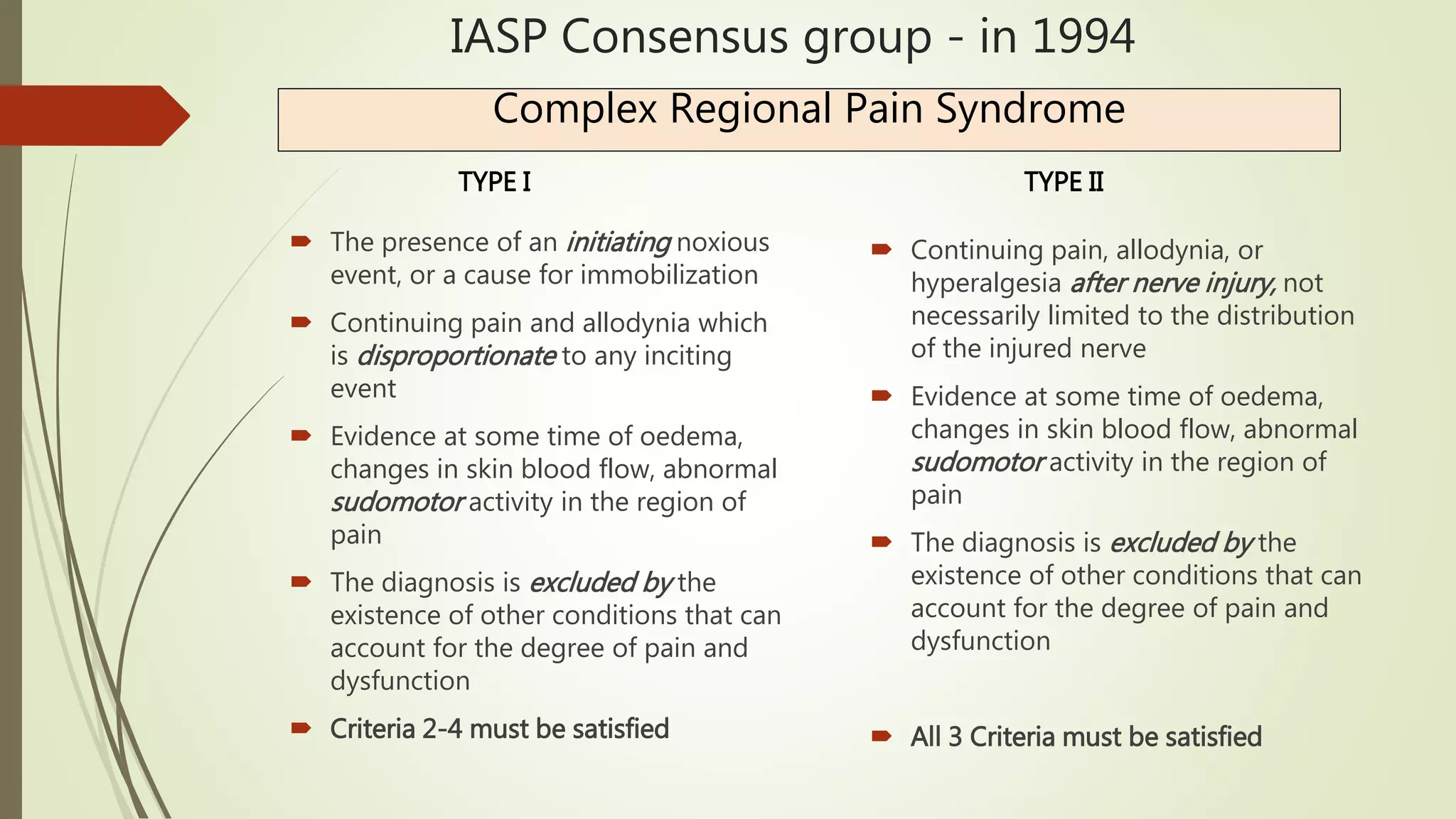
IASP Consensus group - in 1994
 The presence of an initiating noxious
event, or a cause for immobilization
 Continuing pain and allodynia which
is disproportionate to any inciting
event
 Evidence at some time of oedema,
changes in skin blood flow, abnormal
sudomotor activity in the region of
pain
 The diagnosis is excluded by the
existence of other conditions that can
account for the degree of pain and
dysfunction
 Criteria 2-4 must be satisfied
 Continuing pain, allodynia, or
hyperalgesia after nerve injury, not
necessarily limited to the distribution
of the injured nerve
 Evidence at some time of oedema,
changes in skin blood flow, abnormal
sudomotor activity in the region of
pain
 The diagnosis is excluded by the
existence of other conditions that can
account for the degree of pain and
dysfunction
 All 3 Criteria must be satisfied
Complex Regional Pain Syndrome
TYPE I TYPE II
1994 IASP Criteria
 Proved to be extremely
sensitive
 Insufficiently specific
 Over diagnoses of the
syndrome
 Difficult to validate
 In 2003, a workshop was
held in Budapest
 Published in 2007
 Modified diagnostic criteria
Better discrimination
between CRPS and Non-
CRPS neuropathic pain
IASP revised criteria – “Budapest criteria”
 Continuing pain that is disproportionate to any inciting event
 At least one symptom reported in at least 3 of the following
categories
 Sensory: Hyperesthesia or allodynia
 Vasomotor: Temperature asymmetry, skin colour changes,
skin colour asymmetry
 Sudomotor/ Oedema, sweating changes or sweating oedema
asymmetry
 Motor / Trophic Decreased range of motion, motor
dysfunction (E.g. weakness, tremor, dystonia),
or trophic changes (e.g. hair, skin, nails)
Criteria continued ……………
 At least one sign at time of evaluation in at least two of the
following categories
 Sensory: Evidence of hyperalgesia (to pinprick), allodynia
(to light touch), temperature sensation, deep
somatic pressure or joint movement
 Vasomotor: Evidence of temperature asymmetry (>1°C), skin
colour changes or symmetry
 Sudomotor/ Evidence or oedema, sweating changes, or Oedema
sweating asymmetry
 Motor/Trophic Evidence of deceased range of movement,
motor dysfunction (E.g. weakness, tremor,
dystonia), trophic changes (E.g. nail, skin, hair)
 No other diagnosis explaining the signs and symptoms
More stringent criteria in a research setting: to increase
specificity
 At least one SYMPTOM in Three ‘SYMPTOM’ categories
 At least one SIGN in Three ‘SIGN’ categories
 For diagnosis of CRPS in a Research Setting
Epidemiology
 A population study from the Netherlands showed
 Incidence of 26 in 100,000;
 Female : Male ratio of 3.5:1
 Peak incidence in the age group of 55-70 years
 Upper limb more common than the lower
 Fracture was the most common precipitating factor
 CRPS I more common than CRPS II
(de Mos M et al. Pain 2007; 129:12-20)
 This was 4 times that of a previous population study in the
US – 5.5 / 100,000
Pathophysiology
 Not well understood for many years
 Renewed research interest
 Revised diagnostic criteria
 Availability of animal models of CRPS
Pain 2015; 156: S94-S103
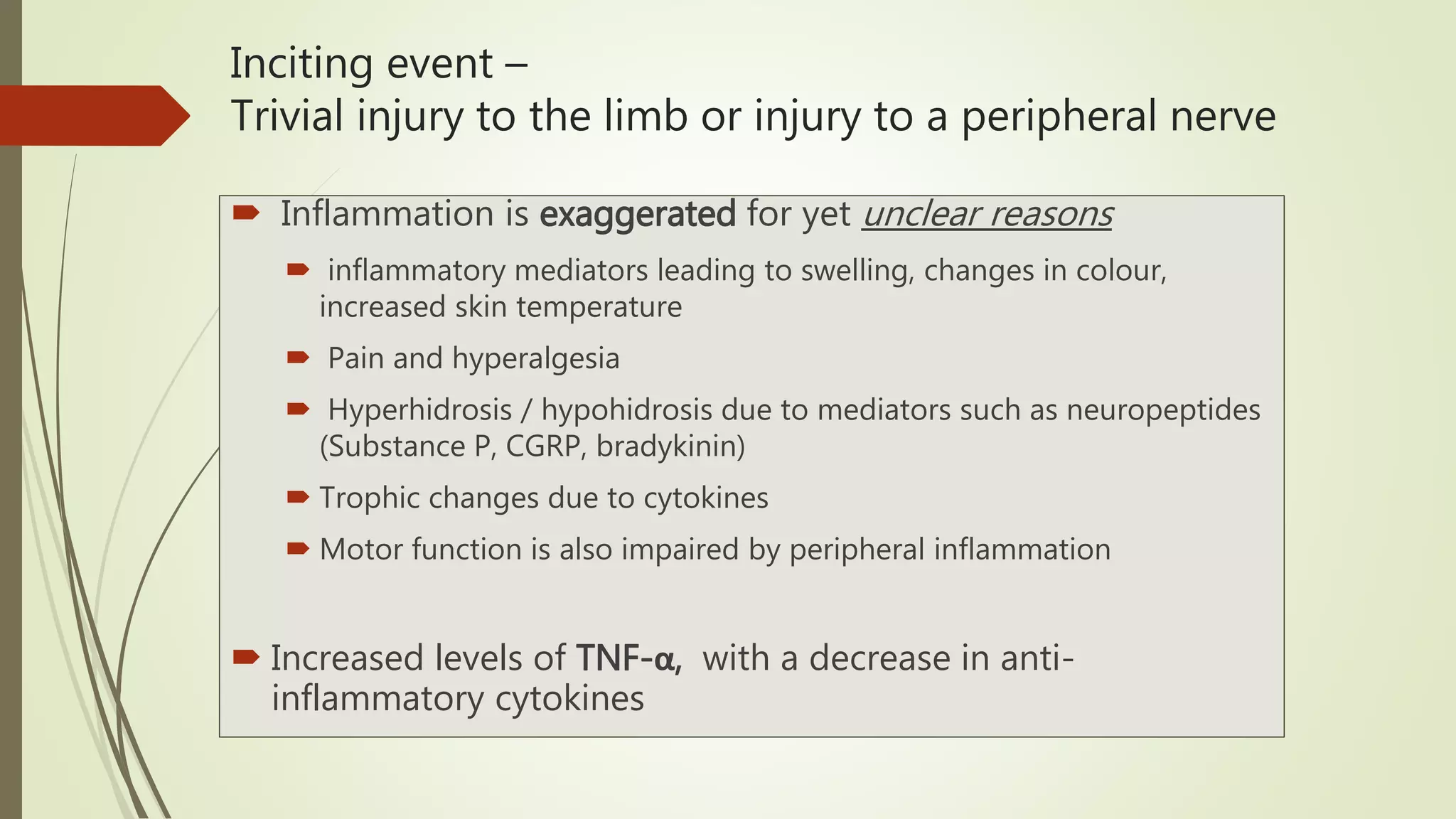
Inciting event –
Trivial injury to the limb or injury to a peripheral nerve
 Inflammation is exaggerated for yet unclear reasons
 inflammatory mediators leading to swelling, changes in colour,
increased skin temperature
 Pain and hyperalgesia
 Hyperhidrosis / hypohidrosis due to mediators such as neuropeptides
(Substance P, CGRP, bradykinin)
 Trophic changes due to cytokines
 Motor function is also impaired by peripheral inflammation
 Increased levels of TNF-α, with a decrease in anti-
inflammatory cytokines
 Neuropeptides – released by sensitized peptidergic
nociceptors ( neurogenic inflammation)
 Endothelin-1 – potent vasoconstrictor (hyperalgesia)
 Autoantibodies on surface structures of β2-adregeric
receptors and m2-cholinergic receptors (which provides a link
to the sympathetic nervous system)
 In a significant subset of patients, CRPS gradually “centralizes”
– (time frame varies with individuals)
 Mechanical hyperalgesia
 Non-dermatomal sensory deficits
 Body perception disturbances
 Movements disorders
Pathophysiology summarised…
Conceptual model of CRPS -
• Enhanced anti-dromic secretion of
Neuropeptides
• Enhanced release of Immune
mediators
• Surface binding auto-antibodies
• Contributes to changes in sensory nerve
function and axonal degeneration
• Viscous cycle is set in motion
Speculative model of crps
Electrical Stimulation induces Plasma Protein Extravasation in
CRPS
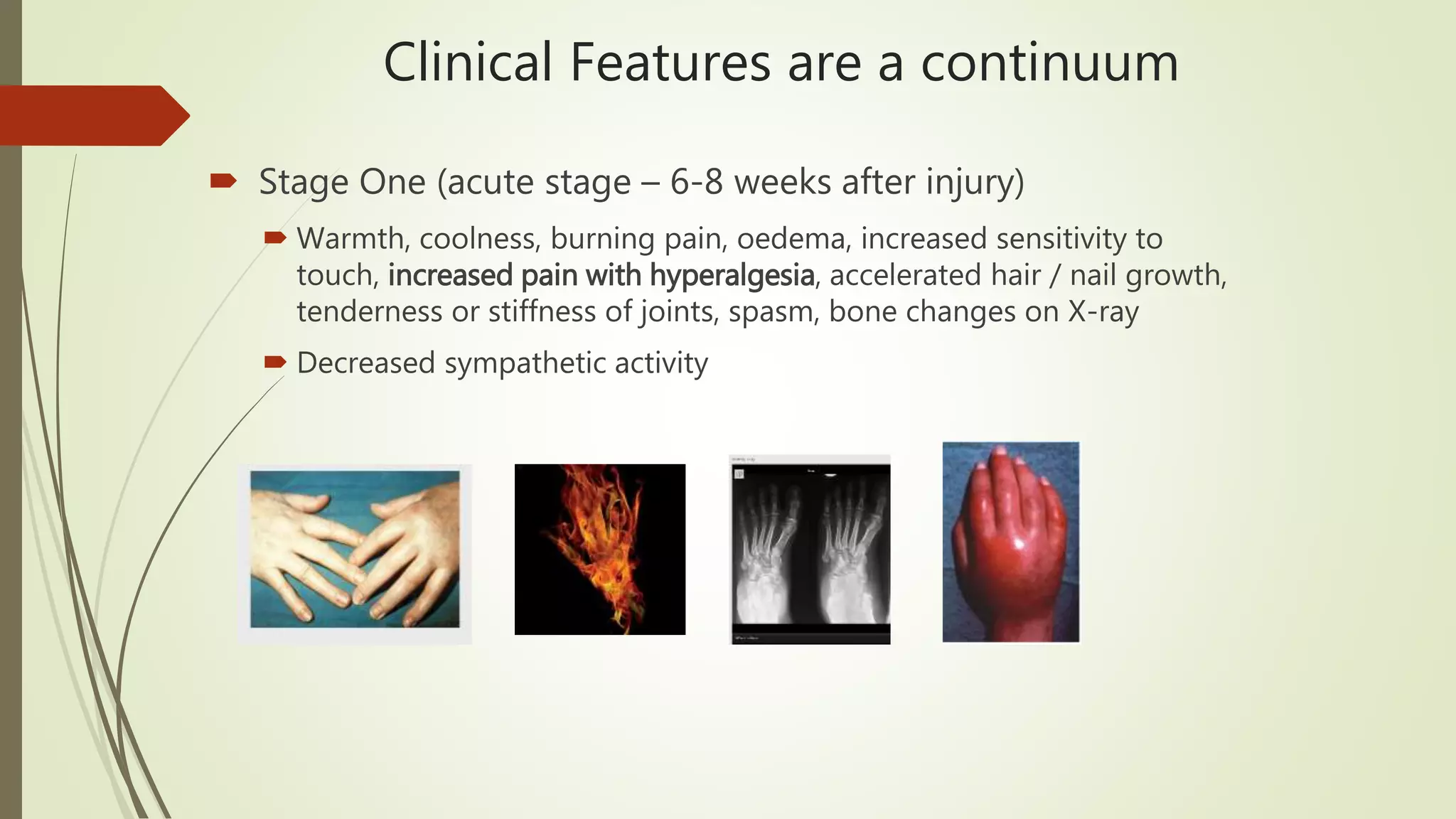
Clinical Features are a continuum
 Stage One (acute stage – 6-8 weeks after injury)
 Warmth, coolness, burning pain, oedema, increased sensitivity to
touch, increased pain with hyperalgesia, accelerated hair / nail growth,
tenderness or stiffness of joints, spasm, bone changes on X-ray
 Decreased sympathetic activity
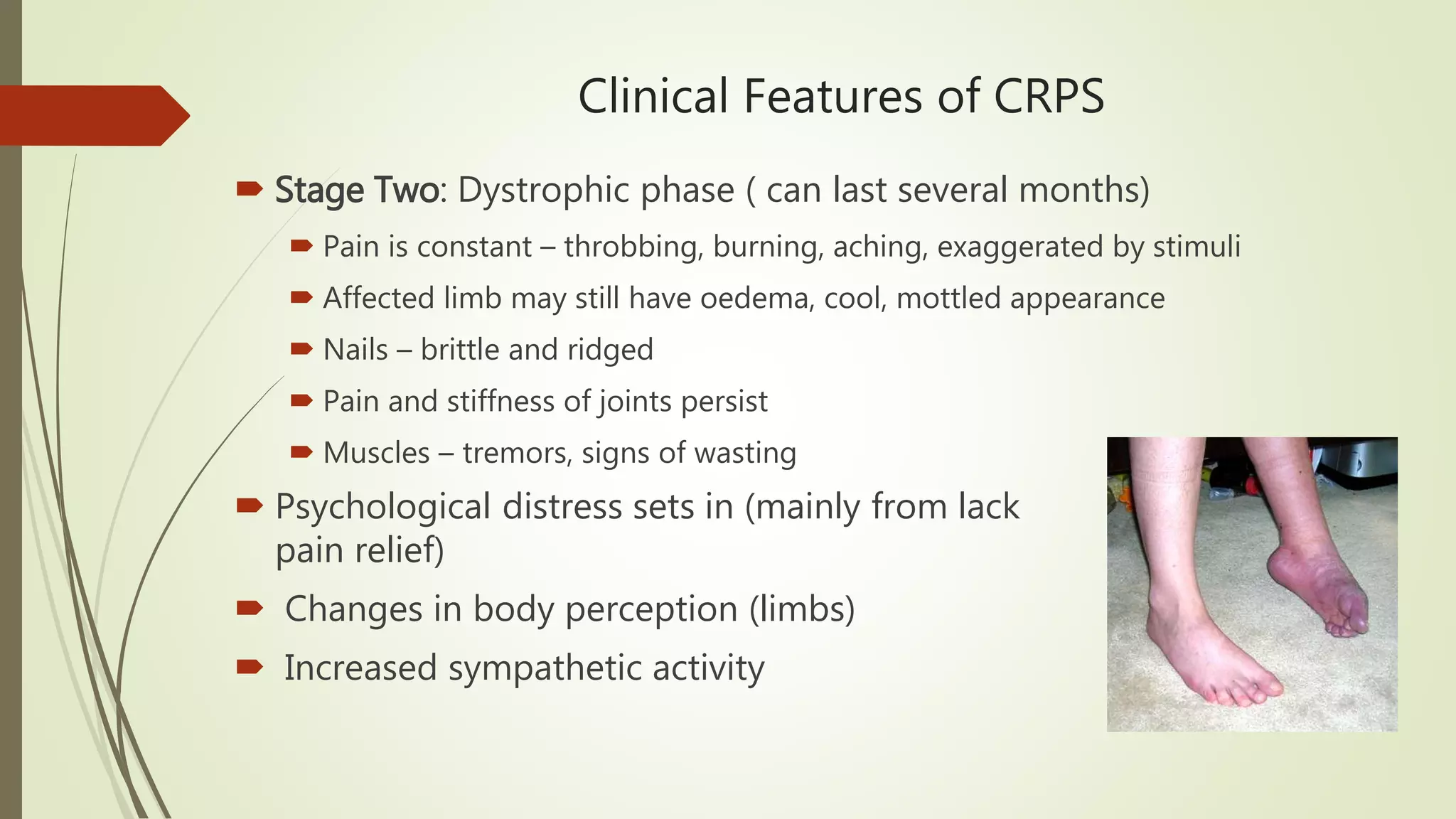
Clinical Features of CRPS
 Stage Two: Dystrophic phase ( can last several months)
 Pain is constant – throbbing, burning, aching, exaggerated by stimuli
 Affected limb may still have oedema, cool, mottled appearance
 Nails – brittle and ridged
 Pain and stiffness of joints persist
 Muscles – tremors, signs of wasting
 Psychological distress sets in (mainly from lack of
pain relief)
 Changes in body perception (limbs)
 Increased sympathetic activity
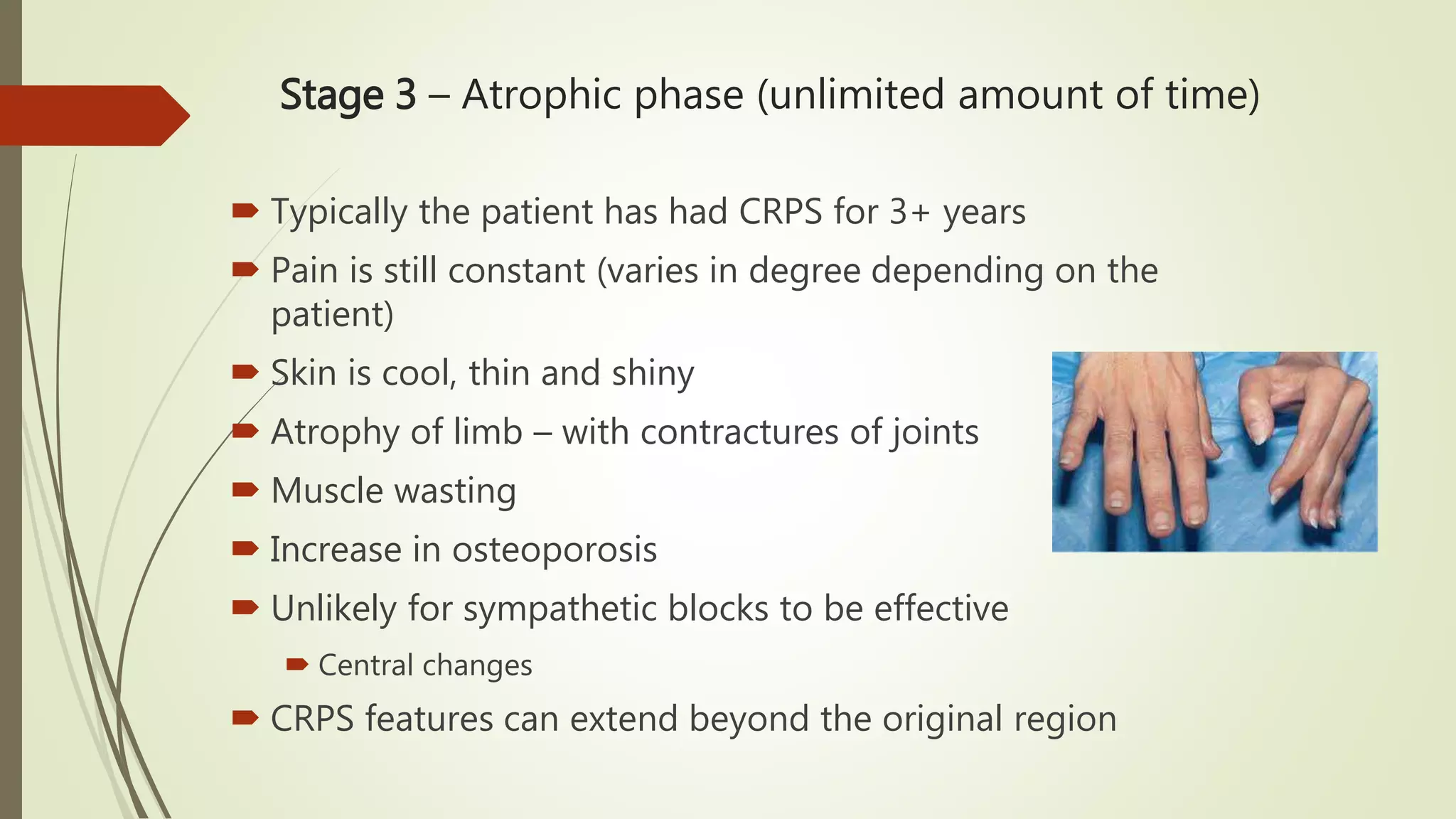
Stage 3 – Atrophic phase (unlimited amount of time)
 Typically the patient has had CRPS for 3+ years
 Pain is still constant (varies in degree depending on the
patient)
 Skin is cool, thin and shiny
 Atrophy of limb – with contractures of joints
 Muscle wasting
 Increase in osteoporosis
 Unlikely for sympathetic blocks to be effective
 Central changes
 CRPS features can extend beyond the original region
Diagnosis
 Clinical – There are no specific tests
 Differential diagnosis needs to be considered and excluded
• 53 year old male patient
• Clinical features of pain and allodynia
• Limited to the fourth and fifth fingers
• Bluish and significantly cooler
• Thermography showed only the innervation
of the ulnar nerve was colder
• Traumatic ulnar paresis
• Diagnosis : Posttraumatic neuralgia
Having a Check-List
will help with the
Diagnosis
Item 4. No other diagnosis explaining the signs and symptoms
Management
Early Recognition is the key to Management
• Patients may be first seen by a
host of different specialists
• It is important to create
awareness about CRPS in
these groups
• Early recognition and referral
for appropriate therapy can
improve chances for better
management
Budapest diagnostic criteria (A–D must apply).
Andreas Goebel Rheumatology 2011;rheumatology.ker202
© The Author 2011. Published by Oxford University Press on behalf of the British Society for
Rheumatology. All rights reserved. For Permissions, please email:
journals.permissions@oup.com
CHECK LIST
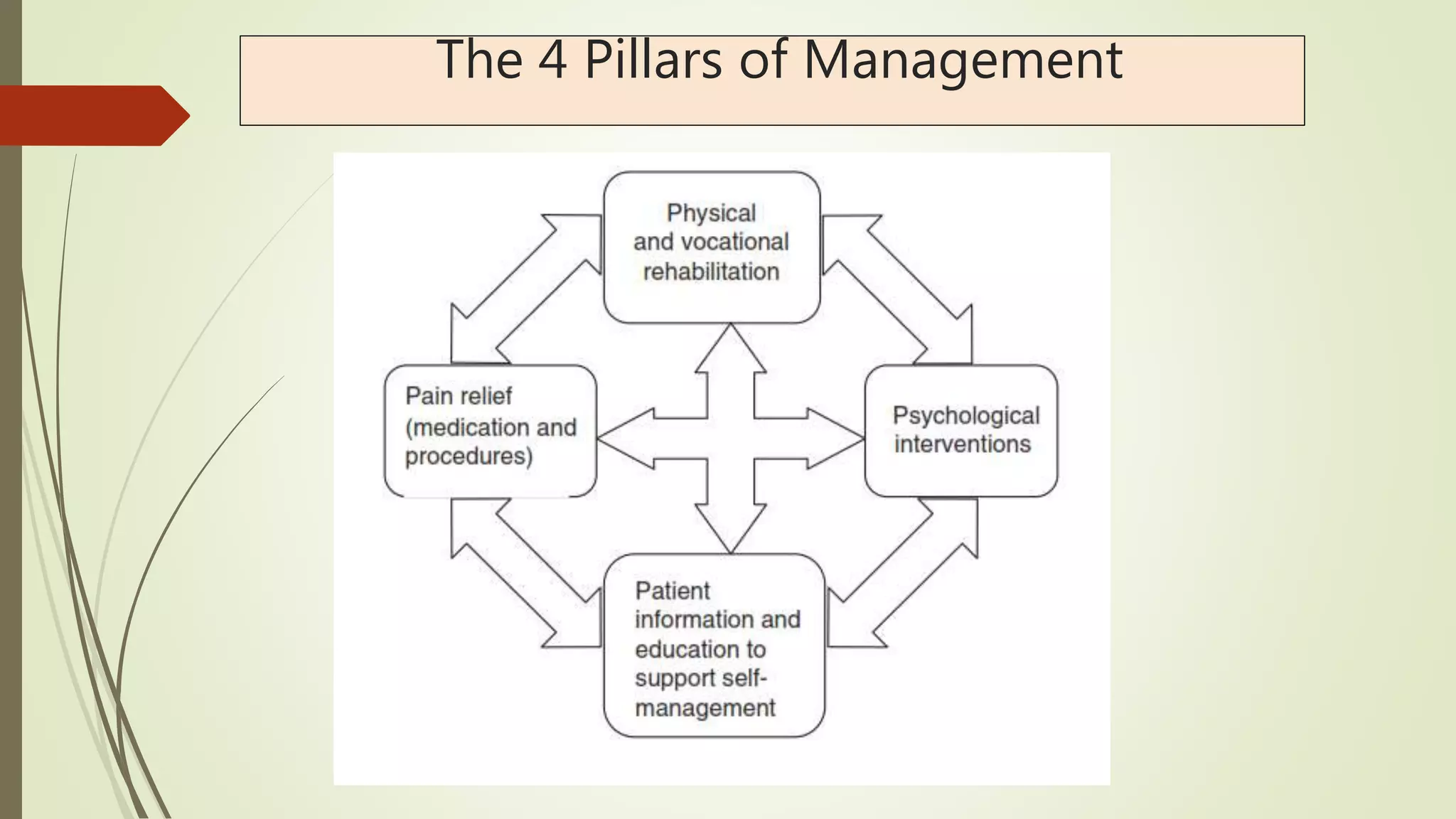
The 4 Pillars of Management
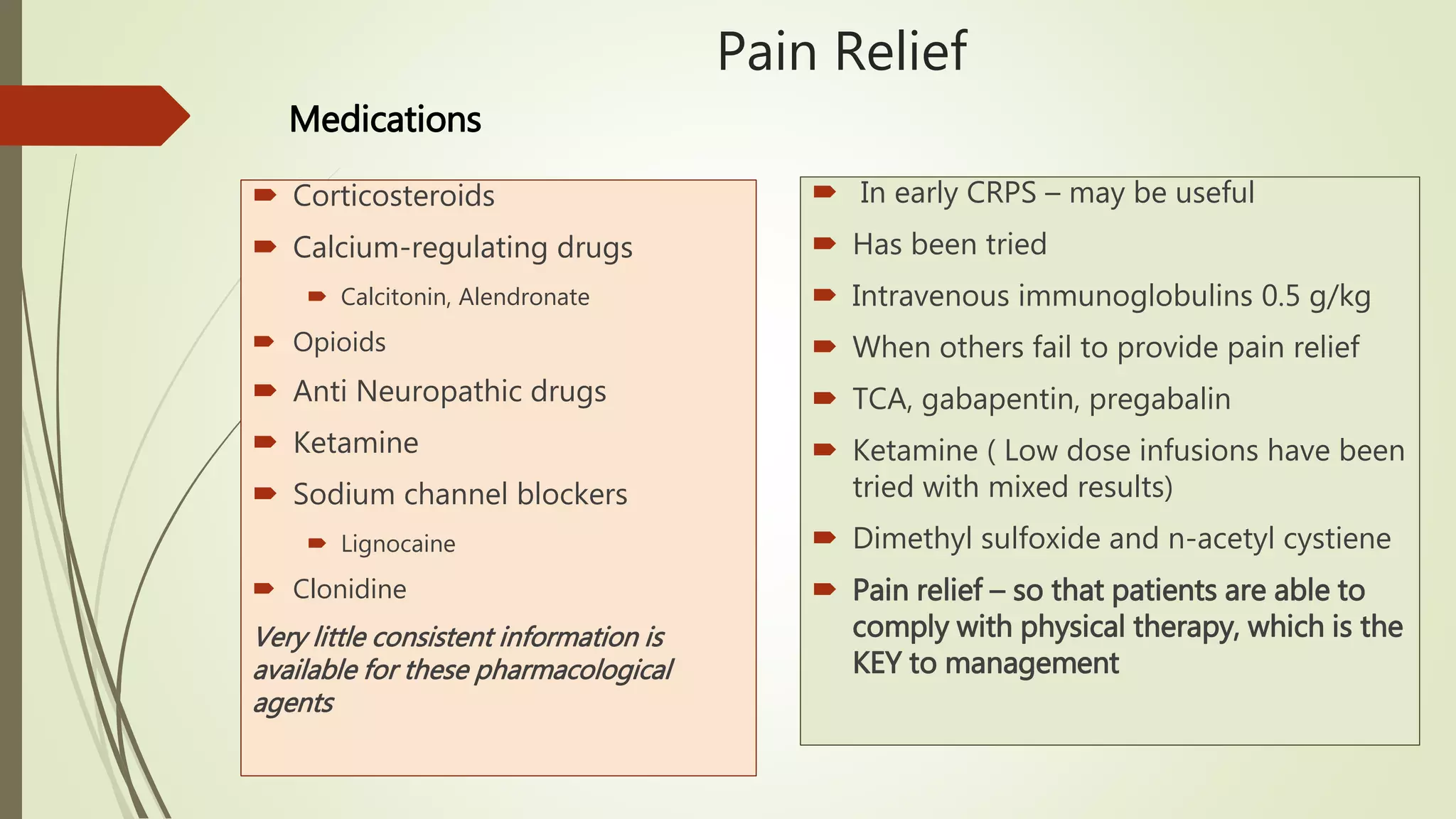
Pain Relief
 Corticosteroids
 Calcium-regulating drugs
 Calcitonin, Alendronate
 Opioids
 Anti Neuropathic drugs
 Ketamine
 Sodium channel blockers
 Lignocaine
 Clonidine
Very little consistent information is
available for these pharmacological
agents
 In early CRPS – may be useful
 Has been tried
 Intravenous immunoglobulins 0.5 g/kg
 When others fail to provide pain relief
 TCA, gabapentin, pregabalin
 Ketamine ( Low dose infusions have been
tried with mixed results)
 Dimethyl sulfoxide and n-acetyl cystiene
 Pain relief – so that patients are able to
comply with physical therapy, which is the
KEY to management
Medications
CREATE 1 TRIAL – CRPS TREATMENT EVALUATION 1 STUDY
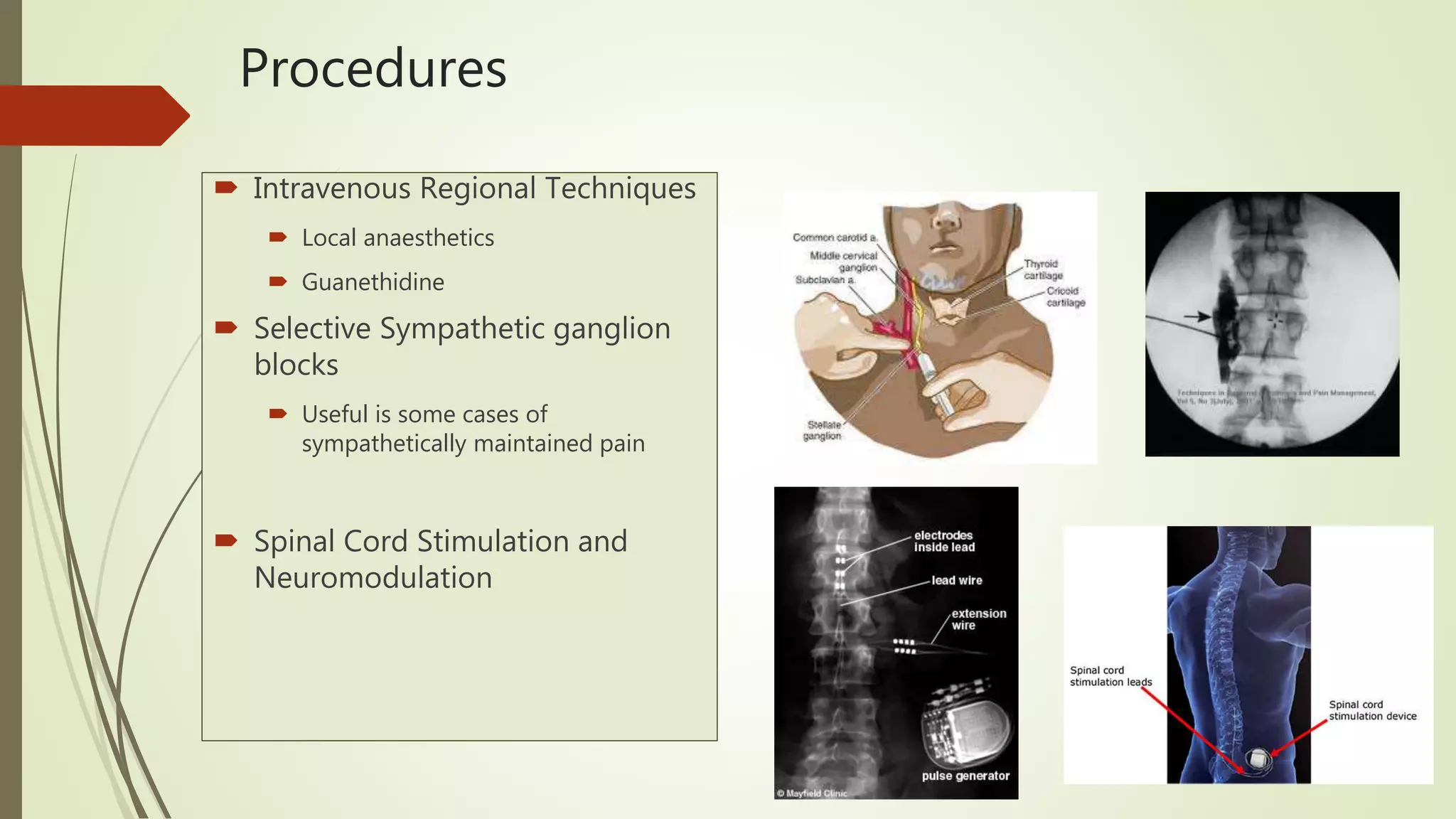
Procedures
 Intravenous Regional Techniques
 Local anaesthetics
 Guanethidine
 Selective Sympathetic ganglion
blocks
 Useful is some cases of
sympathetically maintained pain
 Spinal Cord Stimulation and
Neuromodulation
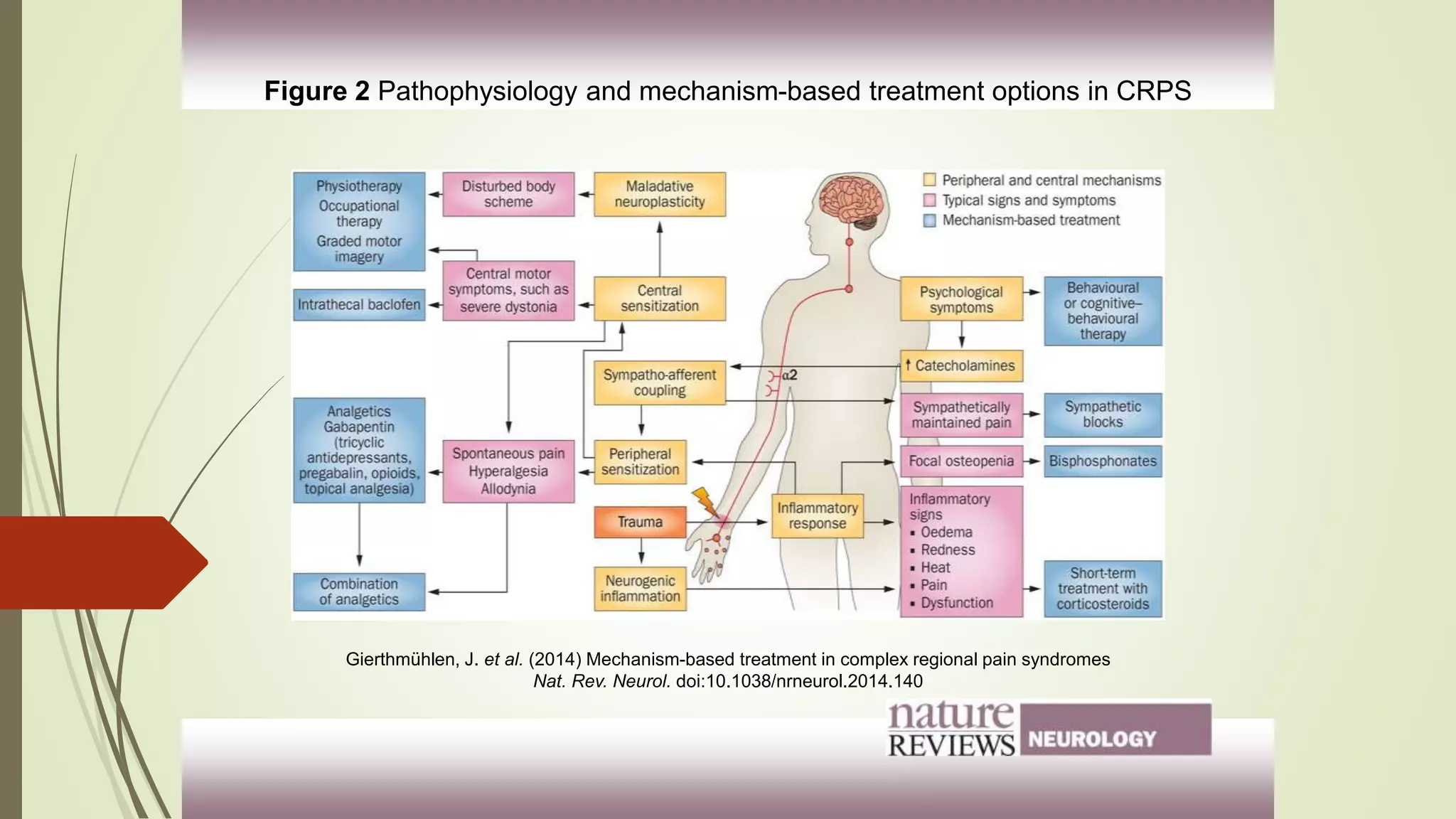
Figure 2 Pathophysiology and mechanism-based treatment options in CRPS
Gierthmühlen, J. et al. (2014) Mechanism-based treatment in complex regional pain syndromes
Nat. Rev. Neurol. doi:10.1038/nrneurol.2014.140
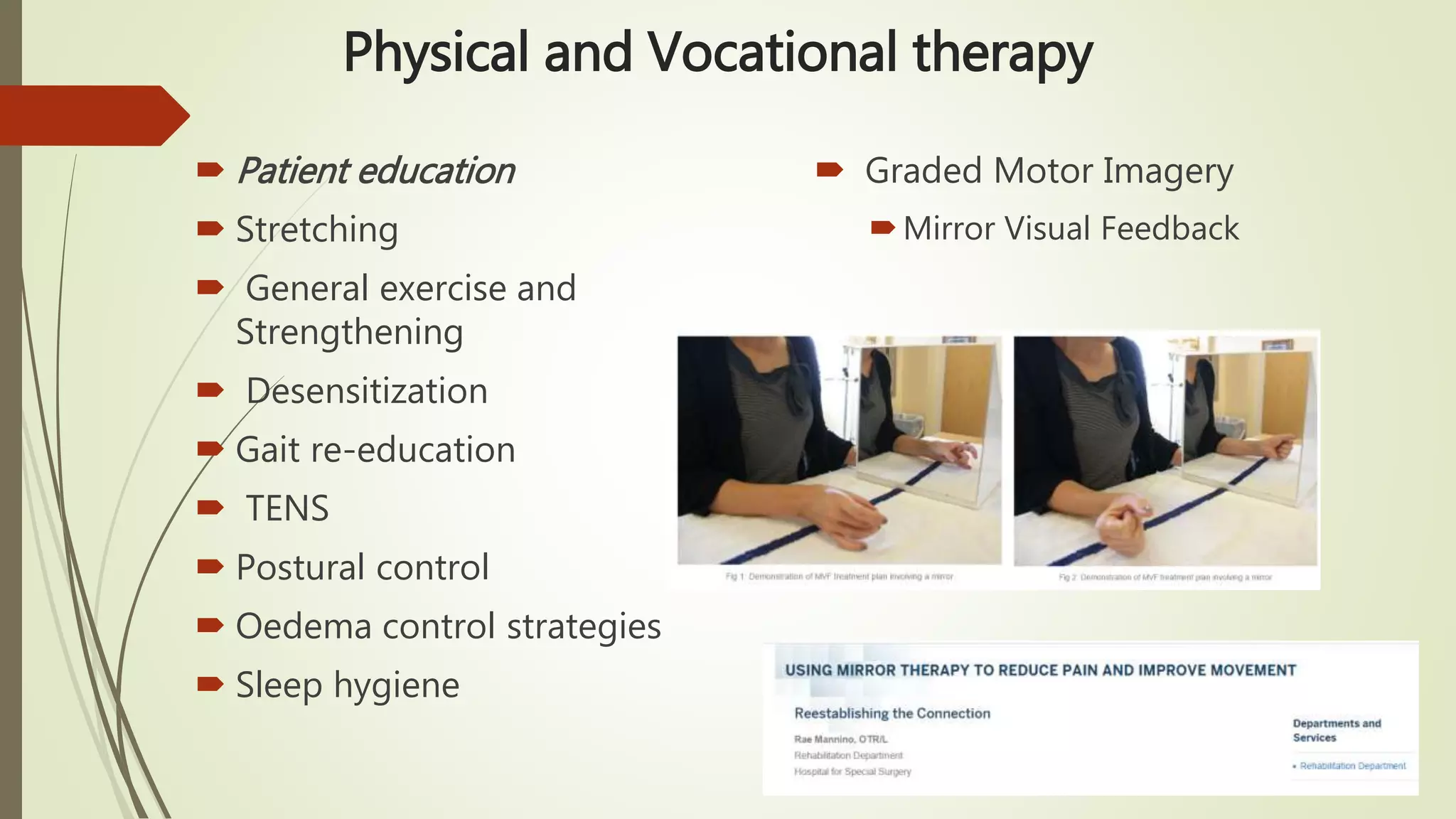
Physical and Vocational therapy
 Patient education
 Stretching
 General exercise and
Strengthening
 Desensitization
 Gait re-education
 TENS
 Postural control
 Oedema control strategies
 Sleep hygiene
 Graded Motor Imagery
Mirror Visual Feedback
Psychological Therapy
 Patient education and support
 Goal setting
 Relaxation techniques
 Pacing techniques
 Coping skills
 Facilitating self-management of condition
Watch for Yellow Flags
Rsdsa foundation
World orange day
In Conclusion
 CRPS is a chronic debilitating painful condition
 There has been significant advances in our understanding of
its Pathophysiology
 Early diagnosis and management – is essential to help
patients and reduce suffering
 The Budapest Criteria should help while excluding others
 A Multidisciplinary Approach to Management has been shown
to be beneficial
 With particular emphasis on Patient Education and Support
THANK YOU

Complex regional pain syndrome

  • 1.
    Complex Regional PainSyndrome (CRPS) Presenter :Dr pankaj bhosale Moderator : Dr Jesto
  • 2.
    CRPS  Is adebilitating painful condition in a limb  Associated with sensory, motor, autonomic, skin and bone abnormalities  PAIN is the leading symptom  Often associated with limb dysfunction  Psychological Distress
  • 3.
    MC GILL PAININDEX AND CRPS
  • 4.
     It commonlyarises after injury to a limb (sometimes trivial) CRPS Type 2Type 1 Absence of a major nerve lesion Presence of a major nerve lesion (Reflex sympathetic dystrophy Sudeck’s Atrophy ) (Causalgia)
  • 5.
    Historical Background  Firstdescribed by Weir Mitchell after the American Civil War in 1872  When he encountered soldiers who were injured by gun-shot wounds exhibiting “bizarre” symptoms and coined the term “Causalgia”  Early 20th century Peter Sudeck  Described features of pain, swelling, atrophy etc. following minor injury to limbs – hence this phenomenon came to be called “Sudeck’s atrophy”  A few years on – its association with the sympathetic nervous system was recognized and hence the term “reflex sympathetic dystrophy” was increasingly used
  • 6.
    IASP Consensus group- in 1994  The presence of an initiating noxious event, or a cause for immobilization  Continuing pain and allodynia which is disproportionate to any inciting event  Evidence at some time of oedema, changes in skin blood flow, abnormal sudomotor activity in the region of pain  The diagnosis is excluded by the existence of other conditions that can account for the degree of pain and dysfunction  Criteria 2-4 must be satisfied  Continuing pain, allodynia, or hyperalgesia after nerve injury, not necessarily limited to the distribution of the injured nerve  Evidence at some time of oedema, changes in skin blood flow, abnormal sudomotor activity in the region of pain  The diagnosis is excluded by the existence of other conditions that can account for the degree of pain and dysfunction  All 3 Criteria must be satisfied Complex Regional Pain Syndrome TYPE I TYPE II
  • 7.
    1994 IASP Criteria Proved to be extremely sensitive  Insufficiently specific  Over diagnoses of the syndrome  Difficult to validate  In 2003, a workshop was held in Budapest  Published in 2007  Modified diagnostic criteria Better discrimination between CRPS and Non- CRPS neuropathic pain
  • 8.
    IASP revised criteria– “Budapest criteria”  Continuing pain that is disproportionate to any inciting event  At least one symptom reported in at least 3 of the following categories  Sensory: Hyperesthesia or allodynia  Vasomotor: Temperature asymmetry, skin colour changes, skin colour asymmetry  Sudomotor/ Oedema, sweating changes or sweating oedema asymmetry  Motor / Trophic Decreased range of motion, motor dysfunction (E.g. weakness, tremor, dystonia), or trophic changes (e.g. hair, skin, nails)
  • 9.
    Criteria continued …………… At least one sign at time of evaluation in at least two of the following categories  Sensory: Evidence of hyperalgesia (to pinprick), allodynia (to light touch), temperature sensation, deep somatic pressure or joint movement  Vasomotor: Evidence of temperature asymmetry (>1°C), skin colour changes or symmetry  Sudomotor/ Evidence or oedema, sweating changes, or Oedema sweating asymmetry  Motor/Trophic Evidence of deceased range of movement, motor dysfunction (E.g. weakness, tremor, dystonia), trophic changes (E.g. nail, skin, hair)  No other diagnosis explaining the signs and symptoms
  • 10.
    More stringent criteriain a research setting: to increase specificity  At least one SYMPTOM in Three ‘SYMPTOM’ categories  At least one SIGN in Three ‘SIGN’ categories  For diagnosis of CRPS in a Research Setting
  • 11.
    Epidemiology  A populationstudy from the Netherlands showed  Incidence of 26 in 100,000;  Female : Male ratio of 3.5:1  Peak incidence in the age group of 55-70 years  Upper limb more common than the lower  Fracture was the most common precipitating factor  CRPS I more common than CRPS II (de Mos M et al. Pain 2007; 129:12-20)  This was 4 times that of a previous population study in the US – 5.5 / 100,000
  • 12.
    Pathophysiology  Not wellunderstood for many years  Renewed research interest  Revised diagnostic criteria  Availability of animal models of CRPS Pain 2015; 156: S94-S103
  • 13.
    Inciting event – Trivialinjury to the limb or injury to a peripheral nerve  Inflammation is exaggerated for yet unclear reasons  inflammatory mediators leading to swelling, changes in colour, increased skin temperature  Pain and hyperalgesia  Hyperhidrosis / hypohidrosis due to mediators such as neuropeptides (Substance P, CGRP, bradykinin)  Trophic changes due to cytokines  Motor function is also impaired by peripheral inflammation  Increased levels of TNF-α, with a decrease in anti- inflammatory cytokines
  • 14.
     Neuropeptides –released by sensitized peptidergic nociceptors ( neurogenic inflammation)  Endothelin-1 – potent vasoconstrictor (hyperalgesia)  Autoantibodies on surface structures of β2-adregeric receptors and m2-cholinergic receptors (which provides a link to the sympathetic nervous system)  In a significant subset of patients, CRPS gradually “centralizes” – (time frame varies with individuals)  Mechanical hyperalgesia  Non-dermatomal sensory deficits  Body perception disturbances  Movements disorders
  • 15.
  • 16.
    Conceptual model ofCRPS - • Enhanced anti-dromic secretion of Neuropeptides • Enhanced release of Immune mediators • Surface binding auto-antibodies • Contributes to changes in sensory nerve function and axonal degeneration • Viscous cycle is set in motion
  • 17.
  • 18.
    Electrical Stimulation inducesPlasma Protein Extravasation in CRPS
  • 19.
    Clinical Features area continuum  Stage One (acute stage – 6-8 weeks after injury)  Warmth, coolness, burning pain, oedema, increased sensitivity to touch, increased pain with hyperalgesia, accelerated hair / nail growth, tenderness or stiffness of joints, spasm, bone changes on X-ray  Decreased sympathetic activity
  • 20.
    Clinical Features ofCRPS  Stage Two: Dystrophic phase ( can last several months)  Pain is constant – throbbing, burning, aching, exaggerated by stimuli  Affected limb may still have oedema, cool, mottled appearance  Nails – brittle and ridged  Pain and stiffness of joints persist  Muscles – tremors, signs of wasting  Psychological distress sets in (mainly from lack of pain relief)  Changes in body perception (limbs)  Increased sympathetic activity
  • 21.
    Stage 3 –Atrophic phase (unlimited amount of time)  Typically the patient has had CRPS for 3+ years  Pain is still constant (varies in degree depending on the patient)  Skin is cool, thin and shiny  Atrophy of limb – with contractures of joints  Muscle wasting  Increase in osteoporosis  Unlikely for sympathetic blocks to be effective  Central changes  CRPS features can extend beyond the original region
  • 22.
    Diagnosis  Clinical –There are no specific tests  Differential diagnosis needs to be considered and excluded • 53 year old male patient • Clinical features of pain and allodynia • Limited to the fourth and fifth fingers • Bluish and significantly cooler • Thermography showed only the innervation of the ulnar nerve was colder • Traumatic ulnar paresis • Diagnosis : Posttraumatic neuralgia
  • 23.
    Having a Check-List willhelp with the Diagnosis
  • 24.
    Item 4. Noother diagnosis explaining the signs and symptoms
  • 25.
  • 26.
    Early Recognition isthe key to Management • Patients may be first seen by a host of different specialists • It is important to create awareness about CRPS in these groups • Early recognition and referral for appropriate therapy can improve chances for better management
  • 27.
    Budapest diagnostic criteria(A–D must apply). Andreas Goebel Rheumatology 2011;rheumatology.ker202 © The Author 2011. Published by Oxford University Press on behalf of the British Society for Rheumatology. All rights reserved. For Permissions, please email: journals.permissions@oup.com CHECK LIST
  • 28.
    The 4 Pillarsof Management
  • 29.
    Pain Relief  Corticosteroids Calcium-regulating drugs  Calcitonin, Alendronate  Opioids  Anti Neuropathic drugs  Ketamine  Sodium channel blockers  Lignocaine  Clonidine Very little consistent information is available for these pharmacological agents  In early CRPS – may be useful  Has been tried  Intravenous immunoglobulins 0.5 g/kg  When others fail to provide pain relief  TCA, gabapentin, pregabalin  Ketamine ( Low dose infusions have been tried with mixed results)  Dimethyl sulfoxide and n-acetyl cystiene  Pain relief – so that patients are able to comply with physical therapy, which is the KEY to management Medications
  • 30.
    CREATE 1 TRIAL– CRPS TREATMENT EVALUATION 1 STUDY
  • 31.
    Procedures  Intravenous RegionalTechniques  Local anaesthetics  Guanethidine  Selective Sympathetic ganglion blocks  Useful is some cases of sympathetically maintained pain  Spinal Cord Stimulation and Neuromodulation
  • 32.
    Figure 2 Pathophysiologyand mechanism-based treatment options in CRPS Gierthmühlen, J. et al. (2014) Mechanism-based treatment in complex regional pain syndromes Nat. Rev. Neurol. doi:10.1038/nrneurol.2014.140
  • 33.
    Physical and Vocationaltherapy  Patient education  Stretching  General exercise and Strengthening  Desensitization  Gait re-education  TENS  Postural control  Oedema control strategies  Sleep hygiene  Graded Motor Imagery Mirror Visual Feedback
  • 34.
    Psychological Therapy  Patienteducation and support  Goal setting  Relaxation techniques  Pacing techniques  Coping skills  Facilitating self-management of condition
  • 35.
  • 36.
  • 37.
  • 38.
    In Conclusion  CRPSis a chronic debilitating painful condition  There has been significant advances in our understanding of its Pathophysiology  Early diagnosis and management – is essential to help patients and reduce suffering  The Budapest Criteria should help while excluding others  A Multidisciplinary Approach to Management has been shown to be beneficial  With particular emphasis on Patient Education and Support
  • 39.

Editor's Notes

  • #3 Debilitating means a disease which makes one individual very weak or infirm
  • #7 Allodynia…any normal painless stimuli such as touch is perceived as a painful stimuli
  • #16 These are the mechanisms by which crps has been thought to occur ,rather they are all retrospectively and objectively studied mechanisms in patients of crps. Compared to unaffected limb…altered cutaneous innervation central sensitisation:Persistent or intense noxious input resulting from tissue damage or nerve injury triggers increased excitability of nociceptive neurons in the spinal cord, a phenomenon termed central sensitization. An objective measure associated with central sensitization is windup, which is reflected in increased excitability of spinal cord neurons that is evoked by repeated brief mechanical or thermal stimulation occurring at a frequency similar to the natural firing rate of nociceptive fibers
  • #25 So before we conclude dat dis can be a crps…these test can help us confirm our diagnosis by exclusion
  • #28 Budapest diagnostic criteria (A–D must apply). Note that it is possible to distinguish between CRPS-1 (without damage to major nerves) and CRPS-2 [associated with (yet not causing) damage to a major nerve, a very rare presentation], but there is currently no RCT-derived evidence that this distinction has any consequence for treatment. aThe reflected understanding of allodynia as painful sensation to a number of normally non-painful stimuli is under review by the IASP taxonomy group. Some experts suggest that the term allodynia should be reserved only for brush-stroke evoked pain (dynamic mechanical allodynia). bHyperalgesia is exaggerated pain to a painful stimulus such as a pinprick. cFor example, raised systemic inflammatory markers are not associated with CRPS, even in the initial inflammatory phase; such a finding of raised markers would lead to a search for an alternative or concomitant cause. Abnormal nerve conduction studies do not exclude CRPS, but the primary cause of the observed abnormality must be clarified: CRPS, by definition is always secondary, its presence cannot explain major nerve damage. Figure adapted from Ref. [4].
  • #30 This calcitonin : antinociceptive effects of calcitonin have not been clearly elucidated. Numerous explanations have been proposed including serotoninergic and catecholaminergic mechanisms, Ca2þ fluxes, protein phosphorylation, endorphin production, cyclooxygenase inhibitionthere was a study done by sahin f et al which was published in the journal of clinical rheumatology which compared calcitonin obtained form salmon fish and paracetamol the results of which showed no significant difference .sothey concluded that calcitonin is not very effective . Anitneuropathic drugs are…tricyclic antidepressants Biphosphonates:assumption that the antinociceptive effect of bisphosphonates is primarily due to their capacity to inactivate osteoclasts and antagonize osteoclastogenesis may be simplistic Dimethyl sulfoxide …organosulfur compound.obtained from the wood industry.used basically as a solvent.but has found to be medicinal.it cn b given iv orally or topically n used for many painful conditions to skin infections.
  • #32 Spinal Cord Stimulation • Consists of implanted electric wires (leads) connected to a power supply (pulse generator) • Delivers pulsed electrical signals to spinal cord • Neurophysiology – may be different for differing pain physiology • Alteration in the cord neurochemistry in the dorsal horn, suppressing hyperexcitability of neurons by stimulating/suppressing neurotransmitters