CAPTURING OPPORTUNITY TO EXPAND PROGRAMS BY FULFILLINGCOMMUNITY NEEDPamela Anderson-BruléPresidentAnderson Brulé ArchitectsPat CornelyExecutive DirectorKirsch Center for the EnvironmentDe Anza Community College Jenna BragerFarm CoordinatorIndian Valley Organic Farm & Garden Rob BarthelmanPrincipalVBN Architects
CAPTURING OPPORTUNITY TO EXPAND PROGRAMS BY FULFILLINGCOMMUNITY NEEDRob BarthelmanPrincipalVBN ArchitectsGreater Prevalence of Community-Focused Partnerships, Public-Private in Educational Planning Curricular Advancement
 Contextual Learning
 Common Goals
  Greater Ability to Expand Fulfillment
 Financial Partnering
 Percentage Partners
 Collective Programmatic Contributions
 Achieving More
 Share Resources
 Finances, Land, Facility, HR
 Revenue Development
 Rent/LeaseCAPTURING OPPORTUNITY TO EXPAND PROGRAMS BY FULFILLINGCOMMUNITY NEEDRecent Survey of Institutions Involved in PartnershipTop Five Objectives of the PartnershipFacilitate Learning and Skills DevelopmentAdvance Learning ObjectivesWorkplace and Career OpportunitiesEnhance CurriculumConnect  to the CommunityOther ObjectivesAchieve More CollectivelyExpanded Service OfferingsShared Financial and Physical ResourcesPrimary Activities FosteredLearning Events and ActivitiesCurriculum/Service Support, Teacher DevelopmentWork Experience Programs (Internships, Mentoring, Job Training)Annual Global Business-Education-Community Partnerships Survey
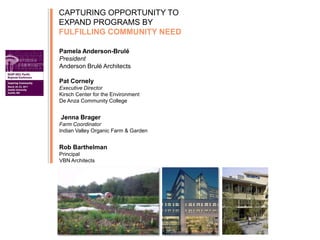
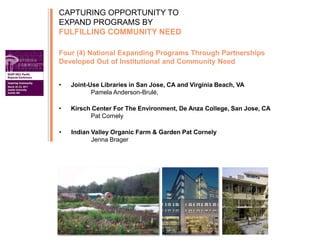
CAPTURING OPPORTUNITY TO EXPAND PROGRAMS BY FULFILLINGCOMMUNITY NEEDFour (4) National Expanding Programs Through Partnerships Developed Out of Institutional and Community Need Joint-Use Libraries in San Jose, CA and Virginia Beach, VA		Pamela Anderson-Brulé,Kirsch Center For The Environment, De Anza College, San Jose, CAPat CornelyIndian Valley Organic Farm & Garden Pat CornelyJenna Brager
Creating Community SynergyPamela Anderson-BruléPresidentAnderson Brulé ArchitectsBigger ideas, better spaces through collaboration
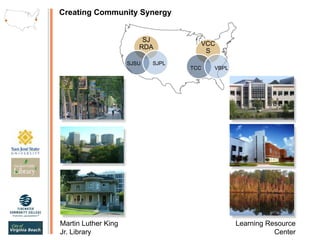
Creating Community SynergySJRDAVCCSSJPLSJSUTCCVBPLMartin Luther King Jr. LibraryLearning Resource Center
Creating Community SynergyWho Does The Library Serve?    LocationSan José State Univ., San JoséThe City of San José	Population: 1,000,000San José State University	SJSU Population: 29,600 StudentsBudget	Size:	 475,000 SF	Budget:  $102,000,000Main Library	65/35 Partnership, (50/50) Schedule & Timeline1997199920012000200220031998“Idea”MOUO/AOPENOPERATIONAL PLANNING / IMPLEMENTATIONFEASIBILITYSTRATEGICOPS PLANConstructionProgramming / DesignProcess Design /Facilitation
Creating Community SynergyWho Does The Library Serve?    LocationTidewater Community College & The City of Virginia BeachThe City of Virginia Beach Population: 434,000Tidewater Community College	TCC Population: 40,000 StudentsLearning Resource Center	Size:	 120,000 SF	Budget:  $125,000,000Branch Library/LRC	83% TCC,  17% City of Virginia BeachSchedule & Timeline20052007200920082010201120062012OPENO/AMOUOPERATIONAL PLANNING/IMPLEMENTATIONFEASIBILITYSTRATEGICOPS PLANFUNDINGProgramming& DesignConstruction
Creating Community SynergyMartin Luther King Jr. LibraryGoalsReplace Aging and Failing Facilities
Build a Partnership Between City and University
Increase Funding Capacity and Priority for Both InstitutionsPartnership InitiativesEnd Decade Old Battles Through Collaboration
Redevelop Primary Downtown and University Edge with a Community  Icon and Gateway
Create a Successful Funding and Financing Strategy
Stimulate Surrounding Redevelopment
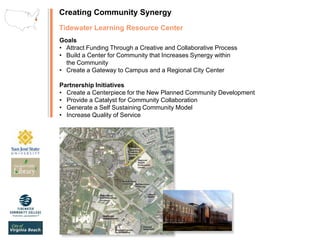
Lower Operational Costs While Increasing Quality of ServiceCreating Community SynergyTidewater Learning Resource CenterGoalsAttract Funding Through a Creative and Collaborative Process
Build a Center for Community that Increases Synergy within the Community
Create a Gateway to Campus and a Regional City CenterPartnership InitiativesCreate a Centerpiece for the New Planned Community Development
Provide a Catalyst for Community Collaboration
Generate a Self Sustaining Community Model
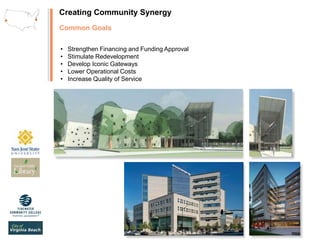
Increase Quality of ServiceCreating Community SynergyCommon GoalsStrengthen Financing and Funding Approval
Stimulate Redevelopment
Develop Iconic Gateways
Lower Operational Costs
Increase Quality of ServiceCreating Community SynergyHow Did The Community Stretch The Concept and Build On The Ideas?Transform the Communities’ Thinking About Libraries
Success of the Partnership Became a Driving Force and Continued Growth of Workforce Development, Technology Partnerships and Beyond
A Center of Community that Drives Dialogue and Learning
Supports Life Long Learning and Becomes the Bridge Between Social, Economic and Educational Divides
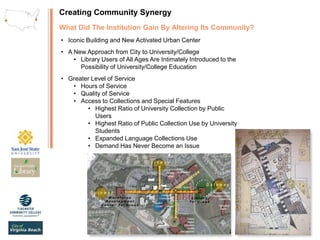
Redefines a Sustainable Community ModelCreating Community SynergyWhat Did The Institution Gain By Altering Its Community?Iconic Building and New Activated Urban Center
A New Approach from City to University/College
Library Users of All Ages Are Intimately Introduced to the Possibility of University/College Education
Greater Level of Service

Community & Curriculum @ SCUP 2011

  • 1.
    CAPTURING OPPORTUNITY TOEXPAND PROGRAMS BY FULFILLINGCOMMUNITY NEEDPamela Anderson-BruléPresidentAnderson Brulé ArchitectsPat CornelyExecutive DirectorKirsch Center for the EnvironmentDe Anza Community College Jenna BragerFarm CoordinatorIndian Valley Organic Farm & Garden Rob BarthelmanPrincipalVBN Architects
  • 2.
    CAPTURING OPPORTUNITY TOEXPAND PROGRAMS BY FULFILLINGCOMMUNITY NEEDRob BarthelmanPrincipalVBN ArchitectsGreater Prevalence of Community-Focused Partnerships, Public-Private in Educational Planning Curricular Advancement
  • 3.
  • 4.
  • 5.
    GreaterAbility to Expand Fulfillment
  • 6.
  • 7.
  • 8.
  • 9.
  • 10.
  • 11.
    Finances, Land,Facility, HR
  • 12.
  • 13.
    Rent/LeaseCAPTURING OPPORTUNITYTO EXPAND PROGRAMS BY FULFILLINGCOMMUNITY NEEDRecent Survey of Institutions Involved in PartnershipTop Five Objectives of the PartnershipFacilitate Learning and Skills DevelopmentAdvance Learning ObjectivesWorkplace and Career OpportunitiesEnhance CurriculumConnect to the CommunityOther ObjectivesAchieve More CollectivelyExpanded Service OfferingsShared Financial and Physical ResourcesPrimary Activities FosteredLearning Events and ActivitiesCurriculum/Service Support, Teacher DevelopmentWork Experience Programs (Internships, Mentoring, Job Training)Annual Global Business-Education-Community Partnerships Survey
  • 14.
    CAPTURING OPPORTUNITY TOEXPAND PROGRAMS BY FULFILLINGCOMMUNITY NEEDFour (4) National Expanding Programs Through Partnerships Developed Out of Institutional and Community Need Joint-Use Libraries in San Jose, CA and Virginia Beach, VA Pamela Anderson-Brulé,Kirsch Center For The Environment, De Anza College, San Jose, CAPat CornelyIndian Valley Organic Farm & Garden Pat CornelyJenna Brager
  • 15.
    Creating Community SynergyPamelaAnderson-BruléPresidentAnderson Brulé ArchitectsBigger ideas, better spaces through collaboration
  • 16.
    Creating Community SynergySJRDAVCCSSJPLSJSUTCCVBPLMartinLuther King Jr. LibraryLearning Resource Center
  • 17.
    Creating Community SynergyWhoDoes The Library Serve? LocationSan José State Univ., San JoséThe City of San José Population: 1,000,000San José State University SJSU Population: 29,600 StudentsBudget Size: 475,000 SF Budget: $102,000,000Main Library 65/35 Partnership, (50/50) Schedule & Timeline1997199920012000200220031998“Idea”MOUO/AOPENOPERATIONAL PLANNING / IMPLEMENTATIONFEASIBILITYSTRATEGICOPS PLANConstructionProgramming / DesignProcess Design /Facilitation
  • 18.
    Creating Community SynergyWhoDoes The Library Serve? LocationTidewater Community College & The City of Virginia BeachThe City of Virginia Beach Population: 434,000Tidewater Community College TCC Population: 40,000 StudentsLearning Resource Center Size: 120,000 SF Budget: $125,000,000Branch Library/LRC 83% TCC, 17% City of Virginia BeachSchedule & Timeline20052007200920082010201120062012OPENO/AMOUOPERATIONAL PLANNING/IMPLEMENTATIONFEASIBILITYSTRATEGICOPS PLANFUNDINGProgramming& DesignConstruction
  • 19.
    Creating Community SynergyMartinLuther King Jr. LibraryGoalsReplace Aging and Failing Facilities
  • 20.
    Build a PartnershipBetween City and University
  • 21.
    Increase Funding Capacityand Priority for Both InstitutionsPartnership InitiativesEnd Decade Old Battles Through Collaboration
  • 22.
    Redevelop Primary Downtownand University Edge with a Community Icon and Gateway
  • 23.
    Create a SuccessfulFunding and Financing Strategy
  • 24.
  • 25.
    Lower Operational CostsWhile Increasing Quality of ServiceCreating Community SynergyTidewater Learning Resource CenterGoalsAttract Funding Through a Creative and Collaborative Process
  • 26.
    Build a Centerfor Community that Increases Synergy within the Community
  • 27.
    Create a Gatewayto Campus and a Regional City CenterPartnership InitiativesCreate a Centerpiece for the New Planned Community Development
  • 28.
    Provide a Catalystfor Community Collaboration
  • 29.
    Generate a SelfSustaining Community Model
  • 30.
    Increase Quality ofServiceCreating Community SynergyCommon GoalsStrengthen Financing and Funding Approval
  • 31.
  • 32.
  • 33.
  • 34.
    Increase Quality ofServiceCreating Community SynergyHow Did The Community Stretch The Concept and Build On The Ideas?Transform the Communities’ Thinking About Libraries
  • 35.
    Success of thePartnership Became a Driving Force and Continued Growth of Workforce Development, Technology Partnerships and Beyond
  • 36.
    A Center ofCommunity that Drives Dialogue and Learning
  • 37.
    Supports Life LongLearning and Becomes the Bridge Between Social, Economic and Educational Divides
  • 38.
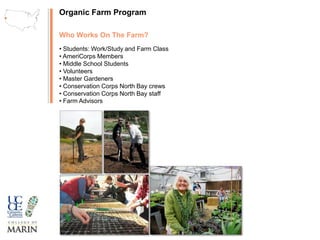
    Redefines a SustainableCommunity ModelCreating Community SynergyWhat Did The Institution Gain By Altering Its Community?Iconic Building and New Activated Urban Center
  • 39.
    A New Approachfrom City to University/College
  • 40.
    Library Users ofAll Ages Are Intimately Introduced to the Possibility of University/College Education
  • 41.
  • 42.
  • 43.
  • 44.
    Access to Collectionsand Special Features
  • 45.
    Highest Ratio ofUniversity Collection by Public Users
  • 46.
    Highest Ratio ofPublic Collection Use by University Students
  • 47.
  • 48.
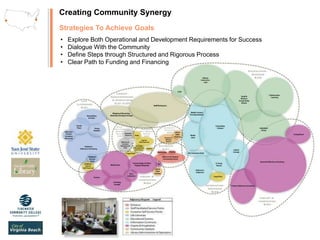
    Demand Has NeverBecome an IssueCreating Community SynergyStrategies To Achieve GoalsExplore Both Operational and Development Requirements for Success
  • 49.
  • 50.
    Define Steps throughStructured and Rigorous Process
  • 51.
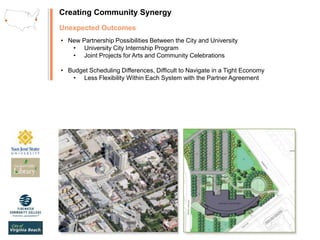
    Clear Path toFunding and Financing Creating Community SynergyUnexpected OutcomesNew Partnership Possibilities Between the City and University
  • 52.
  • 53.
    Joint Projects forArts and Community Celebrations
  • 54.
    Budget Scheduling Differences,Difficult to Navigate in a Tight Economy
  • 55.
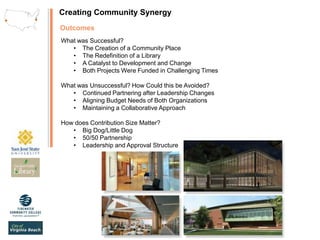
    Less Flexibility WithinEach System with the Partner Agreement Creating Community SynergyOutcomesWhat was Successful?The Creation of a Community Place
  • 56.
  • 57.
    A Catalyst toDevelopment and Change
  • 58.
    Both Projects WereFunded in Challenging TimesWhat was Unsuccessful? How Could this be Avoided?Continued Partnering after Leadership Changes
  • 59.
    Aligning Budget Needsof Both Organizations
  • 60.
    Maintaining a CollaborativeApproachHow does Contribution Size Matter?Big Dog/Little Dog
  • 61.
  • 62.
    Leadership and ApprovalStructureCreating Community SynergyOutcomesWhen Expanding Possibilities the Outcome is Greater than the Individual Expectations
  • 63.
    You Cannot Planfor All Aspects of a Future Joint Use Project – There Will Always be Surprises
  • 64.
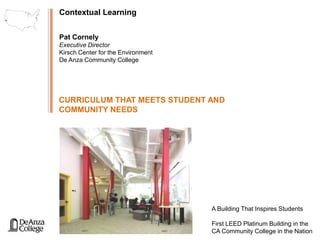
    You Must EmbedOperational Changes with Physical Changes to Ensure Long-term SuccessContextual LearningPat CornelyExecutive Director Kirsch Center for the EnvironmentDe Anza Community CollegeCurriculum that meets student and community needsA Building That Inspires StudentsFirst LEED Platinum Building in the CA Community College in the Nation
  • 65.
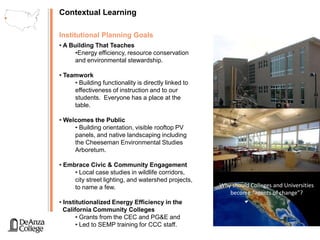
    Contextual LearningInstitutional PlanningGoals A Building That Teaches
  • 66.
    Energy efficiency, resourceconservation and environmental stewardship.
  • 67.
  • 68.
    Building functionalityis directly linked to effectiveness of instruction and to our students. Everyone has a place at the table.
  • 69.
  • 70.
    Building orientation,visible rooftop PV panels, and native landscaping including the Cheeseman Environmental Studies Arboretum.
  • 71.
    Embrace Civic& Community Engagement
  • 72.
    Local casestudies in wildlife corridors, city street lighting, and watershed projects, to name a few.
  • 73.
    Institutionalized EnergyEfficiency in the California Community Colleges
  • 74.
    Grants fromthe CEC and PG&E and
  • 75.
    Led toSEMP training for CCC staff.Why should Colleges and Universities become “agents of change”?
  • 76.
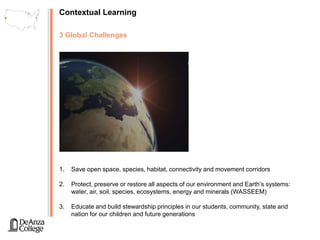
    Contextual Learning3 GlobalChallengesSave open space, species, habitat, connectivity and movement corridorsProtect, preserve or restore all aspects of our environment and Earth’s systems: water, air, soil, species, ecosystems, energy and minerals (WASSEEM)Educate and build stewardship principles in our students, community, state and nation for our children and future generations
  • 77.
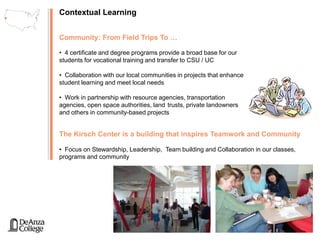
    Contextual LearningCommunity: FromField Trips To … 4 certificate and degree programs provide a broad base for our students for vocational training and transfer to CSU / UC
  • 78.
    Collaborationwith our local communities in projects that enhance student learning and meet local needs
  • 79.
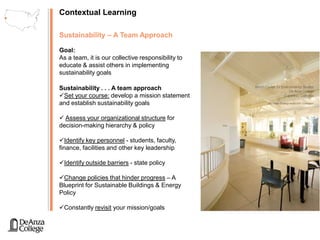
    Workin partnership with resource agencies, transportation agencies, open space authorities, land trusts, private landowners and others in community-based projectsThe Kirsch Center is a building that inspires Teamwork and Community Focus on Stewardship, Leadership, Team building and Collaboration in our classes, programs and communityContextual LearningSustainability – A Team ApproachGoal: As a team, it is our collective responsibility to educate & assist others in implementing sustainability goalsSustainability . . . A team approachSet your course: develop a mission statement and establish sustainability goals
  • 80.
    Assess your organizationalstructure for decision-making hierarchy & policy
  • 81.
    Identify key personnel- students, faculty, finance, facilities and other key leadership
  • 82.
  • 83.
    Change policies thathinder progress– A Blueprint for Sustainable Buildings & Energy Policy
  • 84.
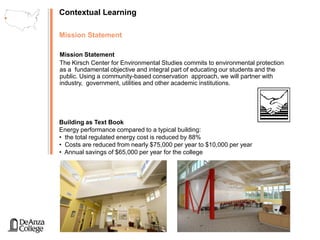
    Constantly revisit yourmission/goalsContextual LearningMission StatementMission StatementThe Kirsch Center for Environmental Studies commits to environmental protection as a fundamental objective and integral part of educating our students and the public. Using a community-based conservation approach, we will partner with industry, government, utilities and other academic institutions.Building as Text BookEnergy performance compared to a typical building: the total regulated energy cost is reduced by 88%
  • 85.
    Costsare reduced from nearly $75,000 per year to $10,000 per year
  • 86.
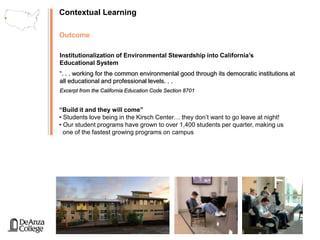
    Annualsavings of $65,000 per year for the collegeContextual LearningOutcomeInstitutionalization of Environmental Stewardship into California’s Educational System “. . . working for the common environmental good through its democratic institutions at all educational and professional levels. . . Excerpt from the California Education Code Section 8701“Build it and they will come” Students love being in the Kirsch Center… they don’t want to go leave at night!
  • 87.
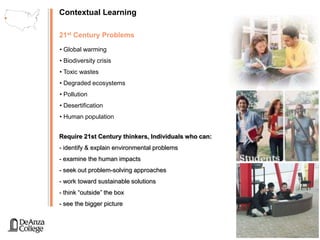
    Our studentprograms have grown to over 1,400 students per quarter, making us one of the fastest growing programs on campusContextual Learning21st Century Problems Global warming
  • 88.
  • 89.
  • 90.
  • 91.
  • 92.
  • 93.
    Human populationRequire21st Century thinkers, Individuals who can:- identify & explain environmental problems- examine the human impacts- seek out problem-solving approaches - work toward sustainable solutions- think “outside” the box- see the bigger picture
  • 94.
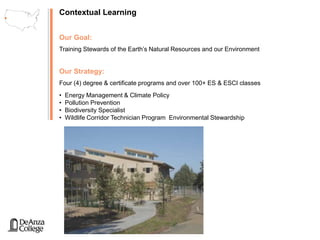
    Contextual LearningOur Goal:TrainingStewards of the Earth’s Natural Resources and our EnvironmentOur Strategy:Four (4) degree & certificate programs and over 100+ ES & ESCI classes Energy Management & Climate Policy
  • 95.
    PollutionPrevention
  • 96.
    BiodiversitySpecialist
  • 97.
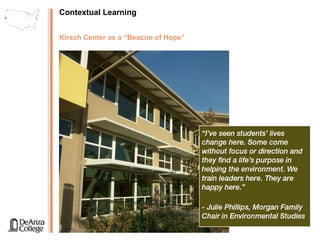
    WildlifeCorridor Technician Program Environmental StewardshipContextual LearningKirsch Center as a “Beacon of Hope”
  • 98.
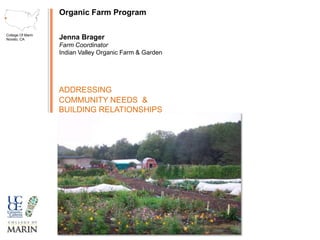
    Organic Farm ProgramJenna BragerFarm CoordinatorIndian Valley Organic Farm & GardenCollege Of MarinNovato, CAAddressingCommunity Needs &Building Relationships
  • 99.
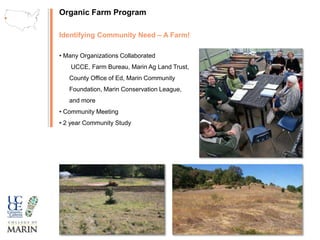
    Organic Farm ProgramIdentifying Community Need – A Farm! Many Organizations Collaborated UCCE, Farm Bureau, Marin Ag Land Trust, County Office of Ed, Marin Community Foundation, Marin Conservation League, and more Community Meeting
  • 100.
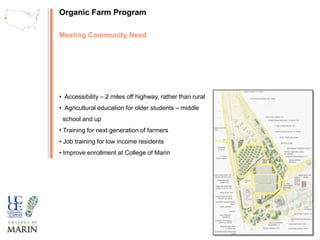
    2 yearCommunity StudyOrganic Farm Program Meeting Community Need Accessibility – 2 miles off highway, rather than rural
  • 101.
    Agriculturaleducation for older students – middle school and up
  • 102.
    Training fornext generation of farmers
  • 103.
    Job trainingfor low income residents
  • 104.
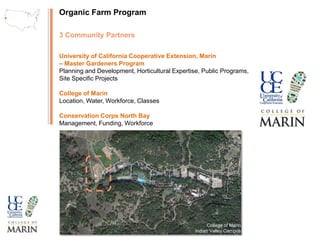
    Improve enrollmentat College of MarinOrganic Farm Program 3 Community PartnersUniversity of California Cooperative Extension, Marin– Master Gardeners Program Planning and Development, Horticultural Expertise, Public Programs, Site Specific ProjectsCollege of Marin Location, Water, Workforce, ClassesConservation Corps North BayManagement, Funding, WorkforceCollege of MarinIndian Valley Campus
  • 105.
    Organic Farm ProgramWho Works On The Farm? Students: Work/Study and Farm Class
  • 106.
  • 107.
  • 108.
  • 109.
  • 110.
    Conservation CorpsNorth Bay crews
  • 111.
    Conservation CorpsNorth Bay staff
  • 112.
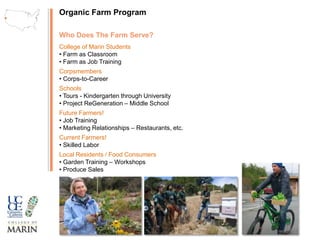
    Farm AdvisorsOrganicFarm Program Who Does The Farm Serve? College of Marin Students Farm as Classroom
  • 113.
    Farm asJob TrainingCorpsmembers Corps-to-CareerSchools Tours - Kindergarten through University
  • 114.
    Project ReGeneration– Middle SchoolFuture Farmers! Job Training
  • 115.
    Marketing Relationships– Restaurants, etc.Current Farmers! Skilled Labor Local Residents / Food Consumers Garden Training – Workshops
  • 116.
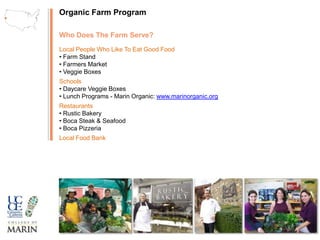
    Produce SalesOrganicFarm Program Who Does The Farm Serve? Local People Who Like To Eat Good Food Farm Stand
  • 117.
  • 118.
    Veggie BoxesSchoolsDaycare Veggie Boxes
  • 119.
    Lunch Programs- Marin Organic: www.marinorganic.orgRestaurants Rustic Bakery
  • 120.
    Boca Steak& Seafood
  • 121.
  • 122.
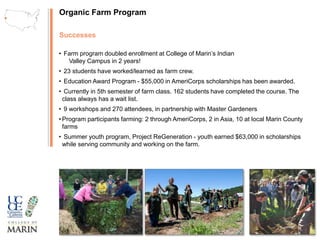
    Organic Farm ProgramSuccessesFarm program doubled enrollment at College of Marin’s Indian Valley Campus in 2 years!
  • 123.
    23 studentshave worked/learned as farm crew.
  • 124.
    Education AwardProgram - $55,000 in AmeriCorps scholarships has been awarded.
  • 125.
    Currently in5th semester of farm class. 162 students have completed the course. The class always has a wait list.
  • 126.
    9 workshopsand 270 attendees, in partnership with Master Gardeners
  • 127.
    Program participants farming:2 through AmeriCorps, 2 in Asia, 10 at local Marin County farms
  • 128.
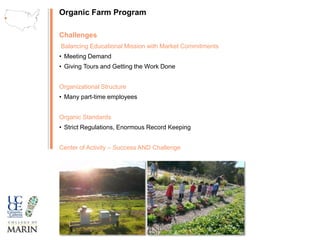
    Summer youthprogram, Project ReGeneration - youth earned $63,000 in scholarships while serving community and working on the farm.Organic Farm Program Challenges Balancing Educational Mission with Market Commitments Meeting Demand
  • 129.
    Giving Toursand Getting the Work DoneOrganizational Structure Many part-time employeesOrganic Standards Strict Regulations, Enormous Record KeepingCenter of Activity – Success AND Challenge
  • 130.
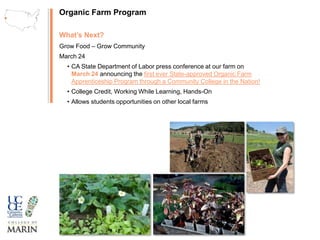
    Organic Farm ProgramWhat’s Next?Grow Food – Grow CommunityMarch 24CA State Department of Labor press conference at our farm on March 24 announcing the first ever State-approved Organic Farm Apprenticeship Program through a Community College in the Nation!
  • 131.
    College Credit, WorkingWhile Learning, Hands-On
  • 132.
    Allows students opportunitieson other local farmsOrganic Farm Program Thank you!
  • 133.
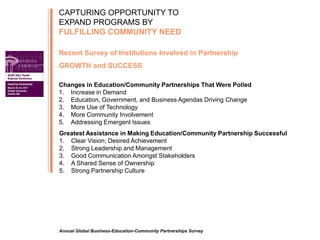
    CAPTURING OPPORTUNITY TOEXPAND PROGRAMS BY FULFILLINGCOMMUNITY NEEDRecent Survey of Institutions Involved in PartnershipGROWTH and SUCCESSChanges in Education/Community Partnerships That Were PolledIncrease in DemandEducation, Government, and Business Agendas Driving ChangeMore Use of TechnologyMore Community InvolvementAddressing Emergent IssuesGreatest Assistance in Making Education/Community Partnership SuccessfulClear Vision; Desired AchievementStrong Leadership and ManagementGood Communication Amongst StakeholdersA Shared Sense of OwnershipStrong Partnership CultureAnnual Global Business-Education-Community Partnerships Survey
  • 134.
    CAPTURING OPPORTUNITY TOEXPAND PROGRAMS BY FULFILLINGCOMMUNITY NEEDRecent Survey of Institutions Involved in PartnershipLESSONS: ATTRIBUTES OF STRONG COMMUNITY PARTNERSHIPSAttributes of Successful Community PartnershipsLeaders Encourage and Support ChangeLeaders Seek Incremental ChangesBarriers That Prevent Leaders’ Support of ChangeToo Busy for ChangeCurriculum, Scheduling, and Facilities Not Supportive of ChangeAnnual Global Business-Education-Community Partnerships Survey
  • 135.
    CAPTURING OPPORTUNITY TOEXPAND PROGRAMS BY FULFILLINGCOMMUNITY NEEDCopies of this Presentation can be obtained by contacting: SCUP@vbnarch.comJenna BragerFarm CoordinatorIndian Valley Organic Farm & Gardenjbrager@conservationcorpsnorthbay.orgPat CornelyExecutive Director Kirsch Center for the EnvironmentDe Anza Community CollegeCornelyPat@fhda.eduPamela Anderson-BruléPresidentAnderson Brulé Architectspamela@aba-arch.comRob BarthelmanPrincipalVBN Architectsrob@vbnarch.com