


How do you solve my
problem with a question?
MikeCardus.com 1
MikeCardus.com 2
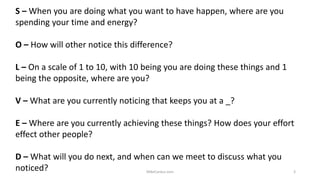
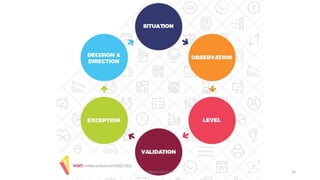
S – When you are doing what you want to have happen, where are you
spending your time and energy?
O – How will other notice this difference?
L – On a scale of 1 to 10, with 10 being you are doing these things and 1
being the opposite, where are you?
V – What are you currently noticing that keeps you at a _?
E – Where are you currently achieving these things? How does your effort
effect other people?
D – What will you do next, and when can we meet to discuss what you
noticed? MikeCardus.com 3
WHAT?
MikeCardus.com 4
MikeCardus.com 5
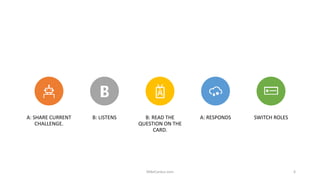
A: SHARE CURRENT
CHALLENGE.
B: LISTENS B: READ THE
QUESTION ON THE
CARD.
A: RESPONDS SWITCH ROLES
MikeCardus.com 6
SO WHAT?
MikeCardus.com 7
MikeCardus.com 8
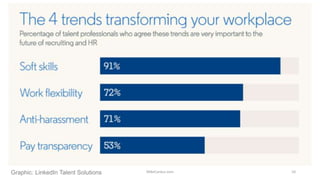
Project Aristotle shows that the best teams at Google exhibit a
range of soft skills:
1.equality,
2.generosity,
3.curiosity toward the ideas of your teammates,
4.empathy, and emotional intelligence.
5.And topping the list: emotional safety. No bullying. To succeed,
each and every team member must feel confident speaking up
and making mistakes. They must know they are being heard.
- Washington Post – “The surprising thing Google learned about its employees — and what it means for today’s students”
MikeCardus.com 9
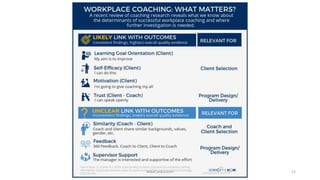
Graphic: LinkedIn Talent Solutions MikeCardus.com 10
MikeCardus.com 11
NOW WHAT?
MikeCardus.com 12
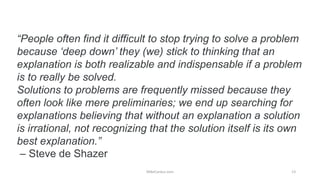
“People often find it difficult to stop trying to solve a problem
because ‘deep down’ they (we) stick to thinking that an
explanation is both realizable and indispensable if a problem
is to really be solved.
Solutions to problems are frequently missed because they
often look like mere preliminaries; we end up searching for
explanations believing that without an explanation a solution
is irrational, not recognizing that the solution itself is its own
best explanation.”
– Steve de Shazer
MikeCardus.com 13
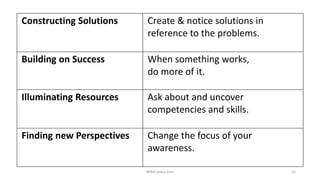
Constructing Solutions Create & notice solutions in
reference to the problems.
Building on Success When something works,
do more of it.
Illuminating Resources Ask about and uncover
competencies and skills.
Finding new Perspectives Change the focus of your
awareness.
MikeCardus.com 14
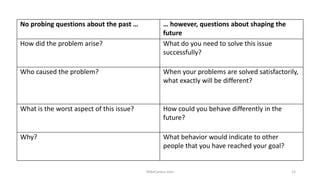
No probing questions about the past … … however, questions about shaping the
future
How did the problem arise? What do you need to solve this issue
successfully?
Who caused the problem? When your problems are solved satisfactorily,
what exactly will be different?
What is the worst aspect of this issue? How could you behave differently in the
future?
Why? What behavior would indicate to other
people that you have reached your goal?
MikeCardus.com 15
MikeCardus.com 16
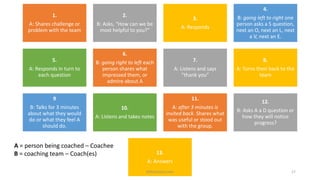
1.
A: Shares challenge or
problem with the team
2.
B: Asks, “How can we be
most helpful to you?”
3.
A: Responds
4.
B: going left to right one
person asks a S question,
next an O, next an L, next
a V, next an E.
5.
A: Responds in turn to
each question
6.
B: going right to left each
person shares what
impressed them, or
admire about A
7.
A: Listens and says
“thank you”
8.
A: Turns their back to the
team
9
B: Talks for 3 minutes
about what they would
do or what they feel A
should do.
10.
A: Listens and takes notes
11.
A: after 3 minutes is
invited back. Shares what
was useful or stood out
with the group.
12.
B: Asks A a D question or
how they will notice
progress?
13.
A: Answers
A = person being coached – Coachee
B = coaching team – Coach(es)
MikeCardus.com 17
How do you solve my
problem with a question?
MikeCardus.com 18
MikeCardus.com 19
MikeCardus.com 20
MikeCardus.com 21

Coaching- Finding What Works

  • 1.
    How do yousolve my problem with a question? MikeCardus.com 1
  • 2.
  • 3.
    S – Whenyou are doing what you want to have happen, where are you spending your time and energy? O – How will other notice this difference? L – On a scale of 1 to 10, with 10 being you are doing these things and 1 being the opposite, where are you? V – What are you currently noticing that keeps you at a _? E – Where are you currently achieving these things? How does your effort effect other people? D – What will you do next, and when can we meet to discuss what you noticed? MikeCardus.com 3
  • 4.
  • 5.
  • 6.
    A: SHARE CURRENT CHALLENGE. B:LISTENS B: READ THE QUESTION ON THE CARD. A: RESPONDS SWITCH ROLES MikeCardus.com 6
  • 7.
  • 8.
  • 9.
    Project Aristotle showsthat the best teams at Google exhibit a range of soft skills: 1.equality, 2.generosity, 3.curiosity toward the ideas of your teammates, 4.empathy, and emotional intelligence. 5.And topping the list: emotional safety. No bullying. To succeed, each and every team member must feel confident speaking up and making mistakes. They must know they are being heard. - Washington Post – “The surprising thing Google learned about its employees — and what it means for today’s students” MikeCardus.com 9
  • 10.
    Graphic: LinkedIn TalentSolutions MikeCardus.com 10
  • 11.
  • 12.
  • 13.
    “People often findit difficult to stop trying to solve a problem because ‘deep down’ they (we) stick to thinking that an explanation is both realizable and indispensable if a problem is to really be solved. Solutions to problems are frequently missed because they often look like mere preliminaries; we end up searching for explanations believing that without an explanation a solution is irrational, not recognizing that the solution itself is its own best explanation.” – Steve de Shazer MikeCardus.com 13
  • 14.
    Constructing Solutions Create& notice solutions in reference to the problems. Building on Success When something works, do more of it. Illuminating Resources Ask about and uncover competencies and skills. Finding new Perspectives Change the focus of your awareness. MikeCardus.com 14
  • 15.
    No probing questionsabout the past … … however, questions about shaping the future How did the problem arise? What do you need to solve this issue successfully? Who caused the problem? When your problems are solved satisfactorily, what exactly will be different? What is the worst aspect of this issue? How could you behave differently in the future? Why? What behavior would indicate to other people that you have reached your goal? MikeCardus.com 15
  • 16.
  • 17.
    1. A: Shares challengeor problem with the team 2. B: Asks, “How can we be most helpful to you?” 3. A: Responds 4. B: going left to right one person asks a S question, next an O, next an L, next a V, next an E. 5. A: Responds in turn to each question 6. B: going right to left each person shares what impressed them, or admire about A 7. A: Listens and says “thank you” 8. A: Turns their back to the team 9 B: Talks for 3 minutes about what they would do or what they feel A should do. 10. A: Listens and takes notes 11. A: after 3 minutes is invited back. Shares what was useful or stood out with the group. 12. B: Asks A a D question or how they will notice progress? 13. A: Answers A = person being coached – Coachee B = coaching team – Coach(es) MikeCardus.com 17
  • 18.
    How do yousolve my problem with a question? MikeCardus.com 18
  • 19.
  • 20.
  • 21.