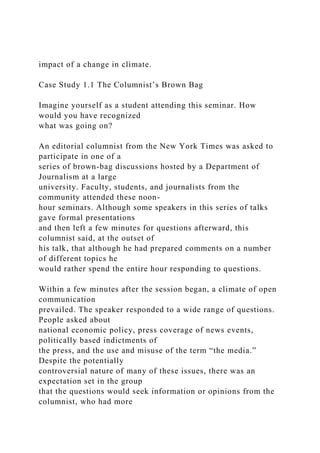
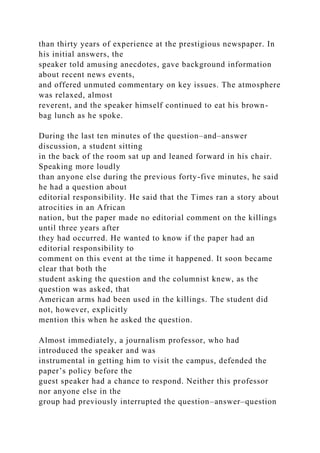
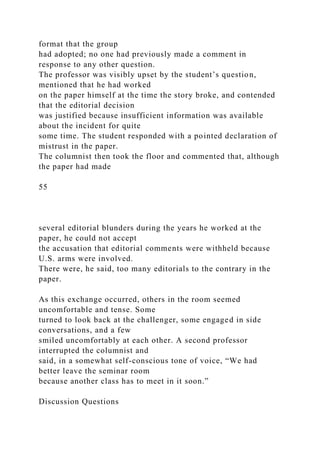
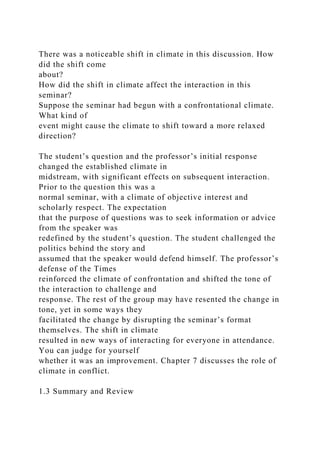
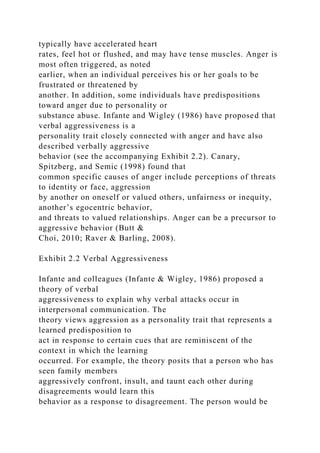
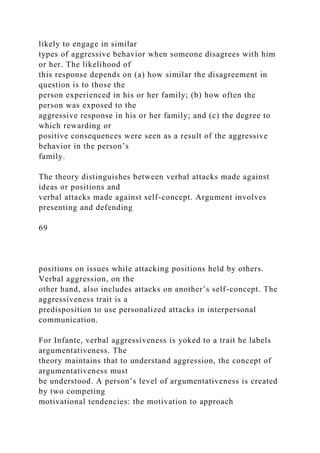
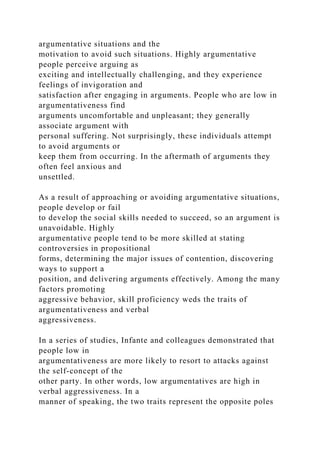
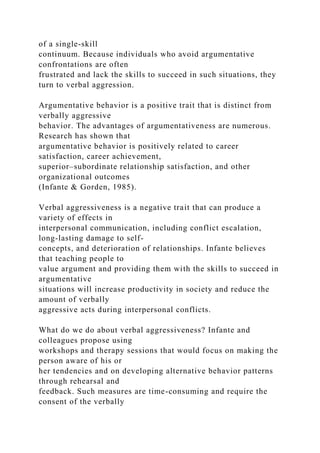
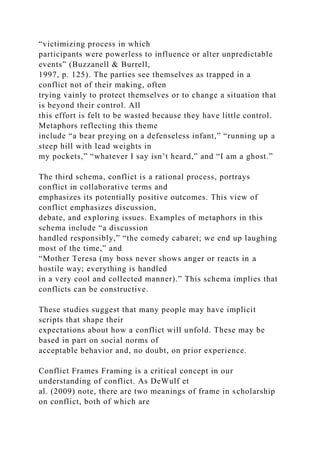
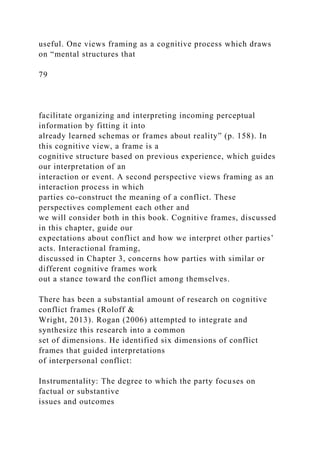
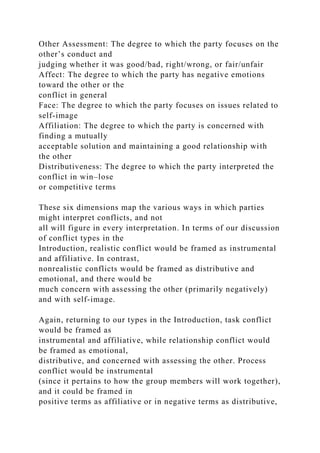
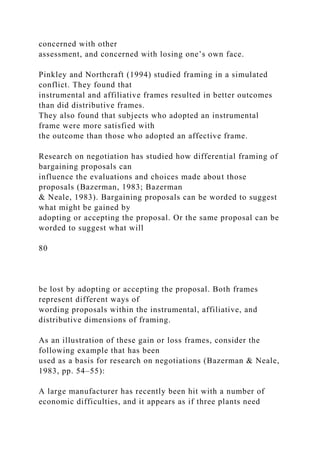
CMA 2222
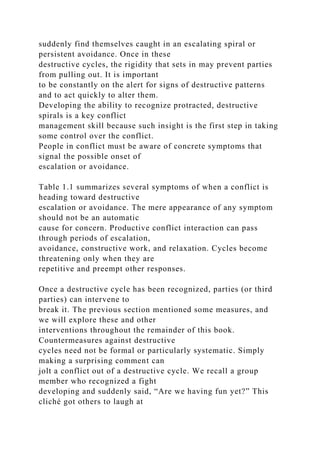
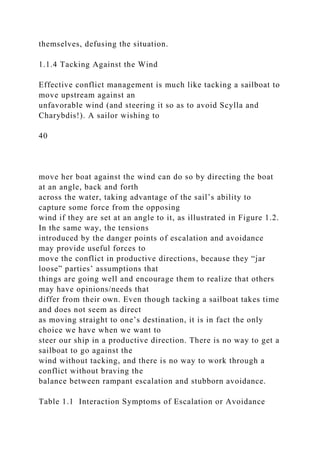
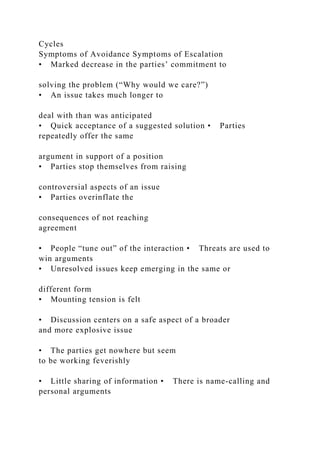
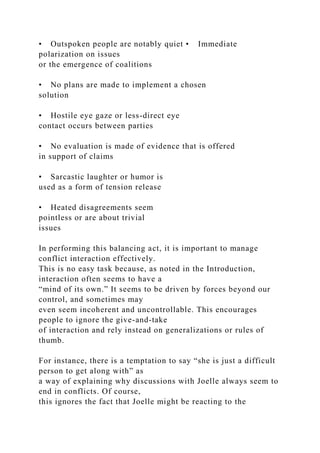
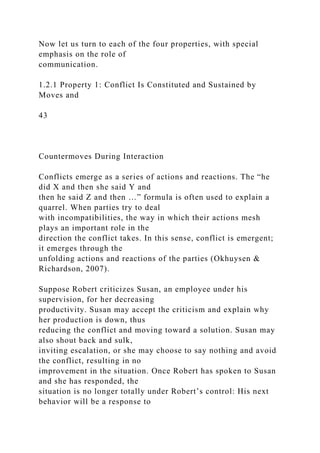
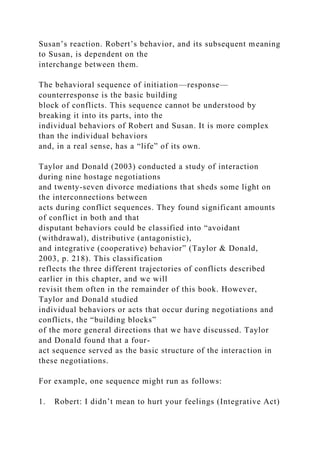
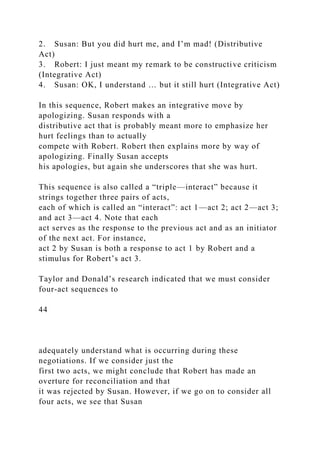
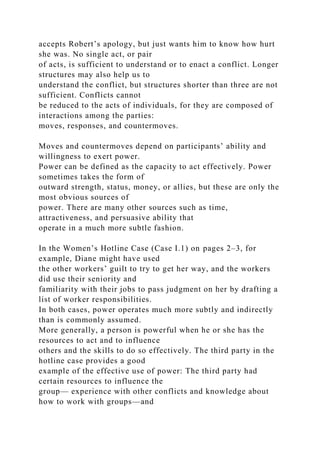
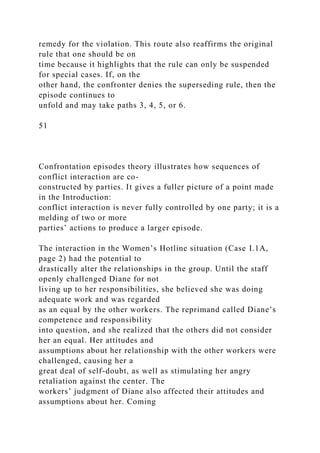
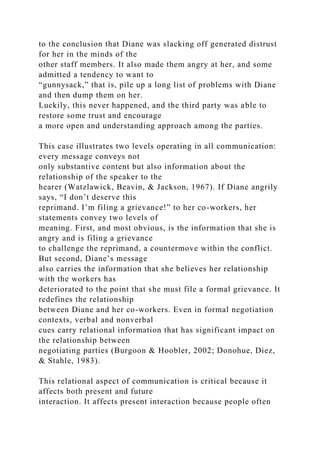
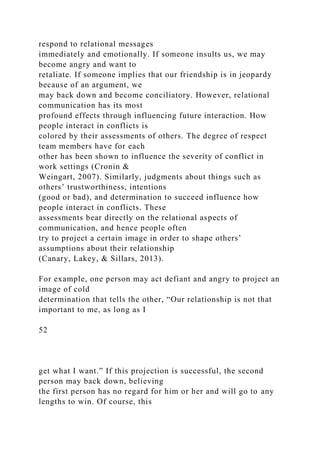
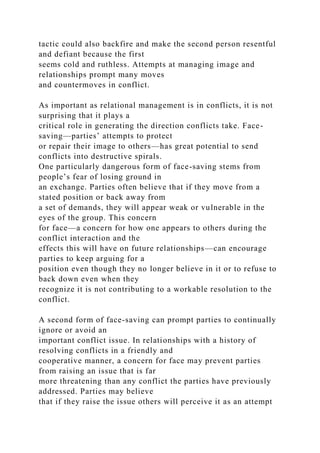
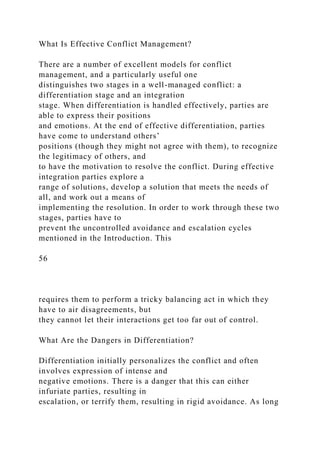
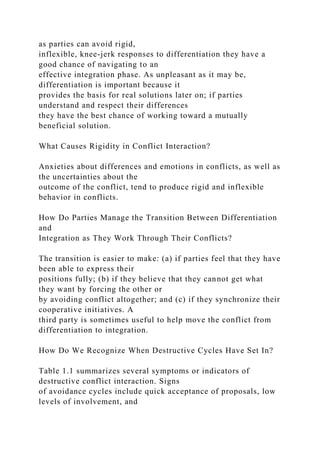
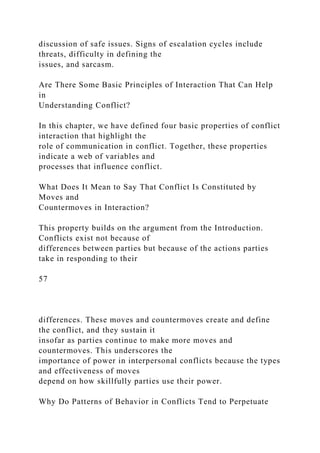
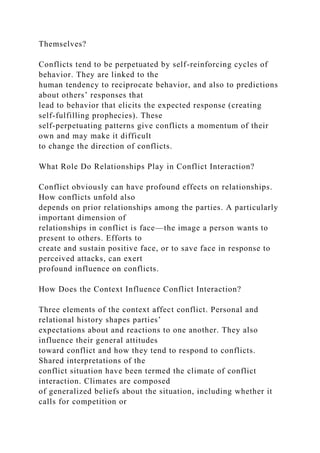
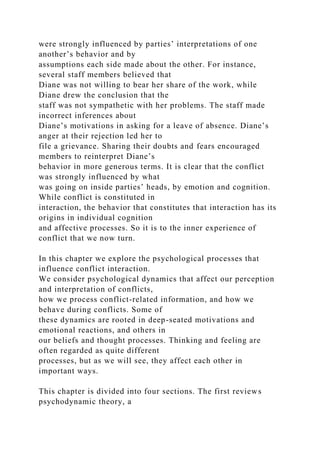
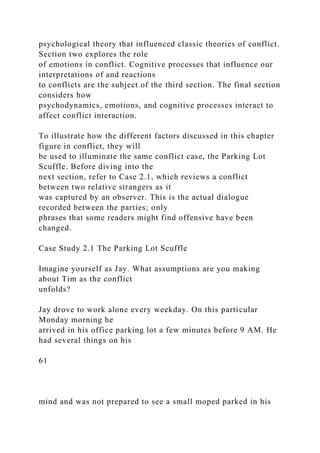
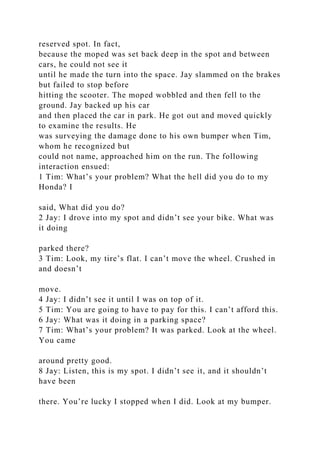
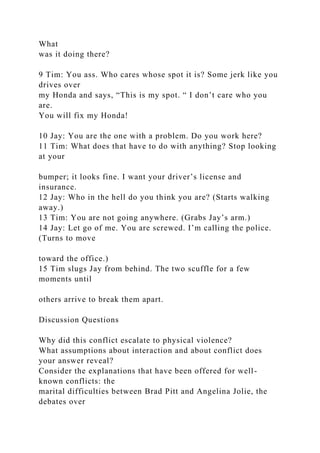
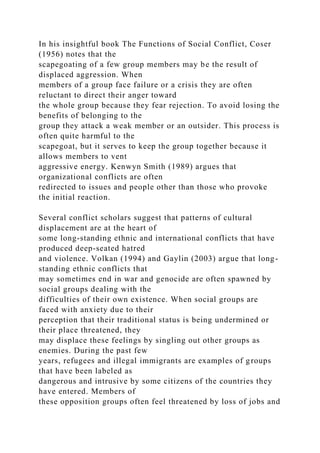
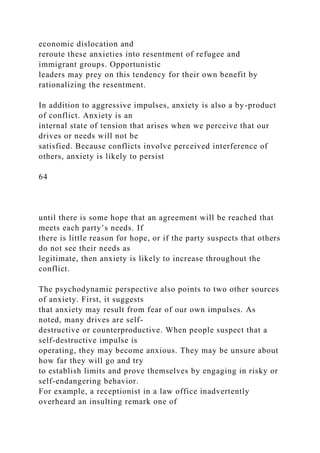
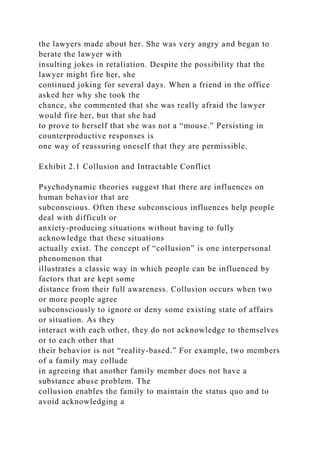
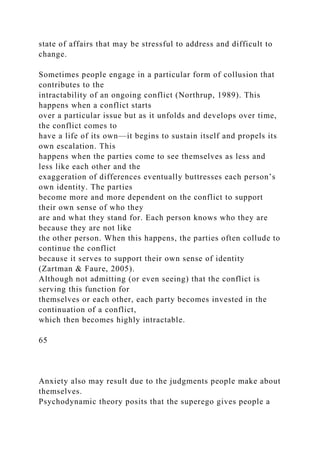
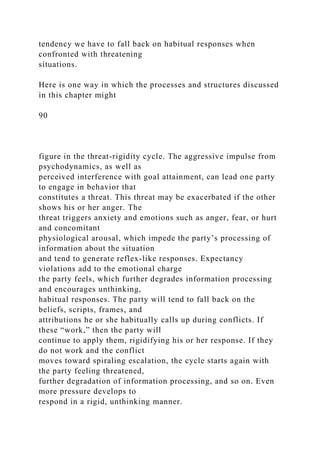
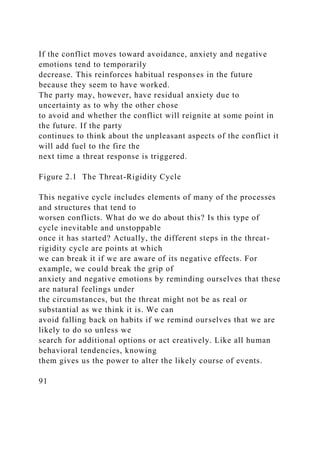
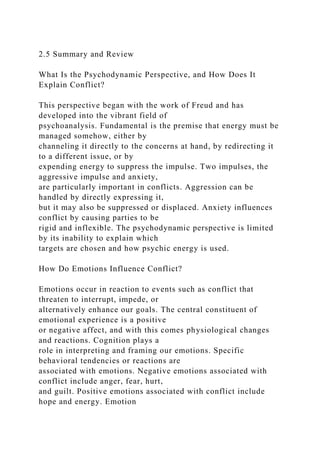
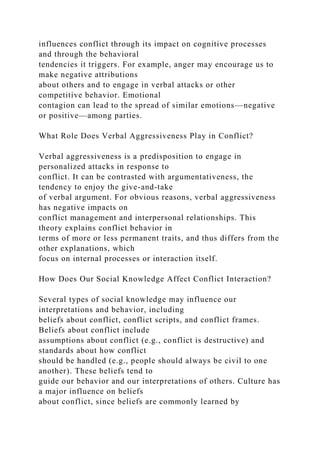
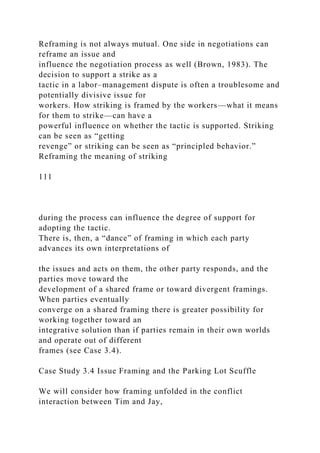
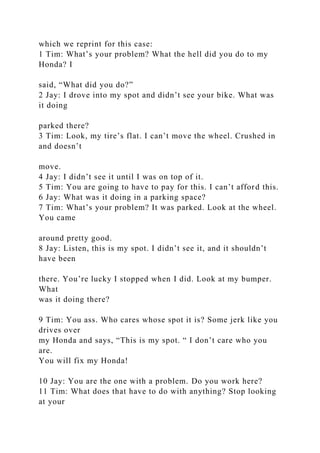
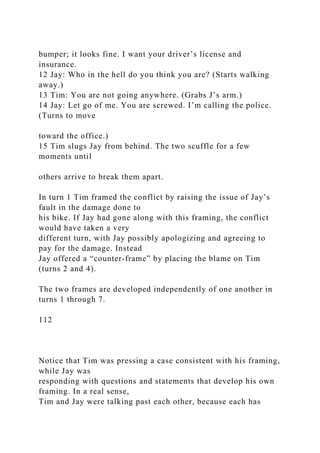
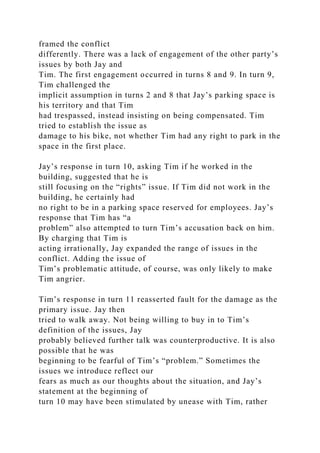
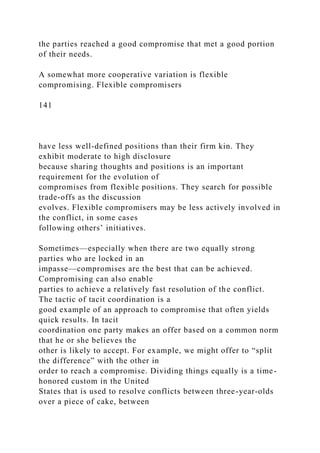
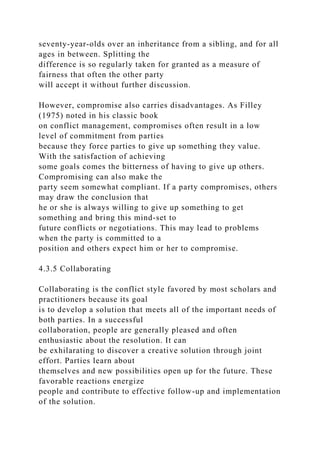
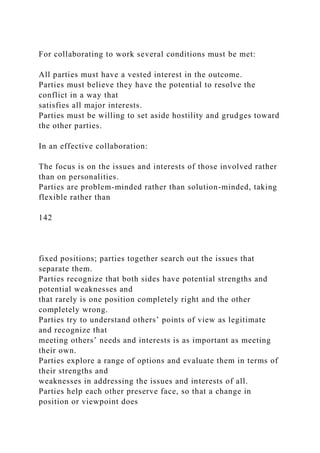
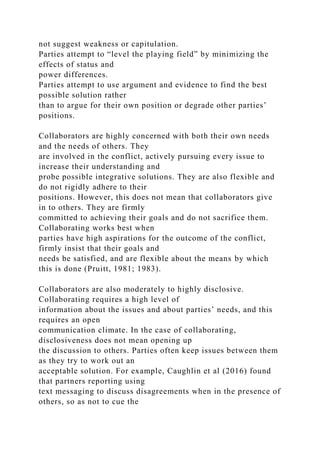
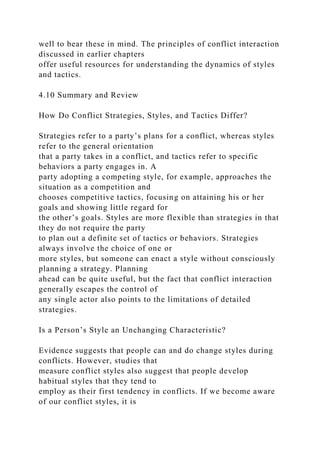
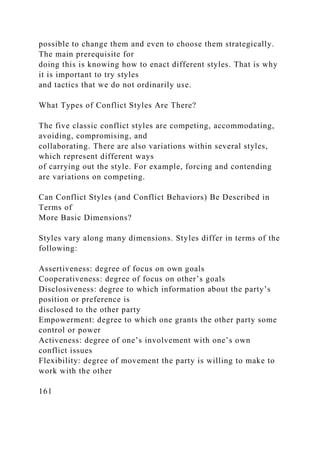
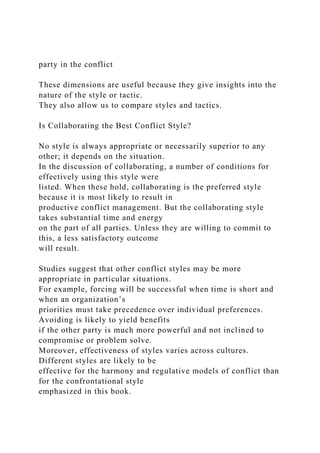
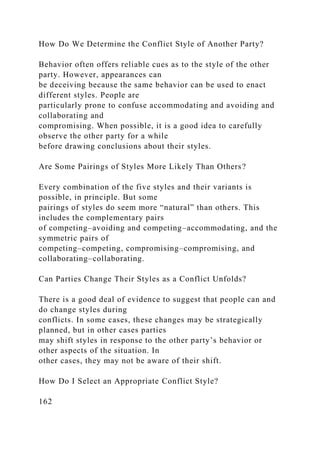
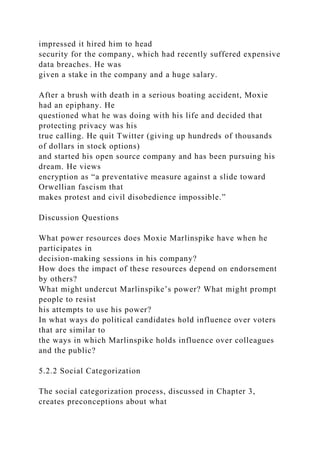
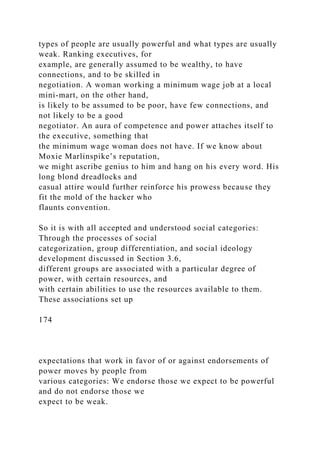
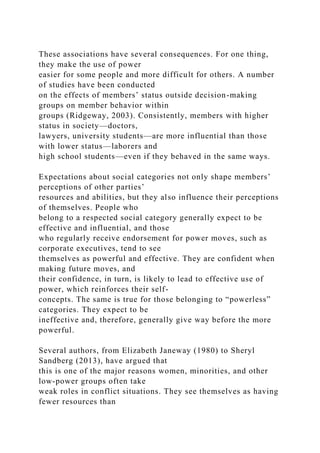
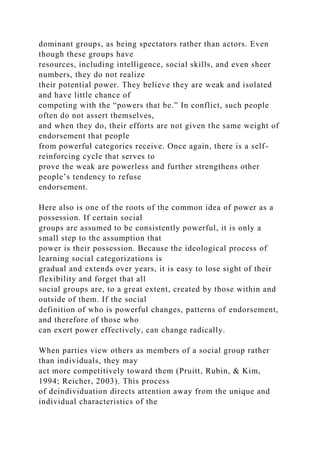
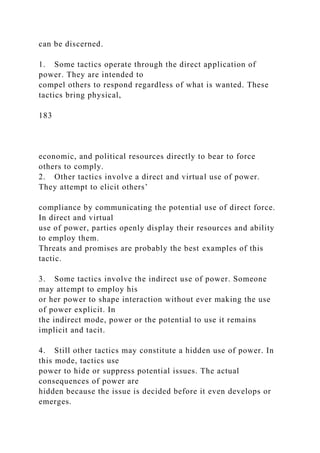
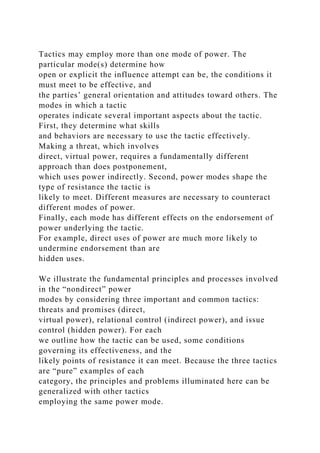
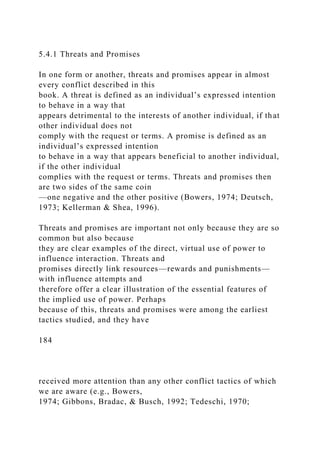
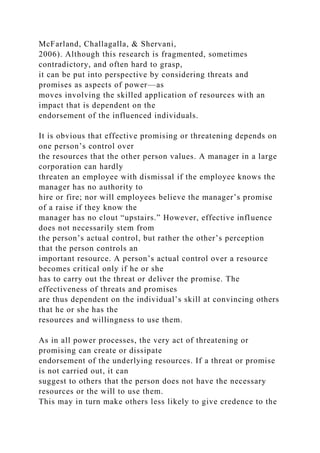
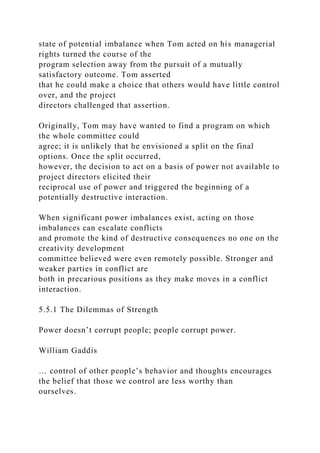
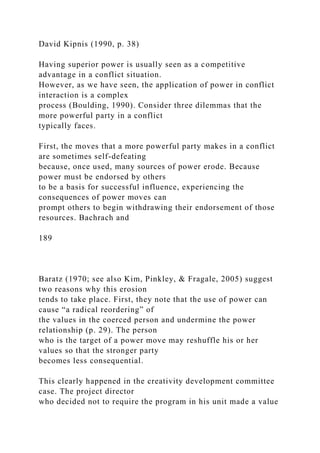
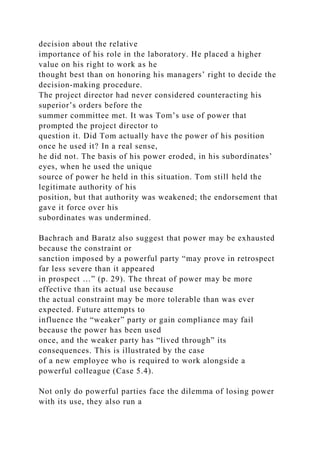
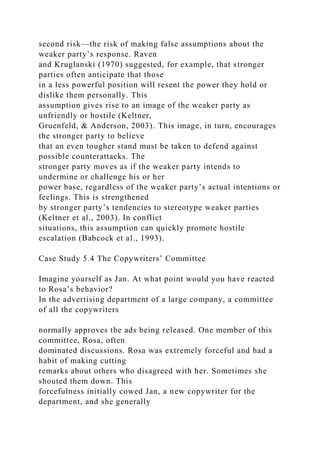
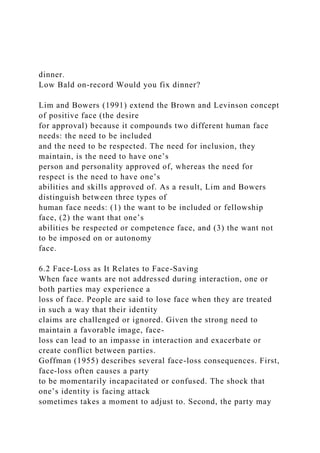
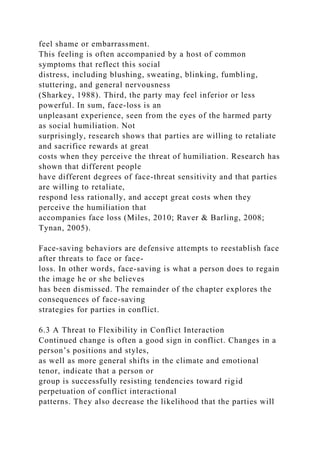
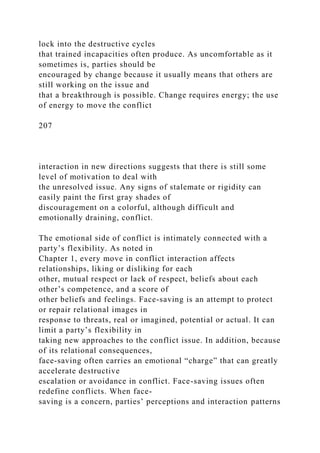
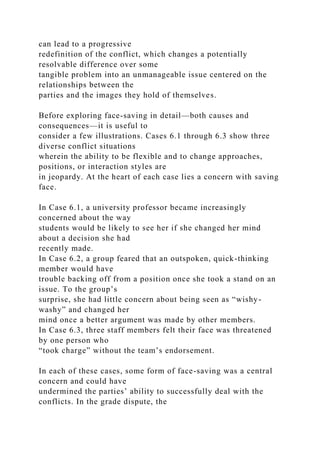
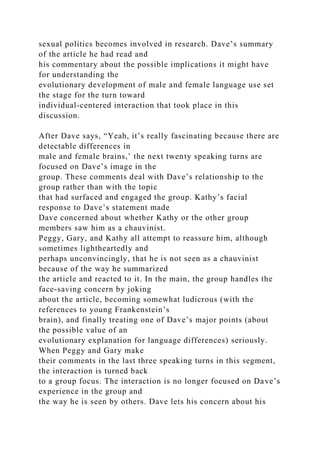
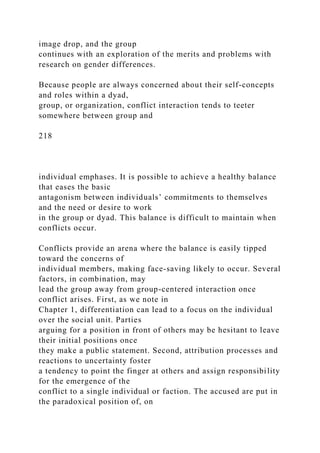
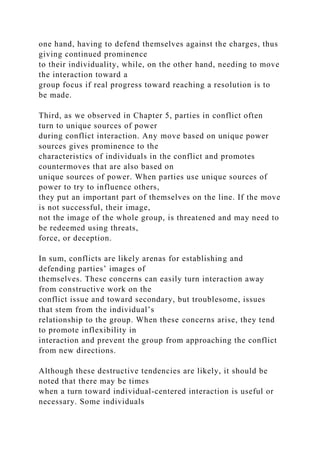
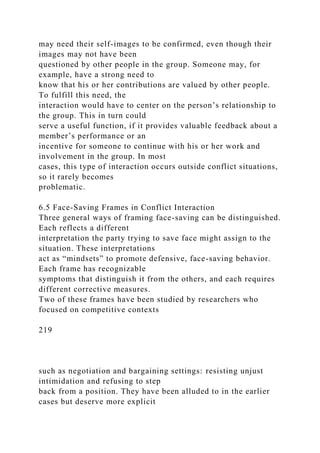
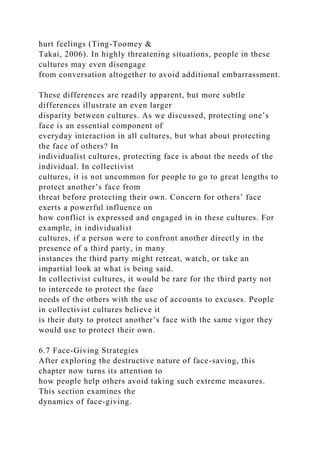
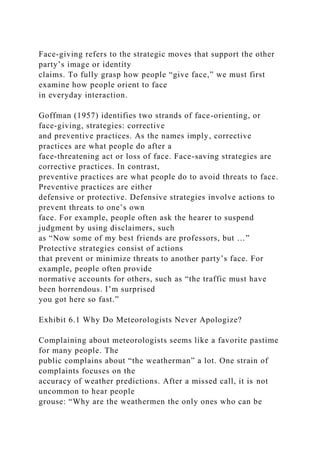
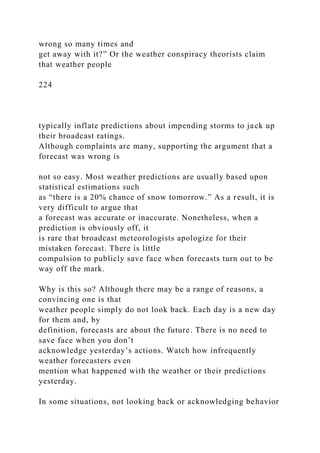
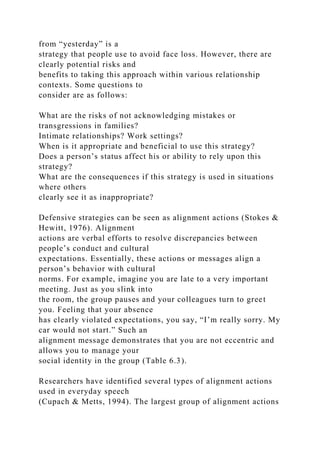
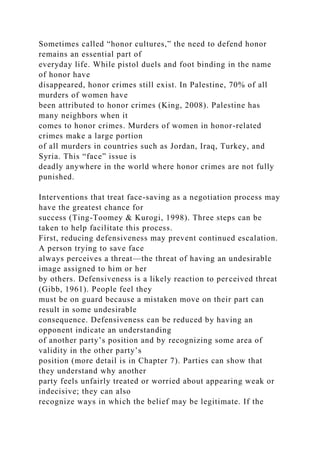
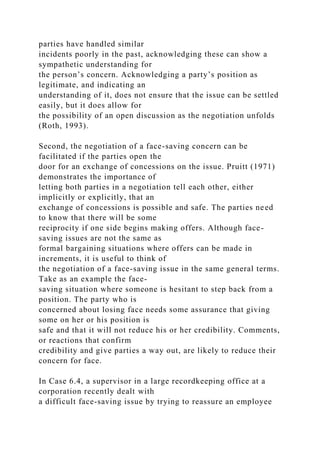
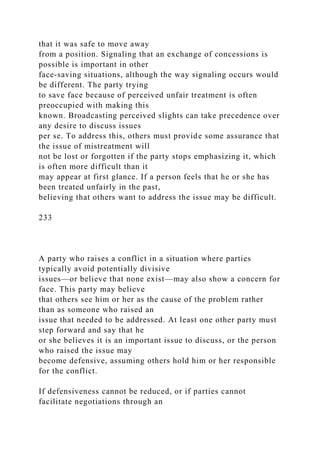
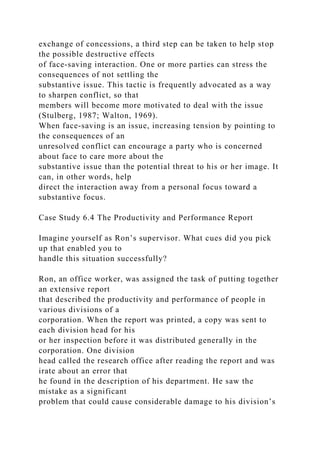
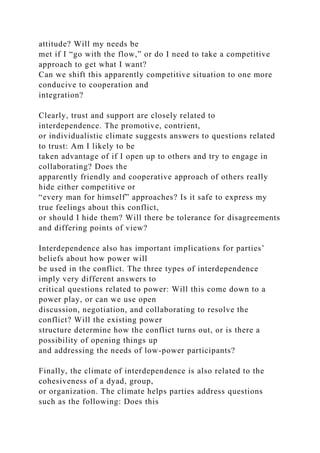
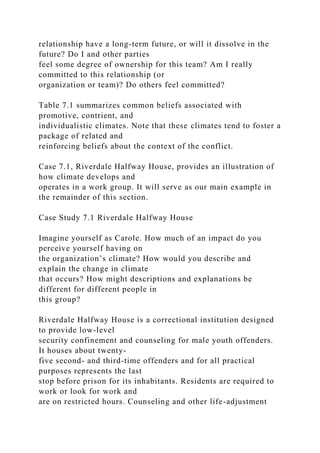
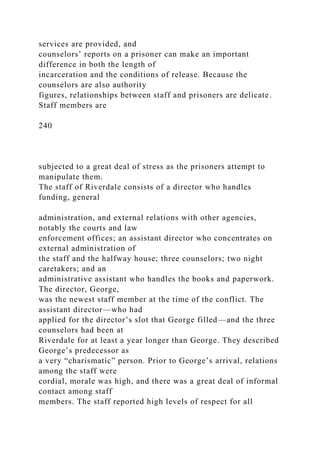
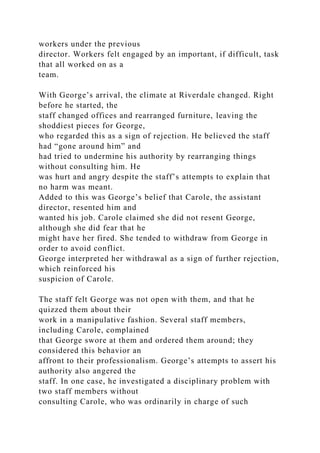
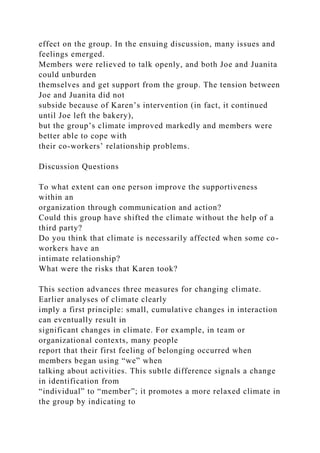
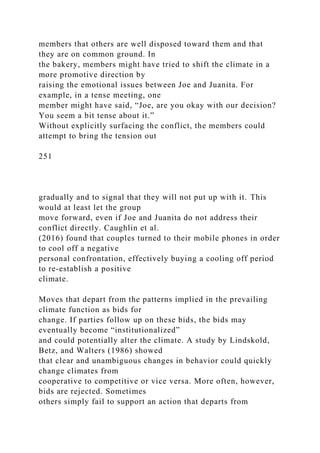
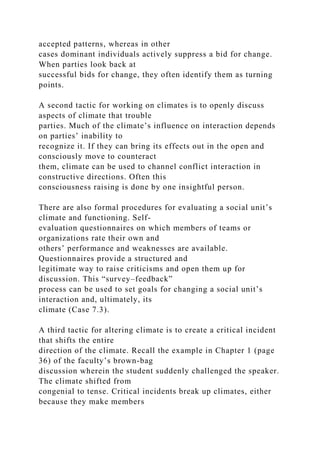
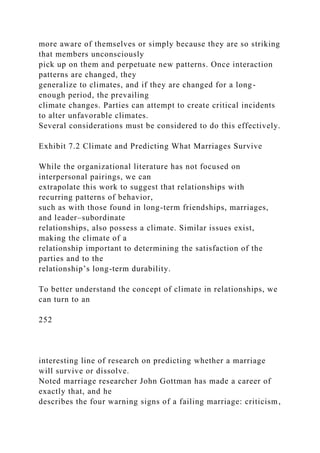
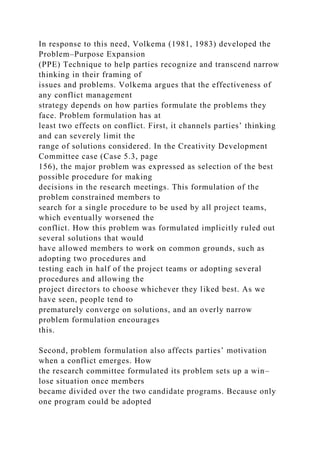
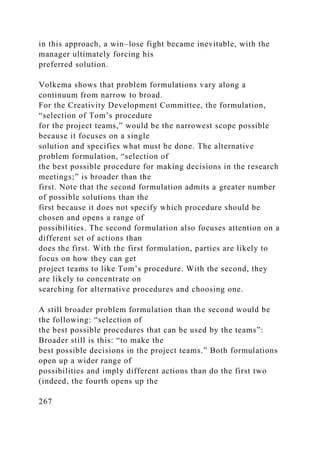
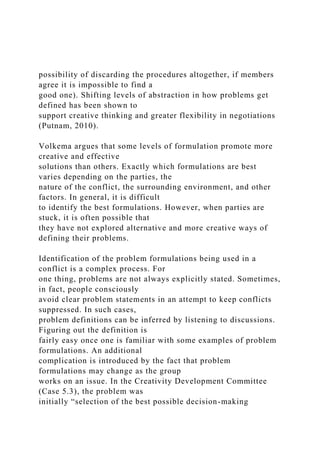
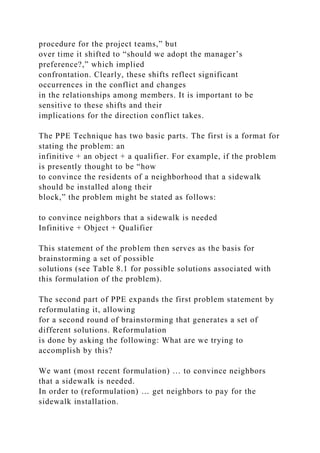
Assignment
Absorption and Marginal Costing
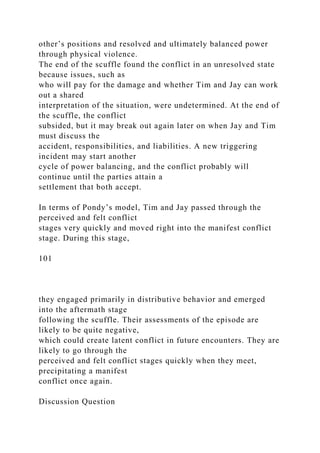
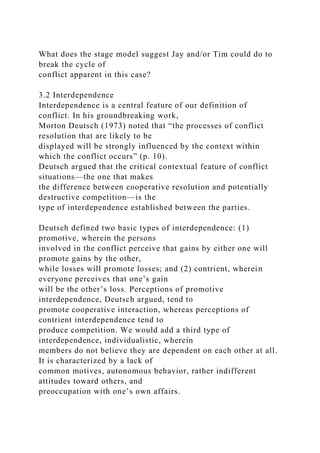
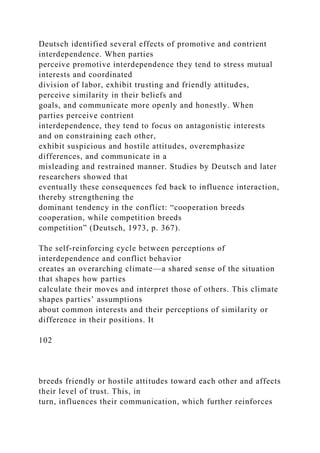
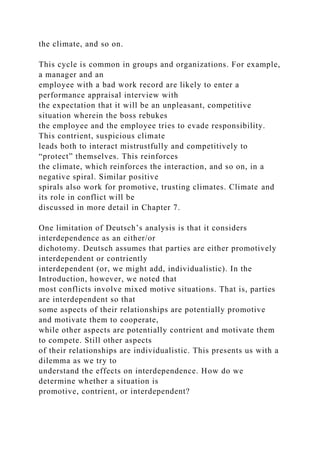
Due Date : TBA
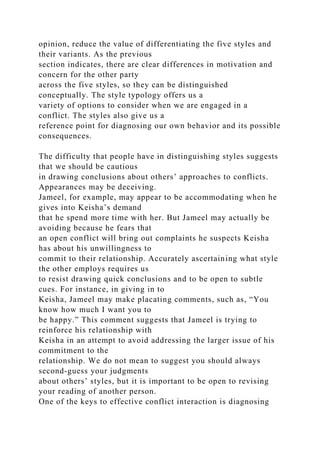
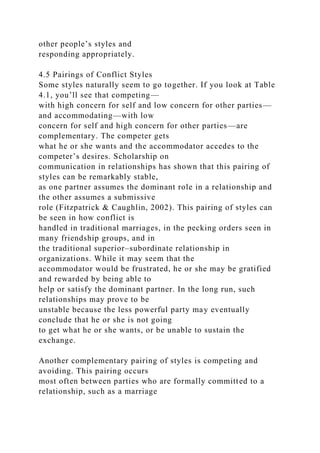
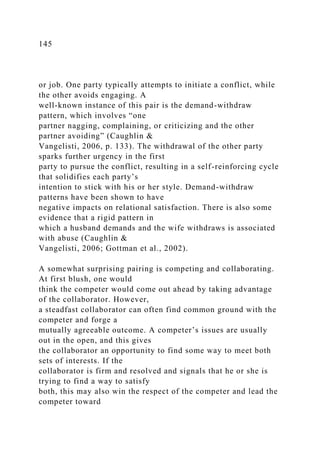
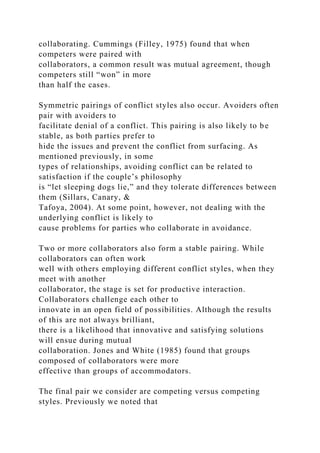
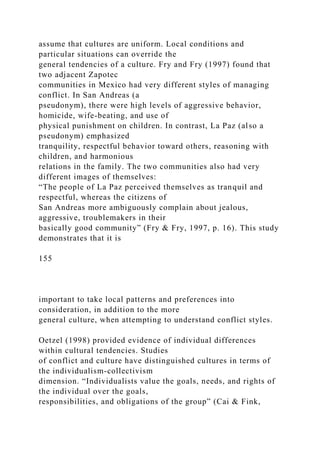
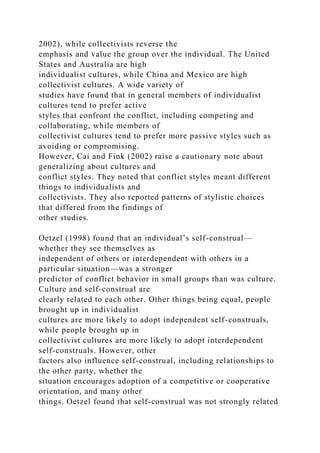
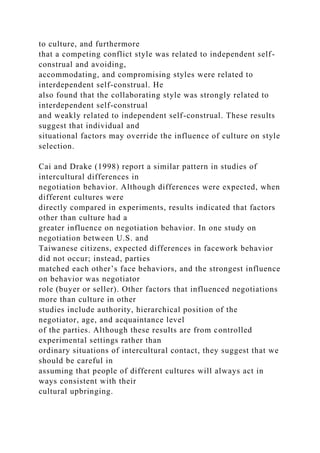
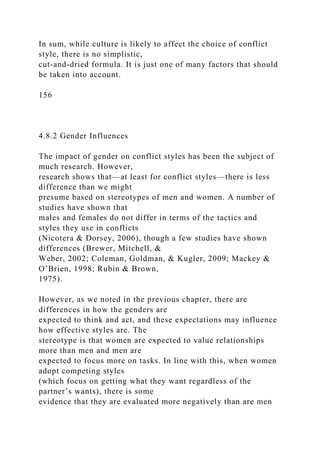
Instructions: Answer all questions
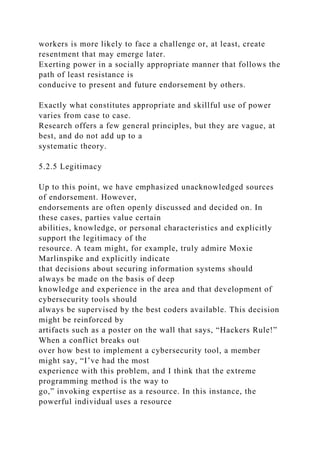
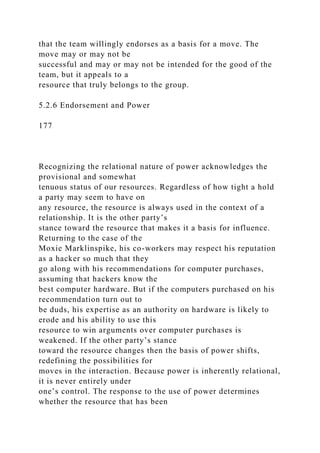
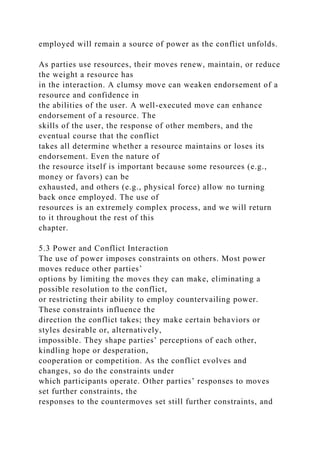
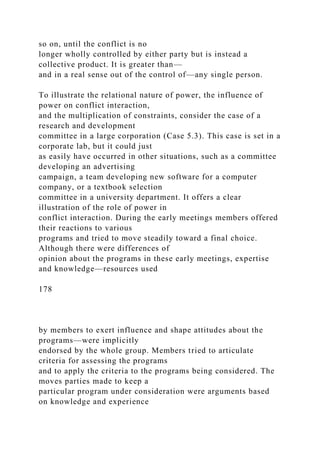
Question 1
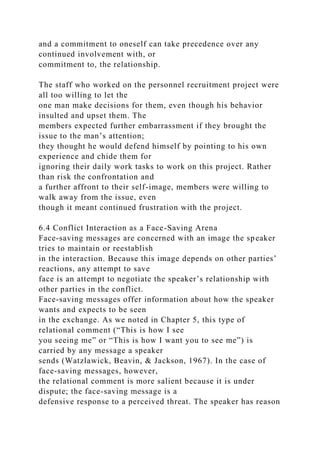
A manufacturing company produces a single product. During
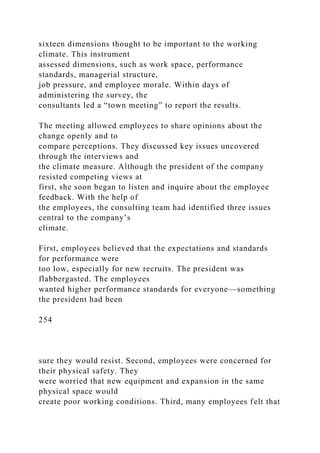
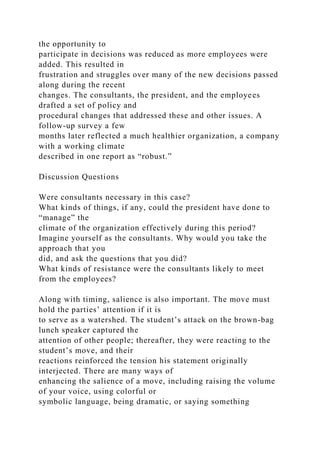
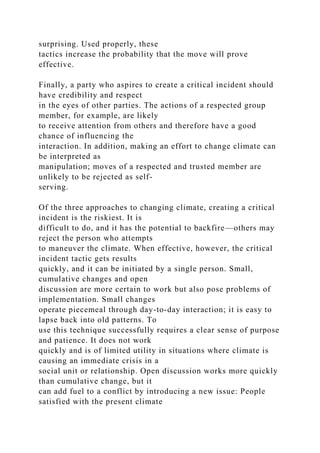
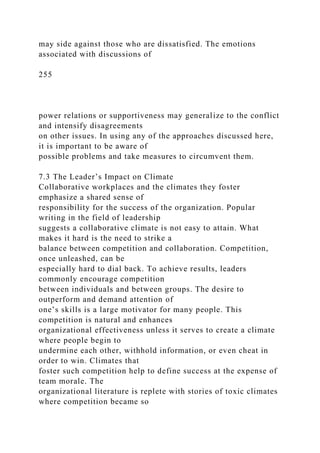
the
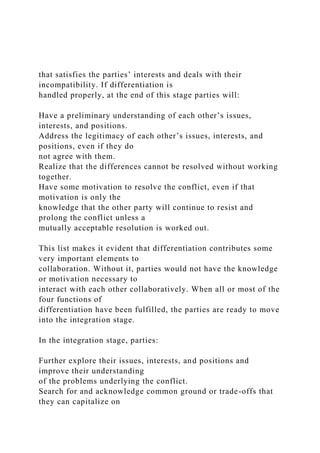
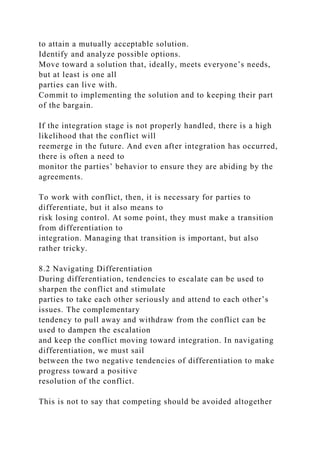
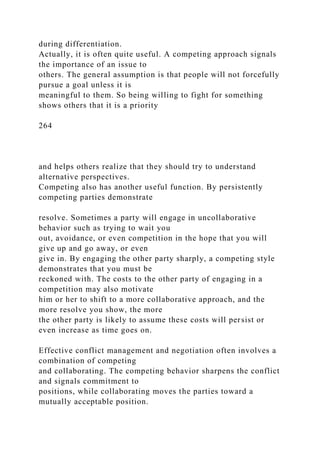
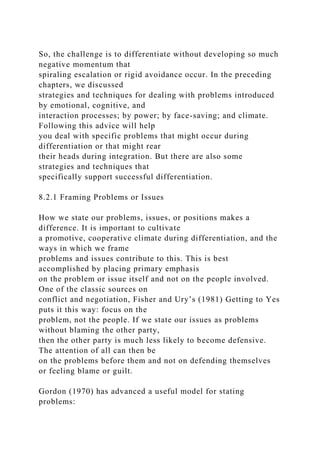
year ended 31 December 2009, 10,000 units were produced and
sold. There was no opening inventory. The costs of
manufacturing
during the year were shown as follows:
Direct Materials 600,000
Direct Labour 200,000
Variable Manufacturing Overheads 40,000
Fixed Manufacturing Overheads 300,000
Variable Selling Overheads 187,500
Fixed Selling and Administrative Overheads 250,000
All the 10,000 units were sold at $200 each.
Costs $
Required:
i) Complete marginal and absorption statements. (25 marks)
ii) Use the same data in part i) above however there was closing
inventory of 2,000 units, i.e.only 8,000 units were sold during
the year. Complete marginal and absorption statements. (25
marks)
Question 2
A company commenced business on 1 March making one
product only, the cost card of which is as follows:
Selling, distribution and administration expenses are:
Fixed $10,000
Variable $7875
The selling price per unit is $35 and the number of units
produced and sold were:
Prepare the absorption costing and marginal costing income
statements for March. (25 marks)
Question 3
A company makes and sells a single product. At the beginning
of period 1, there are no opening inventories of the product.
The company incurs the following costs:
Variable production cost per unit $4
Sales price per unit$6
Fixed costs are $2,000 per period, of which $1,500 are fixed
production costs.
Period 1 Period 2
Sales 1,200 units 1,800 units
Production 1,500 units 1,500 units
Required
Determine the profit in each period using the following methods
of costing.
(a) Absorption costing. Assume normal output is 1,500 units per
period. (13 marks)
(b) Marginal costing. (12 marks)
Working Through
Conflict
Now in its eighth edition, Working Through Conflict provides
an introduction to conflict and
conflict management that is firmly grounded in current theory,
research, and practice,
covering a range of conflict settings (interpersonal, group, and
organizational). The text
includes an abundance of real life case studies that encompass a
spectrum of theoretical
perspectives. Its emphasis on application makes it highly
accessible to students, while
expanding their comprehension of conflict theory and practical
skills. This new edition
features a wealth of up-to-date research and case examples,
suggested readings and video
resources, and integrated questions for review and discussion.
Joseph P. Folger is Professor of Adult & Organizational
Development at Temple University.
He is co-founder and current president of the Institute for the
Study of Conflict
Transformation.
Marshall Scott Poole is the David L. Swanson Professor of
Communication, Senior Research
Scientist at the National Center for Supercomputing
Applications, and Director of I-CHASS:
The Institute for Computing in the Humanities, Arts, and Social
Sciences at the University of
Illinois, Urbana-Champaign.
Randall K. Stutman is Managing Partner of CRA, Inc. He is the
author of Communication in
Legal Advocacy (with Richard D. Rieke, 2008).
2
Working Through
Conflict
Strategies for Relationships, Groups, and Organizations
Eighth Edition
Joseph P. Folger Marshall Scott Poole Randall K.
Stutman
3
Eighth edition published 2018
by Routledge
711 Third Avenue, New York, NY 10017
and by Routledge
2 Park Square, Milton Park, Abingdon, Oxon, OX14 4RN
Routledge is an imprint of the Taylor & Francis Group, an
informa business
© 2018 Taylor & Francis
The right of Joseph P. Folger, Marshall Scott Poole, and
Randall K. Stutman to be identified as
authors of this work has been asserted by them in accordance
with sections 77 and 78 of the
Copyright, Designs and Patents Act 1988.
All rights reserved. No part of this book may be reprinted or
reproduced or utilised in any
form or by any electronic, mechanical, or other means, now
known or hereafter invented,
including photocopying and recording, or in any information
storage or retrieval system,
without permission in writing from the publishers.
Trademark notice: Product or corporate names may be
trademarks or registered trademarks,
and are used only for identification and explanation without
intent to infringe.
First edition published by Pearson Education, Inc. 2001
Seventh edition published by Routledge 2016
Library of Congress Cataloging-in-Publication Data
Names: Folger, Joseph P., 1951– author. | Poole, Marshall
Scott, 1951– | Stutman, Randall K.,
1957–
Title: Working through conflict : strategies for relationships,
groups, and organizations /
Joseph P. Folger, Marshall Scott Poole, Randall K. Stutman.
Description: 8th edition. | New York, NY : Routledge, 2018.
Identifiers: LCCN 2017029114 | ISBN 9781138238954
(hardback) | ISBN 9781138233928 (pbk.)
Subjects: LCSH: Social conflict. | Conflict (Psychology) |
Conflict management. | Social
interaction. | Interpersonal conflict.
Classification: LCC HM1121 .F65 2018 | DDC 303.6—dc23
LC record available at https://lccn.loc.gov/2017029114
ISBN: 978-1-138-23895-4 (hbk)
ISBN: 978-1-138-23392-8 (pbk)
ISBN: 978-1-315-29629-6 (ebk)
Typeset in ITC Giovanni
by Apex CoVantage, LLC
Visit the companion website at www.routledge.com/cw/folger
4
https://lccn.loc.gov/2017029114
http://www.routledge.com/cw/folger
5
To our parents:
Ed and Virginia
Ed and Helen
Bernie and Marge
6
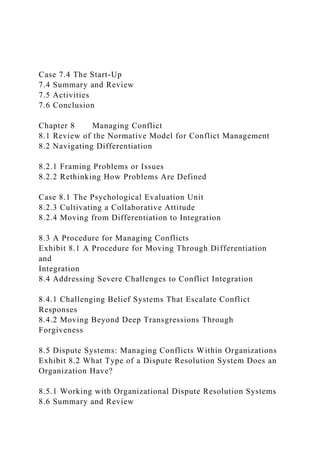
Contents
List of Cases
Preface
Acknowledgments
Introduction
Case I.1A The Women’s Hotline Case
Case I.1B The Women’s Hotline Case
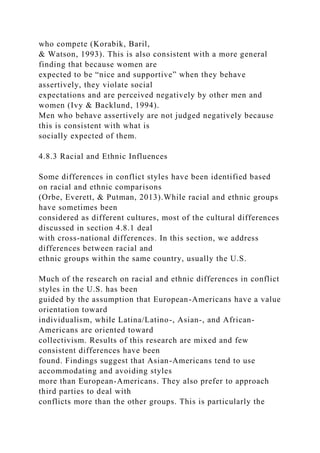
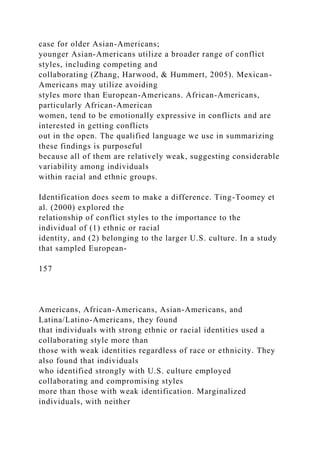
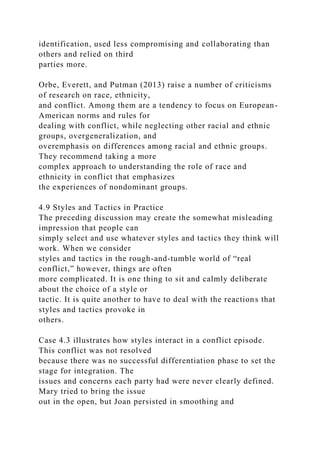
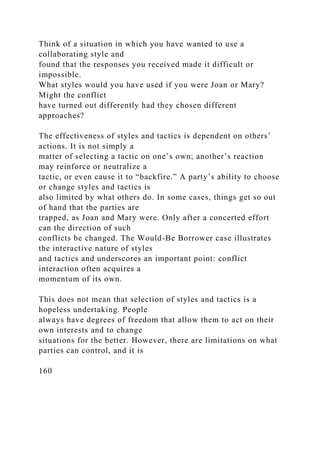
I.1 Conflict Defined
I.2 Arenas for Conflict
I.3 Communication Media and Conflict Interaction
I.4 Productive and Destructive Conflict Interaction
I.5 Judgments About Conflict Outcomes
I.6 Plan of the Book
I.7 Summary and Review
I.8 Activities
Chapter 1 Communication and Conflict
1.1 A Model of Effective Conflict Management
1.1.1 Moving Through Differentiation and Integration
1.1.2 Taking the Middle Path: Moving Toward Integration
1.1.3 Recognizing Destructive Cycles
1.1.4 Tacking Against the Wind
1.2 Properties of Conflict Interaction
1.2.1 Property 1: Conflict Is Constituted and Sustained by
Moves and
Countermoves During Interaction
1.2.2 Property 2: Patterns of Behavior in Conflicts Tend to
Perpetuate
Themselves
1.2.3 Property 3: Conflict Interaction Is Influenced by and in
Turn Affects
Relationships
Exhibit 1.1 Confrontation Episodes Theory
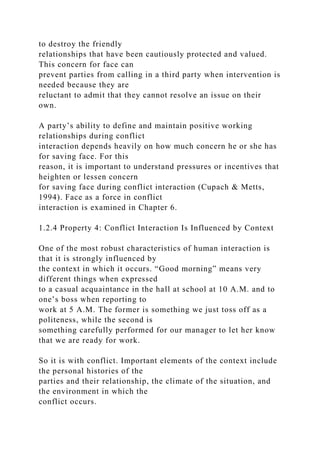
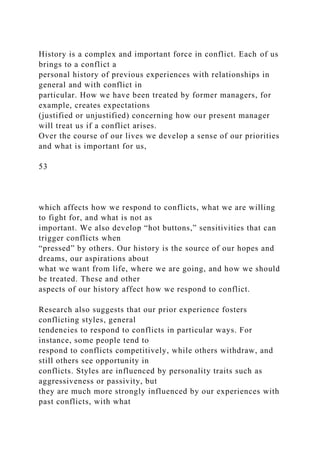
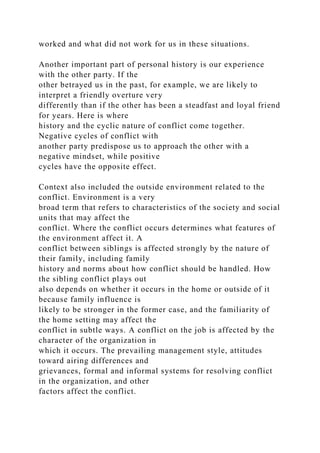
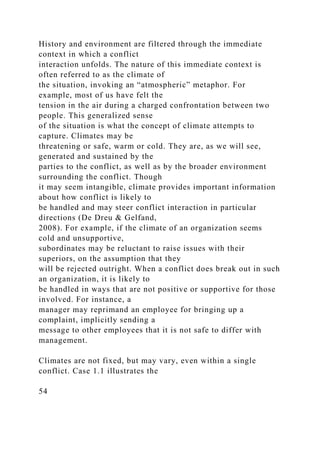
1.2.4 Property 4: Conflict Interaction Is Influenced by Context
Case 1.1 The Columnist’s Brown Bag
1.3 Summary and Review
1.4 Activities
1.5 Conclusion
Chapter 2 The Inner Experience of Conflict
7
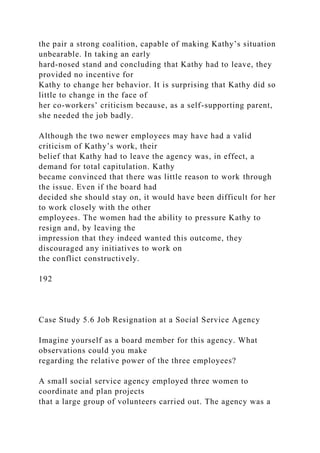
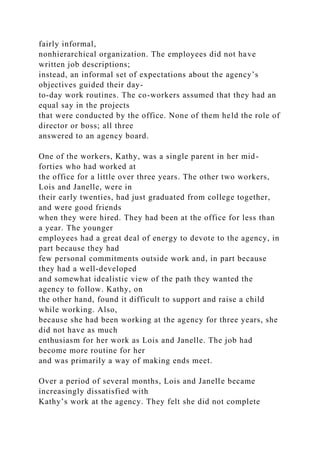
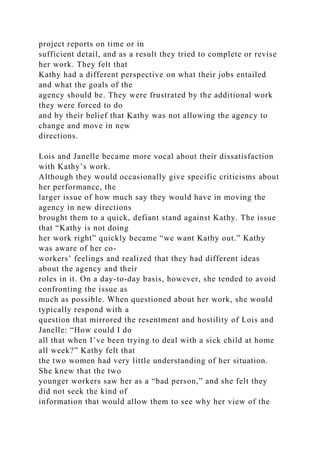
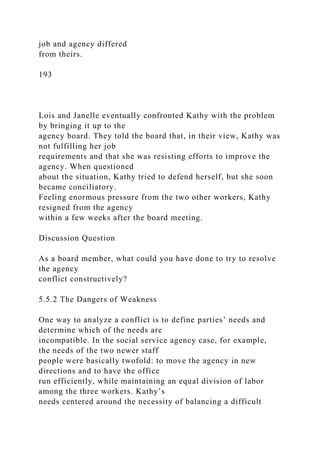
kindle:embed:0006?mime=image/jpg
Case 2.1 The Parking Lot Scuffle
2.1 The Psychodynamic Perspective
Exhibit 2.1 Collusion and Intractable Conflict
Case 2.2 Psychodynamic Theory and the Parking Lot Scuffle
2.2 Emotion and Conflict
Exhibit 2.2 Verbal Aggressiveness
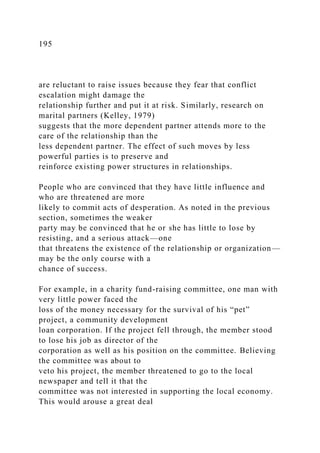
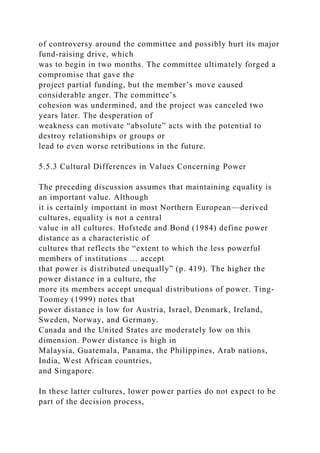
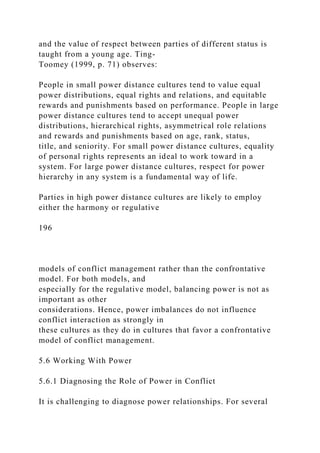
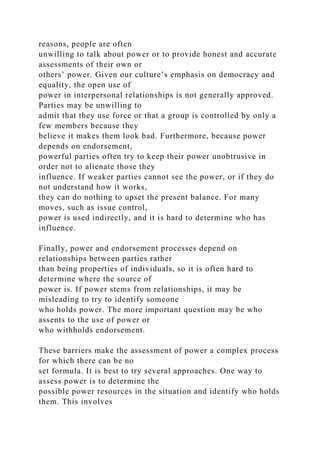
Case 2.3 Emotion in the Parking Lot Scuffle
2.3 Social Cognition and Conflict
2.3.1 Social Knowledge About Conflict and Conflict Interaction
2.3.2 Social Cognitive Processes and Conflict
Case 2.4 Social Knowledge About Conflict and the Parking Lot
Scuffle
Case 2.5 Expectancy Violations and the Parking Lot Scuffle
Case 2.6 The Role of Attributions in the Parking Lot Scuffle
2.4 The Interaction of Psychodynamics, Emotion, and Social
Cognition in
Conflict
2.5 Summary and Review
2.6 Activities
2.7 Conclusion
Chapter 3 Conflict Interaction
3.1 Stages of Conflict
3.1.1 Rummel’s Five-Stage Model
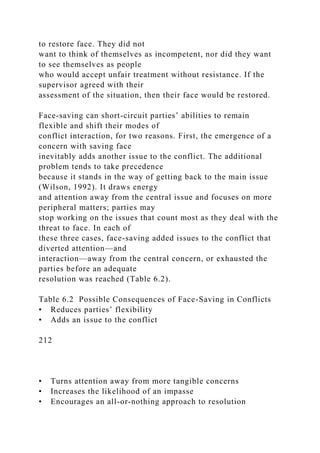
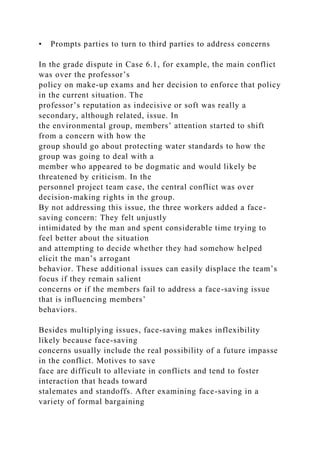
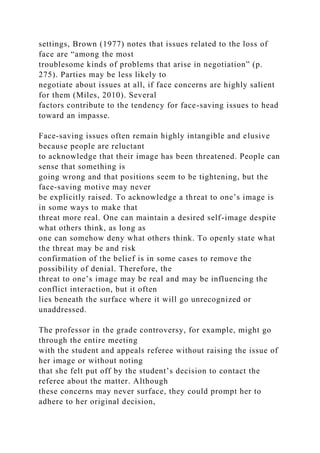
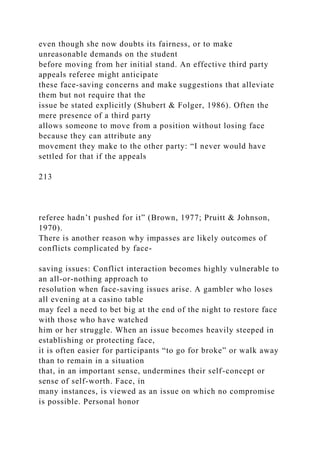
3.1.2 Pondy’s Model
3.1.3 Stage Models of Negotiation
3.1.4 Insights of Stage Models of Conflict
Case 3.1 Stage Models and the Parking Lot Scuffle
3.2 Interdependence
Case 3.2 Interdependence and the Parking Lot Scuffle
3.3 Reciprocity and Compensation
Exhibit 3.1 Can Conflict Competence Be Assessed?
Case 3.3 Reciprocity and Compensation in the Parking Lot
Scuffle
Exhibit 3.2 The Tit-For-Tat Strategy
3.4 Framing Issues in Conflict Interaction
Case 3.4 Issue Framing and the Parking Lot Scuffle
3.5 Social Identity and Intergroup Conflict
Case 3.5 Intergroup Conflict Dynamics and the Parking Lot
Scuffle
Exhibit 3.3 Counteracting the Negative Impacts of Social
Identity and
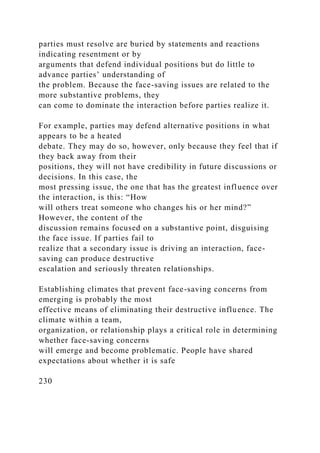
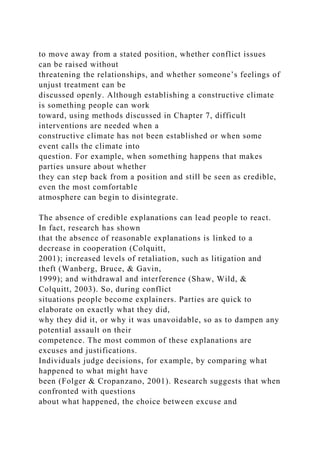
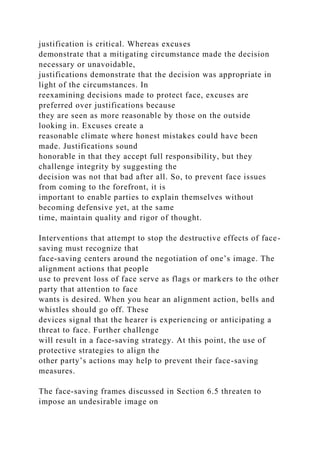
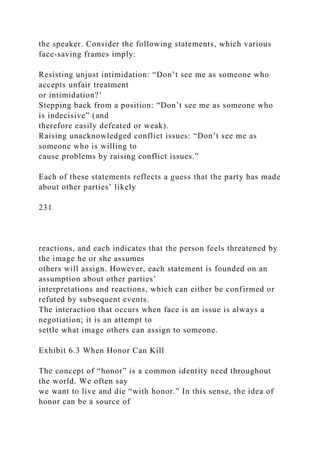
Intergroup Conflict
3.6 Summary and Review
3.7 Activities
3.8 Conclusion
Chapter 4 Conflict Styles and Strategic Conflict Interaction
4.1 Origins of Conflict Styles
Case 4.1 Conflict Styles in the Parking Lot Scuffle
8
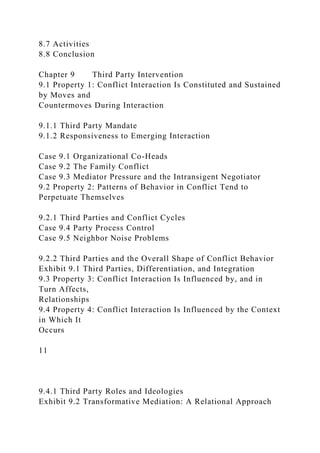
4.2 What Is a Conflict Style?
4.3 An Expanded View of Conflict Styles
4.3.1 Competing
4.3.2 Avoiding
4.3.3 Accommodating
4.3.4 Compromising
4.3.5 Collaborating
4.4 Determining the Styles of Others
4.5 Pairings of Conflict Styles
4.6 Shifting Styles During Conflict Episodes
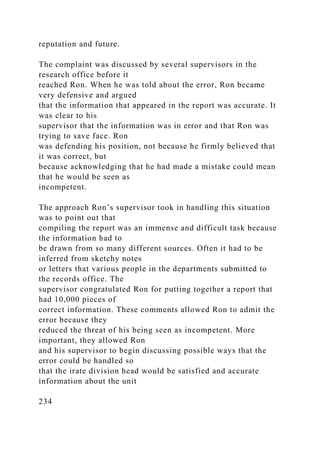
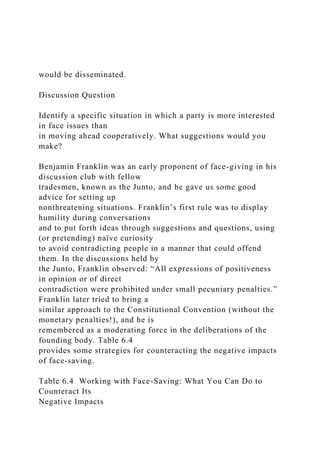
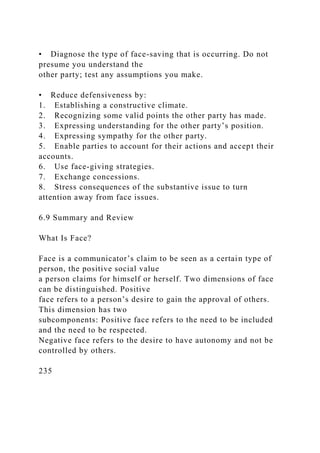
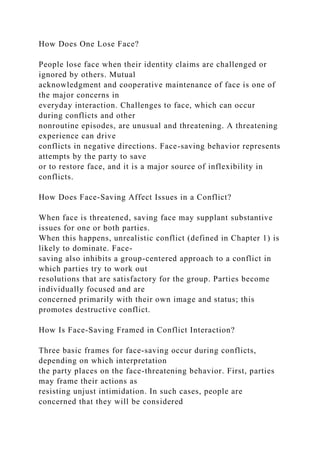
Case 4.2 College Roommates
4.7 Selecting Conflict Styles
Exhibit 4.1 A Procedure for Selecting Conflict Styles
4.8 Cultural, Gender, and Racial Influences on Conflict Styles
4.8.1 Cultural Influences
4.8.2 Gender Influences
4.8.3 Racial and Ethnic Influences
4.9 Styles and Tactics in Practice
Case 4.3 The Would-Be Borrower
4.10 Summary and Review
4.11 Activities
4.12 Conclusion
Chapter 5 Power: The Architecture of Conflict
5.1 Power and the Emergence of Conflict
Case 5.1A A Raid on the Student Activity Fees Fund
Case 5.1B A Raid on the Student Activity Fees Fund
5.2 A Relational View of Power
5.2.1 Forms of Power
Case 5.2 The Amazing Hacker
5.2.2 Social Categorization
5.2.3 The Mystique of Power
5.2.4 Interaction
5.2.5 Legitimacy
5.2.6 Endorsement and Power
5.3 Power and Conflict Interaction
Case 5.3 The Creativity Development Committee
5.4 The Use of Power in Conflict Tactics
5.4.1 Threats and Promises
5.4.2 Relational Control
5.4.3 Issue Control
5.5 The Balance of Power in Conflict
5.5.1 The Dilemmas of Strength
Case 5.4 The Copywriters’ Committee
Case 5.5 Unbalanced Intimacy
9
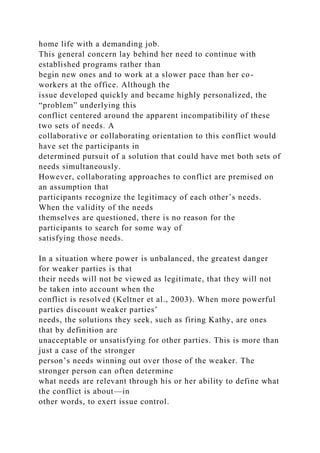
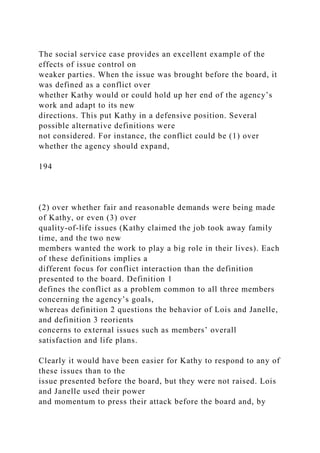
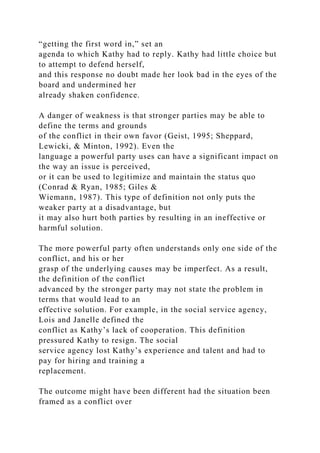
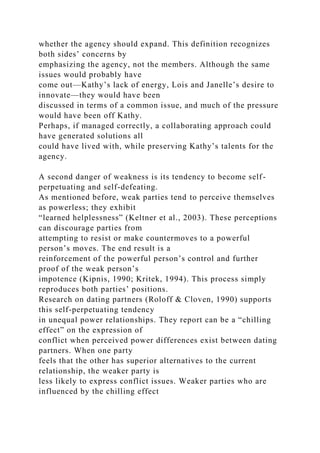
Case 5.6 Job Resignation at a Social Service Agency
5.5.2 The Dangers of Weakness
5.5.3 Cultural Differences in Values Concerning Power
5.6 Working with Power
5.6.1 Diagnosing the Role of Power in Conflict
5.6.2 Fostering Shared Power in Conflicts
5.6.3 Bolstering the Position of Those Not Typically in Power
5.7 Summary and Review
5.8 Activities
5.9 Conclusion
Chapter 6 Face-Saving
6.1 The Dimensions of Face
6.2 Face-Loss as It Relates to Face-Saving
6.3 A Threat to Flexibility in Conflict Interaction
Case 6.1 The Professor’s Decision
Case 6.2 The Outspoken Member
Case 6.3 The Controversial Team Member
6.4 Conflict Interaction as a Face-Saving Arena
6.5 Face-Saving Frames in Conflict Interaction
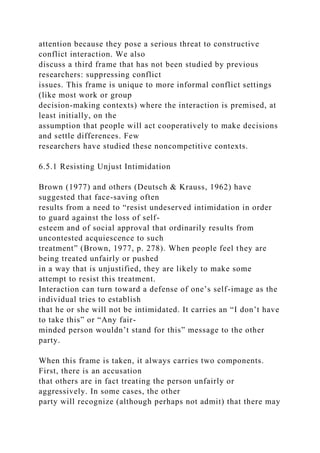
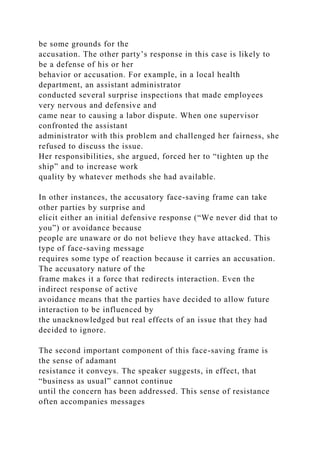
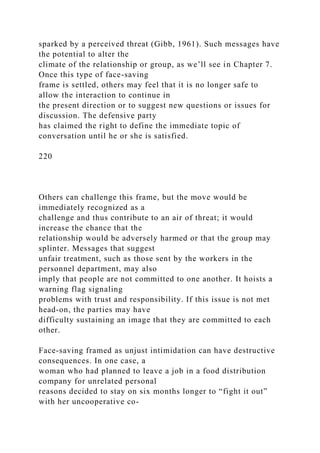
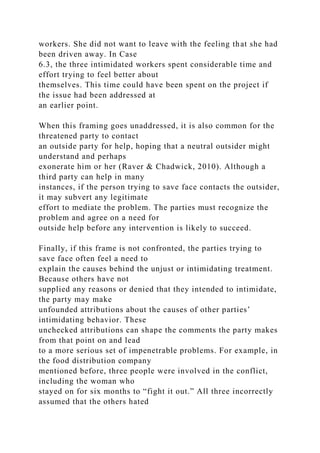
6.5.1 Resisting Unjust Intimidation
6.5.2 Refusing to Give on a Position
6.5.3 Suppressing Conflict Issues
6.6 Face-Saving in Other Cultures
6.7 Face-Giving Strategies
Exhibit 6.1 Why Do Meteorologists Never Apologize?
Exhibit 6.2 Disagreeing Agreeably
6.8 Working with Face-Saving Issues
Exhibit 6.3 When Honor Can Kill
Case 6.4 The Productivity and Performance Report
6.9 Summary and Review
6.10 Activities
6.11 Conclusion
Chapter 7 Climate and Conflict Interaction
7.1 Climate and Conflict
Case 7.1 Riverdale Halfway House
7.1.1 More Precisely Defining Climate
7.1.2 Climate and Conflict Interaction
Exhibit 7.1 Identifying Climates
7.2 Working with Climate
Case 7.2 Breakup at the Bakery
Exhibit 7.2 Climate and Predicting What Marriages Survive
Case 7.3 The Expanding Printing Company
7.3 The Leader’s Impact on Climate
10
Case 7.4 The Start-Up
7.4 Summary and Review
7.5 Activities
7.6 Conclusion
Chapter 8 Managing Conflict
8.1 Review of the Normative Model for Conflict Management
8.2 Navigating Differentiation
8.2.1 Framing Problems or Issues
8.2.2 Rethinking How Problems Are Defined
Case 8.1 The Psychological Evaluation Unit
8.2.3 Cultivating a Collaborative Attitude
8.2.4 Moving from Differentiation to Integration
8.3 A Procedure for Managing Conflicts
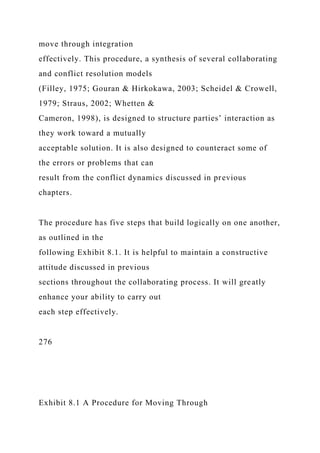
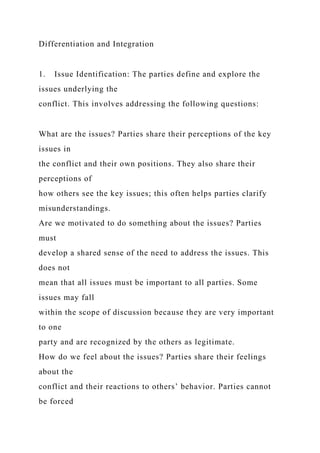
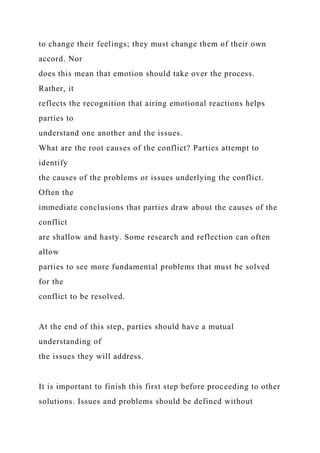
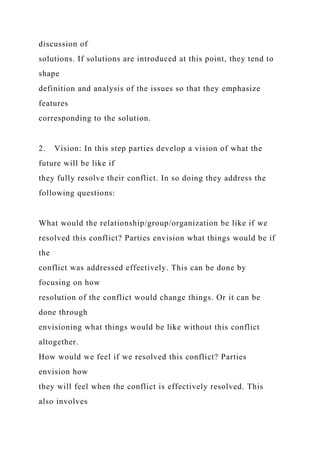
Exhibit 8.1 A Procedure for Moving Through Differentiation
and
Integration
8.4 Addressing Severe Challenges to Conflict Integration
8.4.1 Challenging Belief Systems That Escalate Conflict
Responses
8.4.2 Moving Beyond Deep Transgressions Through
Forgiveness
8.5 Dispute Systems: Managing Conflicts Within Organizations
Exhibit 8.2 What Type of a Dispute Resolution System Does an
Organization Have?
8.5.1 Working with Organizational Dispute Resolution Systems
8.6 Summary and Review
8.7 Activities
8.8 Conclusion
Chapter 9 Third Party Intervention
9.1 Property 1: Conflict Interaction Is Constituted and Sustained
by Moves and
Countermoves During Interaction
9.1.1 Third Party Mandate
9.1.2 Responsiveness to Emerging Interaction
Case 9.1 Organizational Co-Heads
Case 9.2 The Family Conflict
Case 9.3 Mediator Pressure and the Intransigent Negotiator
9.2 Property 2: Patterns of Behavior in Conflict Tend to
Perpetuate Themselves
9.2.1 Third Parties and Conflict Cycles
Case 9.4 Party Process Control
Case 9.5 Neighbor Noise Problems
9.2.2 Third Parties and the Overall Shape of Conflict Behavior
Exhibit 9.1 Third Parties, Differentiation, and Integration
9.3 Property 3: Conflict Interaction Is Influenced by, and in
Turn Affects,
Relationships
9.4 Property 4: Conflict Interaction Is Influenced by the Context
in Which It
Occurs
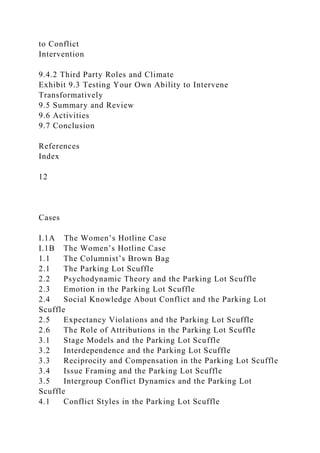
11
9.4.1 Third Party Roles and Ideologies
Exhibit 9.2 Transformative Mediation: A Relational Approach
to Conflict
Intervention
9.4.2 Third Party Roles and Climate
Exhibit 9.3 Testing Your Own Ability to Intervene
Transformatively
9.5 Summary and Review
9.6 Activities
9.7 Conclusion
References
Index
12
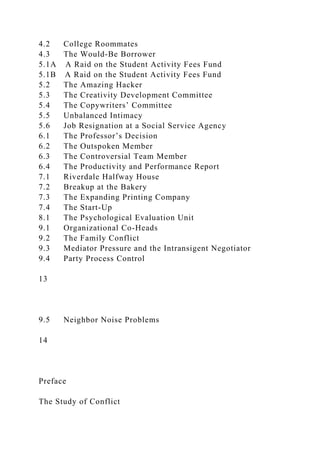
Cases
I.1A The Women’s Hotline Case
I.1B The Women’s Hotline Case
1.1 The Columnist’s Brown Bag
2.1 The Parking Lot Scuffle
2.2 Psychodynamic Theory and the Parking Lot Scuffle
2.3 Emotion in the Parking Lot Scuffle
2.4 Social Knowledge About Conflict and the Parking Lot
Scuffle
2.5 Expectancy Violations and the Parking Lot Scuffle
2.6 The Role of Attributions in the Parking Lot Scuffle
3.1 Stage Models and the Parking Lot Scuffle
3.2 Interdependence and the Parking Lot Scuffle
3.3 Reciprocity and Compensation in the Parking Lot Scuffle
3.4 Issue Framing and the Parking Lot Scuffle
3.5 Intergroup Conflict Dynamics and the Parking Lot
Scuffle
4.1 Conflict Styles in the Parking Lot Scuffle
4.2 College Roommates
4.3 The Would-Be Borrower
5.1A A Raid on the Student Activity Fees Fund
5.1B A Raid on the Student Activity Fees Fund
5.2 The Amazing Hacker
5.3 The Creativity Development Committee
5.4 The Copywriters’ Committee
5.5 Unbalanced Intimacy
5.6 Job Resignation at a Social Service Agency
6.1 The Professor’s Decision
6.2 The Outspoken Member
6.3 The Controversial Team Member
6.4 The Productivity and Performance Report
7.1 Riverdale Halfway House
7.2 Breakup at the Bakery
7.3 The Expanding Printing Company
7.4 The Start-Up
8.1 The Psychological Evaluation Unit
9.1 Organizational Co-Heads
9.2 The Family Conflict
9.3 Mediator Pressure and the Intransigent Negotiator
9.4 Party Process Control
13
9.5 Neighbor Noise Problems
14
Preface
The Study of Conflict
The main objective of Working Through Conflict is to provide a
summary and synthesis of
social science research and theory on conflict. It offers students
of conflict a review of the core
concepts and theoretical frameworks that enhance an
understanding of human behavior in a
wide range of conflict situations. The research and theory
covered in this book reflect the
many social science disciplines that have contributed to the
study of conflict.
Although it takes an interdisciplinary view of conflict, this book
emphasizes understanding
conflict as a communication phenomenon. It assumes that
conflict is something that people
create and shape as they interact with each other. Sometimes
conflict interaction is immediate
and face-to-face. In other instances, it is played out in a series
of moves, actions, and responses
that occur over time and in different places. This book
highlights the interactive nature of
conflict, no matter what form it takes. This focus on
communication means that readers gain
an appreciation for how mutual influence occurs, how language
and message choices shape
conflict, and how patterns of behavior and the structure of
human discourse create important
dimensions of any unfolding conflict.
In addition, Working Through Conflict offers a road map for
how theory and research can
be used to understand and influence conflict dynamics in
everyday life. The field of conflict
management is supported by a long history of useful research
and theory that forms a basis
for a wide variety of conflict management work. This book
demonstrates how conflicts across
settings can be understood by seeing them through a range of
theoretical lenses. It illustrates
how students of conflict can begin thinking and acting in ways
that can have profound effects
on the dynamics of difficult conflicts.
New to This Edition
We have revised this eighth edition of Working Through
Conflict to reflect new developments
in theory and research on conflict and conflict management. We
also clarified and expanded
certain discussions to make this the most user-friendly edition
to date, with special emphasis
on applying theory to practical, contemporary topics. Here are
the highlights of the changes in
this eighth edition:
Updated citations and inclusion of new literature throughout the
volume;
Suggested activities for each chapter to engage students in
exploring the meaning and
significance of the ideas discussed in the chapter;
A new section on the impact of communication media on
conflict and conflict
interaction in the Introduction;
15
Inclusion of the latest scholarship of the impact of media on
conflict throughout the
book;
Updating of Chapter 4 to include new research on conflict styles
and discussion of
racial and ethnic impacts on conflict styles;
A revised Chapter 5 to streamline and better define how power
is produced in
interaction and the role this plays in conflict;
A new case study has been added to Chapter 5;
Discussion of the leader’s role in shaping climate in Chapter 7.
While we capture the most current thinking about the topics
covered in this book, we have
also retained older references because they point to classic, core
work that has served as the
foundation for more recent studies. New, contemporary
scholarship is important, but we
believe that students should also be aware of the field’s
conceptual roots as represented in
classic conflict literature.
We consider conflicts occurring in a wide range of arenas, from
intimate relationships,
marriages, and friendships to group, inter-group, organizational,
and negotiation settings. This
added breadth makes the book suitable as a primary text for
courses in conflict and conflict
management, as well as a useful supplement to courses that
devote substantial attention to
conflict or third party work.
The title of this book is an intentional double entendre. Because
its major emphasis is on
communication patterns people use when attempting to manage
conflict, we hope that the
book will help people successfully work through difficult
conflicts. The book is also built on
the assumption that effective work is often promoted by the
emergence and productive use of
conflict. It is our hope that this book will encourage people to
confront their conflicts and to
work through them creatively rather than suppressing or
superficially “resolving” conflicts.
Developing Theory-Based Intuition
It is often said that people who are good at their work have
excellent intuition. Usually this
means that they instinctively make good decisions and employ
effective strategies to create
change or accomplish productive objectives. Intuition is often
assumed to be innate—it is seen
as a gift that some people have. But in most cases effective
professional intuition comes from a
broad background of knowledge, study, and experience gained
over time. Working Through
Conflict is written for those who want to develop their intuition
about how to react, interact,
and intervene in conflict situations. Conflict is usually
complex—it is often multilayered,
steeped in a history of events, and shaped by diverse
perspectives and understandings. As a
result, having good intuition about conflict starts by mastering a
broad repertoire of ideas—
ideas that create different explanations for why conflict
interaction moves in destructive or
constructive directions.
Working Through Conflict covers a wide range of essential
concepts and theories that
clarify the practical implications for managing conflicts in
relationships, groups, teams, and
organizations. It is a primer for those who might want to pursue
professional work in the
conflict management field as mediators, ombudspersons,
facilitators, or conciliators. It can also
help build a strong intuition in those who deal with conflict
daily in work and professional
16
settings and in those who want to have an impact on conflicts in
their personal lives within
families, romantic relationships, marriages, and friendships.
17
Acknowledgments
We thank Ann Bryan and David Roache for assistance and ideas
related to this revision. Once
again, we owe our greatest debt to our colleagues at the Center
for Conflict Resolution in
Madison, Wisconsin. We are very grateful to Lonnie Weiss for
her insight and help with our
analyses. We also thank Syd Bernard, Jim Carrilon, Betsy
Densmore, Robert Everett, Jay
Herman, Jan Shubert, Rick Sloan, Dennis Smith, Tommy Vines,
and Kathy Zoppi for their
responses to parts or all of the initial manuscript of the first
edition of this book. We also
thank Linda Klug, Jean Kebis, and Wayne Beach for supplying
the transcript of interaction in
Chapter 6. Subsequent editions were greatly improved by
comments from Charley Conrad,
Melissa Dobosh, Mistee Freeman, Tricia Jones, Leanne
Knobloch, Phoebe Kruger, Kevin Real,
Bethany Sills, Cynthia Stohl, Shirley A. Van Hoeven, and
Elizabeth Vegso.
We appreciate the feedback reviewers provided for this
revision: Stuart Allen, Corey Young,
Michael Comos, and Kathy Krone. We also want to express our
continued gratitude to
reviewers of previous editions, whose wisdom persists still:
Wayne Beach, Tom Biesecker, Lori
Carrell, Steven Colmbs, Charles R. Conrad, Alice Crume,
Robert J. Doolittle, David A. Frank,
Dennis Gouran, Bruce Gronbeck, Dale Hample, Thomas Harris,
Gary Hartzell, Tricia Jones,
Keven E. McCleary, Laura L. Jansma, Sara E. Newell, Linda
Putnam, Susan Rice, Gale
Richards, Tracy Routsong, Dale L. Shannon, Cynthia Stohl,
Michael Sunnafrank, Stella Ting-
Toomey, Shirley Van Hoeven, Hal R. Witteman, and Paul
Yelsma.
The excellent editorial and production staff at Routledge, Linda
Bathgate, Laura Briskman,
Nicole Salazar, and Jenny Guildford have greatly assisted with
the production of this volume.
Joseph P. Folger
Marshall Scott Poole
Randall K. Stutman
18
Introduction
Conflict offers a mixture of the good, the bad, and the
uncertain. On the positive side, conflicts
allow us to air important issues; they produce new and creative
ideas; they release built-up
tensions. Handled properly, conflicts can strengthen
relationships; they can help groups and
organizations to re-evaluate and clarify goals and missions; and
they can also initiate social
change to eliminate inequities and injustice. These advantages
suggest that conflict is normal
and healthy, and they underscore the importance of
understanding and handling conflict
properly.
But perhaps more familiar is the negative side of conflict.
Heated exchanges spiral out of
control, resulting in frustration, tension, hard feelings, and,
ultimately, more conflict. Low-
grade family conflicts, perpetuated through criticism,
arguments, nagging, and verbal abuse,
not only distance parents from children and spouses from one
another but also lower self-
esteem and create problems that can follow people throughout
their entire lives. Additionally,
conflicts are sometimes violent, not only between strangers but
also in the workplace and
within the family. Sometimes the source of frustration is not
being able to get someone else to
engage a conflict. If one friend persistently denies that a
problem exists or changes the subject
when it comes up, the other cannot discuss the things that are
bothering her or him, and the
friendship suffers. The various negative experiences we all have
with conflict are reinforced in
the media, where it often seems that the only effective way to
solve problems is to shoot
somebody.
Conflicts also bring uncertainty. As we will see, the great
“unpredictables” in life often arise
in interactions we have with others. Conversations, meetings,
and conflicts all have in
common the fact that they may suddenly move in unexpected
directions. Indeed, the
uncertainties that arise during conflicts often cause them to
move in negative directions.
The twists and turns of the following case—in this instance a
conflict in a small office—offer
a good illustration of the positive, negative, and uncertain sides
of conflict. The conflict in
Case 1.1 at the women’s hotline initially exhibits several
negative features and might easily
move in a destructive direction.
Case Study I.1 A The Women’s Hotline Case
Imagine yourself as a staff member in this organization. How
would you react as this
conflict unfolded? What is it about this particular conflict that
makes it seem difficult to
face—let alone solve?
Women’s Hotline is a rape and domestic crisis center in a
medium-sized city. The
center employed seven full- and part-time workers. The
workers, all women, formed a
cohesive unit and made all important decisions as a group.
There were no formal
19
supervisors. The hotline started as a voluntary organization and
had grown by capturing
local and federal funds. The group remained proud of its roots
in a democratic, feminist
tradition.
The atmosphere at the hotline was rather informal. The staff
members saw each other
as friends, but there was an implicit understanding that people
should not have to take
responsibility for each other’s cases. Because the hotline’s work
was draining, having to
handle each other’s worries could create an unbearable strain.
This norm encouraged
workers to work on their own and keep problems to themselves.
The conflict arose when Diane, a new counselor who had only
six months of
experience, was involved in a very disturbing incident. One of
her clients was killed by a
man who had previously raped her. Diane had trouble dealing
with this incident. She felt
guilty about it; she questioned her own ability and asked herself
whether she might have
been able to prevent this tragedy. In the months following,
Diane had increasing
difficulty in coping with her feelings and began to feel that her
co-workers were not
giving her the support she needed. Diane had no supervisor to
turn to, and, although her
friends outside the hotline were helpful, she did not believe
they could understand the
pressure as well as her co-workers could.
Since the murder, Diane had not been able to work to full
capacity, and she began to
notice some resentment from the other counselors. She felt the
other staff members were
more concerned about whether she was adding to their
workloads than whether she was
recovering from the traumatic incident. Although Diane did not
realize it at the time,
most of the staff members felt she had been slow to take on
responsibilities even before
her client was killed. They thought Diane had generally asked
for more help than other
staff members and that these requests were adding to their own
responsibilities. No one
was willing to tell Diane about these feelings after the incident
because they realized she
was very disturbed. After six months, Diane believed she could
no longer continue to
work effectively. She felt pressure from the others at the center,
and she was still shaken
by the tragedy. She requested two weeks off with pay to get
away from the work
situation for a while, to reduce the stress she felt, and to come
back with renewed energy.
The staff, feeling that Diane was slacking off, denied this
request. They responded by
outlining, in writing, what they saw as the responsibilities of a
full-time staff worker.
Diane was angry when she realized her request had been denied,
and she decided to file a
formal work grievance.
Diane and the staff felt bad about having to resort to such a
formal, adversarial
procedure. No staff member had ever filed a work grievance,
and the group was
embarrassed by its inability to deal with the problem on a more
informal basis. These
feelings created additional tension between Diane and the staff.
Discussion Questions
Can you foresee any benefits to this conflict?
Is it possible to foresee whether a conflict will move in a
constructive or
destructive direction?
What clues would lead you to believe that this conflict is going
to be productive?
20
Several elements of this case suggest a move in a negative
direction. First, the situation at the
hotline was tense and threatening. This was a difficult time for
the workers. Even for “old
hands” at negotiation, conflicts are often unpleasant and
frightening. Second, the parties
experienced a great deal of uncertainty. They were unable to
understand what was going on
and how their behavior affected the conflict. Conflicts are
confusing; actions can have
consequences quite different from what is intended because the
situation is more complicated
than we had assumed. Diane did not know her co-workers
thought she was slacking even
before the tragedy. When she asked for time off she was
surprised at their refusal, and her
angry reaction nearly started a major battle. Third, the situation
was fragile. A conflict may
evolve in very different ways depending on the behavior of just
a single worker. If, for
example, the staff chose to fire Diane, the conflict may have
been squelched, or it may fester
and undermine relationships among the remaining staff. If, on
the other hand, Diane won
allies, the others might split over the issue and ultimately
dissolve the hotline. As the case
continues, observe staff members’ behavior and their method of
dealing with this tense and
unfamiliar situation.
Case Study I.1B The Women’s Hotline Case (Continued)
Imagine yourself in the midst of this conflict. What would you
recommend this group do
to promote a constructive outcome to this conflict?
The committee who received Diane’s grievance suggested that
they could handle the
problem in a less formal way if both Diane and the staff agreed
to accept a neutral, third
party mediator. Everyone agreed that this suggestion had
promise, and a third party was
invited to a meeting where the entire staff could address the
issue.
At this meeting, the group faced a difficult task. Each member
offered reactions they
had been previously unwilling to express. The staff made
several pointed criticisms of
Diane’s overall performance. Diane expressed doubts about the
staff’s willingness to help
new workers or to give support when it was requested. Although
this discussion was
often tense, it was well directed. At the outset of the meeting,
Diane withdrew her formal
complaint. This action changed the definition of the problem
from the immediate work
grievance to the question of what levels of support were
required for various people to
work effectively in this difficult and emotionally draining
setting.
Staff members shared doubts and fears about their own
inadequacies as counselors and
agreed that something less than perfection was acceptable. The
group recognized that a
collective inertia had developed and that they had consistently
avoided giving others the
support needed to deal with difficult rape cases. They
acknowledged, however, the
constraints on each woman’s time; each worker could handle
only a limited amount of
stress. The group recognized that some level of mutual support
was essential and felt that
they had fallen below an acceptable level over the past year and
a half. One member
suggested that any staff person should be able to ask for a
“debriefing contract” whenever
he or she felt in need of help or support. These contracts would
allow someone to ask for
21
ten minutes of another person’s time to hear about a particularly
disturbing issue or case.
The group adopted this suggestion because they saw that it
could allow members to
seek help without overburdening one other. The person who was
asked to listen could
assist and give needed support without feeling that she had to
“fix” another worker’s
problem. Diane continued to work at the center and found that
her abilities and
confidence increased as the group provided the support she
needed.
Discussion Questions
In what ways did the parties in this conflict show “good faith”?
Is “good faith” participation a necessary prerequisite to
constructive conflict
resolution?
This is a textbook case in effective conflict management
because it led to a solution that all
parties accepted. The members of this group walked a tightrope
throughout the conflict, yet
they managed to avoid a fall. The tension, unpleasantness,
uncertainty, and fragility of conflict
situations makes them hard to face. Because these problems
make it difficult to deal with
issues constructively and creatively, conflicts are often
terminated by force, by uncomfortable
suppression of issues, or simply by exhaustion after a prolonged
fight—all outcomes that leave
at least one party dissatisfied. Engaging a conflict is often like
making a bet against the odds:
you can win big if it turns out well, but so many things can go
wrong that many are unwilling
to chance it.
The key to working through conflict is not to minimize its
disadvantages, or even to
emphasize its positive functions, but to accept both and to try to
understand how conflicts
move in destructive or productive directions. This calls for a
careful analysis of both the
specific behaviors and the interaction patterns involved in
conflict and the forces that
influence these patterns.
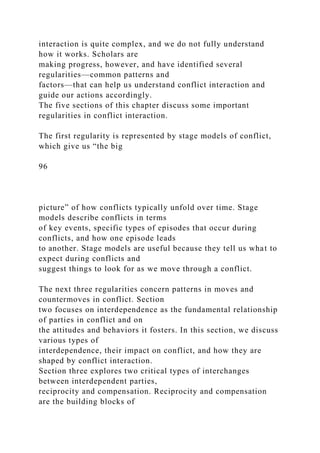
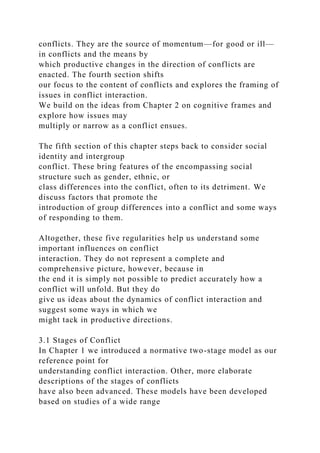
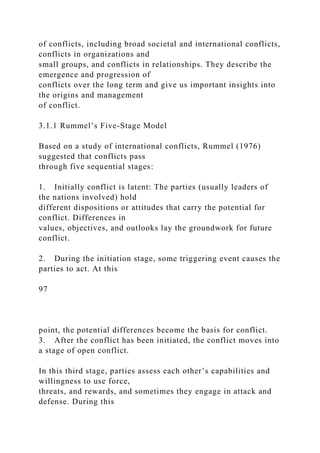
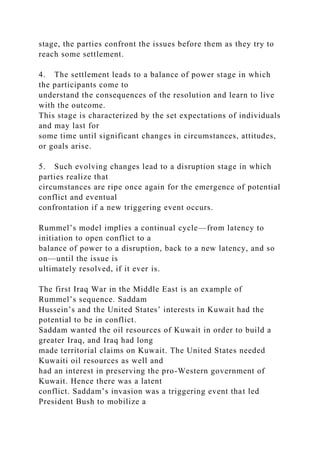
This chapter introduces you to conflict as an interaction system.
We first define conflict and
then introduce the four arenas for interpersonal conflict that this
book explores. Following
this, we discuss an important reference point—the distinction
between productive and
destructive conflict interaction—and the behavioral cycles that
move conflict in positive and
negative directions. Finally, we lay out the plan of this book,
which is written to examine the
key dynamics of conflict interaction and the forces that
influence them.
I.1 Conflict Defined
Conflict is the interaction of interdependent parties who
perceive incompatibility and the
possibility of interference from others as a result of this
incompatibility. Several features of
this definition warrant further discussion.
The most important feature of conflict is that it is a type of
human interaction. Conflicts are
constituted and sustained by the behaviors of the parties
involved and their reactions to one
another, particularly verbal and nonverbal communication.
Conflict interaction takes many
22
forms, and each form presents special problems and requires
special handling. The most
familiar type of conflict interaction is marked by shouting
matches or open competition in
which each party tries to defeat the other. But conflicts can also
be more subtle. People may
react to conflict by suppressing it. A husband and wife may
communicate in ways that allow
them to avoid confrontation, either because they are afraid the
conflict may damage a fragile
relationship or because they convince themselves that the issue
“isn’t worth fighting over.”
This response is as much a part of the conflict process as fights
and shouting matches. This
book deals with the whole range of responses to conflict and
how those responses affect the
development of conflicts.
People in conflict perceive that there is some existing
incompatibility with others and that
this incompatibility may prompt others to interfere with their
own desires, goals, personal
comforts, or communication preferences. The key word here is
perceive. Regardless of whether
incompatibility actually exists, if the parties believe
incompatibility exists then conditions are
ripe for conflict. Whether one employee really stands in the way
of a co-worker’s promotion,
or if the co-worker interprets the employee’s behavior as
interfering with his promotion, then
a conflict is likely to ensue. Communication is important
because it is the key to shaping and
maintaining the perceptions that guide conflict behavior.
Communication problems can be an important source of
incompatibility. You may have
experienced times when you got into a disagreement with
someone else, only to realize it was
due to a misunderstanding rather than a real conflict of interest.
However, although
communication problems may contribute to conflicts, most
conflicts cannot be reduced to
communication. Rather, real conflicts of interest underlie most
serious conflicts.
Conflict interaction is influenced by the interdependence of the
parties. Interdependence
determines parties’ incentives in the conflict. There is an
incentive to cooperate when parties
perceive that gains by one will promote gains by the other or
losses for one party will result in
corresponding losses for the other. There is an incentive to
compete when parties believe that
one’s gain will be the other’s loss. Resentment of Diane built up
among the other workers at
the hotline because they felt that if she got what she needed—
time off—it would result in more
work and pressure for them. This set up a competitive situation
that resulted in conflict
escalation. However, purely competitive (or cooperative)
situations rarely occur. In most real
situations there is a mixture of incentives to cooperate and to
compete. The other staff
members at the hotline wanted to maintain a cordial atmosphere,
and several liked Diane.
This compensated, to some degree, for their resentment of
Diane and set the stage for a
successful third party intervention.
The greater the interdependence among parties, the more
significant the consequences of
their behaviors are for each other. The conflict at the hotline
would not have occurred if
Diane’s behavior had not irritated the other workers and if their
response had not threatened
Diane’s position. Furthermore, any action taken in response to a
conflict affects both sides.
The decision to institute a “debriefing contract” required
considerable change by everyone. If
Diane had been fired, that, too, would have affected the other
workers; they would have had
to cover Diane’s cases and come to terms with themselves as
co-workers who could be
accused of being unresponsive or insensitive.
There is one final wrinkle to interdependence: When parties are
interdependent they can
potentially aid or interfere with each other. Parties know at
least something about their
23
respective abilities to cooperate or to compete, and their
interpretations of one another’s
communication and actions shape how the conflict develops. In
some instances, one party
may believe that having his or her point accepted is more
important, at least for the moment,
than proposing a mutually beneficial outcome. When Diane
asked for two weeks off she was
probably thinking not of the group’s best interest, but of her
own needs. In other cases,
someone may advance a proposal designed to benefit everyone,
as when the staff member
suggested the debriefing contract. In other instances, a comment
may be offered with
cooperative intent, but others may interpret it as one that
advances an individual interest.
Regardless of whether the competitive motive is intended by the
speaker or assigned by
others, the interaction unfolds from that point under the
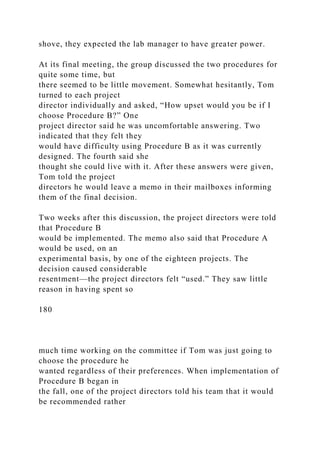
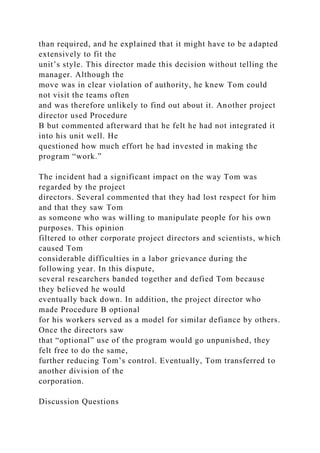
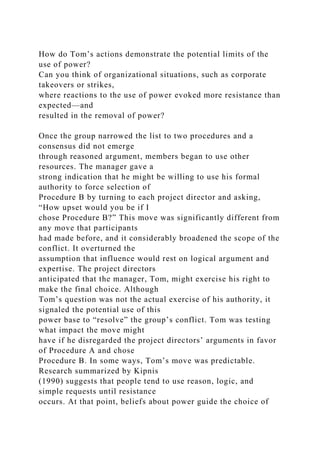
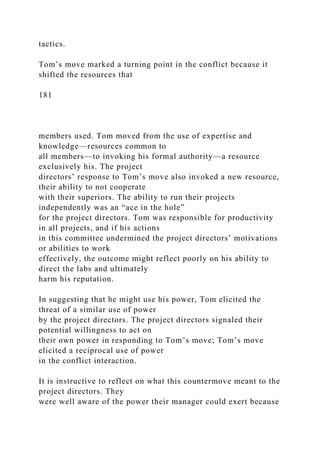
assumption that the speaker is
competitive. As we will see, subsequent interaction is colored
by this negative interpretation,
and parties’ experiences may further undermine their
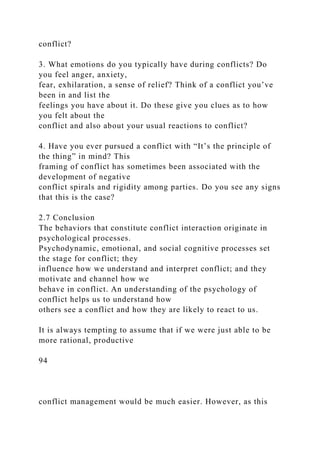
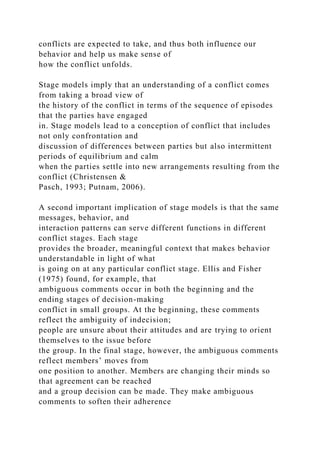
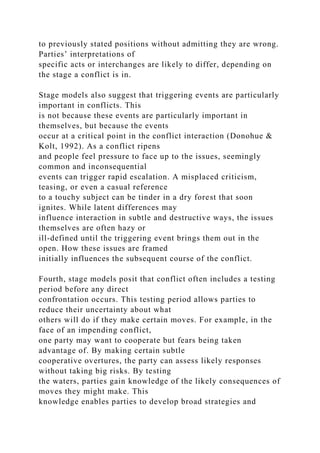
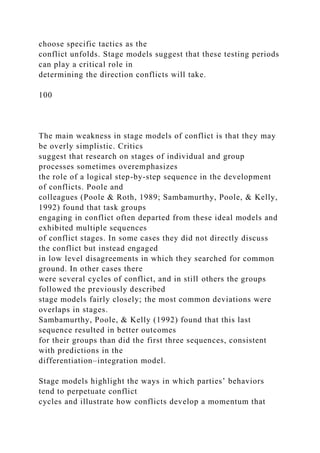
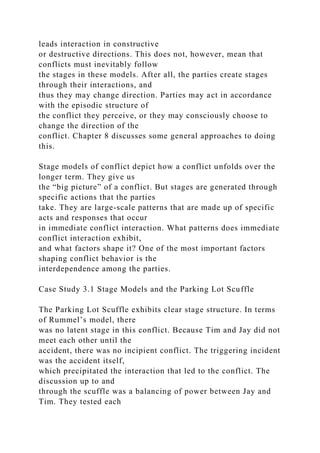
willingness to cooperate in a self-
reinforcing cycle. The same cyclical process also can occur with
cooperation, creating positive
momentum.
I.2 Arenas for Conflict
This book examines a broad range of conflicts in four general
settings. One important conflict
arena is the interpersonal relationship. Interpersonal conflicts
include those between spouses,
siblings, friends, and roommates. But interpersonal
relationships are broader than this,
encompassing those among co-workers, supervisors and
employees, landlords and tenants,
and neighbors. Interpersonal conflicts tell us a great deal about
styles of conflict interaction,
emotional and irrational impulses, and the diversity of resources
people exchange in short- or
long-term relationships.
A second important genre of conflicts are those that occur in
groups or teams. This arena
includes families, work teams, small businesses, classes, clubs,
juries, and even therapy or
consciousness-raising groups. Because much work is done in
groups, this arena has been
studied extensively and offers a wide range of conflict
situations for analysis. Conflicts in this
arena offer insights about group cohesion; the influence of
climates, coalitions, and working
habits; and the distribution of power.
A third important arena for conflict is the organization. Many
relationships and groups are
embedded in organizations. Organizations often engender
conflict when they create issues for
parties, such as struggles over promotions, battles over which
projects should be funded, and
debates over strategic directions. Sometimes conflicts in
organizations are displaced; parties
angry due to perceived personal slights may express their
frustration in ways that are more
legitimate to the organization, such as attacking a plan the
transgressor is presenting in a
meeting. By cloaking their personal grievance in formal terms,
they are able to exercise their
anger. Organizations also constrain conflict behavior. In an
organization that is comfortable
with disagreement, expressing conflict is acceptable. In one that
is uncomfortable, conflicts
may be suppressed.
Finally, the book examines conflicts that occur in intergroup
settings. In this case, the focus
is on individuals as representatives of social groups rather than
as unique individuals. This
arena includes conflicts among people who represent different
gender, ethnic, or cultural
groups. Intergroup conflicts can also arise among parties who
are viewed as representatives of
24
different teams, organizations, or political action groups. In
these conflicts, the individual’s
identity is supplanted by issues of group identity. Prejudice,
stereotyping, and ideologies often
come into play (Putnam & Poole, 1987).
The four arenas differ in several respects. One obvious
difference is in the number of parties
typically involved in a conflict. Interpersonal conflicts are
characterized by face-to-face
exchanges among a small number of people. The parties may
belong to a larger group or
organization (e.g., siblings are part of the same family), but the
divisive issues are personally
“owned” by the parties. The conflict plays out between them
and does not involve the group
as a whole. Group conflicts are focused on issues related to a
group as a unit. The parties
generally interacted with each other in meetings or work
settings and attempted to reach
decisions for the group. The divisive issues in these conflicts
are centered on the group itself.
Organizational conflicts have implications for the organization
beyond specific individuals or
groups. They include conflicts between parties from different
departments or levels of the
organization and may draw in other people such as managers or
human resource
professionals. The conflicts may be complex and open-ended in
terms of the number of people
involved. Intergroup conflicts involve parties representing two
or more large groups such as
organizations, cultural groups, or genders. Issues in intergroup
disputes are often carried over
from long-standing grievances and conflicts between the
“parent” units.
As the number of parties involved in a conflict increases,
important features of the
interaction change as well. For example, in interpersonal
conflicts, people usually speak for
themselves. In group, organizational, or intergroup conflicts,
spokespersons, representatives, or
various counselors such as attorneys, union representatives, and
presidents of organizations,
are more likely to speak for the collective. In addition, the
group, team, or organizational
climate becomes important as the number of people in a conflict
increases.
These arenas of conflict also differ in the type of
interdependence that typically exists
among the parties. The resources available to parties shift
across these contexts. In
interpersonal relationships, parties depend on each other for a
wide range of emotional,
psychological, and material resources (Cahn, 1990; Levinger,
1976; Roloff, 1981). The resources
involved in interpersonal relationships include emotional
support; images one holds of oneself
as a talented, generous, loving, sensuous, or loyal person;
financial security; and the ability to
meet physical needs. In group, organizational, and intergroup
conflicts, the range of
interdependence is generally narrower. In task-oriented units,
people are dependent on each
other for achieving the goals the group has set for itself, for
financial security (if the group
provides income for members), and for a person’s professional
or public identity (e.g., images
parties hold of themselves as competent, fair-minded, or
cooperative). In intergroup
relationships, individuals are dependent on each other for the
advancement and continuation
of the group vis-à-vis other groups (e.g., some Shiites in Iraq
worked to achieve control by
attacking other groups such as the Sunnis), and also for their
identities as members of a well-
defined social unit (e.g., the sense of self one has as a human
being, a Christian, a Hispanic
American, a Republican). The different types of
interdependence in each arena make the use
of power different in each of them.
Although these arenas differ in important ways, they are similar
in one important sense: In
all of them interaction is central to conflict (Roloff, 1987a).
Regardless of the number of parties
involved or the type of interdependence among them, conflict
unfolds as a series of moves and
25
countermoves premised on people’s perceptions, expectations,
and strategies. Because of this
fundamental similarity, many of the principles of conflict
examined apply across the arenas.
As Putnam and Folger (1988, p. 350) put it:
Theoretical principles apply across (conflict) contexts because
interaction processes form the foundation of conflict
management. Fundamental to all conflicts are the series of
actions and reactions, moves and countermoves, planning of
communication strategies, perceptions, and interpretations of
messages that directly affect substantive outcomes.
The centrality of interaction to all four arenas creates
commonalities across them as well. For
example, violent exchanges can occur in interpersonal, group,
organizational, or intergroup
conflicts. So too, can parties engage in negotiation in any of
these settings. Because labor-
management or political negotiations are the most commonly
reported examples in the media,
people often think of negotiation or bargaining as a separate
arena. However, husbands and
wives can negotiate divorce agreements, a professor and student
can negotiate a grade,
environmental groups can negotiate a land-use policy, or
neighborhood groups can negotiate
historical preservation standards. Another aspect of conflict
common to all four arenas is
power, because power is integral to all forms of
interdependence. These and other
commonalities are explored throughout this book.
I.3 Communication Media and Conflict Interaction
Conflict is also shaped by the communication media parties
utilize in all four arenas. Conflict
interaction differs in face-to-face, telephone, email, and social
media contexts because each
medium offers different capabilities. Scholars have been
working to sort out the impacts media
have on conflict. One influential theory—media richness
theory—argues that media vary in
terms of their ability to transmit information that will change
understanding in others (Rice &
Leonardi, 2014).The richness of a medium depends on four
factors: (1) its ability to handle
multiple information cues simultaneously; (2) its ability to
facilitate rapid feedback; (3) its
ability to personalize the message; and (4) its ability to utilize
natural language. Commonly
used media can be ranked in terms of richness, with a ranking
being (from richest to poorest):
face-to-face communication, telephone call, text message,
electronic mail, paper memo, and a
numerical table. The basic premise of media richness theory is
that media choice should
depend on the ambiguity there is in a task or situation. Rich
media are more effective for
highly ambiguous situations, and in less ambiguous situations
“leaner” media are workable
and more efficient.
Conflicts are highly ambiguous, so richer media would be
expected to promote more
effective conflict interaction. Based on media richness theory,
we would expect face-to-face
communication to be more effective for managing conflict than
email or social media because
it allows multiple cues (verbal, visual, and aural),
personalization, rapid feedback, and natural
language. Electronic mail and social media allow fewer cues,
and email may also have slower
feedback if not checked constantly. Readers who have
inadvertently sparked a conflict because
of a poorly worded email or text message know firsthand the
limitations of text-based media
compared to face-to-face communication.
Studies of virtual relationships and groups—those whose
members are distributed across
different locations (and often time zones) and who use
information and communication
26
technologies for most of their communication—indicate that
they are more likely to
experience conflict than collocated relationships and groups
(Garner & Poole, 2013). Conflicts
in virtual relationships and groups are worsened by the absence
of a common physical
context, which makes it difficult to establish mutual
understanding and gives rise to
misinterpretations and mistaken conclusions about others
parties’ motives. Consider, for
example, a case in which one party is teleconferencing from
home and is distracted by his
children’s interruptions. He may come across as confused and
disinterested to the other party
(who is not aware of the distracting children), and the other may
conclude with irritation that
the first party is not committed to their common task, setting
the stage for a conflict. If more
than one person is at each location in a distributed group, then
distance can also foster a “we”
versus “they” orientation between the sites, which increases the
likelihood of conflict.
While it does give some important insights into the impact of
media on conflict, the media
richness perspective is overly simplistic. As everyone knows,
information and communication
technologies (ICT) also give us capabilities that traditional
face-to-face, telephone, and written
modes of communication do not. Communicating via email is
slower, but it also gives the
sender time to reflect and compose a message more thoughtfully
than he or she may in face-
to-face conversation. Hence, when used properly, email may
facilitate conflict management
(Caughlin, Basinger, & Sharabi, 2016).The lack of nonverbal
cues in text and email also may
enable parties to focus more on the content of the conflict, as
opposed to negative emotions
conveyed by eye contact, facial expression, and tone of voice.
Perry and Werner-Wilson (2011)
report that some relational partners utilize ICTs in conflicts
because these media allow them to
get their emotions under control and communicate more clearly.
Emojis, pictures, and links
inserted into emails and text messages add additional meaning
and can be used to move the
discussion in a positive direction.
Experience with a medium can also increase our skill in using
it. Carlson and Zmud (1999)
argued that greater experience with a medium causes this
channel to “expand” in the
information it can carry. Email may seem low in richness to a
novice user, but more
experienced users learn that they can make email messages
richer by using emoticons, emojis,
pictures, attachments, etc. A channel can also expand between
two people or a group who use
a common medium. They can develop understanding of one
another’s styles and work out
common code words to stand in for complex ideas. People who
often text or tweet one
another are well aware of this.
Of course, not all capabilities afforded by ICTs are beneficial.
Twitter and other social
media also enable “mobs” to level online attacks. Online
bullying, stalking, and troll attacks
operate at a level and intensity unthinkable in most face-to-face
interactions. The relative
anonymity provided by the internet facilitates—and some argue
encourages—such negative
conflict behaviors (Lowry, Zhang, Wang, & Siponen, 2016).
I.4 Productive and Destructive Conflict Interaction
As previously noted, people often associate conflict with
negative outcomes. However, there
are times when conflicts must be addressed regardless of the
apprehension they create. When
parties have differences and the issues are important,
suppressing conflict is often more
dangerous than facing it. The psychologist Irving Janis points to
a number of famous political
27
disasters, such as the failure to anticipate the Japanese attack on
Pearl Harbor, where poor
decisions can be traced to the repression of conflict by key
decision-making groups (Janis,
1972). The critical question is this: what forms of conflict
interaction will yield obvious
benefits without tearing a relationship, a group, a team, or an
organization apart?
The sociologist Lewis Coser (1956) distinguished realistic from
nonrealistic conflicts.
Realistic conflicts are based on disagreements over the means to
an end or over the ends
themselves. In realistic conflicts, the interaction focuses on the
substantive issues the
participants must address to resolve their underlying
incompatibilities. Nonrealistic conflicts
are expressions of aggression in which the sole end is to defeat
or hurt the other. Participants
in nonrealistic conflicts serve their own interests by
undercutting those of the other party
involved. Coser argues that because nonrealistic conflicts are
oriented toward the expression
of aggression, force and coercion are the means for resolving
these disputes. Realistic conflicts,
on the other hand, foster a wide range of resolution
techniques—force, negotiation, persuasion,
even voting—because they are oriented toward the resolution of
some substantive problem.
Although Coser’s analysis is somewhat oversimplified, it is
insightful and suggests important
contrasts between productive and destructive conflict
interaction.
What criteria can be used to decide whether a conflict is
productive? In large part,
productive conflict interaction depends on flexibility. In
constructive conflicts, members
engage in a wide variety of behaviors ranging from coercion and
threat to negotiation, joking,
and relaxation to reach an acceptable solution. In contrast,
parties in destructive conflicts are
likely to be much less flexible because their goal is more
narrowly defined: they are trying to
defeat each other. Destructive conflict interaction is likely to
result in uncontrolled escalation
or prolonged attempts to avoid issues. In productive conflict, on
the other hand, the
interaction changes direction often. Short cycles of escalation,
de-escalation, avoidance, and
constructive work on an issue are likely to occur as participants
attempt to manage conflict.
Consider the Women’s Hotline Case. The workers exhibited a
wide range of interaction
styles, from the threat of a grievance to the cooperative attempt
to reach a mutually
satisfactory solution. Even though Diane and others engaged in
hostile or threatening
interactions, they did not persist in this mode, and when the
conflict threatened to escalate,
they called in a third party. The conflict showed all of the
hallmarks of productive interaction.
In a destructive conflict, the members might have responded to
Diane’s grievance by
suspending her, and Diane might have retaliated by suing or by
attempting to discredit the
center in the local newspaper. Her retaliation would have
hardened others’ positions, and they
might have fired her, leading to further retaliation.
In an alternative scenario, the Hotline conflict might have ended
in destructive avoidance.
Diane might have hidden her problem, and the other workers
might have consciously or
unconsciously abetted her by changing the subject when the
murder came up or by avoiding
talking to her at all. Diane’s problem would probably have
grown worse, and she might have
had to quit. The center then would have reverted back to
“normal” until the same problem
surfaced again. Although the damage caused by destructive
avoidance is much less serious in
this case than that caused by destructive escalation, it is still
considerable: The Hotline loses a
good worker, and the seeds for future losses remain. In both
cases, it is not the behaviors
themselves that are destructive—neither avoidance nor hostile
arguments are harmful in
themselves—but rather the inflexibility of the parties that locks
them into escalation or
28
avoidance cycles.
In productive conflicts, all parties believe they can work
together to attain important goals
and meet their needs (Deutsch, 1973). Productive conflict
interaction exhibits a sustained effort
to bridge the apparent incompatibility of positions. This is in
marked contrast to destructive
conflicts, where the interaction is premised on participants’
beliefs that one side must win and
the other must lose. Productive conflict interaction results in a
solution satisfactory to all and
produces a general feeling that the parties have gained
something (e.g., a new idea, greater
clarity of others’ positions, or a stronger sense of solidarity). In
some cases, the win-lose
orientation of destructive conflict stems from the fear of losing.
Parties attempt to defeat
alternative proposals because they believe that if their positions
are not accepted they will lose
resources, self-esteem, or the respect of others. In other cases,
win-lose interaction is sparked
not by competitive motives, but by the parties’ fear of working
through a difficult conflict.
Groups that rely on voting to reach decisions often call for a
vote when discussion becomes
heated and the members do not see any other immediate way out
of a hostile and threatening
situation. Any further attempt to discuss the alternatives or to
pursue the reasons behind
people’s positions seems risky. A vote can put a quick end to
threatening interaction, but it
also induces a win-lose orientation that can easily trigger
destructive cycles. Group members
whose proposals are rejected must resist a natural tendency to
be less committed to the chosen
solutions and avoid trying to “even the score” in future
conflicts.
Productive conflict interaction is sometimes competitive. Both
parties must stand up for
their own positions and strive for understanding if a
representative outcome is to be attained.
This may result in tension and hostility as they work through
the issues, but it should be
regarded as a difficult path to a higher goal. Although parties in
productive conflicts adhere
strongly to their positions, they are also open to movement
when convinced that such
movement will result in the best decision. The need to preserve
power, to save face, or to
make their opponent look bad does not stand in the way of
change. In contrast, during
destructive conflicts parties may become polarized, and the
defense of a “noble,”
nonnegotiable position often becomes more important than
working out a viable solution.
Of course, this description of productive and destructive
conflict interaction is an
idealization. It is rare that a conflict exhibits all the
constructive or destructive qualities just
mentioned. Most conflicts exhibit both productive and
destructive interactions. However,
better conflict management will result if parties can sustain
productive conflict interaction
patterns, and it is to this end that this book is dedicated.
I.5 Judgments About Conflict Outcomes
To this point we have focused on assessing conflict interaction.
This is because we believe it is
important to know where a conflict is heading while we are in
the midst of it. But the
outcomes of conflicts are also important. Parties must live with
the outcomes, and whether
they accept and are satisfied with them determines whether the
conflict is resolved or
continues to smolder, waiting for some future spark to set it off
again.
The most obvious and most desirable outcome measure would
give an objective account of
the gains and losses that result for each party. If these can be
assessed in an objective way for
each party they can then be compared to determine how fair the
outcome of the conflict was
29
and whether a better outcome was possible. We can determine
relative gains and losses in
more or less objective terms if the outcome can be stated in
numerical terms. Some numerical
measures use values that correspond to real things (e.g., money
or the number of hours in a
day someone agrees to work), whereas others simply measure
value on an arbitrary scale such
as the “utility” of an outcome to a party.
As desirable as it is, determining gains and losses is more
difficult for outcomes that cannot
be reduced to numerical terms. For example, the outcome of a
conflict between a brother and
sister over who gets the corner bedroom is difficult to quantify,
though a winner and loser can
be identified immediately afterward—who got the bedroom?
However, over the longer term,
the “winner” may discover that he or she finds the room too hot
because the sun beats
through the windows in the afternoon and too noisy because it is
right over the game room.
Outcomes, such as bedrooms, are complicated to measure, and
while there might be gains on
some dimensions, there may be losses on other dimensions.
Whether there is an overall gain
or loss depends as much on what aspects parties choose to
emphasize the actual values of the
items. If the winner chooses to regard the sun as cheerful (but
hot!) and instead focuses on the
nice furniture in the room, outcomes are more favorable than if
heat is the main emphasis.
Moreover, as our example illustrates, outcomes can change over
time. What appears to be a
fine outcome right after the conflict is settled may turn out to be
negative over the long run,
and vice versa.
A second way to evaluate conflicts is in terms of the level of
satisfaction people feel about
the resolution. One definition of an integrative resolution is that
solution which all parties are
most satisfied with. This criterion avoids some of the
limitations of objective outcome
measures because we can always determine parties’ perceptions
and evaluations, even when
there is no direct measure of outcomes. The satisfaction
criterion also enables us to compare
outcomes—at least in relative terms—because parties may be
more or less satisfied.
Two other judgments that can be made about conflict outcomes
concern their fairness. Two
types of fairness, or social justice, have a bearing on evaluation
of conflict outcomes.
Distributive justice refers to the fair allocation of resources
among two or more recipients.
Procedural justice is concerned with the fairness of the process
by which decisions are made to
resolve the conflict.
The answer to the key question regarding distributive justice—
have outcomes been
allocated fairly?—depends on the value system we apply.
Thompson (1998, p. 194)
distinguished three value systems: (a) “The equality rule, or
blind justice, prescribes equal
shares for all.” The U.S. legal system is an example of this
value system. (b) “The equity rule,
or proportionality of contributions principle, prescribes that
distribution should be
proportional to a person’s contribution.” A case in which it was
decided that workers who put
in more hours on a project should get a greater share of the
bonus earned than should those
who put in relatively little effort would be following the equity
rule. (c) “The needs-based rule,
or welfare-based allocation, states that benefits should be
proportional to need.” Universities
give out much of their financial aid based on this principle.
Exactly what is regarded as a just
outcome will differ depending on which of these three systems
applies.
Judgments about procedural justice focus on the process by
which outcomes are determined
and concern whether this process is legitimate and fair.
Consider the example of grade
appeals. Most colleges have specific procedures in place to
handle student grade appeals. In
30
one college, there is a three-step process. The student must first
talk to the instructor. If this
does not result in a satisfactory resolution, the student can then
appeal to the department
chair. The next step is to take the appeal to a committee
consisting of three professors and four
students. There are detailed rules specifying what types of
evidence are required and how the
committee hearing will be held. The procedure allows each
appeal to be thoroughly
considered. The final step involves judgment by the student’s
peers, who are in the majority
on the committee that makes the final determination. The
process is set up the way it is so
that both students and faculty will agree that there has been a
fair hearing. Regardless of the
outcome, if students and faculty believe they have participated
in a legitimate process, they
are more likely to accept the outcome, and they are also likely
to have their faith in the
“system” renewed. So, procedural justice can be just as
important as the actual outcome.
In evaluating the outcomes of conflict, it is important not to
overemphasize one of these
four criteria—gains and losses, satisfaction, distributive justice,
or procedural justice—so much
that we forget about the others. Each of the outcomes may cloud
the others. For example, an
objectively good outcome for both parties may also be
perceived as unfair because the proper
procedures were not followed. And an outcome that satisfies
both parties may be grossly
unfair from the viewpoint of distributive justice. Ideally all four
criteria will be considered in
evaluating the outcomes of a conflict.
I.6 Plan of the Book
The key question this book addresses is: how does conflict
interaction develop destructive
patterns—radical escalation, prolonged or inappropriate
avoidance of conflict issues,
inflexibility— rather than constructive patterns leading to
productive conflict management? A
good way to understand conflict interaction is to think of parties
in a conflict as poised on a
precipice. The crest represents productive conflict management
and the chasm below the
downward spiral into destructive conflict. Maintaining a
productive approach to a conflict
requires diligence and the ability to strike a careful balance
among all of the forces that
influence interpersonal conflict interaction. Managed properly,
these forces can be used to
maintain a proper balance and to keep the conflict on a
constructive path. However, lack of
attention to powerful dynamics surrounding conflicts can propel
them into developing a
momentum that pushes the parties over the edge.
This book considers several major forces that direct conflicts
and examines the problems
people encounter in trying to control these forces to regulate
their own conflict interactions.
To sort out the most influential forces in moving conflicts in
destructive or constructive
directions, we examine the major theoretical perspectives on
communication and conflict.
Chapter 1 offers an introduction to communication in conflict
centered on four properties of
conflict interaction, each of which highlights key influences on
conflict. Chapter 2 focuses on
the inner experience of conflict—psychological dynamics that
influence conflict interaction,
specifically emotion and social cognitive processes that affect
conflict. Chapter 3 then
considers conflict interaction and explores several processes
that affect conflict.
Building on this theoretical foundation, we devote the next four
chapters to understanding
important forces that influence conflict interaction—styles,
power, face-saving, and climate—
and how to work with each of them to encourage productive
conflict management. Chapter 8
31
discusses conflict management. Chapter 9 turns to third party
intervention in conflicts and
examines how third parties can facilitate constructive conflict
interaction.
I.7 Summary and Review
What Is Conflict?
Conflict is interaction among parties who are interdependent
and perceive incompatibility
with one another. It is important to recognize that conflicts can
be driven by perceptions, not
merely by the objective situation. Interdependence plays a
critical role in conflict because it
sets up tendencies to compete or cooperate that drive conflict
interaction.
What Are Important Arenas for Conflict?
Interpersonal conflicts occur in interpersonal relationships,
small groups, organizations, and
intergroup settings. Each of these arenas differs in terms of the
number of people potentially
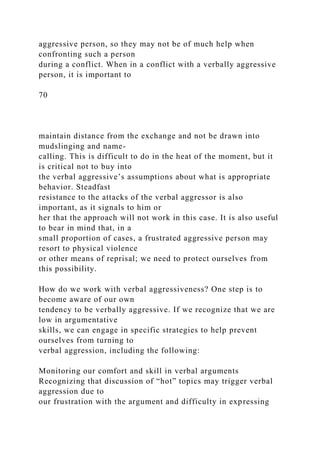
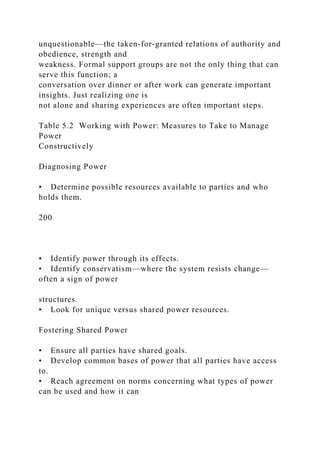
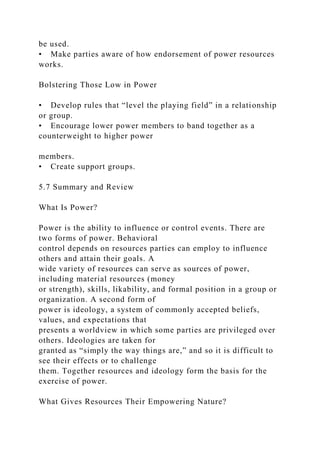
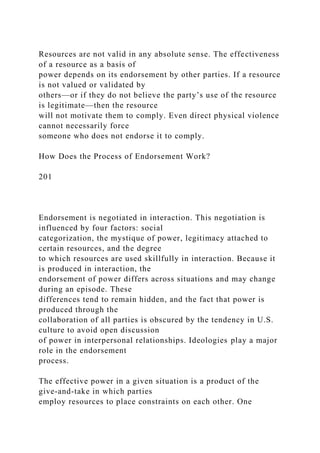
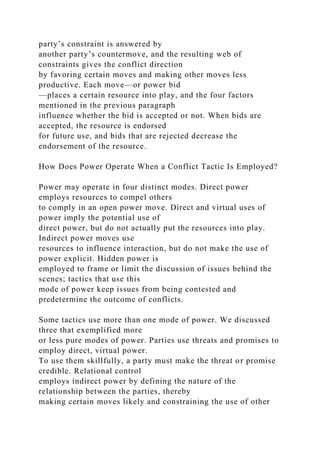
involved in the conflict and in the type of interdependence
among parties. They have in
common the fact that conflict in all four arenas is first and
foremost a type of interaction.
What Is the Role of Communication Media in Conflict?
Communication media influence how parties in the conflict can
interact. Some media carry
more information than others and this can shape parties’
perceptions of one another,
sometimes in productive ways and sometimes in destructive
ways. The impacts of media on
conflict depend on parties’ experience and skill at using them to
communicate.
What Is the Role of Interaction in Conflict?
Conflicts are constituted by interaction among parties in that
conflicts only exist in the moves
and countermoves of parties. Conflicts unfold as parties act
them out. This means that conflict
is never wholly under the control of any single party; all parties
involved have at least some
degree of control over how the conflict is to be pursued over
time. One particularly strong
force in conflict interaction is the tendency of behavioral cycles
to be self-reinforcing, such
that competitive behavior begets competition in response, and
cooperative behavior prompts
cooperative responses, and so on, in a repeating spiral.
Can Different Types of Conflict Be Distinguished?
Scholars have distinguished productive from destructive modes
of conflict. In productive
conflicts, parties take flexible approaches and believe a
mutually acceptable solution can be
developed. Destructive conflicts are characterized by inflexible
behavior and attempts to
defeat the other party. In destructive conflicts, parties’ goals
often shift from achieving an
acceptable outcome to defeating the other party, regardless of
other considerations. It is worth
noting, however, that destructiveness and competitiveness are
not synonyms. Competition can
32
occur in constructive conflicts; it just never leads parties to
excesses.
What Are the Standards by Which Conflict Outcomes Can Be
Evaluated?
We can distinguish four different criteria that can be used to
evaluate conflict outcomes—
objective gains/losses, participant satisfaction, distributive
justice, and procedural justice.
Because most conflicts are complex, it is desirable to use more
than one of these criteria to
judge the quality of outcomes for participants.
What Are the Major Factors Influencing Conflict Interaction?
As we will see in the remainder of this book, particularly
important factors are conflict styles
and strategies, power, face-saving, and climate. Several other
psychological and social
dynamics also play a role in conflicts, and we will consider
them as well. One moral of this
book is that conflict is a complex phenomenon, and that no
single factor is the key to effective
conflict management. Like all communication skills, conflict
management requires us to be
aware of the forces that influence conflict and to be capable of
working with those forces to
channel conflicts in productive directions.
I.8 Activities
1. Free associate conflict: Write down twenty words that
describe conflict as you see it.
Now look over your list. What are the main themes in your list?
What does it tell you
about how you view conflict? Have a friend look over the list
and tell you how they
think you see conflict. What themes do they see in your list?
2. Think of a conflict you participated in. It can be one that was
resolved sometime ago
or one you are currently involved in. What types of
interdependence do you and the
other party have? Did media play a role in your conflict, and if
so, how did media
affect your conflict? Was your interaction with the other party
primarily productive
or destructive? What were the outcomes of the conflict?
33
Chapter 1
Communication and Conflict
We have argued that conflicts are best understood if we view
them as a form of interaction.
But interaction is an extraordinarily complicated phenomenon.
How can we get a grasp on
what happens in conflicts? How can we use that knowledge to
turn conflict interaction in
productive directions?
This chapter provides an introduction to conflict interaction.
First, we describe a model of
conflict interaction as a “balancing act.” The model proposes
that in order to manage a conflict
effectively, parties must first articulate and understand the
differences in their positions and
interests. Only after this has been done can they move toward a
mutually acceptable,
integrative solution. However, this is a precarious process,
fraught with difficulties. If parties
make the wrong moves, their differentiation may spiral into
uncontrollable escalation or,
alternatively, to rigid suppression and avoidance of a conflict
that they should be able to face
and manage. Walking the tightrope to productive conflict
management requires insight into
the forces that push conflict in negative directions and the
appropriate actions required to
control them.
The second part of this chapter presents four basic properties of
conflict interaction which
suggest a number of factors that are important in conflicts.
These factors, discussed in
subsequent chapters, can move conflict in productive and
destructive directions and suggest
various levers parties can use to manage conflict effectively.
1.1 A Model of Effective Conflict Management
At the outset it is a good idea to consider effective conflict
management, the type of
interaction that will lead to productive conflict. In his book,
Interpersonal Peacemaking,
Richard Walton (1969) described a simple yet powerful model
of effective conflict
management that reflects insights echoed by a number of other
influential writers (Fisher &
Ury, 1981; Pruitt & Carnevale, 1993; Putnam, 2010). The model
views conflict in terms of two
broad phases: a differentiation phase followed by an integration
phase. In differentiation,
parties raise the issues underlying the conflict and spend time
and energy clarifying positions,
pursuing the reasons behind those positions, and acknowledging
their differences. As Putnam
suggests, “Differentiation refers to the pattern of interaction
that sharply distinguishes
opposing positions” (2010, p. 327).This first phase is sometimes
uncomfortable and tense, and it
may evoke unpleasant emotions, but it is valuable because it
helps parties to become more
knowledgeable about the issues and the different goals and
points of view they have
(Wageman & Donnenfeld, 2007). After some time
differentiating, the process reaches a
34
“tipping point,” and an integration phase begins. Parties begin
to acknowledge common
ground, explore possible options, and move toward some
solution—sometimes one that meets
everyone’s needs, and sometimes simply one they can live with.
If integration is not
completely successful, the conflict may cycle back through a
new differentiation phase.
This two-phase model of conflict may seem elementary, but it is
highly suggestive because
it indicates what parties must do to move through a conflict
successfully. How and whether
conflict interaction moves from differentiation through
integration is complicated.
1.1.1 Moving Through Differentiation and Integration
The differentiation stage of conflicts is often difficult because
of the seemingly unbridgeable
differences that emerge and the intense negative emotions these
differences often spark. The
combination of hostility and irreconcilable positions may
encourage behavior that spurs
uncontrolled escalation into a destructive conflict. In a different
overreaction, parties fearful of
escalation and loss of control may “sit on” and suppress the
conflict, which then festers and
undermines their relationship. But it is important to navigate
differentiation successfully in
order to set up the conditions for integration, during which
“parties appreciate their
similarities, acknowledge their common goals, own up to
positive aspects of their
ambivalence, express warmth and respect, and/or engage in
other positive actions to manage
their conflict” (Walton, 1969, p. 105). The simultaneous need
for and fear of differentiation
poses a difficult dilemma for parties who want to work through
important conflicts.
Adequate differentiation is necessary for constructive conflict
resolution. Without a clear
statement of each party’s position, finding a satisfactory
result—one in which “the participants
all are satisfied with their outcomes and feel they have gained
as a result of the conflict”—is a
hit-or-miss venture (Deutsch, 1973, p. 17; Putnam, 2013).
Unless parties honestly acknowledge
their differences and realize that they must tackle the conflict
and work it out, they may not
be sufficiently motivated to deal with the problem. And unless
they understand their points of
difference, they do not have the knowledge required to find a
workable solution. Expressing
different points of view and dissenting from consensus are often
the foundation for creativity
and high-quality decision making (Behfar & Thompson, 2007;
Schulz-Hardt, Mojzisch, &
Vogelgesang, 2008). Similarly, parties’ ability to confront
another’s unacceptable or
nonnormative behavior is often tied to greater productivity and
satisfaction with participating
in groups (Urch, Druskat & Wolff, 2007).
Despite its real value and critical importance, differentiation
may also lead to open
confrontation and competition. Discovering that others disagree
or want something that
threatens our best interests is frustrating. Others may be
combative, demanding and angry, or
complaining and insistent, as they express their demands and air
grievances. Differentiation
may initially involve personalizing the conflict and blame-
placing as parties clarify their
stands and identify with positions. Due to these and other
potential problems, parties may be
reluctant to openly explore and understand their differences
(Putnam, 2010).
Paradoxically, though, it is not until opposing positions are
articulated that the conflict can
finally be managed. Once individual positions have been
clarified, it is just a short step to the
realization that the heart of the conflict lies in the
incompatibility of positions and is not the
other party’s “fault.” If parties can clarify the issues and air
diverse positions without losing
35
control (a difficult problem in its own right), they can recast the
conflict as an external
obstacle that they can work together to surmount.
Once achieved, this depersonalized and more accurate view of
the issues serves as a basis
for commonality. It often marks the beginning of an integrative
phase, but by no means does
it signify the end of the conflict process. The parties must still
generate ideas and choose a
solution that, as Simmel (1955, p. 14) puts it, “resolves the
tension between contrasts” in the
group or social relationship. From this point of view, people can
build on the accomplishments
of differentiation.
Differentiation and Escalation Although differentiation is
necessary for constructive conflict
resolution, it can also nourish destructive tendencies.
Differentiation surfaces disagreements
and makes them the center of attention. It raises the stakes,
because failure to resolve the
disagreements means that members must live with a keen
awareness of this failure and with
the negative consequences it entails.
In some cases, the process of differentiation can spiral out of
control into “malevolent
cycling”—highly personalized or hostile conflict that is not
directed toward issues (Walton,
1969). Baxter, Wilmot, Simmons, and Swartz (1993) conducted
open-ended interviews with
students that suggested that spiraling escalation is common in
interpersonal conflicts. They
labeled one commonly occurring type of conflict in their
interviews “Escalatory Conflict”
because it involved increasing emotional intensity and multiple
stages in which the scope and
intensity of the conflict increased over time. One female
respondent provided this example
from a romantic relationship: “I might bring up a topic. Then he
will get mad that I brought up
this particular topic. Then I will lose my patience and get
frustrated. He, in turn, will get more
mad” (Baxter et al., 1993, p. 98). “Serial arguing,” in which
unresolved conflicts manifest over
the course of many interactions, is a common feature of many
interpersonal relationships
(Roloff & Wright, 2013; Johnson, 2002; Koerner, 2013).
This type of escalation also occurs in workplace conflicts,
conflicts between groups, and
international conflicts (North, Brody, & Holsti, 1963; Garner &
Poole 2006; Walton, 1969). As
we discuss in Chapters 2 and 3, it is fueled by negative
emotions such as anger and hurt, by
social cognitive processes such as attributing fault for the
conflict to the other, and by
interaction processes such as reciprocity.
Differentiation and Avoidance A second, equally damaging
pattern in conflict interaction is
overly rigid avoidance. Parties may sometimes fear the
consequences of open conflict so much
that they refuse to acknowledge the conflict and avoid anything
that might spark a
confrontation. They may respond to potential conflicts with
ambiguous statements (“I’m not
sure how I feel about that”) and skirt troublesome issues. They
may openly suppress
discussion of the conflict (“Let’s not talk about that”) and
refuse to acknowledge it (“There’s
really no problem here”). Even when both parties know there is
a conflict, they may simply
avoid discussing it, even if there is palpable discomfort with
that “elephant in the room,” the
potential conflict. Even when someone is being bullied by
another person, he or she is often
likely to avoid addressing the behavior (sometimes by leaving a
group or organization) rather
than confront the issues (Coyne et al., 2011; Raver & Barling,
2008). The fear of conflict
escalation easily motivates people to avoid talking about the
conflict (Pruitt, 2008; Speakman
& Ryals, 2010).
36
The problem with rigid avoidance is that parties may never
realize their own potential for
finding creative solutions to important problems (Garner &
Poole, 2013; Tjosvold, 1995).
Trying to avoid conflict at all costs, parties may quickly accept
an unsatisfactory solution.
A classic study by Guetzkow and Gyr (1954) provides a vivid
picture of the consequences of
rigid avoidance. In a sample of seventy-two decision-making
groups they compared
interaction in groups with high levels of substantive conflict
(conflict focused on the issues
and on disagreements about possible solutions) to interaction in
groups with high levels of
affective conflict (interpersonal conflict characterized by
extreme frustration, according to an
outsider’s observations). They were interested in the difference
between substantive and
affective conflicts because affective conflicts are more likely to
exhibit spiraling escalation.
Affective conflict was highly correlated with how critical and
punishing members are to each
other and how unpleasant the emotional atmosphere is. In
essence, affective conflict is a sign
of differentiation gone awry. The objective of Guetzkow and
Gyr was to determine what
conditions allowed groups with substantive and affective
conflict, respectively, to reach
consensus.
Guetzkow and Gyr found that different behaviors contributed to
each group’s ability to
reach consensus. Groups that were high in substantive conflict
and were able to reach
consensus sought three times as much factual information and
relied on that information
more heavily in reaching a decision than did groups that were
not able to reach consensus. In
other words, substantive conflict was resolved by determined
pursuit of the issue.
In contrast, groups high in affective conflict engaged mostly in
flight or avoidance to reach
consensus. Members withdrew from the problem by addressing
simpler and less controversial
agenda items, showed less interest in the discussion overall, and
talked to only a few others in
the group. When consensus was achieved in the affective
conflict groups, it was most often
the result of ignoring the critical problem at hand and finding
an issue on which members
could comfortably reach agreement. If the primary goal is to
reduce tension and discomfort at
any cost, then flight behaviors will serve well.
When people cannot easily ignore an issue, however, destructive
tension can result from
their inability to pursue the conflict. Baxter et al. (1993) also
found this type of avoidance in
their study of interpersonal conflict. One of the interviewees in
their study called this type of
conflict “don’t talk about it” conflict. When confronting
particularly serious issues, friends
reported that they would change the subject and avoid the
conflict because they did not want
to threaten their relationship. Results similar to those in the two
studies just summarized have
been found in numerous other studies (Nicotera & Dorsey,
2006; Garner & Poole, 2013).
Differentiation and Rigidity In the Greek epic poem The
Odyssey, Ulysses and his men must
sail through a narrow strait guarded by two monsters. On one
side is Scylla, a ravenous six-
headed snake who would seize six men from each passing ship
to satisfy her ravenous hunger.
On the other is Charybdis, a whirlpool that would suck
unsuspecting ships into the deeps.
Ships had to navigate the strait very carefully to escape the two
monsters. To drift too far one
way or the other was to court death and disaster. Avoidance and
hostile escalation are the
Scylla and Charybdis of differentiation, and carefully
navigating a course that escapes both is
key to effective conflict management.
Differentiation is often threatening or anxiety-ridden, and this
makes sticking to the
straight and narrow course toward integration difficult. Threat
and anxiety tends to produce
37
rigidity that causes people to cling inflexibly to patterns of
interaction that emerge during
differentiation.
We will consider the relationships among threat, anxiety, and
rigidity in more detail in
Chapter 2, but we will undertake some preliminary discussion
here to explain the normative
model. Figure 1.1 illustrates the relationship among
differentiation, inflexibility, and the
course of conflict interaction.
Psychodynamics, discussed in Chapter 2, are one source of
inflexibility. Psychodynamic
theory traces maladaptive, repetitive behavior—behavior that
persists despite its destructive
outcomes—to a threatening or anxiety-inducing environment
(Volkan, 1994).During
differentiation parties in conflict are faced with anxiety-
inducing pressures that work against
flexibility and adaptability: (1) an initial personalization of the
conflict; (2) the stress of
acknowledging opposing stands; (3) hostile and emotional
statements; (4) uncertainty about
the outcomes of the conflict; and (5) heightened awareness of
the consequences of not
reaching a resolution (Holsti, 1971; Smart & Vertinsky, 1977).
These pressures tend to lead
toward radical escalation
Failure to differentiate and search for an acceptable resolution
can rigidify relationships as
well. The Baxter et al. (1993) interviews indicated that
relational conflicts sometimes exhibit
predictable repetitions, and they labeled these déjà vu conflicts.
In these cases, the parties
enact the same conflict over and over again. In one case, an
interviewee indicated that “she
and her partner ‘know in advance’ that they will (a) enact a
conflict on a certain topic or issue,
(b) know how the conflict will play itself out, and (c) know that
the enactment will never end
in genuine resolution” (p. 97). This sort of frustrating “broken-
record” interaction is fed by
rigidity and can be overcome if parties engage and explore their
differences directly.
Differentiation is a necessary but anxiety-provoking process
that people face during any
conflict. If parties pursue issues and work through the demands
of differentiation without
rigidly adhering to counterproductive interaction patterns, there
is a clear promise of
innovation and of finding an integrative solution to the conflict
(Alberts, 1990). The pressures
toward escalation are formidable, however, and the anxiety of
differentiation can promote
rigidity of behavior, resulting in either spiraling conflict or
flight from the issue.
1.1.2 Taking the Middle Path: Moving Toward Integration
The key to effective conflict management is to achieve the
benefits of differentiation—clear
understanding of differences, acceptance of others’ positions as
legitimate (but not necessarily
agreeing with them), and motivation to work on the conflict—
and to make a clean transition
to integration, which sets the conflict on an entirely different
course (Putnam, 2009). Making
the transition from differentiation to integration is not always
easy. It requires parties to make
a fundamental change in the direction of the conflict, turning it
from a focus on differences—
often accompanied by intense emotions and a desire to defeat
each other—to negotiation and
cooperative work. Several measures can facilitate this
transition.
Figure 1.1 Possible Responses to the Demands of
Differentiation in Conflict
Situations
38
First, it is important to ensure that differences have surfaced as
completely as possible.
Diverse points of view are valuable in finding and creating
solutions and outcomes, but only if
diverse perspectives are articulated clearly by the parties
(Cassidy, 2010; Gouran, 2010). If
parties do not feel that they have articulated their issues
completely, they are likely to return
to them later on, moving what had been constructive work back
into differentiation. There is
less temptation to do this if parties attain a thorough
understanding of each other’s positions,
even if they do not agree with each other.
A second condition that promotes a transition to integration is
when parties realize that
others will not give into them or be pushed into an inferior
settlement. It is an old adage that
armies go to the negotiating table when they reach a “standoff.”
Chapter 5 discusses how the
balance of power affects conflicts and how parties can attain a
workable balance.
Pruitt, Rubin, and Kim (1994) recommend that parties be
encouraged to set ambitious goals
for themselves in negotiation. If parties “aim high” and strive
for outcomes that are truly
meaningful to them, rather than settling for subpar results, they
are more likely to stand their
ground and act decisively. This, in turn, is likely to convince
others that they will not be
intimidated or easily moved, and those others are likely to
recognize the need to deal with the
party on terms other than competition.
Experiencing the negative consequences of differentiation can
also motivate parties to work
on the conflict. Sometimes parties must inflict serious practical
or emotional damage on each
other before they realize that it is not appropriate or workable
to compete, but that some other
route must be taken to resolve the situation. For example, many
married couples seek
counseling only after repeated, damaging fights. This is
unfortunate, but a case can be made
that these couples seek counseling only because they finally
realize the dire consequences of
continuing in their present, miserable patterns. This last point
reemphasizes the paradox of the
positive results that can emerge from enduring the often
negative and unpleasant experience
of differentiation.
It is important for parties to synchronize their transition to the
integration stage (Walton,
1969). If one party is ready to work on the problem, but the
other still wants to fight, the first
might give up on cooperation and restart escalating conflict.
The burden of synchronizing
often falls to the one who first develops cooperative intentions.
This party must endure the
other’s “slings and arrows” and attempt to promote cooperation
and a shift to collaborating.
The transition to integration will be easier if the other feels that
his or her position has been
heard. Active listening—in which the party draws out the
other’s issues and grievances and
responds in a respectful manner—encourages conciliation. This
enables both parties to build
“positive face,” as explained in Chapter 6.
Chapter 4 discusses strategies and tactics that promote
integration. One such strategy is the
“reformed sinner”—after an initial period of competition, the
party offers cooperation and
signs of goodwill in response to the other’s behavior; if the
other continues to compete, the
party responds with competition and then returns to
cooperation. This indicates that the party
39
could compete if he or she wanted to, but instead prefers
cooperation. A final condition that
promotes integration is a cooperative climate—the general
situation surrounding the conflict is
not threatening or defensive. The ways in which climates are
created and sustained are
discussed in Chapter 7.
In many cases, a third party can be a great help in making the
transition from
differentiation to integration. People sometimes become so
involved in the conflict that they
have neither the motivation nor the insight to take the necessary
actions. A third party has a
more objective stance and can often determine what must be
done to move the conflict into
integration. In addition, individuals often trust the third party
and will follow advice that they
would not accept from each other. A discussion of third parties
and their role in sharpening
conflicts and inducing integration can be found in Chapter 9.
One key to moving through differentiation and integration is the
ability to recognize
destructive and productive patterns, which we will now address.
1.1.3 Recognizing Destructive Cycles
It is often difficult to determine when conflict interaction has
turned in a destructive direction.
Conflict can develop tendencies in gradual and subtle steps, and
sometimes it is difficult to
assess the consequences of gradual changes. Conflicts can also
be difficult to understand due
to conscious efforts by some parties to keep the conflict
“hidden”—out of the more public
forums in a group or organization (Kolb & Bartunek, 1992).
Unsuspecting parties may
suddenly find themselves caught in an escalating spiral or
persistent avoidance. Once in these
destructive cycles, the rigidity that sets in may prevent parties
from pulling out. It is important
to be constantly on the alert for signs of destructive patterns
and to act quickly to alter them.
Developing the ability to recognize protracted, destructive
spirals is a key conflict
management skill because such insight is the first step in taking
some control over the conflict.
People in conflict must be aware of concrete symptoms that
signal the possible onset of
escalation or avoidance.
Table 1.1 summarizes several symptoms of when a conflict is
heading toward destructive
escalation or avoidance. The mere appearance of any symptom
should not be an automatic
cause for concern. Productive conflict interaction can pass
through periods of escalation,
avoidance, constructive work, and relaxation. Cycles become
threatening only when they are
repetitive and preempt other responses.
Once a destructive cycle has been recognized, parties (or third
parties) can intervene to
break it. The previous section mentioned some measures, and
we will explore these and other
interventions throughout the remainder of this book.
Countermeasures against destructive
cycles need not be formal or particularly systematic. Simply
making a surprising comment can
jolt a conflict out of a destructive cycle. We recall a group
member who recognized a fight
developing and suddenly said, “Are we having fun yet?” This
cliché got others to laugh at
themselves, defusing the situation.
1.1.4 Tacking Against the Wind
Effective conflict management is much like tacking a sailboat to
move upstream against an
unfavorable wind (and steering it so as to avoid Scylla and
Charybdis!). A sailor wishing to
40
move her boat against the wind can do so by directing the boat
at an angle, back and forth
across the water, taking advantage of the sail’s ability to
capture some force from the opposing
wind if they are set at an angle to it, as illustrated in Figure 1.2.
In the same way, the tensions
introduced by the danger points of escalation and avoidance
may provide useful forces to
move the conflict in productive directions, because they “jar
loose” parties’ assumptions that
things are going well and encourage them to realize that others
may have opinions/needs that
differ from their own. Even though tacking a sailboat takes time
and does not seem as direct
as moving straight to one’s destination, it is in fact the only
choice we have when we want to
steer our ship in a productive direction. There is no way to get a
sailboat to go against the
wind without tacking, and there is no way to work through a
conflict without braving the
balance between rampant escalation and stubborn avoidance.
Table 1.1 Interaction Symptoms of Escalation or Avoidance
Cycles
Symptoms of Avoidance Symptoms of Escalation
• Marked decrease in the parties’ commitment to
solving the problem (“Why would we care?”)
• An issue takes much longer to
deal with than was anticipated
• Quick acceptance of a suggested solution • Parties
repeatedly offer the same
argument in support of a position
• Parties stop themselves from raising
controversial aspects of an issue
• Parties overinflate the
consequences of not reaching
agreement
• People “tune out” of the interaction • Threats are used to
win arguments
• Unresolved issues keep emerging in the same or
different form
• Mounting tension is felt
• Discussion centers on a safe aspect of a broader
and more explosive issue
• The parties get nowhere but seem
to be working feverishly
• Little sharing of information • There is name-calling and
personal arguments
• Outspoken people are notably quiet • Immediate
polarization on issues
or the emergence of coalitions
• No plans are made to implement a chosen
solution
• Hostile eye gaze or less-direct eye
contact occurs between parties
• No evaluation is made of evidence that is offered
in support of claims
• Sarcastic laughter or humor is
used as a form of tension release
• Heated disagreements seem
pointless or are about trivial
issues
In performing this balancing act, it is important to manage
conflict interaction effectively.
This is no easy task because, as noted in the Introduction,
interaction often seems to have a
“mind of its own.” It seems to be driven by forces beyond our
control, and sometimes may
even seem incoherent and uncontrollable. This encourages
people to ignore the give-and-take
of interaction and rely instead on generalizations or rules of
thumb.
For instance, there is a temptation to say “she is just a difficult
person to get along with” as
a way of explaining why discussions with Joelle always seem to
end in conflicts. Of course,
this ignores the fact that Joelle might be reacting to the
aggressive presentation of our
41
position. Alternatively, we might assume that “the best way to
win our position is to never
disclose it, but rather to find out the others’ position and try to
exploit any weaknesses.” This
rule of thumb eliminates the need to make sense of an evolving
situation because we have
decided to do the same thing no matter what the other party
does. However, this inflexible
approach may discourage a cooperative party and lead her to
adopt a competitive stance in the
face of manipulation. It is important to avoid these easy paths
and to recognize that the key to
conflict management is understanding conflict interaction and
taking appropriate measures to
redirect it in positive directions.
Figure 1.2 Tacking Against the Wind
It is easy to say this, but now how do we go about doing it?
There is no simple answer to
this challenge. However, about fifty years ago scholars in
sociology, social psychology,
communication, conflict studies, labor relations, and other
fields began to untangle the puzzle
that is human interaction. Our knowledge has grown rapidly
over the past thirty years, to the
point where we can understand some of the general contours and
also specific dynamics of
human interaction. We are not yet at a point where we can
predict it with any certainty, and
it may be impossible to get to such a point. Additionally, many
aspects of interaction remain
uncharted territory—unknown, unmapped, unstudied. But some
general principles have
emerged, and we focus this book on them.
1.2 Properties of Conflict Interaction
Four properties of conflict interaction offer keys to
understanding the development and
consequences of conflicts:
1. Conflict is constituted and sustained by moves and
countermoves during interaction.
2. Patterns of behavior in conflict tend to perpetuate
themselves.
3. Conflict interaction is influenced by and in turn affects
relationships.
4. Conflict interaction is influenced by context.
By “unpacking” these simple statements, we can discover a
number of important points about
conflict.
42
We introduced the idea of conflict as interaction at the
beginning of this book, and Property
1 expands this idea by distinguishing moves and countermoves
as the basic features of
interaction. This suggests that it will be useful to explore
various strategies and tactics that can
be used to enact conflicts. Property 1 also highlights the
importance of power in conflict
because moves and countermoves depend on power. As we will
see, power is often regarded
as a possession or personal characteristic; for example, it is
common to use phrases like “he or
she is powerful.” In Chapter 5, however, we explain that power
is created and sustained
during interaction, so moves and countermoves play an
important role in determining a
person’s power in a given situation.
Property 2 expands on the previous section to focus on the
momentum that conflicts
develop. Sometimes momentum contributes to destructive
cycles of avoidance or escalation,
but in other cases momentum for productive conflict
management develops. Momentum
depends on psychological and behavioral dynamics that parties
are often unaware of. We will
explore these in Chapters 2 and 3. With so many factors, no
wonder conflicts sometimes
escape our control!
Property 3 directs our attention to relationships. The prior
history of the relationships
among parties has a powerful influence on conflict. Face, which
refers to the side of
themselves that people try to present in public, is particularly
important in conflict.
Interactions go differently for those perceived to be honorable,
competent, or intelligent than
it does for those perceived to be untrustworthy, incompetent, or
simpleminded. During
conflicts people often challenge face, and the drive to maintain
or restore it can dominate all
other concerns. In Chapter 6, we explore how face and other
relational concerns influence
conflicts. Other relational aspects of conflict will be discussed
in Chapters 2, 3, and 4, which
focus on the psychology of conflict, conflict interaction, and
conflict styles, respectively.
Property 4 addresses how context shapes conflict interaction.
Several aspects of context are
relevant. Previous history strongly shapes conflict interaction.
Parties bring a history of
personal experiences that affect how they act during conflicts.
The parties may also have a
previous relationship with each other that contextualizes the
conflict. The unfolding situation
also has a character—generally known as climate—that
represents the immediate context for
interaction. Climate refers to the general interpretations that
parties attach to a situation, such
as whether it is competitive or threatening. Finally,
organizations and communities often
develop normative systems of norms and procedures for the
management of conflict. These,
too, form part of the context and shape how the conflict unfolds.
The four properties of conflict interaction suggest points at
which conflicts can be
influenced by judicious interventions. Many of these
interventions can be undertaken by the
parties themselves. In some cases, it may be more effective for
third parties—facilitators,
mediators, arbitrators, even therapists and lawyers—to
intervene. We will discuss
interventions throughout this book. Chapters 4 through 7 have
special sections on
intervention, and Chapter 8 focuses on methods for managing
conflict. Chapter 9 considers
how third parties can help manage conflicts.
Now let us turn to each of the four properties, with special
emphasis on the role of
communication.
1.2.1 Property 1: Conflict Is Constituted and Sustained by
Moves and
43
Countermoves During Interaction
Conflicts emerge as a series of actions and reactions. The “he
did X and then she said Y and
then he said Z and then …” formula is often used to explain a
quarrel. When parties try to deal
with incompatibilities, the way in which their actions mesh
plays an important role in the
direction the conflict takes. In this sense, conflict is emergent;
it emerges through the
unfolding actions and reactions of the parties (Okhuysen &
Richardson, 2007).
Suppose Robert criticizes Susan, an employee under his
supervision, for her decreasing
productivity. Susan may accept the criticism and explain why
her production is down, thus
reducing the conflict and moving toward a solution. Susan may
also shout back and sulk,
inviting escalation, or she may choose to say nothing and avoid
the conflict, resulting in no
improvement in the situation. Once Robert has spoken to Susan
and she has responded, the
situation is no longer totally under Robert’s control: His next
behavior will be a response to
Susan’s reaction. Robert’s behavior, and its subsequent meaning
to Susan, is dependent on the
interchange between them.
The behavioral sequence of initiation—response—
counterresponse is the basic building
block of conflicts. This sequence cannot be understood by
breaking it into its parts, into the
individual behaviors of Robert and Susan. It is more complex
than the individual behaviors
and, in a real sense, has a “life” of its own.
Taylor and Donald (2003) conducted a study of interaction
during nine hostage negotiations
and twenty-seven divorce mediations that sheds some light on
the interconnections between
acts during conflict sequences. They found significant amounts
of conflict in both and that
disputant behaviors could be classified into “avoidant
(withdrawal), distributive (antagonistic),
and integrative (cooperative) behavior” (Taylor & Donald,
2003, p. 218). This classification
reflects the three different trajectories of conflicts described
earlier in this chapter, and we will
revisit them often in the remainder of this book. However,
Taylor and Donald studied
individual behaviors or acts that occur during negotiations and
conflicts, the “building blocks”
of the more general directions that we have discussed. Taylor
and Donald found that a four-
act sequence served as the basic structure of the interaction in
these negotiations.
For example, one sequence might run as follows:
1. Robert: I didn’t mean to hurt your feelings (Integrative Act)
2. Susan: But you did hurt me, and I’m mad! (Distributive
Act)
3. Robert: I just meant my remark to be constructive criticism
(Integrative Act)
4. Susan: OK, I understand … but it still hurt (Integrative Act)
In this sequence, Robert makes an integrative move by
apologizing. Susan responds with a
distributive act that is probably meant more to emphasize her
hurt feelings than to actually
compete with Robert. Robert then explains more by way of
apologizing. Finally Susan accepts
his apologies, but again she underscores that she was hurt.
This sequence is also called a “triple—interact” because it
strings together three pairs of acts,
each of which is called an “interact”: act 1—act 2; act 2—act 3;
and act 3—act 4. Note that each
act serves as the response to the previous act and as an initiator
of the next act. For instance,
act 2 by Susan is both a response to act 1 by Robert and a
stimulus for Robert’s act 3.
Taylor and Donald’s research indicated that we must consider
four-act sequences to
44
adequately understand what is occurring during these
negotiations. If we consider just the
first two acts, we might conclude that Robert has made an
overture for reconciliation and that
it was rejected by Susan. However, if we go on to consider all
four acts, we see that Susan
accepts Robert’s apology, but just wants him to know how hurt
she was. No single act, or pair
of acts, is sufficient to understand or to enact a conflict. Longer
structures may also help us to
understand the conflict, but structures shorter than three are not
sufficient. Conflicts cannot
be reduced to the acts of individuals, for they are composed of
interactions among the parties:
moves, responses, and countermoves.
Moves and countermoves depend on participants’ ability and
willingness to exert power.
Power can be defined as the capacity to act effectively. Power
sometimes takes the form of
outward strength, status, money, or allies, but these are only the
most obvious sources of
power. There are many other sources such as time,
attractiveness, and persuasive ability that
operate in a much more subtle fashion.
In the Women’s Hotline Case (Case I.1) on pages 2–3, for
example, Diane might have used
the other workers’ guilt to try to get her way, and the workers
did use their seniority and
familiarity with their jobs to pass judgment on her by drafting a
list of worker responsibilities.
In both cases, power operates much more subtly and indirectly
than is commonly assumed.
More generally, a person is powerful when he or she has the
resources to act and to influence
others and the skills to do so effectively. The third party in the
hotline case provides a good
example of the effective use of power: The third party had
certain resources to influence the
group— experience with other conflicts and knowledge about
how to work with groups—and
made skillful use of them to move both sides toward a solution.
Participants’ attempts to mobilize and apply power can
drastically shift the direction
conflict takes. As possible solutions to the conflict are
considered, the parties learn how much
power each is willing to use to encourage or to prevent the
adoption of various alternatives.
This is critical in the definition of conflict issues and solutions
because it signals how
important the issue is.
The balance of power often tips the scale in a productive or
destructive direction. If a party
perceives that he or she can dominate others, there is little
incentive to compromise. A
dominant party can get whatever he or she wants, at least in the
short term, and negotiation
only invites others to cut into the party’s solution. In the same
vein, feeling powerless can sap
parties’ resolve and cause them to appease more powerful
individuals. Of course, this method
often encourages powerful people to be more demanding. Only
when all parties have at least
some power is the conflict likely to move in a productive
direction.
At the Women’s Hotline, the third party was called in only after
both Diane and the
workers had played their first “trumps”—the workers by
informing Diane of her
responsibilities, and Diane by filing a grievance. The use of
power could have prompted
additional moves and countermoves: Rather than calling in a
third party, both sides could
have continued to try to force each other to yield, and the
conflict could have continued
escalating. In this case, however, the two sides perceived each
other’s power and, because they
wanted the hotline to survive, backed off. As risky as this
process of balancing power is, many
social scientists have come to the conclusion that it is a
necessary condition for constructive
conflict resolution (Deutsch, 1973; Folberg & Taylor, 1984;
Pruitt, Rubin, & Kim, 1994).
Power often begets power. Those who have resources and the
skills to use it wisely can use
45
it in such a way that their power increases and reinforces itself.
Those with little power find it
difficult to assert themselves and to build a stronger base for
the future. Yet, for conflicts to
maintain a constructive direction there should be a balance of
power. This requires members
to reverse the usual flow: the weaker parties must build their
power and the stronger ones
must share theirs, or at least not use it to force or dominate the
weaker ones. As shown in
Chapter 5, managing this reversal is both tricky and risky. It is
tricky because power is
difficult to identify, and sharing power may run up against
members’ natural inclinations. It is
risky because the process of increasing some parties’ power and
decreasing or suspending
others’ is a sensitive operation and can precipitate even sharper
conflicts.
Power is a fact of life in conflicts (Berger, 1994). Trying to
ignore power or to pretend power
differences do not exist is pointless because power is operating
notwithstanding and will
influence the moves and countermoves in the conflict. Chapter 5
discusses the role of power in
conflict interaction.
1.2.2 Property 2: Patterns of Behavior in Conflicts Tend to
Perpetuate
Themselves
As we just noted, conflict often seems to take on a “life of its
own.” To continue our example,
suppose that Susan shouts back at Robert, Robert tries to
discipline her, Susan becomes more
recalcitrant, and so on, in an escalating spiral. The cycle could
also limit itself if Robert
responds to Susan’s shouting with an attempt to calm her and
listen to her side of the story.
Conflict interaction acquires a momentum of its own through
these self-reinforcing cycles.
Such cycles tend to take a definite direction—toward escalation,
toward avoidance and
suppression, or toward productive work on resolving the
conflict.
The depth of the momentum in conflict interaction becomes
even more apparent when we
remember that Robert formulated his original criticism on the
basis of his previous experience
with Susan. That is, Robert’s move is based on his perception of
Susan’s likely response. In the
same way, Susan’s response is based not only on Robert’s
criticism but also on her estimate of
Robert’s likely reaction to her response. Usually such
estimations are “intuitive”—that is, they
are not conscious—but sometimes parties do plot them out (“If I
shout at Robert, he’ll back
down, and maybe I won’t have to deal with this”). Parties’
actions in conflict are based on
their perceptions of each other and on whatever theories or
beliefs each holds about the
other’s reactions. Because these estimates are only intuitive
predictions, they may be wrong to
some extent. The estimates will be revised as the conflict
unfolds, and this revision will largely
determine what direction the conflict takes.
The most striking thing about this predictive process is the
extraordinary difficulties it poses
when we attempt to understand the parties’ thinking. When
Susan responds to Robert on the
basis of her prediction of Robert’s answer, from the outside we
see Susan making an estimate
of Robert’s estimate of what she means by her response. If
Robert reflects on Susan’s intention
before answering, we observe Robert’s estimate of Susan’s
estimate of his estimate of what
Susan meant. This string of estimates can increase without
bounds if one tries to pin down the
originating point, and after a while the prospect is just as
dizzying as a hall of mirrors.
Several studies of different conflicts in contexts such as arms
races (North, Brody, & Holsti,
1963), marital relations (Rubin, 1983; Scarf, 1987; Watzlawick,
Beavin, & Jackson, 1967), and
46
employee—supervisor interactions (Brown, 1983) have shown
how this spiral of predictions
poses a critical problem. If the parties do not take this spiral
into account they run the risk of
miscalculation. However, it is impossible to calculate all of the
possibilities. At best, people
have limited knowledge of the consequences of their actions for
others, and their ability to
manage conflicts is therefore severely curtailed. Not only are
parties’ behaviors inherently
interwoven in conflicts, but their thinking and anticipations are
as well.
The tendency of conflicts to develop through repetitive cycles is
present in all types of
human interaction. Any message is based on some, perhaps only
barely conscious, assumption
about how it will be received. Each assumption or prediction
about the reaction is based on an
estimate, a best guess, about the other person or social unit as a
whole. The choice of message
anticipates and reflects the response it seeks, and thus promotes
the reaction included in its
construction. A predictable sequence of act—response is often
established in conflict
interaction because each message in the sequence helps to elicit
the response it receives. In the
previous section we discussed the tendencies of escalation and
avoidance to perpetuate
themselves.
Perversely, this tendency toward self-perpetuation is also useful
because it helps parties
know what to expect. Even if they are oversimplified, any
grounds for predicting how the
conflict will go is more assuring than not knowing what will
happen next. For this reason,
parties are often willing to make assumptions about the way
others will act before any move
is made.
By acting on the basis of their assumptions about the other,
parties run the risk of eliciting
the response they assume will occur. As discussed earlier,
anticipating that the other will be
competitive can encourage the party to make a competitive
move. This is likely to make the
other respond competitively, in a sort of self-fulfilling
prophecy. The cycle feeds on itself. In
some cases, this may be helpful: self-reinforcing cycles can be
productive if they include a
periodic check for possible inflexibility or if they lead to
success on “easy” issues, which then
carries over to more difficult disputes (Tjosvold, 1995). In other
cases, however, the cycles lead
to uncontrolled destructive interaction.
The self-perpetuating nature of conflict suggests that when
conflict interaction is examined
closely, on a turn-by-turn basis, it is often not resolved in any
real sense (Vuchinich, 1984).
Conflict often unfolds in waves of somewhat repetitive
interaction sequences and moves that
start and stop in a variety of ways. Repetitive sequences can
end, for example, with topic
switches, withdrawals, or standoffs, and may resurface later and
end differently the next time
the repetitive sequence occurs (Vuchinich, 1990). Roloff and
Soule (2002; Koerner, 2013) discuss
serial arguments, in which the same issues repeat themselves
and participants know how the
argument will turn out even before the next one starts.
Cycling escalation of conflicts is also evident in social media,
especially Twitter. One party
sends a negative message and the other responds negatively, and
then all his or her followers
respond, creating a twitter mob that attacks the originator, with
the mob growing as retweets
reverberate through more and more Twitter networks. In the
case of Justine Sacco, an ill-
advised joke with racial overtones sent on Twitter led to
thousands of negative tweets in
response, many crude and insulting. Ms. Sacco was
overwhelmed by the negative response
and it set back her career. Social media adds an entirely new,
negative dimension to the give-
and-take of conflict interaction.
47
In Chapters 2 and 3 we will discuss psychological and social
factors that generate and
influence the structure of interaction in conflicts. We will
explore the sources of
interdependencies in conflict interactions, of self-reinforcing
cycles, and of the expectations
and beliefs about others that are the basis for spirals of
predictions. We will also consider the
patterns in coherent episodes of conflict as reflected in stage
models of conflict.
Exhibit 1.1 (see next page 30) on Confrontation Episodes
Theory illustrates one view of the
way in which conflicts are enacted. It shows that the conflict
consists in the interaction among
parties, and also that no individual’s actions can account for
confrontation episodes. It
provides a truly “interactional” view of conflict that is also
systematic.
1.2.3 Property 3: Conflict Interaction Is Influenced by and in
Turn Affects
Relationships
It is easy to focus mainly on the substantive issues in a
conflict—on the problem and its
proposed solutions. In fact, centering only on issues and
ignoring “emotional” aspects of a
conflict has sometimes been recommended as the best way to
deal with conflicts. However,
focusing on the “bare facts” of the case can cause one to
overlook the important effects of
emotion. Conflicts are often emotionally laden and tense. This
is in part because participants
are concerned about getting (or not getting) what they want, but
it also stems from the
implications the conflict has for one party’s present and future
relationship to the other party.
The conflict between Robert and Susan, for example, cannot be
fully appreciated without
considering the emotional side of the issues and the impact of
the conflict on the relationships
between them.
Exhibit 1.1 Confrontation Episodes Theory
Newell and Stutman (1988, 1991) developed a theory of social
confrontation episodes that
is based on a view of communication as an activity in which two
parties co-create the
episode.
Social confrontation episodes involve conflict over conduct and
rules of conduct. The
confrontation episode is initiated when one party signals the
other that his or her
behavior has violated a rule or expectation for appropriate
conduct within the
relationship or situation. The violation could be something as
minor as bad manners or a
major relational transgression, such as cheating on one’s
spouse. The social confrontation
involves working through disagreement over behaviors and thus
negotiating
expectations for future conduct.
Social confrontation episodes follow typical issues and
sequences of interaction. The
first issue, which must be resolved before the problem issue can
be explored, is the
legitimacy of the rule in question. How the episode unfolds
turns on whether the rule is
accepted, interpreted, or rejected. Once this is settled, the
behavior in question can be
assessed with respect to the rule. For example, Jill may confront
Jack (the confronted)
over spending money for clothing beyond a budget limit. Once
the confronted
acknowledges the legitimacy of this relational rule (budget),
questions concerning the act
48
of spending too much for clothing in relation to this rule can be
explored. That is, did
Jack perform the behavior in question? Does the behavior
constitute a violation of this
rule? Is there a superseding rule that takes precedence? Is Jack
responsible for his or her
behavior?
The final resolution of a social confrontation episode is made
up of one or more of the
following: A remedy occurs when the confronter apologizes or
makes up for the violation
or when the confronter exacts some penalty or punishment. For
example, Jack may
apologize for overspending. Alternatively, Jill may insist that
he not buy any new clothes
for the next six months. Legislation occurs when parties rework
or reinterpret the rule.
Jack and Jill may, for instance, agree that they should no longer
have a clothing budget.
Remediation involves one or both parties changing expectations
about the rule. Jill might
tell Jack that she will no longer expect him to strictly abide by
the rule that “a little bit
over budget” is just fine. Reaffirmation occurs when both
parties reaffirm the importance
of the rule. Finally, no resolution occurs when the parties
cannot agree. More than one of
these results can occur in any episode. For instance, Jack may
admit he is wrong, which
remedies the situation but also reaffirms the rule that Jill
applied.
Newell and Stutman’s (1988) model of the social confrontation
episode displays the
various ways an episode can develop depending on the issues
between the parties (Figure
1.3).The purpose of this model is to define the confrontation
episode and to illustrate how
confrontation episodes differ from one another. While action
moves from initiation
through development toward some sort of closure or resolution
to the problem, the
pattern of interaction can vary greatly. Although the confronter
may perceive that the
confronted has broken a rule, how the problem ultimately is
defined and resolved
depends on the interaction. The model illustrates the major
variations in how the
problem is defined and resolved.
Figure 1.3 An Elaborate Model of Social Confrontation
49
Source: Adapted from Newell and Stutman (1988). Reprinted by
permission of Taylor & Francis
(www.tandf.co.uk/journals).
The model in the figure displays the various issues likely to
occur within the
confrontation as a series of choices (designated A–F):
A. Is the implied rule mutually accepted as legitimate?
B. Is this a special situation?
C. If invoked, is the superseding rule mutually accepted as
legitimate?
D. Did the confronted actually perform the behavior in
question?
E. Does the behavior constitute a violation of the rule?
F. Does the confronted accept responsibility for the behavior?
Based on these choices, a particular episode might take any of
six paths (designated 1–
6) depending on the points of disagreement between the
participants. At the end of each
path are the outcomes that are likely to occur.
The major split between tracks occurs over whether the
confronter’s expectations are
explicitly or implicitly granted legitimacy by the confronted, or
whether the confronted
challenges the legitimacy of the expectations. The conversation
moves along track 1
(nonlegitimacy), if the confronted challenges the legitimacy of
the confronter’s
expectations, in essence arguing that the implied rule is not
mutually acceptable or
agreed upon. For instance, Jack might turn the conflict along
this path if he responds,
50
http://www.tandf.co.uk/journals
“You hold me to standards that are just too high!”
If the confronted does not challenge the legitimacy of the rule,
several other paths
remain. On track 2 (justification), the episode revolves around
whether or not this is a
special situation for which the confronted invokes a superseding
rule for the extenuating
circumstances. Jack might say, “But it’s nearly my birthday,”
for example. This rule is
also open to challenges of legitimacy, but this time by the
confronter rather than the
confronted. Jill might respond, “But I get to buy you clothes on
your birthday, not you,”
which indicates that Jack’s excuse does not apply and tries to
move the episode to a
different track.
On track 3 (denies behavior), the question concerns whether the
confronted actually
performed the behavior in question. The response “I did not buy
any clothes, John gave
me those” starts the episode on track 3. On track 4 (denies rule
broken), the issue is one of
interpretation as to what constitutes a violation of the rule. A
bid for track 4 might start:
“But these are casual clothes. Our budget rule only applies to
work clothes.” On track 5,
denies responsibility, the issue revolves around the excuse
offered by the confronted to
deny responsibility for the behavior. “I just can’t help myself
when I see a bargain!” is an
effort to move the episode down track 5. On track 6 (accepts
responsibility), the
confronted accepts responsibility for his or her behavior and
moves to reaffirm the rule
or remedy the situation.
The response of the confronted determines the track the episode
will take. Once on a
particular line of development, the confronter is primarily left
the job of evaluating the
response of the confronted. If the confronter accepts the
response, then they move down
the track toward resolution. If the confronter challenges the
response, the episode may
jump to another track and a different resolution.
For an example of the range of possibilities, let’s consider the
fairly straightforward
statement, “You’re late.” The confronted might directly
acknowledge this as a complaint,
remedying the problem by responding: “I’m sorry. I forgot to
set my alarm clock. I won’t
let it happen again.” In responding this way the confronted also
reaffirms the rule. This
episode unfolded according to path number 6, leading to these
two resolutions.
Another possibility is that the confronted might respond, “Did I
miss anything
important?” which implies that the statement is simply a factual
statement that he or she
is late without a necessarily negative connotation. This implicit
claim that the rule has no
legitimacy in this situation has the potential to lead the episode
down path 1 to no
resolution. However, if the confronter continues the episode by
enlarging the complaint
and the confronted acknowledges it, the episode may follow
paths 2 through 6,
depending on how the answers to the other questions are
negotiated in the interaction.
To give one other example, the confronted may claim that this
is a special situation:
“But this has just been the worst day for me.” If the confronter
accepts the superseding
rule that one should be forgiven for being late if the day has
been a really bad one, the
result of following path 2 is legislation of a new rule,
remediation of expectations, and a
remedy for the violation. This route also reaffirms the original
rule that one should be on
time because it highlights that the rule can only be suspended
for special cases. If, on the
other hand, the confronter denies the superseding rule, then the
episode continues to
unfold and may take paths 3, 4, 5, or 6.
51
Confrontation episodes theory illustrates how sequences of
conflict interaction are co-
constructed by parties. It gives a fuller picture of a point made
in the Introduction:
conflict interaction is never fully controlled by one party; it is a
melding of two or more
parties’ actions to produce a larger episode.
The interaction in the Women’s Hotline situation (Case I.1A,
page 2) had the potential to
drastically alter the relationships in the group. Until the staff
openly challenged Diane for not
living up to her responsibilities, she believed she was doing
adequate work and was regarded
as an equal by the other workers. The reprimand called Diane’s
competence and responsibility
into question, and she realized that the others did not consider
her an equal. Her attitudes and
assumptions about her relationship with the other workers were
challenged, causing her a
great deal of self-doubt, as well as stimulating her angry
retaliation against the center. The
workers’ judgment of Diane also affected their attitudes and
assumptions about her. Coming
to the conclusion that Diane was slacking off generated distrust
for her in the minds of the
other staff members. It also made them angry at her, and some
admitted a tendency to want to
“gunnysack,” that is, pile up a long list of problems with Diane
and then dump them on her.
Luckily, this never happened, and the third party was able to
restore some trust and encourage
a more open and understanding approach among the parties.
This case illustrates two levels operating in all communication:
every message conveys not
only substantive content but also information about the
relationship of the speaker to the
hearer (Watzlawick, Beavin, & Jackson, 1967). If Diane angrily
says, “I don’t deserve this
reprimand. I’m filing a grievance!” to her co-workers, her
statements convey two levels of
meaning. First, and most obvious, is the information that she is
angry and is filing a grievance
to challenge the reprimand, a countermove within the conflict.
But second, Diane’s message
also carries the information that she believes her relationship
with the workers has
deteriorated to the point that she must file a formal grievance. It
redefines the relationship
between Diane and her co-workers. Even in formal negotiation
contexts, verbal and nonverbal
cues carry relational information that has significant impact on
the relationship between
negotiating parties (Burgoon & Hoobler, 2002; Donohue, Diez,
& Stahle, 1983).
This relational aspect of communication is critical because it
affects both present and future
interaction. It affects present interaction because people often
respond to relational messages
immediately and emotionally. If someone insults us, we may
become angry and want to
retaliate. If someone implies that our friendship is in jeopardy
because of an argument, we
may back down and become conciliatory. However, relational
communication has its most
profound effects through influencing future interaction. How
people interact in conflicts is
colored by their assessments of others. The degree of respect
team members have for each
other has been shown to influence the severity of conflict in
work settings (Cronin &
Weingart, 2007). Similarly, judgments about things such as
others’ trustworthiness, intentions
(good or bad), and determination to succeed influence how
people interact in conflicts. These
assessments bear directly on the relational aspects of
communication, and hence people often
try to project a certain image in order to shape others’
assumptions about their relationship
(Canary, Lakey, & Sillars, 2013).
For example, one person may act defiant and angry to project an
image of cold
determination that tells the other, “Our relationship is not that
important to me, as long as I
52
get what I want.” If this projection is successful, the second
person may back down, believing
the first person has no regard for him or her and will go to any
lengths to win. Of course, this
tactic could also backfire and make the second person resentful
and defiant because the first
seems cold and ruthless. Attempts at managing image and
relationships prompt many moves
and countermoves in conflict.
As important as relational management is in conflicts, it is not
surprising that it plays a
critical role in generating the direction conflicts take. Face-
saving—parties’ attempts to protect
or repair their image to others—has great potential to send
conflicts into destructive spirals.
One particularly dangerous form of face-saving stems from
people’s fear of losing ground in
an exchange. Parties often believe that if they move from a
stated position or back away from
a set of demands, they will appear weak or vulnerable in the
eyes of the group. This concern
for face—a concern for how one appears to others during the
conflict interaction and the
effects this will have on future relationships—can encourage
parties to keep arguing for a
position even though they no longer believe in it or to refuse to
back down even when they
recognize it is not contributing to a workable resolution to the
conflict.
A second form of face-saving can prompt parties to continually
ignore or avoid an
important conflict issue. In relationships with a history of
resolving conflicts in a friendly and
cooperative manner, a concern for face may prevent parties
from raising an issue that is far
more threatening than any conflict the parties have previously
addressed. Parties may believe
that if they raise the issue others will perceive it as an attempt
to destroy the friendly
relationships that have been cautiously protected and valued.
This concern for face can
prevent parties from calling in a third party when intervention is
needed because they are
reluctant to admit that they cannot resolve an issue on their
own.
A party’s ability to define and maintain positive working
relationships during conflict
interaction depends heavily on how much concern he or she has
for saving face. For this
reason, it is important to understand pressures or incentives that
heighten or lessen concern
for saving face during conflict interaction (Cupach & Metts,
1994). Face as a force in conflict
interaction is examined in Chapter 6.
1.2.4 Property 4: Conflict Interaction Is Influenced by Context
One of the most robust characteristics of human interaction is
that it is strongly influenced by
the context in which it occurs. “Good morning” means very
different things when expressed
to a casual acquaintance in the hall at school at 10 A.M. and to
one’s boss when reporting to
work at 5 A.M. The former is something we just toss off as a
politeness, while the second is
something carefully performed for our manager to let her know
that we are ready for work.
So it is with conflict. Important elements of the context include
the personal histories of the
parties and their relationship, the climate of the situation, and
the environment in which the
conflict occurs.
History is a complex and important force in conflict. Each of us
brings to a conflict a
personal history of previous experiences with relationships in
general and with conflict in
particular. How we have been treated by former managers, for
example, creates expectations
(justified or unjustified) concerning how our present manager
will treat us if a conflict arises.
Over the course of our lives we develop a sense of our priorities
and what is important for us,
53
which affects how we respond to conflicts, what we are willing
to fight for, and what is not as
important. We also develop “hot buttons,” sensitivities that can
trigger conflicts when
“pressed” by others. Our history is the source of our hopes and
dreams, our aspirations about
what we want from life, where we are going, and how we should
be treated. These and other
aspects of our history affect how we respond to conflict.
Research also suggests that our prior experience fosters
conflicting styles, general
tendencies to respond to conflicts in particular ways. For
instance, some people tend to
respond to conflicts competitively, while others withdraw, and
still others see opportunity in
conflicts. Styles are influenced by personality traits such as
aggressiveness or passivity, but
they are much more strongly influenced by our experiences with
past conflicts, with what
worked and what did not work for us in these situations.
Another important part of personal history is our experience
with the other party. If the
other betrayed us in the past, for example, we are likely to
interpret a friendly overture very
differently than if the other has been a steadfast and loyal friend
for years. Here is where
history and the cyclic nature of conflict come together.
Negative cycles of conflict with
another party predispose us to approach the other with a
negative mindset, while positive
cycles have the opposite effect.
Context also included the outside environment related to the
conflict. Environment is a very
broad term that refers to characteristics of the society and social
units that may affect the
conflict. Where the conflict occurs determines what features of
the environment affect it. A
conflict between siblings is affected strongly by the nature of
their family, including family
history and norms about how conflict should be handled. How
the sibling conflict plays out
also depends on whether it occurs in the home or outside of it
because family influence is
likely to be stronger in the former case, and the familiarity of
the home setting may affect the
conflict in subtle ways. A conflict on the job is affected by the
character of the organization in
which it occurs. The prevailing management style, attitudes
toward airing differences and
grievances, formal and informal systems for resolving conflict
in the organization, and other
factors affect the conflict.
History and environment are filtered through the immediate
context in which a conflict
interaction unfolds. The nature of this immediate context is
often referred to as the climate of
the situation, invoking an “atmospheric” metaphor. For
example, most of us have felt the
tension in the air during a charged confrontation between two
people. This generalized sense
of the situation is what the concept of climate attempts to
capture. Climates may be
threatening or safe, warm or cold. They are, as we will see,
generated and sustained by the
parties to the conflict, as well as by the broader environment
surrounding the conflict. Though
it may seem intangible, climate provides important information
about how conflict is likely to
be handled and may steer conflict interaction in particular
directions (De Dreu & Gelfand,
2008). For example, if the climate of an organization seems
cold and unsupportive,
subordinates may be reluctant to raise issues with their
superiors, on the assumption that they
will be rejected outright. When a conflict does break out in such
an organization, it is likely to
be handled in ways that are not positive or supportive for those
involved. For instance, a
manager may reprimand an employee for bringing up a
complaint, implicitly sending a
message to other employees that it is not safe to differ with
management.
Climates are not fixed, but may vary, even within a single
conflict. Case 1.1 illustrates the
54
impact of a change in climate.
Case Study 1.1 The Columnist’s Brown Bag
Imagine yourself as a student attending this seminar. How
would you have recognized
what was going on?
An editorial columnist from the New York Times was asked to
participate in one of a
series of brown-bag discussions hosted by a Department of
Journalism at a large
university. Faculty, students, and journalists from the
community attended these noon-
hour seminars. Although some speakers in this series of talks
gave formal presentations
and then left a few minutes for questions afterward, this
columnist said, at the outset of
his talk, that although he had prepared comments on a number
of different topics he
would rather spend the entire hour responding to questions.
Within a few minutes after the session began, a climate of open
communication
prevailed. The speaker responded to a wide range of questions.
People asked about
national economic policy, press coverage of news events,
politically based indictments of
the press, and the use and misuse of the term “the media.”
Despite the potentially
controversial nature of many of these issues, there was an
expectation set in the group
that the questions would seek information or opinions from the
columnist, who had more
than thirty years of experience at the prestigious newspaper. In
his initial answers, the
speaker told amusing anecdotes, gave background information
about recent news events,
and offered unmuted commentary on key issues. The atmosphere
was relaxed, almost
reverent, and the speaker himself continued to eat his brown-
bag lunch as he spoke.
During the last ten minutes of the question–and–answer
discussion, a student sitting
in the back of the room sat up and leaned forward in his chair.
Speaking more loudly
than anyone else during the previous forty-five minutes, he said
he had a question about
editorial responsibility. He said that the Times ran a story about
atrocities in an African
nation, but the paper made no editorial comment on the killings
until three years after
they had occurred. He wanted to know if the paper had an
editorial responsibility to
comment on this event at the time it happened. It soon became
clear that both the
student asking the question and the columnist knew, as the
question was asked, that
American arms had been used in the killings. The student did
not, however, explicitly
mention this when he asked the question.
Almost immediately, a journalism professor, who had
introduced the speaker and was
instrumental in getting him to visit the campus, defended the
paper’s policy before the
guest speaker had a chance to respond. Neither this professor
nor anyone else in the
group had previously interrupted the question–answer–question
format that the group
had adopted; no one had previously made a comment in
response to any other question.
The professor was visibly upset by the student’s question,
mentioned that he had worked
on the paper himself at the time the story broke, and contended
that the editorial decision
was justified because insufficient information was available
about the incident for quite
some time. The student responded with a pointed declaration of
mistrust in the paper.
The columnist then took the floor and commented that, although
the paper had made
55
several editorial blunders during the years he worked at the
paper, he could not accept
the accusation that editorial comments were withheld because
U.S. arms were involved.
There were, he said, too many editorials to the contrary in the
paper.
As this exchange occurred, others in the room seemed
uncomfortable and tense. Some
turned to look back at the challenger, some engaged in side
conversations, and a few
smiled uncomfortably at each other. A second professor
interrupted the columnist and
said, in a somewhat self-conscious tone of voice, “We had
better leave the seminar room
because another class has to meet in it soon.”
Discussion Questions
There was a noticeable shift in climate in this discussion. How
did the shift come
about?
How did the shift in climate affect the interaction in this
seminar?
Suppose the seminar had begun with a confrontational climate.
What kind of
event might cause the climate to shift toward a more relaxed
direction?
The student’s question and the professor’s initial response
changed the established climate in
midstream, with significant effects on subsequent interaction.
Prior to the question this was a
normal seminar, with a climate of objective interest and
scholarly respect. The expectation
that the purpose of questions was to seek information or advice
from the speaker was
redefined by the student’s question. The student challenged the
politics behind the story and
assumed that the speaker would defend himself. The professor’s
defense of the Times
reinforced the climate of confrontation and shifted the tone of
the interaction to challenge and
response. The rest of the group may have resented the change in
tone, yet in some ways they
facilitated the change by disrupting the seminar’s format
themselves. The shift in climate
resulted in new ways of interacting for everyone in attendance.
You can judge for yourself
whether it was an improvement. Chapter 7 discusses the role of
climate in conflict.
1.3 Summary and Review
What Is Effective Conflict Management?
There are a number of excellent models for conflict
management, and a particularly useful one
distinguishes two stages in a well-managed conflict: a
differentiation stage and an integration
stage. When differentiation is handled effectively, parties are
able to express their positions
and emotions. At the end of effective differentiation, parties
have come to understand others’
positions (though they might not agree with them), to recognize
the legitimacy of others, and
to have the motivation to resolve the conflict. During effective
integration parties explore a
range of solutions, develop a solution that meets the needs of
all, and work out a means of
implementing the resolution. In order to work through these two
stages, parties have to
prevent the uncontrolled avoidance and escalation cycles
mentioned in the Introduction. This
56
requires them to perform a tricky balancing act in which they
have to air disagreements, but
they cannot let their interactions get too far out of control.
What Are the Dangers in Differentiation?
Differentiation initially personalizes the conflict and often
involves expression of intense and
negative emotions. There is a danger that this can either
infuriate parties, resulting in
escalation, or terrify them, resulting in rigid avoidance. As long
as parties can avoid rigid,
inflexible, knee-jerk responses to differentiation they have a
good chance of navigating to an
effective integration phase. As unpleasant as it may be,
differentiation is important because it
provides the basis for real solutions later on; if parties
understand and respect their differences
they have the best chance of working toward a mutually
beneficial solution.
What Causes Rigidity in Conflict Interaction?
Anxieties about differences and emotions in conflicts, as well as
the uncertainties about the
outcome of the conflict, tend to produce rigid and inflexible
behavior in conflicts.
How Do Parties Manage the Transition Between Differentiation
and
Integration as They Work Through Their Conflicts?
The transition is easier to make: (a) if parties feel that they have
been able to express their
positions fully; (b) if they believe that they cannot get what
they want by forcing the other or
by avoiding conflict altogether; and (c) if they synchronize their
cooperative initiatives. A
third party is sometimes useful to help move the conflict from
differentiation to integration.
How Do We Recognize When Destructive Cycles Have Set In?
Table 1.1 summarizes several symptoms or indicators of
destructive conflict interaction. Signs
of avoidance cycles include quick acceptance of proposals, low
levels of involvement, and
discussion of safe issues. Signs of escalation cycles include
threats, difficulty in defining the
issues, and sarcasm.
Are There Some Basic Principles of Interaction That Can Help
in
Understanding Conflict?
In this chapter, we have defined four basic properties of conflict
interaction that highlight the
role of communication in conflict. Together, these properties
indicate a web of variables and
processes that influence conflict.
What Does It Mean to Say That Conflict Is Constituted by
Moves and
Countermoves in Interaction?
This property builds on the argument from the Introduction.
Conflicts exist not because of
differences between parties but because of the actions parties
take in responding to their
57
differences. These moves and countermoves create and define
the conflict, and they sustain it
insofar as parties continue to make more moves and
countermoves. This underscores the
importance of power in interpersonal conflicts because the types
and effectiveness of moves
depend on how skillfully parties use their power.
Why Do Patterns of Behavior in Conflicts Tend to Perpetuate
Themselves?
Conflicts tend to be perpetuated by self-reinforcing cycles of
behavior. They are linked to the
human tendency to reciprocate behavior, and also to predictions
about others’ responses that
lead to behavior that elicits the expected response (creating
self-fulfilling prophecies). These
self-perpetuating patterns give conflicts a momentum of their
own and may make it difficult
to change the direction of conflicts.
What Role Do Relationships Play in Conflict Interaction?
Conflict obviously can have profound effects on relationships.
How conflicts unfold also
depends on prior relationships among the parties. A particularly
important dimension of
relationships in conflict is face—the image a person wants to
present to others. Efforts to
create and sustain positive face, or to save face in response to
perceived attacks, can exert
profound influence on conflicts.
How Does the Context Influence Conflict Interaction?
Three elements of the context affect conflict. Personal and
relational history shapes parties’
expectations about and reactions to one another. They also
influence their general attitudes
toward conflict and how they tend to respond to conflicts.
Shared interpretations of the
conflict situation have been termed the climate of conflict
interaction. Climates are composed
of generalized beliefs about the situation, including whether it
calls for competition or
cooperation and how safe it is on a psychological or emotional
level. Climates are produced
and sustained by interaction among the parties to the conflict
and by other important actors in
the situation. Finally, those elements of the environment that
are relevant to the conflict affect
conflict interaction. Different sets of environmental features are
relevant to each particular
conflict.
How Does Confrontation Episodes Theory Model Conflict?
This theory proposes a set of decision points, organized around
key issues that are likely to
occur during a confrontation. Episodes can follow several
tracks, including nonlegitimacy,
justification, denial of behavior, denial of broken rules, denial
of responsibility, and acceptance
of responsibility. This theory models conflict at the move–
countermove level and provides a
framework to help us understand the logic behind moves and
countermoves. It represents a
common way in which parties’ rule systems mesh during
conflicts.
1.4 Activities
58
1. Find a short video clip of a conflict and analyze it using
concepts from this chapter.
Does the conflict interaction exhibit uncontrolled escalation or
avoidance? Does it go
through differentiation and integration stages? What moves and
countermoves do
parties use and how do these moves affect the course of
interaction in the conflict?
How do relationships among the parties influence the conflict?
Do you think the
conflict interaction changed their relationship? What is the
climate of the situation
and how does it affect the conflict interaction.
2. When you looked for conflict clips, we expect that it was
difficult for you to find clips
that showed conflict avoidance. List some reasons why cases of
avoidance are often
not thought of as conflicts.
1.5 Conclusion
Although shouting matches or heated discussions are often the
first images that come to mind
when we think of conflict, this book advances a more broadly
based understanding of conflict
interaction. Active suppression of issues, an exchange over who
is an authority on a particular
issue, a round of comments explaining positions to a third party,
a discussion of the decision-
making procedures, or a series of comments that back away
from a stand so that one member
is allowed to “win” a point are all forms of conflict interaction
as well. Conflict interaction is
any exchange of messages that represents an attempt by
participants to address some
incompatibility.
We have presented a normative model for conflict management
that will continue to be a
common touchpoint throughout this book. This model argues
that conflicts must develop
through two stages, differentiation and integration, to be
properly managed or resolved. In
both stages the parties do some important work necessary to
deal with a conflict, and the
functions of the differentiation stage must be accomplished
before effective integration occurs.
Differentiation must be conscientiously and carefully managed,
because it may instead lead to
spiraling escalation or rigid avoidance, both of which keep the
conflict from moving into the
integration stage.
The two-stage model may look neat and straightforward.
However, you should not be
misled into thinking that conflicts are always divided into two
easily recognizable stages. As
we will see throughout this book, conflicts are often messy. We
may start with spiraling
escalation and only after a time get true differentiation, which
then leads to an attempt at
integration, which then breaks down as escalation occurs again,
and then finally moves into
true integration. There are many permutations of this theme.
Conflicts are neither simple nor
straightforward. We advance the normative two-stage model as
a guide to tell you what you
must do to work with conflict effectively, not as an accurate
description of conflict.
This chapter also focused on four properties of conflict
interaction. These properties draw a
complex net of ideas which we will explore in the remainder of
this book. We will constantly
return to the point that conflict interaction, though it may
appear to be straightforward, is
actually quite complex and can only be understood by analyzing
its flows and the forces that
shape them. Conflict, like any other form of behavior, can best
be understood at the level of
concrete interaction where moves and countermoves take many
forms and unfold in diverse
episodes (yet maintain some level of coherence), where
interaction patterns tend to perpetuate
59
themselves in destructive and constructive cycles, and where
messages define and alter
relationships among people.
This book is about conflict, of course, but it is also about
change. Because conflicts are
rooted in differences and incompatible interests, conflict always
confronts participants with
the possibility of change (De Dreu & Gelfand, 2008). Indeed,
that differences arise at all is a
signal of a need for adjustment, adaptation, and change. In a
very real sense, as a couple,
group, or organization manages their conflicts, so too do they
deal with the need to change.
60
Chapter 2
The Inner Experience of Conflict
Recall the Women’s Hotline Case (Case I.1, pages 2–3). The
conflict and how it was resolved
were strongly influenced by parties’ interpretations of one
another’s behavior and by
assumptions each side made about the other. For instance,
several staff members believed that
Diane was not willing to bear her share of the work, while
Diane drew the conclusion that the
staff was not sympathetic with her problems. The staff made
incorrect inferences about
Diane’s motivations in asking for a leave of absence. Diane’s
anger at their rejection led her to
file a grievance. Sharing their doubts and fears encouraged
members to reinterpret Diane’s
behavior in more generous terms. It is clear that the conflict
was strongly influenced by what
was going on inside parties’ heads, by emotion and cognition.
While conflict is constituted in
interaction, the behavior that constitutes that interaction has its
origins in individual cognition
and affective processes. So it is to the inner experience of
conflict that we now turn.
In this chapter we explore the psychological processes that
influence conflict interaction.
We consider psychological dynamics that affect our perception
and interpretation of conflicts,
how we process conflict-related information, and how we
behave during conflicts. Some of
these dynamics are rooted in deep-seated motivations and
emotional reactions, and others in
our beliefs and thought processes. Thinking and feeling are
often regarded as quite different
processes, but as we will see, they affect each other in
important ways.
This chapter is divided into four sections. The first reviews
psychodynamic theory, a
psychological theory that influenced classic theories of conflict.
Section two explores the role
of emotions in conflict. Cognitive processes that influence our
interpretations of and reactions
to conflicts are the subject of the third section. The final section
considers how
psychodynamics, emotions, and cognitive processes interact to
affect conflict interaction.
To illustrate how the different factors discussed in this chapter
figure in conflict, they will
be used to illuminate the same conflict case, the Parking Lot
Scuffle. Before diving into the
next section, refer to Case 2.1, which reviews a conflict
between two relative strangers as it
was captured by an observer. This is the actual dialogue
recorded between the parties; only
phrases that some readers might find offensive have been
changed.
Case Study 2.1 The Parking Lot Scuffle
Imagine yourself as Jay. What assumptions are you making
about Tim as the conflict
unfolds?
Jay drove to work alone every weekday. On this particular
Monday morning he
arrived in his office parking lot a few minutes before 9 AM. He
had several things on his
61
mind and was not prepared to see a small moped parked in his
reserved spot. In fact,
because the moped was set back deep in the spot and between
cars, he could not see it
until he made the turn into the space. Jay slammed on the brakes
but failed to stop before
hitting the scooter. The moped wobbled and then fell to the
ground. Jay backed up his car
and then placed the car in park. He got out and moved quickly
to examine the results. He
was surveying the damage done to his own bumper when Tim,
whom he recognized but
could not name, approached him on the run. The following
interaction ensued:
1 Tim: What’s your problem? What the hell did you do to my
Honda? I
said, What did you do?
2 Jay: I drove into my spot and didn’t see your bike. What was
it doing
parked there?
3 Tim: Look, my tire’s flat. I can’t move the wheel. Crushed in
and doesn’t
move.
4 Jay: I didn’t see it until I was on top of it.
5 Tim: You are going to have to pay for this. I can’t afford this.
6 Jay: What was it doing in a parking space?
7 Tim: What’s your problem? It was parked. Look at the wheel.
You came
around pretty good.
8 Jay: Listen, this is my spot. I didn’t see it, and it shouldn’t
have been
there. You’re lucky I stopped when I did. Look at my bumper.
What
was it doing there?
9 Tim: You ass. Who cares whose spot it is? Some jerk like you
drives over
my Honda and says, “This is my spot. “ I don’t care who you
are.
You will fix my Honda!
10 Jay: You are the one with a problem. Do you work here?
11 Tim: What does that have to do with anything? Stop looking
at your
bumper; it looks fine. I want your driver’s license and
insurance.
12 Jay: Who in the hell do you think you are? (Starts walking
away.)
13 Tim: You are not going anywhere. (Grabs Jay’s arm.)
14 Jay: Let go of me. You are screwed. I’m calling the police.
(Turns to move
toward the office.)
15 Tim slugs Jay from behind. The two scuffle for a few
moments until
others arrive to break them apart.
Discussion Questions
Why did this conflict escalate to physical violence?
What assumptions about interaction and about conflict does
your answer reveal?
Consider the explanations that have been offered for well-
known conflicts: the
marital difficulties between Brad Pitt and Angelina Jolie, the
debates over
ordination of gay clergy in various religious denominations, the
growing divide
between liberals and conservatives in the U.S. What
assumptions underlie these
explanations?
62
2.1 The Psychodynamic Perspective
Landmark advances in art and science often elicit as much
criticism as praise. At the turn of
the century, Freud’s psychoanalytic theory changed how people
saw themselves as much as
French impressionist art had altered people’s views of the
world. Yet both Freud and the
Impressionists were also the targets of significant criticism,
even ridicule. Freud and his
followers studied the dynamics of the human mind (Freud,
1949). They tried to explain how
intrapersonal states and mental activity give rise to behavior in
social contexts.
Psychodynamic theory has been overshadowed by experimental
and cognitive approaches to
psychology in recent years, but it is beginning to receive
increased attention in psychological
research (Bower, 2007).
One value of the psychodynamic perspective is that it “thinks
big.” It is concerned with
issues like the meaning of life, how we face death, and the
origins of love and hate. It deals
with fundamental human issues and has suggested important
insights that have become part
of our day–to–day thinking—concepts like the ego, the
unconscious, repression, and wish
fulfillment. Several ideas from psychodynamics are fundamental
to an understanding of
conflict (Coser, 1956).
Freud and his followers portray the human mind as a reservoir
of psychic energy that is
channeled into various activities. This energy is the impulse
behind all human activity and can
be channeled into any number of different behaviors, ranging
from positive pursuits such as
work or raising family to destructive impulses such as
vandalism or verbal attacks. However it
is channeled, this energy must be released. If it is not released
through one channel, psychic
energy builds up pressure to be released through another.
Sometimes the psyche is likened to a
system of hydraulic pipes in which turning off one outlet puts
pressure on others.
The frustrations and uncertainties involved in conflict generate
two powerful impulses—the
aggressive impulse and anxiety—which we must manage. The
various ways in which these
two forms of energy are channeled play a critical role in
conflict interaction because they
determine how parties react to conflict. The psychodynamic
perspective suggests that
aggressive energy frequently arises from feelings of guilt, a
lack of self-worth, or frustrations
resulting from unfulfilled needs or thwarted desires. Aggression
may be directed at the actual
source of the guilt or frustration, either back at oneself in the
form of self-hate or in attacks on
another person. Self-hatred, however, is destructive, and
aggression toward others is
discouraged by moral codes and also by their negative
consequences. When this occurs,
individuals find various conscious or unconscious ways to
redirect their aggressive impulses.
One strategy is to attempt to suppress aggressive drives.
Suppression can take the form of
simply not acknowledging the drives and channeling this energy
into an alternative activity.
For example, an employee who is angry at his boss for denying
him a promotion may simply
suppress his anger and re-channel it into working even harder.
The psychodynamic
perspective stresses the benefits of suppression because it leads
to less anxiety, guilt, or pain
than attempting to act on a destructive impulse or satisfy a need
that is impossible to fulfill. If
people recognize their drives explicitly, they usually try to
make some conscious response to
them, and this can increase anxiety or frustration if the drives
go unsatisfied. On the other
hand, if a need is never acknowledged, it can be treated as if it
were nonexistent, and the
energy associated with the need can be diverted into other
channels.
63
Despite its benefits, suppression can be a double-edged sword.
Suppressing a need is
frustrating, and if no acceptable substitute is found, frustration
can fester and erupt more
strongly later on. When suppression occurs subconsciously, we
may still be driven by the need
without realizing it, and these may direct behavior along
unproductive paths. Thus, the
employee who was not given his promotion might take out his
anger unconsciously by
organizing his work so that he has too much to do and
inadvertently misses the deadline for
an important report his boss must give to her superiors. The
employee may take some
satisfaction in his boss’s failure; he is assuaging his anger
without openly recognizing it. But
this may also have bad consequences for the employee—he
might lose his job if his boss
believes him to be incompetent or vindictive. Facing up to anger
directly may be unpleasant
for both the employee and his boss, but in this case it would
have been less unpleasant than
the consequences of suppression.
A second strategy for dealing with aggression is to direct it
toward more vulnerable or
acceptable targets than the actual source of frustration. This
process, displacement, is more
likely when the actual source of frustration is powerful and/or
valued by the individual.
Rather than suffering the consequences of an attack on the
actual source, parties attribute
their frustrations to other parties so that their impulses can be
legitimized. They look for
distinctions between themselves and others so that “enemy
lines” can be drawn and targets for
their aggressive urges can be made available. At times, parties
even transfer their feelings of
frustration toward intervenors who are trying to assist with the
conflict (Sherriff & Wilson,
2010).
In his insightful book The Functions of Social Conflict, Coser
(1956) notes that the
scapegoating of a few group members may be the result of
displaced aggression. When
members of a group face failure or a crisis they are often
reluctant to direct their anger toward
the whole group because they fear rejection. To avoid losing the
benefits of belonging to the
group they attack a weak member or an outsider. This process is
often quite harmful to the
scapegoat, but it serves to keep the group together because it
allows members to vent
aggressive energy. Kenwyn Smith (1989) argues that
organizational conflicts are often
redirected to issues and people other than those who provoke
the initial reaction.
Several conflict scholars suggest that patterns of cultural
displacement are at the heart of
some long-standing ethnic and international conflicts that have
produced deep-seated hatred
and violence. Volkan (1994) and Gaylin (2003) argue that long-
standing ethnic conflicts that
may sometimes end in war and genocide are often spawned by
social groups dealing with the
difficulties of their own existence. When social groups are
faced with anxiety due to their
perception that their traditional status is being undermined or
their place threatened, they
may displace these feelings by singling out other groups as
enemies. During the past few
years, refugees and illegal immigrants are examples of groups
that have been labeled as
dangerous and intrusive by some citizens of the countries they
have entered. Members of
these opposition groups often feel threatened by loss of jobs and
economic dislocation and
reroute these anxieties into resentment of refugee and
immigrant groups. Opportunistic
leaders may prey on this tendency for their own benefit by
rationalizing the resentment.
In addition to aggressive impulses, anxiety is also a by-product
of conflict. Anxiety is an
internal state of tension that arises when we perceive that our
drives or needs will not be
satisfied. Because conflicts involve perceived interference of
others, anxiety is likely to persist
64
until there is some hope that an agreement will be reached that
meets each party’s needs. If
there is little reason for hope, or if the party suspects that others
do not see their needs as
legitimate, then anxiety is likely to increase throughout the
conflict.
The psychodynamic perspective also points to two other sources
of anxiety. First, it suggests
that anxiety may result from fear of our own impulses. As
noted, many drives are self-
destructive or counterproductive. When people suspect that a
self-destructive impulse is
operating, they may become anxious. They may be unsure about
how far they will go and try
to establish limits and prove themselves by engaging in risky or
self-endangering behavior.
For example, a receptionist in a law office inadvertently
overheard an insulting remark one of
the lawyers made about her. She was very angry and began to
berate the lawyer with
insulting jokes in retaliation. Despite the possibility that the
lawyer might fire her, she
continued joking for several days. When a friend in the office
asked her why she took the
chance, she commented that she was really afraid the lawyer
would fire her, but that she had
to prove to herself that she was not a “mouse.” Persisting in
counterproductive responses is
one way of reassuring oneself that they are permissible.
Exhibit 2.1 Collusion and Intractable Conflict
Psychodynamic theories suggest that there are influences on
human behavior that are
subconscious. Often these subconscious influences help people
deal with difficult or
anxiety-producing situations without having to fully
acknowledge that these situations
actually exist. The concept of “collusion” is one interpersonal
phenomenon that
illustrates a classic way in which people can be influenced by
factors that are kept some
distance from their full awareness. Collusion occurs when two
or more people agree
subconsciously to ignore or deny some existing state of affairs
or situation. As they
interact with each other, they do not acknowledge to themselves
or to each other that
their behavior is not “reality-based.” For example, two members
of a family may collude
in agreeing that another family member does not have a
substance abuse problem. The
collusion enables the family to maintain the status quo and to
avoid acknowledging a
state of affairs that may be stressful to address and difficult to
change.
Sometimes people engage in a particular form of collusion that
contributes to the
intractability of an ongoing conflict (Northrup, 1989). This
happens when a conflict starts
over a particular issue but as it unfolds and develops over time,
the conflict comes to
have a life of its own—it begins to sustain itself and propels its
own escalation. This
happens when the parties come to see themselves as less and
less like each other and the
exaggeration of differences eventually buttresses each person’s
own identity. The parties
become more and more dependent on the conflict to support
their own sense of who they
are and what they stand for. Each person knows who they are
because they are not like
the other person. When this happens, the parties often collude to
continue the conflict
because it serves to support their own sense of identity
(Zartman & Faure, 2005).
Although not admitting (or even seeing) that the conflict is
serving this function for
themselves or each other, each party becomes invested in the
continuation of a conflict,
which then becomes highly intractable.
65
Anxiety also may result due to the judgments people make about
themselves.
Psychodynamic theory posits that the superego gives people a
capacity to make judgments
about their behavior, and anxiety may result when they realize
that they would and should
not ordinarily act as they are. The receptionist may at some
point realize that she does not
approve of people who tell insulting jokes, and her persistence
in making them would make
her even more anxious. But she may well continue with the
behavior because at the time there
seems to be some legitimate or important reason for doing so,
such as saving face and showing
she is not a “mouse.” The anxiety people experience from
engaging in disapproved behaviors
may decrease the chances that they will stop these behaviors:
anxiety can cloud thinking and
prevent people from understanding their own ambivalence.
Anxiety influences conflict interaction by making parties
excessively rigid and inflexible.
Hilgard and Bower (1966) draw on psychodynamic principles to
help explain compulsive or
repetitive tendencies that can take hold of people’s actions,
despite their destructive
consequences. The mere repetition of unpleasant behaviors can
be rewarding because it allows
people to achieve a sense of mastery over some activity.
Mastery in itself is rewarding, and,
hence, behaviors continue even if they eventually prove to be
destructive. Hilgard and Bower
note that sense of mastery, and the compulsive behaviors it
promotes, may reduce anxiety. It
allows people to cope with a trying situation, and it leads to
overlearned behaviors that are
highly resistant to change. Although this account aims to
explain neurotic forms of individual
behavior, it can also explain the nature of conflict interaction
cycles. Counterproductive
interaction patterns can persist because they provide a way to
deal with the anxiety that
conflict produces. As Chapter 1 showed, these cycles, fed by
members’ rigidity, can move
conflicts in nonproductive directions.
Table 2.1 Psychodynamic Insights Into Conflict
Psychodynamic theories encourage us to consider the following
range of questions about a
conflict to help understand its dynamics:
• In what ways are aggressive impulses evident in the
communication among the parties?
What is prompting or inhibiting the aggression? Does the
aggression enhance or detract
from the expression of the parties’ feelings, views, and
perspectives to each other?
• Are any of the parties suppressing obvious needs? Does the
suppression contribute to
constructive or destructive influences on the conflict
interaction?
• Are negative feelings and frustrations being displaced
toward people who are not the
source of the frustrations? In what ways does this displacement
escalate the conflict?
Does the person or group who is the target of the displacement
recognize that the
negative behaviors directed toward him or her stem from a
different source? If they do,
how do they respond to the displaced behaviors?
• In what ways are parties’ past experiences with similar
issues or situations influencing
their behavior in the current conflict? Are the parties aware that
their behaviors in the
current conflict are being influenced by prior, and perhaps
unrelated, events?
• What are the specific sources of anxiety that contribute to
the parties’ behavior in the
conflict? How are the parties managing these sources of
anxiety? What could the parties
say to each other that might alleviate any of the existing
anxiety?
• Are there repetitive behaviors or repetitive cycles of
interaction that are particularly
revealing about the parties’ inability to address their anxieties?
What purpose does the
repetition serve in managing aggression or addressing anxiety?
66
• In what ways does the continuation of the conflict help the
parties manage their
anxieties? Are there ways in which the parties “need” the
conflict to continue to serve
their own needs, even if the conflict interaction is destructive
and counterproductive in
other ways?
The psychodynamic perspective has generated several important
insights into conflict
interaction (see Table 2.1). The most important achievement is
its explanation of the role of
impulses, particularly aggression and anxiety, in conflicts. The
idea that impulses build up and
can be redirected into other activities, including attacks on a
third person, is crucial to most
conflict theories. The psychodynamic perspective recognizes the
importance of substitute
activities, displacement, scapegoating, and inflexibility in
conflicts, and it allows many subtle
processes to be taken into account. The idea of unconscious or
subconscious motivation is also
important. People do not always understand what is driving
their conflict behavior. The
negative consequences of unconscious motivations underscore
the importance of helping
members gain insight into their behavior. Once members
understand what is driving conflicts
they can begin to control them. Case 2.2 explores the role
psychodynamic processes may have
played in the Parking Lot Scuffle.
Case Study 2.2 Psychodynamic Theory and the Parking Lot
Scuffle
The accident immediately led to physiological arousal in Jay
and Tim. Both were
frustrated and angry—Jay because of the damage to his car and
Tim because his scooter
was crushed. The energy from this frustration had to be
channeled, and it was directed
against each other, the source of the frustration. At first, Jay
attempted to keep the
conflict in check by giving explanations (“I didn’t see it”) and
invoking social norms
(“What was it doing in a parking space?”). This represents the
action of the superego,
which tries to keep the expression of psychic energy within
socially approved bounds.
However, Tim’s attacks made Jay angry, and he dropped his
efforts to resolve the conflict
through “normal” channels. Escalation developed as the two
exchanged insults and
aggressive energy fed on itself, further escalating the conflict.
The conflict might have taken a different turn if the two had
displaced the conflict by
blaming the parking company for mislabeling the parking slots.
This would have united
them as they redirected their anger at a different target. Another
way to manage the
psychic energy in this conflict would have been to suppress it.
For example, Jay might
have toned down his anger and conversed calmly with Tim to
help Tim temper his anger.
Then the two might have worked out a mutually acceptable
resolution. Another way to
suppress the conflict would have been for Jay to walk off and
find an attendant or police
officer who could have taken down the details of the accident.
The case would then have
been referred to their insurance companies. The two methods of
suppressing the conflict
would have had very different outcomes. The first approach
dissipates the psychic energy
associated with the dispute. The second, however, leaves this
energy intact, and Tim
would need to deal with it, either by displacing it or by finding
some way to take it out
on Jay, perhaps at a different time or place.
67
Discussion Questions
How might anxiety have played a role in this conflict?
What is a possible source of anxiety, according to
psychodynamic theory?
2.2 Emotion and Conflict
Common sense tells us that emotion is an important part of
conflict, and research during the
past fifteen years has greatly clarified how emotion influences
conflicts (Guerrero, 2013; Jones,
2001; Long & Brecke, 2003). Guerrero (2013) discusses five
points that are important in
understanding how emotion shapes conflict:
“Emotions occur in reaction to a specific stimulus or
precipitating event that
interrupts, prevents or facilitates a person’s ability to reach
desired goals” (p. 106)
The central constituent of emotional experience is positive or
negative affect
Physiological changes usually accompany emotional
experiences
Cognition frames and helps people interpret emotional reactions
Specific behavioral tendencies or reactions are associated with
emotions
Jones (2001) argues that the same factors that trigger conflict—
incompatibilities and
interference from another—set off emotional responses. In many
cases, a surge of emotion is
what makes us aware that we are in a conflict. Typically, the
affect associated with the
emotional response to conflict is negative, since the conflict is
associated with blockage or
frustration of goals. One study found that arguments accounted
for 80% of the variance in
subjects’ negative mood (Bolger et al., 1989). Along with
negative affect come physiological
changes, particularly in terms of how activated or aroused we
are. For example, anger is
associated with increased heartbeat and tensed muscles.
Physiological responses associated
with emotion may impede our ability to listen and understand
others, because they are so
powerful and immediate. They are associated with the
fight/flight response and predispose us
to visceral responses.
The experience of emotion is shaped by our interpretations of
the situation. Current models
of emotion posit that cognitive processes play a role in how we
label emotions (e.g., Lazarus &
Lazarus, 1994; Planalp, 1999). Primary and secondary appraisal
processes, both of which occur
rapidly in response to an event, are involved in the generation
of emotional states. Primary
appraisal determines whether affect is positive or negative and
consists of an assessment of
whether the event is relevant to us and, if it is deemed relevant,
whether it advances or
threatens to disrupt attainment of our goals in a situation. In
secondary appraisal we identify
what the emotion is, a process also called labeling. Secondary
appraisals involve determining
who is responsible for the event that stimulated our affect, the
other’s intent toward us, the
degree of control we have over the event, and whether the
situation will get better or worse in
the near future. So the same negative affect in response to a
tactless joke could be labeled
anger if we interpret the situation as one in which the joker
purposely insulted us and we
68
have enough control over the situation to take some action
against him, or sadness if we
believe the joke reflected contempt for us and that we are
powerless to do anything about it.
Cognitive processes thus play an important role in shaping
emotions in conflict. The reverse
is also true: Emotional states influence cognitive processing.
Negative emotions such as anger,
hurt, and sadness can predispose us to focus on the negative
aspects of the situation and to see
the other’s behavior in more negative terms than if we were in a
positive emotional state.
Emotions tend to elicit certain types of behavioral responses.
These biologically based
responses help us to deal with the events that stimulated the
emotion. According to Guerrero
(2013, p. 108), “Different emotions are associated with various
action tendencies. For example,
anger is associated with attack, fear with moving away from
harm, and guilt with making
amends.”
A number of emotions are associated with conflict. Here we will
discuss several of the most
important and common emotions, both negative and positive.
The most common negative
emotion associated with conflict is anger. Other emotions
associated with anger include rage,
disgust, contempt, irritation, and exasperation. Angry people
typically have accelerated heart
rates, feel hot or flushed, and may have tense muscles. Anger is
most often triggered, as noted
earlier, when an individual perceives his or her goals to be
frustrated or threatened by
another. In addition, some individuals have predispositions
toward anger due to personality or
substance abuse. Infante and Wigley (1986) have proposed that
verbal aggressiveness is a
personality trait closely connected with anger and have also
described verbally aggressive
behavior (see the accompanying Exhibit 2.2). Canary,
Spitzberg, and Semic (1998) found that
common specific causes of anger include perceptions of threats
to identity or face, aggression
by another on oneself or valued others, unfairness or inequity,
another’s egocentric behavior,
and threats to valued relationships. Anger can be a precursor to
aggressive behavior (Butt &
Choi, 2010; Raver & Barling, 2008).
Exhibit 2.2 Verbal Aggressiveness
Infante and colleagues (Infante & Wigley, 1986) proposed a
theory of verbal
aggressiveness to explain why verbal attacks occur in
interpersonal communication. The
theory views aggression as a personality trait that represents a
learned predisposition to
act in response to certain cues that are reminiscent of the
context in which the learning
occurred. For example, the theory posits that a person who has
seen family members
aggressively confront, insult, and taunt each other during
disagreements would learn this
behavior as a response to disagreement. The person would be
likely to engage in similar
types of aggressive behavior when someone disagrees with him
or her. The likelihood of
this response depends on (a) how similar the disagreement in
question is to those the
person experienced in his or her family; (b) how often the
person was exposed to the
aggressive response in his or her family; and (c) the degree to
which rewarding or
positive consequences were seen as a result of the aggressive
behavior in the person’s
family.
The theory distinguishes between verbal attacks made against
ideas or positions and
verbal attacks made against self-concept. Argument involves
presenting and defending
69
positions on issues while attacking positions held by others.
Verbal aggression, on the
other hand, also includes attacks on another’s self-concept. The
aggressiveness trait is a
predisposition to use personalized attacks in interpersonal
communication.
For Infante, verbal aggressiveness is yoked to a trait he labels
argumentativeness. The
theory maintains that to understand aggression, the concept of
argumentativeness must
be understood. A person’s level of argumentativeness is created
by two competing
motivational tendencies: the motivation to approach
argumentative situations and the
motivation to avoid such situations. Highly argumentative
people perceive arguing as
exciting and intellectually challenging, and they experience
feelings of invigoration and
satisfaction after engaging in arguments. People who are low in
argumentativeness find
arguments uncomfortable and unpleasant; they generally
associate argument with
personal suffering. Not surprisingly, these individuals attempt
to avoid arguments or
keep them from occurring. In the aftermath of arguments they
often feel anxious and
unsettled.
As a result of approaching or avoiding argumentative situations,
people develop or fail
to develop the social skills needed to succeed, so an argument is
unavoidable. Highly
argumentative people tend to be more skilled at stating
controversies in propositional
forms, determining the major issues of contention, discovering
ways to support a
position, and delivering arguments effectively. Among the many
factors promoting
aggressive behavior, skill proficiency weds the traits of
argumentativeness and verbal
aggressiveness.
In a series of studies, Infante and colleagues demonstrated that
people low in
argumentativeness are more likely to resort to attacks against
the self-concept of the
other party. In other words, low argumentatives are high in
verbal aggressiveness. In a
manner of speaking, the two traits represent the opposite poles
of a single-skill
continuum. Because individuals who avoid argumentative
confrontations are often
frustrated and lack the skills to succeed in such situations, they
turn to verbal aggression.
Argumentative behavior is a positive trait that is distinct from
verbally aggressive
behavior. The advantages of argumentativeness are numerous.
Research has shown that
argumentative behavior is positively related to career
satisfaction, career achievement,
superior–subordinate relationship satisfaction, and other
organizational outcomes
(Infante & Gorden, 1985).
Verbal aggressiveness is a negative trait that can produce a
variety of effects in
interpersonal communication, including conflict escalation,
long-lasting damage to self-
concepts, and deterioration of relationships. Infante believes
that teaching people to
value argument and providing them with the skills to succeed in
argumentative
situations will increase productivity in society and reduce the
amount of verbally
aggressive acts during interpersonal conflicts.
What do we do about verbal aggressiveness? Infante and
colleagues propose using
workshops and therapy sessions that would focus on making the
person aware of his or
her tendencies and on developing alternative behavior patterns
through rehearsal and
feedback. Such measures are time-consuming and require the
consent of the verbally
aggressive person, so they may not be of much help when
confronting such a person
during a conflict. When in a conflict with a verbally aggressive
person, it is important to
70
maintain distance from the exchange and not be drawn into
mudslinging and name-
calling. This is difficult to do in the heat of the moment, but it
is critical not to buy into
the verbal aggressive’s assumptions about what is appropriate
behavior. Steadfast
resistance to the attacks of the verbal aggressor is also
important, as it signals to him or
her that the approach will not work in this case. It is also useful
to bear in mind that, in a
small proportion of cases, a frustrated aggressive person may
resort to physical violence
or other means of reprisal; we need to protect ourselves from
this possibility.
How do we work with verbal aggressiveness? One step is to
become aware of our own
tendency to be verbally aggressive. If we recognize that we are
low in argumentative
skills, we can engage in specific strategies to help prevent
ourselves from turning to
verbal aggression, including the following:
Monitoring our comfort and skill in verbal arguments
Recognizing that discussion of “hot” topics may trigger verbal
aggression due to
our frustration with the argument and difficulty in expressing
ourselves
Making conscious commitments about specific words,
expressions, or sentences
that we will not use in a verbal argument
Talking slowly and deliberately; pausing before giving a
response
Preparing substantive arguments before a discussion
Disengaging from the interaction if frustration rises beyond a
manageable level
When others are low on argumentative skills, it may be useful
to approach them
thoughtfully to avoid triggering their verbal aggression. Some
possible strategies include
the following:
Giving them advance notice about the need or desire to talk
about a controversial
topic
Providing a summary of your point of view in writing before
engaging in a face-
to-face conversation with them
Letting them speak first in the interaction about the topic
Asking them questions before presenting your own arguments
Paraphrasing their arguments before responding to their
substantive points
Avoiding discussion of differences with them in front of other
people
Common behaviors associated with anger include physical
attacks, verbal attacks, and
nonverbal expressions of disapproval (Fehr et al., 1999). These
obviously invite reciprocation
and can contribute to spiraling escalation of a conflict. Another
common response to anger is
to avoid the other. There are also more constructive responses
to anger, such as expressing
hurt feelings and channeling the emotion into a respectful yet
assertive response to the other.
However, this type of response is more indirect, and because it
“short-circuits” the general
defensive response to anger, it may take some effort and self-
control to make it.
Jealousy is a hostile emotion associated with the perception that
a third party is threatening
a primary relationship (e.g., a partner relationship, a boss–
employee relationship, a minister–
congregant relationship).Three common destructive
communicative responses to jealousy are
71
“negative communication (e.g., yelling, arguing, insulting, and
ignoring), counterjealousy
induction (e.g. attempts to make the offending partner feel
jealous too), and violent
communication,” (e.g., pushing the partner) (Guerrero, 2013, p.
111). Jealousy is a common
cause of physical violence.
Another negative emotion that occurs in conflicts is fear.
Physiological responses to fear
include perspiration, muscle tension, pupil dilation, and the hair
on arms and legs standing up.
In some cases an individual may have a higher heart rate, a
“startle” reaction, and
involuntarily movement to protect parts of his or her body that
seem likely to be harmed. Fear
is stimulated by perceived likelihood of harm. Causes of fear in
conflict include perception of
physical aggression, verbal aggression, threats to face or
identity, and possible loss of a person
or thing of value. The behavioral tendency associated with fear
is flight, and common
responses to fear in conflict include withdrawing,
accommodating the other, and avoidance of
the conflict altogether.
Hurt is the fourth negative emotion that often occurs during
conflict. Hurt results when one
feels psychologically injured by someone else. Hurt is
associated with other negative emotions
such as anger, anguish, sadness, and suffering, and can easily
transform into them.
Physiological hurt is similar to both anger and sadness,
depending on which of these other
emotions is associated with the hurt. We have already discussed
the physiological correlates of
anger. If the hurt is tinged with sadness, then physiological
responses may include tears, a
lump in the throat, tensed muscles, and quietude. Causes of hurt
include accusations, negative
evaluations, lies, and betrayal. Another cause is relational
transgressions (Metts, 1994),
violations of implicit or explicit relational rules that are
perceived as betrayal. Relational
transgressions include infidelity in interpersonal relationships,
disconfirming a friend, going
back on a promise, or manipulating a colleague at work.
Behavioral responses to hurt may be similar to those for anger,
but also include
acquiescence to the other’s behavior and expressions of
invulnerability (e.g., “Sticks and stones
may break my bones, but words can never harm me.”). Other
responses affirm the
relationship, such as expressions of loyalty (e.g., “I know X
didn’t mean that,” and “I’ll work
through this because our relationship is more important than
this little incident”), and
integrative communication whereby the hurt party attempts to
engage the other to talk things
out and repair the relationship with the offender.
Guilt is a negative emotion that results from hurting another.
Guerrero (2013) notes that
“people experience guilt when they perceive that they have
injured, unjustly hurt, or failed to
help someone” (p. 115). It is a self-conscious emotion that
involves judging ourselves to have
come up short or to have violated our own or generally accepted
codes of conduct toward
another. Physiological reactions to guilt include a lump in the
throat, accelerated heartbeat,
irregular breathing, and a tension associated with wanting to do
something to compensate for
our transgression. Guilt may be stimulated by our reflections on
our own behavior, but others’
communication may also trigger guilt. Vangelisti, Daly, and
Rudnick (1991) identified several
conversational tactics that stimulate guilt, including statements
about unfulfilled relational or
role obligations (e.g., “but you promised …”), bringing up
sacrifices (e.g., “I worked overtime
this weekend for you, and now you do this!”), and making
comparisons that reflect badly (e.g.,
“You’ve spent two weekends in a row with Jake. When do I get
some time with you?”).
In response to guilt, parties may simply refuse to take
responsibility (e.g., “I never asked you
72
to work overtime”), or they may justify their behavior (e.g., “I
was with Jake because his wife
is leaving him and he needed me”). Responses that affirm the
relationship include offering
compensation (e.g., “What can I do to make up for this?”),
appeasement (e.g., “All right, let’s
spend this weekend together”), and apologies.
There has been less attention paid to positive emotions in
conflict. Since conflict is founded
on differences and interference with goals, negative emotional
states are primary. However,
positive emotions, though secondary, are also relevant to
conflict. One response to conflict is
hope (Lazarus & Lazarus, 1994). Hope is a positive feeling
based on anticipation of positive
outcomes that is associated with an optimistic outlook.
Physiological correlates of hope
include moderate levels of activation, a light feeling (as
opposed to the heaviness sometimes
associated with depression), and some increase in pulse rate.
Hope can sometimes be intense,
but generally is a more moderate emotional state. Factors that
contribute to hopefulness
include personality and prior experience with conflict situations
that turned out well. An
experienced manager, for example, commented that when she
was involved in a conflict, she
regarded it as an opportunity to improve the situation, rather
than something to be dreaded.
An optimistic response to a conflict depends on a secondary
appraisal that redefines the
negative affect as something that can be channeled in positive
directions.
Another positive emotion, energy, “is the feeling that one is
eager to act and capable of
acting” (Quinn & Dutton, 2005, p. 36). Also described as
vitality and zest, energy is a self-
reinforcing experience that is quite pleasant and focusing, one
which people try to prolong
and enhance. People try to re-create or repeat circumstances
that create energy and to avoid
those that deplete or dampen it. Physiological correlates of
energy include enhanced
awareness, focused attention, and sometimes tensed muscles and
increased heartbeat. Factors
that contribute to energy include positive expectations about a
situation, a sense that one is
capable of meeting the challenges of the situation, and positive
affect and encouragement
from others (Quinn & Dutton, 2005). Energy fosters a tendency
to view events positively and
to invest effort in activities. Hence, it is a valuable emotion that
may help move conflicts in
positive directions (Butt & Choi, 2010).
There is a tendency to regard emotions primarily as undesirable
during conflict. This stems
from a long-standing tradition in Western thought that
privileges thinking over feeling.
Thinking—rationally analyzing the situation and working out
alternatives that might resolve a
conflict—seems to be preferable to allowing our emotional
responses to take over and drive the
conflict in nonrational—or even irrational—directions.
However, this viewpoint is overly
simplistic and based on an oversimplified notion of the role of
emotions in conflict.
Emotions are a natural part of the human experience, and they
are a natural part of conflict.
We would be poorer if we could somehow turn off our
emotional reactions to conflict and
approach it solely on the basis of reason. Emotions energize our
responses to conflict and are
just as important to positive integrative movement toward a
solution as they are to destructive
escalation. So the issue should not be deciding whether emotion
is bad for conflict or not, but
when and under what conditions it has positive versus negative
effects.
Emotions can be so powerful that they overwhelm us, limiting
our ability to accurately
understand others or to appreciate their positions and reducing
our ability to analyze the
conflict and think through issues and options. Gottman (1994)
discusses emotional flooding,
when one party is surprised and overwhelmed by the other’s
negative emotional response.
73
This arouses such strong counter-emotions in the party that the
party is unable to process the
other’s statements and issues properly. This degrades the
party’s ability to respond to the
conflict, and makes an aggressive, attacking response more
likely.
Emotional contagion is a more general term that refers to the
tendency for emotions to
spread among parties in a conflict. Emotional contagion is
defined as a tendency to
automatically mirror or mimic the emotional response to
another, leading to a
synchronization of emotional experience and reciprocation of
behavioral responses to emotion
(Hatfield, Cacioppo, & Rapson, 1994; Lehmann-Willenbrock &
Kauffeld, 2010). So, Jack may
respond to Jill’s angry outburst by becoming angry in return and
shouting back at her, which
intensifies Jill’s anger and encourages her to shout even louder,
which infuriates Jack, and so
on. As we will see in Chapter 3, reciprocation is a natural and
powerful tendency in human
interaction. Emotional contagion is one contributing factor to
reciprocation.
Jones (2001) cautions us to recognize that emotional
contagion—like emotion itself—is not a
simple phenomenon. She points out that “Not only do people
differ in their focus on affective
communication as information … but also they differ in their
propensity to be affected by the
emotional communication of others” (p. 92). The
communication of emotions by others may
not affect us if we discount the emotional display (e.g., “He’s
just tired and grumpy; don’t pay
attention to that outburst”), or when we are aware of potentially
harmful impact of emotions,
The nature of the relationships may influence response to
emotional communication.
Sentiment override (Roloff & Wright, 2013) refers to the
tendency for people satisfied with
their relationships to interpret their partners’ behavior in
positive ways, while dissatisfied
parties tend to interpret the other’s behavior more negatively.
Intensity of conflict may also
play a role. Hatfield, Cacioppo, and Rapson (1994) found that in
situations of intense
competition, people are likely to dampen their responses to
others’ emotional displays.
Participants in sports are familiar with this, as they often try to
“keep their cool” as the other
“experiences a meltdown.”
Communication media also have effects on emotional
expression. Suler (2004) summarizes
evidence for an “online disinhibition effect” in which people
self-disclose or act out more
frequently or intensely than they would in person. Disinhibition
occurs because people using
media, like blogs, text messaging, and Twitter, tend to feel
more anonymous and less visible to
others. They also are dissociated from others because they do
not see their reactions as they
would in person. Sometimes people also begin to feel as though
their online personae are
distinct and different from their in-person selves. Finally, the
lack of sanctions from others
and general freedom on the internet can lead people to minimize
authority and the
consequences of their actions. All these dynamics combine to
“give people the courage to go
places and do things that they otherwise wouldn’t,” and it frees
them up to express emotions
more directly, clearly, and strongly than they would in face-to-
face interaction (Suler, 2004, p.
322). This is true for both negative and positive emotions.
As this discussion illustrates, emotions may have powerful
impacts on conflicts, but the
impacts are complex. Case 2.3 considers the role emotion
played in the Parking Lot Scuffle.
Emotional communication can have both positive and negative
effects on conflict
management. These effects are tightly bound with cognitive
processes associated with conflict,
to which we now turn. Table 2.2 gives some basic suggestions
for working with emotion in
conflicts.
74
Case Study 2.3 Emotion in the Parking Lot Scuffle
The predominant emotion at the beginning of this conflict was
anger. Jay hit the moped,
and his natural reaction was to become upset at the accident.
His pulse rate was elevated,
and he may have been trembling a bit, a common reaction to an
accident that is a “near
miss” in which nothing really harmful happened to him. Tim
saw his Honda and was
angry because his cherished moped had been damaged. Tim
launched a verbal attack, a
reflexive action triggered by anger.
Tim’s attack prompted Jay to reassess his feelings in a
secondary appraisal. His
physiological reactions were already similar to those of anger,
and the anger expressed
by Tim elicited a matching anger response from Jay. This
emotional contagion put both
in similar emotional states, which had the potential to escalate
the conflict. As the
interchange unfolds, Tim experienced emotional flooding. His
anger was so extreme that
it seemed to block his ability to comprehend Jay. Tim was
concerned only with getting
reparations from Jay or, if these weren’t forthcoming, with
taking revenge on Jay.
Another common reaction to anger is to avoid the other party,
and this seems to be
what Jay was doing near the end of the episode. He turned away
from Tim, trying to end
the confrontation and calm down. Tim, flooded with anger, hit
him.
Discussion Questions
Was the emotional contagion inevitable?
Could anything have been done to avoid the escalation of anger
and to inject
some positive emotion into the situation?
Table 2.2 Working with Emotions: Questions to Ask and
Measures to Take
Regarding Emotions in Conflict
• Accept emotion as a natural part of conflict and acknowledge
your emotions.
• Identify your emotional states. You may not always be aware
of exactly what emotions
you are feeling.
• Ask yourself whether the emotion you have labeled your
current state with is
appropriate for this situation.
• Be aware of the behavioral tendencies associated with
various emotions and consider
whether these tendencies are constructive or destructive in the
current situation.
• Realize the possibility of emotional flooding. If your
emotions overwhelm you, find a
way to get some distance and perspective on them.
• Be vigilant for emotional contagion. Are you and the other
party feeding on one
another’s emotions? Is there some way to short-circuit this?
• Foster hope and positive energy.
• Own up to your emotions and discuss them with the other
party.
• Help the other party discuss his or her emotions. Recognize
the other’s emotions as
75
legitimate and respect his or her feelings. You will not be able
to get someone else to
dismiss emotions, but you can help him or her gain insight into
them.
• Chapters 7 and 8 provide suggestions for building a climate
safe for emotional expression
and for communicating in ways that counteract some of the
negative impacts of
emotional flooding and contagion.
2.3 Social Cognition and Conflict
Social cognition refers to “the organized thoughts people have
about human interaction”
(Roloff & Berger, 1982, p. 21). Thoughts are organized by
various cognitive structures and
processes. For our purposes, the structures and processes of
interest are those pertaining to
conflict and conflict interaction. Roloff and Wright (2013)
summarize these in terms of: (a)
forms of social knowledge that we may have about interpersonal
conflict; and (b) cognitive
processes that shape our behavior in conflicts. We will discuss
each of these in turn.
2.3.1 Social Knowledge About Conflict and Conflict Interaction
Several types of knowledge influence our expectations about
conflict and our behavior in
conflict interaction. We will consider beliefs about conflict,
conflict frames, and conflict
scripts.
Beliefs About Conflict
Roloff and Wright (2013) classify beliefs about conflict into
assumptions and standards.
Assumptions are beliefs such as whether conflict is desirable or
not, how others will behave in
conflict, and how a conflict will turn out. Studies have found
that common beliefs related to
conflict include the following (Crohan, 1992; Roloff & Wright,
2013):
Conflict is destructive
The other party cannot change
Men and women respond differently to conflict
Problems can be overcome
Disagreements can be settled if you just talk about them
Disagreements in a marriage are healthy
While these are just a few of the possible beliefs about conflict,
studies have shown that these
beliefs exert the types of influence we might expect over how
partners in relationships
respond to each other.
Standards are beliefs about how a conflict should be handled.
Maxims and sayings reflect
various standards about conflict:
Let sleeping dogs lie.
Never go to bed mad at each other.
Arguments only confirm people in their own opinions.
You can make up after a quarrel, but it will always show where
it was patched.
For souls in growth, great quarrels are great emancipations.
76
These sayings reflect several aspects of standards. Standards
incorporate value judgments
about conflict. Standards also include implicit beliefs about how
conflicts typically unfold or
about their likely outcomes. Finally, standards may guide our
behavior in conflict.
Culture is an important influence on beliefs and standards about
conflict. We are not born
knowing how to think. Patterns of thinking and reasoning are
learned as we mature, and the
culture we are born into, which favors certain ways of thinking
over others, is the primary
source of these patterns (Hofstede & Bond, 1984). Glen (1981)
distinguished different cultures
based on their typical thought patterns, and these cultural
differences have been linked to
different ways of responding to conflicts. Table 2.3 briefly
describes the main types of cultures
Glen identified.
Kozan (1997) has identified three different conflict models that
stem from the different ways
of thinking in diverse cultures. His framework suggests that
people with different cultural
backgrounds will have different standards about conflict: they
will have different attitudes
toward conflict, different expectations about appropriate
conflict behavior, as well as different
approaches to managing conflict. Kozan’s three cultural
models—the harmony model, the
confrontational model, and the regulative model—are
summarized in Table 2.4 below and
represent three general standards people can hold about conflict.
The harmony model tends to
emerge in associative cultures, while the confrontational and
regulative models tend to
emerge in abstractive cultures. The confrontational model is
more likely to hold in abstractive
cultures that assume power should be distributed equally among
people (low-power distance
cultures). On the other hand, the regulative model is more likely
to hold in cultures that accept
the existence of differences in power (high-power distance
cultures). These culturally based
models of conflict have a significant impact on how conflict
interaction unfolds. Differences in
conflict styles across cultures have been found in a variety of
cross-cultural settings (Ellis &
Maoz, 2002; Nicotera & Dorsey, 2006; Tingley, 2001; Zupnik,
2000). These will be discussed
further in Chapter 4, which deals with conflict styles.
Table 2.3 Types of Cultures
Associative Culture
• Reliance on a particular way of thinking—requires close
reading of immediate and past
contexts
• People are keenly aware of obligations to others
• People value the group over the individual (collectivism)
• People are highly dependent on others in the immediate
situation
• Communication is not always open and explicit
• Meanings have to be inferred from contextual cues
Abstractive Culture
• Reliance on a universal way of thinking—knowledge can be
shared across large groups
• People value assertion of self over group commitment
(individualism)
77
• Communication is precise and explicit
• Meanings are assumed to be stated openly, and
interpretations rely less on contextual
cues
Table 2.4 Cultural Models of Conflict and Their Characteristics
Harmony Model
• Emphasizes maintaining smooth relationships
• Tendency to prevent or avoid open expression of conflict
• Reliance on cooperativeness and connection
• Lack of self-assertion
• Restriction on negative emotional displays
• Emphasis on use of third parties who are from the
community
• Preservation of honor, pride, and face
• Strives for long-term, stable outcomes to a conflict
Confrontational Model
• Emphasizes the aggressive pursuit of individual goals
• Conflicts are valued because they can address the needs of
individuals
• Less emphasis on relationship or group preservation
• Tendency to open up conflict and to engage in negotiations
• Emotions are experienced intensely and expressed openly
• Use of third parties to help facilitate the negotiation between
parties
• Interventions strive for short-term gains
Regulative Model
• Emphasizes settling conflict through application of
principles
• Reliance on codes, rules, and laws to address differences or
issues
• Personal aspects of the conflicts tend to be underplayed or
ignored
• Emotions are underplayed and are seen as less relevant to the
conflict resolution process
• Third parties are usually people in ascribed roles who have
the power to apply rules to
specific conflict situations
• Procedural justice is an important element of the conflict
resolution process
• Short-term resolutions are valued over long-term concerns
Conflict Scripts
A script is a cognitive structure that describes appropriate
sequences of events in an episode. It
has been documented that people have scripts for eating in
restaurants, conversations, and
dating. There is also evidence that people have scripts for
conflict. Fehr et al. (1999) found
78
evidence that men and women had expectations about how they
would react to anger and
how their partner would respond to their reaction (though this
study did not actually elicit
scripts from subjects). The most common expected response to
expression of anger for both
men and women was that the other would talk it over, be
conciliatory, and express hurt
feelings.
Miller (1991) elicited scripts from undergraduates about five
different conflicts precipitated
by, respectively, a broken promise, the cumulative effects of an
annoying habit, criticism, a
rebuff, and an illegitimate demand. She found differences in the
scripts across the different
types of conflicts. For example, in response to a broken promise
the most common script was
that the party would ask a question about the promise, the other
would make an excuse, the
party would accept the apology, and the conflict would be
somewhat resolved. In response to
the rebuff, in which the other did not invite the party to a social
gathering of old friends, in
the most common script the party accuses the other, the other
makes an excuse, the party
grudgingly accepts the excuse, and the conflict is resolved.
Burrell and Buzzanell conducted studies on the mental schemas
people held concerning
what would typically occur during conflicts (Burrell, Buzzanell,
& McMillan, 1992; Buzzanell
& Burrell, 1997). To identify these schemas, they analyzed the
metaphors workers and
students used to describe conflicts in their families and at
workplaces. Three distinct
metaphorical schemas were found.
The conflict is war schema identifies conflict as a battle that
involves great cost to the
participants. Examples of metaphors reflecting this schema
include “clash of the Titans,”
“fighting like cats and dogs,” and “guerilla warfare.” The war
schema assumes that conflict is a
win–lose proposition and that competing and forcing would
determine the outcome. The
conclusion of a conflict involving this metaphor is victory for
one side and defeat for the
other.
The conflict is impotence schema depicts conflict as a
“victimizing process in which
participants were powerless to influence or alter unpredictable
events” (Buzzanell & Burrell,
1997, p. 125). The parties see themselves as trapped in a
conflict not of their making, often
trying vainly to protect themselves or to change a situation that
is beyond their control. All
this effort is felt to be wasted because they have little control.
Metaphors reflecting this theme
include “a bear preying on a defenseless infant,” “running up a
steep hill with lead weights in
my pockets,” “whatever I say isn’t heard,” and “I am a ghost.”
The third schema, conflict is a rational process, portrays
conflict in collaborative terms and
emphasizes its potentially positive outcomes. This view of
conflict emphasizes discussion,
debate, and exploring issues. Examples of metaphors in this
schema include “a discussion
handled responsibly,” “the comedy cabaret; we end up laughing
most of the time,” and
“Mother Teresa (my boss never shows anger or reacts in a
hostile way; everything is handled
in a very cool and collected manner).” This schema implies that
conflicts can be constructive.
These studies suggest that many people may have implicit
scripts that shape their
expectations about how a conflict will unfold. These may be
based in part on social norms of
acceptable behavior and, no doubt, on prior experience.
Conflict Frames Framing is a critical concept in our
understanding of conflict. As DeWulf et
al. (2009) note, there are two meanings of frame in scholarship
on conflict, both of which are
useful. One views framing as a cognitive process which draws
on “mental structures that
79
facilitate organizing and interpreting incoming perceptual
information by fitting it into
already learned schemas or frames about reality” (p. 158). In
this cognitive view, a frame is a
cognitive structure based on previous experience, which guides
our interpretation of an
interaction or event. A second perspective views framing as an
interaction process in which
parties co-construct the meaning of a conflict. These
perspectives complement each other and
we will consider both in this book. Cognitive frames, discussed
in this chapter, guide our
expectations about conflict and how we interpret other parties’
acts. Interactional framing,
discussed in Chapter 3, concerns how parties with similar or
different cognitive frames work
out a stance toward the conflict among themselves.
There has been a substantial amount of research on cognitive
conflict frames (Roloff &
Wright, 2013). Rogan (2006) attempted to integrate and
synthesize this research into a common
set of dimensions. He identified six dimensions of conflict
frames that guided interpretations
of interpersonal conflict:
Instrumentality: The degree to which the party focuses on
factual or substantive
issues and outcomes
Other Assessment: The degree to which the party focuses on the
other’s conduct and
judging whether it was good/bad, right/wrong, or fair/unfair
Affect: The degree to which the party has negative emotions
toward the other or the
conflict in general
Face: The degree to which the party focuses on issues related to
self-image
Affiliation: The degree to which the party is concerned with
finding a mutually
acceptable solution and maintaining a good relationship with
the other
Distributiveness: The degree to which the party interpreted the
conflict in win–lose
or competitive terms
These six dimensions map the various ways in which parties
might interpret conflicts, and not
all will figure in every interpretation. In terms of our discussion
of conflict types in the
Introduction, realistic conflict would be framed as instrumental
and affiliative. In contrast,
nonrealistic conflicts would be framed as distributive and
emotional, and there would be
much concern with assessing the other (primarily negatively)
and with self-image.
Again, returning to our types in the Introduction, task conflict
would be framed as
instrumental and affiliative, while relationship conflict would
be framed as emotional,
distributive, and concerned with assessing the other. Process
conflict would be instrumental
(since it pertains to how the group members will work together),
and it could be framed in
positive terms as affiliative or in negative terms as distributive,
concerned with other
assessment, and concerned with losing one’s own face.
Pinkley and Northcraft (1994) studied framing in a simulated
conflict. They found that
instrumental and affiliative frames resulted in better outcomes
than did distributive frames.
They also found that subjects who adopted an instrumental
frame were more satisfied with
the outcome than those who adopted an affective frame.
Research on negotiation has studied how differential framing of
bargaining proposals can
influence the evaluations and choices made about those
proposals (Bazerman, 1983; Bazerman
& Neale, 1983). Bargaining proposals can be worded to suggest
what might be gained by
adopting or accepting the proposal. Or the same proposal can be
worded to suggest what will
80
be lost by adopting or accepting the proposal. Both frames
represent different ways of
wording proposals within the instrumental, affiliative, and
distributive dimensions of framing.
As an illustration of these gain or loss frames, consider the
following example that has been
used as a basis for research on negotiations (Bazerman & Neale,
1983, pp. 54–55):
A large manufacturer has recently been hit with a number of
economic difficulties, and it appears as if three plants need
to be closed and 6,000 employees laid off. The vice president of
production has been exploring alternative ways to avoid
this crisis.
The way options are framed has an important effect on people’s
preferences. The difference in
framing as potential for gain versus potential for loss is enough
to shift the choices that people
make. When people choose among options cast in terms of
gains, they are more likely to
choose the sure thing.
In contrast, when people choose among options that are cast in
terms of losses (as in the
example above), they are more likely to choose the riskier
option. Research shows that
negotiators who view possible outcomes in terms of gains rather
than losses are, in some
cases, more likely to attain better overall outcomes because they
do not take as much risk
(Bazerman, Magliozzi, & Neale, 1985; Neale & Northcraft,
1986).
However, this may not be the case in conflicts, since sometimes
willingness to take a risk
may be associated with trying to find a solution acceptable to
everyone (i.e., with adopting a
collaborating conflict style, as we will see in Chapter 4).
What guides our framing of conflicts? As noted in the definition
of frame, past experience
plays an important role. Prior experience with the other party
encourages us to select certain
frames over others. If Jill has been competitive in previous
conflicts, we are likely to apply the
distributive frame in the future. Gayle and Preiss (1998) found
that memory of a negative
experience in a previous conflict clouded the subsequent
relationships between parties. Our
experience in particular contexts or situations also influences
the frames we select. If we are
working in an organization that values constructive, supportive
communication, we are more
likely to apply an instrumental and affiliative frame.
Past experience with significant others such as our families,
friends, and mentors may also
shape how we frame conflicts (Roloff & Wright, 2013). There is
evidence that experiences we
have had in conflicts in important relationships influence how
we frame conflicts through
transference of the negative or positive feelings from past
experience to the present situation
(Bower, 2007). For this transference to occur, the other party
must have characteristics or
mannerisms like those of the significant other.
Rogan (2006) reported that men and women differed in the
frames they applied in
describing previous conflicts. Women applied the affiliative
frame more than men, while men
tended to use the distributive frame more than women. Culture
also seems likely to influence
the framing of conflicts. Gelfand et al. (2001) compared the
frames used by U.S. and Japanese
citizens and found some commonalities, but also some unique
frames. Both cultures used
frames similar to affiliation and distributive frames, but only
U.S. citizens used an
“infringement of rights” frame similar to the other assessment
frame, while the Japanese
citizens employed a “duty to repay obligations” frame. This is
consistent with the general
tendency for U.S. citizens to emphasize individualism and the
Japanese to emphasize
collectivism.
Beliefs and scripts are forms of social knowledge that exist
prior to and independent of a
81
particular conflict. They tend to be abstract. Parties recall
beliefs and scripts when confronted
with a potential or actual conflict to help them interpret the
situation and for guidance.
Frames, on the other hand, emerge in response to the conflict
and are tied to the specific
context. Of course, the cognitive structures that give rise to
frames are preexisting, and people
do seem to have habitual tendencies to frame conflicts in
particular ways. However, the
particular frame applied is specific to the immediate situation.
Case 2.4 shows how social
knowledge may have played a role in the Parking Lot Scuffle.
Beliefs, scripts, and frames enter
into and are shaped by several cognitive processes, to which we
now turn.
2.3.2 Social Cognitive Processes and Conflict
The thought processes by which we make sense of and interpret
others’ behavior during a
conflict obviously have an influence on our own conflict
behavior. Three processes in
particular are likely to influence conflict interaction:
expectancy violations, attributions about
others, and thinking about the conflict.
Case Study 2.4 Social Knowledge About Conflict and the
Parking Lot Scuffle
Several beliefs about conflicts seem to have affected the
development of the Parking Lot
Scuffle. Standards about how problems like the accident should
be handled are implicit in
Jay’s reaction, which implies that Tim was responsible for
where his moped was parked,
and therefore Jay was not to blame. The standard of personal
responsibility implied that
Tim should back down and take responsibility, thus reducing the
conflict. Tim, on the
other hand, assumed that damages are the responsibility of the
person doing the damage
and that Jay was responsible. As the conflict progressed, Jay’s
behavior reflected the
belief that when conflicts get out of hand, one should turn to a
third party (the police) to
mediate or manage the conflict.
Tim framed the conflict in distributive terms based on an
assessment of Jay’s behavior
as wrong and unfair. Jay also bought into this frame, adding a
judgment of Tim as
presumptuous and rude, and engaged in inappropriate behavior
(physical contact). When
both parties frame a conflict in this way, escalation is bound to
occur.
Discussion Questions
Which cultural models of conflict does Tim’s behavior most
resemble? What
standards concerning how conflict should be handled does this
imply? What
about Jay’s behavior?
How might Jay have framed the conflict so that his frame did
not match Tim’s so
closely? What barriers stand in the way of adopting a different
frame?
Expectancy Violations: Expectancy violations theory asserts
that people have both predictive
82
and prescriptive expectancies about others’ behaviors (Burgoon,
Stern, & Dillman, 1995).
Predictive expectancies pertain to expectations about how
another will act in a particular
situation. Prescriptive expectancies pertain to expectations
about how another should act in a
particular situation. Burgoon and colleagues argue that when the
other’s behavior falls outside
expectancies it creates emotional reactions and attempts to
make sense of the situation. If the
other’s behavior negatively violates the party’s expectancies it
is likely to spark negative
emotional responses and a behavioral response. In some cases,
this response attempts to
compensate for the violation, and in other cases the response is
to reciprocate the negative
violation.
The party’s assessment of the potential reward value of the
other party is what determines
whether the party compensates or reciprocates. If the party
judges that the other has low
potential for future reward, the party is more likely to
reciprocate negative behavior. For
example, if a stranger Jill has never met says something rude,
Jill is likely to snub the stranger
or perhaps say something rude in return because she does not
expect further contacts in the
future. If, however, the party assesses that the other has high
potential for reward,
compensation is the most likely response. If Jill’s boss says
something rude, Jill is likely to
either ignore the remark or perhaps turn it into a joke because
she knows that her raise
depends on her boss’s goodwill.
Conflicts are situations in which expectancy violations are
likely to occur, and the
associated cognitive dynamics are thus likely to influence
conflict. Bachman and Guerrero
(2006) studied reactions to hurtful events in interpersonal
relationships from an expectancy
violation perspective. They argued that when people experience
hurtful events such as
infidelity, deception, unfair accusations, and rebuffs, they base
their responses on their
assessment of the potential reward and the intentions of the
other. When the other person was
highly rewarding, parties tended to respond more constructively
by expressing satisfaction
with and commitment to the relationship, trying to repair the
relationship, and
communicating more cooperatively. On the other hand, when
the other person was not
rewarding and when the hurt was seen as intentional, parties
tended to respond by
deescalating the relationship with distributive and vengeful
behavior.
Scripts and expectancies are likely to be linked because we may
have expectancies about
scripts. Scripts describe sequences of expected behavior, while
the expectancies that have been
studied are for the most part single responses. It is a
straightforward extension to posit that we
are likely to have expectancies about the other’s part in a script,
and that violations of the
script elicit similar responses to violations of expectancies.
Expectancy violations theory also points to a connection
between emotion and cognition in
conflict. Expectancy violations trigger emotional responses, and
these emotional responses
tend to fuel responses to the violation (Burgoon et al., 1995;
Guerrero, 2013). Assessments and
reactions such as reciprocation, in turn, are likely to produce
further emotional responses in
both self and other, further shaping cognition and so on.
Not all expectancy violations are negative. In some cases,
another may exceed our
expectations. When this occurs, positive emotions and
reciprocation of positive behavior
follows. This suggests a way in which we can use expectancies
to move toward productive
conflict management and dampen escalation tendencies. In Case
2.5 we show how expectancy
violations likely influenced the Parking Lot Scuffle.
83
Case Study 2.5 Expectancy Violations and the Parking Lot
Scuffle
The beliefs and standards the two parties brought to the conflict
set up expectations
about how the other should behave. Jay expected Tim to accept
responsibility for parking
his moped in the wrong place. He expected Tim to graciously
apologize and not fly off
the handle. When Tim’s behavior and his accusation of Jay
violated these expectations,
Jay was taken aback and he experienced a rush of negative
emotion. Jay did not expect to
work with Tim in the future—after Tim’s behavior, he probably
never wanted to see him
again—so Tim had low potential reward value, and thus Jay was
not willing to make
excuses for Tim or accept his behavior.
Tim expected Jay to accept responsibility for the accident and
offer to repair his
moped. When Jay instead asserted his right to the parking spot
and refused to accept
responsibility, this violated Tim’s script for the conflict, and
Tim’s anger about the
accident itself was redirected to Jay. Tim also did not see Jay as
potentially rewarding—in
fact, he saw Jay more as a barrier to his goal of getting his
moped fixed. So he, too, was
unlikely to make excuses for Jay or forgive his violation of the
script.
This mirroring of expectancy violations between Jay and Tim
created a self-reinforcing
cycle of negativity that ended in physical violence.
Discussion Question
What, if anything, could Jay have done to forestall the impact of
expectancy
violations on the conflict?
Attribution Processes: In a number of pathbreaking studies and
theoretical analyses, Sillars
and colleagues applied attribution theory to the study of
interpersonal conflict processes
(summarized in Sillars, Canary, & Tafoya, 2004). Before
describing how this theory has been
applied in the conflict arena, we will briefly discuss the nature
of attribution processes (see
Moskowitz, 2005 for more detail).
At the heart of attribution processes are two premises. First,
people interpret behavior in
terms of its causes. People naturally attribute characteristics,
intentions, and attitudes that
“cause” behavior to the people they encounter. Through this
linking process, people attempt to
organize and understand the world around them. Second, these
causal explanations affect
reactions to the judged behavior. Attributions enable actors to
behave appropriately toward
others in varying contexts.
When trying to make sense of others’ behavior, we scrutinize
the environments, settings,
and people’s actions in search of reasons behind their actions.
After discovering a plausible
reason or cause, the other’s behavior is attributed to one of two
categories: dispositional
factors or situational factors. For example, ability, mood, effort,
and knowledge are
dispositional causes arising from the individual, whereas task
difficulty, interference, and luck
84
are causes considered to be situational in nature stemming from
external sources. In other
words, all factors internal to the individual are considered
dispositional, and all factors
external to the individual are deemed situational. Two critical
biases influence the attributions
that actors make.
First, individuals commonly attribute others’ behavior to
dispositional factors and their own
behavior to situational factors. This has been called the
fundamental attribution error, and it is
especially likely to occur when people believe others’ behavior
is intentional and goal-
directed. For example, when searching for reasons for our own
behavior, such as nervousness
in speaking situations, we commonly attribute our unease to the
situation, but when
confronted with a nervous speaker we are more apt to attribute
his or her unease as a
permanent feature of his or her character. The tendency for
attributors to underestimate the
influence of situational factors and overestimate dispositional
factors in attributing others’
behavior is remarkably strong. This tendency occurs even when
observers are told of this bias.
Second, to maintain and enhance self-esteem individuals often
defensively attribute actions
resulting in negative consequences to external forces and
attribute positive consequences of
the action to themselves. This self-serving bias is especially
likely to occur in situations
involving success and failure.
Attribution processes have important impacts on conflict
interaction. In several studies,
Sillars and his associates investigated three types of conflict
management strategies that we
have introduced and will continue to discuss throughout this
book: integrative, avoidance, and
distributive strategies. Sillars and colleagues defined integrative
strategies as messages
designed to manage conflict openly through discussion while
refraining from negative
evaluations of the partner. These benevolent strategies place a
premium on collaboration and
joint problem solving. Avoidance strategies were defined as
attempts to avoid direct
discussion and management of the conflict. These strategies
include statements that deny the
presence of conflicts, shift the focus of conversations, and
sidestep discussions about conflict
through indirect or ambiguous talk. In moderation, avoidance
can be a useful strategy (see
Chapter 4); but taken to the extreme it can be destructive, as
noted in Chapter 1. Distributive
strategies include attempts to resolve the conflict in a zero-sum
manner in which one party
wins at the others’ expense. Distributive messages often include
negative evaluations of the
partner, such as insults and direct criticism. Again, moderate
use of distributive strategies can
be productive, but excessive and rigid employment moves
conflicts in negative directions, as
we have seen in Chapter 1 and will develop further in Chapter
4.
Sillars’ research has made a strong case that a party’s
attributions influence conflict
interaction in at least three ways. First, due to the self-serving
bias, people are more likely to
attribute the negative effects of conflict to partners rather than
to themselves. This tends to
heighten resentment of others as the negative effects of conflict
are felt, which in turn
increases people’s likelihood of responding distributively.
Second, also due to the self-serving
bias, people more often think that they use integrative strategies
(which are perceived as
socially desirable and positive) and that others use distributive
or avoidance tactics (Thomas &
Pondy, 1977). This can lead parties to mistakenly assume that
they are doing more to resolve
the conflict than others are (Roloff & Wright, 2013).
Third, the fundamental attribution error heightens conflict by
encouraging people to see
others’ behavior as planned and intentional and their own as
driven by the situation. So when
85
others act distributively or competitively, parties tend to view
their actions as intentional
aggression. On the other hand, if the party acts distributively
toward others, there is a
tendency for him or her to view this behavior as a natural
response that is called for by the
situation (e.g., the other’s distributive behavior). The result is
that parties see their own
behavior as caused by others and others’ behavior toward them
as due to others’ intentional
plans. So they grow angry with others who are acting
distributively or avoiding, but they
rationalize their own aggression as a sensible response to
others. Clearly this sets up a vicious
cycle whereby the party believes his or her distributive or
avoidant behavior is justified by
another’s bad intentions. Roloff and Miller (2006) substantiate
this further in their summary of
many studies that indicate that “making maladaptive attributions
promotes negative conflict
behavior” (p. 108).
One assumption underlying most attribution research is that the
parties have common
background knowledge. The fundamental attribution error and
self-serving bias occur even in
cases in which parties know each other quite well. However, in
situations where parties come
from very different backgrounds or social groups, errors of
attribution are much more likely to
occur. Parties from different cultures, genders, or economic
classes are particularly prone to
misattributions and misinterpretations of one another. Because
they have little common
experience and no common set of beliefs and values, parties
from different groups are prone to
major misunderstandings that include, but go well beyond, the
two errors we have discussed.
A study by Weisinger and Salipante (1995) highlights serious
misattributions between
American and Japanese engineers who were asked to discuss the
creation of joint business
ventures. Parties on both sides tended to judge those of other
cultures as less technically
competent than they were due to different cultural norms about
what competence was.
Japanese engineers concluded that American engineers were not
very good because they
would not teach the Japanese engineers how they did certain
types of analyses they employed.
Such actions are valued in Japanese engineering culture because
it emphasizes sharing
responsibility and a team approach to design. However, in
American engineering culture such
actions signal disrespect for the professionalism of the other
because fellow engineers are
presumed to be competent due to their certification.
Weisinger and Salipante also found misunderstandings based on
incorrect assumptions of
shared “traits” of other cultures. For example, in a situation
where Americans found out that
the Japanese members of their joint venture had been solving
joint venture problems among
themselves parallel to work that the team was doing, the
Americans attributed this to the
“sneakiness” of the Japanese. Although cultures do share typical
ways of thinking and doing
things, there is little worth in such value-laden judgments. The
Japanese were proceeding in a
way common to their culture, thinking things through in a
group, but the Americans, who
valued open discussion and individual thinking, found this
unacceptable and explained it in
prejudicial terms. Note also that the Americans were engaging
in the fundamental attribution
error (attributing Japanese actions to bad intentions rather than
to how things are done in
Japanese culture), which compounded the misinterpretation.
Such misunderstandings are commonplace when people from
different cultures and
backgrounds come together. Attributions are made almost
automatically, and generally people
are not aware that their conclusions about others are based on
faulty reasoning. When
mistaken assumptions such as these drive behavior, they keep
parties at a distance and feed
86
negative conflict cycles.
Just as conflict is not static, the attributions made by
individuals do not remain constant. As
a conflict unfolds, attributions may change, thereby promoting
use of different strategies. In
this sense, the strategies a person uses are part of an emergent
process mediated by ongoing
reevaluation and attribution. Sillars and Parry (1982) found that
as stress levels during conflict
situations increase, other-directed blame due to the fundamental
attribution error also rises.
Spontaneous verbal statements that provide integrative
understandings decrease as stress
increases.
On the whole, research and theory in this area can be
summarized by three propositions.
First, people choose conflict resolution strategies based on the
attributions they make
regarding the cause of the conflict. Second, biases in the
attribution process tend to encourage
noncooperative modes of conflict. Third, the choice of conflict
strategies influences the
likelihood of conflict resolution and the degree of satisfaction
with the relationship. Case 2.6
considers the role of attributions in the Parking Lot Scuffle (p.
43).
What can we do about the negative impacts of attribution
processes? Measures to enhance
understanding and cut through mistaken assumptions are
discussed throughout the remainder
of the book. Chapter 8 discusses several structured methods for
communication and problem
solving that are particularly valuable in uncovering and
correcting misunderstandings.
One important step in limiting the impact of attributions on
conflict is to remember that
attribution errors occur constantly and to be watchful for them.
We have a tendency to make
similar attributions in our conflict experiences across time,
partners, and situations (Bono et
al., 2002). Research has shown that attributions, once made, are
difficult to dismiss. In part,
this seems to be due to a lack of awareness of typical patterns.
One useful corrective is to take
attribution errors into account when we try to understand
conflicts or disagreements. We can
do this by remembering that we are very likely to misinterpret
the behavior of people from
different cultures, genders, and socioeconomic backgrounds,
and it is important to understand
their point of view.
Case Study 2.6 The Role of Attributions in the Parking Lot
Scuffle
At the outset of the conflict, Jay engaged in somewhat tentative
behavior and attempted
to understand the situation and find answers to the dilemma.
(Whether Jay’s line 2 stands
as a question or an accusation is open to debate, but given the
context of Jay’s
justification in line 4, he deserves the benefit of the doubt.)
When Jay saw Tim’s
accusations, negative evaluations, insults, and insistence that
Jay pay for repairs, he was
likely to make a dispositional attribution that Tim was simply
an unreasonable and
irrational person. Along with this came a presumption of
negative intent. This was likely
to make Jay angry toward Tim, partly due to a need to defend
himself and partly in
response to Tim’s “unreasonable” reaction.
From the beginning, Tim attributed both the accident and the
escalating conflict that
follows to Jay. This dispositional attribution cast Jay as
generally uncaring of others’
property and unwilling to accept responsibility. From this
vantage, it is likely that Tim
87
perceived Jay as the aggressor, and this led him to respond with
more negative tactics
and, eventually, violence. It is easy for us to see “from the
outside” that Tim’s anger
sparked Jay’s. In the heat of the moment, however, attributional
“reflexes” told Tim that
his behavior was caused by Jay’s unreasonable reaction (the
situation), while Jay was
intentionally trying to weasel out of his responsibility (due to
his disposition), and
redefine the situation for Tim so that he felt perfectly justified
in his behavior toward Jay.
Also caught up in the same attributional biases, Jay is likely to
have concluded that
Tim is generally an aggressive person and deserves the hostility
Jay expressed toward
Tim in line 14.
Discussion Questions
What might Jay and/or Tim have done to sort out their mistaken
attributions
from actual competitive intentions?
Could the damage done by attribution processes in this conflict
have been limited
or counteracted?
Attribution research suggests that we are also more likely to
find excuses for our own
behavior and to blame others for their behavior. When this
blaming occurs—when we assume
others’ behavior stems from their bad intentions toward us—we
should remind ourselves that
they may feel driven by the situation as well and look for ways
to change the situation to
encourage cooperation. Remember that we tend to credit
ourselves for good outcomes and
blame others for bad ones. Hence, we should take a good hard
look at our behavior to ensure
that it is not causing the problem, and we should be more
charitable toward others, not
presume that they are creating the problems we face.
There is a catch, however. Despite the problems introduced by
attribution biases, others
may really have competitive intentions. If this is indeed true,
then our strategy in a conflict
could be very different than if we are merely misunderstanding
their behavior and assuming
bad intentions when none exist. The challenge is sorting things
out and deciding how to
respond.
Thinking About Conflicts Have you ever thought about a
conflict that you expected to occur,
or have you mulled over one that you previously had? What
thoughts ran through your head,
and how did you feel? Did thinking about the conflict make you
angrier at the other party, or
did you feel regretful and wish you’d done something
differently? Have you ever rehearsed
what you were going to say to someone you were angry with?
Thinking is characteristically human, and so it is not surprising
that there is a good deal of
evidence that people do think about conflicts before and after,
and that thinking influences
their emotional reactions and behavior. In summarizing this
research, Roloff and Miller (2006,
p. 115) note that
individuals report thinking about (a) their partners’ provocative
behavior, before they initially confront him or her (Roloff,
Soule, & Carey, 2001), (b) the dynamics of the initial
confrontation (Roloff et al., 2001), and (c) actions performed in
subsequent argumentative episodes (Johnson & Roloff, 1998).
In some cases, these thoughts take the form of replaying a
88
prior conflict as an imagined interaction in preparation for
another confrontational episode.
(Edwards, Honeycutt, & Zagacki, 1988)
If these thoughts center on an unpleasant or negative conflict
experience, then parties may
become more negative toward the other, are less likely to be
forgiving, and may focus on
vengeance in future episodes (Coleman, Goldman, & Kugler,
2009).
This does not mean that thinking about conflicts or problems is
necessarily dysfunctional.
There seems to be a distinction between contemplating a
problem as a problem and brooding
over it. The first approach is likely to help people gain some
perspective on the situation and
can lead to useful insights that help manage the conflict more
effectively. Brooding, however,
or ruminating constantly about a conflict, has more negative
associations. Cloven and Roloff
(1991) found that mulling over a conflict with a roommate led
to negative emotional states.
However, when the subject had a positive interaction with his or
her roommate prior to
mulling over the conflict, the negative effects of thinking were
less pronounced. The positive
interaction may have given the parties perspective on the
conflict that led to fewer extreme
negative thoughts. Wenzel, Turner, and Okimoto (2010) found
that right after a transgression
rumination about conflicts worsened them, but after three days
it increased forgiveness.
Sometimes reflecting on a conflict may lead to more positive
understanding and charity
toward the other party.
Table 2.5 Working with Social Cognition
• Identify your beliefs about conflict and your scripts for the
conflict. Are they realistic in
the current conflict? What unwarranted assumptions might you
be making?
• How are you framing the conflict? Is your frame
constructive? Is there another way to
look at the conflict? You may be able to find one by identifying
your current frame and
reversing some of the assumptions in it.
• What are your expectancies for the other? Are they realistic?
Have they been violated?
How is this contributing to your view of the other party and the
conflict? Can you revise
any of your expectancies?
• Remember that attribution errors are very common,
especially the tendency to blame the
other for the conflict and to deny your own responsibility for it.
What part do you play
in the conflict?
• If you are thinking about the conflict a lot, do you have an
oversimplified, negative view
of the other party?
• Communicate with the other party and try to understand his
or her point of view. More
realistic information is one of the best cures for problems
caused by social cognition.
So, should we try to limit the amount of thinking we do about
conflicts? This seems
unlikely to work, as Wenzlaff and Luxton (2003) found that
suppressing thinking takes effort,
and that trying to dampen negative feelings may ultimately lead
to more pressure to brood
and ruminate. A more constructive alternative is to try to avoid
painting an oversimplified,
negative picture of the other, and to recognize the other’s
legitimate points and how we may
be contributing to the conflict. Engaging the other, when
possible, is also helpful in short-
circuiting the thinking process which is, after all, in
anticipation of the interaction. Table 2.5
summarizes some recommendations for counteracting negative
impacts of social cognition on
conflict interaction.
89
2.4 The Interaction of Psychodynamics, Emotion, and Social
Cognition in Conflict
While each of the psychological processes discussed in this
chapter has its own particular
effects, the three can interact in ways that increase the potential
for destructive responses.
Staw, Sandelands, and Dutton’s (1981) model of the threat-
rigidity cycle provides a framework
that can integrate the impacts of psychodynamics, emotion, and
social cognition. The threat-
rigidity cycle, which was briefly previewed in Chapter 1,
operates as follows:
1. When individuals feel threatened, they experience an
increase in psychological stress
and anxiety.
2. This in turn fosters emotional reactions such as fear or
anger, and physiological
arousal.
3. These reactions in turn result in: (a) restricted information
processing; and (b)
constriction of behavior.
a. Restricted information processing occurs because anxiety,
physiological
arousal, and emotional responses narrow the range of cues
individuals can
attend to and increase their tendency to react with habitual or
automatic
responses. Individuals are “flooded” with emotion and anxiety,
and the
accompanying physiological arousal so occupies them that it
impedes their
ability to diagnose, to plan, or to respond to the situation in a
discriminating
manner. Instead, individuals tend to fall back on previous
expectations and
habitual ways of thinking, such as the attributional tendencies
discussed
earlier. Individuals also tend to pay attention to only a few
dominant cues and
ignore peripheral information that might qualify or contradict
the first cues
they fasten on. This often leads to cognitive biases that prevent
the
development of creative solutions (Raver & Barling, 2008).
b. Anxiety, emotion, and physiological arousal also constrict
the range of
behavior by creating increased drive to “just do something”
about the
situation. The result is a “knee-jerk” resort to typical or
habitual responses
without consideration of alternative possibilities.
4. There are two possible routes the cycle can take, once the
individual has responded:
a. If the habitual responses happen to be appropriate for the
situation then
results will be positive. This in turn reinforces the tendency to
stick with the
habit and continue along the same course of action.
b. If the habitual responses are inappropriate and make the
situation worse then
the perception of threat, stress, and anxiety increase, and the
cycle starts over
again.
The threat-rigidity model, shown in Figure 2.1, portrays the
cycling, self-reinforcing nature of
behavior driven by threat, which suggests some points at which
the psychological factors and
processes discussed in this chapter influence and reinforce one
another. It also underscores the
tendency we have to fall back on habitual responses when
confronted with threatening
situations.
Here is one way in which the processes and structures discussed
in this chapter might
90
figure in the threat-rigidity cycle. The aggressive impulse from
psychodynamics, as well as
perceived interference with goal attainment, can lead one party
to engage in behavior that
constitutes a threat. This threat may be exacerbated if the other
shows his or her anger. The
threat triggers anxiety and emotions such as anger, fear, or hurt
and concomitant
physiological arousal, which impede the party’s processing of
information about the situation
and tend to generate reflex-like responses. Expectancy
violations add to the emotional charge
the party feels, which further degrades information processing
and encourages unthinking,
habitual responses. The party will tend to fall back on the
beliefs, scripts, frames, and
attributions he or she habitually calls up during conflicts. If
these “work,” then the party will
continue to apply them, rigidifying his or her response. If they
do not work and the conflict
moves toward spiraling escalation, the cycle starts again with
the party feeling threatened,
further degradation of information processing, and so on. Even
more pressure develops to
respond in a rigid, unthinking manner.
If the conflict moves toward avoidance, anxiety and negative
emotions tend to temporarily
decrease. This reinforces habitual responses in the future
because they seem to have worked.
The party may, however, have residual anxiety due to
uncertainty as to why the other chose
to avoid and whether the conflict will reignite at some point in
the future. If the party
continues to think about the unpleasant aspects of the conflict it
will add fuel to the fire the
next time a threat response is triggered.
Figure 2.1 The Threat-Rigidity Cycle
This negative cycle includes elements of many of the processes
and structures that tend to
worsen conflicts. What do we do about this? Is this type of
cycle inevitable and unstoppable
once it has started? Actually, the different steps in the threat-
rigidity cycle are points at which
we can break it if we are aware of its negative effects. For
example, we could break the grip of
anxiety and negative emotions by reminding ourselves that these
are natural feelings under
the circumstances, but the threat might not be as real or
substantial as we think it is. We can
avoid falling back on habits if we remind ourselves that we are
likely to do so unless we
search for additional options or act creatively. Like all human
behavioral tendencies, knowing
them gives us the power to alter the likely course of events.
91
2.5 Summary and Review
What Is the Psychodynamic Perspective, and How Does It
Explain Conflict?
This perspective began with the work of Freud and has
developed into the vibrant field of
psychoanalysis. Fundamental is the premise that energy must be
managed somehow, either by
channeling it directly to the concerns at hand, by redirecting it
to a different issue, or by
expending energy to suppress the impulse. Two impulses, the
aggressive impulse and anxiety,
are particularly important in conflicts. Aggression can be
handled by directly expressing it,
but it may also be suppressed or displaced. Anxiety influences
conflict by causing parties to be
rigid and inflexible. The psychodynamic perspective is limited
by its inability to explain which
targets are chosen and how psychic energy is used.
How Do Emotions Influence Conflict?
Emotions occur in reaction to events such as conflict that
threaten to interrupt, impede, or
alternatively enhance our goals. The central constituent of
emotional experience is a positive
or negative affect, and with this comes physiological changes
and reactions. Cognition plays a
role in interpreting and framing our emotions. Specific
behavioral tendencies or reactions are
associated with emotions. Negative emotions associated with
conflict include anger, fear, hurt,
and guilt. Positive emotions associated with conflict include
hope and energy. Emotion
influences conflict through its impact on cognitive processes
and through the behavioral
tendencies it triggers. For example, anger may encourage us to
make negative attributions
about others and to engage in verbal attacks or other
competitive behavior. Emotional
contagion can lead to the spread of similar emotions—negative
or positive—among parties.
What Role Does Verbal Aggressiveness Play in Conflict?
Verbal aggressiveness is a predisposition to engage in
personalized attacks in response to
conflict. It can be contrasted with argumentativeness, the
tendency to enjoy the give-and-take
of verbal argument. For obvious reasons, verbal aggressiveness
has negative impacts on
conflict management and interpersonal relationships. This
theory explains conflict behavior in
terms of more or less permanent traits, and thus differs from the
other explanations, which
focus on internal processes or interaction itself.
How Does Our Social Knowledge Affect Conflict Interaction?
Several types of social knowledge may influence our
interpretations and behavior, including
beliefs about conflict, conflict scripts, and conflict frames.
Beliefs about conflict include
assumptions about conflict (e.g., conflict is destructive) and
standards about how conflict
should be handled (e.g., people should always be civil to one
another). These beliefs tend to
guide our behavior and our interpretations of others. Culture has
a major influence on beliefs
about conflict, since beliefs are commonly learned by
interacting with others.
Conflict scripts are expectations about how a conflict will
typically unfold (e.g., first Jack
will confront Jill, then Jill will apologize, and then Jack will
accept the apology). They guide
92
our behavior because we tend to behave according to the scripts
we hold, and they also shape
our interpretations of others’ behavior and our expectations of
what they will do in the
conflict.
Conflict frames are cognitive structures that channel our
interpretation of conflicts. Six
dimensions comprising conflict frames have been identified:
instrumentality, other
assessment, affect, face, affiliation, and distributiveness. Some
of these frames—
instrumentality and affiliation—tend to create positive views of
a conflict, while others—
distributiveness, other assessment, affect, and face—represent
negative interpretations of the
conflict. Our interpretation of conflicts is reflected by the
particular combination of frames we
bring to bear on the conflict, and this interpretation, in turn,
affects our behavior and shapes
our emotional reaction to the conflict.
How Do Expectancy Violations Affect Our Reactions to Others?
When someone else’s behavior violates our expectations of how
others will or should act in a
situation, this sparks emotional reactions, and we attempt to
understand what the violation
means. If the other negatively violates expectancies then we are
likely to experience negative
affect and view the violation in negative terms (e.g., as a rebuff
or unwarranted aggression
toward us). Our particular behavioral response depends on the
potential reward value of the
other. If the other has the potential to be rewarding to us in the
future then the tendency is to
compensate for the violation, perhaps by making an excuse or
deciding to ignore it. If the
other is not likely to be rewarding in the future then the
tendency is to reciprocate the
negative behavior. So expectancy violations have the potential
to trigger conflict.
What Is Attribution? What Tendencies Does It Encourage?
Attribution is the psychological process in which parties
interpret and draw conclusions about
others’ behavior. It is a fundamental part of all interaction.
Through lengthy study of the
attribution process researchers have identified several
tendencies. Two of them that affect
conflict are the fundamental attribution error and the self-
serving bias.
The fundamental attribution error is a tendency to interpret
others’ behavior as intentional,
and our own behavior as a result of the situation. Hence, parties
are likely to interpret others’
competitive behavior in conflicts as purposeful, selfish attempts
to force others to comply;
however, they interpret their own competitive behavior as
simply a product of the situation in
which they must contend with unreasonable others. This error
sets up a situation in which
parties are likely to respond to unreasonable and selfish
competition with their own
competitive moves that simply “respond” to what the other is
doing—a dynamic that feeds
into escalation cycles. The same process can also lead to cycles
of avoidance.
The self-serving bias is a tendency to attribute negative
consequences to external situational
forces and positive consequences to our own behavior. Hence,
parties are likely to conclude
that negative experiences during conflicts are the fault of
others, whereas the positive
outcomes result from what they do. This error sets up a
situation where others are faulted for
negative feelings and outcomes a party may have, and the party
has an incentive to punish
others for creating this negative situation.
93
What Impacts Does Thinking About Conflicts Have?
People often think about conflicts they expect will occur or
ruminate on previous conflicts.
The particular way in which people think about conflicts
influences whether thinking has
positive or negative impacts. Contemplating a conflict and
trying to understand it does not
seem to have negative effects and may even be beneficial.
However, brooding about a conflict,
running it over and over in our heads, and focusing on negative
aspects of the conflict are
likely to have negative effects on future interactions with the
other party.
How Do Psychodynamic Processes, Emotion, and Social
Cognition Interact
in Conflicts?
Each of these affects the others in numerous ways that may
reinforce both negative and
positive tendencies. We discussed the threat-rigidity model as
one nexus of psychodynamics,
emotion, and social cognition.
2.6 Activities
1. Recall a conflict you had in the past. What thoughts did you
have about the
motivations of your counterpart? These are attributions: Did
they follow some of the
patterns discussed in this chapter? What effect did they have on
the conflict? How
did you feel about your own position and motivation in the
conflict? Does this
represent self-serving attributions? What effect did your
attributions about your own
motives and moves have on the conflict?
2. Did you think about the conflict you described in activity 1
when you were not with
other party? Did you go over what was said and imagine what
you might do the next
time the issue came up? If so, you were engaging in rumination
on the conflict. What
positive and negative effects did this rumination have on the
conflict?
3. What emotions do you typically have during conflicts? Do
you feel anger, anxiety,
fear, exhilaration, a sense of relief? Think of a conflict you’ve
been in and list the
feelings you have about it. Do these give you clues as to how
you felt about the
conflict and also about your usual reactions to conflict?
4. Have you ever pursued a conflict with “It’s the principle of
the thing” in mind? This
framing of conflict has sometimes been associated with the
development of negative
conflict spirals and rigidity among parties. Do you see any signs
that this is the case?
2.7 Conclusion
The behaviors that constitute conflict interaction originate in
psychological processes.
Psychodynamic, emotional, and social cognitive processes set
the stage for conflict; they
influence how we understand and interpret conflict; and they
motivate and channel how we
behave in conflict. An understanding of the psychology of
conflict helps us to understand how
others see a conflict and how they are likely to react to us.
It is always tempting to assume that if we were just able to be
more rational, productive
94
conflict management would be much easier. However, as this
chapter shows, emotions and
deep-seated drives are part and parcel of all experience. It is
simply not possible to separate
ourselves from them, to somehow purify ourselves so that we
can take a rational approach to
conflict. Indeed, it would be harmful to try to do so because
emotion and psychodynamics
provide the energy and activation that livens our behavior, and
emotions like sympathy and
hope are at the roots of the moral responses that help us curb
our more negative tendencies.
While they may move conflicts in destructive directions,
emotions may also move them down
productive paths. A more productive approach is to accept that
psychodynamics, emotion, and
cognition interact and influence each other; to try to anticipate
negative and positive impacts
they may have; and to use this knowledge to move conflicts in
more productive directions.
While it is important, the inner experience of conflict is not
sufficient. It is useful to grasp
how individual psychology shapes conflict, but it is even more
important to think through
how the psychological processes of parties influence one
another. When one party makes a
negative attribution toward another, for example, it creates
tendencies for the party to act in
negative ways toward the other, which encourages the other to
make negative attributions,
behave negatively toward us, and elicit similar reactions, and so
on, in a reinforcing cycle.
How others interact with us shapes our emotions and cognitions,
and ultimately it is
impossible to fully disentangle thinking, feeling, acting, and
interacting. The next chapter
builds on this by exploring interaction dynamics that shape
conflict.
95
Chapter 3
Conflict Interaction
Knowledge of what goes on in parties’ heads is useful for
understanding conflicts like the
Women’s Hotline Case (Case I.1, pages 2–3). It is not the whole
story, however. As we argued
in Chapter 1, conflicts are constituted in interaction and cannot
be explained only in
psychological terms. From an interactional perspective,
conflicts like the Women’s Hotline
Case emerge from the complex interplay of the parties’ actions,
moves, and countermoves.
The interactional perspective assumes that situations are more
fluid than fixed, that they
evolve as an episode of interaction unfolds. For instance,
imagine a common sales encounter
in a retail outlet. The service provider approaches the shopper
and offers the standard opening:
“Hello, may I help you?” As language is a creatively ambiguous
code, the customer looks up
and says in a highly suggestive tone: “You sure can help me.
What are you doing Friday
night?” What situation are these people sharing? Are they
involved in what is typically called
a customer-service encounter? Or is the situation more one of
prospective dating? The
interactional view suggests that it depends on how the
conversation develops. The parties’
actions will define the situation and, just as important, that
definition will change due to
subsequent acts.
Consistent with this position, the interactional perspective also
embraces the idea of mutual
influence. Communication is not so much a product as it is a
process that is enacted. As an
ongoing process, any given behavior is influenced as much by
preceding behaviors as by
psychological processes. Concepts of importance to conflict
scholars—relationships, power,
climate, dominance, and the like—are defined not by a single
move or by a single actor but
through interaction. In this sense, realities and meanings
between people emerge and are
negotiated through moves and responses during interactions. To
be sure, how a particular
interaction is accomplished will have an effect on the patterning
of future interactions, but the
general rule is that what an interaction is about—its purpose
and outcomes—is open to
continuous negotiation among participants.
The interactional perspective on conflict emphasizes several
questions: What patterns exist
in conflict interaction? How do these patterns move the conflict
in productive or destructive
directions? How do people use messages to accomplish their
goals in conflicts? What factors
influence how sequences of moves unfold in conflict
interaction?
The answers to these questions are not always simple or
straightforward. Conflict
interaction is quite complex, and we do not fully understand
how it works. Scholars are
making progress, however, and have identified several
regularities—common patterns and
factors—that can help us understand conflict interaction and
guide our actions accordingly.
The five sections of this chapter discuss some important
regularities in conflict interaction.
The first regularity is represented by stage models of conflict,
which give us “the big
96
picture” of how conflicts typically unfold over time. Stage
models describe conflicts in terms
of key events, specific types of episodes that occur during
conflicts, and how one episode leads
to another. Stage models are useful because they tell us what to
expect during conflicts and
suggest things to look for as we move through a conflict.
The next three regularities concern patterns in moves and
countermoves in conflict. Section
two focuses on interdependence as the fundamental relationship
of parties in conflict and on
the attitudes and behaviors it fosters. In this section, we discuss
various types of
interdependence, their impact on conflict, and how they are
shaped by conflict interaction.
Section three explores two critical types of interchanges
between interdependent parties,
reciprocity and compensation. Reciprocity and compensation
are the building blocks of
conflicts. They are the source of momentum—for good or ill—
in conflicts and the means by
which productive changes in the direction of conflicts are
enacted. The fourth section shifts
our focus to the content of conflicts and explores the framing of
issues in conflict interaction.
We build on the ideas from Chapter 2 on cognitive frames and
explore how issues may
multiply or narrow as a conflict ensues.
The fifth section of this chapter steps back to consider social
identity and intergroup
conflict. These bring features of the encompassing social
structure such as gender, ethnic, or
class differences into the conflict, often to its detriment. We
discuss factors that promote the
introduction of group differences into a conflict and some ways
of responding to them.
Altogether, these five regularities help us understand some
important influences on conflict
interaction. They do not represent a complete and
comprehensive picture, however, because in
the end it is simply not possible to predict accurately how a
conflict will unfold. But they do
give us ideas about the dynamics of conflict interaction and
suggest some ways in which we
might tack in productive directions.
3.1 Stages of Conflict
In Chapter 1 we introduced a normative two-stage model as our
reference point for
understanding conflict interaction. Other, more elaborate
descriptions of the stages of conflicts
have also been advanced. These models have been developed
based on studies of a wide range
of conflicts, including broad societal and international conflicts,
conflicts in organizations and
small groups, and conflicts in relationships. They describe the
emergence and progression of
conflicts over the long term and give us important insights into
the origins and management
of conflict.
3.1.1 Rummel’s Five-Stage Model
Based on a study of international conflicts, Rummel (1976)
suggested that conflicts pass
through five sequential stages:
1. Initially conflict is latent: The parties (usually leaders of
the nations involved) hold
different dispositions or attitudes that carry the potential for
conflict. Differences in
values, objectives, and outlooks lay the groundwork for future
conflict.
2. During the initiation stage, some triggering event causes the
parties to act. At this
97
point, the potential differences become the basis for conflict.
3. After the conflict has been initiated, the conflict moves into
a stage of open conflict.
In this third stage, parties assess each other’s capabilities and
willingness to use force,
threats, and rewards, and sometimes they engage in attack and
defense. During this
stage, the parties confront the issues before them as they try to
reach some settlement.
4. The settlement leads to a balance of power stage in which
the participants come to
understand the consequences of the resolution and learn to live
with the outcome.
This stage is characterized by the set expectations of individuals
and may last for
some time until significant changes in circumstances, attitudes,
or goals arise.
5. Such evolving changes lead to a disruption stage in which
parties realize that
circumstances are ripe once again for the emergence of potential
conflict and eventual
confrontation if a new triggering event occurs.
Rummel’s model implies a continual cycle—from latency to
initiation to open conflict to a
balance of power to a disruption, back to a new latency, and so
on—until the issue is
ultimately resolved, if it ever is.
The first Iraq War in the Middle East is an example of
Rummel’s sequence. Saddam
Hussein’s and the United States’ interests in Kuwait had the
potential to be in conflict.
Saddam wanted the oil resources of Kuwait in order to build a
greater Iraq, and Iraq had long
made territorial claims on Kuwait. The United States needed
Kuwaiti oil resources as well and
had an interest in preserving the pro-Western government of
Kuwait. Hence there was a latent
conflict. Saddam’s invasion was a triggering event that led
President Bush to mobilize a
multinational effort to pressure Saddam to withdraw. Various
types of diplomatic and
economic power were used to get Saddam to pull out of Kuwait.
When this failed, a coalition
invaded Kuwait and routed Saddam’s forces. This led eventually
to a new balance of power in
which the coalition forces drove Iraq from Kuwait and imposed
sanctions on Iraq when it
tried to stamp out rebellions by Shiites in southern Iraq and the
Kurds in the North. Things
settled back into an uneasy peace, full of latent conflict from
1991 to 2001, when another
disruption occurred, the attacks on the World Trade Center in
New York City on September
11, 2001.
While this model focuses on international conflict, it can be
extended by analogy to other
contexts. Conflicts in intimate relationships often follow a
similar course. A latent conflict
might stir for some time until a triggering event sets it off and
the partners confront each
other. This confrontation might play out in an open fight that
ends in a stalemate, with
neither party willing to give any ground. The conflict then
settles back into latency, but
because it really has not been addressed, the conflict simmers
until the next triggering event
occurs.
3.1.2 Pondy’s Model
Pondy (1967) articulated a similar five-stage model of the
emergence and development of
conflict in organizational contexts:
1. Conflict is latent when conflicting issues, such as
insufficient resources or divergent
goals, arise in the organization, but has not yet been recognized
by parties.
98
2. When latent issues reach the awareness of one or more
parties, parties are in the
perceived conflict stage. Pondy also notes that a conflict can be
also perceived when no
latent conflict exists. This occurs when parties misunderstand
each other’s positions.
3. Parties then enter a stage of felt conflict in which the
conflict changes one party’s
feelings for the other. In this stage, the conflict becomes
emotionally charged as
parties feel anxiety, mistrust, or hostility toward others.
4. Manifest conflict occurs when parties act on the perceived
and felt differences.
5. Finally, conflict enters an aftermath stage in which new
relationships and
arrangements are formed because of how the manifest conflict is
handled. During this
stage parties assess their outcomes, positive and negative.
3.1.3 Stage Models of Negotiation
Studies of formal negotiations suggest that the negotiation
process unfolds in identifiable
stages as well (Douglas, 1962; Holmes, 1992; Morley &
Stephenson, 1977; Putnam & Jones,
1982b; Putnam et al., 1986). One groundbreaking study of the
interaction in union–
management negotiations found that a three-stage framework
described conflict development
in this context (Morley & Stephenson, 1977):
1. In the first stage, distributive bargaining, the parties test the
feasibility of possible
demands, establish criteria for appropriate settlements, assess
the power of each side,
and evaluate the strength of each side’s case. Here the parties
see themselves fulfilling
their roles as representatives of a “side” in the negotiations,
building planned cases for
constituents.
2. In the second stage, problem solving, the parties explore a
range of solutions that
might satisfy the criteria established at the outset. There is
some tactical maneuvering
but, by and large, the focus is on establishing a working
relationship by proposing and
evaluating solutions to identified problems.
3. In the final decision-making stage, the parties come to
agreement on some terms and
explore the implications of their decision. The focus is on
reality checking—assessing
the feasibility and implementation of terms that both sides
support.
As you can see, there is a good deal of similarity among these
three models. What do they tell
us about conflict?
3.1.4 Insights of Stage Models of Conflict
Stage models are built on an episodic conception of how
conflict interaction unfolds. Stages
(also called phases by some scholars) are, by definition, periods
in which the character of the
conflict and conflict interaction is fairly uniform and
identifiable. Although somewhat
different sequences of episodes are posited for different conflict
contexts, the basic premise
that conflicts travel through meaningful segments of interaction
is common to all models.
Stage theories offer several important insights about the nature
of conflict interaction.
First, stage models suggest that conflicts have a definite pattern
or rhythm. The pattern
often seems to depend on participants’ expectations about likely
directions conflicts will take.
99
These expectations are governed by an underlying logic of
progressions that conflicts go
through and serve to make even apparently confusing
interactions understandable over the
long run. Looking back and forward simultaneously, parties can
see an ambiguous situation of
latent conflict growing into a test of power and can anticipate
the need to de-escalate the
conflict by compromise or at least by backing off. This closely
resembles the scripts for
conflict discussed in the previous chapter. Conflict scripts are
built around stages or steps that
conflicts are expected to take, and thus both influence our
behavior and help us make sense of
how the conflict unfolds.
Stage models imply that an understanding of a conflict comes
from taking a broad view of
the history of the conflict in terms of the sequence of episodes
that the parties have engaged
in. Stage models lead to a conception of conflict that includes
not only confrontation and
discussion of differences between parties but also intermittent
periods of equilibrium and calm
when the parties settle into new arrangements resulting from the
conflict (Christensen &
Pasch, 1993; Putnam, 2006).
A second important implication of stage models is that the same
messages, behavior, and
interaction patterns can serve different functions in different
conflict stages. Each stage
provides the broader, meaningful context that makes behavior
understandable in light of what
is going on at any particular conflict stage. Ellis and Fisher
(1975) found, for example, that
ambiguous comments occur in both the beginning and the
ending stages of decision-making
conflict in small groups. At the beginning, these comments
reflect the ambiguity of indecision;
people are unsure about their attitudes and are trying to orient
themselves to the issue before
the group. In the final stage, however, the ambiguous comments
reflect members’ moves from
one position to another. Members are changing their minds so
that agreement can be reached
and a group decision can be made. They make ambiguous
comments to soften their adherence
to previously stated positions without admitting they are wrong.
Parties’ interpretations of
specific acts or interchanges are likely to differ, depending on
the stage a conflict is in.
Stage models also suggest that triggering events are particularly
important in conflicts. This
is not because these events are particularly important in
themselves, but because the events
occur at a critical point in the conflict interaction (Donohue &
Kolt, 1992). As a conflict ripens
and people feel pressure to face up to the issues, seemingly
common and inconsequential
events can trigger rapid escalation. A misplaced criticism,
teasing, or even a casual reference
to a touchy subject can be tinder in a dry forest that soon
ignites. While latent differences may
influence interaction in subtle and destructive ways, the issues
themselves are often hazy or
ill-defined until the triggering event brings them out in the
open. How these issues are framed
initially influences the subsequent course of the conflict.
Fourth, stage models posit that conflict often includes a testing
period before any direct
confrontation occurs. This testing period allows parties to
reduce their uncertainty about what
others will do if they make certain moves. For example, in the
face of an impending conflict,
one party may want to cooperate but fears being taken
advantage of. By making certain subtle
cooperative overtures, the party can assess likely responses
without taking big risks. By testing
the waters, parties gain knowledge of the likely consequences of
moves they might make. This
knowledge enables parties to develop broad strategies and
choose specific tactics as the
conflict unfolds. Stage models suggest that these testing periods
can play a critical role in
determining the direction conflicts will take.
100
The main weakness in stage models of conflict is that they may
be overly simplistic. Critics
suggest that research on stages of individual and group
processes sometimes overemphasizes
the role of a logical step-by-step sequence in the development
of conflicts. Poole and
colleagues (Poole & Roth, 1989; Sambamurthy, Poole, & Kelly,
1992) found that task groups
engaging in conflict often departed from these ideal models and
exhibited multiple sequences
of conflict stages. In some cases they did not directly discuss
the conflict but instead engaged
in low level disagreements in which they searched for common
ground. In other cases there
were several cycles of conflict, and in still others the groups
followed the previously described
stage models fairly closely; the most common deviations were
overlaps in stages.
Sambamurthy, Poole, & Kelly (1992) found that this last
sequence resulted in better outcomes
for their groups than did the first three sequences, consistent
with predictions in the
differentiation–integration model.
Stage models highlight the ways in which parties’ behaviors
tend to perpetuate conflict
cycles and illustrate how conflicts develop a momentum that
leads interaction in constructive
or destructive directions. This does not, however, mean that
conflicts must inevitably follow
the stages in these models. After all, the parties create stages
through their interactions, and
thus they may change direction. Parties may act in accordance
with the episodic structure of
the conflict they perceive, or they may consciously choose to
change the direction of the
conflict. Chapter 8 discusses some general approaches to doing
this.
Stage models of conflict depict how a conflict unfolds over the
longer term. They give us
the “big picture” of a conflict. But stages are generated through
specific actions that the parties
take. They are large-scale patterns that are made up of specific
acts and responses that occur
in immediate conflict interaction. What patterns does immediate
conflict interaction exhibit,
and what factors shape it? One of the most important factors
shaping conflict behavior is the
interdependence among the parties.
Case Study 3.1 Stage Models and the Parking Lot Scuffle
The Parking Lot Scuffle exhibits clear stage structure. In terms
of Rummel’s model, there
was no latent stage in this conflict. Because Tim and Jay did not
meet each other until the
accident, there was no incipient conflict. The triggering incident
was the accident itself,
which precipitated the interaction that led to the conflict. The
discussion up to and
through the scuffle was a balancing of power between Jay and
Tim. They tested each
other’s positions and resolved and ultimately balanced power
through physical violence.
The end of the scuffle found the conflict in an unresolved state
because issues, such as
who will pay for the damage and whether Tim and Jay can work
out a shared
interpretation of the situation, were undetermined. At the end of
the scuffle, the conflict
subsided, but it may break out again later on when Jay and Tim
must discuss the
accident, responsibilities, and liabilities. A new triggering
incident may start another
cycle of power balancing, and the conflict probably will
continue until the parties attain a
settlement that both accept.
In terms of Pondy’s model, Tim and Jay passed through the
perceived and felt conflict
stages very quickly and moved right into the manifest conflict
stage. During this stage,
101
they engaged primarily in distributive behavior and emerged
into the aftermath stage
following the scuffle. Their assessments of the episode are
likely to be quite negative,
which could create latent conflict in future encounters. They are
likely to go through the
perceived and felt conflict stages quickly when they meet,
precipitating a manifest
conflict once again.
Discussion Question
What does the stage model suggest Jay and/or Tim could do to
break the cycle of
conflict apparent in this case?
3.2 Interdependence
Interdependence is a central feature of our definition of
conflict. In his groundbreaking work,
Morton Deutsch (1973) noted that “the processes of conflict
resolution that are likely to be
displayed will be strongly influenced by the context within
which the conflict occurs” (p. 10).
Deutsch argued that the critical contextual feature of conflict
situations—the one that makes
the difference between cooperative resolution and potentially
destructive competition—is the
type of interdependence established between the parties.
Deutsch defined two basic types of interdependence: (1)
promotive, wherein the persons
involved in the conflict perceive that gains by either one will
promote gains by the other,
while losses will promote losses; and (2) contrient, wherein
everyone perceives that one’s gain
will be the other’s loss. Perceptions of promotive
interdependence, Deutsch argued, tend to
promote cooperative interaction, whereas perceptions of
contrient interdependence tend to
produce competition. We would add a third type of
interdependence, individualistic, wherein
members do not believe they are dependent on each other at all.
It is characterized by a lack of
common motives, autonomous behavior, rather indifferent
attitudes toward others, and
preoccupation with one’s own affairs.
Deutsch identified several effects of promotive and contrient
interdependence. When parties
perceive promotive interdependence they tend to stress mutual
interests and coordinated
division of labor, exhibit trusting and friendly attitudes,
perceive similarity in their beliefs and
goals, and communicate more openly and honestly. When
parties perceive contrient
interdependence, they tend to focus on antagonistic interests
and on constraining each other,
exhibit suspicious and hostile attitudes, overemphasize
differences, and communicate in a
misleading and restrained manner. Studies by Deutsch and later
researchers showed that
eventually these consequences fed back to influence interaction,
thereby strengthening the
dominant tendency in the conflict: “cooperation breeds
cooperation, while competition breeds
competition” (Deutsch, 1973, p. 367).
The self-reinforcing cycle between perceptions of
interdependence and conflict behavior
creates an overarching climate—a shared sense of the situation
that shapes how parties
calculate their moves and interpret those of others. This climate
shapes parties’ assumptions
about common interests and their perceptions of similarity or
difference in their positions. It
102
breeds friendly or hostile attitudes toward each other and affects
their level of trust. This, in
turn, influences their communication, which further reinforces
the climate, and so on.
This cycle is common in groups and organizations. For example,
a manager and an
employee with a bad work record are likely to enter a
performance appraisal interview with
the expectation that it will be an unpleasant, competitive
situation wherein the boss rebukes
the employee and the employee tries to evade responsibility.
This contrient, suspicious climate
leads both to interact mistrustfully and competitively to
“protect” themselves. This reinforces
the climate, which reinforces the interaction, and so on, in a
negative spiral. Similar positive
spirals also work for promotive, trusting climates. Climate and
its role in conflict will be
discussed in more detail in Chapter 7.
One limitation of Deutsch’s analysis is that it considers
interdependence as an either/or
dichotomy. Deutsch assumes that parties are either promotively
interdependent or contriently
interdependent (or, we might add, individualistic). In the
Introduction, however, we noted that
most conflicts involve mixed motive situations. That is, parties
are interdependent so that
some aspects of their relationships are potentially promotive
and motivate them to cooperate,
while other aspects are potentially contrient and motivate them
to compete. Still other aspects
of their relationships are individualistic. This presents us with a
dilemma as we try to
understand the effects on interdependence. How do we
determine whether a situation is
promotive, contrient, or interdependent?
The solution to the dilemma lies in Deutsch’s insistence that it
is not actual
interdependence but perceived interdependence that guides
conflict behavior. Deutsch
originally discovered the impact of interdependence through
experiments in which he directly
manipulated the interdependence of the parties. But he also
realized that it was the parties’
perceptions of interdependence that made the difference; this
would be the key in situations in
which interdependence was not as clear as it was in the lab—
that is, in the real world (see
Case 3.2).
As conflicts unfold, parties look for cues to help them
understand their interdependence.
Probably the most important cues come from the communication
and behavior of the other
party. If Jack makes a move that seems aggressive and selfish to
Jill, she is likely to decide that
they are contriently interdependent (though of course she may
not use that term). Context
cues are also important. If we are meeting across the table from
the other party, contrient
interdependence and competition are implied by the spatial
arrangement; if, on the other
hand, we are sitting in two armchairs at slight angles to each
other, research suggests that this
is more likely to cue promotive interdependence (Burgoon,
2003). Also important are past
experiences with the party, beliefs about conflict, conflict
scripts, and other emotional and
cognitive elements discussed in Chapter 2. Based on these cues,
parties make judgments about
their interdependence.
From this it follows that perceived interdependence may change
over the course of the
conflict. If, after some sharp interchanges, Jack apologizes to
Jill and expresses his desire to
reach a mutually acceptable agreement, Jill’s perceptions of
interdependence may change. She
may adopt a “wait and see” attitude and search for cues that
strengthen the case for promotive
interdependence in Jack’s future behavior. Perceived
interdependence is shaped by
interactions among the parties.
This does not mean that interdependence is solely a matter of
perception. A married couple
103
is interdependent in many ways, and these actual
interdependencies produce many of the cues
that shape their perceived interdependence. However,
perceptions of interdependence—which
focus attention on some interdependencies at the expense of
others—act as filters for actual
interdependence.
Another limitation of Deutsch’s argument is that it assumes
both parties perceive the
situation in the same way. That is, he assumes that if one
perceives it as contrient, the other
does too; if one sees the situation as promotive, the other also
sees it that way. Parties’
perceptions often match. However, this does not have to be the
case. People often interpret the
same thing differently. What might account for this divergence?
The answer to this question
can be found in tendencies toward reciprocity and compensation
in human interaction.
Case Study 3.2 Interdependence and the Parking Lot Scuffle
At the beginning of the parking lot scuffle, Jay was very
uncertain about the situation. He
had not expected the moped to be in his parking place, and he
jumped out of his car,
trying to make sense of what had happened. When Tim
registered his hostile comments,
Jay perceived the situation as characterized by contrient
interdependence. Jay attempted
to bully his way through this barrier, probably because he
interpreted Tim’s remarks as
indicating that Jay would be seen as a weakling if he gave in to
Tim’s attacks.
Tim’s perception of the situation as contrient was triggered the
moment Jay smashed
into his scooter. He believed that Jay was at fault, but probably
assumed that Jay would
try to wriggle out of his responsibility. So Tim went right after
Jay, seeking to force him
to make restitution. As the interaction progressed, Jay seemed a
greater and greater
barrier to Tim, and Tim continued to apply pressure, which
ended in the scuffle.
The climate in this case was competitive and threatening for
both Jay and Tim. Tim
immediately felt threatened because of the damage to his
personal property—even more
so because vehicles are often an important part of our personal
identity in modern U.S.
culture. He adopted a competitive approach that created a sense
of threat and
defensiveness in Jay’s life space. Jay responded with a
competitive move by line 8, which
further reinforced Tim’s tendencies to compete.
Discussion Questions
What factors created the perception of contrient
interdependence between Tim
and Jay?
What common ground did Tim and Jay have, if any? Can a case
be made that
there was promotive interdependence in this situation?
Is interdependence more reality based or perceptually based in
this case?
3.3 Reciprocity and Compensation
104
Conversations unfold as each person takes a turn talking. With
each turn, the person makes a
“move”— a behavior that has strategic significance. Any
particular interaction is created
through a particular sequence of moves as each participant takes
a turn in response to the
other’s turn. Each move influences the next move, which in turn
influences the following
move, and so on, a phenomenon known as mutual influence.
Perhaps the strongest feature of mutual influence is the norm of
reciprocity. According to
several theorists, reciprocity undergirds all social exchange
processes (Roloff & Campion,
1985). This norm prescribes two things: “people should help
those who have helped them, and
people should not injure those who have helped them.” As
Roloff (1987b, p. 12) puts it, “a
recipient of a benefit is morally obligated to return a benefit in
kind.”
Behavioral reciprocity is defined as the process of adaptation in
which one party responds in
a similar direction to another party’s behaviors with behaviors
of comparable functional value
(Caughlin, Vangelisti, & Mikucki-Enyart, 2013; Olekalns et al.,
2008; Street & Cappella, 1985).
The key to reciprocity is function. Because the same behavior
may serve different purposes,
reciprocity is more complex than simple imitation. For example,
a joke may serve to reduce
anxiety, establish rapport, or point out an imperfection in a
nonthreatening way. If party A
tells a joke to defuse tensions, party B is said to have
reciprocated if she engages in a behavior
that also serves that function, such as laughing at the joke; party
B need not tell a joke to
reciprocate.
Compensation, sometimes also called accommodation (a term
we reserve for a conflict style
discussed in Chapter 4), is the corresponding process of
behavioral adaptation in which one
responds to a partner’s behaviors with opposite behaviors of
comparable functional value. For
example, if one party attacks another, the second party would be
compensating if he or she
represses the impulse to react negatively and instead engages in
positive behavior toward the
other party.
Suppose party A initially makes dominant gestures and remarks
in a conflict situation while
party B initiates equalizing messages. If A then reduces his or
her dominance in response to B,
this would be reciprocity. The same would be true if B increases
dominance in response to A.
By contrast, if B became submissive in response to the
dominance of A, this would represent
compensation.
Conflict interaction is often driven by reciprocity. In 1957,
Leary described what he termed
an “interpersonal reflex” to respond to hostile behavior with
hostile behavior, leading to
emotional escalation of conflicts. Burgoon, Stern, and Dillman
(1995) found that a
predominant tendency in interpersonal interaction is to
reciprocate negative behavior. In
interpersonal relationships, complaints, defensiveness, and
expressions of negative affect are
often responded to in kind (Messman & Canary, 1998).
Vuchinich (1984; 1990) analyzed
conflict interchanges in fifty-two different families and found
strong evidence of a
symmetrical matching of conversational behaviors, particularly
those expressing opposition.
He found that the best determinant of any given move was the
immediately preceding turn.
Studies of children’s conflicts suggest that an opposition move
made by one child is likely to
elicit a sequence of oppositional moves (Eisenberg & Garvey,
1981; Goodwin, 1982). Negative
reciprocity has also been found in labor–management conflicts
(Carnevale, 1986) and in cycles
of complaining comments in small decision-making groups
(Lehmann-Willenbrock & Kauffeld
(2010). Intimate partner violence and communicative aggression
are also highly reciprocal
105
(Spitzberg, (2013). A high proportion of people who report
experiencing intimate partner
violence and communicative aggression also report that they
have perpetrated it.
On a more positive note, Putnam and Jones (1982a, 1982b)
found that bargainers generally
engage in an attack–defend style of conflict but uphold positive
reciprocity when cooperative
gestures are offered. They found that concessions offered in
bargaining situations are
frequently followed in kind. Gaelick, Bodenhausen, and Wyer
(1985) also found that positive
behaviors and emotions were likely to be reciprocated in
conflict interactions.
Escalation and de-escalation of conflicts are often a result of
reciprocity. Each move,
positive or negative, has the potential to establish a new, self-
reinforcing sequence by
initiating reciprocal responses. Mikolic, Parker, and Pruitt
(1997) summarized an impressive
amount of evidence that aggressiveness and negative behavior
in conflicts tends to escalate in
a self-reinforcing pattern. Their study of responses to persistent
annoying behavior in
interpersonal conflicts found an escalating sequence of
responses, starting with requests for
compliance, followed by impatient demands, complaints, angry
statements, threats, and abuse
and physical aggression. Markey, Funder, and Ozer (2003) also
found that the more intense the
interaction, the stronger the tendency toward reciprocity.
Positive moves are also likely to be reciprocated and steer the
conflict in more productive
directions. In both intimate and labor–management contexts,
cycles of positive responses,
such as supportive statements and agreements, have also been
found to occur, usually when
the conflict has taken a fundamental turn toward a constructive
direction (Donohue, Diez, &
Hamilton, 1984; Gaelick, Bodenhausen, & Wyer, 1985). Indeed,
competent behavior in conflicts
is in part defined as the ability to appropriately engage in
actions that move the conflict in
positive directions (see Exhibit 3.1).
Rigidity of the type described in Chapter 2 also contributes to
negative reciprocity. Studies
comparing distressed and nondistressed intimate couples, for
example, have found differences
in how repetitive the communication patterns are for these
couples (Gottman, 1979; Ting-
Toomey, 1983). Couples in the more distressed conflict
relationships tend to interact in highly
structured ways—their interaction tends to be built on more
repetitive cycles and exchanges
(Spitzberg, 2013). This repetition is symptomatic of self-
perpetuating interaction in which one
party’s move elicits a highly predictable response that in turn
produces a predictable
counterresponse. In addition, these studies reveal the nature of
these repetitive cycles. In
distressed intimate couples, parties tend to exchange hostile and
confrontive remarks so that
common exchanges include one person complaining or
confronting while the other defends
(Gaelick, Bodenhausen, & Wyer, 1985; Ting-Toomey, 1983).
Exhibit 3.1 Can Conflict Competence Be Assessed?
Some conflict theorists have offered ways of assessing whether
the behavior people
engage in during conflict can be judged as competent. This is an
important question
because it leads us to consider the major factors which
influence people’s perceptions of
the behavioral choices people make when they address conflict
in any situation. When
do we see someone as acting admirably in conflict? When do we
believe that someone
has stepped over a line in reacting to an issue or is unable to
manage the complexity of
106
difficult conflicts as they arise? Cupach, Canary, and Spitzburg
(2010) have offered a
framework for thinking about how conflict behavior can be
assessed—the conditions
under which behavioral choices are viewed as competent or
incompetent in dealing with
conflict.
There are two broad criteria along which conflict behavior can
be assessed:
effectiveness of the behavior and appropriateness of the
behavior.
Effectiveness: Conflict behaviors can be judged according to
the impact or results
they attain. Key questions to consider about the effectiveness of
the conflict
behavior include the following:
Do the conflict behaviors accomplish the desired goals of the
person who
enacts them?
Do the behaviors show an awareness of and address a range of
goals
simultaneously?
Instrumental Goals: the tangible outcomes or resources someone
is
pursuing in the conflict
Self-Presentation Goals: the personal image someone wants to
preserve during and after the conflict
Relational Goals: the relationship status someone wants to
preserve with those with whom he/she is in conflict
Do the behaviors address goals that the person believes are
significant or
important? Is the person making good choices about which
behaviors are
appropriate to pursue various goals?
Appropriateness: Conflict behaviors can also be judged as to
whether they align
with the norms and expectations for how people should deal
with conflict
How are the conflict behaviors judged within a community,
organization,
or relationship in which they are enacted?
Do the behaviors violate ethical norms of the group of people
who
observe or are affected by the conflict?
Do the conflict behaviors transgress a community’s consensus
about what
behaviors are justifiable, appropriate, or socially acceptable?
In assessing the conflict competency of behaviors, both of the
above criteria come into
play. Behaviors that are effective may not be seen as
appropriate (as, e.g., when violent
behavior is used in an attempt to change the behavior of a
spouse in a marriage). On the
other hand, behaviors that are seen as appropriate may not be
effective in reaching
personal goals (as, e.g., when monetary rewards are promised to
employees for changing
their work behaviors, but the rewards have no effect on
employee performance).
There are three factors that are known to influence whether
someone is likely to
engage in conflict behaviors that are seen as competent by the
above criteria:
Knowledge: Does the person have adequate knowledge about
such factors as the
following: what motivates people; what public and private rules
exist that shape
expectations about the acceptability of behaviors; and when it is
important to
balance relational and instrumental goals?
107
Motivation: Does the person have the desire or will to try to act
effectively and
appropriately? If people believe that they cannot balance
effectiveness and
appropriateness when they are in conflict, they sometimes lose
motivation to try
to sustain this balance when choosing conflict behaviors. They
act to pursue goals
without concern for appropriateness.
Skill: Does the person have the communicative skill to enact
behaviors that can
simultaneously attain effectiveness and appropriateness?
Balancing multiple
goals and staying within acceptable norms of behavior is often
challenging for
people in stressful or difficult conflict situations. Competence
takes a level of
communicative skill that eludes some people, especially when
they are engaged
in vital conflicts that affect their futures or personal security.
Negative reciprocity can also extend across conflict episodes.
One common pattern in
intimate relationships is the “demand/withdraw pattern”
(Caughlin, Vangelisti, & Mikucki-
Enyart, 2013; Roloff & Soule, 2002). In this pattern one partner
confronts the other with
complaints, criticisms, and demands, and the other withdraws,
sometimes becoming defensive
and sometimes passive. This pattern may extend through a
number of episodes, becoming a
sort of relational habit. At first glance, this pattern may seem to
be accommodative, but
scholars have concluded it amounts functionally to negative
reciprocity in which neither
partner gets what he or she wants and the relationship
deteriorates. Evidence suggests that the
confrontational partner is more likely to be female and the
withdrawing party is more likely
to be male (Roloff & Soule, 2002). However, when the issue is
important to them, there is
evidence that males are equally likely to take the role of
confronter as females are. While the
confronter seems to be the one who initiates demand-withdraw,
it really depends on where
one draws the line. In a sequence of interchanges characterized
by demand-withdraw-
demand-withdraw-demand-withdraw, the demander is the
initiator if we start at the first
move, but if we happened onto the conflict in the fourth move,
the withdrawer is most likely
to be labeled the initiator. There is, indeed, reason to believe
that withdrawing may sometimes
spark demands (Roberts & Krokoff, 1990; Watzlawick, Beavin,
& Jackson, 1967). Demand-
withdraw, like all reciprocal patterns, is a system in which it is
impossible to single out one or
the other party as responsible.
As we might expect, negative exchanges sparked by reciprocity
are associated with
dissatisfaction with relationships (Caughlin, Vangelisti, &
Mikucki-Enyart, 2013). For example,
Gottman (1979; 1994) observed that in distressed relationships
wives often match their
husbands’ initial moves and engage in one-upmanship, creating
a highly charged and bitter
interaction (see Case 3.3). In workplace settings, group
members can engage in cycles of
complaining that often negatively influences the group mood,
the personal satisfaction of the
members, and the quality of organizational outcomes (Kauffeld
& Meyers, 2009).
Compensation also plays an important role in conflicts. A
compensating response to a
negative act can break a destructive cycle and move the conflict
in a more positive direction.
Lukasik (2001) found evidence that adolescents who were
deeply hurt by their friends during
conflicts were likely to forgive their friend. In his study of
family conflicts, Vuchinich (1986)
found that about one-third of the attacks observed in family
arguments were either ignored or
108
given in to. Studies of satisfied couples indicate that parties
often respond to negative acts like
complaints by ignoring them, focusing on the nature of the
complaint, and making positive
statements to the other party (Roloff & Soule, 2002). In Chapter
8 we will discuss ways in
which conflicts can be rerouted from destructive paths, and
several of these involve
compensation as a first step.
High levels of negative emotions make it difficult for parties to
accommodate negative
behavior (Rusbult, Drigotas, & Verette, 1994). To overcome the
temptation to reciprocate
negative behavior, optimism and a conviction that the conflict
can be resolved are important.
Johnson and Roloff (1998) found that the more optimistic
parties were about the resolvability
of an interpersonal conflict, the more likely they were to make
positive statements and affirm
their relationship with the other party. The accompanying
Exhibit 3.2 discusses “Tit-for-Tat,”
a conflict management strategy that combines reciprocity and
compensation to move a
conflict in a positive direction.
Case Study 3.3 Reciprocity and Compensation in the
Parking Lot Scuffle
Tim believed Jay was at fault for running into his scooter and
expected Jay to pay for the
damage. This type of behavioral and financial compensation is,
of course, the norm in the
United States when someone has been injured. However, Jay did
not see the situation this
way. He believed that it was Tim’s fault for parking his scooter
where it did not belong
and so was not willing to engage in compensatory behavior.
Instead, Jay responded to Tim with questions and statements
that were not exactly
reciprocating Tim’s challenges, but were clearly not
compensating them. By turn 8 Jay is
clearly reciprocating Tim’s competitive behavior, and the two
are locked in a cycle of
reciprocation that rapidly escalates the conflict, culminating in
blows.
Discussion Questions
Could Jay have compensated for Tim’s aggressive behavior in a
way that did not
involve admitting fault or giving in to Tim’s demands?
Why do escalating cycles of competitive and aggressive
behavior achieve the
momentum that they often do?
Exhibit 3.2 The Tit-For-Tat Strategy
A good example of judicious mixing of reciprocity and
compensation is the Tit-for-Tat
strategy. This strategy relies on tendencies to reciprocity in
conflict interaction. To carry
out this strategy you should initially match the moves of the
other party. If the other
party makes a competitive or hostile move, so should you; if the
other party makes a
109
cooperative or conciliatory move, so should you. This should go
on for a few exchanges
so that the other knows you are willing to respond in kind. If
the moves you exchange
are primarily cooperative, then Tit-for-Tat will tend to create a
“virtuous circle” in which
cooperation begets cooperation and an open, trusting climate
develops. If the moves are
primarily competitive, then you should switch to a cooperative
move and repeat it
several times, even if the other remains competitive. This gives
the other party a chance
to reciprocate your cooperative approach and can switch the
“vicious circle” of
competition to cooperation.
Tit-for-Tat seems to work according to the following logic
(Apfelbaum, 1974; Axelrod,
1984): By matching, you are demonstrating to the other that you
will be responsive to his
or her actions, and therefore you could be persuaded to
cooperate if he or she switches to
cooperative moves. This encourages the other to exercise any
impulses she or he may
have to cooperate to see if the partner can be persuaded to
respond. If the other continues
to compete, then when you switch to a cooperative move for a
little while, you can check
whether the other has interests in cooperation. If this
“experiment” succeeds, then you
have moved the conflict in a productive direction; if it fails,
then you at least know that
you tried and can begin to think of other approaches.
Axelrod’s (1984) research demonstrated that simple matching
could generate
cooperative behavior under a wide range of circumstances. Most
striking, Axelrod’s
studies show that matching can induce even extremely
competitive parties to cooperate.
Axelrod cites four properties of matching tactics that tend to
make the technique
successful in inducing cooperation (1984, p. 20):
avoidance of unnecessary conflict by cooperating as long as the
other player does, provocability in the face of an
uncalled-for defection by the other, forgiveness after
responding to a provocation, and clarity of behavior so that
the other player can adapt to your pattern of action.
Axelrod’s studies show that Tit-for-Tat can foster cooperation
in large groups, even
entire societies, provided that small clusters of individuals base
their cooperation on
matching and that they interact regularly. Once established,
cooperation based on
matching forms a very powerful pattern that persists even if
others adopt competing
tactics.
There is also evidence that if one party is slow to reciprocate
cooperative behavior, the
other is more likely to remain cooperative (Apfelbaum, 1974).
Apparently, reluctant
cooperation suggests conscious or deliberate intention and
thereby implies a stronger
commitment to cooperation.
We now turn to another important interaction process, issue
framing. Just as reciprocity
and compensation are shaped by and, in turn, contribute to
emotion and social cognition in
conflicts, interactional framing is influenced by and shapes
psychological framing processes in
a self-reinforcing cycle.
3.4 Framing Issues in Conflict Interaction
In Chapter 2 we discussed the psychological processes of
framing conflicts. The ways in which
110
conflicts are framed is also influenced by conflict interaction in
which parties co-construct
frames (DeWulf et al., 2009). As parties interact, they give each
other cues that may trigger
certain types of frames. For example, if Sue condemns Martin’s
behavior as unethical, Martin
is likely to frame the conflict in terms of face-saving issues
rather than taking an instrumental
approach to the conflict. In this case Sue’s move has cued the
central issue Martin is likely to
focus on as the conflict unfolds. If Sue suddenly shifts to a
more compensating approach by
stating, “I’m sorry, I was jumping to conclusions. Let’s start
over. Can you explain to me why
you hired your nephew over the holidays?,” then Martin may
shift his definition of the
conflict to more instrumental and affiliative terms.
As the example illustrates, is the conflict frame is influenced by
the interaction among
parties, and frames may shift as the conflict progresses (DeWulf
et al., 2009; Keck & Samp,
2007). We know surprisingly little about this important
phenomenon, but research on
communication in negotiation offers some clues.
Research by Putnam and her colleagues (Putnam, 1990)
provides detailed evidence about
framing in conflict interaction. They found that negotiators can
differ in how they develop an
argument about an issue on the table. One side in the
negotiations might approach an issue by
arguing about the harms of a current situation and how a
particular proposal will address
those harms. The other side might approach the same issue by
attacking the possible benefits
of a proposal. Of interest, they found that when parties start
with different argument frames,
the negotiations may be more likely to lead to creative problem
solving rather than
compromising or trade-offs. It appears that when issues are
argued from different frames, the
parties develop their cases more fully and tend to search for
more alternatives. It is not, then,
that one frame wins but that frames are altered and new frames
are conjointly constructed by
parties; frames on the issues emerge and develop in the
interaction (DeWulf et al., 2009).
Putnam (1990) describes a pivotal interaction sequence in a
contract negotiation between
teachers and school administrators wherein the framing of
interaction was central in
determining the outcome. After considerable negotiation, the
representatives for the teachers
made several somewhat ambiguous comments about an offer on
the table. Some
administrators interpreted the comments to mean that the
teachers might renege on an earlier
concession. This was one possible frame for how the interaction
was about to unfold and was
likely to prompt threats and accusations from the
administrators, leading to destructive
escalation. However, some of the administrators framed the
teachers’ comments differently;
they heard the same comments but thought they were an
inadvertent error or oversight on the
teachers’ part. Ultimately, the spokesperson for the
administrators cast the moves as an error
rather than strategic reneging. This allowed the teachers to
correct the problem gracefully.
(From all indications, the teachers had made an inadvertent
error.) The teachers’ move was
framed in such a way that it encouraged the negotiations to
proceed in a sequence of
cooperative rather than competitive, escalating moves.
Reframing is not always mutual. One side in negotiations can
reframe an issue and
influence the negotiation process as well (Brown, 1983). The
decision to support a strike as a
tactic in a labor–management dispute is often a troublesome and
potentially divisive issue for
workers. How striking is framed by the workers—what it means
for them to strike—can have a
powerful influence on whether the tactic is supported. Striking
can be seen as “getting
revenge” or striking can be seen as “principled behavior.”
Reframing the meaning of striking
111
during the process can influence the degree of support for
adopting the tactic.
There is, then, a “dance” of framing in which each party
advances its own interpretations of
the issues and acts on them, the other party responds, and the
parties move toward the
development of a shared frame or toward divergent framings.
When parties eventually
converge on a shared framing there is greater possibility for
working together toward an
integrative solution than if parties remain in their own worlds
and operate out of different
frames (see Case 3.4).
Case Study 3.4 Issue Framing and the Parking Lot Scuffle
We will consider how framing unfolded in the conflict
interaction between Tim and Jay,
which we reprint for this case:
1 Tim: What’s your problem? What the hell did you do to my
Honda? I
said, “What did you do?”
2 Jay: I drove into my spot and didn’t see your bike. What was
it doing
parked there?
3 Tim: Look, my tire’s flat. I can’t move the wheel. Crushed in
and doesn’t
move.
4 Jay: I didn’t see it until I was on top of it.
5 Tim: You are going to have to pay for this. I can’t afford this.
6 Jay: What was it doing in a parking space?
7 Tim: What’s your problem? It was parked. Look at the wheel.
You came
around pretty good.
8 Jay: Listen, this is my spot. I didn’t see it, and it shouldn’t
have been
there. You’re lucky I stopped when I did. Look at my bumper.
What
was it doing there?
9 Tim: You ass. Who cares whose spot it is? Some jerk like you
drives over
my Honda and says, “This is my spot. “ I don’t care who you
are.
You will fix my Honda!
10 Jay: You are the one with a problem. Do you work here?
11 Tim: What does that have to do with anything? Stop looking
at your
bumper; it looks fine. I want your driver’s license and
insurance.
12 Jay: Who in the hell do you think you are? (Starts walking
away.)
13 Tim: You are not going anywhere. (Grabs J’s arm.)
14 Jay: Let go of me. You are screwed. I’m calling the police.
(Turns to move
toward the office.)
15 Tim slugs Jay from behind. The two scuffle for a few
moments until
others arrive to break them apart.
In turn 1 Tim framed the conflict by raising the issue of Jay’s
fault in the damage done to
his bike. If Jay had gone along with this framing, the conflict
would have taken a very
different turn, with Jay possibly apologizing and agreeing to
pay for the damage. Instead
Jay offered a “counter-frame” by placing the blame on Tim
(turns 2 and 4).
The two frames are developed independently of one another in
turns 1 through 7.
112
Notice that Tim was pressing a case consistent with his framing,
while Jay was
responding with questions and statements that develop his own
framing. In a real sense,
Tim and Jay were talking past each other, because each has
framed the conflict
differently. There was a lack of engagement of the other party’s
issues by both Jay and
Tim. The first engagement occurred in turns 8 and 9. In turn 9,
Tim challenged the
implicit assumption in turns 2 and 8 that Jay’s parking space is
his territory and that Tim
had trespassed, instead insisting on being compensated. Tim
tried to establish the issue as
damage to his bike, not whether Tim had any right to park in the
space in the first place.
Jay’s response in turn 10, asking Tim if he worked in the
building, suggested that he is
still focusing on the “rights” issue. If Tim did not work in the
building, he certainly had
no right to be in a parking space reserved for employees. Jay’s
response that Tim has “a
problem” also attempted to turn Tim’s accusation back on him.
By charging that Tim is
acting irrationally, Jay expanded the range of issues in the
conflict. Adding the issue of
Tim’s problematic attitude, of course, was only likely to make
Tim angrier.
Tim’s response in turn 11 reasserted fault for the damage as the
primary issue. Jay then
tried to walk away. Not being willing to buy in to Tim’s
definition of the issues, Jay
probably believed further talk was counterproductive. It is also
possible that he was
beginning to be fearful of Tim’s “problem.” Sometimes the
issues we introduce reflect our
fears as much as our thoughts about the situation, and Jay’s
statement at the beginning of
turn 10 may have been stimulated by unease with Tim, rather
than an attempt to best
Tim.
This case represents an abortive attempt at issue framing. Tim
and Jay were never able
to converge on a common issue or issues during their
conversation. Their ability to
confront the conflict and come to a resolution was hampered by
a lack of common
ground.
Discussion Questions
Can you think of other conflicts you have been in when you and
the other party
“talked past” each other by advancing different issues?
Could issue framing have been done in a more productive way
in this conflict? If
you were in this conflict, how could you use framing to move
the conflict in a
more productive direction?
Reframing of issues and problems is unavoidable as the parties
discuss them. In many
instances, people frame and reframe issues without fully
realizing it. Reframing can redirect
conflict interaction in either constructive or destructive
directions. If parties want to control
conflict interaction and direct it constructively, they need to be
able to reframe issues and
problems so that a wide array of alternative solutions can be
considered.
Several moves that may influence framing of conflict issues
have been identified. Umbrellas
are issues one party introduces to legitimize grievances when
the original issue is one that
others would not normally accept as valid (Walton, 1969). For
example, David may be angry
at Brian because Brian received a promotion to a position David
wanted. For David to express
113
anger toward Brian because of Brian’s promotion would seem
petty. However, if Brian
persistently comes to meetings late, David can legitimately
chide him for that. David can then
transfer his anger related to the promotion into an attack on
Brian for always being late. The
lateness issue serves as an umbrella for the anger generated by
the real issue. Parties often do
this in everyday conflicts; they are angry at someone and use
the first legitimate issue that
arises as an excuse to vent anger.
In issue expansion extra issues are attached to the conflict in
order to increase the apparent
distance between the parties’ positions (Walton, 1969). As more
and more issues are added,
parties see their interests as more and more incompatible. For
example, assume David has
lashed out at Brian for Brian’s lateness. Brian could respond
with a remark, such as, “Well,
you’re not perfect yourself—your reports are always late!”
David might then comment on
Brian’s sloppiness and Brian on David’s jealousy, and so on, as
the conflict develops into a
more serious fight. In legal arenas, disputes may also be
broadened by adding issues (Mather
& Yngvesson, 1980–1981; Menkel-Meadow, 1985). For
example, a dispute between a doctor
and patient may be broadened into a complaint of discrimination
against an entire group of
people. In such instances, a single conflict is used as a test case
for addressing a much broader
social injustice or for protecting a group’s rights.
Issue expansion may allow parties to save face by shifting
attention to others’ shortcomings
and enabling them to point out that others share the
responsibility for the conflict. However,
issue expansion can also accelerate the conflict and create a
perception that it is hopeless to try
to work out a reasonable resolution because there are just too
many issues to untangle.
Some moves redefine issues in ways that narrow and refocus the
conflict. Negative inquiry
involves asking the other party what he or she means by
ambiguous statements in order to pin
down the issues (Frost & Wilmot, 1978). The simple process of
questioning can often
encourage people to think through vague and judgmental
statements and to reduce them to
more objective terms that specify their needs. For example, in
response to negative inquiry,
the statement, “You are sloppy” may change to, “I want you to
stop leaving the car in such a
mess.”
Fogging also focuses issues but is more manipulative than
negative inquiry (Frost &
Wilmot, 1978). On hearing another’s complaint, the party
acknowledges only part of it, thus
narrowing the “live” issues to those one party is ready or
willing to address. For example, A
might say to B, “This car is a mess. You are so sloppy!” B then
fogs by replying, “It is a mess.
I’m so sorry,” shunting the sloppiness issue aside. Fogging
focuses the issues, which may be
useful for problem solving and compromising or to avoid the
issue altogether.
Fractionation (Barash & Webel, 2009; Fisher, 1969) can be used
to promote integration.
Fractionation involves breaking a complex conflict into
component issues that can be dealt
with singly or in sequence. In effect, it counteracts the
complexity introduced by umbrellas
and issue expansion by identifying specific, individual issues.
Fractionation can be useful in
setting an agenda for dealing with the conflict.
A good way to follow the progress of a conflict is to pay
attention to the shifting patterns of
issues. The redefinition, expansion, and narrowing of issues
determine what parties work on
and how the conflict ultimately turns out.
Microlevel interaction processes such as reciprocity,
compensation, and framing are often
discussed as though they occur in a vacuum. It is important to
consider the social context of
114
conflict as well. The negotiators studied by Putnam and her
colleagues were not just
individuals, they were identified as members of different social
groups, union and
management. These social groups and the expectations that
come with them were also an
important part of the framing process. To understand the
influence of social groups on conflict
interaction, we now turn to social identity and social
categorization and their impact on
conflict interaction
3.5 Social Identity and Intergroup Conflict
That conflict often arises between people of different
nationalities, religions, races, ethnic
groups, genders, or ages is not a novel insight. In Germany, the
Nazis persecuted the Jews on
the grounds that they were inferior to “Aryans”; in Iraq, the
Sunnis and Shiites fight savagely
trying to settle “age-old” scores; in the United States, whites
persecuted African Americans
because of their skin color; in some large corporations, women
are cut out of management by
the “old boys” who control the front office, responding with
legal charges of discrimination. In
all these cases, differences between social groups are the
alleged causes of conflict. The
conflict is presumed to stem from the group’s characteristics,
which makes it inevitable. The
groups are seen as “natural” or traditional enemies.
There are at least two problems with this explanation of
intergroup conflict. In most cases
one or both groups have economic or political interests in the
conflict; one or both stand to
gain from the other’s loss (Billig, 1976). Intergroup differences
may be used by parties to
justify the conflict, but they are certainly not its ultimate or
original cause. Second, often there
are several other social groups that also have differences with
members of the conflicting
groups, but they are not drawn into the conflict. The theories of
natural differences have no
explanation for why these particular groups are in conflict and
the others are not drawn in
(Billig, 1976; Oakes, 2003). To explain this, it is necessary to
go beyond group differences and
to consider social identity and intergroup interaction.
Although they may not be the ultimate or original cause of
conflicts, intergroup differences
often contribute to the persistence, intensity, and violence of
conflicts. Few things are as
troubling as a persistent conflict that feeds on group prejudices.
It is no wonder that
sociologists and social psychologists have devoted a great deal
of time to the study of
intergroup conflict. In the United States, the study of intergroup
relations can be traced back
to the late nineteenth century when sociologists Robert Park and
W. I. Thomas were
concerned with the problem of how to integrate multiethnic
immigrants into the American
melting pot. One of the most famous works in this tradition is
Gordon Allport’s study, The
Nature of Prejudice (1954). In Europe, similar ethnic tensions
and the horrors of the first fifty
years of the twentieth century inspired social psychologists,
such as Henry Tajfel and Serge
Moscovici (1976), to investigate the roots of group differences.
This research has given birth to
a huge body of studies on social identity and intergroup
relations that yields some important
insights for the study of conflict (Abrams et al., 2005; Hogg,
2003; Oakes, 2003).
The roots of intergroup conflict lie in the basic human need for
identity. One source of
identity is social identity, the sense of identity we get from
belonging to a larger social group.
This need fosters social categorization—a basic social process
whereby people define
themselves by identifying the groups they and others belong to
(Hogg, 2003; Tajfel & Turner,
115
1979). Beginning in early childhood and continuing throughout
adult life, a major factor in the
definition of personal identity is the individual’s perception of
the social groups or categories
he or she belongs to (“I am an American”; “I am a Minnesotan”;
“I am a lawyer”).
Identity, moreover, is defined not only by the groups to which a
person belongs but also by
the groups to which they do not belong (Rothbart, 2003). For
example, many Americans define
themselves both as Americans and as not Mexican or Japanese.
Members of management can
draw their identity as much from being opposed to the union as
from being a manager. Every
organization and society can be described as a network of
complementary and opposing
groups. For example, in a typical American factory there might
be groups divided between
labor and management, line workers and staff, male and female,
white collar and blue collar,
etc. Each group is defined not only in its own terms but also
with reference to its
complementary or opposite group. Social categorization is the
process by which people
determine to what groups they and others belong, creating
identification and oppositions
among people.
The social categories forming the dividing points of
organizations and societies differ from
case to case and throughout history. Although men and women
have always been important
social categories in the United States, the nature of the category
“women” and the relationship
between the categories “men” and “women” have changed
radically. Plus, gender
differentiation is quite different in Japan, the United States, and
Ghana. The importance of
social categories also changes throughout history. During the
1920s, whether one was in favor
of or against the legal prohibition of alcohol was an important
distinction. Today, it is not
even an issue. There is no single set of universal social
divisions; they are socially defined and
negotiated in each culture and subculture.
Communication plays an important role in social categorization.
It is the medium through
which people are taught categories. When children hear talk
about general categories such as
“boys” and “girls” or “blacks” and “whites,” they are being
taught social categories (Hogg,
2003; Operario & Fiske, 2003). For adults, such categorizations
seem like the natural order of
things, and they readily learn and create additional categories.
With each social category
comes a characterization of what people in the category are
like—their wants and needs, how
they act, and so on. Of course, the characterization of each
category differs depending on who
describes the category. A member of the social group “women”
is likely to describe the
characteristics of men differently from the way a “man” would.
However, communication
barriers often prevent people in different social categories from
“comparing notes” and
recognizing the differences among their stereotypes of others.
Blacks and whites, for instance,
sometimes keep their theories about the other group to
themselves, only discussing them with
other blacks or whites. The process of group differentiation,
discussed later, adds additional
communication barriers that keep people from refuting social
characterizations.
A person’s communication style often serves as a marker of the
social group to which he or
she belongs. There is considerable evidence that characteristics
of speech, such as dialect or
accent, are used as indicators of the social category to which a
person belongs (Burgoon &
Hoobler, 2002; Fiedler & Schmid, 2003). For example, John’s
accent may suggest to Cho, a New
Yorker, that John is a Southerner, and she may then attribute
characteristics that she
associates with Southerners (friendly, unsophisticated,
conservative) to John.
When people accept social categories they are likely to act
toward those in other groups on
116
the basis of characteristics or expectations that they attribute to
the categories (Orbe, Everett,
& Putnam, 2013). This sets up a self-reinforcing cycle that
preserves theories about other social
groups. For example, if people in group A, which generally
doesn’t care about politics, are
taught that people in group B are politically conservative, those
in group A may never raise
the subject of politics in discussions with members of group B,
because they dread boring
political discussions. By so doing, they never give the people in
group B a chance to show
their actual political beliefs. In turn, people in group B, who are
somewhat centrist in their
political beliefs, might think that the people in group A are in
agreement with them in their
political agenda. That members of group A never talk about
politics might confirm this for
many group B members; since they are in agreement, there is no
need to discuss politics.
Thomas Scheff (1967) called this state of affairs pluralistic
ignorance—each side is mistaken
about the other, but neither is aware that it is mistaken. So, both
sides act on their “true”
beliefs and invite behavior that confirms their views.
Consider “gender” and its influence on expectations regarding
conflict behavior. Most
studies of actual conflict behavior show that men and women
respond similarly in conflict
situations, resolving conflict in similar ways both at work and
at home (Nicotera & Dorsey,
2006). However, there are robust differences in expectations
about how men and women
respond in conflict. For example, a study by Korabik, Baril, and
Watson (1993) found that men
and women actually behaved in similar ways in response to
conflict, but they were judged as
being less effective when their behavior was not gender
congruent (more competitive for men
and more compensating for women). Research suggests that
although men are generally
thought to be more comfortable in conflict settings (Duane,
1989), using assertiveness and
reason with greater effect in the workplace (Brewer, Mitchell, &
Weber, 2002; Papa & Natalie,
1989; Reich & Wood, 2003), and approving of competition
between parties (Baxter & Shepard,
1978), they are also more likely to avoid conflict (Kelley et al.,
1978; Roloff & Soule, 2002).
Women, on the other hand, are believed to react more
emotionally in conflict situations and to
be more flexible than men in conflict, adjusting their behaviors
to meet the needs of the
situation with greater skill (Kelley et al., 1978; Reich & Wood,
2003; Yelsma & Brown, 1985).
Both men and women report engaging in more compensation
when in conflicts with female
partners (Berryman-Fink & Brunner, 1987). Such stereotypes
are often self-fulfilling, creating
differences in how we evaluate others.
What makes some categories salient in a particular situation?
Garcia-Prieto, Bellard, and
Schneider (2003) catalog several factors that make social
identities relevant. One factor is the
motivation of the parties. Social identity is likely to be more
salient if one or more of the
parties have a need to enhance self-esteem, reduce uncertainty,
or establish distinctiveness
compared to others. In this case, drawing on membership in a
social group can help meet these
needs. For example, if Sue wants to establish her
distinctiveness, she may identify with her
profession as a nurse and communicate this identity to others
who are not nurses. Doing so
makes her feel special. A second factor that can make social
identity salient is awareness of
difference. A Latino man in a group of white men is likely to be
aware of his identity as a
Latino due to his minority status.
A third factor that can promote adoption of social identities is
others’ reactions and
expectations about the party. Our nurse Sue is likely to identify
with her profession when
others ask her for medical advice. A fourth factor is the
existence of previous conflicts among
117
social groups. In neighborhoods of Northern Ireland in the
1990s, it was difficult for anyone to
not identify with either Protestant or Catholic factions. They
had been in conflict for so long
and the conflict was so intractable that taking sides was almost
automatic. Each of these four
factors makes it more likely that a social identity will be
operative and gives us clues as to
which identities to look for. However, as we will see later, there
are individual differences in
the degree to which parties are likely to take on social identities
in ways that polarize conflict.
Intergroup conflict stems from a second process that
complements social categorization—
group differentiation. Group differentiation refers to the
polarization between groups and the
attendant stereotyping of other groups that trigger conflicts
(Operario & Fiske, 2003). A wide
range of events, including economic and political problems,
natural disasters, wars, and
population movements, can create conflicts of interest between
groups. Conflicts can also arise
due to the structure of society, as groups are put into opposition
by historical traditions, the
structure of economic opportunity, the nature of the political
system, changing demographics,
long-term shifts in economic fortunes, and other large currents.
When this happens, groups
tend to attribute responsibility for their problems to other
groups and to unite against them.
This we–they polarization is produced by several
communication dynamics (Abrams et al.,
2005; Blake, Shepard, & Mouton, 1964; Sherif et al., 1961).
When groups are put into
competition there tends to be an increase in members’
expressions of loyalty and commitment
to the group. This behavior can be seen in rival street gangs
who trumpet their “groupness”
with colors, graffiti, secret signs, and steadfast obedience to
their leaders’ demands. It is
equally evident in the fierce loyalty expressed by employees of
competing firms, who will
work long hours and devote themselves wholeheartedly to
creating the best product or the
winning bid. In-group messages also slant positions in favor of
the group and demean the
claims and validity of the other group. U.S. news coverage of
North Korea, for example, has
generally presented the United States’ side of the issues as
reasonable; the North Korean view
has been generally presented as illogical, arbitrary, and without
merit. The one-sided nature of
the coverage serves to reinforce Americans’ perceptions of the
validity of the U.S. stance and
to invalidate the North Korean position. The tendency to slant
positions in favor of the in-
group generally prevents reflection on the merits of the other
group’s claims (Abrams et al.,
2005).
Internal communication processes move the in-group toward a
narrow, oversimplified view
of the other group and contribute to the development of
stereotypes—highly simplified beliefs
about characteristics of other groups. In each case, all members
of the other group are
assumed to have the same threatening or undesirable
characteristic. People who hold to the
stereotypes may use them to interpret the behavior of a member
of another group.
During the desegregation crisis that occurred in Boston public
schools during the late 1970s,
newspapers reported the following incident (adapted from
Cooper & Fazio, 1979, p. 153):
A white girl who wanted to make a change in her program was
using the wrong entrance to the high school, when a
young black man touched her arm to get her attention. She
screamed. The school’s headmaster, Boston’s title for a high
school principal, was nearby and stepped in immediately,
averting what he thought might have become a major incident.
“He grabbed me,” the girl said.
“I was just trying to help her and tell her to use the front door
so she wouldn’t get into trouble:’ the boy said.
Stereotypical interpretations, such as this girl’s, can promote
strong reactions, heightening
tensions between groups. Ironically, the stereotyper’s
expectations may be confirmed by the
118
response his or her interpretations provoke from the other. Had
the headmaster not stepped in,
a violent confrontation between white and black students might
have occurred. The whites
would have come away with the conclusion that the black
student had attacked the white
student, and black students would have drawn the conclusion
that they were always labeled
as troublemakers, even when trying to help, due to the prejudice
of whites.
Other communication processes heighten perceived
disagreements between groups and
separate their positions. Discussions in the in-group minimize
similarities between the in-
group and other groups and exaggerate differences between the
groups’ positions. For
instance, news reports on Islam often emphasize its divergence
from “Western” thought,
downplaying the many similarities between Islam, Christianity,
and Judaism. In a study of
conflicts between line workers and office staff, Dalton (1959)
found that the two groups
heightened perceptions of differences between them by
emphasizing differences in education
level, social skills, and dress. Such claims serve to differentiate
the groups and emphasize the
chasm between them.
Polarization is heightened by suppression of disagreement in the
in-group (Abrams et al.,
2005). In-group messages minimize disagreements between
members of the group and present
a common front. Members who posit that the other group has
some valid claims or a
legitimate position may be charged with disloyalty (Janis,
1972). This stance prevents members
of the in-group from exploring possible common ground with
other groups and preserves
stereotypes.
These communication processes result in groups becoming
strongly united against each
other. As noted in the discussion of the psychodynamic
perspective, Lewis Coser (1956)
observed that this we–they relationship has useful functions for
the in-group. It creates high
levels of cohesion and turns attention away from conflicts or
dissatisfactions within the group.
However, these dynamics can also create self-reinforcing cycles
of polarization and hostility
between the groups. If members believe the other group is
responsible for their problems, hear
only bad things about the other group, and are not permitted to
test perceptions and beliefs,
there is no way to improve intergroup relations. Members of the
in-group, expecting the worst
from the other group, are likely to act in a defensive or hostile
manner toward members of the
other group. In effect, the in-group creates a self-fulfilling
prophecy whereby its worst fears
about the hostility of the other group seem to be confirmed,
justifying further polarizing
communication (Hogg, 2003).
Once two groups have been in conflict for a time they may
develop intergroup ideologies to
justify their positions (Ross, 1993; Volkan, 1994). Intergroup
ideologies are organized belief
systems that describe the differences between groups in terms
that present the in-group in a
favorable light and explain the conflict from the in-group’s
perspective. For example, in the
ongoing Israeli–Palestinian conflict, each side has developed
elaborate explanations of why it
has the legitimate claims and has been wronged by the other
side. These explanations provide
each side with a ready stock of justifications for aggression
toward the other and for both
parties’ unwillingness to make concessions.
Gouldner (1954) describes a similar case in a gypsum plant
facing a strike. A history of
confrontation between union and management led management
to conclude that the union
was simply trying to control everything that occurred in the
plant. As a result of this belief,
management saw no need to consider the legitimacy of any
issues raised by the union because
119
managers thought that under all of them was the hidden agenda
of control. Management’s
lack of response to worker concerns contributed to a wildcat
strike, which might have been
averted if the managers had considered the issues on their
merits. Intergroup ideologies
solidify the conflict between groups because they are taken as
unquestionable truth. New
members and children are taught these beliefs with the
conclusion that they can see the other
group only in terms of its ideology.
Together, the processes of social categorization, group
differentiation, and intergroup
ideology development define social reality so that members
transfer general beliefs about
other groups and their differences into conflict situations. These
beliefs can funnel
interpretations and actions to produce longer and more intense
conflicts.
Differences in culture, history, and experience between groups
can also create
misunderstandings that heighten divisions. Shenkar and Ronen
(1987, p. 268) discuss possible
problems that can occur during negotiations between Chinese
and U.S. citizens:
The Chinese preference for restrained, moderate behavior
suggests that one should avoid overtly aggressive behavior. The
American task-oriented approach, which allows for the
admission of differences in the positions of the parties to a
negotiation so as to promote “honest confrontation” is viewed
by the Chinese as aggressive, and therefore as an
unacceptable mode of behavior … The Chinese tend to prefer to
make decisions behind the scenes … and this contributes
greatly to American anxiety as to where they stand as
discussions progress. These differences in cultural preference
can
cause serious misunderstandings that contribute to escalation of
conflicts.
Oetzel, Meares, and Fukumoto (2003) summarize similar
differences in American and Japanese
styles that may lead to misunderstanding and conflict.
The intergroup conflict perspective reminds us that conflicts
cannot be reduced entirely to
interpersonal terms. Larger social communities and the history
of intergroup relations play an
important role in many conflicts. Social identity and the group
identifications that come with
it is an important part of every person’s identity, so it is
inevitable that intergroup differences
will be pulled into interpersonal conflicts. Indeed, sometimes
parties can be forced into a
conflict by the structure of intergroup relations. In a community
with racial problems, for
example, it is difficult for parties from different racial
backgrounds to have an interpersonal
conflict that is not in some way influenced by racial differences.
While social identity and social categorization are powerful
social forces in conflicts, their
effects are not uniform across individuals. Kim (2013)
summarizes evidence that individuals
differ in the degree to which they are attached to social
identities, even when the triggering
factors discussed by Garcia-Prieto et al. are operating. Kim
notes that individuals vary in
terms of the inclusivity/exclusivity of their identity orientation.
Individuals with an exclusive
identity orientation tend to immerse themselves in a social
identity and rigidly differentiate
themselves from other groups, while those with an inclusive
identity orientation do not see
the world in terms of groupings as much. Kim further argues
that individuals differ in terms
of their identity security,—the overall feelings of self-
confidence and self-efficacy that they
have. Individuals with exclusive identity orientations and low
identity security are more likely
to engage in dissociative behavior, based on the presumption of
tension between social groups
“which contribute[s] to a temporary state of conflict, or
‘coming-apart’ ” of relationships.
Individuals with inclusive identity orientations and high
identity security are more likely to
engage in associative behavior, those which foster
understanding, cooperation, and intimacy,
“’the coming-together’ of the involved parties” (p. 648).
Case 3.5 considers how social identity processes could have
figured in the Parking Lot
120
Scuffle if they were triggered.
Case Study 3.5 Intergroup Conflict Dynamics and the
Parking Lot Scuffle
Jay and Tim are from the same cultural group, so intergroup
dynamics do not explain the
Parking Lot Scuffle very well. Suppose, however, that Jay and
Tim had been from
different groups—for example, they were of different genders,
had different sexual
orientations, or were of different racial, ethnic, or national
groups—these differences
could have been salient. If they had, we would expect several
dynamics described in this
section to be set in motion.
We would expect that stereotypes about each group would
surface and be woven into
an interpretation of why Jay and Tim were reacting as they did.
For example, if they
were from different ethnic groups (say X and Y), then one might
think of the other,
“That’s just how an X (or Y) would react here, always trying to
get the upper hand.”
These simplified ideas would influence their attributions about
each other and shape
their behavior, perhaps making it more competitive than it
would otherwise be. As they
interacted, the we–they polarization would get in the way of
understanding, further
complicating efforts at constructive conflict management.
After the scuffle, Tim and Jay might talk about it with members
of their own group.
This would promote ideological processes by which members
further polarize opinions
about the other group. In turn, this would strengthen Tim’s and
Jay’s current competitive
orientations and undermine their abilities to collaborate in later
discussions.
Discussion Question
Although Tim and Jay are not from different groups, the
Parking Lot Scuffle
contains several statements that might contribute to
stereotyping. Can you
identify some of these and explain how they might function in
an intergroup
conflict if Tim and Jay did belong to different groups?
Table 3.1 Working with Conflict Interaction: Questions to Ask
and Elements
to Assess
• What stage is the current conflict in? What triggers set it
off?
• Has the conflict gone through repetitive cycles?
• What type of interdependence do the parties share?
• Are the parties reciprocating each other’s moves? Is this
moving the conflict in a positive
or negative direction?
• How might you use compensation to “cool down” a conflict?
• Can you take advantage of cycles of positive reciprocation?
121
• How are issues developing? Are they expanding, contracting,
or maintaining?
• How can you use the tit-for-tat strategy to move the conflict
in a positive direction?
• Are social categories playing a role in the conflict?
• Can you avoid or refute stereotypes associated with social
categories or encourage other
parties to question their stereotypes?
Table 3.1 above summarizes some suggestions for questions to
ask and measures that can be
taken to work with conflict interaction. Chapters 4, 7, and 8 will
present more extensive
discussions of how to channel conflict interaction in productive
directions.
Exhibit 3.3 Counteracting the Negative Impacts of Social
Identity and Intergroup Conflict
How can we create more positive intergroup relationships? To
begin, we should be aware
that stereotypes and negative attitudes between social groups
are unusually durable and
difficult to change. This is due, in part, to cognitive processes;
once formed, beliefs about
other groups become entrenched and dislodging them takes a
good deal of
counterevidence. Research suggests that counterevidence seems
to make the stereotype
more accessible in memory and therefore indirectly strengthens
the stereotype (Dovidio,
Kawakami, & Beach, 2003). Hence, it takes a lot of
counterevidence to overcome the
stereotype; the stereotype must be “overwhelmed” by
counterexamples to change it. The
durability of stereotypes and negative attitudes is also due to
the within-group
interaction processes just discussed.
The most common approach to reducing intergroup conflict is to
bring members of
different groups into contact (Brewer & Gaertner, 2003). The
basic idea is that in-depth
experience with members of other groups will show people that
their stereotypes are
unrealistic. Bringing environmentalists and business leaders
together, for instance, will
enable members of each group to see members of the other
group as individual human
beings like themselves, hence undermining engrained attitudes
and stereotypes.
The “contact hypothesis” was originally advanced by the
eminent social psychologist
Gordon Allport (1954). His research indicated that contact will
reduce intergroup
prejudice most effectively if (a) it is handled so that it fosters
“social norms that favor
intergroup acceptance, (b) the situation has high ‘acquaintance
potential,’ promoting
intimate contact among members of both groups, (c) the contact
situation promotes equal
status interactions among members of the social groups, and (d)
the situation creates
conditions of cooperative interdependence[what Deutsch called
promotive
interdependence] among members of both groups” (Brewer &
Gaertner, 2003; italics
added).
Research has generally shown that contact under the conditions
defined by Allport
does create more positive attitudes toward members of the out-
group (Brewer &
Gaertner, 2003). However, these attitudes do not necessarily
translate to less prejudice or
undermine stereotypes about other social groups as a whole. In
some cases, positive
attitudes created by intergroup contact only attach to the
specific people involved. They
are regarded as exceptions, and the positive attitudes are not
generalized to their entire
122
group.
Brewer and Gaertner (2003) identify three routes by which
contact can be used to
defuse intergroup conflict. They call the first decategorization.
This approach emphasizes
seeing the other as a person, a unique individual, rather than as
a member of a social
category. Jack might try to appreciate the unique qualities of
Jill as a coworker, rather
than presuming she holds the attitudes and behavioral
predispositions of “accountants.”
You can take this approach yourself, although it is often easier
if you have a coach or
someone outside the conflict to help support you.
In the second approach, recategorization, parties emphasize
common goals and
interests, thus creating a new “category” around those interests.
Jack and Jill can
emphasize their common identity as employees of XYZ
Company, rather than as an
“accountant” and an “engineer.” This creates a common in-
group identity that they both
share. An important qualification of this approach is that the
common goal and resulting
common identity must be important to all parties.
A third approach, mutual differentiation, recognizes the
differences among social
groups but appreciates the strengths of the various groups and
attempts to capitalize on
them. Distefano and Maznevski (2000) outline three principles
for mutual differentiation:
map, bridge, integrate.
First, parties explicitly map the important differences between
their social groups, as
well as similarities. Parties should try to understand the grounds
for the differences and
the value that characteristics of the other social group bring to
the table. For instance, if
we (stereotypically) map men as more task oriented and women
as more concerned with
relationships, it would be important to acknowledge the
advantages of each gender’s
perspectives. It is also important to map possible problems that
might arise due to the
differences so that they can be anticipated. For instance, due to
their task orientation,
men are more likely to hurry to a decision without considering
how it will make parties
feel.
Bridging is “communicating effectively across differences to
bring people and ideas
together.” This involves fostering confidence in both parties
that differences can be
bridged and building motivation to overcome the problems that
differences pose. In
addition, bridging requires parties to use maps of others to try
to communicate in ways
that reach the other. Continuing with our oversimplified
stereotype, a man who is
bridging to a woman might state a proposal and then offer his
interpretation of its
impact on relationships among those involved. Alternatively, he
might simply state the
proposal and ask her reactions. A final aspect of bridging is to
establish some common
ground among the parties around new ways of interacting.
Establishing norms of
interacting that are acceptable to both sides is one way to do
this.
Integrating requires parties to ensure that they work together
toward a mutually
acceptable outcome. This means that all parties must be able to
participate on an equal
basis and build on one another’s ideas rather than debating
them. They should also
recognize that disagreements will arise and deal with them
openly, a topic we will cover
in much greater depth in subsequent chapters.
The map-bridge-integrate approach obviously works best when
the parties are in a
long-term relationship and anticipate much future interaction.
However, even a single
123
party in a short-term relationship can employ these principles
on his or her own to try to
guide the interaction in positive directions.
Shapiro (2016) suggests that conflicts can best be understood by
understanding
relationships involved and that these depend on the identity of
those involved. He
emphasizes that identities should more accurately be regarded
as fluid rather than fixed,
as implied by social categories. He discusses various
approaches to developing a positive
identity grounded in “who you are, not who you are not.”
Making this realization is a
constructive step in dealing with social identity issues.
As we observed in the section on intergroup conflict, because
they are grounded in
complex situations with long histories, dealing with social
identity, stereotyping, group
ideologies, and intergroup conflict is not necessarily easy. It is,
however, essential,
because like it or not, we are stuck with these processes.
3.6 Summary and Review
What Are the Stages of Conflict?
Stage models describe how conflicts unfold over time. Rummel
posits that conflicts pass
through five stages: latent conflict, initiation, conflict behavior,
balance of power, and
disruption. This model, derived from studies of national
conflict, is somewhat similar to
Pondy’s model of organizational conflict, which posits the
following stages: latent conflict,
perceived conflict, felt conflict, manifest conflict, and
aftermath. In both cases, conflict starts
below the surface and then emerges into full-fledged struggle
and then once again moves into
a quiet period. Analyses of bargaining have tended to find three
stages: distributive
bargaining, problem solving, and decision making.
Stage models depict the regular patterns during conflicts. These
patterns form part of the
context for moves and countermoves; the same behavior means
different things during
different phases. A competitive move means something different
during Pondy’s felt conflict
stage, wherein it is a trigger that moves behavior into manifest
conflict, then during the
aftermath stage, where it might be seen as inappropriate because
the conflict has been
resolved (or at least has subsided).
Stage models have been criticized as too simplistic because
actual conflicts have a greater
variety of behavior patterns than the phase models depict. Their
simplicity is sometimes
useful, however, because they provide a simple set of
milestones to help us in navigating
conflicts.
What Is the Role of Interdependence in Conflict?
Our definition of conflict specified that it required
interdependent parties. We distinguished
three forms of interdependence: (1) promotive interdependence,
which fosters cooperation; (2)
contrient interdependence, which promotes competition; and (3)
individualistic contexts, in
which parties recognize little interdependence. Each form of
interdependence creates a climate
that shapes parties’ expectations and their behaviors toward one
another.
124
Reciprocity and Compensation: What Are They and How Do
They Affect
Conflict Interaction?
Reciprocity is the tendency to respond to the other’s behavior
by matching it in form or
function. Reciprocity of negative behavior can create vicious
cycles that move the conflict in
destructive directions. Reciprocating positive behavior can
create virtuous cycles that move
conflicts in productive directions. Reciprocity builds momentum
in conflict interaction, and
unfortunately negative reciprocity generally builds stronger
momentum than positive
reciprocity.
Compensation is the tendency to respond to the other’s negative
behavior with neutral or
positive behavior. Compensation has the potential to reroute
conflict from destructive to
productive directions. Negative emotions make it more difficult
for parties to accommodate.
Tit-for-Tat is a strategy that applies reciprocity and
compensation in a judicious
combination that has the potential to move conflicts in
productive directions. By matching
negative behavior, the party signals that he or she is willing to
strike back. By compensating
with positive behavior, the party signals that he or she would
prefer a more productive
approach and offers the other a chance to reciprocate the
positive behavior.
Reciprocity and compensation shape conflict interaction at the
microlevel, and by so doing
they contribute to larger patterns of conflict interaction. They
help to define interdependence
between parties and constitute larger phases and episodes of
conflict. They also contribute to
the threat-rigidity cycle and its positive counterpart that were
discussed in Chapter 2.
How Does Framing Operate in Conflict Interaction, and What Is
Its
Relationship to the Psychological Framing of Conflicts
Discussed in
Chapter 2?
Framing of conflicts in interaction complements psychological
framing processes. Parties
attempt to influence which issues are in the forefront and how
their moves are viewed by
other parties. However, as with all interactions, framing is not
fully under the control of any
of the parties. The various moves in framing interaction
influence psychological framing
processes by giving parties cues for various interpretations. In
turn, parties’ psychological
frames influence how they act toward each other, which further
shapes framing interaction.
How Do Social Identity and Intergroup Dynamics Influence
Conflict
Interaction?
Many social divisions characterize society, including possible
divisions between genders,
socioeconomic classes, ethnic groups, and cultures. When these
division points become salient,
they can start a process of self-reinforcing polarization that can
fuel conflicts. A we–they
division that distances the parties and promotes stereotyping is
created through
communication processes of social categorization, group
differentiation, and intergroup
ideology formation.
Social categorization defines different groups and makes the
divisions between groups
salient. Group differentiation processes highlight the value of
and similarities among members
of the in-group and exaggerate the negative qualities of the out-
group. Both in-group and out-
125
group are portrayed as more uniform and cohesive than they
actually are, and individual
differences among members of each group are downplayed.
Group ideologies are developed to
explain the conflict in a way that favors the in-group and
demonizes the out-group.
Differences and grievances between groups are explained in
terms of qualities and
characteristics of the group’s members and portrayed as
inevitable and unchangeable. Other
explanations of the conflict are downplayed, ignored, or refuted.
The intergroup conflict
perspective highlights the importance of social and cultural
factors in conflicts and reminds us
that conflicts cannot be reduced solely to the interpersonal
level.
3.7 Activities
1. 1. It is sometimes helpful to chart the stages of a conflict.
Think of a conflict you were
involved in, and using one of the stage models, write the
“history” of this conflict as a
series of stages. If this is an ongoing conflict, what stage are
you currently in, and
what is likely to be the next stage? Looking at your history,
what might you have
done to change the direction of the conflict in a more productive
direction?
2. Take the conflict you just charted and consider how
reciprocity and compensation
might have occurred. Were there times when you and the other
party(ies)
reciprocated negative behaviors? Were there times when you
compensated? Did you
ever reciprocate positive behaviors? What impacts did
reciprocity and compensation
have on your conflict?
3. 3. What role, if any, did social identity, social categorization,
and other intergroup
processes discussed in this chapter play in your conflict? Did
they have a negative or
positive impact on the conflict?
3.8 Conclusion
This chapter focused on patterns and dynamics of conflict
interaction, and hence offers a
complement to the chapter on the inner experience of conflict.
Together, Chapters 2 and 3
offer a more detailed picture of the nature of conflict interaction
and the factors that shape it.
Stage models represent the long-term patterns in conflicts.
These models depict typical
sequences of episodes of conflict interaction, showing the
trajectory a conflict is likely to
follow. Stage models suggest that conflicts may develop
through repetitive cycles of
alternating engagement and latency. There are clear connections
between beliefs about
conflict and conflict scripts and stage models. Emotion also
plays an important role in the
unfolding of the stages. Triggering events, for example, often
arouse negative emotions such
as anger and hurt, which fuel confrontations in stages of open
conflict. Positive emotions may
contribute to turning conflicts in more productive directions
during open conflict. Negative
emotions simmering during latent periods set the stage for
future clashes, while positive
emotions may promote integrative conflict management.
Interdependence, reciprocity and compensation, and issue
framing are, in a sense, nested
within conflict stages. The specific behavioral patterns that
these generate constitute the
episodes and larger stages we see in conflicts. The nature of
interdependence among parties is
126
an important determinant of conflict behavior and, hence, of
how conflicts unfold. Promotive
interdependence tends to create cooperation and thus is
conducive to integrative resolution of
conflicts. Contrient interdependence tends to create competition
and thus is conducive to
destructive cycles. It is not the interdependence, however, that
influences conflict but parties’
perceptions of interdependence and the degree to which they
coincide. Parties’ perceptions
may diverge from the actual interdependencies, at least to some
extent.
The specific moves that constitute conflict are patterned by
reciprocity and compensation.
Negative reciprocity tends to create destructive patterns and
perpetuate cycles of conflict.
Positive reciprocity and compensation tend to break negative
patterns and move conflicts in
productive directions. The framing of issues in interaction also
influences the direction of
conflict.
The nature of the interaction within a conflict stage differs,
depending on the specific
moves enacted in the stage. A latent conflict can be relatively
mild or marked by bitterness
and suppression of one of the parties. A triggering event may
set off a rapidly escalating
destructive cycle, or it may promote open discussion and
attempts to negotiate a reasonable
compromise.
The connection between microlevel moves and macrolevel
stages or episodes is complex.
Since stages are composed of moves, it is tempting to assume
that specific actions taken by the
parties add up to a stage and give it a particular character.
However, as we have seen, the
whole is often more than the sum of its parts. Parties can grasp
larger patterns and when they
do, their understanding of a stage or episode can influence the
actions that they take. For
example, assume Jake knows that Suzanne has hard feelings
because of how they previously
resolved a dispute. His knowledge of stage models suggests to
him that Suzanne likely has
built up anger during the ensuing period of latent conflict. In
such cases, a triggering event
may lead to uncontrolled escalation. In order to move the
conflict in a more productive
direction, Jake chooses to respond mildly to Suzanne’s attack
(i.e., to accommodate), thus
short-circuiting the escalation. In this case, Jake’s reaction is
driven by the larger pattern of
conflict stages rather than by immediate considerations.
Specific moves are not always
independent of larger patterns, particularly those that fit into
common scripts or beliefs about
conflict.
This example also illustrates some ways in which the inner
experience of conflict is related
to the three microlevel processes. The type of interdependence
among parties—promotive,
contrient, or individualistic—influences attributions. If Jake and
Suzanne have contrient
interdependence, for example, Jake is more likely to interpret
Suzanne’s impending behavior
as competitive, and this may lead him to take defensive
measures, rather than his mild
response. Jake’s mild response, in fact, suggests that he
perceives the situation as one in which
promotive interdependence holds (or at least one in which it
might be increased). Negative
emotions such as anger may feed cycles of reciprocity, leading
the conflict in negative
directions. Jake’s mild response is more likely based on an
optimistic emotional state, and it is
likely to foster Suzanne’s positive emotions, further
encouraging her to respond favorably to
Jake’s compensation. These are just a few of the numerous
connections between emotion,
social cognition, and behavior in conflicts.
When salient, social identity and intergroup conflict can
strongly influence conflict
interaction. When parties interact with each other on the basis
of social identities, they rely on
127
stereotypes and assumptions rather than treating each other as
individuals. If the social groups
in question have a history of conflict or enmity, assumptions of
enmity are likely to be
imported into the interaction and turn the conflict in destructive
directions. Social identity and
intergroup conflict are also likely to serve as emotional triggers
and shape social cognition.
In closing, let us return to the relationship between the inner
experience of conflict and
conflict interaction. We have argued that they mutually
influence each other. However, there
is also a long history of debate about whether human behavior is
best explained on the basis
of internal states and psychology or in terms of patterns of
observable behavior and
interaction. This is still an open question and one worth
reflecting on. Which of the two types
of explanations seem more fundamental to you?
Chapter 4 extends our discussion of conflict interaction by
exploring conflict styles. A
conflict style, such as competing or avoiding, incorporates a
general expectation about how
we should handle a conflict. It involves taking a particular
attitude toward the other party and
guides our behavior. Conflict styles offer us a vocabulary for
talking about how we and others
respond to conflict. They also represent strategic options
available to us when a conflict looms.
128
Chapter 4
Conflict Styles and Strategic Conflict
Interaction
What is the best way to handle ourselves in a conflict? Should
we stick to one approach, or be
flexible? Should we let others have a say, or try to control the
situation? Should we carefully
plan how we will react, or improvise? How do we avoid getting
caught up in spiraling
escalation or avoidance cycles?
A common recommendation is to plan your strategy. For
example, many people rehearse
what they are going to say during a confrontation. At one time
or another, you may have
found yourself talking to an imagined adversary—maybe your
partner or boss—trying out
different things and hoping to settle on a good approach. While
useful, this advice
overemphasizes the degree to which we can plan interactions.
The key to an effective strategy
is the ability to control the situation. However, as we’ve seen,
conflicts are interactive, and
often they move in unexpected directions. In the heat of the
moment, it is often hard to stick
to plans, even if we can remember them.
Rather than overemphasizing planning, we believe it is more
productive to work on
mastering various styles of conflict engagement so that you
have some flexibility. The notion
of style emphasizes a consistent orientation toward the conflict,
an orientation that unifies
specific tactics into a coherent whole, yet does not stress
planning and foresight too much.
Research indicates that most people have characteristic conflict-
handling styles, which they
tend to apply regardless of situational differences. Despite the
saying, however, old dogs can
learn new tricks: People can learn new behaviors if they are
aware of alternatives. Moreover,
there is evidence that people change styles as disputes develop.
Therefore, it is best to consider
conflict styles as a repertoire of options that we can learn to
apply.
There will always be an element of strategy in the selection of
styles, but it is important to
keep in mind the emergent nature of conflict interaction and the
surprises it brings. A conflict
seems to be moving in a positive direction and then someone
says the wrong thing and
everything falls apart. Or during a heated dispute, one of the
parties offers a compromise. In
view of the unexpected twists and turns of interaction, about the
best we can hope for is to be
ready for and responsive to changes. Of course, this still leaves
all our questions open. How do
we select an appropriate style? When should we change styles?
What are the long-term
consequences of various styles? How do we select the proper
tactics to carry out styles?
4.1 Origins of Conflict Styles
129
Conflict styles were first articulated by scholars and consultants
associated with the human
relations and human resources movements, which had their
heyday from the 1940s through
the 1980s. This perspective assumes that the nature and quality
of interpersonal relations in
the workplace play a large role in determining employee
motivation, satisfaction derived from
work, level of absenteeism and resignations, and ultimately, the
productivity and success of
the organization (Schermerhorn, Hunt, & Osborn, 2005). With
its emphasis on human
relationships, it is no surprise that conflict was a major concern
of human relations scholars.
The concept of style originated with Blake and Mouton (1964)
and Jay Hall (1969), who
identified five distinct types of conflict behavior. Their
classification is based on two
independent conflict behavior components (Ruble & Thomas,
1976): (1) assertiveness, defined
as behaviors intended to satisfy one’s own concerns; and (2)
cooperation, defined as behaviors
intended to satisfy the other individual’s concerns. These
components combine to specify the
five styles, which can be diagrammed as shown in Figure 4.1.
A competing style is high in assertiveness and low in
cooperation: The party places
great emphasis on his or her own concerns and ignores those of
others. This
orientation represents a desire to defeat the other and compel
him or her to do what
the party wants. This style is sometimes also referred to as
“forcing” or “dominating.”
Figure 4.1 Conflict Styles
An accommodating style is low in assertiveness and high in
cooperation: The party
gives in to others at the cost of his or her own concerns. Other
writers have called this
style “appeasement” or “smoothing.” It is a self-sacrificing
approach that may also be
viewed as weak and retracting.
An avoiding style is low in assertiveness and low in
cooperation: The party simply
withdraws and refuses to deal with the conflict. Parties who
adopt this style may seem
apathetic, isolated, or evasive. Another term for this style is
“flight.”
A collaborating style is high in both assertiveness and
cooperation: The party works to
130
attain a solution that will meet the needs of both parties to the
conflict. In this
orientation, full satisfaction for all is sought. It has also been
called “problem solving”
or “integration.”
A compromising style is intermediate in both assertiveness and
cooperation: The party
tries to arrange it so that both parties give some and “split the
difference” to reach an
agreement. In this orientation, both are expected to give up
something and keep
something. This style has also been referred to as “sharing” or
“horse-trading.”
The five styles have proven to be a particularly useful set of
concepts for understanding
conflict (see Case 4.1). They are part of the common
vocabulary, and almost every major
writer on interpersonal or organizational conflict has referred to
the styles extensively
(Nicotera & Dorsey, 2006).
Much research has been directed to defining and measuring
conflict styles. Instruments
include Hall’s (1969) Conflict Management Survey, the Thomas
and Kilmann (1974)
Management-of-Differences (MODE) Survey, Rahim’s (1983)
Organizational Conflict
Inventory-II, the Putnam and Wilson (1982) Organizational
Communication Conflict
Instrument, and the Ross and DeWine (1988) Conflict
Management Message Style Instrument
(see Nicotera & Dorsey, 2006, for a more detailed discussion of
these). Each instrument
identifies somewhat different styles or dimensions underlying
conflict, but in general they
reflect the five defined here. The instruments by Putnam and
Wilson and Ross and DeWine
specifically focus on communication behaviors in conflicts and
are therefore of special
interest.
As the plethora of measurement instruments suggests, there are
several different ways to
conceive of conflict styles. The following sections attempt to
sort out several different
interpretations of conflict styles.
Case Study 4.1 Conflict Styles in the Parking Lot Scuffle
We will consider conflict styles in the interaction between Tim
and Jay, reprinted here
for your reference:
1 Tim: What’s your problem? What the hell did you do to my
Honda? I
said, “What did you do?”
2 Jay: I drove into my spot and didn’t see your bike. What was
it doing
parked there?
3 Tim: Look, my tire’s flat. I can’t move the wheel. Crushed in
and doesn’t
move.
4 Jay: I didn’t see it until I was on top of it.
5 Tim: You are going to have to pay for this. I can’t afford this.
6 Jay: What was it doing in a parking space?
7 Tim: What’s your problem? It was parked. Look at the wheel.
You came
around pretty good.
8 Jay: Listen, this is my spot. I didn’t see it, and it shouldn’t
have been
there. You’re lucky I stopped when I did. Look at my bumper.
What
was it doing there?
131
9 Tim: You ass. Who cares whose spot it is? Some jerk like you
drives over
my Honda and says, “This is my spot. “ I don’t care who you
are.
You will fix my Honda!
10 Jay: You are the one with a problem. Do you work here?
11 Tim: What does that have to do with anything? Stop looking
at your
bumper; it looks fine. I want your driver’s license and
insurance.
12 Jay: Who in the hell do you think you are? (Starts walking
away.)
13 Tim: You are not going anywhere. (Grabs Jay’s arm.)
14 Jay: Let go of me. You are screwed. I’m calling the police.
(Turns to move
toward the office.)
15 Jay: Tim slugs Jay from behind. The two scuffle for a few
moments until
others arrive to break them apart.
From the outset Tim used a competing style, high in
assertiveness and low in
cooperativeness. This is indicated by his strong language, his
demands for payment, and
his refusal to consider Jay’s point of view. Jay initially began
with a collaborating style;
he did not apologize or give in to Tim, which would signal an
accommodating or,
possibly, avoiding style. He attempted to develop an
understanding of what happened
that could be the foundation for collaborating. Tim’s continued
confrontations were
answered with firm resistance in line 8. Here Jay clearly stated
his unwillingness to
accommodate (“Look, this is my spot.”) and tried to reframe the
situation when he said,
“You’re lucky I stopped when I did.” This signaled a continued
attempt at collaborating
that might have led to an integrative solution or a compromise
had Tim followed this
lead.
This in turn illustrates an important feature of collaborating; it
does not necessarily
mean that people are “nice” to each other. Often collaborating
involves assertive moves
that signal firmness and resolve. As indicated in Chapter 1,
differentiation requires
parties to acknowledge the validity of their differences, which
sometimes requires one
party to show the other that he or she will not be pushed around.
By line 10, Jay has abandoned collaborating and switched to a
competing style (“You
are the one with the problem. Do you work here?”). He may
have concluded that Tim
would never be reasonable and decided that the only way to
obtain an acceptable
outcome was to argue to a standoff. He may also intend to
continue collaborating, in
which case the point here was to further signal resolve and to
register a mild threat that
Jay could attack right back if he wanted to. Or Jay may have
just been sucked into the
confrontation through a matching process. Aroused by Tim’s
anger, Jay’s aggressive
impulses and anxiety about the situation may have provoked a
“fight” response whereby
Jay becomes just as competitive as Tim.
Whatever the case, by line 12 Jay lashed back at Tim and
attempted to leave the scene
—”Who in the hell do you think you are? (Starts walking
away.)” Taken out of context,
this move might appear to enact an accommodating or avoiding
style. In this context,
however, it seems to be part of a larger strategy to win through
retreat. Jay snarled at
Tim and tried to have the last word by walking away. As we
have noted, there are
variants of the five basic styles that identify different
approaches to the same basic
strategy.
132
Tim’s reaction cemented the competition when he grabbed Jay.
Jay continued with his
retreat-and-win strategy, and Tim slugged him. Tim may have
done this because he
realized the situation was slipping away with Jay’s impending
retreat. Or, Tim may
simply have been too incensed to “let go” of his attitude. If this
was the case, he
channeled his aggression into violence, which ended in the
scuffle.
Discussion Questions
How did the styles adopted by these two feed into the conflict?
Could Jay have taken a different tack that would have resulted
in a more
productive conflict?
4.2 What Is a Conflict Style?
We have introduced conflict styles as a person’s orientation
toward conflict. But what exactly
does this mean? Is a style a personal trait, which remains
relatively constant over time, or is it
instead a general strategy that can be varied at will?
Some scholars (e.g., Filley, 1975; Moberg, 2001) discuss style
as the way a person usually
responds to conflict. In this view, styles identify types of people
or personalities—the “tough
battler,” the “friendly helper,” “the problem solver”—who are
predisposed to handle all
conflicts in the same way. This tradition has strongly influenced
how the tests that measure a
person’s predominant style of conflict-handling behavior have
been interpreted. Although the
way the tests are scored allows people to fall under more than
one style (e.g., people are often
classified as compromisers and problem solvers), styles are
interpreted as a relatively stable
aspect of the individual’s personality. Several studies have
yielded some evidence that people
develop habitual styles of responding to conflict that are fairly
consistent across situations and
time (Canary, Cupach, & Serpe, 2001; Gormly, Gormly, &
Johnson, 1972; Jones & Melcher,
1982; Nicotera & Dorsey, 2006; Sternberg & Soriano, 1984).
However, this view is somewhat
misleading.
Although people typically have habitual ways of responding to
conflict, they also have a
capacity to change or adapt their behavior from situation to
situation and over time in the
same conflict. There is abundant evidence that people change
their approaches as conflicts
unfold (Canary, Cupach, & Serpe, 2001; Keck & Samp, 2007;
Nicotera, 1994; Papa & Natalie,
1989; Sambamurthy & Poole, 1992). In addition, the
correlations between personality traits
such as dogmatism, Machiavellianism (manipulativeness),
neuroticism, extraversion, and
agreeableness and conflict styles are typically low (Jones &
Melcher, 1982; Moberg, 2001;
though see Rogan and LaFrance, 2003, who reported substantial
correlations between conflict
style and verbal aggressiveness), suggesting that they are not
firmly anchored in personality.
People can and do adapt and change, and denying this capacity
through the assumption of
fixed styles denies an important human potential.
Taught to large numbers of people, this view could even be
harmful. If people assume their
styles are stable characteristics, they may not be motivated to
change in order to break out of
133
destructive patterns. If a supervisor assumes an employee is a
tough battler and will always be
one, he or she is likely to go into any disagreement with the
employee with a belligerent “he’s-
not-going-to-run-over-me” attitude that greatly increases the
possibility of destructive
escalation. Alternatively, the supervisor may just give in to
avoid the employee’s wrath but
later resent this act of submission. Neither response is a good
one; not only do both responses
increase the probability of destructive conflict and ineffective
decision making, but they also
deny the worker’s ability to change.
Assuming that the other person is inflexible by nature may also
discourage parties from
trying different approaches. The anticipatory attack of the boss
may make the employee
respond as a tough battler in defense, even though he would
actually have preferred to discuss
the issue quietly. Expectations about “how people are” too
easily turn into self-fulfilling
prophecies that can lead individuals to act toward people in
ways that cause others to respond
with the undesirable but expected behaviors. The attitudes
freeze others into a mold that
prevents the flexible and responsive behavior needed for
effective conflict management. This
problem is compounded when people believe they themselves
have a characteristic personal
style. “I’m a battler:’ they say and assume they cannot or do not
have to be flexible because
“that’s just the way I am.” Thus, conflict training programs and
tests that purport to identify
“characteristic styles” may escalate the very conflicts they are
intended to help. People do fall
into habits, but they can also change.
A second view of style defines styles as specific types of
conflict behavior (Cosier & Ruble,
1981; Papa & Natalie, 1989). In this view, any behavior
intended to defeat the other (e.g.,
making a threat) is competitive, while a behavior designed to
achieve a mutually acceptable
solution (e.g., restating the conflict in problem-oriented terms)
is collaborative. In this view,
styles refer to categories of behavior, not types of people. This
definition is an improvement
over the previous one because it neither assumes nor encourages
inflexibility. But it too has a
problem: the same behavior can fall under different styles. A
threat, for example, can be
classified under the “competing” style, but it could also be
classified under “avoiding” if it
were intended to keep an opponent from raising a conflict (“I’ll
leave if you bring that up
again”). Postponing a conflict is often advocated as a
collaborative tactic because it gives both
sides a “cooling off” period, but it can also be an avoiding
tactic if used persistently. An offer
to “split the difference” is certainly a compromise, but it can
also be accommodating if what
one offers is of little value and he or she does it simply to avoid
losing. There is some validity
in the definition of styles as behaviors, but another
interpretation offers a more accurate
conception of styles.
The third, and most useful, position defines styles as behavioral
orientations people can take
toward conflict (Nicotera & Dorsey, 2006; Thomas, 1975). In
this view, a style is a general
expectation about how the conflict should be approached—an
attitude about how best to deal
with the other party. A competing style is oriented toward
defeating the other, toward
achieving one’s own goals without regard for others, and it
dictates certain behavioral choices
to achieve these ends. A collaborating style reflects an
orientation toward mutual benefit; it
favors moves that enhance cooperation and creative thinking
toward this end. The definition
of styles as orientations solves the problem of classifying
specific behaviors under one style or
the other—the same tactics can serve different intentions and
attitudes. This definition is also
true to the observations showing that people exhibit definite,
consistent strategies during
134
conflicts without denying their capacity to change. Choosing an
orientation is making a
decision about the principles that will guide one through the
conflict, whether cooperative
and/or assertive.
However, one limitation of the style concept is its focus on the
individual. Style refers to the
orientation of the individual during conflict; it reflects one
person’s approach independent of
the other person. As we have seen, to understand conflict, it is
not sufficient to stay at the
level of the individual. The interlocking actions of all parties
must be taken into account.
Styles represent the “mind-sets” that parties have in the
conflict, but what another person does
often changes one’s attitudes and intentions, often without the
individual realizing it.
Someone may go into a disagreement with a firm intention to
problem solve, but if the other
person betrays, or viciously attacks, or refuses to talk about the
conflict at all, it is difficult to
keep on collaborating. The other’s reactions make one want to
defend oneself, or strike back,
or scream in exasperation, or withdraw completely. Conrad
(1991) summarizes substantial
evidence that the actual behaviors people engage in during
conflicts differ from how they
expect to behave. He attributes this largely to the influence of
others’ behavior. Canary,
Cupach, and Serpe (2001) found that choice of conflict style
was strongly influenced by the
other party’s stylistic choice.
To reflect style as behavioral orientations that interact with
others’ orientations, we have
used the gerund (-ing) form for each style to indicate the active
process involved in using a
style. Styles are not something people simply put on and forget
about, but something they
must perform. Descriptions of styles will refer to the parties
who carry out styles with the “-
er” or “-or” suffix—a party using competing style will be called
a “competer”; a party who
adopts an accommodating approach, an “accommodator”; and so
on. This is purely for ease of
expression and not because the styles are traits of the people
who use them.
4.3 An Expanded View of Conflict Styles
At the beginning of the chapter we distinguished styles in terms
of two dimensions:
assertiveness— the degree to which the style attempts to satisfy
the party’s concerns—and
cooperation—the degree to which the style attempts to satisfy
the other party’s concerns.
However, Cai and Fink (2002) found that more than two
dimensions were needed to
adequately describe styles. Four additional characteristics of
styles have been identified in
previous research. Sillars et al. (1982) define disclosiveness—
the degree to which a conflict
style or tactic discloses information to the other party—as a
basic dimension of conflict
behavior. Disclosiveness encourages the creation of an open
communication climate
conducive to collaborating. Styles also differ in empowerment—
the degree to which they grant
the other party some control or power. Some styles hinge on the
party’s control of the
situation, others share control between two parties, and others
give control to the other party.
Hence styles can have an effect on the balance of power and its
impact on conflicts. Activity
(Riggs, 1983) represents the degree of involvement with
conflict issues. Parties’ activities can
range from very intense concern to apathy. Finally, styles can
differ in flexibility—the degree
of movement the party is willing to make in working out the
conflict (Riggs, 1983; Ruble &
Thomas, 1976). Some styles allow for considerable pliability in
parties’ positions, whereas
others are quite rigid in their insistence that the initial position
not be changed.
135
Thinking in terms of these six dimensions clarifies in more
detail the differences among
styles and enables us to discern variants of the styles, as Table
4.1 shows. So, for example,
parties who adopt a competing style place a great deal of
emphasis on their own concerns and
little on those of the other party; they are not particularly
disclosive or flexible; and they are
highly involved in the conflict and attempt to maximize their
control over the situation and to
minimize control by others. In this section, we discuss conflict
styles in more detail and spell
out some variants of each style that differ in tone and tenor.
4.3.1 Competing
This style is marked by a primary emphasis on satisfying the
party’s own concerns and
disregard of others’ concerns. It is a closed style, low to
moderate in disclosiveness; parties
make their demands apparent but often hide their true motives
and any other information that
might weaken their position. Competers are quite active and
highly involved in the conflict.
Competers aggressively pursue personal goals, taking any
initiatives necessary to achieve
them. Flexibility is generally low in the competing style.
Competers attempt to avoid
sacrificing any goals, instead using whatever effective means
are available to compel others to
satisfy their concerns. This requires that competers attempt to
control the situation and deny
others power or control. A notable exception exists when
competers are working within a
team against another team. Competitive parties can be
surprisingly flexible and cooperative
with their teammates when engaged in a competition with an
outside group (Carnevale &
Probst, 1997).
Table 4.1 Conflict Styles and Their Variants Rated on Six
Dimensions
136
Preference for a competing style may also influence choice of
media in conflict situations.
Frisby and Westerman (2010) found that competers were more
likely to choose computer-
mediated communication for conflict conversations than face-
to-face discussion. This may be
because they believe these media will be easier to control.
Using email, instant messaging, or
mobile messaging applications, they can get their message out
without interruption and can
also refuse to respond to others’ claims or arguments.
There are two major variants of the competing style. In forcing,
parties exhibit low
flexibility and disclosiveness and simply try to get others to go
along with them by virtue of
their superior power. There is no expression of concern or
understanding for the other’s
position, nor any effort to build or to preserve a future
relationship. The ways in which parties
enact forcing range from rational yet unwavering demands to
physical and verbal aggression.
In a study of aggression in interpersonal relationships, Olson
and Braithwaite (2004) described
several forms of aggressive behavior, including shouting,
throwing items, slamming a car
door, pushing or shoving, throwing a drink on someone, and
slapping or hitting. They noted,
“physical aggression may not always be the result of ineffective
conflict management, but,
instead could be one of the first strategies employed” (p. 280,
italics in the original). Crockett
and Randall (2006) found that a poor relationship with family
during adolescence was
associated with the use of physical aggression and the use of
threats during conflicts in adult
relationships.
There are less aggressive but equally compelling tactics for
forcing. Baxter et al. (1993)
describe the “silent treatment” as a type of forcing intended to
wear others down and compel
them to deal with issues on the party’s terms. Veiled threats and
hostile jokes are indirect
ways of bringing pressure on the other party. Manipulative
tactics like self-abuse—doing
violence to oneself as a means of compelling someone who
cares to comply—and guilt-
tripping can also serve a forcing orientation. Ting-Toomey et al.
(2000) describe a passive-
aggressive type of forcing, which they labeled “neglect,” in
which the party expresses anger
toward the other, talks about them behind their back, ignores
them when they are together,
and generally tries to punish them.
Contending is a “softer” form of competing. A contending style
is somewhat flexible, as
long as flexibility does not prevent the party from attaining his
or her goals (Pruitt, Rubin, &
Kim, 1994) and is also moderately disclosive. Contenders may
try to explain why they are
compelling others and express understanding and sympathy for
others’ feelings. A contending
style is concerned with future relationships.
One strategy for contending is toughness, first introduced by
Bartos (1970). A tough
bargainer makes extreme opening demands, relatively few
concessions, and small concessions
when he or she does move. Through this approach, the party
attempts to convey strength and
determination and to discourage others sufficiently so that they
will yield first, and there is
evidence that it does so (e.g., Chertkoff & Esser, 1976).
However, the tough party must be
careful: If he or she is too uncompromising, the other party may
respond with counterattacks
or equal intransigence. In general, it seems best to convey an
impression of “tough but fair”
and to give on less important points.
Research indicates that using formal authority to compel others
to accept a resolution to a
conflict is more effective if the superior explains why the
decision was made (Phillips &
Cheston, 1979). Bies, Shapiro, and Cummings (1988) add that
the explanation must be based
137
on “objective” factors, such as company norms or budget
constraints, rather than on the
superior’s preferences. This suggests that contending may be
more effective than forcing in
long-term working relationships. However, forcing is less time
consuming than contending,
and it does not require the effort of maintaining a good
relationship with others, which may
be a lower priority in some cases.
In general, competing styles tend to be favored when the
outcomes of conflicts are
important to them and when achieving an agreement through
other means seems unlikely
(Keck & Samp, 2007; Phillips & Cheston, 1979). Competing,
especially forcing, is often
advantageous when there is pressure to come to a resolution
quickly because competers can
push their own agendas through.
It is important to bear in mind, however, that a competing style
may create resentment that
fosters future conflicts. This may be a significant problem if the
cooperation of others is
important in the future. Kurdeck (1994; see also Crockett &
Randall, 2006) found that couples
reported lower levels of relational satisfaction if one or both
parties employed personal attacks
or lost control. More recent studies have also shown that people
who use forcing styles are
perceived as less interpersonally competent and less appropriate
than those employing
collaborating and compromising styles (Canary, Cupach, &
Serpe, 2001; Lakey & Canary,
2002). The negativity that is sometimes associated with
competing, particularly the forcing
variant, has been shown in numerous studies to decrease
relational satisfaction (Caughlin &
Vangelisti, 2006). This negativity may be heightened even more
when parties communicate
through media such as texting or email (Coyne et al., 2011).
And as we will see in Chapter 5,
use of a power resource in competing may ultimately undermine
one’s power base.
4.3.2 Avoiding
Parties who avoid conflict show low levels of concern for their
own and for other parties’
interests. Avoiding prevents issues from being aired, and since
interests never come out, it is
difficult to address them. There is, of course, one exception:
When parties use avoiding to
escape from conflicts, they fear they will “lose.” But even in
this case, issues remain
unresolved and can resurface in the future. Avoiders choose a
low level of activeness,
sometimes bordering on apathy. They exhibit a low level of
disclosiveness as well, because
avoiding prevents parties from communicating about concerns
or positions. An avoiding style
varies in terms of the party’s level of control, but it attempts to
disempower others by denying
them the possibility of dealing with the conflict.
The first variation of avoiding is protecting. The protecting
style is used when parties are
determined to avoid conflict at all costs. They are so concerned
that the conflict will surface
that they build a shell around themselves and deny that a
conflict exists. In some cases,
protectors may respond to attempts to raise an issue with a
strong counterattack designed to
warn others off. A protecting style involves very low activeness
and flexibility; protectors do
not want to work with the conflict at all and will accept no
attempts to bring the conflict to
the surface. Protecting is also low in disclosiveness. Protectors’
motives for avoiding generally
remain hidden.
A softer version of avoiding is withdrawing. In withdrawing,
parties work to keep issues off
the table, but they are somewhat more flexible than in the
protecting style. One tactic that
138
withdrawers use is fogging, whereby the party turns aside a
criticism or attack by
acknowledging only part of it. If Jill criticizes Jack, saying,
“You have ruined our chances to
succeed by being so late with this report!” Jack may respond
with, “Yes, the report wasn’t as
good as it could have been.” Jack fogs by not acknowledging his
fault in delaying the report.
Other tactics for withdrawing are to change the topic and to exit
the conversation. Parties may
use mobile phones to avoid by playing games or
reading/sending text messages during a
conflict to show their disinterest in the subject (Caughlin,
Basinger, & Sharabi, 2016). Still
another approach to withdrawing is to argue that the issue at
hand is not within the
jurisdiction of the parties and should be referred to someone
else. This is common in conflicts
in organizations: by handing off the conflict to a superior or to
another unit in the
organization, the party tries to make it someone else’s problem.
Withdrawing is more subtle
and flexible than protecting.
A third variation of avoiding is smoothing, in which the party
plays down differences and
emphasizes issues on which there is common ground. Issues that
might cause hurt feelings or
arouse anger are avoided, if possible, and the party attempts to
soothe these negative
emotions. Smoothers accentuate the positive and emphasize
maintaining good relationships.
Roloff and Ifert (2000) marshal evidence that the positive affect
associated with smoothing is
likely to diminish the negative impacts of avoiding.
Avoiding styles may be useful if chances of success with
collaborating or compromising are
slight and if parties’ needs can be met without surfacing the
conflict. For example, avoidance
has been shown to improve team effectiveness by eliminating a
distraction that would
otherwise derail progress on an issue (De Dreu & Van Vianen,
2001). Sillars and Weisberg
(1987) reported that some satisfied couples engaged in avoiding
through “topic shifts, jokes,
denial of conflict [and] abstract, ambivalent, or irrelevant
comments” (p. 86). These couples
used avoiding in order to fulfill their needs for autonomy and
discretion. In a similar vein,
Zhao et al. (2012) found that some users avoided conflict by
adjusting the privacy settings on
their social media accounts so that their partners could not see
possibly annoying contacts,
pictures, or messages. Another avoiding strategy used online is
to simply ignore and refrain
from responding to messages that attempt to engage the conflict
(Frisby & Westerman, 2010).
Avoiding can also be effective if the party has a weak position
or faces a formidable
opponent. It may enable the party to save face by never raising
the conflict. Avoiding may
also be a useful approach if the party is not yet ready to face the
conflict, and wants to
postpone it until a more opportune time. In the midst of an
emergency, for example, parties
may agree to put their differences aside. Tjosvold and Sun
(2002) argue that avoidance may
also be effective when used in cases where the issue is not
particularly important.
However, avoiding leaves the issues behind the conflict
unaddressed, and they may fester
and eventually surface with destructive consequences. Wall and
Nolan (1987) report that an
avoiding style led to relatively low satisfaction among students
describing their conflicts. And
though it may work for some couples, avoiding can have
negative consequences for others:
Kurdeck (1994) found that relational satisfaction was negatively
related to the use of
withdrawal strategies, in which one partner refuses to discuss
the issues and tunes out the
other. Avoiding can become destructive if they skirt issues by
“walking on eggshells.”
Avoiding can also impede the development of relationships.
As noted in previous chapters, successfully dealing with a
conflict can enhance
139
relationships and increase mutual knowledge. Avoiding may
worsen others’ impressions of us.
Gross, Guerrero, and Alberts (2004) found that parties rated
partners who used
nonconfrontational styles such as avoiding as inappropriate and
ineffective. Lakey and Canary
(2002) found that parties who behaved toward their partners in
ways that the partners
perceived were insensitive to their goals led partners to assess
the party as having low levels
of communication competence. Leaders who rely upon
avoidance strategies are less likely to
rely upon a collaborating approach (Barbuto, Phipps, & Xu,
2010).
The protecting variant of avoiding may incur an additional
disadvantage because of its
surface resemblance to forcing. It can anger others and
encourage them to adopt a competing
style. Protecting has an advantage over withdrawing in that it is
not likely to make one seem
vulnerable, whereas withdrawing may. However, withdrawing
and smoothing are more likely
to promote a good relationship with other parties than
protecting. All three variations can be
frustrating to someone who sees the conflict as important and
wants to engage.
4.3.3 Accommodating
An accommodating style permits others to realize their concerns
but gives little attention to
the party’s own concerns. Accommodators basically give in to
others. Accommodation is
sometimes intended to improve a bad or shaky relationship or to
preserve a good one,
especially when the issue is less important than the relationship.
Accommodators are highly
flexible; they are willing to accede to the other’s demands and
to change their own positions.
An accommodator’s level of activeness is low because they are
not involved in the issues per
se, but rather in their relationships with others. Accommodating
involves a low to moderate
level of disclosiveness; accommodators learn much about
others’ positions and concerns but
generally disclose little about their own. Accommodators
generally empower the other party
and suspend their own control; they “go with the flow” of
others’ agendas. There are two
variations of accommodating: yielding and conceding.
In yielding, parties exhibit apathy toward the conflict, show no
concern with their own
needs, and accommodate others entirely. Yielders are high in
flexibility and low in activeness.
They allow the other to control the situation and to define the
outcomes of the conflict. The
passivity of yielding does not encourage others to be concerned
with the relationship. Yielders
disengage themselves from the situation and go along with what
others want.
A “firmer” version of accommodation is conceding. In
conceding the party still
accommodates others’ concerns but is more involved in the
conflict. Conceders maintain
contact with the issues and accommodate in order to build a
better relationship with others.
Conceders may have a mixture of motives, including real
concern for others and a tactical
concern for building a relationship that may be useful in the
future. Conceding generally is
higher in disclosiveness than yielding because conceders are
more involved in the conflict, and
others become aware of their willingness to build relationships.
In some cases, conceders may
directly indicate that they are going along because they value
the relationship. One way of
viewing conceding is as an exchange in which the other gets
what he or she wants, and the
conceder gains future credit from the other that can be called in
when needed.
Accommodating is a useful strategy when one is more
concerned with future relationships
with others than with the issues behind a conflict. Skillfully
employed, an accommodating
140
style can convey the party’s understandings of others’ needs,
thus improving relationships.
Accommodating is also useful when one party is weaker than
another and will lose if the
parties compete. By strategically choosing how he or she
accommodates, the weaker party
may be able to limit his or her concessions. For example, if Jill
suspects that her boss is
unhappy with the thoroughness of her reports and how
punctually she turns them in, she
might agree to make sure she gets them in on time to show her
boss that she is complying,
while diverting the boss’s attention from her apparent lack of
thoroughness.
One risk of the accommodating style is that the other party may
take it as a sign of
weakness and compliance. This may encourage the other to take
a more competitive approach
on the assumption that the accommodator fears confrontation.
Like avoiding, accommodating
through yielding may also have consequences for perceptions of
the party by others. Recall
Gross, Guerrero, and Alberts’ (2004) finding that
nonconfrontation was negatively related to
partner’s perceptions that the party’s behavior was appropriate
and effective. These negative
impressions are not likely to occur for the conceding variant of
accommodating. As noted in
the previous section, Lakey and Canary (2002) found a positive
relationship between others’
perceptions that the party was sensitive to their needs and their
impressions of the party’s
communicative competence.
4.3.4 Compromising
Compromising attempts to find an intermediate position or
trade-off through which parties
can achieve some important goals in exchange for foregoing
others. Compromising involves
moderate levels of assertiveness and cooperativeness because it
requires both parties to give
up some of their needs to fulfill others. Compromisers are
moderate to high in activeness: In
some cases, a great deal of energy and involvement are required
to arrive at an acceptable
compromise, while in others, parties settle for compromise
because finding an optimal
solution seems unlikely. Compromising is in the moderate range
of flexibility because
compromisers are flexible enough to give in on some of their
demands, but not so flexible that
they will rework their positions to allow collaborating or
accommodating. Compromising
involves moderate to moderately high disclosiveness;
compromisers let others know what they
are willing to trade and their evaluations of other positions, but
they do not always explain
the reasoning or needs that underlie their offers. Compromisers
attempt to empower both
themselves and others because shared control is essential to the
give-and-take necessary for
compromise.
One variation is firm compromising, which offers trade-offs,
but exhibits limited flexibility
of position and low to moderate disclosure. In this case,
compromisers push other parties
somewhat, showing a rather tough approach designed to
motivate them to cooperate,
hopefully on the compromiser’s terms. Firm compromisers are
highly involved in the conflict,
working actively and taking the lead in hammering out the
compromise. Recall the toughness
strategy discussed as one means of competing. Bartos (1970)
found that if two tough
bargainers went up against each other, an optimal solution
resulted. Each was firm and gave
up some of their position (but as little as possible) in each
round of discussions, and over time
the parties reached a good compromise that met a good portion
of their needs.
A somewhat more cooperative variation is flexible
compromising. Flexible compromisers
141
have less well-defined positions than their firm kin. They
exhibit moderate to high disclosure
because sharing thoughts and positions is an important
requirement for the evolution of
compromises from flexible positions. They search for possible
trade-offs as the discussion
evolves. Flexible compromisers may be less actively involved in
the conflict, in some cases
following others’ initiatives.
Sometimes—especially when there are two equally strong
parties who are locked in an
impasse—compromises are the best that can be achieved.
Compromising can also enable
parties to achieve a relatively fast resolution of the conflict.
The tactic of tacit coordination is a
good example of an approach to compromise that often yields
quick results. In tacit
coordination one party makes an offer based on a common norm
that he or she believes the
other is likely to accept. For example, we might offer to “split
the difference” with the other in
order to reach a compromise. Dividing things equally is a time-
honored custom in the United
States that is used to resolve conflicts between three-year-olds
over a piece of cake, between
seventy-year-olds over an inheritance from a sibling, and for all
ages in between. Splitting the
difference is so regularly taken for granted as a measure of
fairness that often the other party
will accept it without further discussion.
However, compromise also carries disadvantages. As Filley
(1975) noted in his classic book
on conflict management, compromises often result in a low
level of commitment from parties
because they force parties to give up something they value.
With the satisfaction of achieving
some goals comes the bitterness of having to give up others.
Compromising can also make the
party seem somewhat compliant. If a party compromises, others
may draw the conclusion that
he or she is always willing to give up something to get
something and bring this mind-set to
future conflicts or negotiations. This may lead to problems
when the party is committed to a
position and others expect him or her to compromise.
4.3.5 Collaborating
Collaborating is the conflict style favored by most scholars and
practitioners because its goal
is to develop a solution that meets all of the important needs of
both parties. In a successful
collaboration, people are generally pleased and often
enthusiastic about the resolution. It can
be exhilarating to discover a creative solution through joint
effort. Parties learn about
themselves and new possibilities open up for the future. These
favorable reactions energize
people and contribute to effective follow-up and implementation
of the solution.
For collaborating to work several conditions must be met:
All parties must have a vested interest in the outcome.
Parties must believe they have the potential to resolve the
conflict in a way that
satisfies all major interests.
Parties must be willing to set aside hostility and grudges toward
the other parties.
In an effective collaboration:
The focus is on the issues and interests of those involved rather
than on personalities.
Parties are problem-minded rather than solution-minded, taking
flexible rather than
142
fixed positions; parties together search out the issues that
separate them.
Parties recognize that both sides have potential strengths and
potential weaknesses and
that rarely is one position completely right and the other
completely wrong.
Parties try to understand others’ points of view as legitimate
and recognize that
meeting others’ needs and interests is as important as meeting
their own.
Parties explore a range of options and evaluate them in terms of
their strengths and
weaknesses in addressing the issues and interests of all.
Parties help each other preserve face, so that a change in
position or viewpoint does
not suggest weakness or capitulation.
Parties attempt to “level the playing field” by minimizing the
effects of status and
power differences.
Parties attempt to use argument and evidence to find the best
possible solution rather
than to argue for their own position or degrade other parties’
positions.
Collaborators are highly concerned with both their own needs
and the needs of others. They
are involved in the conflict, actively pursuing every issue to
increase their understanding and
probe possible integrative solutions. They are also flexible and
do not rigidly adhere to their
positions. However, this does not mean that collaborators give
in to others. They are firmly
committed to achieving their goals and do not sacrifice them.
Collaborating works best when
parties have high aspirations for the outcome of the conflict,
firmly insist that their goals and
needs be satisfied, and are flexible about the means by which
this is done (Pruitt, 1981; 1983).
Collaborators are also moderately to highly disclosive.
Collaborating requires a high level of
information about the issues and about parties’ needs, and this
requires an open
communication climate. In the case of collaborating,
disclosiveness does not mean opening up
the discussion to others. Parties often keep issues between them
as they try to work out an
acceptable solution. For example, Caughlin et al (2016) found
that partners reporting using
text messaging to discuss disagreements when in the presence of
others, so as not to cue the
others to the dispute. Collaborating also requires parties to
share control over the emerging
solution. Hence collaborators attempt to empower others while
not sacrificing their own
power bases. As we will see in Chapter 5, this is most easily
done when both parties have
common power resources.
Issues and interests may evolve and change during
collaboration. During the course of
productive discussions, parties may gain insight into their own
interests and conclude that
what they originally thought they wanted was not what they
really need. They may redefine
their goals during the integrative process.
There is considerable evidence that collaborating yields positive
outcomes. Experiments by
Wall, Galanes, and Love (1987), and Sambamurthy and Poole
(1992) showed that
acknowledging conflict and then openly addressing the issues at
hand increased the ability of
groups to achieve consensus and quality outcomes. In a study of
new product development
teams in organizations, Lovelace, Shapiro, and Weingart (2001)
found that collaborative
communication—as would occur in compromising and
collaborating—was associated with a
team’s innovativeness. Several studies of negotiations provide
evidence that collaborative
approaches led to more mutually beneficial outcomes (Brett,
Shapiro, & Lytle, 1998; De Dreu,
Weingart, & Kwon, 2000; Weingart, Hyder, & Prietula, 1996).
A number of studies of work groups have found that conflicts
that were (a) focused on
143
substantive issues, and (b) effectively resolved were positively
related to group and individual
performance (Garner & Poole, 2013). This effect was more
pronounced in groups with high
levels of interdependence among members, probably because
conflicts are a greater hindrance
when members must coordinate their work. Alper, Tjosvold, and
Law (2000) found that self-
managed teams who took a cooperative approach to conflict—
characterized by an emphasis on
understanding all points of view, orientation to joint benefit,
and finding a solution acceptable
to all—had higher levels of effectiveness than those that were
characterized by a win–lose
dynamic. Kuhn and Poole (2000) studied quality management
teams in a government
organization and found that those that developed norms favoring
collaborative conflict
management made more effective decisions than those that
developed norms of avoiding or
competing.
Collaborating also has positive consequences in interpersonal
relationships. Kurdeck (1994)
found that relational satisfaction was positively related to the
use of collaborating styles. He
also found that couples who used collaborating were less likely
to dissolve their relationships.
Crockett and Randall (2006) reported that the quality of young
adult romantic relationships
was rated higher in couples who discussed their problems rather
than resorting to verbal or
physical attacks.
The collaborating style is not without challenges and
difficulties. It requires a great deal of
time and energy. Creativity is not easy, and parties may have to
spend a considerable amount
of time exchanging offers and ideas before an acceptable
solution can be hammered out.
Hence, collaborating is difficult when there is little time or
when there is urgent pressure to
act immediately. Collaborating also encourages parties to get
their hopes up, and this can
cause problems. As we noted, goals are sometimes redefined
and clarified during
collaboration, and if one or more parties revise aspirations
upward, it can create a situation in
which interests cannot be satisfied. If a collaborating approach
fails to deliver a timely
solution, parties may give up on the process and switch to
competing or some other style.
When people face a great deal of conflict in an organization or
workplace, relying on a
collaborative style can increase the amount of stress and anxiety
people experience (Chung-
Yan & Moeller, 2010).
Power must be managed very carefully for collaborating to
work. Collaboration presumes
that parties are willing to suspend, for the time being, their use
of power. If parties do not trust
that others are willing to do this, then collaboration will
collapse. Stronger parties, in
particular, may be tempted to try collaborating for a while and
then resort to force if they
don’t get their way. Indeed, parties with a stronger position may
make only a show of
collaborating and then justify use of force with the argument
that they “tried everything short
of force.” The dynamics of power related to collaboration—and
to conflict interaction in
general—are complex and subtle.
4.4 Determining the Styles of Others
How do we sort out the styles that others use? On its face, this
may seem to be a simple
matter. The descriptions in the previous section distinguish the
different styles and variants
along a number of dimensions. However, behavior is often hard
to read at the surface. For
example, protecting (a variant of avoiding) and forcing (a
variant of competing) may both be
144
carried out through personal attacks on the other party. Studies
on the perception of conflict
styles have shown that most observers have difficulty
distinguishing compromising from
collaborating and avoiding from accommodating (Nicotera &
Dorsey, 2006). Generally these
studies tend to yield three conflict styles: (1)
cooperative/integrative; (2)
competitive/antagonistic/distributive; and (3)
avoidance/accommodative (though Cai and
Fink, 2002, report that their subjects were able to distinguish
avoiding and accommodating).
That people have difficulty identifying and distinguishing
conflict styles does not, in our
opinion, reduce the value of differentiating the five styles and
their variants. As the previous
section indicates, there are clear differences in motivation and
concern for the other party
across the five styles, so they can be distinguished
conceptually. The style typology offers us a
variety of options to consider when we are engaged in a
conflict. The styles also give us a
reference point for diagnosing our own behavior and its possible
consequences.
The difficulty that people have in distinguishing styles suggests
that we should be cautious
in drawing conclusions about others’ approaches to conflicts.
Appearances may be deceiving.
Jameel, for example, may appear to be accommodating when he
gives into Keisha’s demand
that he spend more time with her. But Jameel may actually be
avoiding because he fears that
an open conflict will bring out complaints he suspects Keisha
has about his unwillingness to
commit to their relationship. Accurately ascertaining what style
the other employs requires us
to resist drawing quick conclusions and to be open to subtle
cues. For instance, in giving in to
Keisha, Jameel may make placating comments, such as, “You
know how much I want you to
be happy.” This comment suggests that Jameel is trying to
reinforce his relationship with
Keisha in an attempt to avoid addressing the larger issue of his
commitment to the
relationship. We do not mean to suggest you should always
second-guess your judgments
about others’ styles, but it is important to be open to revising
your reading of another person.
One of the keys to effective conflict interaction is diagnosing
other people’s styles and
responding appropriately.
4.5 Pairings of Conflict Styles
Some styles naturally seem to go together. If you look at Table
4.1, you’ll see that competing—
with high concern for self and low concern for other parties—
and accommodating—with low
concern for self and high concern for other parties—are
complementary. The competer gets
what he or she wants and the accommodator accedes to the
competer’s desires. Scholarship on
communication in relationships has shown that this pairing of
styles can be remarkably stable,
as one partner assumes the dominant role in a relationship and
the other assumes a submissive
role (Fitzpatrick & Caughlin, 2002). This pairing of styles can
be seen in how conflict is
handled in traditional marriages, in the pecking orders seen in
many friendship groups, and in
the traditional superior–subordinate relationship in
organizations. While it may seem that the
accommodator would be frustrated, he or she may be gratified
and rewarded by being able to
help or satisfy the dominant partner. In the long run, such
relationships may prove to be
unstable because the less powerful party may eventually
conclude that he or she is not going
to get what he or she wants, or be unable to sustain the
exchange.
Another complementary pairing of styles is competing and
avoiding. This pairing occurs
most often between parties who are formally committed to a
relationship, such as a marriage
145
or job. One party typically attempts to initiate a conflict, while
the other avoids engaging. A
well-known instance of this pair is the demand-withdraw
pattern, which involves “one
partner nagging, complaining, or criticizing and the other
partner avoiding” (Caughlin &
Vangelisti, 2006, p. 133). The withdrawal of the other party
sparks further urgency in the first
party to pursue the conflict, resulting in a self-reinforcing cycle
that solidifies each party’s
intention to stick with his or her style. Demand-withdraw
patterns have been shown to have
negative impacts on relational satisfaction. There is also some
evidence that a rigid pattern in
which a husband demands and the wife withdraws is associated
with abuse (Caughlin &
Vangelisti, 2006; Gottman et al., 2002).
A somewhat surprising pairing is competing and collaborating.
At first blush, one would
think the competer would come out ahead by taking advantage
of the collaborator. However,
a steadfast collaborator can often find common ground with the
competer and forge a
mutually agreeable outcome. A competer’s issues are usually
out in the open, and this gives
the collaborator an opportunity to find some way to meet both
sets of interests. If the
collaborator is firm and resolved and signals that he or she is
trying to find a way to satisfy
both, this may also win the respect of the competer and lead the
competer toward
collaborating. Cummings (Filley, 1975) found that when
competers were paired with
collaborators, a common result was mutual agreement, though
competers still “won” in more
than half the cases.
Symmetric pairings of conflict styles also occur. Avoiders often
pair with avoiders to
facilitate denial of a conflict. This pairing is also likely to be
stable, as both parties prefer to
hide the issues and prevent the conflict from surfacing. As
mentioned previously, in some
types of relationships, avoiding conflict can be related to
satisfaction if the couple’s philosophy
is “let sleeping dogs lie,” and they tolerate differences between
them (Sillars, Canary, &
Tafoya, 2004). At some point, however, not dealing with the
underlying conflict is likely to
cause problems for parties who collaborate in avoidance.
Two or more collaborators also form a stable pairing. While
collaborators can often work
well with others employing different conflict styles, when they
meet with another
collaborator, the stage is set for productive interaction.
Collaborators challenge each other to
innovate in an open field of possibilities. Although the results
of this are not always brilliant,
there is a likelihood that innovative and satisfying solutions
will ensue during mutual
collaboration. Jones and White (1985) found that groups
composed of collaborators were more
effective than groups of accommodators.
The final pair we consider are competing versus competing
styles. Previously we noted that
parties tend to match each other’s moves. This tendency
accounts for the fact that competing
tends to breed competing. The symmetric competition sets up a
self-reinforcing cycle that
escalates the conflict until a stalemate results. In one of the few
studies of pairings, Cummings
(reported in Filley, 1975) found that if both parties adopted
competing styles, the result was
generally a stalemate.
4.6 Shifting Styles During Conflict Episodes
It is tempting to think of styles as more or less stable choices
people make, but it is common
for parties to change styles as a conflict unfolds. Numerous
studies have documented changes
146
in conflict styles (Conrad, 1991; Keck & Samp, 2007; Nicotera,
1994; Papa & Natalie, 1989;
Sillars, 1980). Case 4.2 illustrates several styles two women
adopt during a protracted conflict.
Case Study 4.2 College Roommates
Imagine yourself as Jill. At what points in your interaction with
Rachel did your style
change?
Jill, Rachel, Connie, and Tina decided to room together during
their sophomore year at
college. Jill and Rachel, best friends, decided to share one
bedroom, and Connie and Tina
the other. After a couple of months Rachel noticed that Jill and
Tina spent a great deal of
time together, doing laundry, fixing their hair in the same style,
shopping, and going out.
Rachel had little in common with Connie, and she was “a little
hurt” that Jill had
abandoned her.
More seeds of the conflict were sown right after Christmas
break. Jill decided to try to
lose some weight and went on an “oatmeal diet” in which her
main food consisted of five
bowls of oatmeal a day. Rachel did not think Jill needed to lose
weight and teased her
about the diet. Jill joined in the laughter and asked Rachel for
nutrition advice. But Jill
kept up her oatmeal regimen, and Rachel dropped the subject
after about a week. During
this time Jill and Tina continued to spend a lot of time together.
Rachel reported being
somewhat resentful because she had introduced Tina to Jill.
About a week later, Jill began to make sarcastic remarks
whenever Rachel mentioned
her diet. For example, Rachel walked into the kitchen and saw
Jill standing and eating
cottage cheese out of the carton. Rachel asked Jill if she was
planning on eating the whole
carton, and Jill replied harshly, “I will if I want to!” Rachel had
meant this as a joke, but
Jill’s reply made her mad and she replied, “Do whatever the hell
you want!” and walked
out of the room.
Rachel gave Jill the silent treatment after the incident. Within
earshot of Rachel, Jill
complained about Rachel’s behavior to the other two
roommates. Rachel talked to
Connie about the situation, but Connie did not offer much
insight: She interpreted the
whole conflict as a result of personal attacks between Jill and
Rachel.
Rachel reported that she had decided to give up on her
friendship with Jill. However,
Jill felt differently and decided to confront Rachel. Two weeks
before spring term was
over, Jill approached Rachel and told her that the two of them
needed to talk. They went
into the bedroom and closed the door. The following dialogue
ensued:
Jill: What’s going on between us?
Rachel: I don’t know. What do you mean?
Jill: I mean why won’t you talk to me anymore? You won’t even
say
“good morning” to me when you walk past me in the hall.
Rachel: I didn’t realize I was supposed to talk. Sorry.
Jill: Were you planning on not speaking to me for the rest of the
year
and leaving without ever seeing me again?
Rachel: That was not what I meant to do … but I figured, why
bother saying
anything? Every time I open my mouth I get a sarcastic remark
back. I just didn’t need that anymore, so I shut up.
147
Jill: I’m sorry, but I was hurt, and the way I handle it is by
getting
defensive and making sarcastic remarks. I didn’t really mean to
hurt
you.
Rachel: Well, you did.
Jill: Well, you hurt me too, and I didn’t know what to do.
Rachel: How did I hurt you?
Jill: I didn’t like it when you made fun of my eating habits, like
eating
oatmeal five times a day. I also didn’t appreciate it when you
would
make fun of my exercising or my big butt. How would you like
it if I
started teasing you about your thighs?
Rachel: Jill, I had no idea you were so upset about those
remarks. Why
didn’t you tell me this a long time ago? It certainly would have
saved a lot of hurt feelings and resentment.
Jill: I figured you would stop making them sooner or later. I
thought you
would realize you were hurting my feelings.
Rachel: Jill, how could I? You were always going along with me
and even
making fun of yourself. Do you think if I had known I was
hurting
you, I would have continued? I’m not that mean.
Jill: I know you’re not, and I’m sorry I made so many rude
remarks
when I was hurt. I really want to get things straightened out
between us. Doesn’t our friendship mean anything to you
anymore?
Rachel: Yes, it means something to me, but I didn’t think it
meant anything
to you. I’ve been feeling really hurt lately by your behavior
with
Tina. I feel like you guys just run off and forget that I even
exist.
You are always doing everything together without including me.
I
figured she was just more important to you than me. Therefore,
I
would just finish out the year and go home and let you two have
each other. I felt like I wasn’t needed anymore.
Jill: I feel bad that you felt this way. I realize I have been
spending a lot
of time with Tina, but you’ve been pretty busy with your
boyfriend.
I didn’t think you had much time for me either.
Rachel: Yes, I have been spending a lot of time with my
boyfriend, but that
doesn’t mean I don’t need your friendship too. We have been
friends
for quite a while, and it was hard for me to see you turn away
like
you did. I started spending so much time with my boyfriend
because
of that. Now, don’t get me wrong, I realize what you and Tina
have
is special. However, that doesn’t ease my pain at being rejected
or
excluded from everything you guys do.
Jill: I’m not rejecting you as a friend or picking Tina over you.
It just so
happened that Tina and I have a lot in common and we have fun
together. This naturally leads us to spending more time
together. We
didn’t really think you wanted to do everything with us.
Rachel: You’re right. I probably wouldn’t have. But, I felt like
you didn’t
need me for a friend at all anymore.
Jill: Well, you’re wrong. I still value our friendship, and I hope
we can
keep it going.
Rachel: I feel better for having talked it over, and I’m sorry for
having hurt
you.
148
Jill: I’m sorry too—I hope you can forgive Tina and me
somehow.
Rachel: I think I can.
Discussion Questions
1. Which of the moves or shifts in styles had the most impact on
the ultimate
direction this conflict took?
2. Think of a conflict you have been involved in where the
patterns of style
changes were similar to the changes in this conflict.
Jill and Rachel use several different styles in this conflict. Jill
starts with a forcing style during
the kitchen incident, and Rachel responds with the protecting
remark, “Do whatever the hell
you want!” As often happens after protecting, Rachel moves
into a withdrawing style, giving
Jill the silent treatment. This type of withdrawing also contains
elements of competing,
because the silent treatment is often used to punish others and
“show them how upset I am.”
During this period Jill continues forcing, talking to the other
roommates about how
unreasonable Rachel is being. Finally, Jill shifts to a
collaborating style, telling Rachel that
they have to talk. Rachel at first responds with protecting (“I
didn’t realize I was supposed to
talk. Sorry.”). Jill persists with collaborating, trying to get
Rachel to talk about the issue
openly. Rachel goes along with her, and the two have an open
discussion about their
problems. The discussion does not resolve the issue, however,
and it ends with a compromise:
Both apologize and Rachel says that she thinks she can forgive
Tina and Jill. However, this
resolution is not wholly satisfactory—to Rachel, at least. She
reports that she and Jill “have
never been as close as they once were.” In part, this is because
Rachel and Jill do not work out
a solution that addresses the sources of the conflict. Merely
forgiving Tina and Jill is not the
issue; Rachel wants Jill to spend more time with her, and it is
not clear that Jill is willing to do
that.
The styles change as the conflict unfolds. Shifts in styles are
common when a conflict
stretches over time (Speakman & Ryals, 2010). If one style does
not “work”—as the
collaborating style does not in the discussion between Rachel
and Jill—parties often shift to a
related style—compromising in this case. Another thing to
notice is how Rachel shifts between
protecting and withdrawing while remaining in the same overall
style—avoiding. These shifts
are common in the ebb and flow of conflict as parties bring
issues to the fore and then back
away from each other.
Shifting from a completing to avoiding style is sometimes
useful because it allows parties to
“cool off,” de-escalating the conflict so it can be discussed in a
more collaborative fashion at
another time. In a study of couples, Perry and Werner-Wilson
(2011) found that some couples
used text messaging as a way to “break off” from a face-to-face
conflict interaction, enabling
them to cool off and carefully consider their responses as they
communicate via text.
Putnam (1990) described a particularly interesting pattern of
shifting styles. While it is
common to presume that collaborators primarily engage in
cooperative and open behaviors,
Putnam found that in many cases a mixture of competing and
collaborating styles is more
149
effective in inducing others to cooperate than a purely
cooperative style. By competing, the
party signals to the other that he or she is serious and is willing
to use her or his power if
necessary, and by collaborating, the party signals that he or she
would like to resolve the
conflict through collaborating. This may dissuade the other
party from competing or trying to
take advantage, opting for a more positive approach as an
alternative to escalating
competition.
4.7 Selecting Conflict Styles
In choosing a conflict style, you should consider several
factors. First and foremost, what are
your goals in the immediate situation? Depending on whether
your goal is to meet your own
needs, help the other party meet his or hers, or satisfy the
interests of both, different styles are
more effective.
Second, you should consider the longer-term consequences of a
style. Styles can improve or
worsen relationships with others, and this may come back to
help or haunt in the future. Then
too, the styles that parties adopt may change them. If a style is
used often enough it may
become a habitual tendency. So someone who accommodates
often may develop a reputation
for doing so, and others may assume that they can get what they
want by competing.
Repeatedly seeing themselves accommodating, parties may
come to see themselves as
relatively weak, ignoring their unique resources and setting up a
self-reinforcing cycle of
accommodating behavior. Over the long term, conflict styles
shape definitions of self. A final
long-term consequence flows from the tendency to fall into
patterns of complementary or
symmetric styles. When this occurs, both parties become
prisoners of each other’s styles.
Because it is rare for one style to be appropriate for all
situations, this inflexible
interdependence can prevent parties from meeting their needs
and cause long-term problems.
Third, you should consider the situation. One important variable
is time. If there is a time
issue, styles that require a good deal of consultation and
creativity, such as collaborating, are
not as likely to yield fruitful results. A second variable is the
degree of trust you have in the
other party. Disclosive styles that give the other person
information about your preferences
and how firmly you hold your position, for example, may give
the other person an advantage
over you and therefore are advisable only if you trust the other
(or are willing to show trust in
the other, in hopes of winning the other’s trust). Some styles
also leave you open to
exploitation by others. Styles such as collaborating and
accommodating also may leave you
vulnerable and are not advisable unless you trust the other
person.
Finally, you should consider the ethical implications of
selecting a style. Although no single
set of values can be applied in all conflicts, you should assess
your own values with respect to
the styles. Some people are uncomfortable with styles that do
not take others into account; this
would indicate a preference for collaborating, compromising,
and accommodating, and a
dislike for competing and avoiding. Others may believe it is
very important to be assertive,
favoring competing, collaborating, compromising, and the more
active forms of
accommodating and avoiding. All styles involve value choices.
Although style choice is
discussed from a situational standpoint, ethical imperatives can
override concerns with short-
and long-term effectiveness.
Exhibit 4.1 outlines a procedure for selecting conflict styles. It
presents a decision tree for
150
style selection based on several of the considerations outlined
in this section.
Exhibit 4.1 A Procedure for Selecting Conflict Styles
Building on existing evidence, we can propose a procedure for
selecting conflict styles
(Ebert & Wall, 1983; Musser, 1982; Savage, Blair, & Sorenson,
1989; Thomas, 1975). The
procedure takes the form of a decision tree—a diagram that
supports the selection of
options based on answers to a series of questions. The diagram
presents a question to
someone and, based on the answer to this question, the party
traces different branches of
the tree, which lead to other questions and branches, and finally
to a recommended style.
In the conflict style decision tree shown in Figure 4.2, the party
would have to answer a
maximum of five questions to arrive at a style selection. The
questions are arranged in
logical order, prompting the party to consider the factors that
studies and common sense
suggest are important.
1. How important are the issues to the party? If the issues are
important, the
decision tree indicates that the party should pursue “firm”
strategies that focus
on realizing the party’s interests; that is, forcing, contending,
firm compromising,
flexible compromising, and collaborating. If the issues are
unimportant, however,
less assertive strategies, such as yielding, conceding,
smoothing, withdrawing,
and protecting, are recommended because they can be less
costly in time or
energy.
2. How important are the issues to the other? This question
reflects the second
dimension in the classic conflict style diagram—concern for
others. If the issues
are important to the other party, each party will benefit most by
choosing
strategies that take the other party into account; that is, flexible
compromising,
firm compromising, collaborating, yielding, or conceding. If the
issues are not
important to the other party, then it is more efficient to choose
strategies that
place less emphasis on the other party’s needs, that is,
contending, forcing,
protecting, withdrawing, or smoothing.
3. How important is maintaining a positive relationship? How
conflicts are
managed affects the long-term relationship between parties—the
degree of trust
in each other and whether parties nurse grudges or hard
feelings. In some cases,
it is important to maintain a good relationship. This is true
when you must work
together in the future, or when the other party may control or
influence your
fate at some future time. In this case, it would be best to choose
styles that build,
or at least do not undermine, trust and positive feelings, such
as, flexible
compromising, firm compromising, collaborating, yielding,
withdrawing,
smoothing, conceding, and contending.
Alternatively, a good relationship may be impossible to
maintain, and the
party may decide that the best that can be done is to keep a
protective guard up
by maintaining a more formal relationship with the other party.
The relationship
between lawyers negotiating a divorce is a prime example. Both
lawyers often
try to maximize their clients’ gains; there is little place for
trust. Instead, they
151
work on the basis of legal codes and professional practices that
maintain
decorum, foster progress on issues, and afford protection
against cheating. In
such cases, building or maintaining a relationship is not of
concern, and styles
that do not show concern for the other party may be adopted,
such as forcing
and protecting.
4. How much time pressure is there? When time pressure is
great, the best course
is to adopt styles that are not time consuming, that is, forcing,
contending,
flexible compromising, protecting, withdrawing, or yielding.
When there is little
time pressure, more time-consuming strategies may be better
because they can
promote deeper exploration of issues; these include smoothing,
conceding, firm
compromising, and collaborating.
5. To what extent does one party trust the other? Trust
determines the degree to
which one party is willing to let the other party control the
situation. When trust
is high, styles that empower the other can be used, including
collaborating,
flexible compromising, firm compromising, conceding, and
yielding. When trust
is low, styles that protect one’s own power are safer; that is,
forcing, contending,
protecting, smoothing, and withdrawing.
Figure 4.2 Style Selection Decision Tree
Answering the five questions leads the party through the
diagram to recommended
strategies.
It is important to note that these are the optimal strategies for
each case under the
assumptions reflected in the choice rules. Although the rules
represent some of the best
evidence available on conflict styles, they do not exhaust all
factors one might consider.
152
As the decision tree diagram on the previous page shows, in
some cases not all questions
are applicable. For example, time pressure is not relevant in
distinguishing some styles.
Also, there are a few “twists” to the general rules, as when firm
compromising is a “low”
trust strategy compared to collaborating in the very top branch
of the tree. Although
firm compromising is generally a trusting style, it protects the
party relative to
collaborating and is recommended when trust is low and
collaborating is the other
alternative.
To illustrate how the decision tree works, consider the
following example: Jack is a
foreman for an industrial cleaning company. He really enjoys
his work and has been
with the same company, Acme Cleanzit, for twelve years.
Recently his boss was replaced
by a younger woman, fresh out of business school. Jack’s new
manager, Ms. Jorgensen,
graduated at the top of her class, and while in school worked for
the branch of Acme
Cleanzit in her college town. Jorgensen has lots of new ideas
and is quite impatient to try
them out. She tends to lean toward using her authority to force
issues. She has hinted
that she expects Jack to help her implement her ideas and that
she might have to replace
any “problem employees.” Jorgensen has the complete faith of
top management at Acme,
and Jack believes she will have management’s backing in
whatever she does.
Jack sees a conflict on the horizon. Jorgensen wants to try new
water-pressure
cleaning equipment to replace the air-pressure equipment Acme
Cleanzit has always
employed. Jack has used water-pressure equipment in the past
and does not like it.
Although it cleans faster than air-pressure equipment, it breaks
down easily and is
somewhat dangerous to repair. He is afraid the rate of
absenteeism and resignations will
go up because the workers won’t like the tedious process of
repairing the new
equipment. Still, when the water-pressure equipment works, it
does increase
productivity, so he must concede Jorgensen has a point. When
he receives her memo
asking his input on water-pressure equipment, he writes her a
memo clearly outlining his
objections. After Jorgensen receives it, she brushes past him on
her way out of the plant,
saying, “We’ll talk about this in the morning.” It is clear to Jack
that she is angry. While
he has a couple of beers with fellow workers, Wilma and Joe,
after work Jack finds
himself rehearsing what he will say to Jorgensen the next day.
What Style Should Jack Choose?
In this case, the issues are important to Jack, so he should take
the upward branch of the
tree. The issues are also important to Jorgensen, so again he
should take the upward
branch. Unless Jack wants to lose his job, his relationship with
Jorgensen should be
highly important to him. Again, he should take the upward
branch. There is little time
pressure, so the downward branch is most appropriate for this
choice. Finally, it is not
clear that Jack can trust Jorgensen, so the downward branch
regarding degree of trust in
the other is most appropriate, leading to the firm compromising
style. This style
encourages Jack to enter the discussion with clear and well-
stated positions, and to
demonstrate a willingness to move on views if he is truly
convinced by Jorgensen.
However, he should remain committed to having some of his
important needs met,
whatever the outcome of the discussions. This style takes the
concerns outlined in the
153
questions into account. Of course, other styles might also work,
but they would not meet
the criteria in the tree as well as firm compromising.
Consider a second example: Cindy and John have been married
for three years. As
with many married couples, some of their worst fights stem
from seemingly simple
issues, such as how to decorate their house. They are in the
process of redoing their
recreation room, and John really wants to put up wallpaper with
a hunting motif. Cindy
does not like the idea of being surrounded by ducks and pointers
while she watches TV
and would rather have wallpaper with a modern design of some
sort. However, she has
found that with the right furniture any kind of wallpaper can
look good, and she thinks
she could probably live with ducks and dogs if it is really
important to John. What is
important to Cindy is that their relationship and their faith in
each other not be
undermined by incessant arguments over “little things.” As they
sit together at breakfast,
John once again raises the issue of the hunting paper, this time
a bit testily.
What Style Should Cindy Adopt?
The best style in this case is conceding; it takes into account the
importance of the issue
to John, that it is not as important to Cindy, that their
relationship is a high priority to
Cindy, and that Cindy trusts John.
Some observations about the decision tree are in order. First, it
is ambiguous in cases
when some issues are important to the party, while others are
not. The model confronts
us with a dichotomous choice: issues are either important, or
they are not. In the
common case where there are a number of issues, some
important and some not, parties
may try to switch styles when different issues are discussed,
hoping to set up trade-offs.
For example, if John adopts a firm compromising style when
discussing his wallpaper
and a conceding style when discussing furniture, Cindy may
respond positively to his
demands about wallpaper because she senses she can pick out
furniture that will make
even ducks and dogs look good. The combination of styles
results in terms acceptable to
both.
In applying the decision tree, it is also important to bear in
mind that the answers to
the questions may change over the course of the conflict. As
emphasized throughout this
book, conflict is an interactive process. As a result, earlier
interactions can influence later
ones. A party may begin a conflict episode with a firm
conviction that his or her
relationship with the other party should be preserved, but as the
conflict unfolds, he or
she may find that he or she no longer wants a relationship with
the other party. If this
happens, styles that were suitable at the outset of the conflict
are no longer appropriate.
It is important to monitor changing conditions to determine if
conflict styles should
change. It is also possible that a combination of two styles may
be effective.
Finally, the decision tree procedure is general and applies to a
wide range of conflicts.
However, this also means the tree may be less useful in
particular situations. Savage and
associates (1989) and Ebert and Wall (1983) lay out decision
trees for negotiation tactics
specifically adapted to organizational negotiations. Musser
(1982) describes a choice tree
for subordinate responses to conflicts with superiors. These
procedures are tailored to
specific contexts and can be highly useful in their intended
settings.
154
4.8 Cultural, GENDER, and RACIAL Influences on Conflict
Styles
4.8.1 Cultural Influences
The preceding points on stylistic effectiveness are limited to
cultures that favor the
confrontational model of conflict management. Indeed the
subjects in most of the studies cited
in the previous section were from U.S. or British cultures.
Research in other cultures, however,
suggests that different styles would be effective for the harmony
and regulative models
discussed in Chapter 3. The harmony model emphasizes
avoiding, accommodating, and
compromising over other styles (Kozan, 1997; Shih & Susanto,
2010). Although collaborating
would be valued for its emphasis on the other party and
cooperativeness, the need to confront
the conflict when collaborating would make members of
harmony cultures less comfortable
with collaborating than with the three styles just mentioned.
Research on conflict styles in
different cultures is still in its infancy, but evidence from
studies of cultures with associative
cognitive styles provides some support for this conjecture.
Japanese subjects have been found
to prefer avoiding or accommodating styles (Krauss, Rohlen, &
Steinhoff, 1984). Studies of
Arab (Elsayed-Ekhouly & Buda, 1996), Turkish (Kozan, 1997),
and Jordanian (Kozan, 1991)
subjects indicate that they prefer styles high in cooperativeness
and concern for others over
competition. Kim and Leung (2000) make a convincing case that
the avoiding style has a
fundamentally different, and much more positive, meaning for
people in harmony cultures
than for people in confrontational cultures where most studies
of avoidance have been
conducted.
Parties using a regulative model would be predisposed either to
avoiding or to competing in
initial stages of the conflict and then to refer the conflict to
some authority who resolves the
conflict (Kozan, 1997). As noted in Chapter 1, relevant
authorities would include a superior in
the organizational hierarchy, a ranking family member, or a
judge using a set of rules or laws.
Depending on how the authority proceeded, resolution could
occur through compromising or
collaborating or through a flat decision by the authority. In
cases when the authority
determined that one party was right and one wrong, the losing
party would accommodate.
Appropriate styles thus differ depending on whether a culture
employs a confrontational,
harmony, or regulative model of conflict management.
However, it would also be a mistake to
assume that cultures are uniform. Local conditions and
particular situations can override the
general tendencies of a culture. Fry and Fry (1997) found that
two adjacent Zapotec
communities in Mexico had very different styles of managing
conflict. In San Andreas (a
pseudonym), there were high levels of aggressive behavior,
homicide, wife-beating, and use of
physical punishment on children. In contrast, La Paz (also a
pseudonym) emphasized
tranquility, respectful behavior toward others, reasoning with
children, and harmonious
relations in the family. The two communities also had very
different images of themselves:
“The people of La Paz perceived themselves as tranquil and
respectful, whereas the citizens of
San Andreas more ambiguously complain about jealous,
aggressive, troublemakers in their
basically good community” (Fry & Fry, 1997, p. 16). This study
demonstrates that it is
155
important to take local patterns and preferences into
consideration, in addition to the more
general culture, when attempting to understand conflict styles.
Oetzel (1998) provided evidence of individual differences
within cultural tendencies. Studies
of conflict and culture have distinguished cultures in terms of
the individualism-collectivism
dimension. “Individualists value the goals, needs, and rights of
the individual over the goals,
responsibilities, and obligations of the group” (Cai & Fink,
2002), while collectivists reverse the
emphasis and value the group over the individual. The United
States and Australia are high
individualist cultures, while China and Mexico are high
collectivist cultures. A wide variety of
studies have found that in general members of individualist
cultures tend to prefer active
styles that confront the conflict, including competing and
collaborating, while members of
collectivist cultures tend to prefer more passive styles such as
avoiding or compromising.
However, Cai and Fink (2002) raise a cautionary note about
generalizing about cultures and
conflict styles. They noted that conflict styles meant different
things to individualists and
collectivists. They also reported patterns of stylistic choices
that differed from the findings of
other studies.
Oetzel (1998) found that an individual’s self-construal—
whether they see themselves as
independent of others or interdependent with others in a
particular situation—was a stronger
predictor of conflict behavior in small groups than was culture.
Culture and self-construal are
clearly related to each other. Other things being equal, people
brought up in individualist
cultures are more likely to adopt independent self-construals,
while people brought up in
collectivist cultures are more likely to adopt interdependent
self-construals. However, other
factors also influence self-construal, including relationships to
the other party, whether the
situation encourages adoption of a competitive or cooperative
orientation, and many other
things. Oetzel found that self-construal was not strongly related
to culture, and furthermore
that a competing conflict style was related to independent self-
construal and avoiding,
accommodating, and compromising styles were related to
interdependent self-construal. He
also found that the collaborating style was strongly related to
interdependent self-construal
and weakly related to independent self-construal. These results
suggest that individual and
situational factors may override the influence of culture on style
selection.
Cai and Drake (1998) report a similar pattern in studies of
intercultural differences in
negotiation behavior. Although differences were expected, when
different cultures were
directly compared in experiments, results indicated that factors
other than culture had a
greater influence on negotiation behavior. In one study on
negotiation between U.S. and
Taiwanese citizens, expected differences in facework behavior
did not occur; instead, parties
matched each other’s face behaviors, and the strongest influence
on behavior was negotiator
role (buyer or seller). Other factors that influenced negotiations
more than culture in other
studies include authority, hierarchical position of the
negotiator, age, and acquaintance level
of the parties. Although these results are from controlled
experimental settings rather than
ordinary situations of intercultural contact, they suggest that we
should be careful in
assuming that people of different cultures will always act in
ways consistent with their
cultural upbringing.
In sum, while culture is likely to affect the choice of conflict
style, there is no simplistic,
cut-and-dried formula. It is just one of many factors that should
be taken into account.
156
4.8.2 Gender Influences
The impact of gender on conflict styles has been the subject of
much research. However,
research shows that—at least for conflict styles—there is less
difference than we might
presume based on stereotypes of men and women. A number of
studies have shown that
males and females do not differ in terms of the tactics and
styles they use in conflicts
(Nicotera & Dorsey, 2006), though a few studies have shown
differences (Brewer, Mitchell, &
Weber, 2002; Coleman, Goldman, & Kugler, 2009; Mackey &
O’Brien, 1998; Rubin & Brown,
1975).
However, as we noted in the previous chapter, there are
differences in how the genders are
expected to think and act, and these expectations may influence
how effective styles are. The
stereotype is that women are expected to value relationships
more than men and men are
expected to focus more on tasks. In line with this, when women
adopt competing styles
(which focus on getting what they want regardless of the
partner’s wants), there is some
evidence that they are evaluated more negatively than are men
who compete (Korabik, Baril,
& Watson, 1993). This is also consistent with a more general
finding that because women are
expected to be “nice and supportive” when they behave
assertively, they violate social
expectations and are perceived negatively by other men and
women (Ivy & Backlund, 1994).
Men who behave assertively are not judged negatively because
this is consistent with what is
socially expected of them.
4.8.3 Racial and Ethnic Influences
Some differences in conflict styles have been identified based
on racial and ethnic comparisons
(Orbe, Everett, & Putman, 2013).While racial and ethnic groups
have sometimes been
considered as different cultures, most of the cultural differences
discussed in section 4.8.1 deal
with cross-national differences. In this section, we address
differences between racial and
ethnic groups within the same country, usually the U.S.
Much of the research on racial and ethnic differences in conflict
styles in the U.S. has been
guided by the assumption that European-Americans have a value
orientation toward
individualism, while Latina/Latino-, Asian-, and African-
Americans are oriented toward
collectivism. Results of this research are mixed and few
consistent differences have been
found. Findings suggest that Asian-Americans tend to use
accommodating and avoiding styles
more than European-Americans. They also prefer to approach
third parties to deal with
conflicts more than the other groups. This is particularly the
case for older Asian-Americans;
younger Asian-Americans utilize a broader range of conflict
styles, including competing and
collaborating (Zhang, Harwood, & Hummert, 2005). Mexican-
Americans may utilize avoiding
styles more than European-Americans. African-Americans,
particularly African-American
women, tend to be emotionally expressive in conflicts and are
interested in getting conflicts
out in the open. The qualified language we use in summarizing
these findings is purposeful
because all of them are relatively weak, suggesting considerable
variability among individuals
within racial and ethnic groups.
Identification does seem to make a difference. Ting-Toomey et
al. (2000) explored the
relationship of conflict styles to the importance to the
individual of (1) ethnic or racial
identity, and (2) belonging to the larger U.S. culture. In a study
that sampled European-
157
Americans, African-Americans, Asian-Americans, and
Latina/Latino-Americans, they found
that individuals with strong ethnic or racial identities used a
collaborating style more than
those with weak identities regardless of race or ethnicity. They
also found that individuals
who identified strongly with U.S. culture employed
collaborating and compromising styles
more than those with weak identification. Marginalized
individuals, with neither
identification, used less compromising and collaborating than
others and relied on third
parties more.
Orbe, Everett, and Putman (2013) raise a number of criticisms
of research on race, ethnicity,
and conflict. Among them are a tendency to focus on European-
American norms and rules for
dealing with conflict, while neglecting other racial and ethnic
groups, overgeneralization, and
overemphasis on differences among racial and ethnic groups.
They recommend taking a more
complex approach to understanding the role of race and
ethnicity in conflict that emphasizes
the experiences of nondominant groups.
4.9 Styles and Tactics in Practice
The preceding discussion may create the somewhat misleading
impression that people can
simply select and use whatever styles and tactics they think will
work. When we consider
styles and tactics in the rough-and-tumble world of “real
conflict,” however, things are often
more complicated. It is one thing to sit and calmly deliberate
about the choice of a style or
tactic. It is quite another to have to deal with the reactions that
styles and tactics provoke in
others.
Case 4.3 illustrates how styles interact in a conflict episode.
This conflict was not resolved
because there was no successful differentiation phase to set the
stage for integration. The
issues and concerns each party had were never clearly defined.
Mary tried to bring the issue
out in the open, but Joan persisted in smoothing and
withdrawing. In effect, Mary’s
contending style was neutralized by Joan’s successful
avoidance. Mary tried several times to
shift her style toward compromising or collaborating, but she
was blocked when Joan
persisted in avoiding the conflict. Mary could not involve both
of them in a discussion unless
Joan cooperated, and Joan did not. And even if Joan had wanted
to discuss the issues openly,
she was deterred by Mary’s active persistence. Joan feared that
she would not be able to hold
her own in any discussion, so it probably seemed easier just to
avoid. Her only forceful
venture was the brief foray into competing when she set the
insurance date. In anticipation of
Mary’s pressure, Joan quickly reverted to an avoiding style. The
two were trapped in their
respective styles; each style reinforced the other in a destructive
self-reinforcing cycle.
Case Study 4.3 The Would-Be Borrower
Imagine yourself as Mary. What style would you use as you
respond to these issues?
A roommate conflict developed between Joan and Mary over the
use of Joan’s new car.
When Joan talked to Mary about her anticipated purchase, Joan
often said things such as,
“It will be wonderful when we have a car.” Mary interpreted
Joan’s use of the word “we”
to mean that she might be allowed to borrow the car on certain
occasions. When Mary’s
158
sister came to visit, Joan drove Mary’s sister’s car, and Mary
figured this was a case of
“share and share alike.”
Joan began to shop seriously for a car during the two weeks
before Thanksgiving.
When Joan was about to make her purchase, Mary saw a new
opportunity open up for
her. Due to scheduling problems on her job, Mary was not able
to go home for
Thanksgiving. This would be the first Thanksgiving Mary had
not been home. Mary
asked Joan if she could use her new car to visit her parents, who
lived about 120 miles
away. Mary knew Joan would not need her car that weekend
because Joan was going out
of town with her parents for the holiday.
At first, Joan refused, but Mary persisted in raising the subject.
Joan reported that she
was “appalled” that Mary had even asked. For Joan, it was an
issue of “invasion of
personal property.” As the tension over this question built, Joan
began to use a
withdrawing style: She gave Mary ambiguous, noncommittal
replies and often simply did
not reply at all. Mary had a more forceful, dominating
communication style than Joan,
and Joan saw avoidance as a way of sparing herself a direct
confrontation with Mary.
Joan assumed that a direct denial of Mary’s request would
provoke an emotional
outburst, which she wanted to avoid at all costs.
In response to Joan’s nonresponsiveness, Mary began to apply
pressure indirectly,
using a contending style. She pressed Joan to loan her car. Mary
also had phone
conversations with her parents within earshot of Joan in which
she talked about the
things they could do if she could get a car from Joan. Joan
interpreted this as an attempt
to make her feel guilty, and it worked. Joan felt a great deal of
stress and turned to her
family for support, which they readily gave. The interaction of
the two styles set up a
competitive climate and an impasse developed: Mary saw the
issue as a question of a
favor one would willingly do for a friend. Joan saw it as a
question of whether Mary
could infringe on her personal property.
Joan bought her car on the weekend before Thanksgiving and
stored it in her parents’
garage until it was insured. Mary mentioned her holiday plans
with the car several times
during the weekend and interpreted Joan’s silence as
acquiescence. The blowup occurred
when an insurance salesman called on Joan. Mary had been
giving Joan advice on
insurance and was also present at the meeting. After discussing
rates, the salesman asked
Joan when she wanted her coverage to begin. Joan replied,
“Thursday night at midnight”;
therefore, the car would be uninsured on Thanksgiving Day and
Mary could not drive it.
Joan reported that this move was not premeditated: “I saw an
escape hatch and I took it.”
The significance of Joan’s shift to contending was not lost on
Mary. She was shocked at
“the devious way Joan had gone about it.”
Mary reported that after the salesman left, Joan “just started
babbling and babbling
about nothing at all and getting really nervous.” Joan shifted
back to withdrawing after
her one “trump.” In the “twenty-minute screamfest” that
followed, styles shifted several
times more. Mary asked Joan if she purposely started the
insurance later to keep her from
borrowing the car. Joan replied “Yes” and shifted back to other
topics. After listening
with half an ear for a while, Mary told Joan that she was “really
ticked” with her. Joan
replied, “I know you are. I knew you’d be like this. I knew
you’d do this.” Mary said that
it would have been better if Joan had just told her “straight
out.” Joan replied that her
159
mother had said that Mary should not be allowed to use her car.
Mary was upset that
Joan had told her mother: “Now I suppose you’re going to tell
your whole family what a
rotten, miserable roommate you have!” Joan did not reply to
this. Mary kept up her
challenges, charging Joan with being selfish. Joan did not
respond. Mary tried a
normative justification, arguing that Thanksgiving is a special
occasion. Joan did not
respond. Mary asked Joan if the issue was that Joan thought she
was a lousy driver. Joan
replied that it was just too soon for someone to borrow her car.
“Oh, so you don’t want
me to soil it before you can use it!” Mary lashed back.
When the shouting match ended, Joan did her laundry and
remained in the laundry
room for an hour, crying. Mary remained in their apartment,
crying. When Joan returned
to the apartment, the two did not speak until Joan approached
Mary to show her a
magazine article Mary had been looking for. This softened the
mood somewhat but did
not initiate conversation. Eventually, as they prepared for bed,
Mary approached Joan:
“Look, we’ve got to end this. I’m sorry I asked for your car. It’s
too soon for me to be
asking. I should have realized this from other things you said.”
Joan replied that she was
sorry she didn’t give Mary a straight answer at first. Mary was
disappointed at Joan’s
answer because she expected an apology from Joan for not
letting her use her car. Both
women went to bed.
The two did not have much contact over the next few days.
Mary reported feeling
alienated from Joan: “It was a pretty terrible couple of weeks
after that.” The conflict was
never really resolved, but it gradually faded into the
background, and the two women
resumed their friendship.
Discussion Questions
To what extent do your options for approaching a conflict
depend on the other
person’s behavior?
Think of a situation in which you have wanted to use a
collaborating style and
found that the responses you received made it difficult or
impossible.
What styles would you have used if you were Joan or Mary?
Might the conflict
have turned out differently had they chosen different
approaches?
The effectiveness of styles and tactics is dependent on others’
actions. It is not simply a
matter of selecting a tactic on one’s own; another’s reaction
may reinforce or neutralize a
tactic, or even cause it to “backfire.” A party’s ability to choose
or change styles and tactics is
also limited by what others do. In some cases, things get so out
of hand that the parties are
trapped, as Joan and Mary were. Only after a concerted effort
can the direction of such
conflicts be changed. The Would-Be Borrower case illustrates
the interactive nature of styles
and tactics and underscores an important point: conflict
interaction often acquires a
momentum of its own.
This does not mean that selection of styles and tactics is a
hopeless undertaking. People
always have degrees of freedom that allow them to act on their
own interests and to change
situations for the better. However, there are limitations on what
parties can control, and it is
160
well to bear these in mind. The principles of conflict interaction
discussed in earlier chapters
offer useful resources for understanding the dynamics of styles
and tactics.
4.10 Summary and Review
How Do Conflict Strategies, Styles, and Tactics Differ?
Strategies refer to a party’s plans for a conflict, whereas styles
refer to the general orientation
that a party takes in a conflict, and tactics refer to specific
behaviors a party engages in. A
party adopting a competing style, for example, approaches the
situation as a competition and
chooses competitive tactics, focusing on attaining his or her
goals and showing little regard for
the other’s goals. Styles are more flexible than strategies in that
they do not require the party
to plan out a definite set of tactics or behaviors. Strategies
always involve the choice of one or
more styles, but someone can enact a style without consciously
planning a strategy. Planning
ahead can be quite useful, but the fact that conflict interaction
generally escapes the control of
any single actor also points to the limitations of detailed
strategies.
Is a Person’s Style an Unchanging Characteristic?
Evidence suggests that people can and do change styles during
conflicts. However, studies that
measure conflict styles also suggest that people develop
habitual styles that they tend to
employ as their first tendency in conflicts. If we become aware
of our conflict styles, it is
possible to change them and even to choose them strategically.
The main prerequisite for
doing this is knowing how to enact different styles. That is why
it is important to try styles
and tactics that we do not ordinarily use.
What Types of Conflict Styles Are There?
The five classic conflict styles are competing, accommodating,
avoiding, compromising, and
collaborating. There are also variations within several styles,
which represent different ways
of carrying out the style. For example, forcing and contending
are variations on competing.
Can Conflict Styles (and Conflict Behaviors) Be Described in
Terms of
More Basic Dimensions?
Styles vary along many dimensions. Styles differ in terms of the
following:
Assertiveness: degree of focus on own goals
Cooperativeness: degree of focus on other’s goals
Disclosiveness: degree to which information about the party’s
position or preference is
disclosed to the other party
Empowerment: degree to which one grants the other party some
control or power
Activeness: degree of one’s involvement with one’s own
conflict issues
Flexibility: degree of movement the party is willing to make to
work with the other
161
party in the conflict
These dimensions are useful because they give insights into the
nature of the style or tactic.
They also allow us to compare styles and tactics.
Is Collaborating the Best Conflict Style?
No style is always appropriate or necessarily superior to any
other; it depends on the situation.
In the discussion of collaborating, a number of conditions for
effectively using this style were
listed. When these hold, collaborating is the preferred style
because it is most likely to result in
productive conflict management. But the collaborating style
takes substantial time and energy
on the part of all parties. Unless they are willing to commit to
this, a less satisfactory outcome
will result.
Studies suggest that other conflict styles may be more
appropriate in particular situations.
For example, forcing will be successful when time is short and
when an organization’s
priorities must take precedence over individual preferences.
Avoiding is likely to yield benefits
if the other party is much more powerful and not inclined to
compromise or problem solve.
Moreover, effectiveness of styles varies across cultures.
Different styles are likely to be
effective for the harmony and regulative models of conflict than
for the confrontational style
emphasized in this book.
How Do We Determine the Conflict Style of Another Party?
Behavior often offers reliable cues as to the style of the other
party. However, appearances can
be deceiving because the same behavior can be used to enact
different styles. People are
particularly prone to confuse accommodating and avoiding and
collaborating and
compromising. When possible, it is a good idea to carefully
observe the other party for a while
before drawing conclusions about their styles.
Are Some Pairings of Styles More Likely Than Others?
Every combination of the five styles and their variants is
possible, in principle. But some
pairings of styles do seem more “natural” than others. This
includes the complementary pairs
of competing–avoiding and competing–accommodating, and the
symmetric pairs of
competing–competing, compromising–compromising, and
collaborating–collaborating.
Can Parties Change Their Styles as a Conflict Unfolds?
There is a good deal of evidence to suggest that people can and
do change styles during
conflicts. In some cases, these changes may be strategically
planned, but in other cases parties
may shift styles in response to the other party’s behavior or
other aspects of the situation. In
other cases, they may not be aware of their shift.
How Do I Select an Appropriate Conflict Style?
162
Several factors should be considered, including the following:
(1) How effective is the style
likely to be in the situation? (2) What responses will this style
provoke? (3) What will the
consequences of the style be for long-term relationships among
parties? (4) Is the style ethical
under the current conditions? The decision tree is available to
help in choosing an appropriate
style. It incorporates several questions that bear on the
effectiveness of conflict styles.
How Does Culture Influence Conflict Styles?
Scholars have identified general differences in the conflict
styles preferred by different
cultures. However, these are general tendencies, and individuals
within any culture will differ
as to which styles they prefer. Moreover, situational influences
may override the impact of
cultural preferences in the choice of conflict styles.
Do Men and Women Differ in Conflict Styles?
Although it is sometimes assumed that men’s and women’s
conflict behavior are quite
different, research suggests differences are not this clear-cut.
While early studies suggested
differences, as research has accumulated, the bulk of the
evidence suggests that there are few
differences in conflict behavior between the genders.
Do Racial and Ethnic Groups Differ in Conflict Styles?
Some differences have been identified but they are not strongly
supported. Identification with
racial and ethnic groups and with the larger culture are
associated with selection of
collaborating and compromising styles for ethnic and racial
groups in the U.S.
4.11 Activities
1. Find an episode of conflict in a situation comedy (Everybody
Loves Raymond and
Friends are two frequently rerun shows with a lot of conflicts).
What styles do the
characters employ (consider variants of the five major styles as
well)? Do their styles
change over the course of the conflict? Are they
complementary?
2. Repeat activity 1 for several other episodes of the comedy
you chose or for another
situation comedy. What styles are more common? What styles
are not used? What
does this tell us about the common view of conflict portrayed in
television sitcoms? Is
this view realistic?
3. Find a conflict styles assessment survey on the internet (there
are several out there;
for example:
http://irem.org/File%20Library/ChapterServices/ConflictManag
ementWS/ActivityConflictManagementStylesAssessment.pdf
4. Do the results on the assessment match what you think of as
your typical style of
dealing with conflict?
4.12 Conclusion
163
http://irem.org/File%20Library/ChapterServices/ConflictManag
ementWS/ActivityConflictManagementStylesAssessment.pdf
This chapter has focused on the basic moves in many conflict
episodes. The tactics described
are used by parties to enact styles of conflict. Styles are general
orientations toward conflict
and represent the overall approaches that give tactics their
meaning. As the discussion of
variants on styles indicates, the five styles can be carried out in
different ways, each giving
something of a different flavor to interactions.
Styles alone are not sufficient to understand conflict, however.
The other party’s style
influences how effective one’s style can be and whether the
party can even stick with the
original style. So, at a minimum, the interaction of parties’
styles and how these reinforce or
cancel each other must be studied. Beyond this, we must
recognize that descriptions of styles
are not sufficient to fully capture what happens when parties
enact a conflict. The
communication processes discussed in previous chapters create
a field of forces driving
conflicts, and styles are used to attempt to navigate this field.
Styles operate in a context set by
other processes. For example, when face-saving is important, a
competing style will be
received differently than when parties are not attending to face.
If people are caught in a spiral
of escalation, a competing style may simply increase the
escalation. But during periods of
integration, brief use of the same style can contribute to
constructive movement by increasing
pressure for conflict resolution.
The selection of a style does not tell the whole story. Style
choice has a major influence on
conflict processes, but conflicts are also driven by the larger
interaction context and by cycles
of action and response, which are beyond any individual’s
control. It is important to neither
underestimate nor overestimate the difference judicious style
choices can make.
164
Chapter 5
Power: The Architecture of Conflict
5.1 Power and the Emergence of Conflict
In Chapter 1 we noted that conflict is comprised of moves and
countermoves in interaction
and that these are shaped by parties’ power. The power any
party can assert depends on the
party’s resources and the skill to use those resources
effectively.
A good way to understand how power functions in conflicts is
to examine the emergence of
a conflict—the turn a conflict takes from a latent awareness of
differences to actions and
reactions that generate conflict interaction.
As we have discussed, whenever people are in some way
dependent on one another, there
are likely to be differences, and they usually become aware of
the differences before any
conflict-related interaction occurs. As we discuss in Chapter 3,
several scholars have identified
stages of conflict. You will recall the latent conflict stage in
which a “consciousness of
opposition” precedes and lays the groundwork for conflict
interaction. During this stage,
parties may note differences that exist among them, or they may
incorrectly assume there are
differences when none exist. At this point, however, parties do
not attempt to act on these
differences.
Case 5.1A illustrates a group whose unified purpose is
threatened by members’ awareness
of differences in priorities. Knowledge of real or assumed
differences stems largely from
parties’ experiences with each other.
Parties often know the stands others have previously taken.
They know, at least to some
extent, the agendas others are likely to push and how others are
likely to approach an issue.
They know who are allies and who enemies. In assessing and
planning their stands, parties try
to forecast likely positions and anticipate where support or
opposition will arise. When
individuals foresee disagreement or incompatible goals it
creates a consciousness of
opposition.
In this case study, the Undergraduate Publications Board has a
sense that an issue is
emerging; members recognize likely differences in their views,
and they share an uncertainty
about whether these differences should be addressed. There is,
in other words, a perception of
potential incompatibility within the group’s goals or objectives.
At this point, however, the
conflict remains latent because there is no immediate triggering
event.
Case Study 5.1A A Raid on the Student Activity Fees Fund
Imagine yourself as a magazine editor whose publication may
be threatened by proposed
165
budget cuts. What would be your likely response?
The Undergraduate Publications (UP) Board at a midsized
university was responsible
for overseeing five student-run publications: a weekly
newspaper, an annual yearbook,
and three magazines—a literary magazine, a political review,
and a science journal—each
published once a semester. The Board was created by the
university to ensure
comprehensive coverage of campus life and student
accomplishments. Composed of two
representatives from each of the publications (generally the
editor and a senior staff
member), plus a faculty advisor, the UP Board met monthly to
discuss a wide variety of
issues. Together they made decisions regarding advertising and
editorial policies,
selection of the following year’s editors, hardware and software
purchases for the Board’s
shared computers, and nominations of individual writers for
national collegiate writing
awards. In addition, the group collectively determined the
budgets for each of the
publications, working from a lump sum allocation made to the
UP Board by the student
government at the beginning of each semester. As these issues
were discussed, Board
members’ assumptions about the relative importance of each of
the publications became
apparent.
At one Board meeting shortly before the semester’s allocations
were to be made by the
student government, the faculty advisor mentioned that the
university’s administration
was considering “raiding” the student activity fees fund to
refurbish the student center.
Because this fund is the sole source of money for the student
government’s allocation
committee, it is possible that the UP Board budgets would be
dramatically cut. After the
meeting, members talked among themselves and with others
about how the Board should
handle potential cuts. Some members stated their positions
explicitly as they discussed
the consequences of eliminating one of the magazines, reducing
the length of the
yearbook, or other choices.
Through these discussions and through recollections of how
individual UP Board
members have felt in the past, members began to anticipate the
suggestions that would
be made to deal with the cuts. Because members sensed that
preferences differed, an
awareness of opposition mounted as the UP Board considered
what it would mean to
make any of these choices. The editors of the threatened
magazines began to assess how
much support from the Board they and their magazine had and
who their potential
advocates and opponents were.
Discussion Questions
Why does the term “latent conflict” describe the situation that
existed on the UP
Board?
What could make this conflict move out of a latent stage and
into an open
conflict?
What examples can you give of latent conflict stages in other
situations (e.g.,
family conflicts you have been involved in, neighborhood
disputes, international
conflicts you have followed)?
166
What might make the UP board members act on their
expectations? Returning to our stage
models, a triggering event turns a “consciousness of opposition”
into acknowledged conflict.
Obviously, any number of events are potential triggers in this
case: The student government
president could announce that the UP board’s budget will be cut
by 25%, a member who has
been appointed as next year’s editor of one of the publications
may request a special meeting
on the subject to plan accordingly, or a board member may write
a formal letter that argues
strongly for the elimination of the science journal if publication
cutbacks are necessary.
Once parties react to the trigger, conflict interaction may
manifest in many ways, through
withdrawal, joking, problem solving, heated arguments,
proposals and counterproposals, and
so on. The triggering event signals a transition in the way
parties think and act about the
conflict. In the latent stage, they think in terms of possibilities,
while conflict interaction
confronts them with real threats and constraints, as well as
opportunities to achieve their
goals and meet their needs. A triggering event alters people’s
responses to differences and
shapes the particular form conflict takes. To illustrate how
moves and countermoves might
vary as a result of a specific triggering incident, consider two
scenarios that might unfold with
the UP board (Case 5.1B).
Case Study 5.1B A Raid on the Student Activity Fees Fund
Imagine yourself as one of the magazine editors attending a
board meeting after the letter
is written. What would be your likely response to each of the
two scenarios?
Shortly after the faculty advisor mentioned the possibility of
cutbacks to the UP
Board’s budget, a member of the group wrote a letter
advocating the elimination of the
science journal. This would fulfill cutback requirements without
affecting other
publications. The science journal was the clear choice, argues
the letter writer, because it
has the smallest circulation and has received no awards.
Consider two possible scenarios for distribution of the letter:
Scenario #1: The letter is sent to the faculty advisor, with
copies to other members of
the Board. The members of the group assume that the letter will
have no
significant ramifications because the faculty advisor is not
really a “player” in the
group. The advisor reads the letter, acknowledges its receipt,
and comments to the
group that the issue will be discussed when the time comes.
Scenario #2: The letter is sent to the school newspaper, where it
is published on the
editorial page. The editor of the paper is the fraternity brother
of two members of
the allocations committee and has been known to use this
connection to acquire
special funding for the paper. In response to the letter’s
publication, some Board
members request that a special meeting be called to discuss
options for dealing
with the cutbacks. Others write responses to the letter and
submit them to the
newspaper. Still others confront the letter writer and ask why
such a proposal
was made public when no decisions have yet been made.
Discussion Questions
167
Which scenario would be more consistent with your style of
dealing with
potential conflicts? Why?
How does the nature of the triggering event differ for the two
scenarios?
What potential benefits does the triggering event have for the
group in each
scenario? Does one scenario offer more benefits than the other?
How did the following incidents act as triggering events: the
Boston Tea Party;
the bombing of Pearl Harbor; Rosa Parks staying seated on a
public bus; the 9/11
attacks; Hurricane Katrina; Michael Brown’s death?
What kind of power was used in each of the two scenarios?
It is easy to think of triggering events in negative terms, as “the
straw that breaks the camel’s
back.” However, a triggering event also carries with it an
important opportunity. As noted in
Chapter 1, a critical requirement of constructive conflict
management is thorough and
successful differentiation of conflicting positions. Before they
can move to an integrative
solution, parties must raise the conflict issue and spend
sufficient time and energy clarifying
positions, pursuing the reasons behind those positions, and
acknowledging their differences.
By bringing the conflict out, a triggering event sets the stage for
constructive resolution. It
opens the possibility of clearing away problems and tensions
that undermine relationships.
There is, of course, no guarantee that a constructive resolution
will happen. As we observe in
Chapter 1, uncontrolled escalation and destructive avoidance
can also develop during
differentiation. How the parties handle differentiation is the key
to whether a conflict becomes
destructive or constructive. And how differentiation is handled
depends in part on specific
responses to the triggering event, which are shaped by parties’
access to and use of power.
In both scenarios in Case 5.1B, the letter was a move that
fractured the latent conflict stage;
one party acted on behalf of her own goals and others responded
to the move. Once the UP
board members recognized and acted on the latent issue, the
conflict entered a new phase of
open engagement. How they reacted to this trigger set the stage
for how the conflict played
out. In the first scenario, others did not believe the letter
presented much of a threat. As a
result, it did not elicit a strong reaction, and it did not begin a
chain of moves and
countermoves aimed at settling the issue. Members recognized
an issue had been raised, but
there were no drastic countermoves because its consequences
were neither immediate nor
threatening. The letter “set the agenda” for future discussions.
In the second scenario, the
letter began a lengthy series of moves and countermoves that
would not only determine how
the board would handle any cutbacks but could also change the
relationships among the board
members and alter its long-term climate.
Once a conflict is triggered, power establishes the set of actions
that individuals may use
and sets limits on the effectiveness of other parties’ moves.
Each move reveals to others how
willing a party is to use power and what kinds of power that
party has. The response to the
move reveals whether the use of power will go unchallenged.
The most important difference between the two scenarios is the
difference in power of the
board member who writes the letter. In both cases the letter
could easily be construed as an
attempt to sway attitudes by getting a “jump” on others. Laying
out one set of arguments
before other positions or proposals are developed or stated
could give the writer a great
168
advantage. Despite each letter’s common objective, only the
second letter had the potential to
influence the outcome of the cutback decision. The author of the
second letter was perceived
to hold power and had been known to use it on previous
occasions. Other board members
knew that this individual had strong persuasive abilities, was a
fraternity brother of members
of the allocations committee, and was willing to go public with
his options before raising them
with others on the board. In responding to the letter, members
had to rely on their own
sources of power, such as the right to request a special meeting
about an issue and the ability
to build alliances, to prevent the letter from firmly setting
attitudes before a full discussion of
the issue occurred.
The shift from latent conflict to the emergence of conflict
interaction inevitably confronts
the participants with the issue of power. During latent conflict,
parties may have a sense of
the sources of power people hold, and they may make estimates
of how likely it will be for
others to use power if the conflict surfaces. At the onset of
conflict interaction, however, each
move and countermove confirms or challenges previous
assessments of power. Individuals are
caught up in an active process of testing and determining the
role and limits of power in the
conflict. But how, exactly, does this happen? The next section
examines the nature of power
more closely and points to several defining characteristics that
make power a major influence
on the direction of conflict interaction.
5.2 A Relational View of Power
The everyday use of the term power misrepresents it to some
extent (Clegg, 1989; Janeway,
1980, Conrad & Poole, 2012). Expressions such as, “He holds
enormous power” or “The
purchasing department’s manager has lost the power she once
had”—imply that power is a
possession. That is, it is something that belongs to an
individual, and it can be increased or
lost. In this view, power is a quality of the strong or dominant,
and something the weak lack.
This view, however, is an oversimplification.
In Chapter 1 we defined power as the ability to influence or
control events. In conflict
situations, the ability to influence or control events stems from
relationships among people.
Individuals have power when they have access to resources that
can be used to persuade or
convince others, to change their course of action, or to prevent
others from achieving their
goals. Since these resources are controlled by individuals, it is
easy to assume that the
resources themselves equal power and that their owner therefore
possesses power. However,
this conclusion ignores the fact that any resource serving as a
basis for power is only effective
because others endorse the resource (Clegg, 1989). The resource
only imparts power because it
carries some weight in the context of relationships where it is
used. The young child who
throws a temper tantrum has power over her parents only if they
are bothered (or touched) by
the raucous fits and are willing to appease the child because the
behavior is annoying (or
heartbreaking). The boss who threatens to fire a worker can
only influence a worker who
values the job and believes his boss will carry out the threat. In
both cases the second party
must “endorse” the first party’s resources for the first party to
have any influence over them.
5.2.1 Forms of Power
169
To understand the complexities of power, we have to consider
two levels of social processes
that give people power. Critical scholars have explored the
twists and tangles of power in
detail (see Conrad & Poole, 2012, and Mumby, 2013, for
summaries of this literature).They
argue that there are both observable and hidden aspects of
power, and both of these are rooted
in relationships among parties.
Behavior control
The most obvious exercise of power is when someone can affect
the behavior of another person
so that they act in ways that person would not otherwise choose
to act. This form of power is
usually observable and depends on the resources that the
powerful person can draw from.
Parties can draw on a number of different resources to exert
power over others (Dillard,
Anderson, & Knoblach, 2002; French & Raven, 1959; Kipnis,
Schmidt, & Wilkerson, 1980),
including rewards and punishments, information, expertise,
likeability, and communication
skills (see Table 5.1).
Literally anything that enables parties to pursue their own goals
or to interfere with
another’s actions is a resource that can be used in conflicts.
However, for a move to have an
impact on another party’s moves or on the outcome of the
conflict, the resources it uses must
be given some credence by others: either consciously or
unconsciously others must endorse
them. In this sense, power is always conferred on someone by
those who endorse their
resources.
At first glance, the need for endorsement leaves an easy way out
for weaker parties in
conflict. Isn’t it always possible to counteract power by
withholding endorsement of the
resources it’s based on? In principle, weaker parties always
have this option, but it is not an
easy option to exercise for two reasons. First, resistance often
entails real costs and harm—
physical, financial, and/or psychological—to the weaker party.
Second, the tendency to
endorse power is deep seated and based in powerful and
pervasive social processes, as we will
see when we consider the other “deeper” form of power.
At the most superficial level, we endorse power because others’
resources enable them to
grant or deny things that are valuable. As Richard Emerson
(1962) stated in a classic analysis
of power: “[The] power to control or influence the other resides
in control over the things he
values, which may range all the way from oil resources to ego-
support” (p. 11). This is an
important, if obvious point, and it leads to a more fundamental
issue: control is exerted during
interaction. One party makes a control bid based on real or
potential use of resources, and the
other party accepts or rejects it.
Table 5.1 Power Resources in Relationships, Groups, and
Organizations
The other’s liking/love for party
The other’s respect for party
Formal authority over the other
Information
Education, certifications, training, expertise
Ability to solve problems no one else can solve
Control of scarce resources (money, technologies, etc.)
Control over rewards for other party
170
Ability to punish other party
Interpersonal alliances and networks
Other’s investment in the relationship
Personal or organizational contracts (marriage, union contract,
etc.)
Perhaps the most critical aspect of this process is the other
party’s acceptance or rejection of
the legitimacy and force of the bid and the resource(s) it
depends on if someone makes the
shape of a gun with his or her fingers, points them at someone
else, and says, “Hand me your
wallet,” the “target” person may laugh at the joke, but he would
not see this as a power move.
If that same person picks up a gun and does the same thing,
nearly everyone would see it as
an attempt to influence or control. The party’s endorsement of a
gun as an instrument of force
is a product of years of experience (education, television shows,
firsthand encounters), which
gives him or her an idea of its power.
At the same time, even the power that a gun confers is not
inherent in the possession of the
gun itself. Because power is relational, the effectiveness of any
resource is always negotiated in
the interaction. If the person at whom the gun is aimed tells the
assailant to “Move out of my
way,” he or she is attempting to deny endorsement to the
assailant’s bid for power. The
response may or may not succeed—that is the nature of any
unfolding negotiation—but, as the
interaction unfolds in power bids and counterbids, and
acceptance or rejection of them, the
balance of power may change.
The influential powers of intangible social resources, such as a
good reputation or
persuasive abilities, are built in much the same way: People
must endorse them if they are to
carry any weight. If one party cuts off another’s argument with
the retort “You’re full of it!”
even the most persuasive case is interrupted and rendered moot.
Ideology
A more subtle form of power resides in the beliefs and norms
that guide interaction in
relationships, groups, and organizations. Ideology refers to a
system of ideas, beliefs, and
norms that are widely accepted in a society, but arbitrarily serve
to favor some social groups
over others, without making it evident that they do so. One
example of ideology is the widely
held belief that, in America, anyone who works hard enough can
succeed. There is truth in
this belief, as evidenced by many who have raised their standard
of living and gone “from
rags to riches.” However, the belief is so cherished that it often
causes us to disregard the fact
that it is easier for those born into families with higher
standards of living to succeed because
they generally have access to better educational systems and
have families who can support
them as they get started in life. Those born into poorer families
and living in impoverished
neighborhoods do not have these advantages and are much less
likely to succeed. But another
part of this system of ideas is the notion that success is due to
personal attributes like ambition
and the will to weather problems and difficult conditions. Many
of those who aren’t able to
succeed are labeled as lazy and lacking ambition, directing
attention away from the fact that
they were economically and educationally disadvantaged in the
first place. By attributing
ability to succeed to personal characteristics, this ideology
hides the fact that the
socioeconomic group one is born into is a major determinant to
success.
Ideologies are widely repeated throughout society in multiple
forms—in movies and
171
television shows, books, news stories, in lessons taught at all
levels of school, in mottoes and
proverbs, in pictures, in personal conversations and stories—
sometimes in extended forms (e.g.
a movie plot that shows someone overcoming adversity through
hard work), sometimes
piecemeal (e.g., a mention that a person “pulled themselves up
by their bootstraps”). The result
of this echoing of ideologies throughout society in many
different forms and media is that we
encounter these ideas so often that they come to be taken for
granted as the natural state of
affairs.
When an ideology becomes taken for granted, it can function as
a hidden premise in
everyday reasoning. The ideology that everyone has an equal
chance to succeed if they work
hard may, for example, warrant the moral judgment that a
person who is chronically
unemployed is just lazy and chose not to work (after all, if they
worked harder at finding a job
they could get one). This might cause us to overlook the
person’s chronic depression, which
keeps them from searching for jobs effectively.
Ideologies form the basis for action. A widely accepted belief
that anyone who wants to
work hard enough can succeed tends to undermine support for
measures to help people
overcome the disadvantages the ideology covers over. Programs
for funneling more money to
disadvantaged neighborhoods to improve schools and reduce
poverty, for example, are viewed
as unfairly taking from one group (those who have succeeded
and may be taxed more to pay
for the program) and redistributing it to other people who are
viewed as unambitious and
lazy. If, as a result, programs to address the inequality are not
set up, the ideology has created
the conditions for its own perpetuation. People from
disadvantaged groups continue to fail
because they don’t get the resources to succeed, and they are
blamed for their failure using
premises from the ideology. The ideology becomes a self-
confirming belief system that traps
everyone in its web.
This is not to say that ideology is a form of “mind control” that
renders people helpless. We
can question ideologies and resist the beliefs they foster. The
example we have just used
shows how we can “see through” ideologies and understand how
they work?. However,
ideologies hold a grain of truth along with the misleading
stories they tell us (working hard
can help someone succeed).
Ideologies are power resources for those who are privileged,
regardless of whether they
consciously realize it. An employer making a decision to hire
someone from an economically
advantaged group versus someone from a disadvantaged group
might choose the first person
because he or she believes that people from the advantaged
group are more motivated and
able than those from the disadvantaged group due to the widely
shared ideology, even if the
two people are quite similar in skills and motivation. There is
no direct malice in this choice; it
just seems to hinge on “common knowledge,” unspoken
premises supported by the ideology.
The ideology leads the employer to presume the economically
advantaged person has
resources and motivation that the other does not.
Resources and ideology work in tandem in the operation of
power. But they are not
sufficient to understand the role of power in conflict because
power in conflicts emerges in
interaction. One party makes a bid that draws on one or more of
the forms of power and the
other responds—perhaps accepting, perhaps rejecting, perhaps
contesting by drawing on other
forms of power—and the result is the exercise of power. A key
part of this power process is
parties’ endorsements of power resources. Endorsement stems
from several sources, including
172
preconceptions about the strengths and weaknesses of various
types of people, the mystique of
power, the skillful use of resources, and formal legitimation.
Some aspects of these are evident
in the following case of a unique and self-styled individual
(Case 5.2).
Case Study 5.2 The Amazing Hacker
Imagine yourself as collaborating on a project with Moxie
Marlinspike. Which of his
characteristics might inspire you to respect him? How would
your respect work as an
endorsement of his power?
Moxie Marlinspike is a renowned expert in cybersecurity, a
field concerned with
protecting computer networks and the people and data in them
from theft or damage due
to unwanted intrusion by criminals and other unauthorized
people. He is legendary as
the creator of Signal (https://whispersystems.org/), considered
by many the most secure
and easiest to use free encrypted messaging and voice-calling
app. Signal has been
integrated into WhatsApp, the world’s most popular messaging
service.
Tall and thin, with a topknot of blond dreadlocks, he stands out
among the
conservatively dressed consultants and military personnel who
typically deal with
cybersecurity. At the RSA Conference, an important gathering
that brings together
industry and government experts in cybersecurity, his talk was
packed. Marlinspike was,
as usual, controversial and thought-provoking.
He argued that strict limits should be placed on surveillance,
even of criminal
behavior. “I actually think law enforcement should be difficult,”
Marlinspike said. “And I
think it should actually be possible to break the law”
(Greenberg, 2016, p. 86). His point
was not that criminals should have free reign, but that opening
everything to the
government and corporations was dangerous. Corners of privacy
need to be maintained,
even at the risk of some criminals and terrorists using privacy
tools. This is the price of
maintaining privacy protection. His speech drew a standing
ovation and was highly
praised by civil liberties and internet-freedom advocates.
Like many computer prodigies, Marlinspike is largely self-
taught. He grew up in
Georgia in a single-parent family and hated the drudgery of
school. One day he
discovered a basic computer in the library and he used it to
program video games. His
mother bought a cheap computer with a modem and by the time
he was in junior high he
was using it to crawl bulletin board services and break into his
friend’s computers so he
could leave messages on their screens. For Moxie the internet
was a revelation, a “secret
world hidden within this one” (p. 89). By high school he was
working for a German
company writing developer tools.
He was so obsessed with computers that he nearly failed high
school, and once he
graduated he headed straight for Silicon Valley. Without a job
and homeless, he spent his
first nights in San Jose sleeping in a park beside his desktop
computer. He soon found a
job in the tech industry but was immediately bored by the
routine hours in front of a
keyboard, so he quit.
He went on the road, hitchhiking around the country. He sailed
a cheap boat around
the Caribbean Sea. His time “off the grid” is said to have
spurred his impulse for privacy.
173
https://whispersystems.org/
As he pursued an unobserved life, he came to the conclusion
that authority—be it a high-
tech employer monitoring his keystrokes as he worked or the
government sweeping up
his emails and web activity—was the enemy.
He then went back to work (for himself) and built his first tools,
debuting
GoogleSharing, a Firefox plug-in that let people use Google
services anonymously. When
smartphones came out he developed encryption for text
messages and phones and had
Arabic versions ready for the Arab Spring. Twitter was so
impressed it hired him to head
security for the company, which had recently suffered expensive
data breaches. He was
given a stake in the company and a huge salary.
After a brush with death in a serious boating accident, Moxie
had an epiphany. He
questioned what he was doing with his life and decided that
protecting privacy was his
true calling. He quit Twitter (giving up hundreds of thousands
of dollars in stock options)
and started his open source company and has been pursuing his
dream. He views
encryption as “a preventative measure against a slide toward
Orwellian fascism that
makes protest and civil disobedience impossible.”
Discussion Questions
What power resources does Moxie Marlinspike have when he
participates in
decision-making sessions in his company?
How does the impact of these resources depend on endorsement
by others?
What might undercut Marlinspike’s power? What might prompt
people to resist
his attempts to use his power?
In what ways do political candidates hold influence over voters
that are similar to
the ways in which Marlinspike holds influence over colleagues
and the public?
5.2.2 Social Categorization
The social categorization process, discussed in Chapter 3,
creates preconceptions about what
types of people are usually powerful and what types are usually
weak. Ranking executives, for
example, are generally assumed to be wealthy, to have
connections, and to be skilled in
negotiation. A woman working a minimum wage job at a local
mini-mart, on the other hand,
is likely to be assumed to be poor, have few connections, and
not likely to be a good
negotiator. An aura of competence and power attaches itself to
the executive, something that
the minimum wage woman does not have. If we know about
Moxie Marlinspike’s reputation,
we might ascribe genius to him and hang on his every word. His
long blond dreadlocks and
casual attire would further reinforce his prowess because they
fit the mold of the hacker who
flaunts convention.
So it is with all accepted and understood social categories:
Through the processes of social
categorization, group differentiation, and social ideology
development discussed in Section 3.6,
different groups are associated with a particular degree of
power, with certain resources, and
with certain abilities to use the resources available to them.
These associations set up
174
expectations that work in favor of or against endorsements of
power moves by people from
various categories: We endorse those we expect to be powerful
and do not endorse those we
expect to be weak.
These associations have several consequences. For one thing,
they make the use of power
easier for some people and more difficult for others. A number
of studies have been conducted
on the effects of members’ status outside decision-making
groups on member behavior within
groups (Ridgeway, 2003). Consistently, members with higher
status in society—doctors,
lawyers, university students—are more influential than those
with lower status—laborers and
high school students—even if they behaved in the same ways.
Expectations about social categories not only shape members’
perceptions of other parties’
resources and abilities, but they also influence their perceptions
of themselves. People who
belong to a respected social category generally expect to be
effective and influential, and those
who regularly receive endorsement for power moves, such as
corporate executives, tend to see
themselves as powerful and effective. They are confident when
making future moves, and
their confidence, in turn, is likely to lead to effective use of
power, which reinforces their self-
concepts. The same is true for those belonging to “powerless”
categories. They expect to be
ineffective and, therefore, generally give way before the more
powerful.
Several authors, from Elizabeth Janeway (1980) to Sheryl
Sandberg (2013), have argued that
this is one of the major reasons women, minorities, and other
low-power groups often take
weak roles in conflict situations. They see themselves as having
fewer resources than
dominant groups, as being spectators rather than actors. Even
though these groups have
resources, including intelligence, social skills, and even sheer
numbers, they do not realize
their potential power. They believe they are weak and isolated
and have little chance of
competing with the “powers that be.” In conflict, such people
often do not assert themselves,
and when they do, their efforts are not given the same weight of
endorsement that people
from powerful categories receive. Once again, there is a self-
reinforcing cycle that serves to
prove the weak are powerless and further strengthens other
people’s tendency to refuse
endorsement.
Here also is one of the roots of the common idea of power as a
possession. If certain social
groups are assumed to be consistently powerful, it is only a
small step to the assumption that
power is their possession. Because the ideological process of
learning social categorizations is
gradual and extends over years, it is easy to lose sight of their
flexibility and forget that all
social groups are, to a great extent, created by those within and
outside of them. If the social
definition of who is powerful changes, patterns of endorsement,
and therefore of those who
can exert power effectively, can change radically.
When parties view others as members of a social group rather
than individuals, they may
act more competitively toward them (Pruitt, Rubin, & Kim,
1994; Reicher, 2003). This process
of deindividuation directs attention away from the unique and
individual characteristics of the
other and instead focuses on stereotypical features of the group
they belong to. For example, it
is not uncommon for parties to stereotype their opponents, for
example, “just another
complainer” or “that stubborn lawyer.” As the conflict
escalates, so too does the degree of
deindividuation, and others are increasingly viewed as social
categories, not people through
the social identity processes discussed in Section 3.6. This can
reduce social inhibitions and
lead to increased use of competing styles, sometimes to the
point of verbal and physical
175
aggression. Entire nations can get caught up in this pattern of
deindividuation, which offers a
means to justify aggression and absolve their fellow citizens of
guilt for the violence and harm
they inflict on others. The U.S. government explains drone
strikes in terms of attacks on an
“Islamic terrorist” rather than on Ahmed, a family man who
loves his wife and children and
gardens on the weekends.
It is important to acknowledge that power differences due to
social categories often do
realistically reflect imbalances in the resources available to
parties. The rich are attributed
power because money does indeed give them power, they have
often gotten superior
educations, and they have connections. Marlinspike has
prodigious programming skills and
deep experience in cybersecurity, and so can speak with
authority on these topics. However,
we would caution against being too sure about power based on
social identities because—as
we will see—in the give and take of interaction, power can
shift.
5.2.3 The Mystique of Power
Ideology also grants power a mystique that reinforces
endorsement of moves by powerful
members. Elizabeth Janeway (1980) explores the childhood and
adolescent experiences
through which people learn to use and understand power. The
actions of adults are
incomprehensible to children and so, Janeway argues, children
attribute to adults mysterious,
unfathomable powers. As the rich fantasy life of childhood
gives way to the mastery of
adulthood, people learn how power works, but the aura persists,
dimmed but never
extinguished.
This aura can attach itself to any powerful person or group we
are not a part of: royalty, the
rich, high government officials, eminent scientists. Janeway
(1980) observes, as a result, “even
today, it seems, the governed are ready to accept the idea that
the powerful are different from
you and me, and not simply because they have more power. We
grant them a different kind of
power that contains some element of the supernatural” (p. 77).
To those who are not coders,
Moxie Marlinspike may seem to work magic with his
applications, and he is likely to be
fascinating to all those around him. The perception that he is
unique gives Marlinspike an
advantage in debates and discussions about coding and security.
Mystique functions to reinforce existing power relations. After
all, if power is a magical,
unattainable possession, the strong must have special qualities
and the weak cannot handle it
and should not try. On the dark side, Kipnis (1990) notes that
the supernatural mystique of
power often carries with it reckless license: “Throughout
history, we find a special divinity is
assumed to surround the powerful so that they are excused from
gross acts such as murder,
theft, terrorism and intimidation” (p. 40).
The magical aura associated with power inspires a certain awe
that facilitates endorsement.
However, just as the impact of social categories on power may
be altered in interaction, so too
may the mystique of power. In the next section we discuss
power in action.
5.2.4 Interaction
Interaction is the primary means through which endorsement is
enacted. The response of
other parties to a power move has a strong influence on an
individual’s endorsement. For
example, if Moxie Marlinspike argues that a certain brand of
computer should be purchased
176
for all members of the organizations, and everyone agrees
without question, they are
reinforcing one another’s endorsement of Moxie’s expertise.
Each person observes the others
obeying, and this lends additional weight to his or her own
respect for Moxie’s authority. If,
on the other hand, a highly experienced purchasing officer
disagrees with Moxie and points
out that while he has great respect for Moxie’s coding skills,
Moxie has little experience in
computer purchasing, other members may begin to have doubts
about whether Moxie should
be dictating equipment purchases. The doubts raised by the
purchasing agent may very well
undermine other members’ endorsements of Moxie in this case,
and once Moxie is questioned
in one area their doubts may spread to other resources.
How a power move is executed also influences its endorsement.
Power involves the use of
resources, and effective power moves require skillful and
appropriate use of resources. For
example, when a leader or supervisor gives feedback and
criticism to subordinates, it is more
effective when (1) done privately rather than in front of co-
workers, (2) positive points and
improvements are discussed in addition to problems, and (3)
raises or compensation increases
are not tied to criticisms or the subordinate’s attempts to solve
his or her problems (Meyer,
Kay, & French, 1965; McLean, 2006). A supervisor who follows
these rules is more likely to
gain the cooperation of subordinates, partly because this is a
positive method of giving
feedback, but also because the rules allow the subordinates to
save face and do not push them
into challenging the supervisor’s authority. A boss who berates
workers in front of their co-
workers is more likely to face a challenge or, at least, create
resentment that may emerge later.
Exerting power in a socially appropriate manner that follows the
path of least resistance is
conducive to present and future endorsement by others.
Exactly what constitutes appropriate and skillful use of power
varies from case to case.
Research offers a few general principles, but they are vague, at
best, and do not add up to a
systematic theory.
5.2.5 Legitimacy
Up to this point, we have emphasized unacknowledged sources
of endorsement. However,
endorsements are often openly discussed and decided on. In
these cases, parties value certain
abilities, knowledge, or personal characteristics and explicitly
support the legitimacy of the
resource. A team might, for example, truly admire Moxie
Marlinspike and explicitly indicate
that decisions about securing information systems should
always be made on the basis of deep
knowledge and experience in the area and that development of
cybersecurity tools should
always be supervised by the best coders available. This decision
might be reinforced by
artifacts such as a poster on the wall that says, “Hackers Rule!”
When a conflict breaks out
over how best to implement a cybersecurity tool, a member
might say, “I’ve had the most
experience with this problem, and I think that the extreme
programming method is the way to
go,” invoking expertise as a resource. In this instance, the
powerful individual uses a resource
that the team willingly endorses as a basis for a move. The
move may or may not be
successful and may or may not be intended for the good of the
team, but it appeals to a
resource that truly belongs to the group.
5.2.6 Endorsement and Power
177
Recognizing the relational nature of power acknowledges the
provisional and somewhat
tenuous status of our resources. Regardless of how tight a hold
a party may seem to have on
any resource, the resource is always used in the context of a
relationship. It is the other party’s
stance toward the resource that makes it a basis for influence.
Returning to the case of the
Moxie Marklinspike, his co-workers may respect his reputation
as a hacker so much that they
go along with his recommendations for computer purchases,
assuming that hackers know the
best computer hardware. But if the computers purchased on his
recommendation turn out to
be duds, his expertise as an authority on hardware is likely to
erode and his ability to use this
resource to win arguments over computer purchases is
weakened. If the other party’s stance
toward the resource changes then the basis of power shifts,
redefining the possibilities for
moves in the interaction. Because power is inherently relational,
it is never entirely under
one’s control. The response to the use of power determines
whether the resource that has been
employed will remain a source of power as the conflict unfolds.
As parties use resources, their moves renew, maintain, or reduce
the weight a resource has
in the interaction. A clumsy move can weaken endorsement of a
resource and confidence in
the abilities of the user. A well-executed move can enhance
endorsement of a resource. The
skills of the user, the response of other members, and the
eventual course that the conflict
takes all determine whether a resource maintains or loses its
endorsement. Even the nature of
the resource itself is important because some resources (e.g.,
money or favors) can be
exhausted, and others (e.g., physical force) allow no turning
back once employed. The use of
resources is an extremely complex process, and we will return
to it throughout the rest of this
chapter.
5.3 Power and Conflict Interaction
The use of power imposes constraints on others. Most power
moves reduce other parties’
options by limiting the moves they can make, eliminating a
possible resolution to the conflict,
or restricting their ability to employ countervailing power.
These constraints influence the
direction the conflict takes; they make certain behaviors or
styles desirable or, alternatively,
impossible. They shape parties’ perceptions of each other,
kindling hope or desperation,
cooperation or competition. As the conflict evolves and
changes, so do the constraints under
which participants operate. Other parties’ responses to moves
set further constraints, the
responses to the countermoves set still further constraints, and
so on, until the conflict is no
longer wholly controlled by either party but is instead a
collective product. It is greater than—
and in a real sense out of the control of—any single person.
To illustrate the relational nature of power, the influence of
power on conflict interaction,
and the multiplication of constraints, consider the case of a
research and development
committee in a large corporation (Case 5.3). This case is set in a
corporate lab, but it could just
as easily have occurred in other situations, such as a committee
developing an advertising
campaign, a team developing new software for a computer
company, or a textbook selection
committee in a university department. It offers a clear
illustration of the role of power in
conflict interaction. During the early meetings members offered
their reactions to various
programs and tried to move steadily toward a final choice.
Although there were differences of
opinion about the programs in these early meetings, expertise
and knowledge—resources used
178
by members to exert influence and shape attitudes about the
programs—were implicitly
endorsed by the whole group. Members tried to articulate
criteria for assessing the programs
and to apply the criteria to the programs being considered. The
moves parties made to keep a
particular program under consideration were arguments based
on knowledge and experience
they had as researchers. Reasoned argument was the operating
norm for the group, and as
members worked together to make decisions through rational
argument, they were, in effect,
reinforcing the group’s endorsement of expertise.
Case Study 5.3 The Creativity Development Committee
Imagine yourself as a project director serving on this
committee. What resources do you,
and the other project directors, bring to the committee that
could be a source of influence?
What constraints, if any, do your resources place on Tom, the
lab manager?
Tom was the manager of three research and development
laboratories for a large
chemical and materials corporation. He supervised general
operations, budgeting,
personnel, and proposal development for the labs. Each lab had
several projects, and each
project team was headed by a project director who was usually a
scientist or an engineer.
Tom had been a project director for ten years at another of the
corporation’s labs and had
been promoted to lab manager four years previously. Although
he had to transfer across
the country to take this job, he felt he had earned the respect of
his subordinates. He had
been regarded as an outsider at first, but he worked hard to be
accepted, and the lab’s
productivity had gone up over the last two years. Tom’s major
worry was keeping track
of everything. His busy schedule kept him from close
supervision over the eighteen
projects that were spread across the three labs.
As in most labs, each project generally went its own way. As
long as it produced
results, a project enjoyed a high degree of autonomy. Morale
was usually high among the
research staff. They knew they were on the leading edge of the
corporation’s success, and
they enjoyed it. The visibility and importance of innovative
research was shown by the
fact that project directors were regularly promoted. With this in
mind, Tom decided that
productivity could be increased further, if the project teams
could increase the creativity
or their research.
Research teams often met to discuss ideas and to decide on
future directions. In these
meetings, ideas were often improved, but they could also be
killed or cut off. Tom had
studied research on decision making, which indicated that
groups often suppress good
ideas without a hearing. The research suggested ways of
preventing this suppression and
of enhancing group creativity. Tom hoped to harness these
findings by developing
standard procedures through which idea development would be
enhanced rather than
hindered during these meetings. Tom asked four project
directors if they would be
willing to work with him to review the research and meet
regularly over the summer to
help formulate appropriate procedures. The four agreed to take
on the task, and the group
enthusiastically began its work.
During the first six weeks of the summer, the group met weekly
to discuss relevant
articles and books and to hear consultants. The group was able
to narrow down a set of
179
about fifteen procedures and programs to four prime ones.
Eventually, two programs
emerged as possibilities. However, as the list was narrowed
from four to two, there was a
clear split in how the group felt.
Procedure A was strongly favored by three of the project
directors. The fourth project
director liked the Procedure A better than the other option, but
was less vocal in showing
her support for it. In general, the project directors felt that
Procedure A was far more
consistent with what project teams were currently doing and
with the problems faced by
the corporation. They believed Procedure B, which involved a
lot of writing and the use
of special voting routines, was too abstract for working research
scientists to accept. It
would be difficult, they argued, to use Procedure B because
everyone would have to fill
out forms and explain ideas in writing before a meeting could
be held. Because of already
heavy workloads, their people would probably not participate
due to the extra work
Procedure B required. Researchers would ridicule the program
and be prejudiced against
future attempts to stimulate creativity.
Tom argued that Procedure B was more comprehensive, led to a
broader conception of
problems, and would help develop more creative ideas than
Procedure A, which was a
fairly conservative “brainstorming” process. Although
discussion focused on the
substantive nature of each procedure and how it could promote
creativity, the project
directors knew that the procedure Tom favored was one he had
been trained in at his
former lab. Tom was a good friend of the consultant who had
developed it. The project
directors talked outside meetings about this friendship and
questioned whether it was
shaping Tom’s attitudes. The climate of the group, which had
initially been positive and
enthusiastic, grew tense as issues connected to the power
relations between the manager
and project directors surfaced.
Although the project directors knew Tom could choose the
program he wanted, the
way in which the final choice would be made had never been
specified when they began
work at the beginning of the summer. The time that the project
directors spent reading
and evaluating the procedures created an implicit expectation
that they would have an
equal say in the final choice. At the same time, the project
directors had all worked at the
lab for at least four years and had experienced firsthand the
relative power of managers
and project directors. They heard horror stories of project
directors who had gotten on
the manager’s “wrong side” and been denied promotion or fired.
When push came to
shove, they expected the lab manager to have greater power.
At its final meeting, the group discussed the two procedures for
quite some time, but
there seemed to be little movement. Somewhat hesitantly, Tom
turned to each project
director individually and asked, “How upset would you be if I
choose Procedure B?” One
project director said he was uncomfortable answering. Two
indicated that they felt they
would have difficulty using Procedure B as it was currently
designed. The fourth said she
thought she could live with it. After these answers were given,
Tom told the project
directors he would leave a memo in their mailboxes informing
them of the final decision.
Two weeks after this discussion, the project directors were told
that Procedure B
would be implemented. The memo also said that Procedure A
would be used, on an
experimental basis, by one of the eighteen projects. The
decision caused considerable
resentment—the project directors felt “used.” They saw little
reason in having spent so
180
much time working on the committee if Tom was just going to
choose the procedure he
wanted regardless of their preferences. When implementation of
Procedure B began in
the fall, one of the project directors told his team that it would
be recommended rather
than required, and he explained that it might have to be adapted
extensively to fit the
unit’s style. This director made this decision without telling the
manager. Although the
move was in clear violation of authority, he knew Tom could
not visit the teams often
and was therefore unlikely to find out about it. Another project
director used Procedure
B but commented afterward that he felt he had not integrated it
into his unit well. He
questioned how much effort he had invested in making the
program “work.”
The incident had a significant impact on the way Tom was
regarded by the project
directors. Several commented that they had lost respect for him
and that they saw Tom
as someone who was willing to manipulate people for his own
purposes. This opinion
filtered to other corporate project directors and scientists, which
caused Tom
considerable difficulties in a labor grievance during the
following year. In this dispute,
several researchers banded together and defied Tom because
they believed he would
eventually back down. In addition, the project director who
made Procedure B optional
for his workers served as a model for similar defiance by others.
Once the directors saw
that “optional” use of the program would go unpunished, they
felt free to do the same,
further reducing Tom’s control. Eventually, Tom transferred to
another division of the
corporation.
Discussion Questions
How do Tom’s actions demonstrate the potential limits of the
use of power?
Can you think of organizational situations, such as corporate
takeovers or strikes,
where reactions to the use of power evoked more resistance than
expected—and
resulted in the removal of power?
Once the group narrowed the list to two procedures and a
consensus did not emerge
through reasoned argument, members began to use other
resources. The manager gave a
strong indication that he might be willing to use his formal
authority to force selection of
Procedure B by turning to each project director and asking,
“How upset would you be if I
chose Procedure B?” This move was significantly different from
any move that participants
had made before, and it considerably broadened the scope of the
conflict. It overturned the
assumption that influence would rest on logical argument and
expertise. The project directors
anticipated that the manager, Tom, might exercise his right to
make the final choice. Although
Tom’s question was not the actual exercise of his authority, it
signaled the potential use of this
power base to “resolve” the group’s conflict. Tom was testing
what impact the move might
have if he disregarded the project directors’ arguments in favor
of Procedure A and chose
Procedure B. In some ways, Tom’s move was predictable.
Research summarized by Kipnis
(1990) suggests that people tend to use reason, logic, and
simple requests until resistance
occurs. At that point, beliefs about power guide the choice of
tactics.
Tom’s move marked a turning point in the conflict because it
shifted the resources that
181
members used. Tom moved from the use of expertise and
knowledge—resources common to
all members—to invoking his formal authority—a resource
exclusively his. The project
directors’ response to Tom’s move also invoked a new resource,
their ability to not cooperate
with their superiors. The ability to run their projects
independently was an “ace in the hole”
for the project directors. Tom was responsible for productivity
in all projects, and if his actions
in this committee undermined the project directors’ motivations
or abilities to work
effectively, the outcome might reflect poorly on his ability to
direct the labs and ultimately
harm his reputation.
In suggesting that he might use his power, Tom elicited the
threat of a similar use of power
by the project directors. The project directors signaled their
potential willingness to act on
their own power in responding to Tom’s move; Tom’s move
elicited a reciprocal use of power
in the conflict interaction.
It is instructive to reflect on what this countermove meant to the
project directors. They
were well aware of the power their manager could exert because
they had all been in the
corporation for many years. They understood the manager–
project director dichotomy and
knew they had few resources in comparison to Tom. Moreover,
because they themselves
aspired to rise in the corporation, greatly admired the
intellectual and political prowess of
higher officers, and saw Tom’s station as well beyond reach for
the time being, the project
directors held a certain magical aura for Tom’s acts. The group
operated in a fairly egalitarian
and congenial manner, and this also reinforced the project
directors’ endorsement of Tom’s
move.
However, when Tom moved away from rational influence and
invoked the authority of his
position, the project directors were jolted into considering
countermeasures. Sticking with the
previous currency of power, they raised the argument of
difficulty in using Procedure B.
However, implicit in this was the threat that they could
undermine the implementation of
Procedure B if they chose. They may not have consciously
planned this threat. Their response
was fairly weak because of the considerable endorsement they
accorded to Tom’s position and
expertise. However, their objections carried the germ of an idea,
and later, when their respect
for Tom had waned even further, at least some of them would
act on the threat.
The question–response exchange between Tom and the project
directors illustrates how the
use of power or, in this case, the indication of a willingness to
use power, imposes constraints
and thereby directs future moves in the conflict. When Tom
asks for a response to the
unilateral choice he might make, the move reduces the range of
appropriate moves his
subordinates could make at that point in the interaction. It
would not have been appropriate,
for example, for them to comment on the relative academic
merits of the two procedures in
responding to Tom’s “How upset would you be …?” question.
The question sought an
indication of how willing the project directors were to employ
the power they had. If, in
response to the question, one of them had said, “I think the
Procedure A has the following
strengths …,” the statement would not have been an appropriate
response to the question
(although it might have been effective as a strategy to change
the subject and avoid the
question altogether). The question—along with Tom’s direct
focus—created a subtle but strong
pressure to respond on the manager’s grounds.
The question moved the discussion away from a consideration
of the relative merits of the
two procedures; information and expertise were no longer bases
for influence at that point in
182
the exchange. Tom’s move constrained the project directors’
options in the interaction and
actually directed them toward a reciprocal use of power. Any
statement that would have been
a conversationally appropriate response to the question (e.g.,
“I’ll walk out of the meeting,”
“I’ll be very angry and notify your supervisor,” or “I’d get over
it”) is a comment about the
project directors’ willingness to use their own bases of power.
Tom’s remark interrupted the
group’s present direction and turned the interaction toward a
series of moves based on
alternative resources; it was a classic triggering event.
Tom’s final decision to choose Procedure B and the response of
the project directors
illustrates the importance of endorsement. In moving away from
a form of influence that the
group as a whole endorsed, Tom relied on his right as manager
to choose the procedure he
wanted. Although the right was a “given” in the situation, it did
not necessarily have to be
endorsed or accepted once that power was exercised. A bid for
influence may not be
successful if other members do not endorse the basis for the
move.
The project director who decided to recommend rather than
require Procedure B and the
director who said he did not use the procedure did not fully
endorse Tom’s right to decide
what program would be used. Although the project directors
may or may not have been
intentionally challenging Tom’s power, in effect their responses
were based on a belief that
they had a greater say in how their projects were run than they
had previously assumed. The
project directors’ decision questioned Tom’s authority—his
right to enforce the use of
Procedure B in the laboratories.
This does not mean that the project director did not fear
reprisals by the manager. If Tom
found out about this decision, he would have to either
reestablish his power by imposing
sanctions on the errant director or accept his diminished
managerial role. It is likely he would
have done the former. The project director was aware of this
and gave credence to Tom’s
power, but he did so to a much lesser extent than he might have.
After Tom’s move, the
project director saw him as unworthy of respect; he saw a way
around Tom’s power. The
project director’s original endorsement of Tom began to ebb.
The decline in endorsement of Tom’s authority initiated in this
incident continued through
the labor dispute. Other subordinates saw that Tom could be
defied successfully and heard
disparaging remarks about him. They gossiped about “stupid”
things they had seen Tom do
and about his lack of respect for other project directors, thereby
eroding Tom’s firm base of
managerial respect. The project directors became more and
more confident of their own
resources vis-à-vis their manager. Tom’s loss of endorsement
points to some dangers of using
strength.
5.4 The Use of Power in Conflict Tactics
Several researchers have developed extensive lists or typologies
of conflict tactics or moves
(for a particularly useful list, see Canary & Lakey, 2006; see
also Kipnis, Schmidt, & Wilkerson,
1980). The variety and range of these tactics show the many
guises power can take in conflicts.
Within this diversity, however, four distinct modes of power
can be discerned.
1. Some tactics operate through the direct application of
power. They are intended to
compel others to respond regardless of what is wanted. These
tactics bring physical,
183
economic, and political resources directly to bear to force
others to comply.
2. Other tactics involve a direct and virtual use of power.
They attempt to elicit others’
compliance by communicating the potential use of direct force.
In direct and virtual
use of power, parties openly display their resources and ability
to employ them.
Threats and promises are probably the best examples of this
tactic.
3. Some tactics involve the indirect use of power. Someone
may attempt to employ his
or her power to shape interaction without ever making the use
of power explicit. In
the indirect mode, power or the potential to use it remains
implicit and tacit.
4. Still other tactics may constitute a hidden use of power. In
this mode, tactics use
power to hide or suppress potential issues. The actual
consequences of power are
hidden because the issue is decided before it even develops or
emerges.
Tactics may employ more than one mode of power. The
particular mode(s) determine how
open or explicit the influence attempt can be, the conditions it
must meet to be effective, and
the parties’ general orientation and attitudes toward others. The
modes in which a tactic
operates indicate several important aspects about the tactic.
First, they determine what skills
and behaviors are necessary to use the tactic effectively.
Making a threat, which involves
direct, virtual power, requires a fundamentally different
approach than does postponement,
which uses power indirectly. Second, power modes shape the
type of resistance the tactic is
likely to meet. Different measures are necessary to counteract
different modes of power.
Finally, each mode has different effects on the endorsement of
power underlying the tactic.
For example, direct uses of power are much more likely to
undermine endorsement than are
hidden uses.
We illustrate the fundamental principles and processes involved
in the “nondirect” power
modes by considering three important and common tactics:
threats and promises (direct,
virtual power), relational control (indirect power), and issue
control (hidden power). For each
we outline how the tactic can be used, some conditions
governing its effectiveness, and the
likely points of resistance it can meet. Because the three tactics
are “pure” examples of each
category, the principles and problems illuminated here can be
generalized with other tactics
employing the same power mode.
5.4.1 Threats and Promises
In one form or another, threats and promises appear in almost
every conflict described in this
book. A threat is defined as an individual’s expressed intention
to behave in a way that
appears detrimental to the interests of another individual, if that
other individual does not
comply with the request or terms. A promise is defined as an
individual’s expressed intention
to behave in a way that appears beneficial to another individual,
if the other individual
complies with the request or terms. Threats and promises then
are two sides of the same coin
—one negative and the other positive (Bowers, 1974; Deutsch,
1973; Kellerman & Shea, 1996).
Threats and promises are important not only because they are so
common but also because
they are clear examples of the direct, virtual use of power to
influence interaction. Threats and
promises directly link resources—rewards and punishments—
with influence attempts and
therefore offer a clear illustration of the essential features of
the implied use of power. Perhaps
because of this, threats and promises were among the earliest
tactics studied, and they have
184
received more attention than any other conflict tactics of which
we are aware (e.g., Bowers,
1974; Gibbons, Bradac, & Busch, 1992; Tedeschi, 1970;
McFarland, Challagalla, & Shervani,
2006). Although this research is fragmented, sometimes
contradictory, and often hard to grasp,
it can be put into perspective by considering threats and
promises as aspects of power—as
moves involving the skilled application of resources with an
impact that is dependent on the
endorsement of the influenced individuals.
It is obvious that effective promising or threatening depends on
one person’s control over
the resources that the other person values. A manager in a large
corporation can hardly
threaten an employee with dismissal if the employee knows the
manager has no authority to
hire or fire; nor will employees believe the manager’s promise
of a raise if they know the
manager has no clout “upstairs.” However, effective influence
does not necessarily stem from
the person’s actual control, but rather the other’s perception
that the person controls an
important resource. A person’s actual control over a resource
becomes critical only if he or she
has to carry out the threat or deliver the promise. The
effectiveness of threats and promises
are thus dependent on the individual’s skill at convincing others
that he or she has the
resources and willingness to use them.
As in all power processes, the very act of threatening or
promising can create or dissipate
endorsement of the underlying resources. If a threat or promise
is not carried out, it can
suggest to others that the person does not have the necessary
resources or the will to use them.
This may in turn make others less likely to give credence to the
person’s resources and less
likely to respond in the future. This development is particularly
true of intangible resources
such as authority. If the manager of a work team cannot carry
out his or her promise to get a
raise for them, the workers may lose respect and refuse to go
along with the manager’s future
attempts to motivate or guide them.
While threats and promises are both often effective (Kellerman
& Shea, 1996), carrying
through on them also has consequences for their endorsement.
As might be expected, carrying
out threats may cause others to resent that person and may
ultimately undermine his or her
resources. Promises have a unique advantage over threats in that
carrying them out actually
enhances others’ endorsements of the person’s power. The use
of promises tends to make the
party seem more likeable, trustworthy, considerate, and fair-
minded in the eyes of others
(Ellingsen & Johannssen, 1997). These perceptions reinforce the
very credibility needed to pull
off a promise effectively.
Bowers (1974) has suggested that most people use thromises, a
novel term referring to
messages that convey both rewards and punishments
simultaneously. If a manager says, “We
really can’t take Friday off unless we finish this report today,”
she is conveying a rewarding
offer in language often used for threats. By doing this, she may
be able to enhance her
employees’ liking for her by indirectly offering a reward, yet
constrain their behavior
effectively. In addition, by indirectly indicating that she wants
Friday off, she may increase
the workers’ identification with her and further strengthen her
credibility and their
endorsement of her authority.
The basic properties and effects of threats and promises applies
for all direct, virtual tactics.
Most important, they depend on the person’s ability to project
the potential consequences of a
direct move. This requirement makes the person’s credibility
critical.
185
5.4.2 Relational Control
In all face-to-face interactions, people constantly define and
redefine their relationships. In
describing how this process occurs, Watzlawick, Beavin, and
Jackson (1967) have noted that
every message carries two levels of meaning. Messages have a
report aspect that conveys the
content of the statement (in other words, the meanings people
understand because they know
the semantics of the language) and a command aspect that
carries relational messages. A
relational message is a verbal expression that indicates how
people regard each other or their
relationship. In effect, a relational message says, “I see us as
having this type of relationship.”
Relational messages are always bids. They attempt to define a
certain type of relationship but
may or may not be successful depending on the listener’s
response (Rogers & Cummings,
2017).
There are as many possible relational messages as there are
different types of relationships.
These messages can convey implicitly that someone feels
inferior or superior to another
person, that he or she is irritated, likes someone, or sees the
relationship as one in which it is
all right to discuss very personal feelings. Any of these
relational statements sends
information about the way the speaker wants the relationship
defined. If the listener responds
with relational messages that accept the speaker’s bids, the
speaker controls the definition of
the relationship. A group member who continuously refuses to
take stands on important issues
could be sending a relational message that says, “Don’t see me
as someone who will share
responsibility for decisions made in this group.” If other
members allow this person to demur
then they have accepted the relationship for which the
recalcitrant person has bid.
Alternatively, people who “guilt-trip” others are also bidding
for a certain definition of the
relationship. They want to induce a feeling of indebtedness in
others and to establish a
relationship in which others will go along because they feel
obligated to do so.
Relational control is indirect because it sets expectations about
what can and cannot be said
in future interactions without any explicit statements or
directives to other people. Relational
messages are, by nature, implicit messages. We generally have a
good sense of what our
relationships with others are like without them having to tell us
explicitly. We know whether
someone likes or dislikes us, treats us as inferiors, equals, or
superiors. Although there are
instances when people overtly discuss and define their
relationships, even these discussions
carry implicit relational messages about what the relationship is
like now that the participants
have decided to talk about their relationship. A relationship
between two close friends, for
example, often changes dramatically when they talk about
whether they love each other. The
discussion is a turning point in the relationship because the
friends have signaled to each other
that these types of discussions are now possible, or impossible,
on a relational level.
Relational control is an important form of influence because
people often accept previously
defined relationships without question. Their understanding of a
relationship sets a frame or
context that defines what can or cannot be said in a conflict as
long as that frame is in place.
The parties’ relationship may prevent certain moves from being
used either because they seem
inappropriate or because they are inconceivable given the nature
of the relationship. That is,
the relationship itself would have to be renegotiated for certain
moves to be feasible.
Because relational messages are implicit, they are often
problematic. First, they can be
easily denied, misinterpreted, or reinterpreted. Comments that
seem condescending or
demeaning to one person may be viewed as helpful or assisting
by others. Second, conflicts
186
that escalate over trivial or inconsequential issues are often
fights over the implicit relational
messages and definitions that these issues carry. For instance,
fights over who will do a trivial
task may reflect an unsettled relationship issue. Typically, the
relationship issue centers
implicitly around who has the right to assign such tasks. As
long as the relational issue goes
unacknowledged, escalation over such minor problems is likely
to continue. The same struggle
exists in team interaction. Members commonly embed the
expression of relational conflict,
such as equity, workload, and status, in the task issues
confronting the team (Simons &
Peterson, 2000). Finally, the implicit nature of relational
messages often masks the interactive
nature of relational control. Like any use of power, relational
control requires the endorsement
of others. A relationship is not established until a relational bid
has been accepted. Because
relational messages are implicit, people often fail to recognize
the ways in which they
contribute to the definition of their own relationships.
Like other indirect tactics, relational control requires that the
use of power remain
undetected. If someone sees that there is an attempt being made
to manipulate a relationship,
the attempt at control can be undermined (Tingley, 2001).
Indirect tactics, on the other hand,
are often particularly effective as a means of control because
they go unnoticed. They gain
their advantage before they are seen. Relationships are defined
and redefined with every
message that speakers send. As a result, relational moves are
second nature. We do not reflect
on whether we are accepting or rejecting a certain definition of
a relationship each time one is
offered.
5.4.3 Issue Control
Issue control pertains to control over the agenda of what issues
can be considered in a
relationship, group, or organization. This involves directing
attention to some issues and the
suppression or avoidance of issues that might challenge or
threaten the values or interests of
one of the parties. Issue control is a subtle and hidden form of
power because there is little
opportunity for others to observe its operation. If an issue never
even materializes and nothing
happens, it seems as though power has never come into play
when, in fact, keeping an issue
off the agenda and outside discussion or consideration serves as
a means of control for the one
who sets the agenda.
If you have served on a student council or other formal
committee, you might have
experienced hidden power without realizing it. In such councils
or committees the president,
chair, or other officers may, behind the scenes, prevent an issue
from being placed on the
agenda. In many instances, some or all members do not know
that the issue has been set aside.
In this way, the officers can shape the group’s actions and
decisions without seeming to do so.
In the same vein, the items that do make it to the group’s
agenda are often those that officers
favor.
Issue control frequently occurs in interpersonal relationships. In
some types of families, for
example, some issues simply are not raised because one or both
parents refuse to allow them
to be heard (Koerner, 2013, p. 227). In families with
domineering fathers or mothers, children
and teenagers may not even try to voice their opinions because
they know they will meet with
strong disapproval. This prevents their concerns from becoming
legitimate issues.
The longer issues are suppressed and kept off the agenda, the
more they tend to recede from
187
memory. People tend to be concerned with issues that regularly
surface, and those that are
“out of sight” are very often “out of mind.”
Issue control enables parties to avoid challenges. By preventing
discussion of issues they do
not want raised or which may put them at a disadvantage, those
in control of the agenda pre-
empt the need to put their resources into play and avoid
negotiations over endorsement. For
example, a teenager who makes a good salary at her job may be
able to make a good case that
she should have more control over her social schedule, since she
can pay for all her activities
—if she is allowed to raise the issue. But if her parents
steadfastly steer the discussion away
from that topic and use their authority to order her schedule
themselves without consulting
her, they prevent her from invoking her financial resources to
counter their authority, thus
avoiding a struggle over which resources should be endorsed.
Two types of power resources come into play in issue control.
First, parties may make
definite moves that direct other parties’ attention away from an
issue. Control over what
information people have access to is the most common means
for accomplishing this. In his
classic book, Victims of Groupthink, Irving Janis (1972) noted
that certain members of groups
act as “mindguards” to prevent the emergence of
counterarguments against positions favored
in the group (Esser, 1998).
Attention may also be directed away from conflict issues in
more subtle ways. Bartunek
and Reid (1992) and Fletcher (1999) illustrate, for example,
how significant conflict issues in
organizations never surface because they come to be cast as
“personality conflicts” between
members of the organization. As a result, the underlying issues
are often avoided on the
assumption that personalities cannot be changed. Parties can
also use topic management to
direct discussion through terminating discussion of issues just
as they are raised, by making
statements that limit discussion (e.g., “We’ve talked and talked
about this and we have gotten
nowhere”), or by expressing a desire not to talk about an issue
(Canary, Lakey, & Sillars, 2013).
The second type of resources involved in issue control are used
to suppress conflicts by
creating fear of raising issues. One person’s power and
prominence may keep other people
from even broaching a problem. Fear of the unknown—of
whether raising an issue will create
deep enmities with other members or upset the existing balance
of power in the group—can
also limit the issues raised. Even if there is no single
overpowering person, people may fear an
unpredictable collective reaction from the group if they
transgress a strongly shared norm.
Janis’s Victims of Groupthink reports numerous cases where
prestigious presidential advisors
were subjected to ostracism, pressure, and even ridicule for
disagreeing with the dominant
sentiments of the cabinet. As Canary, Lakey, and Sillars (2013)
note, another way to create
reluctance to raise issues is through “dysphoric affect,” in
which one party’s expressions of
depression, hopelessness, or sadness make the issue seem
seriously damaging to the party.
As with all tactics based on hidden power, how issue control is
managed can undermine or
strengthen the endorsement of the controlling person’s power. If
control is flaunted openly,
others may band together to counteract it. Hence, working
quietly and through indirect
channels offers the greatest chance to preserve and strengthen
endorsement. Issue control
tends to perpetuate itself as long as it operates tacitly because it
defines reality. It restricts
parties’ thought processes and the alternatives considered and
therefore rules out challenges to
the power base that sustains it.
188
5.5 The Balance of Power in Conflict
There is widespread agreement among scholars of conflict that
any significant imbalance of
power poses a serious threat to constructive conflict resolution
(Conrad & Poole, 2012; Folberg
& Taylor, 1984; Kim et al, 2005; Rummel, 1976; Walton, 1969).
When one party can exert more
influence than others because he or she holds greater power
resources, or is more willing to
employ his or her resources, the odds against reaching a
mutually satisfying solution increase.
In the creativity development committee described in Case 5.3,
the group initially acted
under an assumption of equal power. The project directors
believed the lab manager was
holding his power in abeyance because he had called the group
together to read, evaluate, and
presumably select a new program for the lab. Interaction in
early meetings was premised on
the assumption of a balance of power. Members acted and
reacted on the basis of their
knowledge as researchers; because every member had
experience with research, there was an
assumption that all would have a say in the outcome. The
project directors reported that it
never occurred to them to refuse to use the program until after
Tom indicated he might make
the final choice himself. The shift from a recognized and self-
endorsed balance of power to a
state of potential imbalance when Tom acted on his managerial
rights turned the course of the
program selection away from the pursuit of a mutually
satisfactory outcome. Tom asserted
that he could make a choice that others would have little control
over, and the project
directors challenged that assertion.
Originally, Tom may have wanted to find a program on which
the whole committee could
agree; it is unlikely that he envisioned a split on the final
options. Once the split occurred,
however, the decision to act on a basis of power not available to
project directors elicited their
reciprocal use of power and triggered the beginning of a
potentially destructive interaction.
When significant power imbalances exist, acting on those
imbalances can escalate conflicts
and promote the kind of destructive consequences no one on the
creativity development
committee believed were even remotely possible. Stronger and
weaker parties in conflict are
both in precarious positions as they make moves in a conflict
interaction.
5.5.1 The Dilemmas of Strength
Power doesn’t corrupt people; people corrupt power.
William Gaddis
… control of other people’s behavior and thoughts encourages
the belief that those we control are less worthy than
ourselves.
David Kipnis (1990, p. 38)
Having superior power is usually seen as a competitive
advantage in a conflict situation.
However, as we have seen, the application of power in conflict
interaction is a complex
process (Boulding, 1990). Consider three dilemmas that the
more powerful party in a conflict
typically faces.
First, the moves that a more powerful party makes in a conflict
are sometimes self-defeating
because, once used, many sources of power erode. Because
power must be endorsed by others
to be a basis for successful influence, experiencing the
consequences of power moves can
prompt others to begin withdrawing their endorsement of those
resources. Bachrach and
189
Baratz (1970; see also Kim, Pinkley, & Fragale, 2005) suggest
two reasons why this erosion
tends to take place. First, they note that the use of power can
cause “a radical reordering” of
the values in the coerced person and undermine the power
relationship (p. 29). The person
who is the target of a power move may reshuffle his or her
values so that the stronger party
becomes less consequential.
This clearly happened in the creativity development committee
case. The project director
who decided not to require the program in his unit made a value
decision about the relative
importance of his role in the laboratory. He placed a higher
value on his right to work as he
thought best than on honoring his managers’ right to decide the
decision-making procedure.
The project director had never considered counteracting his
superior’s orders before the
summer committee met. It was Tom’s use of power that
prompted the project director to
question it. Did Tom actually have the power of his position
once he used it? In a real sense,
he did not. The basis of his power eroded, in his subordinates’
eyes, when he used the unique
source of power he held in this situation. Tom still held the
legitimate authority of his
position, but that authority was weakened; the endorsement that
gave it force over his
subordinates was undermined.
Bachrach and Baratz also suggest that power may be exhausted
because the constraint or
sanction imposed by a powerful party “may prove in retrospect
far less severe than it appeared
in prospect …” (p. 29). The threat of power may be more
effective than its actual use because
the actual constraint may be more tolerable than was ever
expected. Future attempts to
influence the “weaker” party or gain compliance may fail
because the power has been used
once, and the weaker party has “lived through” its
consequences. This is illustrated by the case
of a new employee who is required to work alongside a
powerful colleague (Case 5.4).
Not only do powerful parties face the dilemma of losing power
with its use, they also run a
second risk—the risk of making false assumptions about the
weaker party’s response. Raven
and Kruglanski (1970) suggested, for example, that stronger
parties often anticipate that those
in a less powerful position will resent the power they hold or
dislike them personally. This
assumption gives rise to an image of the weaker party as
unfriendly or hostile (Keltner,
Gruenfeld, & Anderson, 2003). This image, in turn, encourages
the stronger party to believe
that an even tougher stand must be taken to defend against
possible counterattacks. The
stronger party moves as if the weaker party intends to
undermine or challenge his or her
power base, regardless of the weaker party’s actual intentions or
feelings. This is strengthened
by stronger party’s tendencies to stereotype weaker parties
(Keltner et al., 2003). In conflict
situations, this assumption can quickly promote hostile
escalation (Babcock et al., 1993).
Case Study 5.4 The Copywriters’ Committee
Imagine yourself as Jan. At what point would you have reacted
to Rosa’s behavior?
In the advertising department of a large company, a committee
of all the copywriters
normally approves the ads being released. One member of this
committee, Rosa, often
dominated discussions. Rosa was extremely forceful and had a
habit of making cutting
remarks about others who disagreed with her. Sometimes she
shouted them down. This
forcefulness initially cowed Jan, a new copywriter for the
department, and she generally
190
went along with Rosa’s positions, however unwillingly. Jan
finally decided to defy Rosa
when Rosa attempted to revise an ad on which Jan had worked
for several months. She
attempted to refute Rosa’s objections and received what she
described as “a torrent of
abuse” questioning her qualifications, competence, and loyalty
to the department.
Jan reported that once Rosa’s attack started, she realized it was
not as bad as she had
thought it would be. She recognized that Rosa was simply trying
to manipulate her. Jan
stood firm and, after some discussion, managed to work out a
compromise in the
committee. After this incident Jan was much less fearful of
Rosa and became one of
Rosa’s leading opponents in the group.
Discussion Question
How are the dilemmas parents face in disciplining children
similar to the
dilemma that Rosa found herself in?
When the powerful party uses his or her power successfully, he
or she is also more likely
make incorrect and untested assumptions about a weaker party.
In research on how people
explain their ability to influence successfully, high-status
individuals who were able to change
others’ opinions were likely to believe that the change occurred
because of ingratiation (Jones,
Gergen, & Jones, 1963) or because the weaker party is not in
charge of his or her own behavior
(Kipnis, 1990). Stronger parties tend to believe, in other words,
that others change their minds
because they want to win the stronger parties’ favor or because
they are incapable of greater
self-determination (Keltner et al., 2003). Similarly, Walton
(1969) suggests that in unbalanced
power situations, the stronger party’s trust in the weaker is
undermined because the more
powerful party may assume others act out of a dutiful sense of
compliance rather than by
choice (Pruitt & Rubin, 1986). This belief can encourage a
stronger party to mistrust the
behaviors of less powerful individuals and can prevent powerful
parties from recognizing
instances where others act, not out of a sense of duty, but
because they see that the more
powerful person is worthy of a receptive response. As Case 5.5
shows, power imbalances can
exist in intimate relationships and undermine the stronger
party’s trust in the weaker.
A third dilemma of strength stems from the stronger party’s
ability to set the terms for
reaching a settlement. In conflicts with significant differences
in power, the stronger party
frequently controls how destructive the conflict interaction
becomes (Komorita, 1977; Kim et
al., 2005). This control may stem not from the stronger party’s
power moves, but from failure
to make de-escalation an attractive alternative to the weaker
party.
Case Study 5.5 Unbalanced Intimacy
Imagine yourself as Tara. Is there anything you could do to
enhance the trust you have in
Ahmed’s feelings toward you?
A college-aged couple (Ahmed and Tara) had been dating for
almost two years, and,
according to both of them, they had a fairly enjoyable
relationship. They shared many
191
interests, liked each other’s friends and families, and had
relatively few disagreements.
Tara began to feel, however, that the relationship was
unbalanced in a fundamental sense
—Ahmed was an unusually insecure person. He felt that he was
unattractive and was just
plain lucky to have Tara interested in him. He often said that if
she ended the
relationship, it would be unlikely that he would ever meet
anyone again. Tara liked
Ahmed very much and wanted the relationship to continue.
However, she also felt secure
enough to think that if this relationship ended, in time she
would probably meet someone
else.
The difficulty for Tara was that she began to mistrust Ahmed’s
expressions of love for
her. She said she could never be sure that Ahmed actually cared
for her. She kept
thinking that his feelings were based solely on his own
insecurities rather than a real
attraction to her. She ended up leaving the relationship because
of these nagging doubts—
doubts that ultimately stemmed from the much stronger position
she held in the
relationship.
Discussion Question
What advice might a couples’ counselor give to Ahmed and
Tara?
A weaker party may have little motivation to stop destructive
interaction or to search for
workable solutions, unless the stronger party demonstrates a
willingness not to use superior
power. If the weaker party believes that compromising on an
issue will mean “total loss”
because the more powerful party can obtain “total gain” once
the weaker party begins making
concessions, the weaker party has little incentive to begin
negotiating (Kim et al., 2005). If the
more powerful party demands total capitulation, continued
fighting or avoidance of the issue
may seem to be the only acceptable options for the weaker
party. The subtle ways in which a
more powerful faction in a group can deter a weaker member
from working on a conflict are
illustrated in the case of a three-person office group (Case 5.6).
Because the office in this case was not well organized and had
little in the way of formal
performance evaluation, the two newer workers at this agency
developed a considerable
power base. Their friendship and similar views about what the
agency should be doing made
the pair a strong coalition, capable of making Kathy’s situation
unbearable. In taking an early
hard-nosed stand and concluding that Kathy had to leave, they
provided no incentive for
Kathy to change her behavior. It is surprising that Kathy did so
little to change in the face of
her co-workers’ criticism because, as a self-supporting parent,
she needed the job badly.
Although the two newer employees may have had a valid
criticism of Kathy’s work, their
belief that Kathy had to leave the agency was, in effect, a
demand for total capitulation. Kathy
became convinced that there was little reason to work through
the issue. Even if the board had
decided she should stay on, it would have been difficult for her
to work closely with the other
employees. The women had the ability to pressure Kathy to
resign and, by leaving the
impression that they indeed wanted this outcome, they
discouraged any initiatives to work on
the conflict constructively.
192
Case Study 5.6 Job Resignation at a Social Service Agency
Imagine yourself as a board member for this agency. What
observations could you make
regarding the relative power of the three employees?
A small social service agency employed three women to
coordinate and plan projects
that a large group of volunteers carried out. The agency was a
fairly informal,
nonhierarchical organization. The employees did not have
written job descriptions;
instead, an informal set of expectations about the agency’s
objectives guided their day-
to-day work routines. The co-workers assumed that they had an
equal say in the projects
that were conducted by the office. None of them held the role of
director or boss; all three
answered to an agency board.
One of the workers, Kathy, was a single parent in her mid-
forties who had worked at
the office for a little over three years. The other two workers,
Lois and Janelle, were in
their early twenties, had just graduated from college together,
and were good friends
when they were hired. They had been at the office for less than
a year. The younger
employees had a great deal of energy to devote to the agency, in
part because they had
few personal commitments outside work and, in part because
they had a well-developed
and somewhat idealistic view of the path they wanted the
agency to follow. Kathy, on
the other hand, found it difficult to support and raise a child
while working. Also,
because she had been working at the agency for three years, she
did not have as much
enthusiasm for her work as Lois and Janelle. The job had
become more routine for her
and was primarily a way of making ends meet.
Over a period of several months, Lois and Janelle became
increasingly dissatisfied with
Kathy’s work at the agency. They felt she did not complete
project reports on time or in
sufficient detail, and as a result they tried to complete or revise
her work. They felt that
Kathy had a different perspective on what their jobs entailed
and what the goals of the
agency should be. They were frustrated by the additional work
they were forced to do
and by their belief that Kathy was not allowing the agency to
change and move in new
directions.
Lois and Janelle became more vocal about their dissatisfaction
with Kathy’s work.
Although they would occasionally give specific criticisms about
her performance, the
larger issue of how much say they would have in moving the
agency in new directions
brought them to a quick, defiant stand against Kathy. The issue
that “Kathy is not doing
her work right” quickly became “we want Kathy out.” Kathy
was aware of her co-
workers’ feelings and realized that they had different ideas
about the agency and their
roles in it. On a day-to-day basis, however, she tended to avoid
confronting the issue as
much as possible. When questioned about her work, she would
typically respond with a
question that mirrored the resentment and hostility of Lois and
Janelle: “How could I do
all that when I’ve been trying to deal with a sick child at home
all week?” Kathy felt that
the two women had very little understanding of her situation.
She knew that the two
younger workers saw her as a “bad person,” and she felt they
did not seek the kind of
information that would allow them to see why her view of the
job and agency differed
from theirs.
193
Lois and Janelle eventually confronted Kathy with the problem
by bringing it up to the
agency board. They told the board that, in their view, Kathy was
not fulfilling her job
requirements and that she was resisting efforts to improve the
agency. When questioned
about the situation, Kathy tried to defend herself, but she soon
became conciliatory.
Feeling enormous pressure from the two other workers, Kathy
resigned from the agency
within a few weeks after the board meeting.
Discussion Question
As a board member, what could you have done to try to resolve
the agency
conflict constructively?
5.5.2 The Dangers of Weakness
One way to analyze a conflict is to define parties’ needs and
determine which of the needs are
incompatible. In the social service agency case, for example,
the needs of the two newer staff
people were basically twofold: to move the agency in new
directions and to have the office
run efficiently, while maintaining an equal division of labor
among the three workers. Kathy’s
needs centered around the necessity of balancing a difficult
home life with a demanding job.
This general concern lay behind her need to continue with
established programs rather than
begin new ones and to work at a slower pace than her co-
workers at the office. Although the
issue developed quickly and became highly personalized, the
“problem” underlying this
conflict centered around the apparent incompatibility of these
two sets of needs. A
collaborative or collaborating orientation to this conflict would
have set the participants in
determined pursuit of a solution that could have met both sets of
needs simultaneously.
However, collaborating approaches to conflict are premised on
an assumption that
participants recognize the legitimacy of each other’s needs.
When the validity of the needs
themselves are questioned, there is no reason for the
participants to search for some way of
satisfying those needs.
In a situation where power is unbalanced, the greatest danger
for weaker parties is that
their needs will not be viewed as legitimate, that they will not
be taken into account when the
conflict is resolved (Keltner et al., 2003). When more powerful
parties discount weaker parties’
needs, the solutions they seek, such as firing Kathy, are ones
that by definition are
unacceptable or unsatisfying for other parties. This is more than
just a case of the stronger
person’s needs winning out over those of the weaker. The
stronger person can often determine
what needs are relevant through his or her ability to define what
the conflict is about—in
other words, to exert issue control.
The social service case provides an excellent example of the
effects of issue control on
weaker parties. When the issue was brought before the board, it
was defined as a conflict over
whether Kathy would or could hold up her end of the agency’s
work and adapt to its new
directions. This put Kathy in a defensive position. Several
possible alternative definitions were
not considered. For instance, the conflict could be (1) over
whether the agency should expand,
194
(2) over whether fair and reasonable demands were being made
of Kathy, or even (3) over
quality-of-life issues (Kathy claimed the job took away family
time, and the two new
members wanted the work to play a big role in their lives). Each
of these definitions implies a
different focus for conflict interaction than the definition
presented to the board. Definition 1
defines the conflict as a problem common to all three members
concerning the agency’s goals,
whereas definition 2 questions the behavior of Lois and Janelle,
and definition 3 reorients
concerns to external issues such as members’ overall
satisfaction and life plans.
Clearly it would have been easier for Kathy to respond to any of
these issues than to the
issue presented before the board, but they were not raised. Lois
and Janelle used their power
and momentum to press their attack before the board and, by
“getting the first word in,” set an
agenda to which Kathy had to reply. Kathy had little choice but
to attempt to defend herself,
and this response no doubt made her look bad in the eyes of the
board and undermined her
already shaken confidence.
A danger of weakness is that stronger parties may be able to
define the terms and grounds
of the conflict in their own favor (Geist, 1995; Sheppard,
Lewicki, & Minton, 1992). Even the
language a powerful party uses can have a significant impact on
the way an issue is perceived,
or it can be used to legitimize and maintain the status quo
(Conrad & Ryan, 1985; Giles &
Wiemann, 1987). This type of definition not only puts the
weaker party at a disadvantage, but
it may also hurt both parties by resulting in an ineffective or
harmful solution.
The more powerful party often understands only one side of the
conflict, and his or her
grasp of the underlying causes may be imperfect. As a result,
the definition of the conflict
advanced by the stronger party may not state the problem in
terms that would lead to an
effective solution. For example, in the social service agency,
Lois and Janelle defined the
conflict as Kathy’s lack of cooperation. This definition
pressured Kathy to resign. The social
service agency lost Kathy’s experience and talent and had to
pay for hiring and training a
replacement.
The outcome might have been different had the situation been
framed as a conflict over
whether the agency should expand. This definition recognizes
both sides’ concerns by
emphasizing the agency, not the members. Although the same
issues would probably have
come out—Kathy’s lack of energy, Lois and Janelle’s desire to
innovate—they would have been
discussed in terms of a common issue, and much of the pressure
would have been off Kathy.
Perhaps, if managed correctly, a collaborating approach could
have generated solutions all
could have lived with, while preserving Kathy’s talents for the
agency.
A second danger of weakness is its tendency to become self-
perpetuating and self-defeating.
As mentioned before, weak parties tend to perceive themselves
as powerless; they exhibit
“learned helplessness” (Keltner et al., 2003). These perceptions
can discourage parties from
attempting to resist or make countermoves to a powerful
person’s moves. The end result is a
reinforcement of the powerful person’s control and further
proof of the weak person’s
impotence (Kipnis, 1990; Kritek, 1994). This process simply
reproduces both parties’ positions.
Research on dating partners (Roloff & Cloven, 1990) supports
this self-perpetuating tendency
in unequal power relationships. They report can be a “chilling
effect” on the expression of
conflict when perceived power differences exist between dating
partners. When one party
feels that the other has superior alternatives to the current
relationship, the weaker party is
less likely to express conflict issues. Weaker parties who are
influenced by the chilling effect
195
are reluctant to raise issues because they fear that conflict
escalation might damage the
relationship further and put it at risk. Similarly, research on
marital partners (Kelley, 1979)
suggests that the more dependent partner attends more to the
care of the relationship than the
less dependent partner. The effect of such moves by less
powerful parties is to preserve and
reinforce existing power structures in relationships.
People who are convinced that they have little influence and
who are threatened are more
likely to commit acts of desperation. As noted in the previous
section, sometimes the weaker
party may be convinced that he or she has little to lose by
resisting, and a serious attack—one
that threatens the existence of the relationship or organization—
may be the only course with a
chance of success.
For example, in a charity fund-raising committee, one man with
very little power faced the
loss of the money necessary for the survival of his “pet”
project, a community development
loan corporation. If the project fell through, the member stood
to lose his job as director of the
corporation as well as his position on the committee. Believing
the committee was about to
veto his project, the member threatened to go to the local
newspaper and tell it that the
committee was not interested in supporting the local economy.
This would arouse a great deal
of controversy around the committee and possibly hurt its major
fund-raising drive, which
was to begin in two months. The committee ultimately forged a
compromise that gave the
project partial funding, but the member’s move caused
considerable anger. The committee’s
cohesion was undermined, and the project was canceled two
years later. The desperation of
weakness can motivate “absolute” acts with the potential to
destroy relationships or groups or
lead to even worse retributions in the future.
5.5.3 Cultural Differences in Values Concerning Power
The preceding discussion assumes that maintaining equality is
an important value. Although
it is certainly important in most Northern European—derived
cultures, equality is not a central
value in all cultures. Hofstede and Bond (1984) define power
distance as a characteristic of
cultures that reflects the “extent to which the less powerful
members of institutions … accept
that power is distributed unequally” (p. 419). The higher the
power distance in a culture, the
more its members accept unequal distributions of power. Ting-
Toomey (1999) notes that
power distance is low for Austria, Israel, Denmark, Ireland,
Sweden, Norway, and Germany.
Canada and the United States are moderately low on this
dimension. Power distance is high in
Malaysia, Guatemala, Panama, the Philippines, Arab nations,
India, West African countries,
and Singapore.
In these latter cultures, lower power parties do not expect to be
part of the decision process,
and the value of respect between parties of different status is
taught from a young age. Ting-
Toomey (1999, p. 71) observes:
People in small power distance cultures tend to value equal
power distributions, equal rights and relations, and equitable
rewards and punishments based on performance. People in large
power distance cultures tend to accept unequal power
distributions, hierarchical rights, asymmetrical role relations
and rewards and punishments based on age, rank, status,
title, and seniority. For small power distance cultures, equality
of personal rights represents an ideal to work toward in a
system. For large power distance cultures, respect for power
hierarchy in any system is a fundamental way of life.
Parties in high power distance cultures are likely to employ
either the harmony or regulative
196
models of conflict management rather than the confrontative
model. For both models, and
especially for the regulative model, balancing power is not as
important as other
considerations. Hence, power imbalances do not influence
conflict interaction as strongly in
these cultures as they do in cultures that favor a confrontative
model of conflict management.
5.6 Working With Power
5.6.1 Diagnosing the Role of Power in Conflict
It is challenging to diagnose power relationships. For several
reasons, people are often
unwilling to talk about power or to provide honest and accurate
assessments of their own or
others’ power. Given our culture’s emphasis on democracy and
equality, the open use of
power in interpersonal relationships is not generally approved.
Parties may be unwilling to
admit that they use force or that a group is controlled by only a
few members because they
believe it makes them look bad. Furthermore, because power
depends on endorsement,
powerful parties often try to keep their power unobtrusive in
order not to alienate those they
influence. If weaker parties cannot see the power, or if they do
not understand how it works,
they can do nothing to upset the present balance. For many
moves, such as issue control,
power is used indirectly, and it is hard to determine who has
influence.
Finally, power and endorsement processes depend on
relationships between parties rather
than being properties of individuals, so it is often hard to
determine where the source of
power is. If power stems from relationships, it may be
misleading to try to identify someone
who holds power. The more important question may be who
assents to the use of power or
who withholds endorsement.
These barriers make the assessment of power a complex process
for which there can be no
set formula. It is best to try several approaches. One way to
assess power is to determine the
possible power resources in the situation and identify who holds
them. This involves
identifying both obvious resources, such as status, knowledge,
personal attractiveness, or
formal authority, and more subtle sources of power, such as
confidence or the ability to
predict another’s behavior. A second, complementary approach
is to identify power through
its effects. Those whose preferences consistently win out and
who are accommodated by other
members are generally those who control resources and use
them effectively. A third indicator
of power is conservatism. If power is relational, then changes in
existing relationships
generally alter the balance of power, while stability preserves
it. People who resist changes are
often those who hold substantial power under the status quo.
None of these indicators is foolproof, but they are a good
starting point. Judgments about
power ultimately rest on knowledge of relationships among
parties, their history, and the
nuances that signal dominance and subordination. Diagnoses
cannot be programmed and
must be continually refined.
Another important diagnostic tool in analyzing power is the
ability to recognize when
parties draw on unique versus shared power resources. Parties
can attempt to influence a
conflict by drawing either on the unique resources they hold or
on sources of power
commonly available to everyone and explicitly endorsed as a
legitimate basis for influence.
When parties use unique power sources, integration is more
difficult and escalation more
197
likely (Kim et al., 2005). Each move premised on unique
sources of power “tells” others that an
attempt may be made to resolve the issue by means not
available to everyone. This message
can promote escalation by prompting other parties to use their
own resources to counter
moves they cannot reciprocate.
The Creativity Development Committee case (Case 5.3)
provides an illustration of people
moving from the use of shared to unique resources. In the early
meetings, parties’ actions
were contained within boundaries that the group accepted. The
project directors and the
manager drew from a set of resources they all shared and saw as
a legitimate basis for
changing opinions and determining possible outcomes. When
Tom indicated that he might
make the final choice based on his position as the lab manager,
the emphasis shifted to the
unique sources of power that individual parties held.
Similarly, in the Job Resignation case (Case 5.6), the conflict
drew on unique power bases.
The two newer staff people used their friendship and agreement
on agency policy to move
against Kathy. Kathy drew from her seniority and experience as
an older worker to justify her
position in response to the challenge she faced. The three
women never developed an implicit
agreement about what resources could be used to influence each
other. There was no mutually
endorsed set of resources that was used to work through their
conflicts. In making moves
based on their unique sources of power, parties worked on the
problem from their own
standpoints and discouraged give and take on common ground.
How do parties promote the use of shared power? Although
there is no cut-and-dried
answer to this question, research and practice suggest some
guidelines.
5.6.2 Fostering Shared Power in Conflicts
Three primary conditions encourage reliance on shared power
resources. First, if all parties
are in agreement on the primary goals of the relationship,
group, or organization, unique
sources of power are less likely to be used. A shared sense of
purpose gives members a
common orientation, which encourages interchanges on common
ground (Fiol, Pratt, &
O’Connor, 2009). A common goal gives the group a center that
encourages members to
identify with each other. When they identify, members are
likely to think in similar terms
about how to influence each other. They are not as likely to
resort to unique resources that
could underscore potential divisions among them.
Class teams formed to complete a project often fail to define a
common goal or purpose.
Some students see the team’s major aim as education; they
accept the premise that going
through the trials and tribulations necessary to complete the
term project will be a good
learning experience. For other students, the primary goal is
simply to complete an acceptable
assignment that meets the basic requirements for the course and
to get a good grade without
expending too much effort.
Differences over how the project should be accomplished, how
often the team should meet,
or how much time should be spent on each task are ripe for
escalation into full-blown conflict.
Without a shared goal, parties are likely to feel disconnected
from others and to turn to unique
sources of power. When all parties buy into the same goal, there
can still be considerable
debate over how long meetings should run and so on, but the
team is working toward the
same conception of success as it tries to reach agreement on
issues. In terms of power, a
198
shared goal forms a basis for common effort that encourages
members to operate on the same
level when they try to influence each other (Jehn & Chatman,
2000).
In the Job Resignation case, the three women never reached
agreement about what the
primary goals of the agency should be. There were implicit
differences that the two factions
never tried to resolve or meld into one shared mission for the
office. As a result, differences
over an issue, such as what constituted quality work at the
agency, were “settled” when
members turned to the unique sources of power they held.
Sticking to the shared definition of
their problem—should the agency expand?—might have helped
the three women to identify
common goals.
A second condition conducive to a shared power base is the
individual’s, group’s or
organization’s willingness to make power resources accessible
to all members. A resource
shared by the membership is an attractive alternative to unique
sources. If, for example,
knowledge of the history of the organization is endorsed as an
important resource for
influencing decisions, settling differences about policy matters,
and so on, then all members—
even new people—must be given access to this knowledge. New
members, of course, will be
less influential than others at first because they do not enter the
team with a full history in
hand.
However, if the relevant information is made available on a
decision-by-decision or issue-
by-issue basis, newer members can draw on the same sources of
influence that longstanding
members use. In some teams, this is done through formal
channels such as orientation
sessions, training in skills valued by the group, and written
histories.
Even when information is shared, certain members may
consistently be more influential
than others because they are more skillful, better able to
articulate compelling arguments.
Ensuring access to all does not mean that all members will be
equally able to use a resource.
The difference, however, is that the power these members
exercise is legitimate because the
group continues to endorse the resources regardless of who uses
them.
The importance of equalizing the power resources available to
all members is clear in the
Job Resignation case. In their coalition, Lois and Janelle had a
source of power unavailable to
Kathy. If Lois and Janelle had not taken advantage of their
alliance and had instead tried to
deal with Kathy one-on-one, they might have been able to work
out a more constructive
solution. From one-on-one conversations, Lois and Janelle
might have been able to understand
Kathy’s needs and feelings better. They might also have seen
her potential and the problems
that kept her from contributing. Kathy, on the other hand, might
not have been intimidated by
the united front of Lois and Janelle and might herself have seen
the merits in their case. Once
each side understood the other’s needs and problems, working
out a solution would have been
easier. Moreover, once Kathy was assured that the other two
would not use their superior
power to force her, she might have become less reactive and
more willing to work with them
on improving the agency.
A third condition underlies the first two: There should be a
recognition that parties are the
source of power and that they participate continually in the
exercise and renewal of power.
The group must work to see through the myth of power as a
possession to the process of
endorsement. It must acknowledge that this endorsement occurs
in members’ interaction and
that therefore, as Janeway (1980) argues, all power is grounded
in community among
members. This is what democratic nations try to do in their
constitutions, and this is what
199
groups must do to build a shared power base. However, just as
governments often have
trouble remembering their popular roots, so too do groups and
teams have trouble
remembering the roots of their power.
5.6.3 Bolstering the Position of Those Not Typically in Power
The endorsement process often operates to hide the source of
power from members. Long
socialization, the mystique of power, and subtle interaction
processes veil members’ roles in
endorsement. To achieve a balance of power, groups can adopt
structural measures to
counteract these forces (see Table 5.2). Groups may rotate
leadership regularly, appoint
“process watchers” to comment on members’ moves and group
interaction, set up retreats and
evaluation periods to help members discuss power-related
problems, and require leaders to
adopt a nondirective style. Whatever the specific steps, these
moves tend to be effective
because (1) they make members aware of their community and
their responsibilities to the
group and to each other, (2) they emphasize admitting all
members into discussions on an
equal basis, and (3) they deemphasize the prominence of any
one individual.
In some cases, such deep-seated discrepancies in power have
developed that weaker
members must work together to counteract individuals with
superior resources. The literature
on teams and organizations is replete with examples of groups
with authoritarian leaders who
became so oppressive that members saw no choice but to band
together and to resist. Mutual
support among weaker members enables them to counterbalance
stronger ones. Research has
shown that consistent advocacy by a firm minority can influence
a more powerful majority
(Bazarova, Walther, & McLeod, 2011).In addition, a coalition is
more likely to turn conflict in a
productive direction if it aims for a balance of power than if it
tries to win. If the powerful
people’s interests are not threatened, and if they do not face
serious losses, they are more
likely to cooperate with efforts to achieve a balance of power.
Support groups are also helpful for bolstering those typically
regarded as “lower in power.”
These groups, ranging from female executives in male-
dominated corporations to nurses and
medical orderlies attempting to have more input in hospital
decisions, give their members a
chance to share problems and fears and to give each other
advice. Members of these groups
help one another understand how those dominant in their
professions maintain their
positions. They also work out ways of being more effective and
build resolve and courage to
face difficult situations. They encourage members to question
what was previously
unquestionable—the taken-for-granted relations of authority and
obedience, strength and
weakness. Formal support groups are not the only thing that can
serve this function; a
conversation over dinner or after work can generate important
insights. Just realizing one is
not alone and sharing experiences are often important steps.
Table 5.2 Working with Power: Measures to Take to Manage
Power
Constructively
Diagnosing Power
• Determine possible resources available to parties and who
holds them.
200
• Identify power through its effects.
• Identify conservatism—where the system resists change—
often a sign of power
structures.
• Look for unique versus shared power resources.
Fostering Shared Power
• Ensure all parties have shared goals.
• Develop common bases of power that all parties have access
to.
• Reach agreement on norms concerning what types of power
can be used and how it can
be used.
• Make parties aware of how endorsement of power resources
works.
Bolstering Those Low in Power
• Develop rules that “level the playing field” in a relationship
or group.
• Encourage lower power members to band together as a
counterweight to higher power
members.
• Create support groups.
5.7 Summary and Review
What Is Power?
Power is the ability to influence or control events. There are
two forms of power. Behavioral
control depends on resources parties can employ to influence
others and attain their goals. A
wide variety of resources can serve as sources of power,
including material resources (money
or strength), skills, likability, and formal position in a group or
organization. A second form of
power is ideology, a system of commonly accepted beliefs,
values, and expectations that
presents a worldview in which some parties are privileged over
others. Ideologies are taken for
granted as “simply the way things are,” and so it is difficult to
see their effects or to challenge
them. Together resources and ideology form the basis for the
exercise of power.
What Gives Resources Their Empowering Nature?
Resources are not valid in any absolute sense. The effectiveness
of a resource as a basis of
power depends on its endorsement by other parties. If a resource
is not valued or validated by
others—or if they do not believe the party’s use of the resource
is legitimate—then the resource
will not motivate them to comply. Even direct physical violence
cannot necessarily force
someone who does not endorse it to comply.
How Does the Process of Endorsement Work?
201
Endorsement is negotiated in interaction. This negotiation is
influenced by four factors: social
categorization, the mystique of power, legitimacy attached to
certain resources, and the degree
to which resources are used skillfully in interaction. Because it
is produced in interaction, the
endorsement of power differs across situations and may change
during an episode. These
differences tend to remain hidden, and the fact that power is
produced through the
collaboration of all parties is obscured by the tendency in U.S.
culture to avoid open discussion
of power in interpersonal relationships. Ideologies play a major
role in the endorsement
process.
The effective power in a given situation is a product of the
give-and-take in which parties
employ resources to place constraints on each other. One
party’s constraint is answered by
another party’s countermove, and the resulting web of
constraints gives the conflict direction
by favoring certain moves and making other moves less
productive. Each move—or power bid
—places a certain resource into play, and the four factors
mentioned in the previous paragraph
influence whether the bid is accepted or not. When bids are
accepted, the resource is endorsed
for future use, and bids that are rejected decrease the
endorsement of the resource.
How Does Power Operate When a Conflict Tactic Is Employed?
Power may operate in four distinct modes. Direct power
employs resources to compel others
to comply in an open power move. Direct and virtual uses of
power imply the potential use of
direct power, but do not actually put the resources into play.
Indirect power moves use
resources to influence interaction, but do not make the use of
power explicit. Hidden power is
employed to frame or limit the discussion of issues behind the
scenes; tactics that use this
mode of power keep issues from being contested and
predetermine the outcome of conflicts.
Some tactics use more than one mode of power. We discussed
three that exemplified more
or less pure modes of power. Parties use threats and promises to
employ direct, virtual power.
To use them skillfully, a party must make the threat or promise
credible. Relational control
employs indirect power by defining the nature of the
relationship between the parties, thereby
making certain moves likely and constraining the use of other
moves. The endorsement of
indirect power depends on its remaining under the surface—
hidden from view. If one party
senses that the other is trying to manipulate him or her, the
relational messages that define
and constrain behavior become less effective, and the
relationship itself—the key resource in
relational control—may be endangered. Issue control employs
hidden power to set the agenda
for a conflict, enabling some issues to be raised and suppressing
others. As with indirect
power, hidden power needs to operate under the surface and in
the back rooms. If it is brought
into the open, issue control is generally viewed as improper
manipulation, and endorsement of
this power channel decreases.
Why Is the Balance of Power Among Parties Important?
Imbalances of power result when parties possess different
resources that are endorsed at
different levels. For most cultures in the United States,
maintaining equality of opportunity is
valued. When parties do not have equal control over the
situation, several problems can result.
Although being the stronger party may seem desirable, it creates
certain dilemmas. Using the
very resources that contribute to strength may undermine their
endorsement due to the
202
resistance and resentment of weaker parties. Stronger parties
also tend to assume that the
weaker party is complying only because he or she is forced to.
This creates a sense of distrust
of the weaker party and encourages the stronger party to
continue forcing, further
undermining the relationship between the two. Imbalances of
power also encourage the
weaker party to give up on cooperative solutions, effectively
guaranteeing repeated cycles of
forcing. A continuing imbalance of power may encourage the
weaker party to feel powerless
and devalue his or her resources. This further cements control
of the stronger party because
his or her resources are endorsed by the weaker party, who also
“dis-endorses” his or her own
resources.
It is important to note that balancing power is not a key value in
cultures with high power
distance. In such cultures, the dynamics of power in conflicts
are likely to be quite different.
How Can We Work Productively with Power in Conflicts?
The first prerequisite to working with power is to understand
how it operates in the situation.
Indicators of who has power and the impacts it has on the
conflict include who controls power
resources and might use them, conservatism, and the effects of
power. One important aspect
of power is whether the parties have unique resources. Once
parties (and third parties)
understand how power operates, they can move to change the
situation.
How Can Parties Foster Shared Power?
Shared power is more likely when: (1) parties are in agreement
about broader goals, and a
shared sense of purpose overarches the conflict; (2) key sources
of power are accessible to all
parties, rather than distributed unequally; and (3) parties
understand their own role in the
creation of power and actively work to manage how power is
used in the conflict.
Several steps may be taken to encourage a move toward shared
power from a situation in
which unique sources of power are used. First, parties can
openly discuss their reactions to
certain power moves, indicating which sources of power are
acceptable to them and which are
threatening or negative. Second, parties can change the
structure of the situation so that
certain types of power resources are encouraged and other
resources disallowed. Third,
weaker parties can support each other to resist a more powerful
party with the goal of
reaching a stalemate that can promote discussion or structural
changes.
5.8 Activities
1. Countries often produce movies or videos about other
countries when they are at
war. Find one of these propaganda videos on YouTube or
another online service (e.g.,
www.youtube.com/watch?v=IMpFGV8Cv40 or
www.youtube.com/watch?
v=cSZnFo7JORo and identify specific instances of stereotyping
and deindividuation
within the video. Think about the overarching message this type
of video sends to
viewers. What types of power uses does it encourage?
2. Go online and research a case of cyberbullying like that of
Ralph Espinosa. What
power resources are the cyberbullies using? What role does the
balance of power
203
http://www.youtube.com/watch?v=IMpFGV8Cv40
http://www.youtube.com/watch?v=cSZnFo7JORo
between bully and bullied play in cyberbullying?
5.9 Conclusion
Power is the architecture of conflict interaction. The moves and
countermoves in a conflict are
based on a party’s ability and willingness to use power. Power
moves are based on resources
people hold that serve as a successful basis of influence. These
resources can range from
material goods to time, physical attractiveness, communication
skills, and other talents. Power
must be viewed as a relational concept because in order for
resources to be a basis for
influence, the resources must carry the endorsement of others.
Power is thus always conferred
upon people by those who endorse the resources, and it is
conferred through interaction.
At first glance, the relational nature of power seems to suggest
that weaker parties in a
conflict always have a way out. They can withdraw their
endorsement if more powerful
parties apply pressure. There are, however, strong social forces
that encourage or sustain the
endorsement of various forms of power. Whatever the
distribution of power may be, its
balance is critically important in determining the direction of
conflict. When power is
unbalanced, the stronger and weaker parties both face dilemmas
as they make moves and step
through difficult conflict situations. Stronger parties can
exhaust their power by its use,
consciously or inadvertently set settlement terms that encourage
continued escalation, and
make faulty assumptions about the likely response of a weaker
party. Weaker parties may
have to live with a definition of the problem that ignores their
real needs because they have
no hand in determining what issues can be addressed.
204
Chapter 6
Face-Saving
Imagine that you are so absorbed in texting your friend while
walking to class that you fail to
notice a stairwell. Suddenly, you are off-balance, falling on
what should be level ground.
Thanks to superior coordination skills, you keep from going
head over heels down the steps,
but you do jerk and jump down the jagged cement. Your
belongings fly into the air, but you
make a remarkable recovery, landing on both feet and catching
your cell phone before it hits
the ground. Just as your nerves and heart settle, you notice that
a group of your classmates is
watching. In fact, it is obvious from the expressions on their
faces that they have seen the
entire embarrassing event.
A million thoughts race through your mind. What do you say or
do? Do you walk on and
ignore them? What about the things you dropped? You are
struck by a sudden desire to say
something intelligent, something that reflects you are not the
clumsy boob you appear to be.
Instead, you stoop down to pick up your things. You look at the
steps and curse them, as if
they were human and had consciously decided to trip you. With
a newfound composure, you
turn to your classmates and say, “What are you looking at?”
You immediately realize this is a
silly question, so you add, “I was texting and didn’t see the
steps.” They laugh. You turn red.
One onlooker says, “Hope you didn’t break your cell.” He
probably meant it as a joke to ease
the moment. Somehow, though, this joke stings. They turn and
walk away. Half-jokingly, you
vow to hate these people for the rest of your life. You are
amazed at how bitter you feel. Hours
later, you wonder what the big deal was. How could you have
gotten so flustered and bent out
of shape over a simple misstep and comment?
The answer lies in what scholars, and now practitioners,
commonly refer to as face. Face is
a central theoretical concept used in a wide array of disciplines
and is defined in as many
ways. Yet most definitions concur that “face” is concerned with
identity needs. People have
identities or public images they want others to share. Although
the attributes vary, people
want to be seen by those they encounter as possessing certain
traits, skills, and qualities. They
constantly position themselves in interaction with others (Harre
& van Langenhove, 1999). In
short, face is the communicator’s claim to be seen as a certain
kind of person. As one scholar
in the area puts it, face is “the positive social value a person
effectively claims for himself [sic]
by the line others assume he has taken during a particular
contact” (Goffman, 1955). Face
concerns are known to be important across all cultures (Oetzel,
Garcia, & Ting-Toomey, 2008;
Ting-Toomey, 2005).
The concept of face can be traced to fourth-century B.C. China.
The Chinese distinguish
between two aspects of face, lien and mien-tzu (Hu, 1944). Lien
stands for good moral
character. A person does not achieve lien, but rather is ascribed
this quality unless he or she
behaves in a socially unacceptable manner. To have no lien
means to have no integrity, which
205
is perhaps the most severe condemnation that can be made of a
person. Mien-tzu reflects a
person’s reputation or social standing. One can increase mien-
tzu by acquiring social
resources such as wealth and power. To have no mien-tzu is
simply to have floundered
without success, an outcome that bears no social stigma.
6.1 The Dimensions of Face
Although scholars generally concur that face is a universal
characteristic of being human,
there is less agreement as to the common identities or “face
wants” people share. Brown and
Levinson (1978; 1987) propose the most popular view in their
theory of politeness. Politeness
theory conceives of face as something that can be lost,
maintained, or enhanced and must
constantly be attended to in interactions. Specifically, the
authors propose two dimensions of
face: Positive face refers to a person’s desire to acquire the
approval of others; negative face is
the desire for autonomy. Conflict may arise because many
communicative acts, especially
instances of social influence, are face threatening. For example,
a request to “get busy with
that report” may interfere with the hearer’s negative face wants
or the desire for autonomy.
According to the theory, the degree to which face is threatened
by a request is a function of
three factors: the social distance between the parties, the
relative power of the parties, and the
intrusiveness of the request or act. The greatest potential face
threat is found when there is
greater social distance between the parties, the listener has more
power than the speaker, and
there is a great degree of imposition placed by the
communicative request or act. We refer to
the theory as “politeness” because the degree of face threat is
thought to determine how polite
a speaker will be. Brown and Levinson propose that people use
five general strategies to
perform a face-threatening act(FTA), represented in Table 6.1.
The strategies and examples in Table 6.1 are presented from
most to least polite. The most
polite strategy is to avoid the FTA completely—the speaker
makes no request. The next
strategy is called going off-record. This is when the FTA is
performed in such an ambiguous
manner that it could be interpreted as some other act by the
hearer. Going off-record is stating
a request indirectly or implicitly. The third strategy is the use of
negative politeness. This
strategy attempts to mitigate the threat to the hearer’s negative
face by giving him or her
autonomy. Positive politeness is the fourth strategy—the
speaker performs the FTA with
attention to positive face needs (the want of approval). The least
polite strategy is a bald on-
record FTA with no attempt to acknowledge another’s face
wants. Politeness theory contends
that speakers employ the strategy that fits the situation. The
more serious the FTA, the more
polite the speaker will attempt to be.
Table 6.1 Politeness and FTA Strategies
Politeness FTA Strategy Example
High Avoid—do not
perform
No request is made.
Going off-record I’m really getting hungry.
Negative politeness I know you are busy, but could you start
cooking
dinner?
Positive politeness You are such a good cook. I can’t wait until
you start
206
dinner.
Low Bald on-record Would you fix dinner?
Lim and Bowers (1991) extend the Brown and Levinson concept
of positive face (the desire
for approval) because it compounds two different human face
needs: the need to be included
and the need to be respected. The need for inclusion, they
maintain, is the need to have one’s
person and personality approved of, whereas the need for
respect is the need to have one’s
abilities and skills approved of. As a result, Lim and Bowers
distinguish between three types of
human face needs: (1) the want to be included or fellowship
face, (2) the want that one’s
abilities be respected or competence face, and (3) the want not
to be imposed on or autonomy
face.
6.2 Face-Loss as It Relates to Face-Saving
When face wants are not addressed during interaction, one or
both parties may experience a
loss of face. People are said to lose face when they are treated
in such a way that their identity
claims are challenged or ignored. Given the strong need to
maintain a favorable image, face-
loss can lead to an impasse in interaction and exacerbate or
create conflict between parties.
Goffman (1955) describes several face-loss consequences. First,
face-loss often causes a party
to be momentarily incapacitated or confused. The shock that
one’s identity is facing attack
sometimes takes a moment to adjust to. Second, the party may
feel shame or embarrassment.
This feeling is often accompanied by a host of common
symptoms that reflect this social
distress, including blushing, sweating, blinking, fumbling,
stuttering, and general nervousness
(Sharkey, 1988). Third, the party may feel inferior or less
powerful. In sum, face-loss is an
unpleasant experience, seen from the eyes of the harmed party
as social humiliation. Not
surprisingly, research shows that parties are willing to retaliate
and sacrifice rewards at great
costs when they perceive the threat of humiliation. Research has
shown that different people
have different degrees of face-threat sensitivity and that parties
are willing to retaliate,
respond less rationally, and accept great costs when they
perceive the humiliation that
accompanies face loss (Miles, 2010; Raver & Barling, 2008;
Tynan, 2005).
Face-saving behaviors are defensive attempts to reestablish face
after threats to face or face-
loss. In other words, face-saving is what a person does to regain
the image he or she believes
has been dismissed. The remainder of the chapter explores the
consequences of face-saving
strategies for parties in conflict.
6.3 A Threat to Flexibility in Conflict Interaction
Continued change is often a good sign in conflict. Changes in a
person’s positions and styles,
as well as more general shifts in the climate and emotional
tenor, indicate that a person or
group is successfully resisting tendencies toward rigid
perpetuation of conflict interactional
patterns. They also decrease the likelihood that the parties will
lock into the destructive cycles
that trained incapacities often produce. As uncomfortable as it
sometimes is, parties should be
encouraged by change because it usually means that others are
still working on the issue and
that a breakthrough is possible. Change requires energy; the use
of energy to move the conflict
207
interaction in new directions suggests that there is still some
level of motivation to deal with
the unresolved issue. Any signs of stalemate or rigidity can
easily paint the first gray shades of
discouragement on a colorful, although difficult and
emotionally draining, conflict.
The emotional side of conflict is intimately connected with a
party’s flexibility. As noted in
Chapter 1, every move in conflict interaction affects
relationships, liking or disliking for each
other, mutual respect or lack of respect, beliefs about each
other’s competence, and a score of
other beliefs and feelings. Face-saving is an attempt to protect
or repair relational images in
response to threats, real or imagined, potential or actual. It can
limit a party’s flexibility in
taking new approaches to the conflict issue. In addition, because
of its relational consequences,
face-saving often carries an emotional “charge” that can greatly
accelerate destructive
escalation or avoidance in conflict. Face-saving issues often
redefine conflicts. When face-
saving is a concern, parties’ perceptions and interaction patterns
can lead to a progressive
redefinition of the conflict, which changes a potentially
resolvable difference over some
tangible problem into an unmanageable issue centered on the
relationships between the
parties and the images they hold of themselves.
Before exploring face-saving in detail—both causes and
consequences—it is useful to
consider a few illustrations. Cases 6.1 through 6.3 show three
diverse conflict situations
wherein the ability to be flexible and to change approaches,
positions, or interaction styles are
in jeopardy. At the heart of each case lies a concern with saving
face.
In Case 6.1, a university professor became increasingly
concerned about the way
students would be likely to see her if she changed her mind
about a decision she had
recently made.
In Case 6.2, a group feared that an outspoken, quick-thinking
member would have
trouble backing off from a position once she took a stand on an
issue. To the group’s
surprise, she had little concern about being seen as “wishy-
washy” and changed her
mind once a better argument was made by other members.
In Case 6.3, three staff members felt their face was threatened
by one person who
“took charge” without the team’s endorsement.
In each of these cases, some form of face-saving was a central
concern and could have
undermined the parties’ ability to successfully deal with the
conflicts. In the grade dispute, the
professor had taken a stand on an issue and was reluctant to
move from that position because
she might be seen as indecisive or unsure of herself. When she
reconsidered her decision, she
recognized that the student may have had a good case and that
she may have been too harsh
in enforcing her no make-up policy. As she entered the meeting
where the conflict was to be
addressed, however, there was a great likelihood that her
current beliefs on the problem would
not be stated unless something was done to ease her concern
about the image she might
acquire by following her inclinations. Part of her reluctance to
move also stemmed from an
already existing face threat: The image she had of herself as a
fair professor had already been
publicly called into question by the student’s decision to
contact the college official.
Case Study 6.1 The Professor’s Decision
208
Imagine yourself as the English professor. Why might you be so
concerned about your
image?
An English professor at a Midwestern university was called by
the academic appeals
referee and told that a student in her introductory writing course
had filed a grievance
about a grade he received last semester. The student was given a
“D” in the class because
he did not take the final exam in the course. On the day of the
exam, the student left a
message with the department secretary saying that he was ill
and would not be present
for the test. Although the professor received this message, the
student did not get back in
touch with her until after the grades had to be submitted. When
the student did get in
touch with the professor, he told her that he had three other
final exams scheduled that
same week and had decided to take those tests to stay on
schedule rather than making up
the English final immediately. He said he had assumed he would
be able to contact her
again before the grades had to be reported, but, as it turned out,
he was too slow in doing
so. On hearing the student’s explanation, the professor decided
to stick with her earlier
decision to give him the grade he received without any points
on the final. The student’s
grades on the earlier tests and writing assignments were good
enough that if he had
received a “B” on the final exam, he would have finished with a
“B” in the course.
After receiving the call from the appeals referee, the professor
began to question her
decision. Originally, she had felt justified in taking a tough
stand because she had stated
a very clear policy about missing tests and assignments early in
the term. However,
realizing that she might have been somewhat dogmatic in this
case, she was leaning
toward allowing the student to take a make-up exam and using
that score to recompute
his final grade. But as she entered the meeting with the appeals
referee and student, she
became increasingly concerned about changing her mind. She
knew that word travels
fast among students, and she was worried that soon she would
have a reputation for
changing grades or class policy when the right pressure was
applied. She was also
increasingly bothered by the student’s decision to register a
formal complaint against her
in the college.
Discussion Questions
How could an understanding of the professor’s concern for her
future image
assist the appeals referee in this case?
Can you think of examples of conflicts in which you felt
someone’s concern
about image contributed to his or her inflexibility?
Case Study 6.2 The Outspoken Member
Imagine yourself as Rhonda. Why do you think you are so
willing to change your
position? What is the image of yourself that you are protecting?
A group of twelve leaders and activists in the antipollution
movement of an eastern
209
city began meeting to discuss strategies for dealing with an
attack on water standards
that was currently being made in their area. A local business
executive was mounting a
campaign that could have jeopardized water and waste treatment
standards if it gained
sufficient support.
The group of twelve met to determine what could be done to
counteract the business
campaign and to coordinate the efforts of environmentalists who
wanted to work on the
project. They saw their main task as building an effective
alliance of people in town who
wanted to work for environmental quality at this crucial time.
The people in the group were from a wide variety of
backgrounds and professions:
Some headed smaller civic organizations, some were students,
one worked for a local
newspaper, one was an elected city official. One member,
Rhonda, was an attorney in her
thirties and a longtime activist in local politics. She was
outspoken, and took the floor
several times early in the first meeting. She spoke in a loud and
confident tone of voice,
and came to the meeting with well-developed ideas about what
the group should do. She
argued her position clearly and forcefully, while other members
still seemed to be
thinking about what the current situation was like and
calculating what should be done
as an immediate plan of action.
When Rhonda made a strong case for what the group should do
in the first part of the
initial meeting, the climate in the group grew uneasy and tense.
Several people looked at
each other uncomfortably, and most people seemed hesitant to
speak. The group seemed
to be “holding its breath” and anticipating that Rhonda would
be difficult to work with.
Although she was obviously bright and had good reasons
supporting her suggestions,
members feared that Rhonda had set ideas and would not budge
from the proposal she
had just articulated so forcefully. The group worried Rhonda
would feel as if she had lost
face if she moved away from her stated position.
After several people made comments that were not related to
Rhonda’s proposal, one
man in the group began pointing to possible complications and
problems with Rhonda’s
suggestion. She listened intently, and when he was finished
speaking, Rhonda said that
she really had not thought of the points he had raised and that
she agreed they posed a
serious set of problems. She asked the man if he had an
alternative suggestion, listened to
it, and then shortly began arguing for it. She made stronger and
more well-reasoned
arguments for the man’s proposal than he himself had made, and
Rhonda was able to
clarify questions other people in the group had about the
proposed plan without
dominating the interaction or intimidating people further.
The group soon saw Rhonda as one of its most valuable
members. She could carry a
line of thought through for the group and lay out a well-
reasoned set of arguments for a
stand she was taking, but at the same time, she was not hesitant
to turn 180 degrees on
an issue if new information or evidence was presented that she
had not previously
considered.
Discussion Questions
What are the dangers of assuming that someone would be
threatened if you
argued with them?
210
Can you describe a situation where you felt someone was not
changing a stated
position even though you felt he or she had had a change of
mind?
Case Study 6.3 The Controversial Team Member
Imagine yourself as one of the three staff members of this case.
In what ways is your face
threatened by your co-worker? Why would you want to talk to
your supervisor?
Four staff members in a personnel office at a large computer
corporation were
assigned to a rather demanding recruitment project in addition
to their regular job of
interviewing and placement. They were asked to design and
implement an effective
program for minority recruitment and placement within the
corporation. The project was
viewed as one of the top priorities for the department, and the
workers knew that the
success or failure of the project would have a significant impact
on their advancement in
the organization.
About a month before the project was due, one of the team
members asked her
immediate supervisor if they could meet with him. The
supervisor agreed, but when the
team arrived, only three of the four members were present. The
team had not asked the
fourth member to attend the meeting with the supervisor. The
problem the team faced
was that the fourth member repeatedly made decisions and
completed tasks that all team
members had not endorsed. The three staff members felt that
these decisions and actions
were threatening the quality of the entire project.
The fourth member was a man who had been in the personnel
office a year longer
than the other three. He felt he had more knowledge and
experience than the other staff
members, and he made this point on several occasions. He also
told them that he did not
want this project to interfere with the time he needed to
complete his normal work
routine, and so he was willing to make certain decisions about
the project on his own to
move things along faster.
Although the three felt intimidated by their co-worker’s
outspoken and evaluative
style, they also felt that he was bright and hardworking and did
have some experience
that they lacked. In most cases, however, they felt this
additional experience was
unrelated to the current assignment. They saw the man’s
concern about the project
taking time away from his normal work as pure arrogance; they
all had the same work
schedule to complete each week and needed to find time to work
on the recruitment
project.
The team felt particularly insulted because, on several
occasions, the man did not show
up for meetings that had been scheduled. He did not let the
group know that he would
not be attending nor did he offer any explanations for his
absence afterward. He also
made no attempt to get information that he held to these
meetings. Thus, the team’s
work was often delayed. When he was present, meetings were
tense and antagonistic,
and the motivation of the team had plummeted because of the
problem.
When the supervisor asked the team if they had discussed their
reactions openly with
the “problem” person, the three members said they had not.
They had wrestled with the
211
idea but decided that the issue was just too emotional to air
openly. They were, however,
mad at the co-worker, felt intimidated by him, and wanted the
department management
to hear about the problem.
Discussion Questions
Is there a “downside” to having face concerns addressed by
someone who is not
directly involved in the conflict?
In what ways does “gossip” sometimes function as an attempt to
receive face
support?
In the environmental group, the face-saving issue was
anticipated by members who heard
Rhonda make forceful arguments early on. A tense and uneasy
climate arose because most
members assumed Rhonda was strongly committed to her
position and would be inflexible.
There was a general sense that Rhonda would be a “problem,” if
the group challenged her
suggestions. The group was surprised and relieved to find that
Rhonda’s intellectual and
verbal abilities could provide information and clear reasoning
for them without being tied to
her self-image. If no one in the group had run the risk of
questioning Rhonda’s initial stand
because of a fear of embarrassing her, the group could easily
have become dissatisfied with
the decision-making process but remained silent, perhaps
eventually splintering into pro- and
anti-Rhonda factions.
Face-saving was certainly a concern of the staff on the
personnel project as they entered the
supervisor’s office. Although the team feared the emotional
strain and potential long-range
consequences of raising the issue with their co-worker, they felt
he had treated them unfairly.
They were made to feel as if their input on the project was
unnecessary or even harmful. At
least part of their motivation for contacting the supervisor was
to restore face. They did not
want to think of themselves as incompetent, nor did they want
to see themselves as people
who would accept unfair treatment without resistance. If the
supervisor agreed with their
assessment of the situation, then their face would be restored.
Face-saving can short-circuit parties’ abilities to remain
flexible and shift their modes of
conflict interaction, for two reasons. First, the emergence of a
concern with saving face
inevitably adds another issue to the conflict. The additional
problem tends to take precedence
because it stands in the way of getting back to the main issue
(Wilson, 1992). It draws energy
and attention away from the central issue and focuses on more
peripheral matters; parties may
stop working on the issues that count most as they deal with the
threat to face. In each of
these three cases, face-saving added issues to the conflict that
diverted attention—and
interaction—away from the central concern, or exhausted the
parties before an adequate
resolution was reached (Table 6.2).
Table 6.2 Possible Consequences of Face-Saving in Conflicts
• Reduces parties’ flexibility
• Adds an issue to the conflict
212
• Turns attention away from more tangible concerns
• Increases the likelihood of an impasse
• Encourages an all-or-nothing approach to resolution
• Prompts parties to turn to third parties to address concerns
In the grade dispute in Case 6.1, for example, the main conflict
was over the professor’s
policy on make-up exams and her decision to enforce that policy
in the current situation. The
professor’s reputation as indecisive or soft was really a
secondary, although related, issue. In
the environmental group, members’ attention started to shift
from a concern with how the
group should go about protecting water standards to how the
group was going to deal with a
member who appeared to be dogmatic and would likely be
threatened by criticism. In the
personnel project team case, the central conflict was over
decision-making rights in the group.
By not addressing this issue, the three workers added a face-
saving concern: They felt unjustly
intimidated by the man and spent considerable time trying to
feel better about the situation
and attempting to decide whether they had somehow helped
elicit the man’s arrogant
behavior. These additional issues can easily displace the team’s
focus if they remain salient
concerns or if the members fail to address a face-saving issue
that is influencing members’
behaviors.
Besides multiplying issues, face-saving makes inflexibility
likely because face-saving
concerns usually include the real possibility of a future impasse
in the conflict. Motives to save
face are difficult to alleviate in conflicts and tend to foster
interaction that heads toward
stalemates and standoffs. After examining face-saving in a
variety of formal bargaining
settings, Brown (1977) notes that issues related to the loss of
face are “among the most
troublesome kinds of problems that arise in negotiation” (p.
275). Parties may be less likely to
negotiate about issues at all, if face concerns are highly salient
for them (Miles, 2010). Several
factors contribute to the tendency for face-saving issues to head
toward an impasse.
Face-saving issues often remain highly intangible and elusive
because people are reluctant
to acknowledge that their image has been threatened. People can
sense that something is
going wrong and that positions seem to be tightening, but the
face-saving motive may never
be explicitly raised. To acknowledge a threat to one’s image is
in some ways to make that
threat more real. One can maintain a desired self-image despite
what others think, as long as
one can somehow deny what others think. To openly state what
the threat may be and risk
confirmation of the belief is in some cases to remove the
possibility of denial. Therefore, the
threat to one’s image may be real and may be influencing the
conflict interaction, but it often
lies beneath the surface where it will go unrecognized or
unaddressed.
The professor in the grade controversy, for example, might go
through the entire meeting
with the student and appeals referee without raising the issue of
her image or without noting
that she felt put off by the student’s decision to contact the
referee about the matter. Although
these concerns may never surface, they could prompt her to
adhere to her original decision,
even though she now doubts its fairness, or to make
unreasonable demands on the student
before moving from her initial stand. An effective third party
appeals referee might anticipate
these face-saving concerns and make suggestions that alleviate
them but not require that the
issue be stated explicitly (Shubert & Folger, 1986). Often the
mere presence of a third party
allows someone to move from a position without losing face
because they can attribute any
movement they make to the other party: “I never would have
settled for that if the appeals
213
referee hadn’t pushed for it” (Brown, 1977; Pruitt & Johnson,
1970).
There is another reason why impasses are likely outcomes of
conflicts complicated by face-
saving issues: Conflict interaction becomes highly vulnerable to
an all-or-nothing approach to
resolution when face-saving issues arise. A gambler who loses
all evening at a casino table
may feel a need to bet big at the end of the night to restore face
with those who have watched
him or her struggle. When an issue becomes heavily steeped in
establishing or protecting face,
it is often easier for participants “to go for broke” or walk away
than to remain in a situation
that, in an important sense, undermines their self-concept or
sense of self-worth. Face, in
many instances, is viewed as an issue on which no compromise
is possible. Personal honor
and a commitment to oneself can take precedence over any
continued involvement with, or
commitment to, the relationship.
The staff who worked on the personnel recruitment project were
all too willing to let the
one man make decisions for them, even though his behavior
insulted and upset them. The
members expected further embarrassment if they brought the
issue to the man’s attention;
they thought he would defend himself by pointing to his own
experience and chide them for
ignoring their daily work tasks to work on this project. Rather
than risk the confrontation and
a further affront to their self-image, members were willing to
walk away from the issue, even
though it meant continued frustration with the project.
6.4 Conflict Interaction as a Face-Saving Arena
Face-saving messages are concerned with an image the speaker
tries to maintain or reestablish
in the interaction. Because this image depends on other parties’
reactions, any attempt to save
face is an attempt to negotiate the speaker’s relationship with
other parties in the conflict.
Face-saving messages offer information about how the speaker
wants and expects to be seen
in the exchange. As we noted in Chapter 5, this type of
relational comment (“This is how I see
you seeing me” or “This is how I want you to see me”) is
carried by any message a speaker
sends (Watzlawick, Beavin, & Jackson, 1967). In the case of
face-saving messages, however,
the relational comment is more salient because it is under
dispute; the face-saving message is a
defensive response to a perceived threat. The speaker has reason
to believe that his or her
desired image will not be accepted by other members. As a
result, the speaker feels a need for
assurance or confirmation and engages in various behaviors,
such as those in our examples, to
“restore face.” It is difficult to proceed without resolution of
the face problem and will often be
dominated by this problem until the speaker feels satisfied that
enough has been done to
establish the desired image. It is clearly the speaker’s
perception of how others are taking him
or her that determines when the face-saving issue is lifted from
the interaction.
If a person rushes into an important meeting fifteen minutes late
and says, “Back-to-back
meetings never seem to work out,” the comment carries a face-
saving message. It asks the
group to see the person as someone who is so busy that he or
she may have to overschedule
meetings and end up being late at times. This relational message
serves a face-saving function
because it supplants a potentially threatening image others
could hold; it asks people not to see
the speaker as someone who is inconsiderate of others’ time or
is unconcerned about what
may go on at the meeting. Being busy, hardworking, or
overtaxed is a positive image; being
inconsiderate, slow, or careless is an image the person wants to
avoid.
214
In an insightful analysis of face-saving work in everyday
interactions, Goffman (1967)
describes how people try to conduct themselves in social
encounters to maintain both their
own and other parties’ face. Goffman emphasizes that the
mutual acceptance of face is “a
condition of interaction not its objective” (p. 12). Interaction
ordinarily proceeds on the
assumption that the faces people want to project are, in fact, the
ones that are accepted as the
exchange unfolds. There is a noticeable strain or a recognizable
problem when face
maintenance becomes the objective rather than a precondition of
interaction. Even in ordinary
interaction, then, people feel a need to amend the situation
when a face-saving issue arises so
that the exchange can unfold without the concern. For example,
Wohn and Spottswood (2016)
found that individuals managed face threats posted by friends
on their Facebook profiles by
contacting their friends using a text message or private
Facebook message. By not addressing
the issue publicly, they tried to keep face threats hidden.
In group conflict, there is a noticeable difference in interaction
when face-saving issues
arise and become the objective of the interaction. There is a
shift away from group-centered
and group-directed interaction toward interaction focused on the
experience of the individual
member and his or her relationship to the group. Conflict
interaction is group-centered when
all parties consider their membership within the group and
continuously recognize that any
movement made on an issue must be made with other parties in
the conflict. Individual
positions and stands can be argued, and indeed must be, if
adequate differentiation is to occur.
However, members never lose their identities and concepts of
self when interaction is group
focused; the commitment to self and the sense of personal
identity become secondary to the
awareness that the conflict is a shared experience, and change
or movement in the direction of
the conflict will be with other members.
The emergence of face-saving as an issue undercuts the group-
centered focus in conflict
interaction. When face-saving becomes an issue, individual
concerns begin to outweigh those
of the group or the substantive issues in the conflict. The
commitment to establishing a
desirable self-image takes precedence over the sense of
belonging and cohesion that exists
when members more fully “step into” the group.
Face-saving produces a qualitative change the group’s conflict
interaction. When
interaction becomes individually focused, one person steps into
an “official role” that he or she
holds as an individual. Obviously, such a role is always
available to each member, but it can
easily remain dormant while members try to sustain group-
centered interaction. The role of
the member as an individual raises concerns about what the
person looks like to the group,
what impact that person in particular is having on the outcome
of a decision, what place he or
she holds in the group’s power structure, and so on. In a sense,
the individual adopts an
authority position and wants to be seen as the authoritative
representative of an image he or
she wants to maintain or a role he or she wants to play in the
group’s process. This separation
lays the groundwork for the inflexibility discussed previously.
The following example, which is an actual transcript of a
discussion among four graduate
students, illustrates a turn from group- to individual-centered
interaction. The students in this
discussion were given a topic as part of a class assignment.
Believe it or not, their task was to
clarify Plato’s conception of truth. In the interaction just prior
to this segment, the students,
who were from the same department and knew each other quite
well, joked about the
seriousness of the topic and were somewhat eager to go off on a
tangent before leaping into
215
the task at hand. As this segment of interaction begins, Kathy
asks Peggy about her research
on gender differences in people’s thought patterns. The group
recognizes that the question is
somewhat off the assigned topic, but they are more than willing
to pursue it and delay their
discussion of truth. The group eventually ties the issue of
gender research back to the main
topic, but that part of the exchange is not included here. Watch
for the turn the interaction
takes toward individual-centered interaction.
Kathy: (to Peggy) Are you doing any more work on differences
in male
thinking?
Peggy: (answering Kathy) Uh, hum.
Dave: I have an article.
Peggy: Collecting data as a matter of fact.
Dave: I have an article that is so good. This is off the subject,
but let’s talk
about it for a few minutes.
Peggy: That’s right, let’s forget truth. I’d rather talk about
males and females
than truth.
Kathy: Mhmmm.
Gary: Mhmmm.
Dave: Candace Pert is into, got into, pharmacology and is now
in
neuroscience. She is the discoverer of what’s called the opiate
receptor in the brain. Those are the brain cells that opium has an
effect on. The ones they’re attracted to.
Peggy: Hmmmm.
Dave: And they’ve, they’ve gone from opium receptors to ah,
Valium
receptors, to any tranquilizer. And she’s working now on a
marijuana
receptor, that the cells hit. And it’s so neat … (Some laughter
while
Dave is talking; Gary mimes something and Kathy makes a
comment
under her breath and laughs.)
Dave: (laughing slightly) Now wait a minute, wait a minute.
This is
fascinating. (General laughter)
Gary: I’ve already heard it, so I’m spacing off on my own here.
Dave: She made this discovery when she was a grad student.
Kathy: Then there’s hope for me yet. (General laughter)
Peggy: (pointing to the back of her head) Ah, here are my opiate
receptors.
Dave: She’s first author, and her male mentor and advisor and
teacher is
second author.
Peggy: Hmmmmm.
Dave: There was an award given called the …
Kathy: (interrupting) And he got it, right?
Dave: (continuing) The Lasky award, which is seen as a
stepping stone to
ah, to a Nobel prize, and ah …
Kathy: What do opiates have to do with men and women?
Dave: Now wait a minute.
Peggy: (jokingly) Wait, wait—have patience, have faith.
216
Dave: Here’s … here’s your politics in it to start with.
Kathy: All right.
Dave: She was first author on this paper when this Lasky award
was given;
it was given to four men.
Kathy: Mhmmm.
Dave: And she was invited to the awards ceremony. That’s the
extent of it.
And she talks about it a little bit.
Peggy: Oh, marvelous.
Dave: But in the interview she talks about the—you know—I
can be known
as a scorned woman here, but I’ve done some other things since
then
that are really important to me. And she, she uses the analogy of
the
brain as a computer. And although she doesn’t talk about what
we
would commonly call software, that’s what you learn, she
really,
she’s looking at what she calls the hardwiring. The circuitry in
the
brain. And the differences in male/female circuitry.
Peggy: And she’s found some?
Dave: She’s found some possibilities. Some probable areas.
Now there are
differences, there are some other differences that are not just
male
and
female. There are differences, say, between what we would
consider healthy,
normal personalities and, say, schizophrenia.
Peggy: Mhmm.
Dave: (There’s a three-second interruption here as someone
enters the room,
then Dave continues.) Ah, you look at the evolution of language
instead of being male oriented and thinking that men had to
learn
how to use language so that they could coordinate hunting down
a
large animal. It was women who were the ones who were
staying
home.
Kathy: (sarcastically) To get them out of the cave. (General
laughter)
Peggy: To talk to the walls.
Dave: Yeah, you know talk to walls, talk to the kids.
Peggy: Well, that’s interesting. I’d like to read that.
Dave: And from the beginning. Yeah, it’s really fascinating
because there
are detectable differences in male and female brains.
Kathy: Hmmm (makes a face).
Peggy: Yeah, I’d like to read that.
Dave: (to Kathy) You act like I’m being chauvinistic.
Peggy: No.
Kathy: No, I’m just, I’m …
Dave: (interrupting) Oh boy, this is terrible.
Gary: She’d act a whole lot worse if you were being
chauvinistic.
Kathy: Do I act like you’re chauvinistic? Yes.
Dave: You made a face.
Kathy: (laughing) I’m trying to see inside my brain to see if
there are any
differences. That’s all.
217
Dave: Differences. What, from mine?
Kathy: Yes.
Dave: But how can you see mine?
Kathy: Oh, I don’t know. I can’t see in mine either. Let me be
successful here
first. No, I was thinking of brains, young Frankenstein, you
know.
Dave: (laughing) Oh, yeah.
Kathy: Twelve years dead, six months dead, freshly dead.
Dave: Yeah, yeah.
Kathy: Sorry, Dave, I’m just not on that level today.
Dave: No, no.
Peggy: Well, I think there are some very definite differences in
language use
and that would be some clue as to why. I’ve always talked about
it
being culture, socialization, and that sort of thing, but, ah …
Gary: I wonder if there’s a change coming in that with the
revolutionary
changes in men and women’s roles in society—they’re now
becoming
different—and if that will have an effect on this too.
Peggy: Go back far enough and actually you can see that the
species will
evolve differently …
Initially, the group’s interaction in this exchange consisted
primarily of offering and
evaluating information about research on gender differences.
Although Peggy did not
elaborate on her research when Kathy asked her about it, Dave’s
comments about the brain’s
sensitivity to drugs held the group’s interest and prompted
continued interaction on this topic.
It became the focus of questions and jokes in the group, and it
also raised the issue of how
sexual politics becomes involved in research. Dave’s summary
of the article he had read and
his commentary about the possible implications it might have
for understanding the
evolutionary development of male and female language use set
the stage for the turn toward
individual-centered interaction that took place in this
discussion.
After Dave says, “Yeah, it’s really fascinating because there are
detectable differences in
male and female brains,’ the next twenty speaking turns are
focused on Dave’s image in the
group. These comments deal with Dave’s relationship to the
group rather than with the topic
that had surfaced and engaged the group. Kathy’s facial
response to Dave’s statement made
Dave concerned about whether Kathy or the other group
members saw him as a chauvinist.
Peggy, Gary, and Kathy all attempt to reassure him, although
sometimes lightheartedly and
perhaps unconvincingly, that he is not seen as a chauvinist
because of the way he summarized
the article and reacted to it. In the main, the group handles the
face-saving concern by joking
about the article, becoming somewhat ludicrous (with the
references to young Frankenstein’s
brain), and finally treating one of Dave’s major points (about
the possible value of an
evolutionary explanation for language differences) seriously.
When Peggy and Gary make
their comments in the last three speaking turns in this segment,
the interaction is turned back
to a group focus. The interaction is no longer focused on Dave’s
experience in the group and
the way he is seen by others. Dave lets his concern about his
image drop, and the group
continues with an exploration of the merits and problems with
research on gender differences.
Because people are always concerned about their self-concepts
and roles within a dyad,
group, or organization, conflict interaction tends to teeter
somewhere between group and
218
individual emphases. It is possible to achieve a healthy balance
that eases the basic
antagonism between individuals’ commitments to themselves
and the need or desire to work
in the group or dyad. This balance is difficult to maintain when
conflicts occur.
Conflicts provide an arena where the balance is easily tipped
toward the concerns of
individual members, making face-saving likely to occur. Several
factors, in combination, may
lead the group away from group-centered interaction once
conflict arises. First, as we note in
Chapter 1, differentiation can lead to a focus on the individual
over the social unit. Parties
arguing for a position in front of others may be hesitant to leave
their initial positions once
they make a public statement. Second, attribution processes and
reactions to uncertainty foster
a tendency to point the finger at others and assign responsibility
for the emergence of the
conflict to a single individual or faction. The accused are put in
the paradoxical position of, on
one hand, having to defend themselves against the charges, thus
giving continued prominence
to their individuality, while, on the other hand, needing to move
the interaction toward a
group focus if real progress toward reaching a resolution is to
be made.
Third, as we observed in Chapter 5, parties in conflict often
turn to unique sources of power
during conflict interaction. Any move based on unique power
sources gives prominence to the
characteristics of individuals in the conflict and promotes
countermoves that are also based on
unique sources of power. When parties use unique sources of
power to try to influence others,
they put an important part of themselves on the line. If the move
is not successful, their image,
not the image of the whole group, is threatened and may need to
be redeemed using threats,
force, or deception.
In sum, conflicts are likely arenas for establishing and
defending parties’ images of
themselves. These concerns can easily turn interaction away
from constructive work on the
conflict issue and toward secondary, but troublesome, issues
that stem from the individual’s
relationship to the group. When these concerns arise, they tend
to promote inflexibility in
interaction and prevent the group from approaching the conflict
from new directions.
Although these destructive tendencies are likely, it should be
noted that there may be times
when a turn toward individual-centered interaction is useful or
necessary. Some individuals
may need their self-images to be confirmed, even though their
images may not have been
questioned by other people in the group. Someone may, for
example, have a strong need to
know that his or her contributions are valued by other people.
To fulfill this need, the
interaction would have to center on the person’s relationship to
the group. This in turn could
serve a useful function, if it provides valuable feedback about a
member’s performance or an
incentive for someone to continue with his or her work and
involvement in the group. In most
cases, this type of interaction occurs outside conflict situations,
so it rarely becomes
problematic.
6.5 Face-Saving Frames in Conflict Interaction
Three general ways of framing face-saving can be distinguished.
Each reflects a different
interpretation the party trying to save face might assign to the
situation. These interpretations
act as “mindsets” to promote defensive, face-saving behavior.
Each frame has recognizable
symptoms that distinguish it from the others, and each requires
different corrective measures.
Two of these frames have been studied by researchers who
focused on competitive contexts
219
such as negotiation and bargaining settings: resisting unjust
intimidation and refusing to step
back from a position. They have been alluded to in the earlier
cases but deserve more explicit
attention because they pose a serious threat to constructive
conflict interaction. We also
discuss a third frame that has not been studied by previous
researchers: suppressing conflict
issues. This frame is unique to more informal conflict settings
(like most work or group
decision-making contexts) where the interaction is premised, at
least initially, on the
assumption that people will act cooperatively to make decisions
and settle differences. Few
researchers have studied these noncompetitive contexts.
6.5.1 Resisting Unjust Intimidation
Brown (1977) and others (Deutsch & Krauss, 1962) have
suggested that face-saving often
results from a need to “resist undeserved intimidation in order
to guard against the loss of self-
esteem and of social approval that ordinarily results from
uncontested acquiescence to such
treatment” (Brown, 1977, p. 278). When people feel they are
being treated unfairly or pushed
in a way that is unjustified, they are likely to make some
attempt to resist this treatment.
Interaction can turn toward a defense of one’s self-image as the
individual tries to establish
that he or she will not be intimidated. It carries an “I don’t have
to take this” or “Any fair-
minded person wouldn’t stand for this” message to the other
party.
When this frame is taken, it always carries two components.
First, there is an accusation
that others are in fact treating the person unfairly or
aggressively. In some cases, the other
party will recognize (although perhaps not admit) that there may
be some grounds for the
accusation. The other party’s response in this case is likely to
be a defense of his or her
behavior or accusation. For example, in a local health
department, an assistant administrator
conducted several surprise inspections that made employees
very nervous and defensive and
came near to causing a labor dispute. When one supervisor
confronted the assistant
administrator with this problem and challenged her fairness, she
refused to discuss the issue.
Her responsibilities, she argued, forced her to “tighten up the
ship” and to increase work
quality by whatever methods she had available.
In other instances, the accusatory face-saving frame can take
other parties by surprise and
elicit either an initial defensive response (“We never did that to
you”) or avoidance because
people are unaware or do not believe they have attacked. This
type of face-saving message
requires some type of reaction because it carries an accusation.
The accusatory nature of the
frame makes it a force that redirects interaction. Even the
indirect response of active
avoidance means that the parties have decided to allow future
interaction to be influenced by
the unacknowledged but real effects of an issue that they had
decided to ignore.
The second important component of this face-saving frame is
the sense of adamant
resistance it conveys. The speaker suggests, in effect, that
“business as usual” cannot continue
until the concern has been addressed. This sense of resistance
often accompanies messages
sparked by a perceived threat (Gibb, 1961). Such messages have
the potential to alter the
climate of the relationship or group, as we’ll see in Chapter 7.
Once this type of face-saving
frame is settled, others may feel that it is no longer safe to
allow the interaction to continue in
the present direction or to suggest new questions or issues for
discussion. The defensive party
has claimed the right to define the immediate topic of
conversation until he or she is satisfied.
220
Others can challenge this frame, but the move would be
immediately recognized as a
challenge and thus contribute to an air of threat; it would
increase the chance that the
relationship would be adversely harmed or that the group may
splinter. Messages that suggest
unfair treatment, such as those sent by the workers in the
personnel department, may also
imply that people are not committed to one another. It hoists a
warning flag signaling
problems with trust and responsibility. If this issue is not met
head-on, the parties may have
difficulty sustaining an image that they are committed to each
other.
Face-saving framed as unjust intimidation can have destructive
consequences. In one case, a
woman who had planned to leave a job in a food distribution
company for unrelated personal
reasons decided to stay on six months longer to “fight it out”
with her uncooperative co-
workers. She did not want to leave with the feeling that she had
been driven away. In Case
6.3, the three intimidated workers spent considerable time and
effort trying to feel better about
themselves. This time could have been spent on the project if
the issue had been addressed at
an earlier point.
When this framing goes unaddressed, it is also common for the
threatened party to contact
an outside party for help, hoping that a neutral outsider might
understand and perhaps
exonerate him or her (Raver & Chadwick, 2010). Although a
third party can help in many
instances, if the person trying to save face contacts the outsider,
it may subvert any legitimate
effort to mediate the problem. The parties must recognize the
problem and agree on a need for
outside help before any intervention is likely to succeed.
Finally, if this frame is not confronted, the parties trying to
save face often feel a need to
explain the causes behind the unjust or intimidating treatment.
Because others have not
supplied any reasons or denied that they intended to intimidate,
the party may make
unfounded attributions about the causes of other parties’
intimidating behavior. These
unchecked attributions can shape the comments the party makes
from that point on and lead
to a more serious set of impenetrable problems. For example, in
the food distribution company
mentioned before, three people were involved in the conflict,
including the woman who
stayed on for six months to “fight it out.” All three incorrectly
assumed that the others hated
them and were attacking them for reasons of personal
incompatibility. All three were merely
responding to the others’ aggressive behavior, and their
responses fed on each other, thereby
escalating the conflict.
The key to alleviating concerns that emerge from this face-
saving frame lies in parties’
abilities to give feedback without eliciting further animosity.
Parties who feel they are being
unjustly treated or intimidated must be able to state their
perceptions in a way that does not
prejudge others or discourage them from explaining their
behavior. Escalation and standoffs
are likely when criticism is handled poorly as a face-saving
issue is addressed. Although many
prescriptions have been given for constructing feedback, most
discussions of constructive
criticism stress that feedback must be timely (Urch, Druskat, &
Wolf, 2007). In other words, it
should be offered at a point that is both relevant and the least
disruptive. It should also be
centered on descriptions of the party’s own feelings rather than
assumptions about what
others intend—for example, “When you didn’t show up for the
dinner, I felt put down,” rather
than “You wanted to teach me a lesson by not showing up for
our dinner.”
Face-saving concerns that stem from the unjust intimidation
frame can be managed best if
the parties have set aside time for regular evaluations of the
process. Setting aside five or ten
221
minutes at the end of each meeting or day for evaluation can
allow people to raise issues early
before they become impasses and to give positive or negative
feedback to each other without
interfering with work or other obligations. Resentment and
hostility are less likely to build
and affect other issues if the parties know time has been set
aside to address relational issues
or concerns about interactions.
6.5.2 Refusing to Give on a Position
A second face-saving frame is based on parties’ fears that they
will compromise a position or
stand they have taken on some issue (Brown, 1977; Pruitt,
1971). People often remain
committed to a stand or solution even in light of convincing
refutations, not because they still
believe it is the best option but because they believe moving
away from that position will
harm their image (Gouran, 2010). This frame emerges when
someone believes that reversing
his or her stand, or stepping back from a position, is unsafe.
There are many reasons why this may be a real fear for people
involved in a conflict. In
their analysis of the forces governing commitment to decisions,
Janis and Mann (1977) suggest
that people may remain committed to an undesirable decision
because they believe that they
will look indecisive, erratic, or unstable if they retract or
reverse their choice. “To avoid
perceiving himself as weak-minded, vacillating, ineffectual, and
undependable, the person
turns his back on pressures to reconsider his decision and sticks
firmly with his chosen
alternative, even after he has started to suspect that it is a
defective choice” (p. 283). For
example, Epstein (1962) reports that novice parachutists,
fearing loss of face, often go through
with their decision to jump even though their desire to skip
increases as the time for the jump
approaches.
Janis and Mann also suggest that there is a certain momentum
behind reaching a decision
or articulating a position in public. This momentum stems from
the difficulty of reversing a
decision once it is made or retracting a position once it is
stated. It simply takes more work
and effort to explain why one has changed one’s mind than it
does to stick with a previously
stated position. The destructive consequences of leaders being
overly identified with their
stated viewpoints and with their organizations in general has
been well documented
(Finkelstein, 2003). Having a personal identity linked too
closely to a professional identity is a
road map for rigidity and its negative effects.
Goffman (1967) discusses a similar motive for this frame. He
indicates that people’s fears of
moving from a position can rest on a belief that they will not be
taken seriously in the future
if they step away from a position they have taken. In this case,
the party believes that his or
her credibility will suffer if he or she gives ground on an
important issue or decision. The
party fears that his or her ideas or suggestions will be
overlooked or given less weight in the
future.
6.5.3 Suppressing Conflict Issues
In situations that assume parties should be able to reach
agreement without conflict or that
people can handle any conflict without seeking outside help, we
may strongly discourage
others from admitting that a conflict exists or is beyond our
control. If a party attempts to
acknowledge the existence of a conflict or to raise the
possibility of seeking third party
222
assistance, he or she may lose face in the eyes of others. The
person may be seen as someone
who causes problems or is eager to find fault with the way the
other parties operate. This
threat may deter people from engaging in adequate
differentiation, and it may promote
prolonged and destructive avoidance of an issue.
Given this frame, if someone decides to raise an issue, conflict
interaction can turn in a
negative direction. A turn toward inflexibility and stalemate
may be imminent if the person
feels his or her image must be defended at all costs (“I don’t
care whether this hurts you or
not, I think we need to address it”). These complications may
mean that the parties cannot
differentiate successfully or that integration is unattainable.
Academic appeal referees at colleges and universities are
assigned the task of mediating
disputes that arise between students and faculty about grades,
financial aid, discrimination,
enactment of departmental or university policies, and so on.
One referee at a large university
reports that students are often reluctant to raise conflict issues
and, as a result, conflicts are
not addressed until the issues have gotten out of hand. Students
are often hesitant to raise
concerns with a third party because they fear loss of face in the
eyes of their mentors. In
university settings, student–faculty relationships are premised
on a cooperative assumption.
Students (especially graduate students) and faculty are expected
to work and learn together to
advance knowledge in their academic fields. When a conflict
arises over issues such as grading
or interpretation of departmental policy students feel that if
they take the issue to a third party
(even one the university endorses), they may threaten or destroy
their relationship. Students
fear that the faculty will see them as someone who is unwilling
to work through difficulties
cooperatively and is trying to make the professor look bad in
the eyes of a representative of
the institution. Third parties who work in this context need to
address face threats and help
restore an atmosphere of cooperation so that the relationship
can continue after the specific
issue has been resolved.
In these types of conflicts, the threat to face stems from a fear
of being seen as someone
who is willing to jeopardize a good relationship by bringing a
conflict out in the open (Raver
& Chadwick, 2010). This fear is inevitably founded on a belief
that the very emergence of
conflict is always harmful or destructive.
6.6 Face-Saving in Other Cultures
We have previously considered how culture affects conflict, and
this extends to differences
between how people protect face. Cultures in the world are
often divided into two categories:
collectivist or individualist. Individualist cultures, such as the
United States and countries in
Western Europe, emphasize personal achievement over group
goals. This creates a strong
sense of competition between people, groups, and organizations.
Collectivist or “face” cultures,
such as those in China, Japan, and Korea, emphasize family and
group fulfillment and
outcomes, fostering collaboration. In these cultures, an
individual’s worth is in large part
defined by what others think of him or her. For people in a face
culture, success or failure
must be seen through other people’s eyes in order to count (Kim
& Chen, 2010). Because
people in all cultures try to maintain and negotiate face, this
distinction has implications for
how people in these different cultures deal with conflict and
face-threatening situations. Face
is of primary importance in collectivist cultures, and face-
threatening actions can produce
223
extreme responses. For example, in collectivist cultures, people
commonly employ avoidance
strategies to wait for conflicts to diffuse and buy time to recoup
hurt feelings (Ting-Toomey &
Takai, 2006). In highly threatening situations, people in these
cultures may even disengage
from conversation altogether to avoid additional embarrassment.
These differences are readily apparent, but more subtle
differences illustrate an even larger
disparity between cultures. As we discussed, protecting one’s
face is an essential component of
everyday interaction in all cultures, but what about protecting
the face of others? In
individualist cultures, protecting face is about the needs of the
individual. In collectivist
cultures, it is not uncommon for people to go to great lengths to
protect another’s face from
threat before protecting their own. Concern for others’ face
exerts a powerful influence on
how conflict is expressed and engaged in in these cultures. For
example, in individualist
cultures, if a person were to confront another directly in the
presence of a third party, in many
instances the third party might retreat, watch, or take an
impartial look at what is being said.
In collectivist cultures, it would be rare for the third party not
to intercede to protect the face
needs of the others with the use of accounts to excuses. People
in collectivist cultures believe it
is their duty to protect another’s face with the same vigor they
would use to protect their own.
6.7 Face-Giving Strategies
After exploring the destructive nature of face-saving, this
chapter now turns its attention to
how people help others avoid taking such extreme measures.
This section examines the
dynamics of face-giving.
Face-giving refers to the strategic moves that support the other
party’s image or identity
claims. To fully grasp how people “give face,” we must first
examine how people orient to face
in everyday interaction.
Goffman (1957) identifies two strands of face-orienting, or
face-giving, strategies: corrective
and preventive practices. As the names imply, corrective
practices are what people do after a
face-threatening act or loss of face. Face-saving strategies are
corrective practices. In contrast,
preventive practices are what people do to avoid threats to face.
Preventive practices are either
defensive or protective. Defensive strategies involve actions to
prevent threats to one’s own
face. For example, people often ask the hearer to suspend
judgment by using disclaimers, such
as “Now some of my best friends are professors, but …”
Protective strategies consist of actions
that prevent or minimize threats to another party’s face. For
example, people often provide
normative accounts for others, such as “the traffic must have
been horrendous. I’m surprised
you got here so fast.”
Exhibit 6.1 Why Do Meteorologists Never Apologize?
Complaining about meteorologists seems like a favorite pastime
for many people. The
public complains about “the weatherman” a lot. One strain of
complaints focuses on the
accuracy of weather predictions. After a missed call, it is not
uncommon to hear people
grouse: “Why are the weathermen the only ones who can be
wrong so many times and
get away with it?” Or the weather conspiracy theorists claim
that weather people
224
typically inflate predictions about impending storms to jack up
their broadcast ratings.
Although complaints are many, supporting the argument that a
forecast was wrong is
not so easy. Most weather predictions are usually based upon
statistical estimations such
as “there is a 20% chance of snow tomorrow.” As a result, it is
very difficult to argue that
a forecast was accurate or inaccurate. Nonetheless, when a
prediction is obviously off, it
is rare that broadcast meteorologists apologize for their
mistaken forecast. There is little
compulsion to publicly save face when forecasts turn out to be
way off the mark.
Why is this so? Although there may be a range of reasons, a
convincing one is that
weather people simply do not look back. Each day is a new day
for them and, by
definition, forecasts are about the future. There is no need to
save face when you don’t
acknowledge yesterday’s actions. Watch how infrequently
weather forecasters even
mention what happened with the weather or their predictions
yesterday.
In some situations, not looking back or acknowledging behavior
from “yesterday” is a
strategy that people use to avoid face loss. However, there are
clearly potential risks and
benefits to taking this approach within various relationship
contexts. Some questions to
consider are as follows:
What are the risks of not acknowledging mistakes or
transgressions in families?
Intimate relationships? Work settings?
When is it appropriate and beneficial to use this strategy?
Does a person’s status affect his or ability to rely upon this
strategy?
What are the consequences if this strategy is used in situations
where others
clearly see it as inappropriate?
Defensive strategies can be seen as alignment actions (Stokes &
Hewitt, 1976). Alignment
actions are verbal efforts to resolve discrepancies between
people’s conduct and cultural
expectations. Essentially, these actions or messages align a
person’s behavior with cultural
norms. For example, imagine you are late to a very important
meeting. Just as you slink into
the room, the group pauses and your colleagues turn to greet
you. Feeling that your absence
has clearly violated expectations, you say, “I’m really sorry. My
car would not start.” Such an
alignment message demonstrates that you are not eccentric and
allows you to manage your
social identity in the group (Table 6.3).
Researchers have identified several types of alignment actions
used in everyday speech
(Cupach & Metts, 1994). The largest group of alignment actions
falls under the rubric of
accounts. Accounts are reason-giving descriptions that presume
one of the parties has
committed an offense. They serve as devices to make failure or
inappropriate behavior sound
reasonable (McLaughlin, Cody, & Rosenstein, 1983). In
addition to descriptive reasons for
behavior, common accounts include apologies, quasi-theories,
excuses, and justifications. An
apology expresses regret over an earlier action. Statements—
such as “I’m sorry,” “I will never
do that again,” “What can I do to make up for this?”—
acknowledge responsibility and express
remorse (Fraser, 1981). When speakers use apologies, they
presume that others recognize that a
failed and face-threatening event has occurred. Quasi-theories
are simplistic formulas or
adages used to explain away complex situations. “Boys will be
boys” and “we had a falling
225
out” are examples of quasi-theories.
Table 6.3 Working with Face-Saving: Types of Face-Giving
Alignment
Actions
• Account: gives reasons for a behavior
• Apology: expresses regret
• Quasi-theory: provides adages, simplistic explanations
• Excuse: admits action, denies responsibility
• Justification: admits responsibility, denies consequences
• Disclaimer: asks for a suspension of judgment
• Counterclaim: denies negative intentions
• Conversational repair: corrects or restates a conversational
error
• Remedy: offers a reparation to an offended party
The most common accounts are excuses and justifications,
which attempt to shift the
burden of accountability. When people admit that their actions
may be wrong or
inappropriate, but deny responsibility, they are employing an
excuse. Excuses such as “I didn’t
feel well,” “I couldn’t resist,” and “the phone was busy” readily
acknowledge a mistake but
resist responsibility because of mitigating circumstances (Shaw,
Wild, & Colquitt, 2003).
Researchers classify excuses into three types: (1) statements
that deny harmful intent, (2)
statements that deny volition and assert lack of bodily control,
and (3) statements that deny
the party performed the action (Tedeschi & Riess, 1981).
Whereas excuses focus on
responsibility, justifications focus on the consequences of the
actions. Justifications are
statements in which the party admits personal responsibility but
denies negative
consequences, usually by relating the action to some socially
acceptable rule of conduct such
as higher authority, self-defense, company policy, or situational
norms. Statements such as “it
was necessary in the long run” and “if we had held the meeting,
it would have been a disaster”
are examples of justifications. They claim a behavior was
appropriate given the circumstance.
Other types of alignment actions include disclaimers,
counterclaims, conversational repairs,
and licenses. Disclaimers ask the hearer for a suspension of
judgment to prevent a negative
typification (Hewitt & Stokes, 1975). Statements such as “I
realize you might think this is
wrong but …” and “this is only my opinion but …” defeat
doubts and unfavorable reactions.
Counterclaims are devices used to deny unfavorable intentions
(Stutman, 1988). People
intuitively know that a speaker with persuasive goals is
considered less trustworthy by others.
When one party may benefit from a persuasive exchange, such
as during sales encounters, the
hearer naturally becomes more resistant to messages he or she
receives. As a result, when
people pursue persuasive goals they often deny that intent by
stating the opposite. Because
they counter the perceived goal of the message that follows
them, these devices are called
counterclaims. Statements such as “now I’m not trying to
persuade you but …, ” “I don’t want
to change your mind but …, ” and “this isn’t an excuse but …”
deny unfavorable intentions.
When people make conversational errors, they often attempt to
revise what was said with
corrections, restatements, or requests to ignore earlier actions.
Statements such as “oh, I didn’t
mean that” and “you get the just, ah, gist” serve as
conversational repairs. Repairs serve as
“detours” and “time-outs” for people to correct utterances they
have employed (McLaughlin,
1984). Interestingly, what gets repaired may not appear wrong
or in need of correction;
226
sometimes only the speaker perceives that a conversational
misstep was made.
A remedy is often proposed to make reparations to an offended
party. This sometimes
occurs even when the offense is unstated or unknown. For
example, imagine a scenario where,
at the beginning of a joint assignment, a co-worker mistakenly
misplaces a file that may be
useful for the project. Even though the other has neither
requested the file nor knows of its
disappearance, the co-worker feels guilty. The co-worker then
begins to offer a series of
remarks that can be seen as remedies: “I think I should keep a
list of all files that move
through the office”; “My organizational skills are not up to par.
I should probably seek
training”; “It’s time I reorganized my desk.” Remedies, like
other alignment actions, signal that
a party is attempting to preserve face.
Grice (1975) maintains that people follow four implicit rules or
maxims during
conversations. Speakers cooperate with each other by (1)
offering accurate or truthful
information, (2) maintaining economy in speech by being
neither too brief nor too lengthy, (3)
offering relevant and topical points, and (4) refraining from
overly obscure or ambiguous
speech. When speakers anticipate breaking one or more of these
rules, they often employ
licenses to forecast the rule violation (Mura, 1983). Licenses
give the listener notice that a
violation will occur or is occurring but that the infraction is
necessary or unusual. For
example, a speaker who breaks the rule of speech accuracy may
qualify the statement: “I love
your new car. I don’t know much about cars:’ Words and
phrases, such as “in fact,” “actually,”
“really,” and “of course,” are often used to signal qualification.
After being verbose and
breaking the rule of speech economy, a speaker may say, “I told
you everything so that you
could decide for yourself?” A license used for breaking the rule
of relevancy might sound like
this: “I went off on a tangent because I need a plan for
tomorrow.” Breaking the rule of not
using ambiguous speech might be followed by: “I know that
sounds confusing, but it’s really
not.” As alignment actions, licenses serve to defend the face of
the speaker by reframing the
rule-breaking event.
The devices used to prevent threat to one’s own face can also
serve as flags or markers that
attention to face wants is desired. At the very minimum, such
markers signal that the hearer is
experiencing or anticipating a threat to face, and further
challenge will result in a face-saving
strategy. Protective strategies basically consist of the same
alignment actions. The only
difference is that we align for the other party. When people
preface statements or evaluations
with any of the alignment actions, they are essentially
protecting the face of others. Consider
the possible ways a superior might protect the face of a
subordinate while communicating that
an improvement in work quality is needed. One might use an
excuse: “You have been working
hard the last few weeks, but let’s talk about where this effort
gets you.” One might use a
justification: “With all the assignments I throw at you, it’s no
wonder I have noticed a
problem with quality.” Or a disclaimer might be used: “Heaven
knows quality is impossible to
define, but …” The options are diverse and plentiful. The key
point is that protective strategies
provide the listener with a means to protect face.
Exhibit 6.2 Disagreeing Agreeably
If all conversation is potentially face threatening, as Goffman
suggests, then perhaps
227
none more so than when people disagree with each other. By its
very nature,
disagreement involves an exercise of power, where a clash of
competing views places
one party as right and another as wrong (Locher, 2004). During
everyday interaction
people naturally take positions and make arguments in
competition with others. The
expression of honest disagreement is how quality decisions are
made and how
relationships are reaffirmed. The problem is not in disagreeing
but lies instead in the
style or manner in which disagreement is expressed.
Disagreement becomes face
threatening when it chokes the conversation by restricting
response options or projecting
a negative evaluation of the other. Statements such as “you
couldn’t be more wrong” or
“only a novice would make such a case” are not only
inflammatory but also rob others of
the option to escalate a difference in a collaborative way.
Remember one can say “I
disagree” in an infinite number of ways, and those that directly
impugn the other’s
identity will always be perceived as face threatening. “You need
to get your facts
straight” is a demand which limits autonomy. Whereas, the
sarcastic question, “do you
expect me to take that seriously?” is a direct challenge of the
other’s credibility and
therefore highly face-threatening. Such examples abound in
everyday life.
Skillfully managing the face issues of others may be said to
start with the style in
which you choose to disagree. We would suggest that how to
disagree agreeably is not
only a conflict skill but also a relationship and life skill. So
how do we learn this skill?
How do we get better at disagreeing with others? They key is to
approach all
disagreements as potentially face-threatening acts and to live by
the conversational creed
that says, Before I Disagree I Will Make Your Position
Acceptable. Replace the word
“acceptable” with adjectives like reasonable, normal, sensible,
or plausible, and you get
the idea. We might better express this conversational rule like
this:
I Will Make You Right Before I Make You Wrong
The point is that intelligent minds can do and diverge: “That’s a
reasonable view but not
one I share.” This statement gives face instead of threatening
another’s identity. The
question, “what makes you say that?” infers you must have a
good reason. Even the
statement, “I don’t see it that way” suggests the other party has
simply followed a
different path. We would go so far as to say that disagreeing
agreeably always makes the
other “right” before your view suggests they are wrong. In this
way, face needs are
buffered from the force of disagreement. Therefore, disagreeing
agreeably might sound
like this: “That’s a smart view, but I would offer a competing
analysis.” Or like this: “If
you had been there, you might hold a different view.” Or like
this: “What you’re saying
makes sense, but I think there is a better way.”
This face-giving skill is entirely about the face needs of the
other and not about the
actual position or stance they are taking. As a point of fact,
making others’ views
acceptable first is not an endorsement of the position at all.
With this approach, we do
not agree with the position, only with the reasonableness of the
person making it. At
times, even that can be a stretch. In such circumstances you
might say, “I hadn’t thought
about that” and remain honest while still being sensitive to face
issues when you
disagree.
Goffman (1955) maintains that all interaction is potentially
face-threateing; whenever
228
people interact, they are making identity claims. Tracy (1991)
notes that these claims may be
quite general as opposed to personalized and specific. For
example, in a grocery line we often
want to be seen as patient; in a car, that we can drive with skill.
Because people care deeply
about how they are perceived almost all the time, there is
always some potential for a threat to
face.
Inadvertently, people walk on each other’s identity claims.
Social situations involve tensions
between cooperation and competition, between one’s and
others’ face. Even in situations
where it is in the best interest of the speaker to cooperate,
people employ messages that are
threatening and antagonistic (Craig, Tracy, & Spisak, 1986).
The need to protect another
party’s face is ever present. Related research suggests that some
people seem to be better at
face-giving than others.
A broad body of research on communication has been aimed at
understanding how
communicators design messages that promote relational
harmony and facilitate goodwill
between parties. This work can loosely be described as
investigating person-centered speech—
any communication intended to support, comfort, or otherwise
confirm the hearer can be
considered person-centered. Such speech consists of prosocial
behaviors and displays a
willingness on the part of the speaker to verbally express his or
her thoughts and feelings in a
way that takes the other into account. Essentially, researchers
conclude that this message
design is driven by an ability and by a desire on the part of the
speaker to adapt his or her
communication to the hearer to achieve one or more strategic
goals (Applegate & Delia, 1980).
To engage in person-centered speech, research demonstrates
that the speaker must possess
an ability to take on other perspectives; perspective-taking
suggests a skill to adopt the
psychological viewpoint of the other. It allows the speaker to
anticipate the behavior and
reactions of others. Perspective-taking presumes that the
motivations, intentions, and feelings
of any individual are unique. Moreover, it presumes that the
character of each situation is
equally original. Once a speaker understands the psychological
viewpoints of others, he or she
can then adapt his or her communication to achieve any of a
number of strategic goals, such
as task (persuasion, instruction, entertainment) or identity
(credibility, social status, intent). Of
the many strategic goals a speaker might pursue, person-
centered speech highlights the
importance of relational maintenance. Hence a focus on the
unique characteristics of others,
or the situation, to promote the relationship is highly personal
or person centered.
In contrast, many communicators assume the identities of
others, and the meaning of their
actions, can be understood in terms of assigned roles, contexts,
and topics. Communicators
working from this mode need not understand other parties’
perspectives nor adapt to other
actors. Instead, they focus on the assigned roles of the
participants, the authority that inheres
in those roles, and the norms surrounding such role
relationships. This is known as position-
centered speech, which expresses feelings through nonverbal
channels rather than elaborating
them through verbal codes. Such speech often appears to focus
on the topic or the task at hand
at the expense of other parties’ feelings. It is not that
communicators who use position-
centered speech are insensitive to others, but rather that they
assume individual identities,
such as image or motivation, can be dispensed with by
following fixed rules of social conduct.
Whereas person-centered speech promotes relational harmony
and facilitates goodwill
between parties, position-centered speech encourages
defensiveness and caution.
Communicators who employ person-centered speech generally
exhibit the following patterns:
229
Speech that is more indirect and lessens the degree of
imposition placed on the hearer,
but not to the point of inhibiting understanding
Use of face-sensitive messages that attempt to protect the
desired image of the hearer
Ability to align other parties’ behavior to situated norms
Reliance on information-seeking through questions
Refraining from overt evaluations and attacks on other parties’
self-concepts
Sensitive use of challenges, directives, and demands
There is a good deal of variation across cultures in the
propensity to engage in face-giving
interactions. Ting-Toomey (1999) notes that parties from
collectivistic cultures are oriented
more toward giving face and avoiding face-threatening incidents
than are members of
individualistic cultures. So, in Asian, African, and Latin
American cultures (collectivist), face-
giving is expected and more common than in American and
Australian cultures
(individualistic).
Oetzel et al. (2001) found that self-construal—the individual’s
feeling of interdependence
with or, alternatively, independence of others—was strongly
correlated with facework
concerns. An independent self-construal was positively
associated with saving face, while an
interdependent self-construal was positive associated with
giving face. These are the same
patterns that would be expected in individualistic and
collectivistic cultures. Oetzel et al. argue
that individuals within each culture differ in self-construal and
they provide evidence that this
individual-level variable predicts better than the cultural-level
variable individualism–
collectivism.
6.8 Working With Face-Saving Issues
The key to diagnosing face-saving issues successfully lies in
parties’ abilities to recognize its
symptoms in interaction. When face-saving occurs, the
interaction becomes centered on a
secondary issue rather than on the substance of the conflict. The
substantive problems that
parties must resolve are buried by statements and reactions
indicating resentment or by
arguments that defend individual positions but do little to
advance parties’ understanding of
the problem. Because the face-saving issues are related to the
more substantive problems, they
can come to dominate the interaction before parties realize it.
For example, parties may defend alternative positions in what
appears to be a heated
debate. They may do so, however, only because they feel that if
they back away from their
positions, they will not have credibility in future discussions or
decisions. In this case, the
most pressing issue, the one that has the greatest influence over
the interaction, is this: “How
will others treat someone who changes his or her mind?”
However, the content of the
discussion remains focused on a substantive point, disguising
the face issue. If parties fail to
realize that a secondary issue is driving an interaction, face-
saving can produce destructive
escalation and seriously threaten relationships.
Establishing climates that prevent face-saving concerns from
emerging is probably the most
effective means of eliminating their destructive influence. The
climate within a team,
organization, or relationship plays a critical role in determining
whether face-saving concerns
will emerge and become problematic. People have shared
expectations about whether it is safe
230
to move away from a stated position, whether conflict issues
can be raised without
threatening the relationships, and whether someone’s feelings of
unjust treatment can be
discussed openly. Although establishing a constructive climate
is something people can work
toward, using methods discussed in Chapter 7, difficult
interventions are needed when a
constructive climate has not been established or when some
event calls the climate into
question. For example, when something happens that makes
parties unsure about whether
they can step back from a position and still be seen as credible,
even the most comfortable
atmosphere can begin to disintegrate.
The absence of credible explanations can lead people to react.
In fact, research has shown
that the absence of reasonable explanations is linked to a
decrease in cooperation (Colquitt,
2001); increased levels of retaliation, such as litigation and
theft (Wanberg, Bruce, & Gavin,
1999); and withdrawal and interference (Shaw, Wild, &
Colquitt, 2003). So, during conflict
situations people become explainers. Parties are quick to
elaborate on exactly what they did,
why they did it, or why it was unavoidable, so as to dampen any
potential assault on their
competence. The most common of these explanations are
excuses and justifications.
Individuals judge decisions, for example, by comparing what
happened to what might have
been (Folger & Cropanzano, 2001). Research suggests that when
confronted with questions
about what happened, the choice between excuse and
justification is critical. Whereas excuses
demonstrate that a mitigating circumstance made the decision
necessary or unavoidable,
justifications demonstrate that the decision was appropriate in
light of the circumstances. In
reexamining decisions made to protect face, excuses are
preferred over justifications because
they are seen as more reasonable by those on the outside
looking in. Excuses create a
reasonable climate where honest mistakes could have been
made. Justifications sound
honorable in that they accept full responsibility, but they
challenge integrity by suggesting the
decision was not that bad after all. So, to prevent face issues
from coming to the forefront, it is
important to enable parties to explain themselves without
becoming defensive yet, at the same
time, maintain quality and rigor of thought.
Interventions that attempt to stop the destructive effects of face-
saving must recognize that
face-saving centers around the negotiation of one’s image. The
alignment actions that people
use to prevent loss of face serve as flags or markers to the other
party that attention to face
wants is desired. When you hear an alignment action, bells and
whistles should go off. These
devices signal that the hearer is experiencing or anticipating a
threat to face. Further challenge
will result in a face-saving strategy. At this point, the use of
protective strategies to align the
other party’s actions may help to prevent their face-saving
measures.
The face-saving frames discussed in Section 6.5 threaten to
impose an undesirable image on
the speaker. Consider the following statements, which various
face-saving frames imply:
Resisting unjust intimidation: “Don’t see me as someone who
accepts unfair treatment
or intimidation?’
Stepping back from a position: “Don’t see me as someone who
is indecisive” (and
therefore easily defeated or weak).
Raising unacknowledged conflict issues: “Don’t see me as
someone who is willing to
cause problems by raising conflict issues.”
Each of these statements reflects a guess that the party has made
about other parties’ likely
231
reactions, and each indicates that the person feels threatened by
the image he or she assumes
others will assign. However, each statement is founded on an
assumption about other parties’
interpretations and reactions, which can either be confirmed or
refuted by subsequent events.
The interaction that occurs when face is an issue is always a
negotiation; it is an attempt to
settle what image others can assign to someone.
Exhibit 6.3 When Honor Can Kill
The concept of “honor” is a common identity need throughout
the world. We often say
we want to live and die “with honor.” In this sense, the idea of
honor can be a source of
pride or shame. When honor prevails, pride swells; when honor
is lost, shame results and
so does the need to protect one’s face—sometimes aggressively.
We often share honor
with a family or group, making this face need even more
complex.
In parts of the world, saving face in the name of “honor” can
have lethal
consequences. Consider that even in today’s modern world,
thousands of women are
murdered each year in Arab countries in the name of family
honor. Illegal, unsanctioned
by religious leaders, condemned by the government, frowned
upon by the international
community, these murders to save face continue. The custom,
practiced by families in
Afghanistan, Pakistan, India, and throughout the Arab world,
allows men to rid
themselves of women who bring shame or dishonor to the
family, usually through
adultery, but not always. Because honor killings are supported
by people of all classes
and education levels in these countries, and they are accepted
by police and local
magistrates, this form of sexual terrorism has a chilling effect
on reporting marital abuse
and conflict. The culprit is a concept as old as humankind and
closely tied to the idea of
face, namely, honor. Honor can be loosely defined as earning
the respect of people whose
judgment you hold in high regard. When you believe important
others will judge an
event with extreme distaste, a loss of honor can be said to exist.
Unfortunately, this
honor loss too often becomes a legitimized reason for murder.
As one father said after
strangling his daughter to death for refusing an arranged
marriage, “When I have no
honor, I have nothing else.”
Self-identity needs sometimes to evolve from the social customs
of a particular time or
a powerful collective. Scholars believe honor as an identity
need was given birth by
military communities designed and trained to protect and defend
governments. These
military collectives promoted the idea of honor to glorify the
likely death of those lost in
battle. Since almost all cultures have deep militaristic
traditions, they also have long-
standing commitments to the idea of honor. Honor, like any
other face need, can
sometimes be defended with extreme action. All cultures have
historically developed
customs tied to honor, some with ghastly outcomes. In the
Western hemisphere, pistol
duels were once a common form of protecting one’s honor
between elite classes. In the
East, the tradition of binding the feet of young women was
prevalent for centuries
despite its cruelty and barbaric methods.
In many cultures around the world, one’s self-worth is
determined interpersonally
through the evaluations and honor of others (Mosquera,
Manstead, & Fischer, 2000).
232
Sometimes called “honor cultures,” the need to defend honor
remains an essential part of
everyday life. While pistol duels and foot binding in the name
of honor have
disappeared, honor crimes still exist. In Palestine, 70% of all
murders of women have
been attributed to honor crimes (King, 2008). Palestine has
many neighbors when it
comes to honor crimes. Murders of women in honor-related
crimes make a large portion
of all murders in countries such as Jordan, Iraq, Turkey, and
Syria. This “face” issue is
deadly anywhere in the world where honor crimes are not fully
punished.
Interventions that treat face-saving as a negotiation process may
have the greatest chance for
success (Ting-Toomey & Kurogi, 1998). Three steps can be
taken to help facilitate this process.
First, reducing defensiveness may prevent continued escalation.
A person trying to save face
always perceives a threat—the threat of having an undesirable
image assigned to him or her
by others. Defensiveness is a likely reaction to perceived threat
(Gibb, 1961). People feel they
must be on guard because a mistaken move on their part can
result in some undesirable
consequence. Defensiveness can be reduced by having an
opponent indicate an understanding
of another party’s position and by recognizing some area of
validity in the other party’s
position (more detail is in Chapter 7). Parties can show that
they understand why another
party feels unfairly treated or worried about appearing weak or
indecisive; they can also
recognize ways in which the belief may be legitimate. If the
parties have handled similar
incidents poorly in the past, acknowledging these can show a
sympathetic understanding for
the person’s concern. Acknowledging a party’s position as
legitimate, and indicating an
understanding of it, does not ensure that the issue can be settled
easily, but it does allow for
the possibility of an open discussion as the negotiation unfolds
(Roth, 1993).
Second, the negotiation of a face-saving concern can be
facilitated if the parties open the
door for an exchange of concessions on the issue. Pruitt (1971)
demonstrates the importance of
letting both parties in a negotiation tell each other, either
implicitly or explicitly, that an
exchange of concessions is possible and safe. The parties need
to know that there will be some
reciprocity if one side begins making offers. Although face-
saving issues are not the same as
formal bargaining situations where offers can be made in
increments, it is useful to think of
the negotiation of a face-saving issue in the same general terms.
Take as an example the face-
saving situation where someone is hesitant to step back from a
position. The party who is
concerned about losing face needs some assurance that giving
some on her or his position is
safe and that it will not reduce his or her credibility. Comments,
or reactions that confirm
credibility and give parties a way out, are likely to reduce their
concern for face.
In Case 6.4, a supervisor in a large recordkeeping office at a
corporation recently dealt with
a difficult face-saving issue by trying to reassure an employee
that it was safe to move away
from a position. Signaling that an exchange of concessions is
possible is important in other
face-saving situations, although the way signaling occurs would
be different. The party trying
to save face because of perceived unfair treatment is often
preoccupied with making this
known. Broadcasting perceived slights can take precedence over
any desire to discuss issues
per se. To address this, others must provide some assurance that
the issue of mistreatment will
not be lost or forgotten if the party stops emphasizing it, which
is often more difficult than it
may appear at first glance. If a person feels that he or she has
been treated unfairly in the past,
believing that others want to address the issue may be difficult.
233
A party who raises a conflict in a situation where parties
typically avoid potentially divisive
issues—or believe that none exist—may also show a concern for
face. This party may believe
that others see him or her as the cause of the problem rather
than as someone who raised an
issue that needed to be addressed. At least one other party must
step forward and say that he
or she believes it is an important issue to discuss, or the person
who raised the issue may
become defensive, assuming others hold him or her responsible
for the conflict.
If defensiveness cannot be reduced, or if parties cannot
facilitate negotiations through an
exchange of concessions, a third step can be taken to help stop
the possible destructive effects
of face-saving interaction. One or more parties can stress the
consequences of not settling the
substantive issue. This tactic is frequently advocated as a way
to sharpen conflict, so that
members will become more motivated to deal with the issue
(Stulberg, 1987; Walton, 1969).
When face-saving is an issue, increasing tension by pointing to
the consequences of an
unresolved conflict can encourage a party who is concerned
about face to care more about the
substantive issue than the potential threat to his or her image. It
can, in other words, help
direct the interaction away from a personal focus toward a
substantive focus.
Case Study 6.4 The Productivity and Performance Report
Imagine yourself as Ron’s supervisor. What cues did you pick
up that enabled you to
handle this situation successfully?
Ron, an office worker, was assigned the task of putting together
an extensive report
that described the productivity and performance of people in
various divisions of a
corporation. When the report was printed, a copy was sent to
each division head for his
or her inspection before it was distributed generally in the
corporation. One division
head called the research office after reading the report and was
irate about an error that
he found in the description of his department. He saw the
mistake as a significant
problem that could cause considerable damage to his division’s
reputation and future.
The complaint was discussed by several supervisors in the
research office before it
reached Ron. When he was told about the error, Ron became
very defensive and argued
that the information that appeared in the report was accurate. It
was clear to his
supervisor that the information was in error and that Ron was
trying to save face. Ron
was defending his position, not because he firmly believed that
it was correct, but
because acknowledging that he had made a mistake could mean
that he would be seen as
incompetent.
The approach Ron’s supervisor took in handling this situation
was to point out that
compiling the report was an immense and difficult task because
the information had to
be drawn from so many different sources. Often it had to be
inferred from sketchy notes
or letters that various people in the departments submitted to
the records office. The
supervisor congratulated Ron for putting together a report that
had 10,000 pieces of
correct information. These comments allowed Ron to admit the
error because they
reduced the threat of his being seen as incompetent. More
important, they allowed Ron
and his supervisor to begin discussing possible ways that the
error could be handled so
that the irate division head would be satisfied and accurate
information about the unit
234
would be disseminated.
Discussion Question
Identify a specific situation in which a party is more interested
in face issues than
in moving ahead cooperatively. What suggestions would you
make?
Benjamin Franklin was an early proponent of face-giving in his
discussion club with fellow
tradesmen, known as the Junto, and he gave us some good
advice for setting up
nonthreatening situations. Franklin’s first rule was to display
humility during conversations
and to put forth ideas through suggestions and questions, using
(or pretending) naïve curiosity
to avoid contradicting people in a manner that could offend
them. In the discussions held by
the Junto, Franklin observed: “All expressions of positiveness
in opinion or of direct
contradiction were prohibited under small pecuniary penalties.”
Franklin later tried to bring a
similar approach to the Constitutional Convention (without the
monetary penalties!), and he is
remembered as a moderating force in the deliberations of the
founding body. Table 6.4
provides some strategies for counteracting the negative impacts
of face-saving.
Table 6.4 Working with Face-Saving: What You Can Do to
Counteract Its
Negative Impacts
• Diagnose the type of face-saving that is occurring. Do not
presume you understand the
other party; test any assumptions you make.
• Reduce defensiveness by:
1. Establishing a constructive climate.
2. Recognizing some valid points the other party has made.
3. Expressing understanding for the other party’s position.
4. Expressing sympathy for the other party.
5. Enable parties to account for their actions and accept their
accounts.
6. Use face-giving strategies.
7. Exchange concessions.
8. Stress consequences of the substantive issue to turn
attention away from face issues.
6.9 Summary and Review
What Is Face?
Face is a communicator’s claim to be seen as a certain type of
person, the positive social value
a person claims for himself or herself. Two dimensions of face
can be distinguished. Positive
face refers to a person’s desire to gain the approval of others.
This dimension has two
subcomponents: Positive face refers to the need to be included
and the need to be respected.
Negative face refers to the desire to have autonomy and not be
controlled by others.
235
How Does One Lose Face?
People lose face when their identity claims are challenged or
ignored by others. Mutual
acknowledgment and cooperative maintenance of face is one of
the major concerns in
everyday interaction. Challenges to face, which can occur
during conflicts and other
nonroutine episodes, are unusual and threatening. A threatening
experience can drive
conflicts in negative directions. Face-saving behavior represents
attempts by the party to save
or to restore face, and it is a major source of inflexibility in
conflicts.
How Does Face-Saving Affect Issues in a Conflict?
When face is threatened, saving face may supplant substantive
issues for one or both parties.
When this happens, unrealistic conflict (defined in Chapter 1) is
likely to dominate. Face-
saving also inhibits a group-centered approach to a conflict in
which parties try to work out
resolutions that are satisfactory for the group. Parties become
individually focused and are
concerned primarily with their own image and status; this
promotes destructive conflict.
How Is Face-Saving Framed in Conflict Interaction?
Three basic frames for face-saving occur during conflicts,
depending on which interpretation
the party places on the face-threatening behavior. First, parties
may frame their actions as
resisting unjust intimidation. In such cases, people are
concerned that they will be considered
weak and treated unfairly, and their behavior is oriented toward
fair treatment and not giving
into a threatening party. Second, parties may refuse to back
down from a position, for fear
they will compromise a prior stand on an issue. In this frame,
parties adamantly defend their
positions in the face of resistance. Third, people may frame
their behavior as an attempt to
suppress potentially damaging conflicts. In this case, parties are
afraid to confront a conflict
that they believe may result in a humiliating defeat. The face-
saving frames involve different
behavioral patterns, and each must be handled differently. To
avoid damage due to face-
saving, it is important to recognize how it is framed and to
address the concerns implicit in
that frame. For example, when parties see themselves as
resisting unjust intimidation, this can
be counteracted by behaving fairly and equitably and signaling
respect and autonomy to
others.
What Is Face-Giving?
Face-giving occurs when parties support other parties’ face
claims and work with them to
prevent loss of face or to restore face. Corrective and preventive
face-giving can be
distinguished: Corrective face-giving occurs after loss of face,
whereas defensive face-giving is
intended to prevent loss of face in the first place. Studies of
interaction moves, called
alignment actions, have uncovered many moves that give face,
including accounts, apologies,
quasi-theories, excuses, justifications, disclaimers,
counterclaims, conversational repairs, and
licenses. These moves are not only used to give face—parties
who use them are sometimes
signaling their sensitivity to face concerns.
236
How Does Person-Centered Speech Contribute to Face-Giving?
Person-centered speech is communication intended to support,
comfort, or otherwise confirm
the hearer. As such, person-centered speech gives face and
support to parties’ attempts to
maintain or to restore face. Perspective-taking skills make
engaging in person-centered speech
more likely.
6.10 Activities
1. Find a case of face-saving on television (House of Cards and
Game of Thrones are two
examples of series with lots of face-saving). What frame is
applied to the face-saving
incident? How do participants try to save face? Are their efforts
productive? What
would you do in their place?
2. Has there ever been a time when you said or did something
that you thought would
embarrass you, yet someone stepped in and “saved” you from
the situation? This is
one example of face-giving. What strategy of face-giving did
the other person
employ? How did you feel? What might have happened had they
not rescued you?
6.11 Conclusion
Face-saving concerns are, at their base, concerns about
relationships. When interaction
becomes centered on these concerns during a conflict, people
negotiate how they will see each
other. Each message and response establishes whether a desired
image will be allowed to
stand in the eyes of others. Because these images are closely
tied to parties’ self-concepts, face-
saving interaction has a strong influence on how comfortable
people feel and how successful
the parties will be at constructively resolving conflicts.
Teams and relationships often benefit when the role of
individuals and their sense of self
become the focus of interactions. Relationships can be improved
and people can feel better
about themselves because others have confirmed self-images
they value. When the need to
save face emerges, however, interaction can head toward
destructive escalation because a
party may feel his or her self-image is under attack. Uncertain
that a desired self-image is
accepted by others (or certain that an undesirable image has
been established), a person seeks
confirmation of a new relational image. If the acceptance of this
bid is problematic, moving on
from the issue can be difficult. Attempts to redirect the topic or
shift it back to group-centered
or person-centered interaction can be thwarted by feelings of
resentment or a preoccupation
with the other party’s resistance to changing his or her view.
When face-saving issues go
unresolved, making any decision or addressing any issue can be
a highly volatile task.
Unsettled issues about self-images can be played out in other
more substantive contexts with
potentially disastrous effects for the relationship, group, or
organization.
237
Chapter 7
Climate and Conflict Interaction
We have many common idioms and expressions for describing
the mood or atmosphere in any
given setting. Listen to peers describe their experience in a
particular context, and you might
hear descriptions such as, “the tension was so thick you could
cut it with a knife,” or “I could
almost smell the fear,” or “I got such a negative vibe,” or “the
positive energy was very
uplifting.” What we are attempting to describe in colorful
language is what organizational
researchers call “climate,” and it has a powerful effect on the
outcomes people achieve or don’t
achieve together. As the meteorological name implies, climate
is just as diffuse, and just as
pervasive, as weather.
The terms “culture” and “climate” are frequently and
erroneously used interchangeably in
much of the organizational literature. We can more clearly
distinguish between these two
concepts if we remember the influence of a group which dictates
how many group members
interact and address recurrent problems. Culture refers to deeply
embedded values and
assumptions of a group which dictates the acceptable ways by
which group members interact
and address recurrent problems (Janz, Colquitt, & Noe, 1997).
Cultures evolve over time and
are highly resistant to change. Climate, on the other hand, refers
to the shared experiences of
the group members arising from common practices and
procedures. Because these practices
can change, climate is also subject to organizational and
personal influence. Significant events,
such as catastrophes or changes in leadership, are absorbed and
interpreted through the
culture. The culture applies the lens through which group
members “make sense” of the event.
Climate is much more malleable. Major events or actions or
sustained new practices can
swiftly change the climate by altering experience. We establish
new expectations for what can
and will happen soon as a result of the change and therefore
experience a profound shift in
climate.
Climate is created by the interactions among parties and is
commonly measured by the
dimensions which reflect this interaction. We can observe a
climate in the sense that we can
see the everyday practices and behaviors enacted by individuals
in any given context
(relationship, group, or organization), but climate is also the
meaning attached to those
practices. In other words, if interaction creates climate, it is
also invented by what the
interaction experience connotes.
The major goal of early climate research was to demonstrate the
relationship between
climate and organizational outcomes, such as job satisfaction.
This tradition continues but
with a focus on what kinds of climates produce outcomes
important to people. Researchers
have examined climates of service, innovation, justice, safety,
and ethics, among many others.
Climates matter most when they are vigorous and strong. When
climate strength is weak,
usually due to inconsistent behaviors or practices, the
relationship between outcomes and
238
climate is also weak. Conversely, when the strength of a climate
is high, the relationship to
outcomes is noticeable. When an internal organizational climate
is positive, customers may
perceive better service. We recognize climates more easily
when they shape outcomes
important to us. For example, we know some organizational
climates promote safe working
conditions, whereas others champion speed or customer
satisfaction over personal safety. So-
called safety climates reinforce safety rules, track customer
safety problems, and confront
safety violations quickly. Not surprisingly, a strong safety
climate predicts lower accident
rates among employees (Wallace, Popp, & Mondore, 2006).
Climate is important in understanding conflict interaction
because it provides continuity
and coherence to mutual activities. As a general sense of a
relationship, group, or
organization, climate enables members to ascertain their general
direction, what it means to
be part of a relationship, group, or organization, what actions
are appropriate, and how other
parties are likely to react. In The Columnist’s Brown Bag (Case
1.1, page 36), the open and
relaxed climate encouraged participants to exercise their
curiosity and to be receptive to one
another’s comments. Questions, answers, and discussion flowed
freely and spontaneously for
most of the session. When the questioner challenged the editor,
the atmosphere grew tense,
and participants became hesitant and defensive.
The challenge seemed out of place, given the openness of the
previous discussion. It
introduced uncertainty and even some hostility into the
proceedings. People reacted to the
challenge as a violation of appropriate behavior, and this
colored subsequent interaction.
Eventually, rather than risk escalation of the challenge and
permanent collapse of free, relaxed
exchange, the leaders chose to terminate the session. By
evoking certain types of behavior and
discouraging others, the open climate gave the discussion
direction and held it together. It
united the diverse styles and concerns of individuals by
providing a common ground for
acting together and for reacting to a “crisis.”
7.1 Climate and Conflict
Implicit in any climate is an attitude toward conflict and how it
should be handled. Climate
constrains and channels conflict behavior; it lends a definite
tenor to interchanges that can
accelerate destructive cycles or preserve a productive approach.
During the brown-bag
session, the questioner’s challenge was hastily cut off because
the group was in “guest speaker
mode,’ which implied a respectful and friendly attitude toward
the editor. The challenge
raised the specter of open and prolonged disagreement and
potential embarrassment of the
speaker. The group’s open, nonevaluative climate made the
challenge seem inappropriate.
Rather than allow disagreement to ripen, those in charge were
eager to end the session.
Ironically, the reaction of others to the challenge contributed to
the sudden shift from an open
climate to a tense and evaluative one, even though this is the
last thing they would have
wanted. The interplay between concrete, specific interactions
and a generalized climate is a
critical force determining the direction of conflicts. A large part
of this section explores this
relationship.
In Chapter 3, we discussed a major theme that defines the
climate in conflict situations: the
type of interdependence members perceive. Recall that there
were three types of
interdependence: promotive (cooperative), contrient
(competitive), and individualistic. As
239
parties work out the type of interdependence they have, they
answer questions related to
motivation in the conflict, such as the following: Can we gain if
we cooperate, or will one’s
gain be another’s loss? Can I expect others to take a competitive
attitude? Will my needs be
met if I “go with the flow,” or do I need to take a competitive
approach to get what I want?
Can we shift this apparently competitive situation to one more
conducive to cooperation and
integration?
Clearly, trust and support are closely related to
interdependence. The promotive, contrient,
or individualistic climate suggests answers to questions related
to trust: Am I likely to be
taken advantage of if I open up to others and try to engage in
collaborating? Does the
apparently friendly and cooperative approach of others really
hide either competitive or
“every man for himself” approaches? Is it safe to express my
true feelings about this conflict,
or should I hide them? Will there be tolerance for disagreements
and differing points of view?
Interdependence also has important implications for parties’
beliefs about how power will
be used in the conflict. The three types of interdependence
imply very different answers to
critical questions related to power: Will this come down to a
power play, or can we use open
discussion, negotiation, and collaborating to resolve the
conflict? Will the existing power
structure determine how the conflict turns out, or is there a
possibility of opening things up
and addressing the needs of low-power participants?
Finally, the climate of interdependence is also related to the
cohesiveness of a dyad, group,
or organization. The climate helps parties address questions
such as the following: Does this
relationship have a long-term future, or will it dissolve in the
future? Do I and other parties
feel some degree of ownership for this team? Am I really
committed to this relationship (or
organization or team)? Do others feel committed?
Table 7.1 summarizes common beliefs associated with
promotive, contrient, and
individualistic climates. Note that these climates tend to foster a
package of related and
reinforcing beliefs about the context of the conflict.
Case 7.1, Riverdale Halfway House, provides an illustration of
how climate develops and
operates in a work group. It will serve as our main example in
the remainder of this section.
Case Study 7.1 Riverdale Halfway House
Imagine yourself as Carole. How much of an impact do you
perceive yourself having on
the organization’s climate? How would you describe and
explain the change in climate
that occurs? How might descriptions and explanations be
different for different people in
this group?
Riverdale Halfway House is a correctional institution designed
to provide low-level
security confinement and counseling for male youth offenders.
It houses about twenty-
five second- and third-time offenders and for all practical
purposes represents the last
stop before prison for its inhabitants. Residents are required to
work or look for work and
are on restricted hours. Counseling and other life-adjustment
services are provided, and
counselors’ reports on a prisoner can make an important
difference in both the length of
incarceration and the conditions of release. Because the
counselors are also authority
figures, relationships between staff and prisoners are delicate.
Staff members are
240
subjected to a great deal of stress as the prisoners attempt to
manipulate them.
The staff of Riverdale consists of a director who handles
funding, general
administration, and external relations with other agencies,
notably the courts and law
enforcement offices; an assistant director who concentrates on
external administration of
the staff and the halfway house; three counselors; two night
caretakers; and an
administrative assistant who handles the books and paperwork.
The director, George,
was the newest staff member at the time of the conflict. The
assistant director—who had
applied for the director’s slot that George filled—and the three
counselors had been at
Riverdale for at least a year longer than George. They described
George’s predecessor as
a very “charismatic” person. Prior to George’s arrival, relations
among the staff were
cordial, morale was high, and there was a great deal of informal
contact among staff
members. The staff reported high levels of respect for all
workers under the previous
director. Workers felt engaged by an important, if difficult, task
that all worked on as a
team.
With George’s arrival, the climate at Riverdale changed. Right
before he started, the
staff changed offices and rearranged furniture, leaving the
shoddiest pieces for George,
who regarded this as a sign of rejection. He believed the staff
had “gone around him” and
had tried to undermine his authority by rearranging things
without consulting him. He
was hurt and angry despite the staff’s attempts to explain that
no harm was meant.
Added to this was George’s belief that Carole, the assistant
director, resented him and
wanted his job. Carole claimed she did not resent George,
although she did fear that he
might have her fired. She tended to withdraw from George in
order to avoid conflict.
George interpreted her withdrawal as a sign of further rejection,
which reinforced his
suspicion of Carole.
The staff felt George was not open with them, and that he
quizzed them about their
work in a manipulative fashion. Several staff members,
including Carole, complained
that George swore at them and ordered them around; they
considered this behavior an
affront to their professionalism. George’s attempts to assert his
authority also angered the
staff. In one case, he investigated a disciplinary problem with
two staff members without
consulting Carole, who was ordinarily in charge of such
matters. George’s investigation
did not reveal any problems, but it embarrassed the staff
members (who had been
manipulated by prisoners) and made Carole feel that George did
not respect her. George
admitted his mistake and hoped the incident would blow over.
Ten months after George arrived at Riverdale, the climate had
drastically changed.
Whereas Riverdale had been a supportive, cohesive work group,
it was now filled with
tension. Interaction between George and the staff, particularly
Carole, was formal and
distant. While the staff had to some degree pulled together in
response to George, its
cohesiveness was gone. Informal communication was down, and
staff members received
much less support from each other.
A consultant was called in to address the problems. As the third
party observed, “[T]he
staff members expected disrespect from each other.” They felt
stuck with their problems
and believed there was no way out of their dilemma. There was
no trust and no sense of
safety in the group. Members believed they had to change others
to improve the situation
and did not consider changing themselves or living with others’
quirks.
241
The staff wanted George to be less authoritarian and more open.
George wanted the
staff to let him blow up and then forget about it. There was
little flexibility or willingness
to negotiate. As Carole observed, each contact between herself
and George just seemed to
make things worse, “[S]o what point was there in trying to talk
things out?” The
consultant noted that the staff seemed to be unable to forget
previous fights. They
interpreted what others said as continuations of old conflicts
and assumed a hostile
attitude even when one was not present.
The third party tried to get the group to meet and iron out its
problems, but the group
wanted to avoid confrontation—on several occasions scheduled
meetings were postponed
because of other “pressing” problems. Finally, George found
another job and left
Riverdale, as did one of the counselors. Since then, the staff
reports that conditions have
considerably improved.
Discussion Questions
At what points in this conflict could a significant change in
climate have
occurred? What alternatives were available to staff members at
these points?
To what extent do you feel that this group’s climate was
inevitable?
A quick perusal of Case 7.1 indicates that a contrient
(competitive) climate prevailed after
George replaced the previous director. George and Carole were
each trying to protect their
own “turf.” Relationships among employees were distrustful,
and employees did not feel safe
expressing themselves. Parties dug entrenched positions and
assumed they were right—that it
was up to others to mend their ways. Employees protected
themselves and showed little
concern for others’ feelings. Although emotions were expressed
to some extent (at least by
George), they were perceived as levers for manipulation and not
as a means for deeper
understanding.
Power figured regularly in day-to-day interaction. George used
his directorship to berate
staff members. His attempts to circumvent Carole and her
opposition created a climate in
which the use of power in a competitive fashion was taken for
granted, with predictable
consequences. Just such an assumption about George kept
Carole from confronting him about
the issues that were undermining their relationship.
George believed the employees were out to get him and that
they did not respect his
authority. The other employees were resistant to George and
regarded him as an opponent
who would try to defeat them by browbeating them and by using
his authority. Members
perceived different factions with opposing interests. There also
seemed to be a general feeling
that, although the employees of Riverdale were committed to
the organization and Riverdale
had a future, there was not much common ownership of the
organization or its problems. An
important reason the staff at Riverdale was unable to manage its
conflict was that members
believed raising the issues again “wasn’t worth the hassle” and
would only worsen an already
unpleasant situation. The group’s cohesiveness had been so
disrupted by its problems that
members feared they would not be able to do their jobs if the
conflict advanced any further.
The Riverdale case offers an excellent illustration of some
important points about climate that
242
can now be explored in more detail.
Table 7.1 Climates of Interdependence and Their Implications
for Trust,
Power, and Cohesiveness
Type of
Interdependence
Trust and
Supportiveness
Power Cohesiveness of the Social
Unit
Promotive
(Cooperative)
Parties can trust
one another.
Opening oneself
up to others will
be supported.
True feelings
can be expressed
safely.
Use of power is
likely to be
downplayed in
favor of
collaborating.
Shared power
resources will be
favored.
All parties will
work toward an
acceptable
solution together.
The social unit has a future.
There is common ownership
of issues, and equality is
emphasized.
All are committed to the
social unit.
Contrient
(Competitive)
Parties cannot
trust each other
if their interests
differ.
It may not be
safe to open up
or express
feelings openly
because they
may be used
against us.
Power is likely to
be used.
Unique sources of
power will be
favored.
Higher-power
parties will
attempt to force or
pressure lower-
power parties to
accept their
preferences.
The social unit may not have
a future; its future depends on
high-power individuals.
There may be common
ownership of issues, but there
are differences in the status
and importance of members.
Some parties are more
committed than others.
Individualistic Parties cannot
trust one
another because
it’s “everyone
for themselves.”
Others will not
be interested in
or concern
themselves with
your true
feelings.
Power is likely to
be used.
Unique sources of
power will be
favored.
Higher-power
parties will
attempt to force or
pressure lower-
power parties to
accept their
preferences.
There is not much future for
the social unit.
There is little common
ownership, and there are
differences in the status and
importance of members.
There is little commitment to
the social unit.
7.1.1 More Precisely Defining Climate
Climate can be defined more formally as the relatively enduring
quality of a social unit that
(1) is experienced in common by members, and (2) arises from
and influences their interaction
and behavior. Here we employ the term “social unit” to refer to
dyads, groups, and
243
organizations because the points we make apply to all. Several
aspects of this definition
require explanation and can be illustrated from the case.
First, climate is not solely psychological—it is not an intangible
belief or feeling in
members’ minds. Climate is a quality of the social unit itself
because it arises from interaction
among members. For this reason, a climate is more than the
beliefs or feelings of any single
individual (Fink & Chen, 1995; Poole, 1985). The climate of
Riverdale was hostile and
suspicious not because any one member had suspicions about or
disliked another, but because
of how the group as a whole interacted. Members were hostile
and suspicious toward each
other, and these interchanges built on themselves until most
group activities were based on
hostility.
This is not to say that individual perceptions of climate are not
important. Parties’
perceptions play an important role in the creation and
maintenance of climate because these
perceptions mediate the effects of climate on their actions.
However, climate cannot be
reduced to the beliefs or feelings of individuals. Various
individuals in the Riverdale case had
different perceptions of the hostile situation. George thought
the group was hostile because
Carole wanted his job and the staff resented him. Carole felt the
hostility was because George
cursed at her and went around her in making decisions. It is
clear that neither George nor
Carole had the “correct” or complete view, but they were
reacting to a common situation.
Their beliefs and feelings represent a sampling of experiences
in the group.
George’s and Carole’s perspectives on Riverdale’s climate can
be viewed as individual
interpretations of the group’s climate. However, individual
perceptions provide only a partial
picture of the climate itself. A social unit’s climate is more than
any individual’s perceptions
and can only be identified and understood if the unit’s
interaction as a whole is considered
(Poole, 1985).
This can be understood by considering a second feature of the
definition, that climate is
experienced in common by members. As the preceding
paragraph suggests, because climate
emerges from interaction, it is a shared experience for the
parties. This implies that there
should be some common elements in members’ interpretations
and descriptions of the group,
even though there will be differences in specific details and
concerns. Therefore, the staff at
Riverdale all agreed that the group was tense, hostile, and hard
to manage. Although each
person focused on different evidence—George on the furniture
incident, Carole on George’s
cursing—and had somewhat different interpretations, a common
theme emerged; the
consultant was able to construct a unified picture of the climate
from the various members’
stories. Common experiences do not mean identical
interpretations, but they do mean a
unifying theme.
Third, because climates are products of interaction, no single
person is responsible for
creating a climate. In the Riverdale case, it would be easy to
blame George for creating the
hostile atmosphere, but closer consideration shows that all the
others contributed as well. The
counselors rearranged the furniture without considering that
George might be insecure in a
new job. Carole withdrew when George confronted her, which
prevented an airing of the
issues and possibly increased the latter’s suspicions. The hostile
atmosphere at Riverdale was
so pervasive because most members acted in accordance with it.
Their actions reinforced each
other and created an expectation of hostility in most
interchanges.
Climates are also relatively enduring; that is, they persist for
extended spans of time and do
244
not change with every simple change in interaction. In some
social units, the same climate
may hold steady for months or years. At Riverdale, for example,
before the previous director’s
departure, the climate had been promotive, and it took a good
deal of interaction among
George and the staff to redefine the climate. Once established,
however, the contrient climate
built for ten months before a consultant was called in. Of
course, the operative term here is
“relative.” In some cases, a climate may have a shorter life, as
in the brown-bag discussion of
Case 1.1, where a challenging, hostile climate supplanted the
generally relaxed climate after
only an hour.
Both long- and short-lived climates represent periods wherein
definite themes and
directions predominate in a social unit’s interaction. The “life
span” of a climate is determined
by the relative stability of the interaction that generates and
sustains it (Poole, 1985). In some
social units, the climate is firmly established in fundamental
assumptions of group operation
and therefore changes very slowly because interaction patterns
change slowly as well. In other
cases, interaction can shift the underlying assumptions of the
group rather quickly, as in the
brown-bag discussion. This is particularly true when those
involved are relative strangers.
Because climate reinforces the patterns of interaction from
which it arises, the longer a climate
holds, the more entrenched and enduring it is likely to become.
Climates are changed by
changes in interaction that “break the spell” and reroute the
interaction.
7.1.2 Climate and Conflict Interaction
In all interactions, and particularly in conflicts, one of the key
problems parties face is their
uncertainty about how to act and about what the consequences
of their actions will be. Even if
it is a dreary rehash of a long-standing argument, each conflict
holds the potential for change,
for better or worse, and uncertainty always hangs over its
course and outcome.
There are two ways in which individuals can respond to this
uncertainty. First, they can “let
nature take its course,” and follow their natural psychological
and interaction-based processes
for reducing uncertainty, as detailed in Chapters 2 and 3. These
chapters described a number
of processes, including falling back on beliefs about conflict or
conflict scripts, making
attributions (often erroneous) about the causes of conflict and
using these to predict future
behavior, relying on matching and accommodation, or by
becoming rigid, responding to all
conflicts in the same way regardless of circumstances. Each of
these, or a combination,
represents ways of responding to conflict that do not involve
much adaptation on the part of
the individual.
The second means to cope with uncertainty is to try to diagnose
the situation so that we can
react in an appropriate manner. Because the complexity and
emergent nature of interaction
render exact prediction impossible, parties must project their
actions and estimate how others
will respond to them. This projection can occur consciously (as
when we plot out a strategy in
response to the situation), or it can be unconscious (as when we
recognize the nature of the
situation and react to it unthinkingly), but it always involves
estimations and guesswork about
the future. Climate is indispensable in this process.
Parties use their sense of climate to gauge the appropriateness,
effectiveness, or likely
consequences of their behavior. The prevailing climate is
projected into its future and enables
us to project the impacts of various moves or styles. At
Riverdale, for example, the firmly
245
entrenched climate of hostility and suspicion led Carole to
expect hostile interactions with
George, and therefore she came into situations with her guard
up, tended to interpret most of
George’s actions in an unfavorable light, and acted in a hostile
or defensive manner toward
George.
Unable to predict the specifics of a conflict, parties use their
general impressions of a
situation (in other words, of its climate) to generate specific
expectations about how things
should or will go. Because climate is so diffuse and generalized,
it is difficult to trace the
particular reasoning involved in these projections; for this
reason, it is often thought of as
intuition.
Climate also plays an important role in understanding others, an
important supplement to
the hierarchy of meaning discussed in the previous section.
Climate provides cues to help us to
interpreting others’ intentions. For example, at some point early
in the conflict, Carole decided
George intended to undermine her authority and maybe even
force her to leave Riverdale. As
a result, she was uncooperative and withdrew whenever George
confronted her, answering
what she perceived as hostility with hostility. Carole may have
been right or wrong about
George; the fact that she drew conclusions at all was enough to
stimulate her hostile behavior.
As discussed in Chapter 2, however, several biases can
influence the attributions parties make
about others during conflicts, so climate may be contributing to
misunderstanding.
Individual actions, each guided by climate, combine and build
on one another to impart a
momentum in the social unit. At Riverdale, for example,
individuals picked up on the hostile
climate, and their defensive and unfriendly actions thrust the
group into a tense spiral of
hostile exchanges. This process can also have beneficial effects.
Friendly and responsive
actions encouraged by an open climate also tend to create a
chain reaction and to give the
conflict a positive momentum. In particular, studies of trust
have found a bias toward
assuming cooperativeness on the part of others once trust has
been established (Deutsch, 1973;
Zand, 1972). The influence that climate exerts on individual
behavior translates into a more
encompassing influence on the direction of the unit.
Because each party acts on an interpretation of climate based on
observations of others (and
their reactions to him or her), the prevailing climate has a
multiplier effect—it tends to
reproduce itself because parties orient themselves to each other
and each orients to the climate
in projecting his or her own acts (Fink & Chen, 1995). For
example, friends tend to be
cooperative because they assume that is “the way things should
be” between friends. When
one party sees the other being friendly and cooperative, this
reaffirms the relational climate
and probably strengthens the inclination toward
cooperativeness. Because this happens for
everyone, the effect multiplies itself and becomes quite strong.
The multiplier effect, however, can also change the climate
under some conditions. If one
party deviates in a way that “breaks” the prevailing climate, and
other parties follow the lead,
the nature of conflict interaction may change. If the change is
profound and enduring, it can
result in a shift in the overall climate. Take the cooperative
relationship among friends in the
previous paragraph. If one party selfishly starts to press her
interests, the other may conclude
that he must do the same. Once individuals begin to act only for
themselves, the underlying
assumptions may shift to emphasize competition and
individualism. This reflects a radical
shift in the relational climate, the result of a single party’s shift
multiplied through the actions
of the others. Obviously, this is a very complicated process.
246
Sustained as they are by interaction, climates are vulnerable to
temporary shifts due to
temporary alterations of interaction patterns. These shifts can be
beneficial, as when a couple
with a serious relationship problem declares a temporary
“truce,” or they can present problems
—for example, when a normally harmonious group is disrupted
by a “no holds barred” fight
between two members. The shifts, however, are also vulnerable
to the reassertion of the
former climate. The longer the climate has been sustained, the
deeper its grooves are worn,
and the more likely the traditional quality of the social unit is to
reassert itself. It is only by
hard work that a temporary improvement in climate can be
institutionalized.
As this chapter has shown, climates are created and maintained
by particular events in
interaction. However, because climates are generalized and
diffuse, it is easy to forget this.
Parties are often aware of a change in the tone of the team or
relationship soon after a critical
incident occurs. It is hard, for example, to miss the connection
between an insult and
increased tension. However, if the tension persists and becomes
a part of the prevailing
climate, the climate tends to become second nature. It is easy to
forget that climate depends on
how individuals interact and assume that things are “just that
way,” that the enduring
qualities are independent of what parties do. Climates are often
difficult to identify because
they are so diffuse and generalized, and because they tend to be
taken for granted. Exhibit 7.1
describes some ways in which we might diagnose the prevailing
climate of a situation.
Exhibit 7.1 Identifying Climates
Climates are diffuse and implicit, so it takes some art to
identify them. Our discussion
implies several guidelines for the diagnosis of climates:
1. Climate themes are best identified by observing the entire
social unit for an
extended period. Although exchanges between key members—
for example,
George and Carole at Riverdale—can play an important role in
the team or dyad,
they must be generalized and influence other parties’
interchanges to become
part of the unit’s climate. To become a relatively enduring
feature of a social
unit, interchanges “with the same feel” must occur repeatedly
and be recognized
as characteristic by members. This implies that climate themes
should permeate
interaction and that those that are most enduring and significant
will tend to
emerge most frequently over time.
2. Focus on interaction. Talking with people is a critical part
of diagnosis. The
consultant gets most of her initial ideas about Riverdale by
interviewing the staff
involved in the conflict. However, members’ ideas will always
be somewhat
biased. One may be angry at another and therefore attempt to
cast that person in
a negative light by claiming he or she causes problems. In other
cases, people
bias their accounts to make themselves look good. In the
Riverdale case, neither
George nor Carole was aware that their behavior contributed to
the conflict;
each blamed the other and believed the other had to change to
resolve the
conflict.
Individual oral or written accounts are thus “contaminated,” and
they should
not be the sole source of evidence on climate. If observations
based on
247
interaction are consistent with reports, then the conclusions in
the reports can be
trusted, at least to some extent.
However, if interaction is inconsistent with reports, the
inconsistency itself
can be an important source of information about the
organization, team, or dyad.
One of the authors was working with a citywide charitable
group to try to
resolve arguments over its budget. The secretary of the group
had confided that
he believed the president always favored funding proposals
from groups in
which she had special interests. However, on observing several
meetings, the
consultant noted that the president was fairly objective, whereas
the secretary
pushed his interests very strongly. This suggested that the
secretary had trouble
monitoring his own behavior and had projected his personal
tensions and biases
onto the president, who was threatening because she stood in
the way of his
priorities. The consultant took the secretary aside to discuss the
problem, and, for
a while, the secretary was able to take his biases into account.
(The group later
reverted to its old bickering, however, because of problems in
following the third
party’s advice.)
To obtain a valid reading of climate, it is valuable to cross-
check individual
oral or written accounts, minutes of meetings, other historical
records, and actual
observations. This has a particularly important implication for
those trying to
diagnose their own relationships or groups: They need to talk to
other members,
and to outside observers, if available, to get their views. One’s
own views
represent only one perspective and may yield biased
perceptions. There is no
privileged vantage point; even the external observer can be
subject to
misperceptions: All views must be cross-checked to identify
climates accurately.
3. Use indirect evidence. Parties may not be aware of the
climate, so it is also
necessary to utilize whatever indirect evidence we can get
concerning climate.
Metaphors that are explicitly expressed in the interaction are a
particularly good
source of insight into climate. Often metaphors incorporate
unconscious
associations capable of telling us more about the social unit’s
sense of itself than
anyone’s account.
For example, one college department we are acquainted with
described itself
as a “family.” Members repeatedly referred to the department
family, and
potential new hires were told the department was like a “big
family.” In line with
this metaphor, several faculty members filled the slots reserved
for father,
mother, uncle, and aunt. Even the problems and conflicts in the
faculty related to
issues of authority and independence often associated with
parent–child or
parent–parent relationships. Patterns of conflict behavior in the
department
reflected the family metaphor to some extent. The “father” tried
to take charge of
the situation, and the “mother” tried to soothe those involved
and sympathized
with them. The “children” were rebellious but unsure of
themselves and tended
to buckle when the father applied pressure. Because the precise
details of
meaning are only implicit in a metaphor parties will often use
metaphors rather
than provide an explicit description carrying similar meaning.
This makes
metaphors valuable as a means of understanding a relationship,
group, or
248
organization.
In failing to realize that they themselves hold the key to
maintaining or changing the climate,
parties are inadvertently controlled by the climate. Like the
employees of Riverdale, parties
may assume they have to keep acting as they do because there is
no alternative. This
assumption is responsible for the tendency of climates to
reproduce themselves rather than to
change.
When attempting to discern the prevailing climate of a
situation, we can sometimes
distinguish between “conflict positive” climates and “conflict
negative” climates. When a
conflict positive climate exists, parties more commonly employ
integrative approaches to
conflict management, share knowledge and enhance each other’s
learning and performance
(Janz & Prasarnphanich, 2003). Strong positive team-oriented
climates are associated with
more positive communication, which in turn reduces the
severity of conflicts in teams
(Gonzales-Romi & Hernandez, 2014).
Conversely, when a conflict negative climate persists, parties
often grow defensive and may
resort to more competitive styles. Interestingly, the relationship
between conflict negative
climates and fractious expressions of conflict is somewhat
reflexive. A negative climate
produces more extreme expressions of conflict which in turn
produces a more conflict
negative climate. For this reason, it is important not to let
conflicts fester or become explosive
on a repetitive basis as they are likely to produce more of the
same. As we have discussed,
climates are characterized by features and attributes enacted on
an everyday basis. This is not
to say, for example, that parties within a conflict positive
climate are never defensive or do not
utter threats or harsh criticism. But the overall tenor of a
positive climate is one more likely
characterized by supportive communication and nonjudgmental
language (Nordin et al., 2014).
We can outline those features common to both conflict negative
and conflict positive climates.
Table 7.2 contrasts those features most likely to produce a
difference in climate. Encouraging a
conflict positive climate or changing a conflict negative climate
is not easy, but not impossible
either. In the next section, we discuss how to change and
improve climates and their impacts
on conflict.
Table 7.2 Conflict Positive and Negative Climates
Conflict Positive Climates Conflict Negative Climates
Transparency and openness in everyday
conversation.
Information is often guarded, with items on a
“need to know” basis. Secrets and hidden
agendas are also common.
Information is free flowing and
spontaneous.
Important information is saved up and shared
in schedules, conversations, or meetings.
Empathy (the desire to understand
others’ thoughts and views) is expressed
between parties.
Relationships are highly evaluative with
perceptions that others routinely judge and
criticize.
Provisionalism is in play, whereby parties
express a willingness to listen to
competing ideas.
Viewpoints are rigid, and a desire to listen
after reaching a conclusion is uncommon.
Recognition of good work and acts. Indifference and
disengagement from others’
249
work or actions. Disconfirming statements and
implied threats are not uncommon.
Frequency of communication is high,
using a wide variety of rich media (more
verbal and nonverbal cues exist, such as
face-to-face and voice-to-voice
interaction).
Frequency of communication is low,
depending more exclusively on “lean” media
(fewer verbal and nonverbal cues exist, such as
e-mail, text messaging, and voicemail) for
exchange.
Decision making is highly collaborative,
including dialogue and discussion about
temporal and long-term issues.
Decisions are more frequently unilateral.
Directive actions maintain high control and
impose one party’s will on others.
Equality is valued and everyone’s
viewpoint is considered important.
Superiority is frequently expressed, with one
party claiming a dominant stance.
Identification with institutionalized entity
(e.g., friendship, relationship, marriage,
team, group, or organization) is high.
Identification is so strong “groupthink”
commonly occurs. There is desire not to rock
the boat or get in the way of consensus.
Emotions are expressed as enthusiasm
and passion for people and ideas
Emotions are charged, frequently expressed as
anger or frustration.
7.2 Working With Climate
Much of the previous discussion has focused on how a climate
is generated and sustained in
interaction. However, interaction can also change climates. One
bit of advice often given to
lower-status members is simply to be more assertive, to speak
up when issues concern them,
and to resist interruptions. This advice is sound, for the most
part. To shift the climate of
Riverdale in a less competitive direction, Carole might have
discussed her feelings about being
passed over for the director position with George. By confiding
in George, she might have
taken a first step to building trust and changing the climate to a
more promotive footing.
Consider Case 7.2, “Breakup at the Bakery.” How might the
bakery employees change their
climate?
Case Study 7.2 Breakup at the Bakery
Imagine yourself as an employee at this bakery. Why would you
be reluctant to share
your emotional reactions with the others?
A group of seven people had established and run a bakery for
two years when a severe
conflict emerged and threatened the store’s existence. Two
workers, Joe and Juanita, had
been in a committed intimate relationship for several years but
were now going through
a difficult breakup. Neither Joe nor Juanita could stand being
around one another, but
neither could afford to quit his or her job. The bakery needed
both members’ skills and
experience to survive financially.
Over three months the climate in the workplace grew more and
more unbearable.
Workers had to deal with the tension between the couple while
working under daily time
pressures and the constraints of having a minimal staff. Many
believed that they could
not work effectively if the situation got worse. Important
information about bakery
orders and deliveries was not being exchanged as workers
talked less and less to each
250
other.
The group decided to call in a third party to help improve the
situation. In discussing
the problem with individual staff members, the third party
realized that the workers
strongly resented having to deal with the “relationship problem”
at the bakery. They felt
they were being forced to choose sides in the conflict or risk
losing the friendship of both.
At the same time, it was painful to see two friends endure a
difficult emotional trauma.
Although the staff members were eager to share these feelings
with the third party,
almost nothing had been said to Joe or Juanita about their
conflict. The staff was not
willing to discuss the emotional issues because they seemed
highly volatile and might
lead to the breakdown of the work group. The climate had
prevented them from
expressing emotional reactions, which might have helped the
couple understand how
their breakup was affecting everyone. As a result, tension
heightened and the bakery was
about to go under. The third party increased members’ feelings
of safety, and eventually
all were able to talk about the problems.
Finally, at one tension-filled meeting, another member, Karen,
openly stated that she
felt uncomfortable and that she wanted to talk about Joe and
Juanita’s problems and their
effect on the group. In the ensuing discussion, many issues and
feelings emerged.
Members were relieved to talk openly, and both Joe and Juanita
could unburden
themselves and get support from the group. The tension between
Joe and Juanita did not
subside because of Karen’s intervention (in fact, it continued
until Joe left the bakery),
but the group’s climate improved markedly and members were
better able to cope with
their co-workers’ relationship problems.
Discussion Questions
To what extent can one person improve the supportiveness
within an
organization through communication and action?
Could this group have shifted the climate without the help of a
third party?
Do you think that climate is necessarily affected when some co-
workers have an
intimate relationship?
What were the risks that Karen took?
This section advances three measures for changing climate.
Earlier analyses of climate clearly
imply a first principle: small, cumulative changes in interaction
can eventually result in
significant changes in climate. For example, in team or
organizational contexts, many people
report that their first feeling of belonging occurred when
members began using “we” when
talking about activities. This subtle difference signals a change
in identification from
“individual” to “member”; it promotes a more relaxed climate in
the group by indicating to
members that others are well disposed toward them and that
they are on common ground. In
the bakery, members might have tried to shift the climate in a
more promotive direction by
raising the emotional issues between Joe and Juanita. For
example, in a tense meeting, one
member might have said, “Joe, are you okay with our decision?
You seem a bit tense about it.”
Without explicitly surfacing the conflict, the members could
attempt to bring the tension out
251
gradually and to signal that they will not put up with it. This
would at least let the group
move forward, even if Joe and Juanita do not address their
conflict directly. Caughlin et al.
(2016) found that couples turned to their mobile phones in order
to cool off a negative
personal confrontation, effectively buying a cooling off period
to re-establish a positive
climate.
Moves that depart from the patterns implied in the prevailing
climate function as bids for
change. If parties follow up on these bids, the bids may
eventually become “institutionalized”
and could potentially alter the climate. A study by Lindskold,
Betz, and Walters (1986) showed
that clear and unambiguous changes in behavior could quickly
change climates from
cooperative to competitive or vice versa. More often, however,
bids are rejected. Sometimes
others simply fail to support an action that departs from
accepted patterns, whereas in other
cases dominant individuals actively suppress a bid for change.
When parties look back at
successful bids for change, they often identify them as turning
points.
A second tactic for working on climates is to openly discuss
aspects of climate that trouble
parties. Much of the climate’s influence on interaction depends
on parties’ inability to
recognize it. If they can bring its effects out in the open and
consciously move to counteract
them, climate can be used to channel conflict interaction in
constructive directions. Often this
consciousness raising is done by one insightful person.
There are also formal procedures for evaluating a social unit’s
climate and functioning. Self-
evaluation questionnaires on which members of teams or
organizations rate their own and
others’ performance and weaknesses are available.
Questionnaires provide a structured and
legitimate way to raise criticisms and open them up for
discussion. This “survey–feedback”
process can be used to set goals for changing a social unit’s
interaction and, ultimately, its
climate (Case 7.3).
A third tactic for altering climate is to create a critical incident
that shifts the entire
direction of the climate. Recall the example in Chapter 1 (page
36) of the faculty’s brown-bag
discussion wherein the student suddenly challenged the speaker.
The climate shifted from
congenial to tense. Critical incidents break up climates, either
because they make members
more aware of themselves or simply because they are so striking
that members unconsciously
pick up on them and perpetuate new patterns. Once interaction
patterns are changed, they
generalize to climates, and if they are changed for a long-
enough period, the prevailing
climate changes. Parties can attempt to create critical incidents
to alter unfavorable climates.
Several considerations must be considered to do this effectively.
Exhibit 7.2 Climate and Predicting What Marriages Survive
While the organizational literature has not focused on
interpersonal pairings, we can
extrapolate this work to suggest that relationships with
recurring patterns of behavior,
such as with those found in long-term friendships, marriages,
and leader–subordinate
relationships, also possess a climate. Similar issues exist,
making the climate of a
relationship important to determining the satisfaction of the
parties and to the
relationship’s long-term durability.
To better understand the concept of climate in relationships, we
can turn to an
252
interesting line of research on predicting whether a marriage
will survive or dissolve.
Noted marriage researcher John Gottman has made a career of
exactly that, and he
describes the four warning signs of a failing marriage: criticism,
contempt, defensiveness,
and stonewalling (Gottman, 1979, 1994; Gottman, Gottman, &
Le Clair, J., 2006).
Marriages likely to become unglued, according to Gottman,
exhibit a high degree of
communication in each category. Let’s examine these more
closely.
Whereas “complaint” is directed at an action and is largely
benign, Gottman reserves
the term “criticism” for those negative expressions aimed at the
person or his or her
character. So a complaint, such as “we don’t go out on the
weekends,” becomes a
criticism when it is directed at the other, as in, “you never take
time to plan for the
weekends.” Criticism at any time can sting, but frequent
criticism in marriage is a
ringing bell for Gottman.
Too much criticism and the climate in a relationship turns sour.
When a spouse
intends to insult the other, Gottman labels the action
“contempt.” In close relationships
where we know the party quite well, we sometimes engage in
insults as a corrective
action. When one or both parties lack respect for each other, the
reason for this
disrespect can trigger comments of contempt. This negative type
of insulting
communication can include hostile humor and mocking
statements. Sarcasm meant to
put another down also falls into this category.
Not surprisingly, criticism and contempt can make a partner
quite defensive,
sometimes to the point of reacting to any evaluative statement.
This creates a climate
where just about everything that gets said may produce a
defensive reaction. Defensive
communication by either spouse is often expressed as a denial
of responsibility for any
action the other dislikes. The defensive partner typically offers
excuses, suggesting
whatever occurred happened due to external circumstances
beyond their control. This
defensiveness plays out with a “repeating yourself syndrome,”
whereby the defensive
party restates the denial and excuse over and over.
Stonewalling is a disconnecting from the conversation and the
marriage partner. It
conveys disapproval and creates distance between spouses. This
includes any attempt to
shut down a conversation or a refusal to address issues of
concern to the other. A spouse
stonewalls when he or she says, “whatever you say. I’m done
talking, thank you. Now
leave me alone.” Requests to “talk about it later” turn into
stonewalling when later never
comes.
It will come as no surprise to students of communication that
such expressions predict
doom for a marriage, and Gottman can divine the likelihood of
dissolution with a high
degree of accuracy. As with research on climate, so much
depends on how frequently
specific actions occur by most or all parties. When any
expression or action or practice
occurs with regularity, a climate exists which regulates and in
turn shapes future actions.
This is what climate is all about and why it is so important in
understanding conflict.
For one thing, timing is critical; people must be able to
recognize propitious moments for
acting on the climate. Bormann (1972) gives a good example of
the importance of timing. In
the groups he studied, he found a certain point in discussion at
which one member would
venture a favorable comment or joke about the group. In cases
where others responded with
253
more favorable comments or followed up on the joke, the group
generally developed an open,
inclusive climate. When people let the favorable comment drop,
the group usually took a
much longer time to develop cohesion, if it did so at all. Timing
is vital; if the critical moment
passes, it is gone and there may not be another chance.
Case Study 7.3 The Expanding Printing Company
Imagine yourself as an employee of this company. What fears
might you have of having
consultants come in to assess the organization’s climate?
A small but prosperous printing company had been experiencing
tremendous growth
in a relatively short period of time. New equipment, expanded
services, new employees,
and expansions in sales territories and clients were just some of
the changes that
accompanied this growth. Older employees noticed a gradual
change in the working
climate in the company. What had once been a playful, relaxing
atmosphere had quickly
become somber and tense, at least in the eyes of several
outspoken critics of the changes.
Open conflicts became more frequent. For the first time,
employees began to hold
informal gripe sessions. Verbally aggressive behavior among
employees was no longer
kept behind closed doors. Perplexed, the company’s president
turned to a team of
communication consultants to assess the situation and
recommend strategies for
improving the climate.
The consultants conducted in-depth interviews with the
president and a select number
of employees to discern their perceptions of the company. This
interview process was
guided by a series of questions geared toward understanding the
working climate—for
example: (1) What kind of people work here? (2) Do people
respect each other? (3) How
do they show respect or disrespect? (4) What is the leadership
like in this organization?
(5) How are decisions made in the company? (6) What types of
conflicts surface with
regularity? (7) How does information travel through the
company? (8) What role does the
grapevine play in disseminating information?
After reviewing the information obtained through these
interviews, the consulting
team elected to survey the entire organization with a self-report
instrument measuring
sixteen dimensions thought to be important to the working
climate. This instrument
assessed dimensions, such as work space, performance
standards, managerial structure,
job pressure, and employee morale. Within days of
administering the survey, the
consultants led a “town meeting” to report the results.
The meeting allowed employees to share opinions about the
change openly and to
compare perceptions. They discussed key issues uncovered
through the interviews and
the climate measure. Although the president of the company
resisted competing views at
first, she soon began to listen and inquire about the employee
feedback. With the help of
the employees, the consulting team had identified three issues
central to the company’s
climate.
First, employees believed that the expectations and standards
for performance were
too low, especially for new recruits. The president was
flabbergasted. The employees
wanted higher performance standards for everyone—something
the president had been
254
sure they would resist. Second, employees were concerned for
their physical safety. They
were worried that new equipment and expansion in the same
physical space would
create poor working conditions. Third, many employees felt that
the opportunity to
participate in decisions was reduced as more employees were
added. This resulted in
frustration and struggles over many of the new decisions passed
along during the recent
changes. The consultants, the president, and the employees
drafted a set of policy and
procedural changes that addressed these and other issues. A
follow-up survey a few
months later reflected a much healthier organization, a company
with a working climate
described in one report as “robust.”
Discussion Questions
Were consultants necessary in this case?
What kinds of things, if any, could the president have done to
“manage” the
climate of the organization effectively during this period?
Imagine yourself as the consultants. Why would you take the
approach that you
did, and ask the questions that you did?
What kinds of resistance were the consultants likely to meet
from the employees?
Along with timing, salience is also important. The move must
hold the parties’ attention if it is
to serve as a watershed. The student’s attack on the brown-bag
lunch speaker captured the
attention of other people; thereafter, they were reacting to the
student’s move, and their
reactions reinforced the tension his statement originally
interjected. There are many ways of
enhancing the salience of a move, including raising the volume
of your voice, using colorful or
symbolic language, being dramatic, or saying something
surprising. Used properly, these
tactics increase the probability that the move will prove
effective.
Finally, a party who aspires to create a critical incident should
have credibility and respect
in the eyes of other parties. The actions of a respected group
member, for example, are likely
to receive attention from others and therefore have a good
chance of influencing the
interaction. In addition, making an effort to change climate can
be interpreted as
manipulation; moves of a respected and trusted member are
unlikely to be rejected as self-
serving.
Of the three approaches to changing climate, creating a critical
incident is the riskiest. It is
difficult to do, and it has the potential to backfire—others may
reject the person who attempts
to maneuver the climate. When effective, however, the critical
incident tactic gets results
quickly, and it can be initiated by a single person. Small,
cumulative changes and open
discussion are more certain to work but also pose problems of
implementation. Small changes
operate piecemeal through day-to-day interaction; it is easy to
lapse back into old patterns. To
use this technique successfully requires a clear sense of purpose
and patience. It does not work
quickly and is of limited utility in situations where climate is
causing an immediate crisis in a
social unit or relationship. Open discussion works more quickly
than cumulative change, but it
can add fuel to a conflict by introducing a new issue: People
satisfied with the present climate
may side against those who are dissatisfied. The emotions
associated with discussions of
255
power relations or supportiveness may generalize to the conflict
and intensify disagreements
on other issues. In using any of the approaches discussed here,
it is important to be aware of
possible problems and take measures to circumvent them.
7.3 The Leader’s Impact on Climate
Collaborative workplaces and the climates they foster
emphasize a shared sense of
responsibility for the success of the organization. Popular
writing in the field of leadership
suggests a collaborative climate is not easy to attain. What
makes it hard is the need to strike a
balance between competition and collaboration. Competition,
once unleashed, can be
especially hard to dial back. To achieve results, leaders
commonly encourage competition
between individuals and between groups. The desire to
outperform and demand attention of
one’s skills is a large motivator for many people. This
competition is natural and enhances
organizational effectiveness unless it serves to create a climate
where people begin to
undermine each other, withhold information, or even cheat in
order to win. Climates that
foster such competition help to define success at the expense of
team morale. The
organizational literature is replete with stories of toxic climates
where competition became so
fierce that even customers and outsiders could sense the
dysfunction. Organizations with such
climates sometimes do not survive despite good people and
good products or services.
Competition, in proper measure, is an important ingredient to
organizational effectiveness.
Whether by design or happenstance, all organizations have
limited resources which promote
competition. For instance, promotions, salary increases, new
accounts, leadership roles, and
event attendance are all scarce resources for which people
jockey to achieve a leg up.
Competition can be a healthy vehicle toward results if the
goodwill exists whereby team
members who do not receive the scarce resource are satisfied
that the decision was fair and
that they benefit from the ultimate success of the organization.
The decisions and messages
leaders send often shape the cooperative potential of those who
compete.
Practices such as frequent performance feedback, where a leader
and members can
encourage a better balance of collaboration and competition, are
critical to such climates.
What is measured, what is recognized and rewarded, when the
leader steps in to mediate
interpersonal disputes, and what team messages are discussed in
meetings all shape climate.
When we hear the refrain “leadership really matters,” it refers
not only to the big decisions but
also to the everyday choices leaders make. After all, leaders are
a primary source of policies,
practices, and procedures, and of the behaviors that get
rewarded and supported in work
settings. The key for leaders is to strike a balance between
practices which foster competition
and those that encourage collaboration.
Leaders who are conscious of climate often prescribe a strategic
focus to achieve a positive
climate. Knowing what you are trying to achieve and the
practices that will drive that
achievement is somewhat self-fulfilling. Leaders can
strategically create positive climates by
intentionally declaring the end state they want to achieve. Clear
and repetitive
communication about strategy and goals, coupled with practices
with reward, support those
outcomes and help produce them. In fact, research suggests that
the greater degree to which
human resource practices (selection, recruiting, compensation,
performance appraisals)
uniformly promote a particular strategic focus, the more likely
it is that the focus will be
256
achieved (Bowen & Ostroff, 2004). Knowing that climates shift
when new practices are
introduced or significant events occur allows leaders to think
through the impact of choices
and to offset negative influences with choices that promote the
desired climate. For example, a
reduction in workforce is sometimes a painful reaction to the
sharp decrease in revenue in
companies. Regardless of the euphemism that applies to this
reduction (terminations,
transitions, layoffs, etc.), it does not change the impact they
have on the climate of the
organization. Aggressively investing in team members,
articulating a new strategy, creating
new services or products, and excessive communication about
news and issues affecting the
company are all ways in which leaders can offset the impact of
these unfortunate changes on
climate. Examples of leaders who are oblivious to these issues
are common in the popular
literature about strong organizations that failed.
To illustrate the impact of climate on team actions, consider the
case of a start-up research
company (Case 7.4). This case describes a small entrepreneurial
environment but could easily
have occurred in any team within organizations large and small.
The Start-Up case illustrates the impact everyday choices have
on the climate of a
workplace. The same is true of every setting and every long-
term relationship. Rational or
logical choices do not ensure a conflict-positive climate. Most
founders of a successful start-up
firm would feel they have earned the right to make choices
independent of new team
members’ input. Yet the nature and type of choices made
reflecting “status” can shape a
climate in powerful ways. Add to such choices a desire to be
direct and to give constant
feedback (both positive behaviors in many contexts) and a
negative climate begins to emerge.
Good intentions are not enough. Without their knowledge, Thad
and Omar created a conflict-
negative climate by action. They would undoubtedly be
surprised to learn that the desire for
team members to stay quiet during discussions has little to do
with the people they recruited
and everything to do with the choices and climate they enacted.
The good news is that
climates can be changed, although sometimes not as quickly as
we would like. Different
actions and processes can be made and replicated to turn this
successful business into a
successful workplace too.
Case Study 7.4 The Start-Up
Thad and Omar spent a great deal of time together in college
and later working in New
York City, where they were both employed as analysts in a large
financial services firm.
After learning the ropes and gaining experience, they decided to
open up their own
investment research company using a proprietary model they
had developed together.
Within the first year they had signed up some of the largest
banks and investment
companies as clients, including their former employers, and
began hiring a team of
professionals to serve the accountants. First, they recruited an
executive assistant for
client interface and organizational efficiency. Next, they hired a
handful of analysts to
learn from and replicate the work they were doing with clients.
A technologist and a
marketing person were added to the growing team by year two.
As revenue grew and the
complexity of the business increased, the co-founders engaged
in everyday practices to
keep the team on track and aligned to the opportunities and
issues.
257
Every Monday they held an “all-hands” meeting to discuss
issues and plan work for
the week. After each project was completed, they implemented a
debriefing discussion to
talk about what went right and what went wrong so that they
could improve their
process. Because both Thad and Omar possessed direct
communication styles and
believed in ongoing improvement, they encouraged a culture of
instant feedback, positive
and negative, whereby everyone knew what to improve and what
to change. The
workplace was full of energy and fast-moving conversations.
Omar and Thad had private
offices, and everyone else worked in the “bullpen” or open
space at tables and cubicles.
Because the workday was fluid and the stream of customer
information constant, they
organized a lunchroom and had the midday meal catered every
day, so the team could
eat when they wanted without interrupting the workday. Thad
and Omar almost always
took lunch together at Omar’s desk, as they had when it was just
the two of them. Issues
of workspace, new technology, finance, and others related to
running the firm were
decided unilaterally by the co-founders without input from the
team members. As the
team expanded and new recruits were interviewed, they saw
Thad or Omar last, who
made the final hiring decision. Every other week the team met
to discuss new research
innovations and ideas to make the service better. At these
meetings, Thad and Omar
engaged in a friendly debate of what ideas would work in the
marketplace and what
ideas competitors were employing. In those meetings, it was
hard for others to get into
the discussion as they lacked the knowledge and skill to
compete with the founders.
Much of the fast-paced interaction now only occurred when
Omar and Thad were not
present. At the end of year two, every employee received a
year-end review with a sit-
down with the co-founders, and they were paid a small bonus.
These reviews were
directed from the founders and reflected a monologue of goods
and bads. One
conversation with a new employee turned “ugly” when she
asked questions about her
evaluation and disagreed with the conclusion the founders had
reached. The rumor
circulated that tenure, or start date at the firm, added a
significant boost to the bonus
compensation one was paid and that the employee who
confronted the partners with a
different view was “dinged” and received a smaller bonus. As
year three began, both
founders purchased expensive sports cars and reserved space in
a private garage across
the street from the firm headquarters.
As the young firm kicked off year three, the “partners,” as the
founders now referred
to themselves, held an “off-site” to take stock of the company’s
plans and to create a
vision for how to expand the business over the next few years.
This full-day retreat was
held at a posh NYC hotel, and the agenda, designed by Omar,
moved the group through
several challenges and opportunities. During one discussion,
Omar told another team
member that the idea she had put forward was thoughtless and
without merit. In another
segment, the interaction became heated between Omar and
Thad. When some team
members tried to offer a middle-ground position, they were told
to “butt out” and just
watch their co-founders find a compromise. At the end of the
day, the team, as was their
tradition, debriefed the quality of the time spent. Everyone
nodded in agreement with
Thad’s conclusion that a lot had been discussed and that they
now had a path toward
future growth.
At dinner together, Thad and Omar began to compare notes and
realized that the
258
interaction during the retreat had been weak and without
energy. They implored team
members to “get into” the discussion and were frustrated with
each segment when quiet
and polite remarks colored everyone’s contributions but their
own. Over a glass of wine,
Thad said, “I wonder if we hired a bunch of talented sheep.
They seem to want to follow
but not to be a part of making us better.”
Omar lamented, “True talent doesn’t lack the courage to speak
one’s mind. I think we
need to upgrade the quality of people we recruit going forward
so that we hire
thoughtful leaders and not just smart people who can execute.”
Discussion Questions
In your own words, describe the climate of this new research
firm.
How do the actions of Thad and Omar contribute or help create
this climate?
How does the firm’s climate influence team members to remain
quiet or passive
during team meetings?
What role does status play in shaping this climate?
What changes might the co-founders consider to encourage
more active team
participation?
If you were to offer advice to the founders of a new business,
what processes and
choices would you have them consider to produce a favorable
and conflict-
positive climate?
7.4 Summary and Review
What Is Climate?
Climate captures the overall feel of the situation for parties. It
is experienced in common by
members of a dyad, group, or organization and is a product of
interaction. It also influences
interaction because it shapes the attributions parties make about
each other, their predictions
about how interaction will unfold in the situation, and the
behaviors they engage in.
How Can We Describe the Climate in a Social Unit or
Interpersonal
Situation?
Climate can be described in terms of three types of
interdependence in a situation: promotive
(cooperative), contrient (competitive), and individualistic. Each
climate has implications for
supportiveness and trust, power, and cohesiveness of the dyad,
group, or organization. These
elements do not exhaust the variety of possible conflict themes,
but they do represent the
areas most commonly found in climate analyses.
How Does Climate Affect Conflict Interaction?
259
Climate shapes interaction by facilitating parties’ prediction of
how the episode will unfold
and their interpretations of other parties’ words and deeds.
Through this, it influences how
parties act. As we saw in Chapter 2, interpretations are also
influenced by attribution
processes, which tend to favor competitive over cooperative
orientations. It is important to
understand the influence of attribution processes because they
make it more difficult to
establish a cooperative climate and tend to dampen the impact
of cooperative climates.
How Does Interaction Affect Climate?
Climates are the product of interaction. Climatic themes shape
conflict interaction, and
conflict interaction moves in a cyclical fashion to shape
climates. This multiplier effect can set
climates in place by influencing parties to act in a way
consistent with the climate, thus
reproducing the climate. However, this same cycle leaves an
opening for those who would like
to change the climate. Changes in interaction and critical
incidents can alter climates by
creating new behavioral precedents and by making parties aware
of undesirable ruts into
which the team or dyad may have fallen. Changes in interaction
set up new expectations for
the future and raise new issues that may persist and change the
climate if sustained by
people’s actions.
Climate and interaction influence each other on at least two
levels. At the most elementary
level, climate influences individual actions, which in turn have
a role in building climate. At a
second level, a temporary climate may overshadow the general
prevailing climate of an
organization. For example, a sharp fight may break out in a
generally cooperative
organization, temporarily creating a competitive climate with
little support for people.
What Are Some Tips for Identifying Climates?
Climates are best identified by observing an entire social unit or
dyad for an extended period
of time. This observation should focus on their interactions
because this is where climates
develop. The descriptions of promotive, contrient, and
individualistic climates suggest what to
look for in interaction. Themes that constitute climate are often
found through identifying the
metaphors used in a group. Finally, your own intuition about the
climate is a useful guide.
Climates are often felt more than directly spelled out.
What Can Parties Do to Change a Climate?
At least three things can be done to change climates. First, one
can undertake small changes in
interaction; if parties are persistent and consistent in these
changes, they often generalize to
change the climate. A second tactic is to discuss troubling
themes openly. When troubling
aspects of climate surface, parties often realize that they were
all bothered by them and can
then act together to deal with them. It is also useful to discuss
the themes that are useful and
constructive so that parties can continue building on them. A
final option is to intentionally
create a critical incident that alters the climate in “one fell
swoop.” This is a riskier strategy,
but in some cases it can be used to great effect.
260
How Do We Create a Supportive Climate?
A supportive climate is one in which people feel safe and
valued. It can be contrasted with a
defensive climate in which parties perceive threats to their
interests and identities and do not
feel valued. Supportive climates can be created through
communication that is: descriptive
rather than evaluative, problem oriented rather than controlling,
spontaneous rather than
strategic, empathetic rather than neutral, equal rather than
superior, and provisional rather
than certain.
7.5 Activities
1. Pick a place you are familiar with, go there, and try to
determine what sort of climate
it has. Is the climate promotive, contrient, or individualistic?
What leads you to this
conclusion? What features of the place give rise to its climate?
How would this
climate affect a conflict that might occur in this place?
2. Think of a very negative and oppressive place. What is it
like? What is its climate?
How could you change this climate so it is more positive and
productive? Your first
response is likely to be something optimistic that won’t really
work to change the
climate. What other, more realistic, responses are options for
changing the climate?
7.6 Conclusion
With our attention given to the conflict unfolding in front of us,
we often neglect the impact
of climate. This chapter has attempted to illustrate the impact of
climate on conflict
interaction and outcomes.
Composers often describe the emotional tenor of the piece they
have written in a short
phrase above the first measure of the sheet music. Phrases such
as allegro agitato,
appassionato, or tenderly are instructions that tell the performer
what mood the piece should
convey to an audience. Climates are much like these musical
instructions. They do not specify
the “notes” that the specific behaviors members undertake;
instead, they give an indication of
the expected tone or temper for interaction, whether promotive,
contrient, or individualistic.
Climates reduce people’s uncertainty about how to act and
about how to interpret other
parties’ actions by providing a simple, general idea of the
situation and whether things are
right or wrong, appropriate or out of place. This is particularly
important in the uneasy
uncertainty of conflict; the general temper of the situation
surrounding a conflict is a critical
determinant to whether it takes a productive or destructive
direction. A hostile, tense climate
can make escalation inevitable; a cooperative climate can turn
the same situation toward
collaborating. As the “composer” of its own interaction, a dyad,
group, or organization can
change the instructions on how behaviors will be played out and
interpreted. These shifts in
climate come as the people hear their own changes in emotional
pitch; they will have a strong
influence on the direction conflict interaction takes.
261
262
Chapter 8
Managing Conflict
This chapter builds on the insights of prior chapters and
discusses how you can manage your
own conflicts. Self-management is the optimal approach to
managing conflict, because the
solutions parties work out together are often more appropriate
and effective than those made
by outsiders. If the solutions “fit” all parties well, then you are
more likely to follow through
on them and, hopefully, avoid relapses back into the same
destructive conflict all over again.
This chapter could also be titled, “How to Collaborate.” The
most effective way of
managing conflicts is to engage in the collaborating conflict
style with the other party, a
process we have sometimes referred to as “collaborating.” As
we observed in Chapter 4,
sometimes collaborating is not feasible, or we have motives
other than to work out a mutual
solution, so conflicts can also be managed through compromise
or one of the other styles.
Collaborating, however, remains the gold standard. If it is done
well, collaborating is the one
approach to conflict that has the highest probability of yielding
an outcome that will result in
satisfaction and prevent eventual relapse back into negative
conflict spirals. It sets the stage
for moving forward with the other party.
As the normative model described in Chapter 1 indicated, to
effectively work through
conflict, parties must first differentiate and then make the
transition into integration, while
avoiding spiraling escalation or rigid avoidance of the conflict.
This chapter is organized
around this model. First, we consider differentiation and how it
can be managed so as not to
lead to escalation or avoidance. Then we lay out a model for
conflict management that moves
from differentiation through integration. Finally, we consider
some of the most challenging
obstacles that often prevent the use of constructive conflict
management processes.
8.1 Review of the Normative Model for Conflict Management
Before proceeding, it will be useful to review differentiation
and integration. Recall that in the
differentiation stage, parties express their differences, staking
out positions and criticizing
others and their positions. Differentiation is quite useful,
because if it is handled properly, the
parties realize they have differences, that all sides are serious
and that, therefore, some type of
mutually acceptable resolution should be reached. However, as
we have seen, things do not
always go this way. Differentiation can sometimes be quite
challenging and can spiral out of
control into an escalating cycle of conflict. Differentiation may
also be threatening to parties,
and rigid avoidance can result instead of real differentiation.
Differentiation is an essential precursor to integration, because
unless differences are
thoroughly understood and appreciated by all parties, it is
impossible to come to a solution
263
that satisfies the parties’ interests and deals with their
incompatibility. If differentiation is
handled properly, at the end of this stage parties will:
Have a preliminary understanding of each other’s issues,
interests, and positions.
Address the legitimacy of each other’s issues, interests, and
positions, even if they do
not agree with them.
Realize that the differences cannot be resolved without working
together.
Have some motivation to resolve the conflict, even if that
motivation is only the
knowledge that the other party will continue to resist and
prolong the conflict unless a
mutually acceptable resolution is worked out.
This list makes it evident that differentiation contributes some
very important elements to
collaboration. Without it, parties would not have the knowledge
or motivation necessary to
interact with each other collaboratively. When all or most of the
four functions of
differentiation have been fulfilled, the parties are ready to move
into the integration stage.
In the integration stage, parties:
Further explore their issues, interests, and positions and
improve their understanding
of the problems underlying the conflict.
Search for and acknowledge common ground or trade-offs that
they can capitalize on
to attain a mutually acceptable solution.
Identify and analyze possible options.
Move toward a solution that, ideally, meets everyone’s needs,
but at least is one all
parties can live with.
Commit to implementing the solution and to keeping their part
of the bargain.
If the integration stage is not properly handled, there is a high
likelihood that the conflict will
reemerge in the future. And even after integration has occurred,
there is often a need to
monitor the parties’ behavior to ensure they are abiding by the
agreements.
To work with conflict, then, it is necessary for parties to
differentiate, but it also means to
risk losing control. At some point, they must make a transition
from differentiation to
integration. Managing that transition is important, but also
rather tricky.
8.2 Navigating Differentiation
During differentiation, tendencies to escalate can be used to
sharpen the conflict and stimulate
parties to take each other seriously and attend to each other’s
issues. The complementary
tendency to pull away and withdraw from the conflict can be
used to dampen the escalation
and keep the conflict moving toward integration. In navigating
differentiation, we must sail
between the two negative tendencies of differentiation to make
progress toward a positive
resolution of the conflict.
This is not to say that competing should be avoided altogether
during differentiation.
Actually, it is often quite useful. A competing approach signals
the importance of an issue to
others. The general assumption is that people will not forcefully
pursue a goal unless it is
meaningful to them. So being willing to fight for something
shows others that it is a priority
264
and helps others realize that they should try to understand
alternative perspectives.
Competing also has another useful function. By persistently
competing parties demonstrate
resolve. Sometimes a party will engage in uncollaborative
behavior such as trying to wait you
out, avoidance, or even competition in the hope that you will
give up and go away, or even
give in. By engaging the other party sharply, a competing style
demonstrates that you must be
reckoned with. The costs to the other party of engaging in a
competition may also motivate
him or her to shift to a more collaborative approach, and the
more resolve you show, the more
the other party is likely to assume these costs will persist or
even increase as time goes on.
Effective conflict management and negotiation often involves a
combination of competing
and collaborating. The competing behavior sharpens the conflict
and signals commitment to
positions, while collaborating moves the parties toward a
mutually acceptable position.
So, the challenge is to differentiate without developing so much
negative momentum that
spiraling escalation or rigid avoidance occur. In the preceding
chapters, we discussed
strategies and techniques for dealing with problems introduced
by emotional, cognitive, and
interaction processes; by power; by face-saving; and climate.
Following this advice will help
you deal with specific problems that might occur during
differentiation or that might rear
their heads during integration. But there are also some
strategies and techniques that
specifically support successful differentiation.
8.2.1 Framing Problems or Issues
How we state our problems, issues, or positions makes a
difference. It is important to cultivate
a promotive, cooperative climate during differentiation, and the
ways in which we frame
problems and issues contribute to this. This is best
accomplished by placing primary emphasis
on the problem or issue itself and not on the people involved.
One of the classic sources on
conflict and negotiation, Fisher and Ury’s (1981) Getting to Yes
puts it this way: focus on the
problem, not the people. If we state our issues as problems
without blaming the other party,
then the other party is much less likely to become defensive.
The attention of all can then be
on the problems before them and not on defending themselves
or feeling blame or guilt.
Gordon (1970) has advanced a useful model for stating
problems:
“I have a problem. When you do X, Y results, and I feel Z.”
This may seem a little formulaic, but note what this model does.
First, when we state a
problem this way (“I have a problem …”), we are taking
ownership of it, rather than putting it
off on the other. This is likely to reduce the blame the other
would feel if we had stated things
differently, for example, saying, “you drive me crazy!” In this
case, the statement points the
finger at the other, setting the stage for defensiveness.
By describing the specific behavior, the other party engages in
(X), we avoid evaluating the
other party. If we say, “when you interrupt me,” it puts the
focus on the behavior, something
that is specific and something that can be changed by the other
party. If, on the other hand,
we say, “your interruptions are so rude!” the other party will
understand the behavior but also
feel evaluated, which is likely to lead to defensiveness and
perhaps some pushback.
Outlining a specific, observable consequence of the behavior
helps the other party
understand what results from his or her behavior. For example,
to continue our interruption
265
example, the party might say, “when you interrupt me I do not
get to contribute my ideas, and
those ideas might help us do a better job.” The party may well
not be aware of the damage his
or her behavior does, or of the possibilities not yet explored.
Finally, stating how the behavior makes you feel helps the other
party understand its
consequences for you. This also reinforces your ownership of
the problem because they are
your feelings.
Here’s a full example:
I have a problem. When you were complimented on our
presentation and didn’t acknowledge my contribution to it (X),
it
made me feel angry (Z). I don’t believe I was given proper
credit, and this makes me wonder if I should work as hard next
time (Y).
This model for stating problems is likely to foster the
supportive climate as discussed in
Chapter 7. It is descriptive, problem-oriented, and conveys
equality. It is strategic, rather than
spontaneous. However, if you convey your message in an open
way and leave yourself open
to explanations, the other party should see your strategy as
supportive rather than
manipulative. This model is not particularly empathetic, but
again, if you convey openness to
discussion, you can show empathy in other ways.
Formulas like this may seem a bit awkward and artificial, and
you should not feel
constrained to follow this model word-for-word. It is simply
important that all four elements
be present in your communication of the problem.
This way of stating problems is meant to situate the problem
“out in the open” between you
and the other party so that you can discuss it in a collaborative
fashion. It leaves the other
party a number of options for responding, rather than backing
her or him into a corner. The
other party can consider changing behavior or finding a way to
help assuage your negative
feelings. He or she can also explain the behavior from his or her
point of view so that you can
understand it better. Finally, the other party can reject your
problem and refuse to change.
It is important to be persistent in stating your case. If rejected,
do not back down. You do
not have to be confrontational, but you can be firm and resolute.
Insist that the issue is
important and should be addressed. If the other party still
refuses to recognize the issue, at
least you know you tried before taking other routes.
In any discussion of problems or issues, it is important to
ensure that you have understood
the other person’s point of view. As the discussion of
attributions in Chapter 2 showed, there
is a tendency to assume that our own points of view are more
valid than those of the other
party. Attribution processes also encourage us to place blame on
others, while not assigning it
to ourselves. And these tendencies are heightened when social
identities are salient and the
other party is from a different social group. It is important to
keep these tendencies in mind
and try to correct for them.
A helpful tactic is to reflect on the other parties’ statements to
see if you understood them
properly. This is done by phrasing what you believe the other
party is saying in your own
terms and asking him or her if your understanding is correct. In
response to the previous
problem statement, we might say: “So what you’re getting at is
that you think I don’t
acknowledge your contributions to the project adequately. Do I
understand you correctly?”
This gives the other party a chance to explain further. It also
prevents you from acting on
incorrect assumptions or incorrect information. Finally, it has
the benefit of giving you some
time to collect yourself. It is difficult to be confronted with a
problem, and if we feel
266
threatened or hurt, and these feelings flood us, we are likely to
react in a counterproductive
way.
8.2.2 Rethinking How Problems Are Defined
A key barrier to managing conflict is that parties may not be
able to agree on a problem
definition. One option is to use a complex definition that
includes all issues and then try to
come up with a solution or a package of solutions that resolves
most or all of them. Another
option is to try to reframe the conflict to develop a shared
definition (Putnam, 2010).
In response to this need, Volkema (1981, 1983) developed the
Problem–Purpose Expansion
(PPE) Technique to help parties recognize and transcend narrow
thinking in their framing of
issues and problems. Volkema argues that the effectiveness of
any conflict management
strategy depends on how parties formulate the problems they
face. Problem formulation has at
least two effects on conflict. First, it channels parties’ thinking
and can severely limit the
range of solutions considered. In the Creativity Development
Committee case (Case 5.3, page
156), the major problem was expressed as selection of the best
possible procedure for making
decisions in the research meetings. This formulation of the
problem constrained members to
search for a single procedure to be used by all project teams,
which eventually worsened the
conflict. How this problem was formulated implicitly ruled out
several solutions that would
have allowed members to work on common grounds, such as
adopting two procedures and
testing each in half of the project teams or adopting several
procedures and allowing the
project directors to choose whichever they liked best. As we
have seen, people tend to
prematurely converge on solutions, and an overly narrow
problem formulation encourages
this.
Second, problem formulation also affects parties’ motivation
when a conflict emerges. How
the research committee formulated its problem sets up a win–
lose situation once members
became divided over the two candidate programs. Because only
one program could be adopted
in this approach, a win–lose fight became inevitable, with the
manager ultimately forcing his
preferred solution.
Volkema shows that problem formulations vary along a
continuum from narrow to broad.
For the Creativity Development Committee, the formulation,
“selection of Tom’s procedure
for the project teams,” would be the narrowest scope possible
because it focuses on a single
solution and specifies what must be done. The alternative
problem formulation, “selection of
the best possible procedure for making decisions in the research
meetings;” is broader than the
first. Note that the second formulation admits a greater number
of possible solutions than the
first because it does not specify which procedure should be
chosen and opens a range of
possibilities. The second formulation also focuses attention on a
different set of actions than
does the first. With the first formulation, parties are likely to
focus on how they can get
project teams to like Tom’s procedure. With the second, they
are likely to concentrate on
searching for alternative procedures and choosing one.
A still broader problem formulation than the second would be
the following: “selection of
the best possible procedures that can be used by the teams”:
Broader still is this: “to make the
best possible decisions in the project teams.” Both formulations
open up a wider range of
possibilities and imply different actions than do the first two
(indeed, the fourth opens up the
267
possibility of discarding the procedures altogether, if members
agree it is impossible to find a
good one). Shifting levels of abstraction in how problems get
defined has been shown to
support creative thinking and greater flexibility in negotiations
(Putnam, 2010).
Volkema argues that some levels of formulation promote more
creative and effective
solutions than others. Exactly which formulations are best
varies depending on the parties, the
nature of the conflict, the surrounding environment, and other
factors. In general, it is difficult
to identify the best formulations. However, when parties are
stuck, it is often possible that
they have not explored alternative and more creative ways of
defining their problems.
Identification of the problem formulations being used in a
conflict is a complex process. For
one thing, problems are not always explicitly stated. Sometimes,
in fact, people consciously
avoid clear problem statements in an attempt to keep conflicts
suppressed. In such cases,
problem definitions can be inferred by listening to discussions.
Figuring out the definition is
fairly easy once one is familiar with some examples of problem
formulations. An additional
complication is introduced by the fact that problem
formulations may change as the group
works on an issue. In the Creativity Development Committee
(Case 5.3), the problem was
initially “selection of the best possible decision-making
procedure for the project teams,” but
over time it shifted to “should we adopt the manager’s
preference?,” which implied
confrontation. Clearly, these shifts reflect significant
occurrences in the conflict and changes
in the relationships among members. It is important to be
sensitive to these shifts and their
implications for the direction conflict takes.
The PPE Technique has two basic parts. The first is a format for
stating the problem: an
infinitive + an object + a qualifier. For example, if the problem
is presently thought to be “how
to convince the residents of a neighborhood that a sidewalk
should be installed along their
block,” the problem might be stated as follows:
to convince neighbors that a sidewalk is needed
Infinitive + Object + Qualifier
This statement of the problem then serves as the basis for
brainstorming a set of possible
solutions (see Table 8.1 for possible solutions associated with
this formulation of the problem).
The second part of PPE expands the first problem statement by
reformulating it, allowing
for a second round of brainstorming that generates a set of
different solutions. Reformulation
is done by asking the following: What are we trying to
accomplish by this?
We want (most recent formulation) … to convince neighbors
that a sidewalk is needed.
In order to (reformulation) … get neighbors to pay for the
sidewalk installation.
The group might decide it wants to convince neighbors that a
sidewalk is needed in order to
get neighbors to pay for sidewalk installation. This process is
then repeated to generate a
whole set of formulations and solutions (see Table 8.1).
Comparison of the levels can enable
parties to recognize the narrowness in their thinking and the
trained incapacities that may be
operating. By making parties aware of different formulations,
PPE can disclose the values and
assumptions underlying a current way of looking at a problem
and suggest innovative
viewpoints.
The PPE technique can also be used when the problem in
question is “about” a relationship
268
or group itself rather than about something people might do. For
example, in the Riverdale
Halfway House (Case 7.1, page 215), the problem was
formulated as how “to resolve the
animosities between George and Carole.” PPE might lead to
other formulations conducive to
constructive dialogue, such as how “to clarify lines of authority
at Riverdale” or how “to
create a more supportive climate at Riverdale.” In both cases
these broader reformulations
change the focus of the problem from Carole and George to the
group and provide a common
problem that the entire group can work on.
Table 8.1 A Hierarchy of Expanded Problem Statements
Problem Statements (And a
Key Question to Ask About
Them)
Possible
Solution
s
To convince neighbors that a
sidewalk is needed
(What are we trying to
accomplish by this?)
Gather data; hold public hearings; go door to door
To get neighbors to pay for
sidewalk installation
(What are we trying to
accomplish by this?)
Go to the Transportation Department; sue neighbors;
introduce a resolution at City or Town Hall
To get a sidewalk installed
(What are we trying to
accomplish by this?)
Pay for sidewalk yourself; install sidewalk yourself
To make the area where a
sidewalk would go passable
(What are we trying to
accomplish by this?)
Level off area; build walkway
To make pedestrian traffic safe
(What are we trying to
accomplish by this?)
Reroute auto traffic; partition off part of street; stop
auto traffic for pedestrians; put up caution signs for
autos
PPE tries to jolt people out of their well-worn, unreflective
channels and encourages them
to consider new ideas. A former chair of the board of General
Motors is reputed to have said
during a particularly docile meeting, “well, it appears as if
we’re all in agreement. Why don’t
we all try to work up some conflicts over the weekend so when
we come back on Monday,
we’ll be able to think this proposal through thoroughly?” The
chair’s statement was designed
to surprise the other members and jolt them out of their
premature agreement. When
members return to their task, they may well do so with greater
concentration and renewed
vigor.
A second technique for recasting the definition of the problem
is to identify a common goal
that both parties value, commonly called a superordinate goal.
The Robber’s Cave experiment
of Sherif and associates was one of the first studies of this
technique (Sherif et al., 1961). They
created two opposing groups of summer campers, the Bulldogs
and the Red Devils. When the
two groups had to work together on the common goal of solving
several emergencies,
between-group conflict was reduced. Subsequent studies have
supported the utility of
superordinate goals (Hunger & Stern, 1976; Pruitt & Rubin,
1986). To be effective, the goal
269
must be appealing to both parties, and accomplishing it must be
beyond the capabilities of any
single party. In addition, competition and conflict among parties
over other issues must be set
aside. So, a couple who often argues about how much to spend
on redecorating their house
may pull together when threatened by a financial crisis. The
common goal of weathering the
storm overcomes their perceived differences. As this example
illustrates, a superordinate goal
need not be something both parties want; it can also be
something they want to avoid or a
common enemy. From time immemorial, political leaders have
used the perception of threats
from without to unite factionalized nations.
The superordinate goal tactic is one of the most reliable
integrative tactics, but it does not
work under all circumstances. If the parties fail to attain the
superordinate goal, they may
discount the goal and competition may ensue (Hunger & Stern,
1976; Worchel, Anderoli, &
Folger, 1977). Given their previous conflict, the parties are
likely to blame each other for the
failure.
The tactic will also fail if each party does not have a clear and
distinct role in attaining the
superordinate goal (Deschamps & Brown, 1983). They must
have a clear idea of how their
efforts fit together, or they may lose their sense of identity. If
this happens, parties are less
likely to be attracted to cooperating with each other. It is also
worth noting that parties may
have trouble discovering or recognizing superordinate goals
when hostilities run high. A
“cooling off” period is often necessary before the superordinate
goal can be used to promote
cooperation (see Case 8.1).
Case Study 8.1 The Psychological Evaluation Unit
Imagine yourself as Laura, one of the psychiatrists. How might
the climate of this group
affect the way you engage in conflict?
The Psychological Evaluation Unit at a large hospital was
composed of three
psychiatrists, a psychologist, and two social workers. The unit
was purposely designed as
a multidisciplinary cross section, with competent professionals
from all “helping” areas:
psychiatry, psychology, and social work. Each profession had to
exert its influence if the
unit was to function properly. The unit emphasized a high level
of professionalism for its
members, and because of this, presentation of oneself as a
professional was very
important. The unit was charged with diagnosing disturbed
patients and with running a
training program for newly graduated doctors interning at the
hospital.
The unit was created at a time when the hospital was running
budget surpluses. The
services it provided were originally provided by staff
psychiatrists, but the unit was
created to consolidate diagnostic techniques and leave the staff
psychiatrists free for
therapy. However, a “budget crunch” had just occurred, and the
hospital board was
looking for services and units to cut. Because the evaluation
unit was new, it was high on
the list of departments to be scrutinized. Members were worried
about the unit’s survival,
and most decisions were made with an eye toward making the
unit look good (or, at
least, not look questionable) to outside observers.
The psychiatrist who headed the committee, Jerry, chaired most
meetings and
represented the unit in the hospital bureaucracy. He was a
“take-charge” person, and the
270
psychologist and social workers were intimidated by his
forceful style. He tried to be
open, but, partly due to his strength and partly due to
uncertainty about their status in
the unit, the other three had relatively little input in group
discussions. The other two
psychiatrists, Alberto and Laura, sometimes provided a balance,
but they were not as
aggressive as Jerry and therefore tended to be overshadowed.
Alberto and Laura were
aware of Jerry’s take-charge tendencies and had tried to
encourage the psychologist,
Paul, and the social workers, Megan and Liu, to speak up.
However, all tended to hang
back in the face of Jerry’s initiatives.
Jerry introduced the issue at hand: The unit was evaluating a
psychiatric intern, Max,
who had repeatedly missed his turns of duty at evaluation
clinics. Jerry gave a brief
history of Max’s problems and summarized his attempts to talk
to him. In particular,
Jerry asked Max what a proper attendance rate should be. Max
ventured a “10% absentee”
rate as an adequate figure. Jerry introduced this figure as a
standard and then asked the
others, “what do you think?” The psychologist and one social
worker, Megan, asked what
Max’s excuse was, and Jerry responded with a lengthy answer
detailing the excuses and
offering commentary on them.
Laura then spoke, arguing that an absence rate of one day every
two months is more
than enough. Megan, one of the two social workers, jumped in,
and this exchange
followed:
Megan: You shouldn’t even give him that (once every two
months) . . . I
mean, if an emergency comes up that’s one thing. If you say
you’re
gonna get off …
Jerry: (interrupting) This is not … This is not time that we
expect him to
take. This is how often we expect emergencies to occur.
Megan: But he’s going to interpret it as if we’re gonna give him
a day or two
every two months if we say it.
Jerry: (shaking his head as Megan speaks and speaking
immediately on her
last word) It depends on how we want to say it, but what we had
in
mind was, if you look at how often he’s here or not here—it’s
sort of
a gross way to do an evaluation, but it’s one possibility. And
one
could say, “If emergencies come up with more frequency, you
need
more time to attend to your emergencies, and we could make an
exception.” How you word it might vary, but I think what we
need
is some kind of sense for what’s tolerable.
Liu: (the other social worker) What about the things he has done
when he
shows up—expectations as far as staying or leaving early?
Which is
… I think, one of many things. After his last patients, five or
ten
minutes later he’s gone. And yesterday that happened and five
minutes later we had a walk-in who really needed medical help,
and
I was the only one there and I could have used (help) … that
was,
you know, it was like 11:15 and he didn’t show up. Don’t we
expect
the interns to check to see if there are any walk-ins before they
leave?
Jerry: (interrupting) We can talk about that as another issue.
Liu: (interrupting) Well, it’s another expectation that needs to
be
addressed.
271
At this point Laura clarified her position on Max’s attendance,
and the issue raised by Liu
was dropped. Laura and Jerry then pursued a long exchange in
which they tried to define
an acceptable level of participation for interns. Here is an
excerpt from that exchange to
give you an idea of its tone.
Laura: (after a long speech) …to vanish from sight (when
patients need
him), I just don’t find that acceptable. (pause)
Jerry: On the other hand, if it’s 11:15, and you don’t have any
patients …
Laura: (interrupting) That’s a different issue.
Jerry: We don’t have to provide any options. We can say that
we recognize
that over a year and a half your participation has been mitigated
because of unusual circumstances, and that’s the end. I mean,
we
don’t have to make a deal at all.
As the discussion progressed, the parties tried to settle on an
acceptable number of
absences for the intern. After some discussion, the group
determined that setting an ideal
attendance rate was impossible. Rather, members decided to talk
to Max in order to make
him aware of the problem and then to reevaluate the situation in
two months.
Throughout this process Jerry moderated the discussion. The
following are excerpts from
the discussion:
Laura: I guess I agree. I want to give him time off … but if he’s
gonna be
there, then he has to be there.
Jerry: But we have to come up with some kind of sense that if
he exceeds
we have to say, “Thank you, but no thank you.”
Laura: I’d say more than once in two months, or maybe twice in
two
months more than an hour late. Nobody else does that … that I
know
of … in terms of missing times.
Megan: (talking over Laura’s last sentences) Rather than just
specifically
making a case for Max, maybe we should decide what’s
appropriate
—what the expectations are for all the residents.
Jerry: (interrupting) I think we are. I think you’re right that the
kind of
sense we’re generating is not necessarily specific … It turns out
that
he’s going to be the one for whom it’s an issue … and we also
have
to acknowledge that there will be individual circumstances that
…
change. We may need to face that. But I need to have some type
of
sense of what we expect of him and at what point we should
acknowledge that he should or should not participate. And one
way
—it’s sort of simple and artificial—is to do attendance, to say,
“How
many hours are you late? How many times are you late?” That
avoids in part coming to grips with, you know, an overall kind
of
evaluation, and maybe we don’t want to use a numerical scale.
I’m
open to lots of different suggestions. The one that I wasn’t
willing to
accept was that if others in the subspecialties used their own
internal
sets I wasn’t going to ask them to change (e.g., other
departments
could evaluate the intern according to their own criteria).
Alberto: I think there’s a double-barreled threat (from Max’s
absences). Dr.
Jacobs (director of the hospital) is coming and in casual
conversation
says Max is OK when he’s here, but he’s never here, then
clearly
272
that’s another, that’s a threat …
Jerry: (summarizing the group’s decision) I’m comfortable if
what the
group wants to do, then, is take it back to Max and say we have
a set
of expectations that include your participation—your full
participation—in this program. That we will reassess our
impression
of that participation—and we hope you will assess it—on a
monthly
basis or something and that if we need to—because there’s some
question of whether or not your participation is complete—then
we’ll meet and we’ll need to talk about it.
Discussion Questions
Did this group go through the two stages of the normative
model, differentiation
and integration?
Did this group follow the principles for promoting collaboration
discussed in this
chapter?
How might the group have done things differently if they had
followed the
conflict management procedure outlined earlier?
Would Problem-Purpose Expansion be useful for this group?
Why or why not?
Compare this case to the Women’s Hotline Case (Case I.la and
b, pages 2 and 3).
Which case exhibited more effective conflict management?
8.2.3 Cultivating a Collaborative Attitude
How we approach differentiation also has a strong influence on
how the conflict unfolds. A
positive, constructive attitude toward disagreement and
differences can build confidence that
the conflict does not have to get out of hand and can be faced
constructively.
Tjosvold (1995) advanced a model of constructive controversy,
which posited that “open
discussion of opposing views is most critical for making
cooperative situations productive.”
This view argues that conflict is essential to effective
cooperation—a view that is clearly
consistent with the differentiation/integration framework.
Underlying it is a positive
assumption that from constructively managed conflict can come
improved outcomes and
better relationships.
Based upon a range of concepts that indicate how best to create
a collaborative climate, we
can suggest the following principles for parties to
constructively engage each other during
differentiation:
Avoid arguing only for your own position. Present your position
as clearly and
logically as possible, but consider seriously the reactions of the
group in any
subsequent presentation of the same point.
Avoid win–lose stalemates in the discussion of options. Discard
the notion that
someone must win and someone must lose; when impasses
occur, look for the next
most acceptable alternative for both parties.
Avoid changing your mind only to avoid the conflict and to
reach agreement.
273
Withstand pressures to yield that have no objective or logically
sound foundation.
Strive for enlightened flexibility; avoid outright capitulation.
Avoid suppressing conflicts by resorting to voting, averaging,
coin flipping, and the
like. Treat differences of opinion as indicative of an incomplete
sharing of information
and viewpoints, and lack of creativity. Press for additional
exploration and
investigation.
View differences of opinion as both natural and helpful rather
than as a hindrance to
decision making. Generally, the more ideas expressed, the
greater the likelihood of
conflict, but the richer the array of resources as well.
Search to understand the other parties’ perspective. Do not
presume your position is
the only correct one. Listen to others’ arguments with an open
mind.
View initial agreement as suspect. Explore the reasons
underlying apparent
agreements; make sure that people have arrived at similar
solutions for either the same
basic reasons or complementary reasons before incorporating
such solutions into an
agreement or decision.
Work for mutual benefit, and see yourself and the other parties
as being “in this
together.”
Show respect for the other parties. Avoid embarrassing or
insulting them in ways that
make the discussion unnecessarily polarized.
These principles encourage parties to air and to address
differences rather than to come to
agreement quickly. They counteract the tendency to come to
premature convergence on a
single solution and reliance on objective standards where none
exist. Hall and Watson (1970)
and Tjosvold have tested these procedures and found that
groups trained in these attitudes
produced better answers on problem-solving tasks and in team
performance than did
untrained groups. In part, this can be attributed to a “synergy
bonus” from the procedure; it
allowed groups to make use of all their members’ skills and
knowledge.
The attitude reflected in these principles is useful in all stages
of conflict, but particularly so
in differentiation. In the face of problems and the hostile and
negative statements often
expressed during differentiation, this attitude offers clear-
headed hope that if the parties work
together, they can reach a creative solution that acknowledges
the needs of all. It offers others
a chance to see in the conflict the potential for great
improvements in the current situation.
8.2.4 Moving from Differentiation to Integration
Managing the transition from differentiation to integration is a
critical move in productive
conflict management. How best to do this depends on the
situation. In some cases, both parties
are exhausted by competition and tired of its costs. In other
cases, tensions are so great that
parties can barely stand it. In still other cases, parties who have
been steadfastly avoiding
conflict are only too aware of this and want to move ahead and
deal with the issues. In these
cases, parties are likely to welcome a suggestion that they talk
and try to resolve the conflict.
A conciliatory move by one party is very likely to be accepted
by the other party.
There are, however, times when it is not clear whether the other
party would entertain a
move toward collaboration. When this is the case, one strategy
is to test the waters, yet not
expose yourself too much. If the other responds positively, then
you can gradually create a
274
collaborative relationship.
One famous model for how to do this is experimental
integration. The key to experimental
integration is to make a conciliatory or cooperative move, but
do not let your guard down so
that the other party can take significant advantage. If the other
party responds in a positive
fashion, then you can answer with more integrative moves and
eventually move into full-
fledged cooperation. In this approach, the conciliatory or
cooperative move is an experiment—
it tests how the other will respond. If the other should respond
cooperatively, and you can
then signal back with another cooperative move, and so on, to
gradually bring about
integration.
The best-known method for experimental integration is Charles
Osgood’s Graduated and
Reciprocated Initiatives in Tension Reduction strategy (GRIT)
(Barash & Webel, 2009; Kramer
& Carnevale, 2003; Osgood, 1959, 1962a, 1962b), which was
developed for conflicts between
nations, but can easily be adapted in more modest form for
interpersonal conflicts. The
specific points in the GRIT strategy are as follows:
1. The climate for conciliatory initiatives needs to be set by
making a general statement
of intention to reduce tension through subsequent acts,
indicating the advantages to
the other party of reciprocating.
2. Every unilateral move should be announced publicly prior to
making it, indicating
that it is part of a general strategy.
3. Each announcement should invite reciprocation from the
other. Reciprocation need
not come in the form of the same move but should be a
conciliatory step of some sort.
4. Each initiative must be carried out as announced without any
requirement of
reciprocation by the other.
5. Initiatives should be continued for some time even if the
other party does not
reciprocate. This gives one a chance to test the party’s sincerity
and puts pressure on
the other party to begin to reciprocate.
6. Initiatives must be unambiguous and permit verification.
7. Initiatives must be somewhat risky and vulnerable to
exploitation, but they also must
not expose the party to a serious or damaging attack.
8. Conciliatory moves should be graded in degree of risk to
match the reciprocation of
the other party. Once the other party begins to reciprocate, the
initiator should
reciprocate with at least as risky or slightly more risky moves.
The first three points make the initiative clear and may put
pressure on other parties to
comply with the conciliatory gesture. Points 4 through 6 make it
clear to the other party that
he or she has the freedom to respond or not, and that this is not
a trick or maneuver. Point 7 is
crucial because it gives the party the security to attempt the
experiment. The party stands to
lose if the other takes advantage of the move, but the move does
not expose his or her position
so much that the other party can win the day. Finally, point 8
represents an attempt to
gradually increase cooperation. Etzioni (1967), for example,
shows how Kennedy and
Khrushchev followed a pattern similar to GRIT to bring about
the thaw in East–West relations
that followed the Cuban Missile Crisis. Other evidence
supporting the effectiveness of GRIT is
summarized by Kramer and Carnevale (2003).
This strategy can be adapted to interpersonal conflicts by
omitting point 2, which is only
275
necessary when parties communicate to a broader audience. It
tries to capitalize on
reciprocity, as discussed in Chapter 3, to move the conflict in a
positive direction.
Another approach to experimental integration is the reformed
sinner strategy (Pruitt &
Kimmel, 1977). In this strategy, the party initially competes for
a period of time and then shifts
over to cooperation. If the other party responds cooperatively,
the party continues
cooperating, but if the other competes, the party shifts back to
competition. In experiments
and field studies this strategy has been shown to be effective in
inducing the other’s
cooperation. Of course, for the strategy to work there must be
an incentive for the person
responding to the reformed sinner to cooperate rather than
exploit the weakness. Thus, the
reformed sinner must maintain a “stick” and be prepared to use
it again if the “carrot” does
not work.
Why does the reformed sinner strategy work? One explanation
points to the respect that
such a strategy wins for the party. By initially competing, the
party demonstrates an ability to
punish the other party. Voluntarily giving up the punishment
possibility and exposing oneself
to the other generates respect and a sense that the party must be
sincere in his or her offer of
cooperation.
The second explanation is simpler than the first and goes hand-
in-hand with it: once the
other party has experienced the negative consequences of
competition, sudden cooperation
will be attractive and motivate the other to cooperate. If this
explanation is valid, it implies
that the party should take care to make the other recognize the
disadvantages of competition
and the advantages of cooperation.
Sometimes it helps to take a break from the discussion to allow
for a cooling off period. We
noted that parties sometimes report using mobile phones for this
purpose, breaking off a
heated discussion to check their messages to lower the intensity
of the situation (Caughlin et
al., 2016). This can be quite useful, but if the period is too long,
the momentum to move into
integration may diffuse, and parties may come back with fresh
arguments or restatements of
old resentments that refuel the flames, leading to a renewal of
differentiation. Timing is
everything in these cases, but this is also difficult to judge.
Once the conflict has been somewhat “tamed,” and parties have
begun to fulfill the
functions of differentiation, a more formal procedure for
working through the conflict can be
employed. The next section outlines this procedure.
8.3 A Procedure for Managing Conflicts
This section outlines a procedure to finish differentiation and
move through integration
effectively. This procedure, a synthesis of several collaborating
and conflict resolution models
(Filley, 1975; Gouran & Hirkokawa, 2003; Scheidel & Crowell,
1979; Straus, 2002; Whetten &
Cameron, 1998), is designed to structure parties’ interaction as
they work toward a mutually
acceptable solution. It is also designed to counteract some of
the errors or problems that can
result from the conflict dynamics discussed in previous
chapters.
The procedure has five steps that build logically on one another,
as outlined in the
following Exhibit 8.1. It is helpful to maintain a constructive
attitude discussed in previous
sections throughout the collaborating process. It will greatly
enhance your ability to carry out
each step effectively.
276
Exhibit 8.1 A Procedure for Moving Through
Differentiation and Integration
1. Issue Identification: The parties define and explore the
issues underlying the
conflict. This involves addressing the following questions:
What are the issues? Parties share their perceptions of the key
issues in
the conflict and their own positions. They also share their
perceptions of
how others see the key issues; this often helps parties clarify
misunderstandings.
Are we motivated to do something about the issues? Parties
must
develop a shared sense of the need to address the issues. This
does not
mean that all issues must be important to all parties. Some
issues may fall
within the scope of discussion because they are very important
to one
party and are recognized by the others as legitimate.
How do we feel about the issues? Parties share their feelings
about the
conflict and their reactions to others’ behavior. Parties cannot
be forced
to change their feelings; they must change them of their own
accord. Nor
does this mean that emotion should take over the process.
Rather, it
reflects the recognition that airing emotional reactions helps
parties to
understand one another and the issues.
What are the root causes of the conflict? Parties attempt to
identify
the causes of the problems or issues underlying the conflict.
Often the
immediate conclusions that parties draw about the causes of the
conflict
are shallow and hasty. Some research and reflection can often
allow
parties to see more fundamental problems that must be solved
for the
conflict to be resolved.
At the end of this step, parties should have a mutual
understanding of
the issues they will address.
It is important to finish this first step before proceeding to other
solutions. Issues and problems should be defined without
discussion of
solutions. If solutions are introduced at this point, they tend to
shape
definition and analysis of the issues so that they emphasize
features
corresponding to the solution.
2. Vision: In this step parties develop a vision of what the
future will be like if
they fully resolve their conflict. In so doing they address the
following questions:
What would the relationship/group/organization be like if we
resolved this conflict? Parties envision what things would be if
the
conflict was addressed effectively. This can be done by
focusing on how
resolution of the conflict would change things. Or it can be
done through
envisioning what things would be like without this conflict
altogether.
How would we feel if we resolved this conflict? Parties
envision how
they will feel when the conflict is effectively resolved. This
also involves
envisioning how they would feel about each other if there were
no
277
conflict.
What other things could we accomplish if we did not have to
deal
with this conflict? Parties envision what they would do with the
time
and energy they currently devote to the conflict if it were
resolved. It is
important to consider not only the time spent on the conflict
itself but
also the time spent thinking and brooding about the conflict and
its
effects. This gives parties an opportunity to think about other
possibilities
and opportunities that would open up if the conflict were
managed
effectively.
Limiting our focus to issues or problems tends to give our
thinking a
negative cast. That is, we concentrate on identifying what is
wrong, and
try to address it. Developing a vision, by contrast, concentrates
our
attention on a positive future in which the conflict has been
addressed
and the issues managed. A vision often provides energy and
positive
motivation to work on the conflict.
3.

CMA 2222Assignment Absorption and Marginal CostingDue Date .docx

  • 1.
    CMA 2222 Assignment Absorption andMarginal Costing Due Date : TBA Instructions: Answer all questions Question 1 A manufacturing company produces a single product. During the year ended 31 December 2009, 10,000 units were produced and sold. There was no opening inventory. The costs of manufacturing during the year were shown as follows: Direct Materials 600,000 Direct Labour 200,000 Variable Manufacturing Overheads 40,000 Fixed Manufacturing Overheads 300,000 Variable Selling Overheads 187,500 Fixed Selling and Administrative Overheads 250,000 All the 10,000 units were sold at $200 each. Costs $ Required: i) Complete marginal and absorption statements. (25 marks) ii) Use the same data in part i) above however there was closing inventory of 2,000 units, i.e.only 8,000 units were sold during the year. Complete marginal and absorption statements. (25 marks)
  • 2.
    Question 2 A companycommenced business on 1 March making one product only, the cost card of which is as follows: Selling, distribution and administration expenses are: Fixed $10,000 Variable $7875 The selling price per unit is $35 and the number of units produced and sold were: Prepare the absorption costing and marginal costing income statements for March. (25 marks) Question 3 A company makes and sells a single product. At the beginning of period 1, there are no opening inventories of the product. The company incurs the following costs:
  • 3.
    Variable production costper unit $4 Sales price per unit$6 Fixed costs are $2,000 per period, of which $1,500 are fixed production costs. Period 1 Period 2 Sales 1,200 units 1,800 units Production 1,500 units 1,500 units Required Determine the profit in each period using the following methods of costing. (a) Absorption costing. Assume normal output is 1,500 units per period. (13 marks) (b) Marginal costing. (12 marks) Working Through Conflict Now in its eighth edition, Working Through Conflict provides an introduction to conflict and conflict management that is firmly grounded in current theory,
  • 4.
    research, and practice, coveringa range of conflict settings (interpersonal, group, and organizational). The text includes an abundance of real life case studies that encompass a spectrum of theoretical perspectives. Its emphasis on application makes it highly accessible to students, while expanding their comprehension of conflict theory and practical skills. This new edition features a wealth of up-to-date research and case examples, suggested readings and video resources, and integrated questions for review and discussion. Joseph P. Folger is Professor of Adult & Organizational Development at Temple University. He is co-founder and current president of the Institute for the Study of Conflict Transformation. Marshall Scott Poole is the David L. Swanson Professor of Communication, Senior Research Scientist at the National Center for Supercomputing Applications, and Director of I-CHASS: The Institute for Computing in the Humanities, Arts, and Social Sciences at the University of Illinois, Urbana-Champaign. Randall K. Stutman is Managing Partner of CRA, Inc. He is the author of Communication in Legal Advocacy (with Richard D. Rieke, 2008). 2 Working Through
  • 5.
    Conflict Strategies for Relationships,Groups, and Organizations Eighth Edition Joseph P. Folger Marshall Scott Poole Randall K. Stutman 3 Eighth edition published 2018 by Routledge 711 Third Avenue, New York, NY 10017 and by Routledge 2 Park Square, Milton Park, Abingdon, Oxon, OX14 4RN Routledge is an imprint of the Taylor & Francis Group, an informa business © 2018 Taylor & Francis The right of Joseph P. Folger, Marshall Scott Poole, and Randall K. Stutman to be identified as authors of this work has been asserted by them in accordance with sections 77 and 78 of the Copyright, Designs and Patents Act 1988. All rights reserved. No part of this book may be reprinted or reproduced or utilised in any form or by any electronic, mechanical, or other means, now known or hereafter invented, including photocopying and recording, or in any information
  • 6.
    storage or retrievalsystem, without permission in writing from the publishers. Trademark notice: Product or corporate names may be trademarks or registered trademarks, and are used only for identification and explanation without intent to infringe. First edition published by Pearson Education, Inc. 2001 Seventh edition published by Routledge 2016 Library of Congress Cataloging-in-Publication Data Names: Folger, Joseph P., 1951– author. | Poole, Marshall Scott, 1951– | Stutman, Randall K., 1957– Title: Working through conflict : strategies for relationships, groups, and organizations / Joseph P. Folger, Marshall Scott Poole, Randall K. Stutman. Description: 8th edition. | New York, NY : Routledge, 2018. Identifiers: LCCN 2017029114 | ISBN 9781138238954 (hardback) | ISBN 9781138233928 (pbk.) Subjects: LCSH: Social conflict. | Conflict (Psychology) | Conflict management. | Social interaction. | Interpersonal conflict. Classification: LCC HM1121 .F65 2018 | DDC 303.6—dc23 LC record available at https://lccn.loc.gov/2017029114 ISBN: 978-1-138-23895-4 (hbk) ISBN: 978-1-138-23392-8 (pbk) ISBN: 978-1-315-29629-6 (ebk) Typeset in ITC Giovanni
  • 7.
    by Apex CoVantage,LLC Visit the companion website at www.routledge.com/cw/folger 4 https://lccn.loc.gov/2017029114 http://www.routledge.com/cw/folger 5 To our parents: Ed and Virginia Ed and Helen Bernie and Marge 6 Contents List of Cases Preface Acknowledgments Introduction Case I.1A The Women’s Hotline Case Case I.1B The Women’s Hotline Case
  • 8.
    I.1 Conflict Defined I.2Arenas for Conflict I.3 Communication Media and Conflict Interaction I.4 Productive and Destructive Conflict Interaction I.5 Judgments About Conflict Outcomes I.6 Plan of the Book I.7 Summary and Review I.8 Activities Chapter 1 Communication and Conflict 1.1 A Model of Effective Conflict Management 1.1.1 Moving Through Differentiation and Integration 1.1.2 Taking the Middle Path: Moving Toward Integration 1.1.3 Recognizing Destructive Cycles 1.1.4 Tacking Against the Wind 1.2 Properties of Conflict Interaction 1.2.1 Property 1: Conflict Is Constituted and Sustained by Moves and Countermoves During Interaction 1.2.2 Property 2: Patterns of Behavior in Conflicts Tend to Perpetuate Themselves 1.2.3 Property 3: Conflict Interaction Is Influenced by and in Turn Affects Relationships Exhibit 1.1 Confrontation Episodes Theory 1.2.4 Property 4: Conflict Interaction Is Influenced by Context Case 1.1 The Columnist’s Brown Bag 1.3 Summary and Review 1.4 Activities 1.5 Conclusion
  • 9.
    Chapter 2 TheInner Experience of Conflict 7 kindle:embed:0006?mime=image/jpg kindle:embed:0006?mime=image/jpg Case 2.1 The Parking Lot Scuffle 2.1 The Psychodynamic Perspective Exhibit 2.1 Collusion and Intractable Conflict Case 2.2 Psychodynamic Theory and the Parking Lot Scuffle 2.2 Emotion and Conflict Exhibit 2.2 Verbal Aggressiveness Case 2.3 Emotion in the Parking Lot Scuffle 2.3 Social Cognition and Conflict 2.3.1 Social Knowledge About Conflict and Conflict Interaction 2.3.2 Social Cognitive Processes and Conflict Case 2.4 Social Knowledge About Conflict and the Parking Lot Scuffle Case 2.5 Expectancy Violations and the Parking Lot Scuffle Case 2.6 The Role of Attributions in the Parking Lot Scuffle 2.4 The Interaction of Psychodynamics, Emotion, and Social Cognition in Conflict 2.5 Summary and Review 2.6 Activities 2.7 Conclusion Chapter 3 Conflict Interaction 3.1 Stages of Conflict 3.1.1 Rummel’s Five-Stage Model 3.1.2 Pondy’s Model
  • 10.
    3.1.3 Stage Modelsof Negotiation 3.1.4 Insights of Stage Models of Conflict Case 3.1 Stage Models and the Parking Lot Scuffle 3.2 Interdependence Case 3.2 Interdependence and the Parking Lot Scuffle 3.3 Reciprocity and Compensation Exhibit 3.1 Can Conflict Competence Be Assessed? Case 3.3 Reciprocity and Compensation in the Parking Lot Scuffle Exhibit 3.2 The Tit-For-Tat Strategy 3.4 Framing Issues in Conflict Interaction Case 3.4 Issue Framing and the Parking Lot Scuffle 3.5 Social Identity and Intergroup Conflict Case 3.5 Intergroup Conflict Dynamics and the Parking Lot Scuffle Exhibit 3.3 Counteracting the Negative Impacts of Social Identity and Intergroup Conflict 3.6 Summary and Review 3.7 Activities 3.8 Conclusion Chapter 4 Conflict Styles and Strategic Conflict Interaction 4.1 Origins of Conflict Styles Case 4.1 Conflict Styles in the Parking Lot Scuffle 8 4.2 What Is a Conflict Style? 4.3 An Expanded View of Conflict Styles 4.3.1 Competing 4.3.2 Avoiding
  • 11.
    4.3.3 Accommodating 4.3.4 Compromising 4.3.5Collaborating 4.4 Determining the Styles of Others 4.5 Pairings of Conflict Styles 4.6 Shifting Styles During Conflict Episodes Case 4.2 College Roommates 4.7 Selecting Conflict Styles Exhibit 4.1 A Procedure for Selecting Conflict Styles 4.8 Cultural, Gender, and Racial Influences on Conflict Styles 4.8.1 Cultural Influences 4.8.2 Gender Influences 4.8.3 Racial and Ethnic Influences 4.9 Styles and Tactics in Practice Case 4.3 The Would-Be Borrower 4.10 Summary and Review 4.11 Activities 4.12 Conclusion Chapter 5 Power: The Architecture of Conflict 5.1 Power and the Emergence of Conflict Case 5.1A A Raid on the Student Activity Fees Fund Case 5.1B A Raid on the Student Activity Fees Fund 5.2 A Relational View of Power 5.2.1 Forms of Power Case 5.2 The Amazing Hacker 5.2.2 Social Categorization 5.2.3 The Mystique of Power 5.2.4 Interaction 5.2.5 Legitimacy 5.2.6 Endorsement and Power
  • 12.
    5.3 Power andConflict Interaction Case 5.3 The Creativity Development Committee 5.4 The Use of Power in Conflict Tactics 5.4.1 Threats and Promises 5.4.2 Relational Control 5.4.3 Issue Control 5.5 The Balance of Power in Conflict 5.5.1 The Dilemmas of Strength Case 5.4 The Copywriters’ Committee Case 5.5 Unbalanced Intimacy 9 Case 5.6 Job Resignation at a Social Service Agency 5.5.2 The Dangers of Weakness 5.5.3 Cultural Differences in Values Concerning Power 5.6 Working with Power 5.6.1 Diagnosing the Role of Power in Conflict 5.6.2 Fostering Shared Power in Conflicts 5.6.3 Bolstering the Position of Those Not Typically in Power 5.7 Summary and Review 5.8 Activities 5.9 Conclusion Chapter 6 Face-Saving 6.1 The Dimensions of Face 6.2 Face-Loss as It Relates to Face-Saving 6.3 A Threat to Flexibility in Conflict Interaction
  • 13.
    Case 6.1 TheProfessor’s Decision Case 6.2 The Outspoken Member Case 6.3 The Controversial Team Member 6.4 Conflict Interaction as a Face-Saving Arena 6.5 Face-Saving Frames in Conflict Interaction 6.5.1 Resisting Unjust Intimidation 6.5.2 Refusing to Give on a Position 6.5.3 Suppressing Conflict Issues 6.6 Face-Saving in Other Cultures 6.7 Face-Giving Strategies Exhibit 6.1 Why Do Meteorologists Never Apologize? Exhibit 6.2 Disagreeing Agreeably 6.8 Working with Face-Saving Issues Exhibit 6.3 When Honor Can Kill Case 6.4 The Productivity and Performance Report 6.9 Summary and Review 6.10 Activities 6.11 Conclusion Chapter 7 Climate and Conflict Interaction 7.1 Climate and Conflict Case 7.1 Riverdale Halfway House 7.1.1 More Precisely Defining Climate 7.1.2 Climate and Conflict Interaction Exhibit 7.1 Identifying Climates 7.2 Working with Climate Case 7.2 Breakup at the Bakery Exhibit 7.2 Climate and Predicting What Marriages Survive Case 7.3 The Expanding Printing Company 7.3 The Leader’s Impact on Climate 10
  • 14.
    Case 7.4 TheStart-Up 7.4 Summary and Review 7.5 Activities 7.6 Conclusion Chapter 8 Managing Conflict 8.1 Review of the Normative Model for Conflict Management 8.2 Navigating Differentiation 8.2.1 Framing Problems or Issues 8.2.2 Rethinking How Problems Are Defined Case 8.1 The Psychological Evaluation Unit 8.2.3 Cultivating a Collaborative Attitude 8.2.4 Moving from Differentiation to Integration 8.3 A Procedure for Managing Conflicts Exhibit 8.1 A Procedure for Moving Through Differentiation and Integration 8.4 Addressing Severe Challenges to Conflict Integration 8.4.1 Challenging Belief Systems That Escalate Conflict Responses 8.4.2 Moving Beyond Deep Transgressions Through Forgiveness 8.5 Dispute Systems: Managing Conflicts Within Organizations Exhibit 8.2 What Type of a Dispute Resolution System Does an Organization Have? 8.5.1 Working with Organizational Dispute Resolution Systems 8.6 Summary and Review
  • 15.
    8.7 Activities 8.8 Conclusion Chapter9 Third Party Intervention 9.1 Property 1: Conflict Interaction Is Constituted and Sustained by Moves and Countermoves During Interaction 9.1.1 Third Party Mandate 9.1.2 Responsiveness to Emerging Interaction Case 9.1 Organizational Co-Heads Case 9.2 The Family Conflict Case 9.3 Mediator Pressure and the Intransigent Negotiator 9.2 Property 2: Patterns of Behavior in Conflict Tend to Perpetuate Themselves 9.2.1 Third Parties and Conflict Cycles Case 9.4 Party Process Control Case 9.5 Neighbor Noise Problems 9.2.2 Third Parties and the Overall Shape of Conflict Behavior Exhibit 9.1 Third Parties, Differentiation, and Integration 9.3 Property 3: Conflict Interaction Is Influenced by, and in Turn Affects, Relationships 9.4 Property 4: Conflict Interaction Is Influenced by the Context in Which It Occurs 11 9.4.1 Third Party Roles and Ideologies Exhibit 9.2 Transformative Mediation: A Relational Approach
  • 16.
    to Conflict Intervention 9.4.2 ThirdParty Roles and Climate Exhibit 9.3 Testing Your Own Ability to Intervene Transformatively 9.5 Summary and Review 9.6 Activities 9.7 Conclusion References Index 12 Cases I.1A The Women’s Hotline Case I.1B The Women’s Hotline Case 1.1 The Columnist’s Brown Bag 2.1 The Parking Lot Scuffle 2.2 Psychodynamic Theory and the Parking Lot Scuffle 2.3 Emotion in the Parking Lot Scuffle 2.4 Social Knowledge About Conflict and the Parking Lot Scuffle 2.5 Expectancy Violations and the Parking Lot Scuffle 2.6 The Role of Attributions in the Parking Lot Scuffle 3.1 Stage Models and the Parking Lot Scuffle 3.2 Interdependence and the Parking Lot Scuffle 3.3 Reciprocity and Compensation in the Parking Lot Scuffle 3.4 Issue Framing and the Parking Lot Scuffle 3.5 Intergroup Conflict Dynamics and the Parking Lot Scuffle 4.1 Conflict Styles in the Parking Lot Scuffle
  • 17.
    4.2 College Roommates 4.3The Would-Be Borrower 5.1A A Raid on the Student Activity Fees Fund 5.1B A Raid on the Student Activity Fees Fund 5.2 The Amazing Hacker 5.3 The Creativity Development Committee 5.4 The Copywriters’ Committee 5.5 Unbalanced Intimacy 5.6 Job Resignation at a Social Service Agency 6.1 The Professor’s Decision 6.2 The Outspoken Member 6.3 The Controversial Team Member 6.4 The Productivity and Performance Report 7.1 Riverdale Halfway House 7.2 Breakup at the Bakery 7.3 The Expanding Printing Company 7.4 The Start-Up 8.1 The Psychological Evaluation Unit 9.1 Organizational Co-Heads 9.2 The Family Conflict 9.3 Mediator Pressure and the Intransigent Negotiator 9.4 Party Process Control 13 9.5 Neighbor Noise Problems 14 Preface The Study of Conflict
  • 18.
    The main objectiveof Working Through Conflict is to provide a summary and synthesis of social science research and theory on conflict. It offers students of conflict a review of the core concepts and theoretical frameworks that enhance an understanding of human behavior in a wide range of conflict situations. The research and theory covered in this book reflect the many social science disciplines that have contributed to the study of conflict. Although it takes an interdisciplinary view of conflict, this book emphasizes understanding conflict as a communication phenomenon. It assumes that conflict is something that people create and shape as they interact with each other. Sometimes conflict interaction is immediate and face-to-face. In other instances, it is played out in a series of moves, actions, and responses that occur over time and in different places. This book highlights the interactive nature of conflict, no matter what form it takes. This focus on communication means that readers gain an appreciation for how mutual influence occurs, how language and message choices shape conflict, and how patterns of behavior and the structure of human discourse create important dimensions of any unfolding conflict. In addition, Working Through Conflict offers a road map for how theory and research can be used to understand and influence conflict dynamics in everyday life. The field of conflict management is supported by a long history of useful research and theory that forms a basis for a wide variety of conflict management work. This book
  • 19.
    demonstrates how conflictsacross settings can be understood by seeing them through a range of theoretical lenses. It illustrates how students of conflict can begin thinking and acting in ways that can have profound effects on the dynamics of difficult conflicts. New to This Edition We have revised this eighth edition of Working Through Conflict to reflect new developments in theory and research on conflict and conflict management. We also clarified and expanded certain discussions to make this the most user-friendly edition to date, with special emphasis on applying theory to practical, contemporary topics. Here are the highlights of the changes in this eighth edition: Updated citations and inclusion of new literature throughout the volume; Suggested activities for each chapter to engage students in exploring the meaning and significance of the ideas discussed in the chapter; A new section on the impact of communication media on conflict and conflict interaction in the Introduction; 15 Inclusion of the latest scholarship of the impact of media on conflict throughout the book; Updating of Chapter 4 to include new research on conflict styles and discussion of
  • 20.
    racial and ethnicimpacts on conflict styles; A revised Chapter 5 to streamline and better define how power is produced in interaction and the role this plays in conflict; A new case study has been added to Chapter 5; Discussion of the leader’s role in shaping climate in Chapter 7. While we capture the most current thinking about the topics covered in this book, we have also retained older references because they point to classic, core work that has served as the foundation for more recent studies. New, contemporary scholarship is important, but we believe that students should also be aware of the field’s conceptual roots as represented in classic conflict literature. We consider conflicts occurring in a wide range of arenas, from intimate relationships, marriages, and friendships to group, inter-group, organizational, and negotiation settings. This added breadth makes the book suitable as a primary text for courses in conflict and conflict management, as well as a useful supplement to courses that devote substantial attention to conflict or third party work. The title of this book is an intentional double entendre. Because its major emphasis is on communication patterns people use when attempting to manage conflict, we hope that the book will help people successfully work through difficult conflicts. The book is also built on the assumption that effective work is often promoted by the emergence and productive use of conflict. It is our hope that this book will encourage people to
  • 21.
    confront their conflictsand to work through them creatively rather than suppressing or superficially “resolving” conflicts. Developing Theory-Based Intuition It is often said that people who are good at their work have excellent intuition. Usually this means that they instinctively make good decisions and employ effective strategies to create change or accomplish productive objectives. Intuition is often assumed to be innate—it is seen as a gift that some people have. But in most cases effective professional intuition comes from a broad background of knowledge, study, and experience gained over time. Working Through Conflict is written for those who want to develop their intuition about how to react, interact, and intervene in conflict situations. Conflict is usually complex—it is often multilayered, steeped in a history of events, and shaped by diverse perspectives and understandings. As a result, having good intuition about conflict starts by mastering a broad repertoire of ideas— ideas that create different explanations for why conflict interaction moves in destructive or constructive directions. Working Through Conflict covers a wide range of essential concepts and theories that clarify the practical implications for managing conflicts in relationships, groups, teams, and organizations. It is a primer for those who might want to pursue professional work in the conflict management field as mediators, ombudspersons, facilitators, or conciliators. It can also help build a strong intuition in those who deal with conflict
  • 22.
    daily in workand professional 16 settings and in those who want to have an impact on conflicts in their personal lives within families, romantic relationships, marriages, and friendships. 17 Acknowledgments We thank Ann Bryan and David Roache for assistance and ideas related to this revision. Once again, we owe our greatest debt to our colleagues at the Center for Conflict Resolution in Madison, Wisconsin. We are very grateful to Lonnie Weiss for her insight and help with our analyses. We also thank Syd Bernard, Jim Carrilon, Betsy Densmore, Robert Everett, Jay Herman, Jan Shubert, Rick Sloan, Dennis Smith, Tommy Vines, and Kathy Zoppi for their responses to parts or all of the initial manuscript of the first edition of this book. We also thank Linda Klug, Jean Kebis, and Wayne Beach for supplying the transcript of interaction in Chapter 6. Subsequent editions were greatly improved by comments from Charley Conrad, Melissa Dobosh, Mistee Freeman, Tricia Jones, Leanne Knobloch, Phoebe Kruger, Kevin Real, Bethany Sills, Cynthia Stohl, Shirley A. Van Hoeven, and Elizabeth Vegso.
  • 23.
    We appreciate thefeedback reviewers provided for this revision: Stuart Allen, Corey Young, Michael Comos, and Kathy Krone. We also want to express our continued gratitude to reviewers of previous editions, whose wisdom persists still: Wayne Beach, Tom Biesecker, Lori Carrell, Steven Colmbs, Charles R. Conrad, Alice Crume, Robert J. Doolittle, David A. Frank, Dennis Gouran, Bruce Gronbeck, Dale Hample, Thomas Harris, Gary Hartzell, Tricia Jones, Keven E. McCleary, Laura L. Jansma, Sara E. Newell, Linda Putnam, Susan Rice, Gale Richards, Tracy Routsong, Dale L. Shannon, Cynthia Stohl, Michael Sunnafrank, Stella Ting- Toomey, Shirley Van Hoeven, Hal R. Witteman, and Paul Yelsma. The excellent editorial and production staff at Routledge, Linda Bathgate, Laura Briskman, Nicole Salazar, and Jenny Guildford have greatly assisted with the production of this volume. Joseph P. Folger Marshall Scott Poole Randall K. Stutman 18 Introduction Conflict offers a mixture of the good, the bad, and the uncertain. On the positive side, conflicts allow us to air important issues; they produce new and creative
  • 24.
    ideas; they releasebuilt-up tensions. Handled properly, conflicts can strengthen relationships; they can help groups and organizations to re-evaluate and clarify goals and missions; and they can also initiate social change to eliminate inequities and injustice. These advantages suggest that conflict is normal and healthy, and they underscore the importance of understanding and handling conflict properly. But perhaps more familiar is the negative side of conflict. Heated exchanges spiral out of control, resulting in frustration, tension, hard feelings, and, ultimately, more conflict. Low- grade family conflicts, perpetuated through criticism, arguments, nagging, and verbal abuse, not only distance parents from children and spouses from one another but also lower self- esteem and create problems that can follow people throughout their entire lives. Additionally, conflicts are sometimes violent, not only between strangers but also in the workplace and within the family. Sometimes the source of frustration is not being able to get someone else to engage a conflict. If one friend persistently denies that a problem exists or changes the subject when it comes up, the other cannot discuss the things that are bothering her or him, and the friendship suffers. The various negative experiences we all have with conflict are reinforced in the media, where it often seems that the only effective way to solve problems is to shoot somebody. Conflicts also bring uncertainty. As we will see, the great
  • 25.
    “unpredictables” in lifeoften arise in interactions we have with others. Conversations, meetings, and conflicts all have in common the fact that they may suddenly move in unexpected directions. Indeed, the uncertainties that arise during conflicts often cause them to move in negative directions. The twists and turns of the following case—in this instance a conflict in a small office—offer a good illustration of the positive, negative, and uncertain sides of conflict. The conflict in Case 1.1 at the women’s hotline initially exhibits several negative features and might easily move in a destructive direction. Case Study I.1 A The Women’s Hotline Case Imagine yourself as a staff member in this organization. How would you react as this conflict unfolded? What is it about this particular conflict that makes it seem difficult to face—let alone solve? Women’s Hotline is a rape and domestic crisis center in a medium-sized city. The center employed seven full- and part-time workers. The workers, all women, formed a cohesive unit and made all important decisions as a group. There were no formal 19 supervisors. The hotline started as a voluntary organization and
  • 26.
    had grown bycapturing local and federal funds. The group remained proud of its roots in a democratic, feminist tradition. The atmosphere at the hotline was rather informal. The staff members saw each other as friends, but there was an implicit understanding that people should not have to take responsibility for each other’s cases. Because the hotline’s work was draining, having to handle each other’s worries could create an unbearable strain. This norm encouraged workers to work on their own and keep problems to themselves. The conflict arose when Diane, a new counselor who had only six months of experience, was involved in a very disturbing incident. One of her clients was killed by a man who had previously raped her. Diane had trouble dealing with this incident. She felt guilty about it; she questioned her own ability and asked herself whether she might have been able to prevent this tragedy. In the months following, Diane had increasing difficulty in coping with her feelings and began to feel that her co-workers were not giving her the support she needed. Diane had no supervisor to turn to, and, although her friends outside the hotline were helpful, she did not believe they could understand the pressure as well as her co-workers could. Since the murder, Diane had not been able to work to full capacity, and she began to notice some resentment from the other counselors. She felt the
  • 27.
    other staff memberswere more concerned about whether she was adding to their workloads than whether she was recovering from the traumatic incident. Although Diane did not realize it at the time, most of the staff members felt she had been slow to take on responsibilities even before her client was killed. They thought Diane had generally asked for more help than other staff members and that these requests were adding to their own responsibilities. No one was willing to tell Diane about these feelings after the incident because they realized she was very disturbed. After six months, Diane believed she could no longer continue to work effectively. She felt pressure from the others at the center, and she was still shaken by the tragedy. She requested two weeks off with pay to get away from the work situation for a while, to reduce the stress she felt, and to come back with renewed energy. The staff, feeling that Diane was slacking off, denied this request. They responded by outlining, in writing, what they saw as the responsibilities of a full-time staff worker. Diane was angry when she realized her request had been denied, and she decided to file a formal work grievance. Diane and the staff felt bad about having to resort to such a formal, adversarial procedure. No staff member had ever filed a work grievance, and the group was embarrassed by its inability to deal with the problem on a more informal basis. These feelings created additional tension between Diane and the staff.
  • 28.
    Discussion Questions Can youforesee any benefits to this conflict? Is it possible to foresee whether a conflict will move in a constructive or destructive direction? What clues would lead you to believe that this conflict is going to be productive? 20 Several elements of this case suggest a move in a negative direction. First, the situation at the hotline was tense and threatening. This was a difficult time for the workers. Even for “old hands” at negotiation, conflicts are often unpleasant and frightening. Second, the parties experienced a great deal of uncertainty. They were unable to understand what was going on and how their behavior affected the conflict. Conflicts are confusing; actions can have consequences quite different from what is intended because the situation is more complicated than we had assumed. Diane did not know her co-workers thought she was slacking even before the tragedy. When she asked for time off she was surprised at their refusal, and her angry reaction nearly started a major battle. Third, the situation was fragile. A conflict may evolve in very different ways depending on the behavior of just a single worker. If, for example, the staff chose to fire Diane, the conflict may have been squelched, or it may fester
  • 29.
    and undermine relationshipsamong the remaining staff. If, on the other hand, Diane won allies, the others might split over the issue and ultimately dissolve the hotline. As the case continues, observe staff members’ behavior and their method of dealing with this tense and unfamiliar situation. Case Study I.1B The Women’s Hotline Case (Continued) Imagine yourself in the midst of this conflict. What would you recommend this group do to promote a constructive outcome to this conflict? The committee who received Diane’s grievance suggested that they could handle the problem in a less formal way if both Diane and the staff agreed to accept a neutral, third party mediator. Everyone agreed that this suggestion had promise, and a third party was invited to a meeting where the entire staff could address the issue. At this meeting, the group faced a difficult task. Each member offered reactions they had been previously unwilling to express. The staff made several pointed criticisms of Diane’s overall performance. Diane expressed doubts about the staff’s willingness to help new workers or to give support when it was requested. Although this discussion was often tense, it was well directed. At the outset of the meeting, Diane withdrew her formal complaint. This action changed the definition of the problem from the immediate work grievance to the question of what levels of support were
  • 30.
    required for variouspeople to work effectively in this difficult and emotionally draining setting. Staff members shared doubts and fears about their own inadequacies as counselors and agreed that something less than perfection was acceptable. The group recognized that a collective inertia had developed and that they had consistently avoided giving others the support needed to deal with difficult rape cases. They acknowledged, however, the constraints on each woman’s time; each worker could handle only a limited amount of stress. The group recognized that some level of mutual support was essential and felt that they had fallen below an acceptable level over the past year and a half. One member suggested that any staff person should be able to ask for a “debriefing contract” whenever he or she felt in need of help or support. These contracts would allow someone to ask for 21 ten minutes of another person’s time to hear about a particularly disturbing issue or case. The group adopted this suggestion because they saw that it could allow members to seek help without overburdening one other. The person who was asked to listen could assist and give needed support without feeling that she had to “fix” another worker’s
  • 31.
    problem. Diane continuedto work at the center and found that her abilities and confidence increased as the group provided the support she needed. Discussion Questions In what ways did the parties in this conflict show “good faith”? Is “good faith” participation a necessary prerequisite to constructive conflict resolution? This is a textbook case in effective conflict management because it led to a solution that all parties accepted. The members of this group walked a tightrope throughout the conflict, yet they managed to avoid a fall. The tension, unpleasantness, uncertainty, and fragility of conflict situations makes them hard to face. Because these problems make it difficult to deal with issues constructively and creatively, conflicts are often terminated by force, by uncomfortable suppression of issues, or simply by exhaustion after a prolonged fight—all outcomes that leave at least one party dissatisfied. Engaging a conflict is often like making a bet against the odds: you can win big if it turns out well, but so many things can go wrong that many are unwilling to chance it. The key to working through conflict is not to minimize its disadvantages, or even to emphasize its positive functions, but to accept both and to try to understand how conflicts move in destructive or productive directions. This calls for a careful analysis of both the
  • 32.
    specific behaviors andthe interaction patterns involved in conflict and the forces that influence these patterns. This chapter introduces you to conflict as an interaction system. We first define conflict and then introduce the four arenas for interpersonal conflict that this book explores. Following this, we discuss an important reference point—the distinction between productive and destructive conflict interaction—and the behavioral cycles that move conflict in positive and negative directions. Finally, we lay out the plan of this book, which is written to examine the key dynamics of conflict interaction and the forces that influence them. I.1 Conflict Defined Conflict is the interaction of interdependent parties who perceive incompatibility and the possibility of interference from others as a result of this incompatibility. Several features of this definition warrant further discussion. The most important feature of conflict is that it is a type of human interaction. Conflicts are constituted and sustained by the behaviors of the parties involved and their reactions to one another, particularly verbal and nonverbal communication. Conflict interaction takes many 22 forms, and each form presents special problems and requires
  • 33.
    special handling. Themost familiar type of conflict interaction is marked by shouting matches or open competition in which each party tries to defeat the other. But conflicts can also be more subtle. People may react to conflict by suppressing it. A husband and wife may communicate in ways that allow them to avoid confrontation, either because they are afraid the conflict may damage a fragile relationship or because they convince themselves that the issue “isn’t worth fighting over.” This response is as much a part of the conflict process as fights and shouting matches. This book deals with the whole range of responses to conflict and how those responses affect the development of conflicts. People in conflict perceive that there is some existing incompatibility with others and that this incompatibility may prompt others to interfere with their own desires, goals, personal comforts, or communication preferences. The key word here is perceive. Regardless of whether incompatibility actually exists, if the parties believe incompatibility exists then conditions are ripe for conflict. Whether one employee really stands in the way of a co-worker’s promotion, or if the co-worker interprets the employee’s behavior as interfering with his promotion, then a conflict is likely to ensue. Communication is important because it is the key to shaping and maintaining the perceptions that guide conflict behavior. Communication problems can be an important source of incompatibility. You may have experienced times when you got into a disagreement with
  • 34.
    someone else, onlyto realize it was due to a misunderstanding rather than a real conflict of interest. However, although communication problems may contribute to conflicts, most conflicts cannot be reduced to communication. Rather, real conflicts of interest underlie most serious conflicts. Conflict interaction is influenced by the interdependence of the parties. Interdependence determines parties’ incentives in the conflict. There is an incentive to cooperate when parties perceive that gains by one will promote gains by the other or losses for one party will result in corresponding losses for the other. There is an incentive to compete when parties believe that one’s gain will be the other’s loss. Resentment of Diane built up among the other workers at the hotline because they felt that if she got what she needed— time off—it would result in more work and pressure for them. This set up a competitive situation that resulted in conflict escalation. However, purely competitive (or cooperative) situations rarely occur. In most real situations there is a mixture of incentives to cooperate and to compete. The other staff members at the hotline wanted to maintain a cordial atmosphere, and several liked Diane. This compensated, to some degree, for their resentment of Diane and set the stage for a successful third party intervention. The greater the interdependence among parties, the more significant the consequences of their behaviors are for each other. The conflict at the hotline would not have occurred if
  • 35.
    Diane’s behavior hadnot irritated the other workers and if their response had not threatened Diane’s position. Furthermore, any action taken in response to a conflict affects both sides. The decision to institute a “debriefing contract” required considerable change by everyone. If Diane had been fired, that, too, would have affected the other workers; they would have had to cover Diane’s cases and come to terms with themselves as co-workers who could be accused of being unresponsive or insensitive. There is one final wrinkle to interdependence: When parties are interdependent they can potentially aid or interfere with each other. Parties know at least something about their 23 respective abilities to cooperate or to compete, and their interpretations of one another’s communication and actions shape how the conflict develops. In some instances, one party may believe that having his or her point accepted is more important, at least for the moment, than proposing a mutually beneficial outcome. When Diane asked for two weeks off she was probably thinking not of the group’s best interest, but of her own needs. In other cases, someone may advance a proposal designed to benefit everyone, as when the staff member suggested the debriefing contract. In other instances, a comment may be offered with cooperative intent, but others may interpret it as one that
  • 36.
    advances an individualinterest. Regardless of whether the competitive motive is intended by the speaker or assigned by others, the interaction unfolds from that point under the assumption that the speaker is competitive. As we will see, subsequent interaction is colored by this negative interpretation, and parties’ experiences may further undermine their willingness to cooperate in a self- reinforcing cycle. The same cyclical process also can occur with cooperation, creating positive momentum. I.2 Arenas for Conflict This book examines a broad range of conflicts in four general settings. One important conflict arena is the interpersonal relationship. Interpersonal conflicts include those between spouses, siblings, friends, and roommates. But interpersonal relationships are broader than this, encompassing those among co-workers, supervisors and employees, landlords and tenants, and neighbors. Interpersonal conflicts tell us a great deal about styles of conflict interaction, emotional and irrational impulses, and the diversity of resources people exchange in short- or long-term relationships. A second important genre of conflicts are those that occur in groups or teams. This arena includes families, work teams, small businesses, classes, clubs, juries, and even therapy or consciousness-raising groups. Because much work is done in groups, this arena has been studied extensively and offers a wide range of conflict situations for analysis. Conflicts in this
  • 37.
    arena offer insightsabout group cohesion; the influence of climates, coalitions, and working habits; and the distribution of power. A third important arena for conflict is the organization. Many relationships and groups are embedded in organizations. Organizations often engender conflict when they create issues for parties, such as struggles over promotions, battles over which projects should be funded, and debates over strategic directions. Sometimes conflicts in organizations are displaced; parties angry due to perceived personal slights may express their frustration in ways that are more legitimate to the organization, such as attacking a plan the transgressor is presenting in a meeting. By cloaking their personal grievance in formal terms, they are able to exercise their anger. Organizations also constrain conflict behavior. In an organization that is comfortable with disagreement, expressing conflict is acceptable. In one that is uncomfortable, conflicts may be suppressed. Finally, the book examines conflicts that occur in intergroup settings. In this case, the focus is on individuals as representatives of social groups rather than as unique individuals. This arena includes conflicts among people who represent different gender, ethnic, or cultural groups. Intergroup conflicts can also arise among parties who are viewed as representatives of 24
  • 38.
    different teams, organizations,or political action groups. In these conflicts, the individual’s identity is supplanted by issues of group identity. Prejudice, stereotyping, and ideologies often come into play (Putnam & Poole, 1987). The four arenas differ in several respects. One obvious difference is in the number of parties typically involved in a conflict. Interpersonal conflicts are characterized by face-to-face exchanges among a small number of people. The parties may belong to a larger group or organization (e.g., siblings are part of the same family), but the divisive issues are personally “owned” by the parties. The conflict plays out between them and does not involve the group as a whole. Group conflicts are focused on issues related to a group as a unit. The parties generally interacted with each other in meetings or work settings and attempted to reach decisions for the group. The divisive issues in these conflicts are centered on the group itself. Organizational conflicts have implications for the organization beyond specific individuals or groups. They include conflicts between parties from different departments or levels of the organization and may draw in other people such as managers or human resource professionals. The conflicts may be complex and open-ended in terms of the number of people involved. Intergroup conflicts involve parties representing two or more large groups such as organizations, cultural groups, or genders. Issues in intergroup disputes are often carried over from long-standing grievances and conflicts between the
  • 39.
    “parent” units. As thenumber of parties involved in a conflict increases, important features of the interaction change as well. For example, in interpersonal conflicts, people usually speak for themselves. In group, organizational, or intergroup conflicts, spokespersons, representatives, or various counselors such as attorneys, union representatives, and presidents of organizations, are more likely to speak for the collective. In addition, the group, team, or organizational climate becomes important as the number of people in a conflict increases. These arenas of conflict also differ in the type of interdependence that typically exists among the parties. The resources available to parties shift across these contexts. In interpersonal relationships, parties depend on each other for a wide range of emotional, psychological, and material resources (Cahn, 1990; Levinger, 1976; Roloff, 1981). The resources involved in interpersonal relationships include emotional support; images one holds of oneself as a talented, generous, loving, sensuous, or loyal person; financial security; and the ability to meet physical needs. In group, organizational, and intergroup conflicts, the range of interdependence is generally narrower. In task-oriented units, people are dependent on each other for achieving the goals the group has set for itself, for financial security (if the group provides income for members), and for a person’s professional or public identity (e.g., images parties hold of themselves as competent, fair-minded, or
  • 40.
    cooperative). In intergroup relationships,individuals are dependent on each other for the advancement and continuation of the group vis-à-vis other groups (e.g., some Shiites in Iraq worked to achieve control by attacking other groups such as the Sunnis), and also for their identities as members of a well- defined social unit (e.g., the sense of self one has as a human being, a Christian, a Hispanic American, a Republican). The different types of interdependence in each arena make the use of power different in each of them. Although these arenas differ in important ways, they are similar in one important sense: In all of them interaction is central to conflict (Roloff, 1987a). Regardless of the number of parties involved or the type of interdependence among them, conflict unfolds as a series of moves and 25 countermoves premised on people’s perceptions, expectations, and strategies. Because of this fundamental similarity, many of the principles of conflict examined apply across the arenas. As Putnam and Folger (1988, p. 350) put it: Theoretical principles apply across (conflict) contexts because interaction processes form the foundation of conflict management. Fundamental to all conflicts are the series of actions and reactions, moves and countermoves, planning of communication strategies, perceptions, and interpretations of messages that directly affect substantive outcomes.
  • 41.
    The centrality ofinteraction to all four arenas creates commonalities across them as well. For example, violent exchanges can occur in interpersonal, group, organizational, or intergroup conflicts. So too, can parties engage in negotiation in any of these settings. Because labor- management or political negotiations are the most commonly reported examples in the media, people often think of negotiation or bargaining as a separate arena. However, husbands and wives can negotiate divorce agreements, a professor and student can negotiate a grade, environmental groups can negotiate a land-use policy, or neighborhood groups can negotiate historical preservation standards. Another aspect of conflict common to all four arenas is power, because power is integral to all forms of interdependence. These and other commonalities are explored throughout this book. I.3 Communication Media and Conflict Interaction Conflict is also shaped by the communication media parties utilize in all four arenas. Conflict interaction differs in face-to-face, telephone, email, and social media contexts because each medium offers different capabilities. Scholars have been working to sort out the impacts media have on conflict. One influential theory—media richness theory—argues that media vary in terms of their ability to transmit information that will change understanding in others (Rice & Leonardi, 2014).The richness of a medium depends on four factors: (1) its ability to handle multiple information cues simultaneously; (2) its ability to facilitate rapid feedback; (3) its
  • 42.
    ability to personalizethe message; and (4) its ability to utilize natural language. Commonly used media can be ranked in terms of richness, with a ranking being (from richest to poorest): face-to-face communication, telephone call, text message, electronic mail, paper memo, and a numerical table. The basic premise of media richness theory is that media choice should depend on the ambiguity there is in a task or situation. Rich media are more effective for highly ambiguous situations, and in less ambiguous situations “leaner” media are workable and more efficient. Conflicts are highly ambiguous, so richer media would be expected to promote more effective conflict interaction. Based on media richness theory, we would expect face-to-face communication to be more effective for managing conflict than email or social media because it allows multiple cues (verbal, visual, and aural), personalization, rapid feedback, and natural language. Electronic mail and social media allow fewer cues, and email may also have slower feedback if not checked constantly. Readers who have inadvertently sparked a conflict because of a poorly worded email or text message know firsthand the limitations of text-based media compared to face-to-face communication. Studies of virtual relationships and groups—those whose members are distributed across different locations (and often time zones) and who use information and communication 26
  • 43.
    technologies for mostof their communication—indicate that they are more likely to experience conflict than collocated relationships and groups (Garner & Poole, 2013). Conflicts in virtual relationships and groups are worsened by the absence of a common physical context, which makes it difficult to establish mutual understanding and gives rise to misinterpretations and mistaken conclusions about others parties’ motives. Consider, for example, a case in which one party is teleconferencing from home and is distracted by his children’s interruptions. He may come across as confused and disinterested to the other party (who is not aware of the distracting children), and the other may conclude with irritation that the first party is not committed to their common task, setting the stage for a conflict. If more than one person is at each location in a distributed group, then distance can also foster a “we” versus “they” orientation between the sites, which increases the likelihood of conflict. While it does give some important insights into the impact of media on conflict, the media richness perspective is overly simplistic. As everyone knows, information and communication technologies (ICT) also give us capabilities that traditional face-to-face, telephone, and written modes of communication do not. Communicating via email is slower, but it also gives the sender time to reflect and compose a message more thoughtfully than he or she may in face-
  • 44.
    to-face conversation. Hence,when used properly, email may facilitate conflict management (Caughlin, Basinger, & Sharabi, 2016).The lack of nonverbal cues in text and email also may enable parties to focus more on the content of the conflict, as opposed to negative emotions conveyed by eye contact, facial expression, and tone of voice. Perry and Werner-Wilson (2011) report that some relational partners utilize ICTs in conflicts because these media allow them to get their emotions under control and communicate more clearly. Emojis, pictures, and links inserted into emails and text messages add additional meaning and can be used to move the discussion in a positive direction. Experience with a medium can also increase our skill in using it. Carlson and Zmud (1999) argued that greater experience with a medium causes this channel to “expand” in the information it can carry. Email may seem low in richness to a novice user, but more experienced users learn that they can make email messages richer by using emoticons, emojis, pictures, attachments, etc. A channel can also expand between two people or a group who use a common medium. They can develop understanding of one another’s styles and work out common code words to stand in for complex ideas. People who often text or tweet one another are well aware of this. Of course, not all capabilities afforded by ICTs are beneficial. Twitter and other social media also enable “mobs” to level online attacks. Online bullying, stalking, and troll attacks
  • 45.
    operate at alevel and intensity unthinkable in most face-to-face interactions. The relative anonymity provided by the internet facilitates—and some argue encourages—such negative conflict behaviors (Lowry, Zhang, Wang, & Siponen, 2016). I.4 Productive and Destructive Conflict Interaction As previously noted, people often associate conflict with negative outcomes. However, there are times when conflicts must be addressed regardless of the apprehension they create. When parties have differences and the issues are important, suppressing conflict is often more dangerous than facing it. The psychologist Irving Janis points to a number of famous political 27 disasters, such as the failure to anticipate the Japanese attack on Pearl Harbor, where poor decisions can be traced to the repression of conflict by key decision-making groups (Janis, 1972). The critical question is this: what forms of conflict interaction will yield obvious benefits without tearing a relationship, a group, a team, or an organization apart? The sociologist Lewis Coser (1956) distinguished realistic from nonrealistic conflicts. Realistic conflicts are based on disagreements over the means to an end or over the ends themselves. In realistic conflicts, the interaction focuses on the substantive issues the participants must address to resolve their underlying
  • 46.
    incompatibilities. Nonrealistic conflicts areexpressions of aggression in which the sole end is to defeat or hurt the other. Participants in nonrealistic conflicts serve their own interests by undercutting those of the other party involved. Coser argues that because nonrealistic conflicts are oriented toward the expression of aggression, force and coercion are the means for resolving these disputes. Realistic conflicts, on the other hand, foster a wide range of resolution techniques—force, negotiation, persuasion, even voting—because they are oriented toward the resolution of some substantive problem. Although Coser’s analysis is somewhat oversimplified, it is insightful and suggests important contrasts between productive and destructive conflict interaction. What criteria can be used to decide whether a conflict is productive? In large part, productive conflict interaction depends on flexibility. In constructive conflicts, members engage in a wide variety of behaviors ranging from coercion and threat to negotiation, joking, and relaxation to reach an acceptable solution. In contrast, parties in destructive conflicts are likely to be much less flexible because their goal is more narrowly defined: they are trying to defeat each other. Destructive conflict interaction is likely to result in uncontrolled escalation or prolonged attempts to avoid issues. In productive conflict, on the other hand, the interaction changes direction often. Short cycles of escalation, de-escalation, avoidance, and constructive work on an issue are likely to occur as participants attempt to manage conflict.
  • 47.
    Consider the Women’sHotline Case. The workers exhibited a wide range of interaction styles, from the threat of a grievance to the cooperative attempt to reach a mutually satisfactory solution. Even though Diane and others engaged in hostile or threatening interactions, they did not persist in this mode, and when the conflict threatened to escalate, they called in a third party. The conflict showed all of the hallmarks of productive interaction. In a destructive conflict, the members might have responded to Diane’s grievance by suspending her, and Diane might have retaliated by suing or by attempting to discredit the center in the local newspaper. Her retaliation would have hardened others’ positions, and they might have fired her, leading to further retaliation. In an alternative scenario, the Hotline conflict might have ended in destructive avoidance. Diane might have hidden her problem, and the other workers might have consciously or unconsciously abetted her by changing the subject when the murder came up or by avoiding talking to her at all. Diane’s problem would probably have grown worse, and she might have had to quit. The center then would have reverted back to “normal” until the same problem surfaced again. Although the damage caused by destructive avoidance is much less serious in this case than that caused by destructive escalation, it is still considerable: The Hotline loses a good worker, and the seeds for future losses remain. In both cases, it is not the behaviors themselves that are destructive—neither avoidance nor hostile
  • 48.
    arguments are harmfulin themselves—but rather the inflexibility of the parties that locks them into escalation or 28 avoidance cycles. In productive conflicts, all parties believe they can work together to attain important goals and meet their needs (Deutsch, 1973). Productive conflict interaction exhibits a sustained effort to bridge the apparent incompatibility of positions. This is in marked contrast to destructive conflicts, where the interaction is premised on participants’ beliefs that one side must win and the other must lose. Productive conflict interaction results in a solution satisfactory to all and produces a general feeling that the parties have gained something (e.g., a new idea, greater clarity of others’ positions, or a stronger sense of solidarity). In some cases, the win-lose orientation of destructive conflict stems from the fear of losing. Parties attempt to defeat alternative proposals because they believe that if their positions are not accepted they will lose resources, self-esteem, or the respect of others. In other cases, win-lose interaction is sparked not by competitive motives, but by the parties’ fear of working through a difficult conflict. Groups that rely on voting to reach decisions often call for a vote when discussion becomes heated and the members do not see any other immediate way out of a hostile and threatening
  • 49.
    situation. Any furtherattempt to discuss the alternatives or to pursue the reasons behind people’s positions seems risky. A vote can put a quick end to threatening interaction, but it also induces a win-lose orientation that can easily trigger destructive cycles. Group members whose proposals are rejected must resist a natural tendency to be less committed to the chosen solutions and avoid trying to “even the score” in future conflicts. Productive conflict interaction is sometimes competitive. Both parties must stand up for their own positions and strive for understanding if a representative outcome is to be attained. This may result in tension and hostility as they work through the issues, but it should be regarded as a difficult path to a higher goal. Although parties in productive conflicts adhere strongly to their positions, they are also open to movement when convinced that such movement will result in the best decision. The need to preserve power, to save face, or to make their opponent look bad does not stand in the way of change. In contrast, during destructive conflicts parties may become polarized, and the defense of a “noble,” nonnegotiable position often becomes more important than working out a viable solution. Of course, this description of productive and destructive conflict interaction is an idealization. It is rare that a conflict exhibits all the constructive or destructive qualities just mentioned. Most conflicts exhibit both productive and destructive interactions. However,
  • 50.
    better conflict managementwill result if parties can sustain productive conflict interaction patterns, and it is to this end that this book is dedicated. I.5 Judgments About Conflict Outcomes To this point we have focused on assessing conflict interaction. This is because we believe it is important to know where a conflict is heading while we are in the midst of it. But the outcomes of conflicts are also important. Parties must live with the outcomes, and whether they accept and are satisfied with them determines whether the conflict is resolved or continues to smolder, waiting for some future spark to set it off again. The most obvious and most desirable outcome measure would give an objective account of the gains and losses that result for each party. If these can be assessed in an objective way for each party they can then be compared to determine how fair the outcome of the conflict was 29 and whether a better outcome was possible. We can determine relative gains and losses in more or less objective terms if the outcome can be stated in numerical terms. Some numerical measures use values that correspond to real things (e.g., money or the number of hours in a day someone agrees to work), whereas others simply measure value on an arbitrary scale such as the “utility” of an outcome to a party.
  • 51.
    As desirable asit is, determining gains and losses is more difficult for outcomes that cannot be reduced to numerical terms. For example, the outcome of a conflict between a brother and sister over who gets the corner bedroom is difficult to quantify, though a winner and loser can be identified immediately afterward—who got the bedroom? However, over the longer term, the “winner” may discover that he or she finds the room too hot because the sun beats through the windows in the afternoon and too noisy because it is right over the game room. Outcomes, such as bedrooms, are complicated to measure, and while there might be gains on some dimensions, there may be losses on other dimensions. Whether there is an overall gain or loss depends as much on what aspects parties choose to emphasize the actual values of the items. If the winner chooses to regard the sun as cheerful (but hot!) and instead focuses on the nice furniture in the room, outcomes are more favorable than if heat is the main emphasis. Moreover, as our example illustrates, outcomes can change over time. What appears to be a fine outcome right after the conflict is settled may turn out to be negative over the long run, and vice versa. A second way to evaluate conflicts is in terms of the level of satisfaction people feel about the resolution. One definition of an integrative resolution is that solution which all parties are most satisfied with. This criterion avoids some of the limitations of objective outcome measures because we can always determine parties’ perceptions
  • 52.
    and evaluations, evenwhen there is no direct measure of outcomes. The satisfaction criterion also enables us to compare outcomes—at least in relative terms—because parties may be more or less satisfied. Two other judgments that can be made about conflict outcomes concern their fairness. Two types of fairness, or social justice, have a bearing on evaluation of conflict outcomes. Distributive justice refers to the fair allocation of resources among two or more recipients. Procedural justice is concerned with the fairness of the process by which decisions are made to resolve the conflict. The answer to the key question regarding distributive justice— have outcomes been allocated fairly?—depends on the value system we apply. Thompson (1998, p. 194) distinguished three value systems: (a) “The equality rule, or blind justice, prescribes equal shares for all.” The U.S. legal system is an example of this value system. (b) “The equity rule, or proportionality of contributions principle, prescribes that distribution should be proportional to a person’s contribution.” A case in which it was decided that workers who put in more hours on a project should get a greater share of the bonus earned than should those who put in relatively little effort would be following the equity rule. (c) “The needs-based rule, or welfare-based allocation, states that benefits should be proportional to need.” Universities give out much of their financial aid based on this principle. Exactly what is regarded as a just
  • 53.
    outcome will differdepending on which of these three systems applies. Judgments about procedural justice focus on the process by which outcomes are determined and concern whether this process is legitimate and fair. Consider the example of grade appeals. Most colleges have specific procedures in place to handle student grade appeals. In 30 one college, there is a three-step process. The student must first talk to the instructor. If this does not result in a satisfactory resolution, the student can then appeal to the department chair. The next step is to take the appeal to a committee consisting of three professors and four students. There are detailed rules specifying what types of evidence are required and how the committee hearing will be held. The procedure allows each appeal to be thoroughly considered. The final step involves judgment by the student’s peers, who are in the majority on the committee that makes the final determination. The process is set up the way it is so that both students and faculty will agree that there has been a fair hearing. Regardless of the outcome, if students and faculty believe they have participated in a legitimate process, they are more likely to accept the outcome, and they are also likely to have their faith in the “system” renewed. So, procedural justice can be just as important as the actual outcome.
  • 54.
    In evaluating theoutcomes of conflict, it is important not to overemphasize one of these four criteria—gains and losses, satisfaction, distributive justice, or procedural justice—so much that we forget about the others. Each of the outcomes may cloud the others. For example, an objectively good outcome for both parties may also be perceived as unfair because the proper procedures were not followed. And an outcome that satisfies both parties may be grossly unfair from the viewpoint of distributive justice. Ideally all four criteria will be considered in evaluating the outcomes of a conflict. I.6 Plan of the Book The key question this book addresses is: how does conflict interaction develop destructive patterns—radical escalation, prolonged or inappropriate avoidance of conflict issues, inflexibility— rather than constructive patterns leading to productive conflict management? A good way to understand conflict interaction is to think of parties in a conflict as poised on a precipice. The crest represents productive conflict management and the chasm below the downward spiral into destructive conflict. Maintaining a productive approach to a conflict requires diligence and the ability to strike a careful balance among all of the forces that influence interpersonal conflict interaction. Managed properly, these forces can be used to maintain a proper balance and to keep the conflict on a constructive path. However, lack of attention to powerful dynamics surrounding conflicts can propel them into developing a
  • 55.
    momentum that pushesthe parties over the edge. This book considers several major forces that direct conflicts and examines the problems people encounter in trying to control these forces to regulate their own conflict interactions. To sort out the most influential forces in moving conflicts in destructive or constructive directions, we examine the major theoretical perspectives on communication and conflict. Chapter 1 offers an introduction to communication in conflict centered on four properties of conflict interaction, each of which highlights key influences on conflict. Chapter 2 focuses on the inner experience of conflict—psychological dynamics that influence conflict interaction, specifically emotion and social cognitive processes that affect conflict. Chapter 3 then considers conflict interaction and explores several processes that affect conflict. Building on this theoretical foundation, we devote the next four chapters to understanding important forces that influence conflict interaction—styles, power, face-saving, and climate— and how to work with each of them to encourage productive conflict management. Chapter 8 31 discusses conflict management. Chapter 9 turns to third party intervention in conflicts and examines how third parties can facilitate constructive conflict interaction.
  • 56.
    I.7 Summary andReview What Is Conflict? Conflict is interaction among parties who are interdependent and perceive incompatibility with one another. It is important to recognize that conflicts can be driven by perceptions, not merely by the objective situation. Interdependence plays a critical role in conflict because it sets up tendencies to compete or cooperate that drive conflict interaction. What Are Important Arenas for Conflict? Interpersonal conflicts occur in interpersonal relationships, small groups, organizations, and intergroup settings. Each of these arenas differs in terms of the number of people potentially involved in the conflict and in the type of interdependence among parties. They have in common the fact that conflict in all four arenas is first and foremost a type of interaction. What Is the Role of Communication Media in Conflict? Communication media influence how parties in the conflict can interact. Some media carry more information than others and this can shape parties’ perceptions of one another, sometimes in productive ways and sometimes in destructive ways. The impacts of media on conflict depend on parties’ experience and skill at using them to communicate.
  • 57.
    What Is theRole of Interaction in Conflict? Conflicts are constituted by interaction among parties in that conflicts only exist in the moves and countermoves of parties. Conflicts unfold as parties act them out. This means that conflict is never wholly under the control of any single party; all parties involved have at least some degree of control over how the conflict is to be pursued over time. One particularly strong force in conflict interaction is the tendency of behavioral cycles to be self-reinforcing, such that competitive behavior begets competition in response, and cooperative behavior prompts cooperative responses, and so on, in a repeating spiral. Can Different Types of Conflict Be Distinguished? Scholars have distinguished productive from destructive modes of conflict. In productive conflicts, parties take flexible approaches and believe a mutually acceptable solution can be developed. Destructive conflicts are characterized by inflexible behavior and attempts to defeat the other party. In destructive conflicts, parties’ goals often shift from achieving an acceptable outcome to defeating the other party, regardless of other considerations. It is worth noting, however, that destructiveness and competitiveness are not synonyms. Competition can 32 occur in constructive conflicts; it just never leads parties to
  • 58.
    excesses. What Are theStandards by Which Conflict Outcomes Can Be Evaluated? We can distinguish four different criteria that can be used to evaluate conflict outcomes— objective gains/losses, participant satisfaction, distributive justice, and procedural justice. Because most conflicts are complex, it is desirable to use more than one of these criteria to judge the quality of outcomes for participants. What Are the Major Factors Influencing Conflict Interaction? As we will see in the remainder of this book, particularly important factors are conflict styles and strategies, power, face-saving, and climate. Several other psychological and social dynamics also play a role in conflicts, and we will consider them as well. One moral of this book is that conflict is a complex phenomenon, and that no single factor is the key to effective conflict management. Like all communication skills, conflict management requires us to be aware of the forces that influence conflict and to be capable of working with those forces to channel conflicts in productive directions. I.8 Activities 1. Free associate conflict: Write down twenty words that describe conflict as you see it. Now look over your list. What are the main themes in your list? What does it tell you about how you view conflict? Have a friend look over the list
  • 59.
    and tell youhow they think you see conflict. What themes do they see in your list? 2. Think of a conflict you participated in. It can be one that was resolved sometime ago or one you are currently involved in. What types of interdependence do you and the other party have? Did media play a role in your conflict, and if so, how did media affect your conflict? Was your interaction with the other party primarily productive or destructive? What were the outcomes of the conflict? 33 Chapter 1 Communication and Conflict We have argued that conflicts are best understood if we view them as a form of interaction. But interaction is an extraordinarily complicated phenomenon. How can we get a grasp on what happens in conflicts? How can we use that knowledge to turn conflict interaction in productive directions? This chapter provides an introduction to conflict interaction. First, we describe a model of conflict interaction as a “balancing act.” The model proposes that in order to manage a conflict effectively, parties must first articulate and understand the differences in their positions and interests. Only after this has been done can they move toward a mutually acceptable,
  • 60.
    integrative solution. However,this is a precarious process, fraught with difficulties. If parties make the wrong moves, their differentiation may spiral into uncontrollable escalation or, alternatively, to rigid suppression and avoidance of a conflict that they should be able to face and manage. Walking the tightrope to productive conflict management requires insight into the forces that push conflict in negative directions and the appropriate actions required to control them. The second part of this chapter presents four basic properties of conflict interaction which suggest a number of factors that are important in conflicts. These factors, discussed in subsequent chapters, can move conflict in productive and destructive directions and suggest various levers parties can use to manage conflict effectively. 1.1 A Model of Effective Conflict Management At the outset it is a good idea to consider effective conflict management, the type of interaction that will lead to productive conflict. In his book, Interpersonal Peacemaking, Richard Walton (1969) described a simple yet powerful model of effective conflict management that reflects insights echoed by a number of other influential writers (Fisher & Ury, 1981; Pruitt & Carnevale, 1993; Putnam, 2010). The model views conflict in terms of two broad phases: a differentiation phase followed by an integration phase. In differentiation, parties raise the issues underlying the conflict and spend time and energy clarifying positions, pursuing the reasons behind those positions, and acknowledging
  • 61.
    their differences. AsPutnam suggests, “Differentiation refers to the pattern of interaction that sharply distinguishes opposing positions” (2010, p. 327).This first phase is sometimes uncomfortable and tense, and it may evoke unpleasant emotions, but it is valuable because it helps parties to become more knowledgeable about the issues and the different goals and points of view they have (Wageman & Donnenfeld, 2007). After some time differentiating, the process reaches a 34 “tipping point,” and an integration phase begins. Parties begin to acknowledge common ground, explore possible options, and move toward some solution—sometimes one that meets everyone’s needs, and sometimes simply one they can live with. If integration is not completely successful, the conflict may cycle back through a new differentiation phase. This two-phase model of conflict may seem elementary, but it is highly suggestive because it indicates what parties must do to move through a conflict successfully. How and whether conflict interaction moves from differentiation through integration is complicated. 1.1.1 Moving Through Differentiation and Integration The differentiation stage of conflicts is often difficult because of the seemingly unbridgeable
  • 62.
    differences that emergeand the intense negative emotions these differences often spark. The combination of hostility and irreconcilable positions may encourage behavior that spurs uncontrolled escalation into a destructive conflict. In a different overreaction, parties fearful of escalation and loss of control may “sit on” and suppress the conflict, which then festers and undermines their relationship. But it is important to navigate differentiation successfully in order to set up the conditions for integration, during which “parties appreciate their similarities, acknowledge their common goals, own up to positive aspects of their ambivalence, express warmth and respect, and/or engage in other positive actions to manage their conflict” (Walton, 1969, p. 105). The simultaneous need for and fear of differentiation poses a difficult dilemma for parties who want to work through important conflicts. Adequate differentiation is necessary for constructive conflict resolution. Without a clear statement of each party’s position, finding a satisfactory result—one in which “the participants all are satisfied with their outcomes and feel they have gained as a result of the conflict”—is a hit-or-miss venture (Deutsch, 1973, p. 17; Putnam, 2013). Unless parties honestly acknowledge their differences and realize that they must tackle the conflict and work it out, they may not be sufficiently motivated to deal with the problem. And unless they understand their points of difference, they do not have the knowledge required to find a workable solution. Expressing different points of view and dissenting from consensus are often
  • 63.
    the foundation forcreativity and high-quality decision making (Behfar & Thompson, 2007; Schulz-Hardt, Mojzisch, & Vogelgesang, 2008). Similarly, parties’ ability to confront another’s unacceptable or nonnormative behavior is often tied to greater productivity and satisfaction with participating in groups (Urch, Druskat & Wolff, 2007). Despite its real value and critical importance, differentiation may also lead to open confrontation and competition. Discovering that others disagree or want something that threatens our best interests is frustrating. Others may be combative, demanding and angry, or complaining and insistent, as they express their demands and air grievances. Differentiation may initially involve personalizing the conflict and blame- placing as parties clarify their stands and identify with positions. Due to these and other potential problems, parties may be reluctant to openly explore and understand their differences (Putnam, 2010). Paradoxically, though, it is not until opposing positions are articulated that the conflict can finally be managed. Once individual positions have been clarified, it is just a short step to the realization that the heart of the conflict lies in the incompatibility of positions and is not the other party’s “fault.” If parties can clarify the issues and air diverse positions without losing 35
  • 64.
    control (a difficultproblem in its own right), they can recast the conflict as an external obstacle that they can work together to surmount. Once achieved, this depersonalized and more accurate view of the issues serves as a basis for commonality. It often marks the beginning of an integrative phase, but by no means does it signify the end of the conflict process. The parties must still generate ideas and choose a solution that, as Simmel (1955, p. 14) puts it, “resolves the tension between contrasts” in the group or social relationship. From this point of view, people can build on the accomplishments of differentiation. Differentiation and Escalation Although differentiation is necessary for constructive conflict resolution, it can also nourish destructive tendencies. Differentiation surfaces disagreements and makes them the center of attention. It raises the stakes, because failure to resolve the disagreements means that members must live with a keen awareness of this failure and with the negative consequences it entails. In some cases, the process of differentiation can spiral out of control into “malevolent cycling”—highly personalized or hostile conflict that is not directed toward issues (Walton, 1969). Baxter, Wilmot, Simmons, and Swartz (1993) conducted open-ended interviews with students that suggested that spiraling escalation is common in interpersonal conflicts. They labeled one commonly occurring type of conflict in their
  • 65.
    interviews “Escalatory Conflict” becauseit involved increasing emotional intensity and multiple stages in which the scope and intensity of the conflict increased over time. One female respondent provided this example from a romantic relationship: “I might bring up a topic. Then he will get mad that I brought up this particular topic. Then I will lose my patience and get frustrated. He, in turn, will get more mad” (Baxter et al., 1993, p. 98). “Serial arguing,” in which unresolved conflicts manifest over the course of many interactions, is a common feature of many interpersonal relationships (Roloff & Wright, 2013; Johnson, 2002; Koerner, 2013). This type of escalation also occurs in workplace conflicts, conflicts between groups, and international conflicts (North, Brody, & Holsti, 1963; Garner & Poole 2006; Walton, 1969). As we discuss in Chapters 2 and 3, it is fueled by negative emotions such as anger and hurt, by social cognitive processes such as attributing fault for the conflict to the other, and by interaction processes such as reciprocity. Differentiation and Avoidance A second, equally damaging pattern in conflict interaction is overly rigid avoidance. Parties may sometimes fear the consequences of open conflict so much that they refuse to acknowledge the conflict and avoid anything that might spark a confrontation. They may respond to potential conflicts with ambiguous statements (“I’m not sure how I feel about that”) and skirt troublesome issues. They may openly suppress discussion of the conflict (“Let’s not talk about that”) and
  • 66.
    refuse to acknowledgeit (“There’s really no problem here”). Even when both parties know there is a conflict, they may simply avoid discussing it, even if there is palpable discomfort with that “elephant in the room,” the potential conflict. Even when someone is being bullied by another person, he or she is often likely to avoid addressing the behavior (sometimes by leaving a group or organization) rather than confront the issues (Coyne et al., 2011; Raver & Barling, 2008). The fear of conflict escalation easily motivates people to avoid talking about the conflict (Pruitt, 2008; Speakman & Ryals, 2010). 36 The problem with rigid avoidance is that parties may never realize their own potential for finding creative solutions to important problems (Garner & Poole, 2013; Tjosvold, 1995). Trying to avoid conflict at all costs, parties may quickly accept an unsatisfactory solution. A classic study by Guetzkow and Gyr (1954) provides a vivid picture of the consequences of rigid avoidance. In a sample of seventy-two decision-making groups they compared interaction in groups with high levels of substantive conflict (conflict focused on the issues and on disagreements about possible solutions) to interaction in groups with high levels of affective conflict (interpersonal conflict characterized by extreme frustration, according to an
  • 67.
    outsider’s observations). Theywere interested in the difference between substantive and affective conflicts because affective conflicts are more likely to exhibit spiraling escalation. Affective conflict was highly correlated with how critical and punishing members are to each other and how unpleasant the emotional atmosphere is. In essence, affective conflict is a sign of differentiation gone awry. The objective of Guetzkow and Gyr was to determine what conditions allowed groups with substantive and affective conflict, respectively, to reach consensus. Guetzkow and Gyr found that different behaviors contributed to each group’s ability to reach consensus. Groups that were high in substantive conflict and were able to reach consensus sought three times as much factual information and relied on that information more heavily in reaching a decision than did groups that were not able to reach consensus. In other words, substantive conflict was resolved by determined pursuit of the issue. In contrast, groups high in affective conflict engaged mostly in flight or avoidance to reach consensus. Members withdrew from the problem by addressing simpler and less controversial agenda items, showed less interest in the discussion overall, and talked to only a few others in the group. When consensus was achieved in the affective conflict groups, it was most often the result of ignoring the critical problem at hand and finding an issue on which members could comfortably reach agreement. If the primary goal is to
  • 68.
    reduce tension anddiscomfort at any cost, then flight behaviors will serve well. When people cannot easily ignore an issue, however, destructive tension can result from their inability to pursue the conflict. Baxter et al. (1993) also found this type of avoidance in their study of interpersonal conflict. One of the interviewees in their study called this type of conflict “don’t talk about it” conflict. When confronting particularly serious issues, friends reported that they would change the subject and avoid the conflict because they did not want to threaten their relationship. Results similar to those in the two studies just summarized have been found in numerous other studies (Nicotera & Dorsey, 2006; Garner & Poole, 2013). Differentiation and Rigidity In the Greek epic poem The Odyssey, Ulysses and his men must sail through a narrow strait guarded by two monsters. On one side is Scylla, a ravenous six- headed snake who would seize six men from each passing ship to satisfy her ravenous hunger. On the other is Charybdis, a whirlpool that would suck unsuspecting ships into the deeps. Ships had to navigate the strait very carefully to escape the two monsters. To drift too far one way or the other was to court death and disaster. Avoidance and hostile escalation are the Scylla and Charybdis of differentiation, and carefully navigating a course that escapes both is key to effective conflict management. Differentiation is often threatening or anxiety-ridden, and this makes sticking to the
  • 69.
    straight and narrowcourse toward integration difficult. Threat and anxiety tends to produce 37 rigidity that causes people to cling inflexibly to patterns of interaction that emerge during differentiation. We will consider the relationships among threat, anxiety, and rigidity in more detail in Chapter 2, but we will undertake some preliminary discussion here to explain the normative model. Figure 1.1 illustrates the relationship among differentiation, inflexibility, and the course of conflict interaction. Psychodynamics, discussed in Chapter 2, are one source of inflexibility. Psychodynamic theory traces maladaptive, repetitive behavior—behavior that persists despite its destructive outcomes—to a threatening or anxiety-inducing environment (Volkan, 1994).During differentiation parties in conflict are faced with anxiety- inducing pressures that work against flexibility and adaptability: (1) an initial personalization of the conflict; (2) the stress of acknowledging opposing stands; (3) hostile and emotional statements; (4) uncertainty about the outcomes of the conflict; and (5) heightened awareness of the consequences of not reaching a resolution (Holsti, 1971; Smart & Vertinsky, 1977). These pressures tend to lead toward radical escalation
  • 70.
    Failure to differentiateand search for an acceptable resolution can rigidify relationships as well. The Baxter et al. (1993) interviews indicated that relational conflicts sometimes exhibit predictable repetitions, and they labeled these déjà vu conflicts. In these cases, the parties enact the same conflict over and over again. In one case, an interviewee indicated that “she and her partner ‘know in advance’ that they will (a) enact a conflict on a certain topic or issue, (b) know how the conflict will play itself out, and (c) know that the enactment will never end in genuine resolution” (p. 97). This sort of frustrating “broken- record” interaction is fed by rigidity and can be overcome if parties engage and explore their differences directly. Differentiation is a necessary but anxiety-provoking process that people face during any conflict. If parties pursue issues and work through the demands of differentiation without rigidly adhering to counterproductive interaction patterns, there is a clear promise of innovation and of finding an integrative solution to the conflict (Alberts, 1990). The pressures toward escalation are formidable, however, and the anxiety of differentiation can promote rigidity of behavior, resulting in either spiraling conflict or flight from the issue. 1.1.2 Taking the Middle Path: Moving Toward Integration The key to effective conflict management is to achieve the benefits of differentiation—clear understanding of differences, acceptance of others’ positions as
  • 71.
    legitimate (but notnecessarily agreeing with them), and motivation to work on the conflict— and to make a clean transition to integration, which sets the conflict on an entirely different course (Putnam, 2009). Making the transition from differentiation to integration is not always easy. It requires parties to make a fundamental change in the direction of the conflict, turning it from a focus on differences— often accompanied by intense emotions and a desire to defeat each other—to negotiation and cooperative work. Several measures can facilitate this transition. Figure 1.1 Possible Responses to the Demands of Differentiation in Conflict Situations 38 First, it is important to ensure that differences have surfaced as completely as possible. Diverse points of view are valuable in finding and creating solutions and outcomes, but only if diverse perspectives are articulated clearly by the parties (Cassidy, 2010; Gouran, 2010). If parties do not feel that they have articulated their issues completely, they are likely to return to them later on, moving what had been constructive work back into differentiation. There is less temptation to do this if parties attain a thorough understanding of each other’s positions, even if they do not agree with each other.
  • 72.
    A second conditionthat promotes a transition to integration is when parties realize that others will not give into them or be pushed into an inferior settlement. It is an old adage that armies go to the negotiating table when they reach a “standoff.” Chapter 5 discusses how the balance of power affects conflicts and how parties can attain a workable balance. Pruitt, Rubin, and Kim (1994) recommend that parties be encouraged to set ambitious goals for themselves in negotiation. If parties “aim high” and strive for outcomes that are truly meaningful to them, rather than settling for subpar results, they are more likely to stand their ground and act decisively. This, in turn, is likely to convince others that they will not be intimidated or easily moved, and those others are likely to recognize the need to deal with the party on terms other than competition. Experiencing the negative consequences of differentiation can also motivate parties to work on the conflict. Sometimes parties must inflict serious practical or emotional damage on each other before they realize that it is not appropriate or workable to compete, but that some other route must be taken to resolve the situation. For example, many married couples seek counseling only after repeated, damaging fights. This is unfortunate, but a case can be made that these couples seek counseling only because they finally realize the dire consequences of continuing in their present, miserable patterns. This last point reemphasizes the paradox of the positive results that can emerge from enduring the often
  • 73.
    negative and unpleasantexperience of differentiation. It is important for parties to synchronize their transition to the integration stage (Walton, 1969). If one party is ready to work on the problem, but the other still wants to fight, the first might give up on cooperation and restart escalating conflict. The burden of synchronizing often falls to the one who first develops cooperative intentions. This party must endure the other’s “slings and arrows” and attempt to promote cooperation and a shift to collaborating. The transition to integration will be easier if the other feels that his or her position has been heard. Active listening—in which the party draws out the other’s issues and grievances and responds in a respectful manner—encourages conciliation. This enables both parties to build “positive face,” as explained in Chapter 6. Chapter 4 discusses strategies and tactics that promote integration. One such strategy is the “reformed sinner”—after an initial period of competition, the party offers cooperation and signs of goodwill in response to the other’s behavior; if the other continues to compete, the party responds with competition and then returns to cooperation. This indicates that the party 39 could compete if he or she wanted to, but instead prefers cooperation. A final condition that
  • 74.
    promotes integration isa cooperative climate—the general situation surrounding the conflict is not threatening or defensive. The ways in which climates are created and sustained are discussed in Chapter 7. In many cases, a third party can be a great help in making the transition from differentiation to integration. People sometimes become so involved in the conflict that they have neither the motivation nor the insight to take the necessary actions. A third party has a more objective stance and can often determine what must be done to move the conflict into integration. In addition, individuals often trust the third party and will follow advice that they would not accept from each other. A discussion of third parties and their role in sharpening conflicts and inducing integration can be found in Chapter 9. One key to moving through differentiation and integration is the ability to recognize destructive and productive patterns, which we will now address. 1.1.3 Recognizing Destructive Cycles It is often difficult to determine when conflict interaction has turned in a destructive direction. Conflict can develop tendencies in gradual and subtle steps, and sometimes it is difficult to assess the consequences of gradual changes. Conflicts can also be difficult to understand due to conscious efforts by some parties to keep the conflict “hidden”—out of the more public forums in a group or organization (Kolb & Bartunek, 1992). Unsuspecting parties may
  • 75.
    suddenly find themselvescaught in an escalating spiral or persistent avoidance. Once in these destructive cycles, the rigidity that sets in may prevent parties from pulling out. It is important to be constantly on the alert for signs of destructive patterns and to act quickly to alter them. Developing the ability to recognize protracted, destructive spirals is a key conflict management skill because such insight is the first step in taking some control over the conflict. People in conflict must be aware of concrete symptoms that signal the possible onset of escalation or avoidance. Table 1.1 summarizes several symptoms of when a conflict is heading toward destructive escalation or avoidance. The mere appearance of any symptom should not be an automatic cause for concern. Productive conflict interaction can pass through periods of escalation, avoidance, constructive work, and relaxation. Cycles become threatening only when they are repetitive and preempt other responses. Once a destructive cycle has been recognized, parties (or third parties) can intervene to break it. The previous section mentioned some measures, and we will explore these and other interventions throughout the remainder of this book. Countermeasures against destructive cycles need not be formal or particularly systematic. Simply making a surprising comment can jolt a conflict out of a destructive cycle. We recall a group member who recognized a fight developing and suddenly said, “Are we having fun yet?” This cliché got others to laugh at
  • 76.
    themselves, defusing thesituation. 1.1.4 Tacking Against the Wind Effective conflict management is much like tacking a sailboat to move upstream against an unfavorable wind (and steering it so as to avoid Scylla and Charybdis!). A sailor wishing to 40 move her boat against the wind can do so by directing the boat at an angle, back and forth across the water, taking advantage of the sail’s ability to capture some force from the opposing wind if they are set at an angle to it, as illustrated in Figure 1.2. In the same way, the tensions introduced by the danger points of escalation and avoidance may provide useful forces to move the conflict in productive directions, because they “jar loose” parties’ assumptions that things are going well and encourage them to realize that others may have opinions/needs that differ from their own. Even though tacking a sailboat takes time and does not seem as direct as moving straight to one’s destination, it is in fact the only choice we have when we want to steer our ship in a productive direction. There is no way to get a sailboat to go against the wind without tacking, and there is no way to work through a conflict without braving the balance between rampant escalation and stubborn avoidance. Table 1.1 Interaction Symptoms of Escalation or Avoidance
  • 77.
    Cycles Symptoms of AvoidanceSymptoms of Escalation • Marked decrease in the parties’ commitment to solving the problem (“Why would we care?”) • An issue takes much longer to deal with than was anticipated • Quick acceptance of a suggested solution • Parties repeatedly offer the same argument in support of a position • Parties stop themselves from raising controversial aspects of an issue • Parties overinflate the consequences of not reaching agreement • People “tune out” of the interaction • Threats are used to win arguments • Unresolved issues keep emerging in the same or different form • Mounting tension is felt • Discussion centers on a safe aspect of a broader and more explosive issue • The parties get nowhere but seem to be working feverishly • Little sharing of information • There is name-calling and personal arguments
  • 78.
    • Outspoken peopleare notably quiet • Immediate polarization on issues or the emergence of coalitions • No plans are made to implement a chosen solution • Hostile eye gaze or less-direct eye contact occurs between parties • No evaluation is made of evidence that is offered in support of claims • Sarcastic laughter or humor is used as a form of tension release • Heated disagreements seem pointless or are about trivial issues In performing this balancing act, it is important to manage conflict interaction effectively. This is no easy task because, as noted in the Introduction, interaction often seems to have a “mind of its own.” It seems to be driven by forces beyond our control, and sometimes may even seem incoherent and uncontrollable. This encourages people to ignore the give-and-take of interaction and rely instead on generalizations or rules of thumb. For instance, there is a temptation to say “she is just a difficult person to get along with” as a way of explaining why discussions with Joelle always seem to end in conflicts. Of course, this ignores the fact that Joelle might be reacting to the
  • 79.
    aggressive presentation ofour 41 position. Alternatively, we might assume that “the best way to win our position is to never disclose it, but rather to find out the others’ position and try to exploit any weaknesses.” This rule of thumb eliminates the need to make sense of an evolving situation because we have decided to do the same thing no matter what the other party does. However, this inflexible approach may discourage a cooperative party and lead her to adopt a competitive stance in the face of manipulation. It is important to avoid these easy paths and to recognize that the key to conflict management is understanding conflict interaction and taking appropriate measures to redirect it in positive directions. Figure 1.2 Tacking Against the Wind It is easy to say this, but now how do we go about doing it? There is no simple answer to this challenge. However, about fifty years ago scholars in sociology, social psychology, communication, conflict studies, labor relations, and other fields began to untangle the puzzle that is human interaction. Our knowledge has grown rapidly over the past thirty years, to the point where we can understand some of the general contours and also specific dynamics of human interaction. We are not yet at a point where we can predict it with any certainty, and
  • 80.
    it may beimpossible to get to such a point. Additionally, many aspects of interaction remain uncharted territory—unknown, unmapped, unstudied. But some general principles have emerged, and we focus this book on them. 1.2 Properties of Conflict Interaction Four properties of conflict interaction offer keys to understanding the development and consequences of conflicts: 1. Conflict is constituted and sustained by moves and countermoves during interaction. 2. Patterns of behavior in conflict tend to perpetuate themselves. 3. Conflict interaction is influenced by and in turn affects relationships. 4. Conflict interaction is influenced by context. By “unpacking” these simple statements, we can discover a number of important points about conflict. 42 We introduced the idea of conflict as interaction at the beginning of this book, and Property 1 expands this idea by distinguishing moves and countermoves as the basic features of interaction. This suggests that it will be useful to explore various strategies and tactics that can be used to enact conflicts. Property 1 also highlights the importance of power in conflict because moves and countermoves depend on power. As we will
  • 81.
    see, power isoften regarded as a possession or personal characteristic; for example, it is common to use phrases like “he or she is powerful.” In Chapter 5, however, we explain that power is created and sustained during interaction, so moves and countermoves play an important role in determining a person’s power in a given situation. Property 2 expands on the previous section to focus on the momentum that conflicts develop. Sometimes momentum contributes to destructive cycles of avoidance or escalation, but in other cases momentum for productive conflict management develops. Momentum depends on psychological and behavioral dynamics that parties are often unaware of. We will explore these in Chapters 2 and 3. With so many factors, no wonder conflicts sometimes escape our control! Property 3 directs our attention to relationships. The prior history of the relationships among parties has a powerful influence on conflict. Face, which refers to the side of themselves that people try to present in public, is particularly important in conflict. Interactions go differently for those perceived to be honorable, competent, or intelligent than it does for those perceived to be untrustworthy, incompetent, or simpleminded. During conflicts people often challenge face, and the drive to maintain or restore it can dominate all other concerns. In Chapter 6, we explore how face and other relational concerns influence conflicts. Other relational aspects of conflict will be discussed
  • 82.
    in Chapters 2,3, and 4, which focus on the psychology of conflict, conflict interaction, and conflict styles, respectively. Property 4 addresses how context shapes conflict interaction. Several aspects of context are relevant. Previous history strongly shapes conflict interaction. Parties bring a history of personal experiences that affect how they act during conflicts. The parties may also have a previous relationship with each other that contextualizes the conflict. The unfolding situation also has a character—generally known as climate—that represents the immediate context for interaction. Climate refers to the general interpretations that parties attach to a situation, such as whether it is competitive or threatening. Finally, organizations and communities often develop normative systems of norms and procedures for the management of conflict. These, too, form part of the context and shape how the conflict unfolds. The four properties of conflict interaction suggest points at which conflicts can be influenced by judicious interventions. Many of these interventions can be undertaken by the parties themselves. In some cases, it may be more effective for third parties—facilitators, mediators, arbitrators, even therapists and lawyers—to intervene. We will discuss interventions throughout this book. Chapters 4 through 7 have special sections on intervention, and Chapter 8 focuses on methods for managing conflict. Chapter 9 considers how third parties can help manage conflicts.
  • 83.
    Now let usturn to each of the four properties, with special emphasis on the role of communication. 1.2.1 Property 1: Conflict Is Constituted and Sustained by Moves and 43 Countermoves During Interaction Conflicts emerge as a series of actions and reactions. The “he did X and then she said Y and then he said Z and then …” formula is often used to explain a quarrel. When parties try to deal with incompatibilities, the way in which their actions mesh plays an important role in the direction the conflict takes. In this sense, conflict is emergent; it emerges through the unfolding actions and reactions of the parties (Okhuysen & Richardson, 2007). Suppose Robert criticizes Susan, an employee under his supervision, for her decreasing productivity. Susan may accept the criticism and explain why her production is down, thus reducing the conflict and moving toward a solution. Susan may also shout back and sulk, inviting escalation, or she may choose to say nothing and avoid the conflict, resulting in no improvement in the situation. Once Robert has spoken to Susan and she has responded, the situation is no longer totally under Robert’s control: His next behavior will be a response to
  • 84.
    Susan’s reaction. Robert’sbehavior, and its subsequent meaning to Susan, is dependent on the interchange between them. The behavioral sequence of initiation—response— counterresponse is the basic building block of conflicts. This sequence cannot be understood by breaking it into its parts, into the individual behaviors of Robert and Susan. It is more complex than the individual behaviors and, in a real sense, has a “life” of its own. Taylor and Donald (2003) conducted a study of interaction during nine hostage negotiations and twenty-seven divorce mediations that sheds some light on the interconnections between acts during conflict sequences. They found significant amounts of conflict in both and that disputant behaviors could be classified into “avoidant (withdrawal), distributive (antagonistic), and integrative (cooperative) behavior” (Taylor & Donald, 2003, p. 218). This classification reflects the three different trajectories of conflicts described earlier in this chapter, and we will revisit them often in the remainder of this book. However, Taylor and Donald studied individual behaviors or acts that occur during negotiations and conflicts, the “building blocks” of the more general directions that we have discussed. Taylor and Donald found that a four- act sequence served as the basic structure of the interaction in these negotiations. For example, one sequence might run as follows: 1. Robert: I didn’t mean to hurt your feelings (Integrative Act)
  • 85.
    2. Susan: Butyou did hurt me, and I’m mad! (Distributive Act) 3. Robert: I just meant my remark to be constructive criticism (Integrative Act) 4. Susan: OK, I understand … but it still hurt (Integrative Act) In this sequence, Robert makes an integrative move by apologizing. Susan responds with a distributive act that is probably meant more to emphasize her hurt feelings than to actually compete with Robert. Robert then explains more by way of apologizing. Finally Susan accepts his apologies, but again she underscores that she was hurt. This sequence is also called a “triple—interact” because it strings together three pairs of acts, each of which is called an “interact”: act 1—act 2; act 2—act 3; and act 3—act 4. Note that each act serves as the response to the previous act and as an initiator of the next act. For instance, act 2 by Susan is both a response to act 1 by Robert and a stimulus for Robert’s act 3. Taylor and Donald’s research indicated that we must consider four-act sequences to 44 adequately understand what is occurring during these negotiations. If we consider just the first two acts, we might conclude that Robert has made an overture for reconciliation and that it was rejected by Susan. However, if we go on to consider all four acts, we see that Susan
  • 86.
    accepts Robert’s apology,but just wants him to know how hurt she was. No single act, or pair of acts, is sufficient to understand or to enact a conflict. Longer structures may also help us to understand the conflict, but structures shorter than three are not sufficient. Conflicts cannot be reduced to the acts of individuals, for they are composed of interactions among the parties: moves, responses, and countermoves. Moves and countermoves depend on participants’ ability and willingness to exert power. Power can be defined as the capacity to act effectively. Power sometimes takes the form of outward strength, status, money, or allies, but these are only the most obvious sources of power. There are many other sources such as time, attractiveness, and persuasive ability that operate in a much more subtle fashion. In the Women’s Hotline Case (Case I.1) on pages 2–3, for example, Diane might have used the other workers’ guilt to try to get her way, and the workers did use their seniority and familiarity with their jobs to pass judgment on her by drafting a list of worker responsibilities. In both cases, power operates much more subtly and indirectly than is commonly assumed. More generally, a person is powerful when he or she has the resources to act and to influence others and the skills to do so effectively. The third party in the hotline case provides a good example of the effective use of power: The third party had certain resources to influence the group— experience with other conflicts and knowledge about how to work with groups—and
  • 87.
    made skillful useof them to move both sides toward a solution. Participants’ attempts to mobilize and apply power can drastically shift the direction conflict takes. As possible solutions to the conflict are considered, the parties learn how much power each is willing to use to encourage or to prevent the adoption of various alternatives. This is critical in the definition of conflict issues and solutions because it signals how important the issue is. The balance of power often tips the scale in a productive or destructive direction. If a party perceives that he or she can dominate others, there is little incentive to compromise. A dominant party can get whatever he or she wants, at least in the short term, and negotiation only invites others to cut into the party’s solution. In the same vein, feeling powerless can sap parties’ resolve and cause them to appease more powerful individuals. Of course, this method often encourages powerful people to be more demanding. Only when all parties have at least some power is the conflict likely to move in a productive direction. At the Women’s Hotline, the third party was called in only after both Diane and the workers had played their first “trumps”—the workers by informing Diane of her responsibilities, and Diane by filing a grievance. The use of power could have prompted additional moves and countermoves: Rather than calling in a third party, both sides could have continued to try to force each other to yield, and the
  • 88.
    conflict could havecontinued escalating. In this case, however, the two sides perceived each other’s power and, because they wanted the hotline to survive, backed off. As risky as this process of balancing power is, many social scientists have come to the conclusion that it is a necessary condition for constructive conflict resolution (Deutsch, 1973; Folberg & Taylor, 1984; Pruitt, Rubin, & Kim, 1994). Power often begets power. Those who have resources and the skills to use it wisely can use 45 it in such a way that their power increases and reinforces itself. Those with little power find it difficult to assert themselves and to build a stronger base for the future. Yet, for conflicts to maintain a constructive direction there should be a balance of power. This requires members to reverse the usual flow: the weaker parties must build their power and the stronger ones must share theirs, or at least not use it to force or dominate the weaker ones. As shown in Chapter 5, managing this reversal is both tricky and risky. It is tricky because power is difficult to identify, and sharing power may run up against members’ natural inclinations. It is risky because the process of increasing some parties’ power and decreasing or suspending others’ is a sensitive operation and can precipitate even sharper conflicts.
  • 89.
    Power is afact of life in conflicts (Berger, 1994). Trying to ignore power or to pretend power differences do not exist is pointless because power is operating notwithstanding and will influence the moves and countermoves in the conflict. Chapter 5 discusses the role of power in conflict interaction. 1.2.2 Property 2: Patterns of Behavior in Conflicts Tend to Perpetuate Themselves As we just noted, conflict often seems to take on a “life of its own.” To continue our example, suppose that Susan shouts back at Robert, Robert tries to discipline her, Susan becomes more recalcitrant, and so on, in an escalating spiral. The cycle could also limit itself if Robert responds to Susan’s shouting with an attempt to calm her and listen to her side of the story. Conflict interaction acquires a momentum of its own through these self-reinforcing cycles. Such cycles tend to take a definite direction—toward escalation, toward avoidance and suppression, or toward productive work on resolving the conflict. The depth of the momentum in conflict interaction becomes even more apparent when we remember that Robert formulated his original criticism on the basis of his previous experience with Susan. That is, Robert’s move is based on his perception of Susan’s likely response. In the same way, Susan’s response is based not only on Robert’s criticism but also on her estimate of Robert’s likely reaction to her response. Usually such
  • 90.
    estimations are “intuitive”—thatis, they are not conscious—but sometimes parties do plot them out (“If I shout at Robert, he’ll back down, and maybe I won’t have to deal with this”). Parties’ actions in conflict are based on their perceptions of each other and on whatever theories or beliefs each holds about the other’s reactions. Because these estimates are only intuitive predictions, they may be wrong to some extent. The estimates will be revised as the conflict unfolds, and this revision will largely determine what direction the conflict takes. The most striking thing about this predictive process is the extraordinary difficulties it poses when we attempt to understand the parties’ thinking. When Susan responds to Robert on the basis of her prediction of Robert’s answer, from the outside we see Susan making an estimate of Robert’s estimate of what she means by her response. If Robert reflects on Susan’s intention before answering, we observe Robert’s estimate of Susan’s estimate of his estimate of what Susan meant. This string of estimates can increase without bounds if one tries to pin down the originating point, and after a while the prospect is just as dizzying as a hall of mirrors. Several studies of different conflicts in contexts such as arms races (North, Brody, & Holsti, 1963), marital relations (Rubin, 1983; Scarf, 1987; Watzlawick, Beavin, & Jackson, 1967), and 46
  • 91.
    employee—supervisor interactions (Brown,1983) have shown how this spiral of predictions poses a critical problem. If the parties do not take this spiral into account they run the risk of miscalculation. However, it is impossible to calculate all of the possibilities. At best, people have limited knowledge of the consequences of their actions for others, and their ability to manage conflicts is therefore severely curtailed. Not only are parties’ behaviors inherently interwoven in conflicts, but their thinking and anticipations are as well. The tendency of conflicts to develop through repetitive cycles is present in all types of human interaction. Any message is based on some, perhaps only barely conscious, assumption about how it will be received. Each assumption or prediction about the reaction is based on an estimate, a best guess, about the other person or social unit as a whole. The choice of message anticipates and reflects the response it seeks, and thus promotes the reaction included in its construction. A predictable sequence of act—response is often established in conflict interaction because each message in the sequence helps to elicit the response it receives. In the previous section we discussed the tendencies of escalation and avoidance to perpetuate themselves. Perversely, this tendency toward self-perpetuation is also useful because it helps parties know what to expect. Even if they are oversimplified, any grounds for predicting how the
  • 92.
    conflict will gois more assuring than not knowing what will happen next. For this reason, parties are often willing to make assumptions about the way others will act before any move is made. By acting on the basis of their assumptions about the other, parties run the risk of eliciting the response they assume will occur. As discussed earlier, anticipating that the other will be competitive can encourage the party to make a competitive move. This is likely to make the other respond competitively, in a sort of self-fulfilling prophecy. The cycle feeds on itself. In some cases, this may be helpful: self-reinforcing cycles can be productive if they include a periodic check for possible inflexibility or if they lead to success on “easy” issues, which then carries over to more difficult disputes (Tjosvold, 1995). In other cases, however, the cycles lead to uncontrolled destructive interaction. The self-perpetuating nature of conflict suggests that when conflict interaction is examined closely, on a turn-by-turn basis, it is often not resolved in any real sense (Vuchinich, 1984). Conflict often unfolds in waves of somewhat repetitive interaction sequences and moves that start and stop in a variety of ways. Repetitive sequences can end, for example, with topic switches, withdrawals, or standoffs, and may resurface later and end differently the next time the repetitive sequence occurs (Vuchinich, 1990). Roloff and Soule (2002; Koerner, 2013) discuss serial arguments, in which the same issues repeat themselves and participants know how the
  • 93.
    argument will turnout even before the next one starts. Cycling escalation of conflicts is also evident in social media, especially Twitter. One party sends a negative message and the other responds negatively, and then all his or her followers respond, creating a twitter mob that attacks the originator, with the mob growing as retweets reverberate through more and more Twitter networks. In the case of Justine Sacco, an ill- advised joke with racial overtones sent on Twitter led to thousands of negative tweets in response, many crude and insulting. Ms. Sacco was overwhelmed by the negative response and it set back her career. Social media adds an entirely new, negative dimension to the give- and-take of conflict interaction. 47 In Chapters 2 and 3 we will discuss psychological and social factors that generate and influence the structure of interaction in conflicts. We will explore the sources of interdependencies in conflict interactions, of self-reinforcing cycles, and of the expectations and beliefs about others that are the basis for spirals of predictions. We will also consider the patterns in coherent episodes of conflict as reflected in stage models of conflict. Exhibit 1.1 (see next page 30) on Confrontation Episodes Theory illustrates one view of the way in which conflicts are enacted. It shows that the conflict
  • 94.
    consists in theinteraction among parties, and also that no individual’s actions can account for confrontation episodes. It provides a truly “interactional” view of conflict that is also systematic. 1.2.3 Property 3: Conflict Interaction Is Influenced by and in Turn Affects Relationships It is easy to focus mainly on the substantive issues in a conflict—on the problem and its proposed solutions. In fact, centering only on issues and ignoring “emotional” aspects of a conflict has sometimes been recommended as the best way to deal with conflicts. However, focusing on the “bare facts” of the case can cause one to overlook the important effects of emotion. Conflicts are often emotionally laden and tense. This is in part because participants are concerned about getting (or not getting) what they want, but it also stems from the implications the conflict has for one party’s present and future relationship to the other party. The conflict between Robert and Susan, for example, cannot be fully appreciated without considering the emotional side of the issues and the impact of the conflict on the relationships between them. Exhibit 1.1 Confrontation Episodes Theory Newell and Stutman (1988, 1991) developed a theory of social confrontation episodes that is based on a view of communication as an activity in which two parties co-create the
  • 95.
    episode. Social confrontation episodesinvolve conflict over conduct and rules of conduct. The confrontation episode is initiated when one party signals the other that his or her behavior has violated a rule or expectation for appropriate conduct within the relationship or situation. The violation could be something as minor as bad manners or a major relational transgression, such as cheating on one’s spouse. The social confrontation involves working through disagreement over behaviors and thus negotiating expectations for future conduct. Social confrontation episodes follow typical issues and sequences of interaction. The first issue, which must be resolved before the problem issue can be explored, is the legitimacy of the rule in question. How the episode unfolds turns on whether the rule is accepted, interpreted, or rejected. Once this is settled, the behavior in question can be assessed with respect to the rule. For example, Jill may confront Jack (the confronted) over spending money for clothing beyond a budget limit. Once the confronted acknowledges the legitimacy of this relational rule (budget), questions concerning the act 48 of spending too much for clothing in relation to this rule can be
  • 96.
    explored. That is,did Jack perform the behavior in question? Does the behavior constitute a violation of this rule? Is there a superseding rule that takes precedence? Is Jack responsible for his or her behavior? The final resolution of a social confrontation episode is made up of one or more of the following: A remedy occurs when the confronter apologizes or makes up for the violation or when the confronter exacts some penalty or punishment. For example, Jack may apologize for overspending. Alternatively, Jill may insist that he not buy any new clothes for the next six months. Legislation occurs when parties rework or reinterpret the rule. Jack and Jill may, for instance, agree that they should no longer have a clothing budget. Remediation involves one or both parties changing expectations about the rule. Jill might tell Jack that she will no longer expect him to strictly abide by the rule that “a little bit over budget” is just fine. Reaffirmation occurs when both parties reaffirm the importance of the rule. Finally, no resolution occurs when the parties cannot agree. More than one of these results can occur in any episode. For instance, Jack may admit he is wrong, which remedies the situation but also reaffirms the rule that Jill applied. Newell and Stutman’s (1988) model of the social confrontation episode displays the various ways an episode can develop depending on the issues between the parties (Figure
  • 97.
    1.3).The purpose ofthis model is to define the confrontation episode and to illustrate how confrontation episodes differ from one another. While action moves from initiation through development toward some sort of closure or resolution to the problem, the pattern of interaction can vary greatly. Although the confronter may perceive that the confronted has broken a rule, how the problem ultimately is defined and resolved depends on the interaction. The model illustrates the major variations in how the problem is defined and resolved. Figure 1.3 An Elaborate Model of Social Confrontation 49 Source: Adapted from Newell and Stutman (1988). Reprinted by permission of Taylor & Francis (www.tandf.co.uk/journals). The model in the figure displays the various issues likely to occur within the confrontation as a series of choices (designated A–F): A. Is the implied rule mutually accepted as legitimate? B. Is this a special situation? C. If invoked, is the superseding rule mutually accepted as legitimate? D. Did the confronted actually perform the behavior in question? E. Does the behavior constitute a violation of the rule?
  • 98.
    F. Does theconfronted accept responsibility for the behavior? Based on these choices, a particular episode might take any of six paths (designated 1– 6) depending on the points of disagreement between the participants. At the end of each path are the outcomes that are likely to occur. The major split between tracks occurs over whether the confronter’s expectations are explicitly or implicitly granted legitimacy by the confronted, or whether the confronted challenges the legitimacy of the expectations. The conversation moves along track 1 (nonlegitimacy), if the confronted challenges the legitimacy of the confronter’s expectations, in essence arguing that the implied rule is not mutually acceptable or agreed upon. For instance, Jack might turn the conflict along this path if he responds, 50 http://www.tandf.co.uk/journals “You hold me to standards that are just too high!” If the confronted does not challenge the legitimacy of the rule, several other paths remain. On track 2 (justification), the episode revolves around whether or not this is a special situation for which the confronted invokes a superseding rule for the extenuating circumstances. Jack might say, “But it’s nearly my birthday,” for example. This rule is
  • 99.
    also open tochallenges of legitimacy, but this time by the confronter rather than the confronted. Jill might respond, “But I get to buy you clothes on your birthday, not you,” which indicates that Jack’s excuse does not apply and tries to move the episode to a different track. On track 3 (denies behavior), the question concerns whether the confronted actually performed the behavior in question. The response “I did not buy any clothes, John gave me those” starts the episode on track 3. On track 4 (denies rule broken), the issue is one of interpretation as to what constitutes a violation of the rule. A bid for track 4 might start: “But these are casual clothes. Our budget rule only applies to work clothes.” On track 5, denies responsibility, the issue revolves around the excuse offered by the confronted to deny responsibility for the behavior. “I just can’t help myself when I see a bargain!” is an effort to move the episode down track 5. On track 6 (accepts responsibility), the confronted accepts responsibility for his or her behavior and moves to reaffirm the rule or remedy the situation. The response of the confronted determines the track the episode will take. Once on a particular line of development, the confronter is primarily left the job of evaluating the response of the confronted. If the confronter accepts the response, then they move down the track toward resolution. If the confronter challenges the response, the episode may
  • 100.
    jump to anothertrack and a different resolution. For an example of the range of possibilities, let’s consider the fairly straightforward statement, “You’re late.” The confronted might directly acknowledge this as a complaint, remedying the problem by responding: “I’m sorry. I forgot to set my alarm clock. I won’t let it happen again.” In responding this way the confronted also reaffirms the rule. This episode unfolded according to path number 6, leading to these two resolutions. Another possibility is that the confronted might respond, “Did I miss anything important?” which implies that the statement is simply a factual statement that he or she is late without a necessarily negative connotation. This implicit claim that the rule has no legitimacy in this situation has the potential to lead the episode down path 1 to no resolution. However, if the confronter continues the episode by enlarging the complaint and the confronted acknowledges it, the episode may follow paths 2 through 6, depending on how the answers to the other questions are negotiated in the interaction. To give one other example, the confronted may claim that this is a special situation: “But this has just been the worst day for me.” If the confronter accepts the superseding rule that one should be forgiven for being late if the day has been a really bad one, the result of following path 2 is legislation of a new rule, remediation of expectations, and a
  • 101.
    remedy for theviolation. This route also reaffirms the original rule that one should be on time because it highlights that the rule can only be suspended for special cases. If, on the other hand, the confronter denies the superseding rule, then the episode continues to unfold and may take paths 3, 4, 5, or 6. 51 Confrontation episodes theory illustrates how sequences of conflict interaction are co- constructed by parties. It gives a fuller picture of a point made in the Introduction: conflict interaction is never fully controlled by one party; it is a melding of two or more parties’ actions to produce a larger episode. The interaction in the Women’s Hotline situation (Case I.1A, page 2) had the potential to drastically alter the relationships in the group. Until the staff openly challenged Diane for not living up to her responsibilities, she believed she was doing adequate work and was regarded as an equal by the other workers. The reprimand called Diane’s competence and responsibility into question, and she realized that the others did not consider her an equal. Her attitudes and assumptions about her relationship with the other workers were challenged, causing her a great deal of self-doubt, as well as stimulating her angry retaliation against the center. The workers’ judgment of Diane also affected their attitudes and assumptions about her. Coming
  • 102.
    to the conclusionthat Diane was slacking off generated distrust for her in the minds of the other staff members. It also made them angry at her, and some admitted a tendency to want to “gunnysack,” that is, pile up a long list of problems with Diane and then dump them on her. Luckily, this never happened, and the third party was able to restore some trust and encourage a more open and understanding approach among the parties. This case illustrates two levels operating in all communication: every message conveys not only substantive content but also information about the relationship of the speaker to the hearer (Watzlawick, Beavin, & Jackson, 1967). If Diane angrily says, “I don’t deserve this reprimand. I’m filing a grievance!” to her co-workers, her statements convey two levels of meaning. First, and most obvious, is the information that she is angry and is filing a grievance to challenge the reprimand, a countermove within the conflict. But second, Diane’s message also carries the information that she believes her relationship with the workers has deteriorated to the point that she must file a formal grievance. It redefines the relationship between Diane and her co-workers. Even in formal negotiation contexts, verbal and nonverbal cues carry relational information that has significant impact on the relationship between negotiating parties (Burgoon & Hoobler, 2002; Donohue, Diez, & Stahle, 1983). This relational aspect of communication is critical because it affects both present and future interaction. It affects present interaction because people often
  • 103.
    respond to relationalmessages immediately and emotionally. If someone insults us, we may become angry and want to retaliate. If someone implies that our friendship is in jeopardy because of an argument, we may back down and become conciliatory. However, relational communication has its most profound effects through influencing future interaction. How people interact in conflicts is colored by their assessments of others. The degree of respect team members have for each other has been shown to influence the severity of conflict in work settings (Cronin & Weingart, 2007). Similarly, judgments about things such as others’ trustworthiness, intentions (good or bad), and determination to succeed influence how people interact in conflicts. These assessments bear directly on the relational aspects of communication, and hence people often try to project a certain image in order to shape others’ assumptions about their relationship (Canary, Lakey, & Sillars, 2013). For example, one person may act defiant and angry to project an image of cold determination that tells the other, “Our relationship is not that important to me, as long as I 52 get what I want.” If this projection is successful, the second person may back down, believing the first person has no regard for him or her and will go to any lengths to win. Of course, this
  • 104.
    tactic could alsobackfire and make the second person resentful and defiant because the first seems cold and ruthless. Attempts at managing image and relationships prompt many moves and countermoves in conflict. As important as relational management is in conflicts, it is not surprising that it plays a critical role in generating the direction conflicts take. Face- saving—parties’ attempts to protect or repair their image to others—has great potential to send conflicts into destructive spirals. One particularly dangerous form of face-saving stems from people’s fear of losing ground in an exchange. Parties often believe that if they move from a stated position or back away from a set of demands, they will appear weak or vulnerable in the eyes of the group. This concern for face—a concern for how one appears to others during the conflict interaction and the effects this will have on future relationships—can encourage parties to keep arguing for a position even though they no longer believe in it or to refuse to back down even when they recognize it is not contributing to a workable resolution to the conflict. A second form of face-saving can prompt parties to continually ignore or avoid an important conflict issue. In relationships with a history of resolving conflicts in a friendly and cooperative manner, a concern for face may prevent parties from raising an issue that is far more threatening than any conflict the parties have previously addressed. Parties may believe that if they raise the issue others will perceive it as an attempt
  • 105.
    to destroy thefriendly relationships that have been cautiously protected and valued. This concern for face can prevent parties from calling in a third party when intervention is needed because they are reluctant to admit that they cannot resolve an issue on their own. A party’s ability to define and maintain positive working relationships during conflict interaction depends heavily on how much concern he or she has for saving face. For this reason, it is important to understand pressures or incentives that heighten or lessen concern for saving face during conflict interaction (Cupach & Metts, 1994). Face as a force in conflict interaction is examined in Chapter 6. 1.2.4 Property 4: Conflict Interaction Is Influenced by Context One of the most robust characteristics of human interaction is that it is strongly influenced by the context in which it occurs. “Good morning” means very different things when expressed to a casual acquaintance in the hall at school at 10 A.M. and to one’s boss when reporting to work at 5 A.M. The former is something we just toss off as a politeness, while the second is something carefully performed for our manager to let her know that we are ready for work. So it is with conflict. Important elements of the context include the personal histories of the parties and their relationship, the climate of the situation, and the environment in which the conflict occurs.
  • 106.
    History is acomplex and important force in conflict. Each of us brings to a conflict a personal history of previous experiences with relationships in general and with conflict in particular. How we have been treated by former managers, for example, creates expectations (justified or unjustified) concerning how our present manager will treat us if a conflict arises. Over the course of our lives we develop a sense of our priorities and what is important for us, 53 which affects how we respond to conflicts, what we are willing to fight for, and what is not as important. We also develop “hot buttons,” sensitivities that can trigger conflicts when “pressed” by others. Our history is the source of our hopes and dreams, our aspirations about what we want from life, where we are going, and how we should be treated. These and other aspects of our history affect how we respond to conflict. Research also suggests that our prior experience fosters conflicting styles, general tendencies to respond to conflicts in particular ways. For instance, some people tend to respond to conflicts competitively, while others withdraw, and still others see opportunity in conflicts. Styles are influenced by personality traits such as aggressiveness or passivity, but they are much more strongly influenced by our experiences with past conflicts, with what
  • 107.
    worked and whatdid not work for us in these situations. Another important part of personal history is our experience with the other party. If the other betrayed us in the past, for example, we are likely to interpret a friendly overture very differently than if the other has been a steadfast and loyal friend for years. Here is where history and the cyclic nature of conflict come together. Negative cycles of conflict with another party predispose us to approach the other with a negative mindset, while positive cycles have the opposite effect. Context also included the outside environment related to the conflict. Environment is a very broad term that refers to characteristics of the society and social units that may affect the conflict. Where the conflict occurs determines what features of the environment affect it. A conflict between siblings is affected strongly by the nature of their family, including family history and norms about how conflict should be handled. How the sibling conflict plays out also depends on whether it occurs in the home or outside of it because family influence is likely to be stronger in the former case, and the familiarity of the home setting may affect the conflict in subtle ways. A conflict on the job is affected by the character of the organization in which it occurs. The prevailing management style, attitudes toward airing differences and grievances, formal and informal systems for resolving conflict in the organization, and other factors affect the conflict.
  • 108.
    History and environmentare filtered through the immediate context in which a conflict interaction unfolds. The nature of this immediate context is often referred to as the climate of the situation, invoking an “atmospheric” metaphor. For example, most of us have felt the tension in the air during a charged confrontation between two people. This generalized sense of the situation is what the concept of climate attempts to capture. Climates may be threatening or safe, warm or cold. They are, as we will see, generated and sustained by the parties to the conflict, as well as by the broader environment surrounding the conflict. Though it may seem intangible, climate provides important information about how conflict is likely to be handled and may steer conflict interaction in particular directions (De Dreu & Gelfand, 2008). For example, if the climate of an organization seems cold and unsupportive, subordinates may be reluctant to raise issues with their superiors, on the assumption that they will be rejected outright. When a conflict does break out in such an organization, it is likely to be handled in ways that are not positive or supportive for those involved. For instance, a manager may reprimand an employee for bringing up a complaint, implicitly sending a message to other employees that it is not safe to differ with management. Climates are not fixed, but may vary, even within a single conflict. Case 1.1 illustrates the 54
  • 109.
    impact of achange in climate. Case Study 1.1 The Columnist’s Brown Bag Imagine yourself as a student attending this seminar. How would you have recognized what was going on? An editorial columnist from the New York Times was asked to participate in one of a series of brown-bag discussions hosted by a Department of Journalism at a large university. Faculty, students, and journalists from the community attended these noon- hour seminars. Although some speakers in this series of talks gave formal presentations and then left a few minutes for questions afterward, this columnist said, at the outset of his talk, that although he had prepared comments on a number of different topics he would rather spend the entire hour responding to questions. Within a few minutes after the session began, a climate of open communication prevailed. The speaker responded to a wide range of questions. People asked about national economic policy, press coverage of news events, politically based indictments of the press, and the use and misuse of the term “the media.” Despite the potentially controversial nature of many of these issues, there was an expectation set in the group that the questions would seek information or opinions from the columnist, who had more
  • 110.
    than thirty yearsof experience at the prestigious newspaper. In his initial answers, the speaker told amusing anecdotes, gave background information about recent news events, and offered unmuted commentary on key issues. The atmosphere was relaxed, almost reverent, and the speaker himself continued to eat his brown- bag lunch as he spoke. During the last ten minutes of the question–and–answer discussion, a student sitting in the back of the room sat up and leaned forward in his chair. Speaking more loudly than anyone else during the previous forty-five minutes, he said he had a question about editorial responsibility. He said that the Times ran a story about atrocities in an African nation, but the paper made no editorial comment on the killings until three years after they had occurred. He wanted to know if the paper had an editorial responsibility to comment on this event at the time it happened. It soon became clear that both the student asking the question and the columnist knew, as the question was asked, that American arms had been used in the killings. The student did not, however, explicitly mention this when he asked the question. Almost immediately, a journalism professor, who had introduced the speaker and was instrumental in getting him to visit the campus, defended the paper’s policy before the guest speaker had a chance to respond. Neither this professor nor anyone else in the group had previously interrupted the question–answer–question
  • 111.
    format that thegroup had adopted; no one had previously made a comment in response to any other question. The professor was visibly upset by the student’s question, mentioned that he had worked on the paper himself at the time the story broke, and contended that the editorial decision was justified because insufficient information was available about the incident for quite some time. The student responded with a pointed declaration of mistrust in the paper. The columnist then took the floor and commented that, although the paper had made 55 several editorial blunders during the years he worked at the paper, he could not accept the accusation that editorial comments were withheld because U.S. arms were involved. There were, he said, too many editorials to the contrary in the paper. As this exchange occurred, others in the room seemed uncomfortable and tense. Some turned to look back at the challenger, some engaged in side conversations, and a few smiled uncomfortably at each other. A second professor interrupted the columnist and said, in a somewhat self-conscious tone of voice, “We had better leave the seminar room because another class has to meet in it soon.” Discussion Questions
  • 112.
    There was anoticeable shift in climate in this discussion. How did the shift come about? How did the shift in climate affect the interaction in this seminar? Suppose the seminar had begun with a confrontational climate. What kind of event might cause the climate to shift toward a more relaxed direction? The student’s question and the professor’s initial response changed the established climate in midstream, with significant effects on subsequent interaction. Prior to the question this was a normal seminar, with a climate of objective interest and scholarly respect. The expectation that the purpose of questions was to seek information or advice from the speaker was redefined by the student’s question. The student challenged the politics behind the story and assumed that the speaker would defend himself. The professor’s defense of the Times reinforced the climate of confrontation and shifted the tone of the interaction to challenge and response. The rest of the group may have resented the change in tone, yet in some ways they facilitated the change by disrupting the seminar’s format themselves. The shift in climate resulted in new ways of interacting for everyone in attendance. You can judge for yourself whether it was an improvement. Chapter 7 discusses the role of climate in conflict. 1.3 Summary and Review
  • 113.
    What Is EffectiveConflict Management? There are a number of excellent models for conflict management, and a particularly useful one distinguishes two stages in a well-managed conflict: a differentiation stage and an integration stage. When differentiation is handled effectively, parties are able to express their positions and emotions. At the end of effective differentiation, parties have come to understand others’ positions (though they might not agree with them), to recognize the legitimacy of others, and to have the motivation to resolve the conflict. During effective integration parties explore a range of solutions, develop a solution that meets the needs of all, and work out a means of implementing the resolution. In order to work through these two stages, parties have to prevent the uncontrolled avoidance and escalation cycles mentioned in the Introduction. This 56 requires them to perform a tricky balancing act in which they have to air disagreements, but they cannot let their interactions get too far out of control. What Are the Dangers in Differentiation? Differentiation initially personalizes the conflict and often involves expression of intense and negative emotions. There is a danger that this can either infuriate parties, resulting in escalation, or terrify them, resulting in rigid avoidance. As long
  • 114.
    as parties canavoid rigid, inflexible, knee-jerk responses to differentiation they have a good chance of navigating to an effective integration phase. As unpleasant as it may be, differentiation is important because it provides the basis for real solutions later on; if parties understand and respect their differences they have the best chance of working toward a mutually beneficial solution. What Causes Rigidity in Conflict Interaction? Anxieties about differences and emotions in conflicts, as well as the uncertainties about the outcome of the conflict, tend to produce rigid and inflexible behavior in conflicts. How Do Parties Manage the Transition Between Differentiation and Integration as They Work Through Their Conflicts? The transition is easier to make: (a) if parties feel that they have been able to express their positions fully; (b) if they believe that they cannot get what they want by forcing the other or by avoiding conflict altogether; and (c) if they synchronize their cooperative initiatives. A third party is sometimes useful to help move the conflict from differentiation to integration. How Do We Recognize When Destructive Cycles Have Set In? Table 1.1 summarizes several symptoms or indicators of destructive conflict interaction. Signs of avoidance cycles include quick acceptance of proposals, low levels of involvement, and
  • 115.
    discussion of safeissues. Signs of escalation cycles include threats, difficulty in defining the issues, and sarcasm. Are There Some Basic Principles of Interaction That Can Help in Understanding Conflict? In this chapter, we have defined four basic properties of conflict interaction that highlight the role of communication in conflict. Together, these properties indicate a web of variables and processes that influence conflict. What Does It Mean to Say That Conflict Is Constituted by Moves and Countermoves in Interaction? This property builds on the argument from the Introduction. Conflicts exist not because of differences between parties but because of the actions parties take in responding to their 57 differences. These moves and countermoves create and define the conflict, and they sustain it insofar as parties continue to make more moves and countermoves. This underscores the importance of power in interpersonal conflicts because the types and effectiveness of moves depend on how skillfully parties use their power. Why Do Patterns of Behavior in Conflicts Tend to Perpetuate
  • 116.
    Themselves? Conflicts tend tobe perpetuated by self-reinforcing cycles of behavior. They are linked to the human tendency to reciprocate behavior, and also to predictions about others’ responses that lead to behavior that elicits the expected response (creating self-fulfilling prophecies). These self-perpetuating patterns give conflicts a momentum of their own and may make it difficult to change the direction of conflicts. What Role Do Relationships Play in Conflict Interaction? Conflict obviously can have profound effects on relationships. How conflicts unfold also depends on prior relationships among the parties. A particularly important dimension of relationships in conflict is face—the image a person wants to present to others. Efforts to create and sustain positive face, or to save face in response to perceived attacks, can exert profound influence on conflicts. How Does the Context Influence Conflict Interaction? Three elements of the context affect conflict. Personal and relational history shapes parties’ expectations about and reactions to one another. They also influence their general attitudes toward conflict and how they tend to respond to conflicts. Shared interpretations of the conflict situation have been termed the climate of conflict interaction. Climates are composed of generalized beliefs about the situation, including whether it calls for competition or
  • 117.
    cooperation and howsafe it is on a psychological or emotional level. Climates are produced and sustained by interaction among the parties to the conflict and by other important actors in the situation. Finally, those elements of the environment that are relevant to the conflict affect conflict interaction. Different sets of environmental features are relevant to each particular conflict. How Does Confrontation Episodes Theory Model Conflict? This theory proposes a set of decision points, organized around key issues that are likely to occur during a confrontation. Episodes can follow several tracks, including nonlegitimacy, justification, denial of behavior, denial of broken rules, denial of responsibility, and acceptance of responsibility. This theory models conflict at the move– countermove level and provides a framework to help us understand the logic behind moves and countermoves. It represents a common way in which parties’ rule systems mesh during conflicts. 1.4 Activities 58 1. Find a short video clip of a conflict and analyze it using concepts from this chapter. Does the conflict interaction exhibit uncontrolled escalation or avoidance? Does it go through differentiation and integration stages? What moves and
  • 118.
    countermoves do parties useand how do these moves affect the course of interaction in the conflict? How do relationships among the parties influence the conflict? Do you think the conflict interaction changed their relationship? What is the climate of the situation and how does it affect the conflict interaction. 2. When you looked for conflict clips, we expect that it was difficult for you to find clips that showed conflict avoidance. List some reasons why cases of avoidance are often not thought of as conflicts. 1.5 Conclusion Although shouting matches or heated discussions are often the first images that come to mind when we think of conflict, this book advances a more broadly based understanding of conflict interaction. Active suppression of issues, an exchange over who is an authority on a particular issue, a round of comments explaining positions to a third party, a discussion of the decision- making procedures, or a series of comments that back away from a stand so that one member is allowed to “win” a point are all forms of conflict interaction as well. Conflict interaction is any exchange of messages that represents an attempt by participants to address some incompatibility. We have presented a normative model for conflict management that will continue to be a common touchpoint throughout this book. This model argues that conflicts must develop
  • 119.
    through two stages,differentiation and integration, to be properly managed or resolved. In both stages the parties do some important work necessary to deal with a conflict, and the functions of the differentiation stage must be accomplished before effective integration occurs. Differentiation must be conscientiously and carefully managed, because it may instead lead to spiraling escalation or rigid avoidance, both of which keep the conflict from moving into the integration stage. The two-stage model may look neat and straightforward. However, you should not be misled into thinking that conflicts are always divided into two easily recognizable stages. As we will see throughout this book, conflicts are often messy. We may start with spiraling escalation and only after a time get true differentiation, which then leads to an attempt at integration, which then breaks down as escalation occurs again, and then finally moves into true integration. There are many permutations of this theme. Conflicts are neither simple nor straightforward. We advance the normative two-stage model as a guide to tell you what you must do to work with conflict effectively, not as an accurate description of conflict. This chapter also focused on four properties of conflict interaction. These properties draw a complex net of ideas which we will explore in the remainder of this book. We will constantly return to the point that conflict interaction, though it may appear to be straightforward, is actually quite complex and can only be understood by analyzing
  • 120.
    its flows andthe forces that shape them. Conflict, like any other form of behavior, can best be understood at the level of concrete interaction where moves and countermoves take many forms and unfold in diverse episodes (yet maintain some level of coherence), where interaction patterns tend to perpetuate 59 themselves in destructive and constructive cycles, and where messages define and alter relationships among people. This book is about conflict, of course, but it is also about change. Because conflicts are rooted in differences and incompatible interests, conflict always confronts participants with the possibility of change (De Dreu & Gelfand, 2008). Indeed, that differences arise at all is a signal of a need for adjustment, adaptation, and change. In a very real sense, as a couple, group, or organization manages their conflicts, so too do they deal with the need to change. 60 Chapter 2 The Inner Experience of Conflict Recall the Women’s Hotline Case (Case I.1, pages 2–3). The conflict and how it was resolved
  • 121.
    were strongly influencedby parties’ interpretations of one another’s behavior and by assumptions each side made about the other. For instance, several staff members believed that Diane was not willing to bear her share of the work, while Diane drew the conclusion that the staff was not sympathetic with her problems. The staff made incorrect inferences about Diane’s motivations in asking for a leave of absence. Diane’s anger at their rejection led her to file a grievance. Sharing their doubts and fears encouraged members to reinterpret Diane’s behavior in more generous terms. It is clear that the conflict was strongly influenced by what was going on inside parties’ heads, by emotion and cognition. While conflict is constituted in interaction, the behavior that constitutes that interaction has its origins in individual cognition and affective processes. So it is to the inner experience of conflict that we now turn. In this chapter we explore the psychological processes that influence conflict interaction. We consider psychological dynamics that affect our perception and interpretation of conflicts, how we process conflict-related information, and how we behave during conflicts. Some of these dynamics are rooted in deep-seated motivations and emotional reactions, and others in our beliefs and thought processes. Thinking and feeling are often regarded as quite different processes, but as we will see, they affect each other in important ways. This chapter is divided into four sections. The first reviews psychodynamic theory, a
  • 122.
    psychological theory thatinfluenced classic theories of conflict. Section two explores the role of emotions in conflict. Cognitive processes that influence our interpretations of and reactions to conflicts are the subject of the third section. The final section considers how psychodynamics, emotions, and cognitive processes interact to affect conflict interaction. To illustrate how the different factors discussed in this chapter figure in conflict, they will be used to illuminate the same conflict case, the Parking Lot Scuffle. Before diving into the next section, refer to Case 2.1, which reviews a conflict between two relative strangers as it was captured by an observer. This is the actual dialogue recorded between the parties; only phrases that some readers might find offensive have been changed. Case Study 2.1 The Parking Lot Scuffle Imagine yourself as Jay. What assumptions are you making about Tim as the conflict unfolds? Jay drove to work alone every weekday. On this particular Monday morning he arrived in his office parking lot a few minutes before 9 AM. He had several things on his 61 mind and was not prepared to see a small moped parked in his
  • 123.
    reserved spot. Infact, because the moped was set back deep in the spot and between cars, he could not see it until he made the turn into the space. Jay slammed on the brakes but failed to stop before hitting the scooter. The moped wobbled and then fell to the ground. Jay backed up his car and then placed the car in park. He got out and moved quickly to examine the results. He was surveying the damage done to his own bumper when Tim, whom he recognized but could not name, approached him on the run. The following interaction ensued: 1 Tim: What’s your problem? What the hell did you do to my Honda? I said, What did you do? 2 Jay: I drove into my spot and didn’t see your bike. What was it doing parked there? 3 Tim: Look, my tire’s flat. I can’t move the wheel. Crushed in and doesn’t move. 4 Jay: I didn’t see it until I was on top of it. 5 Tim: You are going to have to pay for this. I can’t afford this. 6 Jay: What was it doing in a parking space? 7 Tim: What’s your problem? It was parked. Look at the wheel. You came around pretty good. 8 Jay: Listen, this is my spot. I didn’t see it, and it shouldn’t have been there. You’re lucky I stopped when I did. Look at my bumper.
  • 124.
    What was it doingthere? 9 Tim: You ass. Who cares whose spot it is? Some jerk like you drives over my Honda and says, “This is my spot. “ I don’t care who you are. You will fix my Honda! 10 Jay: You are the one with a problem. Do you work here? 11 Tim: What does that have to do with anything? Stop looking at your bumper; it looks fine. I want your driver’s license and insurance. 12 Jay: Who in the hell do you think you are? (Starts walking away.) 13 Tim: You are not going anywhere. (Grabs Jay’s arm.) 14 Jay: Let go of me. You are screwed. I’m calling the police. (Turns to move toward the office.) 15 Tim slugs Jay from behind. The two scuffle for a few moments until others arrive to break them apart. Discussion Questions Why did this conflict escalate to physical violence? What assumptions about interaction and about conflict does your answer reveal? Consider the explanations that have been offered for well- known conflicts: the marital difficulties between Brad Pitt and Angelina Jolie, the debates over
  • 125.
    ordination of gayclergy in various religious denominations, the growing divide between liberals and conservatives in the U.S. What assumptions underlie these explanations? 62 2.1 The Psychodynamic Perspective Landmark advances in art and science often elicit as much criticism as praise. At the turn of the century, Freud’s psychoanalytic theory changed how people saw themselves as much as French impressionist art had altered people’s views of the world. Yet both Freud and the Impressionists were also the targets of significant criticism, even ridicule. Freud and his followers studied the dynamics of the human mind (Freud, 1949). They tried to explain how intrapersonal states and mental activity give rise to behavior in social contexts. Psychodynamic theory has been overshadowed by experimental and cognitive approaches to psychology in recent years, but it is beginning to receive increased attention in psychological research (Bower, 2007). One value of the psychodynamic perspective is that it “thinks big.” It is concerned with issues like the meaning of life, how we face death, and the origins of love and hate. It deals with fundamental human issues and has suggested important insights that have become part of our day–to–day thinking—concepts like the ego, the
  • 126.
    unconscious, repression, andwish fulfillment. Several ideas from psychodynamics are fundamental to an understanding of conflict (Coser, 1956). Freud and his followers portray the human mind as a reservoir of psychic energy that is channeled into various activities. This energy is the impulse behind all human activity and can be channeled into any number of different behaviors, ranging from positive pursuits such as work or raising family to destructive impulses such as vandalism or verbal attacks. However it is channeled, this energy must be released. If it is not released through one channel, psychic energy builds up pressure to be released through another. Sometimes the psyche is likened to a system of hydraulic pipes in which turning off one outlet puts pressure on others. The frustrations and uncertainties involved in conflict generate two powerful impulses—the aggressive impulse and anxiety—which we must manage. The various ways in which these two forms of energy are channeled play a critical role in conflict interaction because they determine how parties react to conflict. The psychodynamic perspective suggests that aggressive energy frequently arises from feelings of guilt, a lack of self-worth, or frustrations resulting from unfulfilled needs or thwarted desires. Aggression may be directed at the actual source of the guilt or frustration, either back at oneself in the form of self-hate or in attacks on another person. Self-hatred, however, is destructive, and aggression toward others is
  • 127.
    discouraged by moralcodes and also by their negative consequences. When this occurs, individuals find various conscious or unconscious ways to redirect their aggressive impulses. One strategy is to attempt to suppress aggressive drives. Suppression can take the form of simply not acknowledging the drives and channeling this energy into an alternative activity. For example, an employee who is angry at his boss for denying him a promotion may simply suppress his anger and re-channel it into working even harder. The psychodynamic perspective stresses the benefits of suppression because it leads to less anxiety, guilt, or pain than attempting to act on a destructive impulse or satisfy a need that is impossible to fulfill. If people recognize their drives explicitly, they usually try to make some conscious response to them, and this can increase anxiety or frustration if the drives go unsatisfied. On the other hand, if a need is never acknowledged, it can be treated as if it were nonexistent, and the energy associated with the need can be diverted into other channels. 63 Despite its benefits, suppression can be a double-edged sword. Suppressing a need is frustrating, and if no acceptable substitute is found, frustration can fester and erupt more strongly later on. When suppression occurs subconsciously, we may still be driven by the need
  • 128.
    without realizing it,and these may direct behavior along unproductive paths. Thus, the employee who was not given his promotion might take out his anger unconsciously by organizing his work so that he has too much to do and inadvertently misses the deadline for an important report his boss must give to her superiors. The employee may take some satisfaction in his boss’s failure; he is assuaging his anger without openly recognizing it. But this may also have bad consequences for the employee—he might lose his job if his boss believes him to be incompetent or vindictive. Facing up to anger directly may be unpleasant for both the employee and his boss, but in this case it would have been less unpleasant than the consequences of suppression. A second strategy for dealing with aggression is to direct it toward more vulnerable or acceptable targets than the actual source of frustration. This process, displacement, is more likely when the actual source of frustration is powerful and/or valued by the individual. Rather than suffering the consequences of an attack on the actual source, parties attribute their frustrations to other parties so that their impulses can be legitimized. They look for distinctions between themselves and others so that “enemy lines” can be drawn and targets for their aggressive urges can be made available. At times, parties even transfer their feelings of frustration toward intervenors who are trying to assist with the conflict (Sherriff & Wilson, 2010).
  • 129.
    In his insightfulbook The Functions of Social Conflict, Coser (1956) notes that the scapegoating of a few group members may be the result of displaced aggression. When members of a group face failure or a crisis they are often reluctant to direct their anger toward the whole group because they fear rejection. To avoid losing the benefits of belonging to the group they attack a weak member or an outsider. This process is often quite harmful to the scapegoat, but it serves to keep the group together because it allows members to vent aggressive energy. Kenwyn Smith (1989) argues that organizational conflicts are often redirected to issues and people other than those who provoke the initial reaction. Several conflict scholars suggest that patterns of cultural displacement are at the heart of some long-standing ethnic and international conflicts that have produced deep-seated hatred and violence. Volkan (1994) and Gaylin (2003) argue that long- standing ethnic conflicts that may sometimes end in war and genocide are often spawned by social groups dealing with the difficulties of their own existence. When social groups are faced with anxiety due to their perception that their traditional status is being undermined or their place threatened, they may displace these feelings by singling out other groups as enemies. During the past few years, refugees and illegal immigrants are examples of groups that have been labeled as dangerous and intrusive by some citizens of the countries they have entered. Members of these opposition groups often feel threatened by loss of jobs and
  • 130.
    economic dislocation and reroutethese anxieties into resentment of refugee and immigrant groups. Opportunistic leaders may prey on this tendency for their own benefit by rationalizing the resentment. In addition to aggressive impulses, anxiety is also a by-product of conflict. Anxiety is an internal state of tension that arises when we perceive that our drives or needs will not be satisfied. Because conflicts involve perceived interference of others, anxiety is likely to persist 64 until there is some hope that an agreement will be reached that meets each party’s needs. If there is little reason for hope, or if the party suspects that others do not see their needs as legitimate, then anxiety is likely to increase throughout the conflict. The psychodynamic perspective also points to two other sources of anxiety. First, it suggests that anxiety may result from fear of our own impulses. As noted, many drives are self- destructive or counterproductive. When people suspect that a self-destructive impulse is operating, they may become anxious. They may be unsure about how far they will go and try to establish limits and prove themselves by engaging in risky or self-endangering behavior. For example, a receptionist in a law office inadvertently overheard an insulting remark one of
  • 131.
    the lawyers madeabout her. She was very angry and began to berate the lawyer with insulting jokes in retaliation. Despite the possibility that the lawyer might fire her, she continued joking for several days. When a friend in the office asked her why she took the chance, she commented that she was really afraid the lawyer would fire her, but that she had to prove to herself that she was not a “mouse.” Persisting in counterproductive responses is one way of reassuring oneself that they are permissible. Exhibit 2.1 Collusion and Intractable Conflict Psychodynamic theories suggest that there are influences on human behavior that are subconscious. Often these subconscious influences help people deal with difficult or anxiety-producing situations without having to fully acknowledge that these situations actually exist. The concept of “collusion” is one interpersonal phenomenon that illustrates a classic way in which people can be influenced by factors that are kept some distance from their full awareness. Collusion occurs when two or more people agree subconsciously to ignore or deny some existing state of affairs or situation. As they interact with each other, they do not acknowledge to themselves or to each other that their behavior is not “reality-based.” For example, two members of a family may collude in agreeing that another family member does not have a substance abuse problem. The collusion enables the family to maintain the status quo and to avoid acknowledging a
  • 132.
    state of affairsthat may be stressful to address and difficult to change. Sometimes people engage in a particular form of collusion that contributes to the intractability of an ongoing conflict (Northrup, 1989). This happens when a conflict starts over a particular issue but as it unfolds and develops over time, the conflict comes to have a life of its own—it begins to sustain itself and propels its own escalation. This happens when the parties come to see themselves as less and less like each other and the exaggeration of differences eventually buttresses each person’s own identity. The parties become more and more dependent on the conflict to support their own sense of who they are and what they stand for. Each person knows who they are because they are not like the other person. When this happens, the parties often collude to continue the conflict because it serves to support their own sense of identity (Zartman & Faure, 2005). Although not admitting (or even seeing) that the conflict is serving this function for themselves or each other, each party becomes invested in the continuation of a conflict, which then becomes highly intractable. 65 Anxiety also may result due to the judgments people make about themselves. Psychodynamic theory posits that the superego gives people a
  • 133.
    capacity to makejudgments about their behavior, and anxiety may result when they realize that they would and should not ordinarily act as they are. The receptionist may at some point realize that she does not approve of people who tell insulting jokes, and her persistence in making them would make her even more anxious. But she may well continue with the behavior because at the time there seems to be some legitimate or important reason for doing so, such as saving face and showing she is not a “mouse.” The anxiety people experience from engaging in disapproved behaviors may decrease the chances that they will stop these behaviors: anxiety can cloud thinking and prevent people from understanding their own ambivalence. Anxiety influences conflict interaction by making parties excessively rigid and inflexible. Hilgard and Bower (1966) draw on psychodynamic principles to help explain compulsive or repetitive tendencies that can take hold of people’s actions, despite their destructive consequences. The mere repetition of unpleasant behaviors can be rewarding because it allows people to achieve a sense of mastery over some activity. Mastery in itself is rewarding, and, hence, behaviors continue even if they eventually prove to be destructive. Hilgard and Bower note that sense of mastery, and the compulsive behaviors it promotes, may reduce anxiety. It allows people to cope with a trying situation, and it leads to overlearned behaviors that are highly resistant to change. Although this account aims to explain neurotic forms of individual behavior, it can also explain the nature of conflict interaction
  • 134.
    cycles. Counterproductive interaction patternscan persist because they provide a way to deal with the anxiety that conflict produces. As Chapter 1 showed, these cycles, fed by members’ rigidity, can move conflicts in nonproductive directions. Table 2.1 Psychodynamic Insights Into Conflict Psychodynamic theories encourage us to consider the following range of questions about a conflict to help understand its dynamics: • In what ways are aggressive impulses evident in the communication among the parties? What is prompting or inhibiting the aggression? Does the aggression enhance or detract from the expression of the parties’ feelings, views, and perspectives to each other? • Are any of the parties suppressing obvious needs? Does the suppression contribute to constructive or destructive influences on the conflict interaction? • Are negative feelings and frustrations being displaced toward people who are not the source of the frustrations? In what ways does this displacement escalate the conflict? Does the person or group who is the target of the displacement recognize that the negative behaviors directed toward him or her stem from a different source? If they do, how do they respond to the displaced behaviors? • In what ways are parties’ past experiences with similar issues or situations influencing
  • 135.
    their behavior inthe current conflict? Are the parties aware that their behaviors in the current conflict are being influenced by prior, and perhaps unrelated, events? • What are the specific sources of anxiety that contribute to the parties’ behavior in the conflict? How are the parties managing these sources of anxiety? What could the parties say to each other that might alleviate any of the existing anxiety? • Are there repetitive behaviors or repetitive cycles of interaction that are particularly revealing about the parties’ inability to address their anxieties? What purpose does the repetition serve in managing aggression or addressing anxiety? 66 • In what ways does the continuation of the conflict help the parties manage their anxieties? Are there ways in which the parties “need” the conflict to continue to serve their own needs, even if the conflict interaction is destructive and counterproductive in other ways? The psychodynamic perspective has generated several important insights into conflict interaction (see Table 2.1). The most important achievement is its explanation of the role of impulses, particularly aggression and anxiety, in conflicts. The idea that impulses build up and
  • 136.
    can be redirectedinto other activities, including attacks on a third person, is crucial to most conflict theories. The psychodynamic perspective recognizes the importance of substitute activities, displacement, scapegoating, and inflexibility in conflicts, and it allows many subtle processes to be taken into account. The idea of unconscious or subconscious motivation is also important. People do not always understand what is driving their conflict behavior. The negative consequences of unconscious motivations underscore the importance of helping members gain insight into their behavior. Once members understand what is driving conflicts they can begin to control them. Case 2.2 explores the role psychodynamic processes may have played in the Parking Lot Scuffle. Case Study 2.2 Psychodynamic Theory and the Parking Lot Scuffle The accident immediately led to physiological arousal in Jay and Tim. Both were frustrated and angry—Jay because of the damage to his car and Tim because his scooter was crushed. The energy from this frustration had to be channeled, and it was directed against each other, the source of the frustration. At first, Jay attempted to keep the conflict in check by giving explanations (“I didn’t see it”) and invoking social norms (“What was it doing in a parking space?”). This represents the action of the superego, which tries to keep the expression of psychic energy within socially approved bounds. However, Tim’s attacks made Jay angry, and he dropped his
  • 137.
    efforts to resolvethe conflict through “normal” channels. Escalation developed as the two exchanged insults and aggressive energy fed on itself, further escalating the conflict. The conflict might have taken a different turn if the two had displaced the conflict by blaming the parking company for mislabeling the parking slots. This would have united them as they redirected their anger at a different target. Another way to manage the psychic energy in this conflict would have been to suppress it. For example, Jay might have toned down his anger and conversed calmly with Tim to help Tim temper his anger. Then the two might have worked out a mutually acceptable resolution. Another way to suppress the conflict would have been for Jay to walk off and find an attendant or police officer who could have taken down the details of the accident. The case would then have been referred to their insurance companies. The two methods of suppressing the conflict would have had very different outcomes. The first approach dissipates the psychic energy associated with the dispute. The second, however, leaves this energy intact, and Tim would need to deal with it, either by displacing it or by finding some way to take it out on Jay, perhaps at a different time or place. 67 Discussion Questions
  • 138.
    How might anxietyhave played a role in this conflict? What is a possible source of anxiety, according to psychodynamic theory? 2.2 Emotion and Conflict Common sense tells us that emotion is an important part of conflict, and research during the past fifteen years has greatly clarified how emotion influences conflicts (Guerrero, 2013; Jones, 2001; Long & Brecke, 2003). Guerrero (2013) discusses five points that are important in understanding how emotion shapes conflict: “Emotions occur in reaction to a specific stimulus or precipitating event that interrupts, prevents or facilitates a person’s ability to reach desired goals” (p. 106) The central constituent of emotional experience is positive or negative affect Physiological changes usually accompany emotional experiences Cognition frames and helps people interpret emotional reactions Specific behavioral tendencies or reactions are associated with emotions Jones (2001) argues that the same factors that trigger conflict— incompatibilities and interference from another—set off emotional responses. In many cases, a surge of emotion is what makes us aware that we are in a conflict. Typically, the affect associated with the emotional response to conflict is negative, since the conflict is associated with blockage or frustration of goals. One study found that arguments accounted for 80% of the variance in
  • 139.
    subjects’ negative mood(Bolger et al., 1989). Along with negative affect come physiological changes, particularly in terms of how activated or aroused we are. For example, anger is associated with increased heartbeat and tensed muscles. Physiological responses associated with emotion may impede our ability to listen and understand others, because they are so powerful and immediate. They are associated with the fight/flight response and predispose us to visceral responses. The experience of emotion is shaped by our interpretations of the situation. Current models of emotion posit that cognitive processes play a role in how we label emotions (e.g., Lazarus & Lazarus, 1994; Planalp, 1999). Primary and secondary appraisal processes, both of which occur rapidly in response to an event, are involved in the generation of emotional states. Primary appraisal determines whether affect is positive or negative and consists of an assessment of whether the event is relevant to us and, if it is deemed relevant, whether it advances or threatens to disrupt attainment of our goals in a situation. In secondary appraisal we identify what the emotion is, a process also called labeling. Secondary appraisals involve determining who is responsible for the event that stimulated our affect, the other’s intent toward us, the degree of control we have over the event, and whether the situation will get better or worse in the near future. So the same negative affect in response to a tactless joke could be labeled anger if we interpret the situation as one in which the joker purposely insulted us and we
  • 140.
    68 have enough controlover the situation to take some action against him, or sadness if we believe the joke reflected contempt for us and that we are powerless to do anything about it. Cognitive processes thus play an important role in shaping emotions in conflict. The reverse is also true: Emotional states influence cognitive processing. Negative emotions such as anger, hurt, and sadness can predispose us to focus on the negative aspects of the situation and to see the other’s behavior in more negative terms than if we were in a positive emotional state. Emotions tend to elicit certain types of behavioral responses. These biologically based responses help us to deal with the events that stimulated the emotion. According to Guerrero (2013, p. 108), “Different emotions are associated with various action tendencies. For example, anger is associated with attack, fear with moving away from harm, and guilt with making amends.” A number of emotions are associated with conflict. Here we will discuss several of the most important and common emotions, both negative and positive. The most common negative emotion associated with conflict is anger. Other emotions associated with anger include rage, disgust, contempt, irritation, and exasperation. Angry people
  • 141.
    typically have acceleratedheart rates, feel hot or flushed, and may have tense muscles. Anger is most often triggered, as noted earlier, when an individual perceives his or her goals to be frustrated or threatened by another. In addition, some individuals have predispositions toward anger due to personality or substance abuse. Infante and Wigley (1986) have proposed that verbal aggressiveness is a personality trait closely connected with anger and have also described verbally aggressive behavior (see the accompanying Exhibit 2.2). Canary, Spitzberg, and Semic (1998) found that common specific causes of anger include perceptions of threats to identity or face, aggression by another on oneself or valued others, unfairness or inequity, another’s egocentric behavior, and threats to valued relationships. Anger can be a precursor to aggressive behavior (Butt & Choi, 2010; Raver & Barling, 2008). Exhibit 2.2 Verbal Aggressiveness Infante and colleagues (Infante & Wigley, 1986) proposed a theory of verbal aggressiveness to explain why verbal attacks occur in interpersonal communication. The theory views aggression as a personality trait that represents a learned predisposition to act in response to certain cues that are reminiscent of the context in which the learning occurred. For example, the theory posits that a person who has seen family members aggressively confront, insult, and taunt each other during disagreements would learn this behavior as a response to disagreement. The person would be
  • 142.
    likely to engagein similar types of aggressive behavior when someone disagrees with him or her. The likelihood of this response depends on (a) how similar the disagreement in question is to those the person experienced in his or her family; (b) how often the person was exposed to the aggressive response in his or her family; and (c) the degree to which rewarding or positive consequences were seen as a result of the aggressive behavior in the person’s family. The theory distinguishes between verbal attacks made against ideas or positions and verbal attacks made against self-concept. Argument involves presenting and defending 69 positions on issues while attacking positions held by others. Verbal aggression, on the other hand, also includes attacks on another’s self-concept. The aggressiveness trait is a predisposition to use personalized attacks in interpersonal communication. For Infante, verbal aggressiveness is yoked to a trait he labels argumentativeness. The theory maintains that to understand aggression, the concept of argumentativeness must be understood. A person’s level of argumentativeness is created by two competing motivational tendencies: the motivation to approach
  • 143.
    argumentative situations andthe motivation to avoid such situations. Highly argumentative people perceive arguing as exciting and intellectually challenging, and they experience feelings of invigoration and satisfaction after engaging in arguments. People who are low in argumentativeness find arguments uncomfortable and unpleasant; they generally associate argument with personal suffering. Not surprisingly, these individuals attempt to avoid arguments or keep them from occurring. In the aftermath of arguments they often feel anxious and unsettled. As a result of approaching or avoiding argumentative situations, people develop or fail to develop the social skills needed to succeed, so an argument is unavoidable. Highly argumentative people tend to be more skilled at stating controversies in propositional forms, determining the major issues of contention, discovering ways to support a position, and delivering arguments effectively. Among the many factors promoting aggressive behavior, skill proficiency weds the traits of argumentativeness and verbal aggressiveness. In a series of studies, Infante and colleagues demonstrated that people low in argumentativeness are more likely to resort to attacks against the self-concept of the other party. In other words, low argumentatives are high in verbal aggressiveness. In a manner of speaking, the two traits represent the opposite poles
  • 144.
    of a single-skill continuum.Because individuals who avoid argumentative confrontations are often frustrated and lack the skills to succeed in such situations, they turn to verbal aggression. Argumentative behavior is a positive trait that is distinct from verbally aggressive behavior. The advantages of argumentativeness are numerous. Research has shown that argumentative behavior is positively related to career satisfaction, career achievement, superior–subordinate relationship satisfaction, and other organizational outcomes (Infante & Gorden, 1985). Verbal aggressiveness is a negative trait that can produce a variety of effects in interpersonal communication, including conflict escalation, long-lasting damage to self- concepts, and deterioration of relationships. Infante believes that teaching people to value argument and providing them with the skills to succeed in argumentative situations will increase productivity in society and reduce the amount of verbally aggressive acts during interpersonal conflicts. What do we do about verbal aggressiveness? Infante and colleagues propose using workshops and therapy sessions that would focus on making the person aware of his or her tendencies and on developing alternative behavior patterns through rehearsal and feedback. Such measures are time-consuming and require the consent of the verbally
  • 145.
    aggressive person, sothey may not be of much help when confronting such a person during a conflict. When in a conflict with a verbally aggressive person, it is important to 70 maintain distance from the exchange and not be drawn into mudslinging and name- calling. This is difficult to do in the heat of the moment, but it is critical not to buy into the verbal aggressive’s assumptions about what is appropriate behavior. Steadfast resistance to the attacks of the verbal aggressor is also important, as it signals to him or her that the approach will not work in this case. It is also useful to bear in mind that, in a small proportion of cases, a frustrated aggressive person may resort to physical violence or other means of reprisal; we need to protect ourselves from this possibility. How do we work with verbal aggressiveness? One step is to become aware of our own tendency to be verbally aggressive. If we recognize that we are low in argumentative skills, we can engage in specific strategies to help prevent ourselves from turning to verbal aggression, including the following: Monitoring our comfort and skill in verbal arguments Recognizing that discussion of “hot” topics may trigger verbal aggression due to our frustration with the argument and difficulty in expressing
  • 146.
    ourselves Making conscious commitmentsabout specific words, expressions, or sentences that we will not use in a verbal argument Talking slowly and deliberately; pausing before giving a response Preparing substantive arguments before a discussion Disengaging from the interaction if frustration rises beyond a manageable level When others are low on argumentative skills, it may be useful to approach them thoughtfully to avoid triggering their verbal aggression. Some possible strategies include the following: Giving them advance notice about the need or desire to talk about a controversial topic Providing a summary of your point of view in writing before engaging in a face- to-face conversation with them Letting them speak first in the interaction about the topic Asking them questions before presenting your own arguments Paraphrasing their arguments before responding to their substantive points Avoiding discussion of differences with them in front of other people Common behaviors associated with anger include physical attacks, verbal attacks, and nonverbal expressions of disapproval (Fehr et al., 1999). These obviously invite reciprocation and can contribute to spiraling escalation of a conflict. Another common response to anger is to avoid the other. There are also more constructive responses
  • 147.
    to anger, suchas expressing hurt feelings and channeling the emotion into a respectful yet assertive response to the other. However, this type of response is more indirect, and because it “short-circuits” the general defensive response to anger, it may take some effort and self- control to make it. Jealousy is a hostile emotion associated with the perception that a third party is threatening a primary relationship (e.g., a partner relationship, a boss– employee relationship, a minister– congregant relationship).Three common destructive communicative responses to jealousy are 71 “negative communication (e.g., yelling, arguing, insulting, and ignoring), counterjealousy induction (e.g. attempts to make the offending partner feel jealous too), and violent communication,” (e.g., pushing the partner) (Guerrero, 2013, p. 111). Jealousy is a common cause of physical violence. Another negative emotion that occurs in conflicts is fear. Physiological responses to fear include perspiration, muscle tension, pupil dilation, and the hair on arms and legs standing up. In some cases an individual may have a higher heart rate, a “startle” reaction, and involuntarily movement to protect parts of his or her body that seem likely to be harmed. Fear is stimulated by perceived likelihood of harm. Causes of fear in
  • 148.
    conflict include perceptionof physical aggression, verbal aggression, threats to face or identity, and possible loss of a person or thing of value. The behavioral tendency associated with fear is flight, and common responses to fear in conflict include withdrawing, accommodating the other, and avoidance of the conflict altogether. Hurt is the fourth negative emotion that often occurs during conflict. Hurt results when one feels psychologically injured by someone else. Hurt is associated with other negative emotions such as anger, anguish, sadness, and suffering, and can easily transform into them. Physiological hurt is similar to both anger and sadness, depending on which of these other emotions is associated with the hurt. We have already discussed the physiological correlates of anger. If the hurt is tinged with sadness, then physiological responses may include tears, a lump in the throat, tensed muscles, and quietude. Causes of hurt include accusations, negative evaluations, lies, and betrayal. Another cause is relational transgressions (Metts, 1994), violations of implicit or explicit relational rules that are perceived as betrayal. Relational transgressions include infidelity in interpersonal relationships, disconfirming a friend, going back on a promise, or manipulating a colleague at work. Behavioral responses to hurt may be similar to those for anger, but also include acquiescence to the other’s behavior and expressions of invulnerability (e.g., “Sticks and stones may break my bones, but words can never harm me.”). Other
  • 149.
    responses affirm the relationship,such as expressions of loyalty (e.g., “I know X didn’t mean that,” and “I’ll work through this because our relationship is more important than this little incident”), and integrative communication whereby the hurt party attempts to engage the other to talk things out and repair the relationship with the offender. Guilt is a negative emotion that results from hurting another. Guerrero (2013) notes that “people experience guilt when they perceive that they have injured, unjustly hurt, or failed to help someone” (p. 115). It is a self-conscious emotion that involves judging ourselves to have come up short or to have violated our own or generally accepted codes of conduct toward another. Physiological reactions to guilt include a lump in the throat, accelerated heartbeat, irregular breathing, and a tension associated with wanting to do something to compensate for our transgression. Guilt may be stimulated by our reflections on our own behavior, but others’ communication may also trigger guilt. Vangelisti, Daly, and Rudnick (1991) identified several conversational tactics that stimulate guilt, including statements about unfulfilled relational or role obligations (e.g., “but you promised …”), bringing up sacrifices (e.g., “I worked overtime this weekend for you, and now you do this!”), and making comparisons that reflect badly (e.g., “You’ve spent two weekends in a row with Jake. When do I get some time with you?”). In response to guilt, parties may simply refuse to take responsibility (e.g., “I never asked you
  • 150.
    72 to work overtime”),or they may justify their behavior (e.g., “I was with Jake because his wife is leaving him and he needed me”). Responses that affirm the relationship include offering compensation (e.g., “What can I do to make up for this?”), appeasement (e.g., “All right, let’s spend this weekend together”), and apologies. There has been less attention paid to positive emotions in conflict. Since conflict is founded on differences and interference with goals, negative emotional states are primary. However, positive emotions, though secondary, are also relevant to conflict. One response to conflict is hope (Lazarus & Lazarus, 1994). Hope is a positive feeling based on anticipation of positive outcomes that is associated with an optimistic outlook. Physiological correlates of hope include moderate levels of activation, a light feeling (as opposed to the heaviness sometimes associated with depression), and some increase in pulse rate. Hope can sometimes be intense, but generally is a more moderate emotional state. Factors that contribute to hopefulness include personality and prior experience with conflict situations that turned out well. An experienced manager, for example, commented that when she was involved in a conflict, she regarded it as an opportunity to improve the situation, rather than something to be dreaded. An optimistic response to a conflict depends on a secondary
  • 151.
    appraisal that redefinesthe negative affect as something that can be channeled in positive directions. Another positive emotion, energy, “is the feeling that one is eager to act and capable of acting” (Quinn & Dutton, 2005, p. 36). Also described as vitality and zest, energy is a self- reinforcing experience that is quite pleasant and focusing, one which people try to prolong and enhance. People try to re-create or repeat circumstances that create energy and to avoid those that deplete or dampen it. Physiological correlates of energy include enhanced awareness, focused attention, and sometimes tensed muscles and increased heartbeat. Factors that contribute to energy include positive expectations about a situation, a sense that one is capable of meeting the challenges of the situation, and positive affect and encouragement from others (Quinn & Dutton, 2005). Energy fosters a tendency to view events positively and to invest effort in activities. Hence, it is a valuable emotion that may help move conflicts in positive directions (Butt & Choi, 2010). There is a tendency to regard emotions primarily as undesirable during conflict. This stems from a long-standing tradition in Western thought that privileges thinking over feeling. Thinking—rationally analyzing the situation and working out alternatives that might resolve a conflict—seems to be preferable to allowing our emotional responses to take over and drive the conflict in nonrational—or even irrational—directions. However, this viewpoint is overly
  • 152.
    simplistic and basedon an oversimplified notion of the role of emotions in conflict. Emotions are a natural part of the human experience, and they are a natural part of conflict. We would be poorer if we could somehow turn off our emotional reactions to conflict and approach it solely on the basis of reason. Emotions energize our responses to conflict and are just as important to positive integrative movement toward a solution as they are to destructive escalation. So the issue should not be deciding whether emotion is bad for conflict or not, but when and under what conditions it has positive versus negative effects. Emotions can be so powerful that they overwhelm us, limiting our ability to accurately understand others or to appreciate their positions and reducing our ability to analyze the conflict and think through issues and options. Gottman (1994) discusses emotional flooding, when one party is surprised and overwhelmed by the other’s negative emotional response. 73 This arouses such strong counter-emotions in the party that the party is unable to process the other’s statements and issues properly. This degrades the party’s ability to respond to the conflict, and makes an aggressive, attacking response more likely.
  • 153.
    Emotional contagion isa more general term that refers to the tendency for emotions to spread among parties in a conflict. Emotional contagion is defined as a tendency to automatically mirror or mimic the emotional response to another, leading to a synchronization of emotional experience and reciprocation of behavioral responses to emotion (Hatfield, Cacioppo, & Rapson, 1994; Lehmann-Willenbrock & Kauffeld, 2010). So, Jack may respond to Jill’s angry outburst by becoming angry in return and shouting back at her, which intensifies Jill’s anger and encourages her to shout even louder, which infuriates Jack, and so on. As we will see in Chapter 3, reciprocation is a natural and powerful tendency in human interaction. Emotional contagion is one contributing factor to reciprocation. Jones (2001) cautions us to recognize that emotional contagion—like emotion itself—is not a simple phenomenon. She points out that “Not only do people differ in their focus on affective communication as information … but also they differ in their propensity to be affected by the emotional communication of others” (p. 92). The communication of emotions by others may not affect us if we discount the emotional display (e.g., “He’s just tired and grumpy; don’t pay attention to that outburst”), or when we are aware of potentially harmful impact of emotions, The nature of the relationships may influence response to emotional communication. Sentiment override (Roloff & Wright, 2013) refers to the tendency for people satisfied with their relationships to interpret their partners’ behavior in
  • 154.
    positive ways, whiledissatisfied parties tend to interpret the other’s behavior more negatively. Intensity of conflict may also play a role. Hatfield, Cacioppo, and Rapson (1994) found that in situations of intense competition, people are likely to dampen their responses to others’ emotional displays. Participants in sports are familiar with this, as they often try to “keep their cool” as the other “experiences a meltdown.” Communication media also have effects on emotional expression. Suler (2004) summarizes evidence for an “online disinhibition effect” in which people self-disclose or act out more frequently or intensely than they would in person. Disinhibition occurs because people using media, like blogs, text messaging, and Twitter, tend to feel more anonymous and less visible to others. They also are dissociated from others because they do not see their reactions as they would in person. Sometimes people also begin to feel as though their online personae are distinct and different from their in-person selves. Finally, the lack of sanctions from others and general freedom on the internet can lead people to minimize authority and the consequences of their actions. All these dynamics combine to “give people the courage to go places and do things that they otherwise wouldn’t,” and it frees them up to express emotions more directly, clearly, and strongly than they would in face-to- face interaction (Suler, 2004, p. 322). This is true for both negative and positive emotions. As this discussion illustrates, emotions may have powerful
  • 155.
    impacts on conflicts,but the impacts are complex. Case 2.3 considers the role emotion played in the Parking Lot Scuffle. Emotional communication can have both positive and negative effects on conflict management. These effects are tightly bound with cognitive processes associated with conflict, to which we now turn. Table 2.2 gives some basic suggestions for working with emotion in conflicts. 74 Case Study 2.3 Emotion in the Parking Lot Scuffle The predominant emotion at the beginning of this conflict was anger. Jay hit the moped, and his natural reaction was to become upset at the accident. His pulse rate was elevated, and he may have been trembling a bit, a common reaction to an accident that is a “near miss” in which nothing really harmful happened to him. Tim saw his Honda and was angry because his cherished moped had been damaged. Tim launched a verbal attack, a reflexive action triggered by anger. Tim’s attack prompted Jay to reassess his feelings in a secondary appraisal. His physiological reactions were already similar to those of anger, and the anger expressed by Tim elicited a matching anger response from Jay. This emotional contagion put both in similar emotional states, which had the potential to escalate
  • 156.
    the conflict. Asthe interchange unfolds, Tim experienced emotional flooding. His anger was so extreme that it seemed to block his ability to comprehend Jay. Tim was concerned only with getting reparations from Jay or, if these weren’t forthcoming, with taking revenge on Jay. Another common reaction to anger is to avoid the other party, and this seems to be what Jay was doing near the end of the episode. He turned away from Tim, trying to end the confrontation and calm down. Tim, flooded with anger, hit him. Discussion Questions Was the emotional contagion inevitable? Could anything have been done to avoid the escalation of anger and to inject some positive emotion into the situation? Table 2.2 Working with Emotions: Questions to Ask and Measures to Take Regarding Emotions in Conflict • Accept emotion as a natural part of conflict and acknowledge your emotions. • Identify your emotional states. You may not always be aware of exactly what emotions you are feeling. • Ask yourself whether the emotion you have labeled your current state with is appropriate for this situation.
  • 157.
    • Be awareof the behavioral tendencies associated with various emotions and consider whether these tendencies are constructive or destructive in the current situation. • Realize the possibility of emotional flooding. If your emotions overwhelm you, find a way to get some distance and perspective on them. • Be vigilant for emotional contagion. Are you and the other party feeding on one another’s emotions? Is there some way to short-circuit this? • Foster hope and positive energy. • Own up to your emotions and discuss them with the other party. • Help the other party discuss his or her emotions. Recognize the other’s emotions as 75 legitimate and respect his or her feelings. You will not be able to get someone else to dismiss emotions, but you can help him or her gain insight into them. • Chapters 7 and 8 provide suggestions for building a climate safe for emotional expression and for communicating in ways that counteract some of the negative impacts of emotional flooding and contagion. 2.3 Social Cognition and Conflict Social cognition refers to “the organized thoughts people have
  • 158.
    about human interaction” (Roloff& Berger, 1982, p. 21). Thoughts are organized by various cognitive structures and processes. For our purposes, the structures and processes of interest are those pertaining to conflict and conflict interaction. Roloff and Wright (2013) summarize these in terms of: (a) forms of social knowledge that we may have about interpersonal conflict; and (b) cognitive processes that shape our behavior in conflicts. We will discuss each of these in turn. 2.3.1 Social Knowledge About Conflict and Conflict Interaction Several types of knowledge influence our expectations about conflict and our behavior in conflict interaction. We will consider beliefs about conflict, conflict frames, and conflict scripts. Beliefs About Conflict Roloff and Wright (2013) classify beliefs about conflict into assumptions and standards. Assumptions are beliefs such as whether conflict is desirable or not, how others will behave in conflict, and how a conflict will turn out. Studies have found that common beliefs related to conflict include the following (Crohan, 1992; Roloff & Wright, 2013): Conflict is destructive The other party cannot change Men and women respond differently to conflict Problems can be overcome Disagreements can be settled if you just talk about them
  • 159.
    Disagreements in amarriage are healthy While these are just a few of the possible beliefs about conflict, studies have shown that these beliefs exert the types of influence we might expect over how partners in relationships respond to each other. Standards are beliefs about how a conflict should be handled. Maxims and sayings reflect various standards about conflict: Let sleeping dogs lie. Never go to bed mad at each other. Arguments only confirm people in their own opinions. You can make up after a quarrel, but it will always show where it was patched. For souls in growth, great quarrels are great emancipations. 76 These sayings reflect several aspects of standards. Standards incorporate value judgments about conflict. Standards also include implicit beliefs about how conflicts typically unfold or about their likely outcomes. Finally, standards may guide our behavior in conflict. Culture is an important influence on beliefs and standards about conflict. We are not born knowing how to think. Patterns of thinking and reasoning are learned as we mature, and the culture we are born into, which favors certain ways of thinking over others, is the primary
  • 160.
    source of thesepatterns (Hofstede & Bond, 1984). Glen (1981) distinguished different cultures based on their typical thought patterns, and these cultural differences have been linked to different ways of responding to conflicts. Table 2.3 briefly describes the main types of cultures Glen identified. Kozan (1997) has identified three different conflict models that stem from the different ways of thinking in diverse cultures. His framework suggests that people with different cultural backgrounds will have different standards about conflict: they will have different attitudes toward conflict, different expectations about appropriate conflict behavior, as well as different approaches to managing conflict. Kozan’s three cultural models—the harmony model, the confrontational model, and the regulative model—are summarized in Table 2.4 below and represent three general standards people can hold about conflict. The harmony model tends to emerge in associative cultures, while the confrontational and regulative models tend to emerge in abstractive cultures. The confrontational model is more likely to hold in abstractive cultures that assume power should be distributed equally among people (low-power distance cultures). On the other hand, the regulative model is more likely to hold in cultures that accept the existence of differences in power (high-power distance cultures). These culturally based models of conflict have a significant impact on how conflict interaction unfolds. Differences in conflict styles across cultures have been found in a variety of cross-cultural settings (Ellis &
  • 161.
    Maoz, 2002; Nicotera& Dorsey, 2006; Tingley, 2001; Zupnik, 2000). These will be discussed further in Chapter 4, which deals with conflict styles. Table 2.3 Types of Cultures Associative Culture • Reliance on a particular way of thinking—requires close reading of immediate and past contexts • People are keenly aware of obligations to others • People value the group over the individual (collectivism) • People are highly dependent on others in the immediate situation • Communication is not always open and explicit • Meanings have to be inferred from contextual cues Abstractive Culture • Reliance on a universal way of thinking—knowledge can be shared across large groups • People value assertion of self over group commitment (individualism) 77 • Communication is precise and explicit • Meanings are assumed to be stated openly, and interpretations rely less on contextual cues
  • 162.
    Table 2.4 CulturalModels of Conflict and Their Characteristics Harmony Model • Emphasizes maintaining smooth relationships • Tendency to prevent or avoid open expression of conflict • Reliance on cooperativeness and connection • Lack of self-assertion • Restriction on negative emotional displays • Emphasis on use of third parties who are from the community • Preservation of honor, pride, and face • Strives for long-term, stable outcomes to a conflict Confrontational Model • Emphasizes the aggressive pursuit of individual goals • Conflicts are valued because they can address the needs of individuals • Less emphasis on relationship or group preservation • Tendency to open up conflict and to engage in negotiations • Emotions are experienced intensely and expressed openly • Use of third parties to help facilitate the negotiation between parties • Interventions strive for short-term gains Regulative Model • Emphasizes settling conflict through application of principles • Reliance on codes, rules, and laws to address differences or issues • Personal aspects of the conflicts tend to be underplayed or ignored • Emotions are underplayed and are seen as less relevant to the conflict resolution process
  • 163.
    • Third partiesare usually people in ascribed roles who have the power to apply rules to specific conflict situations • Procedural justice is an important element of the conflict resolution process • Short-term resolutions are valued over long-term concerns Conflict Scripts A script is a cognitive structure that describes appropriate sequences of events in an episode. It has been documented that people have scripts for eating in restaurants, conversations, and dating. There is also evidence that people have scripts for conflict. Fehr et al. (1999) found 78 evidence that men and women had expectations about how they would react to anger and how their partner would respond to their reaction (though this study did not actually elicit scripts from subjects). The most common expected response to expression of anger for both men and women was that the other would talk it over, be conciliatory, and express hurt feelings. Miller (1991) elicited scripts from undergraduates about five different conflicts precipitated by, respectively, a broken promise, the cumulative effects of an annoying habit, criticism, a rebuff, and an illegitimate demand. She found differences in the
  • 164.
    scripts across thedifferent types of conflicts. For example, in response to a broken promise the most common script was that the party would ask a question about the promise, the other would make an excuse, the party would accept the apology, and the conflict would be somewhat resolved. In response to the rebuff, in which the other did not invite the party to a social gathering of old friends, in the most common script the party accuses the other, the other makes an excuse, the party grudgingly accepts the excuse, and the conflict is resolved. Burrell and Buzzanell conducted studies on the mental schemas people held concerning what would typically occur during conflicts (Burrell, Buzzanell, & McMillan, 1992; Buzzanell & Burrell, 1997). To identify these schemas, they analyzed the metaphors workers and students used to describe conflicts in their families and at workplaces. Three distinct metaphorical schemas were found. The conflict is war schema identifies conflict as a battle that involves great cost to the participants. Examples of metaphors reflecting this schema include “clash of the Titans,” “fighting like cats and dogs,” and “guerilla warfare.” The war schema assumes that conflict is a win–lose proposition and that competing and forcing would determine the outcome. The conclusion of a conflict involving this metaphor is victory for one side and defeat for the other. The conflict is impotence schema depicts conflict as a
  • 165.
    “victimizing process inwhich participants were powerless to influence or alter unpredictable events” (Buzzanell & Burrell, 1997, p. 125). The parties see themselves as trapped in a conflict not of their making, often trying vainly to protect themselves or to change a situation that is beyond their control. All this effort is felt to be wasted because they have little control. Metaphors reflecting this theme include “a bear preying on a defenseless infant,” “running up a steep hill with lead weights in my pockets,” “whatever I say isn’t heard,” and “I am a ghost.” The third schema, conflict is a rational process, portrays conflict in collaborative terms and emphasizes its potentially positive outcomes. This view of conflict emphasizes discussion, debate, and exploring issues. Examples of metaphors in this schema include “a discussion handled responsibly,” “the comedy cabaret; we end up laughing most of the time,” and “Mother Teresa (my boss never shows anger or reacts in a hostile way; everything is handled in a very cool and collected manner).” This schema implies that conflicts can be constructive. These studies suggest that many people may have implicit scripts that shape their expectations about how a conflict will unfold. These may be based in part on social norms of acceptable behavior and, no doubt, on prior experience. Conflict Frames Framing is a critical concept in our understanding of conflict. As DeWulf et al. (2009) note, there are two meanings of frame in scholarship on conflict, both of which are
  • 166.
    useful. One viewsframing as a cognitive process which draws on “mental structures that 79 facilitate organizing and interpreting incoming perceptual information by fitting it into already learned schemas or frames about reality” (p. 158). In this cognitive view, a frame is a cognitive structure based on previous experience, which guides our interpretation of an interaction or event. A second perspective views framing as an interaction process in which parties co-construct the meaning of a conflict. These perspectives complement each other and we will consider both in this book. Cognitive frames, discussed in this chapter, guide our expectations about conflict and how we interpret other parties’ acts. Interactional framing, discussed in Chapter 3, concerns how parties with similar or different cognitive frames work out a stance toward the conflict among themselves. There has been a substantial amount of research on cognitive conflict frames (Roloff & Wright, 2013). Rogan (2006) attempted to integrate and synthesize this research into a common set of dimensions. He identified six dimensions of conflict frames that guided interpretations of interpersonal conflict: Instrumentality: The degree to which the party focuses on factual or substantive issues and outcomes
  • 167.
    Other Assessment: Thedegree to which the party focuses on the other’s conduct and judging whether it was good/bad, right/wrong, or fair/unfair Affect: The degree to which the party has negative emotions toward the other or the conflict in general Face: The degree to which the party focuses on issues related to self-image Affiliation: The degree to which the party is concerned with finding a mutually acceptable solution and maintaining a good relationship with the other Distributiveness: The degree to which the party interpreted the conflict in win–lose or competitive terms These six dimensions map the various ways in which parties might interpret conflicts, and not all will figure in every interpretation. In terms of our discussion of conflict types in the Introduction, realistic conflict would be framed as instrumental and affiliative. In contrast, nonrealistic conflicts would be framed as distributive and emotional, and there would be much concern with assessing the other (primarily negatively) and with self-image. Again, returning to our types in the Introduction, task conflict would be framed as instrumental and affiliative, while relationship conflict would be framed as emotional, distributive, and concerned with assessing the other. Process conflict would be instrumental (since it pertains to how the group members will work together), and it could be framed in positive terms as affiliative or in negative terms as distributive,
  • 168.
    concerned with other assessment,and concerned with losing one’s own face. Pinkley and Northcraft (1994) studied framing in a simulated conflict. They found that instrumental and affiliative frames resulted in better outcomes than did distributive frames. They also found that subjects who adopted an instrumental frame were more satisfied with the outcome than those who adopted an affective frame. Research on negotiation has studied how differential framing of bargaining proposals can influence the evaluations and choices made about those proposals (Bazerman, 1983; Bazerman & Neale, 1983). Bargaining proposals can be worded to suggest what might be gained by adopting or accepting the proposal. Or the same proposal can be worded to suggest what will 80 be lost by adopting or accepting the proposal. Both frames represent different ways of wording proposals within the instrumental, affiliative, and distributive dimensions of framing. As an illustration of these gain or loss frames, consider the following example that has been used as a basis for research on negotiations (Bazerman & Neale, 1983, pp. 54–55): A large manufacturer has recently been hit with a number of economic difficulties, and it appears as if three plants need
  • 169.
    to be closedand 6,000 employees laid off. The vice president of production has been exploring alternative ways to avoid this crisis. The way options are framed has an important effect on people’s preferences. The difference in framing as potential for gain versus potential for loss is enough to shift the choices that people make. When people choose among options cast in terms of gains, they are more likely to choose the sure thing. In contrast, when people choose among options that are cast in terms of losses (as in the example above), they are more likely to choose the riskier option. Research shows that negotiators who view possible outcomes in terms of gains rather than losses are, in some cases, more likely to attain better overall outcomes because they do not take as much risk (Bazerman, Magliozzi, & Neale, 1985; Neale & Northcraft, 1986). However, this may not be the case in conflicts, since sometimes willingness to take a risk may be associated with trying to find a solution acceptable to everyone (i.e., with adopting a collaborating conflict style, as we will see in Chapter 4). What guides our framing of conflicts? As noted in the definition of frame, past experience plays an important role. Prior experience with the other party encourages us to select certain frames over others. If Jill has been competitive in previous conflicts, we are likely to apply the distributive frame in the future. Gayle and Preiss (1998) found
  • 170.
    that memory ofa negative experience in a previous conflict clouded the subsequent relationships between parties. Our experience in particular contexts or situations also influences the frames we select. If we are working in an organization that values constructive, supportive communication, we are more likely to apply an instrumental and affiliative frame. Past experience with significant others such as our families, friends, and mentors may also shape how we frame conflicts (Roloff & Wright, 2013). There is evidence that experiences we have had in conflicts in important relationships influence how we frame conflicts through transference of the negative or positive feelings from past experience to the present situation (Bower, 2007). For this transference to occur, the other party must have characteristics or mannerisms like those of the significant other. Rogan (2006) reported that men and women differed in the frames they applied in describing previous conflicts. Women applied the affiliative frame more than men, while men tended to use the distributive frame more than women. Culture also seems likely to influence the framing of conflicts. Gelfand et al. (2001) compared the frames used by U.S. and Japanese citizens and found some commonalities, but also some unique frames. Both cultures used frames similar to affiliation and distributive frames, but only U.S. citizens used an “infringement of rights” frame similar to the other assessment frame, while the Japanese citizens employed a “duty to repay obligations” frame. This is
  • 171.
    consistent with thegeneral tendency for U.S. citizens to emphasize individualism and the Japanese to emphasize collectivism. Beliefs and scripts are forms of social knowledge that exist prior to and independent of a 81 particular conflict. They tend to be abstract. Parties recall beliefs and scripts when confronted with a potential or actual conflict to help them interpret the situation and for guidance. Frames, on the other hand, emerge in response to the conflict and are tied to the specific context. Of course, the cognitive structures that give rise to frames are preexisting, and people do seem to have habitual tendencies to frame conflicts in particular ways. However, the particular frame applied is specific to the immediate situation. Case 2.4 shows how social knowledge may have played a role in the Parking Lot Scuffle. Beliefs, scripts, and frames enter into and are shaped by several cognitive processes, to which we now turn. 2.3.2 Social Cognitive Processes and Conflict The thought processes by which we make sense of and interpret others’ behavior during a conflict obviously have an influence on our own conflict behavior. Three processes in particular are likely to influence conflict interaction:
  • 172.
    expectancy violations, attributionsabout others, and thinking about the conflict. Case Study 2.4 Social Knowledge About Conflict and the Parking Lot Scuffle Several beliefs about conflicts seem to have affected the development of the Parking Lot Scuffle. Standards about how problems like the accident should be handled are implicit in Jay’s reaction, which implies that Tim was responsible for where his moped was parked, and therefore Jay was not to blame. The standard of personal responsibility implied that Tim should back down and take responsibility, thus reducing the conflict. Tim, on the other hand, assumed that damages are the responsibility of the person doing the damage and that Jay was responsible. As the conflict progressed, Jay’s behavior reflected the belief that when conflicts get out of hand, one should turn to a third party (the police) to mediate or manage the conflict. Tim framed the conflict in distributive terms based on an assessment of Jay’s behavior as wrong and unfair. Jay also bought into this frame, adding a judgment of Tim as presumptuous and rude, and engaged in inappropriate behavior (physical contact). When both parties frame a conflict in this way, escalation is bound to occur. Discussion Questions Which cultural models of conflict does Tim’s behavior most
  • 173.
    resemble? What standards concerninghow conflict should be handled does this imply? What about Jay’s behavior? How might Jay have framed the conflict so that his frame did not match Tim’s so closely? What barriers stand in the way of adopting a different frame? Expectancy Violations: Expectancy violations theory asserts that people have both predictive 82 and prescriptive expectancies about others’ behaviors (Burgoon, Stern, & Dillman, 1995). Predictive expectancies pertain to expectations about how another will act in a particular situation. Prescriptive expectancies pertain to expectations about how another should act in a particular situation. Burgoon and colleagues argue that when the other’s behavior falls outside expectancies it creates emotional reactions and attempts to make sense of the situation. If the other’s behavior negatively violates the party’s expectancies it is likely to spark negative emotional responses and a behavioral response. In some cases, this response attempts to compensate for the violation, and in other cases the response is to reciprocate the negative violation. The party’s assessment of the potential reward value of the other party is what determines
  • 174.
    whether the partycompensates or reciprocates. If the party judges that the other has low potential for future reward, the party is more likely to reciprocate negative behavior. For example, if a stranger Jill has never met says something rude, Jill is likely to snub the stranger or perhaps say something rude in return because she does not expect further contacts in the future. If, however, the party assesses that the other has high potential for reward, compensation is the most likely response. If Jill’s boss says something rude, Jill is likely to either ignore the remark or perhaps turn it into a joke because she knows that her raise depends on her boss’s goodwill. Conflicts are situations in which expectancy violations are likely to occur, and the associated cognitive dynamics are thus likely to influence conflict. Bachman and Guerrero (2006) studied reactions to hurtful events in interpersonal relationships from an expectancy violation perspective. They argued that when people experience hurtful events such as infidelity, deception, unfair accusations, and rebuffs, they base their responses on their assessment of the potential reward and the intentions of the other. When the other person was highly rewarding, parties tended to respond more constructively by expressing satisfaction with and commitment to the relationship, trying to repair the relationship, and communicating more cooperatively. On the other hand, when the other person was not rewarding and when the hurt was seen as intentional, parties tended to respond by
  • 175.
    deescalating the relationshipwith distributive and vengeful behavior. Scripts and expectancies are likely to be linked because we may have expectancies about scripts. Scripts describe sequences of expected behavior, while the expectancies that have been studied are for the most part single responses. It is a straightforward extension to posit that we are likely to have expectancies about the other’s part in a script, and that violations of the script elicit similar responses to violations of expectancies. Expectancy violations theory also points to a connection between emotion and cognition in conflict. Expectancy violations trigger emotional responses, and these emotional responses tend to fuel responses to the violation (Burgoon et al., 1995; Guerrero, 2013). Assessments and reactions such as reciprocation, in turn, are likely to produce further emotional responses in both self and other, further shaping cognition and so on. Not all expectancy violations are negative. In some cases, another may exceed our expectations. When this occurs, positive emotions and reciprocation of positive behavior follows. This suggests a way in which we can use expectancies to move toward productive conflict management and dampen escalation tendencies. In Case 2.5 we show how expectancy violations likely influenced the Parking Lot Scuffle. 83
  • 176.
    Case Study 2.5Expectancy Violations and the Parking Lot Scuffle The beliefs and standards the two parties brought to the conflict set up expectations about how the other should behave. Jay expected Tim to accept responsibility for parking his moped in the wrong place. He expected Tim to graciously apologize and not fly off the handle. When Tim’s behavior and his accusation of Jay violated these expectations, Jay was taken aback and he experienced a rush of negative emotion. Jay did not expect to work with Tim in the future—after Tim’s behavior, he probably never wanted to see him again—so Tim had low potential reward value, and thus Jay was not willing to make excuses for Tim or accept his behavior. Tim expected Jay to accept responsibility for the accident and offer to repair his moped. When Jay instead asserted his right to the parking spot and refused to accept responsibility, this violated Tim’s script for the conflict, and Tim’s anger about the accident itself was redirected to Jay. Tim also did not see Jay as potentially rewarding—in fact, he saw Jay more as a barrier to his goal of getting his moped fixed. So he, too, was unlikely to make excuses for Jay or forgive his violation of the script. This mirroring of expectancy violations between Jay and Tim created a self-reinforcing cycle of negativity that ended in physical violence.
  • 177.
    Discussion Question What, ifanything, could Jay have done to forestall the impact of expectancy violations on the conflict? Attribution Processes: In a number of pathbreaking studies and theoretical analyses, Sillars and colleagues applied attribution theory to the study of interpersonal conflict processes (summarized in Sillars, Canary, & Tafoya, 2004). Before describing how this theory has been applied in the conflict arena, we will briefly discuss the nature of attribution processes (see Moskowitz, 2005 for more detail). At the heart of attribution processes are two premises. First, people interpret behavior in terms of its causes. People naturally attribute characteristics, intentions, and attitudes that “cause” behavior to the people they encounter. Through this linking process, people attempt to organize and understand the world around them. Second, these causal explanations affect reactions to the judged behavior. Attributions enable actors to behave appropriately toward others in varying contexts. When trying to make sense of others’ behavior, we scrutinize the environments, settings, and people’s actions in search of reasons behind their actions. After discovering a plausible reason or cause, the other’s behavior is attributed to one of two categories: dispositional factors or situational factors. For example, ability, mood, effort,
  • 178.
    and knowledge are dispositionalcauses arising from the individual, whereas task difficulty, interference, and luck 84 are causes considered to be situational in nature stemming from external sources. In other words, all factors internal to the individual are considered dispositional, and all factors external to the individual are deemed situational. Two critical biases influence the attributions that actors make. First, individuals commonly attribute others’ behavior to dispositional factors and their own behavior to situational factors. This has been called the fundamental attribution error, and it is especially likely to occur when people believe others’ behavior is intentional and goal- directed. For example, when searching for reasons for our own behavior, such as nervousness in speaking situations, we commonly attribute our unease to the situation, but when confronted with a nervous speaker we are more apt to attribute his or her unease as a permanent feature of his or her character. The tendency for attributors to underestimate the influence of situational factors and overestimate dispositional factors in attributing others’ behavior is remarkably strong. This tendency occurs even when observers are told of this bias. Second, to maintain and enhance self-esteem individuals often
  • 179.
    defensively attribute actions resultingin negative consequences to external forces and attribute positive consequences of the action to themselves. This self-serving bias is especially likely to occur in situations involving success and failure. Attribution processes have important impacts on conflict interaction. In several studies, Sillars and his associates investigated three types of conflict management strategies that we have introduced and will continue to discuss throughout this book: integrative, avoidance, and distributive strategies. Sillars and colleagues defined integrative strategies as messages designed to manage conflict openly through discussion while refraining from negative evaluations of the partner. These benevolent strategies place a premium on collaboration and joint problem solving. Avoidance strategies were defined as attempts to avoid direct discussion and management of the conflict. These strategies include statements that deny the presence of conflicts, shift the focus of conversations, and sidestep discussions about conflict through indirect or ambiguous talk. In moderation, avoidance can be a useful strategy (see Chapter 4); but taken to the extreme it can be destructive, as noted in Chapter 1. Distributive strategies include attempts to resolve the conflict in a zero-sum manner in which one party wins at the others’ expense. Distributive messages often include negative evaluations of the partner, such as insults and direct criticism. Again, moderate use of distributive strategies can be productive, but excessive and rigid employment moves
  • 180.
    conflicts in negativedirections, as we have seen in Chapter 1 and will develop further in Chapter 4. Sillars’ research has made a strong case that a party’s attributions influence conflict interaction in at least three ways. First, due to the self-serving bias, people are more likely to attribute the negative effects of conflict to partners rather than to themselves. This tends to heighten resentment of others as the negative effects of conflict are felt, which in turn increases people’s likelihood of responding distributively. Second, also due to the self-serving bias, people more often think that they use integrative strategies (which are perceived as socially desirable and positive) and that others use distributive or avoidance tactics (Thomas & Pondy, 1977). This can lead parties to mistakenly assume that they are doing more to resolve the conflict than others are (Roloff & Wright, 2013). Third, the fundamental attribution error heightens conflict by encouraging people to see others’ behavior as planned and intentional and their own as driven by the situation. So when 85 others act distributively or competitively, parties tend to view their actions as intentional aggression. On the other hand, if the party acts distributively toward others, there is a tendency for him or her to view this behavior as a natural
  • 181.
    response that iscalled for by the situation (e.g., the other’s distributive behavior). The result is that parties see their own behavior as caused by others and others’ behavior toward them as due to others’ intentional plans. So they grow angry with others who are acting distributively or avoiding, but they rationalize their own aggression as a sensible response to others. Clearly this sets up a vicious cycle whereby the party believes his or her distributive or avoidant behavior is justified by another’s bad intentions. Roloff and Miller (2006) substantiate this further in their summary of many studies that indicate that “making maladaptive attributions promotes negative conflict behavior” (p. 108). One assumption underlying most attribution research is that the parties have common background knowledge. The fundamental attribution error and self-serving bias occur even in cases in which parties know each other quite well. However, in situations where parties come from very different backgrounds or social groups, errors of attribution are much more likely to occur. Parties from different cultures, genders, or economic classes are particularly prone to misattributions and misinterpretations of one another. Because they have little common experience and no common set of beliefs and values, parties from different groups are prone to major misunderstandings that include, but go well beyond, the two errors we have discussed. A study by Weisinger and Salipante (1995) highlights serious misattributions between
  • 182.
    American and Japaneseengineers who were asked to discuss the creation of joint business ventures. Parties on both sides tended to judge those of other cultures as less technically competent than they were due to different cultural norms about what competence was. Japanese engineers concluded that American engineers were not very good because they would not teach the Japanese engineers how they did certain types of analyses they employed. Such actions are valued in Japanese engineering culture because it emphasizes sharing responsibility and a team approach to design. However, in American engineering culture such actions signal disrespect for the professionalism of the other because fellow engineers are presumed to be competent due to their certification. Weisinger and Salipante also found misunderstandings based on incorrect assumptions of shared “traits” of other cultures. For example, in a situation where Americans found out that the Japanese members of their joint venture had been solving joint venture problems among themselves parallel to work that the team was doing, the Americans attributed this to the “sneakiness” of the Japanese. Although cultures do share typical ways of thinking and doing things, there is little worth in such value-laden judgments. The Japanese were proceeding in a way common to their culture, thinking things through in a group, but the Americans, who valued open discussion and individual thinking, found this unacceptable and explained it in prejudicial terms. Note also that the Americans were engaging in the fundamental attribution
  • 183.
    error (attributing Japaneseactions to bad intentions rather than to how things are done in Japanese culture), which compounded the misinterpretation. Such misunderstandings are commonplace when people from different cultures and backgrounds come together. Attributions are made almost automatically, and generally people are not aware that their conclusions about others are based on faulty reasoning. When mistaken assumptions such as these drive behavior, they keep parties at a distance and feed 86 negative conflict cycles. Just as conflict is not static, the attributions made by individuals do not remain constant. As a conflict unfolds, attributions may change, thereby promoting use of different strategies. In this sense, the strategies a person uses are part of an emergent process mediated by ongoing reevaluation and attribution. Sillars and Parry (1982) found that as stress levels during conflict situations increase, other-directed blame due to the fundamental attribution error also rises. Spontaneous verbal statements that provide integrative understandings decrease as stress increases. On the whole, research and theory in this area can be summarized by three propositions. First, people choose conflict resolution strategies based on the
  • 184.
    attributions they make regardingthe cause of the conflict. Second, biases in the attribution process tend to encourage noncooperative modes of conflict. Third, the choice of conflict strategies influences the likelihood of conflict resolution and the degree of satisfaction with the relationship. Case 2.6 considers the role of attributions in the Parking Lot Scuffle (p. 43). What can we do about the negative impacts of attribution processes? Measures to enhance understanding and cut through mistaken assumptions are discussed throughout the remainder of the book. Chapter 8 discusses several structured methods for communication and problem solving that are particularly valuable in uncovering and correcting misunderstandings. One important step in limiting the impact of attributions on conflict is to remember that attribution errors occur constantly and to be watchful for them. We have a tendency to make similar attributions in our conflict experiences across time, partners, and situations (Bono et al., 2002). Research has shown that attributions, once made, are difficult to dismiss. In part, this seems to be due to a lack of awareness of typical patterns. One useful corrective is to take attribution errors into account when we try to understand conflicts or disagreements. We can do this by remembering that we are very likely to misinterpret the behavior of people from different cultures, genders, and socioeconomic backgrounds, and it is important to understand their point of view.
  • 185.
    Case Study 2.6The Role of Attributions in the Parking Lot Scuffle At the outset of the conflict, Jay engaged in somewhat tentative behavior and attempted to understand the situation and find answers to the dilemma. (Whether Jay’s line 2 stands as a question or an accusation is open to debate, but given the context of Jay’s justification in line 4, he deserves the benefit of the doubt.) When Jay saw Tim’s accusations, negative evaluations, insults, and insistence that Jay pay for repairs, he was likely to make a dispositional attribution that Tim was simply an unreasonable and irrational person. Along with this came a presumption of negative intent. This was likely to make Jay angry toward Tim, partly due to a need to defend himself and partly in response to Tim’s “unreasonable” reaction. From the beginning, Tim attributed both the accident and the escalating conflict that follows to Jay. This dispositional attribution cast Jay as generally uncaring of others’ property and unwilling to accept responsibility. From this vantage, it is likely that Tim 87 perceived Jay as the aggressor, and this led him to respond with more negative tactics and, eventually, violence. It is easy for us to see “from the
  • 186.
    outside” that Tim’sanger sparked Jay’s. In the heat of the moment, however, attributional “reflexes” told Tim that his behavior was caused by Jay’s unreasonable reaction (the situation), while Jay was intentionally trying to weasel out of his responsibility (due to his disposition), and redefine the situation for Tim so that he felt perfectly justified in his behavior toward Jay. Also caught up in the same attributional biases, Jay is likely to have concluded that Tim is generally an aggressive person and deserves the hostility Jay expressed toward Tim in line 14. Discussion Questions What might Jay and/or Tim have done to sort out their mistaken attributions from actual competitive intentions? Could the damage done by attribution processes in this conflict have been limited or counteracted? Attribution research suggests that we are also more likely to find excuses for our own behavior and to blame others for their behavior. When this blaming occurs—when we assume others’ behavior stems from their bad intentions toward us—we should remind ourselves that they may feel driven by the situation as well and look for ways to change the situation to encourage cooperation. Remember that we tend to credit ourselves for good outcomes and blame others for bad ones. Hence, we should take a good hard
  • 187.
    look at ourbehavior to ensure that it is not causing the problem, and we should be more charitable toward others, not presume that they are creating the problems we face. There is a catch, however. Despite the problems introduced by attribution biases, others may really have competitive intentions. If this is indeed true, then our strategy in a conflict could be very different than if we are merely misunderstanding their behavior and assuming bad intentions when none exist. The challenge is sorting things out and deciding how to respond. Thinking About Conflicts Have you ever thought about a conflict that you expected to occur, or have you mulled over one that you previously had? What thoughts ran through your head, and how did you feel? Did thinking about the conflict make you angrier at the other party, or did you feel regretful and wish you’d done something differently? Have you ever rehearsed what you were going to say to someone you were angry with? Thinking is characteristically human, and so it is not surprising that there is a good deal of evidence that people do think about conflicts before and after, and that thinking influences their emotional reactions and behavior. In summarizing this research, Roloff and Miller (2006, p. 115) note that individuals report thinking about (a) their partners’ provocative behavior, before they initially confront him or her (Roloff, Soule, & Carey, 2001), (b) the dynamics of the initial
  • 188.
    confrontation (Roloff etal., 2001), and (c) actions performed in subsequent argumentative episodes (Johnson & Roloff, 1998). In some cases, these thoughts take the form of replaying a 88 prior conflict as an imagined interaction in preparation for another confrontational episode. (Edwards, Honeycutt, & Zagacki, 1988) If these thoughts center on an unpleasant or negative conflict experience, then parties may become more negative toward the other, are less likely to be forgiving, and may focus on vengeance in future episodes (Coleman, Goldman, & Kugler, 2009). This does not mean that thinking about conflicts or problems is necessarily dysfunctional. There seems to be a distinction between contemplating a problem as a problem and brooding over it. The first approach is likely to help people gain some perspective on the situation and can lead to useful insights that help manage the conflict more effectively. Brooding, however, or ruminating constantly about a conflict, has more negative associations. Cloven and Roloff (1991) found that mulling over a conflict with a roommate led to negative emotional states. However, when the subject had a positive interaction with his or her roommate prior to mulling over the conflict, the negative effects of thinking were less pronounced. The positive
  • 189.
    interaction may havegiven the parties perspective on the conflict that led to fewer extreme negative thoughts. Wenzel, Turner, and Okimoto (2010) found that right after a transgression rumination about conflicts worsened them, but after three days it increased forgiveness. Sometimes reflecting on a conflict may lead to more positive understanding and charity toward the other party. Table 2.5 Working with Social Cognition • Identify your beliefs about conflict and your scripts for the conflict. Are they realistic in the current conflict? What unwarranted assumptions might you be making? • How are you framing the conflict? Is your frame constructive? Is there another way to look at the conflict? You may be able to find one by identifying your current frame and reversing some of the assumptions in it. • What are your expectancies for the other? Are they realistic? Have they been violated? How is this contributing to your view of the other party and the conflict? Can you revise any of your expectancies? • Remember that attribution errors are very common, especially the tendency to blame the other for the conflict and to deny your own responsibility for it. What part do you play in the conflict? • If you are thinking about the conflict a lot, do you have an
  • 190.
    oversimplified, negative view ofthe other party? • Communicate with the other party and try to understand his or her point of view. More realistic information is one of the best cures for problems caused by social cognition. So, should we try to limit the amount of thinking we do about conflicts? This seems unlikely to work, as Wenzlaff and Luxton (2003) found that suppressing thinking takes effort, and that trying to dampen negative feelings may ultimately lead to more pressure to brood and ruminate. A more constructive alternative is to try to avoid painting an oversimplified, negative picture of the other, and to recognize the other’s legitimate points and how we may be contributing to the conflict. Engaging the other, when possible, is also helpful in short- circuiting the thinking process which is, after all, in anticipation of the interaction. Table 2.5 summarizes some recommendations for counteracting negative impacts of social cognition on conflict interaction. 89 2.4 The Interaction of Psychodynamics, Emotion, and Social Cognition in Conflict While each of the psychological processes discussed in this chapter has its own particular effects, the three can interact in ways that increase the potential for destructive responses.
  • 191.
    Staw, Sandelands, andDutton’s (1981) model of the threat- rigidity cycle provides a framework that can integrate the impacts of psychodynamics, emotion, and social cognition. The threat- rigidity cycle, which was briefly previewed in Chapter 1, operates as follows: 1. When individuals feel threatened, they experience an increase in psychological stress and anxiety. 2. This in turn fosters emotional reactions such as fear or anger, and physiological arousal. 3. These reactions in turn result in: (a) restricted information processing; and (b) constriction of behavior. a. Restricted information processing occurs because anxiety, physiological arousal, and emotional responses narrow the range of cues individuals can attend to and increase their tendency to react with habitual or automatic responses. Individuals are “flooded” with emotion and anxiety, and the accompanying physiological arousal so occupies them that it impedes their ability to diagnose, to plan, or to respond to the situation in a discriminating manner. Instead, individuals tend to fall back on previous expectations and habitual ways of thinking, such as the attributional tendencies discussed earlier. Individuals also tend to pay attention to only a few
  • 192.
    dominant cues and ignoreperipheral information that might qualify or contradict the first cues they fasten on. This often leads to cognitive biases that prevent the development of creative solutions (Raver & Barling, 2008). b. Anxiety, emotion, and physiological arousal also constrict the range of behavior by creating increased drive to “just do something” about the situation. The result is a “knee-jerk” resort to typical or habitual responses without consideration of alternative possibilities. 4. There are two possible routes the cycle can take, once the individual has responded: a. If the habitual responses happen to be appropriate for the situation then results will be positive. This in turn reinforces the tendency to stick with the habit and continue along the same course of action. b. If the habitual responses are inappropriate and make the situation worse then the perception of threat, stress, and anxiety increase, and the cycle starts over again. The threat-rigidity model, shown in Figure 2.1, portrays the cycling, self-reinforcing nature of behavior driven by threat, which suggests some points at which the psychological factors and processes discussed in this chapter influence and reinforce one another. It also underscores the
  • 193.
    tendency we haveto fall back on habitual responses when confronted with threatening situations. Here is one way in which the processes and structures discussed in this chapter might 90 figure in the threat-rigidity cycle. The aggressive impulse from psychodynamics, as well as perceived interference with goal attainment, can lead one party to engage in behavior that constitutes a threat. This threat may be exacerbated if the other shows his or her anger. The threat triggers anxiety and emotions such as anger, fear, or hurt and concomitant physiological arousal, which impede the party’s processing of information about the situation and tend to generate reflex-like responses. Expectancy violations add to the emotional charge the party feels, which further degrades information processing and encourages unthinking, habitual responses. The party will tend to fall back on the beliefs, scripts, frames, and attributions he or she habitually calls up during conflicts. If these “work,” then the party will continue to apply them, rigidifying his or her response. If they do not work and the conflict moves toward spiraling escalation, the cycle starts again with the party feeling threatened, further degradation of information processing, and so on. Even more pressure develops to respond in a rigid, unthinking manner.
  • 194.
    If the conflictmoves toward avoidance, anxiety and negative emotions tend to temporarily decrease. This reinforces habitual responses in the future because they seem to have worked. The party may, however, have residual anxiety due to uncertainty as to why the other chose to avoid and whether the conflict will reignite at some point in the future. If the party continues to think about the unpleasant aspects of the conflict it will add fuel to the fire the next time a threat response is triggered. Figure 2.1 The Threat-Rigidity Cycle This negative cycle includes elements of many of the processes and structures that tend to worsen conflicts. What do we do about this? Is this type of cycle inevitable and unstoppable once it has started? Actually, the different steps in the threat- rigidity cycle are points at which we can break it if we are aware of its negative effects. For example, we could break the grip of anxiety and negative emotions by reminding ourselves that these are natural feelings under the circumstances, but the threat might not be as real or substantial as we think it is. We can avoid falling back on habits if we remind ourselves that we are likely to do so unless we search for additional options or act creatively. Like all human behavioral tendencies, knowing them gives us the power to alter the likely course of events. 91
  • 195.
    2.5 Summary andReview What Is the Psychodynamic Perspective, and How Does It Explain Conflict? This perspective began with the work of Freud and has developed into the vibrant field of psychoanalysis. Fundamental is the premise that energy must be managed somehow, either by channeling it directly to the concerns at hand, by redirecting it to a different issue, or by expending energy to suppress the impulse. Two impulses, the aggressive impulse and anxiety, are particularly important in conflicts. Aggression can be handled by directly expressing it, but it may also be suppressed or displaced. Anxiety influences conflict by causing parties to be rigid and inflexible. The psychodynamic perspective is limited by its inability to explain which targets are chosen and how psychic energy is used. How Do Emotions Influence Conflict? Emotions occur in reaction to events such as conflict that threaten to interrupt, impede, or alternatively enhance our goals. The central constituent of emotional experience is a positive or negative affect, and with this comes physiological changes and reactions. Cognition plays a role in interpreting and framing our emotions. Specific behavioral tendencies or reactions are associated with emotions. Negative emotions associated with conflict include anger, fear, hurt, and guilt. Positive emotions associated with conflict include hope and energy. Emotion
  • 196.
    influences conflict throughits impact on cognitive processes and through the behavioral tendencies it triggers. For example, anger may encourage us to make negative attributions about others and to engage in verbal attacks or other competitive behavior. Emotional contagion can lead to the spread of similar emotions—negative or positive—among parties. What Role Does Verbal Aggressiveness Play in Conflict? Verbal aggressiveness is a predisposition to engage in personalized attacks in response to conflict. It can be contrasted with argumentativeness, the tendency to enjoy the give-and-take of verbal argument. For obvious reasons, verbal aggressiveness has negative impacts on conflict management and interpersonal relationships. This theory explains conflict behavior in terms of more or less permanent traits, and thus differs from the other explanations, which focus on internal processes or interaction itself. How Does Our Social Knowledge Affect Conflict Interaction? Several types of social knowledge may influence our interpretations and behavior, including beliefs about conflict, conflict scripts, and conflict frames. Beliefs about conflict include assumptions about conflict (e.g., conflict is destructive) and standards about how conflict should be handled (e.g., people should always be civil to one another). These beliefs tend to guide our behavior and our interpretations of others. Culture has a major influence on beliefs about conflict, since beliefs are commonly learned by
  • 197.
    interacting with others. Conflictscripts are expectations about how a conflict will typically unfold (e.g., first Jack will confront Jill, then Jill will apologize, and then Jack will accept the apology). They guide 92 our behavior because we tend to behave according to the scripts we hold, and they also shape our interpretations of others’ behavior and our expectations of what they will do in the conflict. Conflict frames are cognitive structures that channel our interpretation of conflicts. Six dimensions comprising conflict frames have been identified: instrumentality, other assessment, affect, face, affiliation, and distributiveness. Some of these frames— instrumentality and affiliation—tend to create positive views of a conflict, while others— distributiveness, other assessment, affect, and face—represent negative interpretations of the conflict. Our interpretation of conflicts is reflected by the particular combination of frames we bring to bear on the conflict, and this interpretation, in turn, affects our behavior and shapes our emotional reaction to the conflict. How Do Expectancy Violations Affect Our Reactions to Others? When someone else’s behavior violates our expectations of how
  • 198.
    others will orshould act in a situation, this sparks emotional reactions, and we attempt to understand what the violation means. If the other negatively violates expectancies then we are likely to experience negative affect and view the violation in negative terms (e.g., as a rebuff or unwarranted aggression toward us). Our particular behavioral response depends on the potential reward value of the other. If the other has the potential to be rewarding to us in the future then the tendency is to compensate for the violation, perhaps by making an excuse or deciding to ignore it. If the other is not likely to be rewarding in the future then the tendency is to reciprocate the negative behavior. So expectancy violations have the potential to trigger conflict. What Is Attribution? What Tendencies Does It Encourage? Attribution is the psychological process in which parties interpret and draw conclusions about others’ behavior. It is a fundamental part of all interaction. Through lengthy study of the attribution process researchers have identified several tendencies. Two of them that affect conflict are the fundamental attribution error and the self- serving bias. The fundamental attribution error is a tendency to interpret others’ behavior as intentional, and our own behavior as a result of the situation. Hence, parties are likely to interpret others’ competitive behavior in conflicts as purposeful, selfish attempts to force others to comply; however, they interpret their own competitive behavior as
  • 199.
    simply a productof the situation in which they must contend with unreasonable others. This error sets up a situation in which parties are likely to respond to unreasonable and selfish competition with their own competitive moves that simply “respond” to what the other is doing—a dynamic that feeds into escalation cycles. The same process can also lead to cycles of avoidance. The self-serving bias is a tendency to attribute negative consequences to external situational forces and positive consequences to our own behavior. Hence, parties are likely to conclude that negative experiences during conflicts are the fault of others, whereas the positive outcomes result from what they do. This error sets up a situation where others are faulted for negative feelings and outcomes a party may have, and the party has an incentive to punish others for creating this negative situation. 93 What Impacts Does Thinking About Conflicts Have? People often think about conflicts they expect will occur or ruminate on previous conflicts. The particular way in which people think about conflicts influences whether thinking has positive or negative impacts. Contemplating a conflict and trying to understand it does not seem to have negative effects and may even be beneficial. However, brooding about a conflict,
  • 200.
    running it overand over in our heads, and focusing on negative aspects of the conflict are likely to have negative effects on future interactions with the other party. How Do Psychodynamic Processes, Emotion, and Social Cognition Interact in Conflicts? Each of these affects the others in numerous ways that may reinforce both negative and positive tendencies. We discussed the threat-rigidity model as one nexus of psychodynamics, emotion, and social cognition. 2.6 Activities 1. Recall a conflict you had in the past. What thoughts did you have about the motivations of your counterpart? These are attributions: Did they follow some of the patterns discussed in this chapter? What effect did they have on the conflict? How did you feel about your own position and motivation in the conflict? Does this represent self-serving attributions? What effect did your attributions about your own motives and moves have on the conflict? 2. Did you think about the conflict you described in activity 1 when you were not with other party? Did you go over what was said and imagine what you might do the next time the issue came up? If so, you were engaging in rumination on the conflict. What positive and negative effects did this rumination have on the
  • 201.
    conflict? 3. What emotionsdo you typically have during conflicts? Do you feel anger, anxiety, fear, exhilaration, a sense of relief? Think of a conflict you’ve been in and list the feelings you have about it. Do these give you clues as to how you felt about the conflict and also about your usual reactions to conflict? 4. Have you ever pursued a conflict with “It’s the principle of the thing” in mind? This framing of conflict has sometimes been associated with the development of negative conflict spirals and rigidity among parties. Do you see any signs that this is the case? 2.7 Conclusion The behaviors that constitute conflict interaction originate in psychological processes. Psychodynamic, emotional, and social cognitive processes set the stage for conflict; they influence how we understand and interpret conflict; and they motivate and channel how we behave in conflict. An understanding of the psychology of conflict helps us to understand how others see a conflict and how they are likely to react to us. It is always tempting to assume that if we were just able to be more rational, productive 94 conflict management would be much easier. However, as this
  • 202.
    chapter shows, emotionsand deep-seated drives are part and parcel of all experience. It is simply not possible to separate ourselves from them, to somehow purify ourselves so that we can take a rational approach to conflict. Indeed, it would be harmful to try to do so because emotion and psychodynamics provide the energy and activation that livens our behavior, and emotions like sympathy and hope are at the roots of the moral responses that help us curb our more negative tendencies. While they may move conflicts in destructive directions, emotions may also move them down productive paths. A more productive approach is to accept that psychodynamics, emotion, and cognition interact and influence each other; to try to anticipate negative and positive impacts they may have; and to use this knowledge to move conflicts in more productive directions. While it is important, the inner experience of conflict is not sufficient. It is useful to grasp how individual psychology shapes conflict, but it is even more important to think through how the psychological processes of parties influence one another. When one party makes a negative attribution toward another, for example, it creates tendencies for the party to act in negative ways toward the other, which encourages the other to make negative attributions, behave negatively toward us, and elicit similar reactions, and so on, in a reinforcing cycle. How others interact with us shapes our emotions and cognitions, and ultimately it is impossible to fully disentangle thinking, feeling, acting, and interacting. The next chapter
  • 203.
    builds on thisby exploring interaction dynamics that shape conflict. 95 Chapter 3 Conflict Interaction Knowledge of what goes on in parties’ heads is useful for understanding conflicts like the Women’s Hotline Case (Case I.1, pages 2–3). It is not the whole story, however. As we argued in Chapter 1, conflicts are constituted in interaction and cannot be explained only in psychological terms. From an interactional perspective, conflicts like the Women’s Hotline Case emerge from the complex interplay of the parties’ actions, moves, and countermoves. The interactional perspective assumes that situations are more fluid than fixed, that they evolve as an episode of interaction unfolds. For instance, imagine a common sales encounter in a retail outlet. The service provider approaches the shopper and offers the standard opening: “Hello, may I help you?” As language is a creatively ambiguous code, the customer looks up and says in a highly suggestive tone: “You sure can help me. What are you doing Friday night?” What situation are these people sharing? Are they involved in what is typically called a customer-service encounter? Or is the situation more one of prospective dating? The interactional view suggests that it depends on how the
  • 204.
    conversation develops. Theparties’ actions will define the situation and, just as important, that definition will change due to subsequent acts. Consistent with this position, the interactional perspective also embraces the idea of mutual influence. Communication is not so much a product as it is a process that is enacted. As an ongoing process, any given behavior is influenced as much by preceding behaviors as by psychological processes. Concepts of importance to conflict scholars—relationships, power, climate, dominance, and the like—are defined not by a single move or by a single actor but through interaction. In this sense, realities and meanings between people emerge and are negotiated through moves and responses during interactions. To be sure, how a particular interaction is accomplished will have an effect on the patterning of future interactions, but the general rule is that what an interaction is about—its purpose and outcomes—is open to continuous negotiation among participants. The interactional perspective on conflict emphasizes several questions: What patterns exist in conflict interaction? How do these patterns move the conflict in productive or destructive directions? How do people use messages to accomplish their goals in conflicts? What factors influence how sequences of moves unfold in conflict interaction? The answers to these questions are not always simple or straightforward. Conflict
  • 205.
    interaction is quitecomplex, and we do not fully understand how it works. Scholars are making progress, however, and have identified several regularities—common patterns and factors—that can help us understand conflict interaction and guide our actions accordingly. The five sections of this chapter discuss some important regularities in conflict interaction. The first regularity is represented by stage models of conflict, which give us “the big 96 picture” of how conflicts typically unfold over time. Stage models describe conflicts in terms of key events, specific types of episodes that occur during conflicts, and how one episode leads to another. Stage models are useful because they tell us what to expect during conflicts and suggest things to look for as we move through a conflict. The next three regularities concern patterns in moves and countermoves in conflict. Section two focuses on interdependence as the fundamental relationship of parties in conflict and on the attitudes and behaviors it fosters. In this section, we discuss various types of interdependence, their impact on conflict, and how they are shaped by conflict interaction. Section three explores two critical types of interchanges between interdependent parties, reciprocity and compensation. Reciprocity and compensation are the building blocks of
  • 206.
    conflicts. They arethe source of momentum—for good or ill— in conflicts and the means by which productive changes in the direction of conflicts are enacted. The fourth section shifts our focus to the content of conflicts and explores the framing of issues in conflict interaction. We build on the ideas from Chapter 2 on cognitive frames and explore how issues may multiply or narrow as a conflict ensues. The fifth section of this chapter steps back to consider social identity and intergroup conflict. These bring features of the encompassing social structure such as gender, ethnic, or class differences into the conflict, often to its detriment. We discuss factors that promote the introduction of group differences into a conflict and some ways of responding to them. Altogether, these five regularities help us understand some important influences on conflict interaction. They do not represent a complete and comprehensive picture, however, because in the end it is simply not possible to predict accurately how a conflict will unfold. But they do give us ideas about the dynamics of conflict interaction and suggest some ways in which we might tack in productive directions. 3.1 Stages of Conflict In Chapter 1 we introduced a normative two-stage model as our reference point for understanding conflict interaction. Other, more elaborate descriptions of the stages of conflicts have also been advanced. These models have been developed based on studies of a wide range
  • 207.
    of conflicts, includingbroad societal and international conflicts, conflicts in organizations and small groups, and conflicts in relationships. They describe the emergence and progression of conflicts over the long term and give us important insights into the origins and management of conflict. 3.1.1 Rummel’s Five-Stage Model Based on a study of international conflicts, Rummel (1976) suggested that conflicts pass through five sequential stages: 1. Initially conflict is latent: The parties (usually leaders of the nations involved) hold different dispositions or attitudes that carry the potential for conflict. Differences in values, objectives, and outlooks lay the groundwork for future conflict. 2. During the initiation stage, some triggering event causes the parties to act. At this 97 point, the potential differences become the basis for conflict. 3. After the conflict has been initiated, the conflict moves into a stage of open conflict. In this third stage, parties assess each other’s capabilities and willingness to use force, threats, and rewards, and sometimes they engage in attack and defense. During this
  • 208.
    stage, the partiesconfront the issues before them as they try to reach some settlement. 4. The settlement leads to a balance of power stage in which the participants come to understand the consequences of the resolution and learn to live with the outcome. This stage is characterized by the set expectations of individuals and may last for some time until significant changes in circumstances, attitudes, or goals arise. 5. Such evolving changes lead to a disruption stage in which parties realize that circumstances are ripe once again for the emergence of potential conflict and eventual confrontation if a new triggering event occurs. Rummel’s model implies a continual cycle—from latency to initiation to open conflict to a balance of power to a disruption, back to a new latency, and so on—until the issue is ultimately resolved, if it ever is. The first Iraq War in the Middle East is an example of Rummel’s sequence. Saddam Hussein’s and the United States’ interests in Kuwait had the potential to be in conflict. Saddam wanted the oil resources of Kuwait in order to build a greater Iraq, and Iraq had long made territorial claims on Kuwait. The United States needed Kuwaiti oil resources as well and had an interest in preserving the pro-Western government of Kuwait. Hence there was a latent conflict. Saddam’s invasion was a triggering event that led President Bush to mobilize a
  • 209.
    multinational effort topressure Saddam to withdraw. Various types of diplomatic and economic power were used to get Saddam to pull out of Kuwait. When this failed, a coalition invaded Kuwait and routed Saddam’s forces. This led eventually to a new balance of power in which the coalition forces drove Iraq from Kuwait and imposed sanctions on Iraq when it tried to stamp out rebellions by Shiites in southern Iraq and the Kurds in the North. Things settled back into an uneasy peace, full of latent conflict from 1991 to 2001, when another disruption occurred, the attacks on the World Trade Center in New York City on September 11, 2001. While this model focuses on international conflict, it can be extended by analogy to other contexts. Conflicts in intimate relationships often follow a similar course. A latent conflict might stir for some time until a triggering event sets it off and the partners confront each other. This confrontation might play out in an open fight that ends in a stalemate, with neither party willing to give any ground. The conflict then settles back into latency, but because it really has not been addressed, the conflict simmers until the next triggering event occurs. 3.1.2 Pondy’s Model Pondy (1967) articulated a similar five-stage model of the emergence and development of conflict in organizational contexts:
  • 210.
    1. Conflict islatent when conflicting issues, such as insufficient resources or divergent goals, arise in the organization, but has not yet been recognized by parties. 98 2. When latent issues reach the awareness of one or more parties, parties are in the perceived conflict stage. Pondy also notes that a conflict can be also perceived when no latent conflict exists. This occurs when parties misunderstand each other’s positions. 3. Parties then enter a stage of felt conflict in which the conflict changes one party’s feelings for the other. In this stage, the conflict becomes emotionally charged as parties feel anxiety, mistrust, or hostility toward others. 4. Manifest conflict occurs when parties act on the perceived and felt differences. 5. Finally, conflict enters an aftermath stage in which new relationships and arrangements are formed because of how the manifest conflict is handled. During this stage parties assess their outcomes, positive and negative. 3.1.3 Stage Models of Negotiation Studies of formal negotiations suggest that the negotiation process unfolds in identifiable stages as well (Douglas, 1962; Holmes, 1992; Morley &
  • 211.
    Stephenson, 1977; Putnam& Jones, 1982b; Putnam et al., 1986). One groundbreaking study of the interaction in union– management negotiations found that a three-stage framework described conflict development in this context (Morley & Stephenson, 1977): 1. In the first stage, distributive bargaining, the parties test the feasibility of possible demands, establish criteria for appropriate settlements, assess the power of each side, and evaluate the strength of each side’s case. Here the parties see themselves fulfilling their roles as representatives of a “side” in the negotiations, building planned cases for constituents. 2. In the second stage, problem solving, the parties explore a range of solutions that might satisfy the criteria established at the outset. There is some tactical maneuvering but, by and large, the focus is on establishing a working relationship by proposing and evaluating solutions to identified problems. 3. In the final decision-making stage, the parties come to agreement on some terms and explore the implications of their decision. The focus is on reality checking—assessing the feasibility and implementation of terms that both sides support. As you can see, there is a good deal of similarity among these three models. What do they tell us about conflict?
  • 212.
    3.1.4 Insights ofStage Models of Conflict Stage models are built on an episodic conception of how conflict interaction unfolds. Stages (also called phases by some scholars) are, by definition, periods in which the character of the conflict and conflict interaction is fairly uniform and identifiable. Although somewhat different sequences of episodes are posited for different conflict contexts, the basic premise that conflicts travel through meaningful segments of interaction is common to all models. Stage theories offer several important insights about the nature of conflict interaction. First, stage models suggest that conflicts have a definite pattern or rhythm. The pattern often seems to depend on participants’ expectations about likely directions conflicts will take. 99 These expectations are governed by an underlying logic of progressions that conflicts go through and serve to make even apparently confusing interactions understandable over the long run. Looking back and forward simultaneously, parties can see an ambiguous situation of latent conflict growing into a test of power and can anticipate the need to de-escalate the conflict by compromise or at least by backing off. This closely resembles the scripts for conflict discussed in the previous chapter. Conflict scripts are built around stages or steps that
  • 213.
    conflicts are expectedto take, and thus both influence our behavior and help us make sense of how the conflict unfolds. Stage models imply that an understanding of a conflict comes from taking a broad view of the history of the conflict in terms of the sequence of episodes that the parties have engaged in. Stage models lead to a conception of conflict that includes not only confrontation and discussion of differences between parties but also intermittent periods of equilibrium and calm when the parties settle into new arrangements resulting from the conflict (Christensen & Pasch, 1993; Putnam, 2006). A second important implication of stage models is that the same messages, behavior, and interaction patterns can serve different functions in different conflict stages. Each stage provides the broader, meaningful context that makes behavior understandable in light of what is going on at any particular conflict stage. Ellis and Fisher (1975) found, for example, that ambiguous comments occur in both the beginning and the ending stages of decision-making conflict in small groups. At the beginning, these comments reflect the ambiguity of indecision; people are unsure about their attitudes and are trying to orient themselves to the issue before the group. In the final stage, however, the ambiguous comments reflect members’ moves from one position to another. Members are changing their minds so that agreement can be reached and a group decision can be made. They make ambiguous comments to soften their adherence
  • 214.
    to previously statedpositions without admitting they are wrong. Parties’ interpretations of specific acts or interchanges are likely to differ, depending on the stage a conflict is in. Stage models also suggest that triggering events are particularly important in conflicts. This is not because these events are particularly important in themselves, but because the events occur at a critical point in the conflict interaction (Donohue & Kolt, 1992). As a conflict ripens and people feel pressure to face up to the issues, seemingly common and inconsequential events can trigger rapid escalation. A misplaced criticism, teasing, or even a casual reference to a touchy subject can be tinder in a dry forest that soon ignites. While latent differences may influence interaction in subtle and destructive ways, the issues themselves are often hazy or ill-defined until the triggering event brings them out in the open. How these issues are framed initially influences the subsequent course of the conflict. Fourth, stage models posit that conflict often includes a testing period before any direct confrontation occurs. This testing period allows parties to reduce their uncertainty about what others will do if they make certain moves. For example, in the face of an impending conflict, one party may want to cooperate but fears being taken advantage of. By making certain subtle cooperative overtures, the party can assess likely responses without taking big risks. By testing the waters, parties gain knowledge of the likely consequences of moves they might make. This knowledge enables parties to develop broad strategies and
  • 215.
    choose specific tacticsas the conflict unfolds. Stage models suggest that these testing periods can play a critical role in determining the direction conflicts will take. 100 The main weakness in stage models of conflict is that they may be overly simplistic. Critics suggest that research on stages of individual and group processes sometimes overemphasizes the role of a logical step-by-step sequence in the development of conflicts. Poole and colleagues (Poole & Roth, 1989; Sambamurthy, Poole, & Kelly, 1992) found that task groups engaging in conflict often departed from these ideal models and exhibited multiple sequences of conflict stages. In some cases they did not directly discuss the conflict but instead engaged in low level disagreements in which they searched for common ground. In other cases there were several cycles of conflict, and in still others the groups followed the previously described stage models fairly closely; the most common deviations were overlaps in stages. Sambamurthy, Poole, & Kelly (1992) found that this last sequence resulted in better outcomes for their groups than did the first three sequences, consistent with predictions in the differentiation–integration model. Stage models highlight the ways in which parties’ behaviors tend to perpetuate conflict cycles and illustrate how conflicts develop a momentum that
  • 216.
    leads interaction inconstructive or destructive directions. This does not, however, mean that conflicts must inevitably follow the stages in these models. After all, the parties create stages through their interactions, and thus they may change direction. Parties may act in accordance with the episodic structure of the conflict they perceive, or they may consciously choose to change the direction of the conflict. Chapter 8 discusses some general approaches to doing this. Stage models of conflict depict how a conflict unfolds over the longer term. They give us the “big picture” of a conflict. But stages are generated through specific actions that the parties take. They are large-scale patterns that are made up of specific acts and responses that occur in immediate conflict interaction. What patterns does immediate conflict interaction exhibit, and what factors shape it? One of the most important factors shaping conflict behavior is the interdependence among the parties. Case Study 3.1 Stage Models and the Parking Lot Scuffle The Parking Lot Scuffle exhibits clear stage structure. In terms of Rummel’s model, there was no latent stage in this conflict. Because Tim and Jay did not meet each other until the accident, there was no incipient conflict. The triggering incident was the accident itself, which precipitated the interaction that led to the conflict. The discussion up to and through the scuffle was a balancing of power between Jay and Tim. They tested each
  • 217.
    other’s positions andresolved and ultimately balanced power through physical violence. The end of the scuffle found the conflict in an unresolved state because issues, such as who will pay for the damage and whether Tim and Jay can work out a shared interpretation of the situation, were undetermined. At the end of the scuffle, the conflict subsided, but it may break out again later on when Jay and Tim must discuss the accident, responsibilities, and liabilities. A new triggering incident may start another cycle of power balancing, and the conflict probably will continue until the parties attain a settlement that both accept. In terms of Pondy’s model, Tim and Jay passed through the perceived and felt conflict stages very quickly and moved right into the manifest conflict stage. During this stage, 101 they engaged primarily in distributive behavior and emerged into the aftermath stage following the scuffle. Their assessments of the episode are likely to be quite negative, which could create latent conflict in future encounters. They are likely to go through the perceived and felt conflict stages quickly when they meet, precipitating a manifest conflict once again. Discussion Question
  • 218.
    What does thestage model suggest Jay and/or Tim could do to break the cycle of conflict apparent in this case? 3.2 Interdependence Interdependence is a central feature of our definition of conflict. In his groundbreaking work, Morton Deutsch (1973) noted that “the processes of conflict resolution that are likely to be displayed will be strongly influenced by the context within which the conflict occurs” (p. 10). Deutsch argued that the critical contextual feature of conflict situations—the one that makes the difference between cooperative resolution and potentially destructive competition—is the type of interdependence established between the parties. Deutsch defined two basic types of interdependence: (1) promotive, wherein the persons involved in the conflict perceive that gains by either one will promote gains by the other, while losses will promote losses; and (2) contrient, wherein everyone perceives that one’s gain will be the other’s loss. Perceptions of promotive interdependence, Deutsch argued, tend to promote cooperative interaction, whereas perceptions of contrient interdependence tend to produce competition. We would add a third type of interdependence, individualistic, wherein members do not believe they are dependent on each other at all. It is characterized by a lack of common motives, autonomous behavior, rather indifferent attitudes toward others, and preoccupation with one’s own affairs.
  • 219.
    Deutsch identified severaleffects of promotive and contrient interdependence. When parties perceive promotive interdependence they tend to stress mutual interests and coordinated division of labor, exhibit trusting and friendly attitudes, perceive similarity in their beliefs and goals, and communicate more openly and honestly. When parties perceive contrient interdependence, they tend to focus on antagonistic interests and on constraining each other, exhibit suspicious and hostile attitudes, overemphasize differences, and communicate in a misleading and restrained manner. Studies by Deutsch and later researchers showed that eventually these consequences fed back to influence interaction, thereby strengthening the dominant tendency in the conflict: “cooperation breeds cooperation, while competition breeds competition” (Deutsch, 1973, p. 367). The self-reinforcing cycle between perceptions of interdependence and conflict behavior creates an overarching climate—a shared sense of the situation that shapes how parties calculate their moves and interpret those of others. This climate shapes parties’ assumptions about common interests and their perceptions of similarity or difference in their positions. It 102 breeds friendly or hostile attitudes toward each other and affects their level of trust. This, in turn, influences their communication, which further reinforces
  • 220.
    the climate, andso on. This cycle is common in groups and organizations. For example, a manager and an employee with a bad work record are likely to enter a performance appraisal interview with the expectation that it will be an unpleasant, competitive situation wherein the boss rebukes the employee and the employee tries to evade responsibility. This contrient, suspicious climate leads both to interact mistrustfully and competitively to “protect” themselves. This reinforces the climate, which reinforces the interaction, and so on, in a negative spiral. Similar positive spirals also work for promotive, trusting climates. Climate and its role in conflict will be discussed in more detail in Chapter 7. One limitation of Deutsch’s analysis is that it considers interdependence as an either/or dichotomy. Deutsch assumes that parties are either promotively interdependent or contriently interdependent (or, we might add, individualistic). In the Introduction, however, we noted that most conflicts involve mixed motive situations. That is, parties are interdependent so that some aspects of their relationships are potentially promotive and motivate them to cooperate, while other aspects are potentially contrient and motivate them to compete. Still other aspects of their relationships are individualistic. This presents us with a dilemma as we try to understand the effects on interdependence. How do we determine whether a situation is promotive, contrient, or interdependent?
  • 221.
    The solution tothe dilemma lies in Deutsch’s insistence that it is not actual interdependence but perceived interdependence that guides conflict behavior. Deutsch originally discovered the impact of interdependence through experiments in which he directly manipulated the interdependence of the parties. But he also realized that it was the parties’ perceptions of interdependence that made the difference; this would be the key in situations in which interdependence was not as clear as it was in the lab— that is, in the real world (see Case 3.2). As conflicts unfold, parties look for cues to help them understand their interdependence. Probably the most important cues come from the communication and behavior of the other party. If Jack makes a move that seems aggressive and selfish to Jill, she is likely to decide that they are contriently interdependent (though of course she may not use that term). Context cues are also important. If we are meeting across the table from the other party, contrient interdependence and competition are implied by the spatial arrangement; if, on the other hand, we are sitting in two armchairs at slight angles to each other, research suggests that this is more likely to cue promotive interdependence (Burgoon, 2003). Also important are past experiences with the party, beliefs about conflict, conflict scripts, and other emotional and cognitive elements discussed in Chapter 2. Based on these cues, parties make judgments about their interdependence.
  • 222.
    From this itfollows that perceived interdependence may change over the course of the conflict. If, after some sharp interchanges, Jack apologizes to Jill and expresses his desire to reach a mutually acceptable agreement, Jill’s perceptions of interdependence may change. She may adopt a “wait and see” attitude and search for cues that strengthen the case for promotive interdependence in Jack’s future behavior. Perceived interdependence is shaped by interactions among the parties. This does not mean that interdependence is solely a matter of perception. A married couple 103 is interdependent in many ways, and these actual interdependencies produce many of the cues that shape their perceived interdependence. However, perceptions of interdependence—which focus attention on some interdependencies at the expense of others—act as filters for actual interdependence. Another limitation of Deutsch’s argument is that it assumes both parties perceive the situation in the same way. That is, he assumes that if one perceives it as contrient, the other does too; if one sees the situation as promotive, the other also sees it that way. Parties’ perceptions often match. However, this does not have to be the case. People often interpret the same thing differently. What might account for this divergence?
  • 223.
    The answer tothis question can be found in tendencies toward reciprocity and compensation in human interaction. Case Study 3.2 Interdependence and the Parking Lot Scuffle At the beginning of the parking lot scuffle, Jay was very uncertain about the situation. He had not expected the moped to be in his parking place, and he jumped out of his car, trying to make sense of what had happened. When Tim registered his hostile comments, Jay perceived the situation as characterized by contrient interdependence. Jay attempted to bully his way through this barrier, probably because he interpreted Tim’s remarks as indicating that Jay would be seen as a weakling if he gave in to Tim’s attacks. Tim’s perception of the situation as contrient was triggered the moment Jay smashed into his scooter. He believed that Jay was at fault, but probably assumed that Jay would try to wriggle out of his responsibility. So Tim went right after Jay, seeking to force him to make restitution. As the interaction progressed, Jay seemed a greater and greater barrier to Tim, and Tim continued to apply pressure, which ended in the scuffle. The climate in this case was competitive and threatening for both Jay and Tim. Tim immediately felt threatened because of the damage to his personal property—even more so because vehicles are often an important part of our personal identity in modern U.S.
  • 224.
    culture. He adopteda competitive approach that created a sense of threat and defensiveness in Jay’s life space. Jay responded with a competitive move by line 8, which further reinforced Tim’s tendencies to compete. Discussion Questions What factors created the perception of contrient interdependence between Tim and Jay? What common ground did Tim and Jay have, if any? Can a case be made that there was promotive interdependence in this situation? Is interdependence more reality based or perceptually based in this case? 3.3 Reciprocity and Compensation 104 Conversations unfold as each person takes a turn talking. With each turn, the person makes a “move”— a behavior that has strategic significance. Any particular interaction is created through a particular sequence of moves as each participant takes a turn in response to the other’s turn. Each move influences the next move, which in turn influences the following move, and so on, a phenomenon known as mutual influence. Perhaps the strongest feature of mutual influence is the norm of reciprocity. According to several theorists, reciprocity undergirds all social exchange
  • 225.
    processes (Roloff &Campion, 1985). This norm prescribes two things: “people should help those who have helped them, and people should not injure those who have helped them.” As Roloff (1987b, p. 12) puts it, “a recipient of a benefit is morally obligated to return a benefit in kind.” Behavioral reciprocity is defined as the process of adaptation in which one party responds in a similar direction to another party’s behaviors with behaviors of comparable functional value (Caughlin, Vangelisti, & Mikucki-Enyart, 2013; Olekalns et al., 2008; Street & Cappella, 1985). The key to reciprocity is function. Because the same behavior may serve different purposes, reciprocity is more complex than simple imitation. For example, a joke may serve to reduce anxiety, establish rapport, or point out an imperfection in a nonthreatening way. If party A tells a joke to defuse tensions, party B is said to have reciprocated if she engages in a behavior that also serves that function, such as laughing at the joke; party B need not tell a joke to reciprocate. Compensation, sometimes also called accommodation (a term we reserve for a conflict style discussed in Chapter 4), is the corresponding process of behavioral adaptation in which one responds to a partner’s behaviors with opposite behaviors of comparable functional value. For example, if one party attacks another, the second party would be compensating if he or she represses the impulse to react negatively and instead engages in positive behavior toward the
  • 226.
    other party. Suppose partyA initially makes dominant gestures and remarks in a conflict situation while party B initiates equalizing messages. If A then reduces his or her dominance in response to B, this would be reciprocity. The same would be true if B increases dominance in response to A. By contrast, if B became submissive in response to the dominance of A, this would represent compensation. Conflict interaction is often driven by reciprocity. In 1957, Leary described what he termed an “interpersonal reflex” to respond to hostile behavior with hostile behavior, leading to emotional escalation of conflicts. Burgoon, Stern, and Dillman (1995) found that a predominant tendency in interpersonal interaction is to reciprocate negative behavior. In interpersonal relationships, complaints, defensiveness, and expressions of negative affect are often responded to in kind (Messman & Canary, 1998). Vuchinich (1984; 1990) analyzed conflict interchanges in fifty-two different families and found strong evidence of a symmetrical matching of conversational behaviors, particularly those expressing opposition. He found that the best determinant of any given move was the immediately preceding turn. Studies of children’s conflicts suggest that an opposition move made by one child is likely to elicit a sequence of oppositional moves (Eisenberg & Garvey, 1981; Goodwin, 1982). Negative reciprocity has also been found in labor–management conflicts (Carnevale, 1986) and in cycles
  • 227.
    of complaining commentsin small decision-making groups (Lehmann-Willenbrock & Kauffeld (2010). Intimate partner violence and communicative aggression are also highly reciprocal 105 (Spitzberg, (2013). A high proportion of people who report experiencing intimate partner violence and communicative aggression also report that they have perpetrated it. On a more positive note, Putnam and Jones (1982a, 1982b) found that bargainers generally engage in an attack–defend style of conflict but uphold positive reciprocity when cooperative gestures are offered. They found that concessions offered in bargaining situations are frequently followed in kind. Gaelick, Bodenhausen, and Wyer (1985) also found that positive behaviors and emotions were likely to be reciprocated in conflict interactions. Escalation and de-escalation of conflicts are often a result of reciprocity. Each move, positive or negative, has the potential to establish a new, self- reinforcing sequence by initiating reciprocal responses. Mikolic, Parker, and Pruitt (1997) summarized an impressive amount of evidence that aggressiveness and negative behavior in conflicts tends to escalate in a self-reinforcing pattern. Their study of responses to persistent annoying behavior in interpersonal conflicts found an escalating sequence of
  • 228.
    responses, starting withrequests for compliance, followed by impatient demands, complaints, angry statements, threats, and abuse and physical aggression. Markey, Funder, and Ozer (2003) also found that the more intense the interaction, the stronger the tendency toward reciprocity. Positive moves are also likely to be reciprocated and steer the conflict in more productive directions. In both intimate and labor–management contexts, cycles of positive responses, such as supportive statements and agreements, have also been found to occur, usually when the conflict has taken a fundamental turn toward a constructive direction (Donohue, Diez, & Hamilton, 1984; Gaelick, Bodenhausen, & Wyer, 1985). Indeed, competent behavior in conflicts is in part defined as the ability to appropriately engage in actions that move the conflict in positive directions (see Exhibit 3.1). Rigidity of the type described in Chapter 2 also contributes to negative reciprocity. Studies comparing distressed and nondistressed intimate couples, for example, have found differences in how repetitive the communication patterns are for these couples (Gottman, 1979; Ting- Toomey, 1983). Couples in the more distressed conflict relationships tend to interact in highly structured ways—their interaction tends to be built on more repetitive cycles and exchanges (Spitzberg, 2013). This repetition is symptomatic of self- perpetuating interaction in which one party’s move elicits a highly predictable response that in turn produces a predictable counterresponse. In addition, these studies reveal the nature of
  • 229.
    these repetitive cycles.In distressed intimate couples, parties tend to exchange hostile and confrontive remarks so that common exchanges include one person complaining or confronting while the other defends (Gaelick, Bodenhausen, & Wyer, 1985; Ting-Toomey, 1983). Exhibit 3.1 Can Conflict Competence Be Assessed? Some conflict theorists have offered ways of assessing whether the behavior people engage in during conflict can be judged as competent. This is an important question because it leads us to consider the major factors which influence people’s perceptions of the behavioral choices people make when they address conflict in any situation. When do we see someone as acting admirably in conflict? When do we believe that someone has stepped over a line in reacting to an issue or is unable to manage the complexity of 106 difficult conflicts as they arise? Cupach, Canary, and Spitzburg (2010) have offered a framework for thinking about how conflict behavior can be assessed—the conditions under which behavioral choices are viewed as competent or incompetent in dealing with conflict. There are two broad criteria along which conflict behavior can be assessed:
  • 230.
    effectiveness of thebehavior and appropriateness of the behavior. Effectiveness: Conflict behaviors can be judged according to the impact or results they attain. Key questions to consider about the effectiveness of the conflict behavior include the following: Do the conflict behaviors accomplish the desired goals of the person who enacts them? Do the behaviors show an awareness of and address a range of goals simultaneously? Instrumental Goals: the tangible outcomes or resources someone is pursuing in the conflict Self-Presentation Goals: the personal image someone wants to preserve during and after the conflict Relational Goals: the relationship status someone wants to preserve with those with whom he/she is in conflict Do the behaviors address goals that the person believes are significant or important? Is the person making good choices about which behaviors are appropriate to pursue various goals? Appropriateness: Conflict behaviors can also be judged as to whether they align with the norms and expectations for how people should deal with conflict How are the conflict behaviors judged within a community, organization,
  • 231.
    or relationship inwhich they are enacted? Do the behaviors violate ethical norms of the group of people who observe or are affected by the conflict? Do the conflict behaviors transgress a community’s consensus about what behaviors are justifiable, appropriate, or socially acceptable? In assessing the conflict competency of behaviors, both of the above criteria come into play. Behaviors that are effective may not be seen as appropriate (as, e.g., when violent behavior is used in an attempt to change the behavior of a spouse in a marriage). On the other hand, behaviors that are seen as appropriate may not be effective in reaching personal goals (as, e.g., when monetary rewards are promised to employees for changing their work behaviors, but the rewards have no effect on employee performance). There are three factors that are known to influence whether someone is likely to engage in conflict behaviors that are seen as competent by the above criteria: Knowledge: Does the person have adequate knowledge about such factors as the following: what motivates people; what public and private rules exist that shape expectations about the acceptability of behaviors; and when it is important to balance relational and instrumental goals? 107
  • 232.
    Motivation: Does theperson have the desire or will to try to act effectively and appropriately? If people believe that they cannot balance effectiveness and appropriateness when they are in conflict, they sometimes lose motivation to try to sustain this balance when choosing conflict behaviors. They act to pursue goals without concern for appropriateness. Skill: Does the person have the communicative skill to enact behaviors that can simultaneously attain effectiveness and appropriateness? Balancing multiple goals and staying within acceptable norms of behavior is often challenging for people in stressful or difficult conflict situations. Competence takes a level of communicative skill that eludes some people, especially when they are engaged in vital conflicts that affect their futures or personal security. Negative reciprocity can also extend across conflict episodes. One common pattern in intimate relationships is the “demand/withdraw pattern” (Caughlin, Vangelisti, & Mikucki- Enyart, 2013; Roloff & Soule, 2002). In this pattern one partner confronts the other with complaints, criticisms, and demands, and the other withdraws, sometimes becoming defensive and sometimes passive. This pattern may extend through a number of episodes, becoming a sort of relational habit. At first glance, this pattern may seem to be accommodative, but scholars have concluded it amounts functionally to negative
  • 233.
    reciprocity in whichneither partner gets what he or she wants and the relationship deteriorates. Evidence suggests that the confrontational partner is more likely to be female and the withdrawing party is more likely to be male (Roloff & Soule, 2002). However, when the issue is important to them, there is evidence that males are equally likely to take the role of confronter as females are. While the confronter seems to be the one who initiates demand-withdraw, it really depends on where one draws the line. In a sequence of interchanges characterized by demand-withdraw- demand-withdraw-demand-withdraw, the demander is the initiator if we start at the first move, but if we happened onto the conflict in the fourth move, the withdrawer is most likely to be labeled the initiator. There is, indeed, reason to believe that withdrawing may sometimes spark demands (Roberts & Krokoff, 1990; Watzlawick, Beavin, & Jackson, 1967). Demand- withdraw, like all reciprocal patterns, is a system in which it is impossible to single out one or the other party as responsible. As we might expect, negative exchanges sparked by reciprocity are associated with dissatisfaction with relationships (Caughlin, Vangelisti, & Mikucki-Enyart, 2013). For example, Gottman (1979; 1994) observed that in distressed relationships wives often match their husbands’ initial moves and engage in one-upmanship, creating a highly charged and bitter interaction (see Case 3.3). In workplace settings, group members can engage in cycles of complaining that often negatively influences the group mood,
  • 234.
    the personal satisfactionof the members, and the quality of organizational outcomes (Kauffeld & Meyers, 2009). Compensation also plays an important role in conflicts. A compensating response to a negative act can break a destructive cycle and move the conflict in a more positive direction. Lukasik (2001) found evidence that adolescents who were deeply hurt by their friends during conflicts were likely to forgive their friend. In his study of family conflicts, Vuchinich (1986) found that about one-third of the attacks observed in family arguments were either ignored or 108 given in to. Studies of satisfied couples indicate that parties often respond to negative acts like complaints by ignoring them, focusing on the nature of the complaint, and making positive statements to the other party (Roloff & Soule, 2002). In Chapter 8 we will discuss ways in which conflicts can be rerouted from destructive paths, and several of these involve compensation as a first step. High levels of negative emotions make it difficult for parties to accommodate negative behavior (Rusbult, Drigotas, & Verette, 1994). To overcome the temptation to reciprocate negative behavior, optimism and a conviction that the conflict can be resolved are important. Johnson and Roloff (1998) found that the more optimistic
  • 235.
    parties were aboutthe resolvability of an interpersonal conflict, the more likely they were to make positive statements and affirm their relationship with the other party. The accompanying Exhibit 3.2 discusses “Tit-for-Tat,” a conflict management strategy that combines reciprocity and compensation to move a conflict in a positive direction. Case Study 3.3 Reciprocity and Compensation in the Parking Lot Scuffle Tim believed Jay was at fault for running into his scooter and expected Jay to pay for the damage. This type of behavioral and financial compensation is, of course, the norm in the United States when someone has been injured. However, Jay did not see the situation this way. He believed that it was Tim’s fault for parking his scooter where it did not belong and so was not willing to engage in compensatory behavior. Instead, Jay responded to Tim with questions and statements that were not exactly reciprocating Tim’s challenges, but were clearly not compensating them. By turn 8 Jay is clearly reciprocating Tim’s competitive behavior, and the two are locked in a cycle of reciprocation that rapidly escalates the conflict, culminating in blows. Discussion Questions Could Jay have compensated for Tim’s aggressive behavior in a way that did not involve admitting fault or giving in to Tim’s demands?
  • 236.
    Why do escalatingcycles of competitive and aggressive behavior achieve the momentum that they often do? Exhibit 3.2 The Tit-For-Tat Strategy A good example of judicious mixing of reciprocity and compensation is the Tit-for-Tat strategy. This strategy relies on tendencies to reciprocity in conflict interaction. To carry out this strategy you should initially match the moves of the other party. If the other party makes a competitive or hostile move, so should you; if the other party makes a 109 cooperative or conciliatory move, so should you. This should go on for a few exchanges so that the other knows you are willing to respond in kind. If the moves you exchange are primarily cooperative, then Tit-for-Tat will tend to create a “virtuous circle” in which cooperation begets cooperation and an open, trusting climate develops. If the moves are primarily competitive, then you should switch to a cooperative move and repeat it several times, even if the other remains competitive. This gives the other party a chance to reciprocate your cooperative approach and can switch the “vicious circle” of competition to cooperation. Tit-for-Tat seems to work according to the following logic
  • 237.
    (Apfelbaum, 1974; Axelrod, 1984):By matching, you are demonstrating to the other that you will be responsive to his or her actions, and therefore you could be persuaded to cooperate if he or she switches to cooperative moves. This encourages the other to exercise any impulses she or he may have to cooperate to see if the partner can be persuaded to respond. If the other continues to compete, then when you switch to a cooperative move for a little while, you can check whether the other has interests in cooperation. If this “experiment” succeeds, then you have moved the conflict in a productive direction; if it fails, then you at least know that you tried and can begin to think of other approaches. Axelrod’s (1984) research demonstrated that simple matching could generate cooperative behavior under a wide range of circumstances. Most striking, Axelrod’s studies show that matching can induce even extremely competitive parties to cooperate. Axelrod cites four properties of matching tactics that tend to make the technique successful in inducing cooperation (1984, p. 20): avoidance of unnecessary conflict by cooperating as long as the other player does, provocability in the face of an uncalled-for defection by the other, forgiveness after responding to a provocation, and clarity of behavior so that the other player can adapt to your pattern of action. Axelrod’s studies show that Tit-for-Tat can foster cooperation in large groups, even entire societies, provided that small clusters of individuals base
  • 238.
    their cooperation on matchingand that they interact regularly. Once established, cooperation based on matching forms a very powerful pattern that persists even if others adopt competing tactics. There is also evidence that if one party is slow to reciprocate cooperative behavior, the other is more likely to remain cooperative (Apfelbaum, 1974). Apparently, reluctant cooperation suggests conscious or deliberate intention and thereby implies a stronger commitment to cooperation. We now turn to another important interaction process, issue framing. Just as reciprocity and compensation are shaped by and, in turn, contribute to emotion and social cognition in conflicts, interactional framing is influenced by and shapes psychological framing processes in a self-reinforcing cycle. 3.4 Framing Issues in Conflict Interaction In Chapter 2 we discussed the psychological processes of framing conflicts. The ways in which 110 conflicts are framed is also influenced by conflict interaction in which parties co-construct frames (DeWulf et al., 2009). As parties interact, they give each other cues that may trigger certain types of frames. For example, if Sue condemns Martin’s
  • 239.
    behavior as unethical,Martin is likely to frame the conflict in terms of face-saving issues rather than taking an instrumental approach to the conflict. In this case Sue’s move has cued the central issue Martin is likely to focus on as the conflict unfolds. If Sue suddenly shifts to a more compensating approach by stating, “I’m sorry, I was jumping to conclusions. Let’s start over. Can you explain to me why you hired your nephew over the holidays?,” then Martin may shift his definition of the conflict to more instrumental and affiliative terms. As the example illustrates, is the conflict frame is influenced by the interaction among parties, and frames may shift as the conflict progresses (DeWulf et al., 2009; Keck & Samp, 2007). We know surprisingly little about this important phenomenon, but research on communication in negotiation offers some clues. Research by Putnam and her colleagues (Putnam, 1990) provides detailed evidence about framing in conflict interaction. They found that negotiators can differ in how they develop an argument about an issue on the table. One side in the negotiations might approach an issue by arguing about the harms of a current situation and how a particular proposal will address those harms. The other side might approach the same issue by attacking the possible benefits of a proposal. Of interest, they found that when parties start with different argument frames, the negotiations may be more likely to lead to creative problem solving rather than compromising or trade-offs. It appears that when issues are
  • 240.
    argued from differentframes, the parties develop their cases more fully and tend to search for more alternatives. It is not, then, that one frame wins but that frames are altered and new frames are conjointly constructed by parties; frames on the issues emerge and develop in the interaction (DeWulf et al., 2009). Putnam (1990) describes a pivotal interaction sequence in a contract negotiation between teachers and school administrators wherein the framing of interaction was central in determining the outcome. After considerable negotiation, the representatives for the teachers made several somewhat ambiguous comments about an offer on the table. Some administrators interpreted the comments to mean that the teachers might renege on an earlier concession. This was one possible frame for how the interaction was about to unfold and was likely to prompt threats and accusations from the administrators, leading to destructive escalation. However, some of the administrators framed the teachers’ comments differently; they heard the same comments but thought they were an inadvertent error or oversight on the teachers’ part. Ultimately, the spokesperson for the administrators cast the moves as an error rather than strategic reneging. This allowed the teachers to correct the problem gracefully. (From all indications, the teachers had made an inadvertent error.) The teachers’ move was framed in such a way that it encouraged the negotiations to proceed in a sequence of cooperative rather than competitive, escalating moves.
  • 241.
    Reframing is notalways mutual. One side in negotiations can reframe an issue and influence the negotiation process as well (Brown, 1983). The decision to support a strike as a tactic in a labor–management dispute is often a troublesome and potentially divisive issue for workers. How striking is framed by the workers—what it means for them to strike—can have a powerful influence on whether the tactic is supported. Striking can be seen as “getting revenge” or striking can be seen as “principled behavior.” Reframing the meaning of striking 111 during the process can influence the degree of support for adopting the tactic. There is, then, a “dance” of framing in which each party advances its own interpretations of the issues and acts on them, the other party responds, and the parties move toward the development of a shared frame or toward divergent framings. When parties eventually converge on a shared framing there is greater possibility for working together toward an integrative solution than if parties remain in their own worlds and operate out of different frames (see Case 3.4). Case Study 3.4 Issue Framing and the Parking Lot Scuffle We will consider how framing unfolded in the conflict interaction between Tim and Jay,
  • 242.
    which we reprintfor this case: 1 Tim: What’s your problem? What the hell did you do to my Honda? I said, “What did you do?” 2 Jay: I drove into my spot and didn’t see your bike. What was it doing parked there? 3 Tim: Look, my tire’s flat. I can’t move the wheel. Crushed in and doesn’t move. 4 Jay: I didn’t see it until I was on top of it. 5 Tim: You are going to have to pay for this. I can’t afford this. 6 Jay: What was it doing in a parking space? 7 Tim: What’s your problem? It was parked. Look at the wheel. You came around pretty good. 8 Jay: Listen, this is my spot. I didn’t see it, and it shouldn’t have been there. You’re lucky I stopped when I did. Look at my bumper. What was it doing there? 9 Tim: You ass. Who cares whose spot it is? Some jerk like you drives over my Honda and says, “This is my spot. “ I don’t care who you are. You will fix my Honda! 10 Jay: You are the one with a problem. Do you work here? 11 Tim: What does that have to do with anything? Stop looking at your
  • 243.
    bumper; it looksfine. I want your driver’s license and insurance. 12 Jay: Who in the hell do you think you are? (Starts walking away.) 13 Tim: You are not going anywhere. (Grabs J’s arm.) 14 Jay: Let go of me. You are screwed. I’m calling the police. (Turns to move toward the office.) 15 Tim slugs Jay from behind. The two scuffle for a few moments until others arrive to break them apart. In turn 1 Tim framed the conflict by raising the issue of Jay’s fault in the damage done to his bike. If Jay had gone along with this framing, the conflict would have taken a very different turn, with Jay possibly apologizing and agreeing to pay for the damage. Instead Jay offered a “counter-frame” by placing the blame on Tim (turns 2 and 4). The two frames are developed independently of one another in turns 1 through 7. 112 Notice that Tim was pressing a case consistent with his framing, while Jay was responding with questions and statements that develop his own framing. In a real sense, Tim and Jay were talking past each other, because each has
  • 244.
    framed the conflict differently.There was a lack of engagement of the other party’s issues by both Jay and Tim. The first engagement occurred in turns 8 and 9. In turn 9, Tim challenged the implicit assumption in turns 2 and 8 that Jay’s parking space is his territory and that Tim had trespassed, instead insisting on being compensated. Tim tried to establish the issue as damage to his bike, not whether Tim had any right to park in the space in the first place. Jay’s response in turn 10, asking Tim if he worked in the building, suggested that he is still focusing on the “rights” issue. If Tim did not work in the building, he certainly had no right to be in a parking space reserved for employees. Jay’s response that Tim has “a problem” also attempted to turn Tim’s accusation back on him. By charging that Tim is acting irrationally, Jay expanded the range of issues in the conflict. Adding the issue of Tim’s problematic attitude, of course, was only likely to make Tim angrier. Tim’s response in turn 11 reasserted fault for the damage as the primary issue. Jay then tried to walk away. Not being willing to buy in to Tim’s definition of the issues, Jay probably believed further talk was counterproductive. It is also possible that he was beginning to be fearful of Tim’s “problem.” Sometimes the issues we introduce reflect our fears as much as our thoughts about the situation, and Jay’s statement at the beginning of turn 10 may have been stimulated by unease with Tim, rather
  • 245.
    than an attemptto best Tim. This case represents an abortive attempt at issue framing. Tim and Jay were never able to converge on a common issue or issues during their conversation. Their ability to confront the conflict and come to a resolution was hampered by a lack of common ground. Discussion Questions Can you think of other conflicts you have been in when you and the other party “talked past” each other by advancing different issues? Could issue framing have been done in a more productive way in this conflict? If you were in this conflict, how could you use framing to move the conflict in a more productive direction? Reframing of issues and problems is unavoidable as the parties discuss them. In many instances, people frame and reframe issues without fully realizing it. Reframing can redirect conflict interaction in either constructive or destructive directions. If parties want to control conflict interaction and direct it constructively, they need to be able to reframe issues and problems so that a wide array of alternative solutions can be considered. Several moves that may influence framing of conflict issues have been identified. Umbrellas are issues one party introduces to legitimize grievances when
  • 246.
    the original issueis one that others would not normally accept as valid (Walton, 1969). For example, David may be angry at Brian because Brian received a promotion to a position David wanted. For David to express 113 anger toward Brian because of Brian’s promotion would seem petty. However, if Brian persistently comes to meetings late, David can legitimately chide him for that. David can then transfer his anger related to the promotion into an attack on Brian for always being late. The lateness issue serves as an umbrella for the anger generated by the real issue. Parties often do this in everyday conflicts; they are angry at someone and use the first legitimate issue that arises as an excuse to vent anger. In issue expansion extra issues are attached to the conflict in order to increase the apparent distance between the parties’ positions (Walton, 1969). As more and more issues are added, parties see their interests as more and more incompatible. For example, assume David has lashed out at Brian for Brian’s lateness. Brian could respond with a remark, such as, “Well, you’re not perfect yourself—your reports are always late!” David might then comment on Brian’s sloppiness and Brian on David’s jealousy, and so on, as the conflict develops into a more serious fight. In legal arenas, disputes may also be broadened by adding issues (Mather
  • 247.
    & Yngvesson, 1980–1981;Menkel-Meadow, 1985). For example, a dispute between a doctor and patient may be broadened into a complaint of discrimination against an entire group of people. In such instances, a single conflict is used as a test case for addressing a much broader social injustice or for protecting a group’s rights. Issue expansion may allow parties to save face by shifting attention to others’ shortcomings and enabling them to point out that others share the responsibility for the conflict. However, issue expansion can also accelerate the conflict and create a perception that it is hopeless to try to work out a reasonable resolution because there are just too many issues to untangle. Some moves redefine issues in ways that narrow and refocus the conflict. Negative inquiry involves asking the other party what he or she means by ambiguous statements in order to pin down the issues (Frost & Wilmot, 1978). The simple process of questioning can often encourage people to think through vague and judgmental statements and to reduce them to more objective terms that specify their needs. For example, in response to negative inquiry, the statement, “You are sloppy” may change to, “I want you to stop leaving the car in such a mess.” Fogging also focuses issues but is more manipulative than negative inquiry (Frost & Wilmot, 1978). On hearing another’s complaint, the party acknowledges only part of it, thus narrowing the “live” issues to those one party is ready or
  • 248.
    willing to address.For example, A might say to B, “This car is a mess. You are so sloppy!” B then fogs by replying, “It is a mess. I’m so sorry,” shunting the sloppiness issue aside. Fogging focuses the issues, which may be useful for problem solving and compromising or to avoid the issue altogether. Fractionation (Barash & Webel, 2009; Fisher, 1969) can be used to promote integration. Fractionation involves breaking a complex conflict into component issues that can be dealt with singly or in sequence. In effect, it counteracts the complexity introduced by umbrellas and issue expansion by identifying specific, individual issues. Fractionation can be useful in setting an agenda for dealing with the conflict. A good way to follow the progress of a conflict is to pay attention to the shifting patterns of issues. The redefinition, expansion, and narrowing of issues determine what parties work on and how the conflict ultimately turns out. Microlevel interaction processes such as reciprocity, compensation, and framing are often discussed as though they occur in a vacuum. It is important to consider the social context of 114 conflict as well. The negotiators studied by Putnam and her colleagues were not just individuals, they were identified as members of different social
  • 249.
    groups, union and management.These social groups and the expectations that come with them were also an important part of the framing process. To understand the influence of social groups on conflict interaction, we now turn to social identity and social categorization and their impact on conflict interaction 3.5 Social Identity and Intergroup Conflict That conflict often arises between people of different nationalities, religions, races, ethnic groups, genders, or ages is not a novel insight. In Germany, the Nazis persecuted the Jews on the grounds that they were inferior to “Aryans”; in Iraq, the Sunnis and Shiites fight savagely trying to settle “age-old” scores; in the United States, whites persecuted African Americans because of their skin color; in some large corporations, women are cut out of management by the “old boys” who control the front office, responding with legal charges of discrimination. In all these cases, differences between social groups are the alleged causes of conflict. The conflict is presumed to stem from the group’s characteristics, which makes it inevitable. The groups are seen as “natural” or traditional enemies. There are at least two problems with this explanation of intergroup conflict. In most cases one or both groups have economic or political interests in the conflict; one or both stand to gain from the other’s loss (Billig, 1976). Intergroup differences may be used by parties to justify the conflict, but they are certainly not its ultimate or original cause. Second, often there
  • 250.
    are several othersocial groups that also have differences with members of the conflicting groups, but they are not drawn into the conflict. The theories of natural differences have no explanation for why these particular groups are in conflict and the others are not drawn in (Billig, 1976; Oakes, 2003). To explain this, it is necessary to go beyond group differences and to consider social identity and intergroup interaction. Although they may not be the ultimate or original cause of conflicts, intergroup differences often contribute to the persistence, intensity, and violence of conflicts. Few things are as troubling as a persistent conflict that feeds on group prejudices. It is no wonder that sociologists and social psychologists have devoted a great deal of time to the study of intergroup conflict. In the United States, the study of intergroup relations can be traced back to the late nineteenth century when sociologists Robert Park and W. I. Thomas were concerned with the problem of how to integrate multiethnic immigrants into the American melting pot. One of the most famous works in this tradition is Gordon Allport’s study, The Nature of Prejudice (1954). In Europe, similar ethnic tensions and the horrors of the first fifty years of the twentieth century inspired social psychologists, such as Henry Tajfel and Serge Moscovici (1976), to investigate the roots of group differences. This research has given birth to a huge body of studies on social identity and intergroup relations that yields some important insights for the study of conflict (Abrams et al., 2005; Hogg, 2003; Oakes, 2003).
  • 251.
    The roots ofintergroup conflict lie in the basic human need for identity. One source of identity is social identity, the sense of identity we get from belonging to a larger social group. This need fosters social categorization—a basic social process whereby people define themselves by identifying the groups they and others belong to (Hogg, 2003; Tajfel & Turner, 115 1979). Beginning in early childhood and continuing throughout adult life, a major factor in the definition of personal identity is the individual’s perception of the social groups or categories he or she belongs to (“I am an American”; “I am a Minnesotan”; “I am a lawyer”). Identity, moreover, is defined not only by the groups to which a person belongs but also by the groups to which they do not belong (Rothbart, 2003). For example, many Americans define themselves both as Americans and as not Mexican or Japanese. Members of management can draw their identity as much from being opposed to the union as from being a manager. Every organization and society can be described as a network of complementary and opposing groups. For example, in a typical American factory there might be groups divided between labor and management, line workers and staff, male and female, white collar and blue collar, etc. Each group is defined not only in its own terms but also
  • 252.
    with reference toits complementary or opposite group. Social categorization is the process by which people determine to what groups they and others belong, creating identification and oppositions among people. The social categories forming the dividing points of organizations and societies differ from case to case and throughout history. Although men and women have always been important social categories in the United States, the nature of the category “women” and the relationship between the categories “men” and “women” have changed radically. Plus, gender differentiation is quite different in Japan, the United States, and Ghana. The importance of social categories also changes throughout history. During the 1920s, whether one was in favor of or against the legal prohibition of alcohol was an important distinction. Today, it is not even an issue. There is no single set of universal social divisions; they are socially defined and negotiated in each culture and subculture. Communication plays an important role in social categorization. It is the medium through which people are taught categories. When children hear talk about general categories such as “boys” and “girls” or “blacks” and “whites,” they are being taught social categories (Hogg, 2003; Operario & Fiske, 2003). For adults, such categorizations seem like the natural order of things, and they readily learn and create additional categories. With each social category comes a characterization of what people in the category are
  • 253.
    like—their wants andneeds, how they act, and so on. Of course, the characterization of each category differs depending on who describes the category. A member of the social group “women” is likely to describe the characteristics of men differently from the way a “man” would. However, communication barriers often prevent people in different social categories from “comparing notes” and recognizing the differences among their stereotypes of others. Blacks and whites, for instance, sometimes keep their theories about the other group to themselves, only discussing them with other blacks or whites. The process of group differentiation, discussed later, adds additional communication barriers that keep people from refuting social characterizations. A person’s communication style often serves as a marker of the social group to which he or she belongs. There is considerable evidence that characteristics of speech, such as dialect or accent, are used as indicators of the social category to which a person belongs (Burgoon & Hoobler, 2002; Fiedler & Schmid, 2003). For example, John’s accent may suggest to Cho, a New Yorker, that John is a Southerner, and she may then attribute characteristics that she associates with Southerners (friendly, unsophisticated, conservative) to John. When people accept social categories they are likely to act toward those in other groups on 116
  • 254.
    the basis ofcharacteristics or expectations that they attribute to the categories (Orbe, Everett, & Putnam, 2013). This sets up a self-reinforcing cycle that preserves theories about other social groups. For example, if people in group A, which generally doesn’t care about politics, are taught that people in group B are politically conservative, those in group A may never raise the subject of politics in discussions with members of group B, because they dread boring political discussions. By so doing, they never give the people in group B a chance to show their actual political beliefs. In turn, people in group B, who are somewhat centrist in their political beliefs, might think that the people in group A are in agreement with them in their political agenda. That members of group A never talk about politics might confirm this for many group B members; since they are in agreement, there is no need to discuss politics. Thomas Scheff (1967) called this state of affairs pluralistic ignorance—each side is mistaken about the other, but neither is aware that it is mistaken. So, both sides act on their “true” beliefs and invite behavior that confirms their views. Consider “gender” and its influence on expectations regarding conflict behavior. Most studies of actual conflict behavior show that men and women respond similarly in conflict situations, resolving conflict in similar ways both at work and at home (Nicotera & Dorsey, 2006). However, there are robust differences in expectations about how men and women
  • 255.
    respond in conflict.For example, a study by Korabik, Baril, and Watson (1993) found that men and women actually behaved in similar ways in response to conflict, but they were judged as being less effective when their behavior was not gender congruent (more competitive for men and more compensating for women). Research suggests that although men are generally thought to be more comfortable in conflict settings (Duane, 1989), using assertiveness and reason with greater effect in the workplace (Brewer, Mitchell, & Weber, 2002; Papa & Natalie, 1989; Reich & Wood, 2003), and approving of competition between parties (Baxter & Shepard, 1978), they are also more likely to avoid conflict (Kelley et al., 1978; Roloff & Soule, 2002). Women, on the other hand, are believed to react more emotionally in conflict situations and to be more flexible than men in conflict, adjusting their behaviors to meet the needs of the situation with greater skill (Kelley et al., 1978; Reich & Wood, 2003; Yelsma & Brown, 1985). Both men and women report engaging in more compensation when in conflicts with female partners (Berryman-Fink & Brunner, 1987). Such stereotypes are often self-fulfilling, creating differences in how we evaluate others. What makes some categories salient in a particular situation? Garcia-Prieto, Bellard, and Schneider (2003) catalog several factors that make social identities relevant. One factor is the motivation of the parties. Social identity is likely to be more salient if one or more of the parties have a need to enhance self-esteem, reduce uncertainty, or establish distinctiveness
  • 256.
    compared to others.In this case, drawing on membership in a social group can help meet these needs. For example, if Sue wants to establish her distinctiveness, she may identify with her profession as a nurse and communicate this identity to others who are not nurses. Doing so makes her feel special. A second factor that can make social identity salient is awareness of difference. A Latino man in a group of white men is likely to be aware of his identity as a Latino due to his minority status. A third factor that can promote adoption of social identities is others’ reactions and expectations about the party. Our nurse Sue is likely to identify with her profession when others ask her for medical advice. A fourth factor is the existence of previous conflicts among 117 social groups. In neighborhoods of Northern Ireland in the 1990s, it was difficult for anyone to not identify with either Protestant or Catholic factions. They had been in conflict for so long and the conflict was so intractable that taking sides was almost automatic. Each of these four factors makes it more likely that a social identity will be operative and gives us clues as to which identities to look for. However, as we will see later, there are individual differences in the degree to which parties are likely to take on social identities in ways that polarize conflict.
  • 257.
    Intergroup conflict stemsfrom a second process that complements social categorization— group differentiation. Group differentiation refers to the polarization between groups and the attendant stereotyping of other groups that trigger conflicts (Operario & Fiske, 2003). A wide range of events, including economic and political problems, natural disasters, wars, and population movements, can create conflicts of interest between groups. Conflicts can also arise due to the structure of society, as groups are put into opposition by historical traditions, the structure of economic opportunity, the nature of the political system, changing demographics, long-term shifts in economic fortunes, and other large currents. When this happens, groups tend to attribute responsibility for their problems to other groups and to unite against them. This we–they polarization is produced by several communication dynamics (Abrams et al., 2005; Blake, Shepard, & Mouton, 1964; Sherif et al., 1961). When groups are put into competition there tends to be an increase in members’ expressions of loyalty and commitment to the group. This behavior can be seen in rival street gangs who trumpet their “groupness” with colors, graffiti, secret signs, and steadfast obedience to their leaders’ demands. It is equally evident in the fierce loyalty expressed by employees of competing firms, who will work long hours and devote themselves wholeheartedly to creating the best product or the winning bid. In-group messages also slant positions in favor of the group and demean the claims and validity of the other group. U.S. news coverage of
  • 258.
    North Korea, forexample, has generally presented the United States’ side of the issues as reasonable; the North Korean view has been generally presented as illogical, arbitrary, and without merit. The one-sided nature of the coverage serves to reinforce Americans’ perceptions of the validity of the U.S. stance and to invalidate the North Korean position. The tendency to slant positions in favor of the in- group generally prevents reflection on the merits of the other group’s claims (Abrams et al., 2005). Internal communication processes move the in-group toward a narrow, oversimplified view of the other group and contribute to the development of stereotypes—highly simplified beliefs about characteristics of other groups. In each case, all members of the other group are assumed to have the same threatening or undesirable characteristic. People who hold to the stereotypes may use them to interpret the behavior of a member of another group. During the desegregation crisis that occurred in Boston public schools during the late 1970s, newspapers reported the following incident (adapted from Cooper & Fazio, 1979, p. 153): A white girl who wanted to make a change in her program was using the wrong entrance to the high school, when a young black man touched her arm to get her attention. She screamed. The school’s headmaster, Boston’s title for a high school principal, was nearby and stepped in immediately, averting what he thought might have become a major incident.
  • 259.
    “He grabbed me,”the girl said. “I was just trying to help her and tell her to use the front door so she wouldn’t get into trouble:’ the boy said. Stereotypical interpretations, such as this girl’s, can promote strong reactions, heightening tensions between groups. Ironically, the stereotyper’s expectations may be confirmed by the 118 response his or her interpretations provoke from the other. Had the headmaster not stepped in, a violent confrontation between white and black students might have occurred. The whites would have come away with the conclusion that the black student had attacked the white student, and black students would have drawn the conclusion that they were always labeled as troublemakers, even when trying to help, due to the prejudice of whites. Other communication processes heighten perceived disagreements between groups and separate their positions. Discussions in the in-group minimize similarities between the in- group and other groups and exaggerate differences between the groups’ positions. For instance, news reports on Islam often emphasize its divergence from “Western” thought, downplaying the many similarities between Islam, Christianity, and Judaism. In a study of conflicts between line workers and office staff, Dalton (1959) found that the two groups
  • 260.
    heightened perceptions ofdifferences between them by emphasizing differences in education level, social skills, and dress. Such claims serve to differentiate the groups and emphasize the chasm between them. Polarization is heightened by suppression of disagreement in the in-group (Abrams et al., 2005). In-group messages minimize disagreements between members of the group and present a common front. Members who posit that the other group has some valid claims or a legitimate position may be charged with disloyalty (Janis, 1972). This stance prevents members of the in-group from exploring possible common ground with other groups and preserves stereotypes. These communication processes result in groups becoming strongly united against each other. As noted in the discussion of the psychodynamic perspective, Lewis Coser (1956) observed that this we–they relationship has useful functions for the in-group. It creates high levels of cohesion and turns attention away from conflicts or dissatisfactions within the group. However, these dynamics can also create self-reinforcing cycles of polarization and hostility between the groups. If members believe the other group is responsible for their problems, hear only bad things about the other group, and are not permitted to test perceptions and beliefs, there is no way to improve intergroup relations. Members of the in-group, expecting the worst from the other group, are likely to act in a defensive or hostile manner toward members of the
  • 261.
    other group. Ineffect, the in-group creates a self-fulfilling prophecy whereby its worst fears about the hostility of the other group seem to be confirmed, justifying further polarizing communication (Hogg, 2003). Once two groups have been in conflict for a time they may develop intergroup ideologies to justify their positions (Ross, 1993; Volkan, 1994). Intergroup ideologies are organized belief systems that describe the differences between groups in terms that present the in-group in a favorable light and explain the conflict from the in-group’s perspective. For example, in the ongoing Israeli–Palestinian conflict, each side has developed elaborate explanations of why it has the legitimate claims and has been wronged by the other side. These explanations provide each side with a ready stock of justifications for aggression toward the other and for both parties’ unwillingness to make concessions. Gouldner (1954) describes a similar case in a gypsum plant facing a strike. A history of confrontation between union and management led management to conclude that the union was simply trying to control everything that occurred in the plant. As a result of this belief, management saw no need to consider the legitimacy of any issues raised by the union because 119 managers thought that under all of them was the hidden agenda
  • 262.
    of control. Management’s lackof response to worker concerns contributed to a wildcat strike, which might have been averted if the managers had considered the issues on their merits. Intergroup ideologies solidify the conflict between groups because they are taken as unquestionable truth. New members and children are taught these beliefs with the conclusion that they can see the other group only in terms of its ideology. Together, the processes of social categorization, group differentiation, and intergroup ideology development define social reality so that members transfer general beliefs about other groups and their differences into conflict situations. These beliefs can funnel interpretations and actions to produce longer and more intense conflicts. Differences in culture, history, and experience between groups can also create misunderstandings that heighten divisions. Shenkar and Ronen (1987, p. 268) discuss possible problems that can occur during negotiations between Chinese and U.S. citizens: The Chinese preference for restrained, moderate behavior suggests that one should avoid overtly aggressive behavior. The American task-oriented approach, which allows for the admission of differences in the positions of the parties to a negotiation so as to promote “honest confrontation” is viewed by the Chinese as aggressive, and therefore as an unacceptable mode of behavior … The Chinese tend to prefer to make decisions behind the scenes … and this contributes greatly to American anxiety as to where they stand as
  • 263.
    discussions progress. Thesedifferences in cultural preference can cause serious misunderstandings that contribute to escalation of conflicts. Oetzel, Meares, and Fukumoto (2003) summarize similar differences in American and Japanese styles that may lead to misunderstanding and conflict. The intergroup conflict perspective reminds us that conflicts cannot be reduced entirely to interpersonal terms. Larger social communities and the history of intergroup relations play an important role in many conflicts. Social identity and the group identifications that come with it is an important part of every person’s identity, so it is inevitable that intergroup differences will be pulled into interpersonal conflicts. Indeed, sometimes parties can be forced into a conflict by the structure of intergroup relations. In a community with racial problems, for example, it is difficult for parties from different racial backgrounds to have an interpersonal conflict that is not in some way influenced by racial differences. While social identity and social categorization are powerful social forces in conflicts, their effects are not uniform across individuals. Kim (2013) summarizes evidence that individuals differ in the degree to which they are attached to social identities, even when the triggering factors discussed by Garcia-Prieto et al. are operating. Kim notes that individuals vary in terms of the inclusivity/exclusivity of their identity orientation. Individuals with an exclusive identity orientation tend to immerse themselves in a social
  • 264.
    identity and rigidlydifferentiate themselves from other groups, while those with an inclusive identity orientation do not see the world in terms of groupings as much. Kim further argues that individuals differ in terms of their identity security,—the overall feelings of self- confidence and self-efficacy that they have. Individuals with exclusive identity orientations and low identity security are more likely to engage in dissociative behavior, based on the presumption of tension between social groups “which contribute[s] to a temporary state of conflict, or ‘coming-apart’ ” of relationships. Individuals with inclusive identity orientations and high identity security are more likely to engage in associative behavior, those which foster understanding, cooperation, and intimacy, “’the coming-together’ of the involved parties” (p. 648). Case 3.5 considers how social identity processes could have figured in the Parking Lot 120 Scuffle if they were triggered. Case Study 3.5 Intergroup Conflict Dynamics and the Parking Lot Scuffle Jay and Tim are from the same cultural group, so intergroup dynamics do not explain the Parking Lot Scuffle very well. Suppose, however, that Jay and Tim had been from different groups—for example, they were of different genders,
  • 265.
    had different sexual orientations,or were of different racial, ethnic, or national groups—these differences could have been salient. If they had, we would expect several dynamics described in this section to be set in motion. We would expect that stereotypes about each group would surface and be woven into an interpretation of why Jay and Tim were reacting as they did. For example, if they were from different ethnic groups (say X and Y), then one might think of the other, “That’s just how an X (or Y) would react here, always trying to get the upper hand.” These simplified ideas would influence their attributions about each other and shape their behavior, perhaps making it more competitive than it would otherwise be. As they interacted, the we–they polarization would get in the way of understanding, further complicating efforts at constructive conflict management. After the scuffle, Tim and Jay might talk about it with members of their own group. This would promote ideological processes by which members further polarize opinions about the other group. In turn, this would strengthen Tim’s and Jay’s current competitive orientations and undermine their abilities to collaborate in later discussions. Discussion Question Although Tim and Jay are not from different groups, the Parking Lot Scuffle
  • 266.
    contains several statementsthat might contribute to stereotyping. Can you identify some of these and explain how they might function in an intergroup conflict if Tim and Jay did belong to different groups? Table 3.1 Working with Conflict Interaction: Questions to Ask and Elements to Assess • What stage is the current conflict in? What triggers set it off? • Has the conflict gone through repetitive cycles? • What type of interdependence do the parties share? • Are the parties reciprocating each other’s moves? Is this moving the conflict in a positive or negative direction? • How might you use compensation to “cool down” a conflict? • Can you take advantage of cycles of positive reciprocation? 121 • How are issues developing? Are they expanding, contracting, or maintaining? • How can you use the tit-for-tat strategy to move the conflict in a positive direction? • Are social categories playing a role in the conflict? • Can you avoid or refute stereotypes associated with social categories or encourage other parties to question their stereotypes? Table 3.1 above summarizes some suggestions for questions to
  • 267.
    ask and measuresthat can be taken to work with conflict interaction. Chapters 4, 7, and 8 will present more extensive discussions of how to channel conflict interaction in productive directions. Exhibit 3.3 Counteracting the Negative Impacts of Social Identity and Intergroup Conflict How can we create more positive intergroup relationships? To begin, we should be aware that stereotypes and negative attitudes between social groups are unusually durable and difficult to change. This is due, in part, to cognitive processes; once formed, beliefs about other groups become entrenched and dislodging them takes a good deal of counterevidence. Research suggests that counterevidence seems to make the stereotype more accessible in memory and therefore indirectly strengthens the stereotype (Dovidio, Kawakami, & Beach, 2003). Hence, it takes a lot of counterevidence to overcome the stereotype; the stereotype must be “overwhelmed” by counterexamples to change it. The durability of stereotypes and negative attitudes is also due to the within-group interaction processes just discussed. The most common approach to reducing intergroup conflict is to bring members of different groups into contact (Brewer & Gaertner, 2003). The basic idea is that in-depth experience with members of other groups will show people that their stereotypes are unrealistic. Bringing environmentalists and business leaders
  • 268.
    together, for instance,will enable members of each group to see members of the other group as individual human beings like themselves, hence undermining engrained attitudes and stereotypes. The “contact hypothesis” was originally advanced by the eminent social psychologist Gordon Allport (1954). His research indicated that contact will reduce intergroup prejudice most effectively if (a) it is handled so that it fosters “social norms that favor intergroup acceptance, (b) the situation has high ‘acquaintance potential,’ promoting intimate contact among members of both groups, (c) the contact situation promotes equal status interactions among members of the social groups, and (d) the situation creates conditions of cooperative interdependence[what Deutsch called promotive interdependence] among members of both groups” (Brewer & Gaertner, 2003; italics added). Research has generally shown that contact under the conditions defined by Allport does create more positive attitudes toward members of the out- group (Brewer & Gaertner, 2003). However, these attitudes do not necessarily translate to less prejudice or undermine stereotypes about other social groups as a whole. In some cases, positive attitudes created by intergroup contact only attach to the specific people involved. They are regarded as exceptions, and the positive attitudes are not generalized to their entire
  • 269.
    122 group. Brewer and Gaertner(2003) identify three routes by which contact can be used to defuse intergroup conflict. They call the first decategorization. This approach emphasizes seeing the other as a person, a unique individual, rather than as a member of a social category. Jack might try to appreciate the unique qualities of Jill as a coworker, rather than presuming she holds the attitudes and behavioral predispositions of “accountants.” You can take this approach yourself, although it is often easier if you have a coach or someone outside the conflict to help support you. In the second approach, recategorization, parties emphasize common goals and interests, thus creating a new “category” around those interests. Jack and Jill can emphasize their common identity as employees of XYZ Company, rather than as an “accountant” and an “engineer.” This creates a common in- group identity that they both share. An important qualification of this approach is that the common goal and resulting common identity must be important to all parties. A third approach, mutual differentiation, recognizes the differences among social groups but appreciates the strengths of the various groups and
  • 270.
    attempts to capitalizeon them. Distefano and Maznevski (2000) outline three principles for mutual differentiation: map, bridge, integrate. First, parties explicitly map the important differences between their social groups, as well as similarities. Parties should try to understand the grounds for the differences and the value that characteristics of the other social group bring to the table. For instance, if we (stereotypically) map men as more task oriented and women as more concerned with relationships, it would be important to acknowledge the advantages of each gender’s perspectives. It is also important to map possible problems that might arise due to the differences so that they can be anticipated. For instance, due to their task orientation, men are more likely to hurry to a decision without considering how it will make parties feel. Bridging is “communicating effectively across differences to bring people and ideas together.” This involves fostering confidence in both parties that differences can be bridged and building motivation to overcome the problems that differences pose. In addition, bridging requires parties to use maps of others to try to communicate in ways that reach the other. Continuing with our oversimplified stereotype, a man who is bridging to a woman might state a proposal and then offer his interpretation of its impact on relationships among those involved. Alternatively, he
  • 271.
    might simply statethe proposal and ask her reactions. A final aspect of bridging is to establish some common ground among the parties around new ways of interacting. Establishing norms of interacting that are acceptable to both sides is one way to do this. Integrating requires parties to ensure that they work together toward a mutually acceptable outcome. This means that all parties must be able to participate on an equal basis and build on one another’s ideas rather than debating them. They should also recognize that disagreements will arise and deal with them openly, a topic we will cover in much greater depth in subsequent chapters. The map-bridge-integrate approach obviously works best when the parties are in a long-term relationship and anticipate much future interaction. However, even a single 123 party in a short-term relationship can employ these principles on his or her own to try to guide the interaction in positive directions. Shapiro (2016) suggests that conflicts can best be understood by understanding relationships involved and that these depend on the identity of those involved. He emphasizes that identities should more accurately be regarded
  • 272.
    as fluid ratherthan fixed, as implied by social categories. He discusses various approaches to developing a positive identity grounded in “who you are, not who you are not.” Making this realization is a constructive step in dealing with social identity issues. As we observed in the section on intergroup conflict, because they are grounded in complex situations with long histories, dealing with social identity, stereotyping, group ideologies, and intergroup conflict is not necessarily easy. It is, however, essential, because like it or not, we are stuck with these processes. 3.6 Summary and Review What Are the Stages of Conflict? Stage models describe how conflicts unfold over time. Rummel posits that conflicts pass through five stages: latent conflict, initiation, conflict behavior, balance of power, and disruption. This model, derived from studies of national conflict, is somewhat similar to Pondy’s model of organizational conflict, which posits the following stages: latent conflict, perceived conflict, felt conflict, manifest conflict, and aftermath. In both cases, conflict starts below the surface and then emerges into full-fledged struggle and then once again moves into a quiet period. Analyses of bargaining have tended to find three stages: distributive bargaining, problem solving, and decision making. Stage models depict the regular patterns during conflicts. These
  • 273.
    patterns form partof the context for moves and countermoves; the same behavior means different things during different phases. A competitive move means something different during Pondy’s felt conflict stage, wherein it is a trigger that moves behavior into manifest conflict, then during the aftermath stage, where it might be seen as inappropriate because the conflict has been resolved (or at least has subsided). Stage models have been criticized as too simplistic because actual conflicts have a greater variety of behavior patterns than the phase models depict. Their simplicity is sometimes useful, however, because they provide a simple set of milestones to help us in navigating conflicts. What Is the Role of Interdependence in Conflict? Our definition of conflict specified that it required interdependent parties. We distinguished three forms of interdependence: (1) promotive interdependence, which fosters cooperation; (2) contrient interdependence, which promotes competition; and (3) individualistic contexts, in which parties recognize little interdependence. Each form of interdependence creates a climate that shapes parties’ expectations and their behaviors toward one another. 124
  • 274.
    Reciprocity and Compensation:What Are They and How Do They Affect Conflict Interaction? Reciprocity is the tendency to respond to the other’s behavior by matching it in form or function. Reciprocity of negative behavior can create vicious cycles that move the conflict in destructive directions. Reciprocating positive behavior can create virtuous cycles that move conflicts in productive directions. Reciprocity builds momentum in conflict interaction, and unfortunately negative reciprocity generally builds stronger momentum than positive reciprocity. Compensation is the tendency to respond to the other’s negative behavior with neutral or positive behavior. Compensation has the potential to reroute conflict from destructive to productive directions. Negative emotions make it more difficult for parties to accommodate. Tit-for-Tat is a strategy that applies reciprocity and compensation in a judicious combination that has the potential to move conflicts in productive directions. By matching negative behavior, the party signals that he or she is willing to strike back. By compensating with positive behavior, the party signals that he or she would prefer a more productive approach and offers the other a chance to reciprocate the positive behavior. Reciprocity and compensation shape conflict interaction at the microlevel, and by so doing
  • 275.
    they contribute tolarger patterns of conflict interaction. They help to define interdependence between parties and constitute larger phases and episodes of conflict. They also contribute to the threat-rigidity cycle and its positive counterpart that were discussed in Chapter 2. How Does Framing Operate in Conflict Interaction, and What Is Its Relationship to the Psychological Framing of Conflicts Discussed in Chapter 2? Framing of conflicts in interaction complements psychological framing processes. Parties attempt to influence which issues are in the forefront and how their moves are viewed by other parties. However, as with all interactions, framing is not fully under the control of any of the parties. The various moves in framing interaction influence psychological framing processes by giving parties cues for various interpretations. In turn, parties’ psychological frames influence how they act toward each other, which further shapes framing interaction. How Do Social Identity and Intergroup Dynamics Influence Conflict Interaction? Many social divisions characterize society, including possible divisions between genders, socioeconomic classes, ethnic groups, and cultures. When these division points become salient, they can start a process of self-reinforcing polarization that can fuel conflicts. A we–they
  • 276.
    division that distancesthe parties and promotes stereotyping is created through communication processes of social categorization, group differentiation, and intergroup ideology formation. Social categorization defines different groups and makes the divisions between groups salient. Group differentiation processes highlight the value of and similarities among members of the in-group and exaggerate the negative qualities of the out- group. Both in-group and out- 125 group are portrayed as more uniform and cohesive than they actually are, and individual differences among members of each group are downplayed. Group ideologies are developed to explain the conflict in a way that favors the in-group and demonizes the out-group. Differences and grievances between groups are explained in terms of qualities and characteristics of the group’s members and portrayed as inevitable and unchangeable. Other explanations of the conflict are downplayed, ignored, or refuted. The intergroup conflict perspective highlights the importance of social and cultural factors in conflicts and reminds us that conflicts cannot be reduced solely to the interpersonal level. 3.7 Activities
  • 277.
    1. 1. Itis sometimes helpful to chart the stages of a conflict. Think of a conflict you were involved in, and using one of the stage models, write the “history” of this conflict as a series of stages. If this is an ongoing conflict, what stage are you currently in, and what is likely to be the next stage? Looking at your history, what might you have done to change the direction of the conflict in a more productive direction? 2. Take the conflict you just charted and consider how reciprocity and compensation might have occurred. Were there times when you and the other party(ies) reciprocated negative behaviors? Were there times when you compensated? Did you ever reciprocate positive behaviors? What impacts did reciprocity and compensation have on your conflict? 3. 3. What role, if any, did social identity, social categorization, and other intergroup processes discussed in this chapter play in your conflict? Did they have a negative or positive impact on the conflict? 3.8 Conclusion This chapter focused on patterns and dynamics of conflict interaction, and hence offers a complement to the chapter on the inner experience of conflict. Together, Chapters 2 and 3 offer a more detailed picture of the nature of conflict interaction and the factors that shape it. Stage models represent the long-term patterns in conflicts.
  • 278.
    These models depicttypical sequences of episodes of conflict interaction, showing the trajectory a conflict is likely to follow. Stage models suggest that conflicts may develop through repetitive cycles of alternating engagement and latency. There are clear connections between beliefs about conflict and conflict scripts and stage models. Emotion also plays an important role in the unfolding of the stages. Triggering events, for example, often arouse negative emotions such as anger and hurt, which fuel confrontations in stages of open conflict. Positive emotions may contribute to turning conflicts in more productive directions during open conflict. Negative emotions simmering during latent periods set the stage for future clashes, while positive emotions may promote integrative conflict management. Interdependence, reciprocity and compensation, and issue framing are, in a sense, nested within conflict stages. The specific behavioral patterns that these generate constitute the episodes and larger stages we see in conflicts. The nature of interdependence among parties is 126 an important determinant of conflict behavior and, hence, of how conflicts unfold. Promotive interdependence tends to create cooperation and thus is conducive to integrative resolution of conflicts. Contrient interdependence tends to create competition and thus is conducive to
  • 279.
    destructive cycles. Itis not the interdependence, however, that influences conflict but parties’ perceptions of interdependence and the degree to which they coincide. Parties’ perceptions may diverge from the actual interdependencies, at least to some extent. The specific moves that constitute conflict are patterned by reciprocity and compensation. Negative reciprocity tends to create destructive patterns and perpetuate cycles of conflict. Positive reciprocity and compensation tend to break negative patterns and move conflicts in productive directions. The framing of issues in interaction also influences the direction of conflict. The nature of the interaction within a conflict stage differs, depending on the specific moves enacted in the stage. A latent conflict can be relatively mild or marked by bitterness and suppression of one of the parties. A triggering event may set off a rapidly escalating destructive cycle, or it may promote open discussion and attempts to negotiate a reasonable compromise. The connection between microlevel moves and macrolevel stages or episodes is complex. Since stages are composed of moves, it is tempting to assume that specific actions taken by the parties add up to a stage and give it a particular character. However, as we have seen, the whole is often more than the sum of its parts. Parties can grasp larger patterns and when they do, their understanding of a stage or episode can influence the
  • 280.
    actions that theytake. For example, assume Jake knows that Suzanne has hard feelings because of how they previously resolved a dispute. His knowledge of stage models suggests to him that Suzanne likely has built up anger during the ensuing period of latent conflict. In such cases, a triggering event may lead to uncontrolled escalation. In order to move the conflict in a more productive direction, Jake chooses to respond mildly to Suzanne’s attack (i.e., to accommodate), thus short-circuiting the escalation. In this case, Jake’s reaction is driven by the larger pattern of conflict stages rather than by immediate considerations. Specific moves are not always independent of larger patterns, particularly those that fit into common scripts or beliefs about conflict. This example also illustrates some ways in which the inner experience of conflict is related to the three microlevel processes. The type of interdependence among parties—promotive, contrient, or individualistic—influences attributions. If Jake and Suzanne have contrient interdependence, for example, Jake is more likely to interpret Suzanne’s impending behavior as competitive, and this may lead him to take defensive measures, rather than his mild response. Jake’s mild response, in fact, suggests that he perceives the situation as one in which promotive interdependence holds (or at least one in which it might be increased). Negative emotions such as anger may feed cycles of reciprocity, leading the conflict in negative directions. Jake’s mild response is more likely based on an
  • 281.
    optimistic emotional state,and it is likely to foster Suzanne’s positive emotions, further encouraging her to respond favorably to Jake’s compensation. These are just a few of the numerous connections between emotion, social cognition, and behavior in conflicts. When salient, social identity and intergroup conflict can strongly influence conflict interaction. When parties interact with each other on the basis of social identities, they rely on 127 stereotypes and assumptions rather than treating each other as individuals. If the social groups in question have a history of conflict or enmity, assumptions of enmity are likely to be imported into the interaction and turn the conflict in destructive directions. Social identity and intergroup conflict are also likely to serve as emotional triggers and shape social cognition. In closing, let us return to the relationship between the inner experience of conflict and conflict interaction. We have argued that they mutually influence each other. However, there is also a long history of debate about whether human behavior is best explained on the basis of internal states and psychology or in terms of patterns of observable behavior and interaction. This is still an open question and one worth reflecting on. Which of the two types of explanations seem more fundamental to you?
  • 282.
    Chapter 4 extendsour discussion of conflict interaction by exploring conflict styles. A conflict style, such as competing or avoiding, incorporates a general expectation about how we should handle a conflict. It involves taking a particular attitude toward the other party and guides our behavior. Conflict styles offer us a vocabulary for talking about how we and others respond to conflict. They also represent strategic options available to us when a conflict looms. 128 Chapter 4 Conflict Styles and Strategic Conflict Interaction What is the best way to handle ourselves in a conflict? Should we stick to one approach, or be flexible? Should we let others have a say, or try to control the situation? Should we carefully plan how we will react, or improvise? How do we avoid getting caught up in spiraling escalation or avoidance cycles? A common recommendation is to plan your strategy. For example, many people rehearse what they are going to say during a confrontation. At one time or another, you may have found yourself talking to an imagined adversary—maybe your partner or boss—trying out different things and hoping to settle on a good approach. While useful, this advice
  • 283.
    overemphasizes the degreeto which we can plan interactions. The key to an effective strategy is the ability to control the situation. However, as we’ve seen, conflicts are interactive, and often they move in unexpected directions. In the heat of the moment, it is often hard to stick to plans, even if we can remember them. Rather than overemphasizing planning, we believe it is more productive to work on mastering various styles of conflict engagement so that you have some flexibility. The notion of style emphasizes a consistent orientation toward the conflict, an orientation that unifies specific tactics into a coherent whole, yet does not stress planning and foresight too much. Research indicates that most people have characteristic conflict- handling styles, which they tend to apply regardless of situational differences. Despite the saying, however, old dogs can learn new tricks: People can learn new behaviors if they are aware of alternatives. Moreover, there is evidence that people change styles as disputes develop. Therefore, it is best to consider conflict styles as a repertoire of options that we can learn to apply. There will always be an element of strategy in the selection of styles, but it is important to keep in mind the emergent nature of conflict interaction and the surprises it brings. A conflict seems to be moving in a positive direction and then someone says the wrong thing and everything falls apart. Or during a heated dispute, one of the parties offers a compromise. In view of the unexpected twists and turns of interaction, about the
  • 284.
    best we canhope for is to be ready for and responsive to changes. Of course, this still leaves all our questions open. How do we select an appropriate style? When should we change styles? What are the long-term consequences of various styles? How do we select the proper tactics to carry out styles? 4.1 Origins of Conflict Styles 129 Conflict styles were first articulated by scholars and consultants associated with the human relations and human resources movements, which had their heyday from the 1940s through the 1980s. This perspective assumes that the nature and quality of interpersonal relations in the workplace play a large role in determining employee motivation, satisfaction derived from work, level of absenteeism and resignations, and ultimately, the productivity and success of the organization (Schermerhorn, Hunt, & Osborn, 2005). With its emphasis on human relationships, it is no surprise that conflict was a major concern of human relations scholars. The concept of style originated with Blake and Mouton (1964) and Jay Hall (1969), who identified five distinct types of conflict behavior. Their classification is based on two independent conflict behavior components (Ruble & Thomas, 1976): (1) assertiveness, defined as behaviors intended to satisfy one’s own concerns; and (2)
  • 285.
    cooperation, defined asbehaviors intended to satisfy the other individual’s concerns. These components combine to specify the five styles, which can be diagrammed as shown in Figure 4.1. A competing style is high in assertiveness and low in cooperation: The party places great emphasis on his or her own concerns and ignores those of others. This orientation represents a desire to defeat the other and compel him or her to do what the party wants. This style is sometimes also referred to as “forcing” or “dominating.” Figure 4.1 Conflict Styles An accommodating style is low in assertiveness and high in cooperation: The party gives in to others at the cost of his or her own concerns. Other writers have called this style “appeasement” or “smoothing.” It is a self-sacrificing approach that may also be viewed as weak and retracting. An avoiding style is low in assertiveness and low in cooperation: The party simply withdraws and refuses to deal with the conflict. Parties who adopt this style may seem apathetic, isolated, or evasive. Another term for this style is “flight.” A collaborating style is high in both assertiveness and cooperation: The party works to 130
  • 286.
    attain a solutionthat will meet the needs of both parties to the conflict. In this orientation, full satisfaction for all is sought. It has also been called “problem solving” or “integration.” A compromising style is intermediate in both assertiveness and cooperation: The party tries to arrange it so that both parties give some and “split the difference” to reach an agreement. In this orientation, both are expected to give up something and keep something. This style has also been referred to as “sharing” or “horse-trading.” The five styles have proven to be a particularly useful set of concepts for understanding conflict (see Case 4.1). They are part of the common vocabulary, and almost every major writer on interpersonal or organizational conflict has referred to the styles extensively (Nicotera & Dorsey, 2006). Much research has been directed to defining and measuring conflict styles. Instruments include Hall’s (1969) Conflict Management Survey, the Thomas and Kilmann (1974) Management-of-Differences (MODE) Survey, Rahim’s (1983) Organizational Conflict Inventory-II, the Putnam and Wilson (1982) Organizational Communication Conflict Instrument, and the Ross and DeWine (1988) Conflict Management Message Style Instrument (see Nicotera & Dorsey, 2006, for a more detailed discussion of these). Each instrument identifies somewhat different styles or dimensions underlying conflict, but in general they
  • 287.
    reflect the fivedefined here. The instruments by Putnam and Wilson and Ross and DeWine specifically focus on communication behaviors in conflicts and are therefore of special interest. As the plethora of measurement instruments suggests, there are several different ways to conceive of conflict styles. The following sections attempt to sort out several different interpretations of conflict styles. Case Study 4.1 Conflict Styles in the Parking Lot Scuffle We will consider conflict styles in the interaction between Tim and Jay, reprinted here for your reference: 1 Tim: What’s your problem? What the hell did you do to my Honda? I said, “What did you do?” 2 Jay: I drove into my spot and didn’t see your bike. What was it doing parked there? 3 Tim: Look, my tire’s flat. I can’t move the wheel. Crushed in and doesn’t move. 4 Jay: I didn’t see it until I was on top of it. 5 Tim: You are going to have to pay for this. I can’t afford this. 6 Jay: What was it doing in a parking space? 7 Tim: What’s your problem? It was parked. Look at the wheel. You came around pretty good.
  • 288.
    8 Jay: Listen,this is my spot. I didn’t see it, and it shouldn’t have been there. You’re lucky I stopped when I did. Look at my bumper. What was it doing there? 131 9 Tim: You ass. Who cares whose spot it is? Some jerk like you drives over my Honda and says, “This is my spot. “ I don’t care who you are. You will fix my Honda! 10 Jay: You are the one with a problem. Do you work here? 11 Tim: What does that have to do with anything? Stop looking at your bumper; it looks fine. I want your driver’s license and insurance. 12 Jay: Who in the hell do you think you are? (Starts walking away.) 13 Tim: You are not going anywhere. (Grabs Jay’s arm.) 14 Jay: Let go of me. You are screwed. I’m calling the police. (Turns to move toward the office.) 15 Jay: Tim slugs Jay from behind. The two scuffle for a few moments until others arrive to break them apart. From the outset Tim used a competing style, high in
  • 289.
    assertiveness and lowin cooperativeness. This is indicated by his strong language, his demands for payment, and his refusal to consider Jay’s point of view. Jay initially began with a collaborating style; he did not apologize or give in to Tim, which would signal an accommodating or, possibly, avoiding style. He attempted to develop an understanding of what happened that could be the foundation for collaborating. Tim’s continued confrontations were answered with firm resistance in line 8. Here Jay clearly stated his unwillingness to accommodate (“Look, this is my spot.”) and tried to reframe the situation when he said, “You’re lucky I stopped when I did.” This signaled a continued attempt at collaborating that might have led to an integrative solution or a compromise had Tim followed this lead. This in turn illustrates an important feature of collaborating; it does not necessarily mean that people are “nice” to each other. Often collaborating involves assertive moves that signal firmness and resolve. As indicated in Chapter 1, differentiation requires parties to acknowledge the validity of their differences, which sometimes requires one party to show the other that he or she will not be pushed around. By line 10, Jay has abandoned collaborating and switched to a competing style (“You are the one with the problem. Do you work here?”). He may have concluded that Tim would never be reasonable and decided that the only way to
  • 290.
    obtain an acceptable outcomewas to argue to a standoff. He may also intend to continue collaborating, in which case the point here was to further signal resolve and to register a mild threat that Jay could attack right back if he wanted to. Or Jay may have just been sucked into the confrontation through a matching process. Aroused by Tim’s anger, Jay’s aggressive impulses and anxiety about the situation may have provoked a “fight” response whereby Jay becomes just as competitive as Tim. Whatever the case, by line 12 Jay lashed back at Tim and attempted to leave the scene —”Who in the hell do you think you are? (Starts walking away.)” Taken out of context, this move might appear to enact an accommodating or avoiding style. In this context, however, it seems to be part of a larger strategy to win through retreat. Jay snarled at Tim and tried to have the last word by walking away. As we have noted, there are variants of the five basic styles that identify different approaches to the same basic strategy. 132 Tim’s reaction cemented the competition when he grabbed Jay. Jay continued with his retreat-and-win strategy, and Tim slugged him. Tim may have done this because he realized the situation was slipping away with Jay’s impending
  • 291.
    retreat. Or, Timmay simply have been too incensed to “let go” of his attitude. If this was the case, he channeled his aggression into violence, which ended in the scuffle. Discussion Questions How did the styles adopted by these two feed into the conflict? Could Jay have taken a different tack that would have resulted in a more productive conflict? 4.2 What Is a Conflict Style? We have introduced conflict styles as a person’s orientation toward conflict. But what exactly does this mean? Is a style a personal trait, which remains relatively constant over time, or is it instead a general strategy that can be varied at will? Some scholars (e.g., Filley, 1975; Moberg, 2001) discuss style as the way a person usually responds to conflict. In this view, styles identify types of people or personalities—the “tough battler,” the “friendly helper,” “the problem solver”—who are predisposed to handle all conflicts in the same way. This tradition has strongly influenced how the tests that measure a person’s predominant style of conflict-handling behavior have been interpreted. Although the way the tests are scored allows people to fall under more than one style (e.g., people are often classified as compromisers and problem solvers), styles are interpreted as a relatively stable aspect of the individual’s personality. Several studies have yielded some evidence that people
  • 292.
    develop habitual stylesof responding to conflict that are fairly consistent across situations and time (Canary, Cupach, & Serpe, 2001; Gormly, Gormly, & Johnson, 1972; Jones & Melcher, 1982; Nicotera & Dorsey, 2006; Sternberg & Soriano, 1984). However, this view is somewhat misleading. Although people typically have habitual ways of responding to conflict, they also have a capacity to change or adapt their behavior from situation to situation and over time in the same conflict. There is abundant evidence that people change their approaches as conflicts unfold (Canary, Cupach, & Serpe, 2001; Keck & Samp, 2007; Nicotera, 1994; Papa & Natalie, 1989; Sambamurthy & Poole, 1992). In addition, the correlations between personality traits such as dogmatism, Machiavellianism (manipulativeness), neuroticism, extraversion, and agreeableness and conflict styles are typically low (Jones & Melcher, 1982; Moberg, 2001; though see Rogan and LaFrance, 2003, who reported substantial correlations between conflict style and verbal aggressiveness), suggesting that they are not firmly anchored in personality. People can and do adapt and change, and denying this capacity through the assumption of fixed styles denies an important human potential. Taught to large numbers of people, this view could even be harmful. If people assume their styles are stable characteristics, they may not be motivated to change in order to break out of 133
  • 293.
    destructive patterns. Ifa supervisor assumes an employee is a tough battler and will always be one, he or she is likely to go into any disagreement with the employee with a belligerent “he’s- not-going-to-run-over-me” attitude that greatly increases the possibility of destructive escalation. Alternatively, the supervisor may just give in to avoid the employee’s wrath but later resent this act of submission. Neither response is a good one; not only do both responses increase the probability of destructive conflict and ineffective decision making, but they also deny the worker’s ability to change. Assuming that the other person is inflexible by nature may also discourage parties from trying different approaches. The anticipatory attack of the boss may make the employee respond as a tough battler in defense, even though he would actually have preferred to discuss the issue quietly. Expectations about “how people are” too easily turn into self-fulfilling prophecies that can lead individuals to act toward people in ways that cause others to respond with the undesirable but expected behaviors. The attitudes freeze others into a mold that prevents the flexible and responsive behavior needed for effective conflict management. This problem is compounded when people believe they themselves have a characteristic personal style. “I’m a battler:’ they say and assume they cannot or do not have to be flexible because “that’s just the way I am.” Thus, conflict training programs and
  • 294.
    tests that purportto identify “characteristic styles” may escalate the very conflicts they are intended to help. People do fall into habits, but they can also change. A second view of style defines styles as specific types of conflict behavior (Cosier & Ruble, 1981; Papa & Natalie, 1989). In this view, any behavior intended to defeat the other (e.g., making a threat) is competitive, while a behavior designed to achieve a mutually acceptable solution (e.g., restating the conflict in problem-oriented terms) is collaborative. In this view, styles refer to categories of behavior, not types of people. This definition is an improvement over the previous one because it neither assumes nor encourages inflexibility. But it too has a problem: the same behavior can fall under different styles. A threat, for example, can be classified under the “competing” style, but it could also be classified under “avoiding” if it were intended to keep an opponent from raising a conflict (“I’ll leave if you bring that up again”). Postponing a conflict is often advocated as a collaborative tactic because it gives both sides a “cooling off” period, but it can also be an avoiding tactic if used persistently. An offer to “split the difference” is certainly a compromise, but it can also be accommodating if what one offers is of little value and he or she does it simply to avoid losing. There is some validity in the definition of styles as behaviors, but another interpretation offers a more accurate conception of styles. The third, and most useful, position defines styles as behavioral
  • 295.
    orientations people cantake toward conflict (Nicotera & Dorsey, 2006; Thomas, 1975). In this view, a style is a general expectation about how the conflict should be approached—an attitude about how best to deal with the other party. A competing style is oriented toward defeating the other, toward achieving one’s own goals without regard for others, and it dictates certain behavioral choices to achieve these ends. A collaborating style reflects an orientation toward mutual benefit; it favors moves that enhance cooperation and creative thinking toward this end. The definition of styles as orientations solves the problem of classifying specific behaviors under one style or the other—the same tactics can serve different intentions and attitudes. This definition is also true to the observations showing that people exhibit definite, consistent strategies during 134 conflicts without denying their capacity to change. Choosing an orientation is making a decision about the principles that will guide one through the conflict, whether cooperative and/or assertive. However, one limitation of the style concept is its focus on the individual. Style refers to the orientation of the individual during conflict; it reflects one person’s approach independent of the other person. As we have seen, to understand conflict, it is not sufficient to stay at the
  • 296.
    level of theindividual. The interlocking actions of all parties must be taken into account. Styles represent the “mind-sets” that parties have in the conflict, but what another person does often changes one’s attitudes and intentions, often without the individual realizing it. Someone may go into a disagreement with a firm intention to problem solve, but if the other person betrays, or viciously attacks, or refuses to talk about the conflict at all, it is difficult to keep on collaborating. The other’s reactions make one want to defend oneself, or strike back, or scream in exasperation, or withdraw completely. Conrad (1991) summarizes substantial evidence that the actual behaviors people engage in during conflicts differ from how they expect to behave. He attributes this largely to the influence of others’ behavior. Canary, Cupach, and Serpe (2001) found that choice of conflict style was strongly influenced by the other party’s stylistic choice. To reflect style as behavioral orientations that interact with others’ orientations, we have used the gerund (-ing) form for each style to indicate the active process involved in using a style. Styles are not something people simply put on and forget about, but something they must perform. Descriptions of styles will refer to the parties who carry out styles with the “- er” or “-or” suffix—a party using competing style will be called a “competer”; a party who adopts an accommodating approach, an “accommodator”; and so on. This is purely for ease of expression and not because the styles are traits of the people who use them.
  • 297.
    4.3 An ExpandedView of Conflict Styles At the beginning of the chapter we distinguished styles in terms of two dimensions: assertiveness— the degree to which the style attempts to satisfy the party’s concerns—and cooperation—the degree to which the style attempts to satisfy the other party’s concerns. However, Cai and Fink (2002) found that more than two dimensions were needed to adequately describe styles. Four additional characteristics of styles have been identified in previous research. Sillars et al. (1982) define disclosiveness— the degree to which a conflict style or tactic discloses information to the other party—as a basic dimension of conflict behavior. Disclosiveness encourages the creation of an open communication climate conducive to collaborating. Styles also differ in empowerment— the degree to which they grant the other party some control or power. Some styles hinge on the party’s control of the situation, others share control between two parties, and others give control to the other party. Hence styles can have an effect on the balance of power and its impact on conflicts. Activity (Riggs, 1983) represents the degree of involvement with conflict issues. Parties’ activities can range from very intense concern to apathy. Finally, styles can differ in flexibility—the degree of movement the party is willing to make in working out the conflict (Riggs, 1983; Ruble & Thomas, 1976). Some styles allow for considerable pliability in parties’ positions, whereas others are quite rigid in their insistence that the initial position not be changed.
  • 298.
    135 Thinking in termsof these six dimensions clarifies in more detail the differences among styles and enables us to discern variants of the styles, as Table 4.1 shows. So, for example, parties who adopt a competing style place a great deal of emphasis on their own concerns and little on those of the other party; they are not particularly disclosive or flexible; and they are highly involved in the conflict and attempt to maximize their control over the situation and to minimize control by others. In this section, we discuss conflict styles in more detail and spell out some variants of each style that differ in tone and tenor. 4.3.1 Competing This style is marked by a primary emphasis on satisfying the party’s own concerns and disregard of others’ concerns. It is a closed style, low to moderate in disclosiveness; parties make their demands apparent but often hide their true motives and any other information that might weaken their position. Competers are quite active and highly involved in the conflict. Competers aggressively pursue personal goals, taking any initiatives necessary to achieve them. Flexibility is generally low in the competing style. Competers attempt to avoid sacrificing any goals, instead using whatever effective means are available to compel others to satisfy their concerns. This requires that competers attempt to
  • 299.
    control the situationand deny others power or control. A notable exception exists when competers are working within a team against another team. Competitive parties can be surprisingly flexible and cooperative with their teammates when engaged in a competition with an outside group (Carnevale & Probst, 1997). Table 4.1 Conflict Styles and Their Variants Rated on Six Dimensions 136 Preference for a competing style may also influence choice of media in conflict situations. Frisby and Westerman (2010) found that competers were more likely to choose computer- mediated communication for conflict conversations than face- to-face discussion. This may be because they believe these media will be easier to control. Using email, instant messaging, or mobile messaging applications, they can get their message out without interruption and can also refuse to respond to others’ claims or arguments. There are two major variants of the competing style. In forcing, parties exhibit low flexibility and disclosiveness and simply try to get others to go along with them by virtue of their superior power. There is no expression of concern or understanding for the other’s position, nor any effort to build or to preserve a future relationship. The ways in which parties
  • 300.
    enact forcing rangefrom rational yet unwavering demands to physical and verbal aggression. In a study of aggression in interpersonal relationships, Olson and Braithwaite (2004) described several forms of aggressive behavior, including shouting, throwing items, slamming a car door, pushing or shoving, throwing a drink on someone, and slapping or hitting. They noted, “physical aggression may not always be the result of ineffective conflict management, but, instead could be one of the first strategies employed” (p. 280, italics in the original). Crockett and Randall (2006) found that a poor relationship with family during adolescence was associated with the use of physical aggression and the use of threats during conflicts in adult relationships. There are less aggressive but equally compelling tactics for forcing. Baxter et al. (1993) describe the “silent treatment” as a type of forcing intended to wear others down and compel them to deal with issues on the party’s terms. Veiled threats and hostile jokes are indirect ways of bringing pressure on the other party. Manipulative tactics like self-abuse—doing violence to oneself as a means of compelling someone who cares to comply—and guilt- tripping can also serve a forcing orientation. Ting-Toomey et al. (2000) describe a passive- aggressive type of forcing, which they labeled “neglect,” in which the party expresses anger toward the other, talks about them behind their back, ignores them when they are together, and generally tries to punish them.
  • 301.
    Contending is a“softer” form of competing. A contending style is somewhat flexible, as long as flexibility does not prevent the party from attaining his or her goals (Pruitt, Rubin, & Kim, 1994) and is also moderately disclosive. Contenders may try to explain why they are compelling others and express understanding and sympathy for others’ feelings. A contending style is concerned with future relationships. One strategy for contending is toughness, first introduced by Bartos (1970). A tough bargainer makes extreme opening demands, relatively few concessions, and small concessions when he or she does move. Through this approach, the party attempts to convey strength and determination and to discourage others sufficiently so that they will yield first, and there is evidence that it does so (e.g., Chertkoff & Esser, 1976). However, the tough party must be careful: If he or she is too uncompromising, the other party may respond with counterattacks or equal intransigence. In general, it seems best to convey an impression of “tough but fair” and to give on less important points. Research indicates that using formal authority to compel others to accept a resolution to a conflict is more effective if the superior explains why the decision was made (Phillips & Cheston, 1979). Bies, Shapiro, and Cummings (1988) add that the explanation must be based 137
  • 302.
    on “objective” factors,such as company norms or budget constraints, rather than on the superior’s preferences. This suggests that contending may be more effective than forcing in long-term working relationships. However, forcing is less time consuming than contending, and it does not require the effort of maintaining a good relationship with others, which may be a lower priority in some cases. In general, competing styles tend to be favored when the outcomes of conflicts are important to them and when achieving an agreement through other means seems unlikely (Keck & Samp, 2007; Phillips & Cheston, 1979). Competing, especially forcing, is often advantageous when there is pressure to come to a resolution quickly because competers can push their own agendas through. It is important to bear in mind, however, that a competing style may create resentment that fosters future conflicts. This may be a significant problem if the cooperation of others is important in the future. Kurdeck (1994; see also Crockett & Randall, 2006) found that couples reported lower levels of relational satisfaction if one or both parties employed personal attacks or lost control. More recent studies have also shown that people who use forcing styles are perceived as less interpersonally competent and less appropriate than those employing collaborating and compromising styles (Canary, Cupach, & Serpe, 2001; Lakey & Canary, 2002). The negativity that is sometimes associated with
  • 303.
    competing, particularly theforcing variant, has been shown in numerous studies to decrease relational satisfaction (Caughlin & Vangelisti, 2006). This negativity may be heightened even more when parties communicate through media such as texting or email (Coyne et al., 2011). And as we will see in Chapter 5, use of a power resource in competing may ultimately undermine one’s power base. 4.3.2 Avoiding Parties who avoid conflict show low levels of concern for their own and for other parties’ interests. Avoiding prevents issues from being aired, and since interests never come out, it is difficult to address them. There is, of course, one exception: When parties use avoiding to escape from conflicts, they fear they will “lose.” But even in this case, issues remain unresolved and can resurface in the future. Avoiders choose a low level of activeness, sometimes bordering on apathy. They exhibit a low level of disclosiveness as well, because avoiding prevents parties from communicating about concerns or positions. An avoiding style varies in terms of the party’s level of control, but it attempts to disempower others by denying them the possibility of dealing with the conflict. The first variation of avoiding is protecting. The protecting style is used when parties are determined to avoid conflict at all costs. They are so concerned that the conflict will surface that they build a shell around themselves and deny that a conflict exists. In some cases,
  • 304.
    protectors may respondto attempts to raise an issue with a strong counterattack designed to warn others off. A protecting style involves very low activeness and flexibility; protectors do not want to work with the conflict at all and will accept no attempts to bring the conflict to the surface. Protecting is also low in disclosiveness. Protectors’ motives for avoiding generally remain hidden. A softer version of avoiding is withdrawing. In withdrawing, parties work to keep issues off the table, but they are somewhat more flexible than in the protecting style. One tactic that 138 withdrawers use is fogging, whereby the party turns aside a criticism or attack by acknowledging only part of it. If Jill criticizes Jack, saying, “You have ruined our chances to succeed by being so late with this report!” Jack may respond with, “Yes, the report wasn’t as good as it could have been.” Jack fogs by not acknowledging his fault in delaying the report. Other tactics for withdrawing are to change the topic and to exit the conversation. Parties may use mobile phones to avoid by playing games or reading/sending text messages during a conflict to show their disinterest in the subject (Caughlin, Basinger, & Sharabi, 2016). Still another approach to withdrawing is to argue that the issue at hand is not within the jurisdiction of the parties and should be referred to someone
  • 305.
    else. This iscommon in conflicts in organizations: by handing off the conflict to a superior or to another unit in the organization, the party tries to make it someone else’s problem. Withdrawing is more subtle and flexible than protecting. A third variation of avoiding is smoothing, in which the party plays down differences and emphasizes issues on which there is common ground. Issues that might cause hurt feelings or arouse anger are avoided, if possible, and the party attempts to soothe these negative emotions. Smoothers accentuate the positive and emphasize maintaining good relationships. Roloff and Ifert (2000) marshal evidence that the positive affect associated with smoothing is likely to diminish the negative impacts of avoiding. Avoiding styles may be useful if chances of success with collaborating or compromising are slight and if parties’ needs can be met without surfacing the conflict. For example, avoidance has been shown to improve team effectiveness by eliminating a distraction that would otherwise derail progress on an issue (De Dreu & Van Vianen, 2001). Sillars and Weisberg (1987) reported that some satisfied couples engaged in avoiding through “topic shifts, jokes, denial of conflict [and] abstract, ambivalent, or irrelevant comments” (p. 86). These couples used avoiding in order to fulfill their needs for autonomy and discretion. In a similar vein, Zhao et al. (2012) found that some users avoided conflict by adjusting the privacy settings on their social media accounts so that their partners could not see
  • 306.
    possibly annoying contacts, pictures,or messages. Another avoiding strategy used online is to simply ignore and refrain from responding to messages that attempt to engage the conflict (Frisby & Westerman, 2010). Avoiding can also be effective if the party has a weak position or faces a formidable opponent. It may enable the party to save face by never raising the conflict. Avoiding may also be a useful approach if the party is not yet ready to face the conflict, and wants to postpone it until a more opportune time. In the midst of an emergency, for example, parties may agree to put their differences aside. Tjosvold and Sun (2002) argue that avoidance may also be effective when used in cases where the issue is not particularly important. However, avoiding leaves the issues behind the conflict unaddressed, and they may fester and eventually surface with destructive consequences. Wall and Nolan (1987) report that an avoiding style led to relatively low satisfaction among students describing their conflicts. And though it may work for some couples, avoiding can have negative consequences for others: Kurdeck (1994) found that relational satisfaction was negatively related to the use of withdrawal strategies, in which one partner refuses to discuss the issues and tunes out the other. Avoiding can become destructive if they skirt issues by “walking on eggshells.” Avoiding can also impede the development of relationships. As noted in previous chapters, successfully dealing with a
  • 307.
    conflict can enhance 139 relationshipsand increase mutual knowledge. Avoiding may worsen others’ impressions of us. Gross, Guerrero, and Alberts (2004) found that parties rated partners who used nonconfrontational styles such as avoiding as inappropriate and ineffective. Lakey and Canary (2002) found that parties who behaved toward their partners in ways that the partners perceived were insensitive to their goals led partners to assess the party as having low levels of communication competence. Leaders who rely upon avoidance strategies are less likely to rely upon a collaborating approach (Barbuto, Phipps, & Xu, 2010). The protecting variant of avoiding may incur an additional disadvantage because of its surface resemblance to forcing. It can anger others and encourage them to adopt a competing style. Protecting has an advantage over withdrawing in that it is not likely to make one seem vulnerable, whereas withdrawing may. However, withdrawing and smoothing are more likely to promote a good relationship with other parties than protecting. All three variations can be frustrating to someone who sees the conflict as important and wants to engage. 4.3.3 Accommodating
  • 308.
    An accommodating stylepermits others to realize their concerns but gives little attention to the party’s own concerns. Accommodators basically give in to others. Accommodation is sometimes intended to improve a bad or shaky relationship or to preserve a good one, especially when the issue is less important than the relationship. Accommodators are highly flexible; they are willing to accede to the other’s demands and to change their own positions. An accommodator’s level of activeness is low because they are not involved in the issues per se, but rather in their relationships with others. Accommodating involves a low to moderate level of disclosiveness; accommodators learn much about others’ positions and concerns but generally disclose little about their own. Accommodators generally empower the other party and suspend their own control; they “go with the flow” of others’ agendas. There are two variations of accommodating: yielding and conceding. In yielding, parties exhibit apathy toward the conflict, show no concern with their own needs, and accommodate others entirely. Yielders are high in flexibility and low in activeness. They allow the other to control the situation and to define the outcomes of the conflict. The passivity of yielding does not encourage others to be concerned with the relationship. Yielders disengage themselves from the situation and go along with what others want. A “firmer” version of accommodation is conceding. In conceding the party still accommodates others’ concerns but is more involved in the
  • 309.
    conflict. Conceders maintain contactwith the issues and accommodate in order to build a better relationship with others. Conceders may have a mixture of motives, including real concern for others and a tactical concern for building a relationship that may be useful in the future. Conceding generally is higher in disclosiveness than yielding because conceders are more involved in the conflict, and others become aware of their willingness to build relationships. In some cases, conceders may directly indicate that they are going along because they value the relationship. One way of viewing conceding is as an exchange in which the other gets what he or she wants, and the conceder gains future credit from the other that can be called in when needed. Accommodating is a useful strategy when one is more concerned with future relationships with others than with the issues behind a conflict. Skillfully employed, an accommodating 140 style can convey the party’s understandings of others’ needs, thus improving relationships. Accommodating is also useful when one party is weaker than another and will lose if the parties compete. By strategically choosing how he or she accommodates, the weaker party may be able to limit his or her concessions. For example, if Jill suspects that her boss is unhappy with the thoroughness of her reports and how
  • 310.
    punctually she turnsthem in, she might agree to make sure she gets them in on time to show her boss that she is complying, while diverting the boss’s attention from her apparent lack of thoroughness. One risk of the accommodating style is that the other party may take it as a sign of weakness and compliance. This may encourage the other to take a more competitive approach on the assumption that the accommodator fears confrontation. Like avoiding, accommodating through yielding may also have consequences for perceptions of the party by others. Recall Gross, Guerrero, and Alberts’ (2004) finding that nonconfrontation was negatively related to partner’s perceptions that the party’s behavior was appropriate and effective. These negative impressions are not likely to occur for the conceding variant of accommodating. As noted in the previous section, Lakey and Canary (2002) found a positive relationship between others’ perceptions that the party was sensitive to their needs and their impressions of the party’s communicative competence. 4.3.4 Compromising Compromising attempts to find an intermediate position or trade-off through which parties can achieve some important goals in exchange for foregoing others. Compromising involves moderate levels of assertiveness and cooperativeness because it requires both parties to give up some of their needs to fulfill others. Compromisers are moderate to high in activeness: In
  • 311.
    some cases, agreat deal of energy and involvement are required to arrive at an acceptable compromise, while in others, parties settle for compromise because finding an optimal solution seems unlikely. Compromising is in the moderate range of flexibility because compromisers are flexible enough to give in on some of their demands, but not so flexible that they will rework their positions to allow collaborating or accommodating. Compromising involves moderate to moderately high disclosiveness; compromisers let others know what they are willing to trade and their evaluations of other positions, but they do not always explain the reasoning or needs that underlie their offers. Compromisers attempt to empower both themselves and others because shared control is essential to the give-and-take necessary for compromise. One variation is firm compromising, which offers trade-offs, but exhibits limited flexibility of position and low to moderate disclosure. In this case, compromisers push other parties somewhat, showing a rather tough approach designed to motivate them to cooperate, hopefully on the compromiser’s terms. Firm compromisers are highly involved in the conflict, working actively and taking the lead in hammering out the compromise. Recall the toughness strategy discussed as one means of competing. Bartos (1970) found that if two tough bargainers went up against each other, an optimal solution resulted. Each was firm and gave up some of their position (but as little as possible) in each round of discussions, and over time
  • 312.
    the parties reacheda good compromise that met a good portion of their needs. A somewhat more cooperative variation is flexible compromising. Flexible compromisers 141 have less well-defined positions than their firm kin. They exhibit moderate to high disclosure because sharing thoughts and positions is an important requirement for the evolution of compromises from flexible positions. They search for possible trade-offs as the discussion evolves. Flexible compromisers may be less actively involved in the conflict, in some cases following others’ initiatives. Sometimes—especially when there are two equally strong parties who are locked in an impasse—compromises are the best that can be achieved. Compromising can also enable parties to achieve a relatively fast resolution of the conflict. The tactic of tacit coordination is a good example of an approach to compromise that often yields quick results. In tacit coordination one party makes an offer based on a common norm that he or she believes the other is likely to accept. For example, we might offer to “split the difference” with the other in order to reach a compromise. Dividing things equally is a time- honored custom in the United States that is used to resolve conflicts between three-year-olds over a piece of cake, between
  • 313.
    seventy-year-olds over aninheritance from a sibling, and for all ages in between. Splitting the difference is so regularly taken for granted as a measure of fairness that often the other party will accept it without further discussion. However, compromise also carries disadvantages. As Filley (1975) noted in his classic book on conflict management, compromises often result in a low level of commitment from parties because they force parties to give up something they value. With the satisfaction of achieving some goals comes the bitterness of having to give up others. Compromising can also make the party seem somewhat compliant. If a party compromises, others may draw the conclusion that he or she is always willing to give up something to get something and bring this mind-set to future conflicts or negotiations. This may lead to problems when the party is committed to a position and others expect him or her to compromise. 4.3.5 Collaborating Collaborating is the conflict style favored by most scholars and practitioners because its goal is to develop a solution that meets all of the important needs of both parties. In a successful collaboration, people are generally pleased and often enthusiastic about the resolution. It can be exhilarating to discover a creative solution through joint effort. Parties learn about themselves and new possibilities open up for the future. These favorable reactions energize people and contribute to effective follow-up and implementation of the solution.
  • 314.
    For collaborating towork several conditions must be met: All parties must have a vested interest in the outcome. Parties must believe they have the potential to resolve the conflict in a way that satisfies all major interests. Parties must be willing to set aside hostility and grudges toward the other parties. In an effective collaboration: The focus is on the issues and interests of those involved rather than on personalities. Parties are problem-minded rather than solution-minded, taking flexible rather than 142 fixed positions; parties together search out the issues that separate them. Parties recognize that both sides have potential strengths and potential weaknesses and that rarely is one position completely right and the other completely wrong. Parties try to understand others’ points of view as legitimate and recognize that meeting others’ needs and interests is as important as meeting their own. Parties explore a range of options and evaluate them in terms of their strengths and weaknesses in addressing the issues and interests of all. Parties help each other preserve face, so that a change in position or viewpoint does
  • 315.
    not suggest weaknessor capitulation. Parties attempt to “level the playing field” by minimizing the effects of status and power differences. Parties attempt to use argument and evidence to find the best possible solution rather than to argue for their own position or degrade other parties’ positions. Collaborators are highly concerned with both their own needs and the needs of others. They are involved in the conflict, actively pursuing every issue to increase their understanding and probe possible integrative solutions. They are also flexible and do not rigidly adhere to their positions. However, this does not mean that collaborators give in to others. They are firmly committed to achieving their goals and do not sacrifice them. Collaborating works best when parties have high aspirations for the outcome of the conflict, firmly insist that their goals and needs be satisfied, and are flexible about the means by which this is done (Pruitt, 1981; 1983). Collaborators are also moderately to highly disclosive. Collaborating requires a high level of information about the issues and about parties’ needs, and this requires an open communication climate. In the case of collaborating, disclosiveness does not mean opening up the discussion to others. Parties often keep issues between them as they try to work out an acceptable solution. For example, Caughlin et al (2016) found that partners reporting using text messaging to discuss disagreements when in the presence of others, so as not to cue the
  • 316.
    others to thedispute. Collaborating also requires parties to share control over the emerging solution. Hence collaborators attempt to empower others while not sacrificing their own power bases. As we will see in Chapter 5, this is most easily done when both parties have common power resources. Issues and interests may evolve and change during collaboration. During the course of productive discussions, parties may gain insight into their own interests and conclude that what they originally thought they wanted was not what they really need. They may redefine their goals during the integrative process. There is considerable evidence that collaborating yields positive outcomes. Experiments by Wall, Galanes, and Love (1987), and Sambamurthy and Poole (1992) showed that acknowledging conflict and then openly addressing the issues at hand increased the ability of groups to achieve consensus and quality outcomes. In a study of new product development teams in organizations, Lovelace, Shapiro, and Weingart (2001) found that collaborative communication—as would occur in compromising and collaborating—was associated with a team’s innovativeness. Several studies of negotiations provide evidence that collaborative approaches led to more mutually beneficial outcomes (Brett, Shapiro, & Lytle, 1998; De Dreu, Weingart, & Kwon, 2000; Weingart, Hyder, & Prietula, 1996). A number of studies of work groups have found that conflicts that were (a) focused on
  • 317.
    143 substantive issues, and(b) effectively resolved were positively related to group and individual performance (Garner & Poole, 2013). This effect was more pronounced in groups with high levels of interdependence among members, probably because conflicts are a greater hindrance when members must coordinate their work. Alper, Tjosvold, and Law (2000) found that self- managed teams who took a cooperative approach to conflict— characterized by an emphasis on understanding all points of view, orientation to joint benefit, and finding a solution acceptable to all—had higher levels of effectiveness than those that were characterized by a win–lose dynamic. Kuhn and Poole (2000) studied quality management teams in a government organization and found that those that developed norms favoring collaborative conflict management made more effective decisions than those that developed norms of avoiding or competing. Collaborating also has positive consequences in interpersonal relationships. Kurdeck (1994) found that relational satisfaction was positively related to the use of collaborating styles. He also found that couples who used collaborating were less likely to dissolve their relationships. Crockett and Randall (2006) reported that the quality of young adult romantic relationships was rated higher in couples who discussed their problems rather
  • 318.
    than resorting toverbal or physical attacks. The collaborating style is not without challenges and difficulties. It requires a great deal of time and energy. Creativity is not easy, and parties may have to spend a considerable amount of time exchanging offers and ideas before an acceptable solution can be hammered out. Hence, collaborating is difficult when there is little time or when there is urgent pressure to act immediately. Collaborating also encourages parties to get their hopes up, and this can cause problems. As we noted, goals are sometimes redefined and clarified during collaboration, and if one or more parties revise aspirations upward, it can create a situation in which interests cannot be satisfied. If a collaborating approach fails to deliver a timely solution, parties may give up on the process and switch to competing or some other style. When people face a great deal of conflict in an organization or workplace, relying on a collaborative style can increase the amount of stress and anxiety people experience (Chung- Yan & Moeller, 2010). Power must be managed very carefully for collaborating to work. Collaboration presumes that parties are willing to suspend, for the time being, their use of power. If parties do not trust that others are willing to do this, then collaboration will collapse. Stronger parties, in particular, may be tempted to try collaborating for a while and then resort to force if they don’t get their way. Indeed, parties with a stronger position may
  • 319.
    make only ashow of collaborating and then justify use of force with the argument that they “tried everything short of force.” The dynamics of power related to collaboration—and to conflict interaction in general—are complex and subtle. 4.4 Determining the Styles of Others How do we sort out the styles that others use? On its face, this may seem to be a simple matter. The descriptions in the previous section distinguish the different styles and variants along a number of dimensions. However, behavior is often hard to read at the surface. For example, protecting (a variant of avoiding) and forcing (a variant of competing) may both be 144 carried out through personal attacks on the other party. Studies on the perception of conflict styles have shown that most observers have difficulty distinguishing compromising from collaborating and avoiding from accommodating (Nicotera & Dorsey, 2006). Generally these studies tend to yield three conflict styles: (1) cooperative/integrative; (2) competitive/antagonistic/distributive; and (3) avoidance/accommodative (though Cai and Fink, 2002, report that their subjects were able to distinguish avoiding and accommodating). That people have difficulty identifying and distinguishing conflict styles does not, in our
  • 320.
    opinion, reduce thevalue of differentiating the five styles and their variants. As the previous section indicates, there are clear differences in motivation and concern for the other party across the five styles, so they can be distinguished conceptually. The style typology offers us a variety of options to consider when we are engaged in a conflict. The styles also give us a reference point for diagnosing our own behavior and its possible consequences. The difficulty that people have in distinguishing styles suggests that we should be cautious in drawing conclusions about others’ approaches to conflicts. Appearances may be deceiving. Jameel, for example, may appear to be accommodating when he gives into Keisha’s demand that he spend more time with her. But Jameel may actually be avoiding because he fears that an open conflict will bring out complaints he suspects Keisha has about his unwillingness to commit to their relationship. Accurately ascertaining what style the other employs requires us to resist drawing quick conclusions and to be open to subtle cues. For instance, in giving in to Keisha, Jameel may make placating comments, such as, “You know how much I want you to be happy.” This comment suggests that Jameel is trying to reinforce his relationship with Keisha in an attempt to avoid addressing the larger issue of his commitment to the relationship. We do not mean to suggest you should always second-guess your judgments about others’ styles, but it is important to be open to revising your reading of another person. One of the keys to effective conflict interaction is diagnosing
  • 321.
    other people’s stylesand responding appropriately. 4.5 Pairings of Conflict Styles Some styles naturally seem to go together. If you look at Table 4.1, you’ll see that competing— with high concern for self and low concern for other parties— and accommodating—with low concern for self and high concern for other parties—are complementary. The competer gets what he or she wants and the accommodator accedes to the competer’s desires. Scholarship on communication in relationships has shown that this pairing of styles can be remarkably stable, as one partner assumes the dominant role in a relationship and the other assumes a submissive role (Fitzpatrick & Caughlin, 2002). This pairing of styles can be seen in how conflict is handled in traditional marriages, in the pecking orders seen in many friendship groups, and in the traditional superior–subordinate relationship in organizations. While it may seem that the accommodator would be frustrated, he or she may be gratified and rewarded by being able to help or satisfy the dominant partner. In the long run, such relationships may prove to be unstable because the less powerful party may eventually conclude that he or she is not going to get what he or she wants, or be unable to sustain the exchange. Another complementary pairing of styles is competing and avoiding. This pairing occurs most often between parties who are formally committed to a relationship, such as a marriage
  • 322.
    145 or job. Oneparty typically attempts to initiate a conflict, while the other avoids engaging. A well-known instance of this pair is the demand-withdraw pattern, which involves “one partner nagging, complaining, or criticizing and the other partner avoiding” (Caughlin & Vangelisti, 2006, p. 133). The withdrawal of the other party sparks further urgency in the first party to pursue the conflict, resulting in a self-reinforcing cycle that solidifies each party’s intention to stick with his or her style. Demand-withdraw patterns have been shown to have negative impacts on relational satisfaction. There is also some evidence that a rigid pattern in which a husband demands and the wife withdraws is associated with abuse (Caughlin & Vangelisti, 2006; Gottman et al., 2002). A somewhat surprising pairing is competing and collaborating. At first blush, one would think the competer would come out ahead by taking advantage of the collaborator. However, a steadfast collaborator can often find common ground with the competer and forge a mutually agreeable outcome. A competer’s issues are usually out in the open, and this gives the collaborator an opportunity to find some way to meet both sets of interests. If the collaborator is firm and resolved and signals that he or she is trying to find a way to satisfy both, this may also win the respect of the competer and lead the competer toward
  • 323.
    collaborating. Cummings (Filley,1975) found that when competers were paired with collaborators, a common result was mutual agreement, though competers still “won” in more than half the cases. Symmetric pairings of conflict styles also occur. Avoiders often pair with avoiders to facilitate denial of a conflict. This pairing is also likely to be stable, as both parties prefer to hide the issues and prevent the conflict from surfacing. As mentioned previously, in some types of relationships, avoiding conflict can be related to satisfaction if the couple’s philosophy is “let sleeping dogs lie,” and they tolerate differences between them (Sillars, Canary, & Tafoya, 2004). At some point, however, not dealing with the underlying conflict is likely to cause problems for parties who collaborate in avoidance. Two or more collaborators also form a stable pairing. While collaborators can often work well with others employing different conflict styles, when they meet with another collaborator, the stage is set for productive interaction. Collaborators challenge each other to innovate in an open field of possibilities. Although the results of this are not always brilliant, there is a likelihood that innovative and satisfying solutions will ensue during mutual collaboration. Jones and White (1985) found that groups composed of collaborators were more effective than groups of accommodators. The final pair we consider are competing versus competing styles. Previously we noted that
  • 324.
    parties tend tomatch each other’s moves. This tendency accounts for the fact that competing tends to breed competing. The symmetric competition sets up a self-reinforcing cycle that escalates the conflict until a stalemate results. In one of the few studies of pairings, Cummings (reported in Filley, 1975) found that if both parties adopted competing styles, the result was generally a stalemate. 4.6 Shifting Styles During Conflict Episodes It is tempting to think of styles as more or less stable choices people make, but it is common for parties to change styles as a conflict unfolds. Numerous studies have documented changes 146 in conflict styles (Conrad, 1991; Keck & Samp, 2007; Nicotera, 1994; Papa & Natalie, 1989; Sillars, 1980). Case 4.2 illustrates several styles two women adopt during a protracted conflict. Case Study 4.2 College Roommates Imagine yourself as Jill. At what points in your interaction with Rachel did your style change? Jill, Rachel, Connie, and Tina decided to room together during their sophomore year at college. Jill and Rachel, best friends, decided to share one bedroom, and Connie and Tina the other. After a couple of months Rachel noticed that Jill and
  • 325.
    Tina spent agreat deal of time together, doing laundry, fixing their hair in the same style, shopping, and going out. Rachel had little in common with Connie, and she was “a little hurt” that Jill had abandoned her. More seeds of the conflict were sown right after Christmas break. Jill decided to try to lose some weight and went on an “oatmeal diet” in which her main food consisted of five bowls of oatmeal a day. Rachel did not think Jill needed to lose weight and teased her about the diet. Jill joined in the laughter and asked Rachel for nutrition advice. But Jill kept up her oatmeal regimen, and Rachel dropped the subject after about a week. During this time Jill and Tina continued to spend a lot of time together. Rachel reported being somewhat resentful because she had introduced Tina to Jill. About a week later, Jill began to make sarcastic remarks whenever Rachel mentioned her diet. For example, Rachel walked into the kitchen and saw Jill standing and eating cottage cheese out of the carton. Rachel asked Jill if she was planning on eating the whole carton, and Jill replied harshly, “I will if I want to!” Rachel had meant this as a joke, but Jill’s reply made her mad and she replied, “Do whatever the hell you want!” and walked out of the room. Rachel gave Jill the silent treatment after the incident. Within earshot of Rachel, Jill complained about Rachel’s behavior to the other two
  • 326.
    roommates. Rachel talkedto Connie about the situation, but Connie did not offer much insight: She interpreted the whole conflict as a result of personal attacks between Jill and Rachel. Rachel reported that she had decided to give up on her friendship with Jill. However, Jill felt differently and decided to confront Rachel. Two weeks before spring term was over, Jill approached Rachel and told her that the two of them needed to talk. They went into the bedroom and closed the door. The following dialogue ensued: Jill: What’s going on between us? Rachel: I don’t know. What do you mean? Jill: I mean why won’t you talk to me anymore? You won’t even say “good morning” to me when you walk past me in the hall. Rachel: I didn’t realize I was supposed to talk. Sorry. Jill: Were you planning on not speaking to me for the rest of the year and leaving without ever seeing me again? Rachel: That was not what I meant to do … but I figured, why bother saying anything? Every time I open my mouth I get a sarcastic remark back. I just didn’t need that anymore, so I shut up. 147 Jill: I’m sorry, but I was hurt, and the way I handle it is by
  • 327.
    getting defensive and makingsarcastic remarks. I didn’t really mean to hurt you. Rachel: Well, you did. Jill: Well, you hurt me too, and I didn’t know what to do. Rachel: How did I hurt you? Jill: I didn’t like it when you made fun of my eating habits, like eating oatmeal five times a day. I also didn’t appreciate it when you would make fun of my exercising or my big butt. How would you like it if I started teasing you about your thighs? Rachel: Jill, I had no idea you were so upset about those remarks. Why didn’t you tell me this a long time ago? It certainly would have saved a lot of hurt feelings and resentment. Jill: I figured you would stop making them sooner or later. I thought you would realize you were hurting my feelings. Rachel: Jill, how could I? You were always going along with me and even making fun of yourself. Do you think if I had known I was hurting you, I would have continued? I’m not that mean. Jill: I know you’re not, and I’m sorry I made so many rude remarks when I was hurt. I really want to get things straightened out between us. Doesn’t our friendship mean anything to you
  • 328.
    anymore? Rachel: Yes, itmeans something to me, but I didn’t think it meant anything to you. I’ve been feeling really hurt lately by your behavior with Tina. I feel like you guys just run off and forget that I even exist. You are always doing everything together without including me. I figured she was just more important to you than me. Therefore, I would just finish out the year and go home and let you two have each other. I felt like I wasn’t needed anymore. Jill: I feel bad that you felt this way. I realize I have been spending a lot of time with Tina, but you’ve been pretty busy with your boyfriend. I didn’t think you had much time for me either. Rachel: Yes, I have been spending a lot of time with my boyfriend, but that doesn’t mean I don’t need your friendship too. We have been friends for quite a while, and it was hard for me to see you turn away like you did. I started spending so much time with my boyfriend because of that. Now, don’t get me wrong, I realize what you and Tina have is special. However, that doesn’t ease my pain at being rejected or excluded from everything you guys do. Jill: I’m not rejecting you as a friend or picking Tina over you.
  • 329.
    It just so happenedthat Tina and I have a lot in common and we have fun together. This naturally leads us to spending more time together. We didn’t really think you wanted to do everything with us. Rachel: You’re right. I probably wouldn’t have. But, I felt like you didn’t need me for a friend at all anymore. Jill: Well, you’re wrong. I still value our friendship, and I hope we can keep it going. Rachel: I feel better for having talked it over, and I’m sorry for having hurt you. 148 Jill: I’m sorry too—I hope you can forgive Tina and me somehow. Rachel: I think I can. Discussion Questions 1. Which of the moves or shifts in styles had the most impact on the ultimate direction this conflict took? 2. Think of a conflict you have been involved in where the patterns of style changes were similar to the changes in this conflict.
  • 330.
    Jill and Racheluse several different styles in this conflict. Jill starts with a forcing style during the kitchen incident, and Rachel responds with the protecting remark, “Do whatever the hell you want!” As often happens after protecting, Rachel moves into a withdrawing style, giving Jill the silent treatment. This type of withdrawing also contains elements of competing, because the silent treatment is often used to punish others and “show them how upset I am.” During this period Jill continues forcing, talking to the other roommates about how unreasonable Rachel is being. Finally, Jill shifts to a collaborating style, telling Rachel that they have to talk. Rachel at first responds with protecting (“I didn’t realize I was supposed to talk. Sorry.”). Jill persists with collaborating, trying to get Rachel to talk about the issue openly. Rachel goes along with her, and the two have an open discussion about their problems. The discussion does not resolve the issue, however, and it ends with a compromise: Both apologize and Rachel says that she thinks she can forgive Tina and Jill. However, this resolution is not wholly satisfactory—to Rachel, at least. She reports that she and Jill “have never been as close as they once were.” In part, this is because Rachel and Jill do not work out a solution that addresses the sources of the conflict. Merely forgiving Tina and Jill is not the issue; Rachel wants Jill to spend more time with her, and it is not clear that Jill is willing to do that. The styles change as the conflict unfolds. Shifts in styles are common when a conflict
  • 331.
    stretches over time(Speakman & Ryals, 2010). If one style does not “work”—as the collaborating style does not in the discussion between Rachel and Jill—parties often shift to a related style—compromising in this case. Another thing to notice is how Rachel shifts between protecting and withdrawing while remaining in the same overall style—avoiding. These shifts are common in the ebb and flow of conflict as parties bring issues to the fore and then back away from each other. Shifting from a completing to avoiding style is sometimes useful because it allows parties to “cool off,” de-escalating the conflict so it can be discussed in a more collaborative fashion at another time. In a study of couples, Perry and Werner-Wilson (2011) found that some couples used text messaging as a way to “break off” from a face-to-face conflict interaction, enabling them to cool off and carefully consider their responses as they communicate via text. Putnam (1990) described a particularly interesting pattern of shifting styles. While it is common to presume that collaborators primarily engage in cooperative and open behaviors, Putnam found that in many cases a mixture of competing and collaborating styles is more 149 effective in inducing others to cooperate than a purely cooperative style. By competing, the
  • 332.
    party signals tothe other that he or she is serious and is willing to use her or his power if necessary, and by collaborating, the party signals that he or she would like to resolve the conflict through collaborating. This may dissuade the other party from competing or trying to take advantage, opting for a more positive approach as an alternative to escalating competition. 4.7 Selecting Conflict Styles In choosing a conflict style, you should consider several factors. First and foremost, what are your goals in the immediate situation? Depending on whether your goal is to meet your own needs, help the other party meet his or hers, or satisfy the interests of both, different styles are more effective. Second, you should consider the longer-term consequences of a style. Styles can improve or worsen relationships with others, and this may come back to help or haunt in the future. Then too, the styles that parties adopt may change them. If a style is used often enough it may become a habitual tendency. So someone who accommodates often may develop a reputation for doing so, and others may assume that they can get what they want by competing. Repeatedly seeing themselves accommodating, parties may come to see themselves as relatively weak, ignoring their unique resources and setting up a self-reinforcing cycle of accommodating behavior. Over the long term, conflict styles shape definitions of self. A final long-term consequence flows from the tendency to fall into
  • 333.
    patterns of complementaryor symmetric styles. When this occurs, both parties become prisoners of each other’s styles. Because it is rare for one style to be appropriate for all situations, this inflexible interdependence can prevent parties from meeting their needs and cause long-term problems. Third, you should consider the situation. One important variable is time. If there is a time issue, styles that require a good deal of consultation and creativity, such as collaborating, are not as likely to yield fruitful results. A second variable is the degree of trust you have in the other party. Disclosive styles that give the other person information about your preferences and how firmly you hold your position, for example, may give the other person an advantage over you and therefore are advisable only if you trust the other (or are willing to show trust in the other, in hopes of winning the other’s trust). Some styles also leave you open to exploitation by others. Styles such as collaborating and accommodating also may leave you vulnerable and are not advisable unless you trust the other person. Finally, you should consider the ethical implications of selecting a style. Although no single set of values can be applied in all conflicts, you should assess your own values with respect to the styles. Some people are uncomfortable with styles that do not take others into account; this would indicate a preference for collaborating, compromising, and accommodating, and a dislike for competing and avoiding. Others may believe it is
  • 334.
    very important tobe assertive, favoring competing, collaborating, compromising, and the more active forms of accommodating and avoiding. All styles involve value choices. Although style choice is discussed from a situational standpoint, ethical imperatives can override concerns with short- and long-term effectiveness. Exhibit 4.1 outlines a procedure for selecting conflict styles. It presents a decision tree for 150 style selection based on several of the considerations outlined in this section. Exhibit 4.1 A Procedure for Selecting Conflict Styles Building on existing evidence, we can propose a procedure for selecting conflict styles (Ebert & Wall, 1983; Musser, 1982; Savage, Blair, & Sorenson, 1989; Thomas, 1975). The procedure takes the form of a decision tree—a diagram that supports the selection of options based on answers to a series of questions. The diagram presents a question to someone and, based on the answer to this question, the party traces different branches of the tree, which lead to other questions and branches, and finally to a recommended style. In the conflict style decision tree shown in Figure 4.2, the party would have to answer a maximum of five questions to arrive at a style selection. The
  • 335.
    questions are arrangedin logical order, prompting the party to consider the factors that studies and common sense suggest are important. 1. How important are the issues to the party? If the issues are important, the decision tree indicates that the party should pursue “firm” strategies that focus on realizing the party’s interests; that is, forcing, contending, firm compromising, flexible compromising, and collaborating. If the issues are unimportant, however, less assertive strategies, such as yielding, conceding, smoothing, withdrawing, and protecting, are recommended because they can be less costly in time or energy. 2. How important are the issues to the other? This question reflects the second dimension in the classic conflict style diagram—concern for others. If the issues are important to the other party, each party will benefit most by choosing strategies that take the other party into account; that is, flexible compromising, firm compromising, collaborating, yielding, or conceding. If the issues are not important to the other party, then it is more efficient to choose strategies that place less emphasis on the other party’s needs, that is, contending, forcing, protecting, withdrawing, or smoothing. 3. How important is maintaining a positive relationship? How
  • 336.
    conflicts are managed affectsthe long-term relationship between parties—the degree of trust in each other and whether parties nurse grudges or hard feelings. In some cases, it is important to maintain a good relationship. This is true when you must work together in the future, or when the other party may control or influence your fate at some future time. In this case, it would be best to choose styles that build, or at least do not undermine, trust and positive feelings, such as, flexible compromising, firm compromising, collaborating, yielding, withdrawing, smoothing, conceding, and contending. Alternatively, a good relationship may be impossible to maintain, and the party may decide that the best that can be done is to keep a protective guard up by maintaining a more formal relationship with the other party. The relationship between lawyers negotiating a divorce is a prime example. Both lawyers often try to maximize their clients’ gains; there is little place for trust. Instead, they 151 work on the basis of legal codes and professional practices that maintain decorum, foster progress on issues, and afford protection against cheating. In
  • 337.
    such cases, buildingor maintaining a relationship is not of concern, and styles that do not show concern for the other party may be adopted, such as forcing and protecting. 4. How much time pressure is there? When time pressure is great, the best course is to adopt styles that are not time consuming, that is, forcing, contending, flexible compromising, protecting, withdrawing, or yielding. When there is little time pressure, more time-consuming strategies may be better because they can promote deeper exploration of issues; these include smoothing, conceding, firm compromising, and collaborating. 5. To what extent does one party trust the other? Trust determines the degree to which one party is willing to let the other party control the situation. When trust is high, styles that empower the other can be used, including collaborating, flexible compromising, firm compromising, conceding, and yielding. When trust is low, styles that protect one’s own power are safer; that is, forcing, contending, protecting, smoothing, and withdrawing. Figure 4.2 Style Selection Decision Tree Answering the five questions leads the party through the diagram to recommended strategies.
  • 338.
    It is importantto note that these are the optimal strategies for each case under the assumptions reflected in the choice rules. Although the rules represent some of the best evidence available on conflict styles, they do not exhaust all factors one might consider. 152 As the decision tree diagram on the previous page shows, in some cases not all questions are applicable. For example, time pressure is not relevant in distinguishing some styles. Also, there are a few “twists” to the general rules, as when firm compromising is a “low” trust strategy compared to collaborating in the very top branch of the tree. Although firm compromising is generally a trusting style, it protects the party relative to collaborating and is recommended when trust is low and collaborating is the other alternative. To illustrate how the decision tree works, consider the following example: Jack is a foreman for an industrial cleaning company. He really enjoys his work and has been with the same company, Acme Cleanzit, for twelve years. Recently his boss was replaced by a younger woman, fresh out of business school. Jack’s new manager, Ms. Jorgensen, graduated at the top of her class, and while in school worked for the branch of Acme Cleanzit in her college town. Jorgensen has lots of new ideas
  • 339.
    and is quiteimpatient to try them out. She tends to lean toward using her authority to force issues. She has hinted that she expects Jack to help her implement her ideas and that she might have to replace any “problem employees.” Jorgensen has the complete faith of top management at Acme, and Jack believes she will have management’s backing in whatever she does. Jack sees a conflict on the horizon. Jorgensen wants to try new water-pressure cleaning equipment to replace the air-pressure equipment Acme Cleanzit has always employed. Jack has used water-pressure equipment in the past and does not like it. Although it cleans faster than air-pressure equipment, it breaks down easily and is somewhat dangerous to repair. He is afraid the rate of absenteeism and resignations will go up because the workers won’t like the tedious process of repairing the new equipment. Still, when the water-pressure equipment works, it does increase productivity, so he must concede Jorgensen has a point. When he receives her memo asking his input on water-pressure equipment, he writes her a memo clearly outlining his objections. After Jorgensen receives it, she brushes past him on her way out of the plant, saying, “We’ll talk about this in the morning.” It is clear to Jack that she is angry. While he has a couple of beers with fellow workers, Wilma and Joe, after work Jack finds himself rehearsing what he will say to Jorgensen the next day.
  • 340.
    What Style ShouldJack Choose? In this case, the issues are important to Jack, so he should take the upward branch of the tree. The issues are also important to Jorgensen, so again he should take the upward branch. Unless Jack wants to lose his job, his relationship with Jorgensen should be highly important to him. Again, he should take the upward branch. There is little time pressure, so the downward branch is most appropriate for this choice. Finally, it is not clear that Jack can trust Jorgensen, so the downward branch regarding degree of trust in the other is most appropriate, leading to the firm compromising style. This style encourages Jack to enter the discussion with clear and well- stated positions, and to demonstrate a willingness to move on views if he is truly convinced by Jorgensen. However, he should remain committed to having some of his important needs met, whatever the outcome of the discussions. This style takes the concerns outlined in the 153 questions into account. Of course, other styles might also work, but they would not meet the criteria in the tree as well as firm compromising. Consider a second example: Cindy and John have been married for three years. As with many married couples, some of their worst fights stem
  • 341.
    from seemingly simple issues,such as how to decorate their house. They are in the process of redoing their recreation room, and John really wants to put up wallpaper with a hunting motif. Cindy does not like the idea of being surrounded by ducks and pointers while she watches TV and would rather have wallpaper with a modern design of some sort. However, she has found that with the right furniture any kind of wallpaper can look good, and she thinks she could probably live with ducks and dogs if it is really important to John. What is important to Cindy is that their relationship and their faith in each other not be undermined by incessant arguments over “little things.” As they sit together at breakfast, John once again raises the issue of the hunting paper, this time a bit testily. What Style Should Cindy Adopt? The best style in this case is conceding; it takes into account the importance of the issue to John, that it is not as important to Cindy, that their relationship is a high priority to Cindy, and that Cindy trusts John. Some observations about the decision tree are in order. First, it is ambiguous in cases when some issues are important to the party, while others are not. The model confronts us with a dichotomous choice: issues are either important, or they are not. In the common case where there are a number of issues, some important and some not, parties
  • 342.
    may try toswitch styles when different issues are discussed, hoping to set up trade-offs. For example, if John adopts a firm compromising style when discussing his wallpaper and a conceding style when discussing furniture, Cindy may respond positively to his demands about wallpaper because she senses she can pick out furniture that will make even ducks and dogs look good. The combination of styles results in terms acceptable to both. In applying the decision tree, it is also important to bear in mind that the answers to the questions may change over the course of the conflict. As emphasized throughout this book, conflict is an interactive process. As a result, earlier interactions can influence later ones. A party may begin a conflict episode with a firm conviction that his or her relationship with the other party should be preserved, but as the conflict unfolds, he or she may find that he or she no longer wants a relationship with the other party. If this happens, styles that were suitable at the outset of the conflict are no longer appropriate. It is important to monitor changing conditions to determine if conflict styles should change. It is also possible that a combination of two styles may be effective. Finally, the decision tree procedure is general and applies to a wide range of conflicts. However, this also means the tree may be less useful in particular situations. Savage and associates (1989) and Ebert and Wall (1983) lay out decision
  • 343.
    trees for negotiationtactics specifically adapted to organizational negotiations. Musser (1982) describes a choice tree for subordinate responses to conflicts with superiors. These procedures are tailored to specific contexts and can be highly useful in their intended settings. 154 4.8 Cultural, GENDER, and RACIAL Influences on Conflict Styles 4.8.1 Cultural Influences The preceding points on stylistic effectiveness are limited to cultures that favor the confrontational model of conflict management. Indeed the subjects in most of the studies cited in the previous section were from U.S. or British cultures. Research in other cultures, however, suggests that different styles would be effective for the harmony and regulative models discussed in Chapter 3. The harmony model emphasizes avoiding, accommodating, and compromising over other styles (Kozan, 1997; Shih & Susanto, 2010). Although collaborating would be valued for its emphasis on the other party and cooperativeness, the need to confront the conflict when collaborating would make members of harmony cultures less comfortable with collaborating than with the three styles just mentioned. Research on conflict styles in different cultures is still in its infancy, but evidence from
  • 344.
    studies of cultureswith associative cognitive styles provides some support for this conjecture. Japanese subjects have been found to prefer avoiding or accommodating styles (Krauss, Rohlen, & Steinhoff, 1984). Studies of Arab (Elsayed-Ekhouly & Buda, 1996), Turkish (Kozan, 1997), and Jordanian (Kozan, 1991) subjects indicate that they prefer styles high in cooperativeness and concern for others over competition. Kim and Leung (2000) make a convincing case that the avoiding style has a fundamentally different, and much more positive, meaning for people in harmony cultures than for people in confrontational cultures where most studies of avoidance have been conducted. Parties using a regulative model would be predisposed either to avoiding or to competing in initial stages of the conflict and then to refer the conflict to some authority who resolves the conflict (Kozan, 1997). As noted in Chapter 1, relevant authorities would include a superior in the organizational hierarchy, a ranking family member, or a judge using a set of rules or laws. Depending on how the authority proceeded, resolution could occur through compromising or collaborating or through a flat decision by the authority. In cases when the authority determined that one party was right and one wrong, the losing party would accommodate. Appropriate styles thus differ depending on whether a culture employs a confrontational, harmony, or regulative model of conflict management. However, it would also be a mistake to
  • 345.
    assume that culturesare uniform. Local conditions and particular situations can override the general tendencies of a culture. Fry and Fry (1997) found that two adjacent Zapotec communities in Mexico had very different styles of managing conflict. In San Andreas (a pseudonym), there were high levels of aggressive behavior, homicide, wife-beating, and use of physical punishment on children. In contrast, La Paz (also a pseudonym) emphasized tranquility, respectful behavior toward others, reasoning with children, and harmonious relations in the family. The two communities also had very different images of themselves: “The people of La Paz perceived themselves as tranquil and respectful, whereas the citizens of San Andreas more ambiguously complain about jealous, aggressive, troublemakers in their basically good community” (Fry & Fry, 1997, p. 16). This study demonstrates that it is 155 important to take local patterns and preferences into consideration, in addition to the more general culture, when attempting to understand conflict styles. Oetzel (1998) provided evidence of individual differences within cultural tendencies. Studies of conflict and culture have distinguished cultures in terms of the individualism-collectivism dimension. “Individualists value the goals, needs, and rights of the individual over the goals, responsibilities, and obligations of the group” (Cai & Fink,
  • 346.
    2002), while collectivistsreverse the emphasis and value the group over the individual. The United States and Australia are high individualist cultures, while China and Mexico are high collectivist cultures. A wide variety of studies have found that in general members of individualist cultures tend to prefer active styles that confront the conflict, including competing and collaborating, while members of collectivist cultures tend to prefer more passive styles such as avoiding or compromising. However, Cai and Fink (2002) raise a cautionary note about generalizing about cultures and conflict styles. They noted that conflict styles meant different things to individualists and collectivists. They also reported patterns of stylistic choices that differed from the findings of other studies. Oetzel (1998) found that an individual’s self-construal— whether they see themselves as independent of others or interdependent with others in a particular situation—was a stronger predictor of conflict behavior in small groups than was culture. Culture and self-construal are clearly related to each other. Other things being equal, people brought up in individualist cultures are more likely to adopt independent self-construals, while people brought up in collectivist cultures are more likely to adopt interdependent self-construals. However, other factors also influence self-construal, including relationships to the other party, whether the situation encourages adoption of a competitive or cooperative orientation, and many other things. Oetzel found that self-construal was not strongly related
  • 347.
    to culture, andfurthermore that a competing conflict style was related to independent self- construal and avoiding, accommodating, and compromising styles were related to interdependent self-construal. He also found that the collaborating style was strongly related to interdependent self-construal and weakly related to independent self-construal. These results suggest that individual and situational factors may override the influence of culture on style selection. Cai and Drake (1998) report a similar pattern in studies of intercultural differences in negotiation behavior. Although differences were expected, when different cultures were directly compared in experiments, results indicated that factors other than culture had a greater influence on negotiation behavior. In one study on negotiation between U.S. and Taiwanese citizens, expected differences in facework behavior did not occur; instead, parties matched each other’s face behaviors, and the strongest influence on behavior was negotiator role (buyer or seller). Other factors that influenced negotiations more than culture in other studies include authority, hierarchical position of the negotiator, age, and acquaintance level of the parties. Although these results are from controlled experimental settings rather than ordinary situations of intercultural contact, they suggest that we should be careful in assuming that people of different cultures will always act in ways consistent with their cultural upbringing.
  • 348.
    In sum, whileculture is likely to affect the choice of conflict style, there is no simplistic, cut-and-dried formula. It is just one of many factors that should be taken into account. 156 4.8.2 Gender Influences The impact of gender on conflict styles has been the subject of much research. However, research shows that—at least for conflict styles—there is less difference than we might presume based on stereotypes of men and women. A number of studies have shown that males and females do not differ in terms of the tactics and styles they use in conflicts (Nicotera & Dorsey, 2006), though a few studies have shown differences (Brewer, Mitchell, & Weber, 2002; Coleman, Goldman, & Kugler, 2009; Mackey & O’Brien, 1998; Rubin & Brown, 1975). However, as we noted in the previous chapter, there are differences in how the genders are expected to think and act, and these expectations may influence how effective styles are. The stereotype is that women are expected to value relationships more than men and men are expected to focus more on tasks. In line with this, when women adopt competing styles (which focus on getting what they want regardless of the partner’s wants), there is some evidence that they are evaluated more negatively than are men
  • 349.
    who compete (Korabik,Baril, & Watson, 1993). This is also consistent with a more general finding that because women are expected to be “nice and supportive” when they behave assertively, they violate social expectations and are perceived negatively by other men and women (Ivy & Backlund, 1994). Men who behave assertively are not judged negatively because this is consistent with what is socially expected of them. 4.8.3 Racial and Ethnic Influences Some differences in conflict styles have been identified based on racial and ethnic comparisons (Orbe, Everett, & Putman, 2013).While racial and ethnic groups have sometimes been considered as different cultures, most of the cultural differences discussed in section 4.8.1 deal with cross-national differences. In this section, we address differences between racial and ethnic groups within the same country, usually the U.S. Much of the research on racial and ethnic differences in conflict styles in the U.S. has been guided by the assumption that European-Americans have a value orientation toward individualism, while Latina/Latino-, Asian-, and African- Americans are oriented toward collectivism. Results of this research are mixed and few consistent differences have been found. Findings suggest that Asian-Americans tend to use accommodating and avoiding styles more than European-Americans. They also prefer to approach third parties to deal with conflicts more than the other groups. This is particularly the
  • 350.
    case for olderAsian-Americans; younger Asian-Americans utilize a broader range of conflict styles, including competing and collaborating (Zhang, Harwood, & Hummert, 2005). Mexican- Americans may utilize avoiding styles more than European-Americans. African-Americans, particularly African-American women, tend to be emotionally expressive in conflicts and are interested in getting conflicts out in the open. The qualified language we use in summarizing these findings is purposeful because all of them are relatively weak, suggesting considerable variability among individuals within racial and ethnic groups. Identification does seem to make a difference. Ting-Toomey et al. (2000) explored the relationship of conflict styles to the importance to the individual of (1) ethnic or racial identity, and (2) belonging to the larger U.S. culture. In a study that sampled European- 157 Americans, African-Americans, Asian-Americans, and Latina/Latino-Americans, they found that individuals with strong ethnic or racial identities used a collaborating style more than those with weak identities regardless of race or ethnicity. They also found that individuals who identified strongly with U.S. culture employed collaborating and compromising styles more than those with weak identification. Marginalized individuals, with neither
  • 351.
    identification, used lesscompromising and collaborating than others and relied on third parties more. Orbe, Everett, and Putman (2013) raise a number of criticisms of research on race, ethnicity, and conflict. Among them are a tendency to focus on European- American norms and rules for dealing with conflict, while neglecting other racial and ethnic groups, overgeneralization, and overemphasis on differences among racial and ethnic groups. They recommend taking a more complex approach to understanding the role of race and ethnicity in conflict that emphasizes the experiences of nondominant groups. 4.9 Styles and Tactics in Practice The preceding discussion may create the somewhat misleading impression that people can simply select and use whatever styles and tactics they think will work. When we consider styles and tactics in the rough-and-tumble world of “real conflict,” however, things are often more complicated. It is one thing to sit and calmly deliberate about the choice of a style or tactic. It is quite another to have to deal with the reactions that styles and tactics provoke in others. Case 4.3 illustrates how styles interact in a conflict episode. This conflict was not resolved because there was no successful differentiation phase to set the stage for integration. The issues and concerns each party had were never clearly defined. Mary tried to bring the issue out in the open, but Joan persisted in smoothing and
  • 352.
    withdrawing. In effect,Mary’s contending style was neutralized by Joan’s successful avoidance. Mary tried several times to shift her style toward compromising or collaborating, but she was blocked when Joan persisted in avoiding the conflict. Mary could not involve both of them in a discussion unless Joan cooperated, and Joan did not. And even if Joan had wanted to discuss the issues openly, she was deterred by Mary’s active persistence. Joan feared that she would not be able to hold her own in any discussion, so it probably seemed easier just to avoid. Her only forceful venture was the brief foray into competing when she set the insurance date. In anticipation of Mary’s pressure, Joan quickly reverted to an avoiding style. The two were trapped in their respective styles; each style reinforced the other in a destructive self-reinforcing cycle. Case Study 4.3 The Would-Be Borrower Imagine yourself as Mary. What style would you use as you respond to these issues? A roommate conflict developed between Joan and Mary over the use of Joan’s new car. When Joan talked to Mary about her anticipated purchase, Joan often said things such as, “It will be wonderful when we have a car.” Mary interpreted Joan’s use of the word “we” to mean that she might be allowed to borrow the car on certain occasions. When Mary’s 158
  • 353.
    sister came tovisit, Joan drove Mary’s sister’s car, and Mary figured this was a case of “share and share alike.” Joan began to shop seriously for a car during the two weeks before Thanksgiving. When Joan was about to make her purchase, Mary saw a new opportunity open up for her. Due to scheduling problems on her job, Mary was not able to go home for Thanksgiving. This would be the first Thanksgiving Mary had not been home. Mary asked Joan if she could use her new car to visit her parents, who lived about 120 miles away. Mary knew Joan would not need her car that weekend because Joan was going out of town with her parents for the holiday. At first, Joan refused, but Mary persisted in raising the subject. Joan reported that she was “appalled” that Mary had even asked. For Joan, it was an issue of “invasion of personal property.” As the tension over this question built, Joan began to use a withdrawing style: She gave Mary ambiguous, noncommittal replies and often simply did not reply at all. Mary had a more forceful, dominating communication style than Joan, and Joan saw avoidance as a way of sparing herself a direct confrontation with Mary. Joan assumed that a direct denial of Mary’s request would provoke an emotional outburst, which she wanted to avoid at all costs.
  • 354.
    In response toJoan’s nonresponsiveness, Mary began to apply pressure indirectly, using a contending style. She pressed Joan to loan her car. Mary also had phone conversations with her parents within earshot of Joan in which she talked about the things they could do if she could get a car from Joan. Joan interpreted this as an attempt to make her feel guilty, and it worked. Joan felt a great deal of stress and turned to her family for support, which they readily gave. The interaction of the two styles set up a competitive climate and an impasse developed: Mary saw the issue as a question of a favor one would willingly do for a friend. Joan saw it as a question of whether Mary could infringe on her personal property. Joan bought her car on the weekend before Thanksgiving and stored it in her parents’ garage until it was insured. Mary mentioned her holiday plans with the car several times during the weekend and interpreted Joan’s silence as acquiescence. The blowup occurred when an insurance salesman called on Joan. Mary had been giving Joan advice on insurance and was also present at the meeting. After discussing rates, the salesman asked Joan when she wanted her coverage to begin. Joan replied, “Thursday night at midnight”; therefore, the car would be uninsured on Thanksgiving Day and Mary could not drive it. Joan reported that this move was not premeditated: “I saw an escape hatch and I took it.” The significance of Joan’s shift to contending was not lost on Mary. She was shocked at
  • 355.
    “the devious wayJoan had gone about it.” Mary reported that after the salesman left, Joan “just started babbling and babbling about nothing at all and getting really nervous.” Joan shifted back to withdrawing after her one “trump.” In the “twenty-minute screamfest” that followed, styles shifted several times more. Mary asked Joan if she purposely started the insurance later to keep her from borrowing the car. Joan replied “Yes” and shifted back to other topics. After listening with half an ear for a while, Mary told Joan that she was “really ticked” with her. Joan replied, “I know you are. I knew you’d be like this. I knew you’d do this.” Mary said that it would have been better if Joan had just told her “straight out.” Joan replied that her 159 mother had said that Mary should not be allowed to use her car. Mary was upset that Joan had told her mother: “Now I suppose you’re going to tell your whole family what a rotten, miserable roommate you have!” Joan did not reply to this. Mary kept up her challenges, charging Joan with being selfish. Joan did not respond. Mary tried a normative justification, arguing that Thanksgiving is a special occasion. Joan did not respond. Mary asked Joan if the issue was that Joan thought she was a lousy driver. Joan replied that it was just too soon for someone to borrow her car.
  • 356.
    “Oh, so youdon’t want me to soil it before you can use it!” Mary lashed back. When the shouting match ended, Joan did her laundry and remained in the laundry room for an hour, crying. Mary remained in their apartment, crying. When Joan returned to the apartment, the two did not speak until Joan approached Mary to show her a magazine article Mary had been looking for. This softened the mood somewhat but did not initiate conversation. Eventually, as they prepared for bed, Mary approached Joan: “Look, we’ve got to end this. I’m sorry I asked for your car. It’s too soon for me to be asking. I should have realized this from other things you said.” Joan replied that she was sorry she didn’t give Mary a straight answer at first. Mary was disappointed at Joan’s answer because she expected an apology from Joan for not letting her use her car. Both women went to bed. The two did not have much contact over the next few days. Mary reported feeling alienated from Joan: “It was a pretty terrible couple of weeks after that.” The conflict was never really resolved, but it gradually faded into the background, and the two women resumed their friendship. Discussion Questions To what extent do your options for approaching a conflict depend on the other person’s behavior?
  • 357.
    Think of asituation in which you have wanted to use a collaborating style and found that the responses you received made it difficult or impossible. What styles would you have used if you were Joan or Mary? Might the conflict have turned out differently had they chosen different approaches? The effectiveness of styles and tactics is dependent on others’ actions. It is not simply a matter of selecting a tactic on one’s own; another’s reaction may reinforce or neutralize a tactic, or even cause it to “backfire.” A party’s ability to choose or change styles and tactics is also limited by what others do. In some cases, things get so out of hand that the parties are trapped, as Joan and Mary were. Only after a concerted effort can the direction of such conflicts be changed. The Would-Be Borrower case illustrates the interactive nature of styles and tactics and underscores an important point: conflict interaction often acquires a momentum of its own. This does not mean that selection of styles and tactics is a hopeless undertaking. People always have degrees of freedom that allow them to act on their own interests and to change situations for the better. However, there are limitations on what parties can control, and it is 160
  • 358.
    well to bearthese in mind. The principles of conflict interaction discussed in earlier chapters offer useful resources for understanding the dynamics of styles and tactics. 4.10 Summary and Review How Do Conflict Strategies, Styles, and Tactics Differ? Strategies refer to a party’s plans for a conflict, whereas styles refer to the general orientation that a party takes in a conflict, and tactics refer to specific behaviors a party engages in. A party adopting a competing style, for example, approaches the situation as a competition and chooses competitive tactics, focusing on attaining his or her goals and showing little regard for the other’s goals. Styles are more flexible than strategies in that they do not require the party to plan out a definite set of tactics or behaviors. Strategies always involve the choice of one or more styles, but someone can enact a style without consciously planning a strategy. Planning ahead can be quite useful, but the fact that conflict interaction generally escapes the control of any single actor also points to the limitations of detailed strategies. Is a Person’s Style an Unchanging Characteristic? Evidence suggests that people can and do change styles during conflicts. However, studies that measure conflict styles also suggest that people develop habitual styles that they tend to employ as their first tendency in conflicts. If we become aware of our conflict styles, it is
  • 359.
    possible to changethem and even to choose them strategically. The main prerequisite for doing this is knowing how to enact different styles. That is why it is important to try styles and tactics that we do not ordinarily use. What Types of Conflict Styles Are There? The five classic conflict styles are competing, accommodating, avoiding, compromising, and collaborating. There are also variations within several styles, which represent different ways of carrying out the style. For example, forcing and contending are variations on competing. Can Conflict Styles (and Conflict Behaviors) Be Described in Terms of More Basic Dimensions? Styles vary along many dimensions. Styles differ in terms of the following: Assertiveness: degree of focus on own goals Cooperativeness: degree of focus on other’s goals Disclosiveness: degree to which information about the party’s position or preference is disclosed to the other party Empowerment: degree to which one grants the other party some control or power Activeness: degree of one’s involvement with one’s own conflict issues Flexibility: degree of movement the party is willing to make to work with the other 161
  • 360.
    party in theconflict These dimensions are useful because they give insights into the nature of the style or tactic. They also allow us to compare styles and tactics. Is Collaborating the Best Conflict Style? No style is always appropriate or necessarily superior to any other; it depends on the situation. In the discussion of collaborating, a number of conditions for effectively using this style were listed. When these hold, collaborating is the preferred style because it is most likely to result in productive conflict management. But the collaborating style takes substantial time and energy on the part of all parties. Unless they are willing to commit to this, a less satisfactory outcome will result. Studies suggest that other conflict styles may be more appropriate in particular situations. For example, forcing will be successful when time is short and when an organization’s priorities must take precedence over individual preferences. Avoiding is likely to yield benefits if the other party is much more powerful and not inclined to compromise or problem solve. Moreover, effectiveness of styles varies across cultures. Different styles are likely to be effective for the harmony and regulative models of conflict than for the confrontational style emphasized in this book.
  • 361.
    How Do WeDetermine the Conflict Style of Another Party? Behavior often offers reliable cues as to the style of the other party. However, appearances can be deceiving because the same behavior can be used to enact different styles. People are particularly prone to confuse accommodating and avoiding and collaborating and compromising. When possible, it is a good idea to carefully observe the other party for a while before drawing conclusions about their styles. Are Some Pairings of Styles More Likely Than Others? Every combination of the five styles and their variants is possible, in principle. But some pairings of styles do seem more “natural” than others. This includes the complementary pairs of competing–avoiding and competing–accommodating, and the symmetric pairs of competing–competing, compromising–compromising, and collaborating–collaborating. Can Parties Change Their Styles as a Conflict Unfolds? There is a good deal of evidence to suggest that people can and do change styles during conflicts. In some cases, these changes may be strategically planned, but in other cases parties may shift styles in response to the other party’s behavior or other aspects of the situation. In other cases, they may not be aware of their shift. How Do I Select an Appropriate Conflict Style? 162
  • 362.
    Several factors shouldbe considered, including the following: (1) How effective is the style likely to be in the situation? (2) What responses will this style provoke? (3) What will the consequences of the style be for long-term relationships among parties? (4) Is the style ethical under the current conditions? The decision tree is available to help in choosing an appropriate style. It incorporates several questions that bear on the effectiveness of conflict styles. How Does Culture Influence Conflict Styles? Scholars have identified general differences in the conflict styles preferred by different cultures. However, these are general tendencies, and individuals within any culture will differ as to which styles they prefer. Moreover, situational influences may override the impact of cultural preferences in the choice of conflict styles. Do Men and Women Differ in Conflict Styles? Although it is sometimes assumed that men’s and women’s conflict behavior are quite different, research suggests differences are not this clear-cut. While early studies suggested differences, as research has accumulated, the bulk of the evidence suggests that there are few differences in conflict behavior between the genders. Do Racial and Ethnic Groups Differ in Conflict Styles?
  • 363.
    Some differences havebeen identified but they are not strongly supported. Identification with racial and ethnic groups and with the larger culture are associated with selection of collaborating and compromising styles for ethnic and racial groups in the U.S. 4.11 Activities 1. Find an episode of conflict in a situation comedy (Everybody Loves Raymond and Friends are two frequently rerun shows with a lot of conflicts). What styles do the characters employ (consider variants of the five major styles as well)? Do their styles change over the course of the conflict? Are they complementary? 2. Repeat activity 1 for several other episodes of the comedy you chose or for another situation comedy. What styles are more common? What styles are not used? What does this tell us about the common view of conflict portrayed in television sitcoms? Is this view realistic? 3. Find a conflict styles assessment survey on the internet (there are several out there; for example: http://irem.org/File%20Library/ChapterServices/ConflictManag ementWS/ActivityConflictManagementStylesAssessment.pdf 4. Do the results on the assessment match what you think of as your typical style of dealing with conflict?
  • 364.
    4.12 Conclusion 163 http://irem.org/File%20Library/ChapterServices/ConflictManag ementWS/ActivityConflictManagementStylesAssessment.pdf This chapterhas focused on the basic moves in many conflict episodes. The tactics described are used by parties to enact styles of conflict. Styles are general orientations toward conflict and represent the overall approaches that give tactics their meaning. As the discussion of variants on styles indicates, the five styles can be carried out in different ways, each giving something of a different flavor to interactions. Styles alone are not sufficient to understand conflict, however. The other party’s style influences how effective one’s style can be and whether the party can even stick with the original style. So, at a minimum, the interaction of parties’ styles and how these reinforce or cancel each other must be studied. Beyond this, we must recognize that descriptions of styles are not sufficient to fully capture what happens when parties enact a conflict. The communication processes discussed in previous chapters create a field of forces driving conflicts, and styles are used to attempt to navigate this field. Styles operate in a context set by other processes. For example, when face-saving is important, a competing style will be received differently than when parties are not attending to face. If people are caught in a spiral
  • 365.
    of escalation, acompeting style may simply increase the escalation. But during periods of integration, brief use of the same style can contribute to constructive movement by increasing pressure for conflict resolution. The selection of a style does not tell the whole story. Style choice has a major influence on conflict processes, but conflicts are also driven by the larger interaction context and by cycles of action and response, which are beyond any individual’s control. It is important to neither underestimate nor overestimate the difference judicious style choices can make. 164 Chapter 5 Power: The Architecture of Conflict 5.1 Power and the Emergence of Conflict In Chapter 1 we noted that conflict is comprised of moves and countermoves in interaction and that these are shaped by parties’ power. The power any party can assert depends on the party’s resources and the skill to use those resources effectively. A good way to understand how power functions in conflicts is to examine the emergence of a conflict—the turn a conflict takes from a latent awareness of differences to actions and reactions that generate conflict interaction.
  • 366.
    As we havediscussed, whenever people are in some way dependent on one another, there are likely to be differences, and they usually become aware of the differences before any conflict-related interaction occurs. As we discuss in Chapter 3, several scholars have identified stages of conflict. You will recall the latent conflict stage in which a “consciousness of opposition” precedes and lays the groundwork for conflict interaction. During this stage, parties may note differences that exist among them, or they may incorrectly assume there are differences when none exist. At this point, however, parties do not attempt to act on these differences. Case 5.1A illustrates a group whose unified purpose is threatened by members’ awareness of differences in priorities. Knowledge of real or assumed differences stems largely from parties’ experiences with each other. Parties often know the stands others have previously taken. They know, at least to some extent, the agendas others are likely to push and how others are likely to approach an issue. They know who are allies and who enemies. In assessing and planning their stands, parties try to forecast likely positions and anticipate where support or opposition will arise. When individuals foresee disagreement or incompatible goals it creates a consciousness of opposition. In this case study, the Undergraduate Publications Board has a sense that an issue is
  • 367.
    emerging; members recognizelikely differences in their views, and they share an uncertainty about whether these differences should be addressed. There is, in other words, a perception of potential incompatibility within the group’s goals or objectives. At this point, however, the conflict remains latent because there is no immediate triggering event. Case Study 5.1A A Raid on the Student Activity Fees Fund Imagine yourself as a magazine editor whose publication may be threatened by proposed 165 budget cuts. What would be your likely response? The Undergraduate Publications (UP) Board at a midsized university was responsible for overseeing five student-run publications: a weekly newspaper, an annual yearbook, and three magazines—a literary magazine, a political review, and a science journal—each published once a semester. The Board was created by the university to ensure comprehensive coverage of campus life and student accomplishments. Composed of two representatives from each of the publications (generally the editor and a senior staff member), plus a faculty advisor, the UP Board met monthly to discuss a wide variety of issues. Together they made decisions regarding advertising and editorial policies,
  • 368.
    selection of thefollowing year’s editors, hardware and software purchases for the Board’s shared computers, and nominations of individual writers for national collegiate writing awards. In addition, the group collectively determined the budgets for each of the publications, working from a lump sum allocation made to the UP Board by the student government at the beginning of each semester. As these issues were discussed, Board members’ assumptions about the relative importance of each of the publications became apparent. At one Board meeting shortly before the semester’s allocations were to be made by the student government, the faculty advisor mentioned that the university’s administration was considering “raiding” the student activity fees fund to refurbish the student center. Because this fund is the sole source of money for the student government’s allocation committee, it is possible that the UP Board budgets would be dramatically cut. After the meeting, members talked among themselves and with others about how the Board should handle potential cuts. Some members stated their positions explicitly as they discussed the consequences of eliminating one of the magazines, reducing the length of the yearbook, or other choices. Through these discussions and through recollections of how individual UP Board members have felt in the past, members began to anticipate the suggestions that would
  • 369.
    be made todeal with the cuts. Because members sensed that preferences differed, an awareness of opposition mounted as the UP Board considered what it would mean to make any of these choices. The editors of the threatened magazines began to assess how much support from the Board they and their magazine had and who their potential advocates and opponents were. Discussion Questions Why does the term “latent conflict” describe the situation that existed on the UP Board? What could make this conflict move out of a latent stage and into an open conflict? What examples can you give of latent conflict stages in other situations (e.g., family conflicts you have been involved in, neighborhood disputes, international conflicts you have followed)? 166 What might make the UP board members act on their expectations? Returning to our stage models, a triggering event turns a “consciousness of opposition” into acknowledged conflict. Obviously, any number of events are potential triggers in this case: The student government president could announce that the UP board’s budget will be cut by 25%, a member who has
  • 370.
    been appointed asnext year’s editor of one of the publications may request a special meeting on the subject to plan accordingly, or a board member may write a formal letter that argues strongly for the elimination of the science journal if publication cutbacks are necessary. Once parties react to the trigger, conflict interaction may manifest in many ways, through withdrawal, joking, problem solving, heated arguments, proposals and counterproposals, and so on. The triggering event signals a transition in the way parties think and act about the conflict. In the latent stage, they think in terms of possibilities, while conflict interaction confronts them with real threats and constraints, as well as opportunities to achieve their goals and meet their needs. A triggering event alters people’s responses to differences and shapes the particular form conflict takes. To illustrate how moves and countermoves might vary as a result of a specific triggering incident, consider two scenarios that might unfold with the UP board (Case 5.1B). Case Study 5.1B A Raid on the Student Activity Fees Fund Imagine yourself as one of the magazine editors attending a board meeting after the letter is written. What would be your likely response to each of the two scenarios? Shortly after the faculty advisor mentioned the possibility of cutbacks to the UP Board’s budget, a member of the group wrote a letter advocating the elimination of the
  • 371.
    science journal. Thiswould fulfill cutback requirements without affecting other publications. The science journal was the clear choice, argues the letter writer, because it has the smallest circulation and has received no awards. Consider two possible scenarios for distribution of the letter: Scenario #1: The letter is sent to the faculty advisor, with copies to other members of the Board. The members of the group assume that the letter will have no significant ramifications because the faculty advisor is not really a “player” in the group. The advisor reads the letter, acknowledges its receipt, and comments to the group that the issue will be discussed when the time comes. Scenario #2: The letter is sent to the school newspaper, where it is published on the editorial page. The editor of the paper is the fraternity brother of two members of the allocations committee and has been known to use this connection to acquire special funding for the paper. In response to the letter’s publication, some Board members request that a special meeting be called to discuss options for dealing with the cutbacks. Others write responses to the letter and submit them to the newspaper. Still others confront the letter writer and ask why such a proposal was made public when no decisions have yet been made. Discussion Questions
  • 372.
    167 Which scenario wouldbe more consistent with your style of dealing with potential conflicts? Why? How does the nature of the triggering event differ for the two scenarios? What potential benefits does the triggering event have for the group in each scenario? Does one scenario offer more benefits than the other? How did the following incidents act as triggering events: the Boston Tea Party; the bombing of Pearl Harbor; Rosa Parks staying seated on a public bus; the 9/11 attacks; Hurricane Katrina; Michael Brown’s death? What kind of power was used in each of the two scenarios? It is easy to think of triggering events in negative terms, as “the straw that breaks the camel’s back.” However, a triggering event also carries with it an important opportunity. As noted in Chapter 1, a critical requirement of constructive conflict management is thorough and successful differentiation of conflicting positions. Before they can move to an integrative solution, parties must raise the conflict issue and spend sufficient time and energy clarifying positions, pursuing the reasons behind those positions, and acknowledging their differences. By bringing the conflict out, a triggering event sets the stage for constructive resolution. It opens the possibility of clearing away problems and tensions that undermine relationships. There is, of course, no guarantee that a constructive resolution
  • 373.
    will happen. Aswe observe in Chapter 1, uncontrolled escalation and destructive avoidance can also develop during differentiation. How the parties handle differentiation is the key to whether a conflict becomes destructive or constructive. And how differentiation is handled depends in part on specific responses to the triggering event, which are shaped by parties’ access to and use of power. In both scenarios in Case 5.1B, the letter was a move that fractured the latent conflict stage; one party acted on behalf of her own goals and others responded to the move. Once the UP board members recognized and acted on the latent issue, the conflict entered a new phase of open engagement. How they reacted to this trigger set the stage for how the conflict played out. In the first scenario, others did not believe the letter presented much of a threat. As a result, it did not elicit a strong reaction, and it did not begin a chain of moves and countermoves aimed at settling the issue. Members recognized an issue had been raised, but there were no drastic countermoves because its consequences were neither immediate nor threatening. The letter “set the agenda” for future discussions. In the second scenario, the letter began a lengthy series of moves and countermoves that would not only determine how the board would handle any cutbacks but could also change the relationships among the board members and alter its long-term climate. Once a conflict is triggered, power establishes the set of actions that individuals may use
  • 374.
    and sets limitson the effectiveness of other parties’ moves. Each move reveals to others how willing a party is to use power and what kinds of power that party has. The response to the move reveals whether the use of power will go unchallenged. The most important difference between the two scenarios is the difference in power of the board member who writes the letter. In both cases the letter could easily be construed as an attempt to sway attitudes by getting a “jump” on others. Laying out one set of arguments before other positions or proposals are developed or stated could give the writer a great 168 advantage. Despite each letter’s common objective, only the second letter had the potential to influence the outcome of the cutback decision. The author of the second letter was perceived to hold power and had been known to use it on previous occasions. Other board members knew that this individual had strong persuasive abilities, was a fraternity brother of members of the allocations committee, and was willing to go public with his options before raising them with others on the board. In responding to the letter, members had to rely on their own sources of power, such as the right to request a special meeting about an issue and the ability to build alliances, to prevent the letter from firmly setting attitudes before a full discussion of the issue occurred.
  • 375.
    The shift fromlatent conflict to the emergence of conflict interaction inevitably confronts the participants with the issue of power. During latent conflict, parties may have a sense of the sources of power people hold, and they may make estimates of how likely it will be for others to use power if the conflict surfaces. At the onset of conflict interaction, however, each move and countermove confirms or challenges previous assessments of power. Individuals are caught up in an active process of testing and determining the role and limits of power in the conflict. But how, exactly, does this happen? The next section examines the nature of power more closely and points to several defining characteristics that make power a major influence on the direction of conflict interaction. 5.2 A Relational View of Power The everyday use of the term power misrepresents it to some extent (Clegg, 1989; Janeway, 1980, Conrad & Poole, 2012). Expressions such as, “He holds enormous power” or “The purchasing department’s manager has lost the power she once had”—imply that power is a possession. That is, it is something that belongs to an individual, and it can be increased or lost. In this view, power is a quality of the strong or dominant, and something the weak lack. This view, however, is an oversimplification. In Chapter 1 we defined power as the ability to influence or control events. In conflict situations, the ability to influence or control events stems from relationships among people.
  • 376.
    Individuals have powerwhen they have access to resources that can be used to persuade or convince others, to change their course of action, or to prevent others from achieving their goals. Since these resources are controlled by individuals, it is easy to assume that the resources themselves equal power and that their owner therefore possesses power. However, this conclusion ignores the fact that any resource serving as a basis for power is only effective because others endorse the resource (Clegg, 1989). The resource only imparts power because it carries some weight in the context of relationships where it is used. The young child who throws a temper tantrum has power over her parents only if they are bothered (or touched) by the raucous fits and are willing to appease the child because the behavior is annoying (or heartbreaking). The boss who threatens to fire a worker can only influence a worker who values the job and believes his boss will carry out the threat. In both cases the second party must “endorse” the first party’s resources for the first party to have any influence over them. 5.2.1 Forms of Power 169 To understand the complexities of power, we have to consider two levels of social processes that give people power. Critical scholars have explored the twists and tangles of power in detail (see Conrad & Poole, 2012, and Mumby, 2013, for
  • 377.
    summaries of thisliterature).They argue that there are both observable and hidden aspects of power, and both of these are rooted in relationships among parties. Behavior control The most obvious exercise of power is when someone can affect the behavior of another person so that they act in ways that person would not otherwise choose to act. This form of power is usually observable and depends on the resources that the powerful person can draw from. Parties can draw on a number of different resources to exert power over others (Dillard, Anderson, & Knoblach, 2002; French & Raven, 1959; Kipnis, Schmidt, & Wilkerson, 1980), including rewards and punishments, information, expertise, likeability, and communication skills (see Table 5.1). Literally anything that enables parties to pursue their own goals or to interfere with another’s actions is a resource that can be used in conflicts. However, for a move to have an impact on another party’s moves or on the outcome of the conflict, the resources it uses must be given some credence by others: either consciously or unconsciously others must endorse them. In this sense, power is always conferred on someone by those who endorse their resources. At first glance, the need for endorsement leaves an easy way out for weaker parties in conflict. Isn’t it always possible to counteract power by
  • 378.
    withholding endorsement ofthe resources it’s based on? In principle, weaker parties always have this option, but it is not an easy option to exercise for two reasons. First, resistance often entails real costs and harm— physical, financial, and/or psychological—to the weaker party. Second, the tendency to endorse power is deep seated and based in powerful and pervasive social processes, as we will see when we consider the other “deeper” form of power. At the most superficial level, we endorse power because others’ resources enable them to grant or deny things that are valuable. As Richard Emerson (1962) stated in a classic analysis of power: “[The] power to control or influence the other resides in control over the things he values, which may range all the way from oil resources to ego- support” (p. 11). This is an important, if obvious point, and it leads to a more fundamental issue: control is exerted during interaction. One party makes a control bid based on real or potential use of resources, and the other party accepts or rejects it. Table 5.1 Power Resources in Relationships, Groups, and Organizations The other’s liking/love for party The other’s respect for party Formal authority over the other Information Education, certifications, training, expertise Ability to solve problems no one else can solve Control of scarce resources (money, technologies, etc.) Control over rewards for other party
  • 379.
    170 Ability to punishother party Interpersonal alliances and networks Other’s investment in the relationship Personal or organizational contracts (marriage, union contract, etc.) Perhaps the most critical aspect of this process is the other party’s acceptance or rejection of the legitimacy and force of the bid and the resource(s) it depends on if someone makes the shape of a gun with his or her fingers, points them at someone else, and says, “Hand me your wallet,” the “target” person may laugh at the joke, but he would not see this as a power move. If that same person picks up a gun and does the same thing, nearly everyone would see it as an attempt to influence or control. The party’s endorsement of a gun as an instrument of force is a product of years of experience (education, television shows, firsthand encounters), which gives him or her an idea of its power. At the same time, even the power that a gun confers is not inherent in the possession of the gun itself. Because power is relational, the effectiveness of any resource is always negotiated in the interaction. If the person at whom the gun is aimed tells the assailant to “Move out of my way,” he or she is attempting to deny endorsement to the assailant’s bid for power. The response may or may not succeed—that is the nature of any unfolding negotiation—but, as the
  • 380.
    interaction unfolds inpower bids and counterbids, and acceptance or rejection of them, the balance of power may change. The influential powers of intangible social resources, such as a good reputation or persuasive abilities, are built in much the same way: People must endorse them if they are to carry any weight. If one party cuts off another’s argument with the retort “You’re full of it!” even the most persuasive case is interrupted and rendered moot. Ideology A more subtle form of power resides in the beliefs and norms that guide interaction in relationships, groups, and organizations. Ideology refers to a system of ideas, beliefs, and norms that are widely accepted in a society, but arbitrarily serve to favor some social groups over others, without making it evident that they do so. One example of ideology is the widely held belief that, in America, anyone who works hard enough can succeed. There is truth in this belief, as evidenced by many who have raised their standard of living and gone “from rags to riches.” However, the belief is so cherished that it often causes us to disregard the fact that it is easier for those born into families with higher standards of living to succeed because they generally have access to better educational systems and have families who can support them as they get started in life. Those born into poorer families and living in impoverished neighborhoods do not have these advantages and are much less likely to succeed. But another
  • 381.
    part of thissystem of ideas is the notion that success is due to personal attributes like ambition and the will to weather problems and difficult conditions. Many of those who aren’t able to succeed are labeled as lazy and lacking ambition, directing attention away from the fact that they were economically and educationally disadvantaged in the first place. By attributing ability to succeed to personal characteristics, this ideology hides the fact that the socioeconomic group one is born into is a major determinant to success. Ideologies are widely repeated throughout society in multiple forms—in movies and 171 television shows, books, news stories, in lessons taught at all levels of school, in mottoes and proverbs, in pictures, in personal conversations and stories— sometimes in extended forms (e.g. a movie plot that shows someone overcoming adversity through hard work), sometimes piecemeal (e.g., a mention that a person “pulled themselves up by their bootstraps”). The result of this echoing of ideologies throughout society in many different forms and media is that we encounter these ideas so often that they come to be taken for granted as the natural state of affairs. When an ideology becomes taken for granted, it can function as a hidden premise in
  • 382.
    everyday reasoning. Theideology that everyone has an equal chance to succeed if they work hard may, for example, warrant the moral judgment that a person who is chronically unemployed is just lazy and chose not to work (after all, if they worked harder at finding a job they could get one). This might cause us to overlook the person’s chronic depression, which keeps them from searching for jobs effectively. Ideologies form the basis for action. A widely accepted belief that anyone who wants to work hard enough can succeed tends to undermine support for measures to help people overcome the disadvantages the ideology covers over. Programs for funneling more money to disadvantaged neighborhoods to improve schools and reduce poverty, for example, are viewed as unfairly taking from one group (those who have succeeded and may be taxed more to pay for the program) and redistributing it to other people who are viewed as unambitious and lazy. If, as a result, programs to address the inequality are not set up, the ideology has created the conditions for its own perpetuation. People from disadvantaged groups continue to fail because they don’t get the resources to succeed, and they are blamed for their failure using premises from the ideology. The ideology becomes a self- confirming belief system that traps everyone in its web. This is not to say that ideology is a form of “mind control” that renders people helpless. We can question ideologies and resist the beliefs they foster. The example we have just used
  • 383.
    shows how wecan “see through” ideologies and understand how they work?. However, ideologies hold a grain of truth along with the misleading stories they tell us (working hard can help someone succeed). Ideologies are power resources for those who are privileged, regardless of whether they consciously realize it. An employer making a decision to hire someone from an economically advantaged group versus someone from a disadvantaged group might choose the first person because he or she believes that people from the advantaged group are more motivated and able than those from the disadvantaged group due to the widely shared ideology, even if the two people are quite similar in skills and motivation. There is no direct malice in this choice; it just seems to hinge on “common knowledge,” unspoken premises supported by the ideology. The ideology leads the employer to presume the economically advantaged person has resources and motivation that the other does not. Resources and ideology work in tandem in the operation of power. But they are not sufficient to understand the role of power in conflict because power in conflicts emerges in interaction. One party makes a bid that draws on one or more of the forms of power and the other responds—perhaps accepting, perhaps rejecting, perhaps contesting by drawing on other forms of power—and the result is the exercise of power. A key part of this power process is parties’ endorsements of power resources. Endorsement stems from several sources, including
  • 384.
    172 preconceptions about thestrengths and weaknesses of various types of people, the mystique of power, the skillful use of resources, and formal legitimation. Some aspects of these are evident in the following case of a unique and self-styled individual (Case 5.2). Case Study 5.2 The Amazing Hacker Imagine yourself as collaborating on a project with Moxie Marlinspike. Which of his characteristics might inspire you to respect him? How would your respect work as an endorsement of his power? Moxie Marlinspike is a renowned expert in cybersecurity, a field concerned with protecting computer networks and the people and data in them from theft or damage due to unwanted intrusion by criminals and other unauthorized people. He is legendary as the creator of Signal (https://whispersystems.org/), considered by many the most secure and easiest to use free encrypted messaging and voice-calling app. Signal has been integrated into WhatsApp, the world’s most popular messaging service. Tall and thin, with a topknot of blond dreadlocks, he stands out among the conservatively dressed consultants and military personnel who
  • 385.
    typically deal with cybersecurity.At the RSA Conference, an important gathering that brings together industry and government experts in cybersecurity, his talk was packed. Marlinspike was, as usual, controversial and thought-provoking. He argued that strict limits should be placed on surveillance, even of criminal behavior. “I actually think law enforcement should be difficult,” Marlinspike said. “And I think it should actually be possible to break the law” (Greenberg, 2016, p. 86). His point was not that criminals should have free reign, but that opening everything to the government and corporations was dangerous. Corners of privacy need to be maintained, even at the risk of some criminals and terrorists using privacy tools. This is the price of maintaining privacy protection. His speech drew a standing ovation and was highly praised by civil liberties and internet-freedom advocates. Like many computer prodigies, Marlinspike is largely self- taught. He grew up in Georgia in a single-parent family and hated the drudgery of school. One day he discovered a basic computer in the library and he used it to program video games. His mother bought a cheap computer with a modem and by the time he was in junior high he was using it to crawl bulletin board services and break into his friend’s computers so he could leave messages on their screens. For Moxie the internet was a revelation, a “secret world hidden within this one” (p. 89). By high school he was
  • 386.
    working for aGerman company writing developer tools. He was so obsessed with computers that he nearly failed high school, and once he graduated he headed straight for Silicon Valley. Without a job and homeless, he spent his first nights in San Jose sleeping in a park beside his desktop computer. He soon found a job in the tech industry but was immediately bored by the routine hours in front of a keyboard, so he quit. He went on the road, hitchhiking around the country. He sailed a cheap boat around the Caribbean Sea. His time “off the grid” is said to have spurred his impulse for privacy. 173 https://whispersystems.org/ As he pursued an unobserved life, he came to the conclusion that authority—be it a high- tech employer monitoring his keystrokes as he worked or the government sweeping up his emails and web activity—was the enemy. He then went back to work (for himself) and built his first tools, debuting GoogleSharing, a Firefox plug-in that let people use Google services anonymously. When smartphones came out he developed encryption for text messages and phones and had Arabic versions ready for the Arab Spring. Twitter was so
  • 387.
    impressed it hiredhim to head security for the company, which had recently suffered expensive data breaches. He was given a stake in the company and a huge salary. After a brush with death in a serious boating accident, Moxie had an epiphany. He questioned what he was doing with his life and decided that protecting privacy was his true calling. He quit Twitter (giving up hundreds of thousands of dollars in stock options) and started his open source company and has been pursuing his dream. He views encryption as “a preventative measure against a slide toward Orwellian fascism that makes protest and civil disobedience impossible.” Discussion Questions What power resources does Moxie Marlinspike have when he participates in decision-making sessions in his company? How does the impact of these resources depend on endorsement by others? What might undercut Marlinspike’s power? What might prompt people to resist his attempts to use his power? In what ways do political candidates hold influence over voters that are similar to the ways in which Marlinspike holds influence over colleagues and the public? 5.2.2 Social Categorization The social categorization process, discussed in Chapter 3, creates preconceptions about what
  • 388.
    types of peopleare usually powerful and what types are usually weak. Ranking executives, for example, are generally assumed to be wealthy, to have connections, and to be skilled in negotiation. A woman working a minimum wage job at a local mini-mart, on the other hand, is likely to be assumed to be poor, have few connections, and not likely to be a good negotiator. An aura of competence and power attaches itself to the executive, something that the minimum wage woman does not have. If we know about Moxie Marlinspike’s reputation, we might ascribe genius to him and hang on his every word. His long blond dreadlocks and casual attire would further reinforce his prowess because they fit the mold of the hacker who flaunts convention. So it is with all accepted and understood social categories: Through the processes of social categorization, group differentiation, and social ideology development discussed in Section 3.6, different groups are associated with a particular degree of power, with certain resources, and with certain abilities to use the resources available to them. These associations set up 174 expectations that work in favor of or against endorsements of power moves by people from various categories: We endorse those we expect to be powerful and do not endorse those we expect to be weak.
  • 389.
    These associations haveseveral consequences. For one thing, they make the use of power easier for some people and more difficult for others. A number of studies have been conducted on the effects of members’ status outside decision-making groups on member behavior within groups (Ridgeway, 2003). Consistently, members with higher status in society—doctors, lawyers, university students—are more influential than those with lower status—laborers and high school students—even if they behaved in the same ways. Expectations about social categories not only shape members’ perceptions of other parties’ resources and abilities, but they also influence their perceptions of themselves. People who belong to a respected social category generally expect to be effective and influential, and those who regularly receive endorsement for power moves, such as corporate executives, tend to see themselves as powerful and effective. They are confident when making future moves, and their confidence, in turn, is likely to lead to effective use of power, which reinforces their self- concepts. The same is true for those belonging to “powerless” categories. They expect to be ineffective and, therefore, generally give way before the more powerful. Several authors, from Elizabeth Janeway (1980) to Sheryl Sandberg (2013), have argued that this is one of the major reasons women, minorities, and other low-power groups often take weak roles in conflict situations. They see themselves as having fewer resources than
  • 390.
    dominant groups, asbeing spectators rather than actors. Even though these groups have resources, including intelligence, social skills, and even sheer numbers, they do not realize their potential power. They believe they are weak and isolated and have little chance of competing with the “powers that be.” In conflict, such people often do not assert themselves, and when they do, their efforts are not given the same weight of endorsement that people from powerful categories receive. Once again, there is a self- reinforcing cycle that serves to prove the weak are powerless and further strengthens other people’s tendency to refuse endorsement. Here also is one of the roots of the common idea of power as a possession. If certain social groups are assumed to be consistently powerful, it is only a small step to the assumption that power is their possession. Because the ideological process of learning social categorizations is gradual and extends over years, it is easy to lose sight of their flexibility and forget that all social groups are, to a great extent, created by those within and outside of them. If the social definition of who is powerful changes, patterns of endorsement, and therefore of those who can exert power effectively, can change radically. When parties view others as members of a social group rather than individuals, they may act more competitively toward them (Pruitt, Rubin, & Kim, 1994; Reicher, 2003). This process of deindividuation directs attention away from the unique and individual characteristics of the
  • 391.
    other and insteadfocuses on stereotypical features of the group they belong to. For example, it is not uncommon for parties to stereotype their opponents, for example, “just another complainer” or “that stubborn lawyer.” As the conflict escalates, so too does the degree of deindividuation, and others are increasingly viewed as social categories, not people through the social identity processes discussed in Section 3.6. This can reduce social inhibitions and lead to increased use of competing styles, sometimes to the point of verbal and physical 175 aggression. Entire nations can get caught up in this pattern of deindividuation, which offers a means to justify aggression and absolve their fellow citizens of guilt for the violence and harm they inflict on others. The U.S. government explains drone strikes in terms of attacks on an “Islamic terrorist” rather than on Ahmed, a family man who loves his wife and children and gardens on the weekends. It is important to acknowledge that power differences due to social categories often do realistically reflect imbalances in the resources available to parties. The rich are attributed power because money does indeed give them power, they have often gotten superior educations, and they have connections. Marlinspike has prodigious programming skills and deep experience in cybersecurity, and so can speak with
  • 392.
    authority on thesetopics. However, we would caution against being too sure about power based on social identities because—as we will see—in the give and take of interaction, power can shift. 5.2.3 The Mystique of Power Ideology also grants power a mystique that reinforces endorsement of moves by powerful members. Elizabeth Janeway (1980) explores the childhood and adolescent experiences through which people learn to use and understand power. The actions of adults are incomprehensible to children and so, Janeway argues, children attribute to adults mysterious, unfathomable powers. As the rich fantasy life of childhood gives way to the mastery of adulthood, people learn how power works, but the aura persists, dimmed but never extinguished. This aura can attach itself to any powerful person or group we are not a part of: royalty, the rich, high government officials, eminent scientists. Janeway (1980) observes, as a result, “even today, it seems, the governed are ready to accept the idea that the powerful are different from you and me, and not simply because they have more power. We grant them a different kind of power that contains some element of the supernatural” (p. 77). To those who are not coders, Moxie Marlinspike may seem to work magic with his applications, and he is likely to be fascinating to all those around him. The perception that he is unique gives Marlinspike an
  • 393.
    advantage in debatesand discussions about coding and security. Mystique functions to reinforce existing power relations. After all, if power is a magical, unattainable possession, the strong must have special qualities and the weak cannot handle it and should not try. On the dark side, Kipnis (1990) notes that the supernatural mystique of power often carries with it reckless license: “Throughout history, we find a special divinity is assumed to surround the powerful so that they are excused from gross acts such as murder, theft, terrorism and intimidation” (p. 40). The magical aura associated with power inspires a certain awe that facilitates endorsement. However, just as the impact of social categories on power may be altered in interaction, so too may the mystique of power. In the next section we discuss power in action. 5.2.4 Interaction Interaction is the primary means through which endorsement is enacted. The response of other parties to a power move has a strong influence on an individual’s endorsement. For example, if Moxie Marlinspike argues that a certain brand of computer should be purchased 176 for all members of the organizations, and everyone agrees without question, they are
  • 394.
    reinforcing one another’sendorsement of Moxie’s expertise. Each person observes the others obeying, and this lends additional weight to his or her own respect for Moxie’s authority. If, on the other hand, a highly experienced purchasing officer disagrees with Moxie and points out that while he has great respect for Moxie’s coding skills, Moxie has little experience in computer purchasing, other members may begin to have doubts about whether Moxie should be dictating equipment purchases. The doubts raised by the purchasing agent may very well undermine other members’ endorsements of Moxie in this case, and once Moxie is questioned in one area their doubts may spread to other resources. How a power move is executed also influences its endorsement. Power involves the use of resources, and effective power moves require skillful and appropriate use of resources. For example, when a leader or supervisor gives feedback and criticism to subordinates, it is more effective when (1) done privately rather than in front of co- workers, (2) positive points and improvements are discussed in addition to problems, and (3) raises or compensation increases are not tied to criticisms or the subordinate’s attempts to solve his or her problems (Meyer, Kay, & French, 1965; McLean, 2006). A supervisor who follows these rules is more likely to gain the cooperation of subordinates, partly because this is a positive method of giving feedback, but also because the rules allow the subordinates to save face and do not push them into challenging the supervisor’s authority. A boss who berates workers in front of their co-
  • 395.
    workers is morelikely to face a challenge or, at least, create resentment that may emerge later. Exerting power in a socially appropriate manner that follows the path of least resistance is conducive to present and future endorsement by others. Exactly what constitutes appropriate and skillful use of power varies from case to case. Research offers a few general principles, but they are vague, at best, and do not add up to a systematic theory. 5.2.5 Legitimacy Up to this point, we have emphasized unacknowledged sources of endorsement. However, endorsements are often openly discussed and decided on. In these cases, parties value certain abilities, knowledge, or personal characteristics and explicitly support the legitimacy of the resource. A team might, for example, truly admire Moxie Marlinspike and explicitly indicate that decisions about securing information systems should always be made on the basis of deep knowledge and experience in the area and that development of cybersecurity tools should always be supervised by the best coders available. This decision might be reinforced by artifacts such as a poster on the wall that says, “Hackers Rule!” When a conflict breaks out over how best to implement a cybersecurity tool, a member might say, “I’ve had the most experience with this problem, and I think that the extreme programming method is the way to go,” invoking expertise as a resource. In this instance, the powerful individual uses a resource
  • 396.
    that the teamwillingly endorses as a basis for a move. The move may or may not be successful and may or may not be intended for the good of the team, but it appeals to a resource that truly belongs to the group. 5.2.6 Endorsement and Power 177 Recognizing the relational nature of power acknowledges the provisional and somewhat tenuous status of our resources. Regardless of how tight a hold a party may seem to have on any resource, the resource is always used in the context of a relationship. It is the other party’s stance toward the resource that makes it a basis for influence. Returning to the case of the Moxie Marklinspike, his co-workers may respect his reputation as a hacker so much that they go along with his recommendations for computer purchases, assuming that hackers know the best computer hardware. But if the computers purchased on his recommendation turn out to be duds, his expertise as an authority on hardware is likely to erode and his ability to use this resource to win arguments over computer purchases is weakened. If the other party’s stance toward the resource changes then the basis of power shifts, redefining the possibilities for moves in the interaction. Because power is inherently relational, it is never entirely under one’s control. The response to the use of power determines whether the resource that has been
  • 397.
    employed will remaina source of power as the conflict unfolds. As parties use resources, their moves renew, maintain, or reduce the weight a resource has in the interaction. A clumsy move can weaken endorsement of a resource and confidence in the abilities of the user. A well-executed move can enhance endorsement of a resource. The skills of the user, the response of other members, and the eventual course that the conflict takes all determine whether a resource maintains or loses its endorsement. Even the nature of the resource itself is important because some resources (e.g., money or favors) can be exhausted, and others (e.g., physical force) allow no turning back once employed. The use of resources is an extremely complex process, and we will return to it throughout the rest of this chapter. 5.3 Power and Conflict Interaction The use of power imposes constraints on others. Most power moves reduce other parties’ options by limiting the moves they can make, eliminating a possible resolution to the conflict, or restricting their ability to employ countervailing power. These constraints influence the direction the conflict takes; they make certain behaviors or styles desirable or, alternatively, impossible. They shape parties’ perceptions of each other, kindling hope or desperation, cooperation or competition. As the conflict evolves and changes, so do the constraints under which participants operate. Other parties’ responses to moves set further constraints, the responses to the countermoves set still further constraints, and
  • 398.
    so on, untilthe conflict is no longer wholly controlled by either party but is instead a collective product. It is greater than— and in a real sense out of the control of—any single person. To illustrate the relational nature of power, the influence of power on conflict interaction, and the multiplication of constraints, consider the case of a research and development committee in a large corporation (Case 5.3). This case is set in a corporate lab, but it could just as easily have occurred in other situations, such as a committee developing an advertising campaign, a team developing new software for a computer company, or a textbook selection committee in a university department. It offers a clear illustration of the role of power in conflict interaction. During the early meetings members offered their reactions to various programs and tried to move steadily toward a final choice. Although there were differences of opinion about the programs in these early meetings, expertise and knowledge—resources used 178 by members to exert influence and shape attitudes about the programs—were implicitly endorsed by the whole group. Members tried to articulate criteria for assessing the programs and to apply the criteria to the programs being considered. The moves parties made to keep a particular program under consideration were arguments based on knowledge and experience
  • 399.
    they had asresearchers. Reasoned argument was the operating norm for the group, and as members worked together to make decisions through rational argument, they were, in effect, reinforcing the group’s endorsement of expertise. Case Study 5.3 The Creativity Development Committee Imagine yourself as a project director serving on this committee. What resources do you, and the other project directors, bring to the committee that could be a source of influence? What constraints, if any, do your resources place on Tom, the lab manager? Tom was the manager of three research and development laboratories for a large chemical and materials corporation. He supervised general operations, budgeting, personnel, and proposal development for the labs. Each lab had several projects, and each project team was headed by a project director who was usually a scientist or an engineer. Tom had been a project director for ten years at another of the corporation’s labs and had been promoted to lab manager four years previously. Although he had to transfer across the country to take this job, he felt he had earned the respect of his subordinates. He had been regarded as an outsider at first, but he worked hard to be accepted, and the lab’s productivity had gone up over the last two years. Tom’s major worry was keeping track of everything. His busy schedule kept him from close supervision over the eighteen projects that were spread across the three labs.
  • 400.
    As in mostlabs, each project generally went its own way. As long as it produced results, a project enjoyed a high degree of autonomy. Morale was usually high among the research staff. They knew they were on the leading edge of the corporation’s success, and they enjoyed it. The visibility and importance of innovative research was shown by the fact that project directors were regularly promoted. With this in mind, Tom decided that productivity could be increased further, if the project teams could increase the creativity or their research. Research teams often met to discuss ideas and to decide on future directions. In these meetings, ideas were often improved, but they could also be killed or cut off. Tom had studied research on decision making, which indicated that groups often suppress good ideas without a hearing. The research suggested ways of preventing this suppression and of enhancing group creativity. Tom hoped to harness these findings by developing standard procedures through which idea development would be enhanced rather than hindered during these meetings. Tom asked four project directors if they would be willing to work with him to review the research and meet regularly over the summer to help formulate appropriate procedures. The four agreed to take on the task, and the group enthusiastically began its work. During the first six weeks of the summer, the group met weekly
  • 401.
    to discuss relevant articlesand books and to hear consultants. The group was able to narrow down a set of 179 about fifteen procedures and programs to four prime ones. Eventually, two programs emerged as possibilities. However, as the list was narrowed from four to two, there was a clear split in how the group felt. Procedure A was strongly favored by three of the project directors. The fourth project director liked the Procedure A better than the other option, but was less vocal in showing her support for it. In general, the project directors felt that Procedure A was far more consistent with what project teams were currently doing and with the problems faced by the corporation. They believed Procedure B, which involved a lot of writing and the use of special voting routines, was too abstract for working research scientists to accept. It would be difficult, they argued, to use Procedure B because everyone would have to fill out forms and explain ideas in writing before a meeting could be held. Because of already heavy workloads, their people would probably not participate due to the extra work Procedure B required. Researchers would ridicule the program and be prejudiced against future attempts to stimulate creativity.
  • 402.
    Tom argued thatProcedure B was more comprehensive, led to a broader conception of problems, and would help develop more creative ideas than Procedure A, which was a fairly conservative “brainstorming” process. Although discussion focused on the substantive nature of each procedure and how it could promote creativity, the project directors knew that the procedure Tom favored was one he had been trained in at his former lab. Tom was a good friend of the consultant who had developed it. The project directors talked outside meetings about this friendship and questioned whether it was shaping Tom’s attitudes. The climate of the group, which had initially been positive and enthusiastic, grew tense as issues connected to the power relations between the manager and project directors surfaced. Although the project directors knew Tom could choose the program he wanted, the way in which the final choice would be made had never been specified when they began work at the beginning of the summer. The time that the project directors spent reading and evaluating the procedures created an implicit expectation that they would have an equal say in the final choice. At the same time, the project directors had all worked at the lab for at least four years and had experienced firsthand the relative power of managers and project directors. They heard horror stories of project directors who had gotten on the manager’s “wrong side” and been denied promotion or fired. When push came to
  • 403.
    shove, they expectedthe lab manager to have greater power. At its final meeting, the group discussed the two procedures for quite some time, but there seemed to be little movement. Somewhat hesitantly, Tom turned to each project director individually and asked, “How upset would you be if I choose Procedure B?” One project director said he was uncomfortable answering. Two indicated that they felt they would have difficulty using Procedure B as it was currently designed. The fourth said she thought she could live with it. After these answers were given, Tom told the project directors he would leave a memo in their mailboxes informing them of the final decision. Two weeks after this discussion, the project directors were told that Procedure B would be implemented. The memo also said that Procedure A would be used, on an experimental basis, by one of the eighteen projects. The decision caused considerable resentment—the project directors felt “used.” They saw little reason in having spent so 180 much time working on the committee if Tom was just going to choose the procedure he wanted regardless of their preferences. When implementation of Procedure B began in the fall, one of the project directors told his team that it would be recommended rather
  • 404.
    than required, andhe explained that it might have to be adapted extensively to fit the unit’s style. This director made this decision without telling the manager. Although the move was in clear violation of authority, he knew Tom could not visit the teams often and was therefore unlikely to find out about it. Another project director used Procedure B but commented afterward that he felt he had not integrated it into his unit well. He questioned how much effort he had invested in making the program “work.” The incident had a significant impact on the way Tom was regarded by the project directors. Several commented that they had lost respect for him and that they saw Tom as someone who was willing to manipulate people for his own purposes. This opinion filtered to other corporate project directors and scientists, which caused Tom considerable difficulties in a labor grievance during the following year. In this dispute, several researchers banded together and defied Tom because they believed he would eventually back down. In addition, the project director who made Procedure B optional for his workers served as a model for similar defiance by others. Once the directors saw that “optional” use of the program would go unpunished, they felt free to do the same, further reducing Tom’s control. Eventually, Tom transferred to another division of the corporation. Discussion Questions
  • 405.
    How do Tom’sactions demonstrate the potential limits of the use of power? Can you think of organizational situations, such as corporate takeovers or strikes, where reactions to the use of power evoked more resistance than expected—and resulted in the removal of power? Once the group narrowed the list to two procedures and a consensus did not emerge through reasoned argument, members began to use other resources. The manager gave a strong indication that he might be willing to use his formal authority to force selection of Procedure B by turning to each project director and asking, “How upset would you be if I chose Procedure B?” This move was significantly different from any move that participants had made before, and it considerably broadened the scope of the conflict. It overturned the assumption that influence would rest on logical argument and expertise. The project directors anticipated that the manager, Tom, might exercise his right to make the final choice. Although Tom’s question was not the actual exercise of his authority, it signaled the potential use of this power base to “resolve” the group’s conflict. Tom was testing what impact the move might have if he disregarded the project directors’ arguments in favor of Procedure A and chose Procedure B. In some ways, Tom’s move was predictable. Research summarized by Kipnis (1990) suggests that people tend to use reason, logic, and simple requests until resistance occurs. At that point, beliefs about power guide the choice of
  • 406.
    tactics. Tom’s move markeda turning point in the conflict because it shifted the resources that 181 members used. Tom moved from the use of expertise and knowledge—resources common to all members—to invoking his formal authority—a resource exclusively his. The project directors’ response to Tom’s move also invoked a new resource, their ability to not cooperate with their superiors. The ability to run their projects independently was an “ace in the hole” for the project directors. Tom was responsible for productivity in all projects, and if his actions in this committee undermined the project directors’ motivations or abilities to work effectively, the outcome might reflect poorly on his ability to direct the labs and ultimately harm his reputation. In suggesting that he might use his power, Tom elicited the threat of a similar use of power by the project directors. The project directors signaled their potential willingness to act on their own power in responding to Tom’s move; Tom’s move elicited a reciprocal use of power in the conflict interaction. It is instructive to reflect on what this countermove meant to the project directors. They were well aware of the power their manager could exert because
  • 407.
    they had allbeen in the corporation for many years. They understood the manager– project director dichotomy and knew they had few resources in comparison to Tom. Moreover, because they themselves aspired to rise in the corporation, greatly admired the intellectual and political prowess of higher officers, and saw Tom’s station as well beyond reach for the time being, the project directors held a certain magical aura for Tom’s acts. The group operated in a fairly egalitarian and congenial manner, and this also reinforced the project directors’ endorsement of Tom’s move. However, when Tom moved away from rational influence and invoked the authority of his position, the project directors were jolted into considering countermeasures. Sticking with the previous currency of power, they raised the argument of difficulty in using Procedure B. However, implicit in this was the threat that they could undermine the implementation of Procedure B if they chose. They may not have consciously planned this threat. Their response was fairly weak because of the considerable endorsement they accorded to Tom’s position and expertise. However, their objections carried the germ of an idea, and later, when their respect for Tom had waned even further, at least some of them would act on the threat. The question–response exchange between Tom and the project directors illustrates how the use of power or, in this case, the indication of a willingness to use power, imposes constraints
  • 408.
    and thereby directsfuture moves in the conflict. When Tom asks for a response to the unilateral choice he might make, the move reduces the range of appropriate moves his subordinates could make at that point in the interaction. It would not have been appropriate, for example, for them to comment on the relative academic merits of the two procedures in responding to Tom’s “How upset would you be …?” question. The question sought an indication of how willing the project directors were to employ the power they had. If, in response to the question, one of them had said, “I think the Procedure A has the following strengths …,” the statement would not have been an appropriate response to the question (although it might have been effective as a strategy to change the subject and avoid the question altogether). The question—along with Tom’s direct focus—created a subtle but strong pressure to respond on the manager’s grounds. The question moved the discussion away from a consideration of the relative merits of the two procedures; information and expertise were no longer bases for influence at that point in 182 the exchange. Tom’s move constrained the project directors’ options in the interaction and actually directed them toward a reciprocal use of power. Any statement that would have been a conversationally appropriate response to the question (e.g.,
  • 409.
    “I’ll walk outof the meeting,” “I’ll be very angry and notify your supervisor,” or “I’d get over it”) is a comment about the project directors’ willingness to use their own bases of power. Tom’s remark interrupted the group’s present direction and turned the interaction toward a series of moves based on alternative resources; it was a classic triggering event. Tom’s final decision to choose Procedure B and the response of the project directors illustrates the importance of endorsement. In moving away from a form of influence that the group as a whole endorsed, Tom relied on his right as manager to choose the procedure he wanted. Although the right was a “given” in the situation, it did not necessarily have to be endorsed or accepted once that power was exercised. A bid for influence may not be successful if other members do not endorse the basis for the move. The project director who decided to recommend rather than require Procedure B and the director who said he did not use the procedure did not fully endorse Tom’s right to decide what program would be used. Although the project directors may or may not have been intentionally challenging Tom’s power, in effect their responses were based on a belief that they had a greater say in how their projects were run than they had previously assumed. The project directors’ decision questioned Tom’s authority—his right to enforce the use of Procedure B in the laboratories.
  • 410.
    This does notmean that the project director did not fear reprisals by the manager. If Tom found out about this decision, he would have to either reestablish his power by imposing sanctions on the errant director or accept his diminished managerial role. It is likely he would have done the former. The project director was aware of this and gave credence to Tom’s power, but he did so to a much lesser extent than he might have. After Tom’s move, the project director saw him as unworthy of respect; he saw a way around Tom’s power. The project director’s original endorsement of Tom began to ebb. The decline in endorsement of Tom’s authority initiated in this incident continued through the labor dispute. Other subordinates saw that Tom could be defied successfully and heard disparaging remarks about him. They gossiped about “stupid” things they had seen Tom do and about his lack of respect for other project directors, thereby eroding Tom’s firm base of managerial respect. The project directors became more and more confident of their own resources vis-à-vis their manager. Tom’s loss of endorsement points to some dangers of using strength. 5.4 The Use of Power in Conflict Tactics Several researchers have developed extensive lists or typologies of conflict tactics or moves (for a particularly useful list, see Canary & Lakey, 2006; see also Kipnis, Schmidt, & Wilkerson, 1980). The variety and range of these tactics show the many guises power can take in conflicts. Within this diversity, however, four distinct modes of power
  • 411.
    can be discerned. 1.Some tactics operate through the direct application of power. They are intended to compel others to respond regardless of what is wanted. These tactics bring physical, 183 economic, and political resources directly to bear to force others to comply. 2. Other tactics involve a direct and virtual use of power. They attempt to elicit others’ compliance by communicating the potential use of direct force. In direct and virtual use of power, parties openly display their resources and ability to employ them. Threats and promises are probably the best examples of this tactic. 3. Some tactics involve the indirect use of power. Someone may attempt to employ his or her power to shape interaction without ever making the use of power explicit. In the indirect mode, power or the potential to use it remains implicit and tacit. 4. Still other tactics may constitute a hidden use of power. In this mode, tactics use power to hide or suppress potential issues. The actual consequences of power are hidden because the issue is decided before it even develops or emerges.
  • 412.
    Tactics may employmore than one mode of power. The particular mode(s) determine how open or explicit the influence attempt can be, the conditions it must meet to be effective, and the parties’ general orientation and attitudes toward others. The modes in which a tactic operates indicate several important aspects about the tactic. First, they determine what skills and behaviors are necessary to use the tactic effectively. Making a threat, which involves direct, virtual power, requires a fundamentally different approach than does postponement, which uses power indirectly. Second, power modes shape the type of resistance the tactic is likely to meet. Different measures are necessary to counteract different modes of power. Finally, each mode has different effects on the endorsement of power underlying the tactic. For example, direct uses of power are much more likely to undermine endorsement than are hidden uses. We illustrate the fundamental principles and processes involved in the “nondirect” power modes by considering three important and common tactics: threats and promises (direct, virtual power), relational control (indirect power), and issue control (hidden power). For each we outline how the tactic can be used, some conditions governing its effectiveness, and the likely points of resistance it can meet. Because the three tactics are “pure” examples of each category, the principles and problems illuminated here can be generalized with other tactics employing the same power mode.
  • 413.
    5.4.1 Threats andPromises In one form or another, threats and promises appear in almost every conflict described in this book. A threat is defined as an individual’s expressed intention to behave in a way that appears detrimental to the interests of another individual, if that other individual does not comply with the request or terms. A promise is defined as an individual’s expressed intention to behave in a way that appears beneficial to another individual, if the other individual complies with the request or terms. Threats and promises then are two sides of the same coin —one negative and the other positive (Bowers, 1974; Deutsch, 1973; Kellerman & Shea, 1996). Threats and promises are important not only because they are so common but also because they are clear examples of the direct, virtual use of power to influence interaction. Threats and promises directly link resources—rewards and punishments— with influence attempts and therefore offer a clear illustration of the essential features of the implied use of power. Perhaps because of this, threats and promises were among the earliest tactics studied, and they have 184 received more attention than any other conflict tactics of which we are aware (e.g., Bowers, 1974; Gibbons, Bradac, & Busch, 1992; Tedeschi, 1970;
  • 414.
    McFarland, Challagalla, &Shervani, 2006). Although this research is fragmented, sometimes contradictory, and often hard to grasp, it can be put into perspective by considering threats and promises as aspects of power—as moves involving the skilled application of resources with an impact that is dependent on the endorsement of the influenced individuals. It is obvious that effective promising or threatening depends on one person’s control over the resources that the other person values. A manager in a large corporation can hardly threaten an employee with dismissal if the employee knows the manager has no authority to hire or fire; nor will employees believe the manager’s promise of a raise if they know the manager has no clout “upstairs.” However, effective influence does not necessarily stem from the person’s actual control, but rather the other’s perception that the person controls an important resource. A person’s actual control over a resource becomes critical only if he or she has to carry out the threat or deliver the promise. The effectiveness of threats and promises are thus dependent on the individual’s skill at convincing others that he or she has the resources and willingness to use them. As in all power processes, the very act of threatening or promising can create or dissipate endorsement of the underlying resources. If a threat or promise is not carried out, it can suggest to others that the person does not have the necessary resources or the will to use them. This may in turn make others less likely to give credence to the
  • 415.
    person’s resources andless likely to respond in the future. This development is particularly true of intangible resources such as authority. If the manager of a work team cannot carry out his or her promise to get a raise for them, the workers may lose respect and refuse to go along with the manager’s future attempts to motivate or guide them. While threats and promises are both often effective (Kellerman & Shea, 1996), carrying through on them also has consequences for their endorsement. As might be expected, carrying out threats may cause others to resent that person and may ultimately undermine his or her resources. Promises have a unique advantage over threats in that carrying them out actually enhances others’ endorsements of the person’s power. The use of promises tends to make the party seem more likeable, trustworthy, considerate, and fair- minded in the eyes of others (Ellingsen & Johannssen, 1997). These perceptions reinforce the very credibility needed to pull off a promise effectively. Bowers (1974) has suggested that most people use thromises, a novel term referring to messages that convey both rewards and punishments simultaneously. If a manager says, “We really can’t take Friday off unless we finish this report today,” she is conveying a rewarding offer in language often used for threats. By doing this, she may be able to enhance her employees’ liking for her by indirectly offering a reward, yet constrain their behavior effectively. In addition, by indirectly indicating that she wants
  • 416.
    Friday off, shemay increase the workers’ identification with her and further strengthen her credibility and their endorsement of her authority. The basic properties and effects of threats and promises applies for all direct, virtual tactics. Most important, they depend on the person’s ability to project the potential consequences of a direct move. This requirement makes the person’s credibility critical. 185 5.4.2 Relational Control In all face-to-face interactions, people constantly define and redefine their relationships. In describing how this process occurs, Watzlawick, Beavin, and Jackson (1967) have noted that every message carries two levels of meaning. Messages have a report aspect that conveys the content of the statement (in other words, the meanings people understand because they know the semantics of the language) and a command aspect that carries relational messages. A relational message is a verbal expression that indicates how people regard each other or their relationship. In effect, a relational message says, “I see us as having this type of relationship.” Relational messages are always bids. They attempt to define a certain type of relationship but may or may not be successful depending on the listener’s response (Rogers & Cummings,
  • 417.
    2017). There are asmany possible relational messages as there are different types of relationships. These messages can convey implicitly that someone feels inferior or superior to another person, that he or she is irritated, likes someone, or sees the relationship as one in which it is all right to discuss very personal feelings. Any of these relational statements sends information about the way the speaker wants the relationship defined. If the listener responds with relational messages that accept the speaker’s bids, the speaker controls the definition of the relationship. A group member who continuously refuses to take stands on important issues could be sending a relational message that says, “Don’t see me as someone who will share responsibility for decisions made in this group.” If other members allow this person to demur then they have accepted the relationship for which the recalcitrant person has bid. Alternatively, people who “guilt-trip” others are also bidding for a certain definition of the relationship. They want to induce a feeling of indebtedness in others and to establish a relationship in which others will go along because they feel obligated to do so. Relational control is indirect because it sets expectations about what can and cannot be said in future interactions without any explicit statements or directives to other people. Relational messages are, by nature, implicit messages. We generally have a good sense of what our relationships with others are like without them having to tell us
  • 418.
    explicitly. We knowwhether someone likes or dislikes us, treats us as inferiors, equals, or superiors. Although there are instances when people overtly discuss and define their relationships, even these discussions carry implicit relational messages about what the relationship is like now that the participants have decided to talk about their relationship. A relationship between two close friends, for example, often changes dramatically when they talk about whether they love each other. The discussion is a turning point in the relationship because the friends have signaled to each other that these types of discussions are now possible, or impossible, on a relational level. Relational control is an important form of influence because people often accept previously defined relationships without question. Their understanding of a relationship sets a frame or context that defines what can or cannot be said in a conflict as long as that frame is in place. The parties’ relationship may prevent certain moves from being used either because they seem inappropriate or because they are inconceivable given the nature of the relationship. That is, the relationship itself would have to be renegotiated for certain moves to be feasible. Because relational messages are implicit, they are often problematic. First, they can be easily denied, misinterpreted, or reinterpreted. Comments that seem condescending or demeaning to one person may be viewed as helpful or assisting by others. Second, conflicts
  • 419.
    186 that escalate overtrivial or inconsequential issues are often fights over the implicit relational messages and definitions that these issues carry. For instance, fights over who will do a trivial task may reflect an unsettled relationship issue. Typically, the relationship issue centers implicitly around who has the right to assign such tasks. As long as the relational issue goes unacknowledged, escalation over such minor problems is likely to continue. The same struggle exists in team interaction. Members commonly embed the expression of relational conflict, such as equity, workload, and status, in the task issues confronting the team (Simons & Peterson, 2000). Finally, the implicit nature of relational messages often masks the interactive nature of relational control. Like any use of power, relational control requires the endorsement of others. A relationship is not established until a relational bid has been accepted. Because relational messages are implicit, people often fail to recognize the ways in which they contribute to the definition of their own relationships. Like other indirect tactics, relational control requires that the use of power remain undetected. If someone sees that there is an attempt being made to manipulate a relationship, the attempt at control can be undermined (Tingley, 2001). Indirect tactics, on the other hand, are often particularly effective as a means of control because they go unnoticed. They gain
  • 420.
    their advantage beforethey are seen. Relationships are defined and redefined with every message that speakers send. As a result, relational moves are second nature. We do not reflect on whether we are accepting or rejecting a certain definition of a relationship each time one is offered. 5.4.3 Issue Control Issue control pertains to control over the agenda of what issues can be considered in a relationship, group, or organization. This involves directing attention to some issues and the suppression or avoidance of issues that might challenge or threaten the values or interests of one of the parties. Issue control is a subtle and hidden form of power because there is little opportunity for others to observe its operation. If an issue never even materializes and nothing happens, it seems as though power has never come into play when, in fact, keeping an issue off the agenda and outside discussion or consideration serves as a means of control for the one who sets the agenda. If you have served on a student council or other formal committee, you might have experienced hidden power without realizing it. In such councils or committees the president, chair, or other officers may, behind the scenes, prevent an issue from being placed on the agenda. In many instances, some or all members do not know that the issue has been set aside. In this way, the officers can shape the group’s actions and decisions without seeming to do so.
  • 421.
    In the samevein, the items that do make it to the group’s agenda are often those that officers favor. Issue control frequently occurs in interpersonal relationships. In some types of families, for example, some issues simply are not raised because one or both parents refuse to allow them to be heard (Koerner, 2013, p. 227). In families with domineering fathers or mothers, children and teenagers may not even try to voice their opinions because they know they will meet with strong disapproval. This prevents their concerns from becoming legitimate issues. The longer issues are suppressed and kept off the agenda, the more they tend to recede from 187 memory. People tend to be concerned with issues that regularly surface, and those that are “out of sight” are very often “out of mind.” Issue control enables parties to avoid challenges. By preventing discussion of issues they do not want raised or which may put them at a disadvantage, those in control of the agenda pre- empt the need to put their resources into play and avoid negotiations over endorsement. For example, a teenager who makes a good salary at her job may be able to make a good case that she should have more control over her social schedule, since she can pay for all her activities
  • 422.
    —if she isallowed to raise the issue. But if her parents steadfastly steer the discussion away from that topic and use their authority to order her schedule themselves without consulting her, they prevent her from invoking her financial resources to counter their authority, thus avoiding a struggle over which resources should be endorsed. Two types of power resources come into play in issue control. First, parties may make definite moves that direct other parties’ attention away from an issue. Control over what information people have access to is the most common means for accomplishing this. In his classic book, Victims of Groupthink, Irving Janis (1972) noted that certain members of groups act as “mindguards” to prevent the emergence of counterarguments against positions favored in the group (Esser, 1998). Attention may also be directed away from conflict issues in more subtle ways. Bartunek and Reid (1992) and Fletcher (1999) illustrate, for example, how significant conflict issues in organizations never surface because they come to be cast as “personality conflicts” between members of the organization. As a result, the underlying issues are often avoided on the assumption that personalities cannot be changed. Parties can also use topic management to direct discussion through terminating discussion of issues just as they are raised, by making statements that limit discussion (e.g., “We’ve talked and talked about this and we have gotten nowhere”), or by expressing a desire not to talk about an issue (Canary, Lakey, & Sillars, 2013).
  • 423.
    The second typeof resources involved in issue control are used to suppress conflicts by creating fear of raising issues. One person’s power and prominence may keep other people from even broaching a problem. Fear of the unknown—of whether raising an issue will create deep enmities with other members or upset the existing balance of power in the group—can also limit the issues raised. Even if there is no single overpowering person, people may fear an unpredictable collective reaction from the group if they transgress a strongly shared norm. Janis’s Victims of Groupthink reports numerous cases where prestigious presidential advisors were subjected to ostracism, pressure, and even ridicule for disagreeing with the dominant sentiments of the cabinet. As Canary, Lakey, and Sillars (2013) note, another way to create reluctance to raise issues is through “dysphoric affect,” in which one party’s expressions of depression, hopelessness, or sadness make the issue seem seriously damaging to the party. As with all tactics based on hidden power, how issue control is managed can undermine or strengthen the endorsement of the controlling person’s power. If control is flaunted openly, others may band together to counteract it. Hence, working quietly and through indirect channels offers the greatest chance to preserve and strengthen endorsement. Issue control tends to perpetuate itself as long as it operates tacitly because it defines reality. It restricts parties’ thought processes and the alternatives considered and therefore rules out challenges to
  • 424.
    the power basethat sustains it. 188 5.5 The Balance of Power in Conflict There is widespread agreement among scholars of conflict that any significant imbalance of power poses a serious threat to constructive conflict resolution (Conrad & Poole, 2012; Folberg & Taylor, 1984; Kim et al, 2005; Rummel, 1976; Walton, 1969). When one party can exert more influence than others because he or she holds greater power resources, or is more willing to employ his or her resources, the odds against reaching a mutually satisfying solution increase. In the creativity development committee described in Case 5.3, the group initially acted under an assumption of equal power. The project directors believed the lab manager was holding his power in abeyance because he had called the group together to read, evaluate, and presumably select a new program for the lab. Interaction in early meetings was premised on the assumption of a balance of power. Members acted and reacted on the basis of their knowledge as researchers; because every member had experience with research, there was an assumption that all would have a say in the outcome. The project directors reported that it never occurred to them to refuse to use the program until after Tom indicated he might make the final choice himself. The shift from a recognized and self- endorsed balance of power to a
  • 425.
    state of potentialimbalance when Tom acted on his managerial rights turned the course of the program selection away from the pursuit of a mutually satisfactory outcome. Tom asserted that he could make a choice that others would have little control over, and the project directors challenged that assertion. Originally, Tom may have wanted to find a program on which the whole committee could agree; it is unlikely that he envisioned a split on the final options. Once the split occurred, however, the decision to act on a basis of power not available to project directors elicited their reciprocal use of power and triggered the beginning of a potentially destructive interaction. When significant power imbalances exist, acting on those imbalances can escalate conflicts and promote the kind of destructive consequences no one on the creativity development committee believed were even remotely possible. Stronger and weaker parties in conflict are both in precarious positions as they make moves in a conflict interaction. 5.5.1 The Dilemmas of Strength Power doesn’t corrupt people; people corrupt power. William Gaddis … control of other people’s behavior and thoughts encourages the belief that those we control are less worthy than ourselves.
  • 426.
    David Kipnis (1990,p. 38) Having superior power is usually seen as a competitive advantage in a conflict situation. However, as we have seen, the application of power in conflict interaction is a complex process (Boulding, 1990). Consider three dilemmas that the more powerful party in a conflict typically faces. First, the moves that a more powerful party makes in a conflict are sometimes self-defeating because, once used, many sources of power erode. Because power must be endorsed by others to be a basis for successful influence, experiencing the consequences of power moves can prompt others to begin withdrawing their endorsement of those resources. Bachrach and 189 Baratz (1970; see also Kim, Pinkley, & Fragale, 2005) suggest two reasons why this erosion tends to take place. First, they note that the use of power can cause “a radical reordering” of the values in the coerced person and undermine the power relationship (p. 29). The person who is the target of a power move may reshuffle his or her values so that the stronger party becomes less consequential. This clearly happened in the creativity development committee case. The project director who decided not to require the program in his unit made a value
  • 427.
    decision about therelative importance of his role in the laboratory. He placed a higher value on his right to work as he thought best than on honoring his managers’ right to decide the decision-making procedure. The project director had never considered counteracting his superior’s orders before the summer committee met. It was Tom’s use of power that prompted the project director to question it. Did Tom actually have the power of his position once he used it? In a real sense, he did not. The basis of his power eroded, in his subordinates’ eyes, when he used the unique source of power he held in this situation. Tom still held the legitimate authority of his position, but that authority was weakened; the endorsement that gave it force over his subordinates was undermined. Bachrach and Baratz also suggest that power may be exhausted because the constraint or sanction imposed by a powerful party “may prove in retrospect far less severe than it appeared in prospect …” (p. 29). The threat of power may be more effective than its actual use because the actual constraint may be more tolerable than was ever expected. Future attempts to influence the “weaker” party or gain compliance may fail because the power has been used once, and the weaker party has “lived through” its consequences. This is illustrated by the case of a new employee who is required to work alongside a powerful colleague (Case 5.4). Not only do powerful parties face the dilemma of losing power with its use, they also run a
  • 428.
    second risk—the riskof making false assumptions about the weaker party’s response. Raven and Kruglanski (1970) suggested, for example, that stronger parties often anticipate that those in a less powerful position will resent the power they hold or dislike them personally. This assumption gives rise to an image of the weaker party as unfriendly or hostile (Keltner, Gruenfeld, & Anderson, 2003). This image, in turn, encourages the stronger party to believe that an even tougher stand must be taken to defend against possible counterattacks. The stronger party moves as if the weaker party intends to undermine or challenge his or her power base, regardless of the weaker party’s actual intentions or feelings. This is strengthened by stronger party’s tendencies to stereotype weaker parties (Keltner et al., 2003). In conflict situations, this assumption can quickly promote hostile escalation (Babcock et al., 1993). Case Study 5.4 The Copywriters’ Committee Imagine yourself as Jan. At what point would you have reacted to Rosa’s behavior? In the advertising department of a large company, a committee of all the copywriters normally approves the ads being released. One member of this committee, Rosa, often dominated discussions. Rosa was extremely forceful and had a habit of making cutting remarks about others who disagreed with her. Sometimes she shouted them down. This forcefulness initially cowed Jan, a new copywriter for the department, and she generally
  • 429.
    190 went along withRosa’s positions, however unwillingly. Jan finally decided to defy Rosa when Rosa attempted to revise an ad on which Jan had worked for several months. She attempted to refute Rosa’s objections and received what she described as “a torrent of abuse” questioning her qualifications, competence, and loyalty to the department. Jan reported that once Rosa’s attack started, she realized it was not as bad as she had thought it would be. She recognized that Rosa was simply trying to manipulate her. Jan stood firm and, after some discussion, managed to work out a compromise in the committee. After this incident Jan was much less fearful of Rosa and became one of Rosa’s leading opponents in the group. Discussion Question How are the dilemmas parents face in disciplining children similar to the dilemma that Rosa found herself in? When the powerful party uses his or her power successfully, he or she is also more likely make incorrect and untested assumptions about a weaker party. In research on how people explain their ability to influence successfully, high-status individuals who were able to change
  • 430.
    others’ opinions werelikely to believe that the change occurred because of ingratiation (Jones, Gergen, & Jones, 1963) or because the weaker party is not in charge of his or her own behavior (Kipnis, 1990). Stronger parties tend to believe, in other words, that others change their minds because they want to win the stronger parties’ favor or because they are incapable of greater self-determination (Keltner et al., 2003). Similarly, Walton (1969) suggests that in unbalanced power situations, the stronger party’s trust in the weaker is undermined because the more powerful party may assume others act out of a dutiful sense of compliance rather than by choice (Pruitt & Rubin, 1986). This belief can encourage a stronger party to mistrust the behaviors of less powerful individuals and can prevent powerful parties from recognizing instances where others act, not out of a sense of duty, but because they see that the more powerful person is worthy of a receptive response. As Case 5.5 shows, power imbalances can exist in intimate relationships and undermine the stronger party’s trust in the weaker. A third dilemma of strength stems from the stronger party’s ability to set the terms for reaching a settlement. In conflicts with significant differences in power, the stronger party frequently controls how destructive the conflict interaction becomes (Komorita, 1977; Kim et al., 2005). This control may stem not from the stronger party’s power moves, but from failure to make de-escalation an attractive alternative to the weaker party.
  • 431.
    Case Study 5.5Unbalanced Intimacy Imagine yourself as Tara. Is there anything you could do to enhance the trust you have in Ahmed’s feelings toward you? A college-aged couple (Ahmed and Tara) had been dating for almost two years, and, according to both of them, they had a fairly enjoyable relationship. They shared many 191 interests, liked each other’s friends and families, and had relatively few disagreements. Tara began to feel, however, that the relationship was unbalanced in a fundamental sense —Ahmed was an unusually insecure person. He felt that he was unattractive and was just plain lucky to have Tara interested in him. He often said that if she ended the relationship, it would be unlikely that he would ever meet anyone again. Tara liked Ahmed very much and wanted the relationship to continue. However, she also felt secure enough to think that if this relationship ended, in time she would probably meet someone else. The difficulty for Tara was that she began to mistrust Ahmed’s expressions of love for her. She said she could never be sure that Ahmed actually cared for her. She kept thinking that his feelings were based solely on his own
  • 432.
    insecurities rather thana real attraction to her. She ended up leaving the relationship because of these nagging doubts— doubts that ultimately stemmed from the much stronger position she held in the relationship. Discussion Question What advice might a couples’ counselor give to Ahmed and Tara? A weaker party may have little motivation to stop destructive interaction or to search for workable solutions, unless the stronger party demonstrates a willingness not to use superior power. If the weaker party believes that compromising on an issue will mean “total loss” because the more powerful party can obtain “total gain” once the weaker party begins making concessions, the weaker party has little incentive to begin negotiating (Kim et al., 2005). If the more powerful party demands total capitulation, continued fighting or avoidance of the issue may seem to be the only acceptable options for the weaker party. The subtle ways in which a more powerful faction in a group can deter a weaker member from working on a conflict are illustrated in the case of a three-person office group (Case 5.6). Because the office in this case was not well organized and had little in the way of formal performance evaluation, the two newer workers at this agency developed a considerable power base. Their friendship and similar views about what the agency should be doing made
  • 433.
    the pair astrong coalition, capable of making Kathy’s situation unbearable. In taking an early hard-nosed stand and concluding that Kathy had to leave, they provided no incentive for Kathy to change her behavior. It is surprising that Kathy did so little to change in the face of her co-workers’ criticism because, as a self-supporting parent, she needed the job badly. Although the two newer employees may have had a valid criticism of Kathy’s work, their belief that Kathy had to leave the agency was, in effect, a demand for total capitulation. Kathy became convinced that there was little reason to work through the issue. Even if the board had decided she should stay on, it would have been difficult for her to work closely with the other employees. The women had the ability to pressure Kathy to resign and, by leaving the impression that they indeed wanted this outcome, they discouraged any initiatives to work on the conflict constructively. 192 Case Study 5.6 Job Resignation at a Social Service Agency Imagine yourself as a board member for this agency. What observations could you make regarding the relative power of the three employees? A small social service agency employed three women to coordinate and plan projects that a large group of volunteers carried out. The agency was a
  • 434.
    fairly informal, nonhierarchical organization.The employees did not have written job descriptions; instead, an informal set of expectations about the agency’s objectives guided their day- to-day work routines. The co-workers assumed that they had an equal say in the projects that were conducted by the office. None of them held the role of director or boss; all three answered to an agency board. One of the workers, Kathy, was a single parent in her mid- forties who had worked at the office for a little over three years. The other two workers, Lois and Janelle, were in their early twenties, had just graduated from college together, and were good friends when they were hired. They had been at the office for less than a year. The younger employees had a great deal of energy to devote to the agency, in part because they had few personal commitments outside work and, in part because they had a well-developed and somewhat idealistic view of the path they wanted the agency to follow. Kathy, on the other hand, found it difficult to support and raise a child while working. Also, because she had been working at the agency for three years, she did not have as much enthusiasm for her work as Lois and Janelle. The job had become more routine for her and was primarily a way of making ends meet. Over a period of several months, Lois and Janelle became increasingly dissatisfied with Kathy’s work at the agency. They felt she did not complete
  • 435.
    project reports ontime or in sufficient detail, and as a result they tried to complete or revise her work. They felt that Kathy had a different perspective on what their jobs entailed and what the goals of the agency should be. They were frustrated by the additional work they were forced to do and by their belief that Kathy was not allowing the agency to change and move in new directions. Lois and Janelle became more vocal about their dissatisfaction with Kathy’s work. Although they would occasionally give specific criticisms about her performance, the larger issue of how much say they would have in moving the agency in new directions brought them to a quick, defiant stand against Kathy. The issue that “Kathy is not doing her work right” quickly became “we want Kathy out.” Kathy was aware of her co- workers’ feelings and realized that they had different ideas about the agency and their roles in it. On a day-to-day basis, however, she tended to avoid confronting the issue as much as possible. When questioned about her work, she would typically respond with a question that mirrored the resentment and hostility of Lois and Janelle: “How could I do all that when I’ve been trying to deal with a sick child at home all week?” Kathy felt that the two women had very little understanding of her situation. She knew that the two younger workers saw her as a “bad person,” and she felt they did not seek the kind of information that would allow them to see why her view of the
  • 436.
    job and agencydiffered from theirs. 193 Lois and Janelle eventually confronted Kathy with the problem by bringing it up to the agency board. They told the board that, in their view, Kathy was not fulfilling her job requirements and that she was resisting efforts to improve the agency. When questioned about the situation, Kathy tried to defend herself, but she soon became conciliatory. Feeling enormous pressure from the two other workers, Kathy resigned from the agency within a few weeks after the board meeting. Discussion Question As a board member, what could you have done to try to resolve the agency conflict constructively? 5.5.2 The Dangers of Weakness One way to analyze a conflict is to define parties’ needs and determine which of the needs are incompatible. In the social service agency case, for example, the needs of the two newer staff people were basically twofold: to move the agency in new directions and to have the office run efficiently, while maintaining an equal division of labor among the three workers. Kathy’s needs centered around the necessity of balancing a difficult
  • 437.
    home life witha demanding job. This general concern lay behind her need to continue with established programs rather than begin new ones and to work at a slower pace than her co- workers at the office. Although the issue developed quickly and became highly personalized, the “problem” underlying this conflict centered around the apparent incompatibility of these two sets of needs. A collaborative or collaborating orientation to this conflict would have set the participants in determined pursuit of a solution that could have met both sets of needs simultaneously. However, collaborating approaches to conflict are premised on an assumption that participants recognize the legitimacy of each other’s needs. When the validity of the needs themselves are questioned, there is no reason for the participants to search for some way of satisfying those needs. In a situation where power is unbalanced, the greatest danger for weaker parties is that their needs will not be viewed as legitimate, that they will not be taken into account when the conflict is resolved (Keltner et al., 2003). When more powerful parties discount weaker parties’ needs, the solutions they seek, such as firing Kathy, are ones that by definition are unacceptable or unsatisfying for other parties. This is more than just a case of the stronger person’s needs winning out over those of the weaker. The stronger person can often determine what needs are relevant through his or her ability to define what the conflict is about—in other words, to exert issue control.
  • 438.
    The social servicecase provides an excellent example of the effects of issue control on weaker parties. When the issue was brought before the board, it was defined as a conflict over whether Kathy would or could hold up her end of the agency’s work and adapt to its new directions. This put Kathy in a defensive position. Several possible alternative definitions were not considered. For instance, the conflict could be (1) over whether the agency should expand, 194 (2) over whether fair and reasonable demands were being made of Kathy, or even (3) over quality-of-life issues (Kathy claimed the job took away family time, and the two new members wanted the work to play a big role in their lives). Each of these definitions implies a different focus for conflict interaction than the definition presented to the board. Definition 1 defines the conflict as a problem common to all three members concerning the agency’s goals, whereas definition 2 questions the behavior of Lois and Janelle, and definition 3 reorients concerns to external issues such as members’ overall satisfaction and life plans. Clearly it would have been easier for Kathy to respond to any of these issues than to the issue presented before the board, but they were not raised. Lois and Janelle used their power and momentum to press their attack before the board and, by
  • 439.
    “getting the firstword in,” set an agenda to which Kathy had to reply. Kathy had little choice but to attempt to defend herself, and this response no doubt made her look bad in the eyes of the board and undermined her already shaken confidence. A danger of weakness is that stronger parties may be able to define the terms and grounds of the conflict in their own favor (Geist, 1995; Sheppard, Lewicki, & Minton, 1992). Even the language a powerful party uses can have a significant impact on the way an issue is perceived, or it can be used to legitimize and maintain the status quo (Conrad & Ryan, 1985; Giles & Wiemann, 1987). This type of definition not only puts the weaker party at a disadvantage, but it may also hurt both parties by resulting in an ineffective or harmful solution. The more powerful party often understands only one side of the conflict, and his or her grasp of the underlying causes may be imperfect. As a result, the definition of the conflict advanced by the stronger party may not state the problem in terms that would lead to an effective solution. For example, in the social service agency, Lois and Janelle defined the conflict as Kathy’s lack of cooperation. This definition pressured Kathy to resign. The social service agency lost Kathy’s experience and talent and had to pay for hiring and training a replacement. The outcome might have been different had the situation been framed as a conflict over
  • 440.
    whether the agencyshould expand. This definition recognizes both sides’ concerns by emphasizing the agency, not the members. Although the same issues would probably have come out—Kathy’s lack of energy, Lois and Janelle’s desire to innovate—they would have been discussed in terms of a common issue, and much of the pressure would have been off Kathy. Perhaps, if managed correctly, a collaborating approach could have generated solutions all could have lived with, while preserving Kathy’s talents for the agency. A second danger of weakness is its tendency to become self- perpetuating and self-defeating. As mentioned before, weak parties tend to perceive themselves as powerless; they exhibit “learned helplessness” (Keltner et al., 2003). These perceptions can discourage parties from attempting to resist or make countermoves to a powerful person’s moves. The end result is a reinforcement of the powerful person’s control and further proof of the weak person’s impotence (Kipnis, 1990; Kritek, 1994). This process simply reproduces both parties’ positions. Research on dating partners (Roloff & Cloven, 1990) supports this self-perpetuating tendency in unequal power relationships. They report can be a “chilling effect” on the expression of conflict when perceived power differences exist between dating partners. When one party feels that the other has superior alternatives to the current relationship, the weaker party is less likely to express conflict issues. Weaker parties who are influenced by the chilling effect
  • 441.
    195 are reluctant toraise issues because they fear that conflict escalation might damage the relationship further and put it at risk. Similarly, research on marital partners (Kelley, 1979) suggests that the more dependent partner attends more to the care of the relationship than the less dependent partner. The effect of such moves by less powerful parties is to preserve and reinforce existing power structures in relationships. People who are convinced that they have little influence and who are threatened are more likely to commit acts of desperation. As noted in the previous section, sometimes the weaker party may be convinced that he or she has little to lose by resisting, and a serious attack—one that threatens the existence of the relationship or organization— may be the only course with a chance of success. For example, in a charity fund-raising committee, one man with very little power faced the loss of the money necessary for the survival of his “pet” project, a community development loan corporation. If the project fell through, the member stood to lose his job as director of the corporation as well as his position on the committee. Believing the committee was about to veto his project, the member threatened to go to the local newspaper and tell it that the committee was not interested in supporting the local economy. This would arouse a great deal
  • 442.
    of controversy aroundthe committee and possibly hurt its major fund-raising drive, which was to begin in two months. The committee ultimately forged a compromise that gave the project partial funding, but the member’s move caused considerable anger. The committee’s cohesion was undermined, and the project was canceled two years later. The desperation of weakness can motivate “absolute” acts with the potential to destroy relationships or groups or lead to even worse retributions in the future. 5.5.3 Cultural Differences in Values Concerning Power The preceding discussion assumes that maintaining equality is an important value. Although it is certainly important in most Northern European—derived cultures, equality is not a central value in all cultures. Hofstede and Bond (1984) define power distance as a characteristic of cultures that reflects the “extent to which the less powerful members of institutions … accept that power is distributed unequally” (p. 419). The higher the power distance in a culture, the more its members accept unequal distributions of power. Ting- Toomey (1999) notes that power distance is low for Austria, Israel, Denmark, Ireland, Sweden, Norway, and Germany. Canada and the United States are moderately low on this dimension. Power distance is high in Malaysia, Guatemala, Panama, the Philippines, Arab nations, India, West African countries, and Singapore. In these latter cultures, lower power parties do not expect to be part of the decision process,
  • 443.
    and the valueof respect between parties of different status is taught from a young age. Ting- Toomey (1999, p. 71) observes: People in small power distance cultures tend to value equal power distributions, equal rights and relations, and equitable rewards and punishments based on performance. People in large power distance cultures tend to accept unequal power distributions, hierarchical rights, asymmetrical role relations and rewards and punishments based on age, rank, status, title, and seniority. For small power distance cultures, equality of personal rights represents an ideal to work toward in a system. For large power distance cultures, respect for power hierarchy in any system is a fundamental way of life. Parties in high power distance cultures are likely to employ either the harmony or regulative 196 models of conflict management rather than the confrontative model. For both models, and especially for the regulative model, balancing power is not as important as other considerations. Hence, power imbalances do not influence conflict interaction as strongly in these cultures as they do in cultures that favor a confrontative model of conflict management. 5.6 Working With Power 5.6.1 Diagnosing the Role of Power in Conflict It is challenging to diagnose power relationships. For several
  • 444.
    reasons, people areoften unwilling to talk about power or to provide honest and accurate assessments of their own or others’ power. Given our culture’s emphasis on democracy and equality, the open use of power in interpersonal relationships is not generally approved. Parties may be unwilling to admit that they use force or that a group is controlled by only a few members because they believe it makes them look bad. Furthermore, because power depends on endorsement, powerful parties often try to keep their power unobtrusive in order not to alienate those they influence. If weaker parties cannot see the power, or if they do not understand how it works, they can do nothing to upset the present balance. For many moves, such as issue control, power is used indirectly, and it is hard to determine who has influence. Finally, power and endorsement processes depend on relationships between parties rather than being properties of individuals, so it is often hard to determine where the source of power is. If power stems from relationships, it may be misleading to try to identify someone who holds power. The more important question may be who assents to the use of power or who withholds endorsement. These barriers make the assessment of power a complex process for which there can be no set formula. It is best to try several approaches. One way to assess power is to determine the possible power resources in the situation and identify who holds them. This involves
  • 445.
    identifying both obviousresources, such as status, knowledge, personal attractiveness, or formal authority, and more subtle sources of power, such as confidence or the ability to predict another’s behavior. A second, complementary approach is to identify power through its effects. Those whose preferences consistently win out and who are accommodated by other members are generally those who control resources and use them effectively. A third indicator of power is conservatism. If power is relational, then changes in existing relationships generally alter the balance of power, while stability preserves it. People who resist changes are often those who hold substantial power under the status quo. None of these indicators is foolproof, but they are a good starting point. Judgments about power ultimately rest on knowledge of relationships among parties, their history, and the nuances that signal dominance and subordination. Diagnoses cannot be programmed and must be continually refined. Another important diagnostic tool in analyzing power is the ability to recognize when parties draw on unique versus shared power resources. Parties can attempt to influence a conflict by drawing either on the unique resources they hold or on sources of power commonly available to everyone and explicitly endorsed as a legitimate basis for influence. When parties use unique power sources, integration is more difficult and escalation more 197
  • 446.
    likely (Kim etal., 2005). Each move premised on unique sources of power “tells” others that an attempt may be made to resolve the issue by means not available to everyone. This message can promote escalation by prompting other parties to use their own resources to counter moves they cannot reciprocate. The Creativity Development Committee case (Case 5.3) provides an illustration of people moving from the use of shared to unique resources. In the early meetings, parties’ actions were contained within boundaries that the group accepted. The project directors and the manager drew from a set of resources they all shared and saw as a legitimate basis for changing opinions and determining possible outcomes. When Tom indicated that he might make the final choice based on his position as the lab manager, the emphasis shifted to the unique sources of power that individual parties held. Similarly, in the Job Resignation case (Case 5.6), the conflict drew on unique power bases. The two newer staff people used their friendship and agreement on agency policy to move against Kathy. Kathy drew from her seniority and experience as an older worker to justify her position in response to the challenge she faced. The three women never developed an implicit agreement about what resources could be used to influence each other. There was no mutually endorsed set of resources that was used to work through their
  • 447.
    conflicts. In makingmoves based on their unique sources of power, parties worked on the problem from their own standpoints and discouraged give and take on common ground. How do parties promote the use of shared power? Although there is no cut-and-dried answer to this question, research and practice suggest some guidelines. 5.6.2 Fostering Shared Power in Conflicts Three primary conditions encourage reliance on shared power resources. First, if all parties are in agreement on the primary goals of the relationship, group, or organization, unique sources of power are less likely to be used. A shared sense of purpose gives members a common orientation, which encourages interchanges on common ground (Fiol, Pratt, & O’Connor, 2009). A common goal gives the group a center that encourages members to identify with each other. When they identify, members are likely to think in similar terms about how to influence each other. They are not as likely to resort to unique resources that could underscore potential divisions among them. Class teams formed to complete a project often fail to define a common goal or purpose. Some students see the team’s major aim as education; they accept the premise that going through the trials and tribulations necessary to complete the term project will be a good learning experience. For other students, the primary goal is simply to complete an acceptable
  • 448.
    assignment that meetsthe basic requirements for the course and to get a good grade without expending too much effort. Differences over how the project should be accomplished, how often the team should meet, or how much time should be spent on each task are ripe for escalation into full-blown conflict. Without a shared goal, parties are likely to feel disconnected from others and to turn to unique sources of power. When all parties buy into the same goal, there can still be considerable debate over how long meetings should run and so on, but the team is working toward the same conception of success as it tries to reach agreement on issues. In terms of power, a 198 shared goal forms a basis for common effort that encourages members to operate on the same level when they try to influence each other (Jehn & Chatman, 2000). In the Job Resignation case, the three women never reached agreement about what the primary goals of the agency should be. There were implicit differences that the two factions never tried to resolve or meld into one shared mission for the office. As a result, differences over an issue, such as what constituted quality work at the agency, were “settled” when members turned to the unique sources of power they held. Sticking to the shared definition of
  • 449.
    their problem—should theagency expand?—might have helped the three women to identify common goals. A second condition conducive to a shared power base is the individual’s, group’s or organization’s willingness to make power resources accessible to all members. A resource shared by the membership is an attractive alternative to unique sources. If, for example, knowledge of the history of the organization is endorsed as an important resource for influencing decisions, settling differences about policy matters, and so on, then all members— even new people—must be given access to this knowledge. New members, of course, will be less influential than others at first because they do not enter the team with a full history in hand. However, if the relevant information is made available on a decision-by-decision or issue- by-issue basis, newer members can draw on the same sources of influence that longstanding members use. In some teams, this is done through formal channels such as orientation sessions, training in skills valued by the group, and written histories. Even when information is shared, certain members may consistently be more influential than others because they are more skillful, better able to articulate compelling arguments. Ensuring access to all does not mean that all members will be equally able to use a resource. The difference, however, is that the power these members
  • 450.
    exercise is legitimatebecause the group continues to endorse the resources regardless of who uses them. The importance of equalizing the power resources available to all members is clear in the Job Resignation case. In their coalition, Lois and Janelle had a source of power unavailable to Kathy. If Lois and Janelle had not taken advantage of their alliance and had instead tried to deal with Kathy one-on-one, they might have been able to work out a more constructive solution. From one-on-one conversations, Lois and Janelle might have been able to understand Kathy’s needs and feelings better. They might also have seen her potential and the problems that kept her from contributing. Kathy, on the other hand, might not have been intimidated by the united front of Lois and Janelle and might herself have seen the merits in their case. Once each side understood the other’s needs and problems, working out a solution would have been easier. Moreover, once Kathy was assured that the other two would not use their superior power to force her, she might have become less reactive and more willing to work with them on improving the agency. A third condition underlies the first two: There should be a recognition that parties are the source of power and that they participate continually in the exercise and renewal of power. The group must work to see through the myth of power as a possession to the process of endorsement. It must acknowledge that this endorsement occurs in members’ interaction and
  • 451.
    that therefore, asJaneway (1980) argues, all power is grounded in community among members. This is what democratic nations try to do in their constitutions, and this is what 199 groups must do to build a shared power base. However, just as governments often have trouble remembering their popular roots, so too do groups and teams have trouble remembering the roots of their power. 5.6.3 Bolstering the Position of Those Not Typically in Power The endorsement process often operates to hide the source of power from members. Long socialization, the mystique of power, and subtle interaction processes veil members’ roles in endorsement. To achieve a balance of power, groups can adopt structural measures to counteract these forces (see Table 5.2). Groups may rotate leadership regularly, appoint “process watchers” to comment on members’ moves and group interaction, set up retreats and evaluation periods to help members discuss power-related problems, and require leaders to adopt a nondirective style. Whatever the specific steps, these moves tend to be effective because (1) they make members aware of their community and their responsibilities to the group and to each other, (2) they emphasize admitting all members into discussions on an equal basis, and (3) they deemphasize the prominence of any
  • 452.
    one individual. In somecases, such deep-seated discrepancies in power have developed that weaker members must work together to counteract individuals with superior resources. The literature on teams and organizations is replete with examples of groups with authoritarian leaders who became so oppressive that members saw no choice but to band together and to resist. Mutual support among weaker members enables them to counterbalance stronger ones. Research has shown that consistent advocacy by a firm minority can influence a more powerful majority (Bazarova, Walther, & McLeod, 2011).In addition, a coalition is more likely to turn conflict in a productive direction if it aims for a balance of power than if it tries to win. If the powerful people’s interests are not threatened, and if they do not face serious losses, they are more likely to cooperate with efforts to achieve a balance of power. Support groups are also helpful for bolstering those typically regarded as “lower in power.” These groups, ranging from female executives in male- dominated corporations to nurses and medical orderlies attempting to have more input in hospital decisions, give their members a chance to share problems and fears and to give each other advice. Members of these groups help one another understand how those dominant in their professions maintain their positions. They also work out ways of being more effective and build resolve and courage to face difficult situations. They encourage members to question what was previously
  • 453.
    unquestionable—the taken-for-granted relationsof authority and obedience, strength and weakness. Formal support groups are not the only thing that can serve this function; a conversation over dinner or after work can generate important insights. Just realizing one is not alone and sharing experiences are often important steps. Table 5.2 Working with Power: Measures to Take to Manage Power Constructively Diagnosing Power • Determine possible resources available to parties and who holds them. 200 • Identify power through its effects. • Identify conservatism—where the system resists change— often a sign of power structures. • Look for unique versus shared power resources. Fostering Shared Power • Ensure all parties have shared goals. • Develop common bases of power that all parties have access to. • Reach agreement on norms concerning what types of power can be used and how it can
  • 454.
    be used. • Makeparties aware of how endorsement of power resources works. Bolstering Those Low in Power • Develop rules that “level the playing field” in a relationship or group. • Encourage lower power members to band together as a counterweight to higher power members. • Create support groups. 5.7 Summary and Review What Is Power? Power is the ability to influence or control events. There are two forms of power. Behavioral control depends on resources parties can employ to influence others and attain their goals. A wide variety of resources can serve as sources of power, including material resources (money or strength), skills, likability, and formal position in a group or organization. A second form of power is ideology, a system of commonly accepted beliefs, values, and expectations that presents a worldview in which some parties are privileged over others. Ideologies are taken for granted as “simply the way things are,” and so it is difficult to see their effects or to challenge them. Together resources and ideology form the basis for the exercise of power. What Gives Resources Their Empowering Nature?
  • 455.
    Resources are notvalid in any absolute sense. The effectiveness of a resource as a basis of power depends on its endorsement by other parties. If a resource is not valued or validated by others—or if they do not believe the party’s use of the resource is legitimate—then the resource will not motivate them to comply. Even direct physical violence cannot necessarily force someone who does not endorse it to comply. How Does the Process of Endorsement Work? 201 Endorsement is negotiated in interaction. This negotiation is influenced by four factors: social categorization, the mystique of power, legitimacy attached to certain resources, and the degree to which resources are used skillfully in interaction. Because it is produced in interaction, the endorsement of power differs across situations and may change during an episode. These differences tend to remain hidden, and the fact that power is produced through the collaboration of all parties is obscured by the tendency in U.S. culture to avoid open discussion of power in interpersonal relationships. Ideologies play a major role in the endorsement process. The effective power in a given situation is a product of the give-and-take in which parties employ resources to place constraints on each other. One
  • 456.
    party’s constraint isanswered by another party’s countermove, and the resulting web of constraints gives the conflict direction by favoring certain moves and making other moves less productive. Each move—or power bid —places a certain resource into play, and the four factors mentioned in the previous paragraph influence whether the bid is accepted or not. When bids are accepted, the resource is endorsed for future use, and bids that are rejected decrease the endorsement of the resource. How Does Power Operate When a Conflict Tactic Is Employed? Power may operate in four distinct modes. Direct power employs resources to compel others to comply in an open power move. Direct and virtual uses of power imply the potential use of direct power, but do not actually put the resources into play. Indirect power moves use resources to influence interaction, but do not make the use of power explicit. Hidden power is employed to frame or limit the discussion of issues behind the scenes; tactics that use this mode of power keep issues from being contested and predetermine the outcome of conflicts. Some tactics use more than one mode of power. We discussed three that exemplified more or less pure modes of power. Parties use threats and promises to employ direct, virtual power. To use them skillfully, a party must make the threat or promise credible. Relational control employs indirect power by defining the nature of the relationship between the parties, thereby making certain moves likely and constraining the use of other
  • 457.
    moves. The endorsementof indirect power depends on its remaining under the surface— hidden from view. If one party senses that the other is trying to manipulate him or her, the relational messages that define and constrain behavior become less effective, and the relationship itself—the key resource in relational control—may be endangered. Issue control employs hidden power to set the agenda for a conflict, enabling some issues to be raised and suppressing others. As with indirect power, hidden power needs to operate under the surface and in the back rooms. If it is brought into the open, issue control is generally viewed as improper manipulation, and endorsement of this power channel decreases. Why Is the Balance of Power Among Parties Important? Imbalances of power result when parties possess different resources that are endorsed at different levels. For most cultures in the United States, maintaining equality of opportunity is valued. When parties do not have equal control over the situation, several problems can result. Although being the stronger party may seem desirable, it creates certain dilemmas. Using the very resources that contribute to strength may undermine their endorsement due to the 202 resistance and resentment of weaker parties. Stronger parties also tend to assume that the
  • 458.
    weaker party iscomplying only because he or she is forced to. This creates a sense of distrust of the weaker party and encourages the stronger party to continue forcing, further undermining the relationship between the two. Imbalances of power also encourage the weaker party to give up on cooperative solutions, effectively guaranteeing repeated cycles of forcing. A continuing imbalance of power may encourage the weaker party to feel powerless and devalue his or her resources. This further cements control of the stronger party because his or her resources are endorsed by the weaker party, who also “dis-endorses” his or her own resources. It is important to note that balancing power is not a key value in cultures with high power distance. In such cultures, the dynamics of power in conflicts are likely to be quite different. How Can We Work Productively with Power in Conflicts? The first prerequisite to working with power is to understand how it operates in the situation. Indicators of who has power and the impacts it has on the conflict include who controls power resources and might use them, conservatism, and the effects of power. One important aspect of power is whether the parties have unique resources. Once parties (and third parties) understand how power operates, they can move to change the situation. How Can Parties Foster Shared Power?
  • 459.
    Shared power ismore likely when: (1) parties are in agreement about broader goals, and a shared sense of purpose overarches the conflict; (2) key sources of power are accessible to all parties, rather than distributed unequally; and (3) parties understand their own role in the creation of power and actively work to manage how power is used in the conflict. Several steps may be taken to encourage a move toward shared power from a situation in which unique sources of power are used. First, parties can openly discuss their reactions to certain power moves, indicating which sources of power are acceptable to them and which are threatening or negative. Second, parties can change the structure of the situation so that certain types of power resources are encouraged and other resources disallowed. Third, weaker parties can support each other to resist a more powerful party with the goal of reaching a stalemate that can promote discussion or structural changes. 5.8 Activities 1. Countries often produce movies or videos about other countries when they are at war. Find one of these propaganda videos on YouTube or another online service (e.g., www.youtube.com/watch?v=IMpFGV8Cv40 or www.youtube.com/watch? v=cSZnFo7JORo and identify specific instances of stereotyping and deindividuation within the video. Think about the overarching message this type of video sends to
  • 460.
    viewers. What typesof power uses does it encourage? 2. Go online and research a case of cyberbullying like that of Ralph Espinosa. What power resources are the cyberbullies using? What role does the balance of power 203 http://www.youtube.com/watch?v=IMpFGV8Cv40 http://www.youtube.com/watch?v=cSZnFo7JORo between bully and bullied play in cyberbullying? 5.9 Conclusion Power is the architecture of conflict interaction. The moves and countermoves in a conflict are based on a party’s ability and willingness to use power. Power moves are based on resources people hold that serve as a successful basis of influence. These resources can range from material goods to time, physical attractiveness, communication skills, and other talents. Power must be viewed as a relational concept because in order for resources to be a basis for influence, the resources must carry the endorsement of others. Power is thus always conferred upon people by those who endorse the resources, and it is conferred through interaction. At first glance, the relational nature of power seems to suggest that weaker parties in a conflict always have a way out. They can withdraw their endorsement if more powerful parties apply pressure. There are, however, strong social forces
  • 461.
    that encourage orsustain the endorsement of various forms of power. Whatever the distribution of power may be, its balance is critically important in determining the direction of conflict. When power is unbalanced, the stronger and weaker parties both face dilemmas as they make moves and step through difficult conflict situations. Stronger parties can exhaust their power by its use, consciously or inadvertently set settlement terms that encourage continued escalation, and make faulty assumptions about the likely response of a weaker party. Weaker parties may have to live with a definition of the problem that ignores their real needs because they have no hand in determining what issues can be addressed. 204 Chapter 6 Face-Saving Imagine that you are so absorbed in texting your friend while walking to class that you fail to notice a stairwell. Suddenly, you are off-balance, falling on what should be level ground. Thanks to superior coordination skills, you keep from going head over heels down the steps, but you do jerk and jump down the jagged cement. Your belongings fly into the air, but you make a remarkable recovery, landing on both feet and catching your cell phone before it hits the ground. Just as your nerves and heart settle, you notice that a group of your classmates is
  • 462.
    watching. In fact,it is obvious from the expressions on their faces that they have seen the entire embarrassing event. A million thoughts race through your mind. What do you say or do? Do you walk on and ignore them? What about the things you dropped? You are struck by a sudden desire to say something intelligent, something that reflects you are not the clumsy boob you appear to be. Instead, you stoop down to pick up your things. You look at the steps and curse them, as if they were human and had consciously decided to trip you. With a newfound composure, you turn to your classmates and say, “What are you looking at?” You immediately realize this is a silly question, so you add, “I was texting and didn’t see the steps.” They laugh. You turn red. One onlooker says, “Hope you didn’t break your cell.” He probably meant it as a joke to ease the moment. Somehow, though, this joke stings. They turn and walk away. Half-jokingly, you vow to hate these people for the rest of your life. You are amazed at how bitter you feel. Hours later, you wonder what the big deal was. How could you have gotten so flustered and bent out of shape over a simple misstep and comment? The answer lies in what scholars, and now practitioners, commonly refer to as face. Face is a central theoretical concept used in a wide array of disciplines and is defined in as many ways. Yet most definitions concur that “face” is concerned with identity needs. People have identities or public images they want others to share. Although the attributes vary, people
  • 463.
    want to beseen by those they encounter as possessing certain traits, skills, and qualities. They constantly position themselves in interaction with others (Harre & van Langenhove, 1999). In short, face is the communicator’s claim to be seen as a certain kind of person. As one scholar in the area puts it, face is “the positive social value a person effectively claims for himself [sic] by the line others assume he has taken during a particular contact” (Goffman, 1955). Face concerns are known to be important across all cultures (Oetzel, Garcia, & Ting-Toomey, 2008; Ting-Toomey, 2005). The concept of face can be traced to fourth-century B.C. China. The Chinese distinguish between two aspects of face, lien and mien-tzu (Hu, 1944). Lien stands for good moral character. A person does not achieve lien, but rather is ascribed this quality unless he or she behaves in a socially unacceptable manner. To have no lien means to have no integrity, which 205 is perhaps the most severe condemnation that can be made of a person. Mien-tzu reflects a person’s reputation or social standing. One can increase mien- tzu by acquiring social resources such as wealth and power. To have no mien-tzu is simply to have floundered without success, an outcome that bears no social stigma. 6.1 The Dimensions of Face
  • 464.
    Although scholars generallyconcur that face is a universal characteristic of being human, there is less agreement as to the common identities or “face wants” people share. Brown and Levinson (1978; 1987) propose the most popular view in their theory of politeness. Politeness theory conceives of face as something that can be lost, maintained, or enhanced and must constantly be attended to in interactions. Specifically, the authors propose two dimensions of face: Positive face refers to a person’s desire to acquire the approval of others; negative face is the desire for autonomy. Conflict may arise because many communicative acts, especially instances of social influence, are face threatening. For example, a request to “get busy with that report” may interfere with the hearer’s negative face wants or the desire for autonomy. According to the theory, the degree to which face is threatened by a request is a function of three factors: the social distance between the parties, the relative power of the parties, and the intrusiveness of the request or act. The greatest potential face threat is found when there is greater social distance between the parties, the listener has more power than the speaker, and there is a great degree of imposition placed by the communicative request or act. We refer to the theory as “politeness” because the degree of face threat is thought to determine how polite a speaker will be. Brown and Levinson propose that people use five general strategies to perform a face-threatening act(FTA), represented in Table 6.1. The strategies and examples in Table 6.1 are presented from most to least polite. The most
  • 465.
    polite strategy isto avoid the FTA completely—the speaker makes no request. The next strategy is called going off-record. This is when the FTA is performed in such an ambiguous manner that it could be interpreted as some other act by the hearer. Going off-record is stating a request indirectly or implicitly. The third strategy is the use of negative politeness. This strategy attempts to mitigate the threat to the hearer’s negative face by giving him or her autonomy. Positive politeness is the fourth strategy—the speaker performs the FTA with attention to positive face needs (the want of approval). The least polite strategy is a bald on- record FTA with no attempt to acknowledge another’s face wants. Politeness theory contends that speakers employ the strategy that fits the situation. The more serious the FTA, the more polite the speaker will attempt to be. Table 6.1 Politeness and FTA Strategies Politeness FTA Strategy Example High Avoid—do not perform No request is made. Going off-record I’m really getting hungry. Negative politeness I know you are busy, but could you start cooking dinner? Positive politeness You are such a good cook. I can’t wait until you start 206
  • 466.
    dinner. Low Bald on-recordWould you fix dinner? Lim and Bowers (1991) extend the Brown and Levinson concept of positive face (the desire for approval) because it compounds two different human face needs: the need to be included and the need to be respected. The need for inclusion, they maintain, is the need to have one’s person and personality approved of, whereas the need for respect is the need to have one’s abilities and skills approved of. As a result, Lim and Bowers distinguish between three types of human face needs: (1) the want to be included or fellowship face, (2) the want that one’s abilities be respected or competence face, and (3) the want not to be imposed on or autonomy face. 6.2 Face-Loss as It Relates to Face-Saving When face wants are not addressed during interaction, one or both parties may experience a loss of face. People are said to lose face when they are treated in such a way that their identity claims are challenged or ignored. Given the strong need to maintain a favorable image, face- loss can lead to an impasse in interaction and exacerbate or create conflict between parties. Goffman (1955) describes several face-loss consequences. First, face-loss often causes a party to be momentarily incapacitated or confused. The shock that one’s identity is facing attack sometimes takes a moment to adjust to. Second, the party may
  • 467.
    feel shame orembarrassment. This feeling is often accompanied by a host of common symptoms that reflect this social distress, including blushing, sweating, blinking, fumbling, stuttering, and general nervousness (Sharkey, 1988). Third, the party may feel inferior or less powerful. In sum, face-loss is an unpleasant experience, seen from the eyes of the harmed party as social humiliation. Not surprisingly, research shows that parties are willing to retaliate and sacrifice rewards at great costs when they perceive the threat of humiliation. Research has shown that different people have different degrees of face-threat sensitivity and that parties are willing to retaliate, respond less rationally, and accept great costs when they perceive the humiliation that accompanies face loss (Miles, 2010; Raver & Barling, 2008; Tynan, 2005). Face-saving behaviors are defensive attempts to reestablish face after threats to face or face- loss. In other words, face-saving is what a person does to regain the image he or she believes has been dismissed. The remainder of the chapter explores the consequences of face-saving strategies for parties in conflict. 6.3 A Threat to Flexibility in Conflict Interaction Continued change is often a good sign in conflict. Changes in a person’s positions and styles, as well as more general shifts in the climate and emotional tenor, indicate that a person or group is successfully resisting tendencies toward rigid perpetuation of conflict interactional patterns. They also decrease the likelihood that the parties will
  • 468.
    lock into thedestructive cycles that trained incapacities often produce. As uncomfortable as it sometimes is, parties should be encouraged by change because it usually means that others are still working on the issue and that a breakthrough is possible. Change requires energy; the use of energy to move the conflict 207 interaction in new directions suggests that there is still some level of motivation to deal with the unresolved issue. Any signs of stalemate or rigidity can easily paint the first gray shades of discouragement on a colorful, although difficult and emotionally draining, conflict. The emotional side of conflict is intimately connected with a party’s flexibility. As noted in Chapter 1, every move in conflict interaction affects relationships, liking or disliking for each other, mutual respect or lack of respect, beliefs about each other’s competence, and a score of other beliefs and feelings. Face-saving is an attempt to protect or repair relational images in response to threats, real or imagined, potential or actual. It can limit a party’s flexibility in taking new approaches to the conflict issue. In addition, because of its relational consequences, face-saving often carries an emotional “charge” that can greatly accelerate destructive escalation or avoidance in conflict. Face-saving issues often redefine conflicts. When face- saving is a concern, parties’ perceptions and interaction patterns
  • 469.
    can lead toa progressive redefinition of the conflict, which changes a potentially resolvable difference over some tangible problem into an unmanageable issue centered on the relationships between the parties and the images they hold of themselves. Before exploring face-saving in detail—both causes and consequences—it is useful to consider a few illustrations. Cases 6.1 through 6.3 show three diverse conflict situations wherein the ability to be flexible and to change approaches, positions, or interaction styles are in jeopardy. At the heart of each case lies a concern with saving face. In Case 6.1, a university professor became increasingly concerned about the way students would be likely to see her if she changed her mind about a decision she had recently made. In Case 6.2, a group feared that an outspoken, quick-thinking member would have trouble backing off from a position once she took a stand on an issue. To the group’s surprise, she had little concern about being seen as “wishy- washy” and changed her mind once a better argument was made by other members. In Case 6.3, three staff members felt their face was threatened by one person who “took charge” without the team’s endorsement. In each of these cases, some form of face-saving was a central concern and could have undermined the parties’ ability to successfully deal with the conflicts. In the grade dispute, the
  • 470.
    professor had takena stand on an issue and was reluctant to move from that position because she might be seen as indecisive or unsure of herself. When she reconsidered her decision, she recognized that the student may have had a good case and that she may have been too harsh in enforcing her no make-up policy. As she entered the meeting where the conflict was to be addressed, however, there was a great likelihood that her current beliefs on the problem would not be stated unless something was done to ease her concern about the image she might acquire by following her inclinations. Part of her reluctance to move also stemmed from an already existing face threat: The image she had of herself as a fair professor had already been publicly called into question by the student’s decision to contact the college official. Case Study 6.1 The Professor’s Decision 208 Imagine yourself as the English professor. Why might you be so concerned about your image? An English professor at a Midwestern university was called by the academic appeals referee and told that a student in her introductory writing course had filed a grievance about a grade he received last semester. The student was given a “D” in the class because he did not take the final exam in the course. On the day of the
  • 471.
    exam, the studentleft a message with the department secretary saying that he was ill and would not be present for the test. Although the professor received this message, the student did not get back in touch with her until after the grades had to be submitted. When the student did get in touch with the professor, he told her that he had three other final exams scheduled that same week and had decided to take those tests to stay on schedule rather than making up the English final immediately. He said he had assumed he would be able to contact her again before the grades had to be reported, but, as it turned out, he was too slow in doing so. On hearing the student’s explanation, the professor decided to stick with her earlier decision to give him the grade he received without any points on the final. The student’s grades on the earlier tests and writing assignments were good enough that if he had received a “B” on the final exam, he would have finished with a “B” in the course. After receiving the call from the appeals referee, the professor began to question her decision. Originally, she had felt justified in taking a tough stand because she had stated a very clear policy about missing tests and assignments early in the term. However, realizing that she might have been somewhat dogmatic in this case, she was leaning toward allowing the student to take a make-up exam and using that score to recompute his final grade. But as she entered the meeting with the appeals referee and student, she
  • 472.
    became increasingly concernedabout changing her mind. She knew that word travels fast among students, and she was worried that soon she would have a reputation for changing grades or class policy when the right pressure was applied. She was also increasingly bothered by the student’s decision to register a formal complaint against her in the college. Discussion Questions How could an understanding of the professor’s concern for her future image assist the appeals referee in this case? Can you think of examples of conflicts in which you felt someone’s concern about image contributed to his or her inflexibility? Case Study 6.2 The Outspoken Member Imagine yourself as Rhonda. Why do you think you are so willing to change your position? What is the image of yourself that you are protecting? A group of twelve leaders and activists in the antipollution movement of an eastern 209 city began meeting to discuss strategies for dealing with an attack on water standards that was currently being made in their area. A local business executive was mounting a
  • 473.
    campaign that couldhave jeopardized water and waste treatment standards if it gained sufficient support. The group of twelve met to determine what could be done to counteract the business campaign and to coordinate the efforts of environmentalists who wanted to work on the project. They saw their main task as building an effective alliance of people in town who wanted to work for environmental quality at this crucial time. The people in the group were from a wide variety of backgrounds and professions: Some headed smaller civic organizations, some were students, one worked for a local newspaper, one was an elected city official. One member, Rhonda, was an attorney in her thirties and a longtime activist in local politics. She was outspoken, and took the floor several times early in the first meeting. She spoke in a loud and confident tone of voice, and came to the meeting with well-developed ideas about what the group should do. She argued her position clearly and forcefully, while other members still seemed to be thinking about what the current situation was like and calculating what should be done as an immediate plan of action. When Rhonda made a strong case for what the group should do in the first part of the initial meeting, the climate in the group grew uneasy and tense. Several people looked at each other uncomfortably, and most people seemed hesitant to speak. The group seemed
  • 474.
    to be “holdingits breath” and anticipating that Rhonda would be difficult to work with. Although she was obviously bright and had good reasons supporting her suggestions, members feared that Rhonda had set ideas and would not budge from the proposal she had just articulated so forcefully. The group worried Rhonda would feel as if she had lost face if she moved away from her stated position. After several people made comments that were not related to Rhonda’s proposal, one man in the group began pointing to possible complications and problems with Rhonda’s suggestion. She listened intently, and when he was finished speaking, Rhonda said that she really had not thought of the points he had raised and that she agreed they posed a serious set of problems. She asked the man if he had an alternative suggestion, listened to it, and then shortly began arguing for it. She made stronger and more well-reasoned arguments for the man’s proposal than he himself had made, and Rhonda was able to clarify questions other people in the group had about the proposed plan without dominating the interaction or intimidating people further. The group soon saw Rhonda as one of its most valuable members. She could carry a line of thought through for the group and lay out a well- reasoned set of arguments for a stand she was taking, but at the same time, she was not hesitant to turn 180 degrees on an issue if new information or evidence was presented that she had not previously
  • 475.
    considered. Discussion Questions What arethe dangers of assuming that someone would be threatened if you argued with them? 210 Can you describe a situation where you felt someone was not changing a stated position even though you felt he or she had had a change of mind? Case Study 6.3 The Controversial Team Member Imagine yourself as one of the three staff members of this case. In what ways is your face threatened by your co-worker? Why would you want to talk to your supervisor? Four staff members in a personnel office at a large computer corporation were assigned to a rather demanding recruitment project in addition to their regular job of interviewing and placement. They were asked to design and implement an effective program for minority recruitment and placement within the corporation. The project was viewed as one of the top priorities for the department, and the workers knew that the success or failure of the project would have a significant impact on their advancement in
  • 476.
    the organization. About amonth before the project was due, one of the team members asked her immediate supervisor if they could meet with him. The supervisor agreed, but when the team arrived, only three of the four members were present. The team had not asked the fourth member to attend the meeting with the supervisor. The problem the team faced was that the fourth member repeatedly made decisions and completed tasks that all team members had not endorsed. The three staff members felt that these decisions and actions were threatening the quality of the entire project. The fourth member was a man who had been in the personnel office a year longer than the other three. He felt he had more knowledge and experience than the other staff members, and he made this point on several occasions. He also told them that he did not want this project to interfere with the time he needed to complete his normal work routine, and so he was willing to make certain decisions about the project on his own to move things along faster. Although the three felt intimidated by their co-worker’s outspoken and evaluative style, they also felt that he was bright and hardworking and did have some experience that they lacked. In most cases, however, they felt this additional experience was unrelated to the current assignment. They saw the man’s concern about the project
  • 477.
    taking time awayfrom his normal work as pure arrogance; they all had the same work schedule to complete each week and needed to find time to work on the recruitment project. The team felt particularly insulted because, on several occasions, the man did not show up for meetings that had been scheduled. He did not let the group know that he would not be attending nor did he offer any explanations for his absence afterward. He also made no attempt to get information that he held to these meetings. Thus, the team’s work was often delayed. When he was present, meetings were tense and antagonistic, and the motivation of the team had plummeted because of the problem. When the supervisor asked the team if they had discussed their reactions openly with the “problem” person, the three members said they had not. They had wrestled with the 211 idea but decided that the issue was just too emotional to air openly. They were, however, mad at the co-worker, felt intimidated by him, and wanted the department management to hear about the problem. Discussion Questions
  • 478.
    Is there a“downside” to having face concerns addressed by someone who is not directly involved in the conflict? In what ways does “gossip” sometimes function as an attempt to receive face support? In the environmental group, the face-saving issue was anticipated by members who heard Rhonda make forceful arguments early on. A tense and uneasy climate arose because most members assumed Rhonda was strongly committed to her position and would be inflexible. There was a general sense that Rhonda would be a “problem,” if the group challenged her suggestions. The group was surprised and relieved to find that Rhonda’s intellectual and verbal abilities could provide information and clear reasoning for them without being tied to her self-image. If no one in the group had run the risk of questioning Rhonda’s initial stand because of a fear of embarrassing her, the group could easily have become dissatisfied with the decision-making process but remained silent, perhaps eventually splintering into pro- and anti-Rhonda factions. Face-saving was certainly a concern of the staff on the personnel project as they entered the supervisor’s office. Although the team feared the emotional strain and potential long-range consequences of raising the issue with their co-worker, they felt he had treated them unfairly. They were made to feel as if their input on the project was unnecessary or even harmful. At least part of their motivation for contacting the supervisor was
  • 479.
    to restore face.They did not want to think of themselves as incompetent, nor did they want to see themselves as people who would accept unfair treatment without resistance. If the supervisor agreed with their assessment of the situation, then their face would be restored. Face-saving can short-circuit parties’ abilities to remain flexible and shift their modes of conflict interaction, for two reasons. First, the emergence of a concern with saving face inevitably adds another issue to the conflict. The additional problem tends to take precedence because it stands in the way of getting back to the main issue (Wilson, 1992). It draws energy and attention away from the central issue and focuses on more peripheral matters; parties may stop working on the issues that count most as they deal with the threat to face. In each of these three cases, face-saving added issues to the conflict that diverted attention—and interaction—away from the central concern, or exhausted the parties before an adequate resolution was reached (Table 6.2). Table 6.2 Possible Consequences of Face-Saving in Conflicts • Reduces parties’ flexibility • Adds an issue to the conflict 212 • Turns attention away from more tangible concerns • Increases the likelihood of an impasse • Encourages an all-or-nothing approach to resolution
  • 480.
    • Prompts partiesto turn to third parties to address concerns In the grade dispute in Case 6.1, for example, the main conflict was over the professor’s policy on make-up exams and her decision to enforce that policy in the current situation. The professor’s reputation as indecisive or soft was really a secondary, although related, issue. In the environmental group, members’ attention started to shift from a concern with how the group should go about protecting water standards to how the group was going to deal with a member who appeared to be dogmatic and would likely be threatened by criticism. In the personnel project team case, the central conflict was over decision-making rights in the group. By not addressing this issue, the three workers added a face- saving concern: They felt unjustly intimidated by the man and spent considerable time trying to feel better about the situation and attempting to decide whether they had somehow helped elicit the man’s arrogant behavior. These additional issues can easily displace the team’s focus if they remain salient concerns or if the members fail to address a face-saving issue that is influencing members’ behaviors. Besides multiplying issues, face-saving makes inflexibility likely because face-saving concerns usually include the real possibility of a future impasse in the conflict. Motives to save face are difficult to alleviate in conflicts and tend to foster interaction that heads toward stalemates and standoffs. After examining face-saving in a variety of formal bargaining
  • 481.
    settings, Brown (1977)notes that issues related to the loss of face are “among the most troublesome kinds of problems that arise in negotiation” (p. 275). Parties may be less likely to negotiate about issues at all, if face concerns are highly salient for them (Miles, 2010). Several factors contribute to the tendency for face-saving issues to head toward an impasse. Face-saving issues often remain highly intangible and elusive because people are reluctant to acknowledge that their image has been threatened. People can sense that something is going wrong and that positions seem to be tightening, but the face-saving motive may never be explicitly raised. To acknowledge a threat to one’s image is in some ways to make that threat more real. One can maintain a desired self-image despite what others think, as long as one can somehow deny what others think. To openly state what the threat may be and risk confirmation of the belief is in some cases to remove the possibility of denial. Therefore, the threat to one’s image may be real and may be influencing the conflict interaction, but it often lies beneath the surface where it will go unrecognized or unaddressed. The professor in the grade controversy, for example, might go through the entire meeting with the student and appeals referee without raising the issue of her image or without noting that she felt put off by the student’s decision to contact the referee about the matter. Although these concerns may never surface, they could prompt her to adhere to her original decision,
  • 482.
    even though shenow doubts its fairness, or to make unreasonable demands on the student before moving from her initial stand. An effective third party appeals referee might anticipate these face-saving concerns and make suggestions that alleviate them but not require that the issue be stated explicitly (Shubert & Folger, 1986). Often the mere presence of a third party allows someone to move from a position without losing face because they can attribute any movement they make to the other party: “I never would have settled for that if the appeals 213 referee hadn’t pushed for it” (Brown, 1977; Pruitt & Johnson, 1970). There is another reason why impasses are likely outcomes of conflicts complicated by face- saving issues: Conflict interaction becomes highly vulnerable to an all-or-nothing approach to resolution when face-saving issues arise. A gambler who loses all evening at a casino table may feel a need to bet big at the end of the night to restore face with those who have watched him or her struggle. When an issue becomes heavily steeped in establishing or protecting face, it is often easier for participants “to go for broke” or walk away than to remain in a situation that, in an important sense, undermines their self-concept or sense of self-worth. Face, in many instances, is viewed as an issue on which no compromise is possible. Personal honor
  • 483.
    and a commitmentto oneself can take precedence over any continued involvement with, or commitment to, the relationship. The staff who worked on the personnel recruitment project were all too willing to let the one man make decisions for them, even though his behavior insulted and upset them. The members expected further embarrassment if they brought the issue to the man’s attention; they thought he would defend himself by pointing to his own experience and chide them for ignoring their daily work tasks to work on this project. Rather than risk the confrontation and a further affront to their self-image, members were willing to walk away from the issue, even though it meant continued frustration with the project. 6.4 Conflict Interaction as a Face-Saving Arena Face-saving messages are concerned with an image the speaker tries to maintain or reestablish in the interaction. Because this image depends on other parties’ reactions, any attempt to save face is an attempt to negotiate the speaker’s relationship with other parties in the conflict. Face-saving messages offer information about how the speaker wants and expects to be seen in the exchange. As we noted in Chapter 5, this type of relational comment (“This is how I see you seeing me” or “This is how I want you to see me”) is carried by any message a speaker sends (Watzlawick, Beavin, & Jackson, 1967). In the case of face-saving messages, however, the relational comment is more salient because it is under dispute; the face-saving message is a defensive response to a perceived threat. The speaker has reason
  • 484.
    to believe thathis or her desired image will not be accepted by other members. As a result, the speaker feels a need for assurance or confirmation and engages in various behaviors, such as those in our examples, to “restore face.” It is difficult to proceed without resolution of the face problem and will often be dominated by this problem until the speaker feels satisfied that enough has been done to establish the desired image. It is clearly the speaker’s perception of how others are taking him or her that determines when the face-saving issue is lifted from the interaction. If a person rushes into an important meeting fifteen minutes late and says, “Back-to-back meetings never seem to work out,” the comment carries a face- saving message. It asks the group to see the person as someone who is so busy that he or she may have to overschedule meetings and end up being late at times. This relational message serves a face-saving function because it supplants a potentially threatening image others could hold; it asks people not to see the speaker as someone who is inconsiderate of others’ time or is unconcerned about what may go on at the meeting. Being busy, hardworking, or overtaxed is a positive image; being inconsiderate, slow, or careless is an image the person wants to avoid. 214 In an insightful analysis of face-saving work in everyday
  • 485.
    interactions, Goffman (1967) describeshow people try to conduct themselves in social encounters to maintain both their own and other parties’ face. Goffman emphasizes that the mutual acceptance of face is “a condition of interaction not its objective” (p. 12). Interaction ordinarily proceeds on the assumption that the faces people want to project are, in fact, the ones that are accepted as the exchange unfolds. There is a noticeable strain or a recognizable problem when face maintenance becomes the objective rather than a precondition of interaction. Even in ordinary interaction, then, people feel a need to amend the situation when a face-saving issue arises so that the exchange can unfold without the concern. For example, Wohn and Spottswood (2016) found that individuals managed face threats posted by friends on their Facebook profiles by contacting their friends using a text message or private Facebook message. By not addressing the issue publicly, they tried to keep face threats hidden. In group conflict, there is a noticeable difference in interaction when face-saving issues arise and become the objective of the interaction. There is a shift away from group-centered and group-directed interaction toward interaction focused on the experience of the individual member and his or her relationship to the group. Conflict interaction is group-centered when all parties consider their membership within the group and continuously recognize that any movement made on an issue must be made with other parties in the conflict. Individual positions and stands can be argued, and indeed must be, if
  • 486.
    adequate differentiation isto occur. However, members never lose their identities and concepts of self when interaction is group focused; the commitment to self and the sense of personal identity become secondary to the awareness that the conflict is a shared experience, and change or movement in the direction of the conflict will be with other members. The emergence of face-saving as an issue undercuts the group- centered focus in conflict interaction. When face-saving becomes an issue, individual concerns begin to outweigh those of the group or the substantive issues in the conflict. The commitment to establishing a desirable self-image takes precedence over the sense of belonging and cohesion that exists when members more fully “step into” the group. Face-saving produces a qualitative change the group’s conflict interaction. When interaction becomes individually focused, one person steps into an “official role” that he or she holds as an individual. Obviously, such a role is always available to each member, but it can easily remain dormant while members try to sustain group- centered interaction. The role of the member as an individual raises concerns about what the person looks like to the group, what impact that person in particular is having on the outcome of a decision, what place he or she holds in the group’s power structure, and so on. In a sense, the individual adopts an authority position and wants to be seen as the authoritative representative of an image he or she wants to maintain or a role he or she wants to play in the
  • 487.
    group’s process. Thisseparation lays the groundwork for the inflexibility discussed previously. The following example, which is an actual transcript of a discussion among four graduate students, illustrates a turn from group- to individual-centered interaction. The students in this discussion were given a topic as part of a class assignment. Believe it or not, their task was to clarify Plato’s conception of truth. In the interaction just prior to this segment, the students, who were from the same department and knew each other quite well, joked about the seriousness of the topic and were somewhat eager to go off on a tangent before leaping into 215 the task at hand. As this segment of interaction begins, Kathy asks Peggy about her research on gender differences in people’s thought patterns. The group recognizes that the question is somewhat off the assigned topic, but they are more than willing to pursue it and delay their discussion of truth. The group eventually ties the issue of gender research back to the main topic, but that part of the exchange is not included here. Watch for the turn the interaction takes toward individual-centered interaction. Kathy: (to Peggy) Are you doing any more work on differences in male thinking?
  • 488.
    Peggy: (answering Kathy)Uh, hum. Dave: I have an article. Peggy: Collecting data as a matter of fact. Dave: I have an article that is so good. This is off the subject, but let’s talk about it for a few minutes. Peggy: That’s right, let’s forget truth. I’d rather talk about males and females than truth. Kathy: Mhmmm. Gary: Mhmmm. Dave: Candace Pert is into, got into, pharmacology and is now in neuroscience. She is the discoverer of what’s called the opiate receptor in the brain. Those are the brain cells that opium has an effect on. The ones they’re attracted to. Peggy: Hmmmm. Dave: And they’ve, they’ve gone from opium receptors to ah, Valium receptors, to any tranquilizer. And she’s working now on a marijuana receptor, that the cells hit. And it’s so neat … (Some laughter while Dave is talking; Gary mimes something and Kathy makes a comment under her breath and laughs.) Dave: (laughing slightly) Now wait a minute, wait a minute. This is fascinating. (General laughter)
  • 489.
    Gary: I’ve alreadyheard it, so I’m spacing off on my own here. Dave: She made this discovery when she was a grad student. Kathy: Then there’s hope for me yet. (General laughter) Peggy: (pointing to the back of her head) Ah, here are my opiate receptors. Dave: She’s first author, and her male mentor and advisor and teacher is second author. Peggy: Hmmmmm. Dave: There was an award given called the … Kathy: (interrupting) And he got it, right? Dave: (continuing) The Lasky award, which is seen as a stepping stone to ah, to a Nobel prize, and ah … Kathy: What do opiates have to do with men and women? Dave: Now wait a minute. Peggy: (jokingly) Wait, wait—have patience, have faith. 216 Dave: Here’s … here’s your politics in it to start with. Kathy: All right. Dave: She was first author on this paper when this Lasky award was given; it was given to four men. Kathy: Mhmmm. Dave: And she was invited to the awards ceremony. That’s the extent of it. And she talks about it a little bit. Peggy: Oh, marvelous.
  • 490.
    Dave: But inthe interview she talks about the—you know—I can be known as a scorned woman here, but I’ve done some other things since then that are really important to me. And she, she uses the analogy of the brain as a computer. And although she doesn’t talk about what we would commonly call software, that’s what you learn, she really, she’s looking at what she calls the hardwiring. The circuitry in the brain. And the differences in male/female circuitry. Peggy: And she’s found some? Dave: She’s found some possibilities. Some probable areas. Now there are differences, there are some other differences that are not just male and female. There are differences, say, between what we would consider healthy, normal personalities and, say, schizophrenia. Peggy: Mhmm. Dave: (There’s a three-second interruption here as someone enters the room, then Dave continues.) Ah, you look at the evolution of language instead of being male oriented and thinking that men had to learn how to use language so that they could coordinate hunting down a
  • 491.
    large animal. Itwas women who were the ones who were staying home. Kathy: (sarcastically) To get them out of the cave. (General laughter) Peggy: To talk to the walls. Dave: Yeah, you know talk to walls, talk to the kids. Peggy: Well, that’s interesting. I’d like to read that. Dave: And from the beginning. Yeah, it’s really fascinating because there are detectable differences in male and female brains. Kathy: Hmmm (makes a face). Peggy: Yeah, I’d like to read that. Dave: (to Kathy) You act like I’m being chauvinistic. Peggy: No. Kathy: No, I’m just, I’m … Dave: (interrupting) Oh boy, this is terrible. Gary: She’d act a whole lot worse if you were being chauvinistic. Kathy: Do I act like you’re chauvinistic? Yes. Dave: You made a face. Kathy: (laughing) I’m trying to see inside my brain to see if there are any differences. That’s all. 217 Dave: Differences. What, from mine? Kathy: Yes. Dave: But how can you see mine? Kathy: Oh, I don’t know. I can’t see in mine either. Let me be
  • 492.
    successful here first. No,I was thinking of brains, young Frankenstein, you know. Dave: (laughing) Oh, yeah. Kathy: Twelve years dead, six months dead, freshly dead. Dave: Yeah, yeah. Kathy: Sorry, Dave, I’m just not on that level today. Dave: No, no. Peggy: Well, I think there are some very definite differences in language use and that would be some clue as to why. I’ve always talked about it being culture, socialization, and that sort of thing, but, ah … Gary: I wonder if there’s a change coming in that with the revolutionary changes in men and women’s roles in society—they’re now becoming different—and if that will have an effect on this too. Peggy: Go back far enough and actually you can see that the species will evolve differently … Initially, the group’s interaction in this exchange consisted primarily of offering and evaluating information about research on gender differences. Although Peggy did not elaborate on her research when Kathy asked her about it, Dave’s comments about the brain’s sensitivity to drugs held the group’s interest and prompted continued interaction on this topic. It became the focus of questions and jokes in the group, and it also raised the issue of how
  • 493.
    sexual politics becomesinvolved in research. Dave’s summary of the article he had read and his commentary about the possible implications it might have for understanding the evolutionary development of male and female language use set the stage for the turn toward individual-centered interaction that took place in this discussion. After Dave says, “Yeah, it’s really fascinating because there are detectable differences in male and female brains,’ the next twenty speaking turns are focused on Dave’s image in the group. These comments deal with Dave’s relationship to the group rather than with the topic that had surfaced and engaged the group. Kathy’s facial response to Dave’s statement made Dave concerned about whether Kathy or the other group members saw him as a chauvinist. Peggy, Gary, and Kathy all attempt to reassure him, although sometimes lightheartedly and perhaps unconvincingly, that he is not seen as a chauvinist because of the way he summarized the article and reacted to it. In the main, the group handles the face-saving concern by joking about the article, becoming somewhat ludicrous (with the references to young Frankenstein’s brain), and finally treating one of Dave’s major points (about the possible value of an evolutionary explanation for language differences) seriously. When Peggy and Gary make their comments in the last three speaking turns in this segment, the interaction is turned back to a group focus. The interaction is no longer focused on Dave’s experience in the group and the way he is seen by others. Dave lets his concern about his
  • 494.
    image drop, andthe group continues with an exploration of the merits and problems with research on gender differences. Because people are always concerned about their self-concepts and roles within a dyad, group, or organization, conflict interaction tends to teeter somewhere between group and 218 individual emphases. It is possible to achieve a healthy balance that eases the basic antagonism between individuals’ commitments to themselves and the need or desire to work in the group or dyad. This balance is difficult to maintain when conflicts occur. Conflicts provide an arena where the balance is easily tipped toward the concerns of individual members, making face-saving likely to occur. Several factors, in combination, may lead the group away from group-centered interaction once conflict arises. First, as we note in Chapter 1, differentiation can lead to a focus on the individual over the social unit. Parties arguing for a position in front of others may be hesitant to leave their initial positions once they make a public statement. Second, attribution processes and reactions to uncertainty foster a tendency to point the finger at others and assign responsibility for the emergence of the conflict to a single individual or faction. The accused are put in the paradoxical position of, on
  • 495.
    one hand, havingto defend themselves against the charges, thus giving continued prominence to their individuality, while, on the other hand, needing to move the interaction toward a group focus if real progress toward reaching a resolution is to be made. Third, as we observed in Chapter 5, parties in conflict often turn to unique sources of power during conflict interaction. Any move based on unique power sources gives prominence to the characteristics of individuals in the conflict and promotes countermoves that are also based on unique sources of power. When parties use unique sources of power to try to influence others, they put an important part of themselves on the line. If the move is not successful, their image, not the image of the whole group, is threatened and may need to be redeemed using threats, force, or deception. In sum, conflicts are likely arenas for establishing and defending parties’ images of themselves. These concerns can easily turn interaction away from constructive work on the conflict issue and toward secondary, but troublesome, issues that stem from the individual’s relationship to the group. When these concerns arise, they tend to promote inflexibility in interaction and prevent the group from approaching the conflict from new directions. Although these destructive tendencies are likely, it should be noted that there may be times when a turn toward individual-centered interaction is useful or necessary. Some individuals
  • 496.
    may need theirself-images to be confirmed, even though their images may not have been questioned by other people in the group. Someone may, for example, have a strong need to know that his or her contributions are valued by other people. To fulfill this need, the interaction would have to center on the person’s relationship to the group. This in turn could serve a useful function, if it provides valuable feedback about a member’s performance or an incentive for someone to continue with his or her work and involvement in the group. In most cases, this type of interaction occurs outside conflict situations, so it rarely becomes problematic. 6.5 Face-Saving Frames in Conflict Interaction Three general ways of framing face-saving can be distinguished. Each reflects a different interpretation the party trying to save face might assign to the situation. These interpretations act as “mindsets” to promote defensive, face-saving behavior. Each frame has recognizable symptoms that distinguish it from the others, and each requires different corrective measures. Two of these frames have been studied by researchers who focused on competitive contexts 219 such as negotiation and bargaining settings: resisting unjust intimidation and refusing to step back from a position. They have been alluded to in the earlier cases but deserve more explicit
  • 497.
    attention because theypose a serious threat to constructive conflict interaction. We also discuss a third frame that has not been studied by previous researchers: suppressing conflict issues. This frame is unique to more informal conflict settings (like most work or group decision-making contexts) where the interaction is premised, at least initially, on the assumption that people will act cooperatively to make decisions and settle differences. Few researchers have studied these noncompetitive contexts. 6.5.1 Resisting Unjust Intimidation Brown (1977) and others (Deutsch & Krauss, 1962) have suggested that face-saving often results from a need to “resist undeserved intimidation in order to guard against the loss of self- esteem and of social approval that ordinarily results from uncontested acquiescence to such treatment” (Brown, 1977, p. 278). When people feel they are being treated unfairly or pushed in a way that is unjustified, they are likely to make some attempt to resist this treatment. Interaction can turn toward a defense of one’s self-image as the individual tries to establish that he or she will not be intimidated. It carries an “I don’t have to take this” or “Any fair- minded person wouldn’t stand for this” message to the other party. When this frame is taken, it always carries two components. First, there is an accusation that others are in fact treating the person unfairly or aggressively. In some cases, the other party will recognize (although perhaps not admit) that there may
  • 498.
    be some groundsfor the accusation. The other party’s response in this case is likely to be a defense of his or her behavior or accusation. For example, in a local health department, an assistant administrator conducted several surprise inspections that made employees very nervous and defensive and came near to causing a labor dispute. When one supervisor confronted the assistant administrator with this problem and challenged her fairness, she refused to discuss the issue. Her responsibilities, she argued, forced her to “tighten up the ship” and to increase work quality by whatever methods she had available. In other instances, the accusatory face-saving frame can take other parties by surprise and elicit either an initial defensive response (“We never did that to you”) or avoidance because people are unaware or do not believe they have attacked. This type of face-saving message requires some type of reaction because it carries an accusation. The accusatory nature of the frame makes it a force that redirects interaction. Even the indirect response of active avoidance means that the parties have decided to allow future interaction to be influenced by the unacknowledged but real effects of an issue that they had decided to ignore. The second important component of this face-saving frame is the sense of adamant resistance it conveys. The speaker suggests, in effect, that “business as usual” cannot continue until the concern has been addressed. This sense of resistance often accompanies messages
  • 499.
    sparked by aperceived threat (Gibb, 1961). Such messages have the potential to alter the climate of the relationship or group, as we’ll see in Chapter 7. Once this type of face-saving frame is settled, others may feel that it is no longer safe to allow the interaction to continue in the present direction or to suggest new questions or issues for discussion. The defensive party has claimed the right to define the immediate topic of conversation until he or she is satisfied. 220 Others can challenge this frame, but the move would be immediately recognized as a challenge and thus contribute to an air of threat; it would increase the chance that the relationship would be adversely harmed or that the group may splinter. Messages that suggest unfair treatment, such as those sent by the workers in the personnel department, may also imply that people are not committed to one another. It hoists a warning flag signaling problems with trust and responsibility. If this issue is not met head-on, the parties may have difficulty sustaining an image that they are committed to each other. Face-saving framed as unjust intimidation can have destructive consequences. In one case, a woman who had planned to leave a job in a food distribution company for unrelated personal reasons decided to stay on six months longer to “fight it out” with her uncooperative co-
  • 500.
    workers. She didnot want to leave with the feeling that she had been driven away. In Case 6.3, the three intimidated workers spent considerable time and effort trying to feel better about themselves. This time could have been spent on the project if the issue had been addressed at an earlier point. When this framing goes unaddressed, it is also common for the threatened party to contact an outside party for help, hoping that a neutral outsider might understand and perhaps exonerate him or her (Raver & Chadwick, 2010). Although a third party can help in many instances, if the person trying to save face contacts the outsider, it may subvert any legitimate effort to mediate the problem. The parties must recognize the problem and agree on a need for outside help before any intervention is likely to succeed. Finally, if this frame is not confronted, the parties trying to save face often feel a need to explain the causes behind the unjust or intimidating treatment. Because others have not supplied any reasons or denied that they intended to intimidate, the party may make unfounded attributions about the causes of other parties’ intimidating behavior. These unchecked attributions can shape the comments the party makes from that point on and lead to a more serious set of impenetrable problems. For example, in the food distribution company mentioned before, three people were involved in the conflict, including the woman who stayed on for six months to “fight it out.” All three incorrectly assumed that the others hated
  • 501.
    them and wereattacking them for reasons of personal incompatibility. All three were merely responding to the others’ aggressive behavior, and their responses fed on each other, thereby escalating the conflict. The key to alleviating concerns that emerge from this face- saving frame lies in parties’ abilities to give feedback without eliciting further animosity. Parties who feel they are being unjustly treated or intimidated must be able to state their perceptions in a way that does not prejudge others or discourage them from explaining their behavior. Escalation and standoffs are likely when criticism is handled poorly as a face-saving issue is addressed. Although many prescriptions have been given for constructing feedback, most discussions of constructive criticism stress that feedback must be timely (Urch, Druskat, & Wolf, 2007). In other words, it should be offered at a point that is both relevant and the least disruptive. It should also be centered on descriptions of the party’s own feelings rather than assumptions about what others intend—for example, “When you didn’t show up for the dinner, I felt put down,” rather than “You wanted to teach me a lesson by not showing up for our dinner.” Face-saving concerns that stem from the unjust intimidation frame can be managed best if the parties have set aside time for regular evaluations of the process. Setting aside five or ten 221
  • 502.
    minutes at theend of each meeting or day for evaluation can allow people to raise issues early before they become impasses and to give positive or negative feedback to each other without interfering with work or other obligations. Resentment and hostility are less likely to build and affect other issues if the parties know time has been set aside to address relational issues or concerns about interactions. 6.5.2 Refusing to Give on a Position A second face-saving frame is based on parties’ fears that they will compromise a position or stand they have taken on some issue (Brown, 1977; Pruitt, 1971). People often remain committed to a stand or solution even in light of convincing refutations, not because they still believe it is the best option but because they believe moving away from that position will harm their image (Gouran, 2010). This frame emerges when someone believes that reversing his or her stand, or stepping back from a position, is unsafe. There are many reasons why this may be a real fear for people involved in a conflict. In their analysis of the forces governing commitment to decisions, Janis and Mann (1977) suggest that people may remain committed to an undesirable decision because they believe that they will look indecisive, erratic, or unstable if they retract or reverse their choice. “To avoid perceiving himself as weak-minded, vacillating, ineffectual, and undependable, the person
  • 503.
    turns his backon pressures to reconsider his decision and sticks firmly with his chosen alternative, even after he has started to suspect that it is a defective choice” (p. 283). For example, Epstein (1962) reports that novice parachutists, fearing loss of face, often go through with their decision to jump even though their desire to skip increases as the time for the jump approaches. Janis and Mann also suggest that there is a certain momentum behind reaching a decision or articulating a position in public. This momentum stems from the difficulty of reversing a decision once it is made or retracting a position once it is stated. It simply takes more work and effort to explain why one has changed one’s mind than it does to stick with a previously stated position. The destructive consequences of leaders being overly identified with their stated viewpoints and with their organizations in general has been well documented (Finkelstein, 2003). Having a personal identity linked too closely to a professional identity is a road map for rigidity and its negative effects. Goffman (1967) discusses a similar motive for this frame. He indicates that people’s fears of moving from a position can rest on a belief that they will not be taken seriously in the future if they step away from a position they have taken. In this case, the party believes that his or her credibility will suffer if he or she gives ground on an important issue or decision. The party fears that his or her ideas or suggestions will be overlooked or given less weight in the
  • 504.
    future. 6.5.3 Suppressing ConflictIssues In situations that assume parties should be able to reach agreement without conflict or that people can handle any conflict without seeking outside help, we may strongly discourage others from admitting that a conflict exists or is beyond our control. If a party attempts to acknowledge the existence of a conflict or to raise the possibility of seeking third party 222 assistance, he or she may lose face in the eyes of others. The person may be seen as someone who causes problems or is eager to find fault with the way the other parties operate. This threat may deter people from engaging in adequate differentiation, and it may promote prolonged and destructive avoidance of an issue. Given this frame, if someone decides to raise an issue, conflict interaction can turn in a negative direction. A turn toward inflexibility and stalemate may be imminent if the person feels his or her image must be defended at all costs (“I don’t care whether this hurts you or not, I think we need to address it”). These complications may mean that the parties cannot differentiate successfully or that integration is unattainable. Academic appeal referees at colleges and universities are
  • 505.
    assigned the taskof mediating disputes that arise between students and faculty about grades, financial aid, discrimination, enactment of departmental or university policies, and so on. One referee at a large university reports that students are often reluctant to raise conflict issues and, as a result, conflicts are not addressed until the issues have gotten out of hand. Students are often hesitant to raise concerns with a third party because they fear loss of face in the eyes of their mentors. In university settings, student–faculty relationships are premised on a cooperative assumption. Students (especially graduate students) and faculty are expected to work and learn together to advance knowledge in their academic fields. When a conflict arises over issues such as grading or interpretation of departmental policy students feel that if they take the issue to a third party (even one the university endorses), they may threaten or destroy their relationship. Students fear that the faculty will see them as someone who is unwilling to work through difficulties cooperatively and is trying to make the professor look bad in the eyes of a representative of the institution. Third parties who work in this context need to address face threats and help restore an atmosphere of cooperation so that the relationship can continue after the specific issue has been resolved. In these types of conflicts, the threat to face stems from a fear of being seen as someone who is willing to jeopardize a good relationship by bringing a conflict out in the open (Raver & Chadwick, 2010). This fear is inevitably founded on a belief
  • 506.
    that the veryemergence of conflict is always harmful or destructive. 6.6 Face-Saving in Other Cultures We have previously considered how culture affects conflict, and this extends to differences between how people protect face. Cultures in the world are often divided into two categories: collectivist or individualist. Individualist cultures, such as the United States and countries in Western Europe, emphasize personal achievement over group goals. This creates a strong sense of competition between people, groups, and organizations. Collectivist or “face” cultures, such as those in China, Japan, and Korea, emphasize family and group fulfillment and outcomes, fostering collaboration. In these cultures, an individual’s worth is in large part defined by what others think of him or her. For people in a face culture, success or failure must be seen through other people’s eyes in order to count (Kim & Chen, 2010). Because people in all cultures try to maintain and negotiate face, this distinction has implications for how people in these different cultures deal with conflict and face-threatening situations. Face is of primary importance in collectivist cultures, and face- threatening actions can produce 223 extreme responses. For example, in collectivist cultures, people commonly employ avoidance strategies to wait for conflicts to diffuse and buy time to recoup
  • 507.
    hurt feelings (Ting-Toomey& Takai, 2006). In highly threatening situations, people in these cultures may even disengage from conversation altogether to avoid additional embarrassment. These differences are readily apparent, but more subtle differences illustrate an even larger disparity between cultures. As we discussed, protecting one’s face is an essential component of everyday interaction in all cultures, but what about protecting the face of others? In individualist cultures, protecting face is about the needs of the individual. In collectivist cultures, it is not uncommon for people to go to great lengths to protect another’s face from threat before protecting their own. Concern for others’ face exerts a powerful influence on how conflict is expressed and engaged in in these cultures. For example, in individualist cultures, if a person were to confront another directly in the presence of a third party, in many instances the third party might retreat, watch, or take an impartial look at what is being said. In collectivist cultures, it would be rare for the third party not to intercede to protect the face needs of the others with the use of accounts to excuses. People in collectivist cultures believe it is their duty to protect another’s face with the same vigor they would use to protect their own. 6.7 Face-Giving Strategies After exploring the destructive nature of face-saving, this chapter now turns its attention to how people help others avoid taking such extreme measures. This section examines the dynamics of face-giving.
  • 508.
    Face-giving refers tothe strategic moves that support the other party’s image or identity claims. To fully grasp how people “give face,” we must first examine how people orient to face in everyday interaction. Goffman (1957) identifies two strands of face-orienting, or face-giving, strategies: corrective and preventive practices. As the names imply, corrective practices are what people do after a face-threatening act or loss of face. Face-saving strategies are corrective practices. In contrast, preventive practices are what people do to avoid threats to face. Preventive practices are either defensive or protective. Defensive strategies involve actions to prevent threats to one’s own face. For example, people often ask the hearer to suspend judgment by using disclaimers, such as “Now some of my best friends are professors, but …” Protective strategies consist of actions that prevent or minimize threats to another party’s face. For example, people often provide normative accounts for others, such as “the traffic must have been horrendous. I’m surprised you got here so fast.” Exhibit 6.1 Why Do Meteorologists Never Apologize? Complaining about meteorologists seems like a favorite pastime for many people. The public complains about “the weatherman” a lot. One strain of complaints focuses on the accuracy of weather predictions. After a missed call, it is not uncommon to hear people grouse: “Why are the weathermen the only ones who can be
  • 509.
    wrong so manytimes and get away with it?” Or the weather conspiracy theorists claim that weather people 224 typically inflate predictions about impending storms to jack up their broadcast ratings. Although complaints are many, supporting the argument that a forecast was wrong is not so easy. Most weather predictions are usually based upon statistical estimations such as “there is a 20% chance of snow tomorrow.” As a result, it is very difficult to argue that a forecast was accurate or inaccurate. Nonetheless, when a prediction is obviously off, it is rare that broadcast meteorologists apologize for their mistaken forecast. There is little compulsion to publicly save face when forecasts turn out to be way off the mark. Why is this so? Although there may be a range of reasons, a convincing one is that weather people simply do not look back. Each day is a new day for them and, by definition, forecasts are about the future. There is no need to save face when you don’t acknowledge yesterday’s actions. Watch how infrequently weather forecasters even mention what happened with the weather or their predictions yesterday. In some situations, not looking back or acknowledging behavior
  • 510.
    from “yesterday” isa strategy that people use to avoid face loss. However, there are clearly potential risks and benefits to taking this approach within various relationship contexts. Some questions to consider are as follows: What are the risks of not acknowledging mistakes or transgressions in families? Intimate relationships? Work settings? When is it appropriate and beneficial to use this strategy? Does a person’s status affect his or ability to rely upon this strategy? What are the consequences if this strategy is used in situations where others clearly see it as inappropriate? Defensive strategies can be seen as alignment actions (Stokes & Hewitt, 1976). Alignment actions are verbal efforts to resolve discrepancies between people’s conduct and cultural expectations. Essentially, these actions or messages align a person’s behavior with cultural norms. For example, imagine you are late to a very important meeting. Just as you slink into the room, the group pauses and your colleagues turn to greet you. Feeling that your absence has clearly violated expectations, you say, “I’m really sorry. My car would not start.” Such an alignment message demonstrates that you are not eccentric and allows you to manage your social identity in the group (Table 6.3). Researchers have identified several types of alignment actions used in everyday speech (Cupach & Metts, 1994). The largest group of alignment actions
  • 511.
    falls under therubric of accounts. Accounts are reason-giving descriptions that presume one of the parties has committed an offense. They serve as devices to make failure or inappropriate behavior sound reasonable (McLaughlin, Cody, & Rosenstein, 1983). In addition to descriptive reasons for behavior, common accounts include apologies, quasi-theories, excuses, and justifications. An apology expresses regret over an earlier action. Statements— such as “I’m sorry,” “I will never do that again,” “What can I do to make up for this?”— acknowledge responsibility and express remorse (Fraser, 1981). When speakers use apologies, they presume that others recognize that a failed and face-threatening event has occurred. Quasi-theories are simplistic formulas or adages used to explain away complex situations. “Boys will be boys” and “we had a falling 225 out” are examples of quasi-theories. Table 6.3 Working with Face-Saving: Types of Face-Giving Alignment Actions • Account: gives reasons for a behavior • Apology: expresses regret • Quasi-theory: provides adages, simplistic explanations • Excuse: admits action, denies responsibility • Justification: admits responsibility, denies consequences • Disclaimer: asks for a suspension of judgment
  • 512.
    • Counterclaim: deniesnegative intentions • Conversational repair: corrects or restates a conversational error • Remedy: offers a reparation to an offended party The most common accounts are excuses and justifications, which attempt to shift the burden of accountability. When people admit that their actions may be wrong or inappropriate, but deny responsibility, they are employing an excuse. Excuses such as “I didn’t feel well,” “I couldn’t resist,” and “the phone was busy” readily acknowledge a mistake but resist responsibility because of mitigating circumstances (Shaw, Wild, & Colquitt, 2003). Researchers classify excuses into three types: (1) statements that deny harmful intent, (2) statements that deny volition and assert lack of bodily control, and (3) statements that deny the party performed the action (Tedeschi & Riess, 1981). Whereas excuses focus on responsibility, justifications focus on the consequences of the actions. Justifications are statements in which the party admits personal responsibility but denies negative consequences, usually by relating the action to some socially acceptable rule of conduct such as higher authority, self-defense, company policy, or situational norms. Statements such as “it was necessary in the long run” and “if we had held the meeting, it would have been a disaster” are examples of justifications. They claim a behavior was appropriate given the circumstance. Other types of alignment actions include disclaimers, counterclaims, conversational repairs,
  • 513.
    and licenses. Disclaimersask the hearer for a suspension of judgment to prevent a negative typification (Hewitt & Stokes, 1975). Statements such as “I realize you might think this is wrong but …” and “this is only my opinion but …” defeat doubts and unfavorable reactions. Counterclaims are devices used to deny unfavorable intentions (Stutman, 1988). People intuitively know that a speaker with persuasive goals is considered less trustworthy by others. When one party may benefit from a persuasive exchange, such as during sales encounters, the hearer naturally becomes more resistant to messages he or she receives. As a result, when people pursue persuasive goals they often deny that intent by stating the opposite. Because they counter the perceived goal of the message that follows them, these devices are called counterclaims. Statements such as “now I’m not trying to persuade you but …, ” “I don’t want to change your mind but …, ” and “this isn’t an excuse but …” deny unfavorable intentions. When people make conversational errors, they often attempt to revise what was said with corrections, restatements, or requests to ignore earlier actions. Statements such as “oh, I didn’t mean that” and “you get the just, ah, gist” serve as conversational repairs. Repairs serve as “detours” and “time-outs” for people to correct utterances they have employed (McLaughlin, 1984). Interestingly, what gets repaired may not appear wrong or in need of correction; 226
  • 514.
    sometimes only thespeaker perceives that a conversational misstep was made. A remedy is often proposed to make reparations to an offended party. This sometimes occurs even when the offense is unstated or unknown. For example, imagine a scenario where, at the beginning of a joint assignment, a co-worker mistakenly misplaces a file that may be useful for the project. Even though the other has neither requested the file nor knows of its disappearance, the co-worker feels guilty. The co-worker then begins to offer a series of remarks that can be seen as remedies: “I think I should keep a list of all files that move through the office”; “My organizational skills are not up to par. I should probably seek training”; “It’s time I reorganized my desk.” Remedies, like other alignment actions, signal that a party is attempting to preserve face. Grice (1975) maintains that people follow four implicit rules or maxims during conversations. Speakers cooperate with each other by (1) offering accurate or truthful information, (2) maintaining economy in speech by being neither too brief nor too lengthy, (3) offering relevant and topical points, and (4) refraining from overly obscure or ambiguous speech. When speakers anticipate breaking one or more of these rules, they often employ licenses to forecast the rule violation (Mura, 1983). Licenses give the listener notice that a violation will occur or is occurring but that the infraction is
  • 515.
    necessary or unusual.For example, a speaker who breaks the rule of speech accuracy may qualify the statement: “I love your new car. I don’t know much about cars:’ Words and phrases, such as “in fact,” “actually,” “really,” and “of course,” are often used to signal qualification. After being verbose and breaking the rule of speech economy, a speaker may say, “I told you everything so that you could decide for yourself?” A license used for breaking the rule of relevancy might sound like this: “I went off on a tangent because I need a plan for tomorrow.” Breaking the rule of not using ambiguous speech might be followed by: “I know that sounds confusing, but it’s really not.” As alignment actions, licenses serve to defend the face of the speaker by reframing the rule-breaking event. The devices used to prevent threat to one’s own face can also serve as flags or markers that attention to face wants is desired. At the very minimum, such markers signal that the hearer is experiencing or anticipating a threat to face, and further challenge will result in a face-saving strategy. Protective strategies basically consist of the same alignment actions. The only difference is that we align for the other party. When people preface statements or evaluations with any of the alignment actions, they are essentially protecting the face of others. Consider the possible ways a superior might protect the face of a subordinate while communicating that an improvement in work quality is needed. One might use an excuse: “You have been working hard the last few weeks, but let’s talk about where this effort
  • 516.
    gets you.” Onemight use a justification: “With all the assignments I throw at you, it’s no wonder I have noticed a problem with quality.” Or a disclaimer might be used: “Heaven knows quality is impossible to define, but …” The options are diverse and plentiful. The key point is that protective strategies provide the listener with a means to protect face. Exhibit 6.2 Disagreeing Agreeably If all conversation is potentially face threatening, as Goffman suggests, then perhaps 227 none more so than when people disagree with each other. By its very nature, disagreement involves an exercise of power, where a clash of competing views places one party as right and another as wrong (Locher, 2004). During everyday interaction people naturally take positions and make arguments in competition with others. The expression of honest disagreement is how quality decisions are made and how relationships are reaffirmed. The problem is not in disagreeing but lies instead in the style or manner in which disagreement is expressed. Disagreement becomes face threatening when it chokes the conversation by restricting response options or projecting a negative evaluation of the other. Statements such as “you couldn’t be more wrong” or
  • 517.
    “only a novicewould make such a case” are not only inflammatory but also rob others of the option to escalate a difference in a collaborative way. Remember one can say “I disagree” in an infinite number of ways, and those that directly impugn the other’s identity will always be perceived as face threatening. “You need to get your facts straight” is a demand which limits autonomy. Whereas, the sarcastic question, “do you expect me to take that seriously?” is a direct challenge of the other’s credibility and therefore highly face-threatening. Such examples abound in everyday life. Skillfully managing the face issues of others may be said to start with the style in which you choose to disagree. We would suggest that how to disagree agreeably is not only a conflict skill but also a relationship and life skill. So how do we learn this skill? How do we get better at disagreeing with others? They key is to approach all disagreements as potentially face-threatening acts and to live by the conversational creed that says, Before I Disagree I Will Make Your Position Acceptable. Replace the word “acceptable” with adjectives like reasonable, normal, sensible, or plausible, and you get the idea. We might better express this conversational rule like this: I Will Make You Right Before I Make You Wrong The point is that intelligent minds can do and diverge: “That’s a reasonable view but not one I share.” This statement gives face instead of threatening
  • 518.
    another’s identity. The question,“what makes you say that?” infers you must have a good reason. Even the statement, “I don’t see it that way” suggests the other party has simply followed a different path. We would go so far as to say that disagreeing agreeably always makes the other “right” before your view suggests they are wrong. In this way, face needs are buffered from the force of disagreement. Therefore, disagreeing agreeably might sound like this: “That’s a smart view, but I would offer a competing analysis.” Or like this: “If you had been there, you might hold a different view.” Or like this: “What you’re saying makes sense, but I think there is a better way.” This face-giving skill is entirely about the face needs of the other and not about the actual position or stance they are taking. As a point of fact, making others’ views acceptable first is not an endorsement of the position at all. With this approach, we do not agree with the position, only with the reasonableness of the person making it. At times, even that can be a stretch. In such circumstances you might say, “I hadn’t thought about that” and remain honest while still being sensitive to face issues when you disagree. Goffman (1955) maintains that all interaction is potentially face-threateing; whenever 228
  • 519.
    people interact, theyare making identity claims. Tracy (1991) notes that these claims may be quite general as opposed to personalized and specific. For example, in a grocery line we often want to be seen as patient; in a car, that we can drive with skill. Because people care deeply about how they are perceived almost all the time, there is always some potential for a threat to face. Inadvertently, people walk on each other’s identity claims. Social situations involve tensions between cooperation and competition, between one’s and others’ face. Even in situations where it is in the best interest of the speaker to cooperate, people employ messages that are threatening and antagonistic (Craig, Tracy, & Spisak, 1986). The need to protect another party’s face is ever present. Related research suggests that some people seem to be better at face-giving than others. A broad body of research on communication has been aimed at understanding how communicators design messages that promote relational harmony and facilitate goodwill between parties. This work can loosely be described as investigating person-centered speech— any communication intended to support, comfort, or otherwise confirm the hearer can be considered person-centered. Such speech consists of prosocial behaviors and displays a willingness on the part of the speaker to verbally express his or her thoughts and feelings in a
  • 520.
    way that takesthe other into account. Essentially, researchers conclude that this message design is driven by an ability and by a desire on the part of the speaker to adapt his or her communication to the hearer to achieve one or more strategic goals (Applegate & Delia, 1980). To engage in person-centered speech, research demonstrates that the speaker must possess an ability to take on other perspectives; perspective-taking suggests a skill to adopt the psychological viewpoint of the other. It allows the speaker to anticipate the behavior and reactions of others. Perspective-taking presumes that the motivations, intentions, and feelings of any individual are unique. Moreover, it presumes that the character of each situation is equally original. Once a speaker understands the psychological viewpoints of others, he or she can then adapt his or her communication to achieve any of a number of strategic goals, such as task (persuasion, instruction, entertainment) or identity (credibility, social status, intent). Of the many strategic goals a speaker might pursue, person- centered speech highlights the importance of relational maintenance. Hence a focus on the unique characteristics of others, or the situation, to promote the relationship is highly personal or person centered. In contrast, many communicators assume the identities of others, and the meaning of their actions, can be understood in terms of assigned roles, contexts, and topics. Communicators working from this mode need not understand other parties’ perspectives nor adapt to other
  • 521.
    actors. Instead, theyfocus on the assigned roles of the participants, the authority that inheres in those roles, and the norms surrounding such role relationships. This is known as position- centered speech, which expresses feelings through nonverbal channels rather than elaborating them through verbal codes. Such speech often appears to focus on the topic or the task at hand at the expense of other parties’ feelings. It is not that communicators who use position- centered speech are insensitive to others, but rather that they assume individual identities, such as image or motivation, can be dispensed with by following fixed rules of social conduct. Whereas person-centered speech promotes relational harmony and facilitates goodwill between parties, position-centered speech encourages defensiveness and caution. Communicators who employ person-centered speech generally exhibit the following patterns: 229 Speech that is more indirect and lessens the degree of imposition placed on the hearer, but not to the point of inhibiting understanding Use of face-sensitive messages that attempt to protect the desired image of the hearer Ability to align other parties’ behavior to situated norms Reliance on information-seeking through questions Refraining from overt evaluations and attacks on other parties’ self-concepts Sensitive use of challenges, directives, and demands
  • 522.
    There is agood deal of variation across cultures in the propensity to engage in face-giving interactions. Ting-Toomey (1999) notes that parties from collectivistic cultures are oriented more toward giving face and avoiding face-threatening incidents than are members of individualistic cultures. So, in Asian, African, and Latin American cultures (collectivist), face- giving is expected and more common than in American and Australian cultures (individualistic). Oetzel et al. (2001) found that self-construal—the individual’s feeling of interdependence with or, alternatively, independence of others—was strongly correlated with facework concerns. An independent self-construal was positively associated with saving face, while an interdependent self-construal was positive associated with giving face. These are the same patterns that would be expected in individualistic and collectivistic cultures. Oetzel et al. argue that individuals within each culture differ in self-construal and they provide evidence that this individual-level variable predicts better than the cultural-level variable individualism– collectivism. 6.8 Working With Face-Saving Issues The key to diagnosing face-saving issues successfully lies in parties’ abilities to recognize its symptoms in interaction. When face-saving occurs, the interaction becomes centered on a secondary issue rather than on the substance of the conflict. The substantive problems that
  • 523.
    parties must resolveare buried by statements and reactions indicating resentment or by arguments that defend individual positions but do little to advance parties’ understanding of the problem. Because the face-saving issues are related to the more substantive problems, they can come to dominate the interaction before parties realize it. For example, parties may defend alternative positions in what appears to be a heated debate. They may do so, however, only because they feel that if they back away from their positions, they will not have credibility in future discussions or decisions. In this case, the most pressing issue, the one that has the greatest influence over the interaction, is this: “How will others treat someone who changes his or her mind?” However, the content of the discussion remains focused on a substantive point, disguising the face issue. If parties fail to realize that a secondary issue is driving an interaction, face- saving can produce destructive escalation and seriously threaten relationships. Establishing climates that prevent face-saving concerns from emerging is probably the most effective means of eliminating their destructive influence. The climate within a team, organization, or relationship plays a critical role in determining whether face-saving concerns will emerge and become problematic. People have shared expectations about whether it is safe 230
  • 524.
    to move awayfrom a stated position, whether conflict issues can be raised without threatening the relationships, and whether someone’s feelings of unjust treatment can be discussed openly. Although establishing a constructive climate is something people can work toward, using methods discussed in Chapter 7, difficult interventions are needed when a constructive climate has not been established or when some event calls the climate into question. For example, when something happens that makes parties unsure about whether they can step back from a position and still be seen as credible, even the most comfortable atmosphere can begin to disintegrate. The absence of credible explanations can lead people to react. In fact, research has shown that the absence of reasonable explanations is linked to a decrease in cooperation (Colquitt, 2001); increased levels of retaliation, such as litigation and theft (Wanberg, Bruce, & Gavin, 1999); and withdrawal and interference (Shaw, Wild, & Colquitt, 2003). So, during conflict situations people become explainers. Parties are quick to elaborate on exactly what they did, why they did it, or why it was unavoidable, so as to dampen any potential assault on their competence. The most common of these explanations are excuses and justifications. Individuals judge decisions, for example, by comparing what happened to what might have been (Folger & Cropanzano, 2001). Research suggests that when confronted with questions about what happened, the choice between excuse and
  • 525.
    justification is critical.Whereas excuses demonstrate that a mitigating circumstance made the decision necessary or unavoidable, justifications demonstrate that the decision was appropriate in light of the circumstances. In reexamining decisions made to protect face, excuses are preferred over justifications because they are seen as more reasonable by those on the outside looking in. Excuses create a reasonable climate where honest mistakes could have been made. Justifications sound honorable in that they accept full responsibility, but they challenge integrity by suggesting the decision was not that bad after all. So, to prevent face issues from coming to the forefront, it is important to enable parties to explain themselves without becoming defensive yet, at the same time, maintain quality and rigor of thought. Interventions that attempt to stop the destructive effects of face- saving must recognize that face-saving centers around the negotiation of one’s image. The alignment actions that people use to prevent loss of face serve as flags or markers to the other party that attention to face wants is desired. When you hear an alignment action, bells and whistles should go off. These devices signal that the hearer is experiencing or anticipating a threat to face. Further challenge will result in a face-saving strategy. At this point, the use of protective strategies to align the other party’s actions may help to prevent their face-saving measures. The face-saving frames discussed in Section 6.5 threaten to impose an undesirable image on
  • 526.
    the speaker. Considerthe following statements, which various face-saving frames imply: Resisting unjust intimidation: “Don’t see me as someone who accepts unfair treatment or intimidation?’ Stepping back from a position: “Don’t see me as someone who is indecisive” (and therefore easily defeated or weak). Raising unacknowledged conflict issues: “Don’t see me as someone who is willing to cause problems by raising conflict issues.” Each of these statements reflects a guess that the party has made about other parties’ likely 231 reactions, and each indicates that the person feels threatened by the image he or she assumes others will assign. However, each statement is founded on an assumption about other parties’ interpretations and reactions, which can either be confirmed or refuted by subsequent events. The interaction that occurs when face is an issue is always a negotiation; it is an attempt to settle what image others can assign to someone. Exhibit 6.3 When Honor Can Kill The concept of “honor” is a common identity need throughout the world. We often say we want to live and die “with honor.” In this sense, the idea of honor can be a source of
  • 527.
    pride or shame.When honor prevails, pride swells; when honor is lost, shame results and so does the need to protect one’s face—sometimes aggressively. We often share honor with a family or group, making this face need even more complex. In parts of the world, saving face in the name of “honor” can have lethal consequences. Consider that even in today’s modern world, thousands of women are murdered each year in Arab countries in the name of family honor. Illegal, unsanctioned by religious leaders, condemned by the government, frowned upon by the international community, these murders to save face continue. The custom, practiced by families in Afghanistan, Pakistan, India, and throughout the Arab world, allows men to rid themselves of women who bring shame or dishonor to the family, usually through adultery, but not always. Because honor killings are supported by people of all classes and education levels in these countries, and they are accepted by police and local magistrates, this form of sexual terrorism has a chilling effect on reporting marital abuse and conflict. The culprit is a concept as old as humankind and closely tied to the idea of face, namely, honor. Honor can be loosely defined as earning the respect of people whose judgment you hold in high regard. When you believe important others will judge an event with extreme distaste, a loss of honor can be said to exist. Unfortunately, this honor loss too often becomes a legitimized reason for murder.
  • 528.
    As one fathersaid after strangling his daughter to death for refusing an arranged marriage, “When I have no honor, I have nothing else.” Self-identity needs sometimes to evolve from the social customs of a particular time or a powerful collective. Scholars believe honor as an identity need was given birth by military communities designed and trained to protect and defend governments. These military collectives promoted the idea of honor to glorify the likely death of those lost in battle. Since almost all cultures have deep militaristic traditions, they also have long- standing commitments to the idea of honor. Honor, like any other face need, can sometimes be defended with extreme action. All cultures have historically developed customs tied to honor, some with ghastly outcomes. In the Western hemisphere, pistol duels were once a common form of protecting one’s honor between elite classes. In the East, the tradition of binding the feet of young women was prevalent for centuries despite its cruelty and barbaric methods. In many cultures around the world, one’s self-worth is determined interpersonally through the evaluations and honor of others (Mosquera, Manstead, & Fischer, 2000). 232
  • 529.
    Sometimes called “honorcultures,” the need to defend honor remains an essential part of everyday life. While pistol duels and foot binding in the name of honor have disappeared, honor crimes still exist. In Palestine, 70% of all murders of women have been attributed to honor crimes (King, 2008). Palestine has many neighbors when it comes to honor crimes. Murders of women in honor-related crimes make a large portion of all murders in countries such as Jordan, Iraq, Turkey, and Syria. This “face” issue is deadly anywhere in the world where honor crimes are not fully punished. Interventions that treat face-saving as a negotiation process may have the greatest chance for success (Ting-Toomey & Kurogi, 1998). Three steps can be taken to help facilitate this process. First, reducing defensiveness may prevent continued escalation. A person trying to save face always perceives a threat—the threat of having an undesirable image assigned to him or her by others. Defensiveness is a likely reaction to perceived threat (Gibb, 1961). People feel they must be on guard because a mistaken move on their part can result in some undesirable consequence. Defensiveness can be reduced by having an opponent indicate an understanding of another party’s position and by recognizing some area of validity in the other party’s position (more detail is in Chapter 7). Parties can show that they understand why another party feels unfairly treated or worried about appearing weak or indecisive; they can also recognize ways in which the belief may be legitimate. If the
  • 530.
    parties have handledsimilar incidents poorly in the past, acknowledging these can show a sympathetic understanding for the person’s concern. Acknowledging a party’s position as legitimate, and indicating an understanding of it, does not ensure that the issue can be settled easily, but it does allow for the possibility of an open discussion as the negotiation unfolds (Roth, 1993). Second, the negotiation of a face-saving concern can be facilitated if the parties open the door for an exchange of concessions on the issue. Pruitt (1971) demonstrates the importance of letting both parties in a negotiation tell each other, either implicitly or explicitly, that an exchange of concessions is possible and safe. The parties need to know that there will be some reciprocity if one side begins making offers. Although face- saving issues are not the same as formal bargaining situations where offers can be made in increments, it is useful to think of the negotiation of a face-saving issue in the same general terms. Take as an example the face- saving situation where someone is hesitant to step back from a position. The party who is concerned about losing face needs some assurance that giving some on her or his position is safe and that it will not reduce his or her credibility. Comments, or reactions that confirm credibility and give parties a way out, are likely to reduce their concern for face. In Case 6.4, a supervisor in a large recordkeeping office at a corporation recently dealt with a difficult face-saving issue by trying to reassure an employee
  • 531.
    that it wassafe to move away from a position. Signaling that an exchange of concessions is possible is important in other face-saving situations, although the way signaling occurs would be different. The party trying to save face because of perceived unfair treatment is often preoccupied with making this known. Broadcasting perceived slights can take precedence over any desire to discuss issues per se. To address this, others must provide some assurance that the issue of mistreatment will not be lost or forgotten if the party stops emphasizing it, which is often more difficult than it may appear at first glance. If a person feels that he or she has been treated unfairly in the past, believing that others want to address the issue may be difficult. 233 A party who raises a conflict in a situation where parties typically avoid potentially divisive issues—or believe that none exist—may also show a concern for face. This party may believe that others see him or her as the cause of the problem rather than as someone who raised an issue that needed to be addressed. At least one other party must step forward and say that he or she believes it is an important issue to discuss, or the person who raised the issue may become defensive, assuming others hold him or her responsible for the conflict. If defensiveness cannot be reduced, or if parties cannot facilitate negotiations through an
  • 532.
    exchange of concessions,a third step can be taken to help stop the possible destructive effects of face-saving interaction. One or more parties can stress the consequences of not settling the substantive issue. This tactic is frequently advocated as a way to sharpen conflict, so that members will become more motivated to deal with the issue (Stulberg, 1987; Walton, 1969). When face-saving is an issue, increasing tension by pointing to the consequences of an unresolved conflict can encourage a party who is concerned about face to care more about the substantive issue than the potential threat to his or her image. It can, in other words, help direct the interaction away from a personal focus toward a substantive focus. Case Study 6.4 The Productivity and Performance Report Imagine yourself as Ron’s supervisor. What cues did you pick up that enabled you to handle this situation successfully? Ron, an office worker, was assigned the task of putting together an extensive report that described the productivity and performance of people in various divisions of a corporation. When the report was printed, a copy was sent to each division head for his or her inspection before it was distributed generally in the corporation. One division head called the research office after reading the report and was irate about an error that he found in the description of his department. He saw the mistake as a significant problem that could cause considerable damage to his division’s
  • 533.
    reputation and future. Thecomplaint was discussed by several supervisors in the research office before it reached Ron. When he was told about the error, Ron became very defensive and argued that the information that appeared in the report was accurate. It was clear to his supervisor that the information was in error and that Ron was trying to save face. Ron was defending his position, not because he firmly believed that it was correct, but because acknowledging that he had made a mistake could mean that he would be seen as incompetent. The approach Ron’s supervisor took in handling this situation was to point out that compiling the report was an immense and difficult task because the information had to be drawn from so many different sources. Often it had to be inferred from sketchy notes or letters that various people in the departments submitted to the records office. The supervisor congratulated Ron for putting together a report that had 10,000 pieces of correct information. These comments allowed Ron to admit the error because they reduced the threat of his being seen as incompetent. More important, they allowed Ron and his supervisor to begin discussing possible ways that the error could be handled so that the irate division head would be satisfied and accurate information about the unit 234
  • 534.
    would be disseminated. DiscussionQuestion Identify a specific situation in which a party is more interested in face issues than in moving ahead cooperatively. What suggestions would you make? Benjamin Franklin was an early proponent of face-giving in his discussion club with fellow tradesmen, known as the Junto, and he gave us some good advice for setting up nonthreatening situations. Franklin’s first rule was to display humility during conversations and to put forth ideas through suggestions and questions, using (or pretending) naïve curiosity to avoid contradicting people in a manner that could offend them. In the discussions held by the Junto, Franklin observed: “All expressions of positiveness in opinion or of direct contradiction were prohibited under small pecuniary penalties.” Franklin later tried to bring a similar approach to the Constitutional Convention (without the monetary penalties!), and he is remembered as a moderating force in the deliberations of the founding body. Table 6.4 provides some strategies for counteracting the negative impacts of face-saving. Table 6.4 Working with Face-Saving: What You Can Do to Counteract Its Negative Impacts
  • 535.
    • Diagnose thetype of face-saving that is occurring. Do not presume you understand the other party; test any assumptions you make. • Reduce defensiveness by: 1. Establishing a constructive climate. 2. Recognizing some valid points the other party has made. 3. Expressing understanding for the other party’s position. 4. Expressing sympathy for the other party. 5. Enable parties to account for their actions and accept their accounts. 6. Use face-giving strategies. 7. Exchange concessions. 8. Stress consequences of the substantive issue to turn attention away from face issues. 6.9 Summary and Review What Is Face? Face is a communicator’s claim to be seen as a certain type of person, the positive social value a person claims for himself or herself. Two dimensions of face can be distinguished. Positive face refers to a person’s desire to gain the approval of others. This dimension has two subcomponents: Positive face refers to the need to be included and the need to be respected. Negative face refers to the desire to have autonomy and not be controlled by others. 235
  • 536.
    How Does OneLose Face? People lose face when their identity claims are challenged or ignored by others. Mutual acknowledgment and cooperative maintenance of face is one of the major concerns in everyday interaction. Challenges to face, which can occur during conflicts and other nonroutine episodes, are unusual and threatening. A threatening experience can drive conflicts in negative directions. Face-saving behavior represents attempts by the party to save or to restore face, and it is a major source of inflexibility in conflicts. How Does Face-Saving Affect Issues in a Conflict? When face is threatened, saving face may supplant substantive issues for one or both parties. When this happens, unrealistic conflict (defined in Chapter 1) is likely to dominate. Face- saving also inhibits a group-centered approach to a conflict in which parties try to work out resolutions that are satisfactory for the group. Parties become individually focused and are concerned primarily with their own image and status; this promotes destructive conflict. How Is Face-Saving Framed in Conflict Interaction? Three basic frames for face-saving occur during conflicts, depending on which interpretation the party places on the face-threatening behavior. First, parties may frame their actions as resisting unjust intimidation. In such cases, people are concerned that they will be considered
  • 537.
    weak and treatedunfairly, and their behavior is oriented toward fair treatment and not giving into a threatening party. Second, parties may refuse to back down from a position, for fear they will compromise a prior stand on an issue. In this frame, parties adamantly defend their positions in the face of resistance. Third, people may frame their behavior as an attempt to suppress potentially damaging conflicts. In this case, parties are afraid to confront a conflict that they believe may result in a humiliating defeat. The face- saving frames involve different behavioral patterns, and each must be handled differently. To avoid damage due to face- saving, it is important to recognize how it is framed and to address the concerns implicit in that frame. For example, when parties see themselves as resisting unjust intimidation, this can be counteracted by behaving fairly and equitably and signaling respect and autonomy to others. What Is Face-Giving? Face-giving occurs when parties support other parties’ face claims and work with them to prevent loss of face or to restore face. Corrective and preventive face-giving can be distinguished: Corrective face-giving occurs after loss of face, whereas defensive face-giving is intended to prevent loss of face in the first place. Studies of interaction moves, called alignment actions, have uncovered many moves that give face, including accounts, apologies, quasi-theories, excuses, justifications, disclaimers, counterclaims, conversational repairs, and
  • 538.
    licenses. These movesare not only used to give face—parties who use them are sometimes signaling their sensitivity to face concerns. 236 How Does Person-Centered Speech Contribute to Face-Giving? Person-centered speech is communication intended to support, comfort, or otherwise confirm the hearer. As such, person-centered speech gives face and support to parties’ attempts to maintain or to restore face. Perspective-taking skills make engaging in person-centered speech more likely. 6.10 Activities 1. Find a case of face-saving on television (House of Cards and Game of Thrones are two examples of series with lots of face-saving). What frame is applied to the face-saving incident? How do participants try to save face? Are their efforts productive? What would you do in their place? 2. Has there ever been a time when you said or did something that you thought would embarrass you, yet someone stepped in and “saved” you from the situation? This is one example of face-giving. What strategy of face-giving did the other person employ? How did you feel? What might have happened had they not rescued you?
  • 539.
    6.11 Conclusion Face-saving concernsare, at their base, concerns about relationships. When interaction becomes centered on these concerns during a conflict, people negotiate how they will see each other. Each message and response establishes whether a desired image will be allowed to stand in the eyes of others. Because these images are closely tied to parties’ self-concepts, face- saving interaction has a strong influence on how comfortable people feel and how successful the parties will be at constructively resolving conflicts. Teams and relationships often benefit when the role of individuals and their sense of self become the focus of interactions. Relationships can be improved and people can feel better about themselves because others have confirmed self-images they value. When the need to save face emerges, however, interaction can head toward destructive escalation because a party may feel his or her self-image is under attack. Uncertain that a desired self-image is accepted by others (or certain that an undesirable image has been established), a person seeks confirmation of a new relational image. If the acceptance of this bid is problematic, moving on from the issue can be difficult. Attempts to redirect the topic or shift it back to group-centered or person-centered interaction can be thwarted by feelings of resentment or a preoccupation with the other party’s resistance to changing his or her view. When face-saving issues go unresolved, making any decision or addressing any issue can be a highly volatile task.
  • 540.
    Unsettled issues aboutself-images can be played out in other more substantive contexts with potentially disastrous effects for the relationship, group, or organization. 237 Chapter 7 Climate and Conflict Interaction We have many common idioms and expressions for describing the mood or atmosphere in any given setting. Listen to peers describe their experience in a particular context, and you might hear descriptions such as, “the tension was so thick you could cut it with a knife,” or “I could almost smell the fear,” or “I got such a negative vibe,” or “the positive energy was very uplifting.” What we are attempting to describe in colorful language is what organizational researchers call “climate,” and it has a powerful effect on the outcomes people achieve or don’t achieve together. As the meteorological name implies, climate is just as diffuse, and just as pervasive, as weather. The terms “culture” and “climate” are frequently and erroneously used interchangeably in much of the organizational literature. We can more clearly distinguish between these two concepts if we remember the influence of a group which dictates how many group members interact and address recurrent problems. Culture refers to deeply embedded values and
  • 541.
    assumptions of agroup which dictates the acceptable ways by which group members interact and address recurrent problems (Janz, Colquitt, & Noe, 1997). Cultures evolve over time and are highly resistant to change. Climate, on the other hand, refers to the shared experiences of the group members arising from common practices and procedures. Because these practices can change, climate is also subject to organizational and personal influence. Significant events, such as catastrophes or changes in leadership, are absorbed and interpreted through the culture. The culture applies the lens through which group members “make sense” of the event. Climate is much more malleable. Major events or actions or sustained new practices can swiftly change the climate by altering experience. We establish new expectations for what can and will happen soon as a result of the change and therefore experience a profound shift in climate. Climate is created by the interactions among parties and is commonly measured by the dimensions which reflect this interaction. We can observe a climate in the sense that we can see the everyday practices and behaviors enacted by individuals in any given context (relationship, group, or organization), but climate is also the meaning attached to those practices. In other words, if interaction creates climate, it is also invented by what the interaction experience connotes. The major goal of early climate research was to demonstrate the relationship between
  • 542.
    climate and organizationaloutcomes, such as job satisfaction. This tradition continues but with a focus on what kinds of climates produce outcomes important to people. Researchers have examined climates of service, innovation, justice, safety, and ethics, among many others. Climates matter most when they are vigorous and strong. When climate strength is weak, usually due to inconsistent behaviors or practices, the relationship between outcomes and 238 climate is also weak. Conversely, when the strength of a climate is high, the relationship to outcomes is noticeable. When an internal organizational climate is positive, customers may perceive better service. We recognize climates more easily when they shape outcomes important to us. For example, we know some organizational climates promote safe working conditions, whereas others champion speed or customer satisfaction over personal safety. So- called safety climates reinforce safety rules, track customer safety problems, and confront safety violations quickly. Not surprisingly, a strong safety climate predicts lower accident rates among employees (Wallace, Popp, & Mondore, 2006). Climate is important in understanding conflict interaction because it provides continuity and coherence to mutual activities. As a general sense of a relationship, group, or organization, climate enables members to ascertain their general
  • 543.
    direction, what itmeans to be part of a relationship, group, or organization, what actions are appropriate, and how other parties are likely to react. In The Columnist’s Brown Bag (Case 1.1, page 36), the open and relaxed climate encouraged participants to exercise their curiosity and to be receptive to one another’s comments. Questions, answers, and discussion flowed freely and spontaneously for most of the session. When the questioner challenged the editor, the atmosphere grew tense, and participants became hesitant and defensive. The challenge seemed out of place, given the openness of the previous discussion. It introduced uncertainty and even some hostility into the proceedings. People reacted to the challenge as a violation of appropriate behavior, and this colored subsequent interaction. Eventually, rather than risk escalation of the challenge and permanent collapse of free, relaxed exchange, the leaders chose to terminate the session. By evoking certain types of behavior and discouraging others, the open climate gave the discussion direction and held it together. It united the diverse styles and concerns of individuals by providing a common ground for acting together and for reacting to a “crisis.” 7.1 Climate and Conflict Implicit in any climate is an attitude toward conflict and how it should be handled. Climate constrains and channels conflict behavior; it lends a definite tenor to interchanges that can accelerate destructive cycles or preserve a productive approach. During the brown-bag
  • 544.
    session, the questioner’schallenge was hastily cut off because the group was in “guest speaker mode,’ which implied a respectful and friendly attitude toward the editor. The challenge raised the specter of open and prolonged disagreement and potential embarrassment of the speaker. The group’s open, nonevaluative climate made the challenge seem inappropriate. Rather than allow disagreement to ripen, those in charge were eager to end the session. Ironically, the reaction of others to the challenge contributed to the sudden shift from an open climate to a tense and evaluative one, even though this is the last thing they would have wanted. The interplay between concrete, specific interactions and a generalized climate is a critical force determining the direction of conflicts. A large part of this section explores this relationship. In Chapter 3, we discussed a major theme that defines the climate in conflict situations: the type of interdependence members perceive. Recall that there were three types of interdependence: promotive (cooperative), contrient (competitive), and individualistic. As 239 parties work out the type of interdependence they have, they answer questions related to motivation in the conflict, such as the following: Can we gain if we cooperate, or will one’s gain be another’s loss? Can I expect others to take a competitive
  • 545.
    attitude? Will myneeds be met if I “go with the flow,” or do I need to take a competitive approach to get what I want? Can we shift this apparently competitive situation to one more conducive to cooperation and integration? Clearly, trust and support are closely related to interdependence. The promotive, contrient, or individualistic climate suggests answers to questions related to trust: Am I likely to be taken advantage of if I open up to others and try to engage in collaborating? Does the apparently friendly and cooperative approach of others really hide either competitive or “every man for himself” approaches? Is it safe to express my true feelings about this conflict, or should I hide them? Will there be tolerance for disagreements and differing points of view? Interdependence also has important implications for parties’ beliefs about how power will be used in the conflict. The three types of interdependence imply very different answers to critical questions related to power: Will this come down to a power play, or can we use open discussion, negotiation, and collaborating to resolve the conflict? Will the existing power structure determine how the conflict turns out, or is there a possibility of opening things up and addressing the needs of low-power participants? Finally, the climate of interdependence is also related to the cohesiveness of a dyad, group, or organization. The climate helps parties address questions such as the following: Does this
  • 546.
    relationship have along-term future, or will it dissolve in the future? Do I and other parties feel some degree of ownership for this team? Am I really committed to this relationship (or organization or team)? Do others feel committed? Table 7.1 summarizes common beliefs associated with promotive, contrient, and individualistic climates. Note that these climates tend to foster a package of related and reinforcing beliefs about the context of the conflict. Case 7.1, Riverdale Halfway House, provides an illustration of how climate develops and operates in a work group. It will serve as our main example in the remainder of this section. Case Study 7.1 Riverdale Halfway House Imagine yourself as Carole. How much of an impact do you perceive yourself having on the organization’s climate? How would you describe and explain the change in climate that occurs? How might descriptions and explanations be different for different people in this group? Riverdale Halfway House is a correctional institution designed to provide low-level security confinement and counseling for male youth offenders. It houses about twenty- five second- and third-time offenders and for all practical purposes represents the last stop before prison for its inhabitants. Residents are required to work or look for work and are on restricted hours. Counseling and other life-adjustment
  • 547.
    services are provided,and counselors’ reports on a prisoner can make an important difference in both the length of incarceration and the conditions of release. Because the counselors are also authority figures, relationships between staff and prisoners are delicate. Staff members are 240 subjected to a great deal of stress as the prisoners attempt to manipulate them. The staff of Riverdale consists of a director who handles funding, general administration, and external relations with other agencies, notably the courts and law enforcement offices; an assistant director who concentrates on external administration of the staff and the halfway house; three counselors; two night caretakers; and an administrative assistant who handles the books and paperwork. The director, George, was the newest staff member at the time of the conflict. The assistant director—who had applied for the director’s slot that George filled—and the three counselors had been at Riverdale for at least a year longer than George. They described George’s predecessor as a very “charismatic” person. Prior to George’s arrival, relations among the staff were cordial, morale was high, and there was a great deal of informal contact among staff members. The staff reported high levels of respect for all
  • 548.
    workers under theprevious director. Workers felt engaged by an important, if difficult, task that all worked on as a team. With George’s arrival, the climate at Riverdale changed. Right before he started, the staff changed offices and rearranged furniture, leaving the shoddiest pieces for George, who regarded this as a sign of rejection. He believed the staff had “gone around him” and had tried to undermine his authority by rearranging things without consulting him. He was hurt and angry despite the staff’s attempts to explain that no harm was meant. Added to this was George’s belief that Carole, the assistant director, resented him and wanted his job. Carole claimed she did not resent George, although she did fear that he might have her fired. She tended to withdraw from George in order to avoid conflict. George interpreted her withdrawal as a sign of further rejection, which reinforced his suspicion of Carole. The staff felt George was not open with them, and that he quizzed them about their work in a manipulative fashion. Several staff members, including Carole, complained that George swore at them and ordered them around; they considered this behavior an affront to their professionalism. George’s attempts to assert his authority also angered the staff. In one case, he investigated a disciplinary problem with two staff members without consulting Carole, who was ordinarily in charge of such
  • 549.
    matters. George’s investigation didnot reveal any problems, but it embarrassed the staff members (who had been manipulated by prisoners) and made Carole feel that George did not respect her. George admitted his mistake and hoped the incident would blow over. Ten months after George arrived at Riverdale, the climate had drastically changed. Whereas Riverdale had been a supportive, cohesive work group, it was now filled with tension. Interaction between George and the staff, particularly Carole, was formal and distant. While the staff had to some degree pulled together in response to George, its cohesiveness was gone. Informal communication was down, and staff members received much less support from each other. A consultant was called in to address the problems. As the third party observed, “[T]he staff members expected disrespect from each other.” They felt stuck with their problems and believed there was no way out of their dilemma. There was no trust and no sense of safety in the group. Members believed they had to change others to improve the situation and did not consider changing themselves or living with others’ quirks. 241 The staff wanted George to be less authoritarian and more open. George wanted the
  • 550.
    staff to lethim blow up and then forget about it. There was little flexibility or willingness to negotiate. As Carole observed, each contact between herself and George just seemed to make things worse, “[S]o what point was there in trying to talk things out?” The consultant noted that the staff seemed to be unable to forget previous fights. They interpreted what others said as continuations of old conflicts and assumed a hostile attitude even when one was not present. The third party tried to get the group to meet and iron out its problems, but the group wanted to avoid confrontation—on several occasions scheduled meetings were postponed because of other “pressing” problems. Finally, George found another job and left Riverdale, as did one of the counselors. Since then, the staff reports that conditions have considerably improved. Discussion Questions At what points in this conflict could a significant change in climate have occurred? What alternatives were available to staff members at these points? To what extent do you feel that this group’s climate was inevitable? A quick perusal of Case 7.1 indicates that a contrient (competitive) climate prevailed after George replaced the previous director. George and Carole were each trying to protect their own “turf.” Relationships among employees were distrustful,
  • 551.
    and employees didnot feel safe expressing themselves. Parties dug entrenched positions and assumed they were right—that it was up to others to mend their ways. Employees protected themselves and showed little concern for others’ feelings. Although emotions were expressed to some extent (at least by George), they were perceived as levers for manipulation and not as a means for deeper understanding. Power figured regularly in day-to-day interaction. George used his directorship to berate staff members. His attempts to circumvent Carole and her opposition created a climate in which the use of power in a competitive fashion was taken for granted, with predictable consequences. Just such an assumption about George kept Carole from confronting him about the issues that were undermining their relationship. George believed the employees were out to get him and that they did not respect his authority. The other employees were resistant to George and regarded him as an opponent who would try to defeat them by browbeating them and by using his authority. Members perceived different factions with opposing interests. There also seemed to be a general feeling that, although the employees of Riverdale were committed to the organization and Riverdale had a future, there was not much common ownership of the organization or its problems. An important reason the staff at Riverdale was unable to manage its conflict was that members believed raising the issues again “wasn’t worth the hassle” and
  • 552.
    would only worsenan already unpleasant situation. The group’s cohesiveness had been so disrupted by its problems that members feared they would not be able to do their jobs if the conflict advanced any further. The Riverdale case offers an excellent illustration of some important points about climate that 242 can now be explored in more detail. Table 7.1 Climates of Interdependence and Their Implications for Trust, Power, and Cohesiveness Type of Interdependence Trust and Supportiveness Power Cohesiveness of the Social Unit Promotive (Cooperative) Parties can trust one another. Opening oneself up to others will be supported. True feelings
  • 553.
    can be expressed safely. Useof power is likely to be downplayed in favor of collaborating. Shared power resources will be favored. All parties will work toward an acceptable solution together. The social unit has a future. There is common ownership of issues, and equality is emphasized. All are committed to the social unit. Contrient (Competitive) Parties cannot trust each other if their interests differ. It may not be safe to open up or express feelings openly because they may be used
  • 554.
    against us. Power islikely to be used. Unique sources of power will be favored. Higher-power parties will attempt to force or pressure lower- power parties to accept their preferences. The social unit may not have a future; its future depends on high-power individuals. There may be common ownership of issues, but there are differences in the status and importance of members. Some parties are more committed than others. Individualistic Parties cannot trust one another because it’s “everyone for themselves.” Others will not be interested in or concern themselves with your true feelings.
  • 555.
    Power is likelyto be used. Unique sources of power will be favored. Higher-power parties will attempt to force or pressure lower- power parties to accept their preferences. There is not much future for the social unit. There is little common ownership, and there are differences in the status and importance of members. There is little commitment to the social unit. 7.1.1 More Precisely Defining Climate Climate can be defined more formally as the relatively enduring quality of a social unit that (1) is experienced in common by members, and (2) arises from and influences their interaction and behavior. Here we employ the term “social unit” to refer to dyads, groups, and 243
  • 556.
    organizations because thepoints we make apply to all. Several aspects of this definition require explanation and can be illustrated from the case. First, climate is not solely psychological—it is not an intangible belief or feeling in members’ minds. Climate is a quality of the social unit itself because it arises from interaction among members. For this reason, a climate is more than the beliefs or feelings of any single individual (Fink & Chen, 1995; Poole, 1985). The climate of Riverdale was hostile and suspicious not because any one member had suspicions about or disliked another, but because of how the group as a whole interacted. Members were hostile and suspicious toward each other, and these interchanges built on themselves until most group activities were based on hostility. This is not to say that individual perceptions of climate are not important. Parties’ perceptions play an important role in the creation and maintenance of climate because these perceptions mediate the effects of climate on their actions. However, climate cannot be reduced to the beliefs or feelings of individuals. Various individuals in the Riverdale case had different perceptions of the hostile situation. George thought the group was hostile because Carole wanted his job and the staff resented him. Carole felt the hostility was because George cursed at her and went around her in making decisions. It is clear that neither George nor Carole had the “correct” or complete view, but they were reacting to a common situation.
  • 557.
    Their beliefs andfeelings represent a sampling of experiences in the group. George’s and Carole’s perspectives on Riverdale’s climate can be viewed as individual interpretations of the group’s climate. However, individual perceptions provide only a partial picture of the climate itself. A social unit’s climate is more than any individual’s perceptions and can only be identified and understood if the unit’s interaction as a whole is considered (Poole, 1985). This can be understood by considering a second feature of the definition, that climate is experienced in common by members. As the preceding paragraph suggests, because climate emerges from interaction, it is a shared experience for the parties. This implies that there should be some common elements in members’ interpretations and descriptions of the group, even though there will be differences in specific details and concerns. Therefore, the staff at Riverdale all agreed that the group was tense, hostile, and hard to manage. Although each person focused on different evidence—George on the furniture incident, Carole on George’s cursing—and had somewhat different interpretations, a common theme emerged; the consultant was able to construct a unified picture of the climate from the various members’ stories. Common experiences do not mean identical interpretations, but they do mean a unifying theme. Third, because climates are products of interaction, no single
  • 558.
    person is responsiblefor creating a climate. In the Riverdale case, it would be easy to blame George for creating the hostile atmosphere, but closer consideration shows that all the others contributed as well. The counselors rearranged the furniture without considering that George might be insecure in a new job. Carole withdrew when George confronted her, which prevented an airing of the issues and possibly increased the latter’s suspicions. The hostile atmosphere at Riverdale was so pervasive because most members acted in accordance with it. Their actions reinforced each other and created an expectation of hostility in most interchanges. Climates are also relatively enduring; that is, they persist for extended spans of time and do 244 not change with every simple change in interaction. In some social units, the same climate may hold steady for months or years. At Riverdale, for example, before the previous director’s departure, the climate had been promotive, and it took a good deal of interaction among George and the staff to redefine the climate. Once established, however, the contrient climate built for ten months before a consultant was called in. Of course, the operative term here is “relative.” In some cases, a climate may have a shorter life, as in the brown-bag discussion of Case 1.1, where a challenging, hostile climate supplanted the
  • 559.
    generally relaxed climateafter only an hour. Both long- and short-lived climates represent periods wherein definite themes and directions predominate in a social unit’s interaction. The “life span” of a climate is determined by the relative stability of the interaction that generates and sustains it (Poole, 1985). In some social units, the climate is firmly established in fundamental assumptions of group operation and therefore changes very slowly because interaction patterns change slowly as well. In other cases, interaction can shift the underlying assumptions of the group rather quickly, as in the brown-bag discussion. This is particularly true when those involved are relative strangers. Because climate reinforces the patterns of interaction from which it arises, the longer a climate holds, the more entrenched and enduring it is likely to become. Climates are changed by changes in interaction that “break the spell” and reroute the interaction. 7.1.2 Climate and Conflict Interaction In all interactions, and particularly in conflicts, one of the key problems parties face is their uncertainty about how to act and about what the consequences of their actions will be. Even if it is a dreary rehash of a long-standing argument, each conflict holds the potential for change, for better or worse, and uncertainty always hangs over its course and outcome. There are two ways in which individuals can respond to this
  • 560.
    uncertainty. First, theycan “let nature take its course,” and follow their natural psychological and interaction-based processes for reducing uncertainty, as detailed in Chapters 2 and 3. These chapters described a number of processes, including falling back on beliefs about conflict or conflict scripts, making attributions (often erroneous) about the causes of conflict and using these to predict future behavior, relying on matching and accommodation, or by becoming rigid, responding to all conflicts in the same way regardless of circumstances. Each of these, or a combination, represents ways of responding to conflict that do not involve much adaptation on the part of the individual. The second means to cope with uncertainty is to try to diagnose the situation so that we can react in an appropriate manner. Because the complexity and emergent nature of interaction render exact prediction impossible, parties must project their actions and estimate how others will respond to them. This projection can occur consciously (as when we plot out a strategy in response to the situation), or it can be unconscious (as when we recognize the nature of the situation and react to it unthinkingly), but it always involves estimations and guesswork about the future. Climate is indispensable in this process. Parties use their sense of climate to gauge the appropriateness, effectiveness, or likely consequences of their behavior. The prevailing climate is projected into its future and enables us to project the impacts of various moves or styles. At
  • 561.
    Riverdale, for example,the firmly 245 entrenched climate of hostility and suspicion led Carole to expect hostile interactions with George, and therefore she came into situations with her guard up, tended to interpret most of George’s actions in an unfavorable light, and acted in a hostile or defensive manner toward George. Unable to predict the specifics of a conflict, parties use their general impressions of a situation (in other words, of its climate) to generate specific expectations about how things should or will go. Because climate is so diffuse and generalized, it is difficult to trace the particular reasoning involved in these projections; for this reason, it is often thought of as intuition. Climate also plays an important role in understanding others, an important supplement to the hierarchy of meaning discussed in the previous section. Climate provides cues to help us to interpreting others’ intentions. For example, at some point early in the conflict, Carole decided George intended to undermine her authority and maybe even force her to leave Riverdale. As a result, she was uncooperative and withdrew whenever George confronted her, answering what she perceived as hostility with hostility. Carole may have been right or wrong about
  • 562.
    George; the factthat she drew conclusions at all was enough to stimulate her hostile behavior. As discussed in Chapter 2, however, several biases can influence the attributions parties make about others during conflicts, so climate may be contributing to misunderstanding. Individual actions, each guided by climate, combine and build on one another to impart a momentum in the social unit. At Riverdale, for example, individuals picked up on the hostile climate, and their defensive and unfriendly actions thrust the group into a tense spiral of hostile exchanges. This process can also have beneficial effects. Friendly and responsive actions encouraged by an open climate also tend to create a chain reaction and to give the conflict a positive momentum. In particular, studies of trust have found a bias toward assuming cooperativeness on the part of others once trust has been established (Deutsch, 1973; Zand, 1972). The influence that climate exerts on individual behavior translates into a more encompassing influence on the direction of the unit. Because each party acts on an interpretation of climate based on observations of others (and their reactions to him or her), the prevailing climate has a multiplier effect—it tends to reproduce itself because parties orient themselves to each other and each orients to the climate in projecting his or her own acts (Fink & Chen, 1995). For example, friends tend to be cooperative because they assume that is “the way things should be” between friends. When one party sees the other being friendly and cooperative, this
  • 563.
    reaffirms the relationalclimate and probably strengthens the inclination toward cooperativeness. Because this happens for everyone, the effect multiplies itself and becomes quite strong. The multiplier effect, however, can also change the climate under some conditions. If one party deviates in a way that “breaks” the prevailing climate, and other parties follow the lead, the nature of conflict interaction may change. If the change is profound and enduring, it can result in a shift in the overall climate. Take the cooperative relationship among friends in the previous paragraph. If one party selfishly starts to press her interests, the other may conclude that he must do the same. Once individuals begin to act only for themselves, the underlying assumptions may shift to emphasize competition and individualism. This reflects a radical shift in the relational climate, the result of a single party’s shift multiplied through the actions of the others. Obviously, this is a very complicated process. 246 Sustained as they are by interaction, climates are vulnerable to temporary shifts due to temporary alterations of interaction patterns. These shifts can be beneficial, as when a couple with a serious relationship problem declares a temporary “truce,” or they can present problems —for example, when a normally harmonious group is disrupted by a “no holds barred” fight between two members. The shifts, however, are also vulnerable
  • 564.
    to the reassertionof the former climate. The longer the climate has been sustained, the deeper its grooves are worn, and the more likely the traditional quality of the social unit is to reassert itself. It is only by hard work that a temporary improvement in climate can be institutionalized. As this chapter has shown, climates are created and maintained by particular events in interaction. However, because climates are generalized and diffuse, it is easy to forget this. Parties are often aware of a change in the tone of the team or relationship soon after a critical incident occurs. It is hard, for example, to miss the connection between an insult and increased tension. However, if the tension persists and becomes a part of the prevailing climate, the climate tends to become second nature. It is easy to forget that climate depends on how individuals interact and assume that things are “just that way,” that the enduring qualities are independent of what parties do. Climates are often difficult to identify because they are so diffuse and generalized, and because they tend to be taken for granted. Exhibit 7.1 describes some ways in which we might diagnose the prevailing climate of a situation. Exhibit 7.1 Identifying Climates Climates are diffuse and implicit, so it takes some art to identify them. Our discussion implies several guidelines for the diagnosis of climates: 1. Climate themes are best identified by observing the entire
  • 565.
    social unit foran extended period. Although exchanges between key members— for example, George and Carole at Riverdale—can play an important role in the team or dyad, they must be generalized and influence other parties’ interchanges to become part of the unit’s climate. To become a relatively enduring feature of a social unit, interchanges “with the same feel” must occur repeatedly and be recognized as characteristic by members. This implies that climate themes should permeate interaction and that those that are most enduring and significant will tend to emerge most frequently over time. 2. Focus on interaction. Talking with people is a critical part of diagnosis. The consultant gets most of her initial ideas about Riverdale by interviewing the staff involved in the conflict. However, members’ ideas will always be somewhat biased. One may be angry at another and therefore attempt to cast that person in a negative light by claiming he or she causes problems. In other cases, people bias their accounts to make themselves look good. In the Riverdale case, neither George nor Carole was aware that their behavior contributed to the conflict; each blamed the other and believed the other had to change to resolve the conflict. Individual oral or written accounts are thus “contaminated,” and
  • 566.
    they should not bethe sole source of evidence on climate. If observations based on 247 interaction are consistent with reports, then the conclusions in the reports can be trusted, at least to some extent. However, if interaction is inconsistent with reports, the inconsistency itself can be an important source of information about the organization, team, or dyad. One of the authors was working with a citywide charitable group to try to resolve arguments over its budget. The secretary of the group had confided that he believed the president always favored funding proposals from groups in which she had special interests. However, on observing several meetings, the consultant noted that the president was fairly objective, whereas the secretary pushed his interests very strongly. This suggested that the secretary had trouble monitoring his own behavior and had projected his personal tensions and biases onto the president, who was threatening because she stood in the way of his priorities. The consultant took the secretary aside to discuss the problem, and, for a while, the secretary was able to take his biases into account. (The group later
  • 567.
    reverted to itsold bickering, however, because of problems in following the third party’s advice.) To obtain a valid reading of climate, it is valuable to cross- check individual oral or written accounts, minutes of meetings, other historical records, and actual observations. This has a particularly important implication for those trying to diagnose their own relationships or groups: They need to talk to other members, and to outside observers, if available, to get their views. One’s own views represent only one perspective and may yield biased perceptions. There is no privileged vantage point; even the external observer can be subject to misperceptions: All views must be cross-checked to identify climates accurately. 3. Use indirect evidence. Parties may not be aware of the climate, so it is also necessary to utilize whatever indirect evidence we can get concerning climate. Metaphors that are explicitly expressed in the interaction are a particularly good source of insight into climate. Often metaphors incorporate unconscious associations capable of telling us more about the social unit’s sense of itself than anyone’s account. For example, one college department we are acquainted with described itself as a “family.” Members repeatedly referred to the department
  • 568.
    family, and potential newhires were told the department was like a “big family.” In line with this metaphor, several faculty members filled the slots reserved for father, mother, uncle, and aunt. Even the problems and conflicts in the faculty related to issues of authority and independence often associated with parent–child or parent–parent relationships. Patterns of conflict behavior in the department reflected the family metaphor to some extent. The “father” tried to take charge of the situation, and the “mother” tried to soothe those involved and sympathized with them. The “children” were rebellious but unsure of themselves and tended to buckle when the father applied pressure. Because the precise details of meaning are only implicit in a metaphor parties will often use metaphors rather than provide an explicit description carrying similar meaning. This makes metaphors valuable as a means of understanding a relationship, group, or 248 organization. In failing to realize that they themselves hold the key to maintaining or changing the climate, parties are inadvertently controlled by the climate. Like the employees of Riverdale, parties
  • 569.
    may assume theyhave to keep acting as they do because there is no alternative. This assumption is responsible for the tendency of climates to reproduce themselves rather than to change. When attempting to discern the prevailing climate of a situation, we can sometimes distinguish between “conflict positive” climates and “conflict negative” climates. When a conflict positive climate exists, parties more commonly employ integrative approaches to conflict management, share knowledge and enhance each other’s learning and performance (Janz & Prasarnphanich, 2003). Strong positive team-oriented climates are associated with more positive communication, which in turn reduces the severity of conflicts in teams (Gonzales-Romi & Hernandez, 2014). Conversely, when a conflict negative climate persists, parties often grow defensive and may resort to more competitive styles. Interestingly, the relationship between conflict negative climates and fractious expressions of conflict is somewhat reflexive. A negative climate produces more extreme expressions of conflict which in turn produces a more conflict negative climate. For this reason, it is important not to let conflicts fester or become explosive on a repetitive basis as they are likely to produce more of the same. As we have discussed, climates are characterized by features and attributes enacted on an everyday basis. This is not to say, for example, that parties within a conflict positive climate are never defensive or do not
  • 570.
    utter threats orharsh criticism. But the overall tenor of a positive climate is one more likely characterized by supportive communication and nonjudgmental language (Nordin et al., 2014). We can outline those features common to both conflict negative and conflict positive climates. Table 7.2 contrasts those features most likely to produce a difference in climate. Encouraging a conflict positive climate or changing a conflict negative climate is not easy, but not impossible either. In the next section, we discuss how to change and improve climates and their impacts on conflict. Table 7.2 Conflict Positive and Negative Climates Conflict Positive Climates Conflict Negative Climates Transparency and openness in everyday conversation. Information is often guarded, with items on a “need to know” basis. Secrets and hidden agendas are also common. Information is free flowing and spontaneous. Important information is saved up and shared in schedules, conversations, or meetings. Empathy (the desire to understand others’ thoughts and views) is expressed between parties. Relationships are highly evaluative with perceptions that others routinely judge and criticize.
  • 571.
    Provisionalism is inplay, whereby parties express a willingness to listen to competing ideas. Viewpoints are rigid, and a desire to listen after reaching a conclusion is uncommon. Recognition of good work and acts. Indifference and disengagement from others’ 249 work or actions. Disconfirming statements and implied threats are not uncommon. Frequency of communication is high, using a wide variety of rich media (more verbal and nonverbal cues exist, such as face-to-face and voice-to-voice interaction). Frequency of communication is low, depending more exclusively on “lean” media (fewer verbal and nonverbal cues exist, such as e-mail, text messaging, and voicemail) for exchange. Decision making is highly collaborative, including dialogue and discussion about temporal and long-term issues. Decisions are more frequently unilateral. Directive actions maintain high control and
  • 572.
    impose one party’swill on others. Equality is valued and everyone’s viewpoint is considered important. Superiority is frequently expressed, with one party claiming a dominant stance. Identification with institutionalized entity (e.g., friendship, relationship, marriage, team, group, or organization) is high. Identification is so strong “groupthink” commonly occurs. There is desire not to rock the boat or get in the way of consensus. Emotions are expressed as enthusiasm and passion for people and ideas Emotions are charged, frequently expressed as anger or frustration. 7.2 Working With Climate Much of the previous discussion has focused on how a climate is generated and sustained in interaction. However, interaction can also change climates. One bit of advice often given to lower-status members is simply to be more assertive, to speak up when issues concern them, and to resist interruptions. This advice is sound, for the most part. To shift the climate of Riverdale in a less competitive direction, Carole might have discussed her feelings about being passed over for the director position with George. By confiding in George, she might have taken a first step to building trust and changing the climate to a
  • 573.
    more promotive footing. ConsiderCase 7.2, “Breakup at the Bakery.” How might the bakery employees change their climate? Case Study 7.2 Breakup at the Bakery Imagine yourself as an employee at this bakery. Why would you be reluctant to share your emotional reactions with the others? A group of seven people had established and run a bakery for two years when a severe conflict emerged and threatened the store’s existence. Two workers, Joe and Juanita, had been in a committed intimate relationship for several years but were now going through a difficult breakup. Neither Joe nor Juanita could stand being around one another, but neither could afford to quit his or her job. The bakery needed both members’ skills and experience to survive financially. Over three months the climate in the workplace grew more and more unbearable. Workers had to deal with the tension between the couple while working under daily time pressures and the constraints of having a minimal staff. Many believed that they could not work effectively if the situation got worse. Important information about bakery orders and deliveries was not being exchanged as workers talked less and less to each 250
  • 574.
    other. The group decidedto call in a third party to help improve the situation. In discussing the problem with individual staff members, the third party realized that the workers strongly resented having to deal with the “relationship problem” at the bakery. They felt they were being forced to choose sides in the conflict or risk losing the friendship of both. At the same time, it was painful to see two friends endure a difficult emotional trauma. Although the staff members were eager to share these feelings with the third party, almost nothing had been said to Joe or Juanita about their conflict. The staff was not willing to discuss the emotional issues because they seemed highly volatile and might lead to the breakdown of the work group. The climate had prevented them from expressing emotional reactions, which might have helped the couple understand how their breakup was affecting everyone. As a result, tension heightened and the bakery was about to go under. The third party increased members’ feelings of safety, and eventually all were able to talk about the problems. Finally, at one tension-filled meeting, another member, Karen, openly stated that she felt uncomfortable and that she wanted to talk about Joe and Juanita’s problems and their
  • 575.
    effect on thegroup. In the ensuing discussion, many issues and feelings emerged. Members were relieved to talk openly, and both Joe and Juanita could unburden themselves and get support from the group. The tension between Joe and Juanita did not subside because of Karen’s intervention (in fact, it continued until Joe left the bakery), but the group’s climate improved markedly and members were better able to cope with their co-workers’ relationship problems. Discussion Questions To what extent can one person improve the supportiveness within an organization through communication and action? Could this group have shifted the climate without the help of a third party? Do you think that climate is necessarily affected when some co- workers have an intimate relationship? What were the risks that Karen took? This section advances three measures for changing climate. Earlier analyses of climate clearly imply a first principle: small, cumulative changes in interaction can eventually result in significant changes in climate. For example, in team or organizational contexts, many people report that their first feeling of belonging occurred when members began using “we” when talking about activities. This subtle difference signals a change in identification from “individual” to “member”; it promotes a more relaxed climate in the group by indicating to
  • 576.
    members that othersare well disposed toward them and that they are on common ground. In the bakery, members might have tried to shift the climate in a more promotive direction by raising the emotional issues between Joe and Juanita. For example, in a tense meeting, one member might have said, “Joe, are you okay with our decision? You seem a bit tense about it.” Without explicitly surfacing the conflict, the members could attempt to bring the tension out 251 gradually and to signal that they will not put up with it. This would at least let the group move forward, even if Joe and Juanita do not address their conflict directly. Caughlin et al. (2016) found that couples turned to their mobile phones in order to cool off a negative personal confrontation, effectively buying a cooling off period to re-establish a positive climate. Moves that depart from the patterns implied in the prevailing climate function as bids for change. If parties follow up on these bids, the bids may eventually become “institutionalized” and could potentially alter the climate. A study by Lindskold, Betz, and Walters (1986) showed that clear and unambiguous changes in behavior could quickly change climates from cooperative to competitive or vice versa. More often, however, bids are rejected. Sometimes others simply fail to support an action that departs from
  • 577.
    accepted patterns, whereasin other cases dominant individuals actively suppress a bid for change. When parties look back at successful bids for change, they often identify them as turning points. A second tactic for working on climates is to openly discuss aspects of climate that trouble parties. Much of the climate’s influence on interaction depends on parties’ inability to recognize it. If they can bring its effects out in the open and consciously move to counteract them, climate can be used to channel conflict interaction in constructive directions. Often this consciousness raising is done by one insightful person. There are also formal procedures for evaluating a social unit’s climate and functioning. Self- evaluation questionnaires on which members of teams or organizations rate their own and others’ performance and weaknesses are available. Questionnaires provide a structured and legitimate way to raise criticisms and open them up for discussion. This “survey–feedback” process can be used to set goals for changing a social unit’s interaction and, ultimately, its climate (Case 7.3). A third tactic for altering climate is to create a critical incident that shifts the entire direction of the climate. Recall the example in Chapter 1 (page 36) of the faculty’s brown-bag discussion wherein the student suddenly challenged the speaker. The climate shifted from congenial to tense. Critical incidents break up climates, either because they make members
  • 578.
    more aware ofthemselves or simply because they are so striking that members unconsciously pick up on them and perpetuate new patterns. Once interaction patterns are changed, they generalize to climates, and if they are changed for a long- enough period, the prevailing climate changes. Parties can attempt to create critical incidents to alter unfavorable climates. Several considerations must be considered to do this effectively. Exhibit 7.2 Climate and Predicting What Marriages Survive While the organizational literature has not focused on interpersonal pairings, we can extrapolate this work to suggest that relationships with recurring patterns of behavior, such as with those found in long-term friendships, marriages, and leader–subordinate relationships, also possess a climate. Similar issues exist, making the climate of a relationship important to determining the satisfaction of the parties and to the relationship’s long-term durability. To better understand the concept of climate in relationships, we can turn to an 252 interesting line of research on predicting whether a marriage will survive or dissolve. Noted marriage researcher John Gottman has made a career of exactly that, and he describes the four warning signs of a failing marriage: criticism,
  • 579.
    contempt, defensiveness, and stonewalling(Gottman, 1979, 1994; Gottman, Gottman, & Le Clair, J., 2006). Marriages likely to become unglued, according to Gottman, exhibit a high degree of communication in each category. Let’s examine these more closely. Whereas “complaint” is directed at an action and is largely benign, Gottman reserves the term “criticism” for those negative expressions aimed at the person or his or her character. So a complaint, such as “we don’t go out on the weekends,” becomes a criticism when it is directed at the other, as in, “you never take time to plan for the weekends.” Criticism at any time can sting, but frequent criticism in marriage is a ringing bell for Gottman. Too much criticism and the climate in a relationship turns sour. When a spouse intends to insult the other, Gottman labels the action “contempt.” In close relationships where we know the party quite well, we sometimes engage in insults as a corrective action. When one or both parties lack respect for each other, the reason for this disrespect can trigger comments of contempt. This negative type of insulting communication can include hostile humor and mocking statements. Sarcasm meant to put another down also falls into this category. Not surprisingly, criticism and contempt can make a partner quite defensive,
  • 580.
    sometimes to thepoint of reacting to any evaluative statement. This creates a climate where just about everything that gets said may produce a defensive reaction. Defensive communication by either spouse is often expressed as a denial of responsibility for any action the other dislikes. The defensive partner typically offers excuses, suggesting whatever occurred happened due to external circumstances beyond their control. This defensiveness plays out with a “repeating yourself syndrome,” whereby the defensive party restates the denial and excuse over and over. Stonewalling is a disconnecting from the conversation and the marriage partner. It conveys disapproval and creates distance between spouses. This includes any attempt to shut down a conversation or a refusal to address issues of concern to the other. A spouse stonewalls when he or she says, “whatever you say. I’m done talking, thank you. Now leave me alone.” Requests to “talk about it later” turn into stonewalling when later never comes. It will come as no surprise to students of communication that such expressions predict doom for a marriage, and Gottman can divine the likelihood of dissolution with a high degree of accuracy. As with research on climate, so much depends on how frequently specific actions occur by most or all parties. When any expression or action or practice occurs with regularity, a climate exists which regulates and in turn shapes future actions.
  • 581.
    This is whatclimate is all about and why it is so important in understanding conflict. For one thing, timing is critical; people must be able to recognize propitious moments for acting on the climate. Bormann (1972) gives a good example of the importance of timing. In the groups he studied, he found a certain point in discussion at which one member would venture a favorable comment or joke about the group. In cases where others responded with 253 more favorable comments or followed up on the joke, the group generally developed an open, inclusive climate. When people let the favorable comment drop, the group usually took a much longer time to develop cohesion, if it did so at all. Timing is vital; if the critical moment passes, it is gone and there may not be another chance. Case Study 7.3 The Expanding Printing Company Imagine yourself as an employee of this company. What fears might you have of having consultants come in to assess the organization’s climate? A small but prosperous printing company had been experiencing tremendous growth in a relatively short period of time. New equipment, expanded services, new employees, and expansions in sales territories and clients were just some of the changes that
  • 582.
    accompanied this growth.Older employees noticed a gradual change in the working climate in the company. What had once been a playful, relaxing atmosphere had quickly become somber and tense, at least in the eyes of several outspoken critics of the changes. Open conflicts became more frequent. For the first time, employees began to hold informal gripe sessions. Verbally aggressive behavior among employees was no longer kept behind closed doors. Perplexed, the company’s president turned to a team of communication consultants to assess the situation and recommend strategies for improving the climate. The consultants conducted in-depth interviews with the president and a select number of employees to discern their perceptions of the company. This interview process was guided by a series of questions geared toward understanding the working climate—for example: (1) What kind of people work here? (2) Do people respect each other? (3) How do they show respect or disrespect? (4) What is the leadership like in this organization? (5) How are decisions made in the company? (6) What types of conflicts surface with regularity? (7) How does information travel through the company? (8) What role does the grapevine play in disseminating information? After reviewing the information obtained through these interviews, the consulting team elected to survey the entire organization with a self-report instrument measuring
  • 583.
    sixteen dimensions thoughtto be important to the working climate. This instrument assessed dimensions, such as work space, performance standards, managerial structure, job pressure, and employee morale. Within days of administering the survey, the consultants led a “town meeting” to report the results. The meeting allowed employees to share opinions about the change openly and to compare perceptions. They discussed key issues uncovered through the interviews and the climate measure. Although the president of the company resisted competing views at first, she soon began to listen and inquire about the employee feedback. With the help of the employees, the consulting team had identified three issues central to the company’s climate. First, employees believed that the expectations and standards for performance were too low, especially for new recruits. The president was flabbergasted. The employees wanted higher performance standards for everyone—something the president had been 254 sure they would resist. Second, employees were concerned for their physical safety. They were worried that new equipment and expansion in the same physical space would create poor working conditions. Third, many employees felt that
  • 584.
    the opportunity to participatein decisions was reduced as more employees were added. This resulted in frustration and struggles over many of the new decisions passed along during the recent changes. The consultants, the president, and the employees drafted a set of policy and procedural changes that addressed these and other issues. A follow-up survey a few months later reflected a much healthier organization, a company with a working climate described in one report as “robust.” Discussion Questions Were consultants necessary in this case? What kinds of things, if any, could the president have done to “manage” the climate of the organization effectively during this period? Imagine yourself as the consultants. Why would you take the approach that you did, and ask the questions that you did? What kinds of resistance were the consultants likely to meet from the employees? Along with timing, salience is also important. The move must hold the parties’ attention if it is to serve as a watershed. The student’s attack on the brown-bag lunch speaker captured the attention of other people; thereafter, they were reacting to the student’s move, and their reactions reinforced the tension his statement originally interjected. There are many ways of enhancing the salience of a move, including raising the volume of your voice, using colorful or symbolic language, being dramatic, or saying something
  • 585.
    surprising. Used properly,these tactics increase the probability that the move will prove effective. Finally, a party who aspires to create a critical incident should have credibility and respect in the eyes of other parties. The actions of a respected group member, for example, are likely to receive attention from others and therefore have a good chance of influencing the interaction. In addition, making an effort to change climate can be interpreted as manipulation; moves of a respected and trusted member are unlikely to be rejected as self- serving. Of the three approaches to changing climate, creating a critical incident is the riskiest. It is difficult to do, and it has the potential to backfire—others may reject the person who attempts to maneuver the climate. When effective, however, the critical incident tactic gets results quickly, and it can be initiated by a single person. Small, cumulative changes and open discussion are more certain to work but also pose problems of implementation. Small changes operate piecemeal through day-to-day interaction; it is easy to lapse back into old patterns. To use this technique successfully requires a clear sense of purpose and patience. It does not work quickly and is of limited utility in situations where climate is causing an immediate crisis in a social unit or relationship. Open discussion works more quickly than cumulative change, but it can add fuel to a conflict by introducing a new issue: People satisfied with the present climate
  • 586.
    may side againstthose who are dissatisfied. The emotions associated with discussions of 255 power relations or supportiveness may generalize to the conflict and intensify disagreements on other issues. In using any of the approaches discussed here, it is important to be aware of possible problems and take measures to circumvent them. 7.3 The Leader’s Impact on Climate Collaborative workplaces and the climates they foster emphasize a shared sense of responsibility for the success of the organization. Popular writing in the field of leadership suggests a collaborative climate is not easy to attain. What makes it hard is the need to strike a balance between competition and collaboration. Competition, once unleashed, can be especially hard to dial back. To achieve results, leaders commonly encourage competition between individuals and between groups. The desire to outperform and demand attention of one’s skills is a large motivator for many people. This competition is natural and enhances organizational effectiveness unless it serves to create a climate where people begin to undermine each other, withhold information, or even cheat in order to win. Climates that foster such competition help to define success at the expense of team morale. The organizational literature is replete with stories of toxic climates where competition became so
  • 587.
    fierce that evencustomers and outsiders could sense the dysfunction. Organizations with such climates sometimes do not survive despite good people and good products or services. Competition, in proper measure, is an important ingredient to organizational effectiveness. Whether by design or happenstance, all organizations have limited resources which promote competition. For instance, promotions, salary increases, new accounts, leadership roles, and event attendance are all scarce resources for which people jockey to achieve a leg up. Competition can be a healthy vehicle toward results if the goodwill exists whereby team members who do not receive the scarce resource are satisfied that the decision was fair and that they benefit from the ultimate success of the organization. The decisions and messages leaders send often shape the cooperative potential of those who compete. Practices such as frequent performance feedback, where a leader and members can encourage a better balance of collaboration and competition, are critical to such climates. What is measured, what is recognized and rewarded, when the leader steps in to mediate interpersonal disputes, and what team messages are discussed in meetings all shape climate. When we hear the refrain “leadership really matters,” it refers not only to the big decisions but also to the everyday choices leaders make. After all, leaders are a primary source of policies, practices, and procedures, and of the behaviors that get rewarded and supported in work
  • 588.
    settings. The keyfor leaders is to strike a balance between practices which foster competition and those that encourage collaboration. Leaders who are conscious of climate often prescribe a strategic focus to achieve a positive climate. Knowing what you are trying to achieve and the practices that will drive that achievement is somewhat self-fulfilling. Leaders can strategically create positive climates by intentionally declaring the end state they want to achieve. Clear and repetitive communication about strategy and goals, coupled with practices with reward, support those outcomes and help produce them. In fact, research suggests that the greater degree to which human resource practices (selection, recruiting, compensation, performance appraisals) uniformly promote a particular strategic focus, the more likely it is that the focus will be 256 achieved (Bowen & Ostroff, 2004). Knowing that climates shift when new practices are introduced or significant events occur allows leaders to think through the impact of choices and to offset negative influences with choices that promote the desired climate. For example, a reduction in workforce is sometimes a painful reaction to the sharp decrease in revenue in companies. Regardless of the euphemism that applies to this reduction (terminations, transitions, layoffs, etc.), it does not change the impact they
  • 589.
    have on theclimate of the organization. Aggressively investing in team members, articulating a new strategy, creating new services or products, and excessive communication about news and issues affecting the company are all ways in which leaders can offset the impact of these unfortunate changes on climate. Examples of leaders who are oblivious to these issues are common in the popular literature about strong organizations that failed. To illustrate the impact of climate on team actions, consider the case of a start-up research company (Case 7.4). This case describes a small entrepreneurial environment but could easily have occurred in any team within organizations large and small. The Start-Up case illustrates the impact everyday choices have on the climate of a workplace. The same is true of every setting and every long- term relationship. Rational or logical choices do not ensure a conflict-positive climate. Most founders of a successful start-up firm would feel they have earned the right to make choices independent of new team members’ input. Yet the nature and type of choices made reflecting “status” can shape a climate in powerful ways. Add to such choices a desire to be direct and to give constant feedback (both positive behaviors in many contexts) and a negative climate begins to emerge. Good intentions are not enough. Without their knowledge, Thad and Omar created a conflict- negative climate by action. They would undoubtedly be surprised to learn that the desire for team members to stay quiet during discussions has little to do
  • 590.
    with the peoplethey recruited and everything to do with the choices and climate they enacted. The good news is that climates can be changed, although sometimes not as quickly as we would like. Different actions and processes can be made and replicated to turn this successful business into a successful workplace too. Case Study 7.4 The Start-Up Thad and Omar spent a great deal of time together in college and later working in New York City, where they were both employed as analysts in a large financial services firm. After learning the ropes and gaining experience, they decided to open up their own investment research company using a proprietary model they had developed together. Within the first year they had signed up some of the largest banks and investment companies as clients, including their former employers, and began hiring a team of professionals to serve the accountants. First, they recruited an executive assistant for client interface and organizational efficiency. Next, they hired a handful of analysts to learn from and replicate the work they were doing with clients. A technologist and a marketing person were added to the growing team by year two. As revenue grew and the complexity of the business increased, the co-founders engaged in everyday practices to keep the team on track and aligned to the opportunities and issues.
  • 591.
    257 Every Monday theyheld an “all-hands” meeting to discuss issues and plan work for the week. After each project was completed, they implemented a debriefing discussion to talk about what went right and what went wrong so that they could improve their process. Because both Thad and Omar possessed direct communication styles and believed in ongoing improvement, they encouraged a culture of instant feedback, positive and negative, whereby everyone knew what to improve and what to change. The workplace was full of energy and fast-moving conversations. Omar and Thad had private offices, and everyone else worked in the “bullpen” or open space at tables and cubicles. Because the workday was fluid and the stream of customer information constant, they organized a lunchroom and had the midday meal catered every day, so the team could eat when they wanted without interrupting the workday. Thad and Omar almost always took lunch together at Omar’s desk, as they had when it was just the two of them. Issues of workspace, new technology, finance, and others related to running the firm were decided unilaterally by the co-founders without input from the team members. As the team expanded and new recruits were interviewed, they saw Thad or Omar last, who made the final hiring decision. Every other week the team met to discuss new research
  • 592.
    innovations and ideasto make the service better. At these meetings, Thad and Omar engaged in a friendly debate of what ideas would work in the marketplace and what ideas competitors were employing. In those meetings, it was hard for others to get into the discussion as they lacked the knowledge and skill to compete with the founders. Much of the fast-paced interaction now only occurred when Omar and Thad were not present. At the end of year two, every employee received a year-end review with a sit- down with the co-founders, and they were paid a small bonus. These reviews were directed from the founders and reflected a monologue of goods and bads. One conversation with a new employee turned “ugly” when she asked questions about her evaluation and disagreed with the conclusion the founders had reached. The rumor circulated that tenure, or start date at the firm, added a significant boost to the bonus compensation one was paid and that the employee who confronted the partners with a different view was “dinged” and received a smaller bonus. As year three began, both founders purchased expensive sports cars and reserved space in a private garage across the street from the firm headquarters. As the young firm kicked off year three, the “partners,” as the founders now referred to themselves, held an “off-site” to take stock of the company’s plans and to create a vision for how to expand the business over the next few years.
  • 593.
    This full-day retreatwas held at a posh NYC hotel, and the agenda, designed by Omar, moved the group through several challenges and opportunities. During one discussion, Omar told another team member that the idea she had put forward was thoughtless and without merit. In another segment, the interaction became heated between Omar and Thad. When some team members tried to offer a middle-ground position, they were told to “butt out” and just watch their co-founders find a compromise. At the end of the day, the team, as was their tradition, debriefed the quality of the time spent. Everyone nodded in agreement with Thad’s conclusion that a lot had been discussed and that they now had a path toward future growth. At dinner together, Thad and Omar began to compare notes and realized that the 258 interaction during the retreat had been weak and without energy. They implored team members to “get into” the discussion and were frustrated with each segment when quiet and polite remarks colored everyone’s contributions but their own. Over a glass of wine, Thad said, “I wonder if we hired a bunch of talented sheep. They seem to want to follow but not to be a part of making us better.”
  • 594.
    Omar lamented, “Truetalent doesn’t lack the courage to speak one’s mind. I think we need to upgrade the quality of people we recruit going forward so that we hire thoughtful leaders and not just smart people who can execute.” Discussion Questions In your own words, describe the climate of this new research firm. How do the actions of Thad and Omar contribute or help create this climate? How does the firm’s climate influence team members to remain quiet or passive during team meetings? What role does status play in shaping this climate? What changes might the co-founders consider to encourage more active team participation? If you were to offer advice to the founders of a new business, what processes and choices would you have them consider to produce a favorable and conflict- positive climate? 7.4 Summary and Review What Is Climate? Climate captures the overall feel of the situation for parties. It is experienced in common by members of a dyad, group, or organization and is a product of interaction. It also influences interaction because it shapes the attributions parties make about each other, their predictions about how interaction will unfold in the situation, and the
  • 595.
    behaviors they engagein. How Can We Describe the Climate in a Social Unit or Interpersonal Situation? Climate can be described in terms of three types of interdependence in a situation: promotive (cooperative), contrient (competitive), and individualistic. Each climate has implications for supportiveness and trust, power, and cohesiveness of the dyad, group, or organization. These elements do not exhaust the variety of possible conflict themes, but they do represent the areas most commonly found in climate analyses. How Does Climate Affect Conflict Interaction? 259 Climate shapes interaction by facilitating parties’ prediction of how the episode will unfold and their interpretations of other parties’ words and deeds. Through this, it influences how parties act. As we saw in Chapter 2, interpretations are also influenced by attribution processes, which tend to favor competitive over cooperative orientations. It is important to understand the influence of attribution processes because they make it more difficult to establish a cooperative climate and tend to dampen the impact of cooperative climates. How Does Interaction Affect Climate?
  • 596.
    Climates are theproduct of interaction. Climatic themes shape conflict interaction, and conflict interaction moves in a cyclical fashion to shape climates. This multiplier effect can set climates in place by influencing parties to act in a way consistent with the climate, thus reproducing the climate. However, this same cycle leaves an opening for those who would like to change the climate. Changes in interaction and critical incidents can alter climates by creating new behavioral precedents and by making parties aware of undesirable ruts into which the team or dyad may have fallen. Changes in interaction set up new expectations for the future and raise new issues that may persist and change the climate if sustained by people’s actions. Climate and interaction influence each other on at least two levels. At the most elementary level, climate influences individual actions, which in turn have a role in building climate. At a second level, a temporary climate may overshadow the general prevailing climate of an organization. For example, a sharp fight may break out in a generally cooperative organization, temporarily creating a competitive climate with little support for people. What Are Some Tips for Identifying Climates? Climates are best identified by observing an entire social unit or dyad for an extended period of time. This observation should focus on their interactions because this is where climates
  • 597.
    develop. The descriptionsof promotive, contrient, and individualistic climates suggest what to look for in interaction. Themes that constitute climate are often found through identifying the metaphors used in a group. Finally, your own intuition about the climate is a useful guide. Climates are often felt more than directly spelled out. What Can Parties Do to Change a Climate? At least three things can be done to change climates. First, one can undertake small changes in interaction; if parties are persistent and consistent in these changes, they often generalize to change the climate. A second tactic is to discuss troubling themes openly. When troubling aspects of climate surface, parties often realize that they were all bothered by them and can then act together to deal with them. It is also useful to discuss the themes that are useful and constructive so that parties can continue building on them. A final option is to intentionally create a critical incident that alters the climate in “one fell swoop.” This is a riskier strategy, but in some cases it can be used to great effect. 260 How Do We Create a Supportive Climate? A supportive climate is one in which people feel safe and valued. It can be contrasted with a defensive climate in which parties perceive threats to their interests and identities and do not
  • 598.
    feel valued. Supportiveclimates can be created through communication that is: descriptive rather than evaluative, problem oriented rather than controlling, spontaneous rather than strategic, empathetic rather than neutral, equal rather than superior, and provisional rather than certain. 7.5 Activities 1. Pick a place you are familiar with, go there, and try to determine what sort of climate it has. Is the climate promotive, contrient, or individualistic? What leads you to this conclusion? What features of the place give rise to its climate? How would this climate affect a conflict that might occur in this place? 2. Think of a very negative and oppressive place. What is it like? What is its climate? How could you change this climate so it is more positive and productive? Your first response is likely to be something optimistic that won’t really work to change the climate. What other, more realistic, responses are options for changing the climate? 7.6 Conclusion With our attention given to the conflict unfolding in front of us, we often neglect the impact of climate. This chapter has attempted to illustrate the impact of climate on conflict interaction and outcomes. Composers often describe the emotional tenor of the piece they have written in a short
  • 599.
    phrase above thefirst measure of the sheet music. Phrases such as allegro agitato, appassionato, or tenderly are instructions that tell the performer what mood the piece should convey to an audience. Climates are much like these musical instructions. They do not specify the “notes” that the specific behaviors members undertake; instead, they give an indication of the expected tone or temper for interaction, whether promotive, contrient, or individualistic. Climates reduce people’s uncertainty about how to act and about how to interpret other parties’ actions by providing a simple, general idea of the situation and whether things are right or wrong, appropriate or out of place. This is particularly important in the uneasy uncertainty of conflict; the general temper of the situation surrounding a conflict is a critical determinant to whether it takes a productive or destructive direction. A hostile, tense climate can make escalation inevitable; a cooperative climate can turn the same situation toward collaborating. As the “composer” of its own interaction, a dyad, group, or organization can change the instructions on how behaviors will be played out and interpreted. These shifts in climate come as the people hear their own changes in emotional pitch; they will have a strong influence on the direction conflict interaction takes. 261 262
  • 600.
    Chapter 8 Managing Conflict Thischapter builds on the insights of prior chapters and discusses how you can manage your own conflicts. Self-management is the optimal approach to managing conflict, because the solutions parties work out together are often more appropriate and effective than those made by outsiders. If the solutions “fit” all parties well, then you are more likely to follow through on them and, hopefully, avoid relapses back into the same destructive conflict all over again. This chapter could also be titled, “How to Collaborate.” The most effective way of managing conflicts is to engage in the collaborating conflict style with the other party, a process we have sometimes referred to as “collaborating.” As we observed in Chapter 4, sometimes collaborating is not feasible, or we have motives other than to work out a mutual solution, so conflicts can also be managed through compromise or one of the other styles. Collaborating, however, remains the gold standard. If it is done well, collaborating is the one approach to conflict that has the highest probability of yielding an outcome that will result in satisfaction and prevent eventual relapse back into negative conflict spirals. It sets the stage for moving forward with the other party. As the normative model described in Chapter 1 indicated, to effectively work through
  • 601.
    conflict, parties mustfirst differentiate and then make the transition into integration, while avoiding spiraling escalation or rigid avoidance of the conflict. This chapter is organized around this model. First, we consider differentiation and how it can be managed so as not to lead to escalation or avoidance. Then we lay out a model for conflict management that moves from differentiation through integration. Finally, we consider some of the most challenging obstacles that often prevent the use of constructive conflict management processes. 8.1 Review of the Normative Model for Conflict Management Before proceeding, it will be useful to review differentiation and integration. Recall that in the differentiation stage, parties express their differences, staking out positions and criticizing others and their positions. Differentiation is quite useful, because if it is handled properly, the parties realize they have differences, that all sides are serious and that, therefore, some type of mutually acceptable resolution should be reached. However, as we have seen, things do not always go this way. Differentiation can sometimes be quite challenging and can spiral out of control into an escalating cycle of conflict. Differentiation may also be threatening to parties, and rigid avoidance can result instead of real differentiation. Differentiation is an essential precursor to integration, because unless differences are thoroughly understood and appreciated by all parties, it is impossible to come to a solution 263
  • 602.
    that satisfies theparties’ interests and deals with their incompatibility. If differentiation is handled properly, at the end of this stage parties will: Have a preliminary understanding of each other’s issues, interests, and positions. Address the legitimacy of each other’s issues, interests, and positions, even if they do not agree with them. Realize that the differences cannot be resolved without working together. Have some motivation to resolve the conflict, even if that motivation is only the knowledge that the other party will continue to resist and prolong the conflict unless a mutually acceptable resolution is worked out. This list makes it evident that differentiation contributes some very important elements to collaboration. Without it, parties would not have the knowledge or motivation necessary to interact with each other collaboratively. When all or most of the four functions of differentiation have been fulfilled, the parties are ready to move into the integration stage. In the integration stage, parties: Further explore their issues, interests, and positions and improve their understanding of the problems underlying the conflict. Search for and acknowledge common ground or trade-offs that they can capitalize on
  • 603.
    to attain amutually acceptable solution. Identify and analyze possible options. Move toward a solution that, ideally, meets everyone’s needs, but at least is one all parties can live with. Commit to implementing the solution and to keeping their part of the bargain. If the integration stage is not properly handled, there is a high likelihood that the conflict will reemerge in the future. And even after integration has occurred, there is often a need to monitor the parties’ behavior to ensure they are abiding by the agreements. To work with conflict, then, it is necessary for parties to differentiate, but it also means to risk losing control. At some point, they must make a transition from differentiation to integration. Managing that transition is important, but also rather tricky. 8.2 Navigating Differentiation During differentiation, tendencies to escalate can be used to sharpen the conflict and stimulate parties to take each other seriously and attend to each other’s issues. The complementary tendency to pull away and withdraw from the conflict can be used to dampen the escalation and keep the conflict moving toward integration. In navigating differentiation, we must sail between the two negative tendencies of differentiation to make progress toward a positive resolution of the conflict. This is not to say that competing should be avoided altogether
  • 604.
    during differentiation. Actually, itis often quite useful. A competing approach signals the importance of an issue to others. The general assumption is that people will not forcefully pursue a goal unless it is meaningful to them. So being willing to fight for something shows others that it is a priority 264 and helps others realize that they should try to understand alternative perspectives. Competing also has another useful function. By persistently competing parties demonstrate resolve. Sometimes a party will engage in uncollaborative behavior such as trying to wait you out, avoidance, or even competition in the hope that you will give up and go away, or even give in. By engaging the other party sharply, a competing style demonstrates that you must be reckoned with. The costs to the other party of engaging in a competition may also motivate him or her to shift to a more collaborative approach, and the more resolve you show, the more the other party is likely to assume these costs will persist or even increase as time goes on. Effective conflict management and negotiation often involves a combination of competing and collaborating. The competing behavior sharpens the conflict and signals commitment to positions, while collaborating moves the parties toward a mutually acceptable position.
  • 605.
    So, the challengeis to differentiate without developing so much negative momentum that spiraling escalation or rigid avoidance occur. In the preceding chapters, we discussed strategies and techniques for dealing with problems introduced by emotional, cognitive, and interaction processes; by power; by face-saving; and climate. Following this advice will help you deal with specific problems that might occur during differentiation or that might rear their heads during integration. But there are also some strategies and techniques that specifically support successful differentiation. 8.2.1 Framing Problems or Issues How we state our problems, issues, or positions makes a difference. It is important to cultivate a promotive, cooperative climate during differentiation, and the ways in which we frame problems and issues contribute to this. This is best accomplished by placing primary emphasis on the problem or issue itself and not on the people involved. One of the classic sources on conflict and negotiation, Fisher and Ury’s (1981) Getting to Yes puts it this way: focus on the problem, not the people. If we state our issues as problems without blaming the other party, then the other party is much less likely to become defensive. The attention of all can then be on the problems before them and not on defending themselves or feeling blame or guilt. Gordon (1970) has advanced a useful model for stating problems:
  • 606.
    “I have aproblem. When you do X, Y results, and I feel Z.” This may seem a little formulaic, but note what this model does. First, when we state a problem this way (“I have a problem …”), we are taking ownership of it, rather than putting it off on the other. This is likely to reduce the blame the other would feel if we had stated things differently, for example, saying, “you drive me crazy!” In this case, the statement points the finger at the other, setting the stage for defensiveness. By describing the specific behavior, the other party engages in (X), we avoid evaluating the other party. If we say, “when you interrupt me,” it puts the focus on the behavior, something that is specific and something that can be changed by the other party. If, on the other hand, we say, “your interruptions are so rude!” the other party will understand the behavior but also feel evaluated, which is likely to lead to defensiveness and perhaps some pushback. Outlining a specific, observable consequence of the behavior helps the other party understand what results from his or her behavior. For example, to continue our interruption 265 example, the party might say, “when you interrupt me I do not get to contribute my ideas, and those ideas might help us do a better job.” The party may well
  • 607.
    not be awareof the damage his or her behavior does, or of the possibilities not yet explored. Finally, stating how the behavior makes you feel helps the other party understand its consequences for you. This also reinforces your ownership of the problem because they are your feelings. Here’s a full example: I have a problem. When you were complimented on our presentation and didn’t acknowledge my contribution to it (X), it made me feel angry (Z). I don’t believe I was given proper credit, and this makes me wonder if I should work as hard next time (Y). This model for stating problems is likely to foster the supportive climate as discussed in Chapter 7. It is descriptive, problem-oriented, and conveys equality. It is strategic, rather than spontaneous. However, if you convey your message in an open way and leave yourself open to explanations, the other party should see your strategy as supportive rather than manipulative. This model is not particularly empathetic, but again, if you convey openness to discussion, you can show empathy in other ways. Formulas like this may seem a bit awkward and artificial, and you should not feel constrained to follow this model word-for-word. It is simply important that all four elements be present in your communication of the problem.
  • 608.
    This way ofstating problems is meant to situate the problem “out in the open” between you and the other party so that you can discuss it in a collaborative fashion. It leaves the other party a number of options for responding, rather than backing her or him into a corner. The other party can consider changing behavior or finding a way to help assuage your negative feelings. He or she can also explain the behavior from his or her point of view so that you can understand it better. Finally, the other party can reject your problem and refuse to change. It is important to be persistent in stating your case. If rejected, do not back down. You do not have to be confrontational, but you can be firm and resolute. Insist that the issue is important and should be addressed. If the other party still refuses to recognize the issue, at least you know you tried before taking other routes. In any discussion of problems or issues, it is important to ensure that you have understood the other person’s point of view. As the discussion of attributions in Chapter 2 showed, there is a tendency to assume that our own points of view are more valid than those of the other party. Attribution processes also encourage us to place blame on others, while not assigning it to ourselves. And these tendencies are heightened when social identities are salient and the other party is from a different social group. It is important to keep these tendencies in mind and try to correct for them. A helpful tactic is to reflect on the other parties’ statements to
  • 609.
    see if youunderstood them properly. This is done by phrasing what you believe the other party is saying in your own terms and asking him or her if your understanding is correct. In response to the previous problem statement, we might say: “So what you’re getting at is that you think I don’t acknowledge your contributions to the project adequately. Do I understand you correctly?” This gives the other party a chance to explain further. It also prevents you from acting on incorrect assumptions or incorrect information. Finally, it has the benefit of giving you some time to collect yourself. It is difficult to be confronted with a problem, and if we feel 266 threatened or hurt, and these feelings flood us, we are likely to react in a counterproductive way. 8.2.2 Rethinking How Problems Are Defined A key barrier to managing conflict is that parties may not be able to agree on a problem definition. One option is to use a complex definition that includes all issues and then try to come up with a solution or a package of solutions that resolves most or all of them. Another option is to try to reframe the conflict to develop a shared definition (Putnam, 2010).
  • 610.
    In response tothis need, Volkema (1981, 1983) developed the Problem–Purpose Expansion (PPE) Technique to help parties recognize and transcend narrow thinking in their framing of issues and problems. Volkema argues that the effectiveness of any conflict management strategy depends on how parties formulate the problems they face. Problem formulation has at least two effects on conflict. First, it channels parties’ thinking and can severely limit the range of solutions considered. In the Creativity Development Committee case (Case 5.3, page 156), the major problem was expressed as selection of the best possible procedure for making decisions in the research meetings. This formulation of the problem constrained members to search for a single procedure to be used by all project teams, which eventually worsened the conflict. How this problem was formulated implicitly ruled out several solutions that would have allowed members to work on common grounds, such as adopting two procedures and testing each in half of the project teams or adopting several procedures and allowing the project directors to choose whichever they liked best. As we have seen, people tend to prematurely converge on solutions, and an overly narrow problem formulation encourages this. Second, problem formulation also affects parties’ motivation when a conflict emerges. How the research committee formulated its problem sets up a win– lose situation once members became divided over the two candidate programs. Because only one program could be adopted
  • 611.
    in this approach,a win–lose fight became inevitable, with the manager ultimately forcing his preferred solution. Volkema shows that problem formulations vary along a continuum from narrow to broad. For the Creativity Development Committee, the formulation, “selection of Tom’s procedure for the project teams,” would be the narrowest scope possible because it focuses on a single solution and specifies what must be done. The alternative problem formulation, “selection of the best possible procedure for making decisions in the research meetings;” is broader than the first. Note that the second formulation admits a greater number of possible solutions than the first because it does not specify which procedure should be chosen and opens a range of possibilities. The second formulation also focuses attention on a different set of actions than does the first. With the first formulation, parties are likely to focus on how they can get project teams to like Tom’s procedure. With the second, they are likely to concentrate on searching for alternative procedures and choosing one. A still broader problem formulation than the second would be the following: “selection of the best possible procedures that can be used by the teams”: Broader still is this: “to make the best possible decisions in the project teams.” Both formulations open up a wider range of possibilities and imply different actions than do the first two (indeed, the fourth opens up the 267
  • 612.
    possibility of discardingthe procedures altogether, if members agree it is impossible to find a good one). Shifting levels of abstraction in how problems get defined has been shown to support creative thinking and greater flexibility in negotiations (Putnam, 2010). Volkema argues that some levels of formulation promote more creative and effective solutions than others. Exactly which formulations are best varies depending on the parties, the nature of the conflict, the surrounding environment, and other factors. In general, it is difficult to identify the best formulations. However, when parties are stuck, it is often possible that they have not explored alternative and more creative ways of defining their problems. Identification of the problem formulations being used in a conflict is a complex process. For one thing, problems are not always explicitly stated. Sometimes, in fact, people consciously avoid clear problem statements in an attempt to keep conflicts suppressed. In such cases, problem definitions can be inferred by listening to discussions. Figuring out the definition is fairly easy once one is familiar with some examples of problem formulations. An additional complication is introduced by the fact that problem formulations may change as the group works on an issue. In the Creativity Development Committee (Case 5.3), the problem was initially “selection of the best possible decision-making
  • 613.
    procedure for theproject teams,” but over time it shifted to “should we adopt the manager’s preference?,” which implied confrontation. Clearly, these shifts reflect significant occurrences in the conflict and changes in the relationships among members. It is important to be sensitive to these shifts and their implications for the direction conflict takes. The PPE Technique has two basic parts. The first is a format for stating the problem: an infinitive + an object + a qualifier. For example, if the problem is presently thought to be “how to convince the residents of a neighborhood that a sidewalk should be installed along their block,” the problem might be stated as follows: to convince neighbors that a sidewalk is needed Infinitive + Object + Qualifier This statement of the problem then serves as the basis for brainstorming a set of possible solutions (see Table 8.1 for possible solutions associated with this formulation of the problem). The second part of PPE expands the first problem statement by reformulating it, allowing for a second round of brainstorming that generates a set of different solutions. Reformulation is done by asking the following: What are we trying to accomplish by this? We want (most recent formulation) … to convince neighbors that a sidewalk is needed. In order to (reformulation) … get neighbors to pay for the sidewalk installation.
  • 614.
    The group mightdecide it wants to convince neighbors that a sidewalk is needed in order to get neighbors to pay for sidewalk installation. This process is then repeated to generate a whole set of formulations and solutions (see Table 8.1). Comparison of the levels can enable parties to recognize the narrowness in their thinking and the trained incapacities that may be operating. By making parties aware of different formulations, PPE can disclose the values and assumptions underlying a current way of looking at a problem and suggest innovative viewpoints. The PPE technique can also be used when the problem in question is “about” a relationship 268 or group itself rather than about something people might do. For example, in the Riverdale Halfway House (Case 7.1, page 215), the problem was formulated as how “to resolve the animosities between George and Carole.” PPE might lead to other formulations conducive to constructive dialogue, such as how “to clarify lines of authority at Riverdale” or how “to create a more supportive climate at Riverdale.” In both cases these broader reformulations change the focus of the problem from Carole and George to the group and provide a common problem that the entire group can work on.
  • 615.
    Table 8.1 AHierarchy of Expanded Problem Statements Problem Statements (And a Key Question to Ask About Them) Possible Solution s To convince neighbors that a sidewalk is needed (What are we trying to accomplish by this?) Gather data; hold public hearings; go door to door To get neighbors to pay for sidewalk installation (What are we trying to accomplish by this?) Go to the Transportation Department; sue neighbors; introduce a resolution at City or Town Hall
  • 616.
    To get asidewalk installed (What are we trying to accomplish by this?) Pay for sidewalk yourself; install sidewalk yourself To make the area where a sidewalk would go passable (What are we trying to accomplish by this?) Level off area; build walkway To make pedestrian traffic safe (What are we trying to accomplish by this?) Reroute auto traffic; partition off part of street; stop auto traffic for pedestrians; put up caution signs for autos PPE tries to jolt people out of their well-worn, unreflective channels and encourages them to consider new ideas. A former chair of the board of General Motors is reputed to have said
  • 617.
    during a particularlydocile meeting, “well, it appears as if we’re all in agreement. Why don’t we all try to work up some conflicts over the weekend so when we come back on Monday, we’ll be able to think this proposal through thoroughly?” The chair’s statement was designed to surprise the other members and jolt them out of their premature agreement. When members return to their task, they may well do so with greater concentration and renewed vigor. A second technique for recasting the definition of the problem is to identify a common goal that both parties value, commonly called a superordinate goal. The Robber’s Cave experiment of Sherif and associates was one of the first studies of this technique (Sherif et al., 1961). They created two opposing groups of summer campers, the Bulldogs and the Red Devils. When the two groups had to work together on the common goal of solving several emergencies, between-group conflict was reduced. Subsequent studies have supported the utility of superordinate goals (Hunger & Stern, 1976; Pruitt & Rubin,
  • 618.
    1986). To beeffective, the goal 269 must be appealing to both parties, and accomplishing it must be beyond the capabilities of any single party. In addition, competition and conflict among parties over other issues must be set aside. So, a couple who often argues about how much to spend on redecorating their house may pull together when threatened by a financial crisis. The common goal of weathering the storm overcomes their perceived differences. As this example illustrates, a superordinate goal need not be something both parties want; it can also be something they want to avoid or a common enemy. From time immemorial, political leaders have used the perception of threats from without to unite factionalized nations. The superordinate goal tactic is one of the most reliable integrative tactics, but it does not work under all circumstances. If the parties fail to attain the
  • 619.
    superordinate goal, theymay discount the goal and competition may ensue (Hunger & Stern, 1976; Worchel, Anderoli, & Folger, 1977). Given their previous conflict, the parties are likely to blame each other for the failure. The tactic will also fail if each party does not have a clear and distinct role in attaining the superordinate goal (Deschamps & Brown, 1983). They must have a clear idea of how their efforts fit together, or they may lose their sense of identity. If this happens, parties are less likely to be attracted to cooperating with each other. It is also worth noting that parties may have trouble discovering or recognizing superordinate goals when hostilities run high. A “cooling off” period is often necessary before the superordinate goal can be used to promote cooperation (see Case 8.1). Case Study 8.1 The Psychological Evaluation Unit Imagine yourself as Laura, one of the psychiatrists. How might the climate of this group
  • 620.
    affect the wayyou engage in conflict? The Psychological Evaluation Unit at a large hospital was composed of three psychiatrists, a psychologist, and two social workers. The unit was purposely designed as a multidisciplinary cross section, with competent professionals from all “helping” areas: psychiatry, psychology, and social work. Each profession had to exert its influence if the unit was to function properly. The unit emphasized a high level of professionalism for its members, and because of this, presentation of oneself as a professional was very important. The unit was charged with diagnosing disturbed patients and with running a training program for newly graduated doctors interning at the hospital. The unit was created at a time when the hospital was running budget surpluses. The services it provided were originally provided by staff psychiatrists, but the unit was created to consolidate diagnostic techniques and leave the staff psychiatrists free for
  • 621.
    therapy. However, a“budget crunch” had just occurred, and the hospital board was looking for services and units to cut. Because the evaluation unit was new, it was high on the list of departments to be scrutinized. Members were worried about the unit’s survival, and most decisions were made with an eye toward making the unit look good (or, at least, not look questionable) to outside observers. The psychiatrist who headed the committee, Jerry, chaired most meetings and represented the unit in the hospital bureaucracy. He was a “take-charge” person, and the 270 psychologist and social workers were intimidated by his forceful style. He tried to be open, but, partly due to his strength and partly due to uncertainty about their status in the unit, the other three had relatively little input in group discussions. The other two
  • 622.
    psychiatrists, Alberto andLaura, sometimes provided a balance, but they were not as aggressive as Jerry and therefore tended to be overshadowed. Alberto and Laura were aware of Jerry’s take-charge tendencies and had tried to encourage the psychologist, Paul, and the social workers, Megan and Liu, to speak up. However, all tended to hang back in the face of Jerry’s initiatives. Jerry introduced the issue at hand: The unit was evaluating a psychiatric intern, Max, who had repeatedly missed his turns of duty at evaluation clinics. Jerry gave a brief history of Max’s problems and summarized his attempts to talk to him. In particular, Jerry asked Max what a proper attendance rate should be. Max ventured a “10% absentee” rate as an adequate figure. Jerry introduced this figure as a standard and then asked the others, “what do you think?” The psychologist and one social worker, Megan, asked what Max’s excuse was, and Jerry responded with a lengthy answer detailing the excuses and offering commentary on them.
  • 623.
    Laura then spoke,arguing that an absence rate of one day every two months is more than enough. Megan, one of the two social workers, jumped in, and this exchange followed: Megan: You shouldn’t even give him that (once every two months) . . . I mean, if an emergency comes up that’s one thing. If you say you’re gonna get off … Jerry: (interrupting) This is not … This is not time that we expect him to take. This is how often we expect emergencies to occur. Megan: But he’s going to interpret it as if we’re gonna give him a day or two every two months if we say it. Jerry: (shaking his head as Megan speaks and speaking immediately on her last word) It depends on how we want to say it, but what we had in
  • 624.
    mind was, ifyou look at how often he’s here or not here—it’s sort of a gross way to do an evaluation, but it’s one possibility. And one could say, “If emergencies come up with more frequency, you need more time to attend to your emergencies, and we could make an exception.” How you word it might vary, but I think what we need is some kind of sense for what’s tolerable. Liu: (the other social worker) What about the things he has done when he shows up—expectations as far as staying or leaving early? Which is … I think, one of many things. After his last patients, five or ten minutes later he’s gone. And yesterday that happened and five minutes later we had a walk-in who really needed medical help, and I was the only one there and I could have used (help) … that was, you know, it was like 11:15 and he didn’t show up. Don’t we expect the interns to check to see if there are any walk-ins before they
  • 625.
    leave? Jerry: (interrupting) Wecan talk about that as another issue. Liu: (interrupting) Well, it’s another expectation that needs to be addressed. 271 At this point Laura clarified her position on Max’s attendance, and the issue raised by Liu was dropped. Laura and Jerry then pursued a long exchange in which they tried to define an acceptable level of participation for interns. Here is an excerpt from that exchange to give you an idea of its tone. Laura: (after a long speech) …to vanish from sight (when patients need him), I just don’t find that acceptable. (pause) Jerry: On the other hand, if it’s 11:15, and you don’t have any patients …
  • 626.
    Laura: (interrupting) That’sa different issue. Jerry: We don’t have to provide any options. We can say that we recognize that over a year and a half your participation has been mitigated because of unusual circumstances, and that’s the end. I mean, we don’t have to make a deal at all. As the discussion progressed, the parties tried to settle on an acceptable number of absences for the intern. After some discussion, the group determined that setting an ideal attendance rate was impossible. Rather, members decided to talk to Max in order to make him aware of the problem and then to reevaluate the situation in two months. Throughout this process Jerry moderated the discussion. The following are excerpts from the discussion: Laura: I guess I agree. I want to give him time off … but if he’s gonna be there, then he has to be there. Jerry: But we have to come up with some kind of sense that if
  • 627.
    he exceeds we haveto say, “Thank you, but no thank you.” Laura: I’d say more than once in two months, or maybe twice in two months more than an hour late. Nobody else does that … that I know of … in terms of missing times. Megan: (talking over Laura’s last sentences) Rather than just specifically making a case for Max, maybe we should decide what’s appropriate —what the expectations are for all the residents. Jerry: (interrupting) I think we are. I think you’re right that the kind of sense we’re generating is not necessarily specific … It turns out that he’s going to be the one for whom it’s an issue … and we also have to acknowledge that there will be individual circumstances that … change. We may need to face that. But I need to have some type
  • 628.
    of sense of whatwe expect of him and at what point we should acknowledge that he should or should not participate. And one way —it’s sort of simple and artificial—is to do attendance, to say, “How many hours are you late? How many times are you late?” That avoids in part coming to grips with, you know, an overall kind of evaluation, and maybe we don’t want to use a numerical scale. I’m open to lots of different suggestions. The one that I wasn’t willing to accept was that if others in the subspecialties used their own internal sets I wasn’t going to ask them to change (e.g., other departments could evaluate the intern according to their own criteria). Alberto: I think there’s a double-barreled threat (from Max’s absences). Dr. Jacobs (director of the hospital) is coming and in casual conversation says Max is OK when he’s here, but he’s never here, then clearly
  • 629.
    272 that’s another, that’sa threat … Jerry: (summarizing the group’s decision) I’m comfortable if what the group wants to do, then, is take it back to Max and say we have a set of expectations that include your participation—your full participation—in this program. That we will reassess our impression of that participation—and we hope you will assess it—on a monthly basis or something and that if we need to—because there’s some question of whether or not your participation is complete—then we’ll meet and we’ll need to talk about it. Discussion Questions Did this group go through the two stages of the normative model, differentiation and integration?
  • 630.
    Did this groupfollow the principles for promoting collaboration discussed in this chapter? How might the group have done things differently if they had followed the conflict management procedure outlined earlier? Would Problem-Purpose Expansion be useful for this group? Why or why not? Compare this case to the Women’s Hotline Case (Case I.la and b, pages 2 and 3). Which case exhibited more effective conflict management? 8.2.3 Cultivating a Collaborative Attitude How we approach differentiation also has a strong influence on how the conflict unfolds. A positive, constructive attitude toward disagreement and differences can build confidence that the conflict does not have to get out of hand and can be faced constructively. Tjosvold (1995) advanced a model of constructive controversy, which posited that “open discussion of opposing views is most critical for making cooperative situations productive.”
  • 631.
    This view arguesthat conflict is essential to effective cooperation—a view that is clearly consistent with the differentiation/integration framework. Underlying it is a positive assumption that from constructively managed conflict can come improved outcomes and better relationships. Based upon a range of concepts that indicate how best to create a collaborative climate, we can suggest the following principles for parties to constructively engage each other during differentiation: Avoid arguing only for your own position. Present your position as clearly and logically as possible, but consider seriously the reactions of the group in any subsequent presentation of the same point. Avoid win–lose stalemates in the discussion of options. Discard the notion that someone must win and someone must lose; when impasses occur, look for the next most acceptable alternative for both parties. Avoid changing your mind only to avoid the conflict and to
  • 632.
    reach agreement. 273 Withstand pressuresto yield that have no objective or logically sound foundation. Strive for enlightened flexibility; avoid outright capitulation. Avoid suppressing conflicts by resorting to voting, averaging, coin flipping, and the like. Treat differences of opinion as indicative of an incomplete sharing of information and viewpoints, and lack of creativity. Press for additional exploration and investigation. View differences of opinion as both natural and helpful rather than as a hindrance to decision making. Generally, the more ideas expressed, the greater the likelihood of conflict, but the richer the array of resources as well. Search to understand the other parties’ perspective. Do not presume your position is the only correct one. Listen to others’ arguments with an open mind.
  • 633.
    View initial agreementas suspect. Explore the reasons underlying apparent agreements; make sure that people have arrived at similar solutions for either the same basic reasons or complementary reasons before incorporating such solutions into an agreement or decision. Work for mutual benefit, and see yourself and the other parties as being “in this together.” Show respect for the other parties. Avoid embarrassing or insulting them in ways that make the discussion unnecessarily polarized. These principles encourage parties to air and to address differences rather than to come to agreement quickly. They counteract the tendency to come to premature convergence on a single solution and reliance on objective standards where none exist. Hall and Watson (1970) and Tjosvold have tested these procedures and found that groups trained in these attitudes produced better answers on problem-solving tasks and in team performance than did untrained groups. In part, this can be attributed to a “synergy
  • 634.
    bonus” from theprocedure; it allowed groups to make use of all their members’ skills and knowledge. The attitude reflected in these principles is useful in all stages of conflict, but particularly so in differentiation. In the face of problems and the hostile and negative statements often expressed during differentiation, this attitude offers clear- headed hope that if the parties work together, they can reach a creative solution that acknowledges the needs of all. It offers others a chance to see in the conflict the potential for great improvements in the current situation. 8.2.4 Moving from Differentiation to Integration Managing the transition from differentiation to integration is a critical move in productive conflict management. How best to do this depends on the situation. In some cases, both parties are exhausted by competition and tired of its costs. In other cases, tensions are so great that parties can barely stand it. In still other cases, parties who have been steadfastly avoiding
  • 635.
    conflict are onlytoo aware of this and want to move ahead and deal with the issues. In these cases, parties are likely to welcome a suggestion that they talk and try to resolve the conflict. A conciliatory move by one party is very likely to be accepted by the other party. There are, however, times when it is not clear whether the other party would entertain a move toward collaboration. When this is the case, one strategy is to test the waters, yet not expose yourself too much. If the other responds positively, then you can gradually create a 274 collaborative relationship. One famous model for how to do this is experimental integration. The key to experimental integration is to make a conciliatory or cooperative move, but do not let your guard down so that the other party can take significant advantage. If the other
  • 636.
    party responds ina positive fashion, then you can answer with more integrative moves and eventually move into full- fledged cooperation. In this approach, the conciliatory or cooperative move is an experiment— it tests how the other will respond. If the other should respond cooperatively, and you can then signal back with another cooperative move, and so on, to gradually bring about integration. The best-known method for experimental integration is Charles Osgood’s Graduated and Reciprocated Initiatives in Tension Reduction strategy (GRIT) (Barash & Webel, 2009; Kramer & Carnevale, 2003; Osgood, 1959, 1962a, 1962b), which was developed for conflicts between nations, but can easily be adapted in more modest form for interpersonal conflicts. The specific points in the GRIT strategy are as follows: 1. The climate for conciliatory initiatives needs to be set by making a general statement of intention to reduce tension through subsequent acts, indicating the advantages to
  • 637.
    the other partyof reciprocating. 2. Every unilateral move should be announced publicly prior to making it, indicating that it is part of a general strategy. 3. Each announcement should invite reciprocation from the other. Reciprocation need not come in the form of the same move but should be a conciliatory step of some sort. 4. Each initiative must be carried out as announced without any requirement of reciprocation by the other. 5. Initiatives should be continued for some time even if the other party does not reciprocate. This gives one a chance to test the party’s sincerity and puts pressure on the other party to begin to reciprocate. 6. Initiatives must be unambiguous and permit verification. 7. Initiatives must be somewhat risky and vulnerable to exploitation, but they also must
  • 638.
    not expose theparty to a serious or damaging attack. 8. Conciliatory moves should be graded in degree of risk to match the reciprocation of the other party. Once the other party begins to reciprocate, the initiator should reciprocate with at least as risky or slightly more risky moves. The first three points make the initiative clear and may put pressure on other parties to comply with the conciliatory gesture. Points 4 through 6 make it clear to the other party that he or she has the freedom to respond or not, and that this is not a trick or maneuver. Point 7 is crucial because it gives the party the security to attempt the experiment. The party stands to lose if the other takes advantage of the move, but the move does not expose his or her position so much that the other party can win the day. Finally, point 8 represents an attempt to gradually increase cooperation. Etzioni (1967), for example, shows how Kennedy and Khrushchev followed a pattern similar to GRIT to bring about the thaw in East–West relations that followed the Cuban Missile Crisis. Other evidence
  • 639.
    supporting the effectivenessof GRIT is summarized by Kramer and Carnevale (2003). This strategy can be adapted to interpersonal conflicts by omitting point 2, which is only 275 necessary when parties communicate to a broader audience. It tries to capitalize on reciprocity, as discussed in Chapter 3, to move the conflict in a positive direction. Another approach to experimental integration is the reformed sinner strategy (Pruitt & Kimmel, 1977). In this strategy, the party initially competes for a period of time and then shifts over to cooperation. If the other party responds cooperatively, the party continues cooperating, but if the other competes, the party shifts back to competition. In experiments and field studies this strategy has been shown to be effective in inducing the other’s
  • 640.
    cooperation. Of course,for the strategy to work there must be an incentive for the person responding to the reformed sinner to cooperate rather than exploit the weakness. Thus, the reformed sinner must maintain a “stick” and be prepared to use it again if the “carrot” does not work. Why does the reformed sinner strategy work? One explanation points to the respect that such a strategy wins for the party. By initially competing, the party demonstrates an ability to punish the other party. Voluntarily giving up the punishment possibility and exposing oneself to the other generates respect and a sense that the party must be sincere in his or her offer of cooperation. The second explanation is simpler than the first and goes hand- in-hand with it: once the other party has experienced the negative consequences of competition, sudden cooperation will be attractive and motivate the other to cooperate. If this explanation is valid, it implies that the party should take care to make the other recognize the
  • 641.
    disadvantages of competition andthe advantages of cooperation. Sometimes it helps to take a break from the discussion to allow for a cooling off period. We noted that parties sometimes report using mobile phones for this purpose, breaking off a heated discussion to check their messages to lower the intensity of the situation (Caughlin et al., 2016). This can be quite useful, but if the period is too long, the momentum to move into integration may diffuse, and parties may come back with fresh arguments or restatements of old resentments that refuel the flames, leading to a renewal of differentiation. Timing is everything in these cases, but this is also difficult to judge. Once the conflict has been somewhat “tamed,” and parties have begun to fulfill the functions of differentiation, a more formal procedure for working through the conflict can be employed. The next section outlines this procedure. 8.3 A Procedure for Managing Conflicts This section outlines a procedure to finish differentiation and
  • 642.
    move through integration effectively.This procedure, a synthesis of several collaborating and conflict resolution models (Filley, 1975; Gouran & Hirkokawa, 2003; Scheidel & Crowell, 1979; Straus, 2002; Whetten & Cameron, 1998), is designed to structure parties’ interaction as they work toward a mutually acceptable solution. It is also designed to counteract some of the errors or problems that can result from the conflict dynamics discussed in previous chapters. The procedure has five steps that build logically on one another, as outlined in the following Exhibit 8.1. It is helpful to maintain a constructive attitude discussed in previous sections throughout the collaborating process. It will greatly enhance your ability to carry out each step effectively. 276 Exhibit 8.1 A Procedure for Moving Through
  • 643.
    Differentiation and Integration 1.Issue Identification: The parties define and explore the issues underlying the conflict. This involves addressing the following questions: What are the issues? Parties share their perceptions of the key issues in the conflict and their own positions. They also share their perceptions of how others see the key issues; this often helps parties clarify misunderstandings. Are we motivated to do something about the issues? Parties must develop a shared sense of the need to address the issues. This does not mean that all issues must be important to all parties. Some issues may fall within the scope of discussion because they are very important to one party and are recognized by the others as legitimate. How do we feel about the issues? Parties share their feelings about the conflict and their reactions to others’ behavior. Parties cannot be forced
  • 644.
    to change theirfeelings; they must change them of their own accord. Nor does this mean that emotion should take over the process. Rather, it reflects the recognition that airing emotional reactions helps parties to understand one another and the issues. What are the root causes of the conflict? Parties attempt to identify the causes of the problems or issues underlying the conflict. Often the immediate conclusions that parties draw about the causes of the conflict are shallow and hasty. Some research and reflection can often allow parties to see more fundamental problems that must be solved for the conflict to be resolved. At the end of this step, parties should have a mutual understanding of the issues they will address. It is important to finish this first step before proceeding to other solutions. Issues and problems should be defined without
  • 645.
    discussion of solutions. Ifsolutions are introduced at this point, they tend to shape definition and analysis of the issues so that they emphasize features corresponding to the solution. 2. Vision: In this step parties develop a vision of what the future will be like if they fully resolve their conflict. In so doing they address the following questions: What would the relationship/group/organization be like if we resolved this conflict? Parties envision what things would be if the conflict was addressed effectively. This can be done by focusing on how resolution of the conflict would change things. Or it can be done through envisioning what things would be like without this conflict altogether. How would we feel if we resolved this conflict? Parties envision how they will feel when the conflict is effectively resolved. This also involves
  • 646.
    envisioning how theywould feel about each other if there were no 277 conflict. What other things could we accomplish if we did not have to deal with this conflict? Parties envision what they would do with the time and energy they currently devote to the conflict if it were resolved. It is important to consider not only the time spent on the conflict itself but also the time spent thinking and brooding about the conflict and its effects. This gives parties an opportunity to think about other possibilities and opportunities that would open up if the conflict were managed effectively. Limiting our focus to issues or problems tends to give our
  • 647.
    thinking a negative cast.That is, we concentrate on identifying what is wrong, and try to address it. Developing a vision, by contrast, concentrates our attention on a positive future in which the conflict has been addressed and the issues managed. A vision often provides energy and positive motivation to work on the conflict. 3.