Protagonist
Antagonist
Characterization
Round
Flat
Dynamic
Static
Protagonist
•The protagonist is
the main character in a
story, novel, drama, or
other literary work.
•It is the character that
the reader or audience
empathizes with.
•It is their problems
that move the plot and
conflict forward.
•Although they often
are written as heroes,
they do NOT have to
be the “good” guy or
girl.
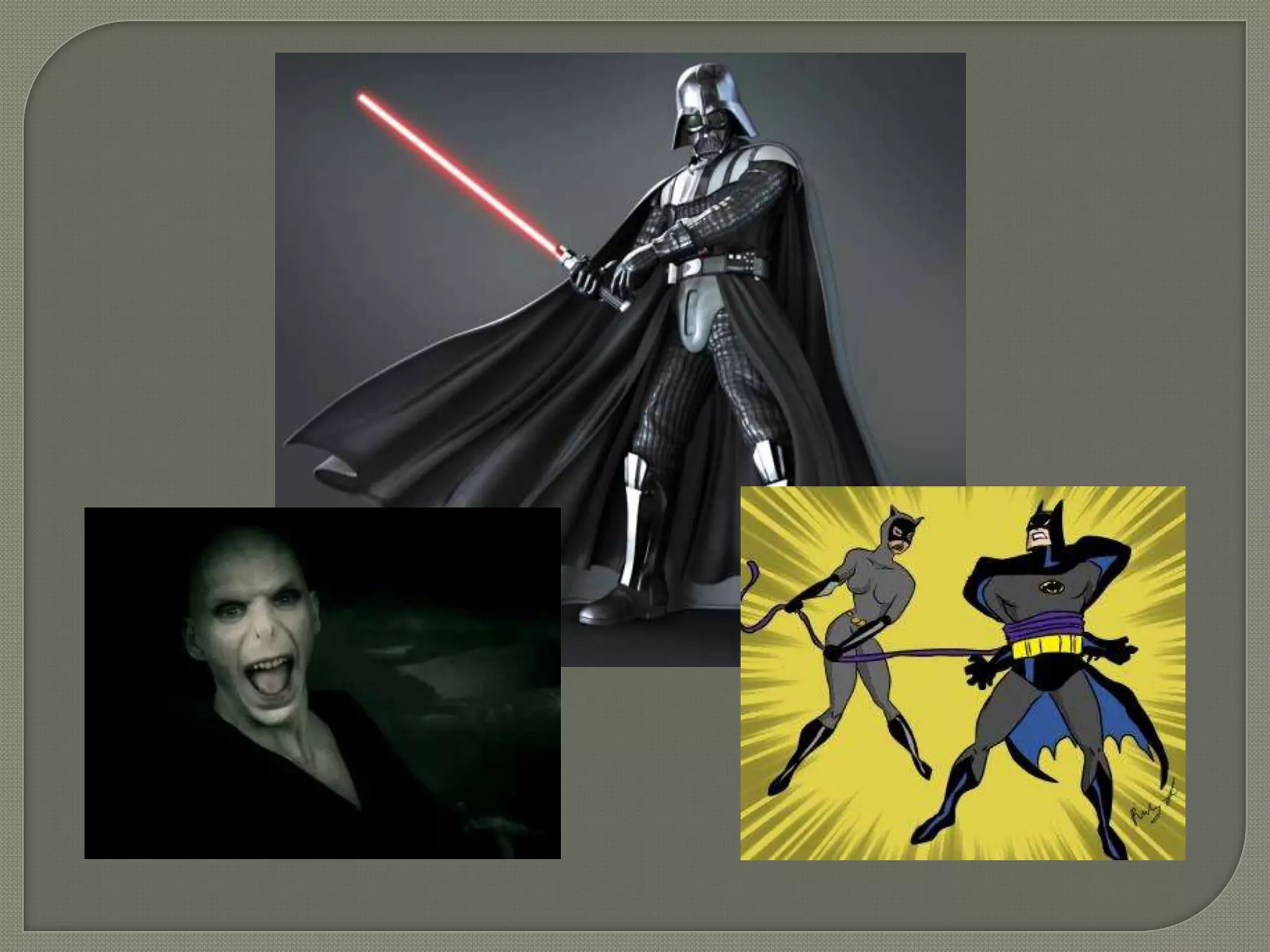
 The antagonist opposes the protagonist. Yes,
in the most archetypical narratives this boils
down to bad guy vs. good guy: Luke
Skywalker versus Darth Vadar in the first Star
Wars movie, for instance.
 But remember! The protagonist does NOT
have to be a good guy. If a story is written
from a criminal’s point of view being chased
by police, then a cop would be the
antagonist.
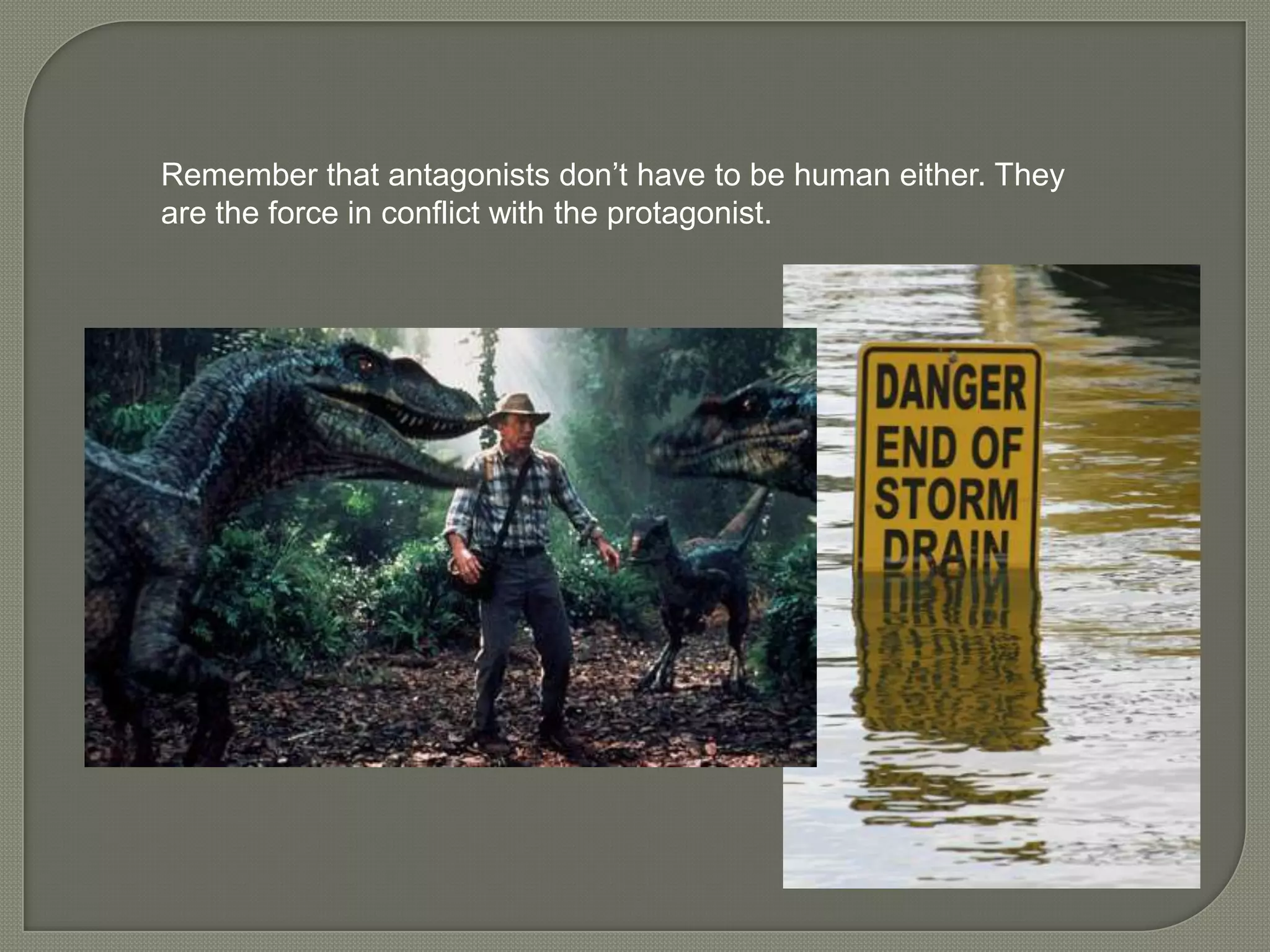
Remember that antagonists don’t have to be human either. They
are the force in conflict with the protagonist.
Characterizati
on
Characterization is the process by which
the writer reveals (shows) the personality
of a character.
Characterization is revealed through direct
characterization and indirect
characterization.
Direct Characterization tells the audience
what the personality of the character is.
Example: “The patient boy and quiet girl
were both well mannered and did not
disobey their mother.”
Explanation: The author is directly telling
the audience the personality of these two
children. The boy is “patient” and the girl is
“quiet.”
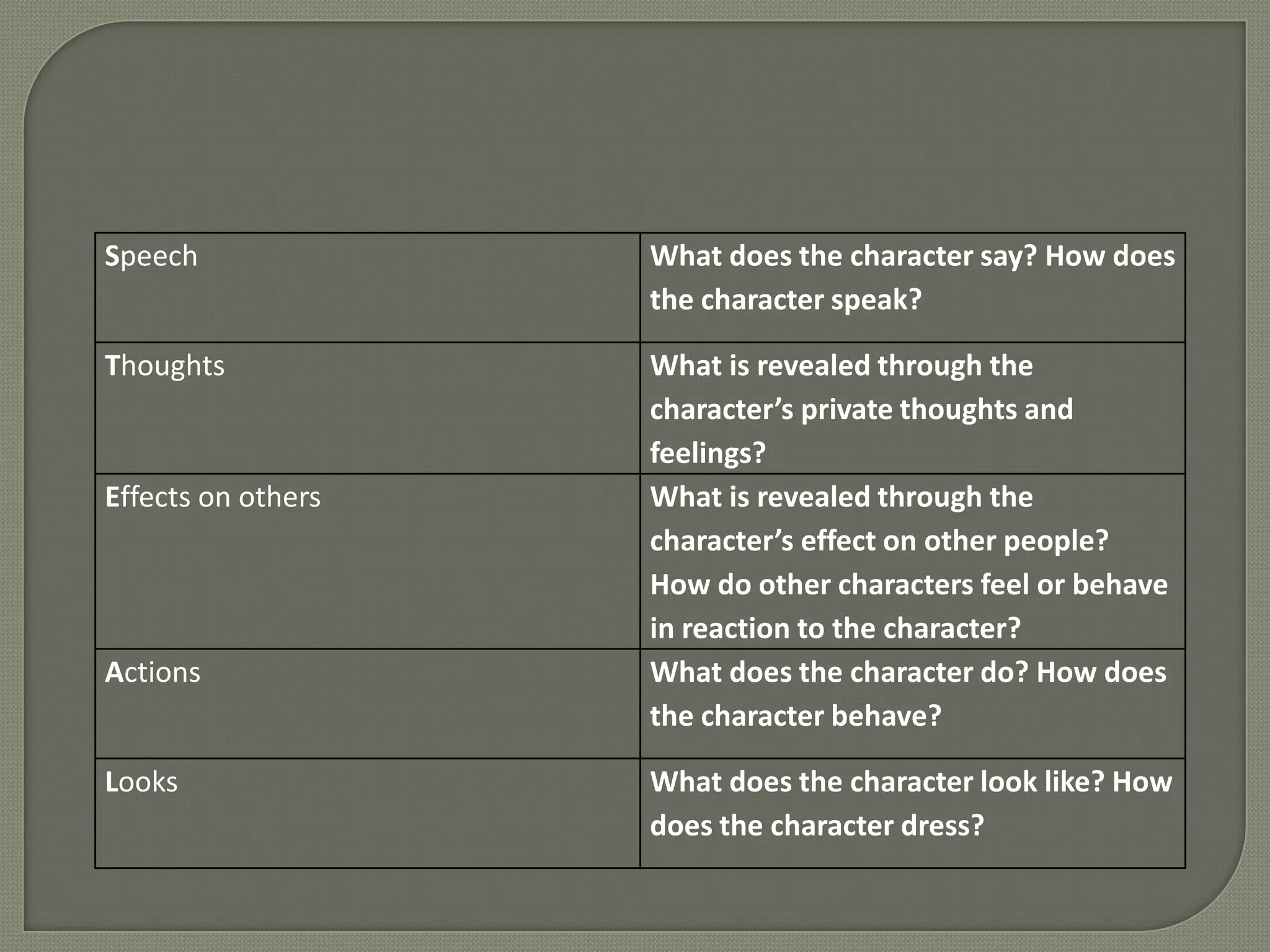
 Indirect Characterization shows things
that reveal the personality of a
character. There are five different
methods of indirect characterization:
Speech What does the character say? How does
the character speak?
Thoughts What is revealed through the
character’s private thoughts and
feelings?
Effects on others What is revealed through the
character’s effect on other people?
How do other characters feel or behave
in reaction to the character?
Actions What does the character do? How does
the character behave?
Looks What does the character look like? How
does the character dress?
 Dena was a kind,
caring individual.”
 “Dena felt so sad
when she saw the
hurt little chipmunk
that she began to
cry. She immediately
approached it to try
and help it get better.”
 A character who is very detailed and the reader is
able to see and visualize all sides of this character.
Round characters are usually protagonists and
antagonists but exceptions do occur.
 We understand the motivation of these characters
(why they do things) and their personal
perspective.
 In Finding Nemo, Marlin is
a round character. We
understand the reasons
behind his attitudes. We
know his past, his
tragedies, his feelings.
 Frodo Baggins of The
Lord of the Rings by JRR
Tolkien is also a round
character. In the books
and movies all sides and
personalities to Frodo is
seen.
 If you can list a lot of
things about who they
are, their personality,
and their motivations,
then most likely you
have a round
character.
 If you hardly know
anything about them,
or only one or two
things stand out about
them, then they are
FLAT.
 Flat character is a character
with a very simple
personality; often called
"one-" or "two-dimensional"
characters. They are not
necessarily unimportant
though. (Think a flat piece of
paper.)
 The writer does not provide
enough information for us to
understand them; we only
get to see one side of the
character's personality.
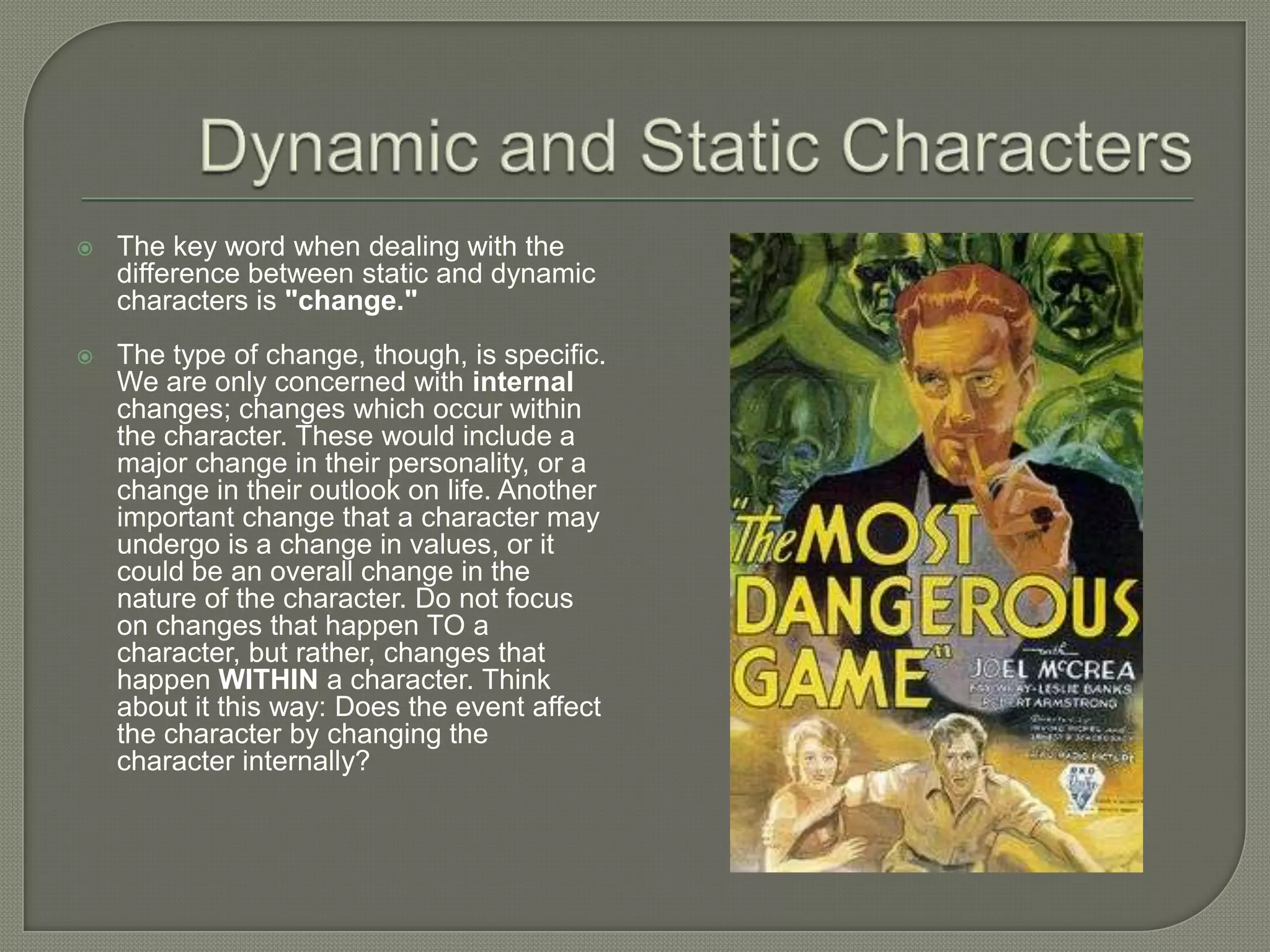
 Whitney, Ivan and General
Zaroff from The Most
Dangerous Game are flat.
We don’t know that much
about them, and the things
we do know are limited.
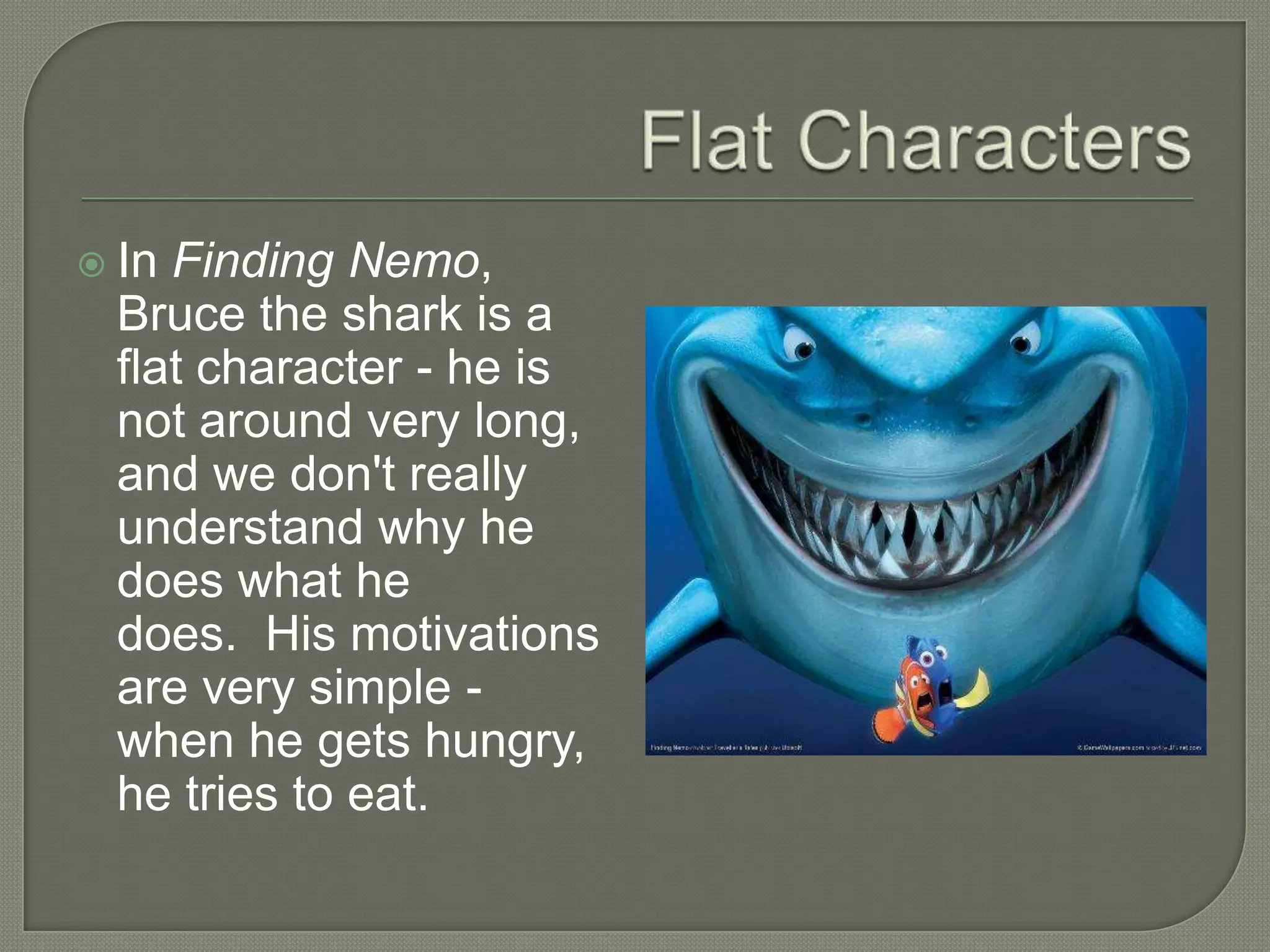
 In Finding Nemo,
Bruce the shark is a
flat character - he is
not around very long,
and we don't really
understand why he
does what he
does. His motivations
are very simple -
when he gets hungry,
he tries to eat.
 Consider a drawing: a three dimensional
drawing gives more detail than a one
dimensional drawing. This would be a round
character.
 If you draw a flat picture of a house, for
example, you can only see one side of it. You
cannot see three of the four sides. This is
how a flat character is; you can only see a
few characteristics of the character. There are
many things you cannot "see", or many
details you are not given by the author.
 The key word when dealing with the
difference between static and dynamic
characters is "change."
 The type of change, though, is specific.
We are only concerned with internal
changes; changes which occur within
the character. These would include a
major change in their personality, or a
change in their outlook on life. Another
important change that a character may
undergo is a change in values, or it
could be an overall change in the
nature of the character. Do not focus
on changes that happen TO a
character, but rather, changes that
happen WITHIN a character. Think
about it this way: Does the event affect
the character by changing the
character internally?
 A dynamic character is one that under
goes change during the course of the plot.
 Change that applies to allow the
character to be dynamic are changes in
insight or understanding, changes in
commitment, and changes in values.
Changes in circumstance do not apply
unless the change has caused the
character to change within itself.
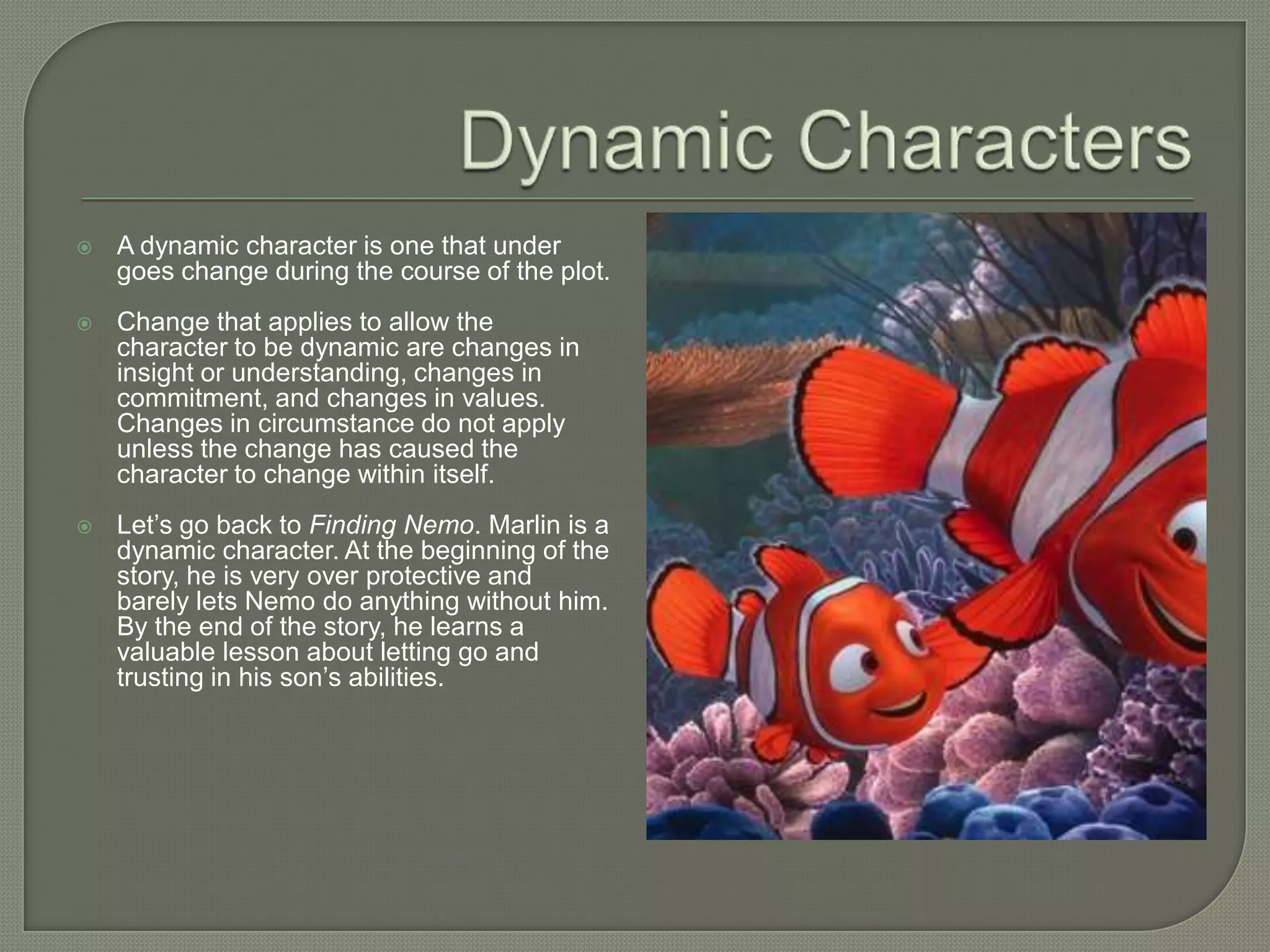
 Let’s go back to Finding Nemo. Marlin is a
dynamic character. At the beginning of the
story, he is very over protective and
barely lets Nemo do anything without him.
By the end of the story, he learns a
valuable lesson about letting go and
trusting in his son’s abilities.
 Static Character: A static
character is one that no change
is applied to during the course
of the story.
 Static characters are usually
background or secondary
characters so that they can
serve as thematic or plot
elements. However, sometimes
static characters can be the
main ones such as Tom and
Daisy from The Great Gatsby.
They do not change their
qualities of carelessness but
move away from their problems
as they did before.

Characters in literature

  • 1.
  • 2.
  • 3.
    •The protagonist is themain character in a story, novel, drama, or other literary work. •It is the character that the reader or audience empathizes with. •It is their problems that move the plot and conflict forward. •Although they often are written as heroes, they do NOT have to be the “good” guy or girl.
  • 4.
     The antagonistopposes the protagonist. Yes, in the most archetypical narratives this boils down to bad guy vs. good guy: Luke Skywalker versus Darth Vadar in the first Star Wars movie, for instance.  But remember! The protagonist does NOT have to be a good guy. If a story is written from a criminal’s point of view being chased by police, then a cop would be the antagonist.
  • 6.
    Remember that antagonistsdon’t have to be human either. They are the force in conflict with the protagonist.
  • 7.
    Characterizati on Characterization is theprocess by which the writer reveals (shows) the personality of a character. Characterization is revealed through direct characterization and indirect characterization.
  • 8.
    Direct Characterization tellsthe audience what the personality of the character is. Example: “The patient boy and quiet girl were both well mannered and did not disobey their mother.” Explanation: The author is directly telling the audience the personality of these two children. The boy is “patient” and the girl is “quiet.”
  • 9.
     Indirect Characterizationshows things that reveal the personality of a character. There are five different methods of indirect characterization:
  • 10.
    Speech What doesthe character say? How does the character speak? Thoughts What is revealed through the character’s private thoughts and feelings? Effects on others What is revealed through the character’s effect on other people? How do other characters feel or behave in reaction to the character? Actions What does the character do? How does the character behave? Looks What does the character look like? How does the character dress?
  • 11.
     Dena wasa kind, caring individual.”  “Dena felt so sad when she saw the hurt little chipmunk that she began to cry. She immediately approached it to try and help it get better.”
  • 12.
     A characterwho is very detailed and the reader is able to see and visualize all sides of this character. Round characters are usually protagonists and antagonists but exceptions do occur.  We understand the motivation of these characters (why they do things) and their personal perspective.
  • 13.
     In FindingNemo, Marlin is a round character. We understand the reasons behind his attitudes. We know his past, his tragedies, his feelings.  Frodo Baggins of The Lord of the Rings by JRR Tolkien is also a round character. In the books and movies all sides and personalities to Frodo is seen.
  • 14.
     If youcan list a lot of things about who they are, their personality, and their motivations, then most likely you have a round character.  If you hardly know anything about them, or only one or two things stand out about them, then they are FLAT.
  • 15.
     Flat characteris a character with a very simple personality; often called "one-" or "two-dimensional" characters. They are not necessarily unimportant though. (Think a flat piece of paper.)  The writer does not provide enough information for us to understand them; we only get to see one side of the character's personality.  Whitney, Ivan and General Zaroff from The Most Dangerous Game are flat. We don’t know that much about them, and the things we do know are limited.
  • 16.
     In FindingNemo, Bruce the shark is a flat character - he is not around very long, and we don't really understand why he does what he does. His motivations are very simple - when he gets hungry, he tries to eat.
  • 17.
     Consider adrawing: a three dimensional drawing gives more detail than a one dimensional drawing. This would be a round character.  If you draw a flat picture of a house, for example, you can only see one side of it. You cannot see three of the four sides. This is how a flat character is; you can only see a few characteristics of the character. There are many things you cannot "see", or many details you are not given by the author.
  • 18.
     The keyword when dealing with the difference between static and dynamic characters is "change."  The type of change, though, is specific. We are only concerned with internal changes; changes which occur within the character. These would include a major change in their personality, or a change in their outlook on life. Another important change that a character may undergo is a change in values, or it could be an overall change in the nature of the character. Do not focus on changes that happen TO a character, but rather, changes that happen WITHIN a character. Think about it this way: Does the event affect the character by changing the character internally?
  • 19.
     A dynamiccharacter is one that under goes change during the course of the plot.  Change that applies to allow the character to be dynamic are changes in insight or understanding, changes in commitment, and changes in values. Changes in circumstance do not apply unless the change has caused the character to change within itself.  Let’s go back to Finding Nemo. Marlin is a dynamic character. At the beginning of the story, he is very over protective and barely lets Nemo do anything without him. By the end of the story, he learns a valuable lesson about letting go and trusting in his son’s abilities.
  • 20.
     Static Character:A static character is one that no change is applied to during the course of the story.  Static characters are usually background or secondary characters so that they can serve as thematic or plot elements. However, sometimes static characters can be the main ones such as Tom and Daisy from The Great Gatsby. They do not change their qualities of carelessness but move away from their problems as they did before.