1. Discuss the relationship of recreation and
       leisure to wellness
    2. Distinguish between commercial and non
       commercial recreation
    3. Government sponsored recreation


2
 Recreation – use of time in a manner
      designed for therapeutic refreshment of
      one’s body and mind. It is synonymous to
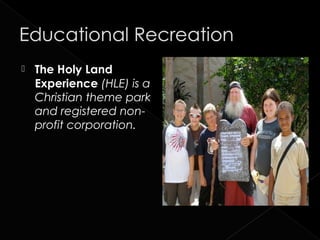
      lifestyle and development of positive
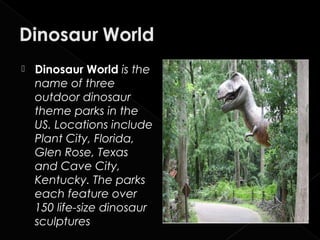
      attitude.
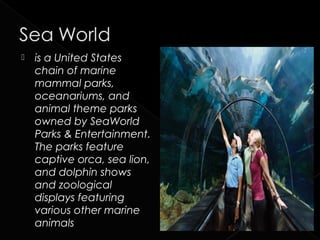
     Leisure – describe as free time from work,
      or discretionary time.


3
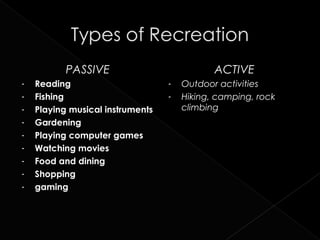
PASSIVE                           ACTIVE
-   Reading                       -   Outdoor activities
-   Fishing                       -   Hiking, camping, rock
-   Playing musical instruments       climbing
-   Gardening
-   Playing computer games
-   Watching movies
-   Food and dining
-   Shopping
-   gaming
   Defined as an outdoor recreational
    activities provided on a fee-for-service,
    with a focus on experiences associated
    with the natural environment. It includes
    theme parks, attractions and clubs
   terms for a group of entertainment
    attractions, rides, and other events in a
    location for the enjoyment of large
    numbers of people.
   Theme park attempts to create an
    atmosphere of another place and time,
    emphasize one dominant theme
    (architecture, landscape, rides, shows,
    food services, costumed personnel.
1.   Educational theme parks:
-    Some parks use rides and attractions for
     educational purposes. Disney was the
     first to successfully open a large-scale
     theme park built around education
   The Holy Land
    Experience (HLE) is a
    Christian theme park
    and registered non-
    profit corporation.
   Dinosaur World is the
    name of three
    outdoor dinosaur
    theme parks in the
    US. Locations include
    Plant City, Florida,
    Glen Rose, Texas
    and Cave City,
    Kentucky. The parks
    each feature over
    150 life-size dinosaur
    sculptures
   is a United States
    chain of marine
    mammal parks,
    oceanariums, and
    animal theme parks
    owned by SeaWorld
    Parks & Entertainment.
    The parks feature
    captive orca, sea lion,
    and dolphin shows
    and zoological
    displays featuring
    various other marine
    animals
   A national park is a reserve of natural,
    semi-natural, or developed land that a
    sovereign state declares or owns. It is
    most commonly a natural park.
   Are places where members gather for
    social, recreational, professional, or
    fraternal reasons.
 Country club – one or more lounges and
  restaurants, most have banquet facilities.
  Members are billed monthly.
 City club – predominantly business
  oriented (professional, athletic, dining,
  university, military, yachting, fraternal,
  propriety)
 Voluntary Organizations
  (nongovernmental, non profit agencies,
  serving public at large). YMCA, YWCA,
  Boy Scouts, Girl Scouts
 Campus Recreation (student union,
  residence staff, local playgrounds, parks)
 Armed Forces Recreation – (sports,
  motion pictures, service clubs, crafts,
  hobbies, youth activities for children of
  the military, open dining facilities, libraries)
Employee Recreation – company outing,
  recreational facilities (gym, basketball
  court)
Recreational for Special populations –
  include professional organization (mental
  illness, mental retardation, physical
  handicapped). Sports fest, physical
  fitness, athletic competition
 Define recreation and its importance to
  human wellness.
 Briefly discuss commercial from non
  commercial recreation.
 Briefly explain the purpose of theme
  parks and the purpose of clubs.
 Explain the concept of recreation for
  special recreation.

Chapter11 theme parks

  • 2.
    1. Discuss therelationship of recreation and leisure to wellness 2. Distinguish between commercial and non commercial recreation 3. Government sponsored recreation 2
  • 3.
     Recreation –use of time in a manner designed for therapeutic refreshment of one’s body and mind. It is synonymous to lifestyle and development of positive attitude.  Leisure – describe as free time from work, or discretionary time. 3
  • 4.
    PASSIVE ACTIVE - Reading - Outdoor activities - Fishing - Hiking, camping, rock - Playing musical instruments climbing - Gardening - Playing computer games - Watching movies - Food and dining - Shopping - gaming
  • 5.
     Defined as an outdoor recreational activities provided on a fee-for-service, with a focus on experiences associated with the natural environment. It includes theme parks, attractions and clubs
  • 6.
     terms for a group of entertainment attractions, rides, and other events in a location for the enjoyment of large numbers of people.
  • 7.
     Theme park attempts to create an atmosphere of another place and time, emphasize one dominant theme (architecture, landscape, rides, shows, food services, costumed personnel.
  • 8.
    1. Educational theme parks: - Some parks use rides and attractions for educational purposes. Disney was the first to successfully open a large-scale theme park built around education
  • 9.
     The Holy Land Experience (HLE) is a Christian theme park and registered non- profit corporation.
  • 10.
     Dinosaur World is the name of three outdoor dinosaur theme parks in the US. Locations include Plant City, Florida, Glen Rose, Texas and Cave City, Kentucky. The parks each feature over 150 life-size dinosaur sculptures
  • 11.
     is a United States chain of marine mammal parks, oceanariums, and animal theme parks owned by SeaWorld Parks & Entertainment. The parks feature captive orca, sea lion, and dolphin shows and zoological displays featuring various other marine animals
  • 14.
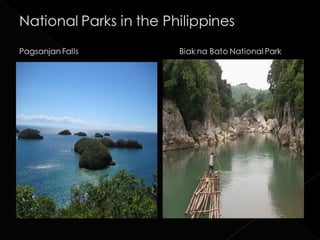
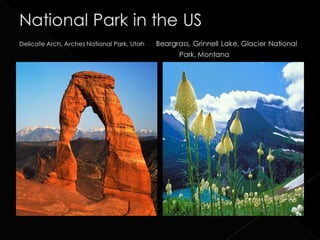
     A national park is a reserve of natural, semi-natural, or developed land that a sovereign state declares or owns. It is most commonly a natural park.
  • 18.
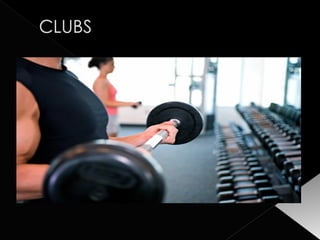
     Are places where members gather for social, recreational, professional, or fraternal reasons.
  • 20.
     Country club– one or more lounges and restaurants, most have banquet facilities. Members are billed monthly.  City club – predominantly business oriented (professional, athletic, dining, university, military, yachting, fraternal, propriety)
  • 22.
     Voluntary Organizations (nongovernmental, non profit agencies, serving public at large). YMCA, YWCA, Boy Scouts, Girl Scouts  Campus Recreation (student union, residence staff, local playgrounds, parks)  Armed Forces Recreation – (sports, motion pictures, service clubs, crafts, hobbies, youth activities for children of the military, open dining facilities, libraries)
  • 23.
    Employee Recreation –company outing, recreational facilities (gym, basketball court) Recreational for Special populations – include professional organization (mental illness, mental retardation, physical handicapped). Sports fest, physical fitness, athletic competition
  • 24.
     Define recreationand its importance to human wellness.  Briefly discuss commercial from non commercial recreation.  Briefly explain the purpose of theme parks and the purpose of clubs.  Explain the concept of recreation for special recreation.

Editor's Notes

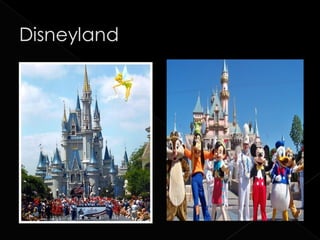
  • #13 it is the only theme park to be designed and built under the direct supervision of Walt Disney . In 1998, the theme park was re-branded Disneyland Park to distinguish it from the larger Disneyland Resort complex. Walt Disney came up with the concept of Disneyland after visiting various amusement parks with his daughters in the 1930s and 1940s. He initially envisioned building a tourist attraction adjacent to his studios in Burbank to entertain fans who wished to visit; however, he soon realized that the proposed site was too small. After hiring a consultant to help determine an appropriate site for his project, Walt bought a 160-acre (65 ha) site near Anaheim in 1953. Construction began in 1954 and the park was unveiled during a special televised press event on the ABC Television Network on July 17, 1955.
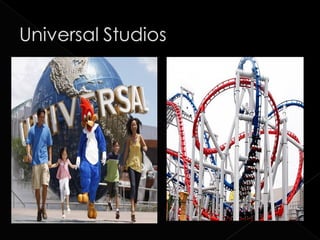
  • #14 a movie studio and theme park in the unincorporated Universal City community of Los Angeles County, California, United States. It is one of the oldest and most famous Hollywood movie studios still in use. Its official marketing headline is "The Entertainment Capital of LA", though during the summer it is often advertised as "The Coolest Place in LA." It was initially created to offer tours of the real Universal Studios soundstages and sets. It is the first of many full-fledged Universal Studios Theme Parks located across the world. Woody Woodpecker is the mascot for Universal Studios Hollywood.
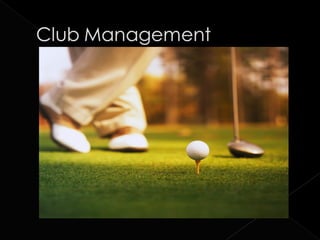
  • #20 Club management is similar in many ways in hotel management. (Planning, forecasting, budgeting, human resources, food and beverage, facility management and maintenance.) The main difference, the guests feel as if they are the owners. Their emotional attachment to the facility is more stronger than of hotel guests. Clubs do not offer sleeping accomodations.
  • #21 Professional – lawyers, doctors, dentist Athletic – gives the members an opportunity to work out, swim, play tennis, Dining – memberships are often given to tenants who lease space in the office building, offering lunch or dinner. University – private clubs for alumni Military – intended for military officers Yacht club – provide members with moorage slips, where their boats are kept for security. Fraternal – forster camaraderie and often assist charitable causes Proprietal club – operate for profit basis. They are owned by corporations or individuals, wanting to become members purchase a membership not a share in the club (homeowners club)