Introduction
Summary
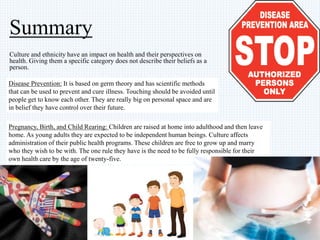
Culture and ethnicity have an impact on health and their perspectives on
health. Giving them a specific category does not describe their beliefs as a
person.
Disease Prevention: It is based on germ theory and has scientific methods
that can be used to prevent and cure illness. Touching should be avoided until
people get to know each other. They are really big on personal space and are
in belief they have control over their future.
Pregnancy, Birth, and Child Rearing: Children are raised at home into adulthood and then leave
home. As young adults they are expected to be independent human beings. Culture affects
administration of their public health programs. These children are free to grow up and marry
who they wish to be with. The one rule they have is the need to be fully responsible for their
own health care by the age of twenty-five.
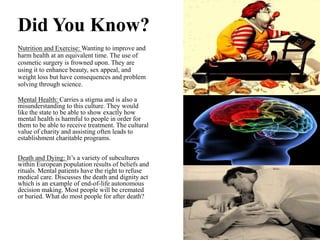
Nutrition and Exercise: Wanting to improve and
harm health at an equivalent time. The use of
cosmetic surgery is frowned upon. They are
using it to enhance beauty, sex appeal, and
weight loss but have consequences and problem
solving through science.
Mental Health: Carries a stigma and is also a
misunderstanding to this culture. They would
like the state to be able to show exactly how
mental health is harmful to people in order for
them to be able to receive treatment. The cultural
value of charity and assisting often leads to
establishment charitable programs.
Death and Dying: It’s a variety of subcultures
within European population results of beliefs and
rituals. Mental patients have the right to refuse
medical care. Discusses the death and dignity act
which is an example of end-of-life autonomous
decision making. Most people will be cremated
or buried. What do most people for after death?
Did You Know?
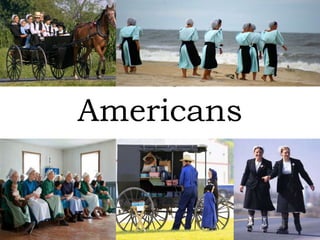
Amish-
Americans
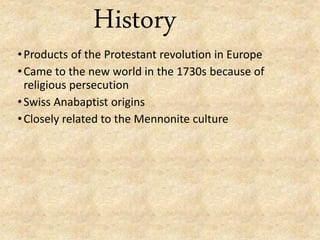
History
•Products of the Protestant revolution in Europe
•Came to the new world in the 1730s because of
religious persecution
•Swiss Anabaptist origins
•Closely related to the Mennonite culture
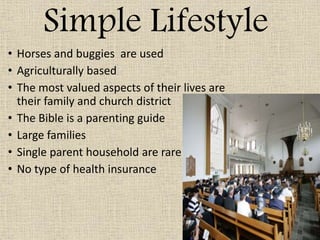
Simple Lifestyle
• Horses and buggies are used
• Agriculturally based
• The most valued aspects of their lives are
their family and church district
• The Bible is a parenting guide
• Large families
• Single parent household are rare
• No type of health insurance
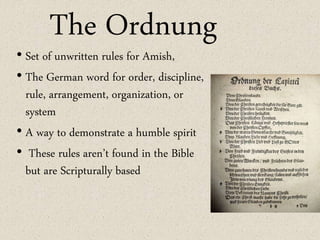
The Ordnung
• Set of unwritten rules for Amish,
• The German word for order, discipline,
rule, arrangement, organization, or
system
• A way to demonstrate a humble spirit
• These rules aren’t found in the Bible
but are Scripturally based
Gender Roles
Men: the dominant figures of a
household
• Directing farming
operations,
• overseeing children’s work
in the field
• assist in childcare
• lawn care
• gardening
(but not in household work)
Women: submit to the authority of
their husbands
• washing, cooking, canning,
sewing, mending and
cleaning
• Usually aren’t employed
outside the home
• Main duties
1.)raising the children
2.) gardening
3.)assisting with barn
chores
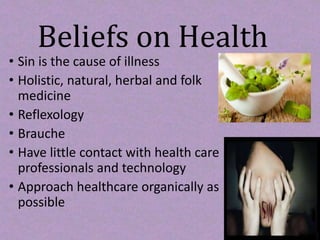
Beliefs on Health
• Sin is the cause of illness
• Holistic, natural, herbal and folk
medicine
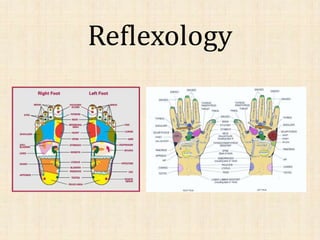
• Reflexology
• Brauche
• Have little contact with health care
professionals and technology
• Approach healthcare organically as
possible
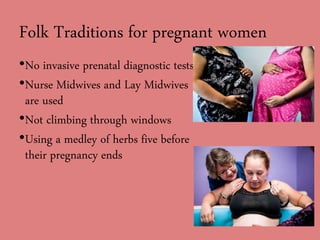
Folk Traditions for pregnant women
•No invasive prenatal diagnostic tests
•Nurse Midwives and Lay Midwives
are used
•Not climbing through windows
•Using a medley of herbs five before
their pregnancy ends
Reflexology
Brauche
Health Disparities
•Low health literacy
•Genetic disorders
•Communicable diseases
RUMSPRINGA
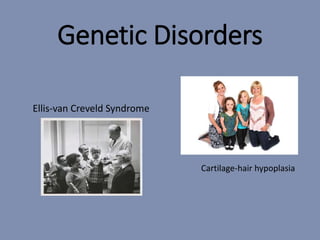
Genetic Disorders
Ellis-van Creveld Syndrome
Cartilage-hair hypoplasia
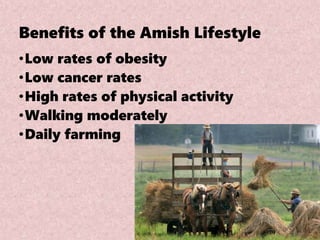
Benefits of the Amish Lifestyle
•Low rates of obesity
•Low cancer rates
•High rates of physical activity
•Walking moderately
•Daily farming
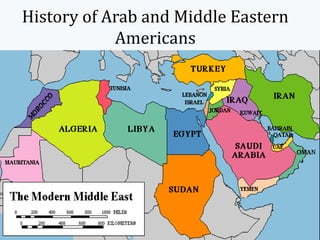
History of Arab and Middle Eastern
Americans
• Arabs and Middle Eastern
• Immigration
–First Wave
–Second Wave
–Third Wave
Lifestyle
•Marriage
•Family
• Gender roles
Health Beliefs
• Allopathic Medicine
• Hygiene and healthy diet
• Birth Control
The Qur’an
• “O ye who believe! Eat of the good things wherewith We have
provided you, and render thanks to Allah if it is (indeed) He
whom ye worship” (2:1723).
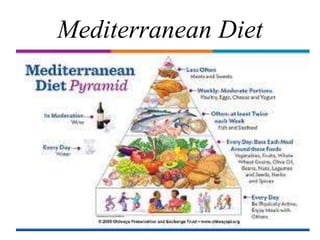
Mediterranean Diet
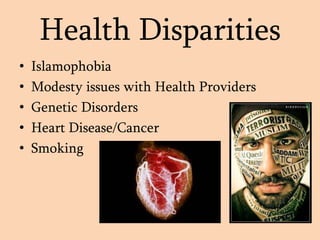
Health Disparities
• Islamophobia
• Modesty issues with Health Providers
• Genetic Disorders
• Heart Disease/Cancer
• Smoking
Ramadan
How to help disparities
• More Gender Diverse Health Providers
• Doctors Give the advice
• Prescribe medicine over therapy
• Go the extra mile
• Inform
• Alternatives to smoking
• Safer ways to participate in Ramadan
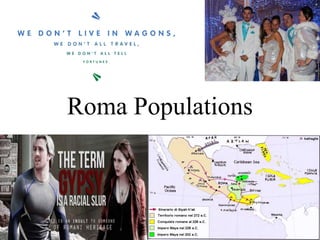
Roma Populations
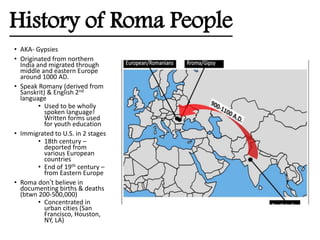
History of Roma People
• AKA- Gypsies
• Originated from northern
India and migrated through
middle and eastern Europe
around 1000 AD.
• Speak Romany (derived from
Sanskrit) & English 2nd
language
• Used to be wholly
spoken language!
Written forms used
for youth education
• Immigrated to U.S. in 2 stages
• 18th century –
deported from
various European
countries
• End of 19th century –
from Eastern Europe
• Roma don’t believe in
documenting births & deaths
(btwn 200-500,000)
• Concentrated in
urban cities (San
Francisco, Houston,
NY, LA)
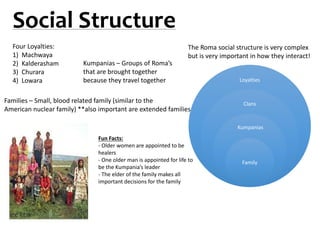
Social Structure
Loyalties
Clans
Kumpanias
Family
The Roma social structure is very complex
but is very important in how they interact!
Four Loyalties:
1) Machwaya
2) Kalderasham
3) Churara
4) Lowara
Kumpanias – Groups of Roma’s
that are brought together
because they travel together
Families – Small, blood related family (similar to the
American nuclear family) **also important are extended families
Fun Facts:
- Older women are appointed to be
healers
- One older man is appointed for life to
be the Kumpania’s leader
- The elder of the family makes all
important decisions for the family
Beliefs and Causes of Health and
Illness
• Gadje (non- Romas) are
considered to be impure and
diseased
• Fortune plays a role in good
health
• Beliefs in cause of health and
illness stem from two
categories: impurity and
fortune
• Impurity is related to the ideas
of wuzho (pure) and marime
(impure)
• Secretion from the upper half
of the body is not polluted, but
secretions from the body are
impure
Causes of Health and Illnesses Continued
• Gadje illnesses can be cured by gadje doctors
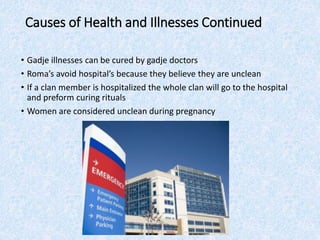
• Roma’s avoid hospital’s because they believe they are unclean
• If a clan member is hospitalized the whole clan will go to the hospital
and preform curing rituals
• Women are considered unclean during pregnancy
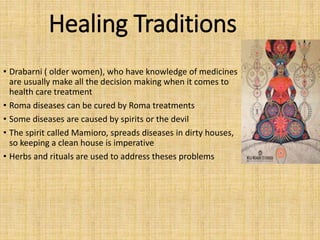
Healing Traditions
• Drabarni ( older women), who have knowledge of medicines
are usually make all the decision making when it comes to
health care treatment
• Roma diseases can be cured by Roma treatments
• Some diseases are caused by spirits or the devil
• The spirit called Mamioro, spreads diseases in dirty houses,
so keeping a clean house is imperative
• Herbs and rituals are used to address theses problems
Risk Factors and Health Problems
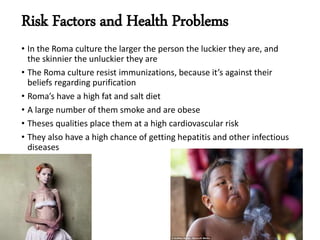
• In the Roma culture the larger the person the luckier they are, and
the skinnier the unluckier they are
• The Roma culture resist immunizations, because it’s against their
beliefs regarding purification
• Roma’s have a high fat and salt diet
• A large number of them smoke and are obese
• Theses qualities place them at a high cardiovascular risk
• They also have a high chance of getting hepatitis and other infectious
diseases
Considerations is Health Promotion
• Understand that illness is an issue for the entire society and he entire
clan will be involved
• Recognize the primacy of the elders in the family
• Always remember the importance of what is considered to be clean
and unclean and provides separate items for both the upper and
lower half's
• Understand this population is mistrustful of non- Roma people
• Understand they are an ethnocentric culture ad believe that they
must be provided with the best doctors and treatment

Chapter 11 MCH pp

  • 1.
  • 2.
    Summary Culture and ethnicityhave an impact on health and their perspectives on health. Giving them a specific category does not describe their beliefs as a person. Disease Prevention: It is based on germ theory and has scientific methods that can be used to prevent and cure illness. Touching should be avoided until people get to know each other. They are really big on personal space and are in belief they have control over their future. Pregnancy, Birth, and Child Rearing: Children are raised at home into adulthood and then leave home. As young adults they are expected to be independent human beings. Culture affects administration of their public health programs. These children are free to grow up and marry who they wish to be with. The one rule they have is the need to be fully responsible for their own health care by the age of twenty-five.
  • 3.
    Nutrition and Exercise:Wanting to improve and harm health at an equivalent time. The use of cosmetic surgery is frowned upon. They are using it to enhance beauty, sex appeal, and weight loss but have consequences and problem solving through science. Mental Health: Carries a stigma and is also a misunderstanding to this culture. They would like the state to be able to show exactly how mental health is harmful to people in order for them to be able to receive treatment. The cultural value of charity and assisting often leads to establishment charitable programs. Death and Dying: It’s a variety of subcultures within European population results of beliefs and rituals. Mental patients have the right to refuse medical care. Discusses the death and dignity act which is an example of end-of-life autonomous decision making. Most people will be cremated or buried. What do most people for after death? Did You Know?
  • 4.
  • 5.
    History •Products of theProtestant revolution in Europe •Came to the new world in the 1730s because of religious persecution •Swiss Anabaptist origins •Closely related to the Mennonite culture
  • 6.
    Simple Lifestyle • Horsesand buggies are used • Agriculturally based • The most valued aspects of their lives are their family and church district • The Bible is a parenting guide • Large families • Single parent household are rare • No type of health insurance
  • 7.
    The Ordnung • Setof unwritten rules for Amish, • The German word for order, discipline, rule, arrangement, organization, or system • A way to demonstrate a humble spirit • These rules aren’t found in the Bible but are Scripturally based
  • 8.
    Gender Roles Men: thedominant figures of a household • Directing farming operations, • overseeing children’s work in the field • assist in childcare • lawn care • gardening (but not in household work) Women: submit to the authority of their husbands • washing, cooking, canning, sewing, mending and cleaning • Usually aren’t employed outside the home • Main duties 1.)raising the children 2.) gardening 3.)assisting with barn chores
  • 9.
    Beliefs on Health •Sin is the cause of illness • Holistic, natural, herbal and folk medicine • Reflexology • Brauche • Have little contact with health care professionals and technology • Approach healthcare organically as possible
  • 10.
    Folk Traditions forpregnant women •No invasive prenatal diagnostic tests •Nurse Midwives and Lay Midwives are used •Not climbing through windows •Using a medley of herbs five before their pregnancy ends
  • 11.
  • 12.
  • 13.
    Health Disparities •Low healthliteracy •Genetic disorders •Communicable diseases
  • 14.
  • 15.
    Genetic Disorders Ellis-van CreveldSyndrome Cartilage-hair hypoplasia
  • 16.
    Benefits of theAmish Lifestyle •Low rates of obesity •Low cancer rates •High rates of physical activity •Walking moderately •Daily farming
  • 18.
    History of Araband Middle Eastern Americans
  • 19.
    • Arabs andMiddle Eastern • Immigration –First Wave –Second Wave –Third Wave
  • 20.
  • 21.
    Health Beliefs • AllopathicMedicine • Hygiene and healthy diet • Birth Control
  • 22.
    The Qur’an • “Oye who believe! Eat of the good things wherewith We have provided you, and render thanks to Allah if it is (indeed) He whom ye worship” (2:1723).
  • 23.
  • 24.
    Health Disparities • Islamophobia •Modesty issues with Health Providers • Genetic Disorders • Heart Disease/Cancer • Smoking
  • 25.
  • 26.
    How to helpdisparities • More Gender Diverse Health Providers • Doctors Give the advice • Prescribe medicine over therapy • Go the extra mile • Inform • Alternatives to smoking • Safer ways to participate in Ramadan
  • 27.
  • 28.
    History of RomaPeople • AKA- Gypsies • Originated from northern India and migrated through middle and eastern Europe around 1000 AD. • Speak Romany (derived from Sanskrit) & English 2nd language • Used to be wholly spoken language! Written forms used for youth education • Immigrated to U.S. in 2 stages • 18th century – deported from various European countries • End of 19th century – from Eastern Europe • Roma don’t believe in documenting births & deaths (btwn 200-500,000) • Concentrated in urban cities (San Francisco, Houston, NY, LA)
  • 29.
    Social Structure Loyalties Clans Kumpanias Family The Romasocial structure is very complex but is very important in how they interact! Four Loyalties: 1) Machwaya 2) Kalderasham 3) Churara 4) Lowara Kumpanias – Groups of Roma’s that are brought together because they travel together Families – Small, blood related family (similar to the American nuclear family) **also important are extended families Fun Facts: - Older women are appointed to be healers - One older man is appointed for life to be the Kumpania’s leader - The elder of the family makes all important decisions for the family
  • 30.
    Beliefs and Causesof Health and Illness • Gadje (non- Romas) are considered to be impure and diseased • Fortune plays a role in good health • Beliefs in cause of health and illness stem from two categories: impurity and fortune • Impurity is related to the ideas of wuzho (pure) and marime (impure) • Secretion from the upper half of the body is not polluted, but secretions from the body are impure
  • 31.
    Causes of Healthand Illnesses Continued • Gadje illnesses can be cured by gadje doctors • Roma’s avoid hospital’s because they believe they are unclean • If a clan member is hospitalized the whole clan will go to the hospital and preform curing rituals • Women are considered unclean during pregnancy
  • 32.
    Healing Traditions • Drabarni( older women), who have knowledge of medicines are usually make all the decision making when it comes to health care treatment • Roma diseases can be cured by Roma treatments • Some diseases are caused by spirits or the devil • The spirit called Mamioro, spreads diseases in dirty houses, so keeping a clean house is imperative • Herbs and rituals are used to address theses problems
  • 33.
    Risk Factors andHealth Problems • In the Roma culture the larger the person the luckier they are, and the skinnier the unluckier they are • The Roma culture resist immunizations, because it’s against their beliefs regarding purification • Roma’s have a high fat and salt diet • A large number of them smoke and are obese • Theses qualities place them at a high cardiovascular risk • They also have a high chance of getting hepatitis and other infectious diseases
  • 34.
    Considerations is HealthPromotion • Understand that illness is an issue for the entire society and he entire clan will be involved • Recognize the primacy of the elders in the family • Always remember the importance of what is considered to be clean and unclean and provides separate items for both the upper and lower half's • Understand this population is mistrustful of non- Roma people • Understand they are an ethnocentric culture ad believe that they must be provided with the best doctors and treatment