CHAPTER 1
Practical Application of Project Risk
Management
Overview:
Proactive employment of project risk management
concepts by project managers and their teams can
make a substantial difference between being successful
or unsuccessful in achieving project objectives.
Thus, organizations become driven to overtly take
greater risks in their product development processes -
risks that can lead to better financial performance if
understood and managed well, but conversely, if not
understood and managed well, can lead to a crisis
management culture, organizational frustration, and
ultimately to detrimental business/financial results.
2
Dr. Anis ur Rehman, CBA, UOH, KSA
By understanding the typical causes of unsuccessful
project execution, one can formulate a methodology that
ensures that all risks which are critical to a project's
success are at least considered, appropriately
communicated, and bought into (i.e., agreed to by all
stakeholders). The practical application of sound project
risk management principles can then become more
effective, leading to better predictability relative to
project execution and higher probability of success for
all organizational endeavors.
3
Dr. Anis ur Rehman, CBA, UOH, KSA
The practical implementation of project risk
management tools and techniques starts with the
establishment of a sound risk management plan. This
plan is developed and augmented by a risk management
process that facilitates identifying, assessing,
responding to, and managing risks throughout the
project planning and execution processes.
4
Dr. Anis ur Rehman, CBA, UOH, KSA
Portfolio Project Risk Management—
A Holistic Perspective
Project risk management not only permeates the project
management process, but when considered holistically
becomes an organizational asset that feeds off and affects
the entire project portfolio—past, present and future.
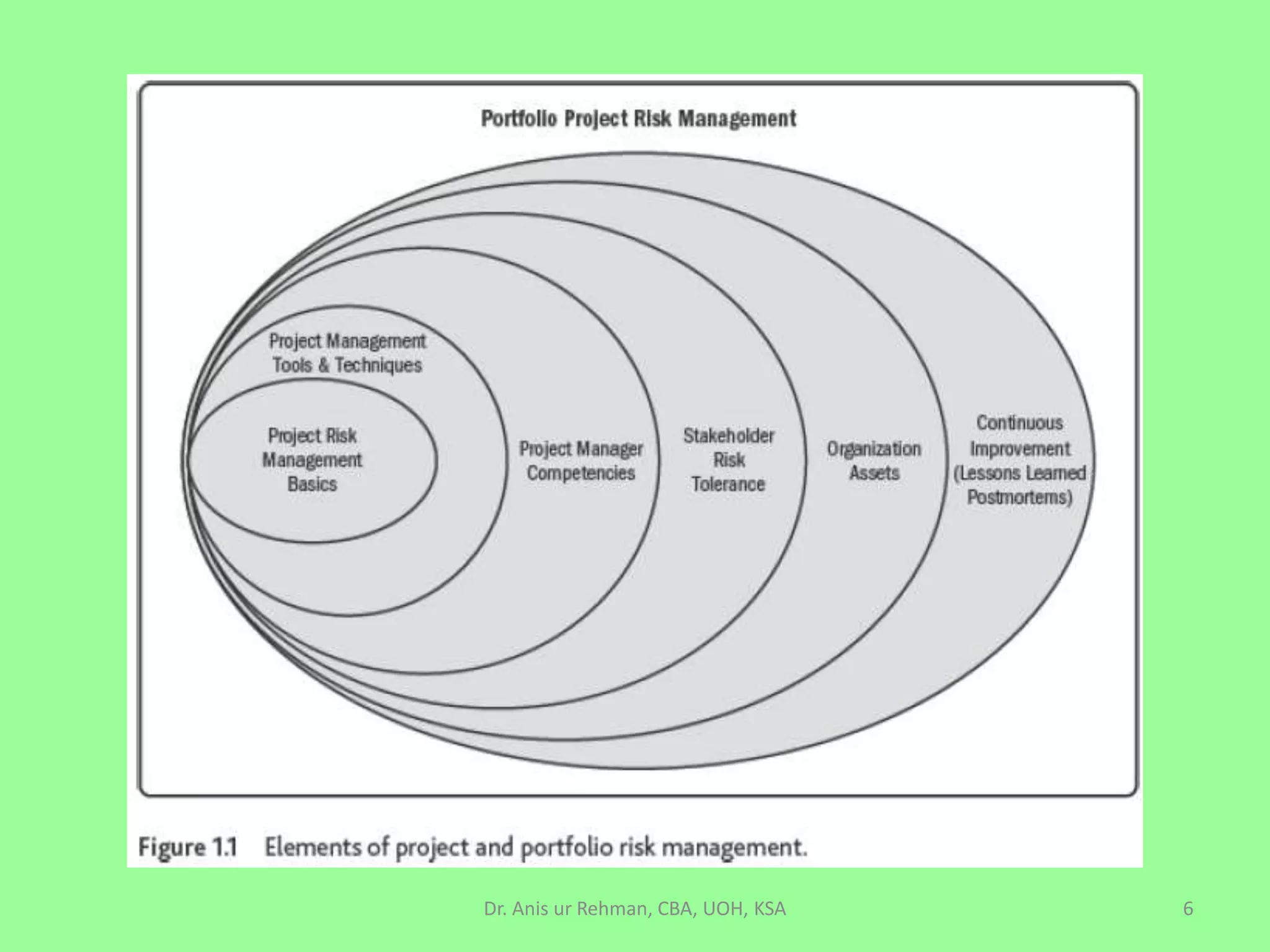
Figure 1.1 provides a graphic depiction of the build-up of
project risk management influences. Arguably the most
impactful and foundational aspect of project risk
management is the process of identifying, analyzing,
responding to, managing and controlling, and
organizing/communicating (via a risk management plan)
project risks—referred to as project risk management
basics in Figure 1.1. 5
Dr. Anis ur Rehman, CBA, UOH, KSA
6
Dr. Anis ur Rehman, CBA, UOH, KSA
When taken in its entirety, portfolio project risk
management can be a powerful concept for
ensuring project success and organizational or
business competitiveness.
7
Dr. Anis ur Rehman, CBA, UOH, KSA
Practical Project Risk Management Concerns
The following is a list of some key relevant
questions addressed by this material:
• How do you develop a project plan that effectively
takes risks into account?
• What is the significance of rebalancing a project plan,
and how is it done?
• How do you know whether or not you have
successfully identified all the project risks that are
germane to your project's success?
• How do project requirements, stakeholder
expectations, and resource capabilities affect project
risk—and what can be done to effectively deal with
these risks? 8
Dr. Anis ur Rehman, CBA, UOH, KSA
• How do you determine the best practices to apply to
your particular project?
• What is the right product development process (or
product-oriented process, or new product introduction
[NPI] process) to follow, and how is it determined?
• What are project postmortems? How are they
conducted? How can they help?
• What capabilities should the project manager, team
members, and performing organization(s) possess to
plan and execute their project(s) successfully?
9
Dr. Anis ur Rehman, CBA, UOH, KSA

Chapter 1 Introduction.ppt

  • 1.
    CHAPTER 1 Practical Applicationof Project Risk Management
  • 2.
    Overview: Proactive employment ofproject risk management concepts by project managers and their teams can make a substantial difference between being successful or unsuccessful in achieving project objectives. Thus, organizations become driven to overtly take greater risks in their product development processes - risks that can lead to better financial performance if understood and managed well, but conversely, if not understood and managed well, can lead to a crisis management culture, organizational frustration, and ultimately to detrimental business/financial results. 2 Dr. Anis ur Rehman, CBA, UOH, KSA
  • 3.
    By understanding thetypical causes of unsuccessful project execution, one can formulate a methodology that ensures that all risks which are critical to a project's success are at least considered, appropriately communicated, and bought into (i.e., agreed to by all stakeholders). The practical application of sound project risk management principles can then become more effective, leading to better predictability relative to project execution and higher probability of success for all organizational endeavors. 3 Dr. Anis ur Rehman, CBA, UOH, KSA
  • 4.
    The practical implementationof project risk management tools and techniques starts with the establishment of a sound risk management plan. This plan is developed and augmented by a risk management process that facilitates identifying, assessing, responding to, and managing risks throughout the project planning and execution processes. 4 Dr. Anis ur Rehman, CBA, UOH, KSA
  • 5.
    Portfolio Project RiskManagement— A Holistic Perspective Project risk management not only permeates the project management process, but when considered holistically becomes an organizational asset that feeds off and affects the entire project portfolio—past, present and future. Figure 1.1 provides a graphic depiction of the build-up of project risk management influences. Arguably the most impactful and foundational aspect of project risk management is the process of identifying, analyzing, responding to, managing and controlling, and organizing/communicating (via a risk management plan) project risks—referred to as project risk management basics in Figure 1.1. 5 Dr. Anis ur Rehman, CBA, UOH, KSA
  • 6.
    6 Dr. Anis urRehman, CBA, UOH, KSA
  • 7.
    When taken inits entirety, portfolio project risk management can be a powerful concept for ensuring project success and organizational or business competitiveness. 7 Dr. Anis ur Rehman, CBA, UOH, KSA
  • 8.
    Practical Project RiskManagement Concerns The following is a list of some key relevant questions addressed by this material: • How do you develop a project plan that effectively takes risks into account? • What is the significance of rebalancing a project plan, and how is it done? • How do you know whether or not you have successfully identified all the project risks that are germane to your project's success? • How do project requirements, stakeholder expectations, and resource capabilities affect project risk—and what can be done to effectively deal with these risks? 8 Dr. Anis ur Rehman, CBA, UOH, KSA
  • 9.
    • How doyou determine the best practices to apply to your particular project? • What is the right product development process (or product-oriented process, or new product introduction [NPI] process) to follow, and how is it determined? • What are project postmortems? How are they conducted? How can they help? • What capabilities should the project manager, team members, and performing organization(s) possess to plan and execute their project(s) successfully? 9 Dr. Anis ur Rehman, CBA, UOH, KSA