Demand Side Response and how it can work for you
Brian Lonn
Leader of Sales and Origination UK for Virtual Power Plant and Flexibility
Yasmin Ali
Control Room Manager for Community Energy
Agenda
 What is Demand Side Response (DSR), how does it work and why is it
important?
 What is E.ON doing with DSR?
 The benefits of DSR to participants.
 Case study – Citigen.
 Next steps for you.
What is DSR?
DSR stands for Demand Side Response
 Demand side can be broadly defined as any flexible load or generation
connected to the distribution network.
 Response is a deliberate modification in electricity consumption or generation in
response to an external signal.
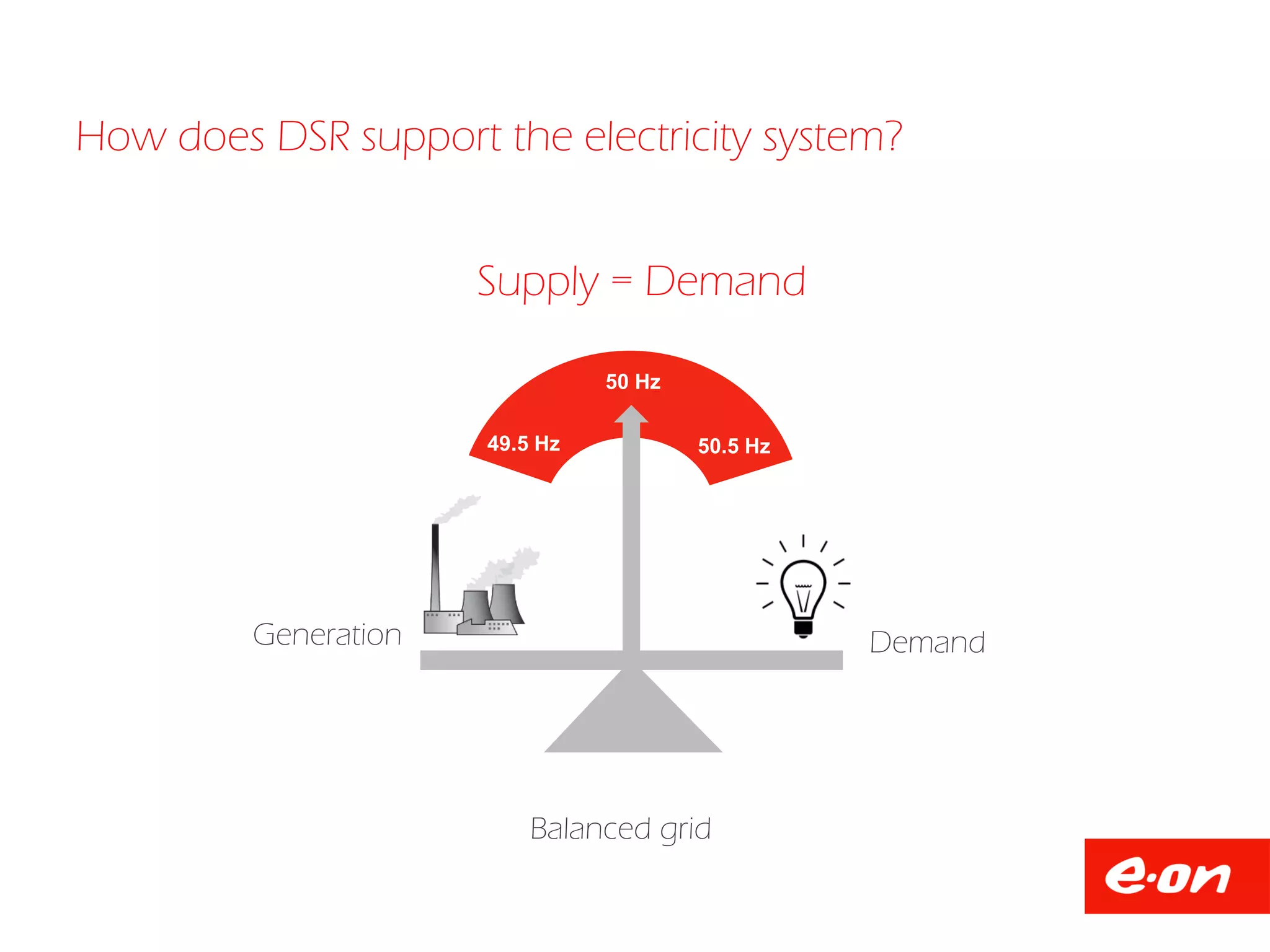
How does DSR support the electricity system?
50 Hz
49.5 Hz 50.5 Hz
Balanced grid
Generation Demand
Supply = Demand
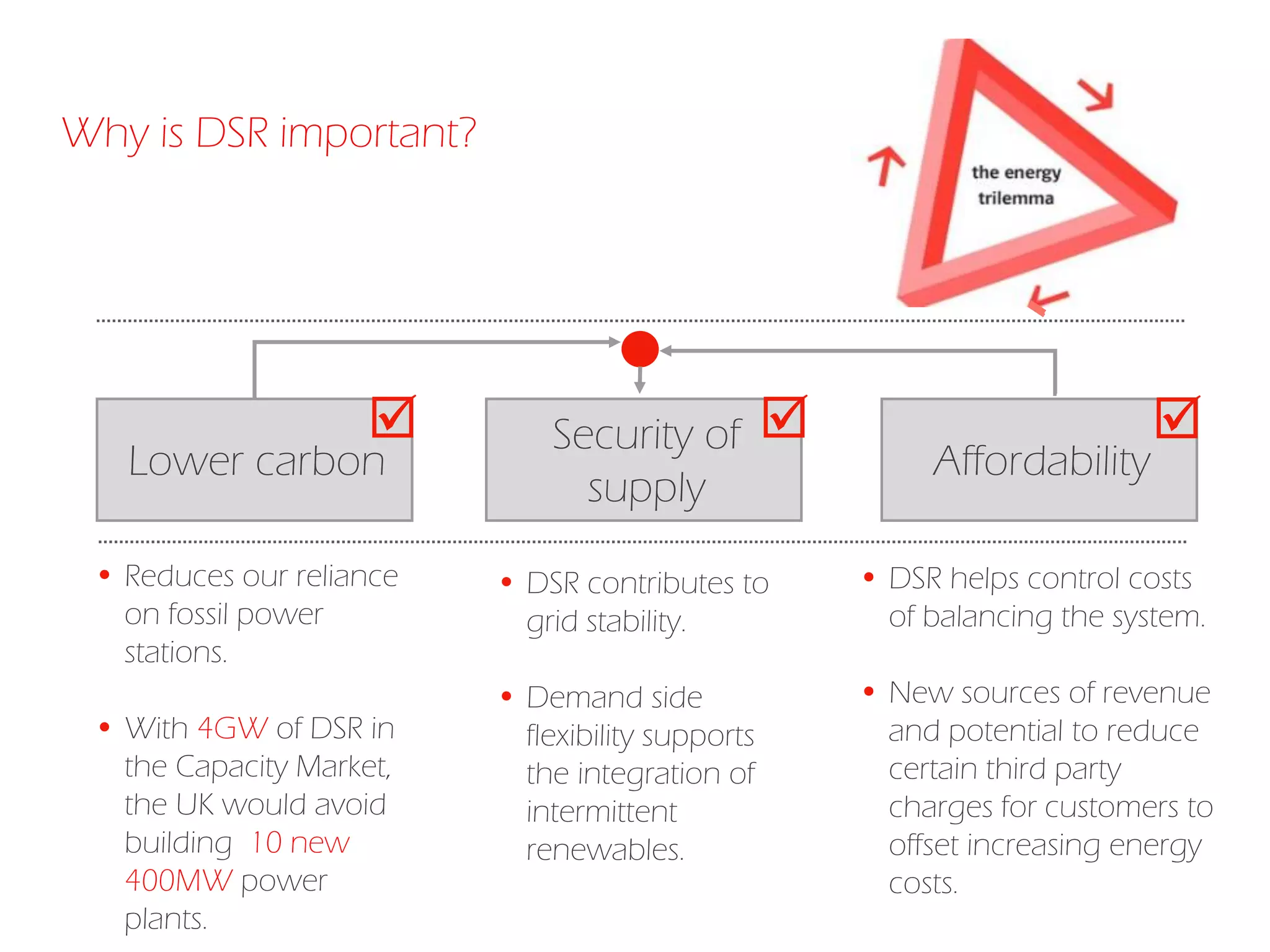
 DSR helps control costs
of balancing the system.
 New sources of revenue
and potential to reduce
certain third party
charges for customers to
offset increasing energy
costs.
Security of
supply
AffordabilityLower carbon
 Reduces our reliance
on fossil power
stations.
 With 4GW of DSR in
the Capacity Market,
the UK would avoid
building 10 new
400MW power
plants.

 DSR contributes to
grid stability.
 Demand side
flexibility supports
the integration of
intermittent
renewables.
Why is DSR important?
What is E.ON doing with DSR?
 E.ON is reinventing itself and is striving to be your partner of choice for
integrated energy solutions.
 Demand Side Response can be delivered as a stand-alone service, or along with
supply or other energy solutions as an integrated solution.
 E.ON works with customers to create a bespoke flexibility optimisation strategy,
then implements it to maximise the value of flexibility for our customers.
 E.ON has over 350 customer flexible assets plus 2GW of renewable generation
connected to its in-house developed Virtual Power Plant platform across the UK
and Germany.
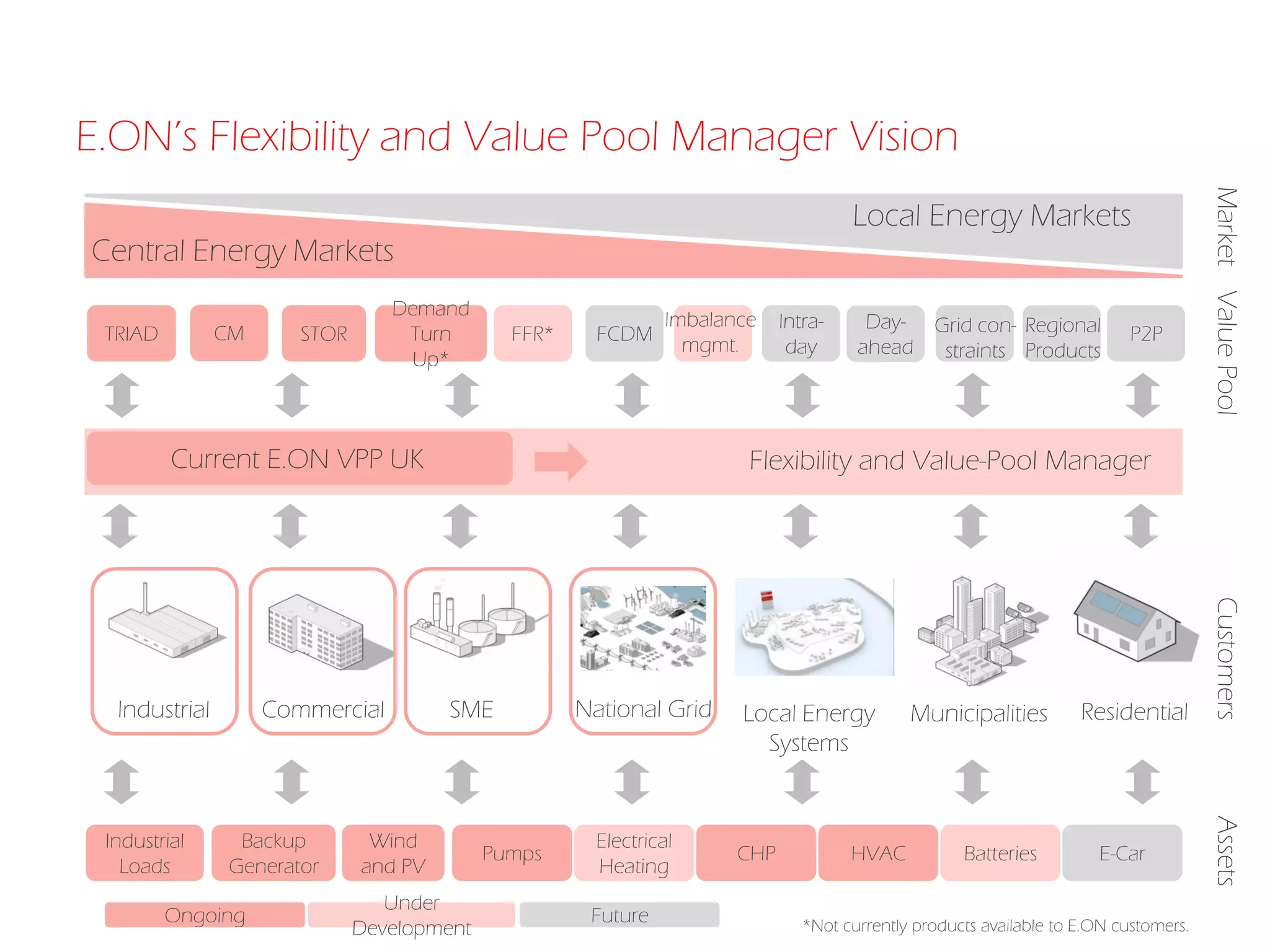
TRIAD Regional
Products
Grid con-
straints
Imbalance
mgmt.
Day-
ahead
Flexibility and Value-Pool Manager
Central Energy Markets
Local Energy Markets
MarketValuePoolAssets
ResidentialCommercial MunicipalitiesIndustrial SME Local Energy
Systems
Backup
Generator
Industrial
Loads
Wind
and PV
Pumps
Electrical
Heating
CHP HVAC Batteries E-Car
Current E.ON VPP UK
Customers
FFR* FCDMSTOR
Intra-
day
P2P
National Grid
CM
Demand
Turn
Up*
Under
Development
FutureOngoing
E.ON’s Flexibility and Value Pool Manager Vision
*Not currently products available to E.ON customers.
The benefits to customers of participating in DSR
Reducing net energy spend savings from new revenues
DSR may maximise additional revenue and savings from existing infrastructure,
giving you more control over energy spend.
Future proofing and innovation
Proactively benefit from savings today, and by being more flexible you may
avoid extreme peaks future in energy prices.
Improve your Corporate Social Responsibility and help keep the lights on
Help to reduce the need for traditional power plants and enable more
renewable generation, while supporting security of supply.
Efficient use of capital
Little or no investment required from your side into non-core energy
infrastructure projects.




Case Study: Citigen
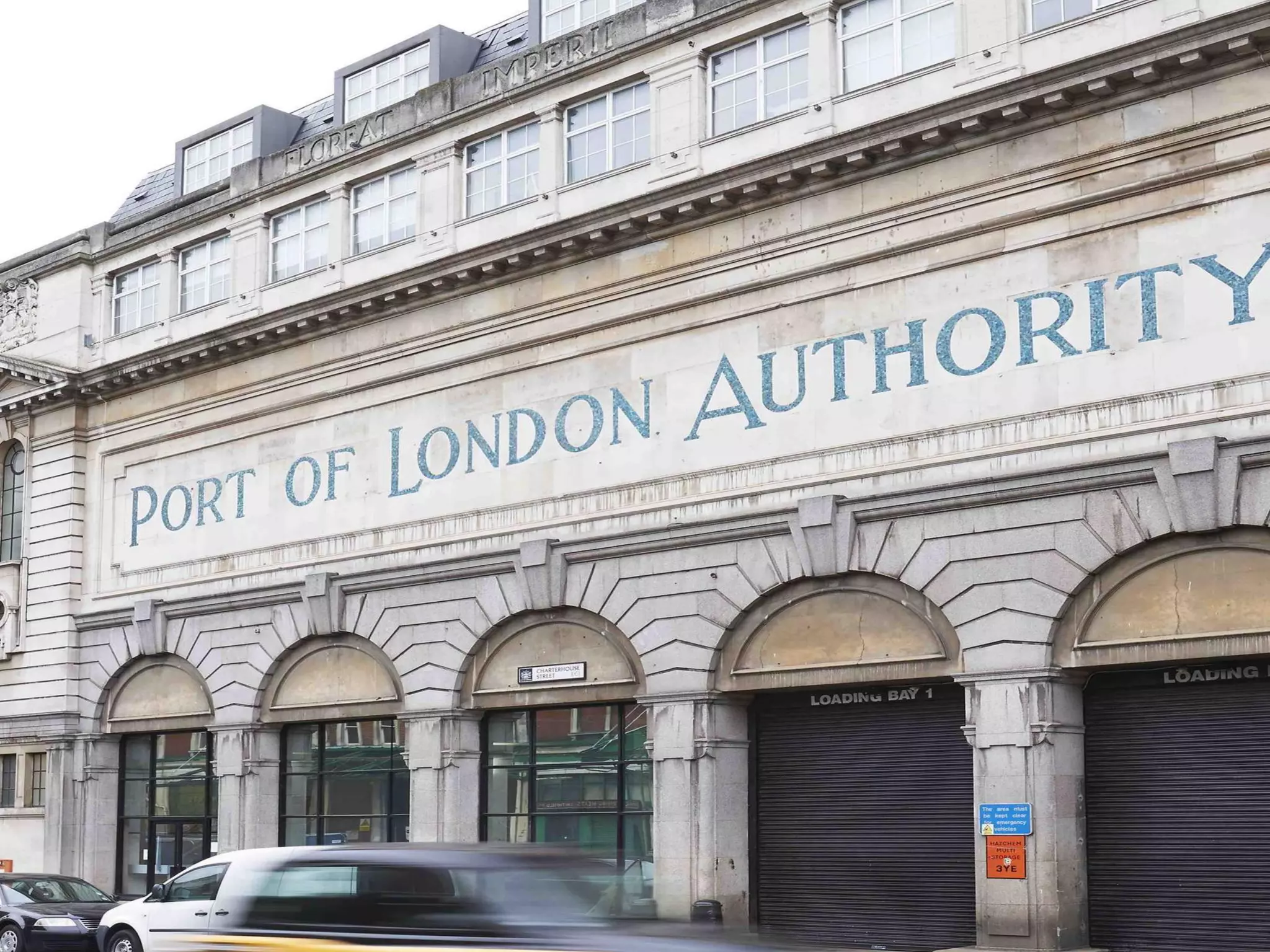
 What is Citigen?
 Planned business as usual for Citigen.
 How DSR will be implemented to benefit Citigen’s stakeholders.
Citigen Business Plan 2015
Glenn Harrison
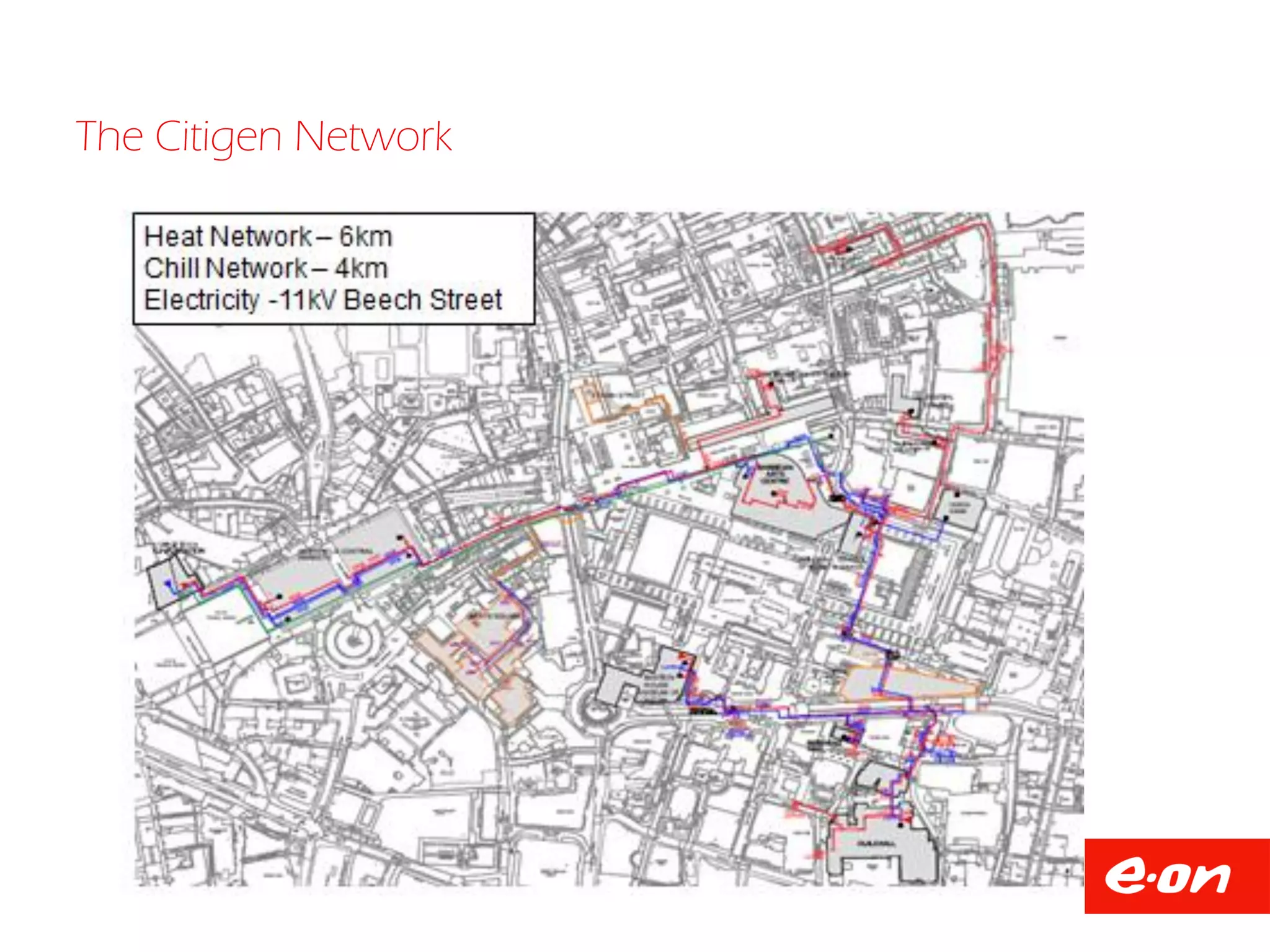
The Citigen Network
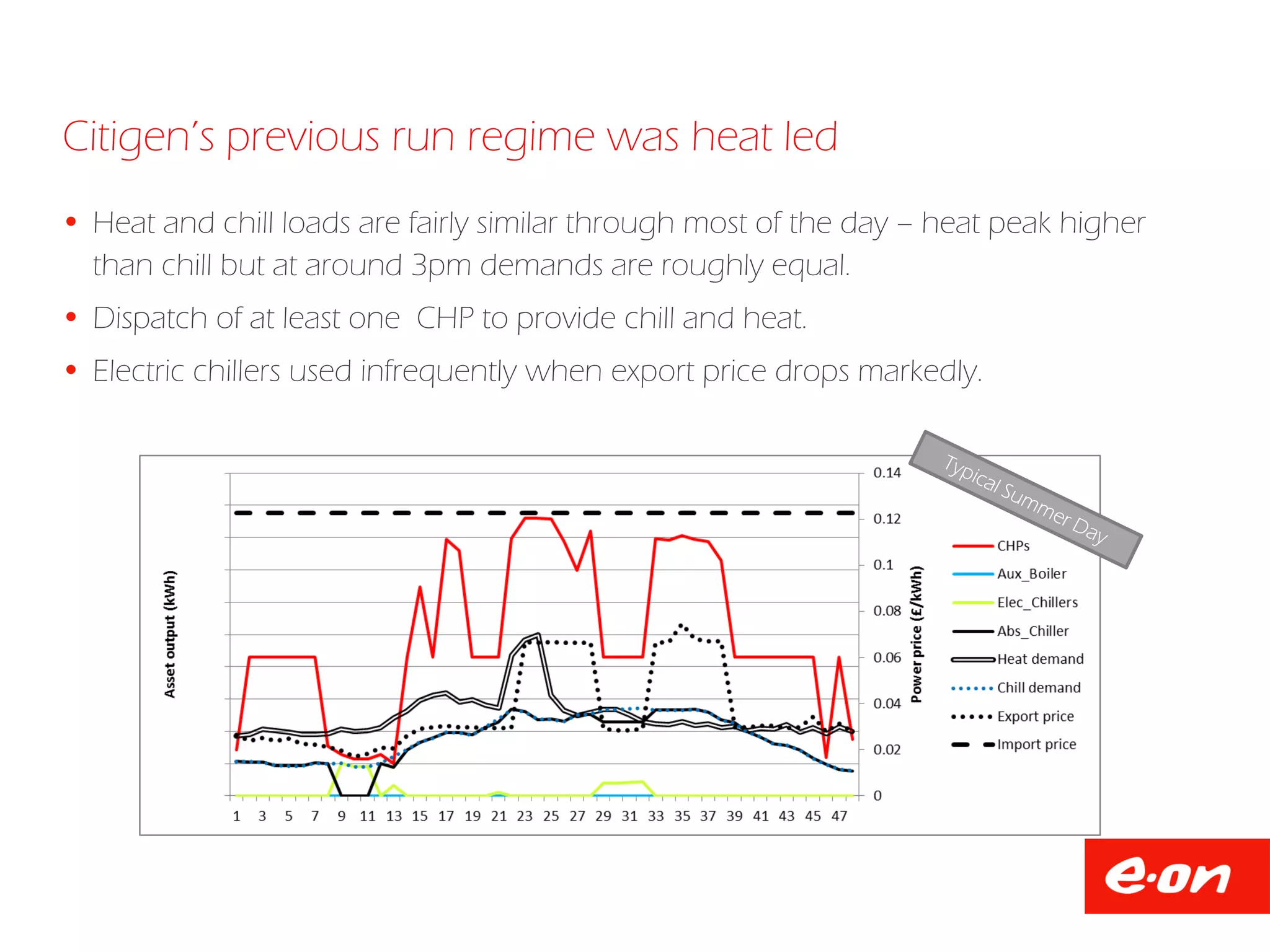
 Heat and chill loads are fairly similar through most of the day – heat peak higher
than chill but at around 3pm demands are roughly equal.
 Dispatch of at least one CHP to provide chill and heat.
 Electric chillers used infrequently when export price drops markedly.
Citigen’s previous run regime was heat led
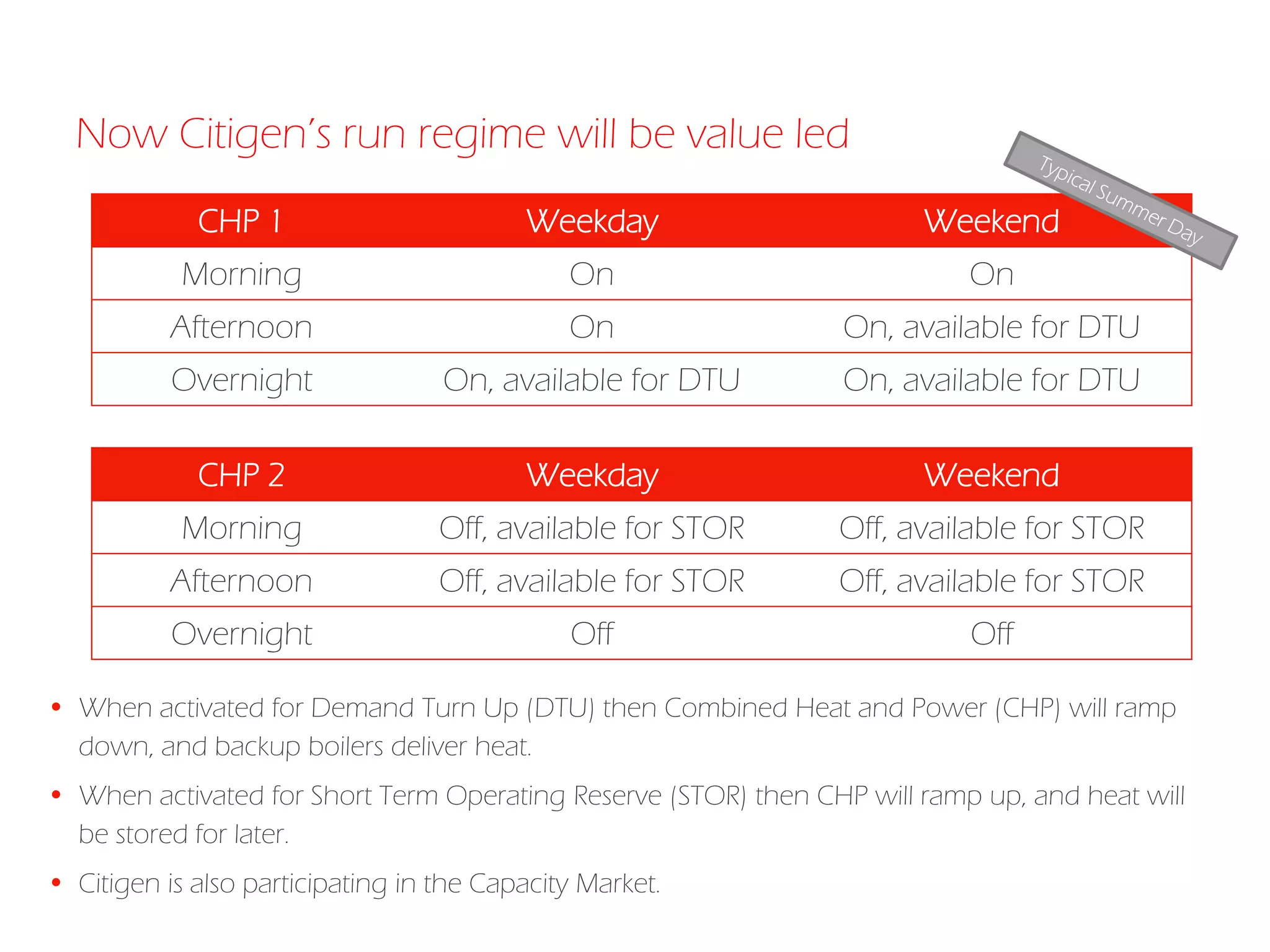
Now Citigen’s run regime will be value led
CHP 1 Weekday Weekend
Morning On On
Afternoon On On, available for DTU
Overnight On, available for DTU On, available for DTU
CHP 2 Weekday Weekend
Morning Off, available for STOR Off, available for STOR
Afternoon Off, available for STOR Off, available for STOR
Overnight Off Off
 When activated for Demand Turn Up (DTU) then Combined Heat and Power (CHP) will ramp
down, and backup boilers deliver heat.
 When activated for Short Term Operating Reserve (STOR) then CHP will ramp up, and heat will
be stored for later.
 Citigen is also participating in the Capacity Market.
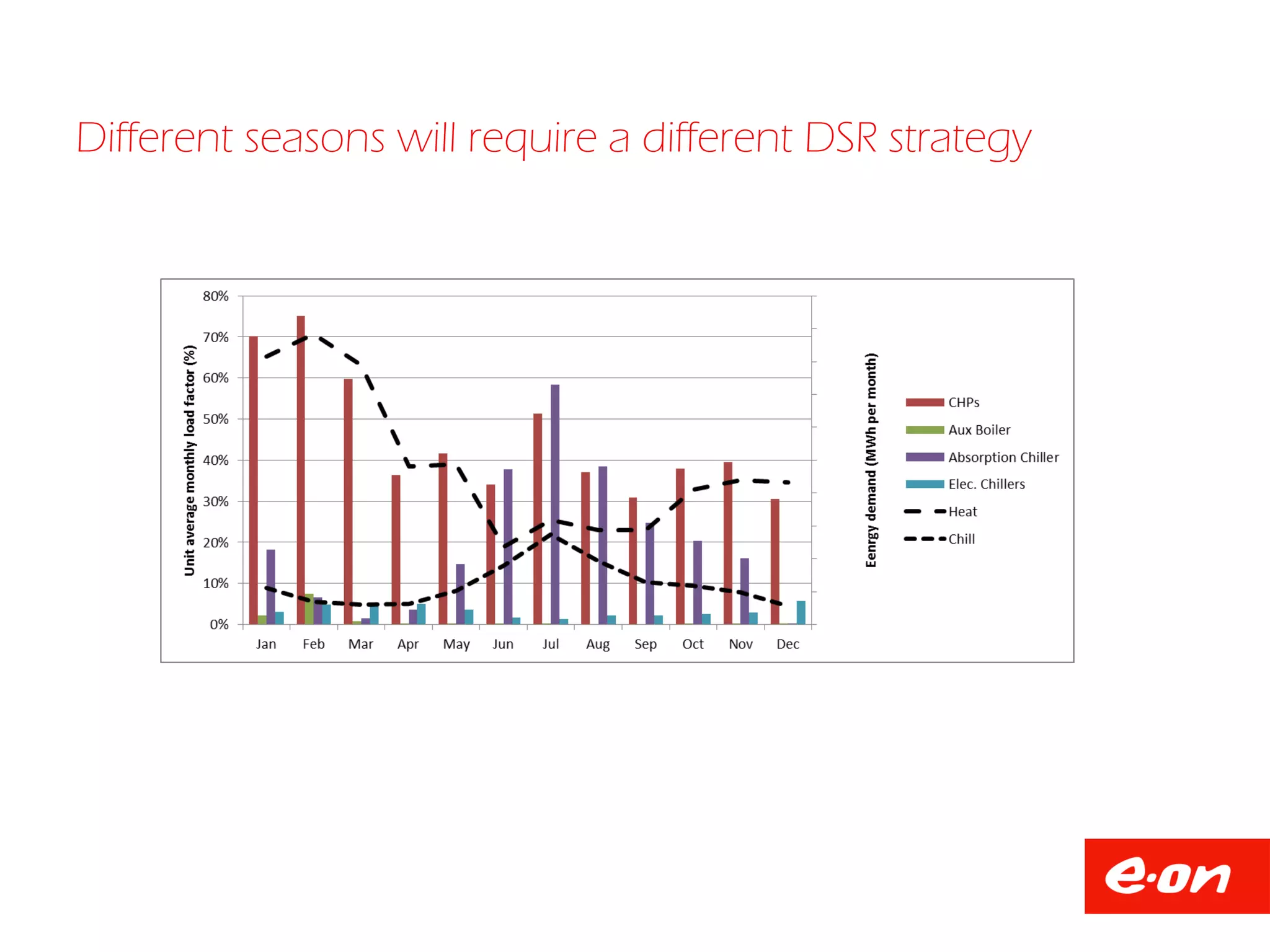
Different seasons will require a different DSR strategy
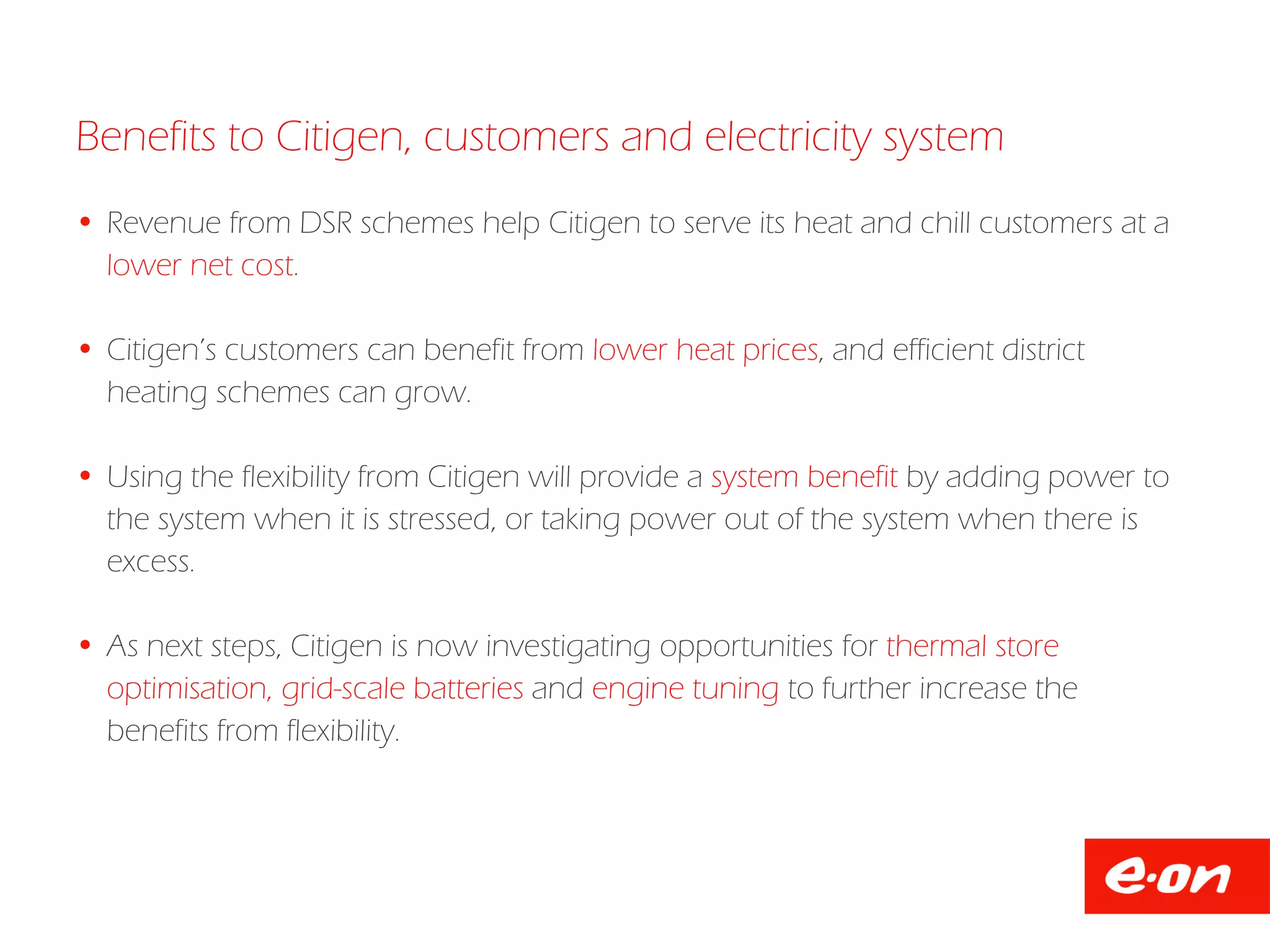
Benefits to Citigen, customers and electricity system
 Revenue from DSR schemes help Citigen to serve its heat and chill customers at a
lower net cost.
 Citigen’s customers can benefit from lower heat prices, and efficient district
heating schemes can grow.
 Using the flexibility from Citigen will provide a system benefit by adding power to
the system when it is stressed, or taking power out of the system when there is
excess.
 As next steps, Citigen is now investigating opportunities for thermal store
optimisation, grid-scale batteries and engine tuning to further increase the
benefits from flexibility.
 Citigen is a complex example, but every customer has flexibility in how they
consume or produce power, with an associated cost to activate.
 For Citigen we worked with the operations teams to identify their flexibility, and
agree a strategy to optimise it.
 Citigen remains in control of their availability and we regularly revisit the strategy
to ensure it is still the best fit for them.
How can the Citigen example apply to your facility?
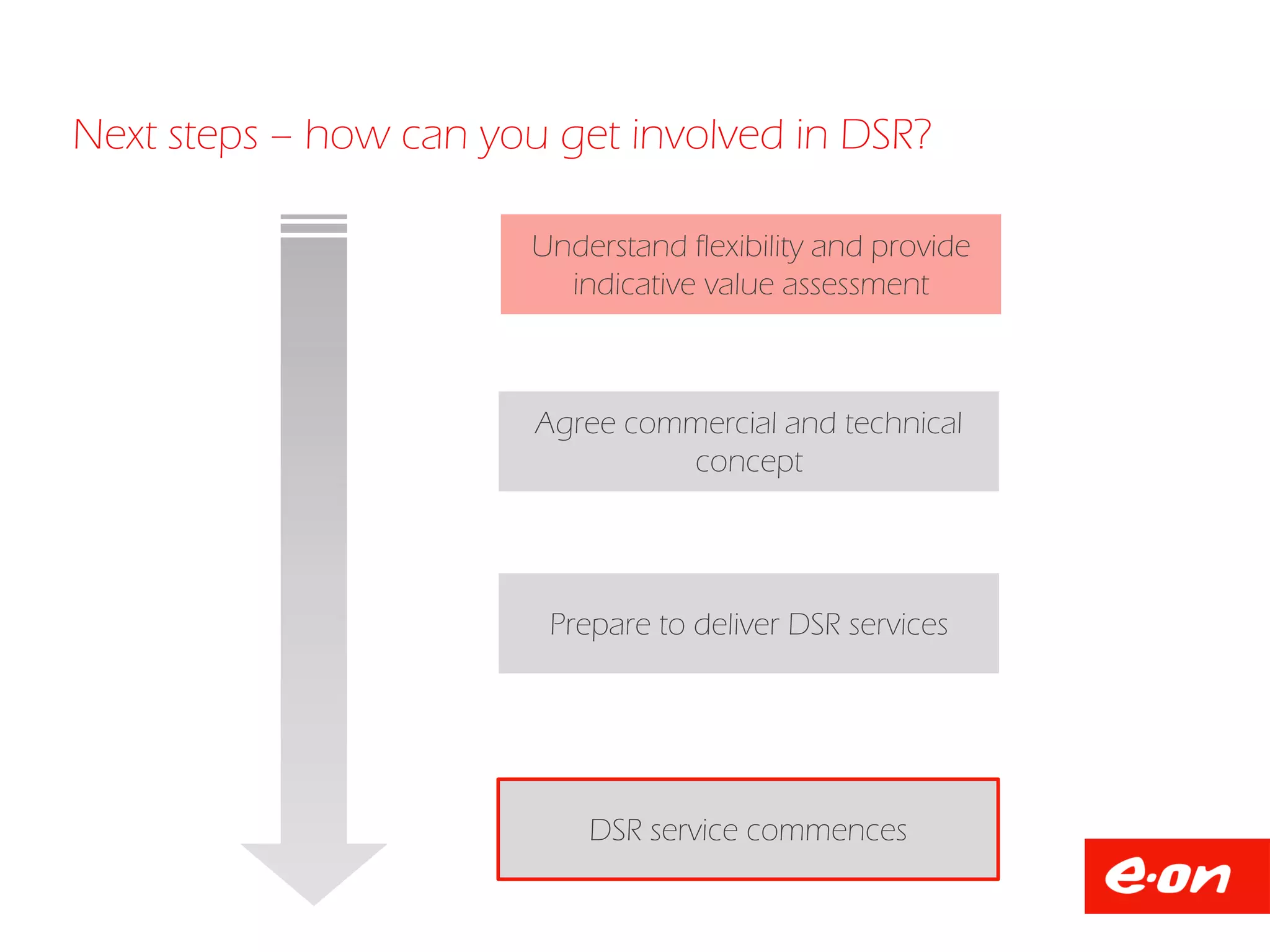
Next steps – how can you get involved in DSR?
Understand flexibility and provide
indicative value assessment
Agree commercial and technical
concept
Prepare to deliver DSR services
DSR service commences
 As a large energy user there is to be a DSR opportunity which works for you and
which may help you to reduce net energy cost.
 A solutions provider can help you identify your flexibility, and agree the right
strategy with you to optimise it.
A couple of key takeaways
Any questions?
Thank you for your time and interest
To learn more come see us at our stand

Case Study – Demand Side Response and How it Can Work for you

  • 1.
    Demand Side Responseand how it can work for you Brian Lonn Leader of Sales and Origination UK for Virtual Power Plant and Flexibility Yasmin Ali Control Room Manager for Community Energy
  • 2.
    Agenda  What isDemand Side Response (DSR), how does it work and why is it important?  What is E.ON doing with DSR?  The benefits of DSR to participants.  Case study – Citigen.  Next steps for you.
  • 3.
    What is DSR? DSRstands for Demand Side Response  Demand side can be broadly defined as any flexible load or generation connected to the distribution network.  Response is a deliberate modification in electricity consumption or generation in response to an external signal.
  • 4.
    How does DSRsupport the electricity system? 50 Hz 49.5 Hz 50.5 Hz Balanced grid Generation Demand Supply = Demand
  • 5.
     DSR helpscontrol costs of balancing the system.  New sources of revenue and potential to reduce certain third party charges for customers to offset increasing energy costs. Security of supply AffordabilityLower carbon  Reduces our reliance on fossil power stations.  With 4GW of DSR in the Capacity Market, the UK would avoid building 10 new 400MW power plants.   DSR contributes to grid stability.  Demand side flexibility supports the integration of intermittent renewables. Why is DSR important?
  • 6.
    What is E.ONdoing with DSR?  E.ON is reinventing itself and is striving to be your partner of choice for integrated energy solutions.  Demand Side Response can be delivered as a stand-alone service, or along with supply or other energy solutions as an integrated solution.  E.ON works with customers to create a bespoke flexibility optimisation strategy, then implements it to maximise the value of flexibility for our customers.  E.ON has over 350 customer flexible assets plus 2GW of renewable generation connected to its in-house developed Virtual Power Plant platform across the UK and Germany.
  • 7.
    TRIAD Regional Products Grid con- straints Imbalance mgmt. Day- ahead Flexibilityand Value-Pool Manager Central Energy Markets Local Energy Markets MarketValuePoolAssets ResidentialCommercial MunicipalitiesIndustrial SME Local Energy Systems Backup Generator Industrial Loads Wind and PV Pumps Electrical Heating CHP HVAC Batteries E-Car Current E.ON VPP UK Customers FFR* FCDMSTOR Intra- day P2P National Grid CM Demand Turn Up* Under Development FutureOngoing E.ON’s Flexibility and Value Pool Manager Vision *Not currently products available to E.ON customers.
  • 8.
    The benefits tocustomers of participating in DSR Reducing net energy spend savings from new revenues DSR may maximise additional revenue and savings from existing infrastructure, giving you more control over energy spend. Future proofing and innovation Proactively benefit from savings today, and by being more flexible you may avoid extreme peaks future in energy prices. Improve your Corporate Social Responsibility and help keep the lights on Help to reduce the need for traditional power plants and enable more renewable generation, while supporting security of supply. Efficient use of capital Little or no investment required from your side into non-core energy infrastructure projects.    
  • 9.
    Case Study: Citigen What is Citigen?  Planned business as usual for Citigen.  How DSR will be implemented to benefit Citigen’s stakeholders.
  • 10.
    Citigen Business Plan2015 Glenn Harrison
  • 11.
  • 12.
     Heat andchill loads are fairly similar through most of the day – heat peak higher than chill but at around 3pm demands are roughly equal.  Dispatch of at least one CHP to provide chill and heat.  Electric chillers used infrequently when export price drops markedly. Citigen’s previous run regime was heat led
  • 13.
    Now Citigen’s runregime will be value led CHP 1 Weekday Weekend Morning On On Afternoon On On, available for DTU Overnight On, available for DTU On, available for DTU CHP 2 Weekday Weekend Morning Off, available for STOR Off, available for STOR Afternoon Off, available for STOR Off, available for STOR Overnight Off Off  When activated for Demand Turn Up (DTU) then Combined Heat and Power (CHP) will ramp down, and backup boilers deliver heat.  When activated for Short Term Operating Reserve (STOR) then CHP will ramp up, and heat will be stored for later.  Citigen is also participating in the Capacity Market.
  • 14.
    Different seasons willrequire a different DSR strategy
  • 15.
    Benefits to Citigen,customers and electricity system  Revenue from DSR schemes help Citigen to serve its heat and chill customers at a lower net cost.  Citigen’s customers can benefit from lower heat prices, and efficient district heating schemes can grow.  Using the flexibility from Citigen will provide a system benefit by adding power to the system when it is stressed, or taking power out of the system when there is excess.  As next steps, Citigen is now investigating opportunities for thermal store optimisation, grid-scale batteries and engine tuning to further increase the benefits from flexibility.
  • 16.
     Citigen isa complex example, but every customer has flexibility in how they consume or produce power, with an associated cost to activate.  For Citigen we worked with the operations teams to identify their flexibility, and agree a strategy to optimise it.  Citigen remains in control of their availability and we regularly revisit the strategy to ensure it is still the best fit for them. How can the Citigen example apply to your facility?
  • 17.
    Next steps –how can you get involved in DSR? Understand flexibility and provide indicative value assessment Agree commercial and technical concept Prepare to deliver DSR services DSR service commences
  • 18.
     As alarge energy user there is to be a DSR opportunity which works for you and which may help you to reduce net energy cost.  A solutions provider can help you identify your flexibility, and agree the right strategy with you to optimise it. A couple of key takeaways
  • 19.
  • 20.
    Thank you foryour time and interest To learn more come see us at our stand