BHOPAL GAS TRAGEDY
By--
Pratyush maheshwari
Akshay jethava
Umesh choudary
INTRODUCTION
 It occurred at 3rd of December
year 1984 sharp in the morning.
 Due to leakage of tons of methyl
isocyanate and other harmful
intoxicant gases in one of the tank.
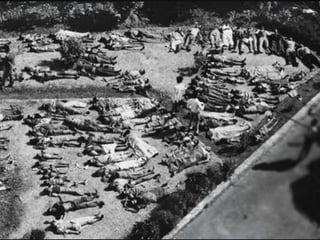
 Resulting in death of millions and
more than 500,000 suffers
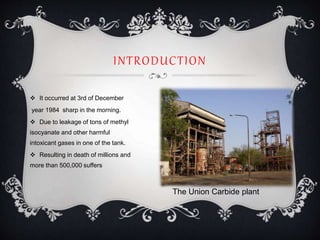
The Union Carbide plant
BACKGROUND AND CAUSES
 The Union Carbide India Limited (UCIL) plant was established in 1969 near
Bhopal. The Following points are to be noted for leading the gas leak :-
 Economy.
 Staff reduced, uneducated.
 Poor maintenance of the plant.
 Safety rules not followed.
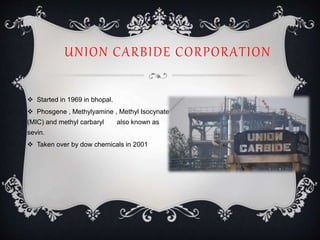
UNION CARBIDE CORPORATION
 Started in 1969 in bhopal.
 Phosgene , Methylyamine , Methyl Isocynate
(MIC) and methyl carbaryl also known as
sevin.
 Taken over by dow chemicals in 2001
HOW IT HAPPENED?
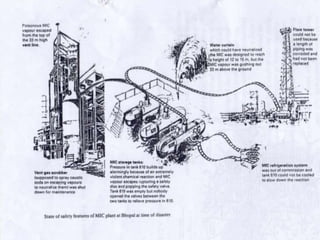
 The tank 610 was containing tons of Methyl
Isocyanate (MIC).
 Large amount of water entered the tank while
cleaning out the pipes.
 Runway reaction started due to coroison.
 Increase in the temperature inside the tank.
 The tank then gave off a large
volume of toxic gases forcing the emergency release of
pressure
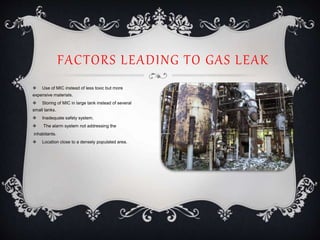
FACTORS LEADING TO GAS LEAK
 Use of MIC instead of less toxic but more
expensive materials.
 Storing of MIC in large tank instead of several
small tanks.
 Inadequate safety system.
 The alarm system not addressing the
inhabitants.
 Location close to a densely populated area.
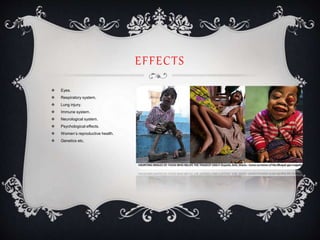
EFFECTS
 Eyes.
 Respiratory system.
 Lung injury.
 Immune system.
 Neurological system.
 Psychological effects.
 Women’s reproductive health.
 Genetics etc.
EFFECTS ON SURROUNDINGS
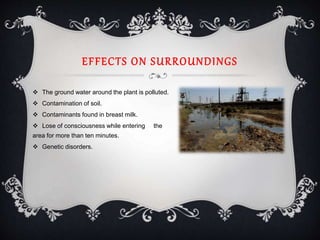
 The ground water around the plant is polluted.
 Contamination of soil.
 Contaminants found in breast milk.
 Lose of consciousness while entering the
area for more than ten minutes.
 Genetic disorders.
COMPENSATION
 UCC agreed to pay Compensation of $500 per dead for people
suffering from life long injuries.
 Medical facility and trust fund for future injuries
 The Indian government adopted the injury categories Union
Carbide proposed.
CONCLUSION
The disaster did pave the way for much stricter international standards for environmental safety, preventative
strategies to avoid similar accidents.
Better understanding of the fact that industries need to apply good process safety management systems and have
efficient and safe handling and storage capacities of individual reactive chemicals.
Environmental awareness and activism in India has increased tremendously.
serves as a warning to developing nations to create the right balance between human, environmental and
economic status on the path to industrialization.
case study Bhopal gas tragedy

case study Bhopal gas tragedy

  • 1.
    BHOPAL GAS TRAGEDY By-- Pratyushmaheshwari Akshay jethava Umesh choudary
  • 2.
    INTRODUCTION  It occurredat 3rd of December year 1984 sharp in the morning.  Due to leakage of tons of methyl isocyanate and other harmful intoxicant gases in one of the tank.  Resulting in death of millions and more than 500,000 suffers The Union Carbide plant
  • 3.
    BACKGROUND AND CAUSES The Union Carbide India Limited (UCIL) plant was established in 1969 near Bhopal. The Following points are to be noted for leading the gas leak :-  Economy.  Staff reduced, uneducated.  Poor maintenance of the plant.  Safety rules not followed.
  • 5.
    UNION CARBIDE CORPORATION Started in 1969 in bhopal.  Phosgene , Methylyamine , Methyl Isocynate (MIC) and methyl carbaryl also known as sevin.  Taken over by dow chemicals in 2001
  • 6.
    HOW IT HAPPENED? The tank 610 was containing tons of Methyl Isocyanate (MIC).  Large amount of water entered the tank while cleaning out the pipes.  Runway reaction started due to coroison.  Increase in the temperature inside the tank.  The tank then gave off a large volume of toxic gases forcing the emergency release of pressure
  • 7.
    FACTORS LEADING TOGAS LEAK  Use of MIC instead of less toxic but more expensive materials.  Storing of MIC in large tank instead of several small tanks.  Inadequate safety system.  The alarm system not addressing the inhabitants.  Location close to a densely populated area.
  • 10.
    EFFECTS  Eyes.  Respiratorysystem.  Lung injury.  Immune system.  Neurological system.  Psychological effects.  Women’s reproductive health.  Genetics etc.
  • 11.
    EFFECTS ON SURROUNDINGS The ground water around the plant is polluted.  Contamination of soil.  Contaminants found in breast milk.  Lose of consciousness while entering the area for more than ten minutes.  Genetic disorders.
  • 12.
    COMPENSATION  UCC agreedto pay Compensation of $500 per dead for people suffering from life long injuries.  Medical facility and trust fund for future injuries  The Indian government adopted the injury categories Union Carbide proposed.
  • 14.
    CONCLUSION The disaster didpave the way for much stricter international standards for environmental safety, preventative strategies to avoid similar accidents. Better understanding of the fact that industries need to apply good process safety management systems and have efficient and safe handling and storage capacities of individual reactive chemicals. Environmental awareness and activism in India has increased tremendously. serves as a warning to developing nations to create the right balance between human, environmental and economic status on the path to industrialization.