Canora Prekindergarten 2010 140 1st Ave WCanora, SKCommitted to High QualityEarly Childhood Education
“A school needs to be a place for all children, not based on the idea that they’re all the same, butthat they’re all different.”Loris Malaguzzi
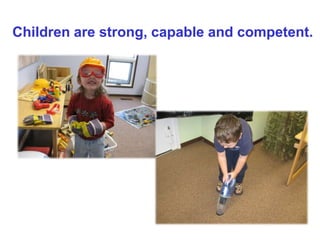
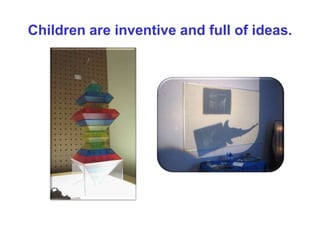
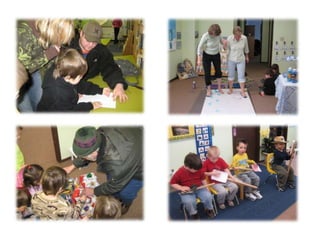
The Image of the ChildChildren are not empty vessels which we need to fill with knowledge and skills.  They are strong, capable and competent.They are active learners who are constantly making meaning of their world.Children learn through their play experiences and conversations with others.They are inventive and full of ideas.Children demonstrate what they know in a hundred different ways.
Children are strong, capable and competent.
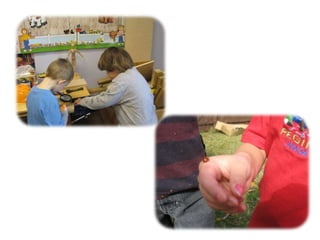
Children are inventive and full of ideas.
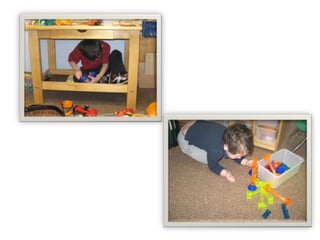
Children are active, eager, and curious learners.
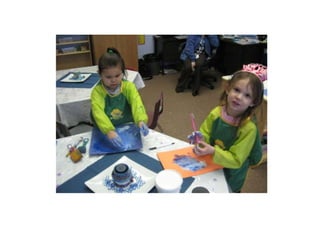
Children demonstrate what they arelearning in many ways.  They represent their thoughts and ideas with a variety of materials to create paintings, collages, sculptures, drawings, mobiles and photographs
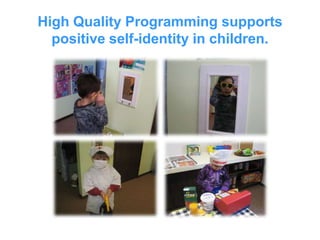
High Quality Programming supportspositive self-identity in children.
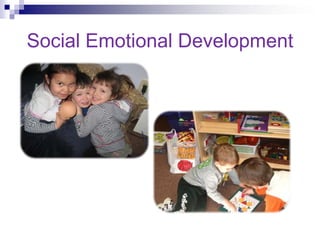
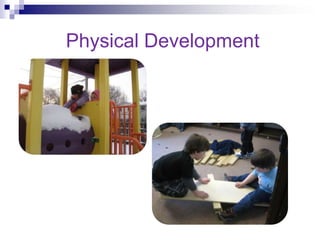
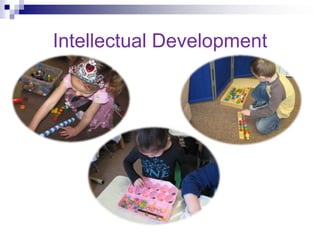
High Quality Programs focus onthe development of the whole child.
Social Emotional Development
Physical Development
Intellectual Development
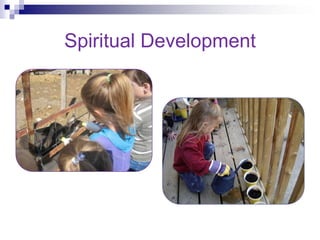
Spiritual Development
High Quality programs are responsiveto the needs and interests of children.
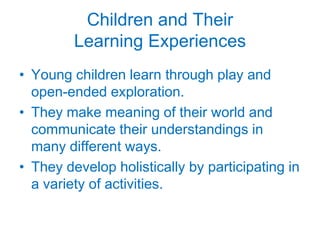
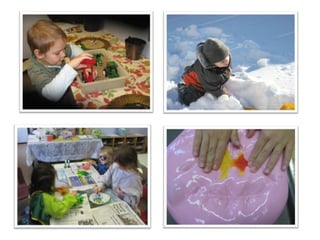
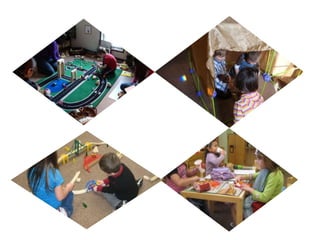
Children and TheirLearning ExperiencesYoung children learn through play and open-ended exploration.They make meaning of their world and communicate their understandings in many different ways.They develop holistically by participating in a variety of activities.
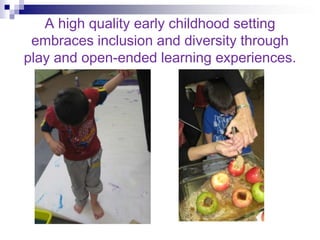
A high quality early childhood setting embraces inclusion and diversity through play and open-ended learning experiences.
Language and Literacy developmentare integral components ofhigh quality early learning programs.
Children and Their RelationshipsChildren learn through their relationships with others, with their environment, and with the materials that are in their environment.
The Role of the TeacherIs changingIs less directiveViews the child as competent rather than needyProvides children with an environment that stimulates explorationBelieves in the right of children to have an “authentic” childhood
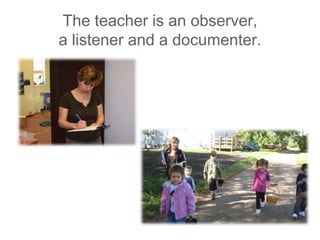
The teacher is an observer,a listener and a documenter.
The teacher is a researcherand a partner with parents.
The teacher is a negotiator, anda supporter of children’sparticipation in decision making.
The teacher facilitates small group learning, supports social relationships, andco-constructs knowledge with children.
The teacher creates a stimulating environment and supports diversity.
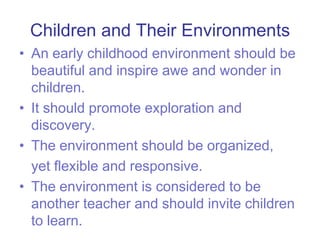
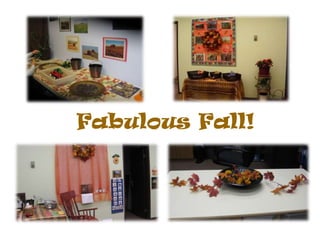
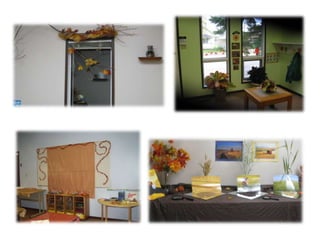
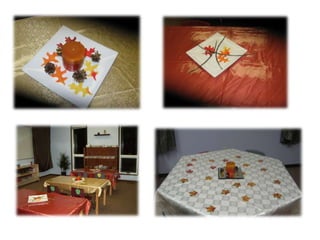
Children and Their EnvironmentsAn early childhood environment should be beautiful and inspire awe and wonder in children.It should promote exploration and discovery.The environment should be organized,	yet flexible and responsive.The environment is considered to be another teacher and should invite children to learn.
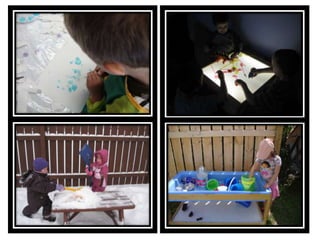
Fabulous Fall!
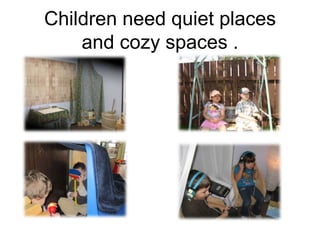
Children need quiet placesand cozy spaces .
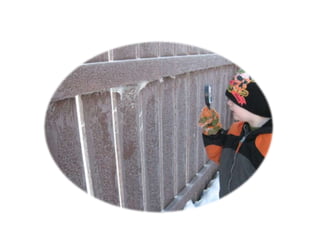
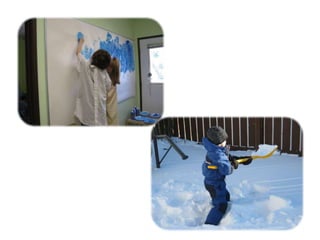
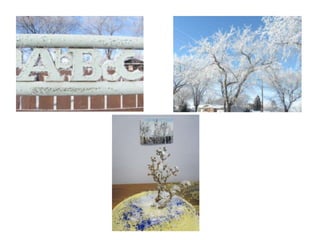
Winter Wonders
Spring Surprises
Materials are organized in an aesthetically pleasing manner and are accessible to children.
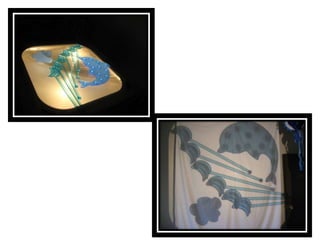
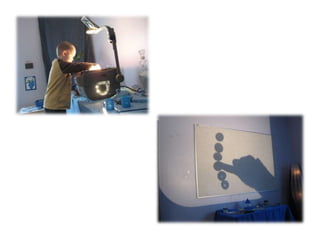
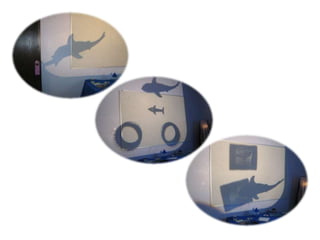
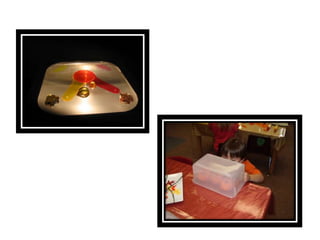
An overhead projector and light table are used to explore light and shadows.
Inspirational Invitations
The Importance of PlayHigh quality practice in early childhood means thatchildren learn through play. They can choose theiractivity and focus on the activity rather than theoutcome, and experience personal enjoyment.
Educators who work with young children are fortunate enoughto reclaim the delight thatthe children experience everyday as they discover,explore and create together!
Children are miracles.  Believing thatevery child is a miracle can transformthe way we design for children’s care.  We make it our job to create,with reverence and gratitude,a space that is worthy of a miracle!Anita Rui Olds, 1999

Canora prekindergarten 2010 cd

  • 1.
    Canora Prekindergarten 2010140 1st Ave WCanora, SKCommitted to High QualityEarly Childhood Education
  • 2.
    “A school needsto be a place for all children, not based on the idea that they’re all the same, butthat they’re all different.”Loris Malaguzzi
  • 3.
    The Image ofthe ChildChildren are not empty vessels which we need to fill with knowledge and skills. They are strong, capable and competent.They are active learners who are constantly making meaning of their world.Children learn through their play experiences and conversations with others.They are inventive and full of ideas.Children demonstrate what they know in a hundred different ways.
  • 4.
    Children are strong,capable and competent.
  • 6.
    Children are inventiveand full of ideas.
  • 7.
    Children are active,eager, and curious learners.
  • 10.
    Children demonstrate whatthey arelearning in many ways. They represent their thoughts and ideas with a variety of materials to create paintings, collages, sculptures, drawings, mobiles and photographs
  • 11.
    High Quality Programmingsupportspositive self-identity in children.
  • 16.
    High Quality Programsfocus onthe development of the whole child.
  • 17.
  • 18.
  • 19.
  • 21.
  • 22.
    High Quality programsare responsiveto the needs and interests of children.
  • 23.
    Children and TheirLearningExperiencesYoung children learn through play and open-ended exploration.They make meaning of their world and communicate their understandings in many different ways.They develop holistically by participating in a variety of activities.
  • 27.
    A high qualityearly childhood setting embraces inclusion and diversity through play and open-ended learning experiences.
  • 28.
    Language and Literacydevelopmentare integral components ofhigh quality early learning programs.
  • 29.
    Children and TheirRelationshipsChildren learn through their relationships with others, with their environment, and with the materials that are in their environment.
  • 34.
    The Role ofthe TeacherIs changingIs less directiveViews the child as competent rather than needyProvides children with an environment that stimulates explorationBelieves in the right of children to have an “authentic” childhood
  • 35.
    The teacher isan observer,a listener and a documenter.
  • 36.
    The teacher isa researcherand a partner with parents.
  • 37.
    The teacher isa negotiator, anda supporter of children’sparticipation in decision making.
  • 38.
    The teacher facilitatessmall group learning, supports social relationships, andco-constructs knowledge with children.
  • 39.
    The teacher createsa stimulating environment and supports diversity.
  • 40.
    Children and TheirEnvironmentsAn early childhood environment should be beautiful and inspire awe and wonder in children.It should promote exploration and discovery.The environment should be organized, yet flexible and responsive.The environment is considered to be another teacher and should invite children to learn.
  • 41.
  • 45.
    Children need quietplacesand cozy spaces .
  • 46.
  • 48.
  • 51.
    Materials are organizedin an aesthetically pleasing manner and are accessible to children.
  • 52.
    An overhead projectorand light table are used to explore light and shadows.
  • 56.
  • 60.
    The Importance ofPlayHigh quality practice in early childhood means thatchildren learn through play. They can choose theiractivity and focus on the activity rather than theoutcome, and experience personal enjoyment.
  • 64.
    Educators who workwith young children are fortunate enoughto reclaim the delight thatthe children experience everyday as they discover,explore and create together!
  • 65.
    Children are miracles. Believing thatevery child is a miracle can transformthe way we design for children’s care. We make it our job to create,with reverence and gratitude,a space that is worthy of a miracle!Anita Rui Olds, 1999