for over Twenty Years
Our education programs for over two hundred of California's public and independent schools have introduced thousands of students to environments as diverse as the… Independent Schools Charter Schools Public Schools Waldorf Schools Montessori Schools Who do we serve ?
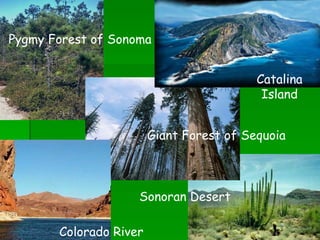
Pygmy Forest of Sonoma Giant Forest of Sequoia Sonoran Desert Colorado River Catalina Island
What does Naturalists at Large do ?
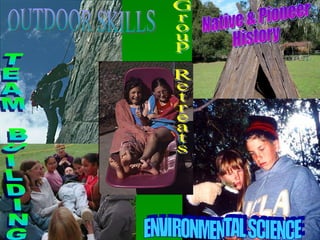
TEAM BUILDING ENVIRONMENTAL SCIENCE OUTDOOR SKILLS Native & Pioneer History Group Retreats
We work with each school every step of the way to identify their outdoor education goals and then tailor a program to meet those specific needs.
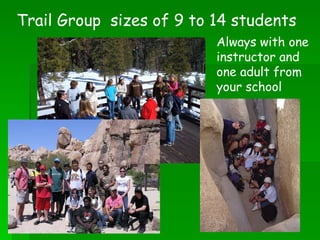
Trail Group  sizes of 9 to 14 students Always with one instructor and one adult from your school
Naturalists at Large provides a complete outdoor curriculum for primary through high school level students. We can accommodate trips for 15 students to over 200.
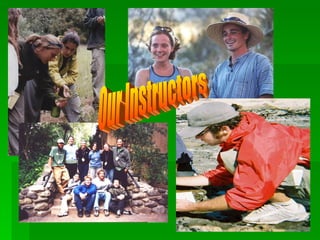
Our Instructors
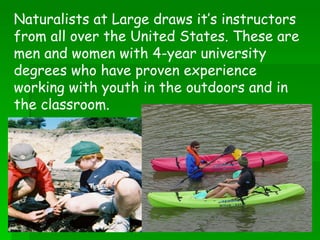
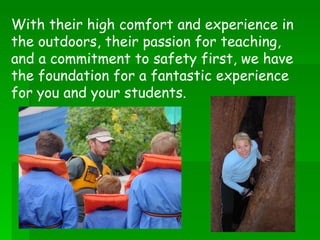
Naturalists at Large draws it’s instructors from all over the United States. These are men and women with 4-year university degrees who have proven experience working with youth in the outdoors and in the classroom.
 
With their high comfort and experience in the outdoors, their passion for teaching, and a commitment to safety first, we have the foundation for a fantastic experience for you and your students.
All of our instructors are CPR and First Aid Certified. 80 % of them hold advanced certifications such as Wilderness Emergency Medical Training, Wilderness First Responders and Wilderness Advanced First Aid. RESPONSE TIMES: for Emergency Services Ambulance: up to 15 minutes  Law Enforcement: 15 minutes
Camp del Oro Join us at...
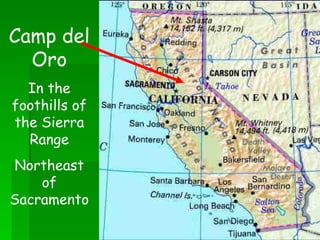
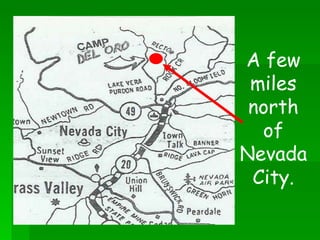
Camp del Oro In the foothills of the Sierra Range Northeast of Sacramento
A few miles north of Nevada City.
Snug in the foothills of the Sierra Nevada Mountains on Lake Vera, Camp Del Oro is the perfect environment for an outdoor education experience. Under the cover of majestic Oak and tall Ponderosa Pine trees, Naturalists at Large provides students an opportunity to actively learn in a well supervised outdoor setting.
 
Welcome to Camp del Oro
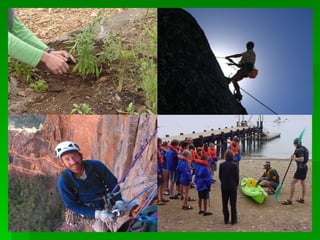
The camp features a climbing wall, playing fields, a swimming pool, small lake, well kept accommodations, and wholesome meals. A variety of programs can be put together using these elements.  Students can do the ropes course and climbing wall in addition to outdoor and environmental education.
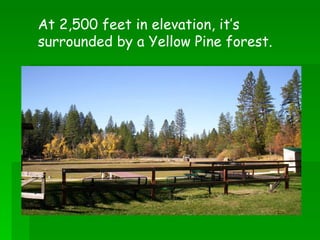
At 2,500 feet in elevation, it’s surrounded by a Yellow Pine forest.
Camp del Oro is a wonderful backdrop for the study of Forest Ecology, Environmental Science and the development of class unity through challenging activity.
Meals are wholesome affairs providing the nutrition needed for active participants There’s a variety of menu options from which to choose Food
Allergies and Special Food Needs Program meals offer vegetarian food options. For those with specific needs due to allergies or personal reasons, we suggest discussion with your faculty.  Naturalists at Large can help guide those with special diets to supplement their meals in ways which everyone can most easily manage.
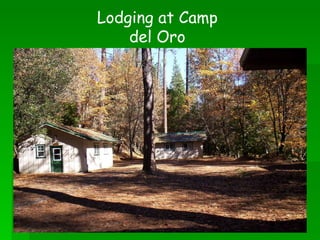
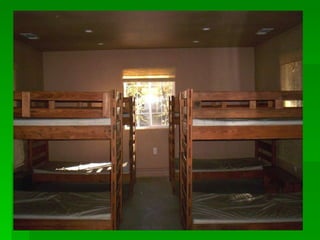
Lodging at Camp del Oro
 
Neat and Tidy Shower House, and  yes…Hot Water
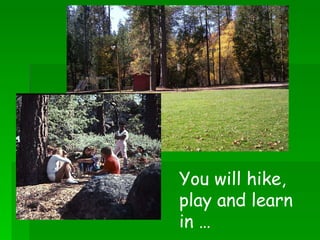
You will hike, play and learn in …
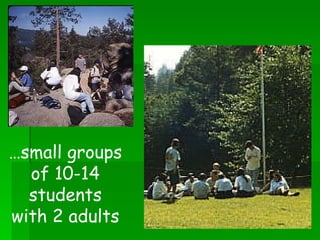
… small groups of 10-14 students with 2 adults
TEAM BUILDING
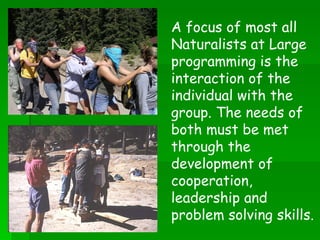
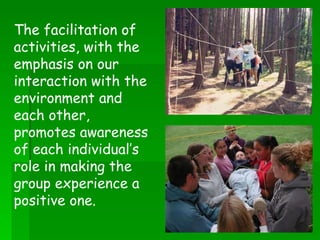
A focus of most all Naturalists at Large programming is the interaction of the individual with the group. The needs of both must be met through the development of cooperation, leadership and problem solving skills.
The facilitation of activities, with the emphasis on our interaction with the environment and each other, promotes awareness of each individual’s role in making the group experience a positive one.
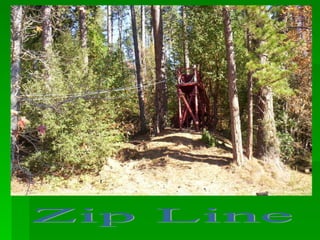
Zip Line
The climbing wall is fun and challenging
Study of human impact on old-growth  and second-growth forests Introduction to environmental  science concepts Sierra range natural history and  geology Natural History Hikes
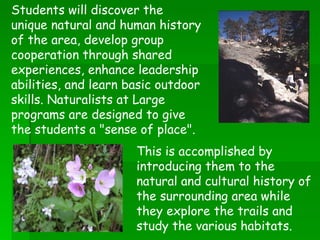
This is accomplished by introducing them to the natural and cultural history of the surrounding area while they explore the trails and study the various habitats. Students will discover the unique natural and human history of the area, develop group cooperation through shared experiences, enhance leadership abilities, and learn basic outdoor skills. Naturalists at Large programs are designed to give the students a "sense of place".
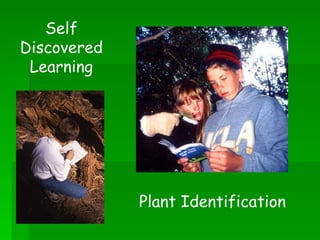
Plant Identification Self Discovered Learning
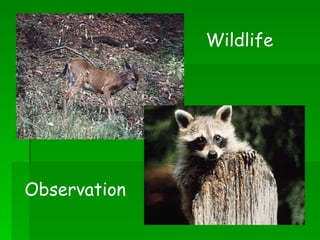
Wildlife Observation
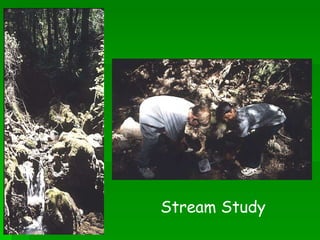
Stream Study
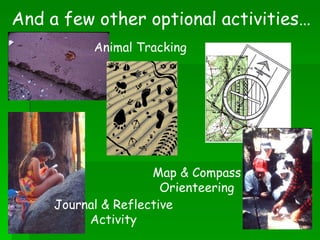
And a few other optional activities… Journal & Reflective Activity Map & Compass Orienteering Animal Tracking
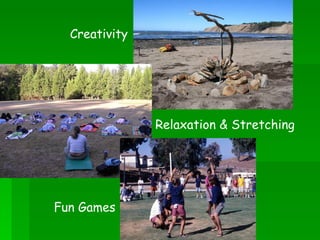
Creativity Relaxation & Stretching Fun Games
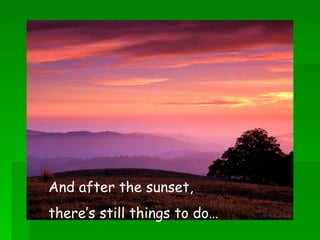
And after the sunset,  there’s still things to do…
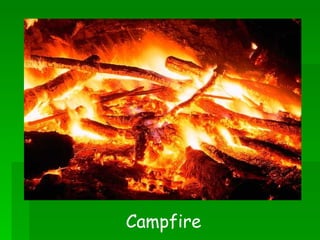
Campfire
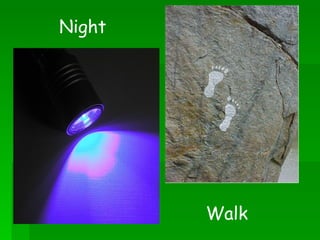
Night Walk
Star studies and the night sky
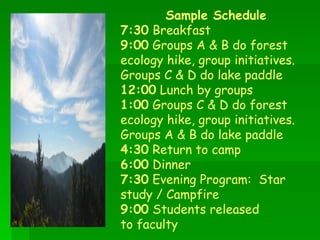
Sample Schedule 7:30 Breakfast  9:00 Groups A & B do forest ecology hike, group initiatives. Groups C & D do lake paddle 12:00  Lunch by groups 1:00 Groups C & D do forest ecology hike, group initiatives. Groups A & B do lake paddle 4:30 Return to camp 6:00 Dinner  7:30 Evening Program:  Star study / Campfire 9:00 Students released  to faculty
Camp del Oro & the Sierra Foothills DISCOVER IT !
 
Allergies, Medications, Special Dietary Needs   Ask us about…
Equipment Reminders Follow your equipment list. Pack together . Adult and student can double check the contents of the gear bag. All clothing should fit in a  medium size duffle . A  day pack  is essential to move about the program with water, some food, extra layers of clothing, and personal incidentals.
Rain gear  is a must. ( water-proof  shell) Rain Ponchos are fine. Comfortable  closed toed shoes  are required. Light weight hikers or tennis shoes with a few pairs of  good outdoor socks  (non-cotton). A good  water bottle  (quart or liter). The proper  sleeping bag  (check your equipment list for specifics).
Plastic bag protection . A half dozen, 1 or 2 gallon storage ziplocks are good for protecting clothing in a gear bag from moisture. Along with a couple hefty 15 to 30 gallon bags to line your gear bag and sleeping bag (& daypack). Don’t send gear that you could not afford lost or broken (expensive cameras, cell phones, and other  electronics ). A handy disposable camera would be just fine. Follow your equipment list , ask questions, borrow from friends.
www. naturalistsatlarge .com For more information check us out at …

Camp Del Oro - Naturalists at Large

  • 1.
  • 2.
    Our education programsfor over two hundred of California's public and independent schools have introduced thousands of students to environments as diverse as the… Independent Schools Charter Schools Public Schools Waldorf Schools Montessori Schools Who do we serve ?
  • 3.
    Pygmy Forest ofSonoma Giant Forest of Sequoia Sonoran Desert Colorado River Catalina Island
  • 4.
    What does Naturalistsat Large do ?
  • 5.
    TEAM BUILDING ENVIRONMENTALSCIENCE OUTDOOR SKILLS Native & Pioneer History Group Retreats
  • 6.
    We work witheach school every step of the way to identify their outdoor education goals and then tailor a program to meet those specific needs.
  • 7.
    Trail Group sizes of 9 to 14 students Always with one instructor and one adult from your school
  • 8.
    Naturalists at Largeprovides a complete outdoor curriculum for primary through high school level students. We can accommodate trips for 15 students to over 200.
  • 9.
  • 10.
    Naturalists at Largedraws it’s instructors from all over the United States. These are men and women with 4-year university degrees who have proven experience working with youth in the outdoors and in the classroom.
  • 11.
  • 12.
    With their highcomfort and experience in the outdoors, their passion for teaching, and a commitment to safety first, we have the foundation for a fantastic experience for you and your students.
  • 13.
    All of ourinstructors are CPR and First Aid Certified. 80 % of them hold advanced certifications such as Wilderness Emergency Medical Training, Wilderness First Responders and Wilderness Advanced First Aid. RESPONSE TIMES: for Emergency Services Ambulance: up to 15 minutes Law Enforcement: 15 minutes
  • 14.
    Camp del OroJoin us at...
  • 15.
    Camp del OroIn the foothills of the Sierra Range Northeast of Sacramento
  • 16.
    A few milesnorth of Nevada City.
  • 17.
    Snug in thefoothills of the Sierra Nevada Mountains on Lake Vera, Camp Del Oro is the perfect environment for an outdoor education experience. Under the cover of majestic Oak and tall Ponderosa Pine trees, Naturalists at Large provides students an opportunity to actively learn in a well supervised outdoor setting.
  • 18.
  • 19.
  • 20.
    The camp featuresa climbing wall, playing fields, a swimming pool, small lake, well kept accommodations, and wholesome meals. A variety of programs can be put together using these elements. Students can do the ropes course and climbing wall in addition to outdoor and environmental education.
  • 21.
    At 2,500 feetin elevation, it’s surrounded by a Yellow Pine forest.
  • 22.
    Camp del Orois a wonderful backdrop for the study of Forest Ecology, Environmental Science and the development of class unity through challenging activity.
  • 23.
    Meals are wholesomeaffairs providing the nutrition needed for active participants There’s a variety of menu options from which to choose Food
  • 24.
    Allergies and SpecialFood Needs Program meals offer vegetarian food options. For those with specific needs due to allergies or personal reasons, we suggest discussion with your faculty. Naturalists at Large can help guide those with special diets to supplement their meals in ways which everyone can most easily manage.
  • 25.
  • 26.
  • 27.
    Neat and TidyShower House, and yes…Hot Water
  • 28.
    You will hike,play and learn in …
  • 29.
    … small groupsof 10-14 students with 2 adults
  • 30.
  • 31.
    A focus ofmost all Naturalists at Large programming is the interaction of the individual with the group. The needs of both must be met through the development of cooperation, leadership and problem solving skills.
  • 32.
    The facilitation ofactivities, with the emphasis on our interaction with the environment and each other, promotes awareness of each individual’s role in making the group experience a positive one.
  • 33.
  • 34.
    The climbing wallis fun and challenging
  • 35.
    Study of humanimpact on old-growth and second-growth forests Introduction to environmental science concepts Sierra range natural history and geology Natural History Hikes
  • 36.
    This is accomplishedby introducing them to the natural and cultural history of the surrounding area while they explore the trails and study the various habitats. Students will discover the unique natural and human history of the area, develop group cooperation through shared experiences, enhance leadership abilities, and learn basic outdoor skills. Naturalists at Large programs are designed to give the students a "sense of place".
  • 37.
    Plant Identification SelfDiscovered Learning
  • 38.
  • 39.
  • 40.
    And a fewother optional activities… Journal & Reflective Activity Map & Compass Orienteering Animal Tracking
  • 41.
    Creativity Relaxation &Stretching Fun Games
  • 42.
    And after thesunset, there’s still things to do…
  • 43.
  • 44.
  • 45.
    Star studies andthe night sky
  • 46.
    Sample Schedule 7:30Breakfast 9:00 Groups A & B do forest ecology hike, group initiatives. Groups C & D do lake paddle 12:00 Lunch by groups 1:00 Groups C & D do forest ecology hike, group initiatives. Groups A & B do lake paddle 4:30 Return to camp 6:00 Dinner 7:30 Evening Program: Star study / Campfire 9:00 Students released to faculty
  • 47.
    Camp del Oro& the Sierra Foothills DISCOVER IT !
  • 48.
  • 49.
    Allergies, Medications, SpecialDietary Needs Ask us about…
  • 50.
    Equipment Reminders Followyour equipment list. Pack together . Adult and student can double check the contents of the gear bag. All clothing should fit in a medium size duffle . A day pack is essential to move about the program with water, some food, extra layers of clothing, and personal incidentals.
  • 51.
    Rain gear is a must. ( water-proof shell) Rain Ponchos are fine. Comfortable closed toed shoes are required. Light weight hikers or tennis shoes with a few pairs of good outdoor socks (non-cotton). A good water bottle (quart or liter). The proper sleeping bag (check your equipment list for specifics).
  • 52.
    Plastic bag protection. A half dozen, 1 or 2 gallon storage ziplocks are good for protecting clothing in a gear bag from moisture. Along with a couple hefty 15 to 30 gallon bags to line your gear bag and sleeping bag (& daypack). Don’t send gear that you could not afford lost or broken (expensive cameras, cell phones, and other electronics ). A handy disposable camera would be just fine. Follow your equipment list , ask questions, borrow from friends.
  • 53.
    www. naturalistsatlarge .comFor more information check us out at …