LESSON 2:
WHY LITERACY ACROSS
THE CURRICULUM
LITERACY
Gilster (1997) state that new or digital literacy involves
‘adapting our skills to an evocative new medium, and our
experience of the Internet will be determined by how we
master its core competencies, which are not merely
‘operational’ or ‘technical’ competencies but, rather,
complex performances of knowledge assembly, evaluating
information content, searching the internet, and
navigating hypertext – which comprise epistemic as well
as more ‘operational’ elements.
Martin (2008) proposes that new or digital
literacy is the awareness, attitude and ability
of individuals to appropriately use digital tools
and facilities to identify, access, manage,
integrate, evaluate, analyze and synthesize
digital resources, construct new knowledge,
create media expressions, and communicate
with others, in the context of specific life
situations, in order to enable constructive
social action; and to reflect upon this process.
ELEMENTS OF THE NEW LITERACIES
1.Literacy of attention involves mindfulness
about where we put and how to exercise our
attention: who and what to attend to, and how to
attend, when and why.
2. Literacy of participation involves being able
to participate in ways that benefit others as well as
ourselves and, hence, will garner attention and
reputation.
3. Literacy of cooperation means knowing how to organize
collective action and, ideally, how to build (mash up)
platforms that facilitate the kind of collective action or
collaboration required in particular situations.
4. Literacy of critical consumption is predicated on the
fact that knowing how to pose questions to a search engine
for seeking information must be buttressed with knowing how
to evaluate the quality of the results.
5. Literacy of net(work) is the province of awareness which
involved building, nurturing and sustaining social capital in
order to understand the increasing importance of reputation
online and the fundamental role of diffuse reciprocity.
10 LITERACIES IN EDUCATION
1.Digital Literacy- means able to manipulate or use digital devices such
as computers, smartphones, tablets, and laptops to achieve a variety of
goals. This require a wide range of skills necessary to access
information found online to succeed in an increasingly digital world.
2.Media Literacy- According to the National Association for Media
Literacy Education, media literacy is the ability to access, analyze,
evaluate, create, and act using all forms of communication. Media literacy
means anything from interpreting emoji’s to understanding underlying
messages in online advertisements to producing viral video content and
recognizing native advertising. A “media literate” person can adapt to new
communication formats such as instant messaging, online communities,
wikis, notifications, blogs or vlogs, etc., and knows how to choose the
most effective medium for communication in any given situation.
3. Civic and Ethical Literacy- Civic
literacy means understanding your rights
and responsibilities as a citizen and being
aware of the ways to actively participate
and effect change in the local community
and society.
Ethical literacy refers to the core values
one that empower people to participate
and initiate change.
4. Multicultural Literacy- The ability to
understand and appreciate the parallels and
differences between customs, values, and
beliefs.
5. Critical Literacy- Is a collection of
dispositions and skills that cultivate innovative
teaching, critical thinking, and active inquiry.
• Critical literacy assists students in thinking
critically about the things that they read,
instead of just brushing the surface.
6. Visual Literacy- The ability to critically
read or comprehend – and to create –
videos, photos, infographics, and other
visuals essential for daily life and career
success.
7. Game Literacy: Online video games have
been linked to above average scores in math,
reading, and science, and some schools use
games like Minecraft and SimCity to help kids
develop fine motor skills, better navigation
abilities, and problem-solving strategies.
8. Health & Financial Literacy: A strong
financial position makes it easier to make healthy
choices, and good health makes it possible to do
the hard work necessary for financial stability.
9. News or Information Literacy: the ability to
find and read the news, also how to think about it
and evaluate it.
10. Foundational Literacy: This refers to the
traditional understanding of literacy which
includes: reading, writing, and meaning-making,
and are considered as the building blocks upon
which other skills can develop.
ACTIVITY #1
1.Let’s find out how digital literate you are. To
illustrate your digital literacy identity, create a
foot print and paste the cut icons or pictures
inside the foot print. Then, enumerate the
apps, sites, programs, games and technologies
you have used, visited and explored.
2. Make a collage featuring your learning and
reflections about literacy and its types. Use the
canva, designer, poster or any other online app
in making your collage. Print your collage.
LESSON 3:
Theories of New
Curriculum in New Time
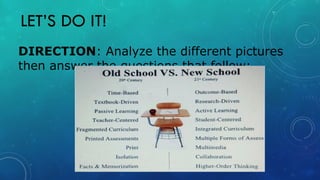
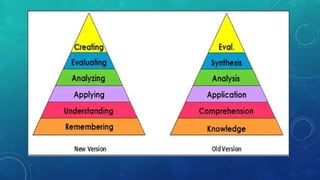
LET’S DO IT!
DIRECTION: Analyze the different pictures
then answer the questions that follow:
DIFFERENT CURRICULUM THEORIES
1. Social Meliorists Theory
Those that believe that education reforms
and changes society for the better are
social meliorists. This type of curriculum
theory is based on the individual
student's intelligence and how to improve
the intelligence by using education.
2. John Dewey's Theory
John Dewey's theory of curriculum
focuses on the idea that education should
incorporate how a child views his or her
world. This theory uses four instincts to
categorize a child's behavior. His theory
connects the subjects that are taught to a
child's everyday life.
3. Social Efficiency Theory
The social efficiency theorist's goal is to
educate children according to his or her
proficiency. In this educational model,
each child is given an intelligence
quotient, or IQ, test. The scores from that
test determine the course of education
for that child.
4. Developmentalist Theory
In developmentalism, children are
educated according to their emotional
and behavioral qualities. Children's
characteristics, rather than their IQ or
instincts, are the basis of the
curriculum with this type of
curriculum theory
5. Product theory
Advocated by Tyler (1949). This
model looks at behaviourism in
relation to learning theory and can be
considered relatively prescriptive in
its mechanisms (Petty, 2009).
5. Product theory
Advocated by Tyler (1949). This model looks at
behaviourism in relation to learning theory and can be
considered relatively prescriptive in its mechanisms
(Petty, 2009).
• This type of model can be really effective within a
modular program especially when combined with
graded levels of achievement. In addition, it can be a
great support tool if applied when teaching learners of
differing ability levels, those with special educational
needs and those with difficult to manage behaviours.
6. Process theory
 Derived from the process-related theory of
curriculum development were advocated by
Stenhouse (1975).
 An alternative form of process model is the
problem-centered model, proposed by Bruner
(1996). The model is set around the learners
being able to apply learning beyond a level of
understanding, which starts to incorporate the
discovery approach to learning and reflection as a
tool to the learning process.

Bridging and Enhancing curriculum through literacies

  • 1.
    LESSON 2: WHY LITERACYACROSS THE CURRICULUM
  • 2.
    LITERACY Gilster (1997) statethat new or digital literacy involves ‘adapting our skills to an evocative new medium, and our experience of the Internet will be determined by how we master its core competencies, which are not merely ‘operational’ or ‘technical’ competencies but, rather, complex performances of knowledge assembly, evaluating information content, searching the internet, and navigating hypertext – which comprise epistemic as well as more ‘operational’ elements.
  • 3.
    Martin (2008) proposesthat new or digital literacy is the awareness, attitude and ability of individuals to appropriately use digital tools and facilities to identify, access, manage, integrate, evaluate, analyze and synthesize digital resources, construct new knowledge, create media expressions, and communicate with others, in the context of specific life situations, in order to enable constructive social action; and to reflect upon this process.
  • 4.
    ELEMENTS OF THENEW LITERACIES 1.Literacy of attention involves mindfulness about where we put and how to exercise our attention: who and what to attend to, and how to attend, when and why. 2. Literacy of participation involves being able to participate in ways that benefit others as well as ourselves and, hence, will garner attention and reputation.
  • 5.
    3. Literacy ofcooperation means knowing how to organize collective action and, ideally, how to build (mash up) platforms that facilitate the kind of collective action or collaboration required in particular situations. 4. Literacy of critical consumption is predicated on the fact that knowing how to pose questions to a search engine for seeking information must be buttressed with knowing how to evaluate the quality of the results. 5. Literacy of net(work) is the province of awareness which involved building, nurturing and sustaining social capital in order to understand the increasing importance of reputation online and the fundamental role of diffuse reciprocity.
  • 6.
    10 LITERACIES INEDUCATION 1.Digital Literacy- means able to manipulate or use digital devices such as computers, smartphones, tablets, and laptops to achieve a variety of goals. This require a wide range of skills necessary to access information found online to succeed in an increasingly digital world. 2.Media Literacy- According to the National Association for Media Literacy Education, media literacy is the ability to access, analyze, evaluate, create, and act using all forms of communication. Media literacy means anything from interpreting emoji’s to understanding underlying messages in online advertisements to producing viral video content and recognizing native advertising. A “media literate” person can adapt to new communication formats such as instant messaging, online communities, wikis, notifications, blogs or vlogs, etc., and knows how to choose the most effective medium for communication in any given situation.
  • 7.
    3. Civic andEthical Literacy- Civic literacy means understanding your rights and responsibilities as a citizen and being aware of the ways to actively participate and effect change in the local community and society. Ethical literacy refers to the core values one that empower people to participate and initiate change.
  • 8.
    4. Multicultural Literacy-The ability to understand and appreciate the parallels and differences between customs, values, and beliefs. 5. Critical Literacy- Is a collection of dispositions and skills that cultivate innovative teaching, critical thinking, and active inquiry. • Critical literacy assists students in thinking critically about the things that they read, instead of just brushing the surface.
  • 9.
    6. Visual Literacy-The ability to critically read or comprehend – and to create – videos, photos, infographics, and other visuals essential for daily life and career success. 7. Game Literacy: Online video games have been linked to above average scores in math, reading, and science, and some schools use games like Minecraft and SimCity to help kids develop fine motor skills, better navigation abilities, and problem-solving strategies.
  • 10.
    8. Health &Financial Literacy: A strong financial position makes it easier to make healthy choices, and good health makes it possible to do the hard work necessary for financial stability. 9. News or Information Literacy: the ability to find and read the news, also how to think about it and evaluate it. 10. Foundational Literacy: This refers to the traditional understanding of literacy which includes: reading, writing, and meaning-making, and are considered as the building blocks upon which other skills can develop.
  • 11.
    ACTIVITY #1 1.Let’s findout how digital literate you are. To illustrate your digital literacy identity, create a foot print and paste the cut icons or pictures inside the foot print. Then, enumerate the apps, sites, programs, games and technologies you have used, visited and explored. 2. Make a collage featuring your learning and reflections about literacy and its types. Use the canva, designer, poster or any other online app in making your collage. Print your collage.
  • 12.
    LESSON 3: Theories ofNew Curriculum in New Time
  • 13.
    LET’S DO IT! DIRECTION:Analyze the different pictures then answer the questions that follow:
  • 17.
    DIFFERENT CURRICULUM THEORIES 1.Social Meliorists Theory Those that believe that education reforms and changes society for the better are social meliorists. This type of curriculum theory is based on the individual student's intelligence and how to improve the intelligence by using education.
  • 18.
    2. John Dewey'sTheory John Dewey's theory of curriculum focuses on the idea that education should incorporate how a child views his or her world. This theory uses four instincts to categorize a child's behavior. His theory connects the subjects that are taught to a child's everyday life.
  • 19.
    3. Social EfficiencyTheory The social efficiency theorist's goal is to educate children according to his or her proficiency. In this educational model, each child is given an intelligence quotient, or IQ, test. The scores from that test determine the course of education for that child.
  • 20.
    4. Developmentalist Theory Indevelopmentalism, children are educated according to their emotional and behavioral qualities. Children's characteristics, rather than their IQ or instincts, are the basis of the curriculum with this type of curriculum theory
  • 21.
    5. Product theory Advocatedby Tyler (1949). This model looks at behaviourism in relation to learning theory and can be considered relatively prescriptive in its mechanisms (Petty, 2009).
  • 22.
    5. Product theory Advocatedby Tyler (1949). This model looks at behaviourism in relation to learning theory and can be considered relatively prescriptive in its mechanisms (Petty, 2009). • This type of model can be really effective within a modular program especially when combined with graded levels of achievement. In addition, it can be a great support tool if applied when teaching learners of differing ability levels, those with special educational needs and those with difficult to manage behaviours.
  • 23.
    6. Process theory Derived from the process-related theory of curriculum development were advocated by Stenhouse (1975).  An alternative form of process model is the problem-centered model, proposed by Bruner (1996). The model is set around the learners being able to apply learning beyond a level of understanding, which starts to incorporate the discovery approach to learning and reflection as a tool to the learning process.