BASIC VEHICLE MAINTENANCE TIPS
      BEFORE TRAVELLING

     As summer and spring break fast
approaches in a couple of weeks, many
families are planning to travel for a vacation.
Before thinking anything about travelling,
consider first taking care of your car. The
following car preservation tips are very
helpful to keep you on the road of safety.
Battery

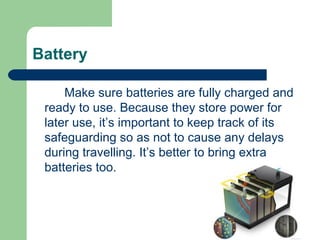
     Make sure batteries are fully charged and
 ready to use. Because they store power for
 later use, it’s important to keep track of its
 safeguarding so as not to cause any delays
 during travelling. It’s better to bring extra
 batteries too.
Fluid level

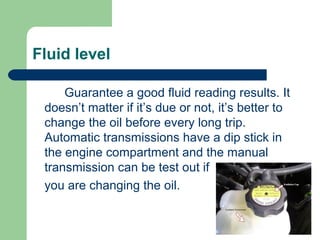
     Guarantee a good fluid reading results. It
 doesn’t matter if it’s due or not, it’s better to
 change the oil before every long trip.
 Automatic transmissions have a dip stick in
 the engine compartment and the manual
 transmission can be test out if
 you are changing the oil.
Check the windshield wiper fluid if it’s
sufficient for your journey. Verify the brake
fluid making sure it’s topped off. While the
rest are all right, don’t forget to look out your
anti-freeze bottle if it was filled on the proper
level. Bear in mind that too much of it can
cause overflow and too little can result to
your engine to overheat.
Cracks & Leaks

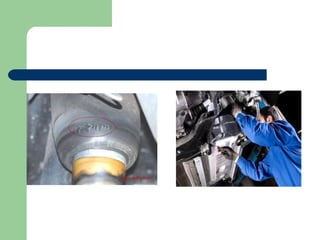
     Most often cracks and leaks are threats
 of danger. Check all over the hoses for any
 evidence of cracking and if it’s too loose or
 tight. Test the tension by twisting the belt. If
 you can twist it more than a quarter turn, it
 means too loose. If it twists less than a
 quarter, that means too tight. Try squealing
 and twisting to make certain it works properly
 and burn up the bearings if it’s too tense.
Tires
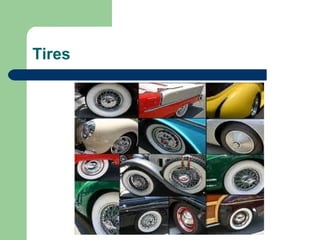
Check tire pressure. Find the
recommended level seen in driver’s side door
jamb and don’t forget the spare. It should be
replaced with a new one if it shows it’s already
worn out. Have the alignment checked by a
nearby tire shop if the car pulls to either side
when driving or if you notice uneven tire wear.
This is usually caused by long intervals of car
trips or if you haven’t use the car for a longer
period of time.
Maintaining his car is every owner’s
responsibility. In caring for its smallest
damage, one can prevent costly budget
allocation on repairs. It will also avoid delays
on your trips because the vehicle that you
are using is well-maintained. Drive safely and
have a safe journey!
www.coventrywest.com

BASIC VEHICLE MAINTENANCE TIPS

  • 2.
    BASIC VEHICLE MAINTENANCETIPS BEFORE TRAVELLING As summer and spring break fast approaches in a couple of weeks, many families are planning to travel for a vacation. Before thinking anything about travelling, consider first taking care of your car. The following car preservation tips are very helpful to keep you on the road of safety.
  • 3.
    Battery Make sure batteries are fully charged and ready to use. Because they store power for later use, it’s important to keep track of its safeguarding so as not to cause any delays during travelling. It’s better to bring extra batteries too.
  • 4.
    Fluid level Guarantee a good fluid reading results. It doesn’t matter if it’s due or not, it’s better to change the oil before every long trip. Automatic transmissions have a dip stick in the engine compartment and the manual transmission can be test out if you are changing the oil.
  • 5.
    Check the windshieldwiper fluid if it’s sufficient for your journey. Verify the brake fluid making sure it’s topped off. While the rest are all right, don’t forget to look out your anti-freeze bottle if it was filled on the proper level. Bear in mind that too much of it can cause overflow and too little can result to your engine to overheat.
  • 6.
    Cracks & Leaks Most often cracks and leaks are threats of danger. Check all over the hoses for any evidence of cracking and if it’s too loose or tight. Test the tension by twisting the belt. If you can twist it more than a quarter turn, it means too loose. If it twists less than a quarter, that means too tight. Try squealing and twisting to make certain it works properly and burn up the bearings if it’s too tense.
  • 8.
  • 9.
    Check tire pressure.Find the recommended level seen in driver’s side door jamb and don’t forget the spare. It should be replaced with a new one if it shows it’s already worn out. Have the alignment checked by a nearby tire shop if the car pulls to either side when driving or if you notice uneven tire wear. This is usually caused by long intervals of car trips or if you haven’t use the car for a longer period of time.
  • 11.
    Maintaining his caris every owner’s responsibility. In caring for its smallest damage, one can prevent costly budget allocation on repairs. It will also avoid delays on your trips because the vehicle that you are using is well-maintained. Drive safely and have a safe journey!
  • 12.