Rillito River Ecosystem Restoration Carianne Funicelli and Lori Woods, RECON Environmental Mike Fink, USACE, Los Angeles District John Taylor, USACE, Los Angeles District Andrew Wigg, Pima County Regional Flood Control District
Project Sponsors: Project Contractors and Subcontractors:
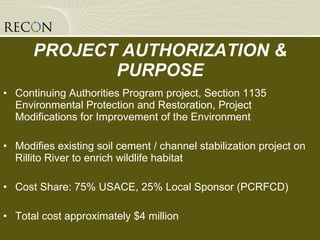
PROJECT AUTHORIZATION & PURPOSE Continuing Authorities Program project, Section 1135 Environmental Protection and Restoration, Project Modifications for Improvement of the Environment  Modifies existing soil cement / channel stabilization project on Rillito River to enrich wildlife habitat Cost Share: 75% USACE, 25% Local Sponsor (PCRFCD)  Total cost approximately $4 million
 
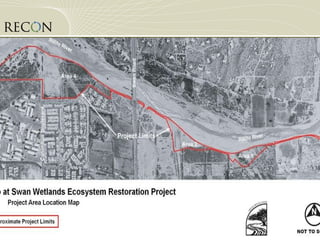
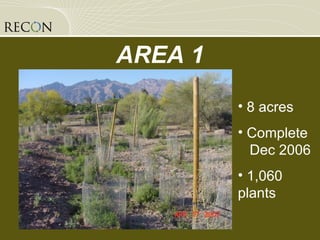
AREA 1 8 acres Complete  Dec 2006 1,060 plants
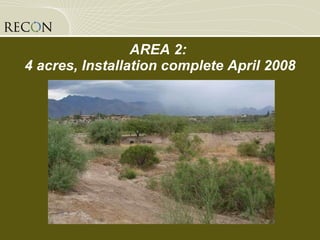
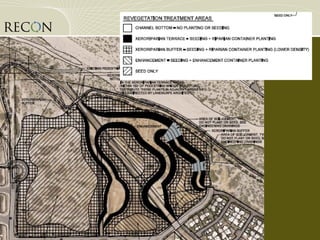
AREA 2:  4 acres, Installation complete April 2008
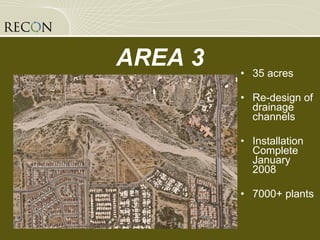
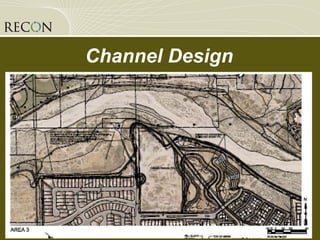
35 acres Re-design of drainage channels Installation Complete January 2008 7000+ plants AREA 3
Concept plan developed by USACE and Pima County Regional Flood Control District. Detailed project design developed by RECON (Landscape Architect and Vegetation Ecologist). Design team had continuous involvement throughout the project and positive collaboration with sponsors and contractors. PROJECT PROCESS
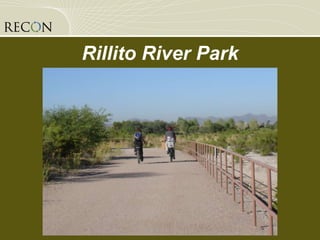
Rillito River Park
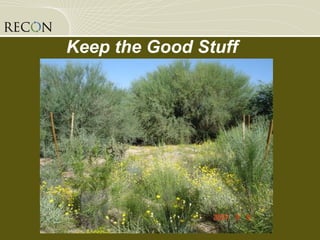
Keep the Good Stuff
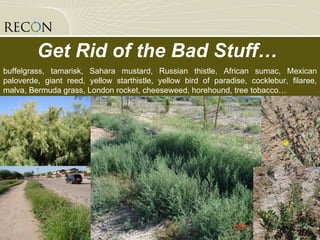
Get Rid of the Bad Stuff…  buffelgrass, tamarisk, Sahara mustard, Russian thistle, African sumac, Mexican paloverde, giant reed, yellow starthistle, yellow bird of paradise, cocklebur, filaree, malva, Bermuda grass, London rocket, cheeseweed, horehound, tree tobacco…
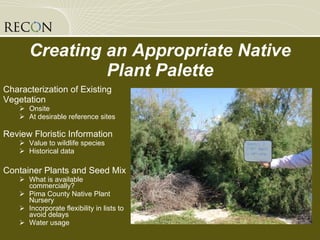
Creating an Appropriate Native Plant Palette Characterization of Existing Vegetation Onsite At desirable reference sites Review Floristic Information Value to wildlife species Historical data Container Plants and Seed Mix What is available commercially? Pima County Native Plant Nursery Incorporate flexibility in lists to avoid delays Water usage
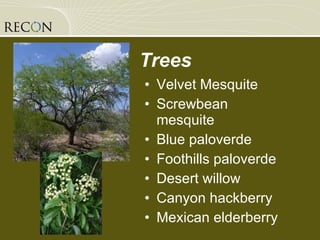
Trees Velvet Mesquite Screwbean mesquite Blue paloverde Foothills paloverde Desert willow Canyon hackberry Mexican elderberry
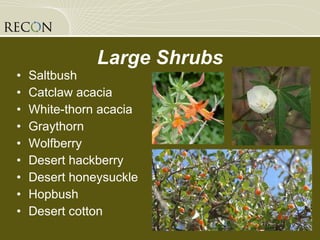
Large Shrubs Saltbush Catclaw acacia White-thorn acacia Graythorn Wolfberry Desert hackberry Desert honeysuckle Hopbush Desert cotton
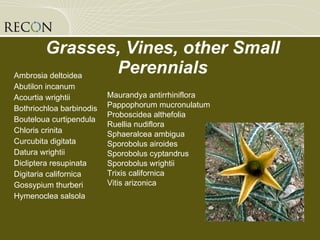
Grasses, Vines, other Small Perennials Ambrosia deltoidea Abutilon incanum Acourtia wrightii Bothriochloa barbinodis Bouteloua curtipendula Chloris crinita Curcubita digitata Datura wrightii Dicliptera resupinata Digitaria californica Gossypium thurberi Hymenoclea salsola Maurandya antirrhiniflora Pappophorum mucronulatum Proboscidea althefolia Ruellia nudiflora Sphaeralcea ambigua Sporobolus airoides Sporobolus cyptandrus Sporobolus wrightii  Trixis californica Vitis arizonica
 
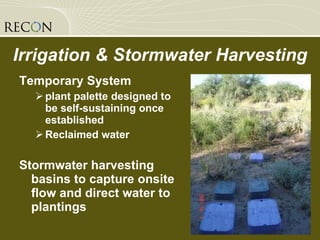
Irrigation & Stormwater Harvesting Temporary System  plant palette designed to be self-sustaining once established Reclaimed water Stormwater harvesting basins to capture onsite flow and direct water to plantings
 
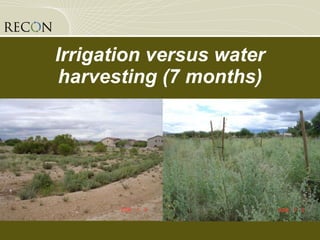
Irrigation versus water harvesting (7 months)
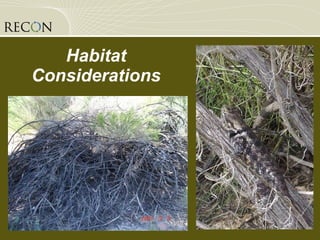
Habitat Considerations
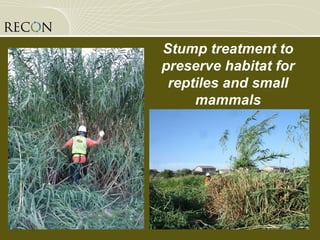
Stump treatment to preserve habitat for reptiles and small mammals
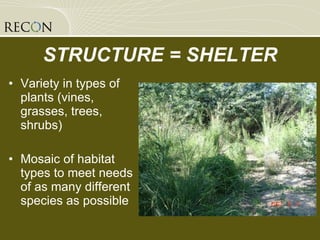
STRUCTURE = SHELTER Variety in types of plants (vines, grasses, trees, shrubs) Mosaic of habitat types to meet needs of as many different species as possible


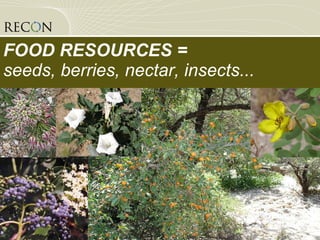
FOOD RESOURCES = seeds, berries, nectar, insects...
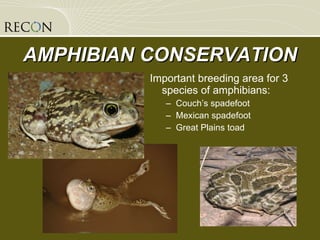
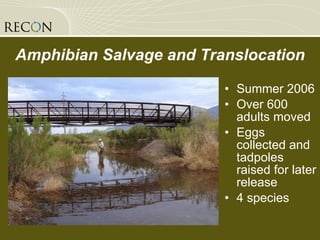
Important breeding area for 3 species of amphibians: Couch’s spadefoot Mexican spadefoot Great Plains toad AMPHIBIAN CONSERVATION
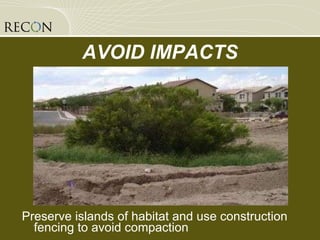
AVOID IMPACTS Preserve islands of habitat and use construction fencing to avoid compaction
Amphibian Salvage and Translocation Summer 2006 Over 600 adults moved Eggs collected and tadpoles raised for later release 4 species
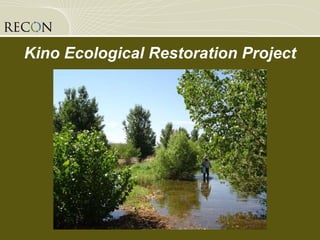
Kino Ecological Restoration Project
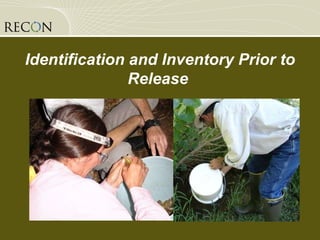
Identification and Inventory Prior to Release
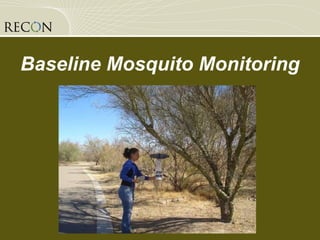
Baseline Mosquito Monitoring
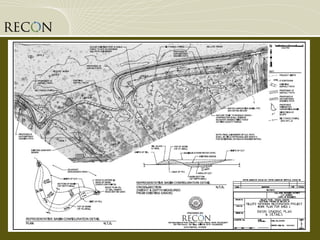
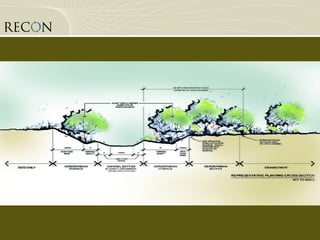
Channel Design
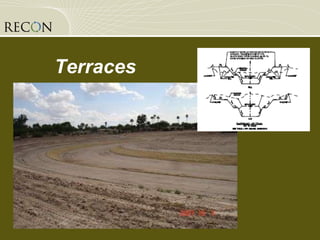
Terraces
 
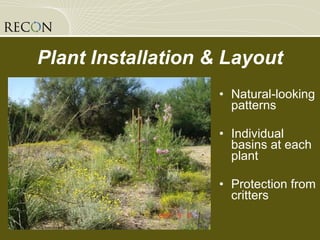
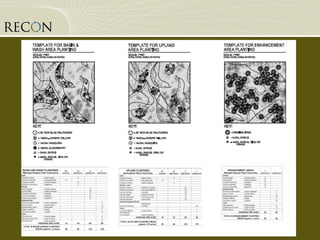
Plant Installation & Layout Natural-looking patterns Individual basins at each plant Protection from critters
 
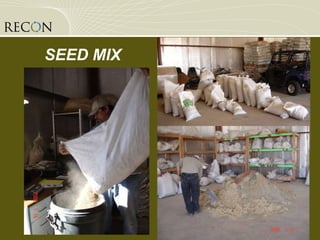
SEED MIX
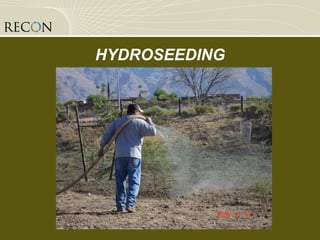
HYDROSEEDING
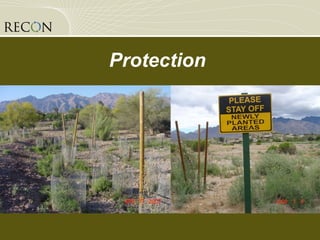
Protection
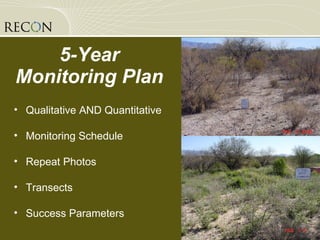
5-Year Monitoring Plan Qualitative AND Quantitative Monitoring Schedule Repeat Photos Transects Success Parameters
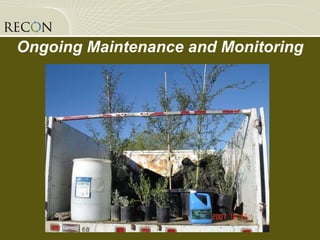
Ongoing Maintenance and Monitoring
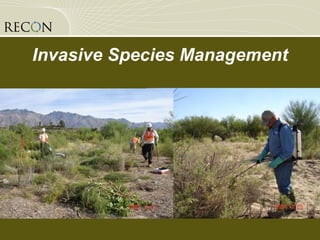
Invasive Species Management
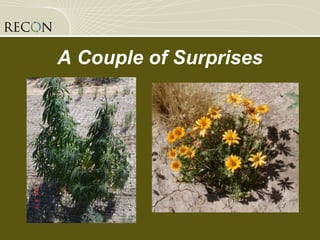
A Couple of Surprises
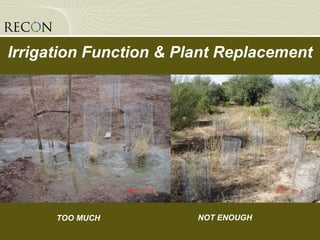
Irrigation Function & Plant Replacement TOO MUCH NOT ENOUGH
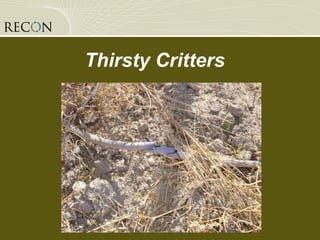
Thirsty Critters
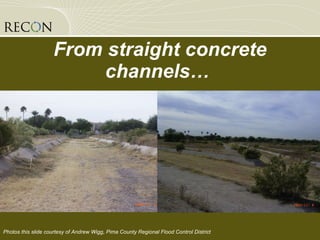
From straight concrete channels…  Photos this slide courtesy of Andrew Wigg, Pima County Regional Flood Control District
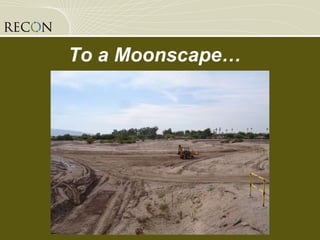
To a Moonscape…
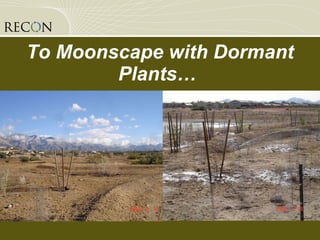
To Moonscape with Dormant Plants…
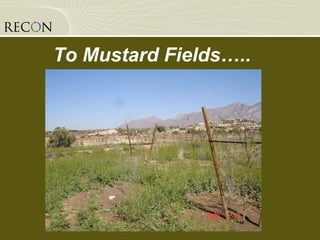
To Mustard Fields…..
On the Way to Valuable Wildlife Habitat...
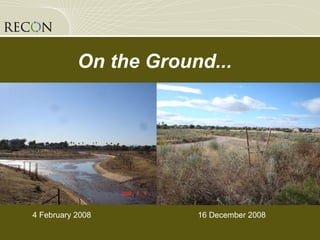
4 February 2008 16 December 2008 On the Ground...
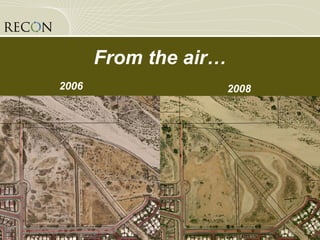
From the air… 2006 2008
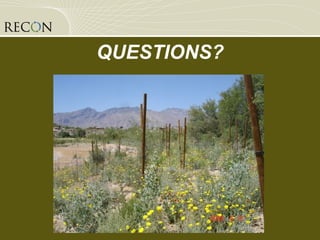
QUESTIONS?

Aznps April 2009

  • 1.
    Rillito River EcosystemRestoration Carianne Funicelli and Lori Woods, RECON Environmental Mike Fink, USACE, Los Angeles District John Taylor, USACE, Los Angeles District Andrew Wigg, Pima County Regional Flood Control District
  • 2.
    Project Sponsors: ProjectContractors and Subcontractors:
  • 3.
    PROJECT AUTHORIZATION &PURPOSE Continuing Authorities Program project, Section 1135 Environmental Protection and Restoration, Project Modifications for Improvement of the Environment Modifies existing soil cement / channel stabilization project on Rillito River to enrich wildlife habitat Cost Share: 75% USACE, 25% Local Sponsor (PCRFCD) Total cost approximately $4 million
  • 4.
  • 5.
    AREA 1 8acres Complete Dec 2006 1,060 plants
  • 6.
    AREA 2: 4 acres, Installation complete April 2008
  • 7.
    35 acres Re-designof drainage channels Installation Complete January 2008 7000+ plants AREA 3
  • 8.
    Concept plan developedby USACE and Pima County Regional Flood Control District. Detailed project design developed by RECON (Landscape Architect and Vegetation Ecologist). Design team had continuous involvement throughout the project and positive collaboration with sponsors and contractors. PROJECT PROCESS
  • 9.
  • 10.
  • 11.
    Get Rid ofthe Bad Stuff… buffelgrass, tamarisk, Sahara mustard, Russian thistle, African sumac, Mexican paloverde, giant reed, yellow starthistle, yellow bird of paradise, cocklebur, filaree, malva, Bermuda grass, London rocket, cheeseweed, horehound, tree tobacco…
  • 12.
    Creating an AppropriateNative Plant Palette Characterization of Existing Vegetation Onsite At desirable reference sites Review Floristic Information Value to wildlife species Historical data Container Plants and Seed Mix What is available commercially? Pima County Native Plant Nursery Incorporate flexibility in lists to avoid delays Water usage
  • 13.
    Trees Velvet MesquiteScrewbean mesquite Blue paloverde Foothills paloverde Desert willow Canyon hackberry Mexican elderberry
  • 14.
    Large Shrubs SaltbushCatclaw acacia White-thorn acacia Graythorn Wolfberry Desert hackberry Desert honeysuckle Hopbush Desert cotton
  • 15.
    Grasses, Vines, otherSmall Perennials Ambrosia deltoidea Abutilon incanum Acourtia wrightii Bothriochloa barbinodis Bouteloua curtipendula Chloris crinita Curcubita digitata Datura wrightii Dicliptera resupinata Digitaria californica Gossypium thurberi Hymenoclea salsola Maurandya antirrhiniflora Pappophorum mucronulatum Proboscidea althefolia Ruellia nudiflora Sphaeralcea ambigua Sporobolus airoides Sporobolus cyptandrus Sporobolus wrightii Trixis californica Vitis arizonica
  • 16.
  • 17.
    Irrigation & StormwaterHarvesting Temporary System plant palette designed to be self-sustaining once established Reclaimed water Stormwater harvesting basins to capture onsite flow and direct water to plantings
  • 18.
  • 19.
    Irrigation versus waterharvesting (7 months)
  • 20.
  • 21.
    Stump treatment topreserve habitat for reptiles and small mammals
  • 22.
    STRUCTURE = SHELTERVariety in types of plants (vines, grasses, trees, shrubs) Mosaic of habitat types to meet needs of as many different species as possible
  • 23.
  • 24.
  • 25.
  • 26.
    FOOD RESOURCES =seeds, berries, nectar, insects...
  • 27.
    Important breeding areafor 3 species of amphibians: Couch’s spadefoot Mexican spadefoot Great Plains toad AMPHIBIAN CONSERVATION
  • 28.
    AVOID IMPACTS Preserveislands of habitat and use construction fencing to avoid compaction
  • 29.
    Amphibian Salvage andTranslocation Summer 2006 Over 600 adults moved Eggs collected and tadpoles raised for later release 4 species
  • 30.
  • 31.
  • 32.
  • 33.
  • 34.
  • 35.
  • 36.
    Plant Installation &Layout Natural-looking patterns Individual basins at each plant Protection from critters
  • 37.
  • 38.
  • 39.
  • 40.
  • 41.
    5-Year Monitoring PlanQualitative AND Quantitative Monitoring Schedule Repeat Photos Transects Success Parameters
  • 42.
  • 43.
  • 44.
    A Couple ofSurprises
  • 45.
    Irrigation Function &Plant Replacement TOO MUCH NOT ENOUGH
  • 46.
  • 47.
    From straight concretechannels… Photos this slide courtesy of Andrew Wigg, Pima County Regional Flood Control District
  • 48.
  • 49.
    To Moonscape withDormant Plants…
  • 50.
  • 51.
    On the Wayto Valuable Wildlife Habitat...
  • 52.
    4 February 200816 December 2008 On the Ground...
  • 53.
    From the air…2006 2008
  • 54.