Astronomy Midterm Review
Some Questions 1 Most minor planets have orbits which lie completely in the orbits of the planets Mars and”
Jupiter
2 Rocky debris larger than 100 meters in diameter seen orbiting the sun are:
asteroids
3 The _______ Cloud is a huge, spherical region at the outer edge of the solar system, populated by many dark, cold cometary nuclei; Sedna is the largest member of it found to date.
Oort
4 The _______Belt is a second, larger asteroid belt out beyond the orbit of Neptune.
Kuiper
5 Although numbering perhaps a few billion distributed over a spherical volume of 100 000 A.U. in diameter,  _______ are a minor constituent to the total mass of the solar system.
comets
6 The bluish _______tail of a comet is pushed radially outward by the effects of the solar wind.
gas or ion
7 The curved, yellowish ______ tail of a comet is left behind in the cometary orbit.
dust
8 The _______ is the fuzzy spherical outgassing around the nucleus of a sun-bound comet.
coma
9 The nucleus of a comet is composed primarily of:
ices.
10 We now recognize that the largest Kuiper Belt Object is:
Pluto
11 While long period comets are from the Oort Cloud, some short period comets may come from the closer _______ Belt.
Kuiper
12 The most common class of meteorite is:
stony.
13 The meteorites that are rich in organic molecules are classified as:
Carbonaceous (chondrite).
14 A solid object from outer space that lands on the surface of any world is known as a:
meteorite
15 Small debris in the solar system less than 100 meters in diameter are called _______; most are not detected unless they hit our atmosphere.
meteoroids
16 Few _______ actually strike the Earth, because most are small and burn up in the atmosphere.
meteors
17 The K-T Boundary Event happened about 65 million years ago when an asteroid the size of a small city struck the _______ Peninsula.
Yucatan
18 Most meteor showers occur _____, as we again intersect the comet’s orbit.
annually
19 All eight major planets travel in orbits which lie near to the:
ecliptic.
20 In the currently accepted theory for the formation of the solar system, the planets and other minor bodies and the ________ formed at the same time.
Sun
21 Most of the angular momentum of the solar system is found in the:
orbits of the planets.
22 Most of the mass of the solar system is found in the:
Sun.
23 The ecliptic plane is also the Sun's:
equator.
24 Of all the planets, ________ is far and away the most massive, and controls much of how the rest of the planets condensed out of the solar nebula.
Jupiter
25 While all planet orbits are ellipses, the eight large planets have fairly ________ eccentricities.
low
26 A ________ planet is a relatively small body formed in the inner part of the solar system from condensation of metallic elements and rocky compounds.
terrestrial
27 Bodies just large enough for their gravitational forces to attract other nearby bodies are called:
planetesimals
28 Early in the history of the solar nebula, small condensation nuclei grew rapidly in size by the process of:
accretion
29 The ________ theory describes the origin of the planets as having been formed by accretion of small particles into progressively larger and larger bodies.
condensation
30 The chemical composition differences between the planets are basically the result of the fact that different elements condense out of gas at different:
temperatures.
31 While the Sun gathered up most of the ________, the planets ended up with most of the angular momentum, as evidenced by their revolution around the Sun.
mass
32 The age of the solar system, of 4.6 billion years, is determined from dating of:
meteorites.
33 A good example of the role of catastrophes is the very large ________ circling us.
Moon
34 The very odd tilt of the planet ________ is another example of the role major impacts may have played in creating irregularities in the present solar system.
Uranus
35 All of the planets found orbiting other stars have been most similar to ________, except most of them have been much closer to their star than this planet is to the Sun.
Jupiter
36 The planets orbiting other stars so far have been found by ________ shifts of the star's spectra.
Doppler
37 The Sun has about the same average density as the planet:
Jupiter.
38 Helios was the Greek name for the:
Sun.
39 Energy produced in the solar core takes ________ to appear at the solar surface.
a million years
40 Solar energy production is mainly due to the ________ cycle of thermonuclear reactions as hydrogen nuclei collide violently.
proton-proton
41 The radioactive decay of U 238 in the Earth's core is a good example of the nuclear:
fission.
42 In time, the fusion reactions will cause the amount of helium to ________ in the sun's core.
increase
43 The weakest of the forces in nature is:
gravity.
44 The solar photosphere is not uniform in brightness, but has a mottled appearance termed:
granulation.
45 Energy transport as hot gases rise can occur by large-scale motions of the solar material in regions called:
convective zones.
46 The observable ________ is a thin layer in which the solar material becomes suddenly much more opaque as we look deeper into the Sun.
photosphere
47 In contrast to the photosphere's continuum, the spectrum of the chromosphere is dominated by ________ lines.
emission
48 The ________ is the outermost, hottest part of the Sun's atmosphere.
corona
49 The most visible interaction of the solar wind with our magnetic field is the:
aurora
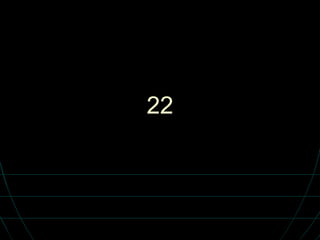
50 The ________-year solar cycle is characterized by a variation in the number of sunspots and a reversal of the polarity of the Sun as a whole.
22
51 The solar magnetic field is strongest in those regions called ________, which are poles and usually thus occur in pairs.
sunspots
52 The only particle we can detect coming directly from a stellar interior is the:
neutrino.
53 The method by which we obtain distances to the nearest stars is through the use of:
parallax shifts.
54 A star with a parallax of 1 second of arc is at a distance of ________ by definition.
one parsec
55 The ________ magnitude of a star depends directly upon its luminosity and distance.
apparent
56 The Sun's absolute magnitude is:
+4.82 or +4.8 or +5
57 From hottest to coolest, the seven letters for the star types are:
OBAFGKM
58 Most of the apparently bright stars in the sky are bright because they are:
very hot or very luminous
59 Knowing the apparent temperature of a star, its luminosity may be calculated if we also know its ________.
size
60 Absorption lines in stellar spectra are caused by the absorption of photons of specific energy when electrons jump from one energy level to a ________ level.
higher
61 Compact stars that are typically as big as the largest sunspots on our star are:
white dwarfs.
62 Stars of the ________, like our Sun, are converting hydrogen into helium, and are common.
main sequence
63 On the main sequence, our Sun lies about:
the center.
64 The binary systems that allow us to directly calculate the diameters of each star are:
eclipsing.
65 A star's position on the Main Sequence is determined fundamentally by its:
mass.
Questions from  “ Instructor Resource Center.”Astronomy Today. CD-ROM. Fifth Edition. Upper Saddle River, New Jersey, 2005.

Astronomy Midterm Review

  • 1.
  • 2.
    Some Questions 1Most minor planets have orbits which lie completely in the orbits of the planets Mars and”
  • 3.
  • 4.
    2 Rocky debrislarger than 100 meters in diameter seen orbiting the sun are:
  • 5.
  • 6.
    3 The _______Cloud is a huge, spherical region at the outer edge of the solar system, populated by many dark, cold cometary nuclei; Sedna is the largest member of it found to date.
  • 7.
  • 8.
    4 The _______Beltis a second, larger asteroid belt out beyond the orbit of Neptune.
  • 9.
  • 10.
    5 Although numberingperhaps a few billion distributed over a spherical volume of 100 000 A.U. in diameter, _______ are a minor constituent to the total mass of the solar system.
  • 11.
  • 12.
    6 The bluish_______tail of a comet is pushed radially outward by the effects of the solar wind.
  • 13.
  • 14.
    7 The curved,yellowish ______ tail of a comet is left behind in the cometary orbit.
  • 15.
  • 16.
    8 The _______is the fuzzy spherical outgassing around the nucleus of a sun-bound comet.
  • 17.
  • 18.
    9 The nucleusof a comet is composed primarily of:
  • 19.
  • 20.
    10 We nowrecognize that the largest Kuiper Belt Object is:
  • 21.
  • 22.
    11 While longperiod comets are from the Oort Cloud, some short period comets may come from the closer _______ Belt.
  • 23.
  • 24.
    12 The mostcommon class of meteorite is:
  • 25.
  • 26.
    13 The meteoritesthat are rich in organic molecules are classified as:
  • 27.
  • 28.
    14 A solidobject from outer space that lands on the surface of any world is known as a:
  • 29.
  • 30.
    15 Small debrisin the solar system less than 100 meters in diameter are called _______; most are not detected unless they hit our atmosphere.
  • 31.
  • 32.
    16 Few _______actually strike the Earth, because most are small and burn up in the atmosphere.
  • 33.
  • 34.
    17 The K-TBoundary Event happened about 65 million years ago when an asteroid the size of a small city struck the _______ Peninsula.
  • 35.
  • 36.
    18 Most meteorshowers occur _____, as we again intersect the comet’s orbit.
  • 37.
  • 38.
    19 All eightmajor planets travel in orbits which lie near to the:
  • 39.
  • 40.
    20 In thecurrently accepted theory for the formation of the solar system, the planets and other minor bodies and the ________ formed at the same time.
  • 41.
  • 42.
    21 Most ofthe angular momentum of the solar system is found in the:
  • 43.
    orbits of theplanets.
  • 44.
    22 Most ofthe mass of the solar system is found in the:
  • 45.
  • 46.
    23 The eclipticplane is also the Sun's:
  • 47.
  • 48.
    24 Of allthe planets, ________ is far and away the most massive, and controls much of how the rest of the planets condensed out of the solar nebula.
  • 49.
  • 50.
    25 While allplanet orbits are ellipses, the eight large planets have fairly ________ eccentricities.
  • 51.
  • 52.
    26 A ________planet is a relatively small body formed in the inner part of the solar system from condensation of metallic elements and rocky compounds.
  • 53.
  • 54.
    27 Bodies justlarge enough for their gravitational forces to attract other nearby bodies are called:
  • 55.
  • 56.
    28 Early inthe history of the solar nebula, small condensation nuclei grew rapidly in size by the process of:
  • 57.
  • 58.
    29 The ________theory describes the origin of the planets as having been formed by accretion of small particles into progressively larger and larger bodies.
  • 59.
  • 60.
    30 The chemicalcomposition differences between the planets are basically the result of the fact that different elements condense out of gas at different:
  • 61.
  • 62.
    31 While theSun gathered up most of the ________, the planets ended up with most of the angular momentum, as evidenced by their revolution around the Sun.
  • 63.
  • 64.
    32 The ageof the solar system, of 4.6 billion years, is determined from dating of:
  • 65.
  • 66.
    33 A goodexample of the role of catastrophes is the very large ________ circling us.
  • 67.
  • 68.
    34 The veryodd tilt of the planet ________ is another example of the role major impacts may have played in creating irregularities in the present solar system.
  • 69.
  • 70.
    35 All ofthe planets found orbiting other stars have been most similar to ________, except most of them have been much closer to their star than this planet is to the Sun.
  • 71.
  • 72.
    36 The planetsorbiting other stars so far have been found by ________ shifts of the star's spectra.
  • 73.
  • 74.
    37 The Sunhas about the same average density as the planet:
  • 75.
  • 76.
    38 Helios wasthe Greek name for the:
  • 77.
  • 78.
    39 Energy producedin the solar core takes ________ to appear at the solar surface.
  • 79.
  • 80.
    40 Solar energyproduction is mainly due to the ________ cycle of thermonuclear reactions as hydrogen nuclei collide violently.
  • 81.
  • 82.
    41 The radioactivedecay of U 238 in the Earth's core is a good example of the nuclear:
  • 83.
  • 84.
    42 In time,the fusion reactions will cause the amount of helium to ________ in the sun's core.
  • 85.
  • 86.
    43 The weakestof the forces in nature is:
  • 87.
  • 88.
    44 The solarphotosphere is not uniform in brightness, but has a mottled appearance termed:
  • 89.
  • 90.
    45 Energy transportas hot gases rise can occur by large-scale motions of the solar material in regions called:
  • 91.
  • 92.
    46 The observable________ is a thin layer in which the solar material becomes suddenly much more opaque as we look deeper into the Sun.
  • 93.
  • 94.
    47 In contrastto the photosphere's continuum, the spectrum of the chromosphere is dominated by ________ lines.
  • 95.
  • 96.
    48 The ________is the outermost, hottest part of the Sun's atmosphere.
  • 97.
  • 98.
    49 The mostvisible interaction of the solar wind with our magnetic field is the:
  • 99.
  • 100.
    50 The ________-yearsolar cycle is characterized by a variation in the number of sunspots and a reversal of the polarity of the Sun as a whole.
  • 101.
  • 102.
    51 The solarmagnetic field is strongest in those regions called ________, which are poles and usually thus occur in pairs.
  • 103.
  • 104.
    52 The onlyparticle we can detect coming directly from a stellar interior is the:
  • 105.
  • 106.
    53 The methodby which we obtain distances to the nearest stars is through the use of:
  • 107.
  • 108.
    54 A starwith a parallax of 1 second of arc is at a distance of ________ by definition.
  • 109.
  • 110.
    55 The ________magnitude of a star depends directly upon its luminosity and distance.
  • 111.
  • 112.
    56 The Sun'sabsolute magnitude is:
  • 113.
  • 114.
    57 From hottestto coolest, the seven letters for the star types are:
  • 115.
  • 116.
    58 Most ofthe apparently bright stars in the sky are bright because they are:
  • 117.
    very hot orvery luminous
  • 118.
    59 Knowing theapparent temperature of a star, its luminosity may be calculated if we also know its ________.
  • 119.
  • 120.
    60 Absorption linesin stellar spectra are caused by the absorption of photons of specific energy when electrons jump from one energy level to a ________ level.
  • 121.
  • 122.
    61 Compact starsthat are typically as big as the largest sunspots on our star are:
  • 123.
  • 124.
    62 Stars ofthe ________, like our Sun, are converting hydrogen into helium, and are common.
  • 125.
  • 126.
    63 On themain sequence, our Sun lies about:
  • 127.
  • 128.
    64 The binarysystems that allow us to directly calculate the diameters of each star are:
  • 129.
  • 130.
    65 A star'sposition on the Main Sequence is determined fundamentally by its:
  • 131.
  • 132.
    Questions from “ Instructor Resource Center.”Astronomy Today. CD-ROM. Fifth Edition. Upper Saddle River, New Jersey, 2005.