Endocrine System
Pharm D 1st Prof
Bahauddin Zakariya University Multan
Waseem Ashraf
Recommended Books:
• Fundamentals of Anatomy & Physiology. Martini F, Nath JL, Bartholomew EF. 10th Edition
• Principles of Anatomy and Physiology. Tortora GJ, Derrickson B. 13th Edition
Pituitary Gland
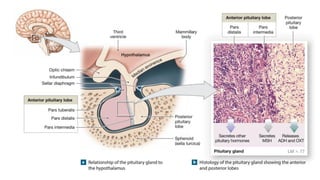
Pituitary gland, or hypophysis is small, oval gland lies nestled within the sella turcica, a depression in the sphenoid
bone. The pituitary gland is inferior to the hypothalamus. It is connected by the slender, funnel-shaped structure called
the infundibulum. The base of the infundibulum lies between the optic chiasm and the mammillary bodies. Cradled
by the sella turcica, the pituitary gland is held in position by the sellar diaphragm, a dural sheet that encircles the
infundibulum. The sellar diaphragm locks the pituitary gland in position and isolates it from the cranial cavity. The
pituitary gland has anterior and posterior lobes that differ in function and developmental anatomy.
It releases nine important peptide hormones.
Seven come from the anterior lobe and two from the posterior lobe.
All nine hormones bind to membrane receptors, and all nine use cAMP as a second messenger.
Anterior Lobe of Pituitary Gland
The anterior lobe of the pituitary gland, also called the adenohypophysis, contains a variety of endocrine cells. The
anterior lobe has three regions:
1. the pars distalis (distal part), the largest and most anterior portion of the pituitary gland;
2. an extension called the pars tuberalis, which wraps around the adjacent portion of the infundibulum; and
3. the slender pars intermedia, a narrow band bordering the posterior lobe.
An extensive capillary network radiates through these regions, giving everyendocrine cell immediate access to the
bloodstream.
The Hypophyseal Portal system
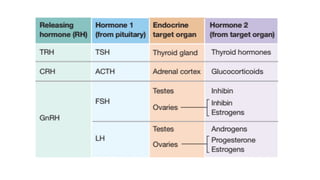
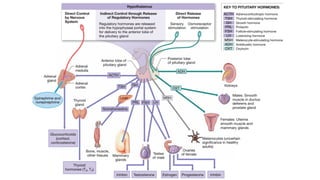
The hypothalamus controls the production of hormones in the anterior lobe of the pituitary gland by secreting
specific regulatory hormones. At the median eminence, a swelling near the attachment of the infundibulum,
hypothalamic neurons release regulatory factors into the surrounding interstitial fluids. Their secretions enter the
bloodstream quite easily, because the endothelial cells lining the capillaries in this region are unusually permeable.
These fenestrated (fenestra, window) capillaries allow relatively large molecules to enter or leave the bloodstream.
The Hypophyseal Portal system
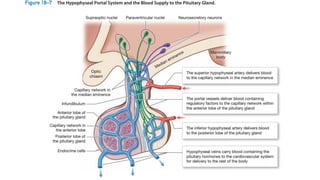
The capillary networks in the median eminence are supplied by the superior hypophyseal artery. Before leaving the
hypothalamus, the capillary networks unite to form a series of larger vessels that spiral around the infundibulum to
reach the anterior lobe. In the anterior lobe, these vessels form a second capillary network that branches among the
endocrine cells. This vascular arrangement is unusual because it carries blood from one capillary network to
another. In contrast, a typical artery conducts blood from the heart to a capillary network, and a typical vein carries
blood from a capillary network back to the heart.
Blood vessels that link two capillary networks are called portal vessels. In this case, they have the histological
structure of veins, so they are also called portal veins. The entire complex is a portal system.
Portal systems are named for their destinations. This particular network is the hypophyseal portal system.
Hypothalamic Control of the Anterior Lobe
Two classes of hypothalamic regulatory hormones exist: releasing hormones and inhibiting hormones.
A releasing hormone (RH) stimulates the synthesis and secretion of one or more hormones at the anterior lobe. In
contrast, an inhibiting hormone (IH) prevents the synthesis and secretion of hormones from the anterior lobe.
Releasing hormones, inhibiting hormones, or some combination of the two may control an endocrine cell in the
anterior lobe. The regulatory hormones released at the hypothalamus travel directly to the anterior lobe by the
hypophyseal portal system.
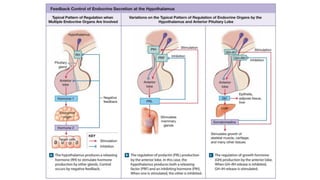
Negative feedback controls the rate at which the hypothalamus secretes regulatory hormones.
Hormones of the Anterior Lobe
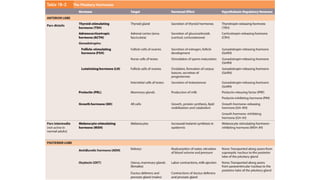
The functions and control mechanisms of seven hormones from the anterior lobe are reasonably well understood.
1. Thyroid-stimulating hormone;
2. Adrenocorticotropic hormone;
3. Two gonadotropins called follicle-stimulating hormone and luteinizing hormone;
4. Prolactin;
5. Growth hormone; and
6. Melanocyte stimulating hormone.
Of the six hormones produced by the pars distalis, four regulate the production of hormones by other endocrine
glands. The names of these hormones indicate their activities.
The hormones of the anterior lobe are also called tropic hormones (trope, a turning). They “turn on” endocrine
glands or support the functions of other organs. (Some sources call them trophic hormones [trophe, nourishment]
instead.)
Thyroid-Stimulating Hormone.
Thyroid-stimulating hormone (TSH), or thyrotropin, targets the thyroid gland and triggers the release of thyroid
hormones. TSH is released in response to thyrotropin-releasing hormone (TRH) from the hypothalamus. Then as
circulating concentrations of thyroid hormones rise, the rates of TRH and TSH production decline.
Adrenocorticotropic Hormone.
Adrenocorticotropic hormone (ACTH), also known as corticotropin, stimulates the release of steroid hormones by
the adrenal cortex, the outer portion of the adrenal gland. ACTH specifically targets cells that produce glucocorticoids,
hormones that affect glucose metabolism. ACTH release occurs under the stimulation of corticotropin-releasing
hormone (CRH) from the hypothalamus. As glucocorticoid levels increase, the rates of CRH release and ACTH
release decline.
Gonadotropins.
The hormones called gonadotropins regulate the activities of the gonads. (the testes in males and the ovaries in
females—produce reproductive cells as well as hormones.)
Gonadotropin releasing hormone (GnRH) from the hypothalamus stimulates production of gonadotropins. An
abnormally low production of gonadotropins results in hypogonadism. Children with this condition do not mature
sexually, and adults with hypogonadism cannot produce functional sperm (males) or oocytes (females).
The two gonadotropins are follicle-stimulating hormone and luteinizing hormone.
Follicle-stimulating hormone (FSH), or follitropin, promotes follicle development in females and, in
combination with luteinizing hormone, stimulates the secretion of estrogens by ovarian cells. Estradiol is the most
important estrogen. In males, FSH stimulates nurse cells, specialized cells in the seminiferous tubules where sperm
differentiate. In response, the nurse cells promote the physical maturation of developing sperm.
FSH production is inhibited by inhibin, a peptide hormone released by cells in the testes and ovaries. (The role of
inhibin in suppressing the release of GnRH as well as FSH is under debate.)
Gonadotropins.
Luteinizing hormone (LH), or lutropin, induces ovulation, the production of reproductive cells in females. It
also promotes ovarian secretion of estrogens and progesterone, which prepare the body for possible pregnancy.
In males, this gonadotropin is sometimes called interstitial cell–stimulating hormone (ICSH), because it stimulates
the production of sex hormones by the interstitial cells of the testes. These male sex hormones are called androgens.
The most important one is testosterone.
LH production, like FSH production, is stimulated by GnRH from the hypothalamus. Estrogens, progesterone, and
androgens inhibit GnRH production.
Prolactin.
Prolactin (pro-, before + lac, milk) (PRL) works with other hormones to stimulate mammary gland development. In
pregnancy and during the nursing period that follows delivery, PRL also stimulates milk production by the mammary
glands. The functions of PRL in males are poorly understood, but evidence indicates that PRL helps regulate androgen
production by making interstitial cells more sensitive to LH.
Prolactin production is inhibited by the neurotransmitter dopamine, also known as prolactin-inhibiting
hormone (PIH). The hypothalamus also secretes several prolactin-releasing factors (PRF). Few of these have been
identified. Circulating PRL stimulates PIH release and inhibits the secretion of PRF.
Although PRL exerts the dominant effect on the glandular cells, normal development of the mammary glands is
regulated by the interaction of several hormones. Prolactin, estrogens, progesterone, glucocorticoids, pancreatic
hormones, and hormones produced by the placenta cooperate in preparing the mammary glands for secretion.
Milk ejection occurs only in response to oxytocin release at the posterior lobe of the pituitary gland.
Growth Hormone.
Growth hormone (GH), or somatotropin, stimulates cell growth and replication by accelerating the rate of protein
synthesis. Skeletal muscle cells and chondrocytes (cartilage cells) are particularly sensitive to GH, although virtually
every tissue responds to some degree.
The production of GH is regulated by growth hormone– releasing hormone (GH–RH, or somatocrinin) and
growth hormone–inhibiting hormone (GH–IH, or somatostatin) from the hypothalamus. Somatomedins inhibit
GH–RH and stimulate GH–IH.
Melanocyte-Stimulating Hormone.
The pars intermedia may secrete two forms of melanocyte-stimulating hormone (MSH), or melanotropin. As the
name indicates, MSH stimulates the melanocytes of the skin, increasing their production of melanin, a brown, black,
or yellow-brown pigment. Dopamine inhibits the release of MSH.
The Posterior Lobe of the Pituitary Gland
The posterior lobe of the pituitary gland, also called the neurohypophysis, contains the axons of hypothalamic
neurons. Neurons of the supraoptic and paraventricular nuclei manufacture antidiuretic hormone (ADH) and
oxytocin (OXT), respectively. These hormones move along axons in the infundibulum to axon terminals, which end
on the basement membranes of capillaries in the posterior lobe. They travel by means of axoplasmic transport.
Antidiuretic Hormone
Antidiuretic hormone (ADH), also known as vasopressin (VP), is released in response to a variety of stimuli, most
notably a rise in the solute concentration in the blood or a fall in blood volume or blood pressure. A rise in the solute
concentration stimulates specialized neurons in the hypothalamus. These neurons are called osmoreceptors because
they respond to a change in the osmotic concentration of body fluids. The osmoreceptors then stimulate the
neurosecretory neurons that release ADH.
The primary function of ADH is to act on the kidneys to retain water and decrease urination. With losses
minimized, any water absorbed from the digestive tract will be retained, reducing the concentrations of electrolytes in
the extracellular fluid. In high concentrations, ADH also causes vasoconstriction, a narrowing of peripheral blood
vessels that helps elevate blood pressure. Alcohol inhibits ADH release.
Oxytocin
In women, oxytocin (oxy-, quick + tokos, childbirth) (OXT) stimulates smooth muscle contraction in the wall of the
uterus, promoting labor and delivery. After delivery, oxytocin promotes the ejection of milk by stimulating the
contraction of myoepithelial cells around the secretory alveoli and the ducts of the mammary glands.
Until the last stages of pregnancy, the uterine smooth muscles are relatively insensitive to oxytocin, but they become
more sensitive as the time of delivery approaches. The trigger for normal labor and delivery is probably a sudden rise
in oxytocin levels at the uterus. There is good evidence, however, that the uterus and fetus secrete most of the
oxytocin involved. Oxytocin from the posterior lobe plays only a supporting role.
Oxytocin secretion and milk ejection are part of a neuroendocrine reflex called the milk let-down reflex. The
normal stimulus is an infant suckling at the breast, and sensory nerves innervating the nipples relay the information to
the hypothalamus. Oxytocin is then released into the circulation at the posterior lobe, and the myoepithelial cells
respond by squeezing milk from the secretory alveoli into large collecting ducts. Any factor that affects the
hypothalamus can modify this reflex. For example, anxiety, stress, and other factors can prevent the flow of milk,
even when the mammary glands are fully functional. In contrast, nursing mothers can become conditioned to associate
a baby’s crying with suckling. In these women, milk let-down may begin as soon as they hear a baby cry.
Oxytocin
The functions of oxytocin in sexual activity remain uncertain, but it is known that circulating concentrations of
oxytocin rise during sexual arousal and peak at orgasm in both sexes.
Evidence indicates that in men, oxytocin stimulates smooth muscle contractions in the walls of the ductus deferens
(sperm duct) and prostate gland. These actions may be important in emission—the ejection of sperm, secretions of the
prostate gland, and the secretions of other glands into the male reproductive tract before ejaculation.
Studies suggest that the oxytocin released in females during intercourse may stimulate smooth muscle contractions in
the uterus and vagina that promote the transport of sperm toward the uterine tubes.
Thyroid Gland
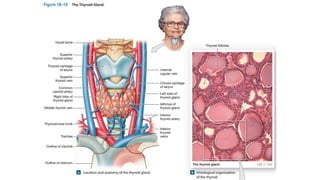
The thyroid gland curves across the anterior surface of the trachea just inferior to the thyroid (“shield-shaped”)
cartilage, which forms most of the anterior surface of the larynx. The two lobes of the thyroid gland are united by a
slender connection, the isthmus. When something goes wrong with this gland, it typically becomes visible as it
enlarges and distorts the surface of the neck.
The size of the gland varies, depending on heredity and environmental and nutritional factors, but its average weight
is about 34 g (1.2 oz). An extensive blood supply gives the thyroid gland a deep red color.
Thyroid Follicles and Thyroid Hormones
The thyroid gland contains large numbers of thyroid follicles, hollow spheres lined by a simple cuboidal epithelium.
The follicle cells surround a follicle cavity that holds a viscous colloid, a fluid containing large quantities of dissolved
proteins. A network of capillaries surrounds each follicle, delivering nutrients and regulatory hormones to the
glandular cells and accepting their secretory products and metabolic wastes.
Follicle cells synthesize a globular protein called thyroglobulin and secrete it into the colloid of the thyroid follicles.
Thyroglobulin molecules contain the amino acid tyrosine, the building block of thyroid hormones.
Thyroid Gland
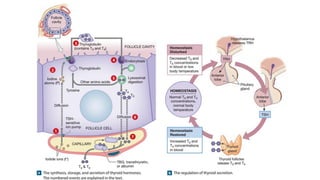
The formation of thyroid hormones involves the following basic steps:
1. Iodide ions are absorbed from the diet by the digestive tract, and the bloodstream delivers them to the thyroid
gland. TSH-sensitive carrier proteins in the basement membrane of the follicle cells actively transport iodide ions
(I−) into the cytoplasm. Normally, the follicle cells maintain intracellular concentrations of iodide that are many
times higher than those in the extracellular fluid.
2. The iodide ions diffuse to the apical surface of each follicle cell, where they lose an electron and are converted to
an atom of iodine (I0) by the enzyme thyroid peroxidase. This reaction sequence, which occurs at the apical
membrane surface, also attaches one or two iodine atoms (I0) to the tyrosine portions of a thyroglobulin molecule
within the follicle cavity.
3. Tyrosine molecules with attached iodine atoms (I0) become linked by covalent bonds, forming molecules of
thyroid hormones that remain incorporated into thyroglobulin. Thyroid peroxidase probably carries out the pairing
process. The hormone thyroxine, also known as tetraiodothyronine or T4, contains four iodine atoms. A related
molecule called triiodothyronine, or T3, contains three iodine atoms. Eventually, each molecule of thyroglobulin
contains four to eight molecules of T3 or T4 hormones or both.
Thyroid Gland
The major factor controlling the rate of thyroid hormone release is the concentration of TSH in the circulating blood.
TSH stimulates iodide transport into the follicle cells and stimulates the production of thyroglobulin and thyroid
peroxidase. TSH also stimulates the release of thyroid hormones.
Under the influence of TSH, the following steps occur:
4. Follicle cells remove thyroglobulin from the follicles by endocytosis.
5. lysosomal enzymes break down the thyroglobulin, and the amino acids and thyroid hormones enter the cytoplasm.
The amino acids are then recycled and used to synthesize more thyroglobulin.
6. The released molecules of T3 and T4 diffuse across the basement membrane and enter the bloodstream. About 90
percent of all thyroid secretions is T4, and T3 is secreted in comparatively small amounts.
7. About 75 percent of the T4 molecules and 70 percent of the T3 molecules entering the bloodstream become
attached to transport proteins called thyroid-binding globulins (TBGs). Most of the rest of the T4 and T3 in the
circulation is attached to transthyretin, also known as thyroid-binding prealbumin (TBPA), or to albumin, one
of the plasma proteins. Only the relatively small quantities of thyroid hormones that remain unbound—roughly 0.3
percent of the circulating T3 and 0.03 percent of the circulating T4—are free to diffuse into peripheral tissues.
The C Cells of the Thyroid Gland and Calcitonin
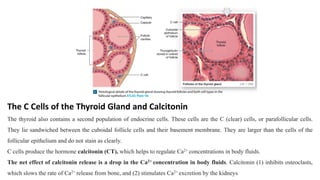
The thyroid also contains a second population of endocrine cells. These cells are the C (clear) cells, or parafollicular cells.
They lie sandwiched between the cuboidal follicle cells and their basement membrane. They are larger than the cells of the
follicular epithelium and do not stain as clearly.
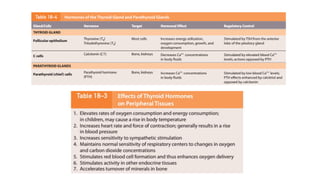
C cells produce the hormone calcitonin (CT), which helps to regulate Ca2+ concentrations in body fluids.
The net effect of calcitonin release is a drop in the Ca2+ concentration in body fluids. Calcitonin (1) inhibits osteoclasts,
which slows the rate of Ca2+ release from bone, and (2) stimulates Ca2+ excretion by the kidneys
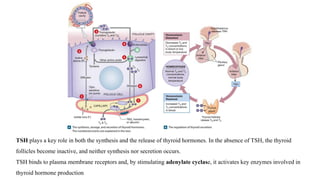
TSH plays a key role in both the synthesis and the release of thyroid hormones. In the absence of TSH, the thyroid
follicles become inactive, and neither synthesis nor secretion occurs.
TSH binds to plasma membrane receptors and, by stimulating adenylate cyclase, it activates key enzymes involved in
thyroid hormone production
Adrenal Gland
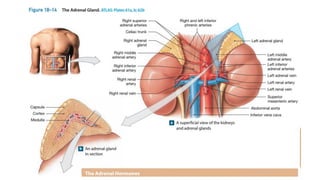
The adrenal glands, consisting of a cortex and medulla, cap the kidneys and secrete several hormones.
A yellow, pyramid-shaped adrenal gland, or suprarenal gland, sits on the superior border of each kidney. Each
adrenal gland lies near the level of the 12th rib. A dense fibrous capsule firmly attaches each adrenal gland to the
superior portion of each kidney. The adrenal gland on each side nestles among the kidney, the diaphragm, and the
major arteries and veins that run along the posterior wall of the abdominopelvic cavity. The adrenal glands project into
the peritoneal cavity, and their anterior surfaces are covered by a layer of parietal peritoneum. like other endocrine
glands, the adrenal glands are highly vascularized.
A typical adrenal gland weighs about 5.0 g (0.18 oz), but its size can vary greatly as secretory demands change. The
adrenal gland has two parts with separate endocrine functions: a superficial adrenal cortex and an inner adrenal
medulla.
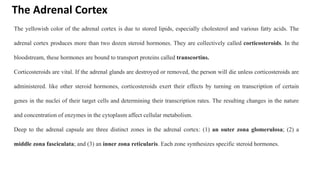
The Adrenal Cortex
The yellowish color of the adrenal cortex is due to stored lipids, especially cholesterol and various fatty acids. The
adrenal cortex produces more than two dozen steroid hormones. They are collectively called corticosteroids. In the
bloodstream, these hormones are bound to transport proteins called transcortins.
Corticosteroids are vital. If the adrenal glands are destroyed or removed, the person will die unless corticosteroids are
administered. like other steroid hormones, corticosteroids exert their effects by turning on transcription of certain
genes in the nuclei of their target cells and determining their transcription rates. The resulting changes in the nature
and concentration of enzymes in the cytoplasm affect cellular metabolism.
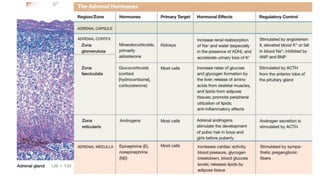
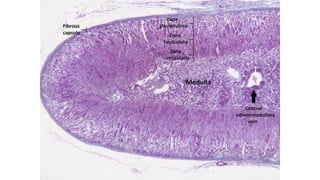
Deep to the adrenal capsule are three distinct zones in the adrenal cortex: (1) an outer zona glomerulosa; (2) a
middle zona fasciculata; and (3) an inner zona reticularis. Each zone synthesizes specific steroid hormones.
The Adrenal Cortex
Zona Glomerulosa
The zona glomerulosa is the outer region of the adrenal cortex. It produces mineralocorticoids, steroid hormones
that affect the electrolyte composition of body fluids. Aldosterone is the main mineralocorticoid of the zona
glomerulosa.
The zona glomerulosa accounts for about 15 percent of the volume of the adrenal cortex. A glomerulus is a little ball,
and as the term zona glomerulosa implies, the endocrine cells in this region form small, dense knots or clusters. This
zone extends from the capsule to the radiating cords of the deeper zona fasciculata.
Aldosterone.
Aldosterone stimulates the conservation of sodium ions and the elimination of potassium ions. This hormone
targets cells that regulate the ionic composition of excreted fluids. It causes the retention of sodium ions by the
kidneys, sweat glands, salivary glands, and pancreas, preventing Na+ loss in urine, sweat, saliva, and digestive
secretions. A loss of K+ accompanies this retention of Na+. As a secondary effect, the retention of Na+ enhances the
osmotic reabsorption of water by the kidneys, sweat glands, salivary glands, and pancreas. The effect at the kidneys is
most dramatic when normal levels of ADH are present.
The Adrenal Cortex
Zona Glomerulosa
In addition, aldosterone increases the sensitivity of salt receptors in the taste buds of the tongue. As a result, a
person’s interest in (and consumption of) salty food increases.
Aldosterone secretion occurs in response to a drop in blood Na+ content, blood volume, or blood pressure, or to a rise
in blood K+ concentration. Changes in either Na+ or K+ concentration have a direct effect on the zona glomerulosa,
but the secretory cells are most sensitive to changes in potassium levels. A rise in potassium levels is very effective in
stimulating the release of aldosterone. Aldosterone release also occurs in response to angiotensin II.
The Adrenal Cortex
Zona Fasciculata
The zona fasciculata (fasciculus, little bundle) produces steroid hormones collectively known as glucocorticoids, due
to their effects on glucose metabolism. This zone begins at the inner border of the zona glomerulosa and extends
toward the adrenal medulla. It contributes about 78 percent of the cortical volume. The endocrine cells are larger and
contain more lipids than those of the zona glomerulosa, and the lipid droplets give the cytoplasm a pale, foamy
appearance. The cells of the zona fasciculata form individual cords composed of stacks of cells. Adjacent cords are
separated by flattened blood vessels (sinusoids) with fenestrated walls.
The Glucocorticoids.
When stimulated by ACTH from the anterior lobe of the pituitary gland, the zona fasciculata secretes primarily
cortisol, also called hydrocortisone, along with smaller amounts of the related steroid corticosterone. The liver
converts some of the circulating cortisol to cortisone, another active glucocorticoid. Negative feedback regulates
glucocorticoid secretion: The glucocorticoids released have an inhibitory effect on the production of corticotropin-
releasing hormone (CRH) in the hypothalamus, and on ACTH in the anterior pituitary lobe.
The Adrenal Cortex
Effects of Glucocorticoids.
Glucocorticoids speed up the rates of glucose synthesis and glycogen formation, especially in the liver. Adipose tissue
responds by releasing fatty acids into the blood, and other tissues begin to break down fatty acids and proteins instead
of glucose. This process is another example of a glucose-sparing effect.
Glucocorticoids also show anti-inflammatory effects. That is, they inhibit the activities of white blood cells and other
components of the immune system.
The Adrenal Cortex
Zona Reticularis
The zona reticularis (reticulum, network) forms a narrow band bordering each adrenal medulla. This zone accounts for
only about 7 percent of the total volume of the adrenal cortex. The endocrine cells of the zona reticularis form a
folded, branching network, and fenestrated blood vessels wind among the cells. Under stimulation by ACTH, the zona
reticularis normally produces small quantities of androgens, the sex hormones produced in large quantities by the
testes in males. Once in the bloodstream, some of the androgens from the zona reticularis are converted to estrogens,
the dominant sex hormones in females. Adrenal androgens stimulate the development of pubic hair in boys and girls
before puberty. Adrenal androgens are not important in adult men, but in adult women they promote muscle mass and
blood cell formation, and support the sex drive.
Adrenal Medulla
The boundary between the adrenal cortex and the adrenal medulla is irregular, and the supporting connective tissues
and blood vessels are extensively interconnected. The adrenal medulla is pale gray or pink, due in part to the many
blood vessels in the area. It contains large, rounded cells—similar to cells in sympathetic ganglia that are innervated
by preganglionic sympathetic fibers.
The sympathetic division of the autonomic nervous system controls secretory activities of the adrenal medullae.
The adrenal medulla contains two populations of secretory cells:
One produces epinephrine (adrenaline), the other norepinephrine (noradrenaline). Evidence suggests that the two
types of cells are distributed in different areas and that their secretory activities can be independently controlled. The
secretions are packaged in vesicles that form dense clusters just inside plasma membranes. The hormones in these
vesicles are continuously released at low levels by exocytosis. Sympathetic stimulation dramatically accelerates the
rate of exocytosis and hormone release.
Epinephrine and norepinephrine
Epinephrine makes up 75–80 percent of the secretions from the adrenal medullae. The rest is norepinephrine. These
hormones interact with alpha and beta receptors on plasma membranes. Stimulation of α1 and β1 receptors, the most
common types, speeds up the use of cellular energy and the mobilization of energy reserves.
Activation of the adrenal medullae has the following effects:
In skeletal muscles, epinephrine and norepinephrine trigger mobilization of glycogen reserves and accelerate the
breakdown of glucose to provide ATP. This combination increases both muscular strength and endurance.
In adipose tissue, stored fats are broken down into fatty acids, which are released into the bloodstream for other
tissues to use for ATP production.
In the liver, glycogen molecules are broken down. The resulting glucose molecules are released into the bloodstream,
primarily for use by neural tissue, which cannot shift to fatty acid metabolism.
In the heart, the stimulation of β1 receptors triggers an increase in the rate and force of cardiac muscle contraction.
The metabolic changes that follow the release of catecholamines such as E and NE reach their peak about 30 seconds
after adrenal stimulation, and they persist for several minutes. As a result, the effects of stimulating the adrenal
medullae outlast the other signs of sympathetic activation

Anatomy Glands First Proff 2022-2023.pdf

  • 1.
    Endocrine System Pharm D1st Prof Bahauddin Zakariya University Multan Waseem Ashraf
  • 2.
    Recommended Books: • Fundamentalsof Anatomy & Physiology. Martini F, Nath JL, Bartholomew EF. 10th Edition • Principles of Anatomy and Physiology. Tortora GJ, Derrickson B. 13th Edition
  • 3.
    Pituitary Gland Pituitary gland,or hypophysis is small, oval gland lies nestled within the sella turcica, a depression in the sphenoid bone. The pituitary gland is inferior to the hypothalamus. It is connected by the slender, funnel-shaped structure called the infundibulum. The base of the infundibulum lies between the optic chiasm and the mammillary bodies. Cradled by the sella turcica, the pituitary gland is held in position by the sellar diaphragm, a dural sheet that encircles the infundibulum. The sellar diaphragm locks the pituitary gland in position and isolates it from the cranial cavity. The pituitary gland has anterior and posterior lobes that differ in function and developmental anatomy. It releases nine important peptide hormones. Seven come from the anterior lobe and two from the posterior lobe. All nine hormones bind to membrane receptors, and all nine use cAMP as a second messenger.
  • 5.
    Anterior Lobe ofPituitary Gland The anterior lobe of the pituitary gland, also called the adenohypophysis, contains a variety of endocrine cells. The anterior lobe has three regions: 1. the pars distalis (distal part), the largest and most anterior portion of the pituitary gland; 2. an extension called the pars tuberalis, which wraps around the adjacent portion of the infundibulum; and 3. the slender pars intermedia, a narrow band bordering the posterior lobe. An extensive capillary network radiates through these regions, giving everyendocrine cell immediate access to the bloodstream. The Hypophyseal Portal system The hypothalamus controls the production of hormones in the anterior lobe of the pituitary gland by secreting specific regulatory hormones. At the median eminence, a swelling near the attachment of the infundibulum, hypothalamic neurons release regulatory factors into the surrounding interstitial fluids. Their secretions enter the bloodstream quite easily, because the endothelial cells lining the capillaries in this region are unusually permeable. These fenestrated (fenestra, window) capillaries allow relatively large molecules to enter or leave the bloodstream.
  • 6.
    The Hypophyseal Portalsystem The capillary networks in the median eminence are supplied by the superior hypophyseal artery. Before leaving the hypothalamus, the capillary networks unite to form a series of larger vessels that spiral around the infundibulum to reach the anterior lobe. In the anterior lobe, these vessels form a second capillary network that branches among the endocrine cells. This vascular arrangement is unusual because it carries blood from one capillary network to another. In contrast, a typical artery conducts blood from the heart to a capillary network, and a typical vein carries blood from a capillary network back to the heart. Blood vessels that link two capillary networks are called portal vessels. In this case, they have the histological structure of veins, so they are also called portal veins. The entire complex is a portal system. Portal systems are named for their destinations. This particular network is the hypophyseal portal system.
  • 8.
    Hypothalamic Control ofthe Anterior Lobe Two classes of hypothalamic regulatory hormones exist: releasing hormones and inhibiting hormones. A releasing hormone (RH) stimulates the synthesis and secretion of one or more hormones at the anterior lobe. In contrast, an inhibiting hormone (IH) prevents the synthesis and secretion of hormones from the anterior lobe. Releasing hormones, inhibiting hormones, or some combination of the two may control an endocrine cell in the anterior lobe. The regulatory hormones released at the hypothalamus travel directly to the anterior lobe by the hypophyseal portal system. Negative feedback controls the rate at which the hypothalamus secretes regulatory hormones.
  • 11.
    Hormones of theAnterior Lobe The functions and control mechanisms of seven hormones from the anterior lobe are reasonably well understood. 1. Thyroid-stimulating hormone; 2. Adrenocorticotropic hormone; 3. Two gonadotropins called follicle-stimulating hormone and luteinizing hormone; 4. Prolactin; 5. Growth hormone; and 6. Melanocyte stimulating hormone. Of the six hormones produced by the pars distalis, four regulate the production of hormones by other endocrine glands. The names of these hormones indicate their activities. The hormones of the anterior lobe are also called tropic hormones (trope, a turning). They “turn on” endocrine glands or support the functions of other organs. (Some sources call them trophic hormones [trophe, nourishment] instead.)
  • 12.
    Thyroid-Stimulating Hormone. Thyroid-stimulating hormone(TSH), or thyrotropin, targets the thyroid gland and triggers the release of thyroid hormones. TSH is released in response to thyrotropin-releasing hormone (TRH) from the hypothalamus. Then as circulating concentrations of thyroid hormones rise, the rates of TRH and TSH production decline. Adrenocorticotropic Hormone. Adrenocorticotropic hormone (ACTH), also known as corticotropin, stimulates the release of steroid hormones by the adrenal cortex, the outer portion of the adrenal gland. ACTH specifically targets cells that produce glucocorticoids, hormones that affect glucose metabolism. ACTH release occurs under the stimulation of corticotropin-releasing hormone (CRH) from the hypothalamus. As glucocorticoid levels increase, the rates of CRH release and ACTH release decline.
  • 13.
    Gonadotropins. The hormones calledgonadotropins regulate the activities of the gonads. (the testes in males and the ovaries in females—produce reproductive cells as well as hormones.) Gonadotropin releasing hormone (GnRH) from the hypothalamus stimulates production of gonadotropins. An abnormally low production of gonadotropins results in hypogonadism. Children with this condition do not mature sexually, and adults with hypogonadism cannot produce functional sperm (males) or oocytes (females). The two gonadotropins are follicle-stimulating hormone and luteinizing hormone. Follicle-stimulating hormone (FSH), or follitropin, promotes follicle development in females and, in combination with luteinizing hormone, stimulates the secretion of estrogens by ovarian cells. Estradiol is the most important estrogen. In males, FSH stimulates nurse cells, specialized cells in the seminiferous tubules where sperm differentiate. In response, the nurse cells promote the physical maturation of developing sperm. FSH production is inhibited by inhibin, a peptide hormone released by cells in the testes and ovaries. (The role of inhibin in suppressing the release of GnRH as well as FSH is under debate.)
  • 14.
    Gonadotropins. Luteinizing hormone (LH),or lutropin, induces ovulation, the production of reproductive cells in females. It also promotes ovarian secretion of estrogens and progesterone, which prepare the body for possible pregnancy. In males, this gonadotropin is sometimes called interstitial cell–stimulating hormone (ICSH), because it stimulates the production of sex hormones by the interstitial cells of the testes. These male sex hormones are called androgens. The most important one is testosterone. LH production, like FSH production, is stimulated by GnRH from the hypothalamus. Estrogens, progesterone, and androgens inhibit GnRH production.
  • 15.
    Prolactin. Prolactin (pro-, before+ lac, milk) (PRL) works with other hormones to stimulate mammary gland development. In pregnancy and during the nursing period that follows delivery, PRL also stimulates milk production by the mammary glands. The functions of PRL in males are poorly understood, but evidence indicates that PRL helps regulate androgen production by making interstitial cells more sensitive to LH. Prolactin production is inhibited by the neurotransmitter dopamine, also known as prolactin-inhibiting hormone (PIH). The hypothalamus also secretes several prolactin-releasing factors (PRF). Few of these have been identified. Circulating PRL stimulates PIH release and inhibits the secretion of PRF. Although PRL exerts the dominant effect on the glandular cells, normal development of the mammary glands is regulated by the interaction of several hormones. Prolactin, estrogens, progesterone, glucocorticoids, pancreatic hormones, and hormones produced by the placenta cooperate in preparing the mammary glands for secretion. Milk ejection occurs only in response to oxytocin release at the posterior lobe of the pituitary gland.
  • 16.
    Growth Hormone. Growth hormone(GH), or somatotropin, stimulates cell growth and replication by accelerating the rate of protein synthesis. Skeletal muscle cells and chondrocytes (cartilage cells) are particularly sensitive to GH, although virtually every tissue responds to some degree. The production of GH is regulated by growth hormone– releasing hormone (GH–RH, or somatocrinin) and growth hormone–inhibiting hormone (GH–IH, or somatostatin) from the hypothalamus. Somatomedins inhibit GH–RH and stimulate GH–IH. Melanocyte-Stimulating Hormone. The pars intermedia may secrete two forms of melanocyte-stimulating hormone (MSH), or melanotropin. As the name indicates, MSH stimulates the melanocytes of the skin, increasing their production of melanin, a brown, black, or yellow-brown pigment. Dopamine inhibits the release of MSH.
  • 17.
    The Posterior Lobeof the Pituitary Gland The posterior lobe of the pituitary gland, also called the neurohypophysis, contains the axons of hypothalamic neurons. Neurons of the supraoptic and paraventricular nuclei manufacture antidiuretic hormone (ADH) and oxytocin (OXT), respectively. These hormones move along axons in the infundibulum to axon terminals, which end on the basement membranes of capillaries in the posterior lobe. They travel by means of axoplasmic transport. Antidiuretic Hormone Antidiuretic hormone (ADH), also known as vasopressin (VP), is released in response to a variety of stimuli, most notably a rise in the solute concentration in the blood or a fall in blood volume or blood pressure. A rise in the solute concentration stimulates specialized neurons in the hypothalamus. These neurons are called osmoreceptors because they respond to a change in the osmotic concentration of body fluids. The osmoreceptors then stimulate the neurosecretory neurons that release ADH. The primary function of ADH is to act on the kidneys to retain water and decrease urination. With losses minimized, any water absorbed from the digestive tract will be retained, reducing the concentrations of electrolytes in the extracellular fluid. In high concentrations, ADH also causes vasoconstriction, a narrowing of peripheral blood vessels that helps elevate blood pressure. Alcohol inhibits ADH release.
  • 18.
    Oxytocin In women, oxytocin(oxy-, quick + tokos, childbirth) (OXT) stimulates smooth muscle contraction in the wall of the uterus, promoting labor and delivery. After delivery, oxytocin promotes the ejection of milk by stimulating the contraction of myoepithelial cells around the secretory alveoli and the ducts of the mammary glands. Until the last stages of pregnancy, the uterine smooth muscles are relatively insensitive to oxytocin, but they become more sensitive as the time of delivery approaches. The trigger for normal labor and delivery is probably a sudden rise in oxytocin levels at the uterus. There is good evidence, however, that the uterus and fetus secrete most of the oxytocin involved. Oxytocin from the posterior lobe plays only a supporting role. Oxytocin secretion and milk ejection are part of a neuroendocrine reflex called the milk let-down reflex. The normal stimulus is an infant suckling at the breast, and sensory nerves innervating the nipples relay the information to the hypothalamus. Oxytocin is then released into the circulation at the posterior lobe, and the myoepithelial cells respond by squeezing milk from the secretory alveoli into large collecting ducts. Any factor that affects the hypothalamus can modify this reflex. For example, anxiety, stress, and other factors can prevent the flow of milk, even when the mammary glands are fully functional. In contrast, nursing mothers can become conditioned to associate a baby’s crying with suckling. In these women, milk let-down may begin as soon as they hear a baby cry.
  • 19.
    Oxytocin The functions ofoxytocin in sexual activity remain uncertain, but it is known that circulating concentrations of oxytocin rise during sexual arousal and peak at orgasm in both sexes. Evidence indicates that in men, oxytocin stimulates smooth muscle contractions in the walls of the ductus deferens (sperm duct) and prostate gland. These actions may be important in emission—the ejection of sperm, secretions of the prostate gland, and the secretions of other glands into the male reproductive tract before ejaculation. Studies suggest that the oxytocin released in females during intercourse may stimulate smooth muscle contractions in the uterus and vagina that promote the transport of sperm toward the uterine tubes.
  • 22.
    Thyroid Gland The thyroidgland curves across the anterior surface of the trachea just inferior to the thyroid (“shield-shaped”) cartilage, which forms most of the anterior surface of the larynx. The two lobes of the thyroid gland are united by a slender connection, the isthmus. When something goes wrong with this gland, it typically becomes visible as it enlarges and distorts the surface of the neck. The size of the gland varies, depending on heredity and environmental and nutritional factors, but its average weight is about 34 g (1.2 oz). An extensive blood supply gives the thyroid gland a deep red color. Thyroid Follicles and Thyroid Hormones The thyroid gland contains large numbers of thyroid follicles, hollow spheres lined by a simple cuboidal epithelium. The follicle cells surround a follicle cavity that holds a viscous colloid, a fluid containing large quantities of dissolved proteins. A network of capillaries surrounds each follicle, delivering nutrients and regulatory hormones to the glandular cells and accepting their secretory products and metabolic wastes. Follicle cells synthesize a globular protein called thyroglobulin and secrete it into the colloid of the thyroid follicles. Thyroglobulin molecules contain the amino acid tyrosine, the building block of thyroid hormones.
  • 23.
    Thyroid Gland The formationof thyroid hormones involves the following basic steps: 1. Iodide ions are absorbed from the diet by the digestive tract, and the bloodstream delivers them to the thyroid gland. TSH-sensitive carrier proteins in the basement membrane of the follicle cells actively transport iodide ions (I−) into the cytoplasm. Normally, the follicle cells maintain intracellular concentrations of iodide that are many times higher than those in the extracellular fluid. 2. The iodide ions diffuse to the apical surface of each follicle cell, where they lose an electron and are converted to an atom of iodine (I0) by the enzyme thyroid peroxidase. This reaction sequence, which occurs at the apical membrane surface, also attaches one or two iodine atoms (I0) to the tyrosine portions of a thyroglobulin molecule within the follicle cavity. 3. Tyrosine molecules with attached iodine atoms (I0) become linked by covalent bonds, forming molecules of thyroid hormones that remain incorporated into thyroglobulin. Thyroid peroxidase probably carries out the pairing process. The hormone thyroxine, also known as tetraiodothyronine or T4, contains four iodine atoms. A related molecule called triiodothyronine, or T3, contains three iodine atoms. Eventually, each molecule of thyroglobulin contains four to eight molecules of T3 or T4 hormones or both.
  • 24.
    Thyroid Gland The majorfactor controlling the rate of thyroid hormone release is the concentration of TSH in the circulating blood. TSH stimulates iodide transport into the follicle cells and stimulates the production of thyroglobulin and thyroid peroxidase. TSH also stimulates the release of thyroid hormones. Under the influence of TSH, the following steps occur: 4. Follicle cells remove thyroglobulin from the follicles by endocytosis. 5. lysosomal enzymes break down the thyroglobulin, and the amino acids and thyroid hormones enter the cytoplasm. The amino acids are then recycled and used to synthesize more thyroglobulin. 6. The released molecules of T3 and T4 diffuse across the basement membrane and enter the bloodstream. About 90 percent of all thyroid secretions is T4, and T3 is secreted in comparatively small amounts. 7. About 75 percent of the T4 molecules and 70 percent of the T3 molecules entering the bloodstream become attached to transport proteins called thyroid-binding globulins (TBGs). Most of the rest of the T4 and T3 in the circulation is attached to transthyretin, also known as thyroid-binding prealbumin (TBPA), or to albumin, one of the plasma proteins. Only the relatively small quantities of thyroid hormones that remain unbound—roughly 0.3 percent of the circulating T3 and 0.03 percent of the circulating T4—are free to diffuse into peripheral tissues.
  • 26.
    The C Cellsof the Thyroid Gland and Calcitonin The thyroid also contains a second population of endocrine cells. These cells are the C (clear) cells, or parafollicular cells. They lie sandwiched between the cuboidal follicle cells and their basement membrane. They are larger than the cells of the follicular epithelium and do not stain as clearly. C cells produce the hormone calcitonin (CT), which helps to regulate Ca2+ concentrations in body fluids. The net effect of calcitonin release is a drop in the Ca2+ concentration in body fluids. Calcitonin (1) inhibits osteoclasts, which slows the rate of Ca2+ release from bone, and (2) stimulates Ca2+ excretion by the kidneys
  • 28.
    TSH plays akey role in both the synthesis and the release of thyroid hormones. In the absence of TSH, the thyroid follicles become inactive, and neither synthesis nor secretion occurs. TSH binds to plasma membrane receptors and, by stimulating adenylate cyclase, it activates key enzymes involved in thyroid hormone production
  • 30.
    Adrenal Gland The adrenalglands, consisting of a cortex and medulla, cap the kidneys and secrete several hormones. A yellow, pyramid-shaped adrenal gland, or suprarenal gland, sits on the superior border of each kidney. Each adrenal gland lies near the level of the 12th rib. A dense fibrous capsule firmly attaches each adrenal gland to the superior portion of each kidney. The adrenal gland on each side nestles among the kidney, the diaphragm, and the major arteries and veins that run along the posterior wall of the abdominopelvic cavity. The adrenal glands project into the peritoneal cavity, and their anterior surfaces are covered by a layer of parietal peritoneum. like other endocrine glands, the adrenal glands are highly vascularized. A typical adrenal gland weighs about 5.0 g (0.18 oz), but its size can vary greatly as secretory demands change. The adrenal gland has two parts with separate endocrine functions: a superficial adrenal cortex and an inner adrenal medulla.
  • 31.
    The Adrenal Cortex Theyellowish color of the adrenal cortex is due to stored lipids, especially cholesterol and various fatty acids. The adrenal cortex produces more than two dozen steroid hormones. They are collectively called corticosteroids. In the bloodstream, these hormones are bound to transport proteins called transcortins. Corticosteroids are vital. If the adrenal glands are destroyed or removed, the person will die unless corticosteroids are administered. like other steroid hormones, corticosteroids exert their effects by turning on transcription of certain genes in the nuclei of their target cells and determining their transcription rates. The resulting changes in the nature and concentration of enzymes in the cytoplasm affect cellular metabolism. Deep to the adrenal capsule are three distinct zones in the adrenal cortex: (1) an outer zona glomerulosa; (2) a middle zona fasciculata; and (3) an inner zona reticularis. Each zone synthesizes specific steroid hormones.
  • 35.
    The Adrenal Cortex ZonaGlomerulosa The zona glomerulosa is the outer region of the adrenal cortex. It produces mineralocorticoids, steroid hormones that affect the electrolyte composition of body fluids. Aldosterone is the main mineralocorticoid of the zona glomerulosa. The zona glomerulosa accounts for about 15 percent of the volume of the adrenal cortex. A glomerulus is a little ball, and as the term zona glomerulosa implies, the endocrine cells in this region form small, dense knots or clusters. This zone extends from the capsule to the radiating cords of the deeper zona fasciculata. Aldosterone. Aldosterone stimulates the conservation of sodium ions and the elimination of potassium ions. This hormone targets cells that regulate the ionic composition of excreted fluids. It causes the retention of sodium ions by the kidneys, sweat glands, salivary glands, and pancreas, preventing Na+ loss in urine, sweat, saliva, and digestive secretions. A loss of K+ accompanies this retention of Na+. As a secondary effect, the retention of Na+ enhances the osmotic reabsorption of water by the kidneys, sweat glands, salivary glands, and pancreas. The effect at the kidneys is most dramatic when normal levels of ADH are present.
  • 36.
    The Adrenal Cortex ZonaGlomerulosa In addition, aldosterone increases the sensitivity of salt receptors in the taste buds of the tongue. As a result, a person’s interest in (and consumption of) salty food increases. Aldosterone secretion occurs in response to a drop in blood Na+ content, blood volume, or blood pressure, or to a rise in blood K+ concentration. Changes in either Na+ or K+ concentration have a direct effect on the zona glomerulosa, but the secretory cells are most sensitive to changes in potassium levels. A rise in potassium levels is very effective in stimulating the release of aldosterone. Aldosterone release also occurs in response to angiotensin II.
  • 37.
    The Adrenal Cortex ZonaFasciculata The zona fasciculata (fasciculus, little bundle) produces steroid hormones collectively known as glucocorticoids, due to their effects on glucose metabolism. This zone begins at the inner border of the zona glomerulosa and extends toward the adrenal medulla. It contributes about 78 percent of the cortical volume. The endocrine cells are larger and contain more lipids than those of the zona glomerulosa, and the lipid droplets give the cytoplasm a pale, foamy appearance. The cells of the zona fasciculata form individual cords composed of stacks of cells. Adjacent cords are separated by flattened blood vessels (sinusoids) with fenestrated walls. The Glucocorticoids. When stimulated by ACTH from the anterior lobe of the pituitary gland, the zona fasciculata secretes primarily cortisol, also called hydrocortisone, along with smaller amounts of the related steroid corticosterone. The liver converts some of the circulating cortisol to cortisone, another active glucocorticoid. Negative feedback regulates glucocorticoid secretion: The glucocorticoids released have an inhibitory effect on the production of corticotropin- releasing hormone (CRH) in the hypothalamus, and on ACTH in the anterior pituitary lobe.
  • 38.
    The Adrenal Cortex Effectsof Glucocorticoids. Glucocorticoids speed up the rates of glucose synthesis and glycogen formation, especially in the liver. Adipose tissue responds by releasing fatty acids into the blood, and other tissues begin to break down fatty acids and proteins instead of glucose. This process is another example of a glucose-sparing effect. Glucocorticoids also show anti-inflammatory effects. That is, they inhibit the activities of white blood cells and other components of the immune system.
  • 39.
    The Adrenal Cortex ZonaReticularis The zona reticularis (reticulum, network) forms a narrow band bordering each adrenal medulla. This zone accounts for only about 7 percent of the total volume of the adrenal cortex. The endocrine cells of the zona reticularis form a folded, branching network, and fenestrated blood vessels wind among the cells. Under stimulation by ACTH, the zona reticularis normally produces small quantities of androgens, the sex hormones produced in large quantities by the testes in males. Once in the bloodstream, some of the androgens from the zona reticularis are converted to estrogens, the dominant sex hormones in females. Adrenal androgens stimulate the development of pubic hair in boys and girls before puberty. Adrenal androgens are not important in adult men, but in adult women they promote muscle mass and blood cell formation, and support the sex drive.
  • 40.
    Adrenal Medulla The boundarybetween the adrenal cortex and the adrenal medulla is irregular, and the supporting connective tissues and blood vessels are extensively interconnected. The adrenal medulla is pale gray or pink, due in part to the many blood vessels in the area. It contains large, rounded cells—similar to cells in sympathetic ganglia that are innervated by preganglionic sympathetic fibers. The sympathetic division of the autonomic nervous system controls secretory activities of the adrenal medullae. The adrenal medulla contains two populations of secretory cells: One produces epinephrine (adrenaline), the other norepinephrine (noradrenaline). Evidence suggests that the two types of cells are distributed in different areas and that their secretory activities can be independently controlled. The secretions are packaged in vesicles that form dense clusters just inside plasma membranes. The hormones in these vesicles are continuously released at low levels by exocytosis. Sympathetic stimulation dramatically accelerates the rate of exocytosis and hormone release.
  • 41.
    Epinephrine and norepinephrine Epinephrinemakes up 75–80 percent of the secretions from the adrenal medullae. The rest is norepinephrine. These hormones interact with alpha and beta receptors on plasma membranes. Stimulation of α1 and β1 receptors, the most common types, speeds up the use of cellular energy and the mobilization of energy reserves. Activation of the adrenal medullae has the following effects: In skeletal muscles, epinephrine and norepinephrine trigger mobilization of glycogen reserves and accelerate the breakdown of glucose to provide ATP. This combination increases both muscular strength and endurance. In adipose tissue, stored fats are broken down into fatty acids, which are released into the bloodstream for other tissues to use for ATP production. In the liver, glycogen molecules are broken down. The resulting glucose molecules are released into the bloodstream, primarily for use by neural tissue, which cannot shift to fatty acid metabolism. In the heart, the stimulation of β1 receptors triggers an increase in the rate and force of cardiac muscle contraction. The metabolic changes that follow the release of catecholamines such as E and NE reach their peak about 30 seconds after adrenal stimulation, and they persist for several minutes. As a result, the effects of stimulating the adrenal medullae outlast the other signs of sympathetic activation