A BRIEF PRESENTATION BY SAL VARTUCA
JULY 2014
Alcohol Awareness
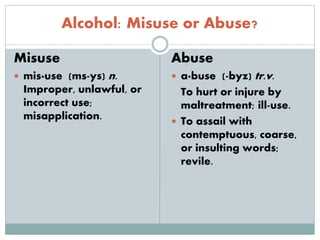
Alcohol: Misuse or Abuse?
Misuse
 mis·use (ms-ys) n.
Improper, unlawful, or
incorrect use;
misapplication.
Abuse
 a·buse (-byz) tr.v.
To hurt or injure by
maltreatment; ill-use.
 To assail with
contemptuous, coarse,
or insulting words;
revile.
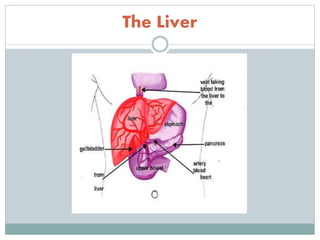
The Liver
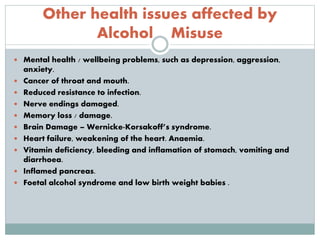
Other health issues affected by
Alcohol Misuse
 Mental health / wellbeing problems, such as depression, aggression,
anxiety.
 Cancer of throat and mouth.
 Reduced resistance to infection.
 Nerve endings damaged.
 Memory loss / damage.
 Brain Damage – Wernicke-Korsakoff’s syndrome.
 Heart failure, weakening of the heart. Anaemia.
 Vitamin deficiency, bleeding and inflamation of stomach, vomiting and
diarrhoea.
 Inflamed pancreas.
 Foetal alcohol syndrome and low birth weight babies .
Alcohol Withdrawal
 Delirium Tremens – ‘DTs’ – Not the classic ‘shakes’ but agitated
confusion, hallucinations, visual, auditory or tactile – almost like a
fever.
 Shakes – the body’s motor controls become overactive – this leads
to ‘shaking movements’.
 Seizures or Fits – these can be dangerous – also know as a ‘Grand
Mal’, this can affect 5% of people in alcohol withdrawal.
 Sickness and nausea.
 Palpitations and sweating.
 Broken sleep and appetite.
 Drinking to avoid these symptoms is called ‘Relief Drinking’
Wernicke-Korsakoff’s Syndrome.
 Wernicke Encephalopathy is the pre-cursor to Korsakoff’s
Syndrome.
 Wernicke Encephalopathy is mainly caused by a thiamine
deficiency, either because of malnutrition or alcohol use (or both),
there also a genetic factor / predisposition.
 Classic symptoms include jerky eye movements (nystagmus),
confusions and ataxia (a shaking gait/steps).
 Wernicke Encephalopathy can be treated with very high doses of
thiamine, but if left untreated, can progress to Korsakoff's
Syndrome which is not reversible.
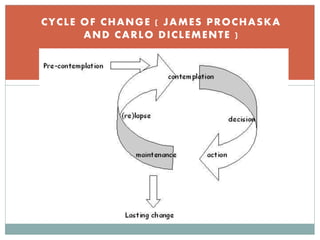
CYCLE OF CHANGE ( JAMES PROCHASKA
AND CARLO DICLEMENTE )
Alcohol Dependence
Recovery
 Recovery can be quick, or take a lifetime depending on
the individual.
 Sometimes Detoxification is necessary, this involves the
use of tranquillisers to make the withdrawal from
alcohol safer / less uncomfortable.
 Relapse is sometimes part of the process of learning
how to recover (see cycle of change).
 If you ‘force’ someone who drinks heavily to stop
drinking suddenly, they could die from a seizure.
 Seizures or Fits are the body’s response to a change in
blood enzymes, causing nervous over-arousal.
Logical Argument does Not Work
Any Questions?

Alcohol Awareness

  • 1.
    A BRIEF PRESENTATIONBY SAL VARTUCA JULY 2014 Alcohol Awareness
  • 2.
    Alcohol: Misuse orAbuse? Misuse  mis·use (ms-ys) n. Improper, unlawful, or incorrect use; misapplication. Abuse  a·buse (-byz) tr.v. To hurt or injure by maltreatment; ill-use.  To assail with contemptuous, coarse, or insulting words; revile.
  • 3.
  • 4.
    Other health issuesaffected by Alcohol Misuse  Mental health / wellbeing problems, such as depression, aggression, anxiety.  Cancer of throat and mouth.  Reduced resistance to infection.  Nerve endings damaged.  Memory loss / damage.  Brain Damage – Wernicke-Korsakoff’s syndrome.  Heart failure, weakening of the heart. Anaemia.  Vitamin deficiency, bleeding and inflamation of stomach, vomiting and diarrhoea.  Inflamed pancreas.  Foetal alcohol syndrome and low birth weight babies .
  • 5.
    Alcohol Withdrawal  DeliriumTremens – ‘DTs’ – Not the classic ‘shakes’ but agitated confusion, hallucinations, visual, auditory or tactile – almost like a fever.  Shakes – the body’s motor controls become overactive – this leads to ‘shaking movements’.  Seizures or Fits – these can be dangerous – also know as a ‘Grand Mal’, this can affect 5% of people in alcohol withdrawal.  Sickness and nausea.  Palpitations and sweating.  Broken sleep and appetite.  Drinking to avoid these symptoms is called ‘Relief Drinking’
  • 6.
    Wernicke-Korsakoff’s Syndrome.  WernickeEncephalopathy is the pre-cursor to Korsakoff’s Syndrome.  Wernicke Encephalopathy is mainly caused by a thiamine deficiency, either because of malnutrition or alcohol use (or both), there also a genetic factor / predisposition.  Classic symptoms include jerky eye movements (nystagmus), confusions and ataxia (a shaking gait/steps).  Wernicke Encephalopathy can be treated with very high doses of thiamine, but if left untreated, can progress to Korsakoff's Syndrome which is not reversible.
  • 7.
    CYCLE OF CHANGE( JAMES PROCHASKA AND CARLO DICLEMENTE )
  • 8.
    Alcohol Dependence Recovery  Recoverycan be quick, or take a lifetime depending on the individual.  Sometimes Detoxification is necessary, this involves the use of tranquillisers to make the withdrawal from alcohol safer / less uncomfortable.  Relapse is sometimes part of the process of learning how to recover (see cycle of change).  If you ‘force’ someone who drinks heavily to stop drinking suddenly, they could die from a seizure.  Seizures or Fits are the body’s response to a change in blood enzymes, causing nervous over-arousal.
  • 9.
  • 10.